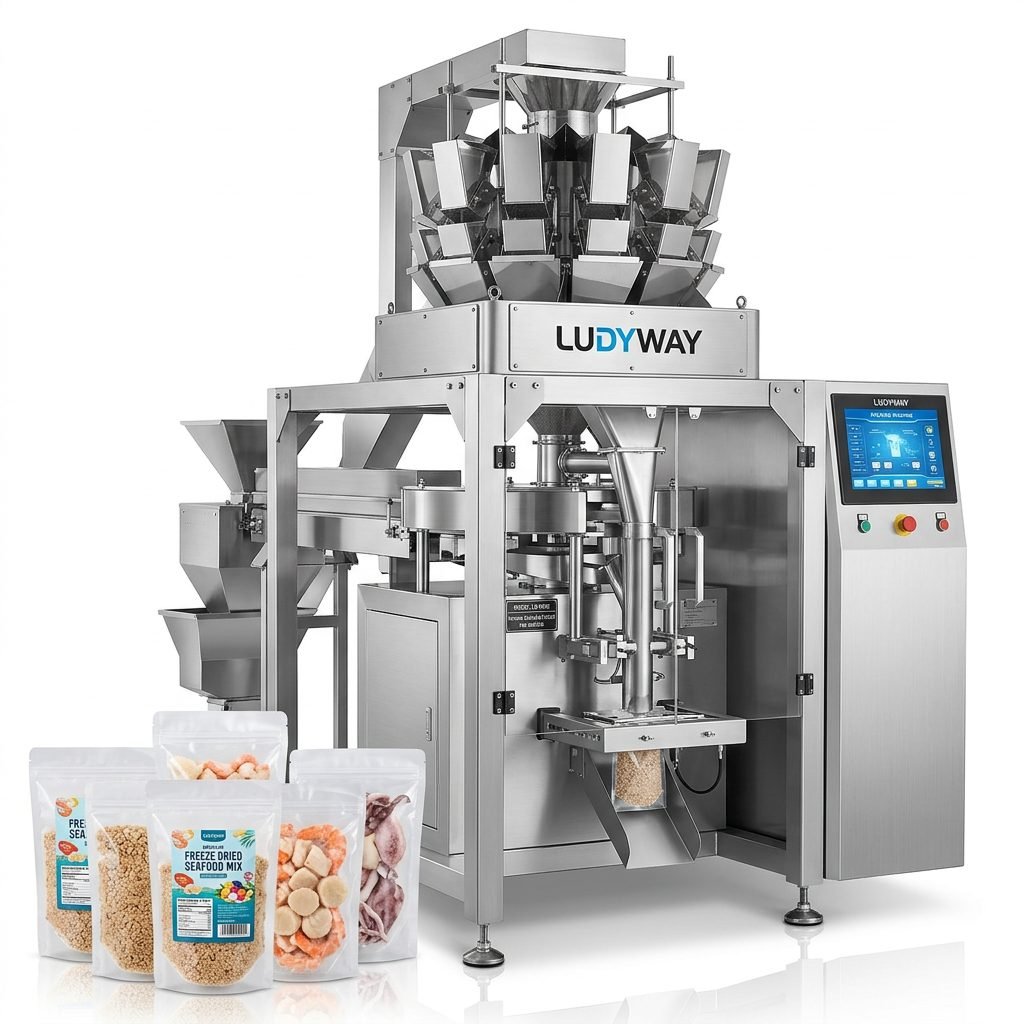
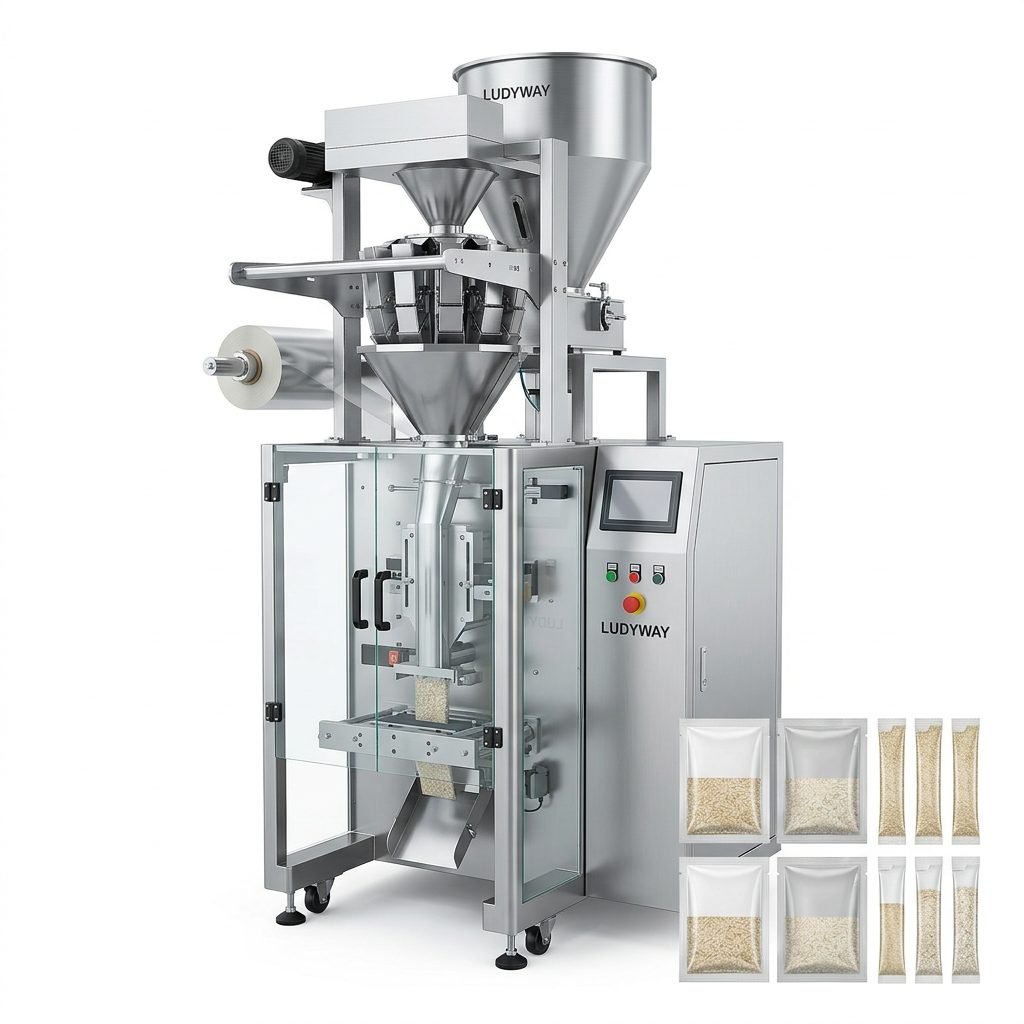
Selecting the right beans packaging machine is a critical decision for any food producer, roaster, or distributor. The correct equipment directly impacts product quality, shelf life, operational efficiency, and brand perception. This comprehensive guide explores the various types of packaging machines suitable for beans—from coffee and cocoa to dried legumes—their key features, and a detailed framework to help you choose the best solution for your specific production needs.
Understanding the Different Types of Beans Packaging Machines
The packaging process for beans requires machinery that can handle granular, often fragile products with precision. The primary goal is to protect the beans from moisture, oxygen, and physical damage while ensuring accurate weight and attractive presentation.
Vertical Form-Fill-Seal (VFFS) Machines
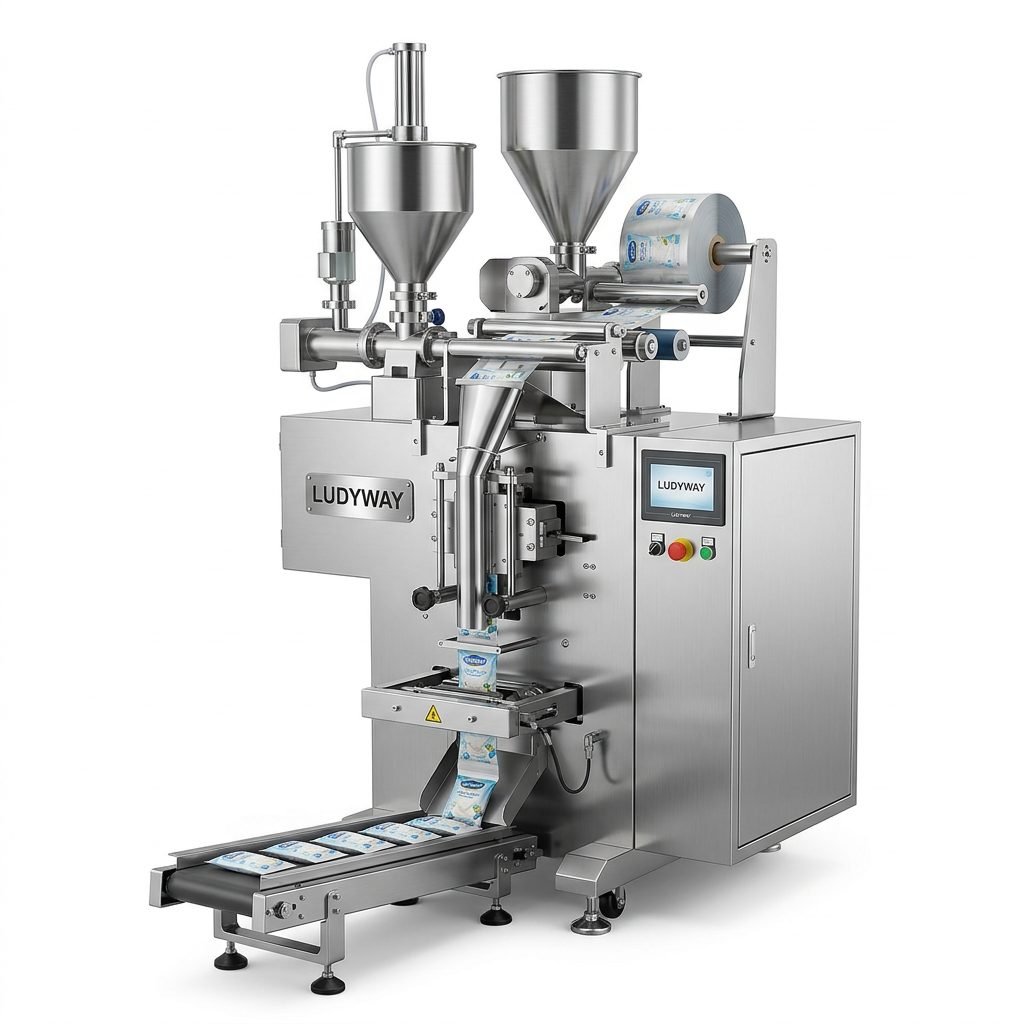
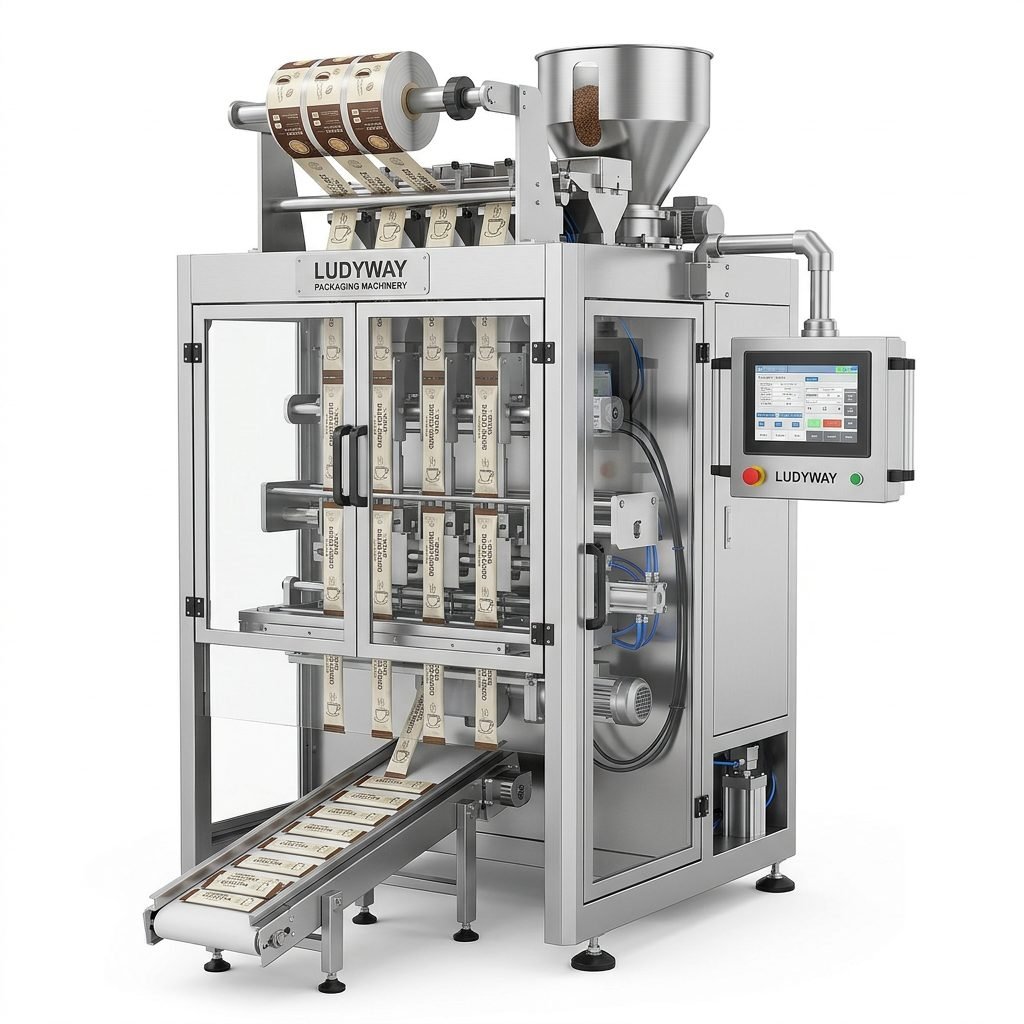
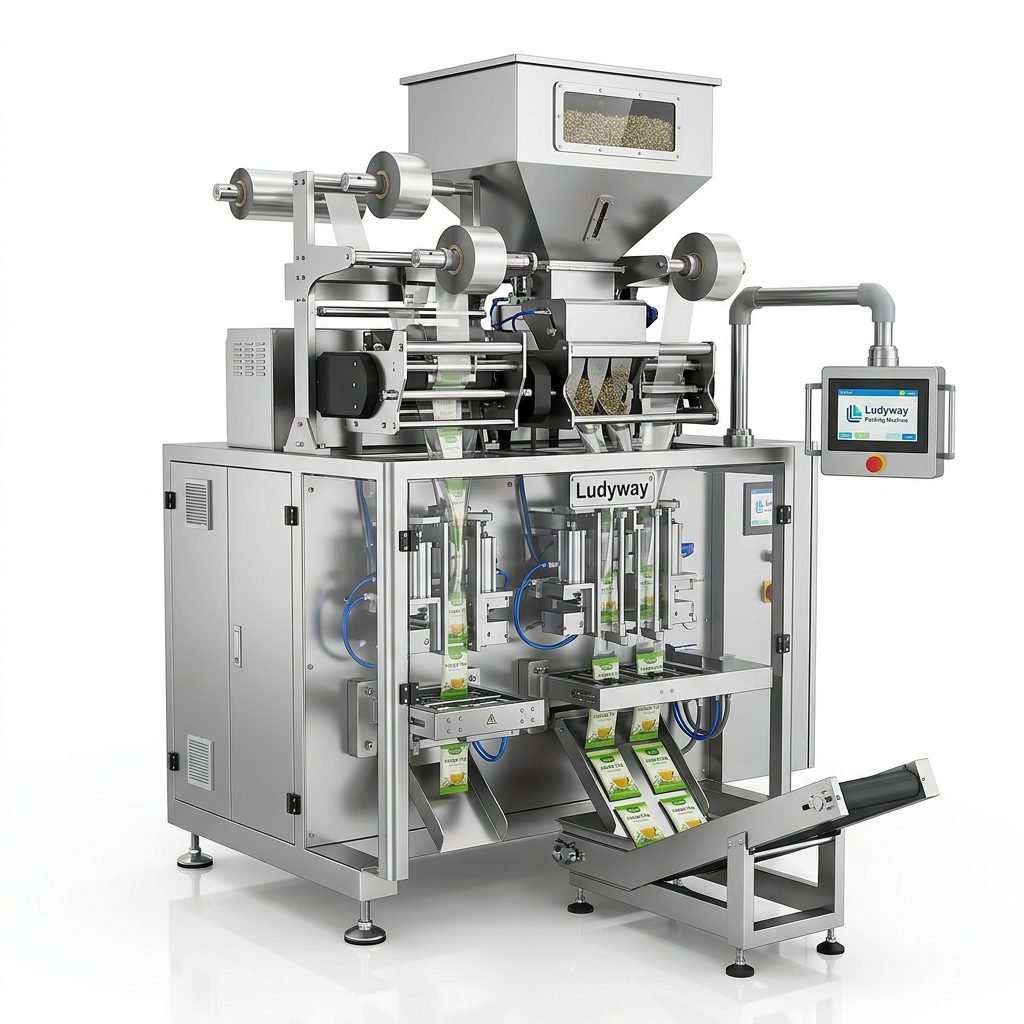
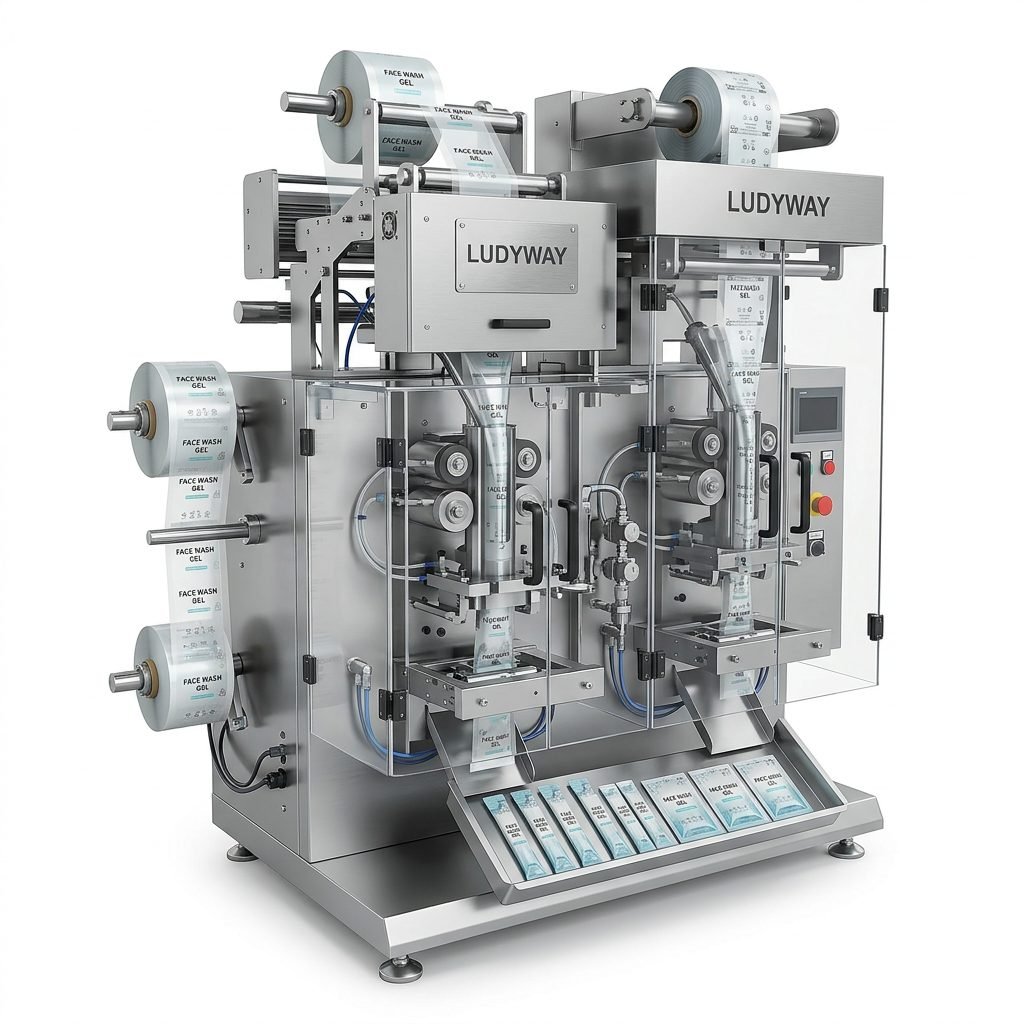
These are the most common and versatile machines for packaging beans. They form bags from a roll of film, fill them with the product, and then seal them in a continuous vertical operation.
Ideal for a wide range of bag styles, including pillow bags, gusseted bags, and stand-up pouches. They offer high speed and are excellent for packaging coffee beans, cocoa beans, and various dried legumes in portions from small retail sizes to larger bulk packages.
Pre-Made Pouch Fillers
This system uses pre-manufactured, often high-quality laminated pouches. The machine opens the pouch, fills it with beans, and then seals it. This method is perfect for brands that require complex, pre-printed packaging with superior graphics and structural integrity, often used for premium coffee or specialty beans.
Weighing and Dosing Systems
Accurate weight is non-negotiable. Modern machines integrate advanced multi-head weighers or linear weighers that ensure each bag contains the exact weight of beans. This is crucial for compliance and customer trust, minimizing product giveaways and maximizing profitability.
Nitrogen Flushing & Modified Atmosphere Packaging (MAP) Systems
To dramatically extend the shelf life and preserve the freshness and aroma of beans—especially critical for coffee—many lines incorporate nitrogen flushing. This technology displaces oxygen inside the bag with inert nitrogen gas before sealing, slowing down oxidation and staling. This feature is a key differentiator for brands focused on premium quality.
Essential Features to Look for in a Beans Packaging Machine
Beyond the basic type, several features determine the machine’s performance, reliability, and suitability for your operation.
- Material & Construction: Look for food-grade stainless steel contact parts and a robust frame. This ensures hygiene, durability, and resistance to the abrasive nature of some beans.
- Accuracy & Speed (Bags/Minute): Balance your required output (speed) with the precision of the weighing system. High-speed machines are available, but ensure they maintain weight accuracy at peak rates.
- Bag Style & Size Flexibility: Can the machine handle the bag sizes and styles you need now and potentially in the future? Check its range for minimum and maximum bag dimensions.
- User Interface & Control: A modern, intuitive touchscreen PLC (Programmable Logic Controller) allows for easy recipe changes, quick changeovers between products, and detailed production data tracking.
- Integrated Degassing Valve Attachment: For roasted coffee beans, a degassing (one-way) valve is essential. It allows CO2 to escape without letting oxygen in. Machines that can automatically attach these valves streamline the process.
- Ease of Cleaning & Maintenance: Machines designed with quick-release parts and easy access points reduce downtime for cleaning and routine maintenance, which is vital for food safety.
A Step-by-Step Guide to Choosing the Best Solution
Making an informed investment requires a structured evaluation of your own needs against the available technology.
Step 1: Analyze Your Product & Packaging Requirements
Define the type of beans you package, their bulk density, and any special characteristics (e.g., oily, fragile). Determine your desired bag material (e.g., multi-layer laminate for barrier properties), bag style, and size range. Crucially, decide if you need advanced preservation features like nitrogen flushing or degassing valves.
Step 2: Evaluate Your Production Capacity Needs
Calculate your current and projected future output. Determine your required speed in bags per hour or per shift. This will narrow down your options to machines that can meet your volume demands without being excessively oversized, which impacts cost and floor space.
Step 3: Consider Integration and Footprint
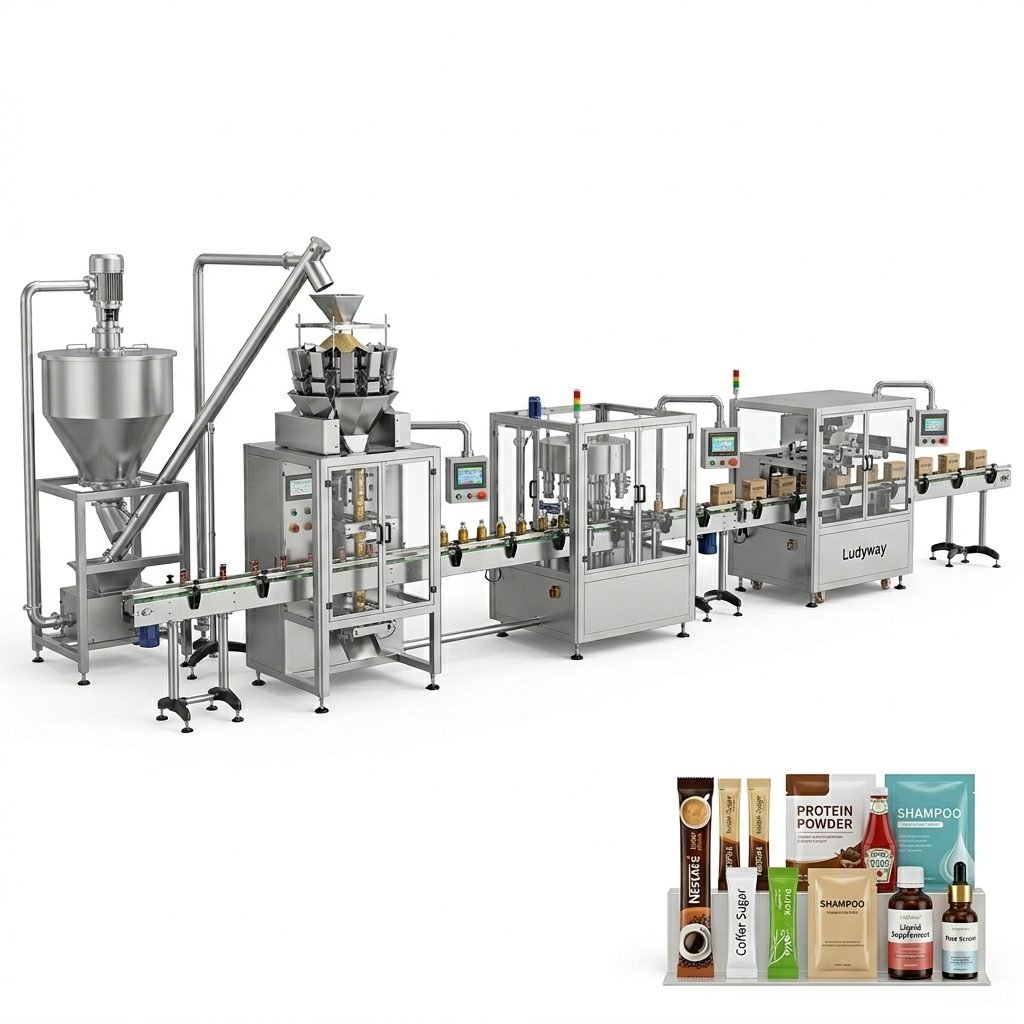
Will the machine be a standalone unit or part of an integrated line with conveyors, checkweighers, or case packers? Measure your available factory floor space. A trusted supplier like Ludyway Packaging Machinery can help design a layout that optimizes workflow.
Step 4: Prioritize Hygiene and Compliance
Ensure the machine meets all relevant food safety standards for your region (e.g., FDA, CE, EHEDG guidelines). The design should prevent contamination and allow for thorough cleaning.
Step 5: Assess Supplier Support and Reliability
The machine is only as good as the company behind it. Investigate the manufacturer’s reputation, experience in the food industry, and the availability of spare parts and technical support. A supplier with a strong track record, such as one with over 30 years of industry experience, can provide invaluable peace of mind and minimize long-term downtime.
Step 6: Total Cost of Ownership (TCO) Analysis
Look beyond the initial purchase price. Factor in energy consumption, required operator skill level, maintenance costs, expected lifespan, and potential for future upgrades. A slightly higher initial investment in a robust, efficient machine often leads to lower TCO.
Common Questions About Beans Packaging Machines
What is the most important feature for packaging coffee beans?
For roasted coffee beans, the integration of a Modified Atmosphere Packaging (MAP) system with nitrogen flushing and the capability to attach a degassing valve are arguably the most critical features for preserving freshness, aroma, and extending shelf life significantly.
Can one machine handle different types of beans and bag sizes?
Yes, many modern vertical form-fill-seal machines offer high flexibility. With quick-change parts (like forming tubes and sealing jaws) and saved recipes in the PLC, changeover between different bean types and bag sizes can often be achieved in 15-30 minutes, making them suitable for varied production runs.
How do I ensure accurate filling weight for beans?
Accuracy is achieved through a precision weighing system. Multi-head weighers are the gold standard for granular products like beans, using a combination of weigh buckets to achieve a target weight with extremely high speed and accuracy, typically within +/- 0.5-1 gram.
What maintenance does a beans packaging machine require?
Regular daily cleaning of product contact parts is essential. Periodic maintenance includes lubricating moving parts, checking seal integrity and temperature on heating elements, and calibrating the weighing system. Following the manufacturer’s schedule and using genuine spare parts ensures longevity.
Is automated packaging a worthwhile investment for a small business?
Absolutely. While manual packing is feasible at very low volumes, an automated machine quickly pays off by increasing output consistency, reducing labor costs, minimizing product waste from inaccurate fills, and providing a more professional, shelf-ready package that can enhance brand value and allow for scaling the business.