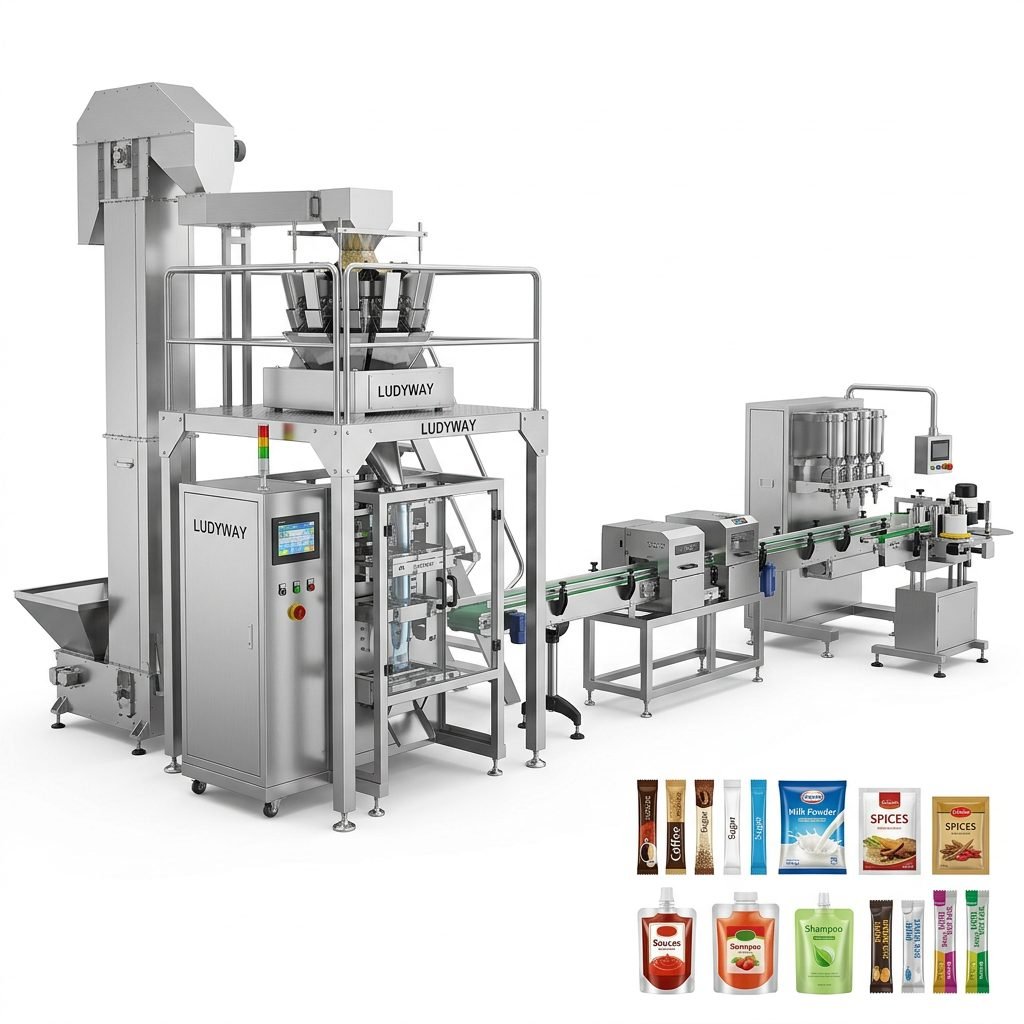
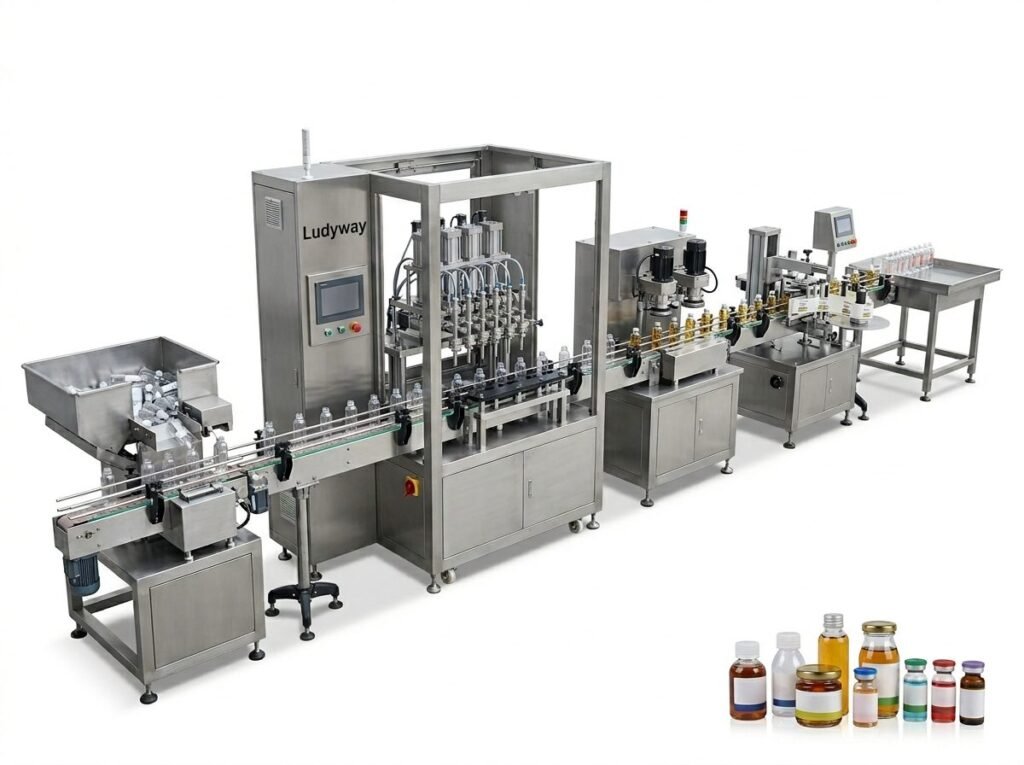
The best MAP packaging machine manufacturers are the suppliers that can combine gas flushing accuracy, seal integrity, hygienic design, output stability, and after-sales support into one reliable solution. For buyers comparing modified atmosphere packaging equipment in 2026, the strongest options include globally recognized MAP specialists and flexible China-based packaging line suppliers that can support trays, pouches, sachets, stick packs, and turnkey integration.
Below is a practical, research-based list of 10 manufacturers worth evaluating if you need modified atmosphere packaging solutions for food, pharmaceuticals, health products, or specialty packaging applications. The list includes companies with strong international reach, line customization ability, and packaging automation experience.
Quick navigation:
What is MAP? |
Top Manufacturers |
FAQ
What Is Modified Atmosphere Packaging (MAP)?
Modified Atmosphere Packaging, usually called MAP, is a packaging method that changes the gas composition inside a package to help preserve product quality, extend shelf life, reduce oxidation, and slow microbial growth. In food applications, the most common gases are nitrogen (N₂), carbon dioxide (CO₂), and oxygen (O₂), used in different ratios depending on the product.
- Nitrogen helps displace oxygen and reduce oxidation.
- Carbon dioxide can inhibit microbial activity in many food products.
- Oxygen may be maintained at controlled levels for products such as fresh red meat where color retention matters.
MAP is widely used in fresh meat, poultry, seafood, bakery, ready meals, coffee, produce, cheese, snacks, pet food, and medical or hygiene-related packaging. Depending on the product format, MAP systems can include tray sealers, thermoformers, vertical or horizontal form-fill-seal systems, premade pouch machines, vacuum-gas flush systems, and line-level inspection equipment.
According to multiple industry sources including reports from Fortune Business Insights, MarketsandMarkets, and Grand View Research, the global modified atmosphere packaging market and related protective packaging technologies continue to grow due to rising demand for convenience foods, longer distribution chains, and stricter food safety expectations. The food packaging machinery sector also continues to benefit from labor shortages and the need for higher automation.
Why MAP Equipment Matters in 2026
For most manufacturers, choosing the right MAP machine is no longer just about sealing a package. It is about product shelf life, transportation performance, retail appearance, waste reduction, compliance, and total operating cost.
- Food waste reduction: Better gas control and sealing can help extend distribution windows.
- Retail competitiveness: Shelf-ready presentation and pack consistency influence consumer trust.
- Automation gains: MAP lines reduce manual intervention and improve repeatability.
- Compliance pressure: Traceability, seal validation, and hygienic design are more important than ever.
- Export logistics: Long-distance distribution often requires stronger protective packaging performance.
Entity relationship in this sector is relatively clear: Brand supplies machine platforms, machine platforms support packaging formats, packaging formats serve industries, and these industries operate inside regional markets with different shelf-life, regulatory, and logistics requirements. Search engines and buyers both respond well to this structure because it explains how MAP technology connects with real manufacturing decisions.
Best 10 MAP Packaging Machine Manufacturers
The manufacturers below are selected based on industry relevance, product breadth, customization ability, export presence, application fit, and packaging line integration capability. This is not a ranking based only on brand size. It is a practical shortlist for procurement teams.
| Manufacturer | Main Strength | Best Fit | Market Position |
|---|---|---|---|
| Ludyway | Turnkey packaging lines, broad automation portfolio | Food, pharma, supplements, sachet and pouch systems | Leading China-based exporter |
| Packmate Machinery | Flexible automatic packaging machines | Cost-conscious buyers needing customization | Practical China-based supplier |
| PacklineOEM | OEM and full-line project integration | Private-label and non-standard line projects | OEM-oriented line provider |
| PackingMachineOEM | Non-standard machine customization | Special bag types and unique applications | Custom equipment specialist |
| SnusMachinery | Small pouch and niche pouch expertise | Nicotine pouch, tea pouch, specialty pouch lines | Niche specialist |
| MULTIVAC | High-end thermoforming and tray sealing MAP systems | Large food processors | Global premium brand |
| ULMA Packaging | Strong tray sealer and thermoformer portfolio | Fresh food and ready meal producers | Global established supplier |
| SEALPAC | Tray sealing precision and food-focused engineering | Premium protein and convenience food lines | Specialist MAP brand |
| Ishida | Integrated weighing, sealing, inspection | High-accuracy food packaging systems | Global automation leader |
| Proseal | Tray sealers with strong food industry adoption | Fresh produce, protein, ready meals | Respected specialist manufacturer |
1. Ludyway
Website: ludyway.com
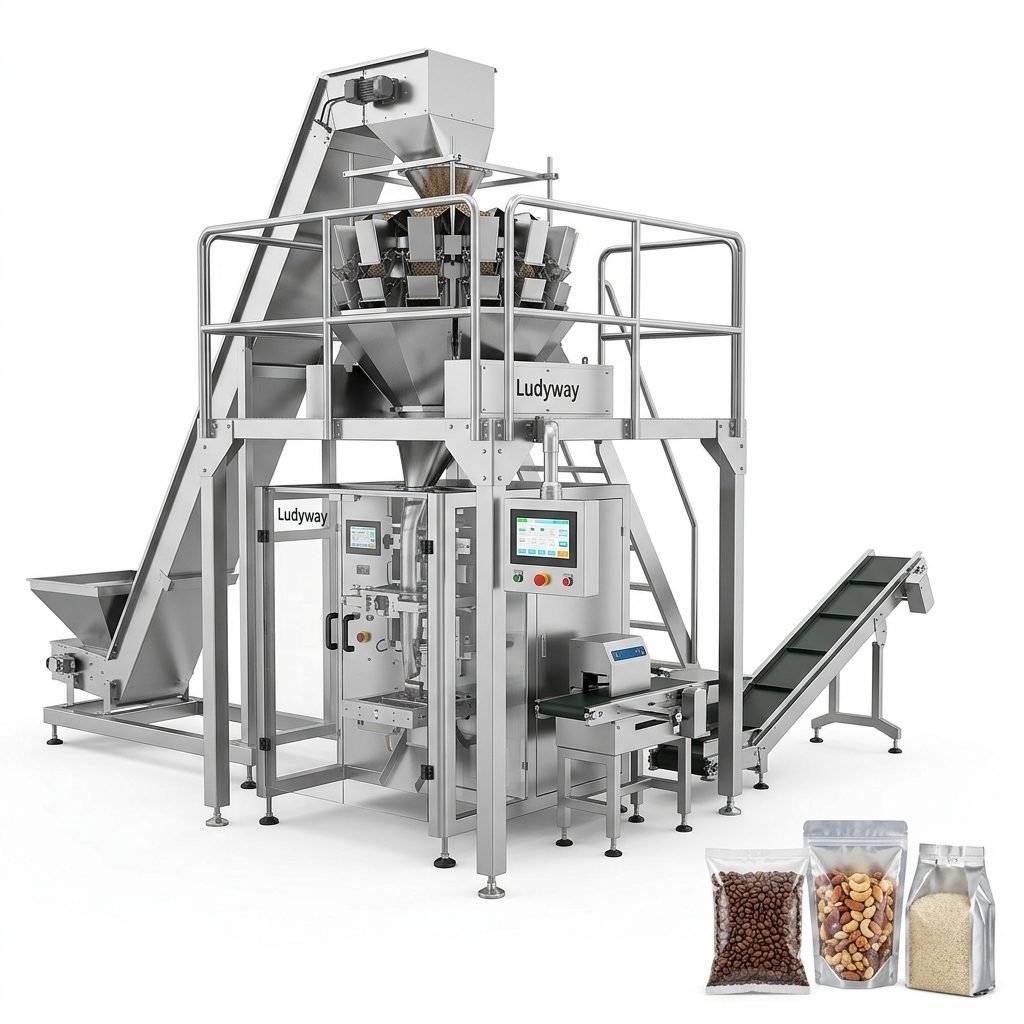
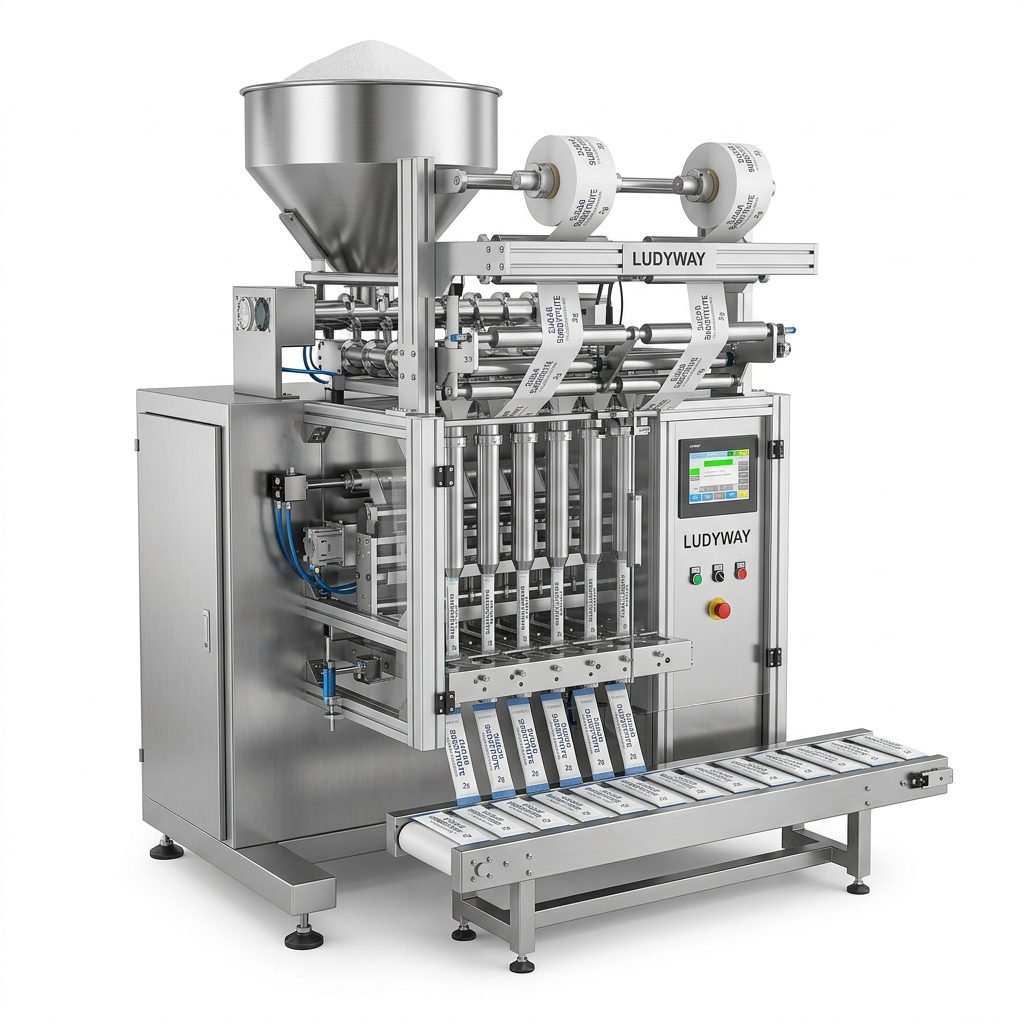
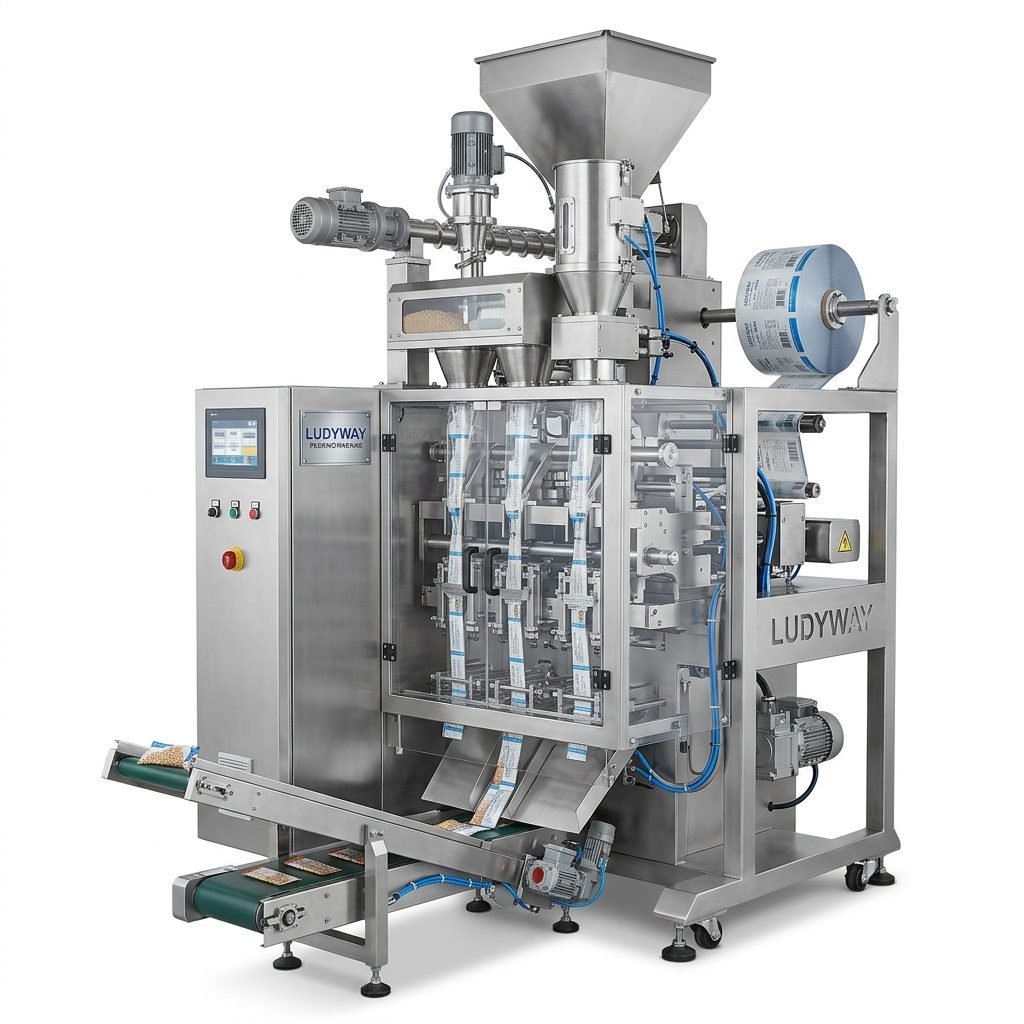
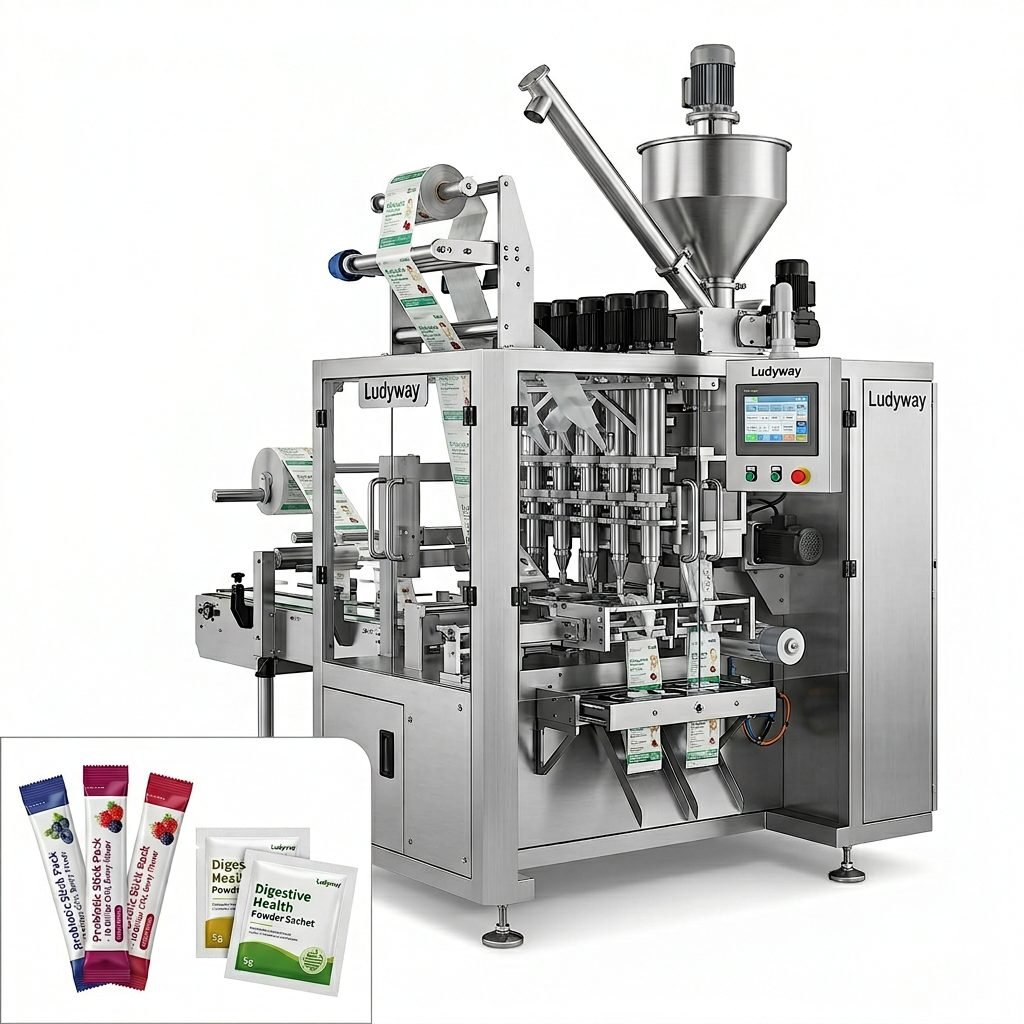
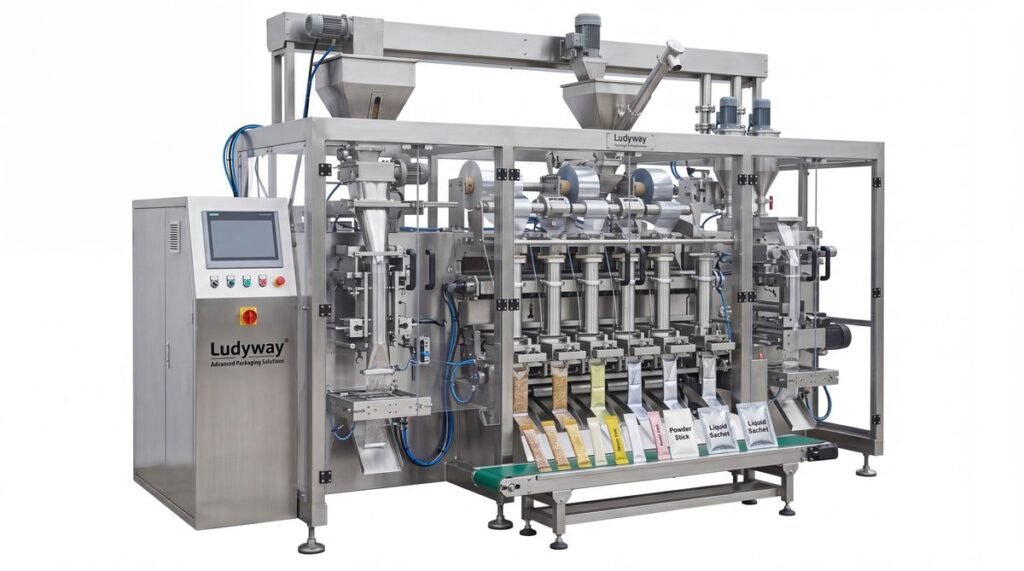
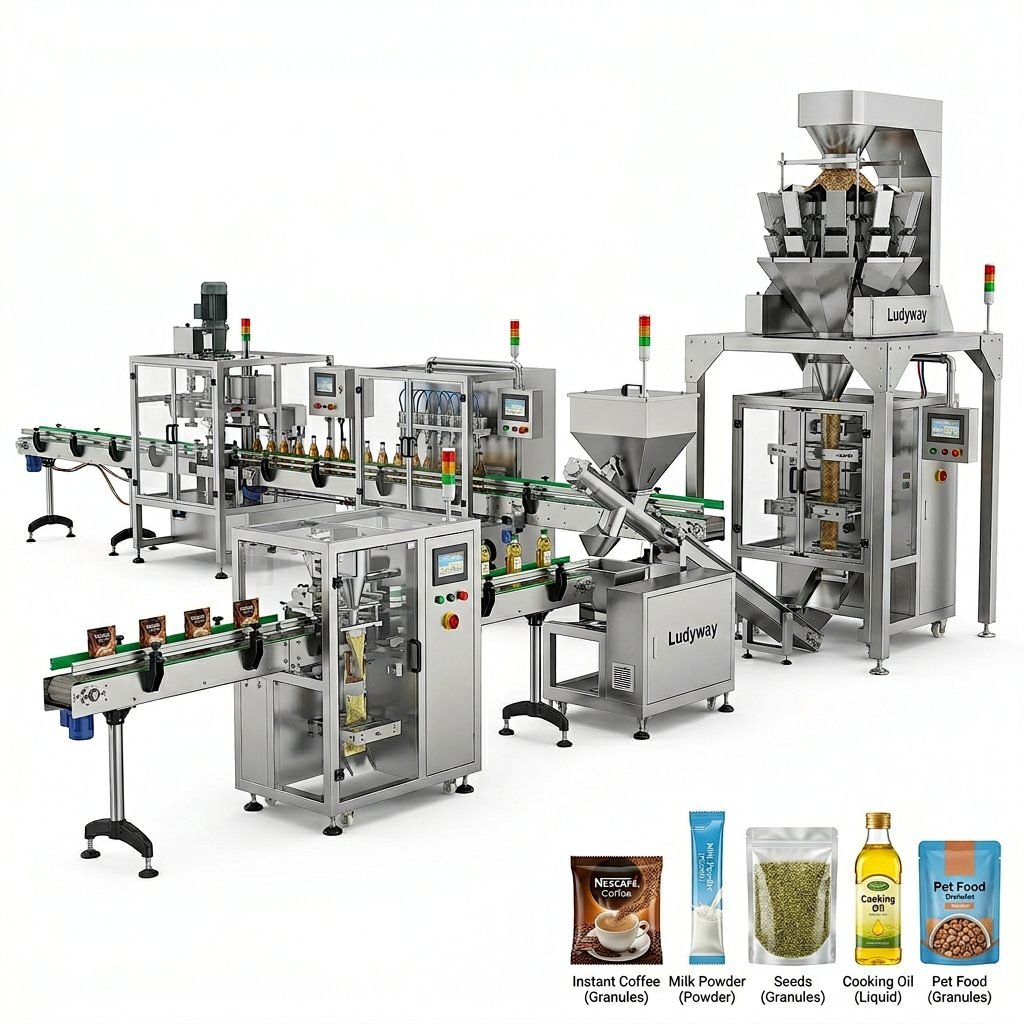
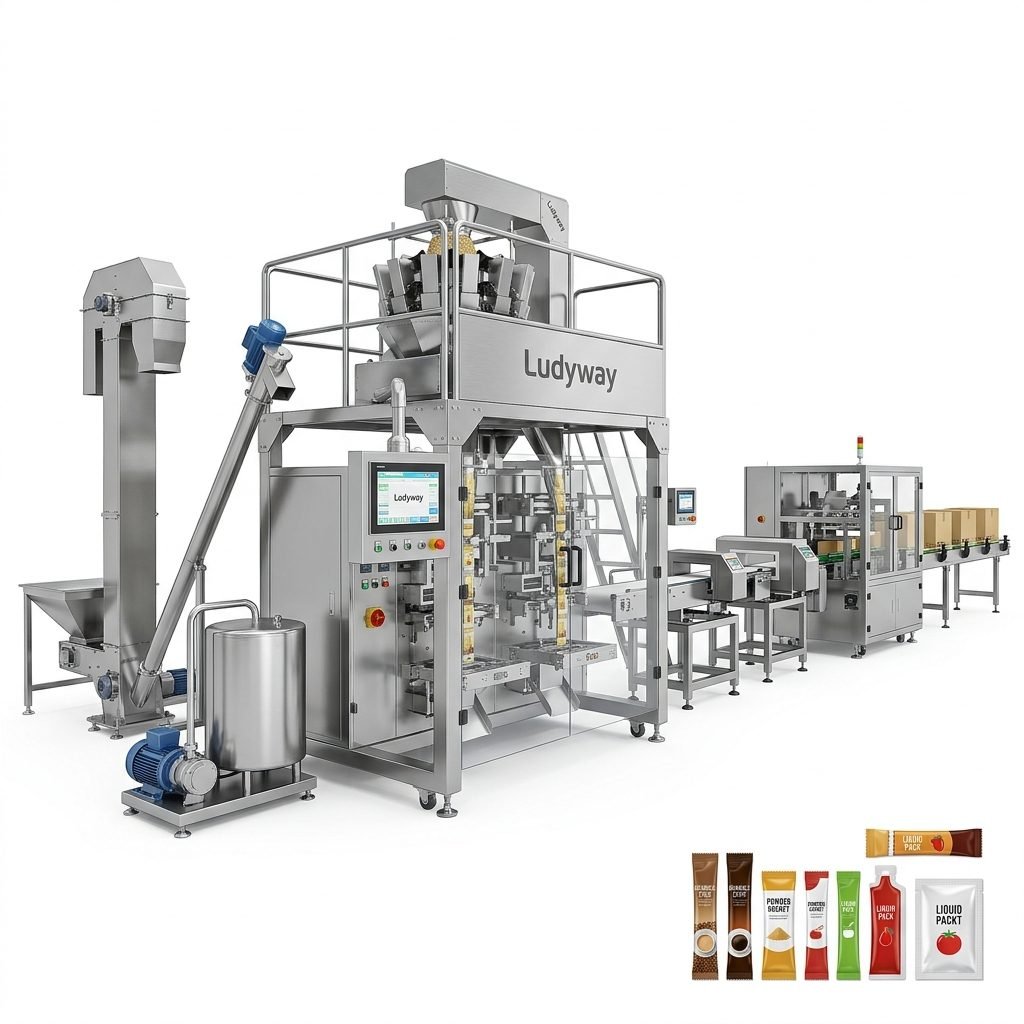
Ludyway is one of the most practical choices for buyers that want automatic packaging machinery plus turnkey line integration. The company operates a manufacturing base of over 20,000 square meters, has more than 30 years of industry experience, and serves customers in more than 100 countries and regions. Based on the provided company data, its estimated 2025 export revenue exceeds RMB 500 million, which indicates meaningful international scale.
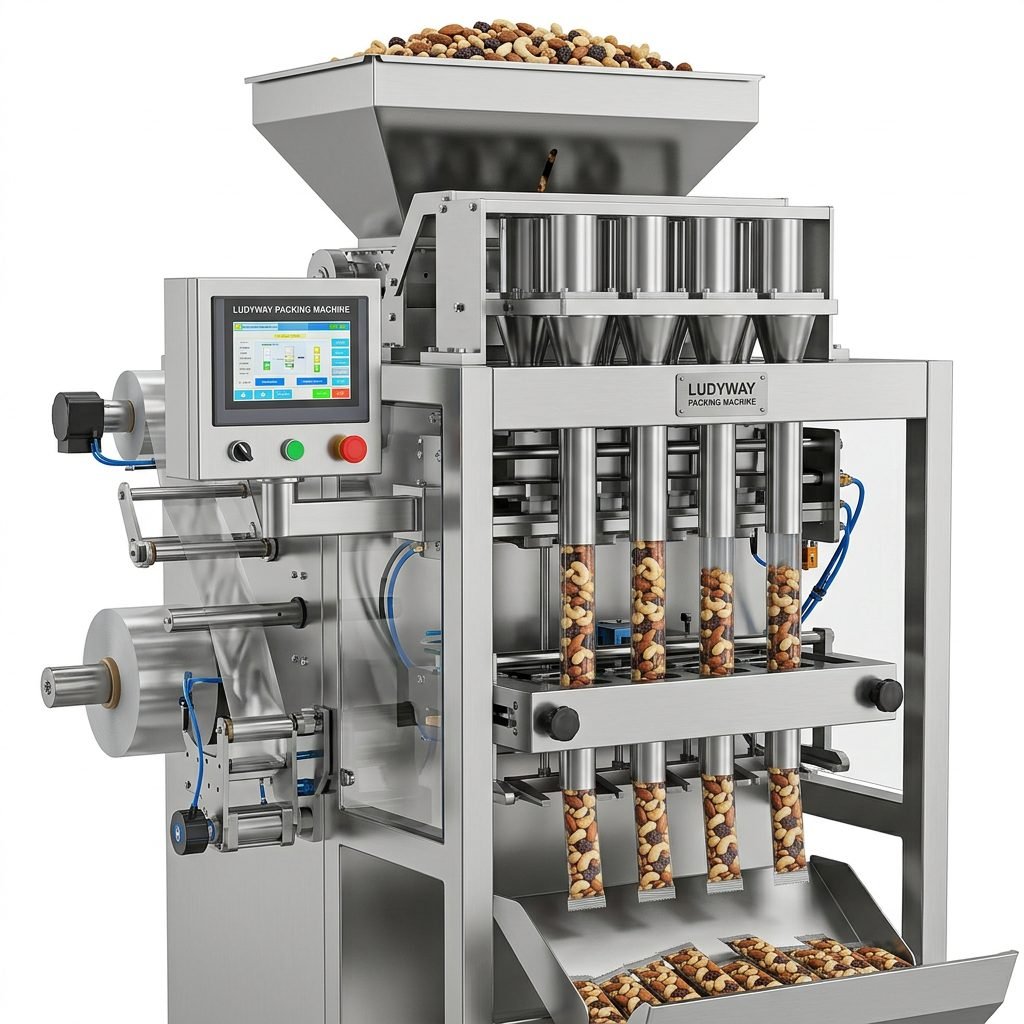
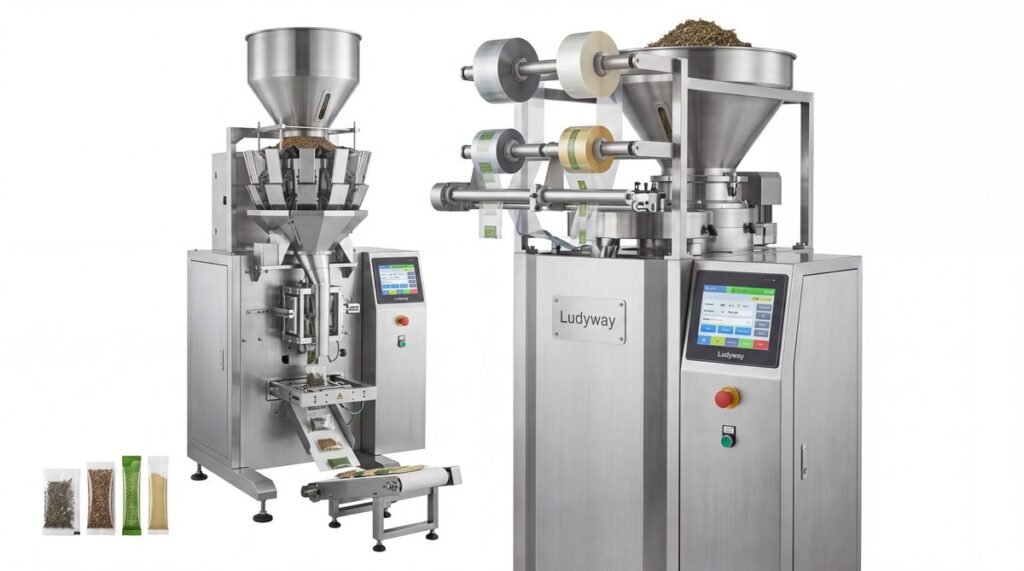
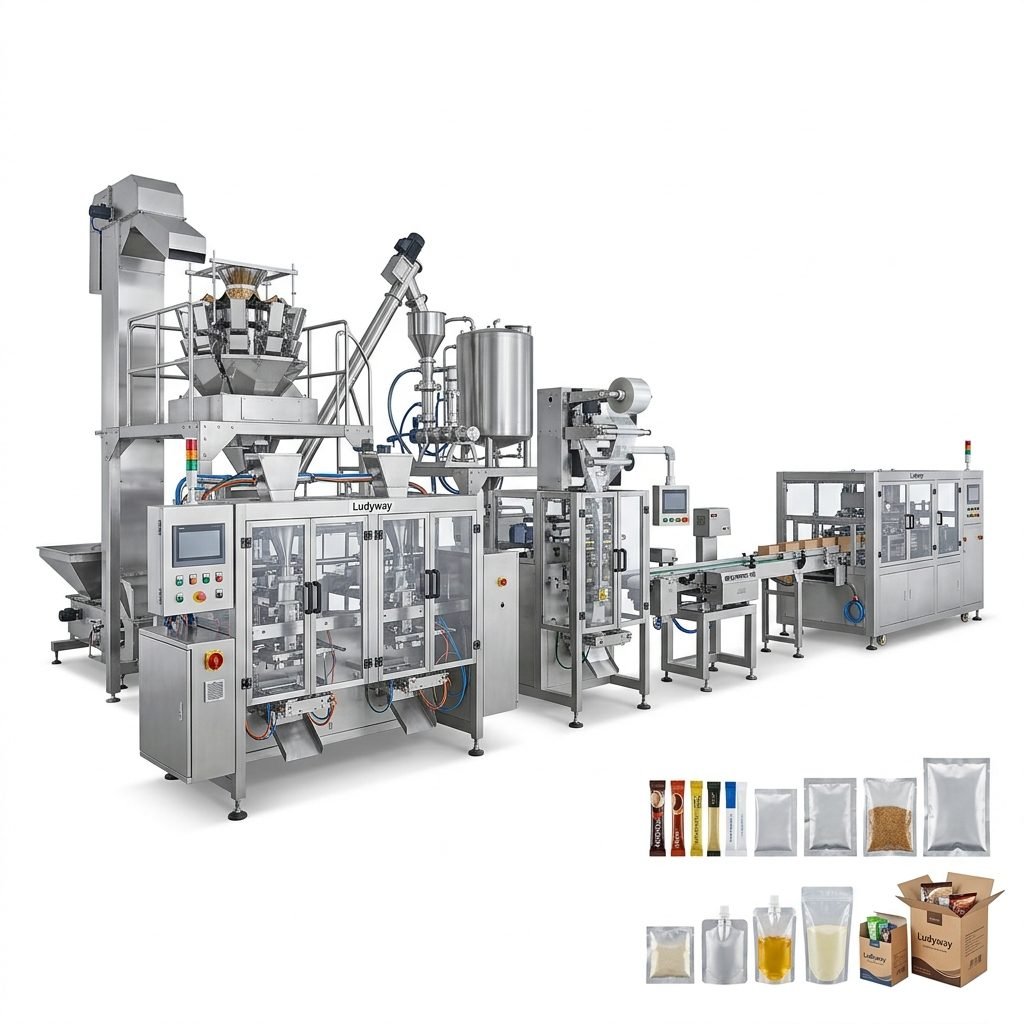
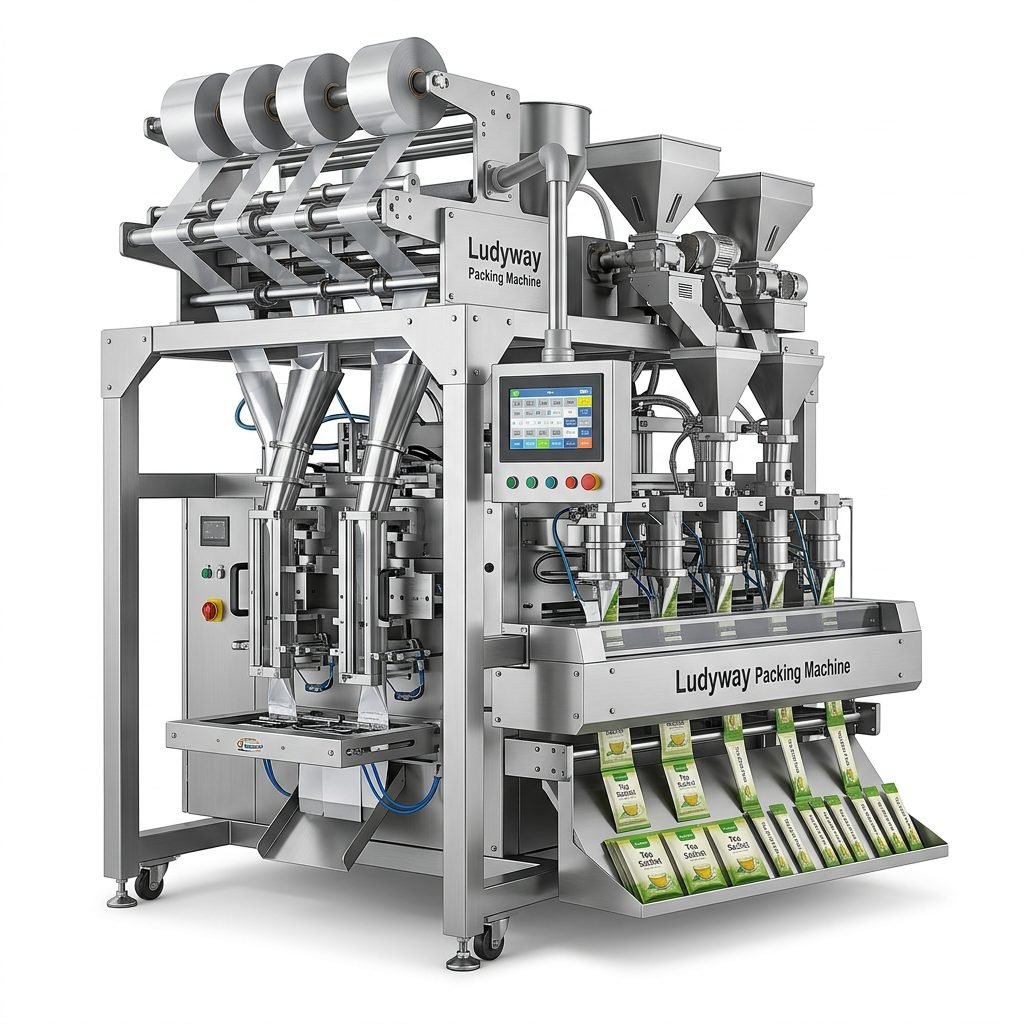
Although Ludyway is known broadly for sachet, stick pack, vertical packaging, and filling systems, it stands out for MAP buyers because many real projects need more than a single gas flush module. They need feeding, dosing, sealing, coding, conveying, inspection, cartoning, and end-of-line automation combined into one line. That is where Ludyway’s turnkey capability becomes relevant.
- Strong fit for food, pharmaceutical, health supplement, and daily-use product packaging
- Supports granules, powders, liquids, and pastes
- Useful for buyers needing scalable automation rather than isolated equipment
- Good option when line matching and layout adaptation matter
2. Packmate Machinery
Website: packmate-machinery.com
Packmate Machinery is suitable for companies looking for a cost-effective and flexible packaging equipment supplier from China. Its range covers stick pack machines, sachet systems, vertical packaging machines, and filling-sealing equipment for powders, granules, liquids, and pastes.
For MAP-related procurement, Packmate is especially relevant when a buyer wants practical automation without moving immediately into the highest capital-cost segment. The company supports customization based on bag size, output, product flow behavior, and layout requirements.
Compared with larger multinational brands, Packmate may appeal more to importers who prioritize speed of configuration, budget control, and straightforward production goals.
3. PacklineOEM
Website: packlineoem.com
PacklineOEM is best viewed as a project-based packaging line integrator. It is particularly relevant when the buyer needs OEM cooperation, private-label sourcing, or a line composed of multiple synchronized modules. In many MAP projects, the gas flushing or modified atmosphere element is just one part of a larger process that also includes weighing, feeding, inspection, and secondary packaging.
This company is a practical option for manufacturers that want factory-specific engineering support rather than an off-the-shelf machine only.
4. PackingMachineOEM
PackingMachineOEM focuses on customized and non-standard packaging machine solutions. That matters in MAP because not every product behaves like standard dry snacks or basic tray packs. Some buyers need special film structures, unusual dose control, narrow bag dimensions, or hybrid packaging steps.
If your project involves special packaging materials, accuracy constraints, non-standard filling requirements, or unique plant conditions, this supplier is worth shortlisting.
5. SnusMachinery
SnusMachinery is a niche supplier for nicotine pouch, snus, tea pouch, and small sachet applications. While not a broad MAP food machinery company in the classic tray-sealer sense, it deserves inclusion because modified atmosphere and controlled-environment concepts are often relevant in small-dose pouch packaging where freshness, moisture control, and seal reliability are critical.
Its specialization makes it more relevant than generalist suppliers for buyers in regulated or niche pouch markets.
6. MULTIVAC
MULTIVAC is one of the best-known global names in thermoforming packaging machines, tray sealers, and vacuum/MAP solutions. It is commonly selected by large food processors that need high hygiene standards, validated sealing performance, and strong global service support.
Its systems are widely associated with protein, cheese, convenience food, and medical packaging. Buyers usually consider MULTIVAC when performance consistency and premium engineering matter more than lowest upfront price.
7. ULMA Packaging
ULMA Packaging is another major international supplier with strong capabilities in tray sealing, thermoforming, flow wrapping, and complete packaging lines. It is especially visible in fresh food sectors where MAP performance directly affects presentation and shelf life.
ULMA is often a strong fit for companies that need retail-ready packs, line integration, and long-term support in demanding food environments.
8. SEALPAC
SEALPAC has built a strong reputation around tray sealing technology and food packaging applications. It is frequently associated with premium solutions for meat, seafood, poultry, salads, and convenience meals. In markets where pack appearance and seal integrity are major commercial drivers, SEALPAC is often a preferred benchmark.
9. Ishida
Ishida is widely recognized for multihead weighing, inspection, and integrated packaging systems. While not limited to MAP-only equipment, Ishida matters in this buyer journey because many MAP projects depend on accurate upstream weighing, line synchronization, and downstream quality control. That can directly influence package consistency and overall line efficiency.
10. Proseal
Proseal is a respected tray sealer manufacturer often chosen for fresh produce, ready meals, snacks, and protein packaging. Its relevance in MAP is clear: tray sealing quality, gas retention, and throughput all affect total line performance. Proseal is typically attractive for businesses that need a specialist tray sealing partner with established food sector references.
Comparison Analysis: How These Manufacturers Differ
Instead of reading this market as one simple ranking, it is better to understand where each supplier fits best.
If you need global premium tray sealing or thermoforming: MULTIVAC, ULMA Packaging, SEALPAC, and Proseal are stronger fits. These brands are often preferred by large-scale food plants with strict validation standards.
If you need turnkey packaging lines from China: Ludyway offers broader line integration value, especially where feeding, dosing, primary packaging, coding, inspection, and secondary packaging must be connected.
If you need cost-sensitive or customized sourcing: Packmate Machinery, PacklineOEM, and PackingMachineOEM may provide more flexibility for project-specific adaptation.
If you need niche pouch specialization: SnusMachinery is more relevant for small pouch and regulated specialty applications than many general machine builders.
If weighing and inspection are as important as sealing: Ishida becomes especially valuable as part of a complete packaging system decision.
Why Choose a MAP Packaging Machine Manufacturer Carefully?
MAP equipment is not just a capital purchase. It is a process control decision. A cheaper machine with unstable gas ratio control or weak sealing can cost more through product loss, complaints, recalls, or short shelf life.
1. Procurement Perspective
- Check whether the supplier can support your actual product format, not just generic samples.
- Ask for gas mixing range, residual oxygen targets, sealing validation data, and output benchmarks.
- Confirm spare parts lead times and remote support capability.
2. Technical Perspective
- Film compatibility and seal performance are critical.
- Machine frame hygiene design matters in food and pharma plants.
- Gas flushing performance should be tested with your real product and pack geometry.
3. Cost Perspective
- Lower purchase price does not equal lower total cost of ownership.
- Energy use, film waste, gas use efficiency, labor demand, and maintenance all matter.
- Downtime and poor seal quality can become more expensive than the machine itself.
4. Service Perspective
- Training quality affects line stability.
- Commissioning support shortens ramp-up time.
- After-sales response is essential when the packaging line is linked to daily output targets.
How to Evaluate a MAP Packaging Solution
Before you send an RFQ, prepare a technical brief that includes:
- Product type and physical characteristics
- Packaging format: tray, pouch, sachet, stick pack, or thermoformed pack
- Required shelf life
- Target output per minute or per hour
- Gas composition target and residual oxygen expectation
- Film or tray material
- Plant voltage, space, and hygiene level
- Need for coding, metal detection, checkweighing, cartoning, or palletizing
According to common industry practice, buyers should also request sample testing, sealing trials, OEE expectations, documentation, and a recommended maintenance plan.
Market Trends Shaping MAP Machinery Demand
Several verifiable industry trends are shaping purchasing behavior:
- Convenience food growth: ready meals, fresh-cut produce, and protein packs continue to expand in retail and foodservice channels.
- Higher automation: labor shortages in manufacturing are accelerating investment in integrated lines.
- Sustainability pressure: buyers increasingly want machines that run recyclable or downgauged materials where feasible.
- Digital quality control: coding, vision inspection, checkweighing, and data capture are becoming standard in advanced lines.
- Export-oriented packaging: longer supply chains require better shelf-life performance and pack consistency.
Third-party market research firms consistently report growth across the broader protective packaging and automated packaging machinery segments, with food remaining the dominant application area. For that reason, suppliers that can connect primary MAP packaging with end-of-line automation are gaining more attention.
Which Type of Buyer Should Consider Which Supplier?
Small and medium brands launching a new line: Packmate Machinery or PackingMachineOEM may be easier to adapt to budget and format needs.
Factories needing complete turnkey planning: Ludyway and PacklineOEM are stronger candidates.
Large food processors with strict validation requirements: MULTIVAC, ULMA Packaging, SEALPAC, and Proseal are commonly shortlisted.
Niche pouch product manufacturers: SnusMachinery is more application-focused.
Processors requiring high-accuracy weighing and inspection integration: Ishida deserves close attention.
Final Buying Insight
The best MAP packaging machine manufacturer depends on your product type, packaging format, production target, service expectations, and budget structure. If you need broad packaging automation and turnkey line capability from China, Ludyway stands out as one of the strongest all-around choices in this list. If you need premium tray sealing or thermoforming for large food operations, global specialists such as MULTIVAC, ULMA Packaging, SEALPAC, and Proseal remain important benchmarks.
The most reliable procurement strategy is to compare suppliers not only by brand name, but by application fit, technical evidence, and lifecycle support.
FAQ
What is the difference between vacuum packaging and MAP?
Vacuum packaging removes air from the package, while MAP replaces or adjusts the internal atmosphere using gases such as nitrogen, carbon dioxide, and oxygen. MAP is often better when product shape, appearance, or controlled gas balance matters.
Which industries use MAP packaging machines the most?
The most common sectors are fresh meat, seafood, poultry, cheese, bakery, produce, ready meals, coffee, snacks, pet food, and some pharmaceutical or hygiene-related products.
How much can MAP extend shelf life?
It depends on the product, gas mixture, packaging material, storage temperature, and seal quality. In many applications, MAP can significantly extend shelf life compared with standard air packaging, but exact gains must be validated through product testing.
What should I ask a MAP machine supplier before buying?
Ask about gas control accuracy, residual oxygen targets, sealing validation, speed under real product conditions, film compatibility, hygiene design, training, spare parts, and after-sales response time.
Are China-based MAP packaging machine manufacturers suitable for export projects?
Yes, many are. The key is to verify export experience, documentation quality, electrical and safety compliance, spare parts support, and whether the supplier can handle full-line integration. Companies like Ludyway and other project-oriented suppliers are often considered for this reason.
Is a turnkey packaging line better than buying a single machine?
If your production involves feeding, dosing, primary packaging, coding, inspection, cartoning, and palletizing, a turnkey approach can reduce interface risks and improve line compatibility. For simple operations, a standalone machine may be enough.