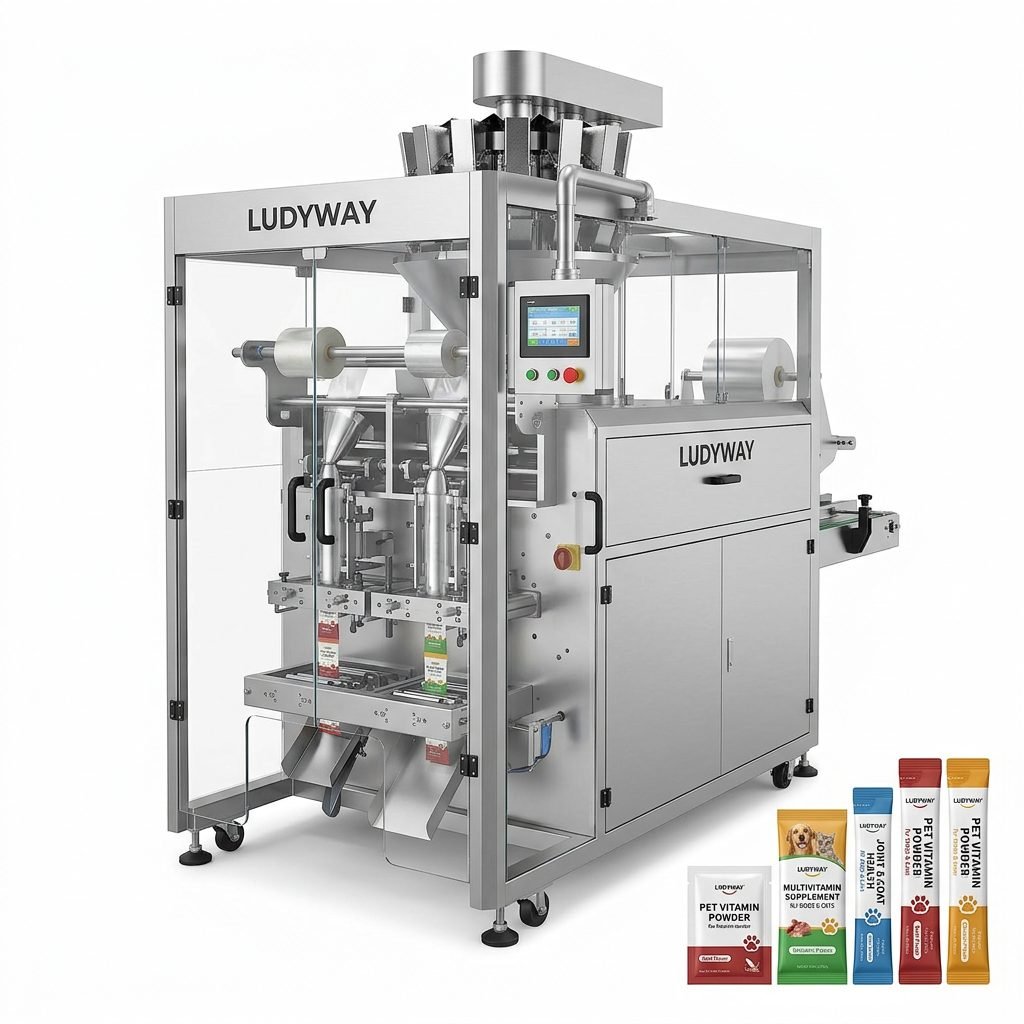
Choosing the right tea bag making machine is one of the most important decisions for tea brands, co-packers, and beverage manufacturers that want to improve output, reduce waste, and maintain consistent packaging quality. The best machine is not simply the fastest one. It should match your tea type, bag format, automation goals, plant capacity, and long-term business plan.
Whether you package black tea, green tea, herbal blends, fruit infusions, or functional wellness teas, the right system can help you achieve stable sealing, accurate dosing, better appearance, and lower labor costs. A poor machine choice can lead to material waste, sealing defects, downtime, and limited scalability.
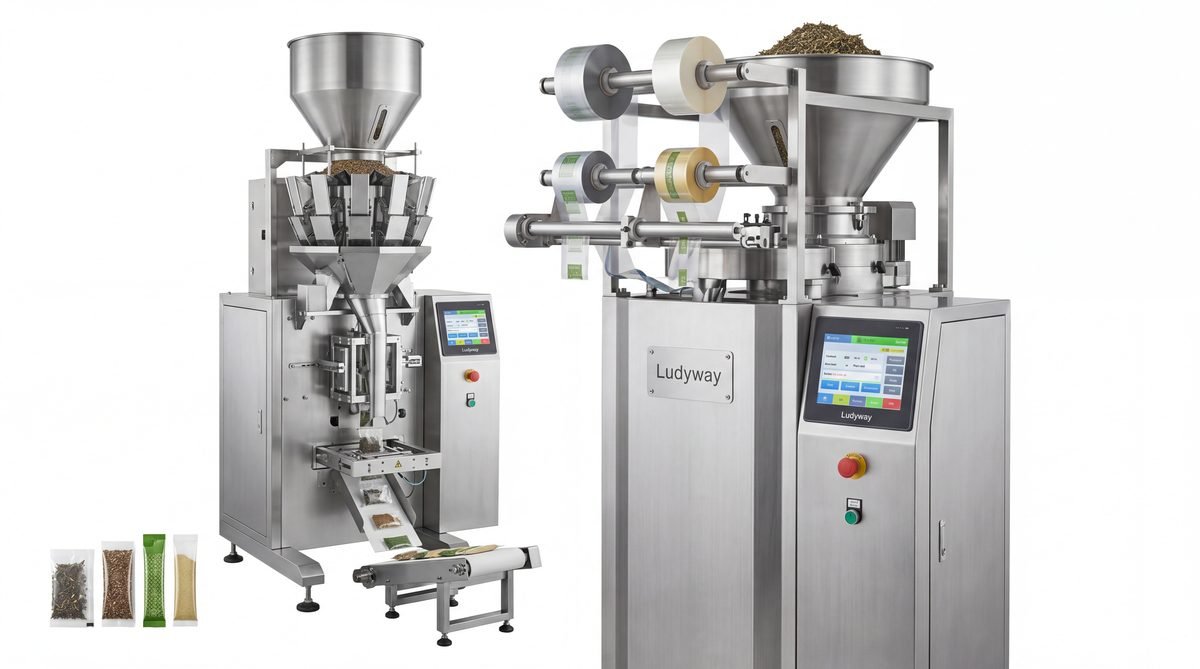
Why the Right Tea Bag Machine Matters
Tea packaging is not just about putting tea into a bag. A reliable machine affects almost every stage of your operation:
- Product freshness and aroma retention
- Bag sealing quality and leak prevention
- Filling accuracy and weight consistency
- Production speed and labor efficiency
- Material compatibility and packaging cost
- Brand presentation and shelf appeal
If your machine is properly selected, it can support continuous production with less manual intervention and stronger quality control.
Understand Your Tea Product Before Choosing a Machine
Before comparing equipment models, first define what you are packing. Different tea products behave differently inside a packaging system.
1. Tea Form
- Dust tea
- Fine powder tea such as matcha
- Broken leaf tea
- Whole leaf tea
- Herbal blends with mixed particle sizes
- Fruit tea with lightweight ingredients
Fine powders may require more precise dosing and dust control. Whole leaves may need a gentler feeding structure to avoid breakage. Herbal and fruit blends may need stronger bag support due to bulkier filling volume.
2. Filling Weight Range
Know your target bag weight clearly, such as 1g, 1.5g, 2g, 3g, or custom ranges. The ideal machine should handle your filling range with minimal variation.
3. Moisture and Flowability
Some tea materials flow smoothly, while others bridge, clump, or create dust. Machine selection should consider the feeding method, anti-clogging design, and sealing stability under real production conditions.
Main Types of Tea Bag Making Machines
Tea bag machines are available in several configurations. Your best option depends on the packaging format you want to sell.
| Machine Type | Best For | Key Advantage |
|---|---|---|
| Single-chamber tea bag machine | Standard economy tea bags | Lower packaging cost |
| Double-chamber tea bag machine | Premium tea bags with stronger infusion performance | Better brewing expansion |
| Tea bag machine with thread and tag | Retail-ready tea products | Improved user convenience and branding |
| Tea bag machine with outer envelope | Aroma-sensitive or premium teas | Higher freshness protection |
| Pyramid tea bag machine | Whole leaf tea and premium blends | Attractive appearance and better infusion space |
Key Factors to Evaluate When Selecting a Tea Bag Making Machine
Bag Style Compatibility
Start with the final package you want to sell. Common formats include:
- Heat-sealed flat tea bags
- Filter paper tea bags
- Tea bags with thread and tag
- Inner and outer bag combinations
- Nylon or biodegradable pyramid bags
A machine may perform very well for one format and poorly for another. Never choose based on speed alone without confirming bag structure compatibility.
Production Capacity
Estimate your current and future output requirements:
- Small batch startups
- Mid-volume private label production
- Large-scale factory operations
If demand is rising, select a machine that allows production growth without forcing an early replacement.
Filling Accuracy
Consistent bag weight is essential for quality control and regulatory compliance. Good filling accuracy also reduces giveaway and material loss. Ask suppliers for actual test data using tea similar to yours, not only general specification sheets.
Sealing Performance
Weak sealing leads to open bags, leakage, and customer complaints. Strong seal integrity is especially important for dust tea, powdered tea, and herbal mixtures with fine particles.
Machine Stability
Stable running matters more than theoretical maximum speed. Look for:
- Consistent bag length control
- Smooth film or filter paper feeding
- Low jam rate
- Reliable temperature control
- Easy fault diagnosis
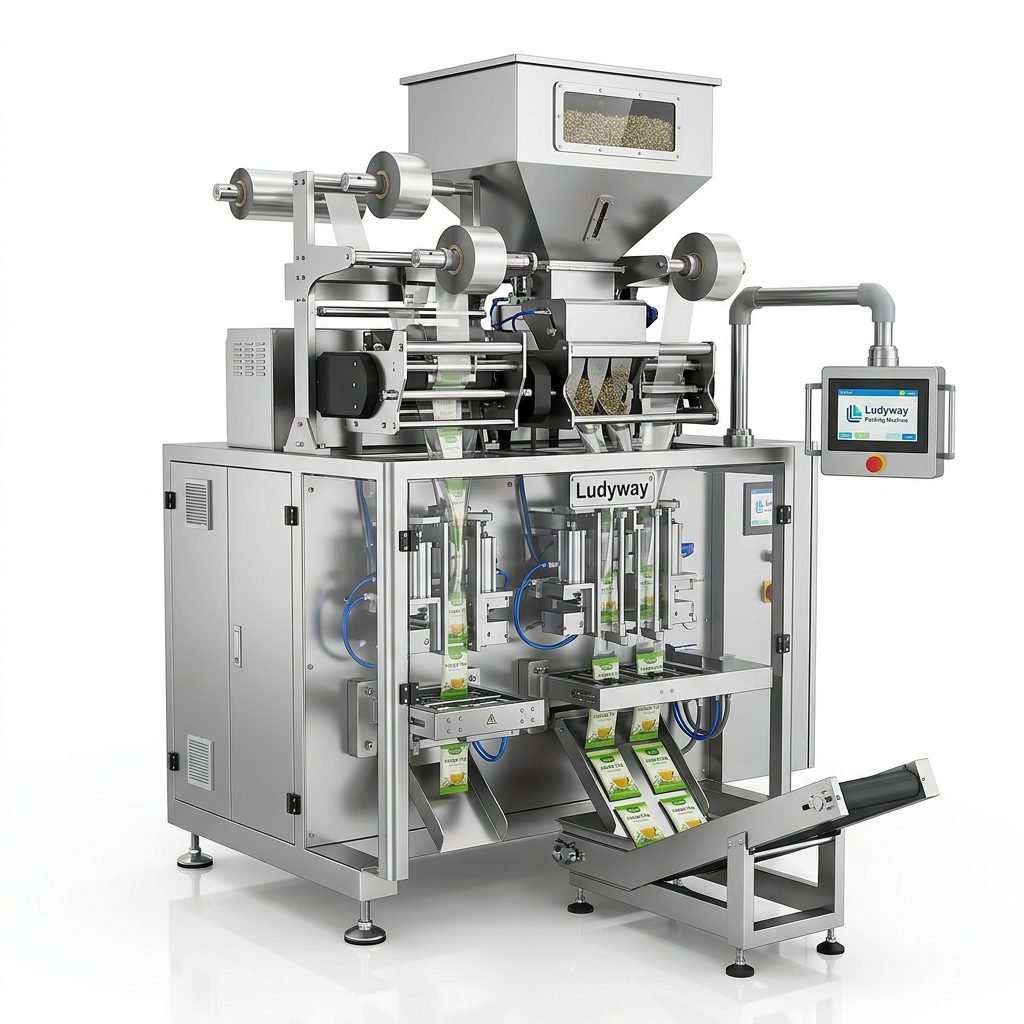
Material Compatibility
Not every machine supports every packaging material. Confirm whether it can run:
- Heat-sealable filter paper
- Non-woven fabric
- Nylon mesh
- PLA biodegradable material
- Laminated outer envelope films
This is especially important if your brand promotes eco-friendly packaging.
Ease of Cleaning and Changeover
If you pack multiple tea blends, cleaning speed and contamination control become very important. A machine with accessible contact parts and simpler changeover procedures can save a great deal of time each week.
Automation Level
Tea bag production can range from semi-automatic to fully integrated lines. Depending on your factory setup, you may need:
- Automatic feeding
- Tea bag forming, filling, and sealing
- Thread and tag attachment
- Outer envelope packaging
- Date coding
- Cartoning and case packing
For businesses seeking long-term efficiency, a more automated system often creates better value than a low-cost standalone machine.
Questions to Ask a Tea Bag Machine Supplier
Before making a final decision, ask detailed practical questions.
- What tea materials has this machine already packed successfully?
- What is the actual operating speed under normal production conditions?
- What filling accuracy can be achieved with my tea type?
- Can the machine produce different bag sizes?
- What packaging materials are supported?
- How long does changeover take?
- Are spare parts easy to obtain?
- Is remote technical support available?
- Can the system integrate with outer packing or cartoning lines?
- Can the supplier provide test videos using my samples?
How to Match the Machine to Your Business Stage
For Startups and Small Tea Brands
If you are entering the market, focus on flexibility, manageable investment, and reliable core performance. You may not need the fastest model, but you do need stable packaging quality and room for future growth.
For Growing Contract Packers
If you serve multiple customers, machine versatility becomes critical. Look for systems that can handle different tea formats, bag sizes, and packaging materials with efficient changeover.
For Large Tea Factories
Large plants should prioritize continuous operation, integration, and maintenance support. In these cases, downtime costs more than machine price differences. High stability, spare parts planning, and automation integration become top priorities.
Common Mistakes Buyers Should Avoid
- Choosing only by lowest price
- Ignoring the difference between powder, broken leaf, and whole leaf tea
- Not confirming sealing quality with actual samples
- Buying a machine with no upgrade path
- Overlooking operator training and after-sales support
- Failing to check compatibility with eco-friendly packaging materials
A low-cost machine may become expensive if it causes frequent stoppages, inconsistent filling, or higher packaging waste.
Should You Choose a Standalone Machine or a Turnkey Line?
This depends on your production goals. A standalone machine may be enough if you only need tea bag forming and filling. But for larger operations, a full packaging line often delivers stronger efficiency.
| Option | Best Use Case | Main Benefit |
|---|---|---|
| Standalone tea bag machine | Smaller operations or limited SKUs | Lower initial investment |
| Integrated packaging line | Medium to large-scale tea production | Higher automation and lower labor dependency |
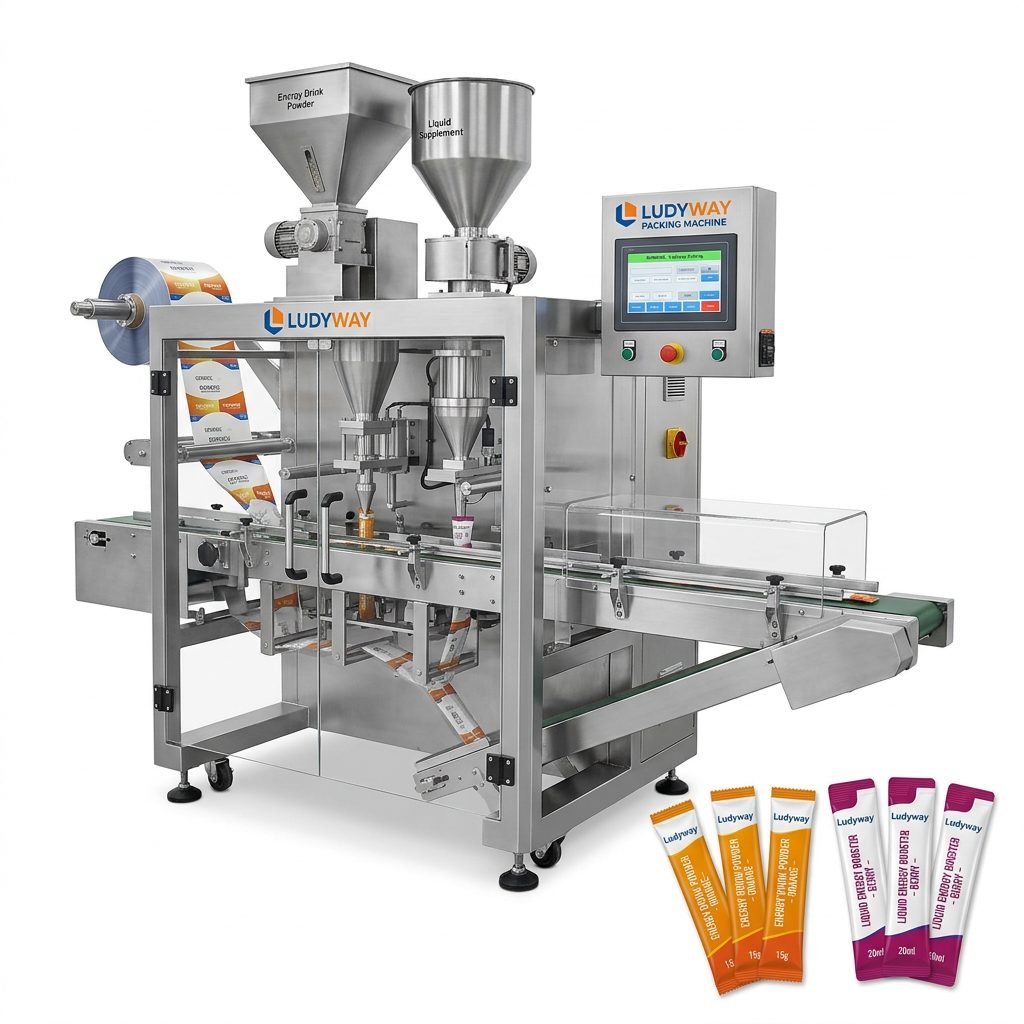
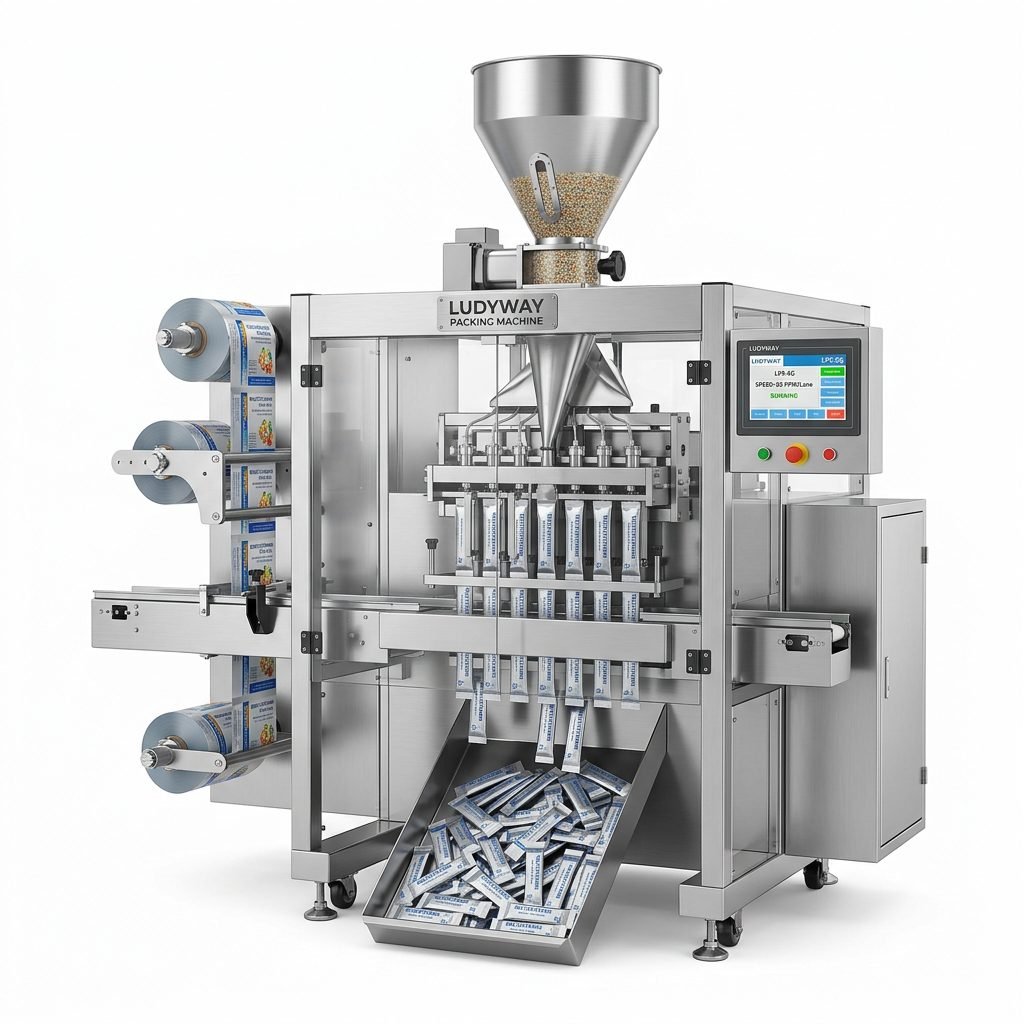
If your factory also needs sachet, stick pack, cartoning, coding, or end-of-line automation, an integrated supplier can be a better fit.
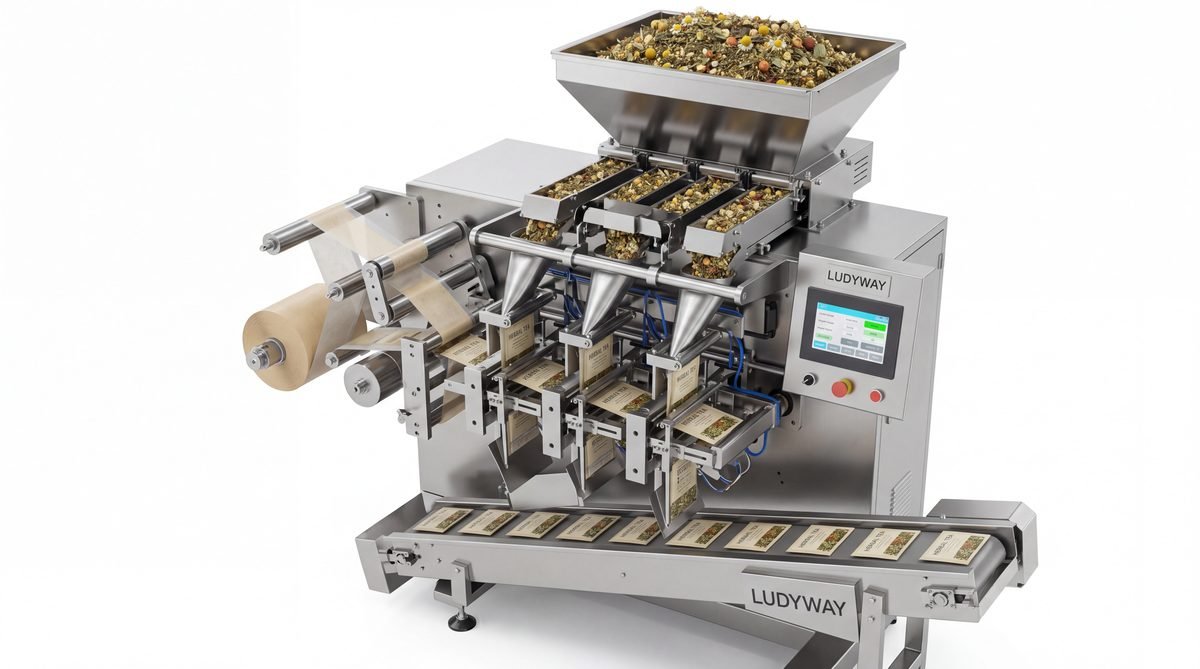
What Makes a Supplier More Reliable
When investing in tea packaging equipment, supplier capability matters almost as much as machine design. A strong manufacturer should offer engineering experience, testing support, customization options, and responsive service.
For buyers looking for scalable packaging automation, Ludyway tea bag making machine solutions are backed by more than 30 years of packaging machinery experience, a manufacturing base of over 20,000 square meters, and broad expertise in food, pharmaceutical, and health-related packaging systems.
Final Checklist Before You Buy
- Define your tea type and filling characteristics
- Choose the required bag format and packaging material
- Estimate actual daily and monthly output
- Verify sealing quality and filling accuracy with samples
- Check future expansion possibilities
- Review after-sales support and spare parts availability
- Consider total operating cost, not just purchase price
Conclusion
The best tea bag making machine is the one that fits your product structure, packaging style, production target, and long-term growth strategy. By focusing on tea type, bag format, machine stability, filling precision, sealing quality, and supplier strength, you can make a more profitable and reliable investment.
A well-chosen tea packaging machine does more than automate packing. It helps protect tea quality, strengthen your brand image, and support efficient expansion as market demand grows.