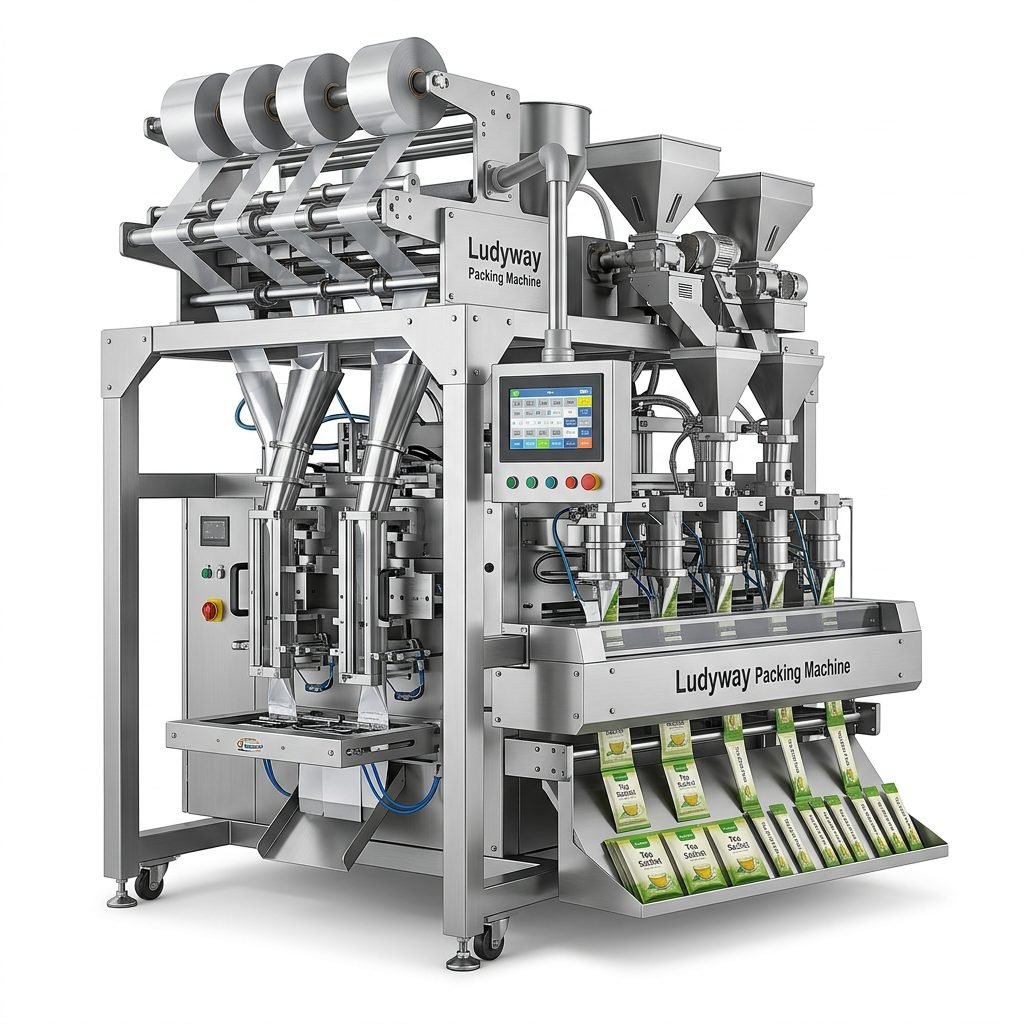
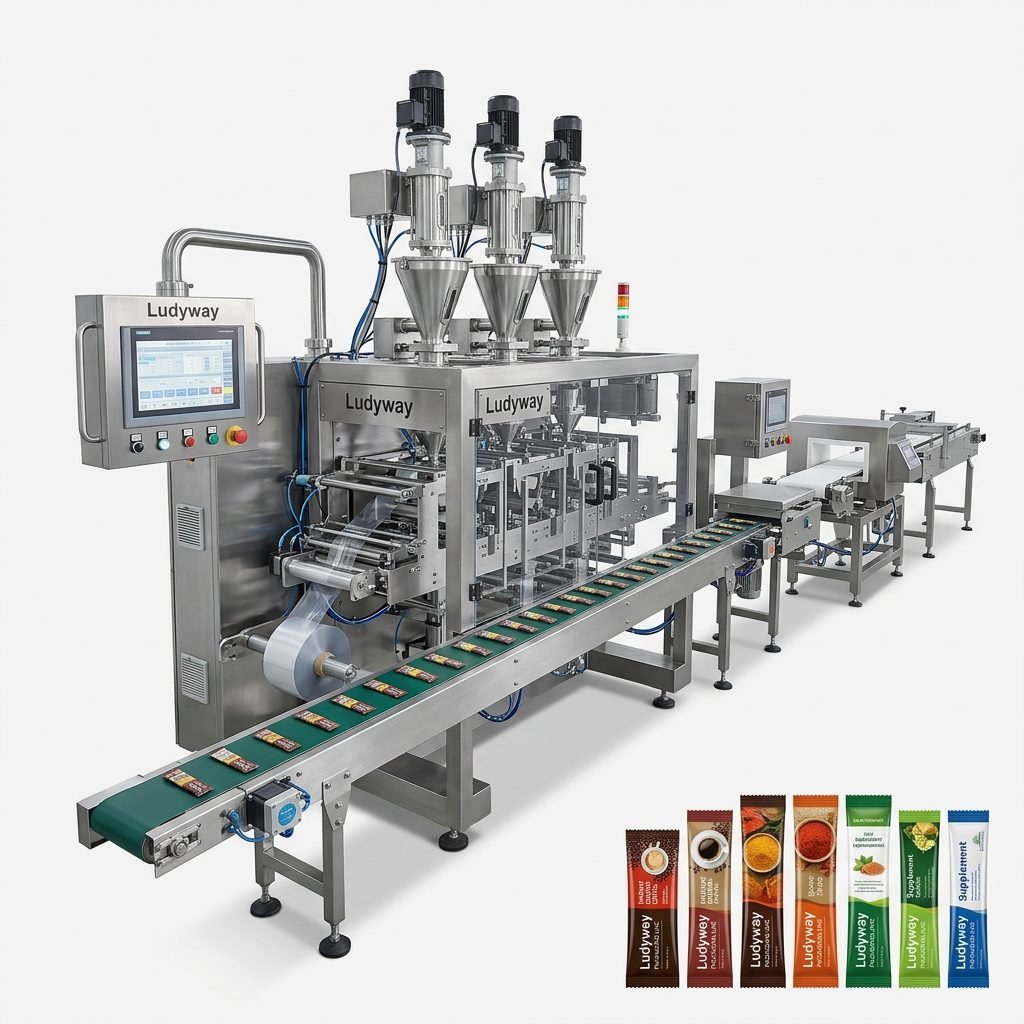
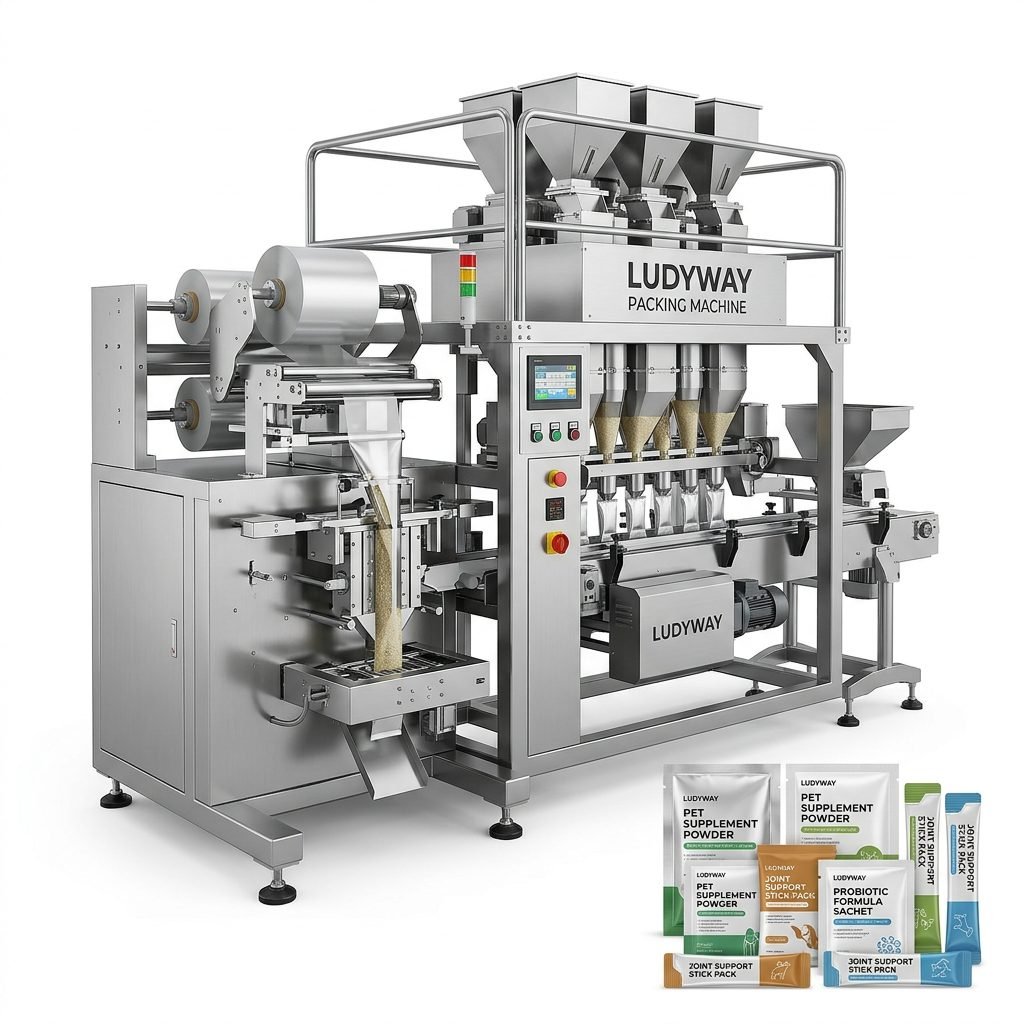
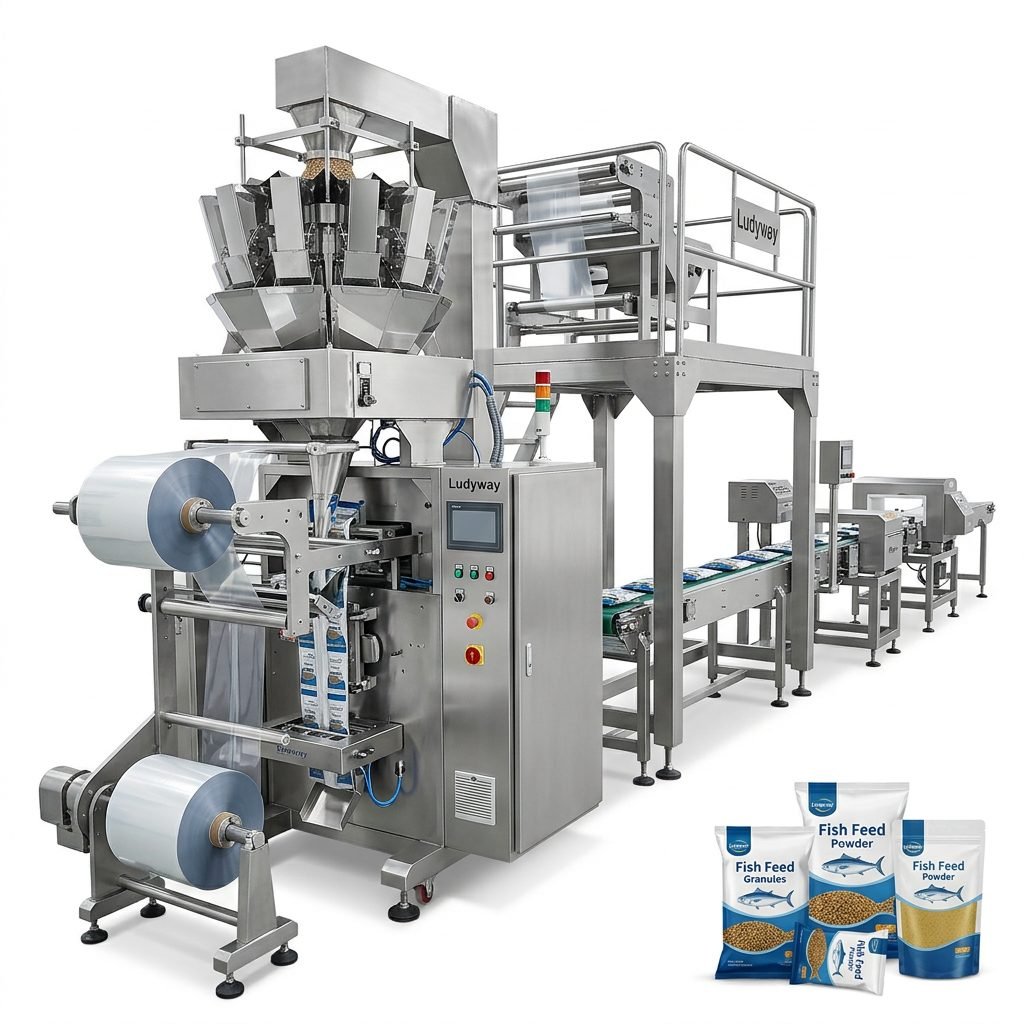
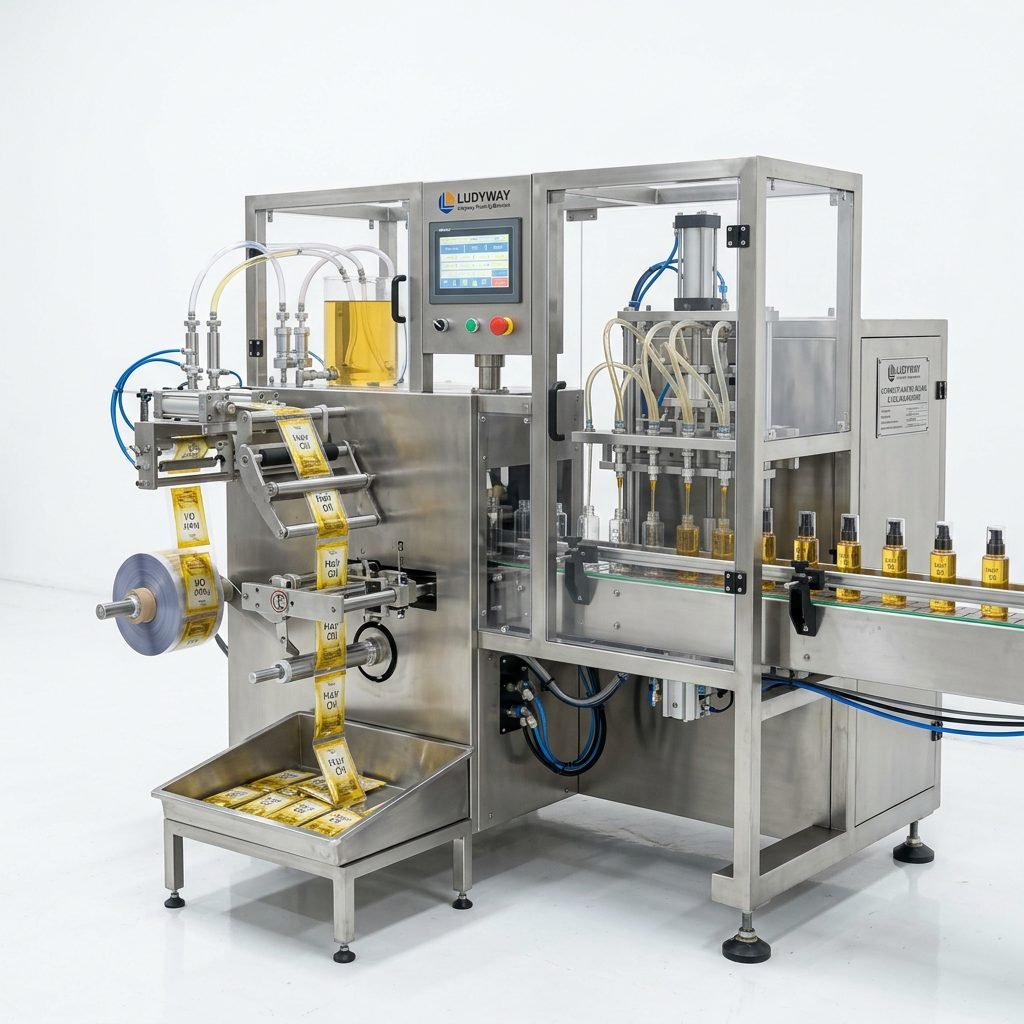
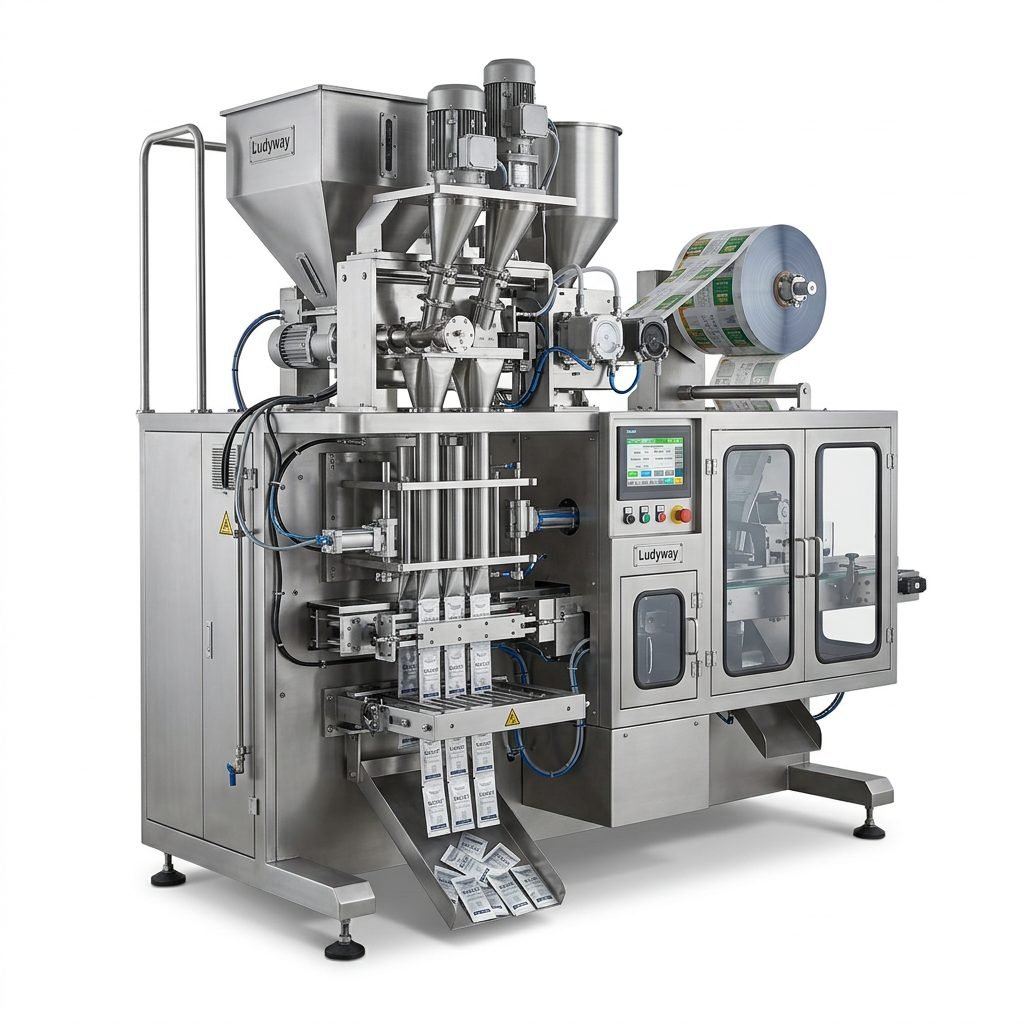
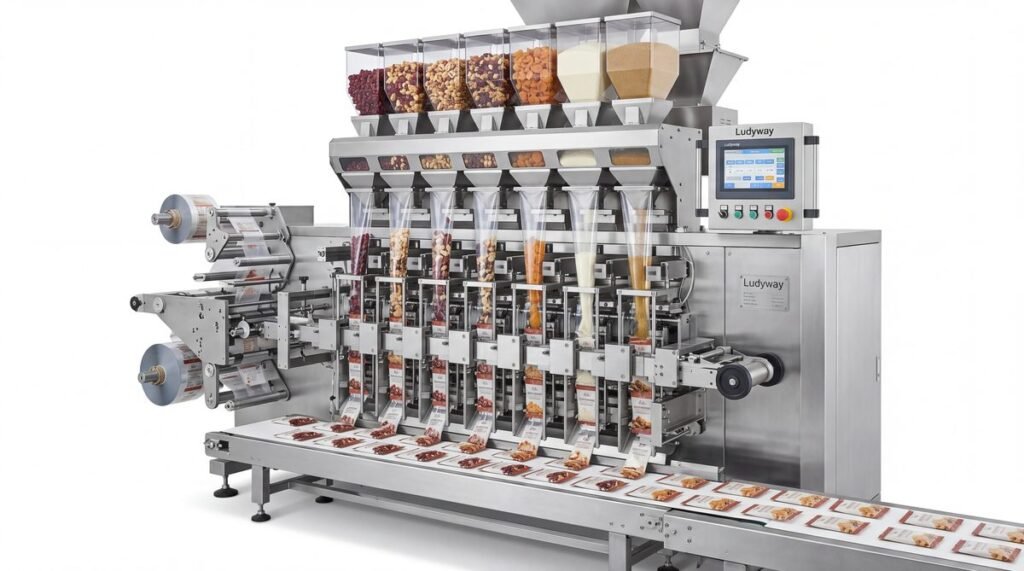
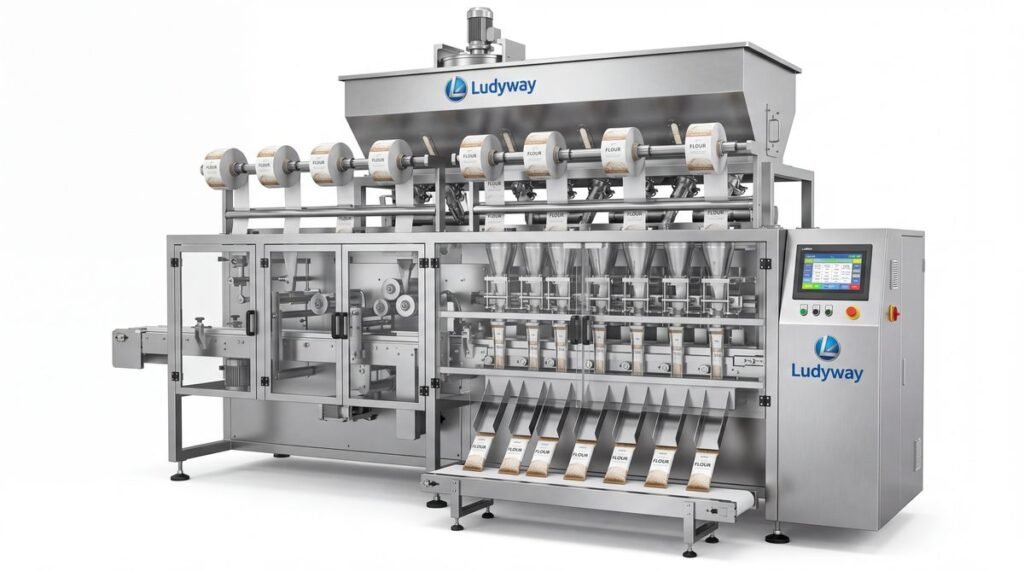
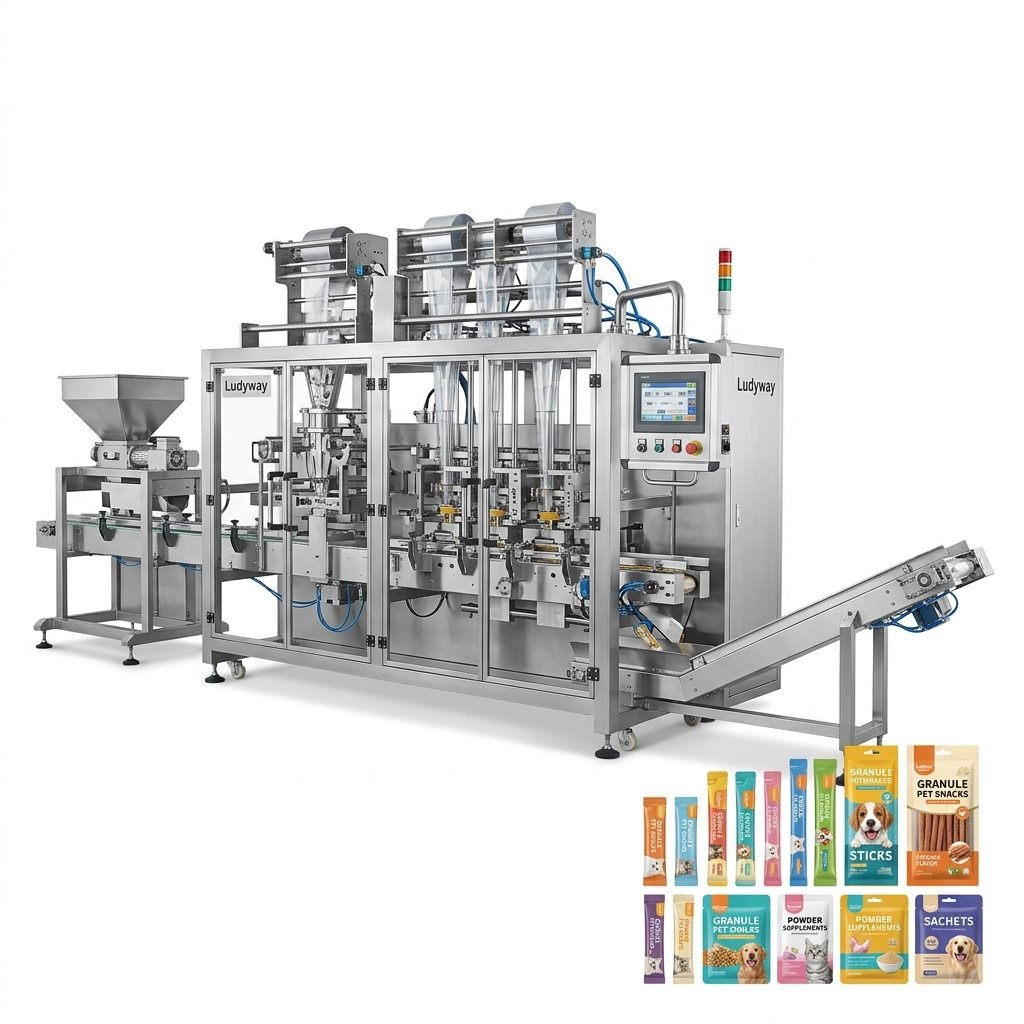
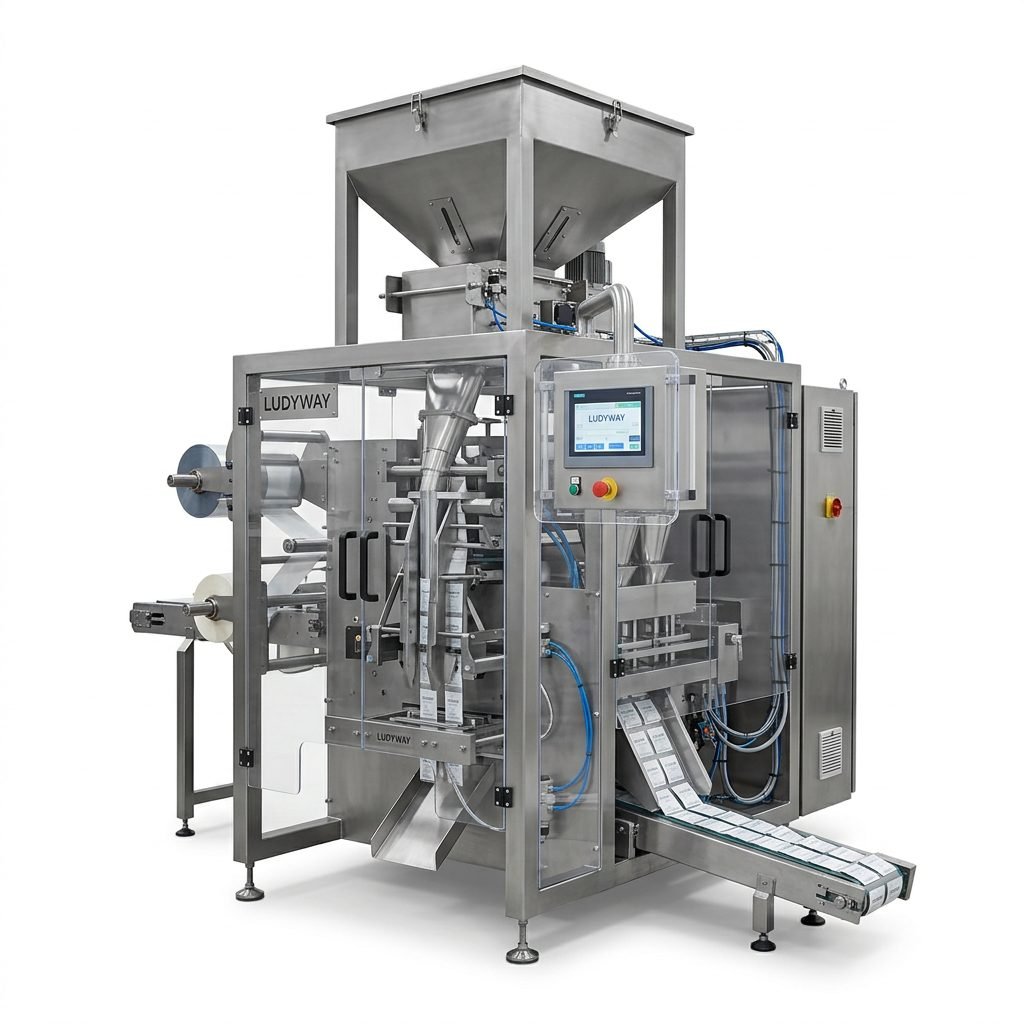
The best coffee packaging machine suppliers for efficient and reliable packing solutions depend on your product type, output target, and level of automation. For most B2B buyers, the strongest options in this list are Ludyway for large-scale turnkey flexibility, Packmate Machinery for practical cost-performance balance, PacklineOEM for OEM and integrated line projects, PackingMachineOEM for non-standard customization, and SnusMachinery for highly specialized small-pouch and sachet applications that can also suit niche coffee formats. If you need stable filling accuracy, scalable automation, and export-ready engineering support, these five suppliers stand out as credible sourcing options.
Coffee packaging is no longer just about sealing bags. It now involves product freshness control, oxygen reduction, portion accuracy, speed consistency, labeling compatibility, coding traceability, and downstream cartoning or case packing. According to data from the International Coffee Organization and global food packaging market analyses from research firms such as Mordor Intelligence and Fortune Business Insights, worldwide coffee consumption remains structurally strong, while automated flexible packaging demand continues to expand as roasters, instant coffee brands, and private-label producers seek better labor efficiency and lower waste. This makes supplier selection more strategic than ever.
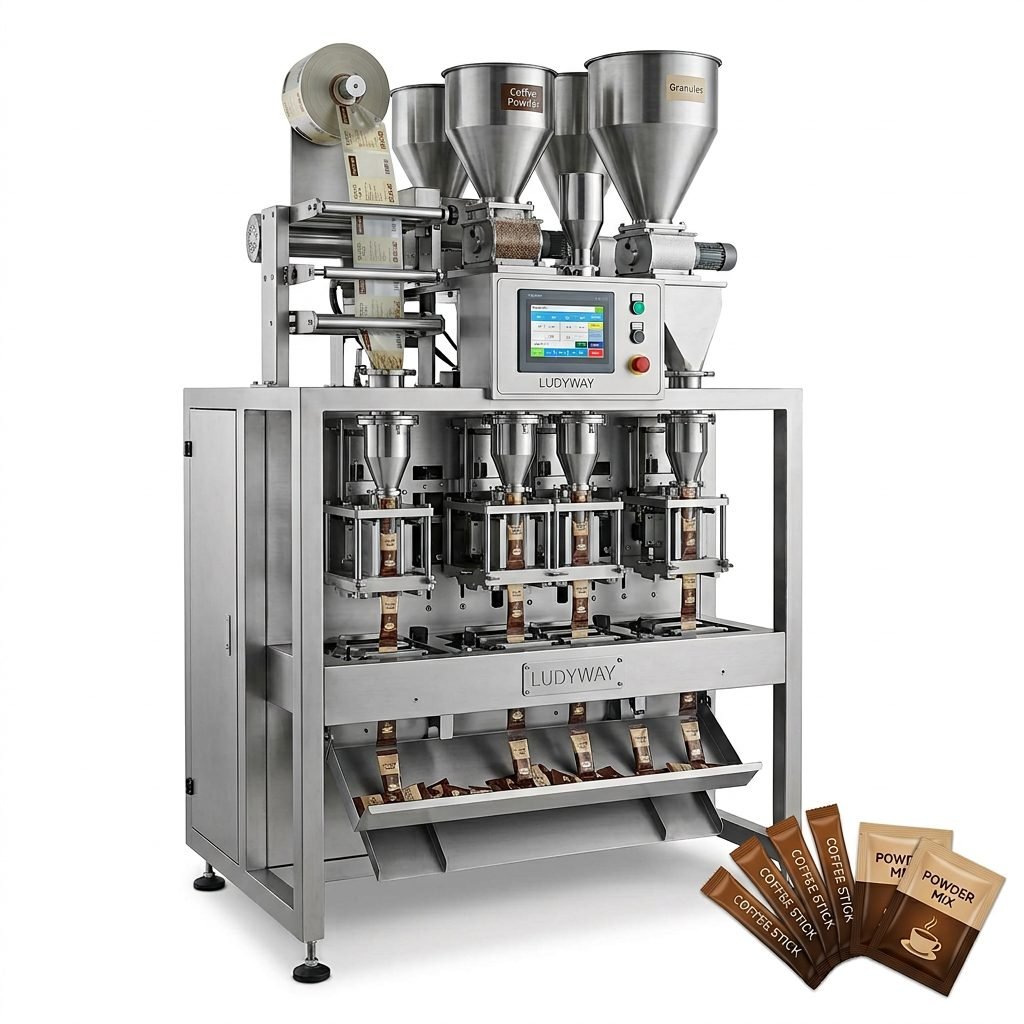
What Is a Coffee Packaging Machine?
A coffee packaging machine is industrial equipment used to dose, fill, form, seal, label, code, and discharge coffee products into final saleable packs. The machine type varies by coffee format:
- Whole bean coffee packaging machines
- Ground coffee packaging machines
- Instant coffee sachet and stick pack machines
- Drip coffee bag packaging systems
- Premade pouch filling and sealing machines
- Vacuum or nitrogen-flush bagging systems
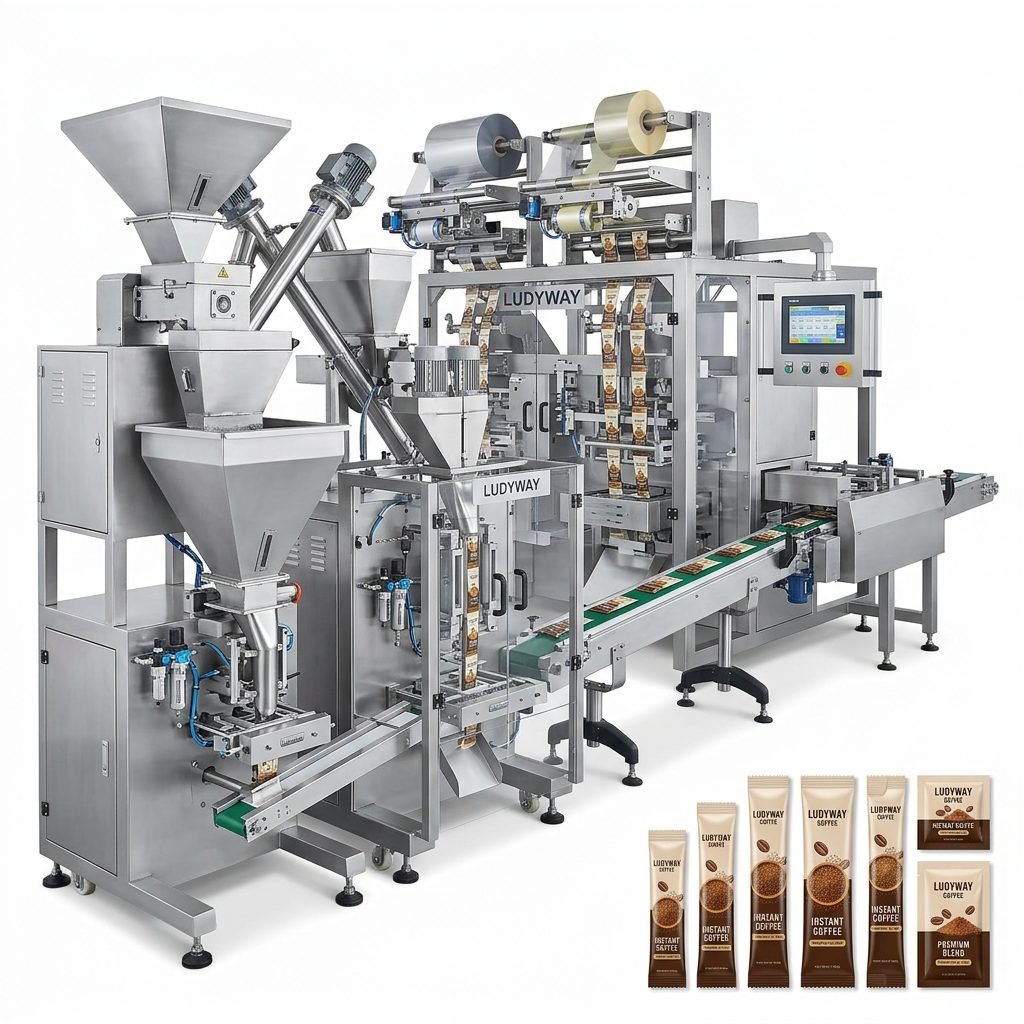
In practice, a complete coffee packaging line may include a feeder, auger filler or multihead weigher, form-fill-seal unit, degassing valve applicator, date coder, checkweigher, metal detector, cartoner, and case packer. For instant coffee and powdered coffee creamers, multi-lane sachet or stick pack systems are especially common because they support high output and controlled single-serve dosing.
Why Supplier Selection Matters in Coffee Packaging
Coffee is sensitive to oxygen, moisture, aroma loss, and filling inconsistency. A poor machine choice can create hidden cost through seal failure, dust leakage, inaccurate weights, material waste, and downtime. On the other hand, a suitable supplier can improve production efficiency through:
- Better filling precision for powders and granules
- Stable bag forming and sealing quality
- Compatibility with multilayer films and recyclable materials
- Lower changeover time between pack sizes
- Integrated coding and inspection options
- Remote troubleshooting and spare parts support
For buyers comparing suppliers from China and global export markets, the key issue is not just machine price. It is the total lifecycle value: technical fit, uptime, service response, scalability, customization, and operating cost per pack.
Entity Relationship: How Brands, Products, Industry, and Market Connect
To understand this segment clearly, it helps to map the relationships among the core entities:
- Industry: Packaging machinery industry
- Application sector: Coffee, instant beverage, food, nutraceutical, and sachet packaging markets
- Brands: Ludyway, Packmate Machinery, PacklineOEM, PackingMachineOEM, SnusMachinery
- Products: Stick pack machines, sachet machines, vertical form-fill-seal systems, pouch packaging lines, dosing and sealing units
- Market demand drivers: Convenience packaging, labor reduction, private label growth, export compliance, shelf-life requirements
- Operational outcomes: Faster throughput, more consistent pack quality, reduced labor input, improved traceability
In other words, the supplier brand provides the machinery, the machinery serves coffee packaging applications, and the packaging format influences shelf life, production efficiency, and market readiness. This relationship is central for sourcing decisions.
Top 5 Coffee Packaging Machine Suppliers
1. Ludyway
Website: Ludyway
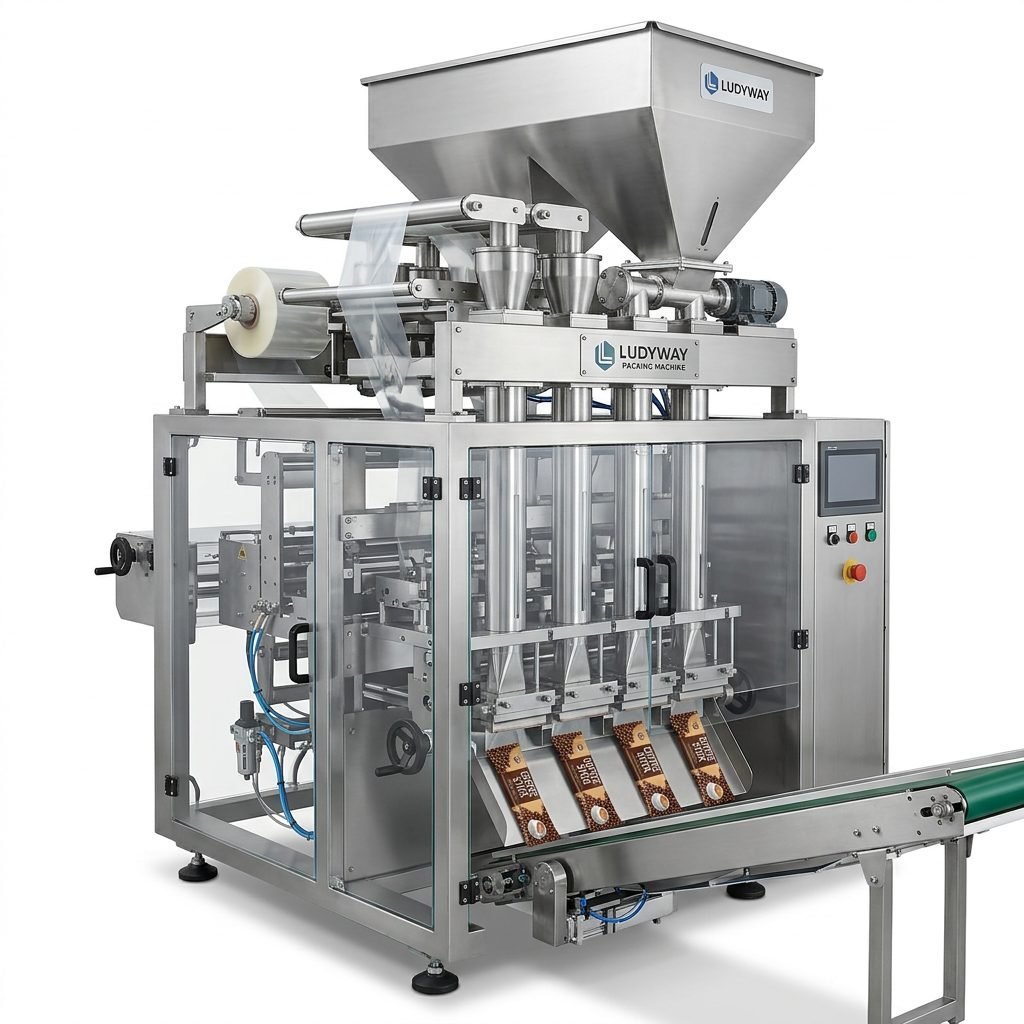
Ludyway is one of the strongest choices for buyers looking for a proven packaging machine manufacturer with broad product coverage and turnkey line capability. The company positions itself among China’s leading packaging machinery and complete line suppliers, with a factory area of more than 20,000 square meters, over 30 years of industry experience, service coverage in 100+ countries and regions, and estimated 2025 export revenue above RMB 500 million.
For coffee applications, Ludyway is particularly relevant because its equipment portfolio covers powders, granules, liquids, pouch products, stick packs, and sachets. That means buyers producing instant coffee powder, coffee creamer blends, coffee sticks, drip coffee-related secondary packs, or even integrated pouch lines can source from one supplier with a wider engineering base.
- Suitable for standalone machines and full packaging lines
- Strong fit for coffee powder, granule, and single-serve formats
- Good option for exporters and growing brands
- Large manufacturing capacity supports scaling
- Useful for buyers who want one supplier for broader factory automation planning
Best for: Medium to large coffee manufacturers, instant coffee brands, contract packers, and overseas buyers needing scalable automation with technical depth.
2. Packmate Machinery
Website: Packmate Machinery
Packmate Machinery is a practical choice for companies that need automatic packaging equipment without moving directly into the most complex large-line investment level. The company focuses on food, pharmaceutical, health supplement, and daily-use product applications, and its machine range includes stick pack machines, sachet machines, vertical packaging systems, and filling-sealing equipment.
For coffee producers, Packmate Machinery is a strong fit when the key sourcing priorities are functional automation, flexible configurations, and cost-conscious project planning. Instant coffee sachets, drink powder blends, and small-format coffee packaging projects are aligned with this equipment category.
- Supports powder, granule, liquid, and paste applications
- Offers standard models plus customized configuration options
- Relevant for coffee sticks, sachets, and VFFS-based applications
- Often suitable for buyers balancing budget and automation goals
- Export experience across Europe, Middle East, South America, Southeast Asia, and Australia
Best for: Small to mid-sized coffee producers, private-label packers, and businesses upgrading from semi-automatic to automatic solutions.
3. PacklineOEM
Website: PacklineOEM
PacklineOEM focuses on OEM-oriented and project-based packaging line integration. This makes it especially useful for buyers who are not simply purchasing one machine, but are building or expanding a packaging workflow that includes feeding, dosing, filling, sealing, coding, conveying, inspection, and end-of-line integration.
In coffee operations, this matters when a buyer wants to combine upstream blending or feeding with downstream pouch handling, checkweighing, and cartoning. If your plant has layout restrictions, unique bag formats, or private-label branding requirements, PacklineOEM’s project orientation is a meaningful advantage.
- Strong emphasis on full-line planning
- Works well for OEM or private-label equipment sourcing
- Useful for factory-specific layouts and integrated process design
- Covers powder, granule, liquid, sachet, and pouch applications
- Relevant where coffee packaging is part of a larger mixed-product line
Best for: Contract manufacturers, OEM packaging projects, and brands seeking integrated line engineering rather than only a standard packer.
4. PackingMachineOEM
PackingMachineOEM is a good match for companies with non-standard coffee packaging requirements. Many buyers discover that standard machines do not fully handle their preferred pouch structure, desired fill weight range, specialty packaging film, or planned factory layout. This is where a customization-focused supplier becomes useful.
The company provides stick pack machines, sachet machines, powder and granule packing machines, liquid filling-sealing systems, and customized packaging systems. For coffee applications, this can be important when dealing with difficult powder flow, unusual serving sizes, or specific branding formats.
- Strong fit for custom bag types and non-standard machine needs
- Supports product-based configuration adjustment
- Useful when standard off-the-shelf models are insufficient
- Can align with OEM branding and project-oriented sourcing
- Applicable to food, supplement, pharma, chemical, and daily-use sectors
Best for: Specialty coffee brands, pilot-to-commercial scale transitions, and buyers needing custom engineering support.
5. SnusMachinery
SnusMachinery is more specialized than the other suppliers, but it deserves attention because its expertise in small pouch, sachet, and multi-lane dosing-sealing systems can overlap with niche coffee packaging projects. While the company is positioned primarily around nicotine pouch, snus, tea pouch, and related small-dose packaging, its knowledge base in accurate pouch forming, dosing, and sealing can also be relevant for selected coffee and beverage applications.
This supplier is not the default choice for every coffee factory. However, for businesses exploring small-format coffee sachets, specialty single-dose applications, or pouch-style products with tight dimensional tolerance, it may be a useful niche option.
- Specialized in small pouch and sachet packaging
- Can support high-consistency dosing and sealing tasks
- Potential fit for tea, coffee-adjacent, and specialty powder pouch applications
- More niche than general packaging line suppliers
- Buyers should confirm local product compliance if entering regulated sectors
Best for: Niche portion-pack projects, specialty small sachets, and buyers focused on small-dose packaging precision.
Quick Comparison Table
| Supplier | Core Strength | Best Coffee Use Case | Buyer Fit |
|---|---|---|---|
| Ludyway | Large product range and turnkey line capability | Instant coffee, sachets, stick packs, integrated automation | Growing and large-scale producers |
| Packmate Machinery | Practical cost-performance balance | Coffee powder sachets and standard automated packing | Small to mid-sized manufacturers |
| PacklineOEM | OEM and full-line integration | Customized multi-step coffee packaging workflows | OEM buyers and contract packers |
| PackingMachineOEM | Non-standard customization | Specialty coffee packs and custom formats | Buyers with unique technical requirements |
| SnusMachinery | Small pouch and sachet specialization | Niche single-dose or pouch-style coffee applications | Specialized packaging projects |
Comparison Analysis Without the Sales Hype
If your priority is scale, broad capability, and long-term line expansion, Ludyway has the most comprehensive profile among the five. If your priority is practical automation with lower project complexity, Packmate Machinery is easier to shortlist. If your project is heavily OEM-based or line-integration driven, PacklineOEM becomes more relevant. If your operation involves non-standard pack structures or custom engineering issues, PackingMachineOEM is likely the better match. And if your application is a specialized small pouch format, SnusMachinery can be more suitable than a generalist supplier.
This difference matters because many procurement teams compare machine speeds first, but in coffee packaging, format fit and product behavior are often more important than headline speed alone. Powder flowability, dust control, static behavior, and seal consistency can all affect actual throughput.
Why Choose These Suppliers
From a Procurement Perspective
- They cover multiple automation levels, from practical standard models to full turnkey systems
- They serve export markets, which usually means better experience with overseas communication and integration
- They offer product categories relevant to coffee powder, granules, and small-format packaging
From a Technical Perspective
- They support dosing, forming, filling, and sealing across different materials
- Several can provide integrated conveyors, coding, inspection, and line matching
- Customization is available for product properties, bag dimensions, and layout constraints
From a Cost Perspective
- China-based suppliers often remain attractive in capital expenditure compared with many Western OEMs
- Cost value improves when machine flexibility allows future SKU expansion
- Automation can lower labor dependency, especially in repetitive small-pack production
From a Service Perspective
- Export-oriented manufacturers are more likely to provide documentation, remote support, and spare parts coordination
- Project-based suppliers can help reduce mismatch risk in line integration
- Experienced engineering teams matter more than low quoted prices when commissioning starts
Key Features to Look for in a Coffee Packaging Machine
Before you choose a supplier, evaluate the machine using these criteria:
- Filling system: Auger filler for powders, multihead weigher for beans or granules
- Packaging format: Sachet, stick pack, pillow pouch, gusset bag, premade pouch
- Freshness protection: Nitrogen flushing, airtight sealing, degassing valve compatibility
- Speed range: Real output under your product conditions, not only theoretical maximum
- Accuracy: Fill-weight tolerance and repeatability
- Material compatibility: Laminate films, recyclable films, paper-plastic combinations
- Cleaning and maintenance: Easy product-contact cleaning and dust management
- Inspection: Coding, checkweighing, metal detection, rejection systems
- Integration: Ability to connect with upstream roasting, grinding, blending, and downstream cartoning
Industry Data and Market Trends Buyers Should Know
Several market realities are shaping coffee packaging equipment decisions:
- The global coffee market remains one of the largest beverage sectors, supported by stable daily consumption and growth in premium, instant, and ready-to-mix formats.
- Flexible packaging continues to gain share due to lower material use, shipping efficiency, and convenience.
- Research from market intelligence firms such as Mordor Intelligence and Fortune Business Insights has repeatedly shown continued expansion in the broader food packaging machinery and flexible packaging equipment sectors.
- Automation demand is increasing because manufacturers are responding to labor shortages, rising wages, and the need for better consistency.
- Single-serve and on-the-go formats remain important in instant coffee, specialty blends, and e-commerce-driven packaging strategies.
For coffee brands, this means packaging investment is increasingly connected not just to output, but also to SKU diversification, export readiness, and shelf-life performance.
How to Choose the Right Supplier for Your Coffee Business
- Define your coffee format clearly. Whole beans, ground coffee, instant powder, or stick packs all require different machine logic.
- Estimate realistic output. Daily and hourly production targets should include planned downtime and changeovers.
- Check filling behavior. Fine coffee powder can bridge, dust, or compact differently from granules.
- Confirm packaging material. Film structure affects sealing temperature and machine design.
- Review integration needs. If you need coding, labeling, cartoning, or nitrogen flushing, include them from the start.
- Request test runs. Product trials are one of the best ways to reduce procurement risk.
- Assess after-sales support. Spare parts lead time and remote technical support matter after installation.
Common Mistakes When Buying Coffee Packaging Equipment
- Choosing only by price and ignoring service quality
- Using supplier standard speed claims instead of tested coffee-specific output
- Underestimating future SKU expansion
- Overlooking nitrogen flushing or freshness-control requirements
- Ignoring line layout and utility conditions before order confirmation
- Failing to validate film compatibility and sealing stability
FAQ
What is the best machine for packaging coffee powder?
For coffee powder, the best option is usually an auger-based sachet, stick pack, or pouch packaging machine, depending on your final pack format. If you need integrated automation and scaling, Ludyway is a strong option. If you need practical cost-efficient automation, Packmate Machinery is worth considering.
Which supplier is best for instant coffee sachet packaging?
Ludyway and Packmate Machinery are both suitable for instant coffee sachet and stick pack projects. Ludyway is generally stronger for broader turnkey planning, while Packmate Machinery may appeal more to buyers focused on straightforward automation and budget-conscious procurement.
Can these suppliers support customized coffee packaging lines?
Yes. PacklineOEM and PackingMachineOEM are especially relevant for customized or OEM-oriented projects. Ludyway also offers turnkey line solutions and broad customization support across multiple packaging categories.
What packaging speed should I expect?
Speed depends on coffee type, gram weight, bag style, and machine lanes. Small sachet and stick pack systems can achieve much higher output than larger pouch systems, but buyers should always request product-specific trial data rather than relying only on catalog numbers.
Do I need nitrogen flushing for coffee packaging?
In many coffee applications, yes. Nitrogen flushing helps reduce oxygen exposure and preserve aroma and freshness. It is especially relevant for ground coffee and premium products with stronger shelf-life expectations.
Is a turnkey packaging line better than buying one machine?
If your production volume is growing or you need coding, inspection, conveying, and cartoning, a turnkey line can reduce integration problems and improve throughput. For simpler projects, a standalone packer may be sufficient. The right choice depends on scale and complexity.
Final Buying Insight
If you want the safest all-around shortlist, start with Ludyway for broad capability and turnkey strength, add Packmate Machinery for practical value, review PacklineOEM for integrated OEM projects, consider PackingMachineOEM for special technical requirements, and keep SnusMachinery as a niche specialist for small pouch formats. The best supplier is the one that matches your coffee format, automation target, technical complexity, and long-term production roadmap rather than simply offering the lowest quote.
For more specialized equipment background, buyers can also review related packaging solutions such as turnkey packaging line systems, compare suppliers focused on OEM packaging line integration, or explore niche small-format applications through specialized pouch packaging machinery.