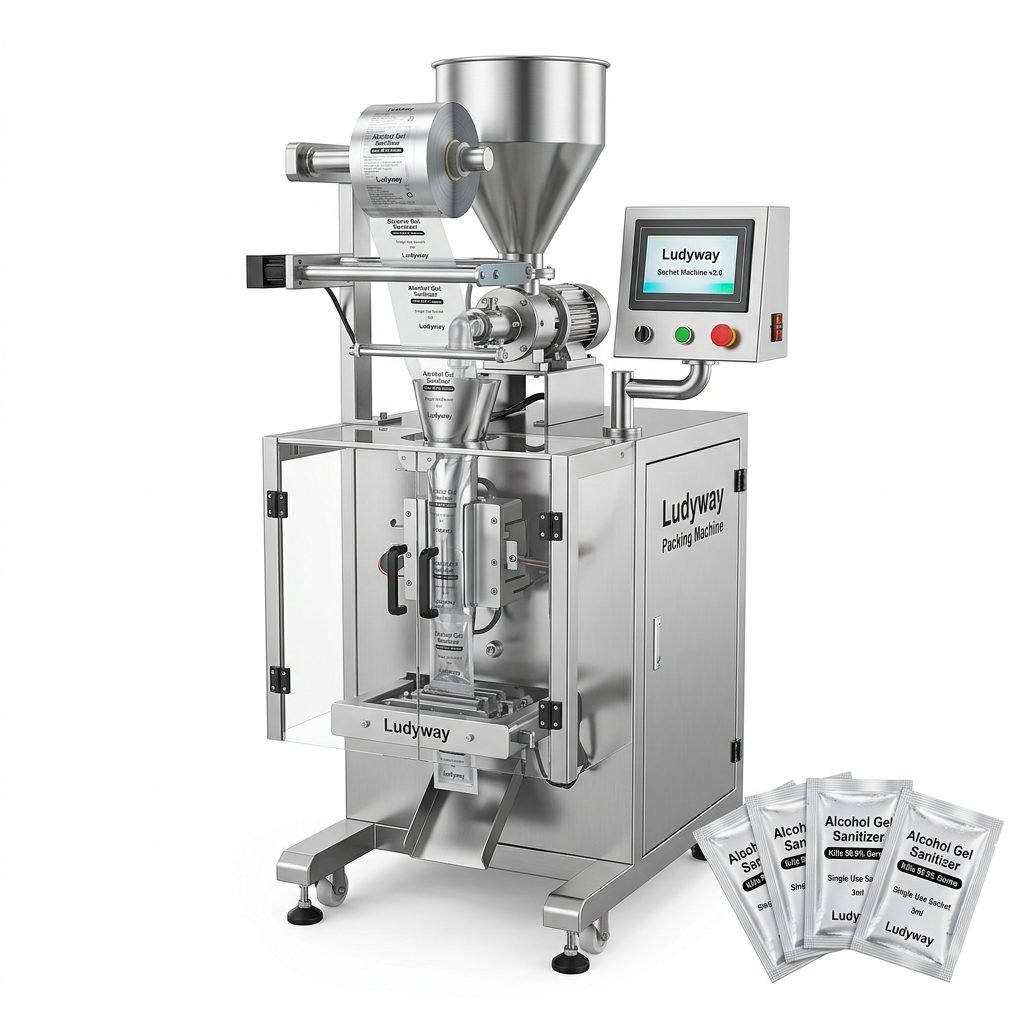
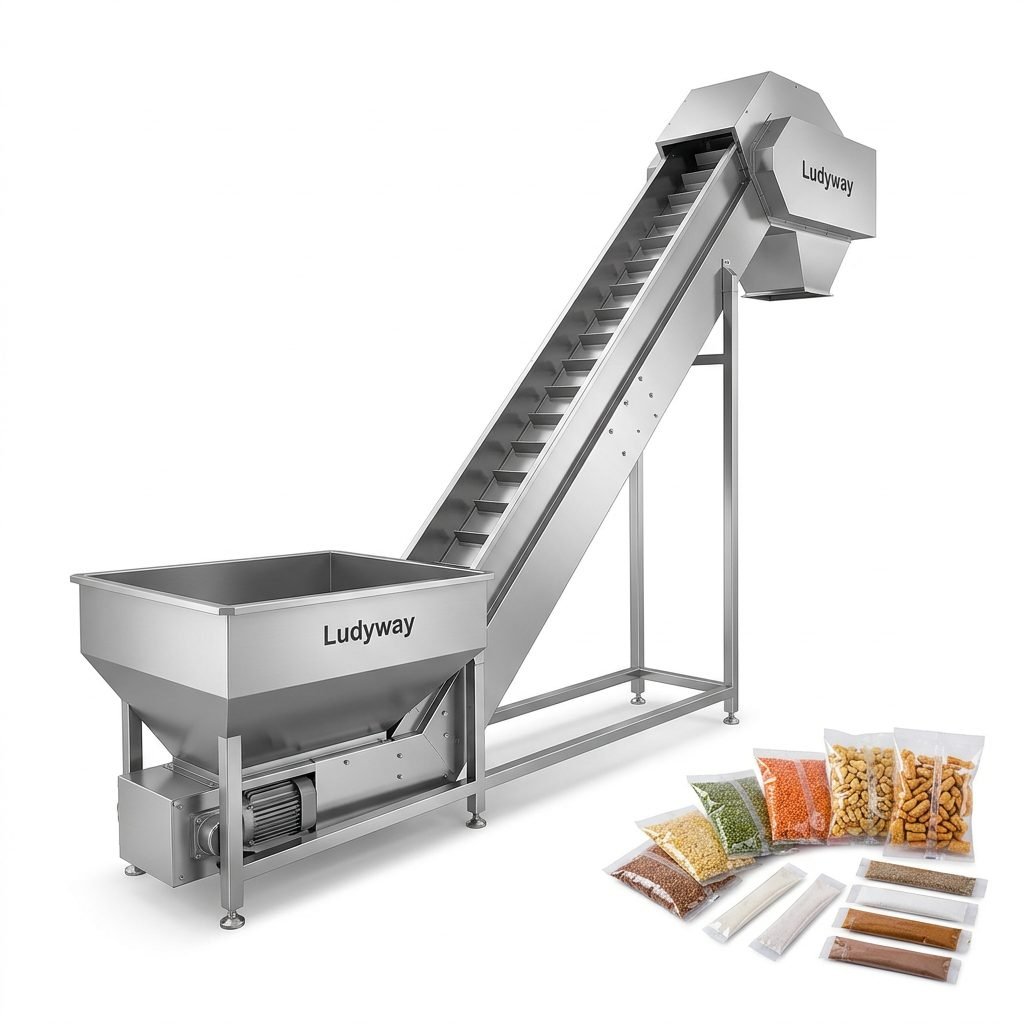
The U.S. market for cream-based products—from cosmetics and skincare to food and pharmaceuticals—continues to expand rapidly. Setting up a cream packaging machine production line in the United States requires careful planning, an understanding of regulatory requirements, and the right equipment configuration. This guide walks you through every critical step to ensure a successful setup.
Understanding the U.S. Cream Packaging Market
The demand for cream products in the U.S. spans multiple industries. In the cosmetics sector, facial creams, anti-aging serums, and body lotions dominate retail shelves. The food industry relies on cream packaging for products like cheese spreads, butter creams, and dessert toppings. Meanwhile, the pharmaceutical sector requires precise packaging for topical creams, ointments, and medicated formulations. Each application demands specific packaging formats—sachets, stick packs, tubes, jars, or pouches—making equipment versatility a top priority.
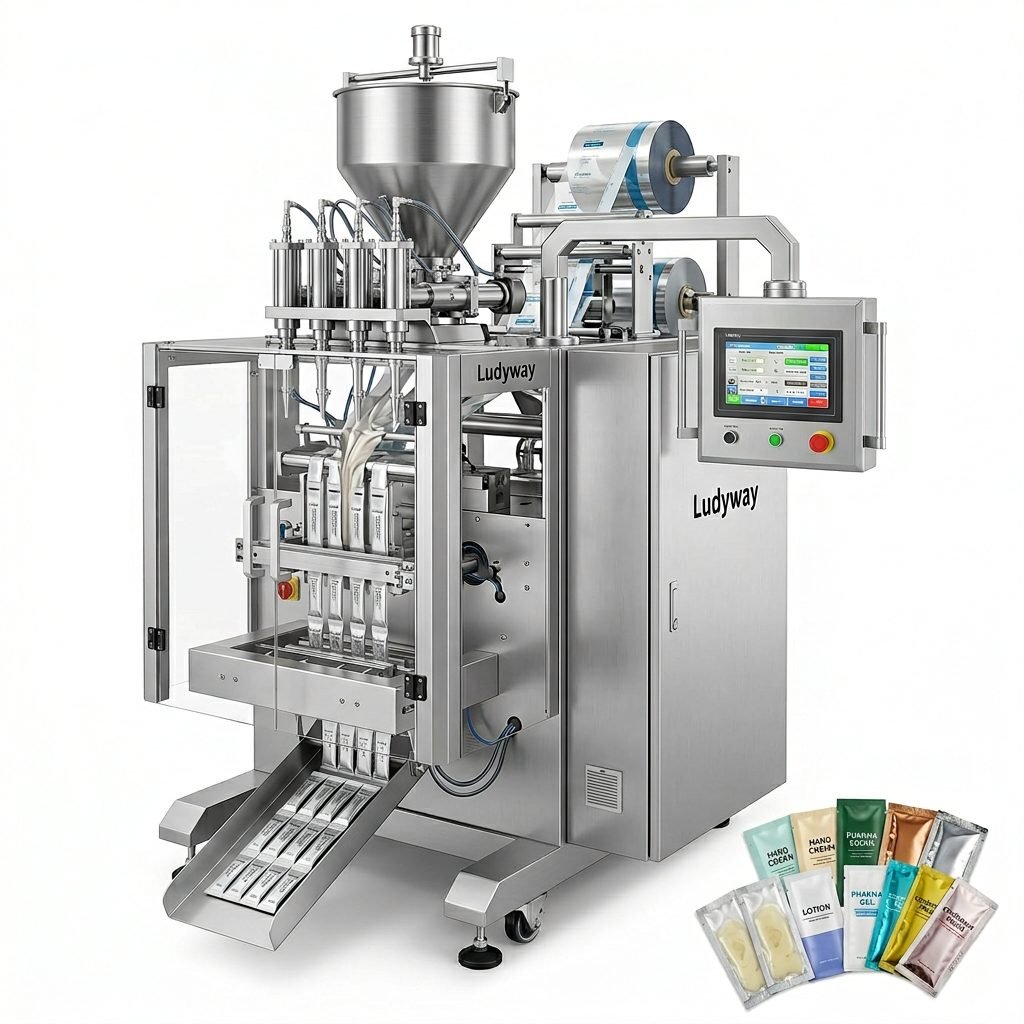
Choosing the Right Cream Packaging Equipment
Selecting the appropriate machinery is the foundation of any successful production line. The key is matching equipment capabilities to your specific product characteristics and target packaging format. Consider these critical factors:
- Product viscosity – Creams range from low-viscosity lotions to thick pastes, requiring different filling mechanisms such as piston fillers, pump fillers, or auger systems.
- Packaging format – Determine whether you need sachet packaging, stick pack machines, tube filling, or jar filling capabilities.
- Production speed – Multi-lane systems can achieve significantly higher throughput, with some configurations reaching hundreds of packs per minute.
- Automation level – From semi-automatic to fully automated packaging lines, the right choice depends on your labor strategy and volume requirements.
- Material compatibility – Ensure the machine handles your chosen packaging films, laminates, or container materials effectively.
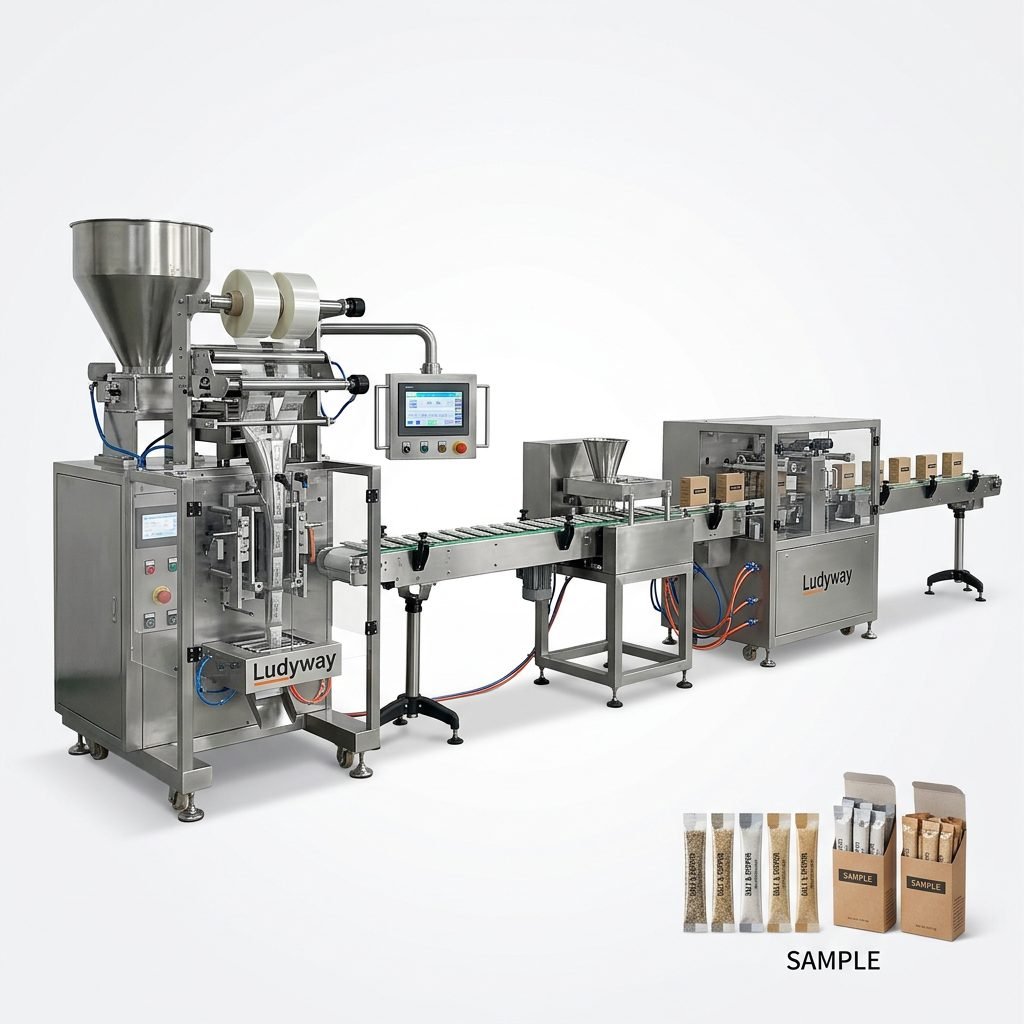
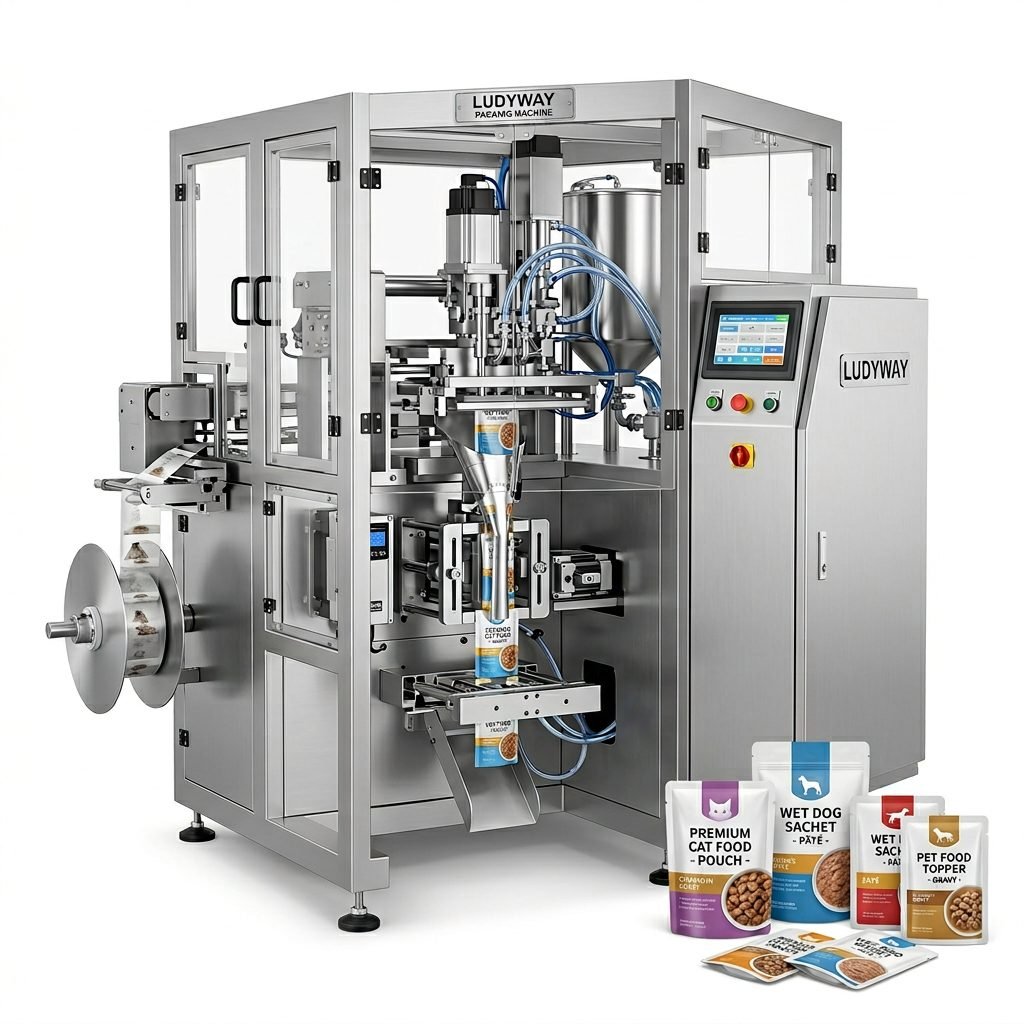
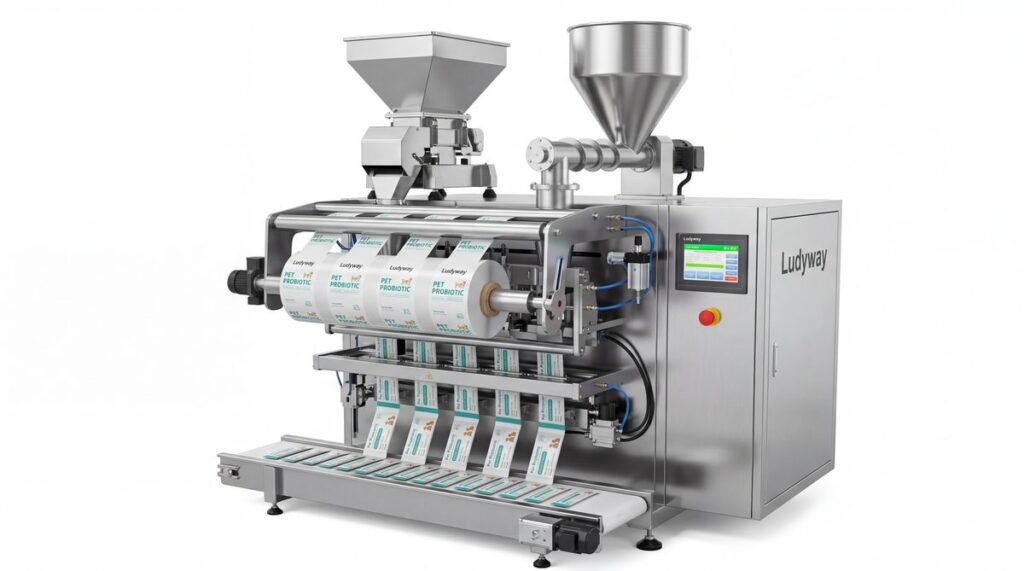
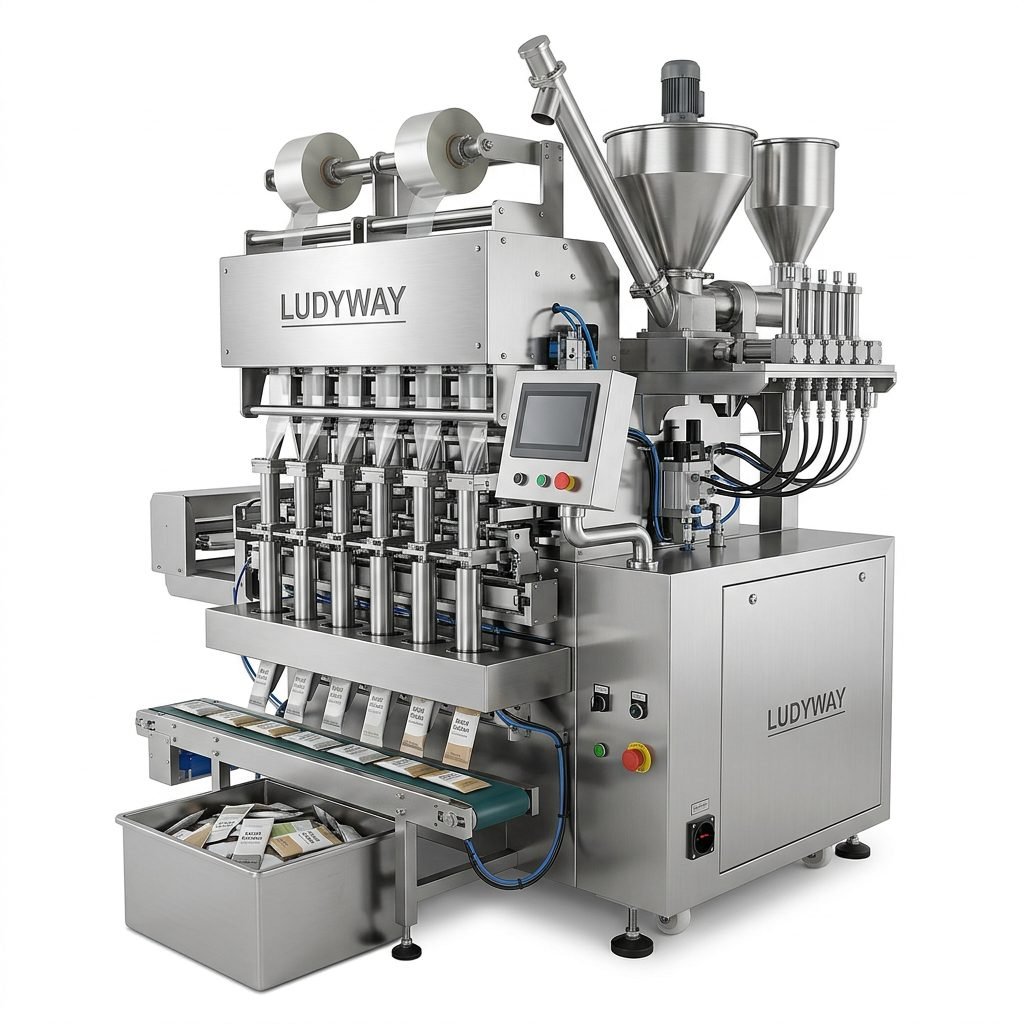
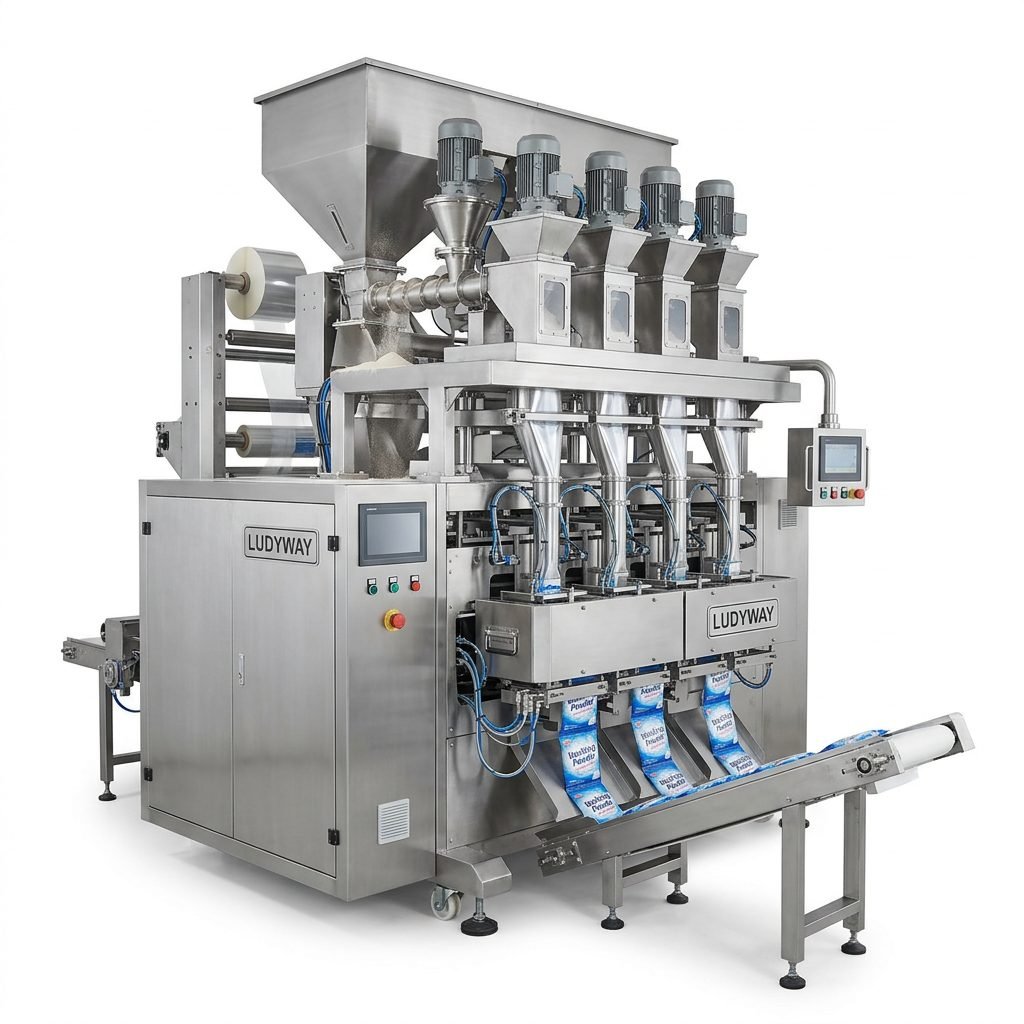
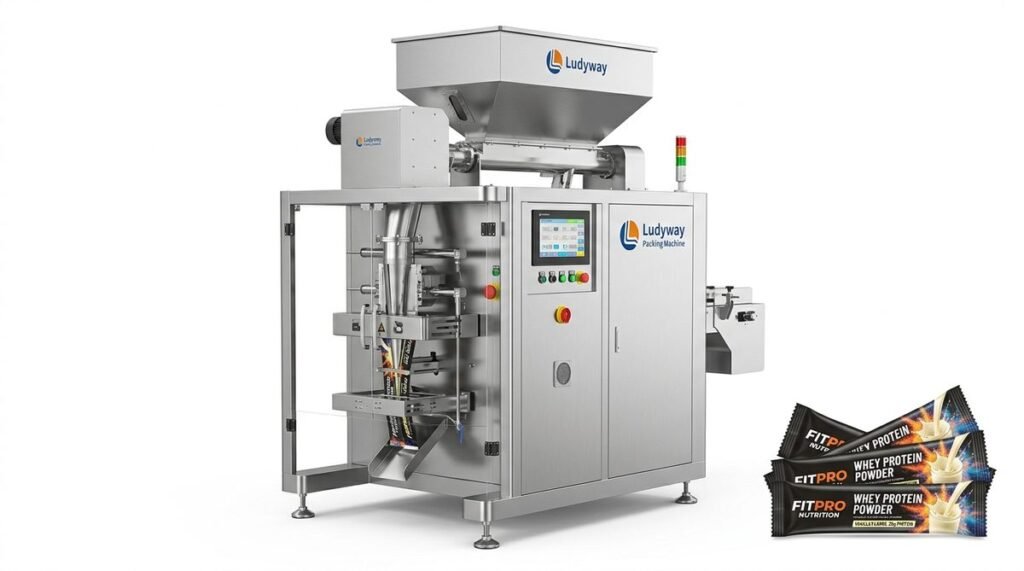
For businesses seeking turnkey solutions, working with experienced packaging machine manufacturer partners can streamline the entire process from equipment selection to installation. Ludyway, one of the largest packaging machine manufacturers in China with over 30 years of industry expertise, offers more than 50 intelligent packaging machine models and serves customers in over 100 countries and regions.
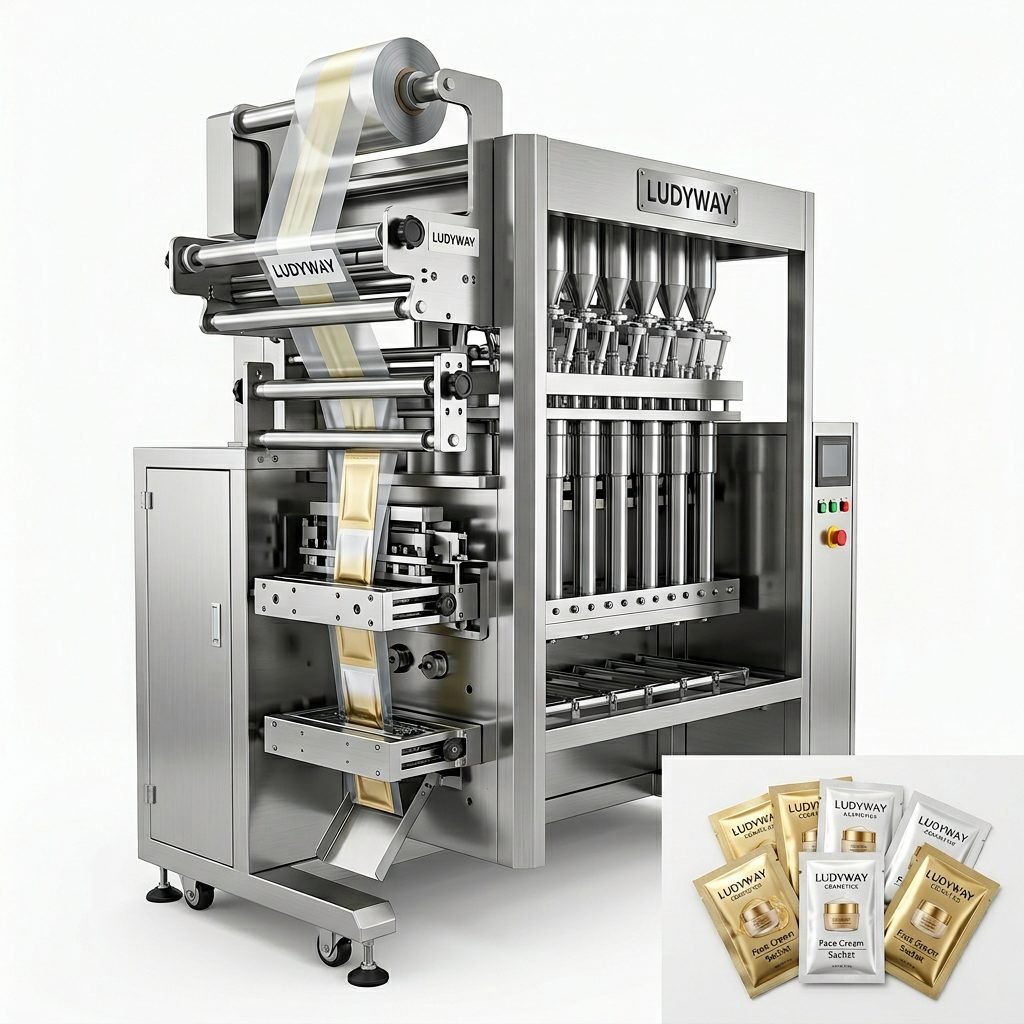
Key Components of a Cream Packaging Production Line
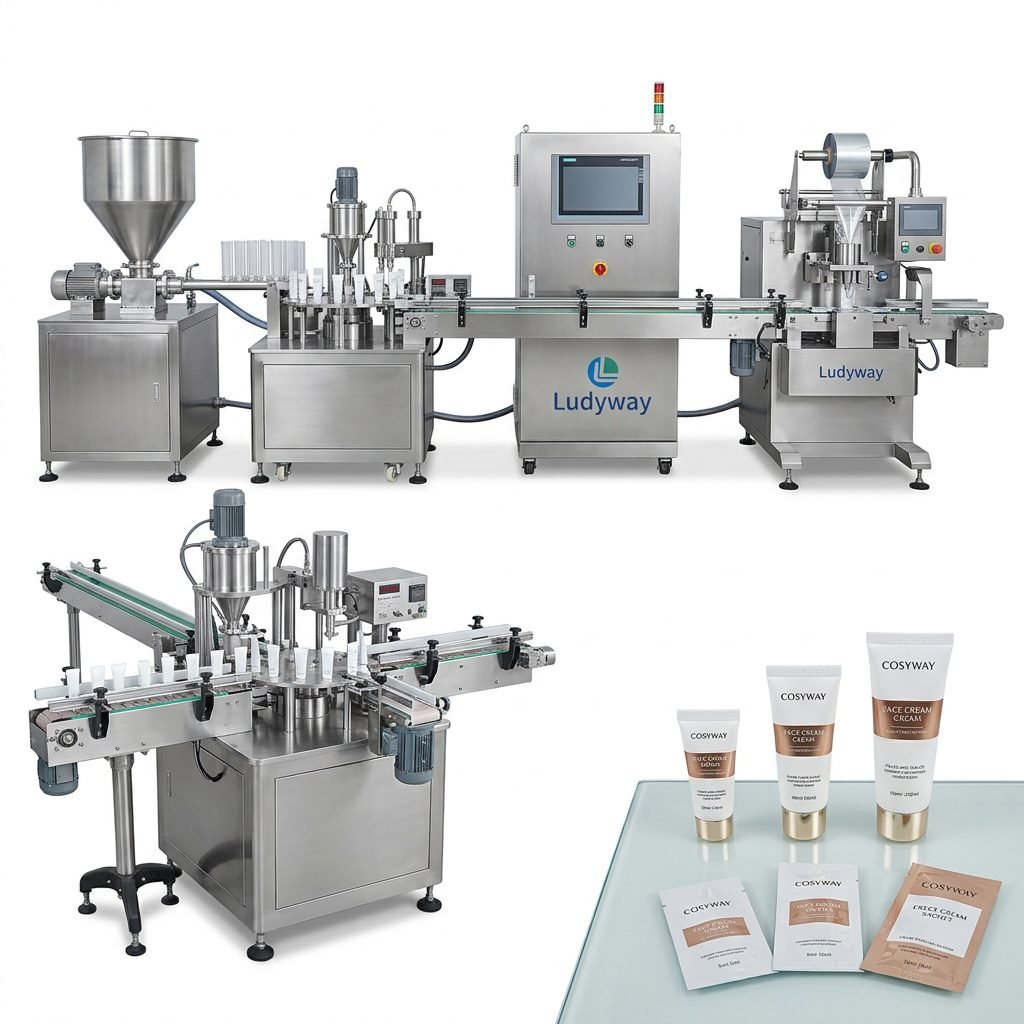
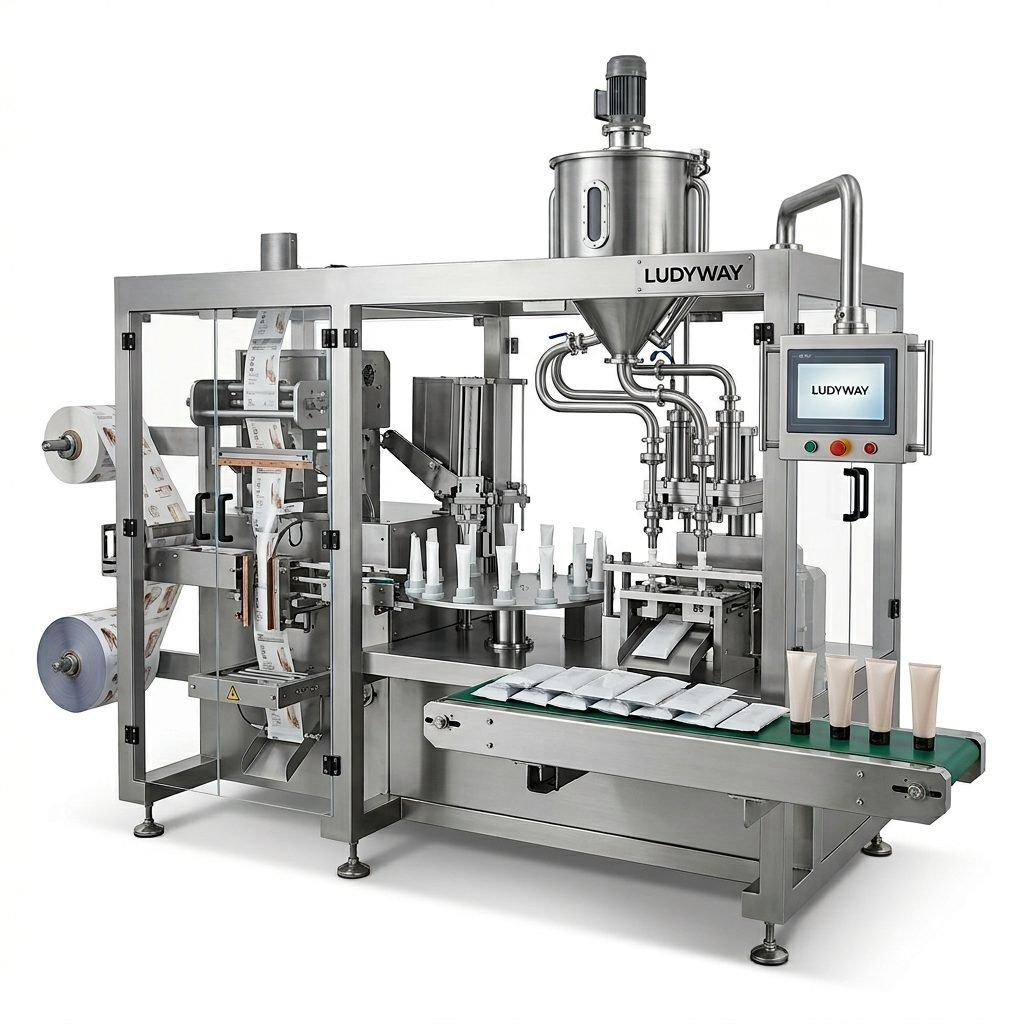
A well-integrated cream packaging line consists of several interconnected systems. Understanding each component helps in planning an efficient layout and ensuring smooth operation:
Filling and Dosing Systems
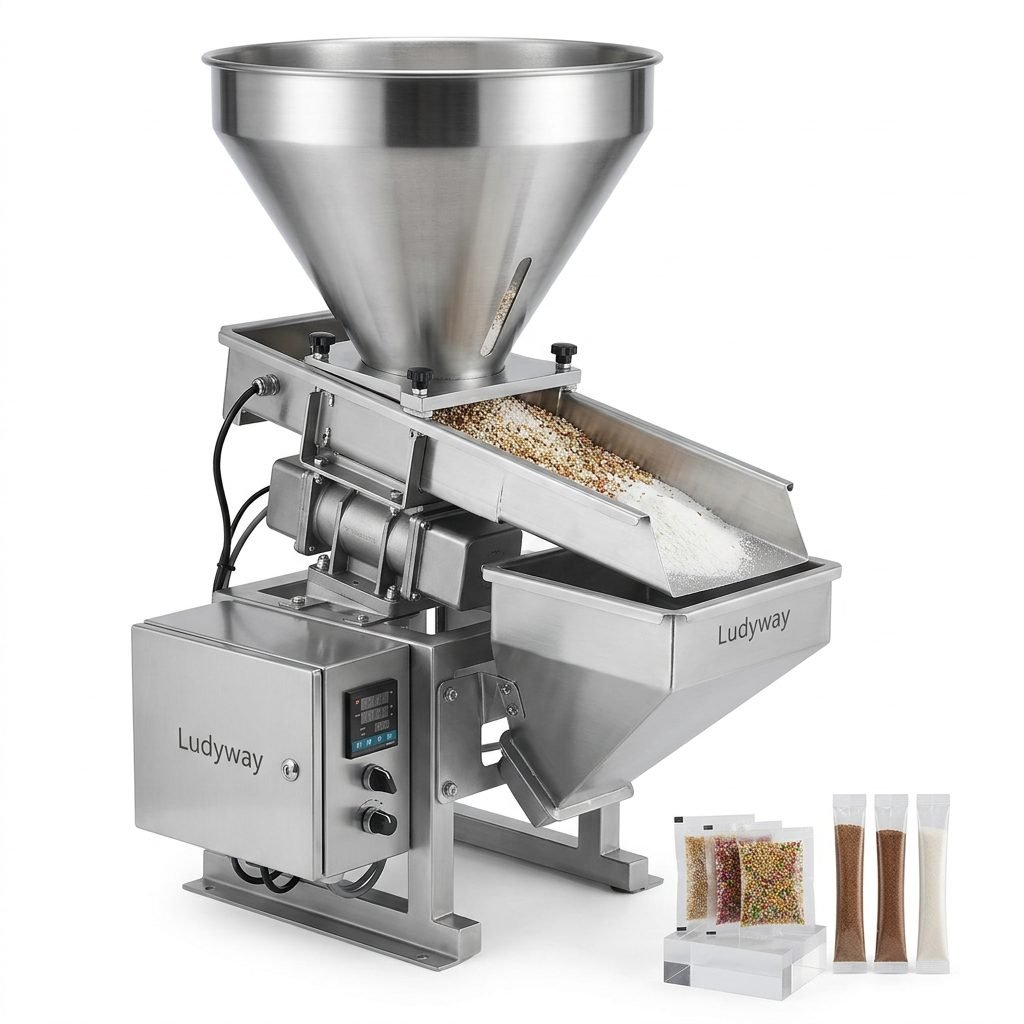
The filling station is the heart of the line. For cream products, piston fillers are widely preferred for their accuracy with viscous materials. Volumetric and servo-driven systems offer precision dosing down to ±0.5%, critical for both regulatory compliance and cost control.
Sealing Technology
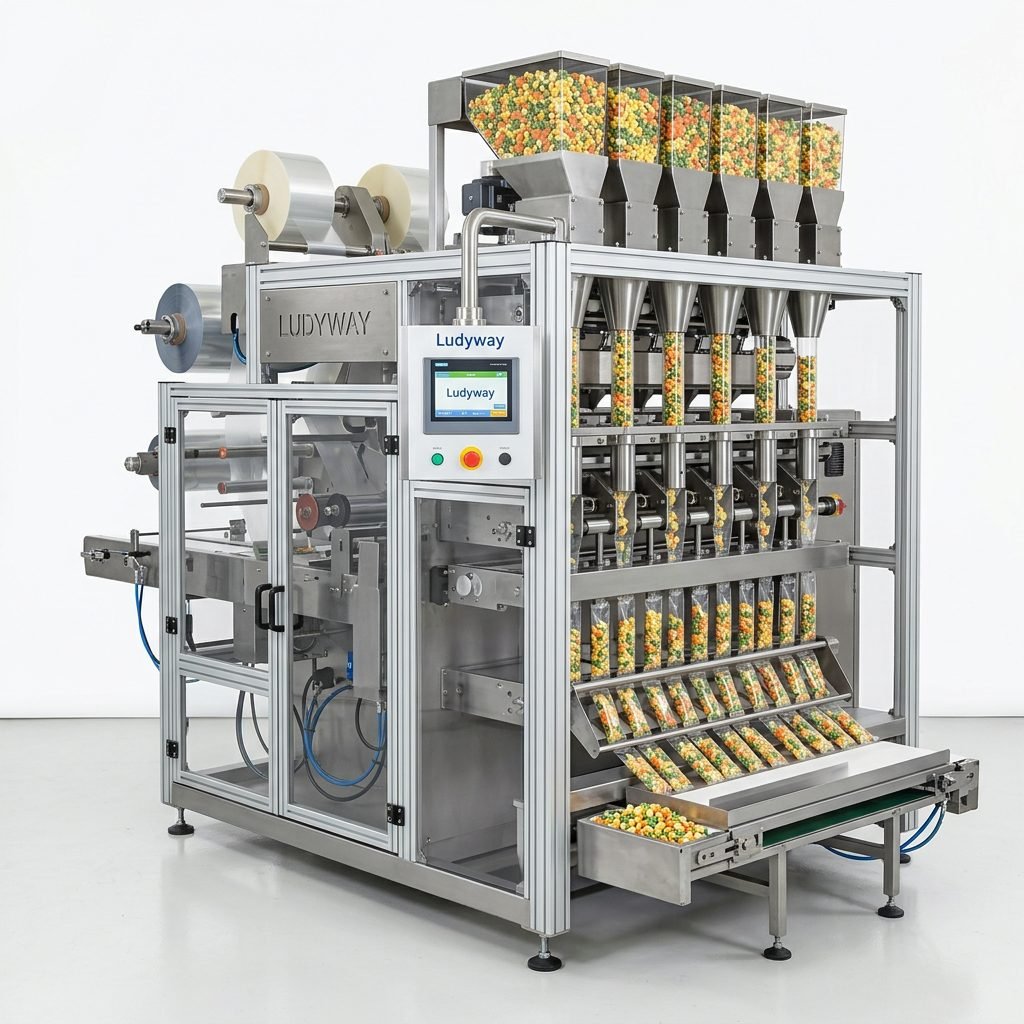
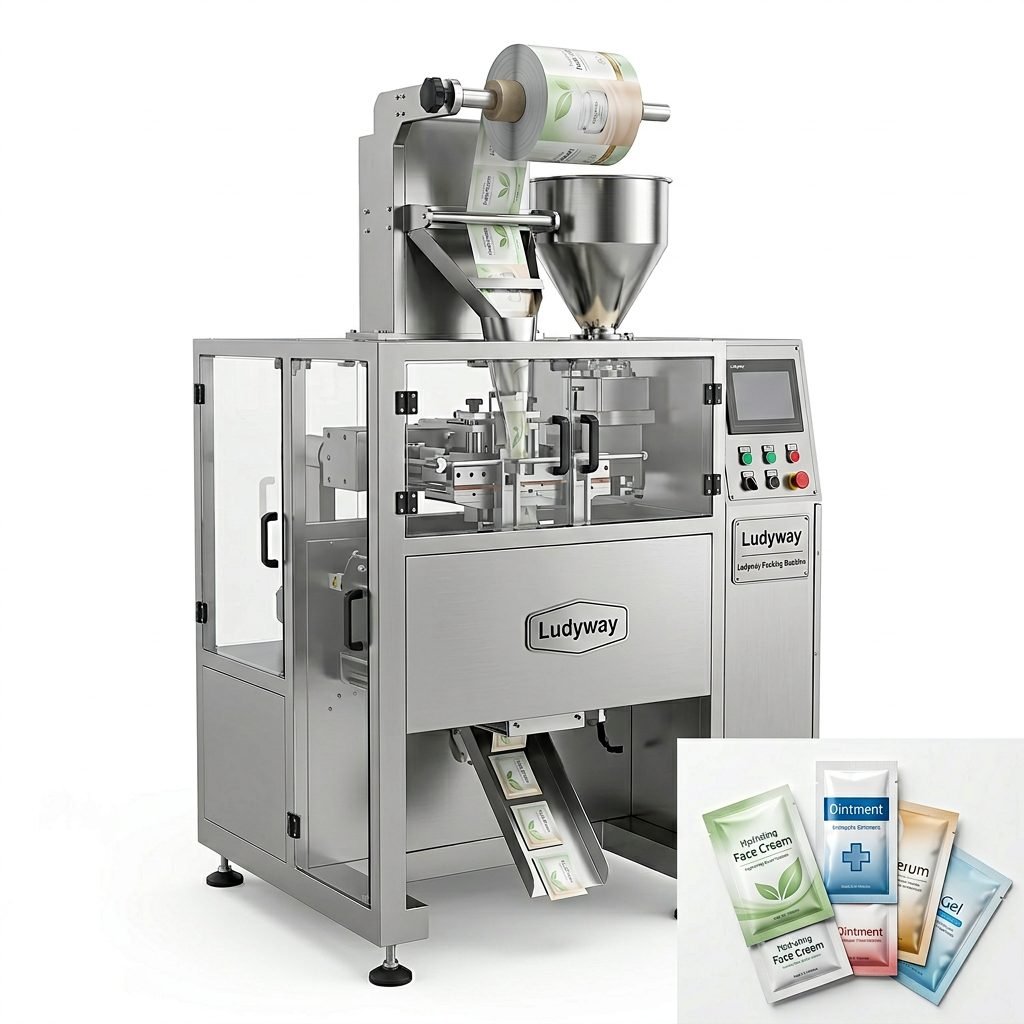
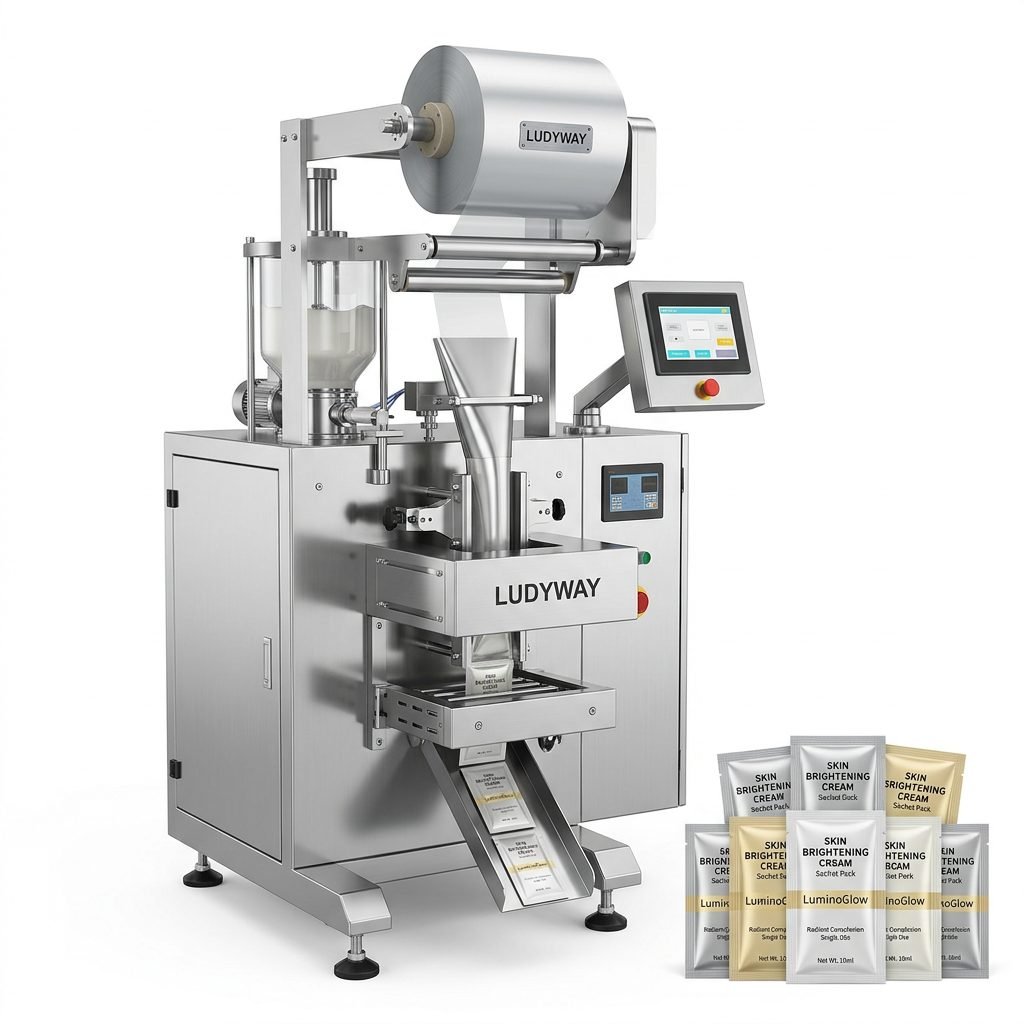
Proper sealing ensures product integrity and shelf life. Depending on the packaging format, your line may utilize heat sealing, ultrasonic sealing, or induction sealing. Multi-lane sachet and stick pack machines typically employ vertical form-fill-seal (VFFS) technology with heated sealing jaws.
Labeling and Coding
U.S. regulations mandate clear labeling. Integrate packaging industry standards-compliant date coding, batch numbering, and barcode printing systems. Thermal transfer and inkjet printers are common choices for cream packaging lines.
Secondary Packaging and Palletizing
Beyond primary packaging, automated cartoning, case packing, and palletizing systems complete the end-of-line process. These components significantly impact overall line efficiency and labor requirements.
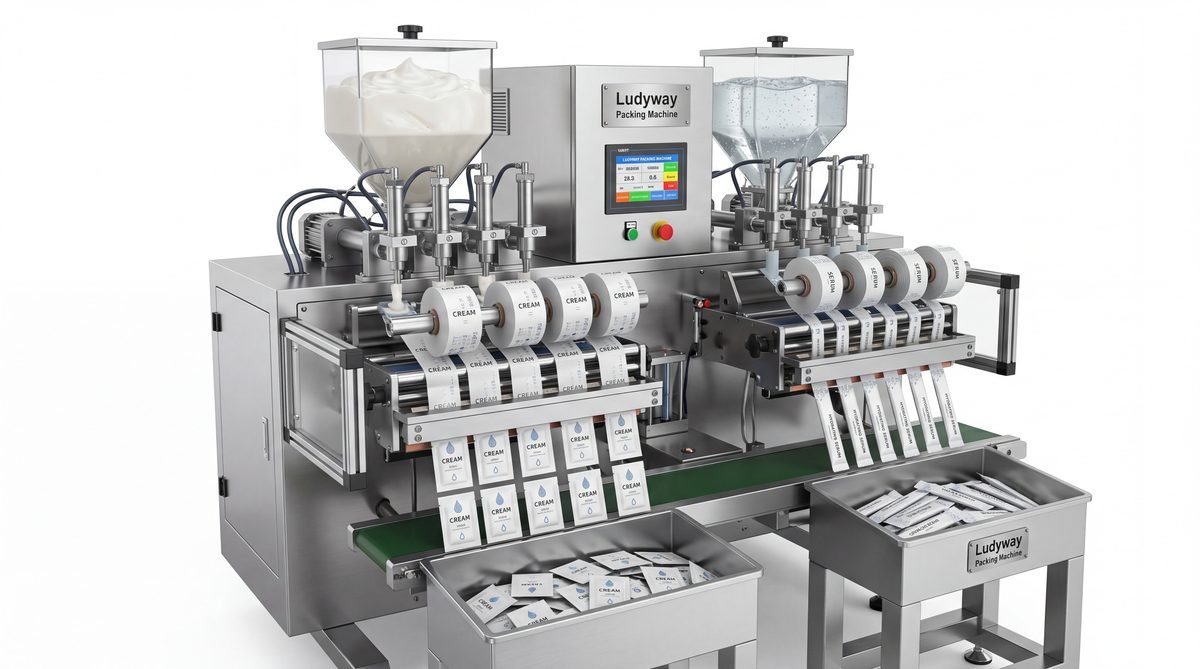
| Line Component | Key Function | Technology Options |
|---|---|---|
| Product Feeding | Hopper or pump-based cream delivery | Gravity, pneumatic, servo-driven pumps |
| Filling Module | Precise volumetric dosing | Piston, gear pump, auger fillers |
| Forming & Sealing | Pouch/sachet/tube formation and closure | Heat seal, ultrasonic, induction |
| Inspection System | Quality control and defect detection | Vision inspection, checkweighers, metal detectors |
| End-of-Line Packaging | Cartoning and palletizing | Robotic pick-and-place, case erectors |
FDA and Regulatory Compliance for Cream Packaging
Operating in the United States means adhering to strict FDA regulations. Cream products classified as cosmetics, food, or pharmaceuticals each fall under different regulatory frameworks. Key compliance areas include:
- Good Manufacturing Practices (GMP) – Facilities must follow FDA food packaging requirements for hygiene, equipment maintenance, and documentation.
- Food Contact Substances – All packaging materials must comply with FDA regulations for packaging and food contact substances (FCS) to ensure consumer safety.
- Labeling Requirements – Ingredient lists, net weight declarations, manufacturer information, and usage instructions must meet federal standards.
- Serialization and Traceability – Implementing batch tracking and serialization systems supports recall readiness and supply chain transparency.
Installation, Training, and Ongoing Support
Successful deployment of a cream packaging line extends beyond equipment procurement. A structured approach to installation and training ensures minimal downtime and rapid operational readiness:
Site Preparation
Ensure your facility meets the necessary utility requirements—compressed air, electrical supply, and cleanroom conditions where applicable. Floor space should accommodate the full line layout with adequate clearance for maintenance access.
Operator Training
Comprehensive training programs should cover machine operation, troubleshooting, changeover procedures, and safety protocols. Well-trained operators are essential for maintaining consistent output quality and extending equipment lifespan.
Preventive Maintenance
Establish a preventive maintenance schedule aligned with manufacturer recommendations. Regular inspection of sealing components, filling nozzles, and drive systems prevents unexpected breakdowns and ensures long-term reliability.
Cost Considerations and ROI Analysis
Investing in a cream packaging production line involves several cost categories. Understanding these helps in building an accurate budget and calculating return on investment:
| Cost Category | Estimated Range | Notes |
|---|---|---|
| Equipment Purchase | $50,000 – $500,000+ | Varies by automation level and lane count |
| Shipping & Import Duties | 5% – 15% of equipment cost | Depends on country of origin and trade terms |
| Installation & Commissioning | $10,000 – $50,000 | Includes technician travel and setup |
| Training | $5,000 – $15,000 | On-site or remote training programs |
| Annual Maintenance | 3% – 5% of equipment value | Spare parts, consumables, and service contracts |
The payback period for a well-configured cream packaging line typically ranges from 12 to 36 months, depending on production volume, product margins, and operational efficiency gains. Automation investments often yield the fastest ROI through reduced labor costs and increased throughput.
Industry Standards and Certifications
Aligning your production line with recognized standards strengthens market credibility and facilitates smoother regulatory inspections. Key standards relevant to cream packaging include:
- ISO 22716 – Good Manufacturing Practices for cosmetic products, providing guidelines for production, control, storage, and shipment.
- ISO packaging standards – Covering packaging materials, testing methods, and environmental considerations.
- PMMI Standards – Industry benchmarks from the PMMI packaging association that guide equipment design, safety, and interoperability.
- UL and CE Certifications – Electrical safety certifications that may be required depending on local regulations and insurance requirements.
For deeper insights into industry trends, the state of the industry packaging report from PMMI provides valuable data on market dynamics. Additionally, the flexible packaging industry resources from the Flexible Packaging Association offer guidance on material selection and sustainability best practices.
Future-Proofing Your Cream Packaging Line
As the U.S. market evolves, packaging lines must adapt to changing consumer preferences and regulatory landscapes. Consider these forward-looking strategies:
Sustainability Integration
Eco-friendly packaging is no longer optional. Equipment capable of handling recyclable mono-materials, bio-based films, and reduced-material formats positions your operation for long-term competitiveness. Look for machines with adjustable sealing parameters to accommodate sustainable film types without sacrificing seal integrity.
Smart Manufacturing Capabilities
Industry 4.0 features—including IoT sensors, real-time monitoring dashboards, and predictive maintenance alerts—are transforming packaging operations. These technologies enable data-driven decision-making and help minimize unplanned downtime.
Scalable Design
Modular equipment architectures allow you to start with a base configuration and expand capacity as demand grows. Multi-lane stick pack and sachet systems offer particularly flexible scalability, with the ability to add lanes without replacing core machinery.
Frequently Asked Questions
What is the typical lead time for a cream packaging machine?
Lead times vary by configuration complexity and manufacturer capacity, typically ranging from 8 to 16 weeks for standard models. Customized or highly automated lines may require 16 to 24 weeks.
How do I ensure my packaging line meets FDA requirements?
Work with equipment suppliers experienced in U.S. regulatory compliance. Ensure all product-contact surfaces use FDA-approved materials, implement proper documentation systems, and conduct regular audits aligned with FDA food packaging guidance.
What packaging formats work best for cream products?
Sachets and stick packs offer excellent portion control and are popular for single-use applications. Tubes provide user-friendly dispensing for multi-use products. Jars remain a premium option for high-end cosmetic creams. The best format depends on your target market, product characteristics, and brand positioning.
Can I run multiple cream formulations on the same line?
Yes, with proper changeover procedures. Many modern machines feature quick-change tooling and recipe-based settings that allow switching between different viscosities and formats in minutes rather than hours.
Setting up a cream packaging production line in the USA is a significant undertaking that rewards careful planning with operational efficiency and market competitiveness. By selecting the right equipment, ensuring regulatory compliance, and investing in operator training and preventive maintenance, you establish a foundation for long-term success in the dynamic cream products market.