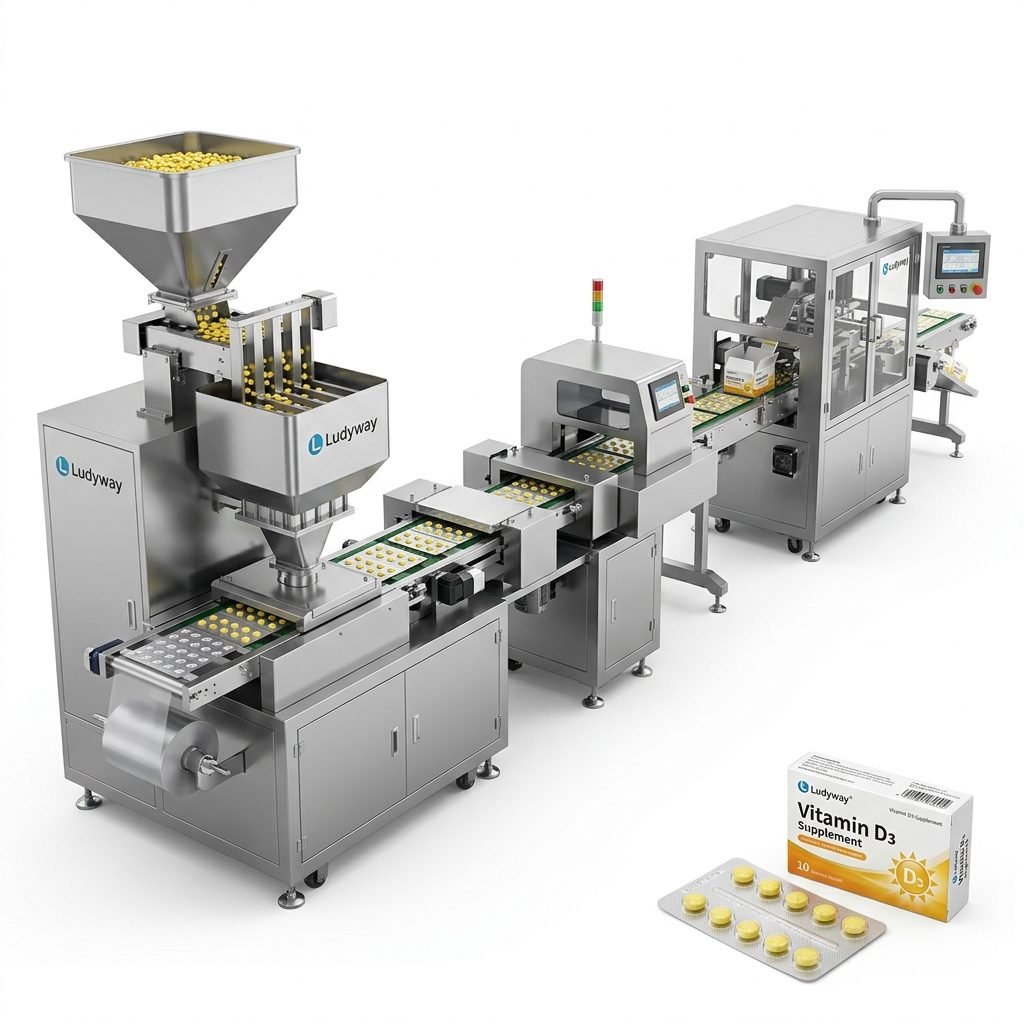
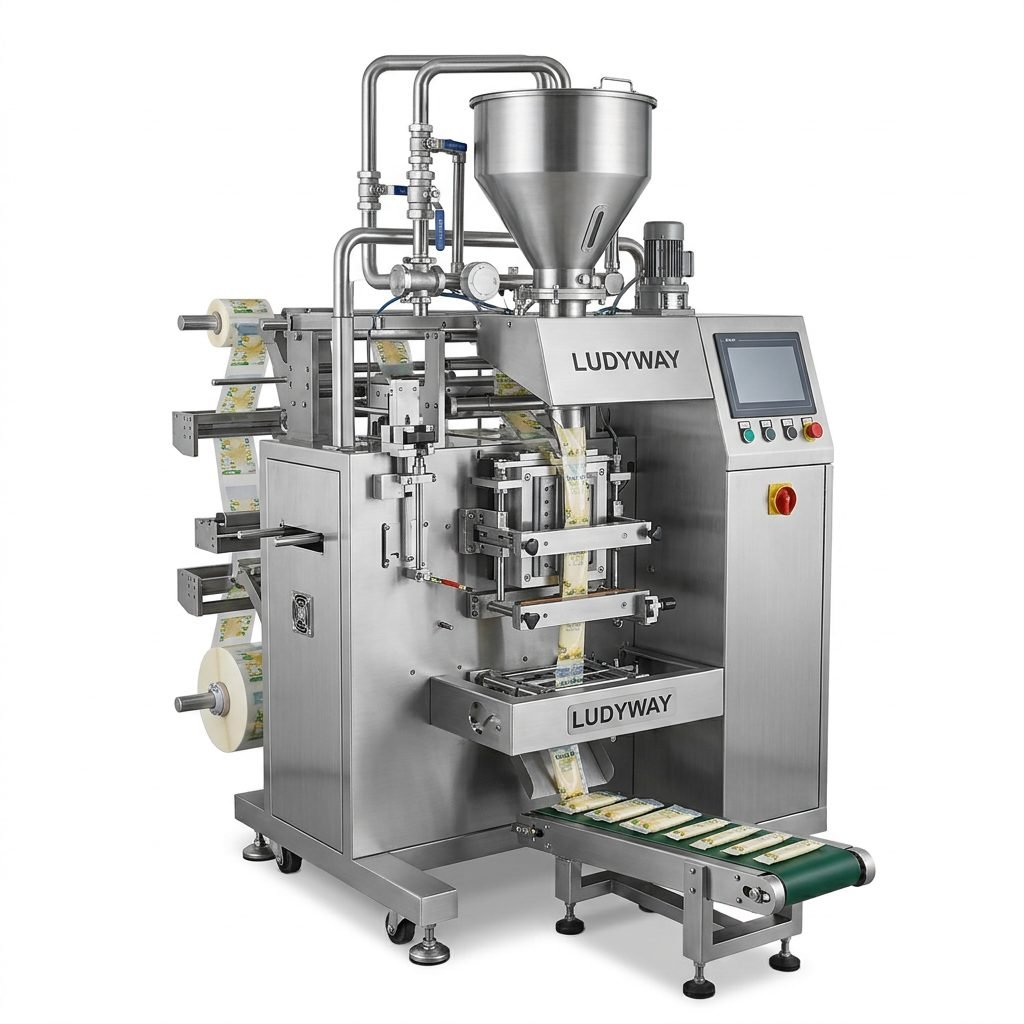
Choosing the best automatic vacuum packaging machine for food storage is a critical decision for any business or serious home user looking to extend shelf life, preserve freshness, and reduce waste. This guide will walk you through the key factors to consider, ensuring you select the right model for your specific needs, whether for commercial production or high-volume home use.
Understanding Vacuum Packaging Technology
At its core, vacuum packaging removes air from the package before sealing. This process significantly slows down oxidation and inhibits the growth of aerobic bacteria and fungi. Modern automatic vacuum packaging machines streamline this process, offering consistent, high-speed sealing with minimal operator intervention. They are indispensable in settings where efficiency, hygiene, and packaging integrity are paramount.
Key Benefit: Extended Shelf Life
By removing oxygen, vacuum packaging can extend the shelf life of perishable foods by 3 to 5 times compared to conventional storage methods. This is crucial for inventory management and reducing food spoilage costs.
Critical Factors for Choosing the Right Model
1. Intended Application & Volume
Your production volume is the primary driver. For high-throughput commercial environments like meat processing plants or large-scale meal prep services, a double-chamber or rotary-chamber automatic machine is essential. For smaller cafes, butchers, or dedicated home kitchens, a high-quality single-chamber automatic model may be perfectly adequate. Consider not just your current needs but also projected growth.
2. Chamber Size and Bag Dimensions
The internal chamber dimensions dictate the maximum bag size you can use. Measure the largest products you plan to package. A machine with a slightly larger chamber than currently needed offers valuable flexibility for future products. Remember, the bag width must also be compatible with the machine’s sealing bar length.
3. Vacuum Power and Speed
Vacuum strength, measured in cubic meters per hour (m³/h) or by ultimate vacuum level (e.g., 99%), determines how quickly and thoroughly air is removed. For products with liquid or fine powders, look for machines with adjustable vacuum levels and pulse sealing functions to prevent liquid from being sucked into the pump. Speed, measured in cycles per hour, directly impacts your output.
→ Pro Tip: Check the Pump
The vacuum pump is the heart of the machine. Oil-lubricated rotary vane pumps are powerful and durable for industrial use. Oil-less pumps require less maintenance but may have a shorter lifespan under heavy loads. Choose based on your expected duty cycle.
4. Sealing System and Reliability
A consistent, strong seal is non-negotiable. Look for machines with dual sealing wires for redundancy and nickel-chromium alloy elements known for even heat distribution. The sealing time and temperature should be easily adjustable to accommodate different bag materials (e.g., nylon, polyethylene, multi-layer laminates).
5. Construction and Ease of Use
The machine should be built from food-grade, corrosion-resistant materials like stainless steel, especially for all food-contact surfaces. The control panel should be intuitive, possibly with programmable memory for different products. Features like an automatic bag detection system and easy-open lid enhance daily operation and safety.
Exploring Different Types of Automatic Machines
Single-Chamber Automatic Machines
Ideal for small to medium businesses. The operator places the bag in the chamber, closes the lid, and the machine automatically performs the vacuum and seal cycle. They offer a great balance of performance, footprint, and price.
Double-Chamber (or Twin-Chamber) Machines
The productivity champion. While one chamber is under vacuum, the operator can load the other. This creates a near-continuous workflow, dramatically increasing output. Essential for medium to large-scale operations.
Rotary Vacuum Chamber Machines
Used for very high-volume, automated production lines. Products are automatically fed, and bags are indexed through multiple stations for vacuumizing and sealing. This is specialized equipment for large factories.
Why Partner with a Professional Manufacturer?
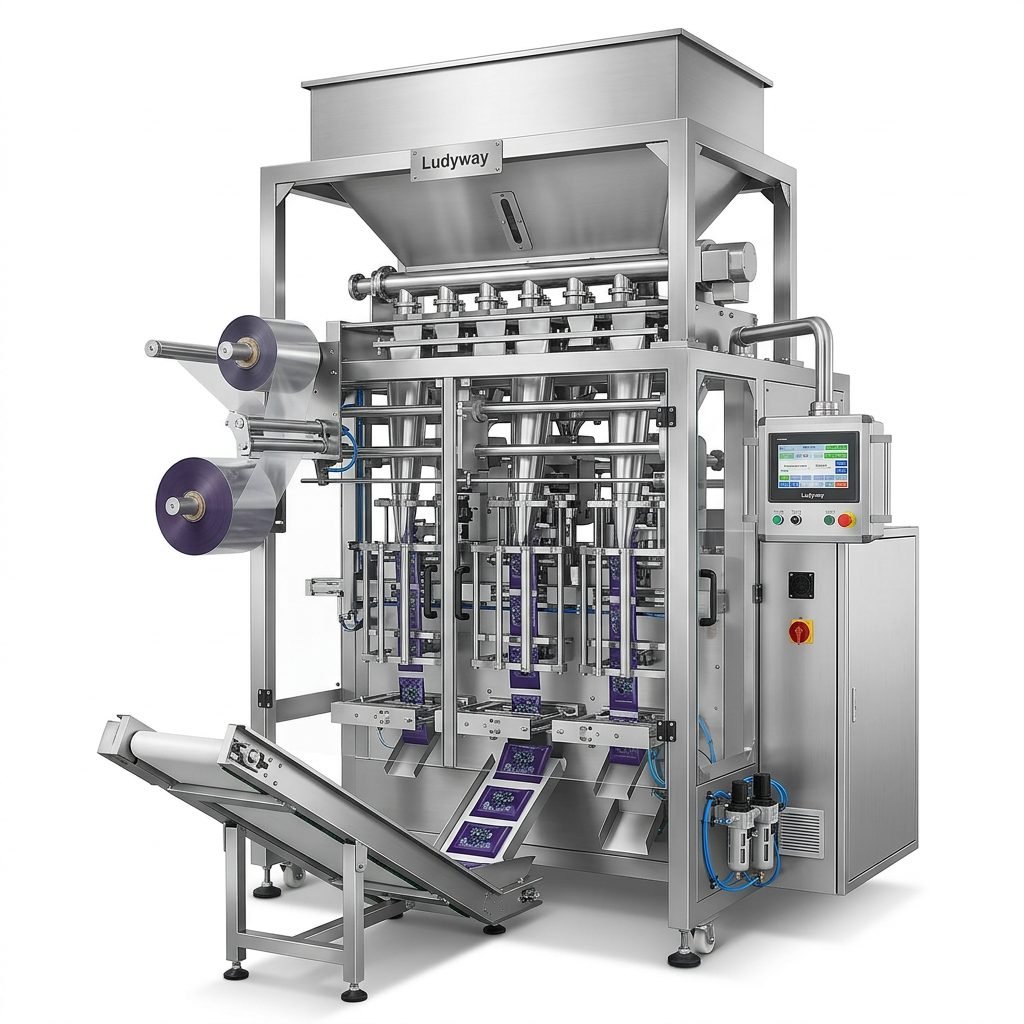
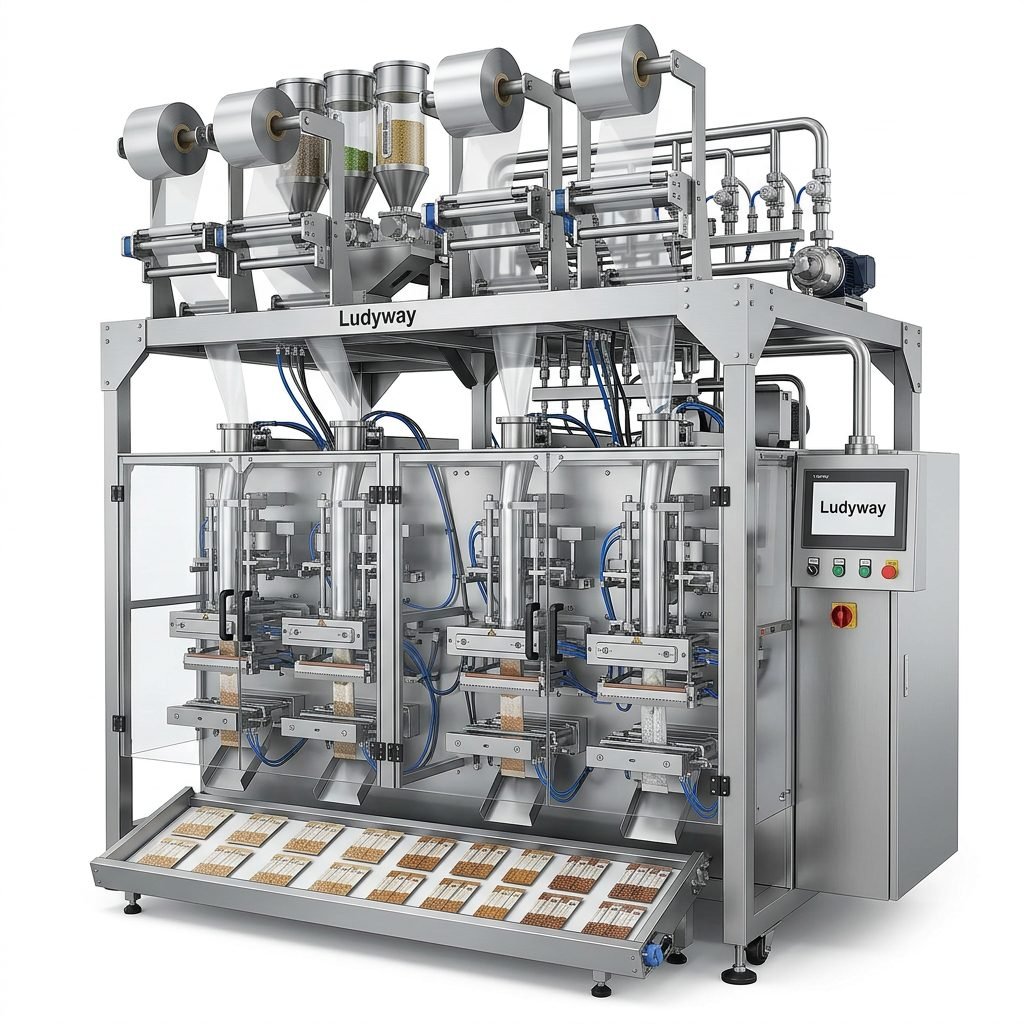
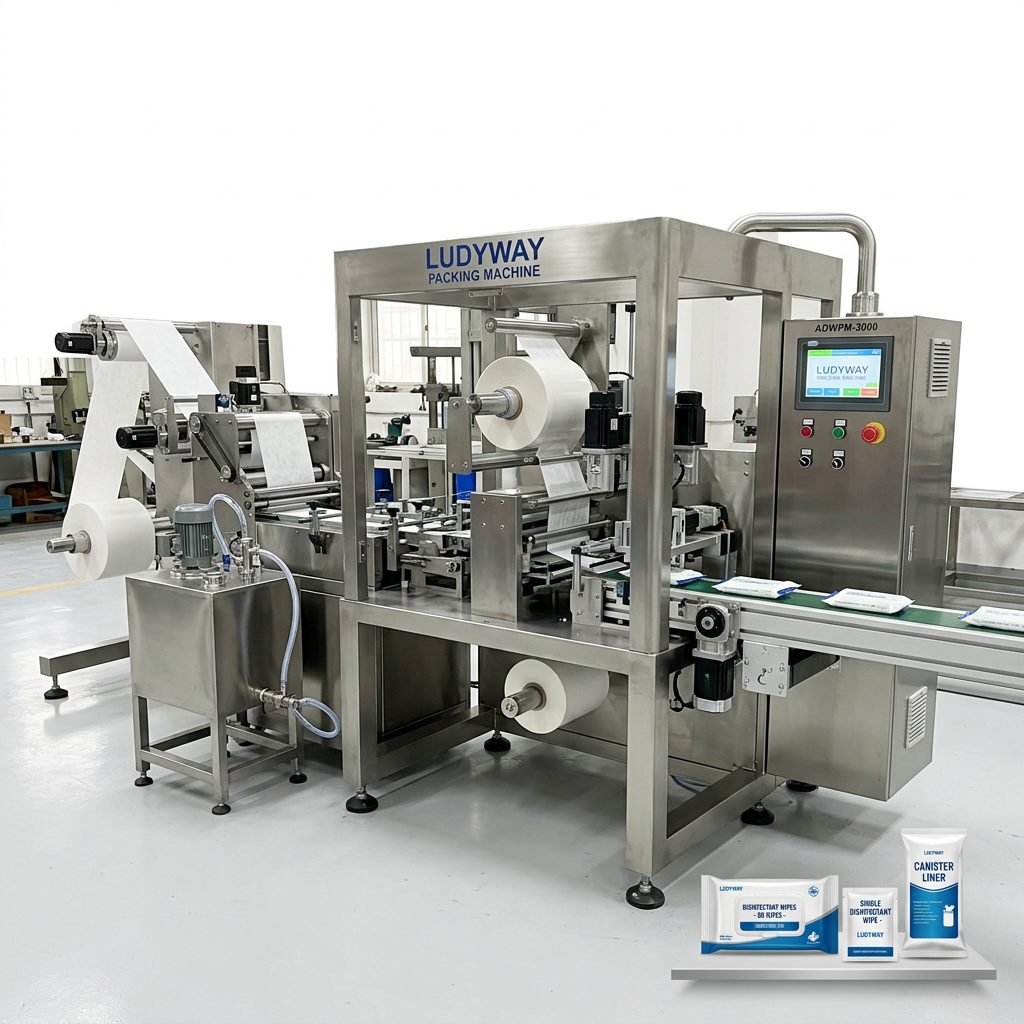
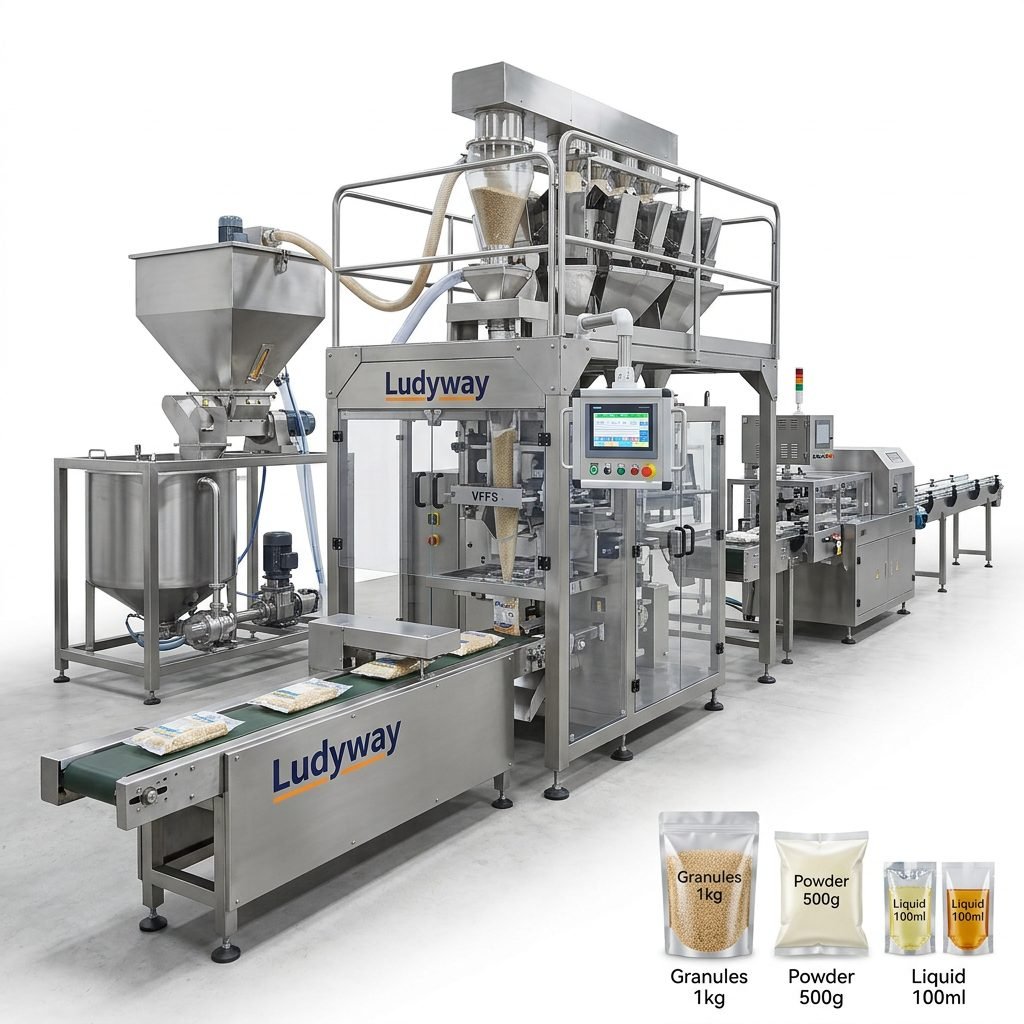
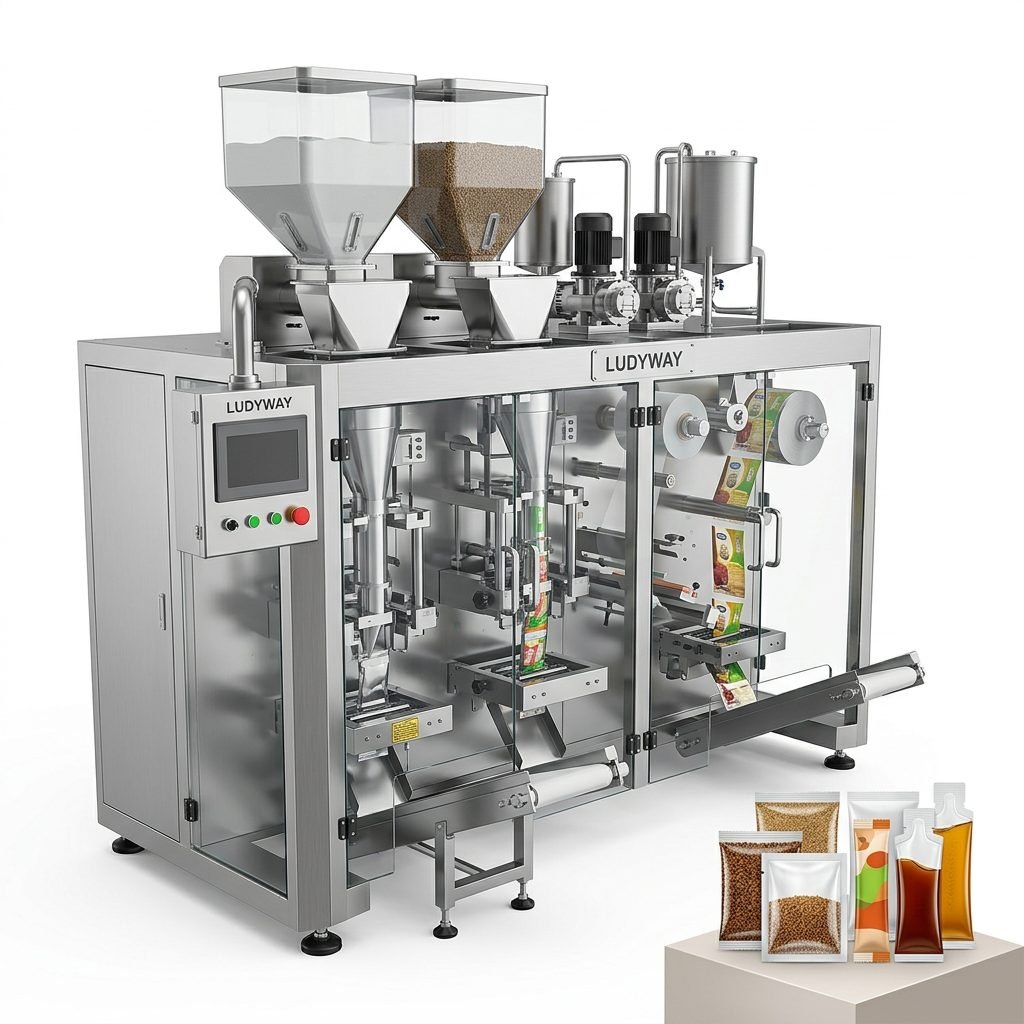
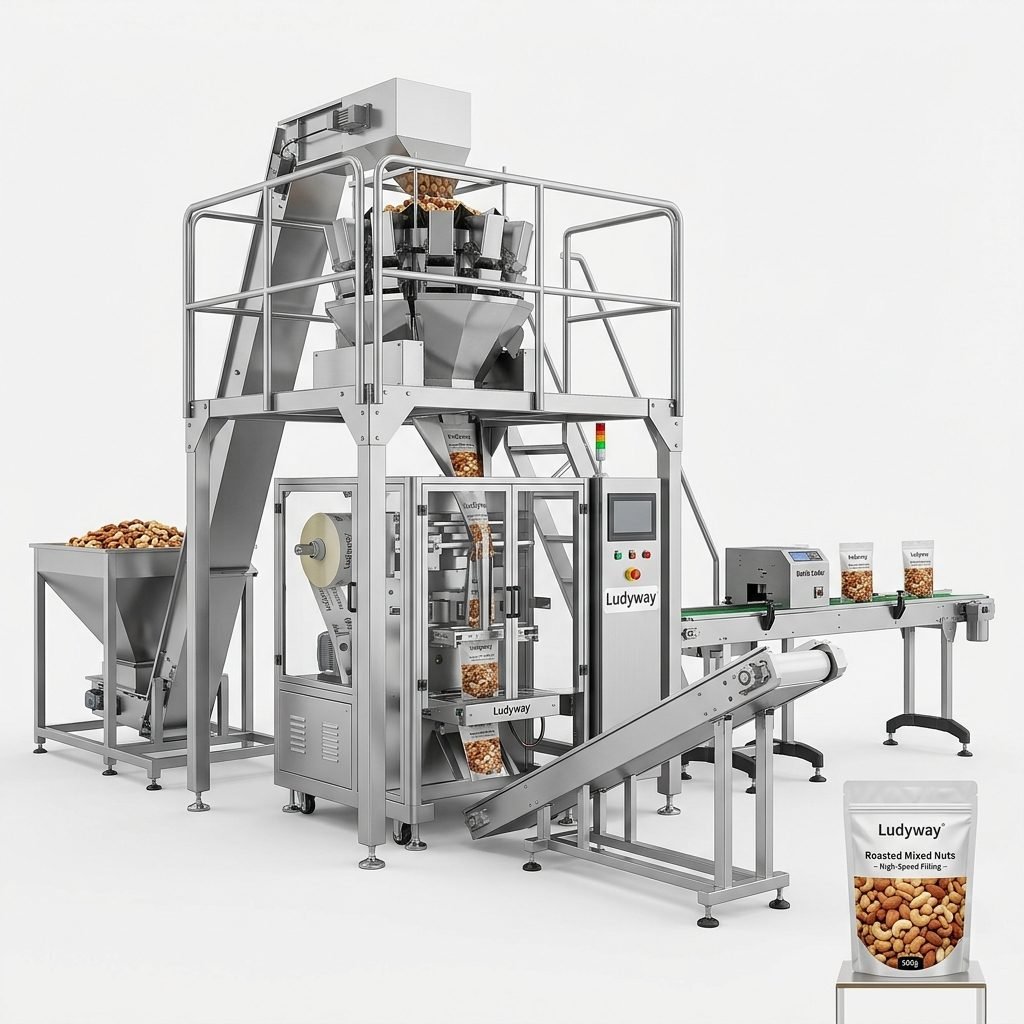
Investing in an automatic vacuum packaging machine is a significant decision. Partnering with an experienced manufacturer like Ludyway Packing Machine provides immense value. With over 30 years of industry experience, they understand the nuanced demands of food packaging. They offer more than just a machine; they provide solutions tailored to your production line, whether you’re packaging granules, powders, or liquids.
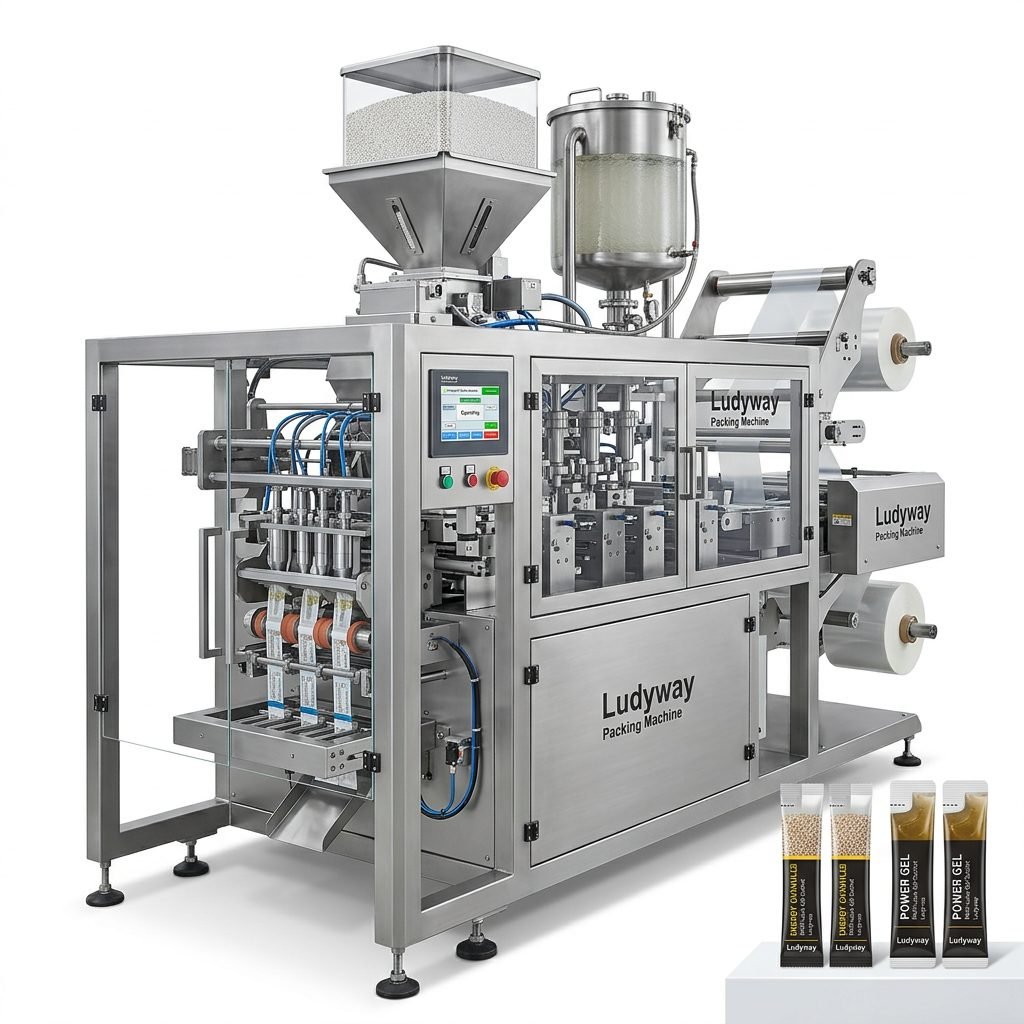
Their expertise spans designing intelligent packaging systems, including multi-lane formats, ensuring you get a machine that integrates seamlessly and scales with your business. A professional partner will offer robust after-sales support, reliable spare parts, and technical guidance—critical factors for minimizing downtime.
The Ludyway Advantage
Choosing a partner with a strong foundation matters. Ludyway Machinery, founded on a vision of reliable global solutions, brings practical innovation to the table. Their journey from a focused engineering team to an international provider of over 50 packaging machine models reflects a commitment to quality and customer-centric development. They support clients worldwide with customized production solutions and long-term partnership, ensuring your investment is protected.
Making Your Final Decision
Before purchasing, request product samples sealed by the machine you are considering. Evaluate the seal strength and vacuum quality. Clearly communicate your specific products, bag specifications, and desired output to the supplier. A reputable company will conduct tests and provide a detailed recommendation. Remember, the cheapest option often carries hidden costs in maintenance, downtime, and poor packaging results.
Frequently Asked Questions (FAQs)
What types of bags can I use with an automatic vacuum sealer?
You must use bags specifically designed for vacuum packaging, typically made from multi-layer nylon and polyethylene laminates. These are durable, puncture-resistant, and provide an excellent barrier. The bags must be the correct size and gauge (thickness) for your machine and product.
How do I maintain my automatic vacuum packaging machine?
Regular maintenance is key. This includes daily cleaning of the sealing bar and chamber, weekly checks of the oil level (for oil-lubricated pumps), and periodic inspection of the sealing gasket for wear. Always follow the manufacturer’s specific maintenance schedule to ensure longevity and consistent performance.
Can these machines handle liquid-rich foods like soups or stews?
Yes, but you need a machine with specific features. Look for models with adjustable vacuum strength, a “pulse” or “soft start” function, and sometimes a liquid tray or barrier. These features allow you to remove air without drawing liquids into the vacuum pump, which can cause damage.
What is the difference between a chamber vacuum sealer and an external suction sealer?
External suction sealers (often “food savers”) suck air out through a channel in the bag. They are generally less powerful, slower, and not suitable for liquids. Chamber vacuum sealers place the entire bag inside a chamber, creating a stronger vacuum faster and are capable of handling liquids and fine powders. Automatic machines are almost exclusively the chamber type.
Is it worth investing in an automatic machine for a small business?
Absolutely. If you package more than a few items per day, an automatic machine saves significant labor time, ensures consistent, professional-quality seals, and improves overall hygiene by reducing handling. The increase in efficiency and product presentation often provides a rapid return on investment for small businesses.