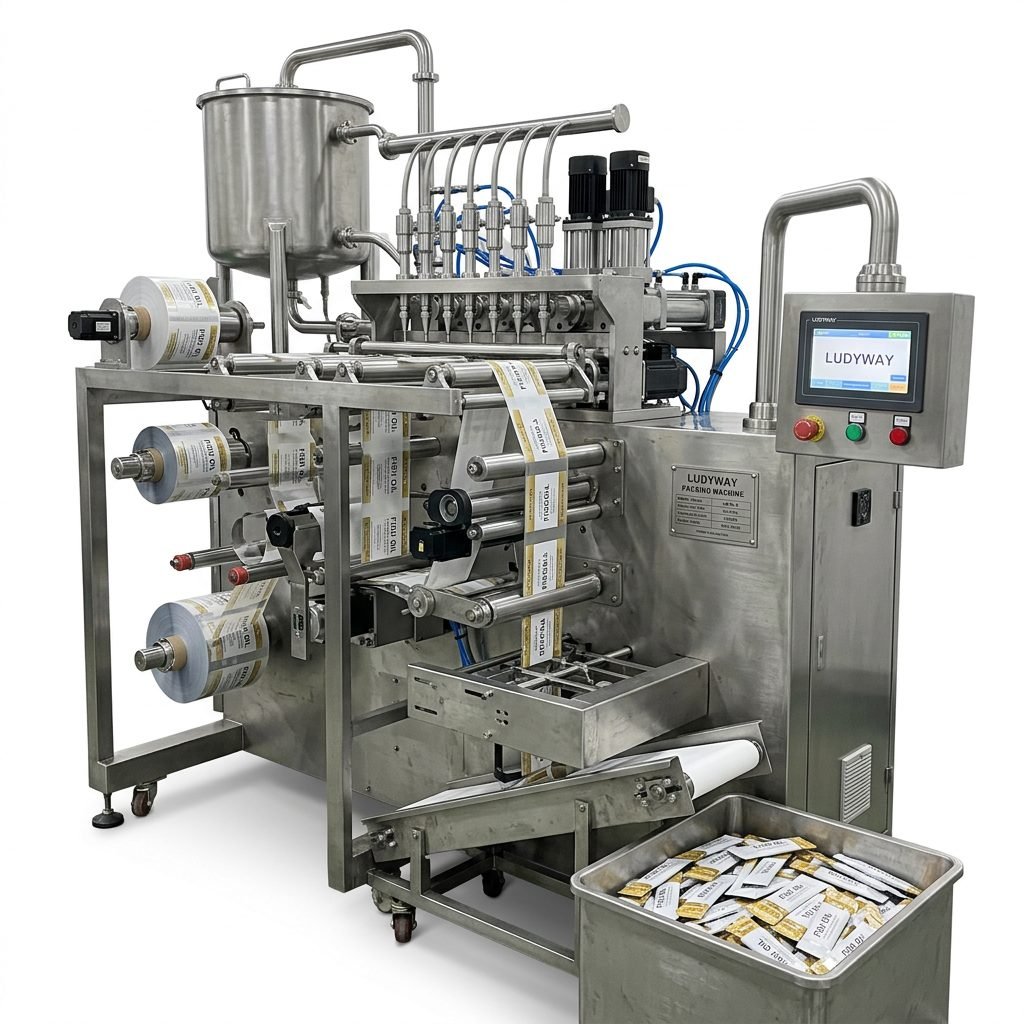
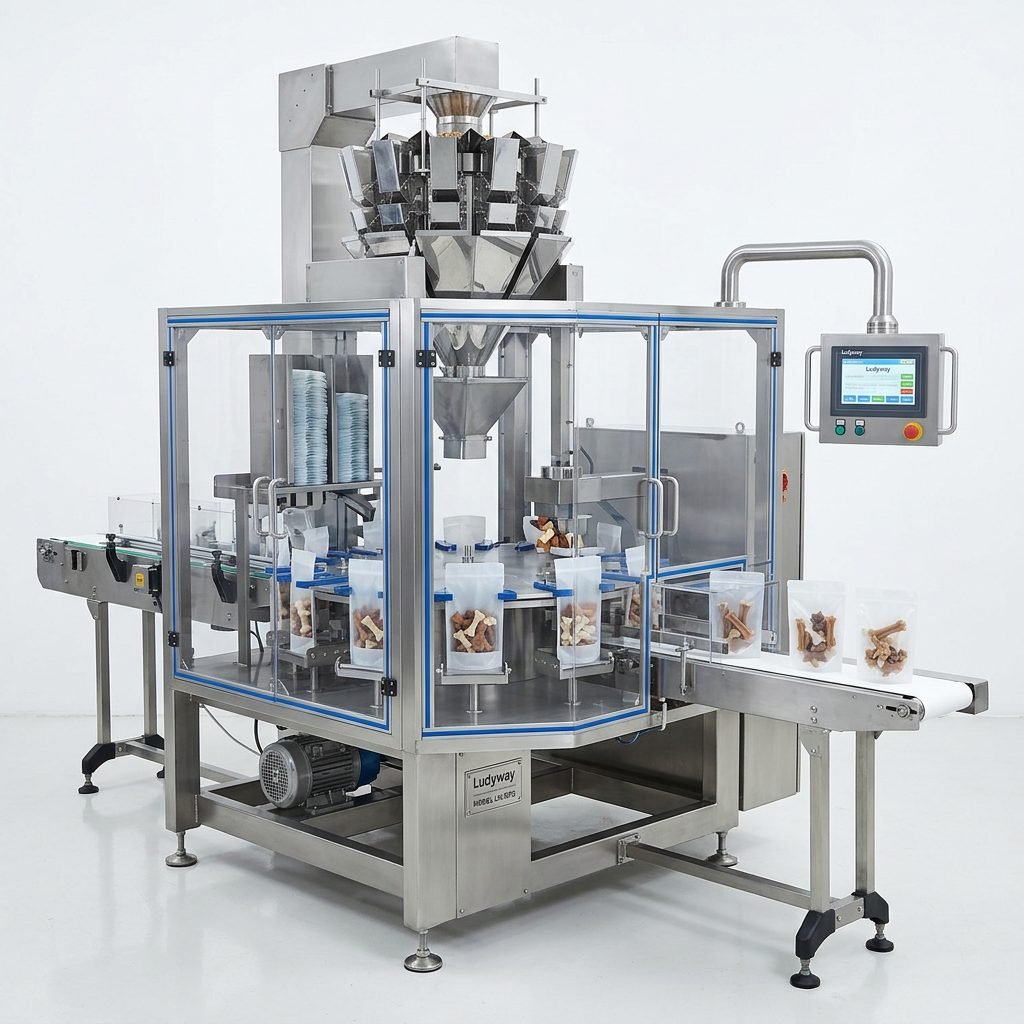
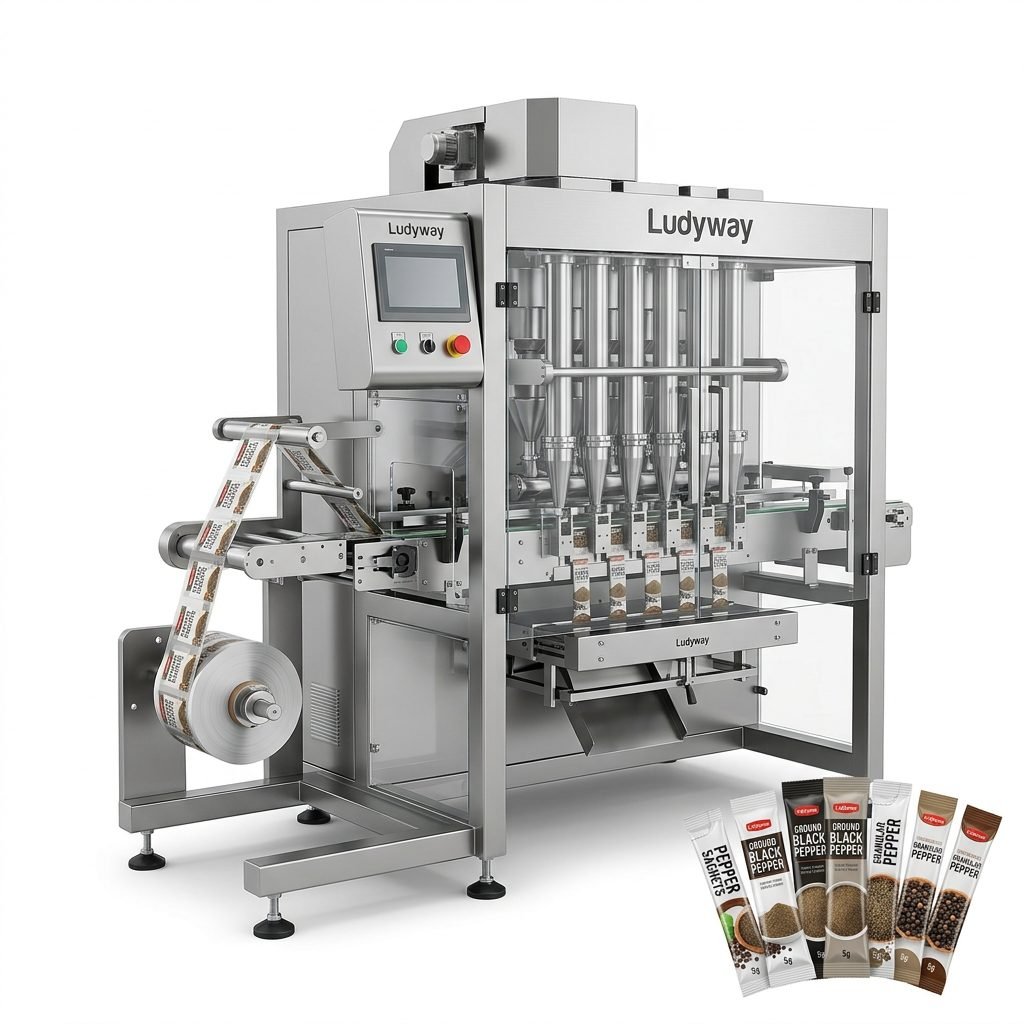
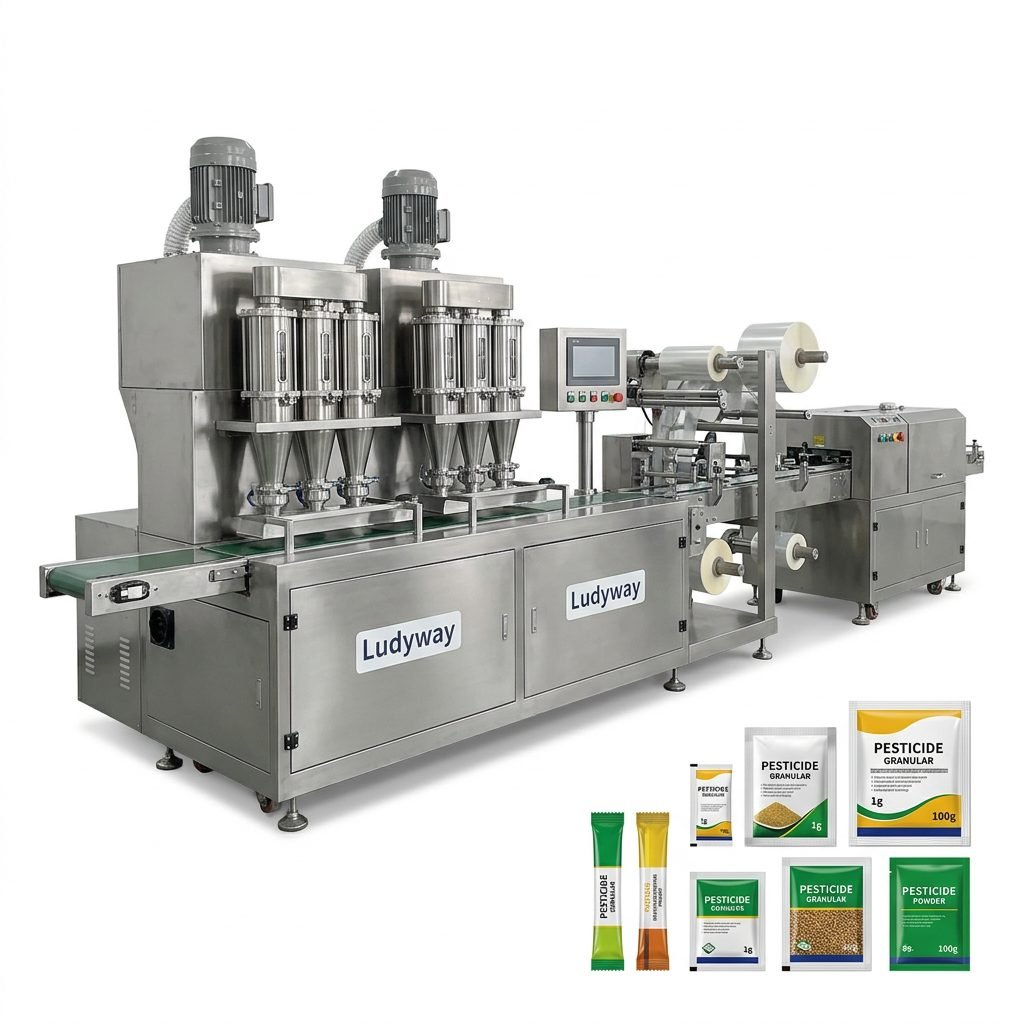
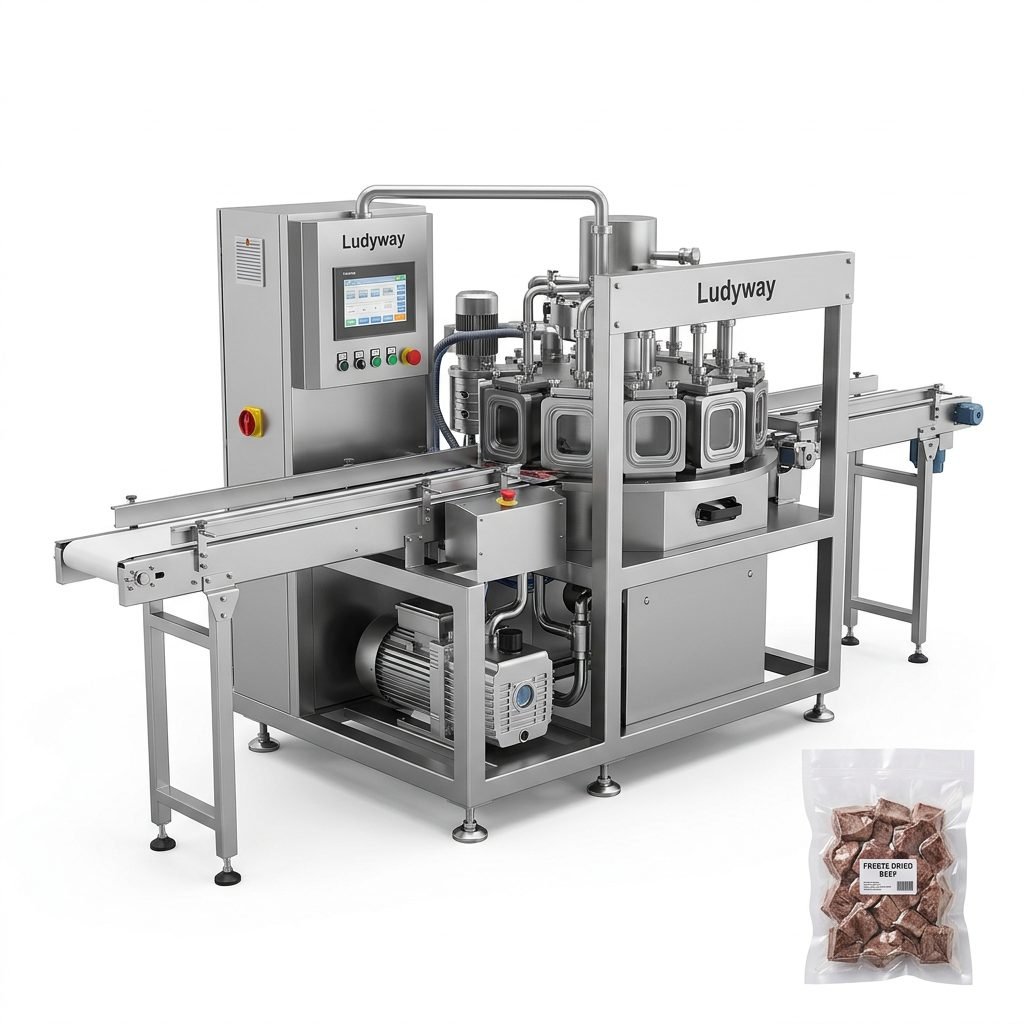
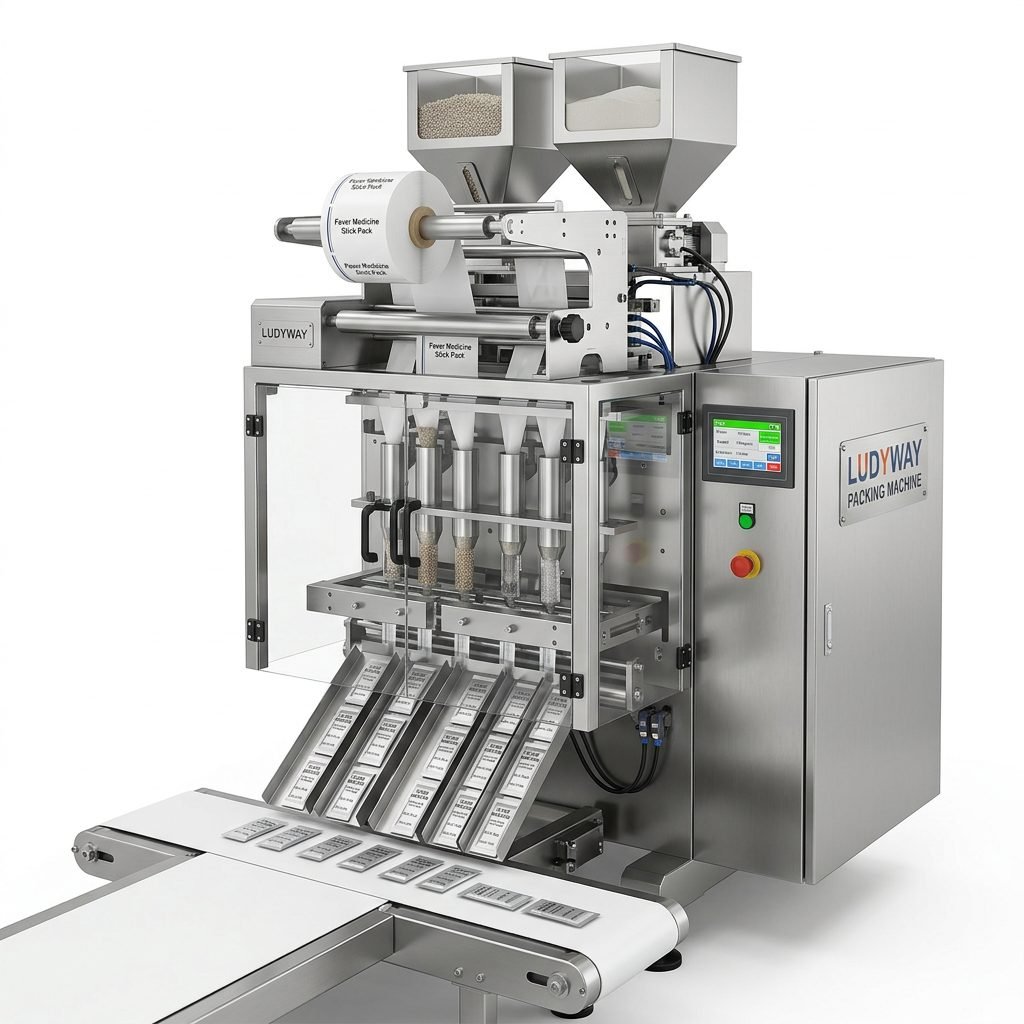
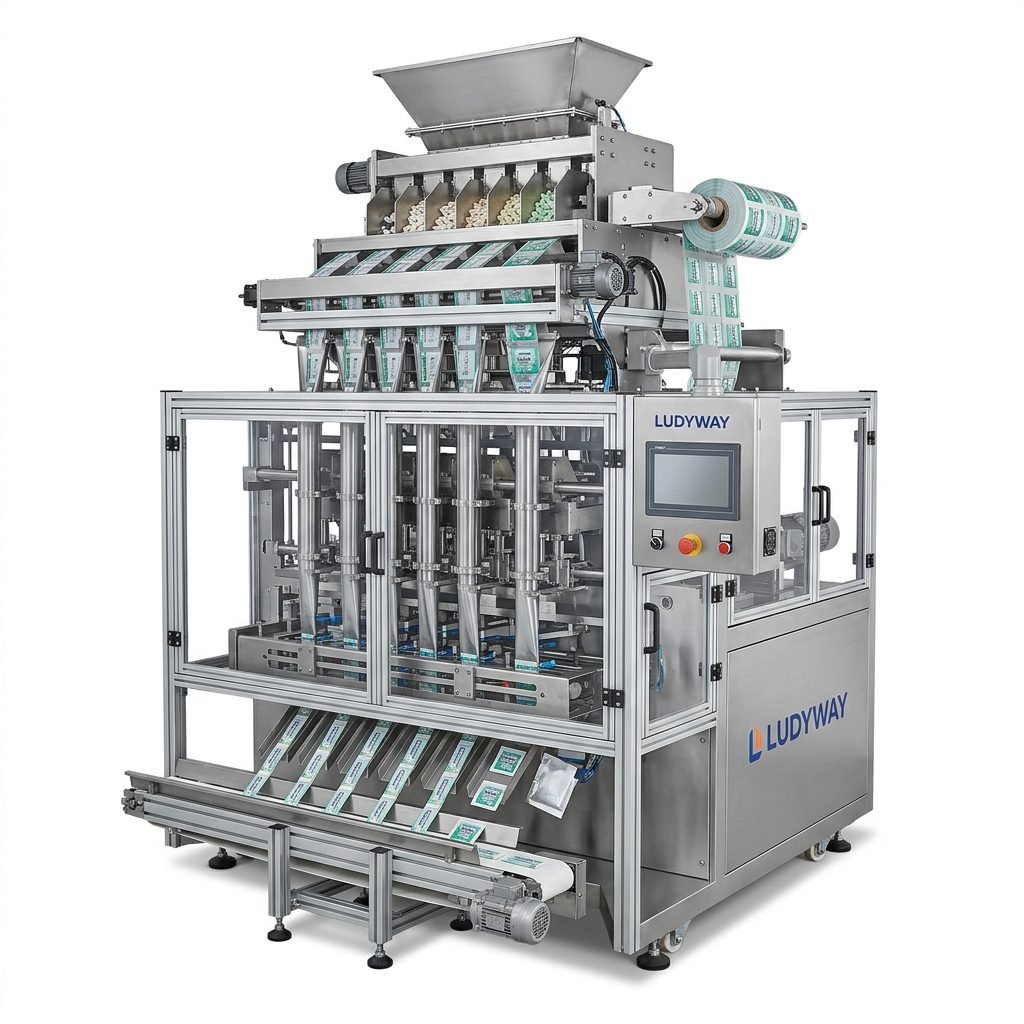
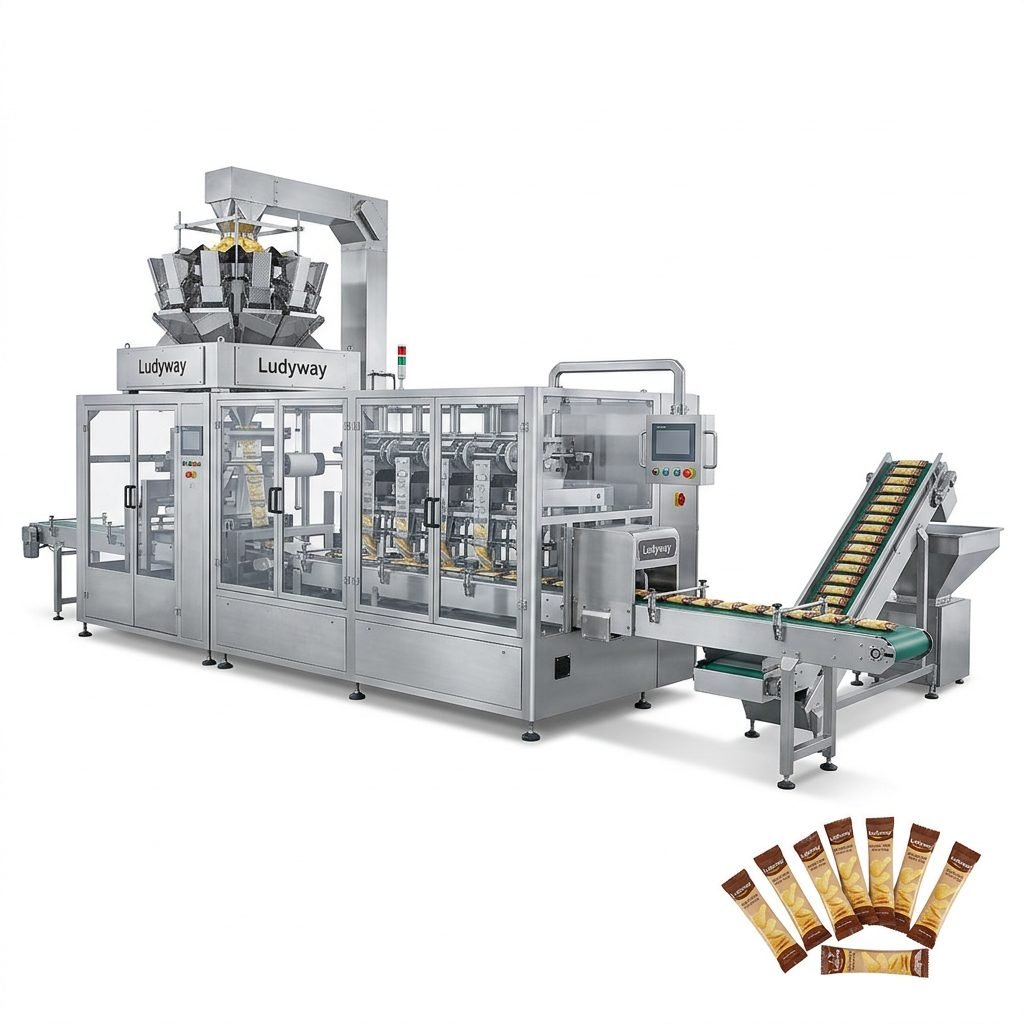
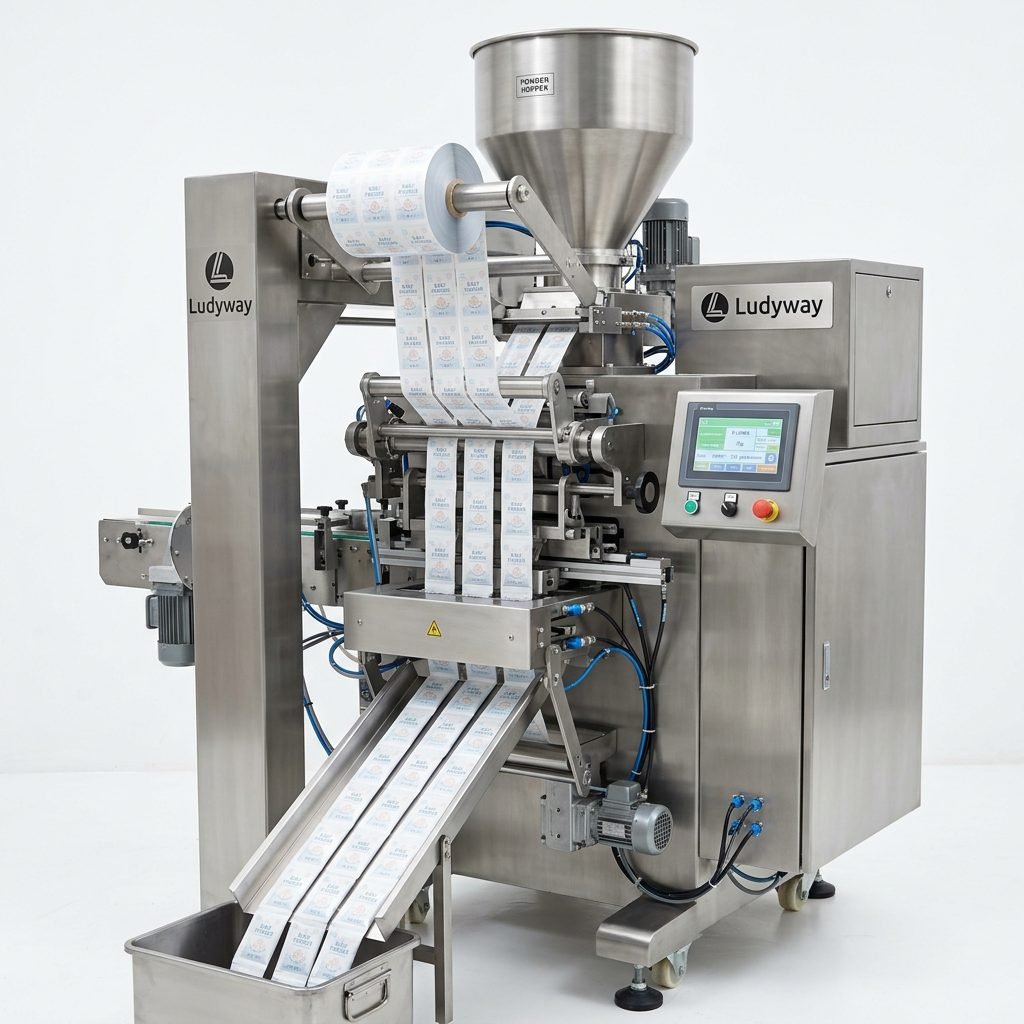
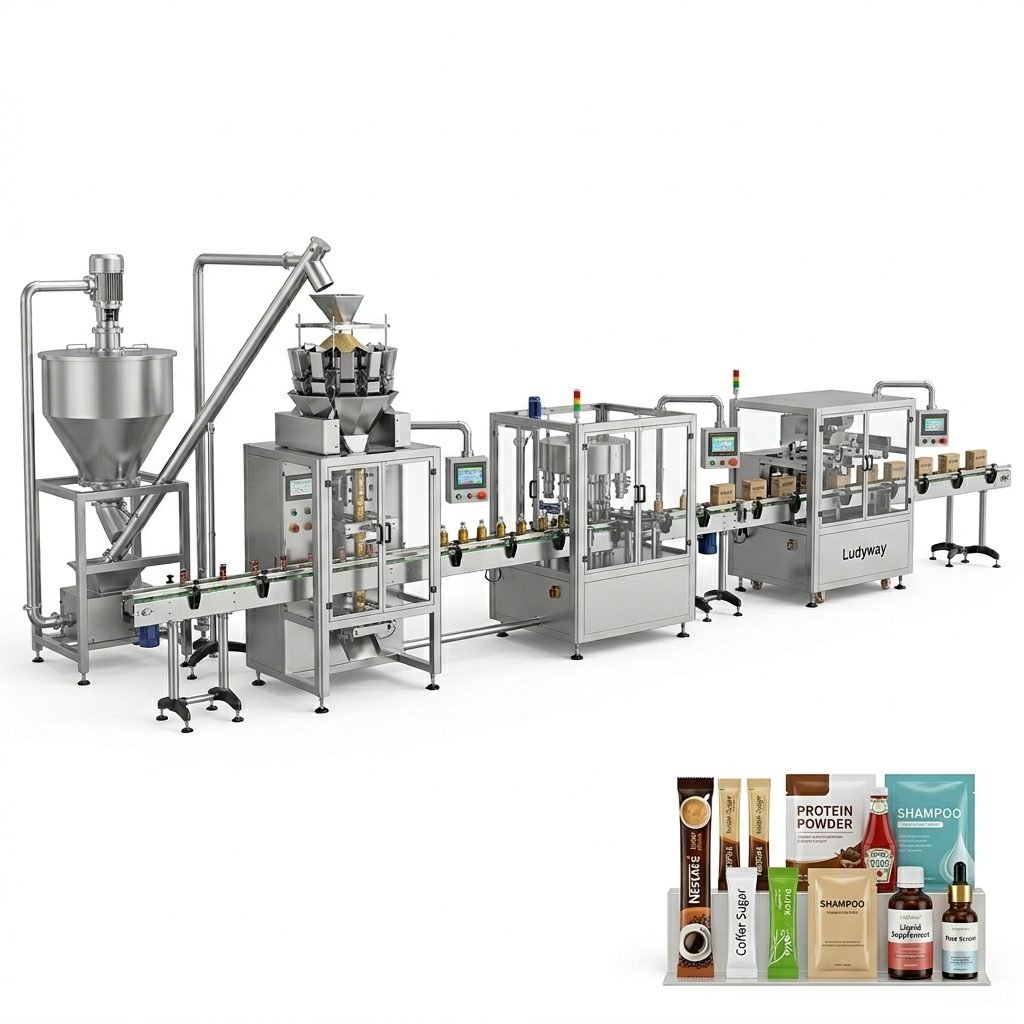
In the competitive world of manufacturing, efficiency, hygiene, and cost-effectiveness are not just goals—they are necessities for survival and growth. For producers of soap bars, whether artisanal, cosmetic, or industrial, the packaging stage presents a critical opportunity to optimize these three pillars. The right soap packaging machine can transform your production line, ensuring products are sealed securely, presented attractively, and delivered to market with minimal waste and maximum speed. This article delves into the world of soap packaging machinery, exploring the key features that define the best equipment for achieving efficient, hygienic, and cost-effective production.
The Core Pillars of Superior Soap Packaging
Choosing a packaging machine is a significant investment. The best systems are built upon three foundational principles that directly impact your bottom line and brand reputation.
1. Uncompromising Efficiency for Scalable Production
Efficiency in packaging translates to higher output, reduced labor costs, and faster time-to-market. Modern soap packaging machines achieve this through high-speed automation and intelligent design.
Key efficiency drivers include: multi-lane feeding systems that handle several soap bars simultaneously, servo-motor technology for precise and rapid movement, and quick-changeover mechanisms that minimize downtime when switching between soap sizes or packaging materials. An efficient machine maximizes your production capacity without compromising on quality.
2. Hygienic Design: Protecting Product Integrity
Soap is a product synonymous with cleanliness, making hygiene in its packaging non-negotiable. The best machines are constructed with this priority at their core.
Hygienic features often include stainless-steel contact surfaces, which are easy to clean and resist corrosion. Enclosed machine frames prevent dust and contaminants from entering the packaging area, while smooth, crevice-free designs eliminate areas where residue can accumulate. For businesses producing organic, sensitive skin, or medical-grade soaps, these features are essential for maintaining product purity and consumer trust.
3. Cost-Effectiveness: Beyond the Initial Price Tag
Cost-effectiveness is a holistic measure. It encompasses the initial investment, long-term operational costs, and the machine’s impact on material usage and product loss.
A truly cost-effective machine reduces waste through precise film registration and cutting systems, ensuring minimal packaging material is scrapped. Energy-efficient motors lower utility bills, and robust, low-maintenance designs decrease service costs and prolong the equipment’s lifespan. The return on investment is realized through consistent, reliable operation that drives down the cost per packaged unit over time.
Exploring Machine Types for Different Soap Formats
The “best” machine varies depending on your product format. Here’s how different systems cater to specific needs.
Flow-Wrap Machines for Bar Soap
Ideal for standard bar soaps, flow-wrappers (also known as fin-seal machines) create a secure, pillow-style pouch around each bar. They are renowned for their speed and versatility, easily handling different soap shapes and sizes. Modern flow-wrappers can integrate checkweighers and vision inspection systems to ensure every bar meets weight and appearance standards before leaving the line.
Shrink-Wrapping Systems for Multi-Packs
For bundling multiple soap bars into retail-ready packs, shrink-wrapping is the go-to solution. These systems group bars, apply a loose plastic sleeve, and then pass them through a heat tunnel to shrink the film tightly around the bundle. This method provides excellent product visibility and tamper evidence while being highly economical for multi-unit promotions.
Cartoning Machines for Premium Presentation
When a premium, boxed presentation is required, automatic cartoning machines are essential. They can erect folded cartons, insert the wrapped or unwrapped soap bar, and optionally include leaflets or promotional items before sealing the box. This automation adds a high-end finish and is crucial for brands in the cosmetic and gift soap sectors.
Key Features to Look for in a Top-Tier Machine
Beyond the basic type, several advanced features separate adequate machines from exceptional ones.
✔ User-Friendly HMI (Human-Machine Interface): A clear, intuitive touchscreen control panel allows for easy operation, recipe storage, and troubleshooting. This reduces training time and operator error.
✔ Robust Construction & Reliable Components: The machine’s frame and core components (like PLCs and drives) should be from reputable manufacturers. This ensures durability, consistent performance, and access to technical support.
✔ Flexibility and Customization: The ability to handle a range of materials (from biodegradable films to complex laminates) and adapt to future product changes protects your investment. Look for machines designed with modularity in mind.
✔ Integrated Quality Control: Options to integrate metal detection, weight rejection, or barcode verification directly into the line prevent defective products from reaching customers, safeguarding your brand.
Partnering with the Right Packaging Expert
Selecting the machine is only half the battle. Partnering with a knowledgeable supplier like Ludyway Machinery can make all the difference. A true partner provides more than just equipment; they offer a comprehensive solution. This includes in-depth consultation to understand your specific soap properties and output goals, professional installation and commissioning, thorough operator training, and reliable after-sales support with readily available spare parts. Their decades of experience in providing turnkey production solutions mean they can anticipate challenges and design a line that delivers true long-term value, helping you navigate the complexities of global production needs.
Conclusion
Investing in the best soap packaging machine is a strategic decision that pays dividends in operational efficiency, product safety, and overall profitability. By prioritizing machines that excel in speed, hygienic design, and total cost-of-ownership, manufacturers can build a resilient and competitive production process. As you evaluate options, remember that the ideal machine is one that not only meets your current requirements but also possesses the flexibility and support structure to grow with your business. In an industry where presentation and protection are paramount, the right packaging automation is your key to streamlined, successful production.
Frequently Asked Questions (FAQs)
1. What is the typical production speed of an automatic soap packaging machine?
Speeds vary greatly by machine type and soap size. Standard flow-wrapper machines can range from 80 to over 300 bars per minute. The exact speed for your product can be determined during a consultation and factory test with your supplier.
2. Can one machine handle different shapes and sizes of soap?
Yes, many modern machines are designed for quick changeover. By using adjustable forming boxes, change parts, and saved recipes on the HMI, you can switch between different soap shapes and sizes with minimal downtime, often in under 30 minutes.
3. How important is stainless-steel construction?
Extremely important for hygiene and durability. Stainless steel (especially grade 304 or 316) is non-porous, easy to sanitize, and resistant to rust and corrosion from soap ingredients or cleaning chemicals. It is the standard for food and pharmaceutical-grade packaging equipment.
4. What kind of packaging materials can these machines use?
Most automated machines are versatile and can run various heat-sealable films, including polypropylene (OPP, BOPP), polyethylene (PE), laminates, and even compostable or biodegradable materials. The key is to ensure the machine’s sealing jaws and temperature controls are compatible with your chosen material.
5. What support should I expect after purchasing the machine?
Comprehensive support should include detailed installation guidance (or on-site installation), thorough operator and maintenance training, a clear warranty, readily available technical documentation, and access to spare parts. A reliable supplier will offer remote and on-call support to ensure your production runs smoothly.