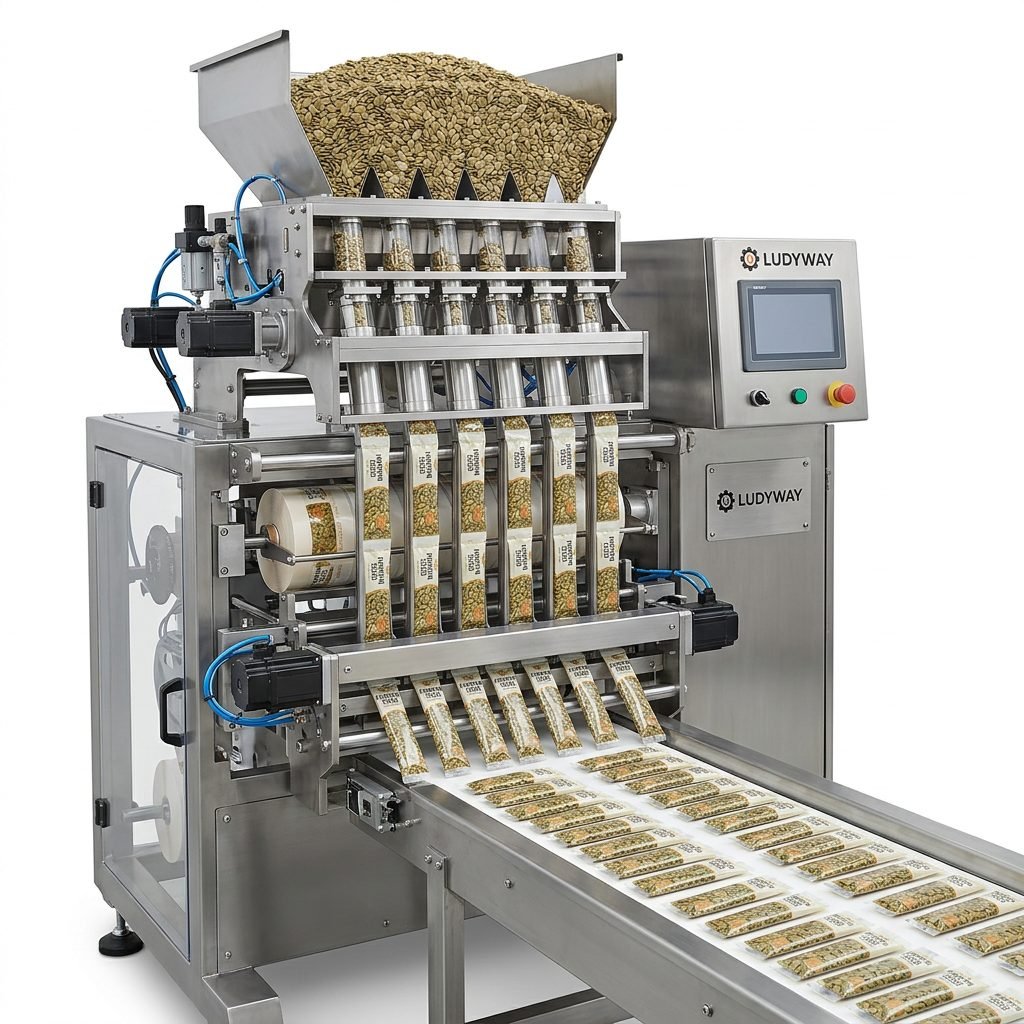
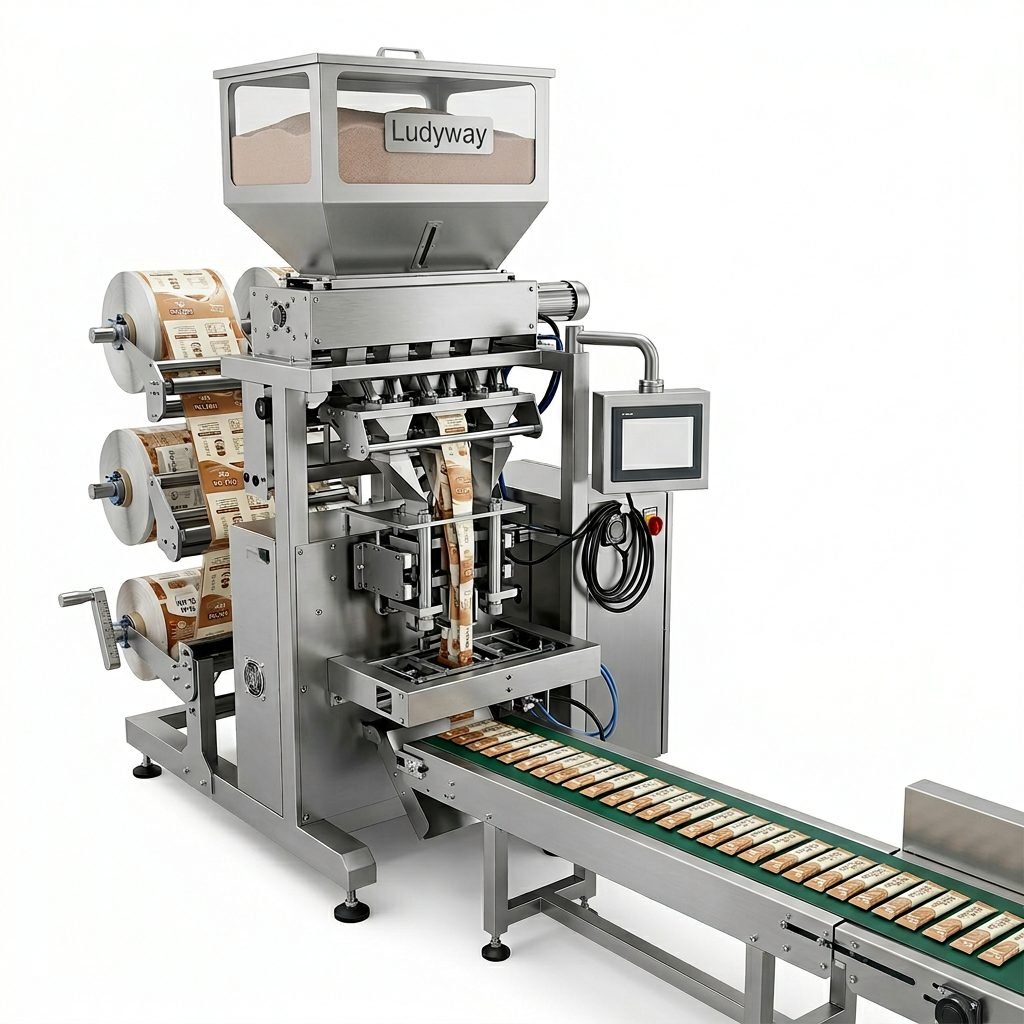
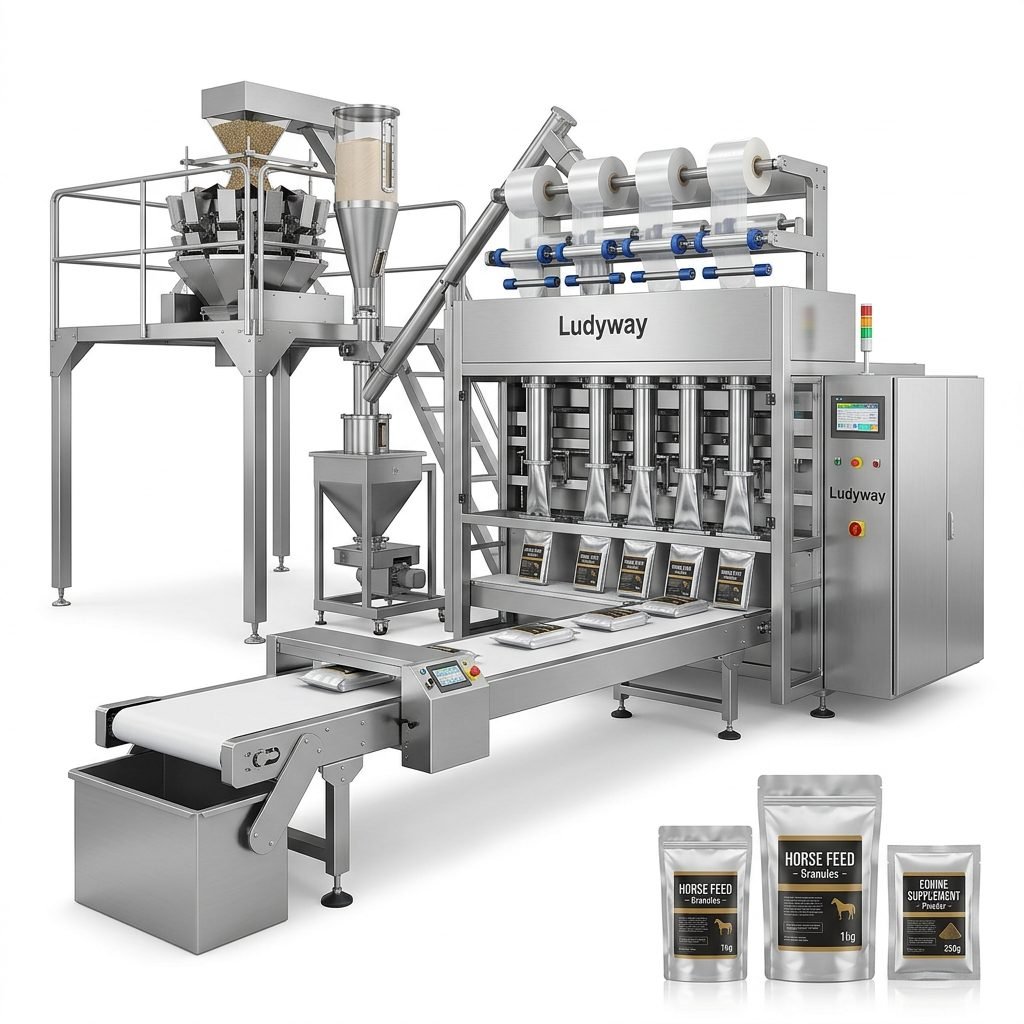
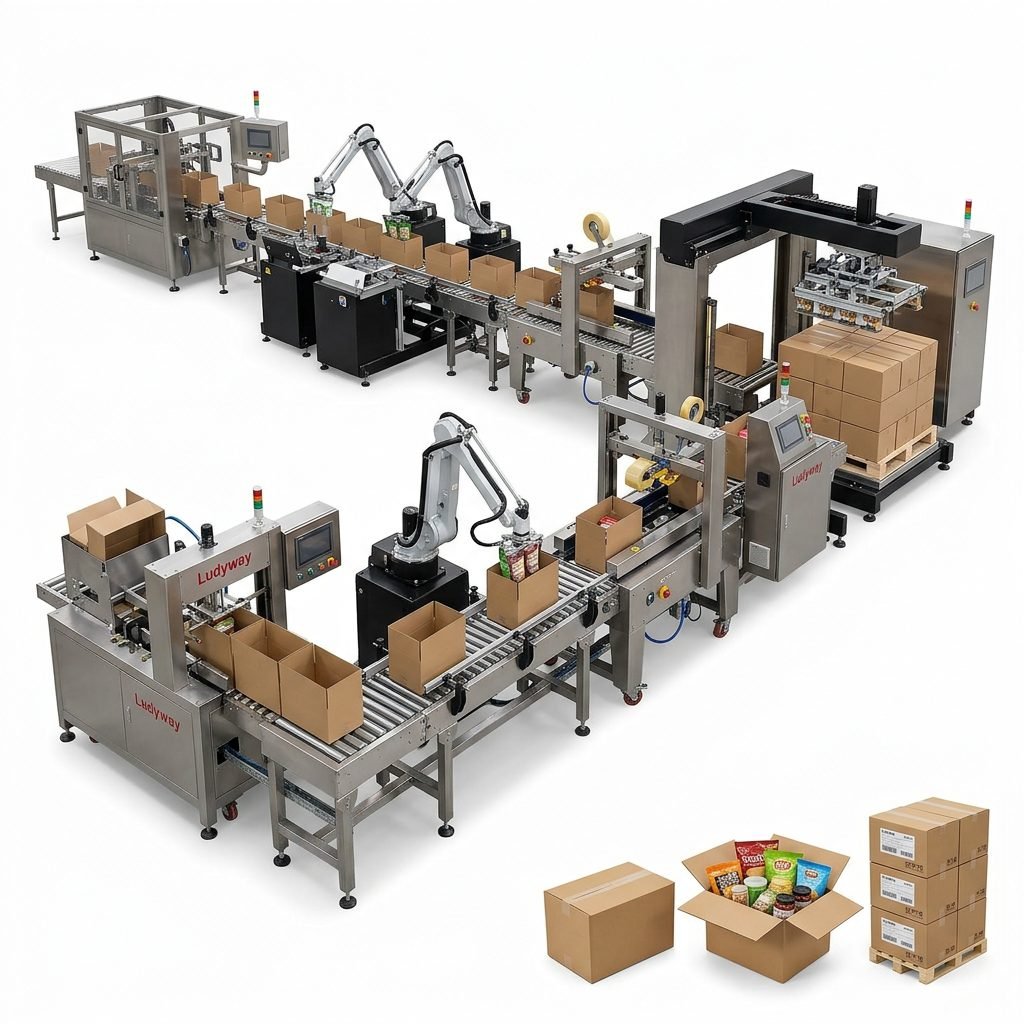
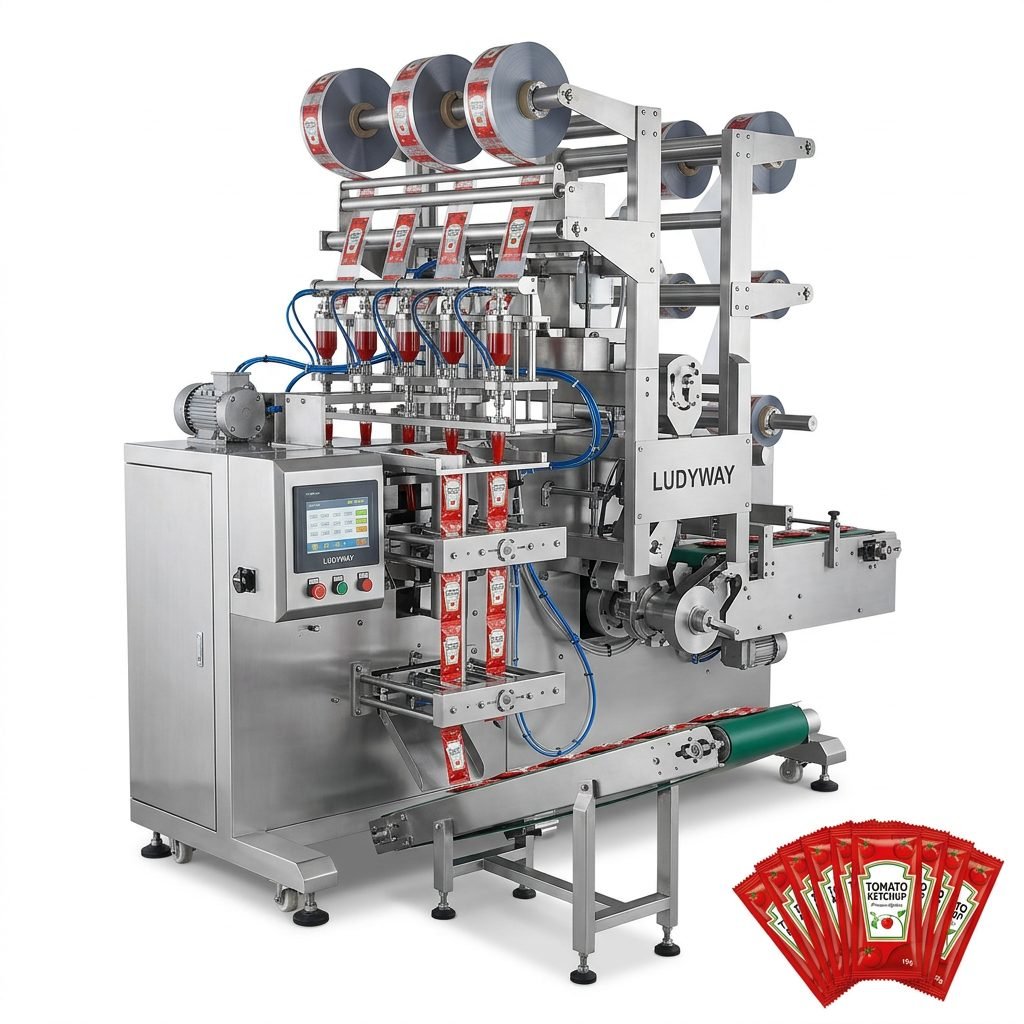
Investing in an air cushion packaging machine is a strategic decision that directly impacts your shipping costs, product protection, and operational efficiency. Whether you run a fulfillment center, an e-commerce warehouse, or a manufacturing distribution line, the right machine transforms loose-fill chaos into a streamlined, on-demand protective packaging system. This guide breaks down everything you need to evaluate before making a purchase.
Why On-Demand Air Cushion Systems Matter
Traditional protective packaging materials—such as pre-inflated bubble wrap, foam peanuts, and crumpled paper—consume significant storage space and create waste management challenges. An on-demand air cushion machine produces inflatable pillows and cushions exactly when needed, reducing storage requirements by up to 90% and cutting material costs substantially. According to industry data from the PMMI State of the Industry Report, the protective packaging machinery segment continues to experience steady growth driven by e-commerce expansion.
Key Factors to Evaluate Before Buying
1. Production Speed and Output Requirements
Different models produce air cushions at varying speeds, typically measured in meters per minute or pillows per hour. Match the machine’s throughput to your peak packing station demands. A low-volume operation might need only 8-10 pillows per minute per pack station, while a high-volume distribution center may require 30+ pillows per minute from a single unit.
2. Film Compatibility and Cushion Types
Not all machines handle the same film materials. Consider whether you need:
- Standard polyethylene (PE) film — economical for general void fill
- Biodegradable or recycled content films — aligned with sustainability goals increasingly regulated by frameworks such as the European Packaging and Packaging Waste Regulation
- Anti-static films — essential for electronics and sensitive components
- Heavy-duty films — for wrapping heavier or sharp-edged products
- Co-extruded multilayer films — providing superior air retention and puncture resistance
3. Machine Footprint and Configuration
Air cushion machines come in bench-top, stand-alone, and overhead-mounted configurations. Measure your available workspace carefully before selecting. Overhead systems free up valuable floor space but require ceiling mounting infrastructure. Bench-top models offer portability between packing stations but occupy work surface area.
Comparing Air Cushion Machine Types
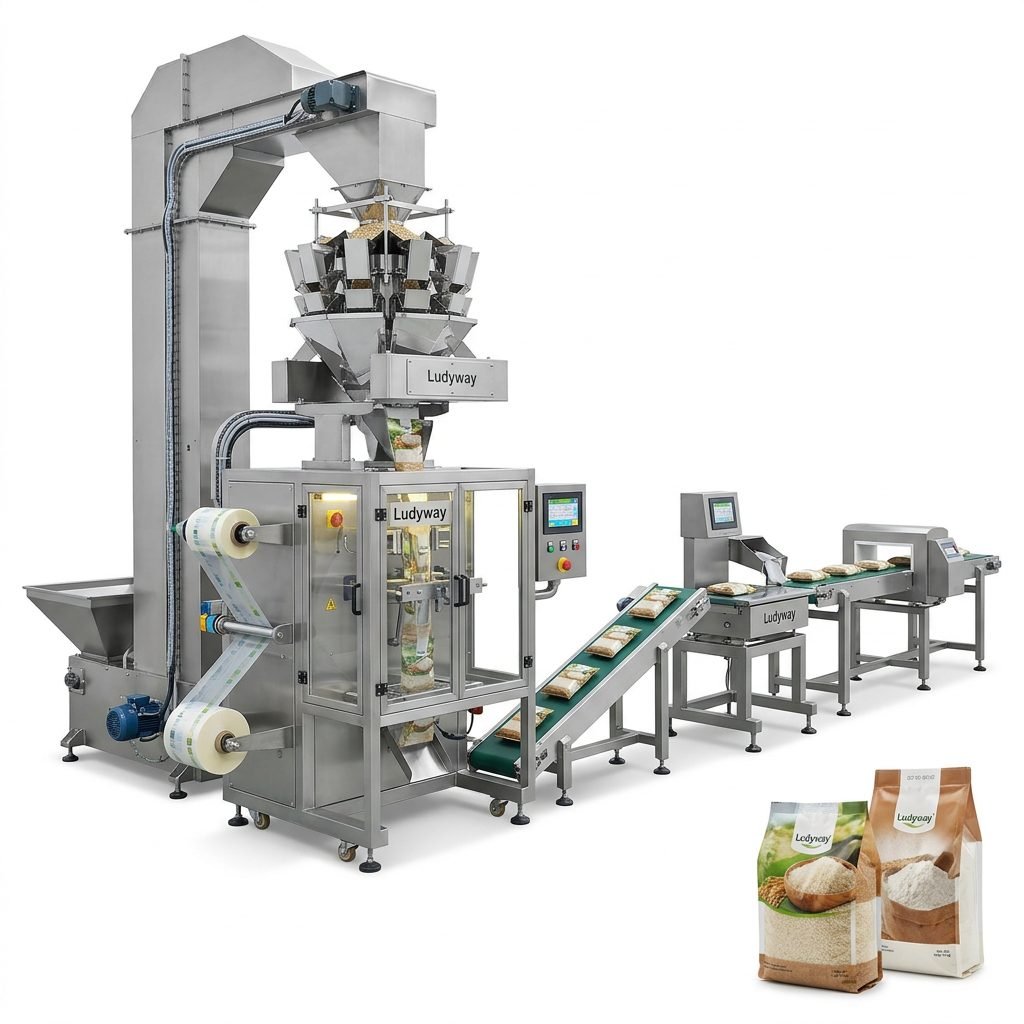
Understanding the fundamental differences between machine categories helps narrow down your options quickly. The table below summarizes the primary types available on the market:
| Machine Type | Best For | Typical Speed Range | Key Consideration |
|---|---|---|---|
| Bench-Top Void Fill | Small e-commerce, single pack station | 8–15 pillows/min | Limited output; highly portable |
| Stand-Alone High-Output | Medium to large fulfillment centers | 20–35 pillows/min | Requires dedicated floor space |
| Overhead/Mounted System | Multi-station lines, conveyor packaging | 25–40+ pillows/min | Needs ceiling support; complex installation |
| Hybrid Cushion+Wrapping | Mixed-product operations | 15–25 pillows/min | Versatile but higher film cost |
| Industrial Continuous Systems | High-volume 3PL and manufacturing | 50+ pillows/min | Significant upfront investment |
Evaluating Film Quality and Cost Per Cushion
Film cost represents the largest ongoing operational expense for any air cushion system. When comparing suppliers, calculate the cost per inflated pillow rather than the cost per roll. Factors affecting film consumption include:
- Film gauge (thickness) — thinner films reduce material cost but may compromise durability
- Inflation percentage — over-inflation wastes film and increases puncture risk
- Roll length and yield — longer rolls reduce changeover frequency but increase initial roll weight
- Perforation pattern — determines cushion size flexibility and tear-off ease
- Material composition — monolayer versus multilayer films affect both cost and performance
Integration with Existing Packaging Workflows
An air cushion machine should complement your current packing process, not disrupt it. Consider how the machine will connect to upstream and downstream operations. Will cushions be produced at a central location and transported to pack stations, or will each station have its own dedicated unit? The Flexible Packaging Association provides valuable resources on material handling and packaging line integration that can inform your workflow planning.
Maintenance, Reliability, and Service Support
Downtime on a packing line directly translates to lost revenue and delayed shipments. When evaluating machines, investigate the manufacturer’s track record for reliability and the availability of local technical support. Key questions to ask include:
- What is the mean time between failures (MTBF) for this model?
- Are spare parts readily available in your region?
- Does the supplier offer remote diagnostic capabilities?
- What warranty terms apply to key components like the heating element and air pump?
- Is preventive maintenance training included with the purchase?
Sustainability and Regulatory Compliance
Environmental regulations increasingly affect packaging material choices worldwide. Air cushions made from recycled content or biodegradable films can help meet corporate sustainability targets. Reference standards from organizations like ISO Packaging Standards and guidance from the U.S. EPA Sustainable Materials Management program can help align your packaging operations with regulatory expectations and sustainability commitments.
Supplier Selection: What to Look For
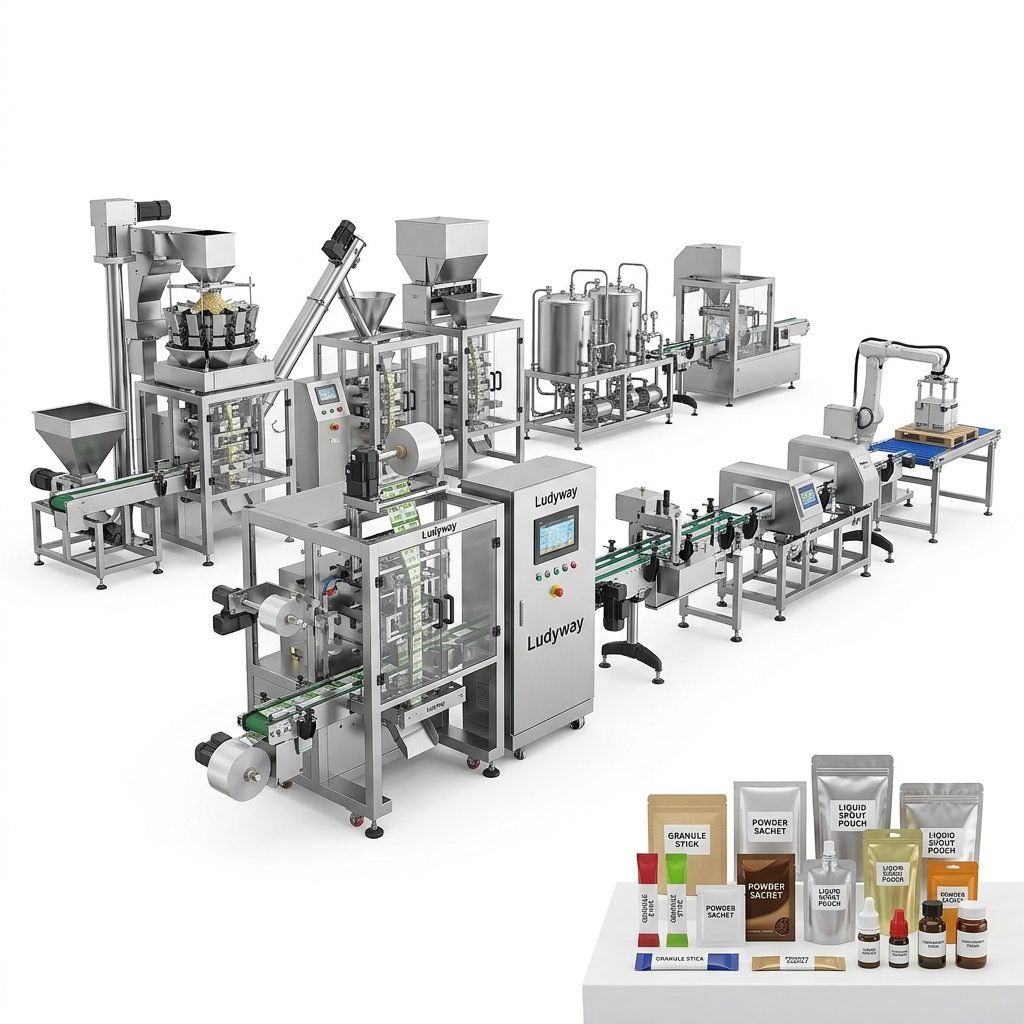
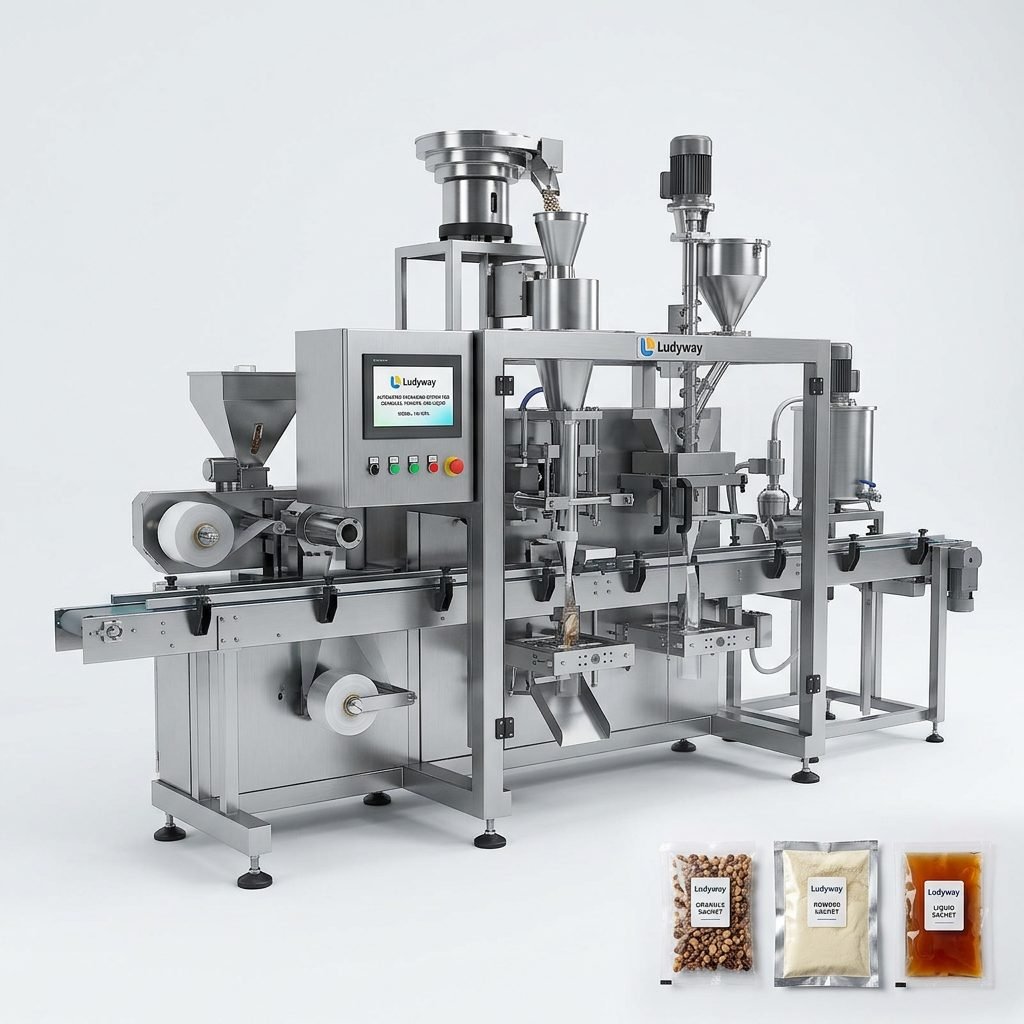
Choosing the right equipment partner matters as much as choosing the right machine. A reliable supplier should demonstrate industry experience, engineering capability, and responsive after-sales support. Manufacturers like Ludyway Machinery, a China-based packaging machinery manufacturer with more than 30 years of industry experience and over 50 packaging machine models, exemplify the kind of comprehensive engineering and service approach that buyers should seek—combining in-house manufacturing, automation expertise, and global technical support across more than 100 countries.
Total Cost of Ownership Analysis
Beyond the initial purchase price, calculate the total cost of ownership (TCO) over a 3-to-5-year period. Include these often-overlooked cost factors:
- Film consumption per 1,000 packages shipped
- Energy consumption during operation and standby modes
- Scheduled maintenance parts such as heating elements and sealing belts
- Operator training time and associated productivity loss during onboarding
- Expected service life and residual value
- Shipping and installation costs for the equipment
Calculating ROI on Protective Packaging Equipment
Most operations achieve a return on investment within 12 to 18 months through material savings alone. When factoring in reduced product damage rates, lower storage requirements, and improved packing speed, the payback period can be significantly shorter. Track pre-installation metrics—including damage claims, material spend, and pack time per order—to quantify improvements after deployment.
Key Technical Specifications to Compare
When creating your shortlist, focus on these critical specifications that differentiate machine performance:
- Air pump type: Piston pumps offer higher pressure; diaphragm pumps provide quieter operation
- Sealing mechanism: Constant-heat versus impulse-seal systems affect energy use and seal consistency
- Control interface: Digital controls enable precise adjustment; simple analog systems reduce complexity
- Noise level: Important for open-plan packing areas—look for sub-70 dB operation
- Film width compatibility: Wider film capability enables larger cushion sizes for bigger voids
Making the Final Decision
Selecting the right air cushion packaging machine requires balancing production needs, budget constraints, and long-term operational goals. Prioritize film flexibility, reliable after-sales support, and total cost of ownership over the lowest upfront price. A well-chosen system reduces shipping damage, lowers material costs, and improves packing efficiency for years to come. Take time to request demonstrations, speak with current users, and test film samples under your actual shipping conditions before committing to a purchase. For broader industry context, resources from the Association for Packaging and Processing Technologies (PMMI) offer valuable benchmarks and market intelligence that can support your procurement process.