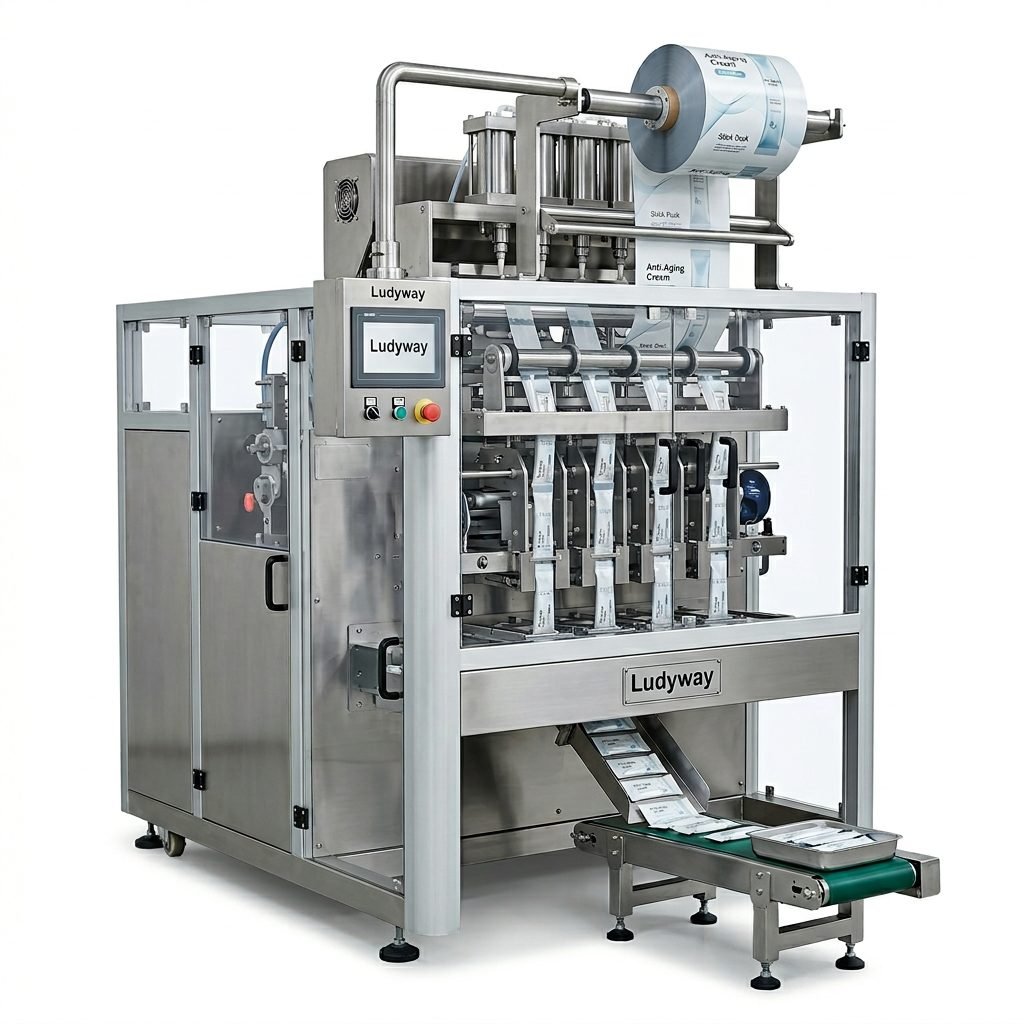
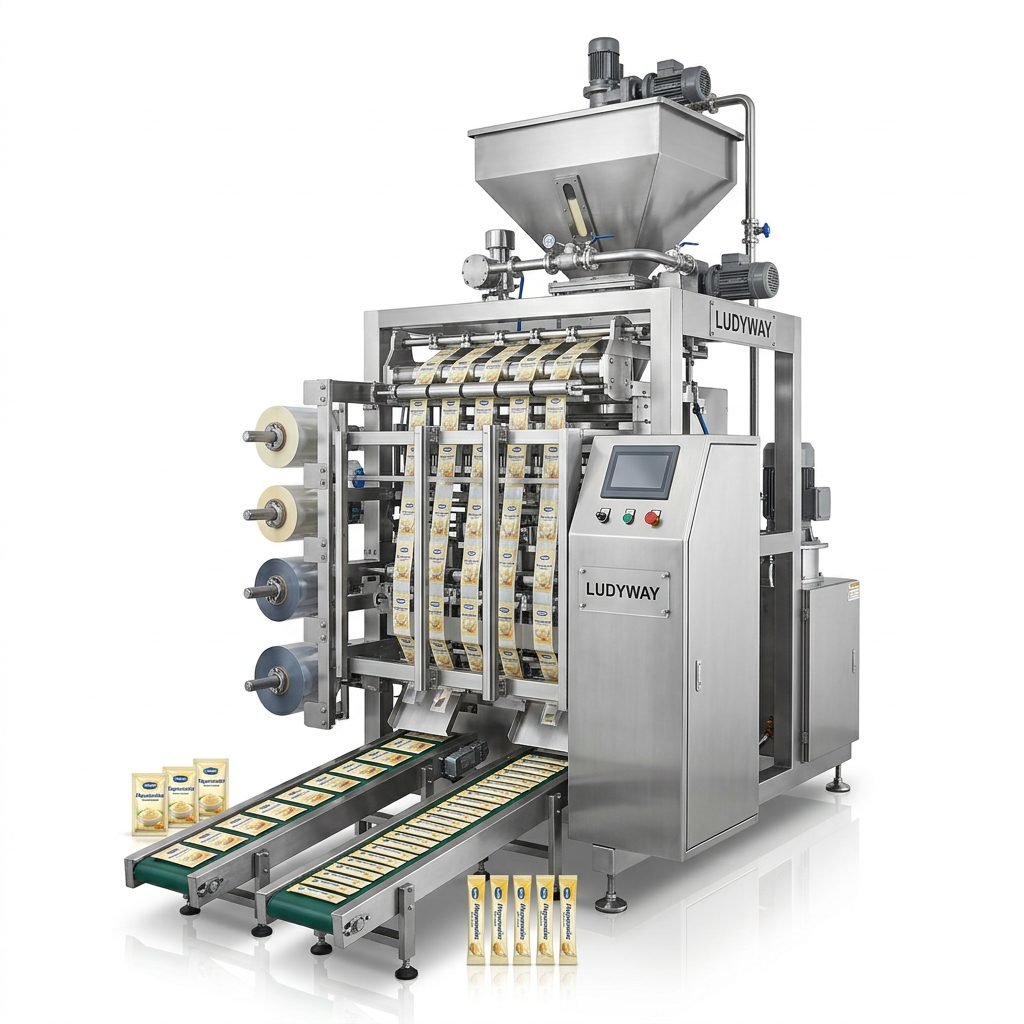
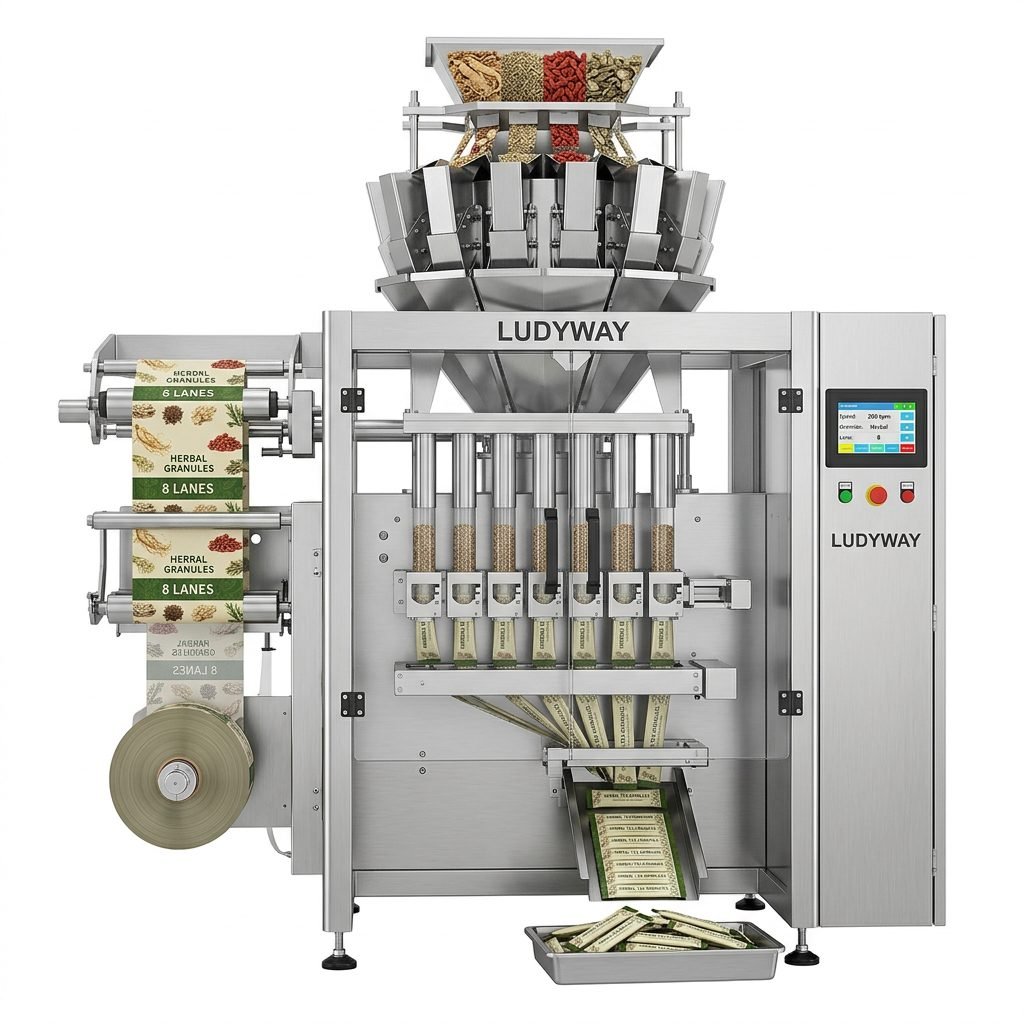
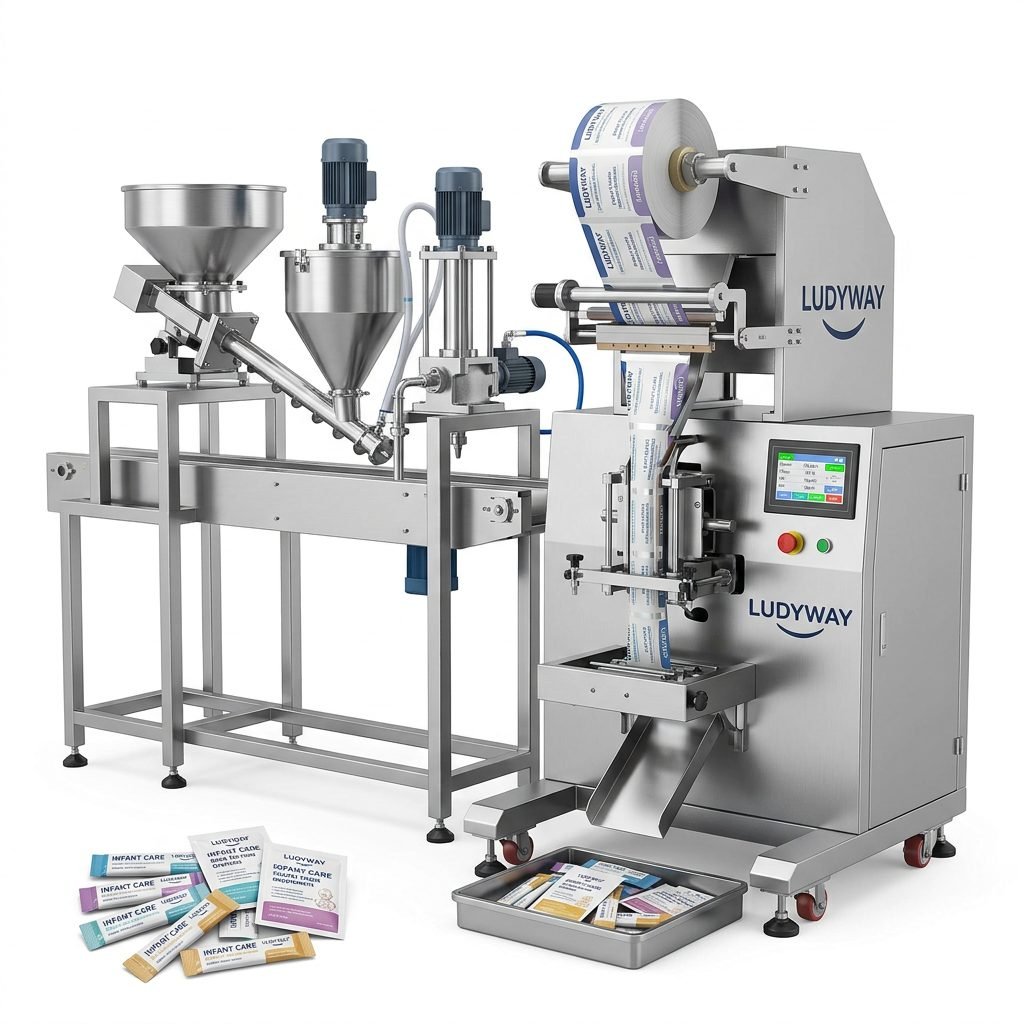
Selecting the right beer packaging equipment is a critical decision that directly impacts your brewery’s efficiency, product quality, and brand perception. The journey from the bright tank to the consumer’s hand involves complex machinery designed to fill, seal, label, and pack your beer with precision and care. With various systems available—from manual bottling lines to high-speed canning systems—understanding your options is the first step toward making an informed investment that supports your brewery’s growth and operational goals.
Understanding Core Beer Packaging Equipment Types
The foundation of any packaging line consists of several key machines, each performing a specific function in the sequence. The primary equipment types include fillers, cappers, labelers, and packers.
Filling Machines: The Heart of the Line
Filling equipment is responsible for transferring beer from a holding tank into individual containers—bottles, cans, or kegs—with minimal oxygen pickup and maximum accuracy. There are two main technologies:
- Gravity Fillers: Ideal for breweries focusing on bottles. Beer flows into the container by gravity once a vacuum is established. They are gentler on the beer, helping to preserve carbonation and aroma.
- Counter-Pressure Fillers: Essential for cans and sensitive beers. The container is pressurized with CO2 before filling, which drastically reduces oxygen ingress (known as dissolved oxygen or DO) and foaming, ensuring product stability and longer shelf life.
Choosing between them depends on your primary package type and your quality benchmarks for oxygen levels.
Capping & Seaming Equipment
Once filled, containers must be sealed immediately. For bottles, this requires a capper that places and crimps crown caps. For cans, a seamer is used to attach the lid (or “end”) to the can body with a double-seam process. The reliability and speed of this equipment are non-negotiable, as any seal failure leads to product loss.
Labeling & Packaging
After sealing, containers move to labeling. Pressure-sensitive (PS) labelers are common for bottles, applying pre-glued labels. Can decorators often use shrink-sleeve or pressure-sensitive label applications. Finally, packers group finished products into cases, trays, or multipacks. Options include simple manual case packers, semi-automatic tray packers, and fully automatic wrap-around case packers.
Key Factors for Choosing Your System
Navigating the market requires a clear assessment of your brewery’s specific needs. Consider these core factors before making a purchase.
1. Production Volume & Speed Requirements
Your current and projected output is the most significant determinant. Equipment is typically categorized by speed (containers per minute, CPM).
- Micro/Small Breweries (Up to 5,000 BBL/year): Might opt for manual or semi-automatic lines (e.g., 10-30 CPM). These systems offer flexibility and lower upfront cost.
- Regional Breweries (5,000 – 50,000 BBL/year): Often require semi-automatic to fully automatic lines (30-150 CPM) to meet demand efficiently.
- Large Breweries (50,000+ BBL/year): Need high-speed, fully integrated automated lines (150+ CPM) with minimal manual intervention.
Always buy with 20-30% growth capacity in mind to avoid needing a complete system overhaul too soon.
2. Package Mix: Bottles, Cans, or Kegs?
The type of containers you use dictates your machinery needs. Many modern brewers run a mixed packaging line. Some equipment, like certain fillers, can be adapted for both bottles and cans with change parts, while others are dedicated. Kegging requires a separate, often simpler, line for washing, filling, and sealing kegs. Your market’s preference will guide this critical choice.
3. Quality & Oxygen Control
For craft brewers, flavor is paramount. Oxygen is beer’s enemy, causing staling and flavor degradation. Your packaging equipment is the last line of defense. Key metrics include:
- Total Package Oxygen (TPO): A critical quality measure. High-end fillers aim for TPO levels below 50 parts per billion (ppb).
- Filler Technology: Counter-pressure fillers are superior for oxygen control compared to gravity fillers.
- Line Integration: A smooth, synchronized line with gentle handling reduces jostling and foaming, which introduces oxygen.
Investing in equipment with excellent oxygen management protects your product’s integrity and shelf life.
4. Footprint & Facility Layout
Measure your available space carefully. A packaging line is a linear sequence of machines that can be 30 to 100 feet long. You need space for the machinery, material staging (empty cans/bottles, labels, packaging), finished goods storage, and safe operator movement. Consider ceiling height for labeler and packer discharges. Some suppliers offer compact or modular designs for space-constrained facilities.
5. Automation Level & Labor
How much manual labor can you allocate? A fully manual line requires several operators for filling, capping, and packing. A semi-automatic line might automate filling and capping, needing labor for loading and packing. A fully automatic line only needs 1-2 operators for monitoring and troubleshooting. Higher automation reduces labor costs and variability but increases capital investment and maintenance complexity.
6. Budget & Total Cost of Ownership
Look beyond the initial purchase price. Consider:
- Installation & Integration: Costs for foundation work, utilities (air, water, electricity), and possibly system integrators.
- Ongoing Costs: Spare parts, preventative maintenance, wear parts (like filler valves), and utilities consumption.
- Supplier Support: Availability of technical support, training, and service contracts. A reliable partner like Ludyway Machinery, with decades of experience in packaging solutions, can be invaluable for long-term operational success.
Steps to Selecting Your Ideal System
Follow a structured process to ensure your final decision aligns with your business plan.
Step 1: Conduct a Needs Analysis
Document your specific requirements: target CPM, package types, desired automation, quality standards (TPO), available budget, and floor space. This document will serve as your request for quotation (RFQ) when speaking with suppliers.
Step 2: Research & Shortlist Suppliers
Look for manufacturers and integrators with proven experience in the brewing industry. Evaluate their reputation, service network, and portfolio. Companies that offer turnkey solutions can manage the entire project from design to commissioning, simplifying the process for you.
Step 3: Request Detailed Proposals
Provide your RFQ to 3-5 shortlisted suppliers. A good proposal should include detailed equipment specifications, layout drawings, a complete price breakdown, delivery timeline, training outline, and warranty/service terms.
Step 4: Evaluate & Compare
Compare proposals not just on cost, but on the value offered. Which system best meets your quality goals? Which supplier offers the best support and has the most reliable machinery? Check references from other breweries of similar size.
Step 5: Plan for Installation & Training
Once you select a supplier, work closely on installation planning. Ensure your facility is prepared (utilities, flooring). Schedule comprehensive training for your team on operation, changeovers, basic maintenance, and troubleshooting. Proper training is crucial for achieving target efficiencies and minimizing downtime. Partnering with an expert like Ludyway Packaging Machinery ensures access to deep technical knowledge and support.
Future-Proofing Your Investment
The brewing market evolves rapidly. Choose equipment that offers some degree of flexibility:
- Modular Design: Allows you to add capabilities (e.g., a canning module) later.
- Ease of Changeover: Quick tooling changeovers between bottle sizes or can diameters reduce downtime when running multiple SKUs.
- Technology Upgrades: Some control systems can be updated with new software for improved diagnostics and performance monitoring.
Investing in a scalable system from a forward-thinking partner, such as Ludyway Machinery, helps protect your investment against future changes in demand or packaging trends.
Frequently Asked Questions (FAQs)
What is the most important factor when choosing a filler for craft beer?
Oxygen control is paramount. For craft beer where flavor stability is critical, a counter-pressure filler that minimizes Total Package Oxygen (TPO) is often the best choice, even for smaller breweries, as it directly protects product quality.
Can I use the same line for both bottles and cans?
It is possible but often requires significant changeovers or specific hybrid equipment. Some fillers are designed with interchangeable parts to switch between bottles and cans. However, the seamer/capper, labeler, and packer will typically need to be dedicated or changed out. A semi-automatic system might offer more flexibility for a mixed package operation than a high-speed dedicated line.
How much space do I need for a semi-automatic packaging line?
A typical semi-automatic line (filler, capper, labeler) for bottles or cans can require a footprint of approximately 20 feet by 10 feet, not including space for staging materials and finished goods. Always request a detailed layout drawing from your supplier based on your specific equipment configuration.
What are the common maintenance requirements for a packaging line?
Daily cleaning and sanitization of product contact surfaces are essential. Regular preventative maintenance includes lubricating moving parts, checking seals and gaskets, calibrating sensors, and inspecting wear items like filler valves or labeler components. Following the manufacturer’s maintenance schedule is key to preventing unexpected breakdowns.
Is a used packaging line a good option for a startup brewery?
It can be a cost-effective way to start, but it carries risks. It’s crucial to have the equipment thoroughly inspected by a qualified technician, ensure spare parts are still available, and budget for potential refurbishment. For critical components like the filler, a new or expertly reconditioned machine from a reliable supplier may offer better long-term value and reliability.