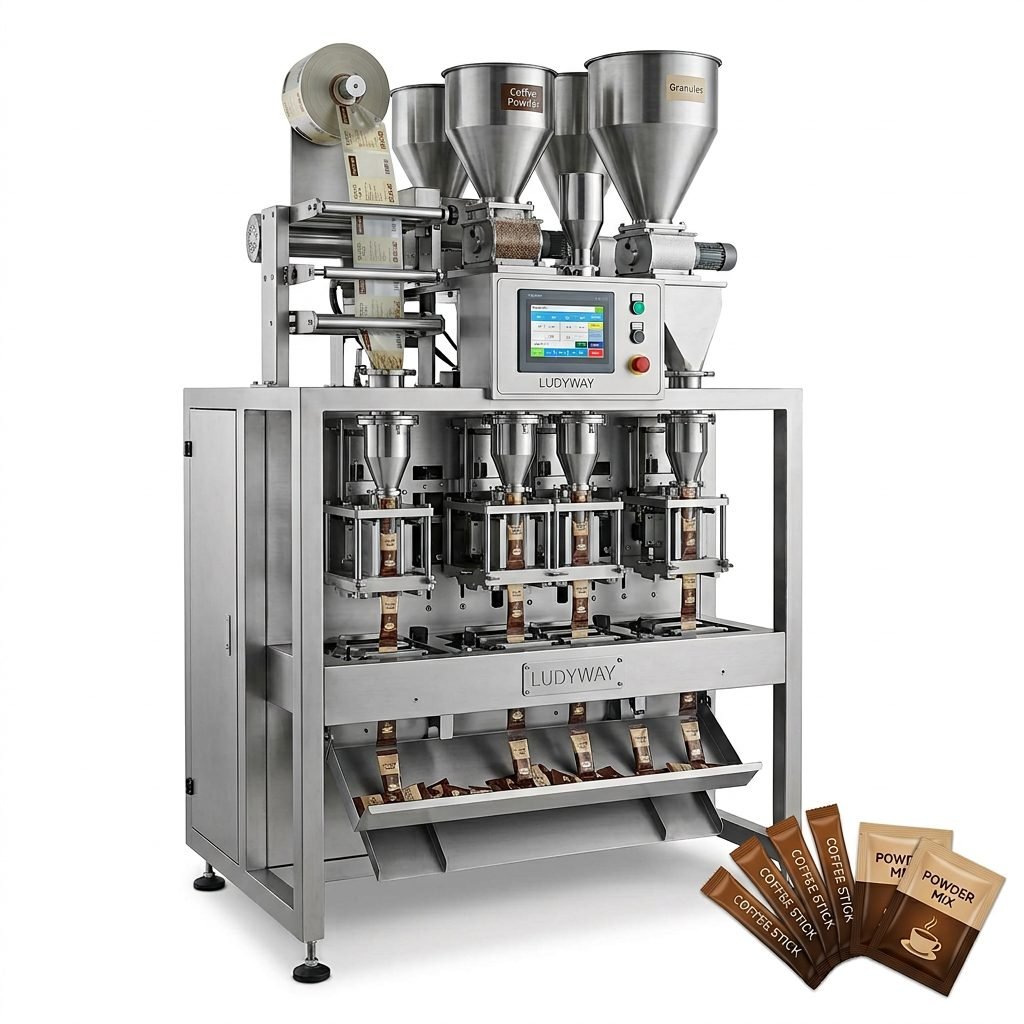
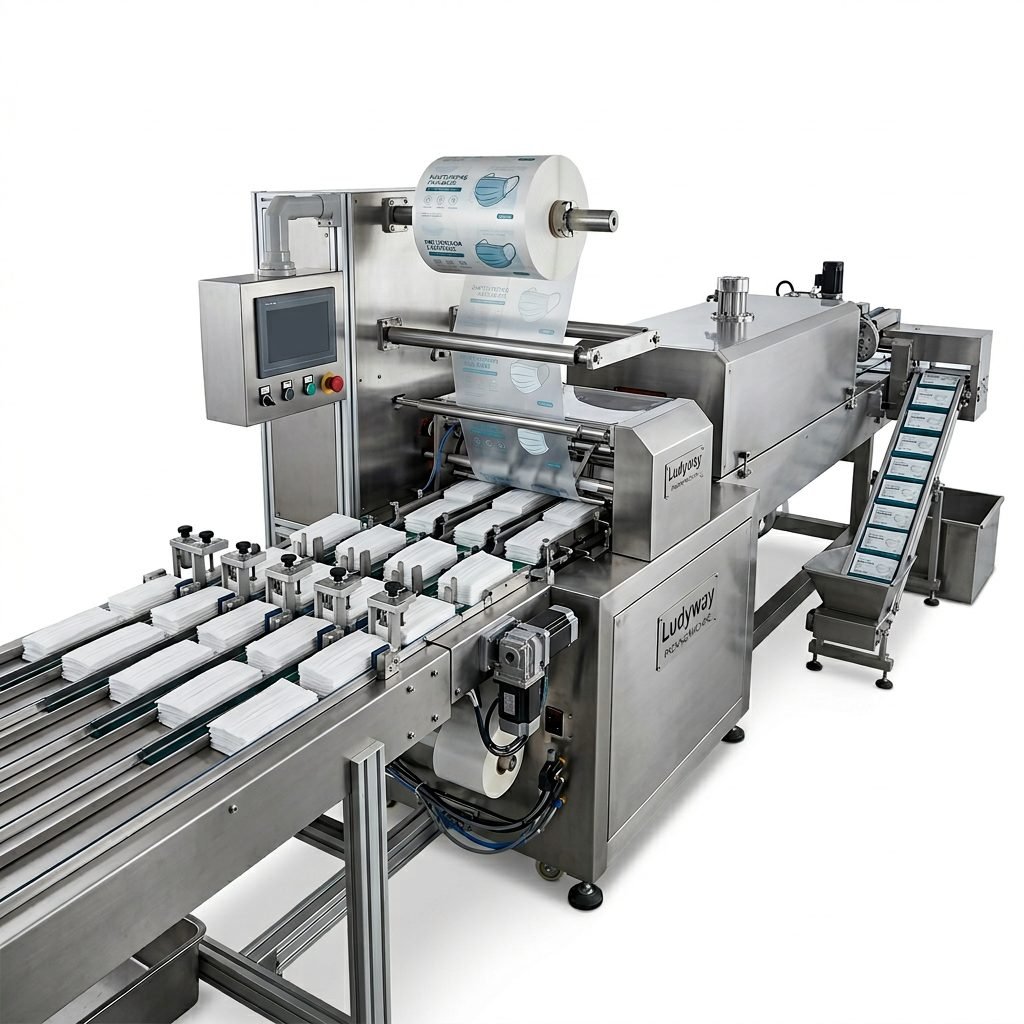
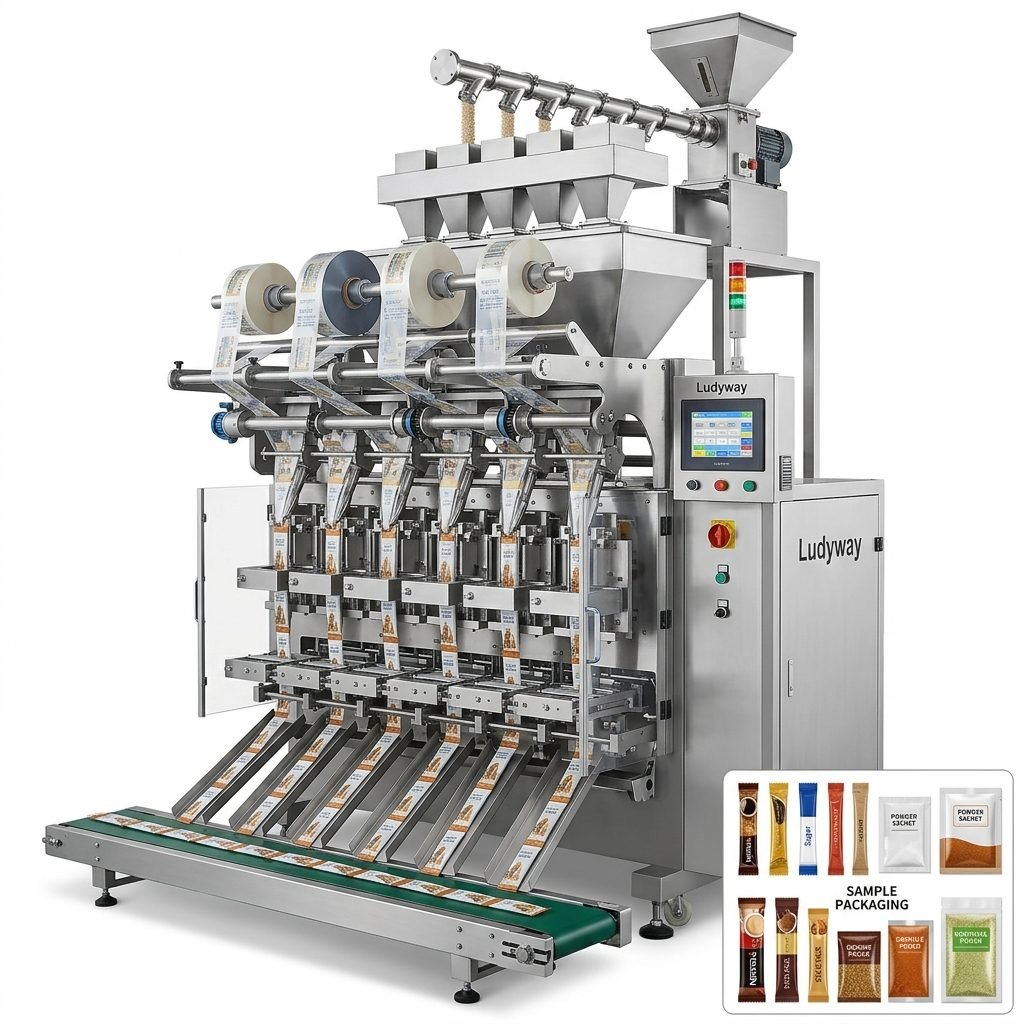
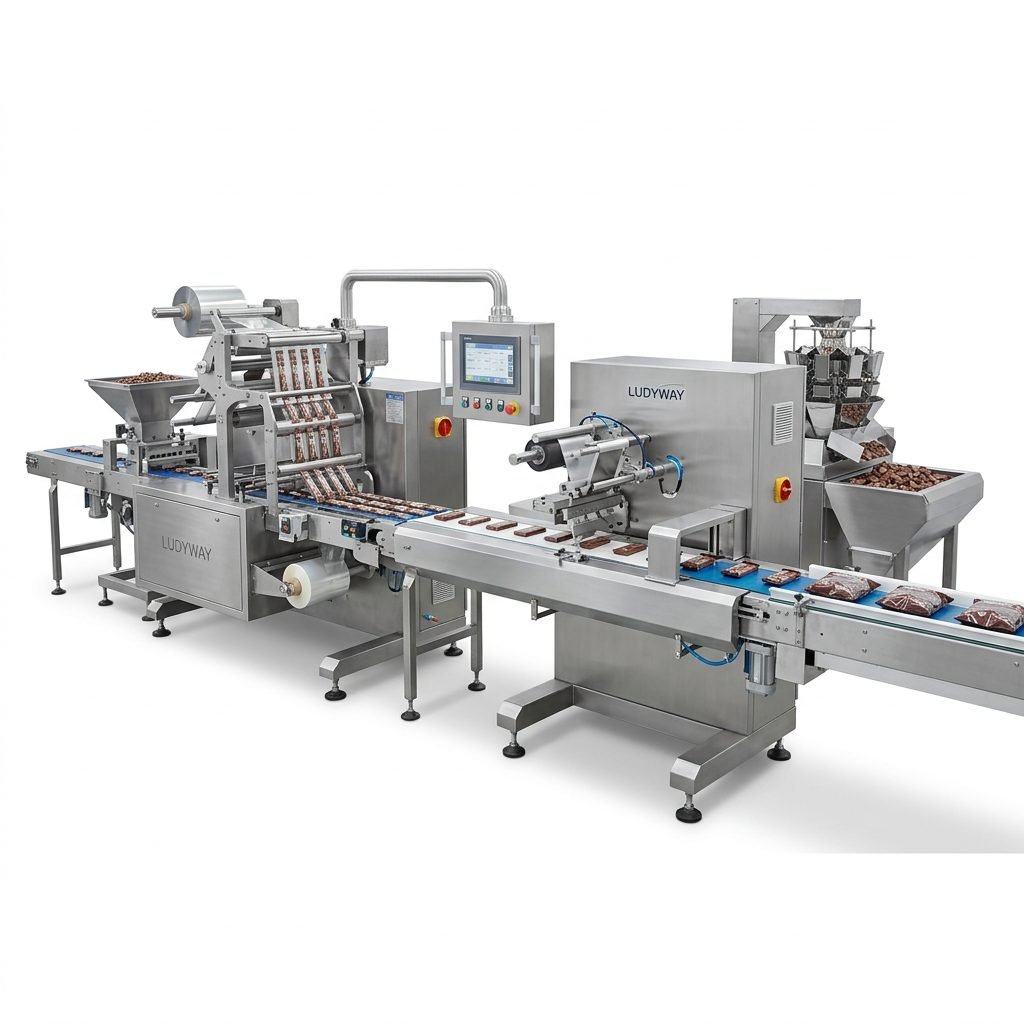
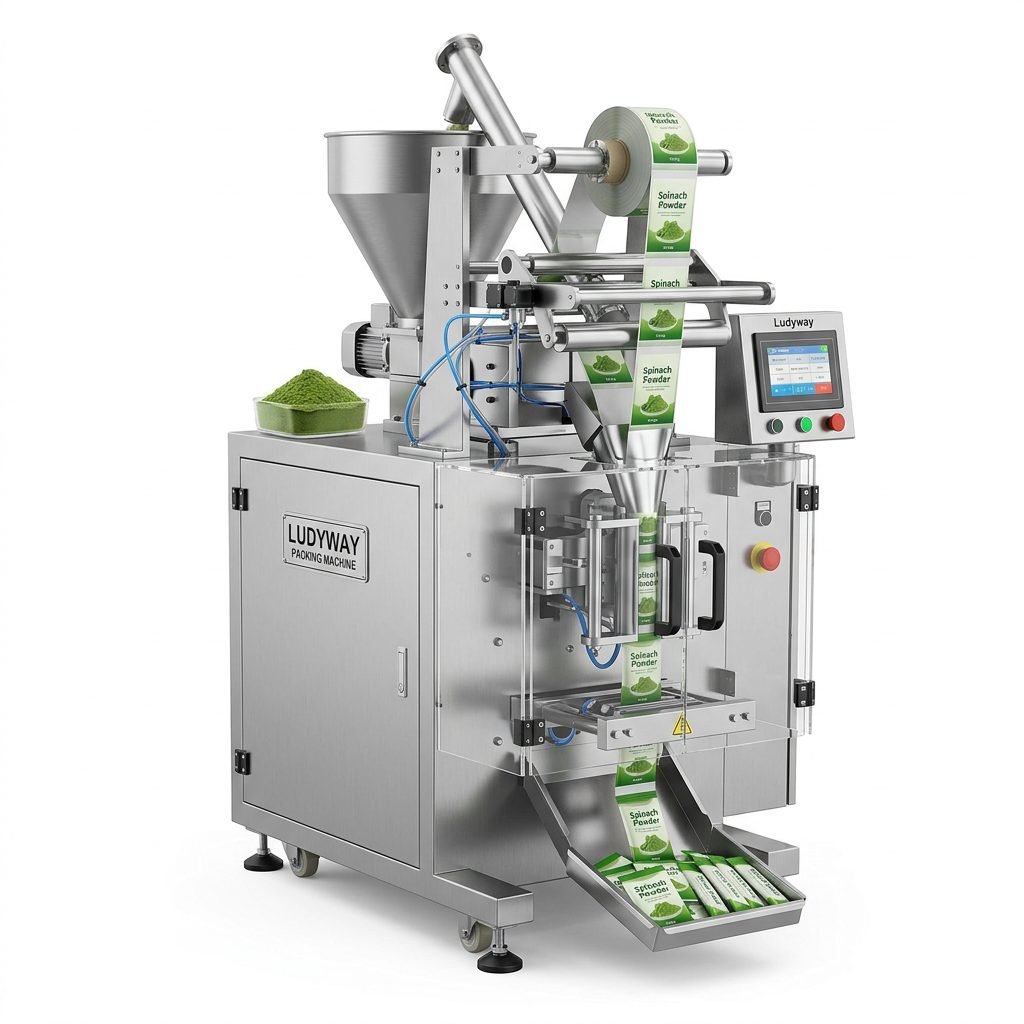
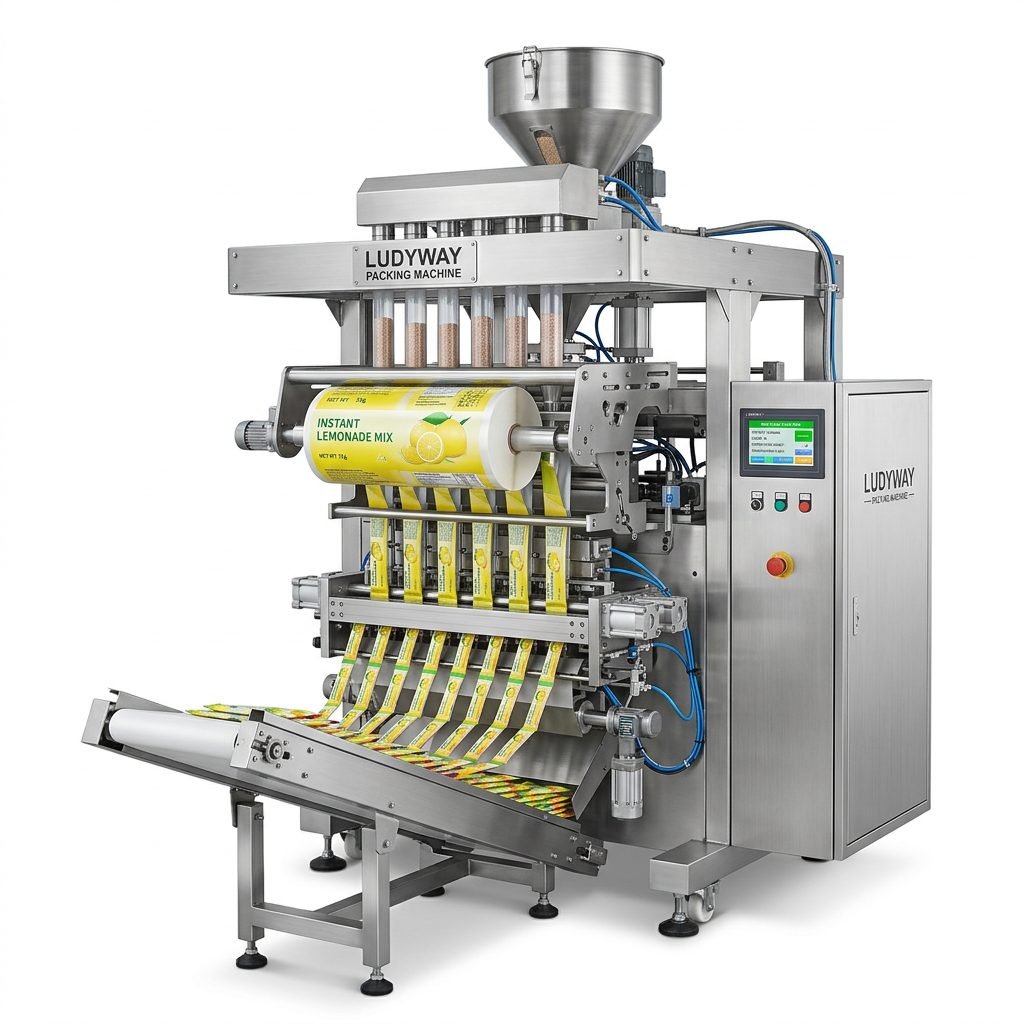
Frozen pizza manufacturers need packaging systems that can keep pace with rising demand, protect product quality, and support reliable cold-chain logistics. A modern frozen pizza packaging machine is designed to handle these challenges with greater consistency, speed, and automation. From individual flow wrapping to end-of-line case packing, the right system helps producers reduce manual labor, improve sealing quality, and maintain stable output across multiple shifts.
For processors seeking scalable automation, Ludyway frozen pizza packaging machine solutions can support high-speed food packaging projects with integrated equipment, turnkey planning, and long-term manufacturing experience.
Why Frozen Pizza Packaging Requires Specialized Equipment
Frozen pizza is not packaged like ordinary dry snacks or ambient bakery products. The product is sensitive to temperature fluctuation, moisture, crust damage, topping displacement, and seal integrity. If packaging performance is unstable, manufacturers may face freezer burn, poor shelf presentation, or transport-related breakage.
- Handles products in cold or semi-frozen conditions
- Protects crust edges and topping appearance during transfer
- Supports fast sealing for high-output production lines
- Works with food-grade film materials suitable for frozen storage
- Improves traceability with coding, inspection, and rejection systems
In large-volume production, packaging is more than a final step. It directly affects shelf life, retail appeal, logistics efficiency, and brand reputation. That is why many frozen food producers invest in automated frozen pizza packaging lines rather than isolated standalone machines.
Core Functions of a Frozen Pizza Packaging Machine
A complete frozen pizza packaging solution typically includes infeed handling, product spacing, wrapping or bagging, sealing, coding, inspection, cartoning, and case packing. Depending on plant capacity and pack format, the line can be configured for round pizzas, rectangular pizzas, mini pizzas, or multi-pack retail formats.
| Function | Role in Frozen Pizza Packaging |
|---|---|
| Automatic feeding | Transfers pizzas smoothly from freezer or production line to packaging zone |
| Flow wrapping or pouch forming | Creates primary packaging with consistent shape and film tension |
| Sealing system | Ensures airtight closure suitable for frozen storage and transportation |
| Date/batch coding | Supports compliance, traceability, and inventory management |
| Inspection and rejection | Removes defective packs to improve final shipment quality |
| Cartoning and case packing | Prepares products for retail display, palletizing, and cold-chain distribution |
Packaging Formats Commonly Used for Frozen Pizza
The ideal machine configuration depends on the retail format, product dimensions, and downstream logistics requirements. Most frozen pizza packaging lines are built to support one or more of the following pack styles:
- Flow wrap packs for fast, continuous, cost-effective primary packaging
- Printed film wraps for stronger shelf branding and product communication
- Cartoned frozen pizza packs for retail presentation and stacking protection
- Multipack configurations for club stores, e-commerce, or promotional bundles
- Tray-supported formats where additional structural protection is needed
For high-volume frozen food operations, a flexible machine can be especially valuable because it allows quick changeovers between different pizza sizes, crust types, or promotional SKUs.

Benefits of High-Speed Automated Packaging for Frozen Pizza Plants
In competitive frozen food manufacturing, speed alone is not enough. The real value comes from combining speed, repeatability, hygiene, and low downtime. An advanced frozen pizza packaging machine can help processors achieve all four.
1. Higher Throughput
Automated lines can process large volumes of pizzas per minute with stable rhythm, reducing bottlenecks between baking, freezing, and final packaging.
2. Better Seal Consistency
Uniform sealing reduces the risk of pack failure in cold storage and transport, helping preserve product freshness and appearance.
3. Reduced Labor Dependence
Automated feeding, wrapping, and case packing lower the need for repetitive manual operations, which is especially important in cold environments where labor retention can be difficult.
4. Improved Product Protection
Properly synchronized conveyors and sealing units reduce the chance of crust cracking, topping displacement, or edge damage.
5. Easier Line Integration
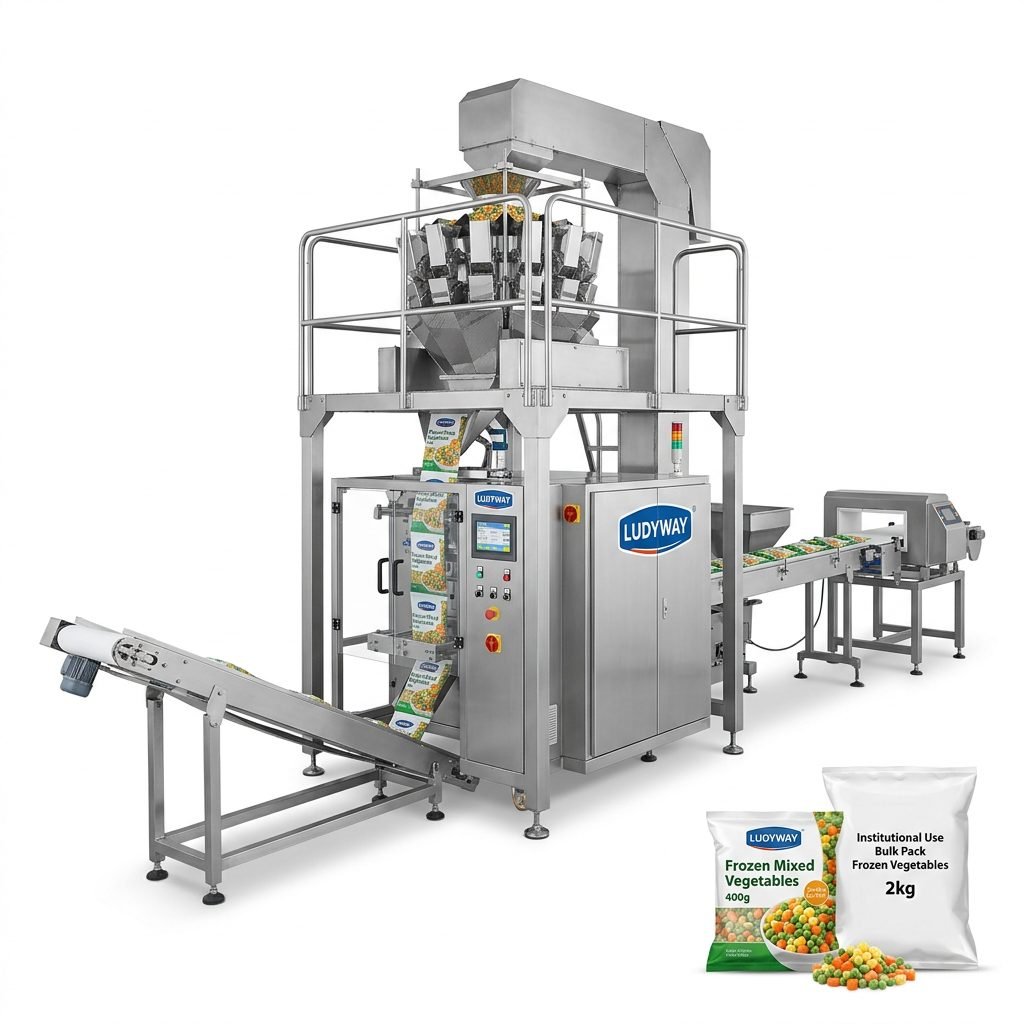
Modern packaging machines can connect with metal detectors, checkweighers, coding systems, robotic case packers, and palletizing equipment to form a complete automated packaging workflow.
Key Features to Look for When Choosing a Frozen Pizza Packaging Machine
Not all food packaging equipment is suitable for frozen pizza. Buyers should evaluate machine design based on practical production requirements rather than just nominal speed.
| Selection Factor | Why It Matters |
|---|---|
| Machine compatibility with low temperatures | Supports stable operation around frozen product handling zones |
| Flexible size adjustment | Allows quick switching between SKUs and pizza diameters |
| Food-grade hygienic structure | Helps cleaning, sanitation, and compliance with food safety standards |
| Servo control system | Improves accuracy, synchronization, and operating stability |
| Film adaptability | Ensures smooth use of different frozen food packaging materials |
| Integration capability | Supports end-of-line automation, data collection, and quality control |
How High-Speed Frozen Food Packaging Lines Improve ROI
The return on investment for a frozen pizza packaging line is usually driven by a mix of production efficiency and waste reduction. When packaging performance improves, manufacturers often see gains in several areas at once:
- Less product waste caused by damaged crusts or failed seals
- Lower packaging material loss through precise film control
- Reduced rework and fewer rejected cartons
- More predictable output for large retail or private-label orders
- Lower unit cost as volume increases
For factories running multiple shifts or seasonal surges, equipment uptime becomes a major cost factor. A reliable automated system helps maintain stable production without frequent interruptions for adjustment or manual correction.
Integration with Inspection and End-of-Line Systems
Frozen pizza packaging lines often perform best when connected to quality assurance and end-of-line modules. This helps transform a basic machine into a complete high-speed food packaging solution.
Recommended integrated modules
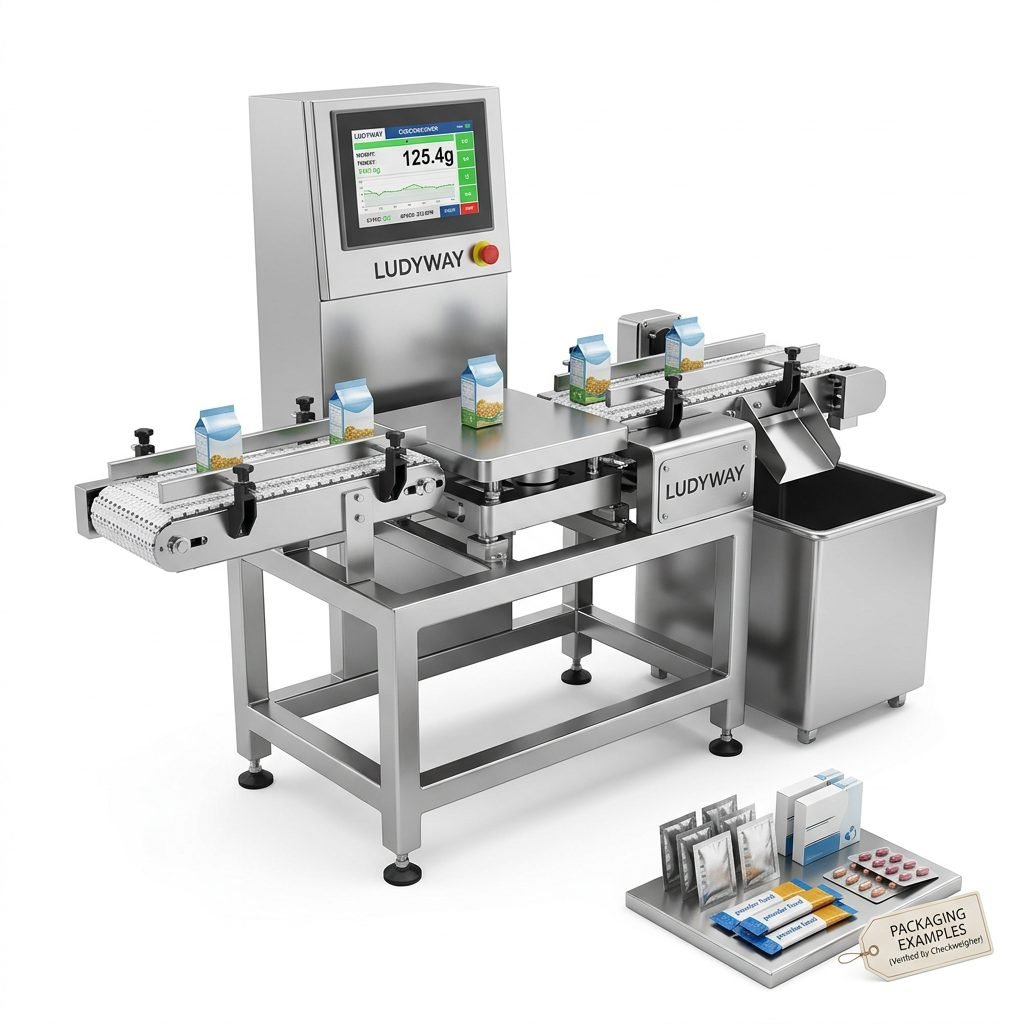
- Checkweighers for weight verification
- Metal detectors for food safety control
- Vision inspection systems for print and seal monitoring
- Automatic cartoners for retail-ready presentation
- Case packers and palletizers for warehouse efficiency
These additions are especially useful for brands selling through supermarkets, cold-chain distributors, and export channels where compliance and consistency are critical.
Industries and Businesses That Benefit Most
A frozen pizza packaging machine is a smart investment for a wide range of food businesses, including:
- Industrial frozen pizza manufacturers
- Private-label food processors
- Central kitchens and prepared meal suppliers
- Export-oriented frozen food producers
- Brands expanding from manual packing to automated packaging lines
Companies producing thin crust, stuffed crust, mini pizza, gluten-free pizza, or family-size pizza can all benefit from machine customization for pack size, sealing format, and conveyor handling.
Questions to Ask Before Buying
Before selecting a machine supplier, buyers should clarify their technical and commercial needs. This reduces the risk of under-specifying or over-investing in the line.
- What pizza sizes and thickness ranges will the machine handle?
- What packaging material is required for frozen storage?
- What is the target output per minute or per hour?
- Does the line need automatic cartoning and case packing?
- How fast can changeovers be completed between SKUs?
- What inspection and traceability options are available?
- Can the equipment integrate with existing freezers or conveyors?
Choosing a Turnkey Solution for Long-Term Growth
Many food manufacturers no longer want to source wrappers, conveyors, coding units, inspection devices, and end-of-line machines separately. A turnkey approach simplifies engineering, installation, training, and after-sales support. It also improves communication across the full project lifecycle.
When planning a new frozen pizza packaging line, it is wise to prioritize:
- Stable high-speed performance
- Scalable automation for future capacity growth
- Compatibility with different pizza formats
- Reliable service and spare parts support
- Proven experience in food packaging applications
Final Considerations for High-Speed Frozen Pizza Packaging
The right frozen pizza packaging machine can do far more than seal a product in film. It can improve line speed, enhance pack quality, reduce labor pressure, and strengthen overall supply chain performance. For food manufacturers aiming to stay competitive in frozen retail and foodservice markets, investing in efficient, automated packaging is often one of the most practical upgrades available.
Whether the goal is to launch a new production line or upgrade an existing factory, choosing a packaging system built for frozen food durability, high throughput, and intelligent integration is the key to long-term packaging efficiency.