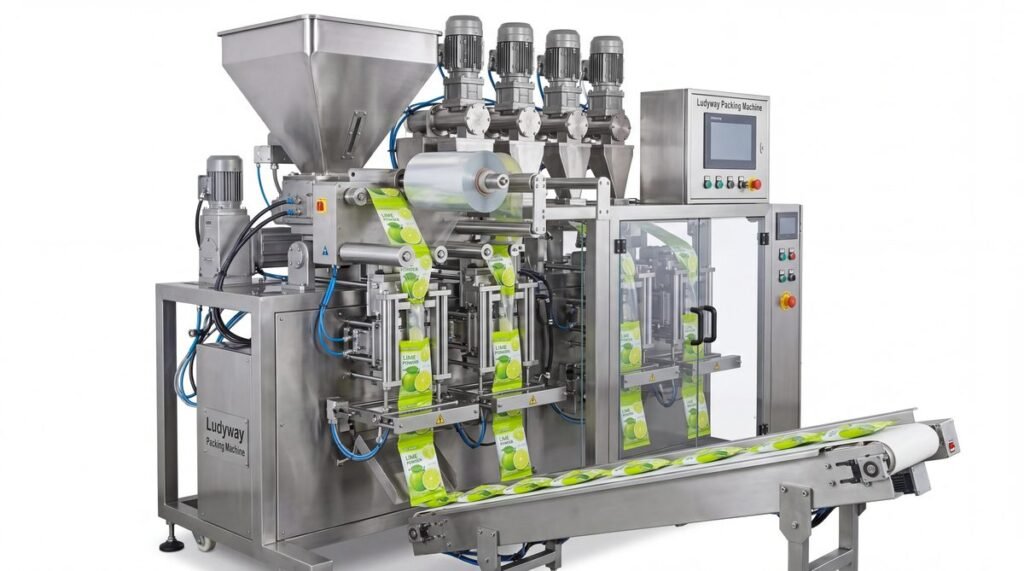
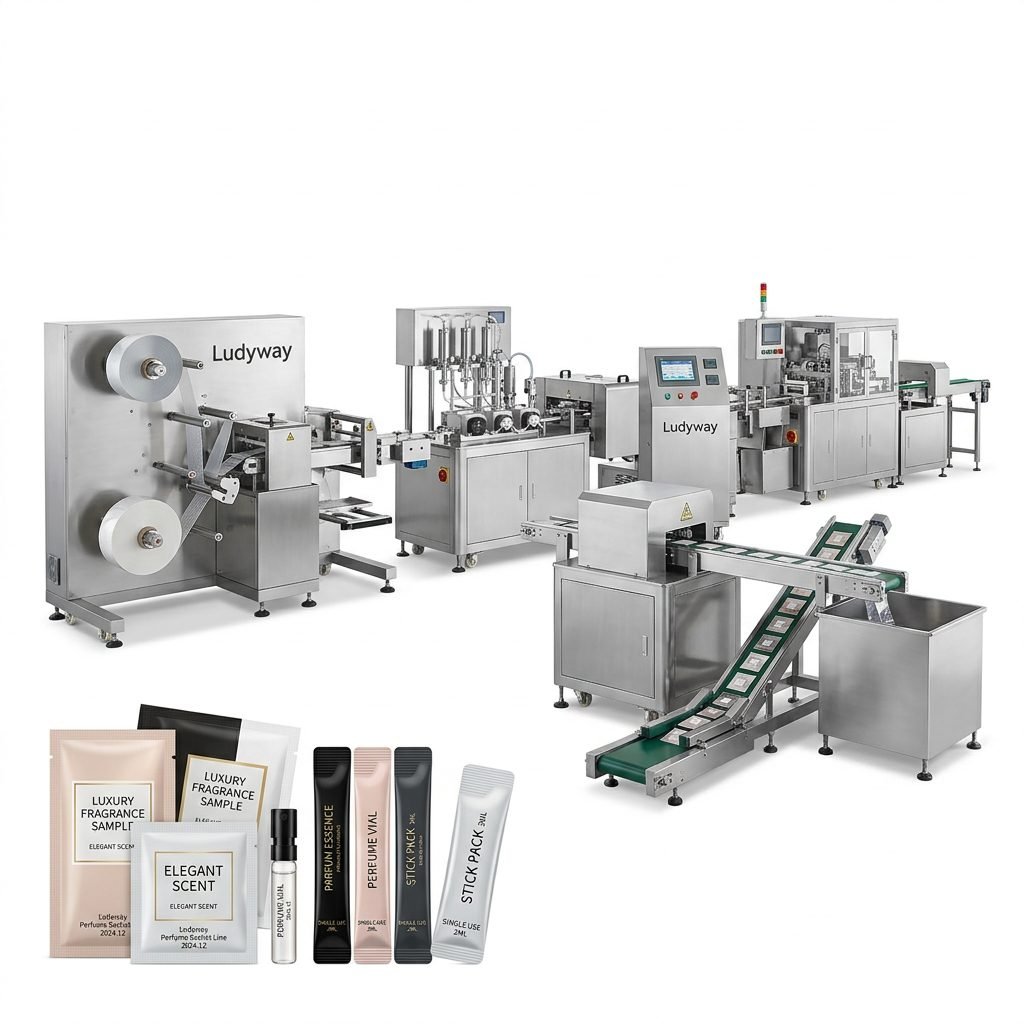
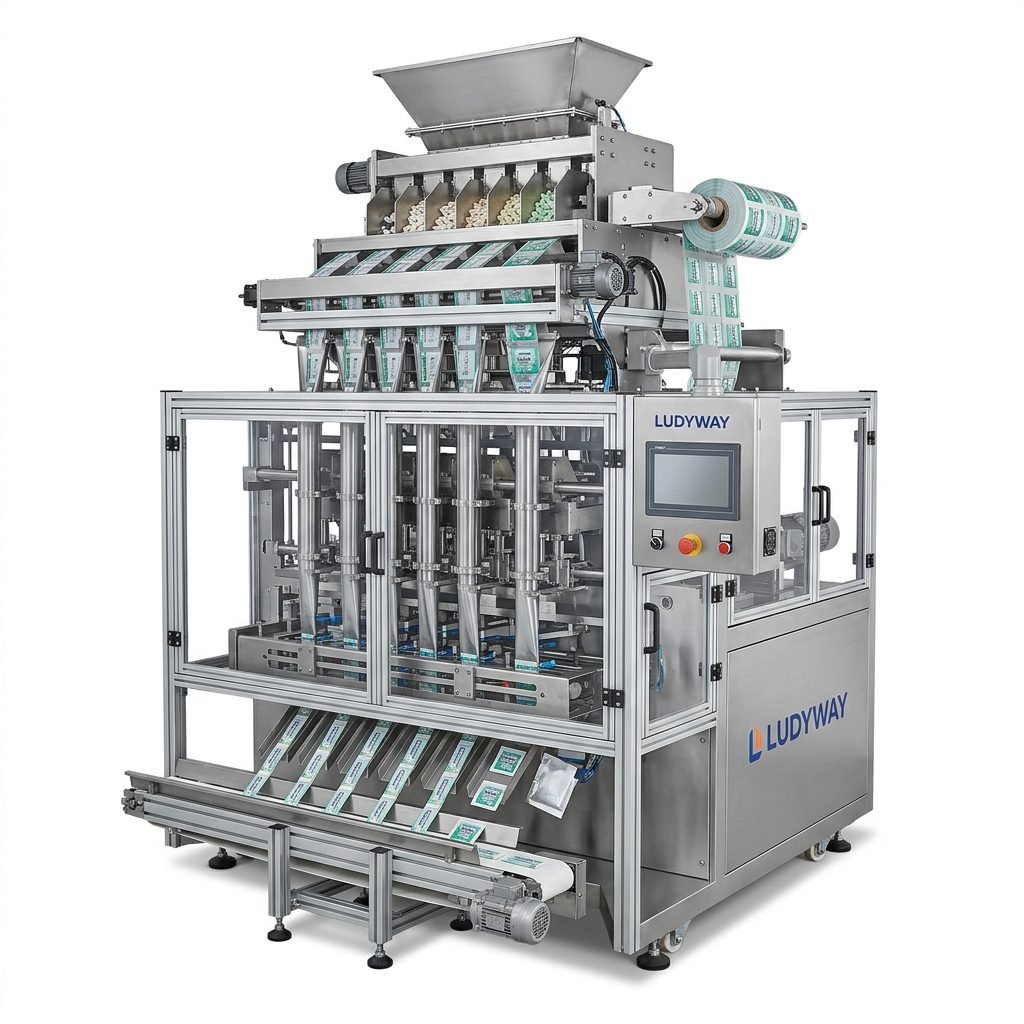
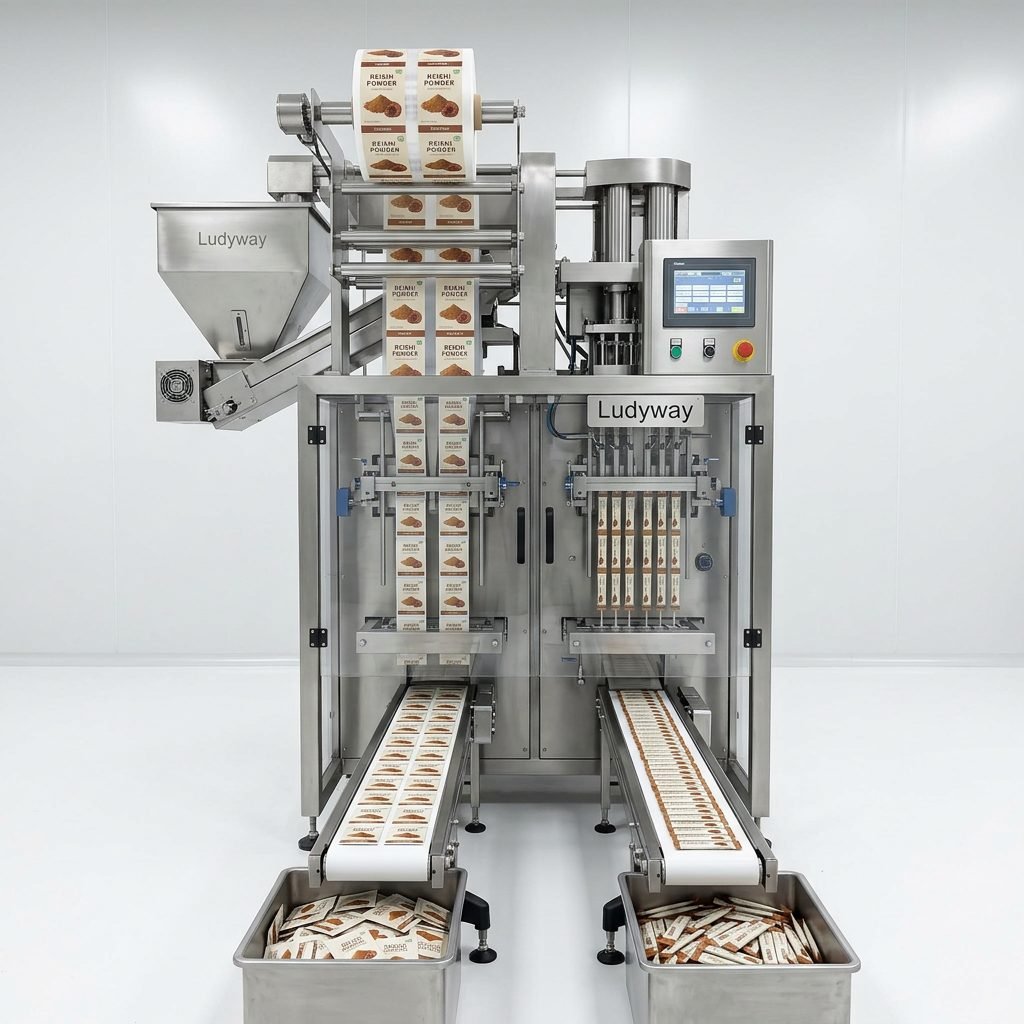
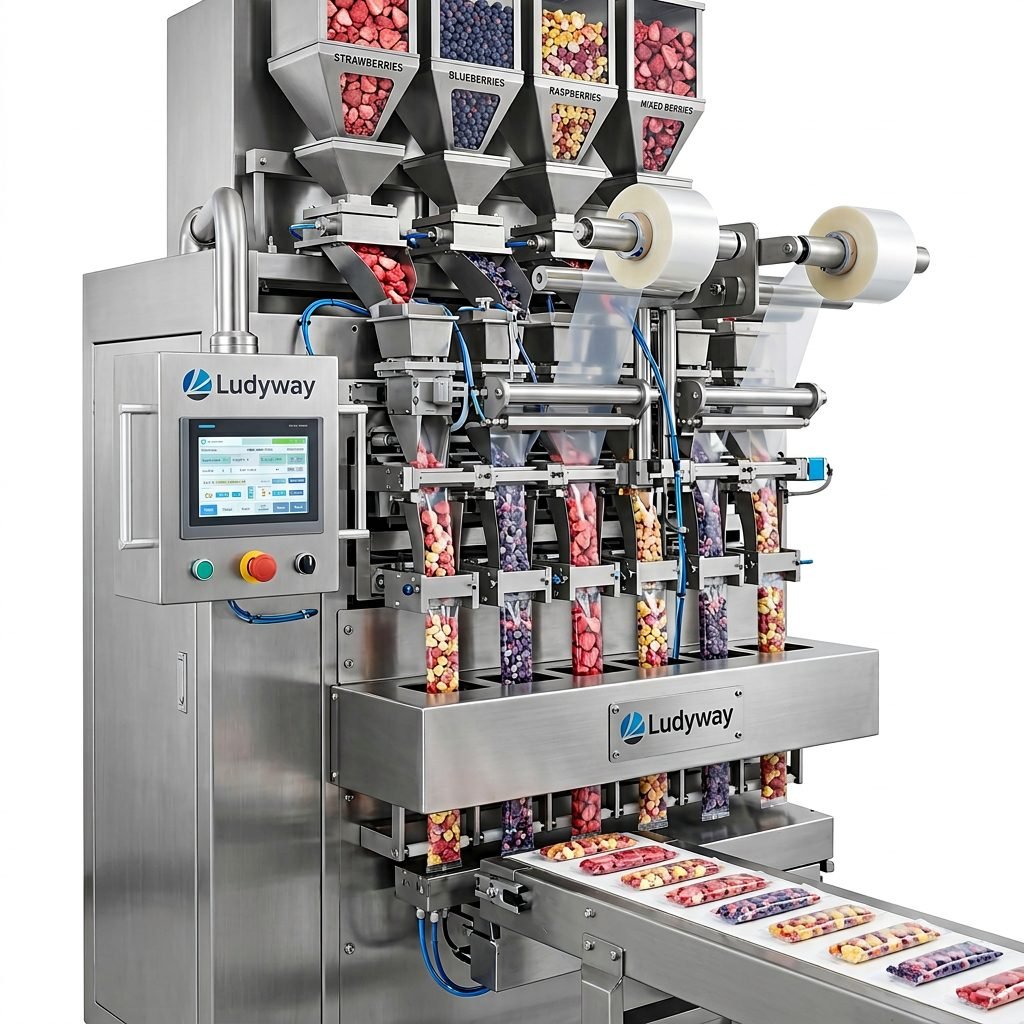
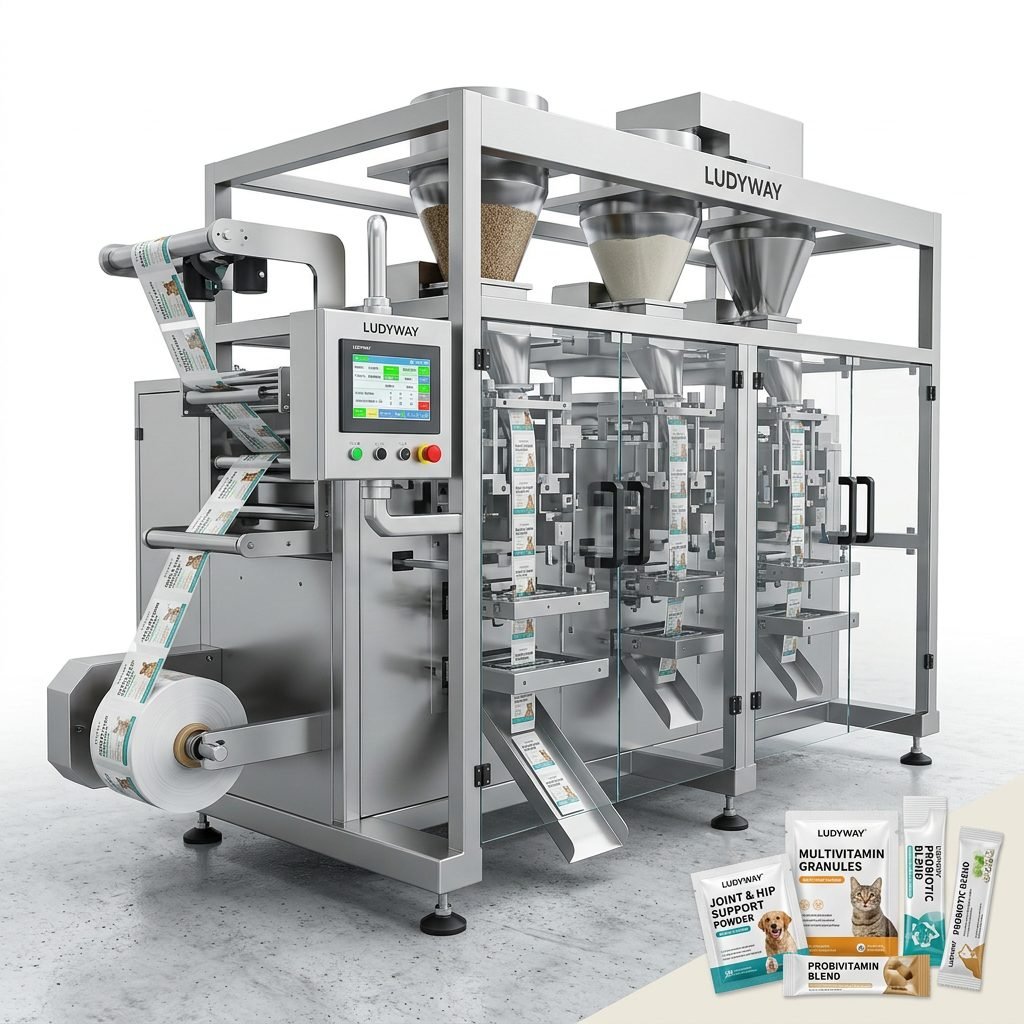
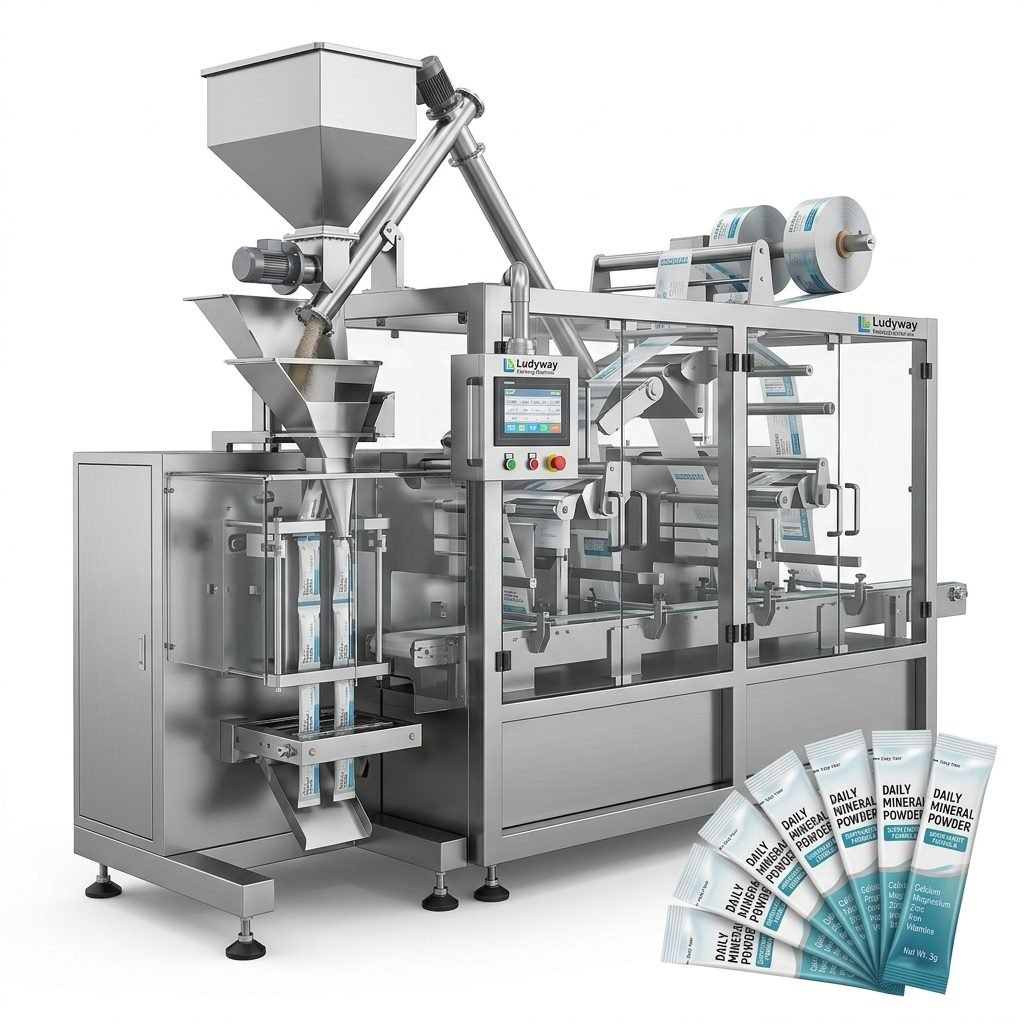
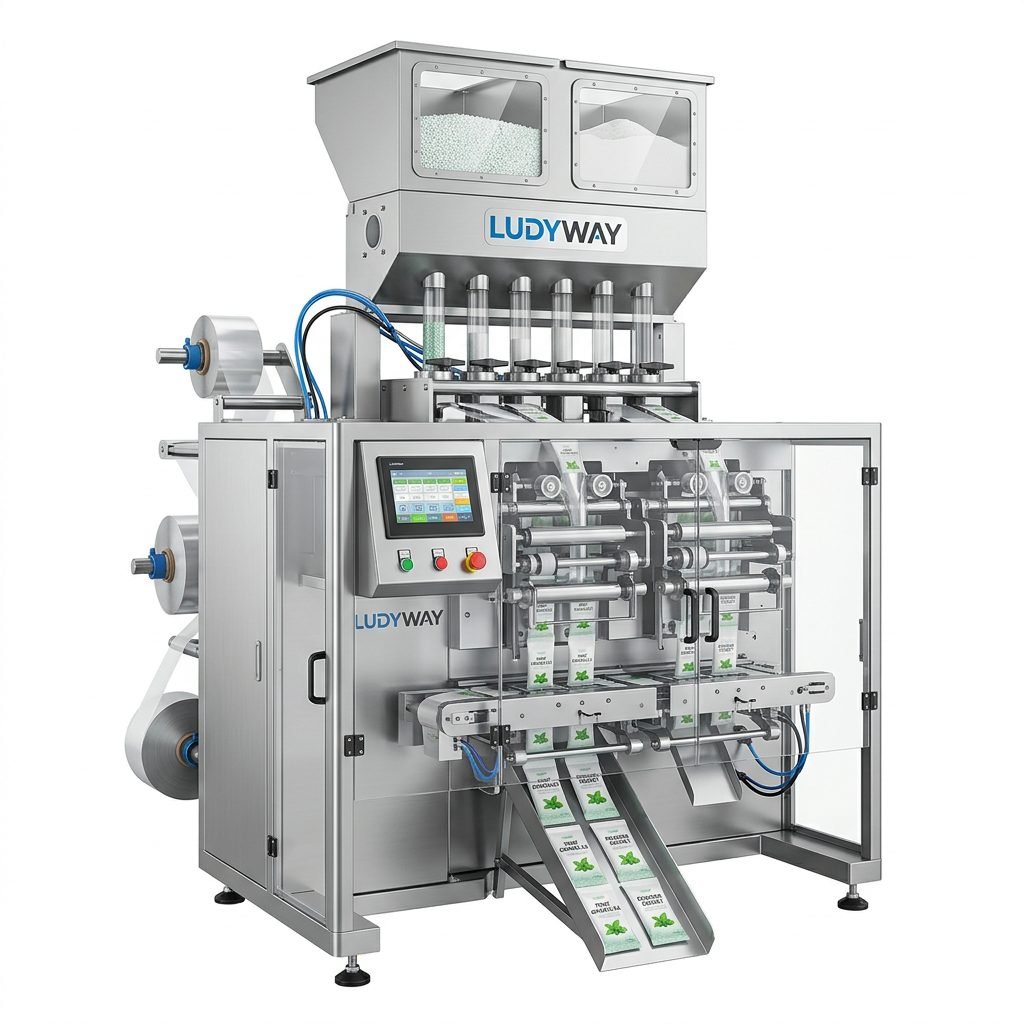
Sourcing packaging machinery from China presents a significant opportunity for businesses worldwide to access advanced technology, reliable performance, and cost-effective solutions. The country has evolved into a global manufacturing hub, with a vast ecosystem of suppliers catering to every conceivable packaging need, from simple sachet machines to fully automated turnkey lines. For international buyers, particularly those in North America, Europe, and growing markets in Southeast Asia and the Middle East, navigating this landscape requires a strategic approach. The decision impacts not only your initial capital expenditure but also long-term operational efficiency, product quality, and supply chain stability. This guide outlines the key factors you must consider to select a packaging machine manufacturer in China that aligns with your specific production goals and quality standards.
1. Define Your Technical and Production Requirements
Before initiating your search, crystallize your project’s technical specifications. This clarity will serve as your primary filter when evaluating potential suppliers like Ludyway or others.
Key questions to answer:
• Product Type: What are you packaging? (e.g., granules, fine powder, viscous liquid, tablets, pouches). The material characteristics (hygroscopicity, flowability, abrasiveness) dictate machine design.
• Packaging Format & Speed: What is your target output (packs per minute)? Do you need stick packs, sachets, bottles, or bags? Consider future scalability.
• Integration Needs: Is this a standalone machine or part of a complete line needing integration with filling, capping, cartoning, and palletizing systems?
• Regulatory Compliance: For food, pharmaceutical, or nutraceutical products, does the machinery need to meet specific standards (e.g., FDA, cGMP, CE, ISO)?
A manufacturer that clearly understands these parameters from the outset, like Packmate Machinery, can provide more accurate proposals and avoid costly misunderstandings later.
2. Assess Manufacturing Capability and Scale
The manufacturer’s physical and technical infrastructure is a direct indicator of their ability to deliver. Don’t just rely on brochures; request virtual or, if possible, in-person factory tours.
Look for evidence of:
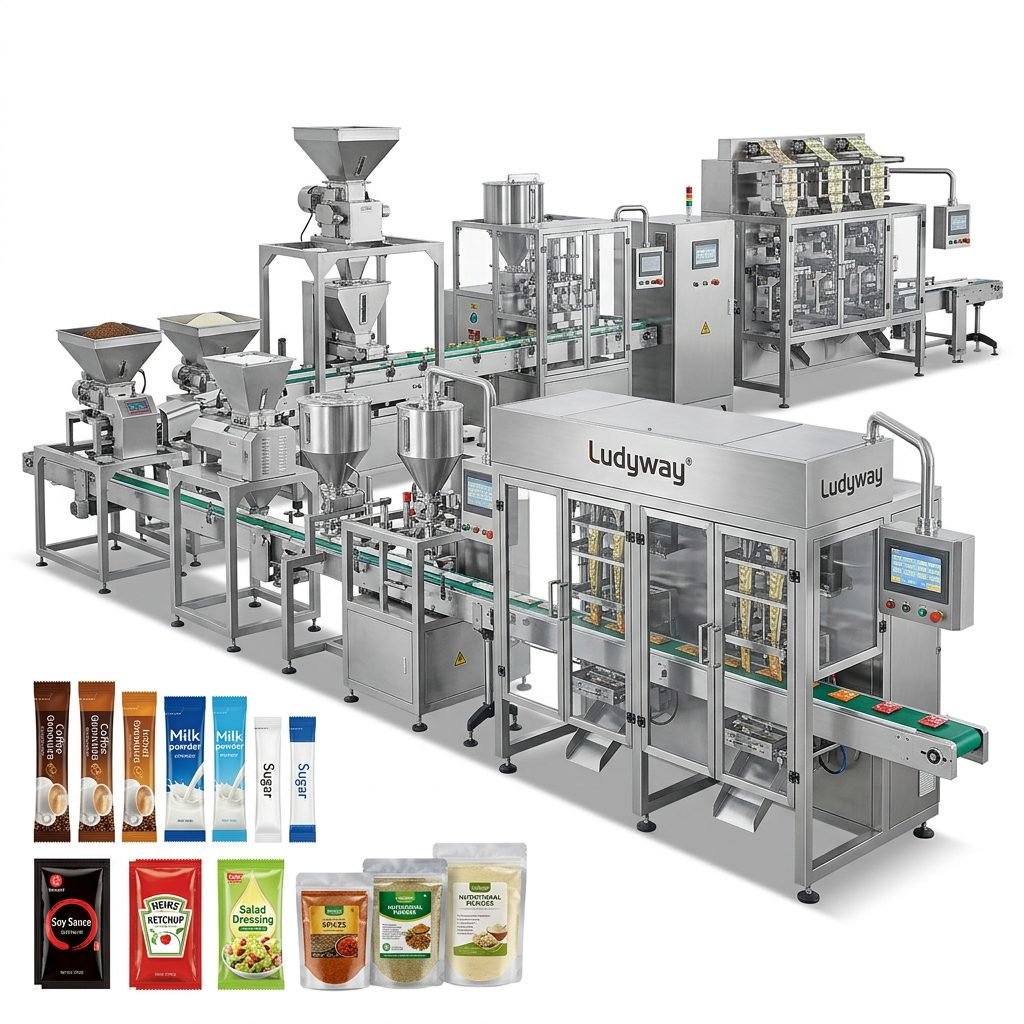
• Modern Facilities: A sizable, organized factory (like Ludyway’s 20,000㎡ facility) suggests investment in production capacity and quality control processes.
• In-House Engineering & R&D: Companies with strong design teams can offer genuine customization and better after-sales support, rather than just assembling bought-in parts.
• Quality Control Processes: Inquire about their QC protocols during assembly, testing, and pre-shipment. Do they have testing labs? Can they run trials with your specific product?
• Project Management: For complex lines, understand their project management structure. Who will be your single point of contact from design to installation?
3. Verify Industry Experience and Specialization
Packaging machinery is highly application-specific. A manufacturer experienced in your sector will understand the unique challenges—whether it’s hygiene for pharmaceuticals, accuracy for expensive supplements, or durability for abrasive chemicals.
Why Specialization Matters: A company like SnusMachinery, which focuses on nicotine pouch and snus packaging, will have deep expertise in the precise dosing, moisture control, and high-speed requirements of that niche. Similarly, a manufacturer with a portfolio in food packaging will be adept at meeting food-grade safety standards.
Examine their case studies and client list. Have they successfully executed projects for companies with similar products and output requirements as yours? A manufacturer like PackingMachineOEM, which specializes in non-standard solutions, might be ideal for unique or complex applications.
4. Scrutinize After-Sales Support and Service Network
The relationship with your manufacturer begins after the machine is shipped. For international buyers, robust after-sales support is non-negotiable to minimize costly downtime.
Critical service aspects include:
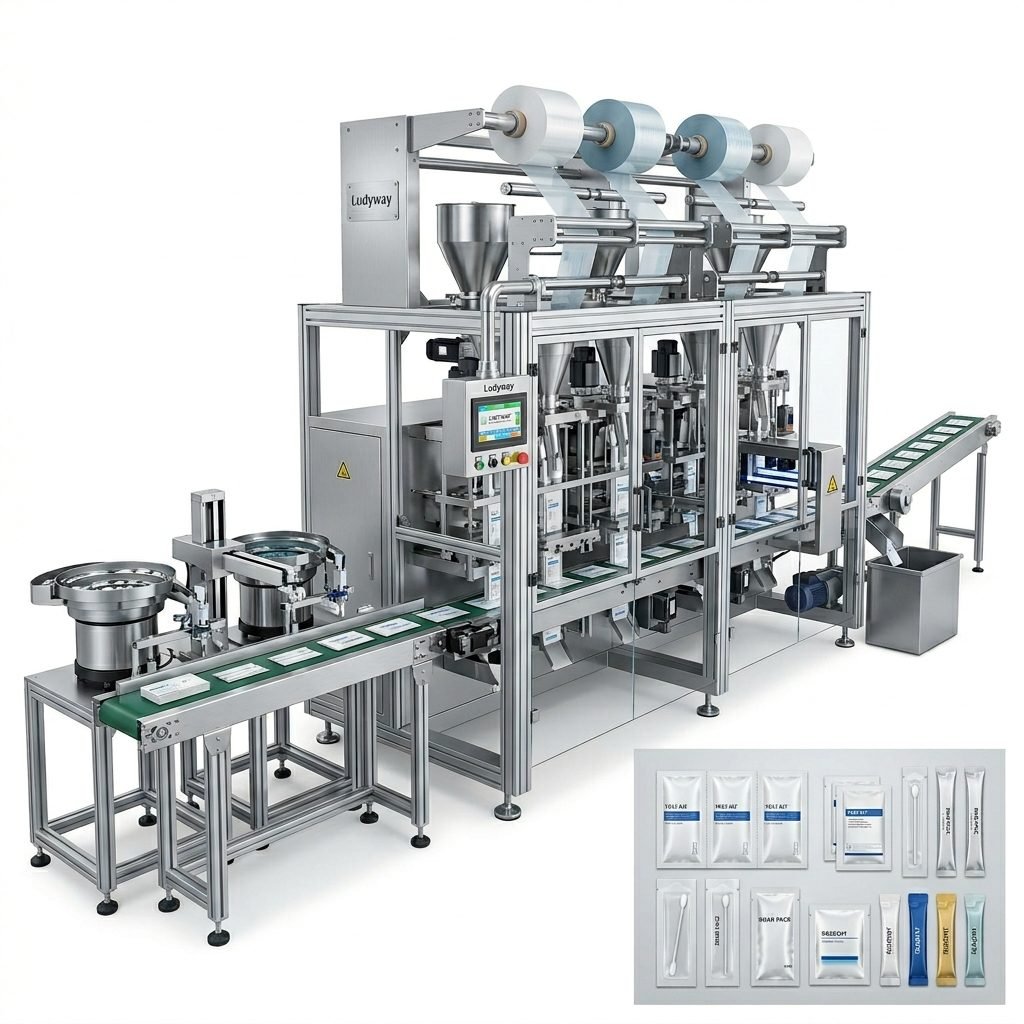
• Installation & Commissioning: Do they provide engineers for on-site installation, training, and commissioning? What are the terms and costs?
• Technical Documentation: Are manuals, schematics, and software interfaces provided in English (or your required language) and are they clear and comprehensive?
• Spare Parts Policy: What is the availability and lead time for critical spare parts? Is there a local warehouse or distributor in your region?
• Remote & On-Site Support: Do they offer remote diagnostics (via IoT/IIoT platforms) and prompt on-site technician dispatch if needed?
A manufacturer with a global service footprint, serving over 100 countries like some established players, is generally better equipped to provide timely support.
5. Evaluate Communication and Cultural Fit
Clear, professional, and responsive communication is perhaps the most critical soft factor. It prevents errors, builds trust, and ensures smooth project execution.
During your initial interactions, assess:
• Responsiveness & Language Proficiency: Is their international sales team fluent in English? Do they respond to inquiries promptly and thoroughly?
• Technical Dialogue: Can their engineers communicate technical details effectively, or is there a heavy reliance on sales personnel as intermediaries?
• Proactive Problem-Solving: Do they ask detailed questions about your application, or do they simply quote based on a brief description? A proactive approach indicates professionalism.
• Transparency: Are they transparent about pricing, payment terms, delivery schedules, and potential limitations of their equipment?
6. Understand Total Cost of Ownership (TCO)
While the initial machine price is important, the Total Cost of Ownership (TCO) is the true measure of value. A cheaper machine with poor efficiency, high waste, and frequent breakdowns will cost more in the long run.
TCO Components:
• Purchase Price: The upfront cost of the machine and any auxiliary equipment.
• Operational Costs: Energy consumption, compressed air usage, required consumables, and labor efficiency.
• Maintenance & Spare Parts: Cost and frequency of routine maintenance, and the price of wear parts.
• Product Yield & Waste: A high-precision machine minimizes product giveaway and material waste, directly impacting your bottom line.
• Uptime & Reliability: Machine availability directly correlates with production revenue.
Request detailed efficiency data, expected maintenance schedules, and spare parts price lists. Reputable manufacturers like PacklineOEM should be able to provide this information.
7. Conduct Due Diligence: Certifications, Visits, and References
Finalize your shortlist by conducting thorough due diligence.
Essential checks include:
• Business Legitimacy & Certifications: Verify business licenses, and look for relevant international certifications (ISO 9001 for quality management, CE for European market safety).
• Factory Audit/Video Tour: If an in-person visit isn’t feasible, insist on a live video tour of the production floor, quality control, and assembly areas.
• Client References: Ask for contact information of 2-3 international clients with similar machines. Reach out to them to inquire about their experience with machine performance, reliability, and after-sales service.
• Sample Machine Testing: Whenever possible, send your product samples for a live factory test run. This is the best way to verify performance claims regarding speed, accuracy, and compatibility.
Frequently Asked Questions (FAQs)
1. What is the typical lead time for a packaging machine from China?
Lead times vary significantly based on machine complexity and customization. Standard models may ship in 30-60 days, while fully custom, automated turnkey lines can take 90 to 180 days. Always confirm the detailed production schedule in your contract.
2. How do I handle machine installation and training if I’m overseas?
Reputable manufacturers provide installation and commissioning services. Their engineers will travel to your site to install the machine, conduct operational training for your technicians, and ensure it runs to specification. This service is typically quoted separately but is highly recommended.
3. What are the standard payment terms with Chinese manufacturers?
Common terms include a 30-50% deposit with the order, 40-60% balance before shipment, and sometimes 10% upon successful installation. For larger projects, payment by Letter of Credit (L/C) is also common. Never pay 100% upfront.
4. What if the machine arrives and doesn’t work as specified?
A comprehensive contract is vital. It should specify performance guarantees (e.g., speed, accuracy), warranty periods (typically 12-18 months), and protocols for handling non-conformance. The warranty should cover parts and labor. The option for a factory acceptance test (FAT) before shipment mitigates this risk significantly.
5. Can Chinese manufacturers provide machines that meet FDA or EU safety standards?
Yes, many top-tier manufacturers design and build machines to international standards like CE, FDA, and cGMP. However, you must explicitly state this requirement during the quoting process. They should provide documentation and use compliant components (e.g., food-grade stainless steel, certified electrical systems).