Choosing the right food sealing packaging machine is a critical decision for any food manufacturer, processor, or distributor. The efficiency, reliability, and versatility of your packaging line directly impact product quality, shelf life, operational costs, and ultimately, your brand’s reputation. This comprehensive guide will walk you through the different types of food sealing packaging machines, their primary uses, and the key factors to consider when selecting the perfect equipment for your specific needs.
Understanding Food Sealing Packaging Machines
Food sealing packaging machines are specialized equipment designed to create a secure, airtight, and often hermetic seal around food products. This seal serves multiple vital functions: it protects the contents from contamination by microorganisms, oxygen, moisture, and light; it preserves freshness and flavor; it extends shelf life significantly; and it provides a tamper-evident barrier for consumer safety. The sealing process typically involves applying heat, pressure, or ultrasonic energy to a packaging material—such as plastic film, foil, or laminated pouches—to fuse it together, creating a permanent closure.
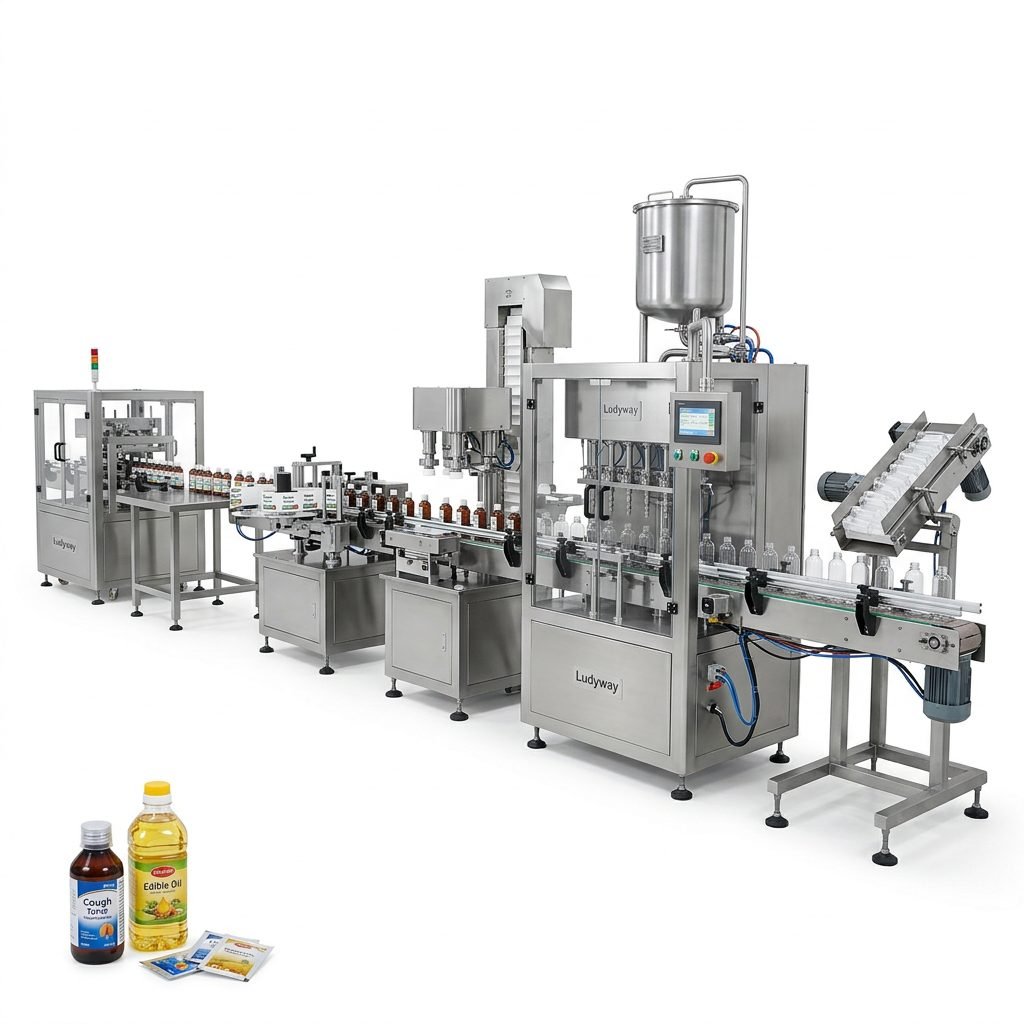
The evolution of these machines has moved far beyond simple manual sealing. Today’s advanced automated systems integrate seamlessly with filling, labeling, and cartoning operations, forming complete, high-speed production lines. Automation not only boosts output but also ensures consistent seal quality, reduces human error, and minimizes material waste.
Core Types of Food Sealing Packaging Machines
The market offers a diverse range of sealing technologies, each suited to different packaging formats, materials, and production volumes. Understanding these core types is the first step in making an informed choice.
1. Heat Sealing Machines
This is the most common and versatile sealing method. Heat sealing machines use controlled thermal energy to melt and bond the sealing layer of a packaging material.
- Impulse Sealers: Ideal for intermittent, low-volume production. They use a brief pulse of electricity to heat a metal bar, creating a seal. Perfect for sealing bags of snacks, dried goods, or frozen foods.
- Continuous Belt Sealers: Designed for higher volumes. Products pass between two continuously heated moving belts, creating a consistent seal. Excellent for sealing pouches, bags, and trays in a flow.
- Hot Bar Sealers: Use stationary heated bars that press down on the packaging material. Often used for sealing the tops of rigid containers like cups or tubs (e.g., yogurt, pudding).
2. Vacuum Sealing Machines
These machines remove air from the package before sealing, dramatically extending shelf life by inhibiting oxidation and bacterial growth.
- External Vacuum Sealers: A vacuum chamber is created around the bag, air is extracted, and then a heat seal is applied. Common for retail and small-scale commercial packaging of meats, cheeses, and prepared meals.
- Internal (Snorkel) Vacuum Sealers: A nozzle (“snorkel”) inserts into the bag to draw out air before sealing. Suitable for bulkier or irregularly shaped products.
Key Advantage: Vacuum sealing is paramount for products prone to oxidation or requiring very long shelf life, such as premium coffee, dried meats, or specialty spices.
3. Ultrasonic Sealing Machines
An advanced technology that uses high-frequency vibrational energy to generate friction heat at the molecular level within the packaging material itself, creating a clean, strong seal without external heat.
- Benefits: Excellent for sealing films containing foil layers (which reflect traditional heat), sealing through minor contamination (like powder residue), and creating exceptionally clean, burr-free seals on sensitive products.
- Applications: Often used for medical and high-barrier food packaging, as well as for products where a pristine seal appearance is critical.
4. Induction Sealing Machines
Specifically used to create an airtight seal on the inner membrane of bottles, jars, and containers. An electromagnetic field heats a foil liner inside the container’s cap, bonding it to the container rim.
This provides a hermetic seal that is tamper-evident (the liner remains attached when the cap is unscrewed) and leak-proof, essential for liquids, sauces, powders, and pharmaceuticals.
Primary Applications and Uses in the Food Industry
Each food category has unique packaging requirements, dictating the choice of sealing technology.
Dry Foods (Snacks, Grains, Powder)
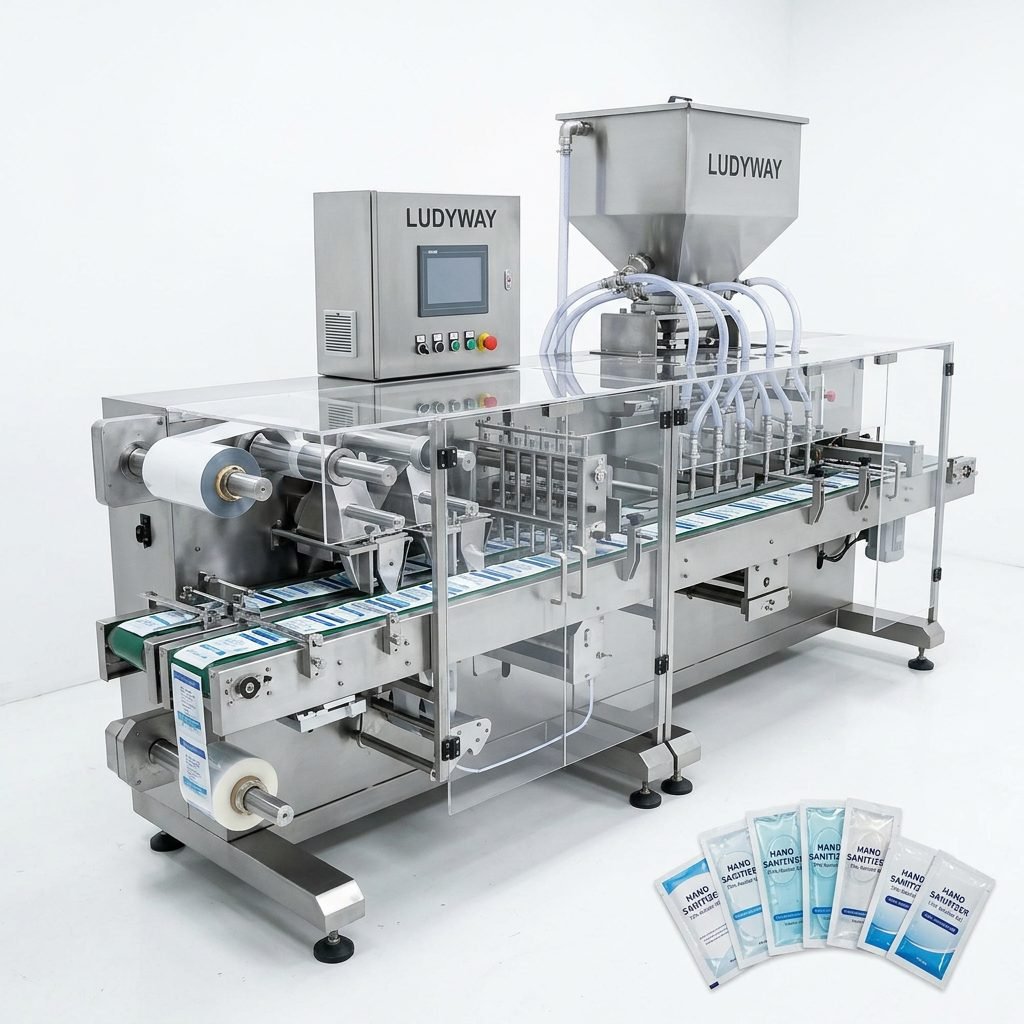
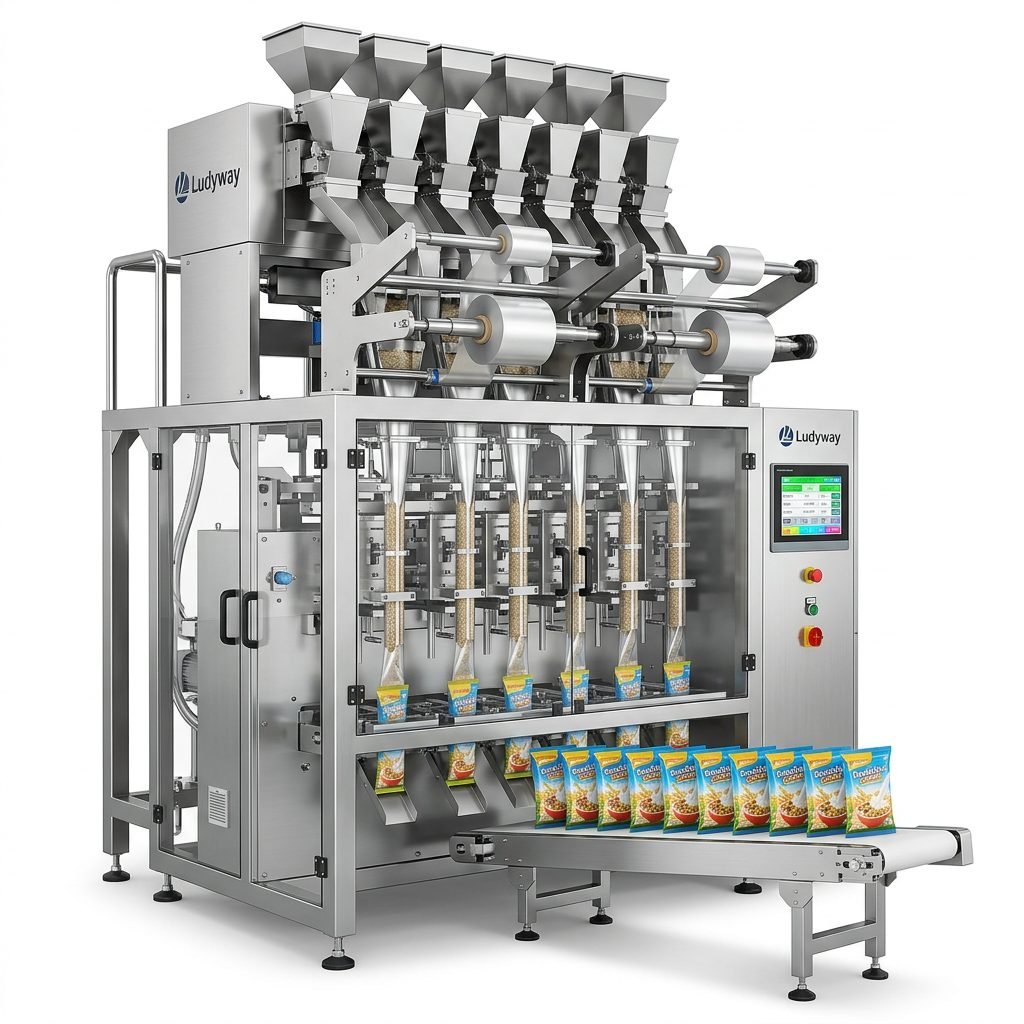
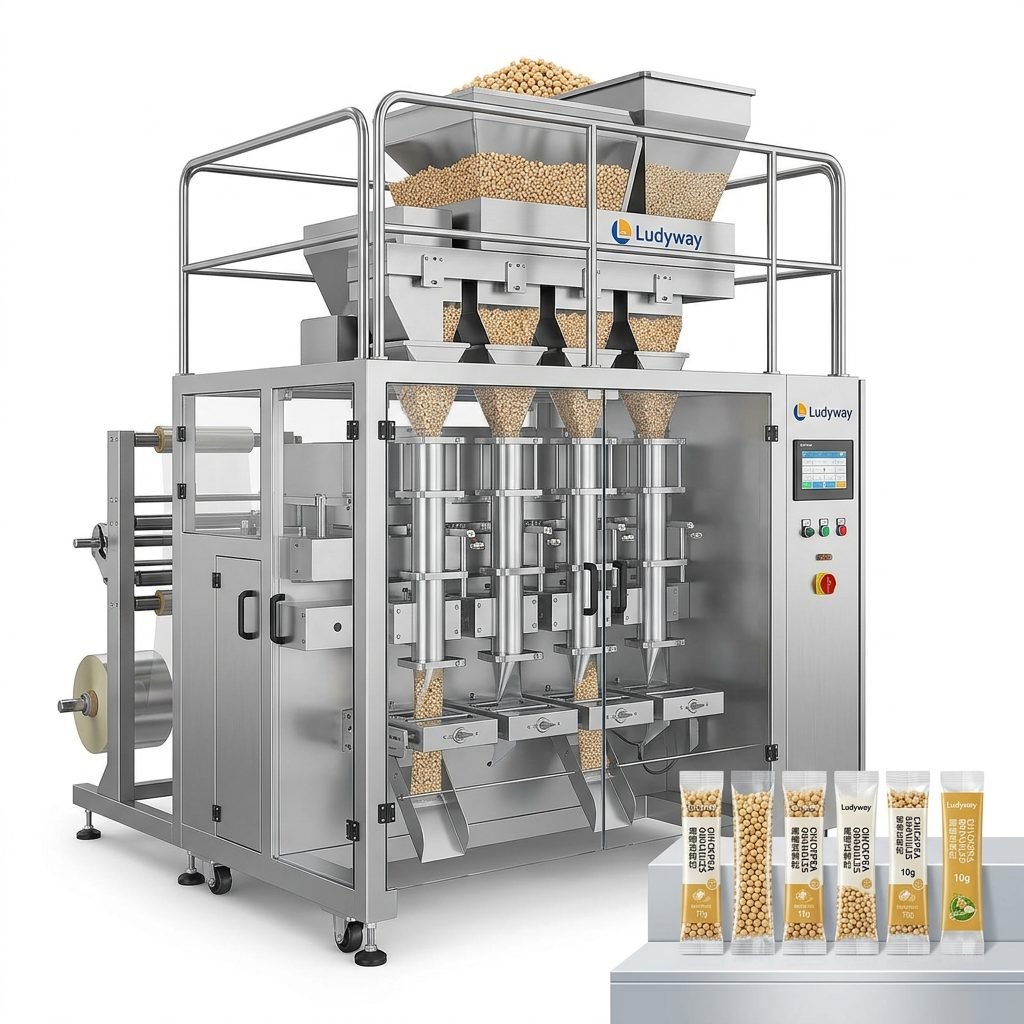
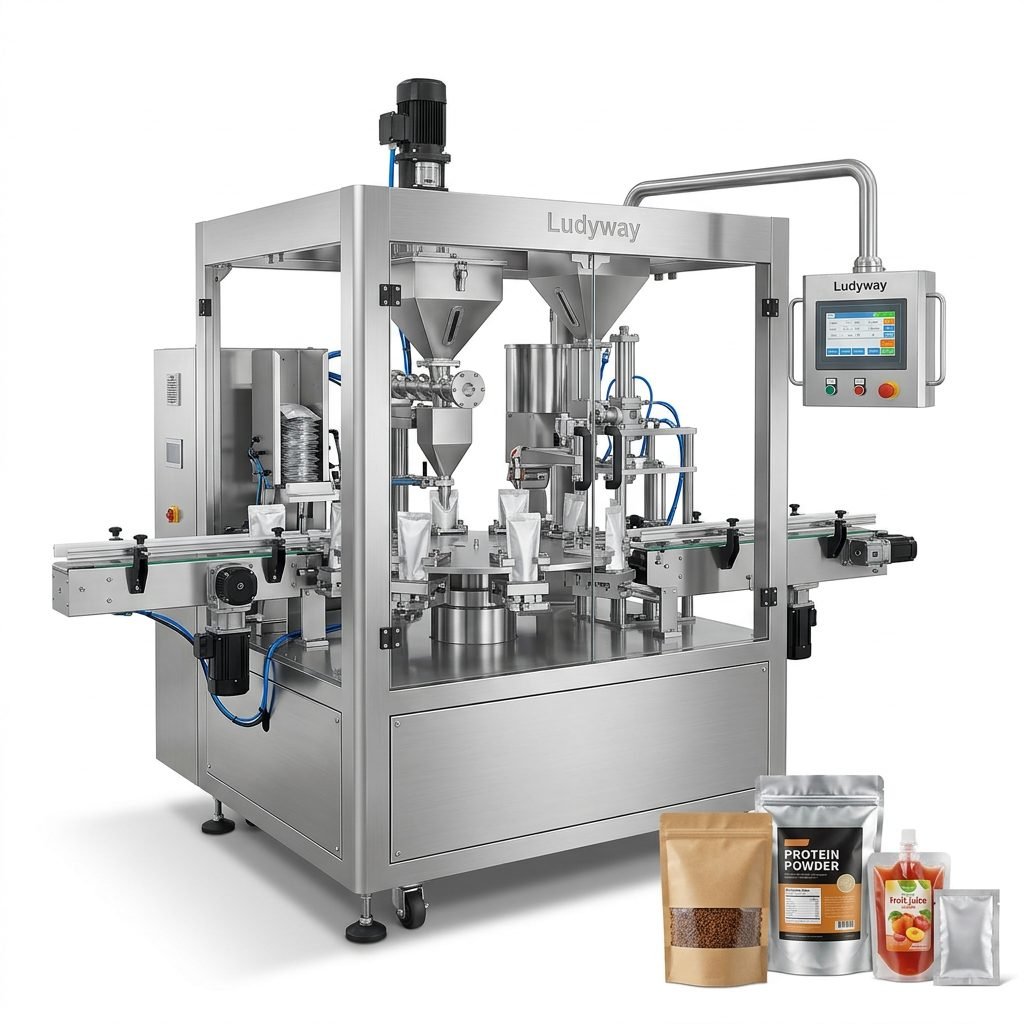
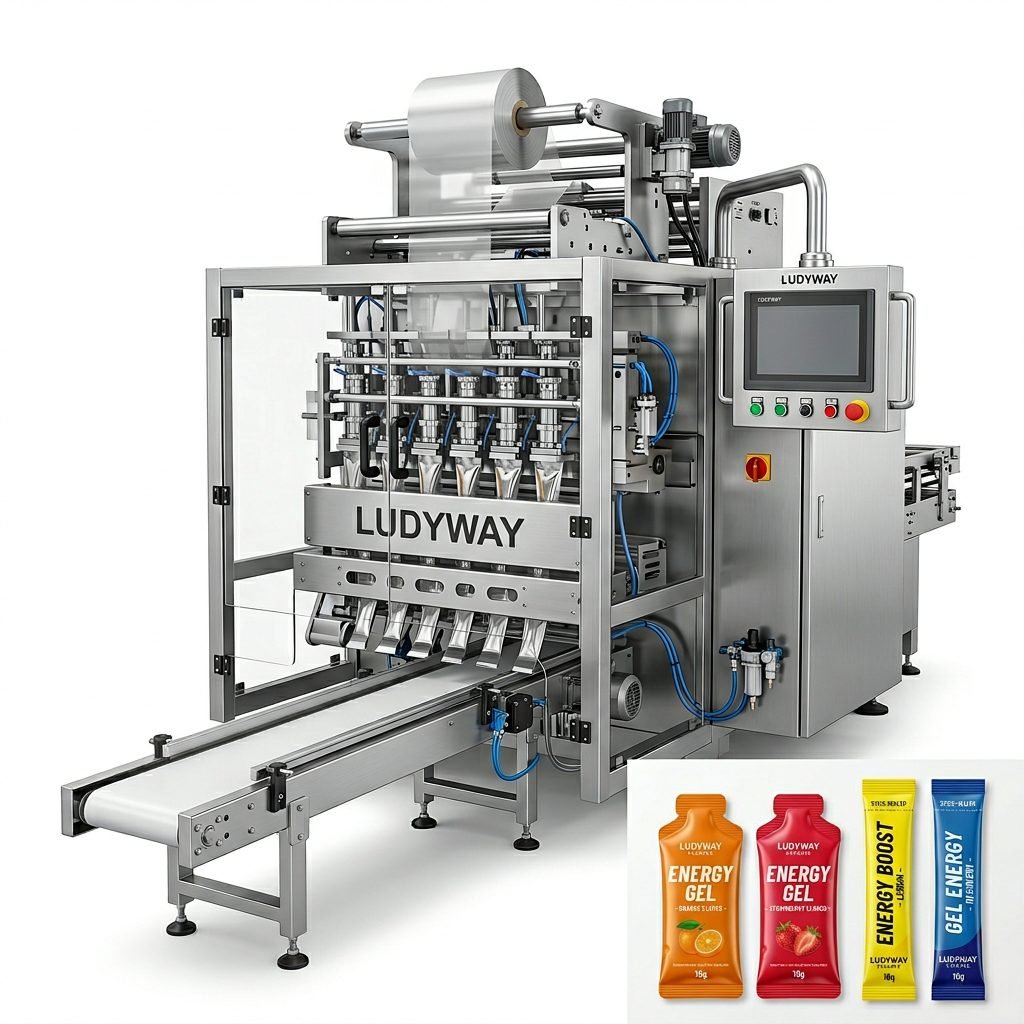
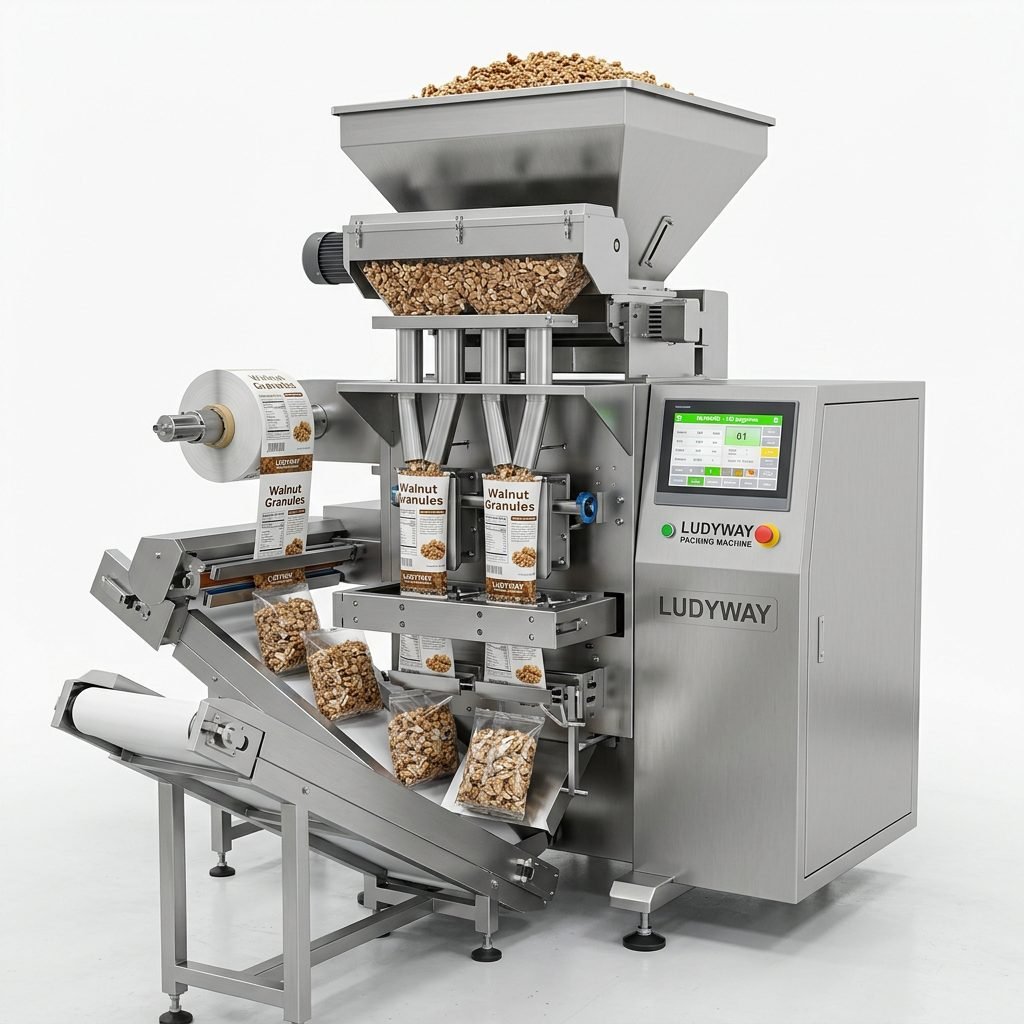
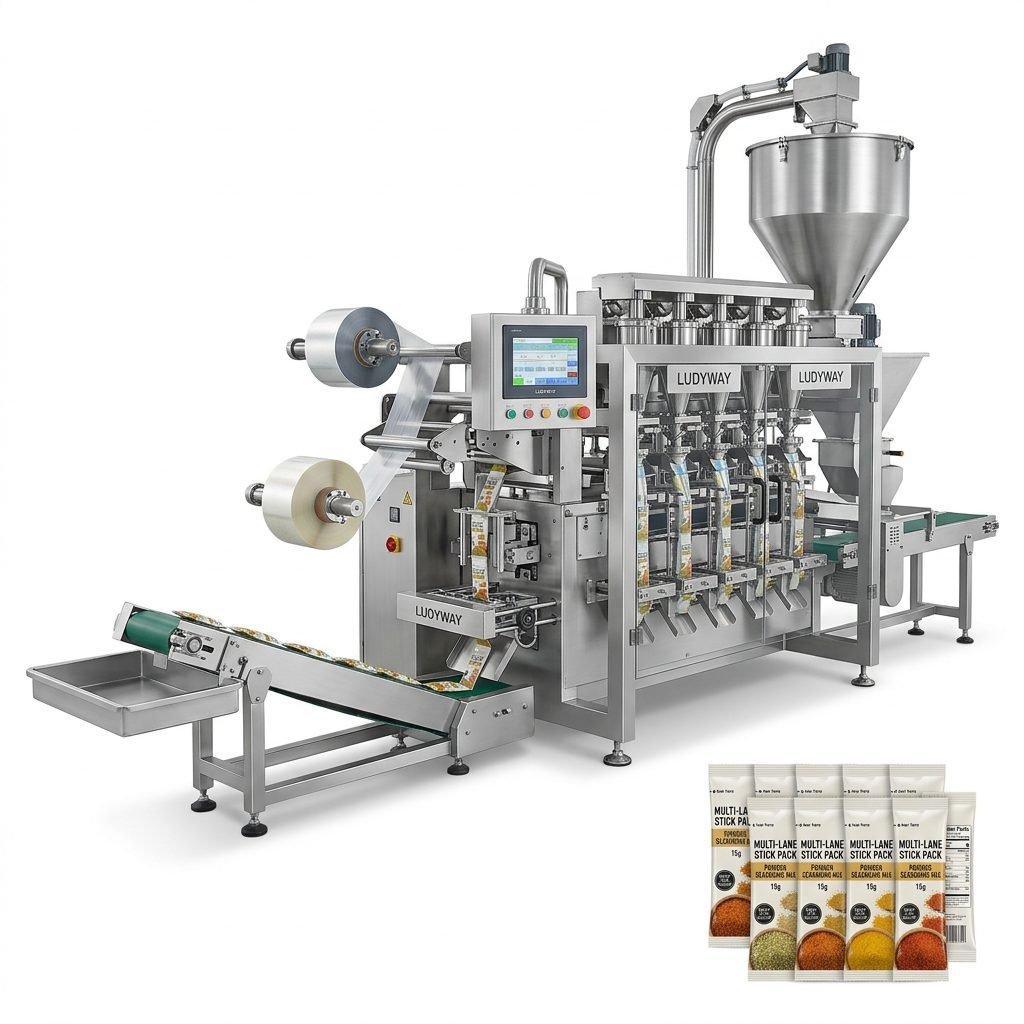
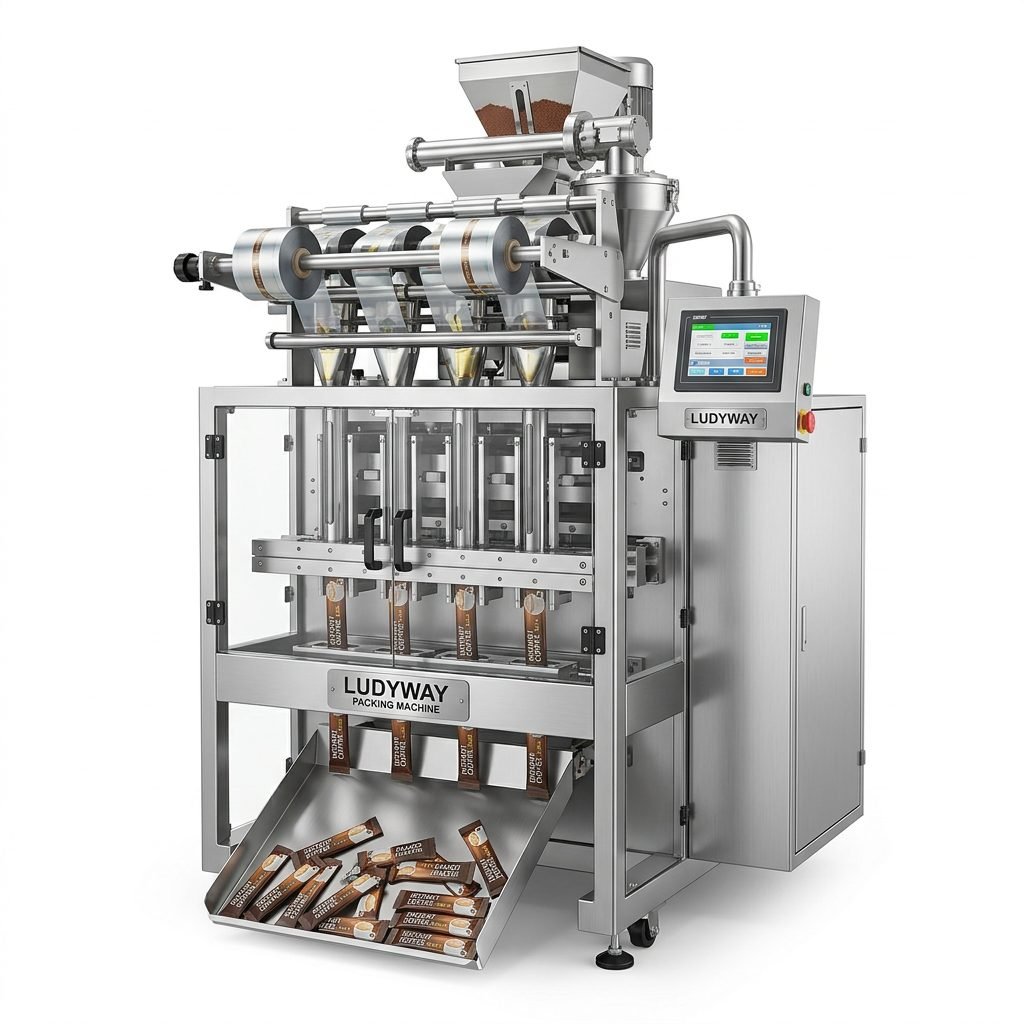
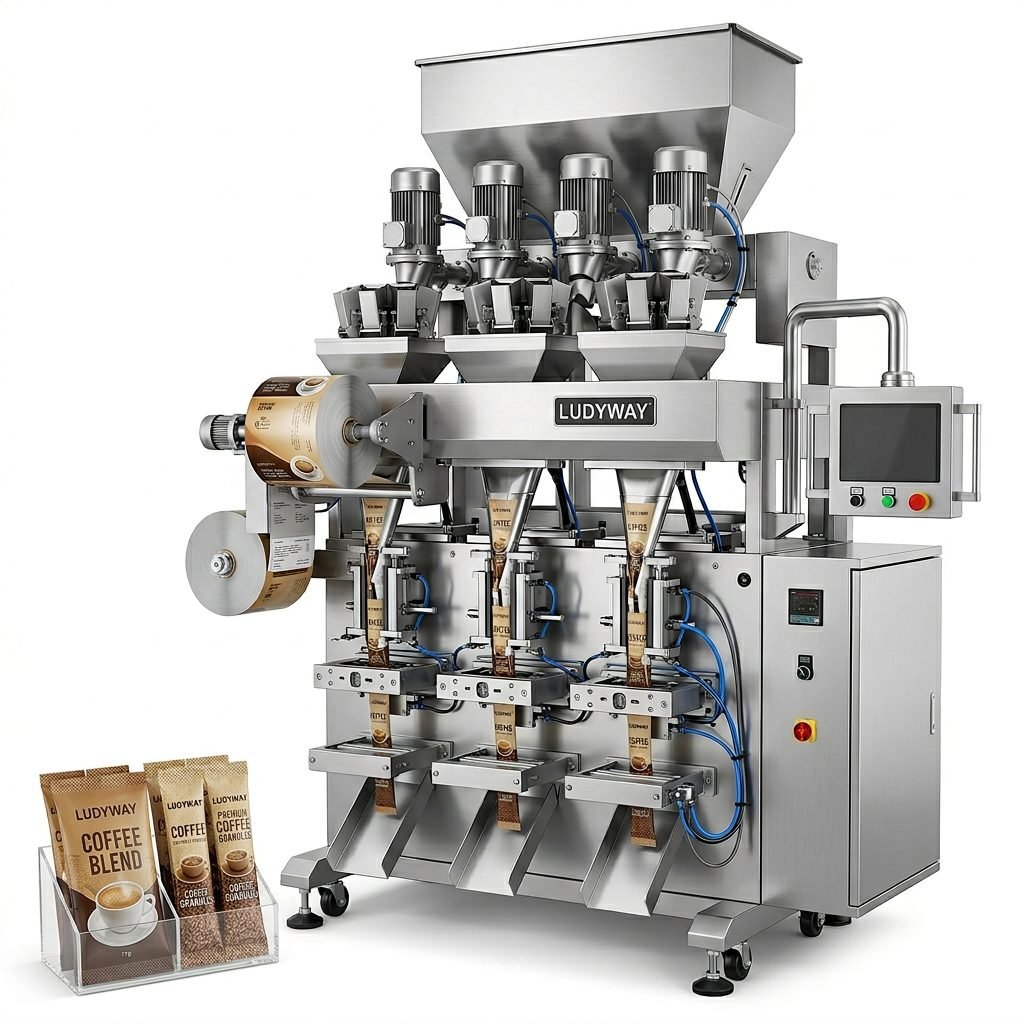
For products like chips, nuts, cereal, flour, or protein powder, the primary goal is barrier protection against moisture and oxygen. Multi-lane stick pack and sachet packaging machines using heat sealing are extremely popular. They efficiently produce small, single-serving pouches with excellent seals at very high speeds. For larger bags, continuous belt or impulse sealers are standard.
Fresh & Frozen Foods (Meat, Vegetables, Prepared Meals)
Here, the battle is against moisture loss, freezer burn, and bacterial growth. Vacuum sealing is often the champion, especially for meats and prepared meals, as it removes air and tightly conforms the package to the product. For frozen vegetables in bags, robust heat sealing is sufficient. Modified Atmosphere Packaging (MAP), which replaces air with a protective gas mix before sealing, is also a high-end option for fresh produce and meats.
Liquid & Semi-Liquid Foods (Sauces, Dressings, Yogurt)
Leak-proof integrity is non-negotiable. For pouches and sachets of sauces or dressings, precise heat sealing on multi-lane machines is critical. For bottles and jars, induction sealing is the industry-standard method to ensure the liquid never leaks past the cap, providing both safety and shelf life.
High-Barrier & Specialty Foods (Coffee, Spices, Organic Products)
Products sensitive to oxygen, light, or flavor degradation require high-barrier materials (often containing foil). Ultrasonic sealing excels here as it can effectively seal through these layers. Vacuum sealing is also widely used for premium coffee and spices to preserve aromatic compounds.
How to Choose the Right Food Sealing Machine: A Step-by-Step Guide
Selecting a machine is an investment. A systematic evaluation of your needs will ensure you get a machine that delivers performance, reliability, and value for years.
Step 1: Analyze Your Product and Packaging Format
- Product Characteristics: Is it dry, moist, liquid, powdery, oily, or sharp? This affects the sealing method (e.g., ultrasonic for powders, induction for liquids).
- Package Type & Material: Are you using pre-made pouches, form-fill-seal rolls, bottles, trays? What is the material composition (polyethylene, polyester, foil laminate)? The machine must be compatible.
- Seal Requirements: Do you need a standard seal, a hermetic seal, a vacuum, or a modified atmosphere?
Step 2: Evaluate Your Production Requirements
- Output Speed (Packages/Hour): Match the machine’s maximum speed to your current and forecasted production volumes. Don’t under-invest in capacity.
- Line Integration: Will the sealer stand alone, or will it be integrated with a filling machine, labeler, or cartoner? Ensure it has the right interfaces and synchronization capabilities.
- Flexibility: If you plan to package multiple product sizes or types, look for machines with quick-change features and adjustable settings.
Step 3: Consider Operational and Facility Factors
- Footprint & Power: Does your production floor space accommodate the machine? What are its electrical, compressed air, or vacuum pump requirements?
- Ease of Use & Changeover: Operator-friendly controls, clear diagnostics, and tool-free adjustments reduce downtime and training time.
- Maintenance & Durability: Seek robust construction from proven manufacturers. Companies with decades of experience, like Ludyway Machinery, often build machines with superior reliability and offer comprehensive support.
Step 4: Assess Supplier Credentials and Support
The machine’s origin and the supplier’s service are as important as its features.
Critical Checklist:
- Industry Experience: Choose a supplier with deep, proven expertise in food packaging. Their knowledge of real-world challenges is invaluable.
- Technical Support & Training: Ensure they provide thorough installation, training, and responsive after-sales technical support.
- Spare Parts Availability: Quick access to genuine spare parts minimizes downtime.
- Customization Ability: Can they tailor the machine to your unique needs? This is a sign of engineering strength.
A partner like Ludyway Machinery, with over 30 years of industry experience and a focus on turnkey production solutions, exemplifies the level of support that ensures long-term success. Their range of over 50 intelligent packaging machine models, including advanced multi-lane stick pack systems, offers solutions for virtually any requirement.
Conclusion
Investing in the right food sealing packaging machine is a strategic decision that safeguards your product quality, optimizes your production efficiency, and protects your brand. By thoroughly understanding the types of machines available—from heat and vacuum sealers to ultrasonic and induction technologies—and meticulously evaluating your product needs, production goals, and operational environment, you can select a machine that becomes a cornerstone of your packaging line. Partnering with an experienced, reliable supplier provides not just a machine, but a solution and ongoing support for growth. The ultimate goal is a seamless, reliable packaging process that delivers perfectly sealed, protected, and appealing food products to your customers, every time.
Frequently Asked Questions (FAQs)
What is the main difference between heat sealing and ultrasonic sealing?
Heat sealing applies external thermal energy to melt the packaging material’s sealing layer. Ultrasonic sealing uses high-frequency vibrations to generate internal friction heat at the molecular level, creating a seal. Ultrasonic is better for sealing foil-based materials, contaminated surfaces, and for achieving very clean, precise seals.
Can one machine handle both vacuum sealing and normal heat sealing?
Some advanced machines are designed as combination units. They can perform vacuum sealing (removing air) and then apply a heat seal in one cycle. However, many machines are dedicated to one primary function. Your choice should depend on whether vacuum sealing is a core requirement for most of your products.
How important is machine speed (packages per hour) when choosing?
It is crucial. The machine’s speed must meet your current production output and anticipated growth. An underspeed machine creates bottlenecks, while an excessively fast machine for low volume may be an unnecessary capital expense. Calculate your required output based on shifts, days, and peak periods.
What maintenance is typically required for a food sealing machine?
Regular maintenance includes cleaning sealing surfaces (bars, belts, horns) to prevent contamination buildup, checking and calibrating temperature or pressure settings, inspecting wear parts like sealing tapes or blades, and ensuring moving parts are lubricated. A good supplier will provide a clear maintenance schedule and guide.
Is it possible to upgrade an existing machine to handle a new packaging material?
It depends on the machine’s design and the new material’s requirements. Some machines offer flexibility with adjustable settings and interchangeable sealing heads. However, a significant change (e.g., from plastic to foil laminate) may require major modifications or a new machine. Consult your equipment supplier for an accurate assessment.