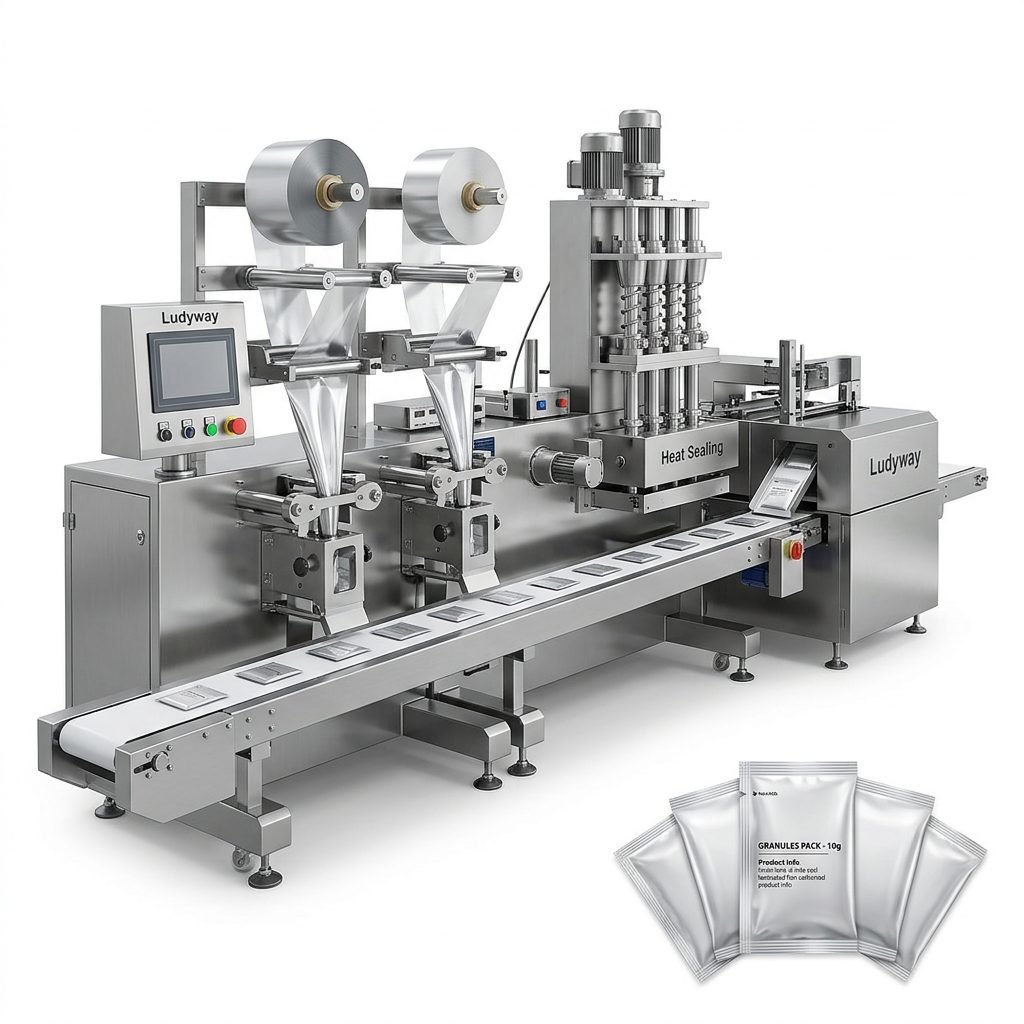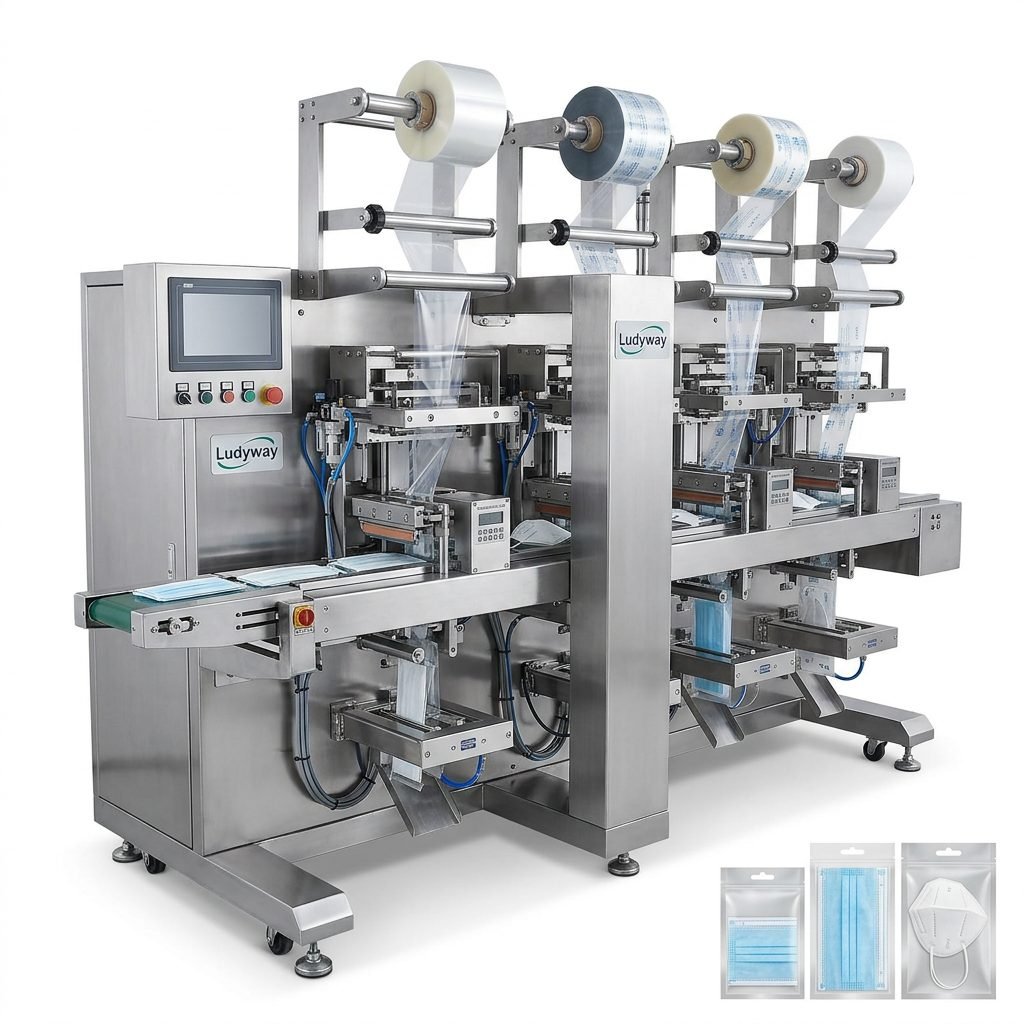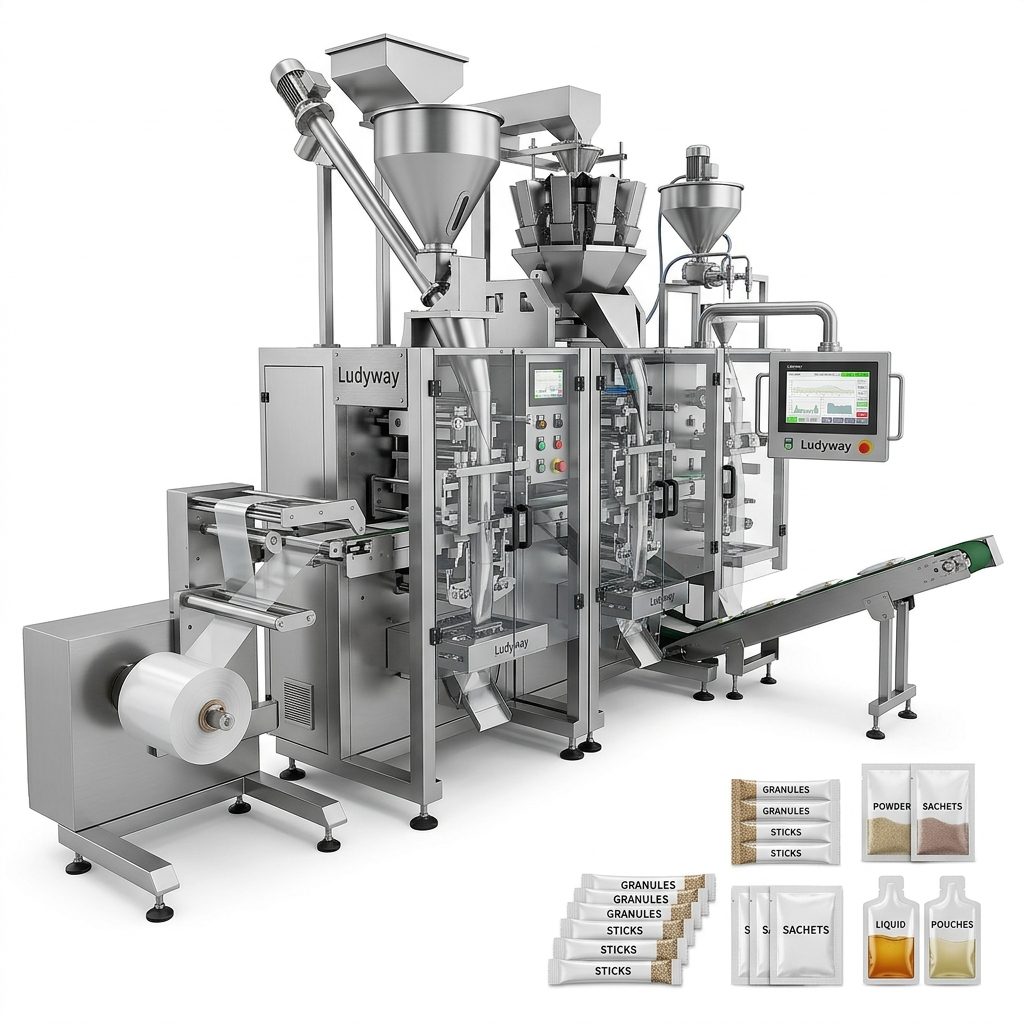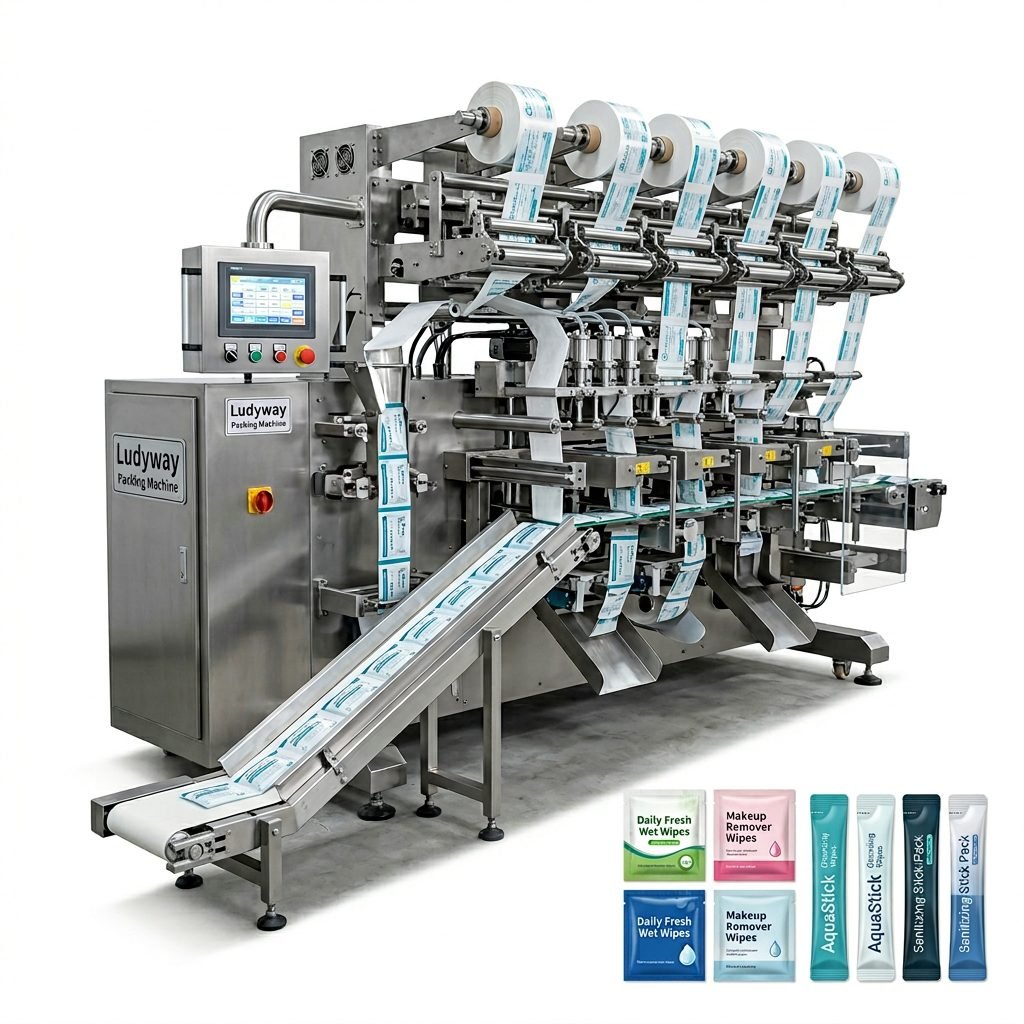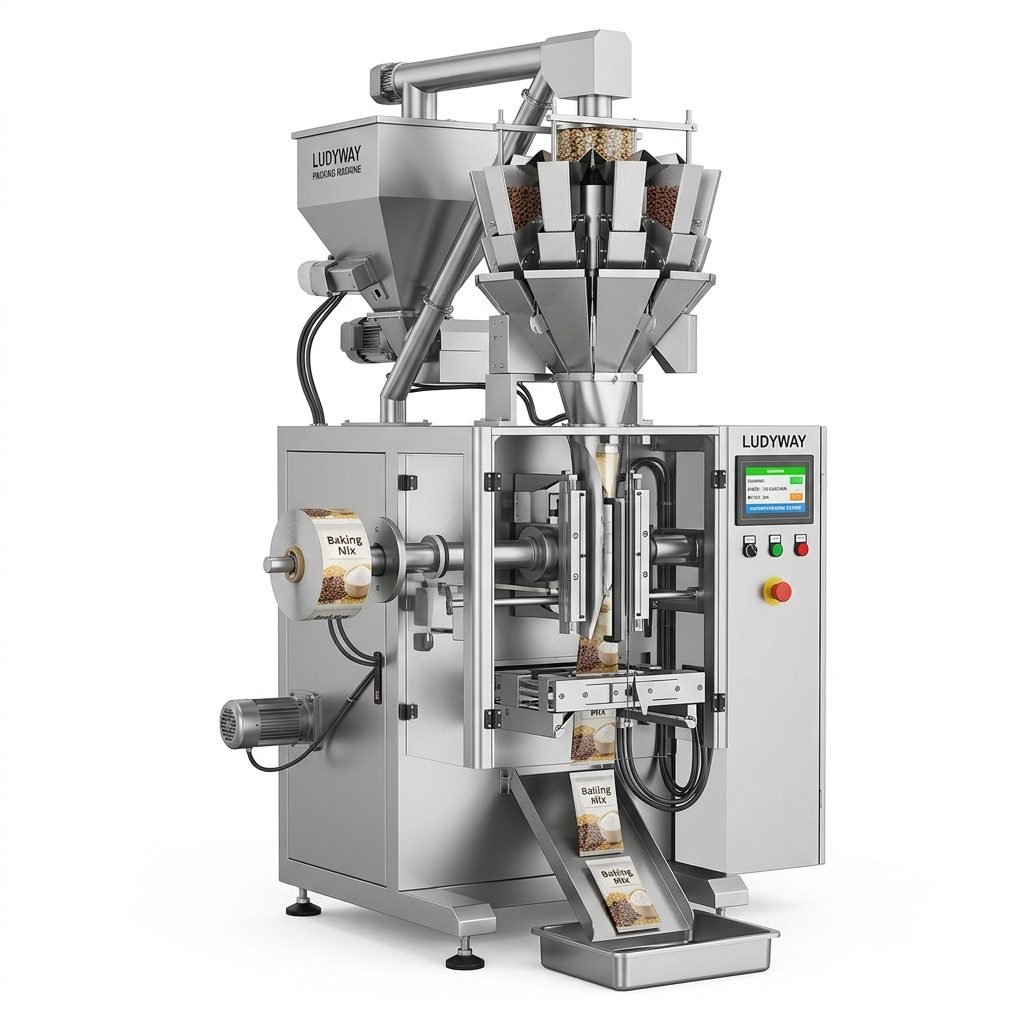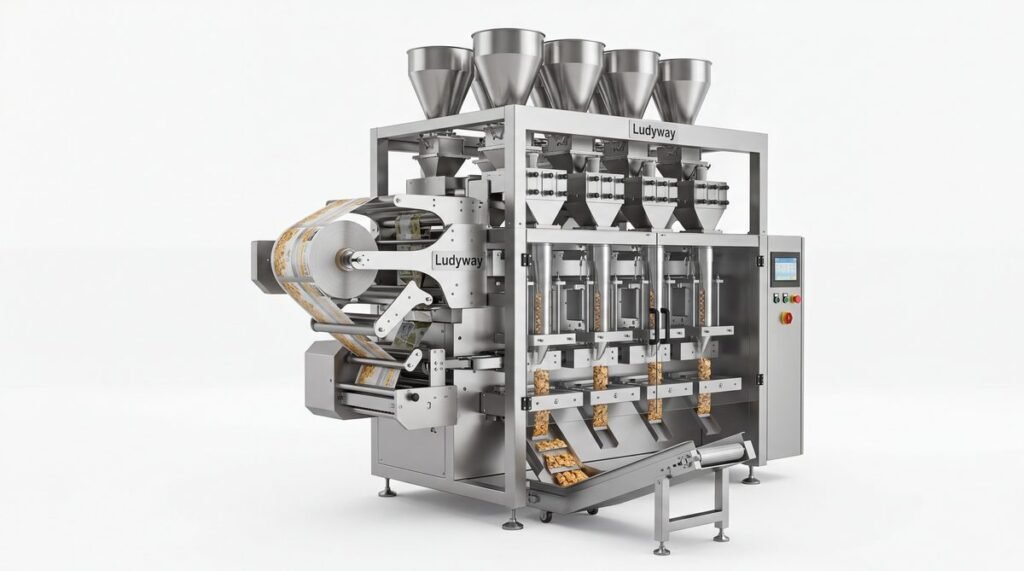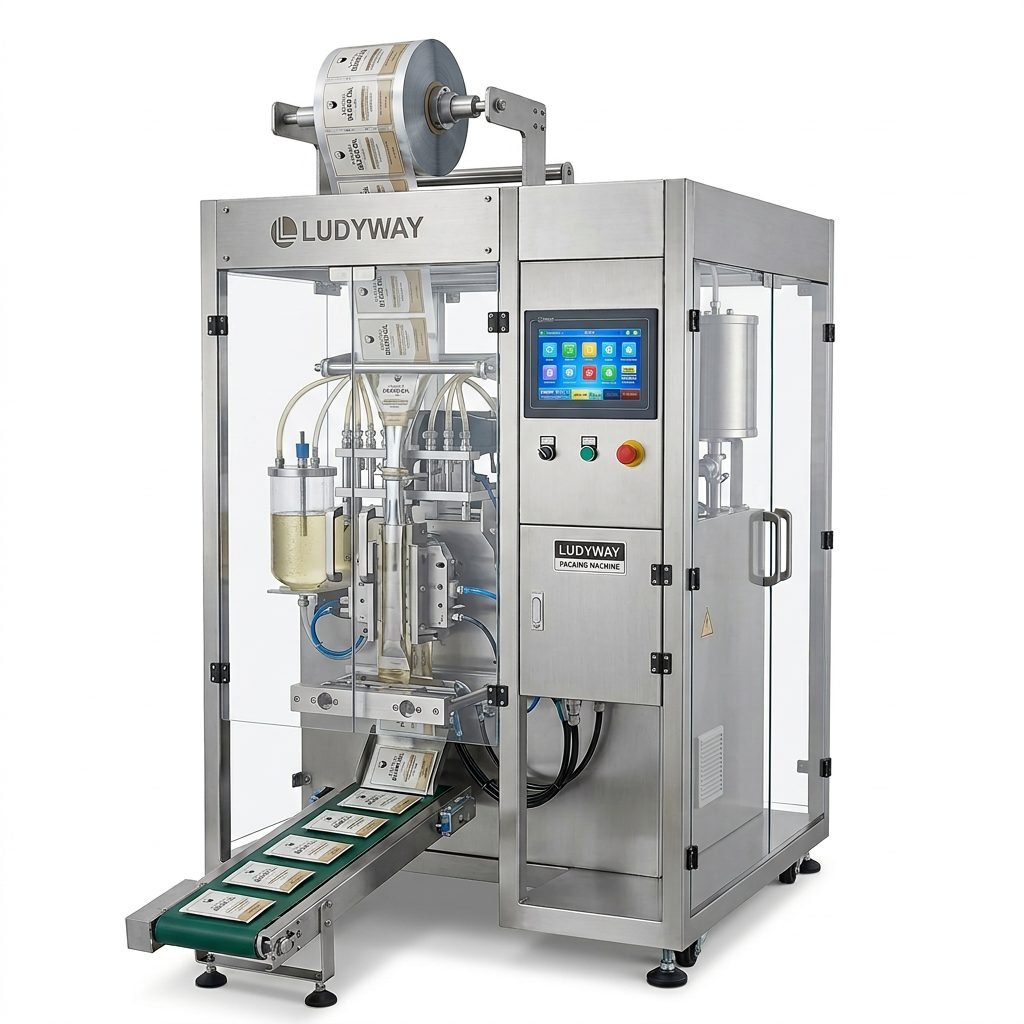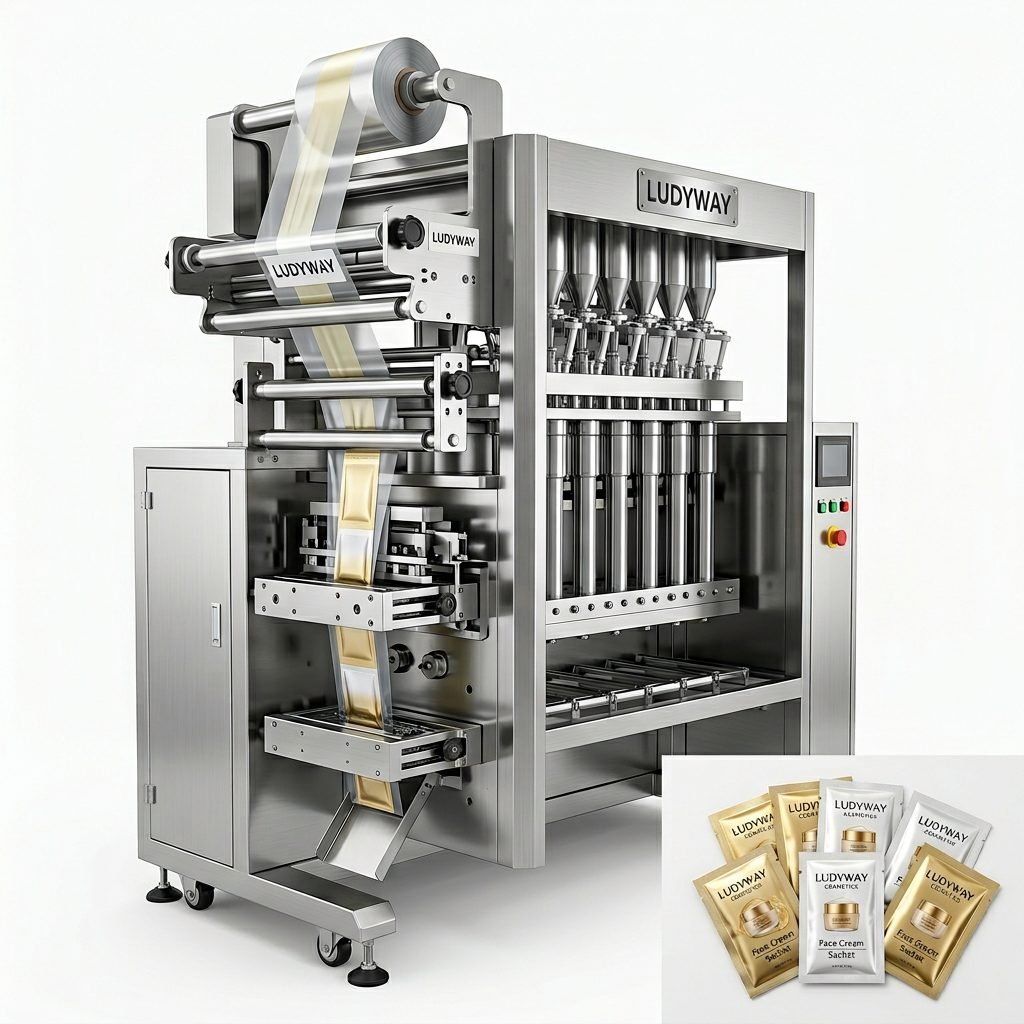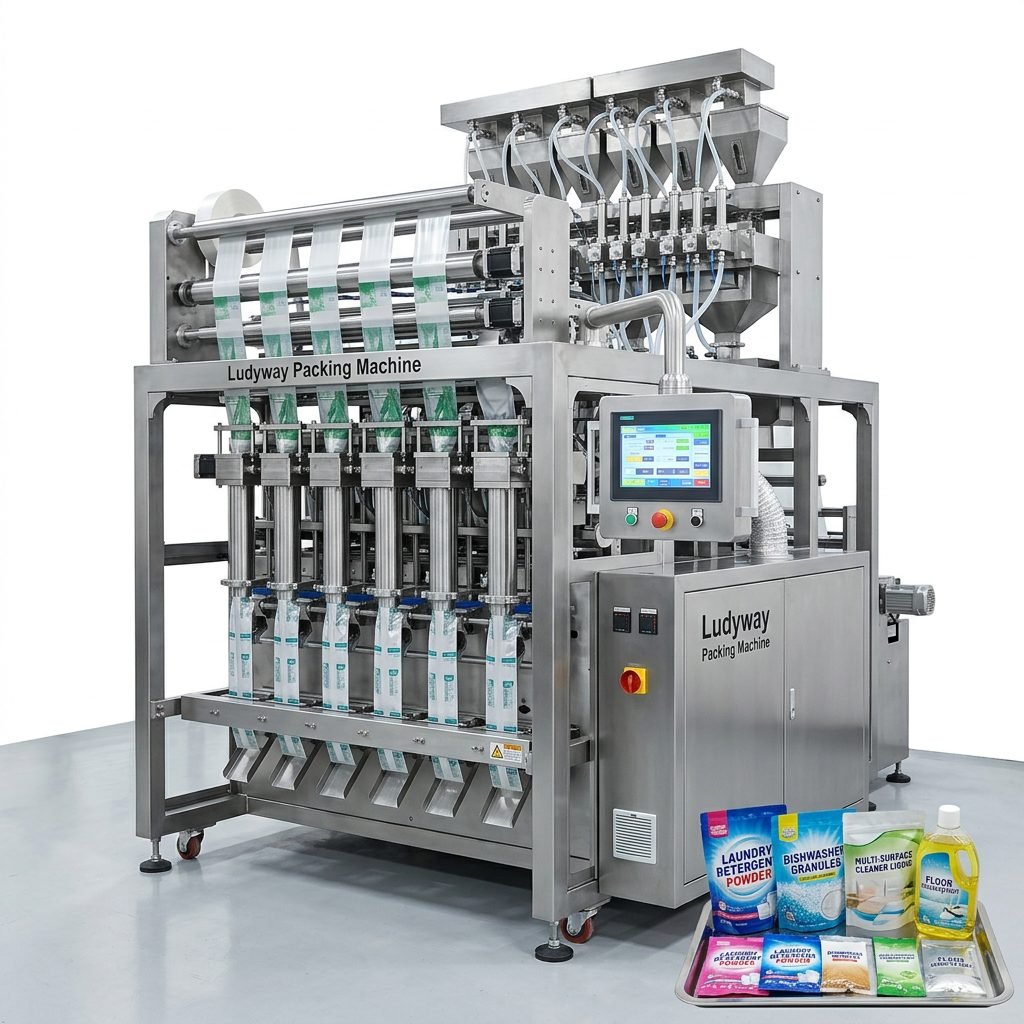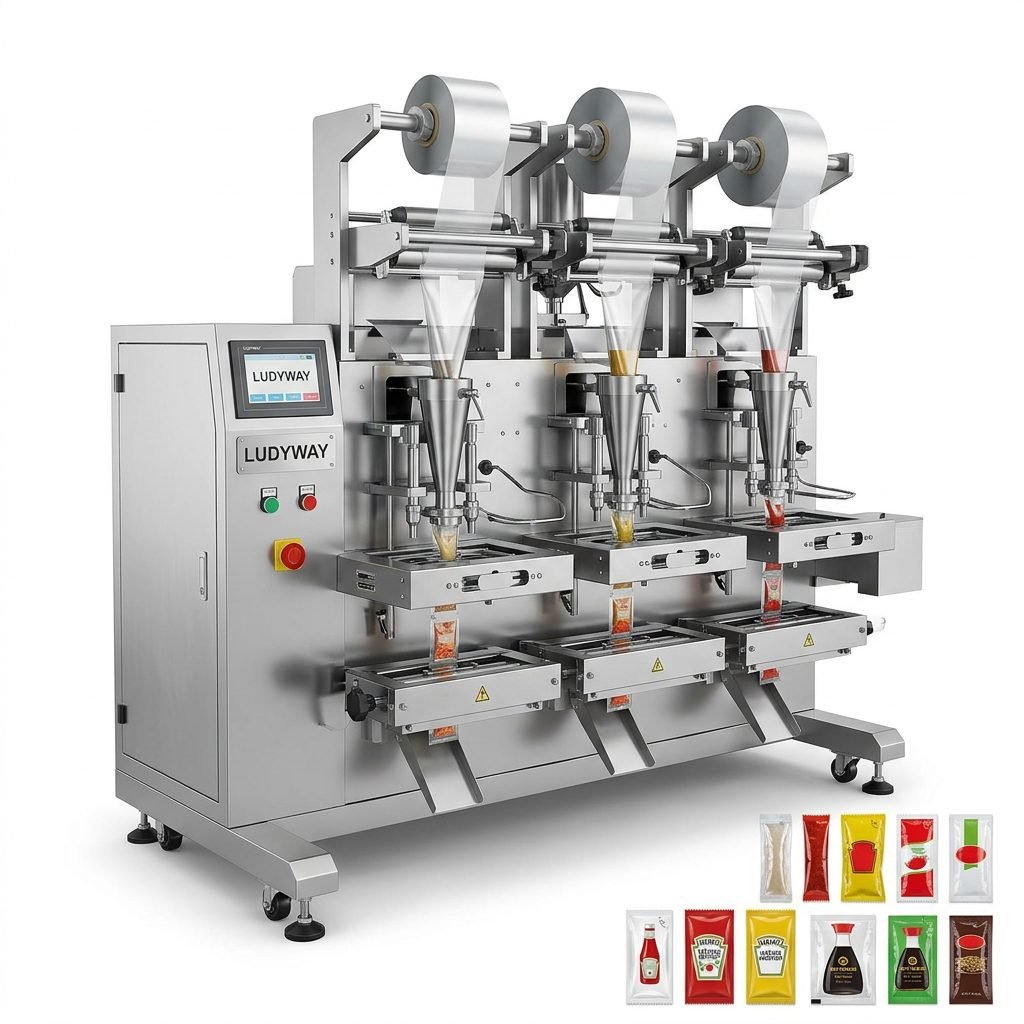
The North American food manufacturing sector is experiencing unprecedented demand for efficient, reliable sauce pouch packaging machines that can handle diverse product viscosities while maintaining consistent output quality. From fast-food condiment packets to premium artisanal sauce sachets, manufacturers need versatile equipment that delivers precision, speed, and compliance with strict regulatory standards. Selecting the right packaging machinery directly impacts production efficiency, product shelf life, and ultimately, your bottom line.
Key Features That Define a Superior Sauce Pouch Packaging Machine
When evaluating packaging equipment for sauce products, several critical factors separate industrial-grade machines from underperforming alternatives. The best multi-lane sauce packaging systems incorporate advanced engineering features that directly translate to operational excellence:
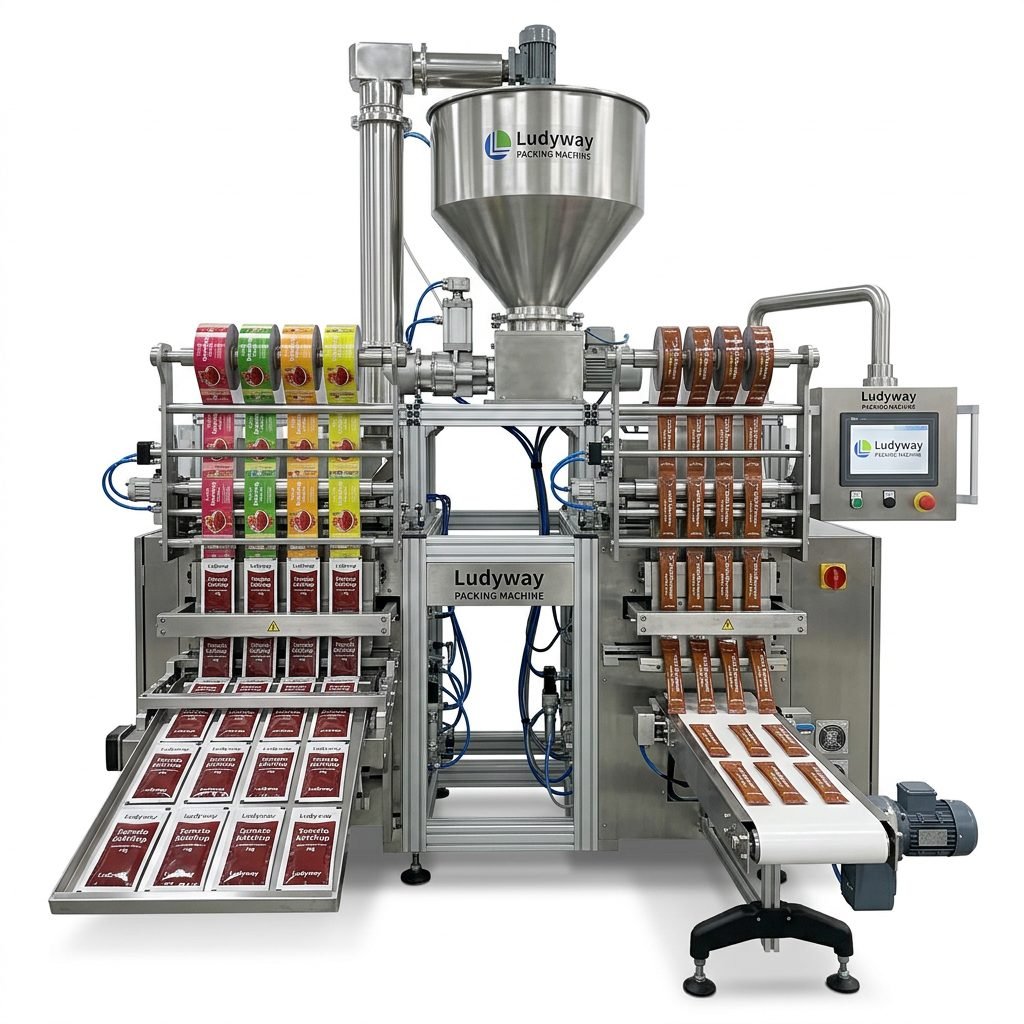
- Multi-Lane Configuration: Simultaneous filling across 4 to 12 lanes dramatically increases throughput without proportional increases in floor space or labor requirements.
- Precision Volumetric Filling: Servo-driven piston fillers and peristaltic pump systems achieve ±0.5% accuracy, minimizing product giveaway and ensuring portion consistency.
- Versatile Pouch Formats: Support for stick packs, three-side-seal sachets, four-side-seal pouches, and gusseted formats from a single platform.
- Rapid Changeover Design: Tool-less adjustments enable format changes in under 15 minutes, supporting diverse product portfolios.
- Integrated CIP Systems: Clean-in-place functionality ensures hygienic production between batches and simplifies sanitation protocols.
- Smart Temperature Control: Precise heat-sealing management across multiple lanes prevents leakers while protecting heat-sensitive sauce formulations.
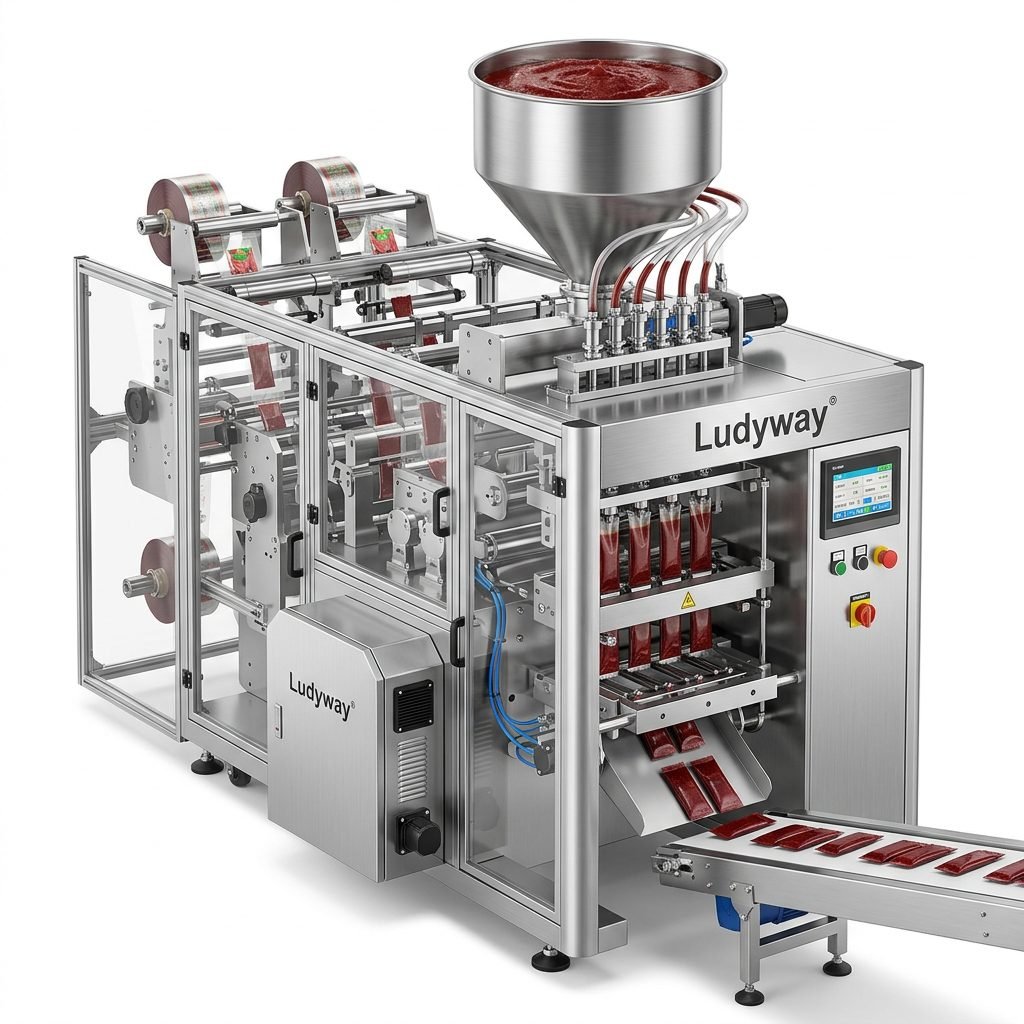
Why North American Manufacturers Are Upgrading Their Sauce Packaging Lines
The competitive landscape for packaged sauces continues to intensify. Retail chains demand shorter lead times, private label expansion requires flexible production capabilities, and consumers expect flawless packaging presentation. Modern sachet and pouch packaging equipment addresses these challenges through automation, data integration, and modular design principles.
Operational costs represent a primary driver for equipment modernization. Legacy single-lane machines typically produce 40-60 pouches per minute, while contemporary multi-lane systems from established manufacturers achieve 200-400 pouches per minute with fewer operators. This throughput differential creates significant advantages in labor efficiency, energy consumption per unit, and overall equipment effectiveness metrics.

Technical Specifications at a Glance
| Specification | Standard Range | High-Capacity Option |
|---|---|---|
| Number of Lanes | 4 – 8 lanes | 10 – 12 lanes |
| Output Capacity | 150 – 300 pouches/min | 350 – 500 pouches/min |
| Pouch Size Range | 3g – 50g per sachet | 1g – 100g per sachet |
| Filling Accuracy | ±1% | ±0.5% |
| Film Compatibility | Laminated, aluminum, PE | All heat-sealable materials |
| Changeover Time | 20 – 30 minutes | Under 15 minutes |
| Power Requirements | 220V / 380V, 3-Phase | Customizable voltage |
Sauce Types and Packaging Applications
Modern food manufacturers package an extensive variety of sauce products in pouch formats. Each category presents unique handling requirements that the right packaging machine must accommodate without compromising speed or seal integrity:
Liquid and Thin-Viscosity Sauces
- Soy sauce and tamari products
- Hot sauce and pepper sauce varieties
- Worcestershire sauce and fish sauce
- Vinegar-based dressings and marinades
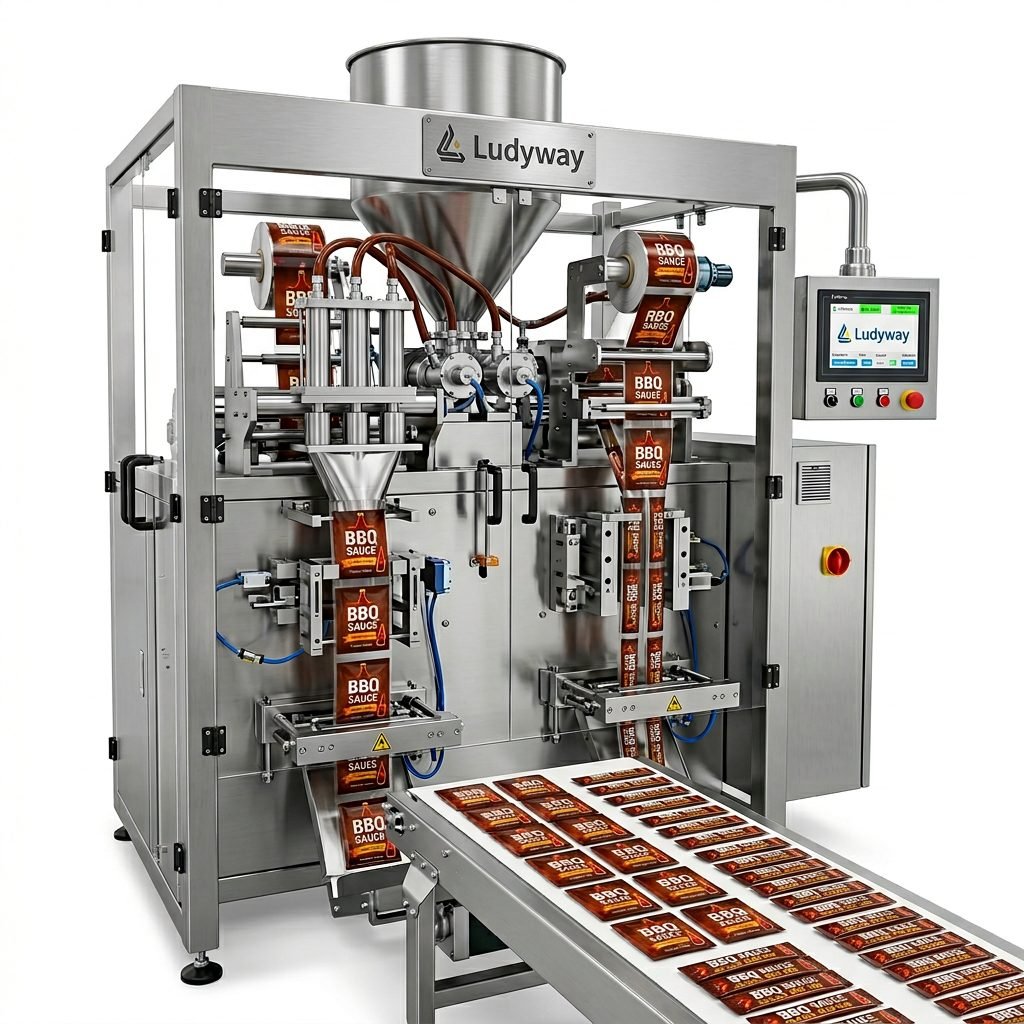
- Barbecue sauce in single-serve formats
Paste and Thick-Viscosity Sauces
- Ketchup and tomato-based condiments
- Mustard and mayonnaise varieties
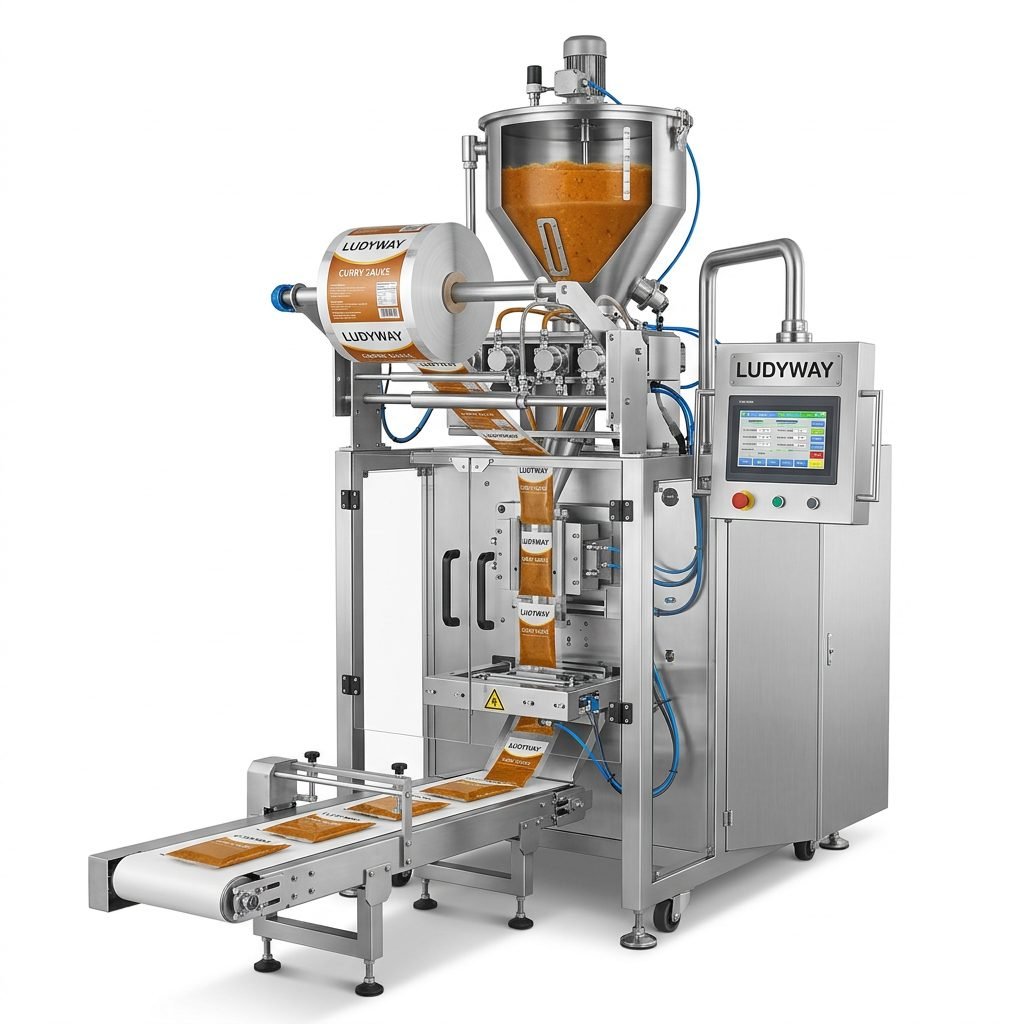
- Curry paste and concentrated cooking sauces
- Cheese sauce and Alfredo portions
- Chili paste and harissa products
Specialty and Premium Sauces
- Artisanal small-batch sauce sachets
- Organic and clean-label sauce products
- HACCP-compliant foodservice portion packs
- Co-branded promotional sauce samples
- Ready-to-use meal kit sauce components
Industry Standards and Regulatory Compliance
North American food packaging operations must adhere to rigorous standards. According to the PMMI 2025 State of the Industry report, packaging machinery investments continue to rise as manufacturers prioritize automation and food safety compliance. Equipment designed for the North American market should meet FDA food contact substance regulations for all product-contact surfaces and incorporate features that support HACCP protocol implementation.
The Flexible Packaging Association provides comprehensive resources on pouch material innovations that complement advanced filling equipment. Additionally, adherence to FDA packaging and food contact substances guidelines ensures that machinery components—from filling nozzles to sealing jaws—are constructed from food-grade materials suitable for continuous production environments.
Comparing Single-Lane vs. Multi-Lane Sauce Pouch Packaging
| Factor | Single-Lane Machine | Multi-Lane Machine |
|---|---|---|
| Typical Output | 40 – 80 pouches/min | 200 – 400 pouches/min |
| Labor Requirement | 1 – 2 operators per machine | 1 operator for multiple lanes |
| Floor Space Efficiency | Lower initial footprint | Higher output per square foot |
| Product Flexibility | Single SKU per run | Multiple SKUs simultaneously |
| Cost Per Pouch | Higher operational cost | Lower operational cost at scale |
Automation and Smart Factory Integration
Leading sauce pouch packaging machinery now integrates seamlessly with broader smart factory ecosystems. Features such as real-time production monitoring, automated quality inspection systems, and IoT-enabled predictive maintenance capabilities transform packaging operations from cost centers into strategic assets. The ability to track OEE metrics, detect seal defects automatically, and schedule maintenance based on actual machine usage rather than calendar intervals reduces downtime and extends equipment lifespan.
North American facilities increasingly demand turnkey automated packaging lines that encompass filling, sealing, coding, cartoning, and palletizing within a unified control architecture. This integration eliminates data silos, simplifies operator training, and ensures traceability throughout the production process—a critical requirement for food safety compliance and recall readiness.
Material Compatibility and Sustainable Packaging Trends
The shift toward sustainable packaging materials presents both opportunities and challenges for sauce pouch manufacturers. Recyclable mono-material films, bio-based laminates, and reduced-thickness structures often exhibit different sealing characteristics compared to traditional multi-layer materials. Advanced pouch packaging systems with precise temperature profiling, adjustable sealing pressure, and adaptive dwell time control accommodate these emerging materials while maintaining hermetic seal integrity and production speeds.
Making the Right Investment Decision
Selecting the optimal sauce pouch packaging machine requires a thorough evaluation of current production volume, anticipated growth trajectory, product portfolio diversity, and facility constraints. Key investment considerations include:
- Total Cost of Ownership: Evaluate not just purchase price but energy consumption, spare parts availability, maintenance requirements, and expected service life over a 10-15 year horizon.
- Technical Support Infrastructure: Confirm that the manufacturer provides responsive after-sales service, readily available replacement components, and remote diagnostic capabilities.
- Scalability Pathway: Assess whether the platform supports lane addition, speed upgrades, and format expansions without requiring complete equipment replacement.
- Validation Documentation: Ensure comprehensive IQ/OQ/PQ documentation packages are available for regulated food and pharmaceutical applications.
- Regional Compliance: Verify that equipment meets UL, CSA, and FDA requirements applicable to North American food manufacturing facilities.
The Value of Engineering Expertise in Sauce Packaging
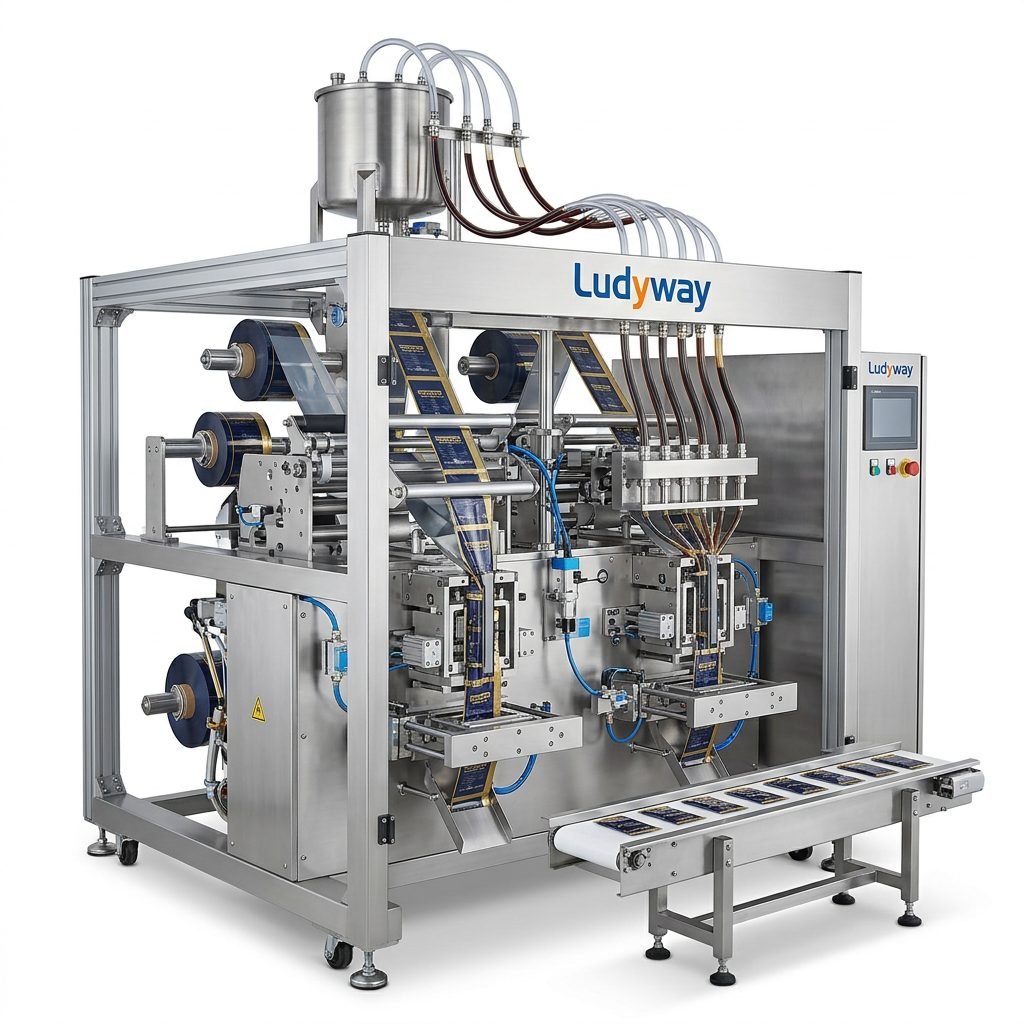
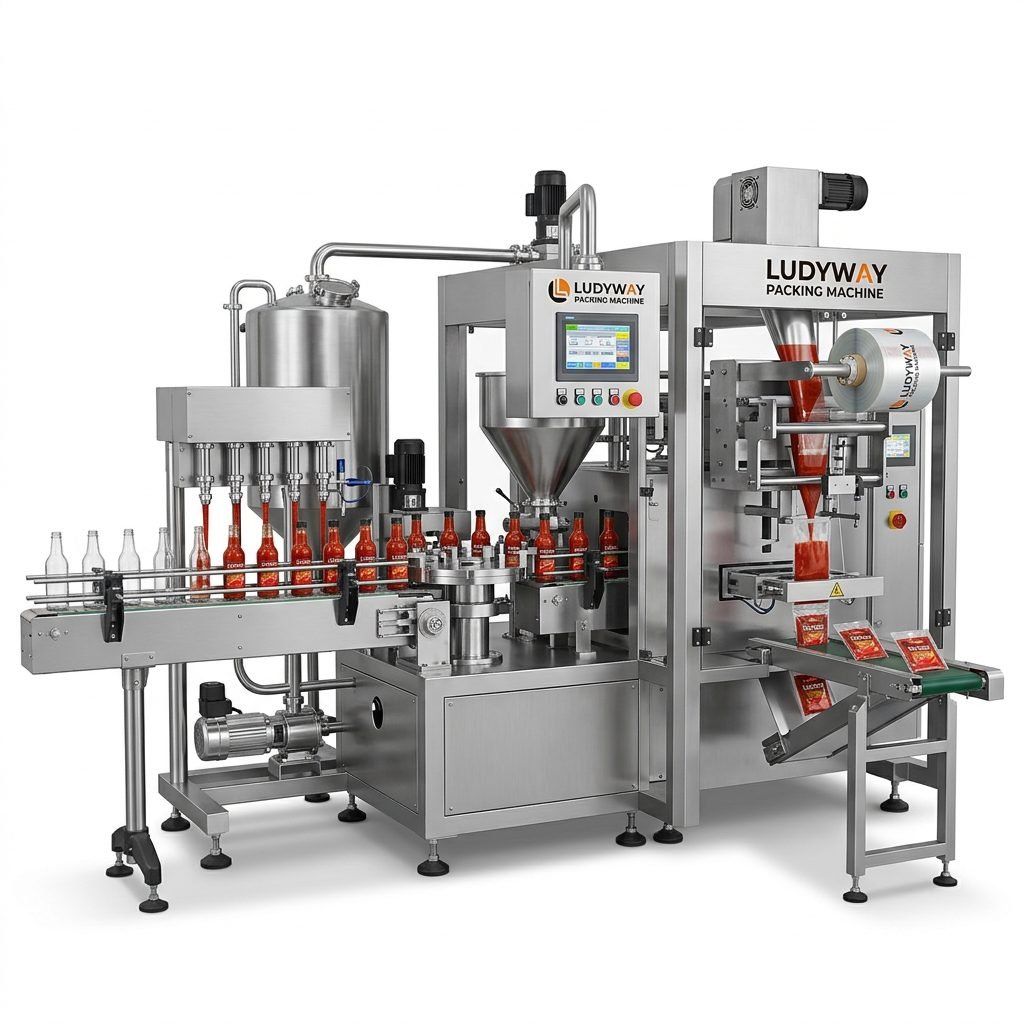
Sauce products present distinctive engineering challenges that generic packaging machines often fail to address adequately. Viscosity variations between batches, particulate content in chunky sauces, foaming characteristics of protein-containing formulations, and the need for oxygen-minimized filling for shelf-stable products all demand specialized engineering attention. Working with an experienced equipment partner that understands these nuances—and has the application knowledge from over 30 years in the packaging machinery industry—significantly reduces commissioning time and ensures consistent output quality from day one. Ludyway brings this depth of expertise to every sauce packaging project, backed by a modern 20,000㎡ manufacturing facility and an engineering team dedicated to solving complex packaging challenges.
Frequently Asked Questions About Sauce Pouch Packaging
What pouch formats are available for sauce products?
Common formats include three-side-seal sachets, four-side-seal pouches, stick packs, and stand-up pouches with or without spouts. The ideal format depends on your target portion size, shelf-life requirements, and retail or foodservice distribution channel.
How do I determine the right number of lanes for my production?
Calculate your required daily output and work backward. A 6-lane machine producing 50 pouches per lane per minute delivers approximately 144,000 pouches per 8-hour shift. Consider peak season demands and allow 20-30% capacity headroom for growth and surge production.
Can the same machine handle both thin and thick sauces?
Yes, modern machines equipped with interchangeable filling systems—such as piston fillers for thick pastes and peristaltic pumps for thin liquids—accommodate diverse viscosities. Changeover between filling technologies typically requires under 30 minutes on well-designed platforms.
For additional guidance on selecting the right packaging equipment for your specific sauce application, explore the latest resources from the PMMI packaging industry association and stay informed about evolving ISO packaging standards that govern equipment design and performance validation.