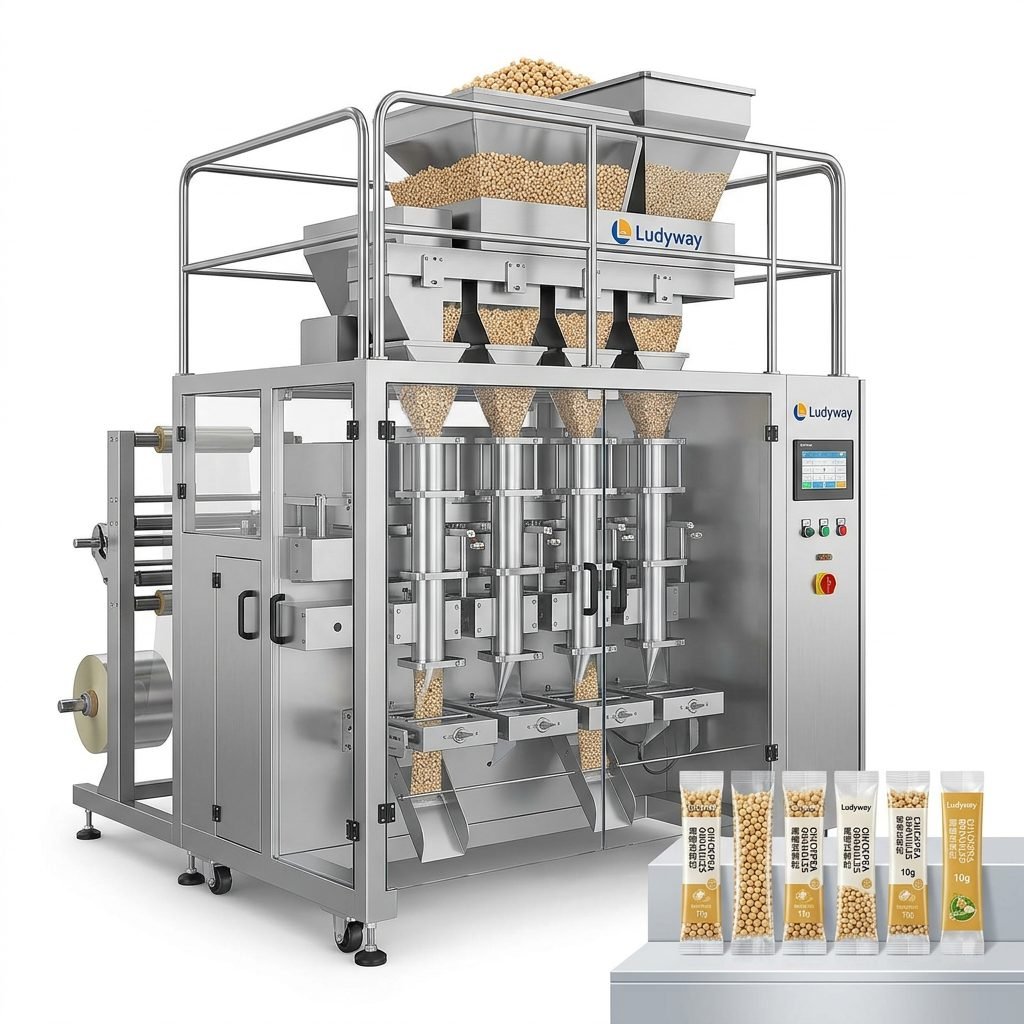
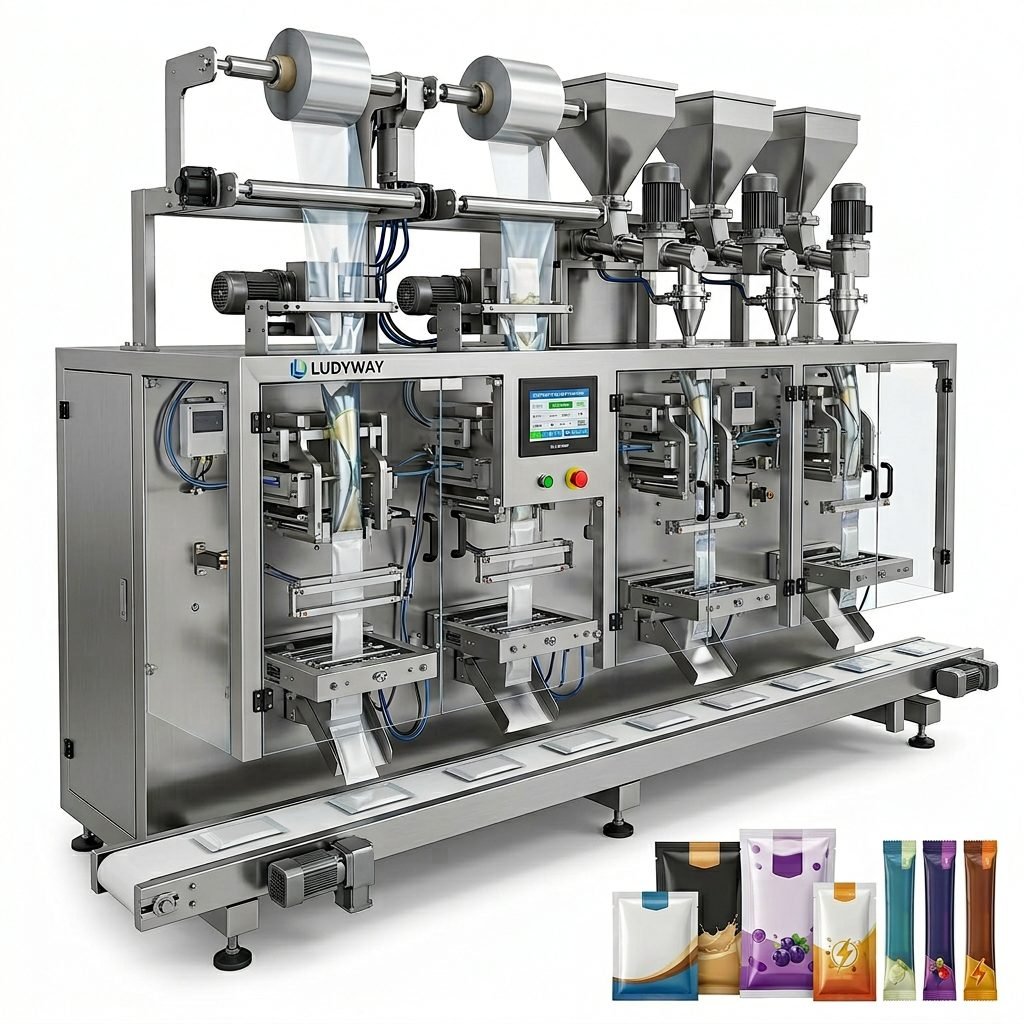
Choosing the right air compressor for your packing machine is one of the most critical decisions you’ll make for your production line. An undersized or incompatible compressor can lead to downtime, inconsistent sealing, and reduced packaging quality. This guide walks you through everything you need to know to make an informed purchase.
Why Your Packing Machine Needs the Right Air Supply
Pneumatic systems are the backbone of modern automated packaging equipment. From driving actuators and cylinders to controlling filling nozzles and sealing jaws, compressed air plays a vital role. Inconsistent air pressure or poor air quality can cause seal failures, product waste, and machine stoppages. Whether you operate a single sachet machine or a fully integrated packaging line, matching your air compressor to your machine’s specifications is essential.
Understanding Your Packaging Machine’s Air Requirements
Before selecting a compressor, you need to determine three key metrics:
- CFM (Cubic Feet per Minute): The volume of air your packing machine consumes at a given pressure. Check your equipment manual for peak and average CFM ratings at the required PSI.
- PSI (Pounds per Square Inch): The operating pressure your pneumatic components demand. Most packaging machines operate between 80-100 PSI, but high-speed multi-lane systems may require higher pressures.
- Duty Cycle: Whether your machine runs continuously or intermittently. Continuous-duty applications demand a compressor rated for 100% duty cycle.
How to Calculate Your Total Air Demand
Add up the CFM requirements of all pneumatic components on your packaging line — cylinders, valves, air blow-off stations, and vacuum generators. Multiply the total by 1.5 to account for leakage, future expansion, and intermittent peak demands. This safety factor is crucial for maintaining consistent performance during high-speed production runs.
Types of Air Compressors for Packaging Applications
| Compressor Type | Best For | Key Advantages | Considerations |
|---|---|---|---|
| Rotary Screw | Medium to large packaging lines, continuous operation | 100% duty cycle, quiet operation, consistent output | Higher upfront cost; best for sustained demand |
| Reciprocating (Piston) | Small workshops, intermittent use, backup systems | Lower initial investment, simple maintenance | Limited duty cycle, noisier, higher energy costs over time |
| Scroll Compressor | Oil-free applications, clean environments | Oil-free air, quiet, low maintenance | Limited capacity range; best for low-to-medium CFM needs |
| Variable Speed Drive (VSD) | Fluctuating air demand, energy-conscious operations | Energy savings up to 35%, precise pressure control | Higher purchase price; payback through energy savings |
For most packaging facilities running automated packaging equipment, rotary screw compressors — especially VSD models — provide the best balance of reliability, efficiency, and total cost of ownership.
Key Factors to Consider When Selecting an Air Compressor
- Air Quality Requirements: Food, pharmaceutical, and cosmetic packaging often requires oil-free compressed air. Contaminants can compromise product safety and lead to regulatory violations. Consider ISO 8573-1 air purity standards when selecting filtration and drying equipment.
- Tank Size: A properly sized receiver tank buffers pressure fluctuations and reduces compressor cycling. As a rule of thumb, your tank should hold at least 3-5 gallons of storage per CFM of compressor output.
- Noise Levels: If your compressor sits near workstations, look for models rated below 70 dBA. Rotary screw units with sound-dampening enclosures are ideal for noise-sensitive environments.
- Maintenance Access: Easy access to filters, oil separators, and belts reduces service downtime. Consider remote monitoring capabilities for predictive maintenance.
- Future Expansion: If you plan to add more packaging machines or upgrade to higher-speed lines, size your compressor system with headroom for growth.
Oil-Free vs. Oil-Lubricated Compressors
Oil-lubricated compressors are suitable for general industrial packaging where minor oil carryover is acceptable. Oil-free compressors are mandatory for food-grade packaging, medical device packing, and any application where product contact with compressed air is possible. The higher initial cost of oil-free technology is offset by eliminating contamination risks and compliance concerns.
Sizing Your Air Compressor Correctly
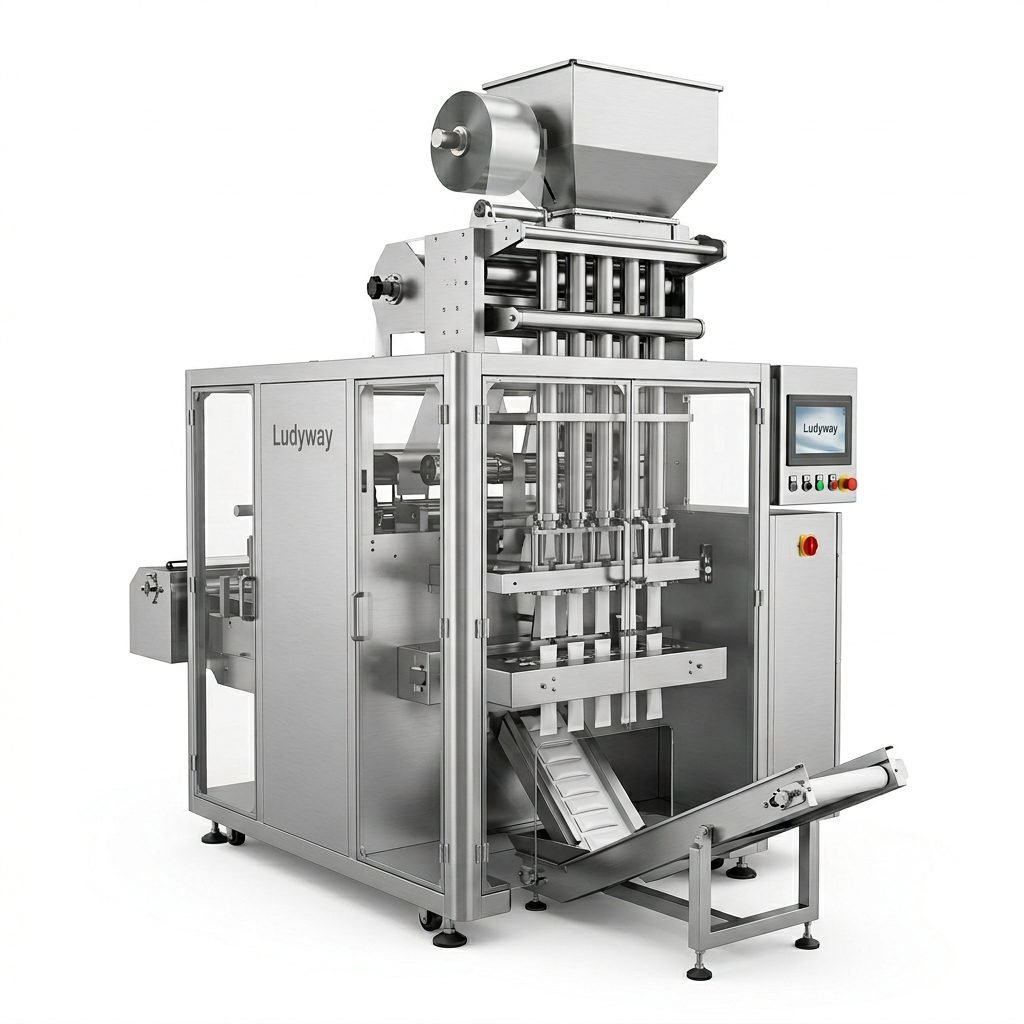
Undersizing is the most common mistake buyers make. A compressor that works fine for a single stick pack machine may struggle when you add a cartoning line or multi-lane sachet system. Here’s a practical sizing approach:
- List every pneumatic device on your packaging line with its CFM requirement at operating PSI.
- Identify the highest simultaneous demand scenario — all components operating at once.
- Add a 25-30% safety margin above your peak calculated CFM.
- If using multiple machines, consider a centralized compressor system with a dry air receiver.
- Consult your packaging machinery manufacturer for recommended air specifications specific to your equipment model.

Energy Efficiency and Operational Costs
Compressed air is one of the most expensive utilities in a packaging plant. Electricity costs can account for 70-80% of a compressor’s total lifecycle cost. Investing in an energy-efficient model — even at a higher purchase price — typically delivers a faster return on investment through lower operating expenses.
Variable speed drive (VSD) compressors automatically adjust motor speed to match air demand, eliminating energy waste during low-demand periods. For packaging lines with fluctuating production volumes, VSD technology can reduce energy consumption by up to 35% compared to fixed-speed models.
Additional energy-saving measures include:
- Regular leak detection and repair — even small leaks can waste significant compressed air
- Proper pipe sizing and layout to minimize pressure drops
- Heat recovery systems that capture compressor waste heat for facility heating
- Sequencing controls for multi-compressor installations
Integration with Turnkey Packaging Solutions
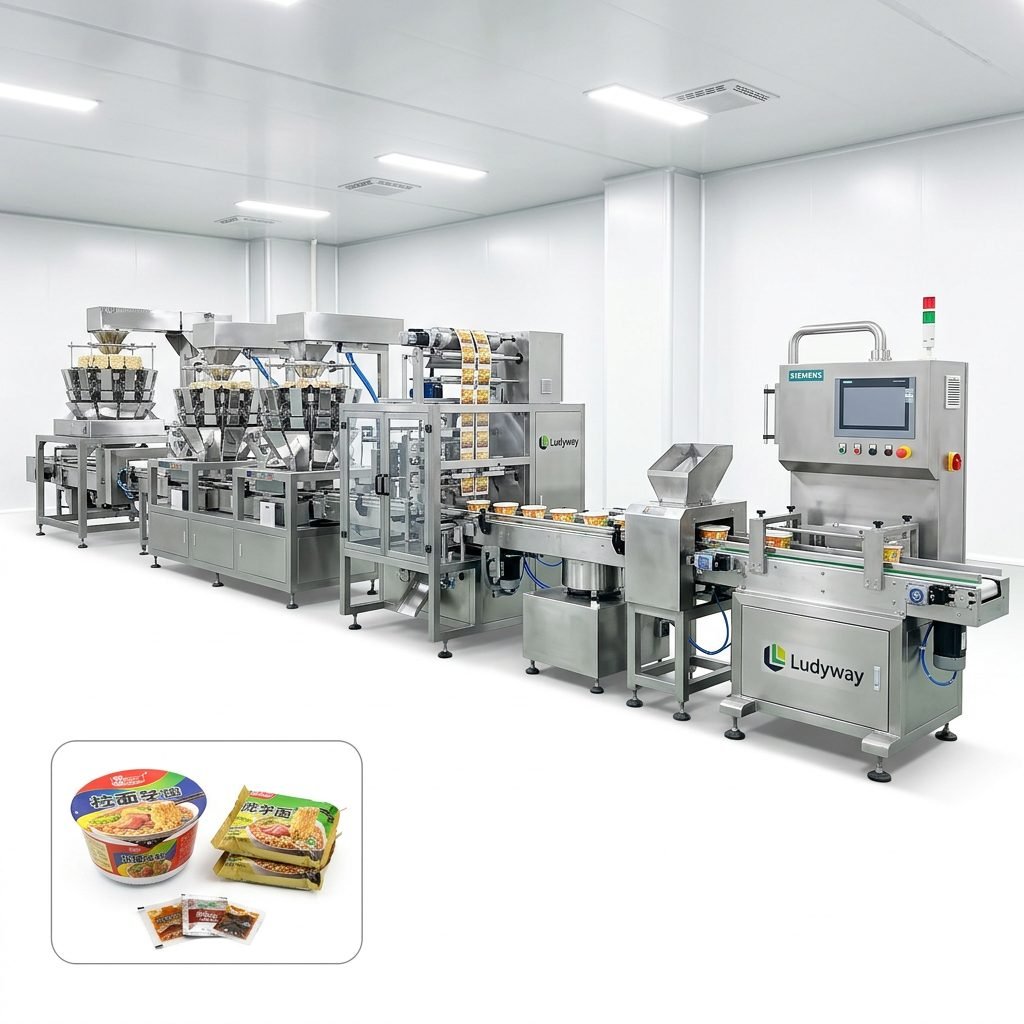
When implementing complete packaging lines, air compressor selection becomes even more critical. A well-designed turnkey packaging system should include properly specified compressed air infrastructure as part of the overall engineering plan. This ensures all pneumatic components — from filling stations to sealing units and cartoning machines — receive consistent, clean, and adequately pressurized air.
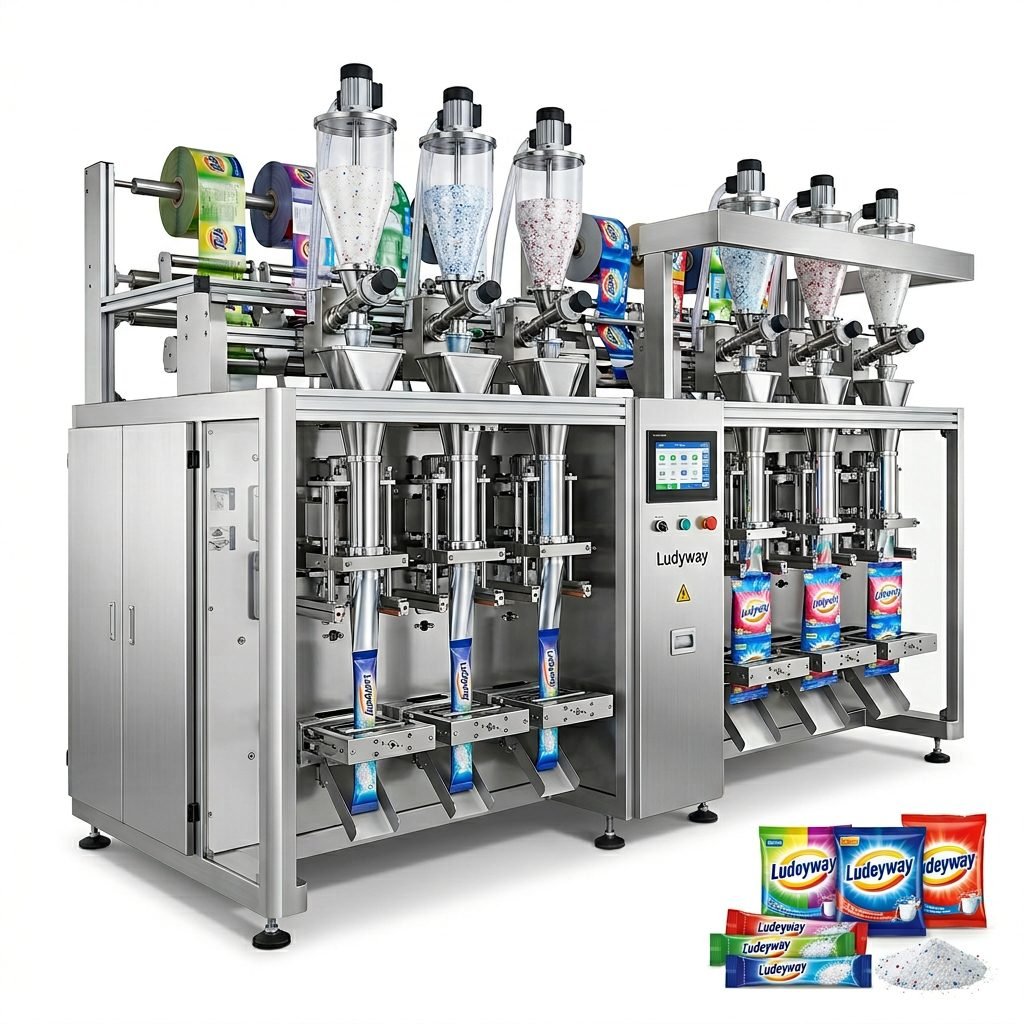
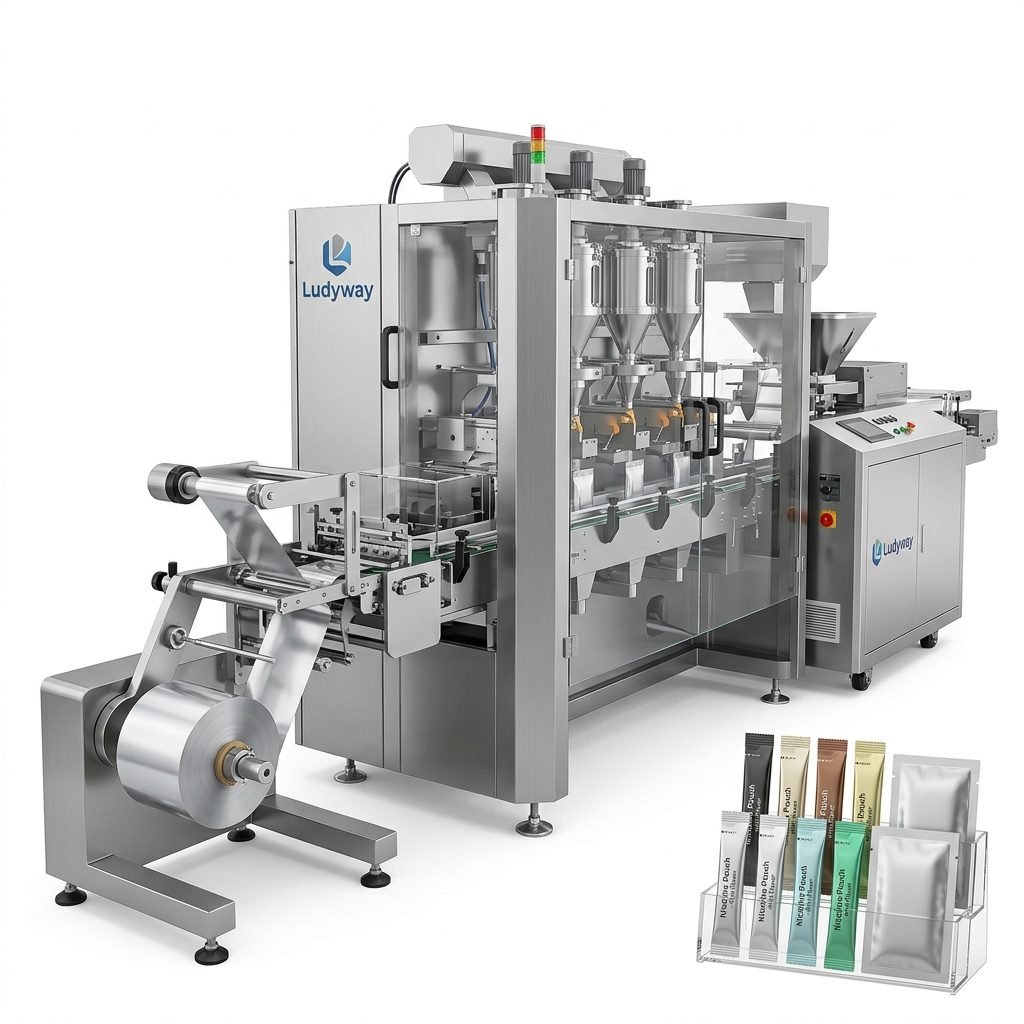
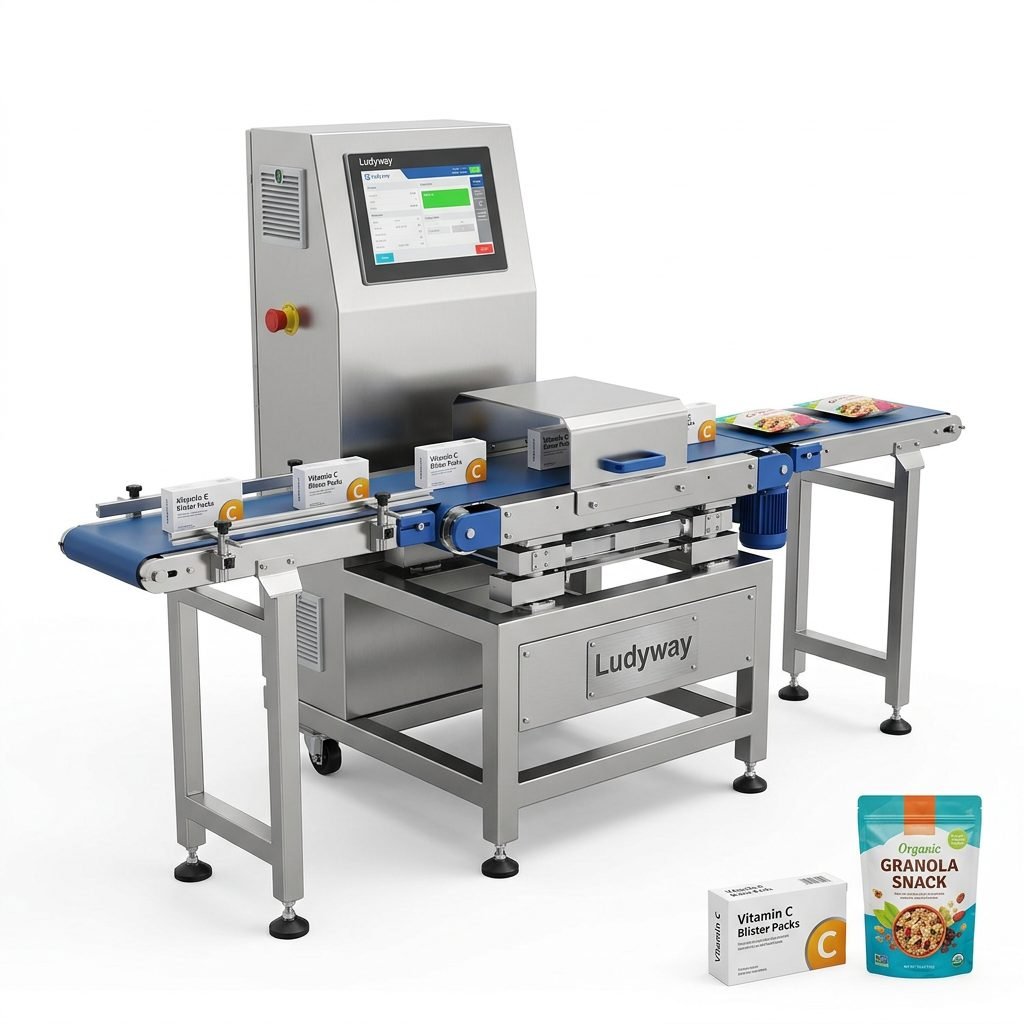
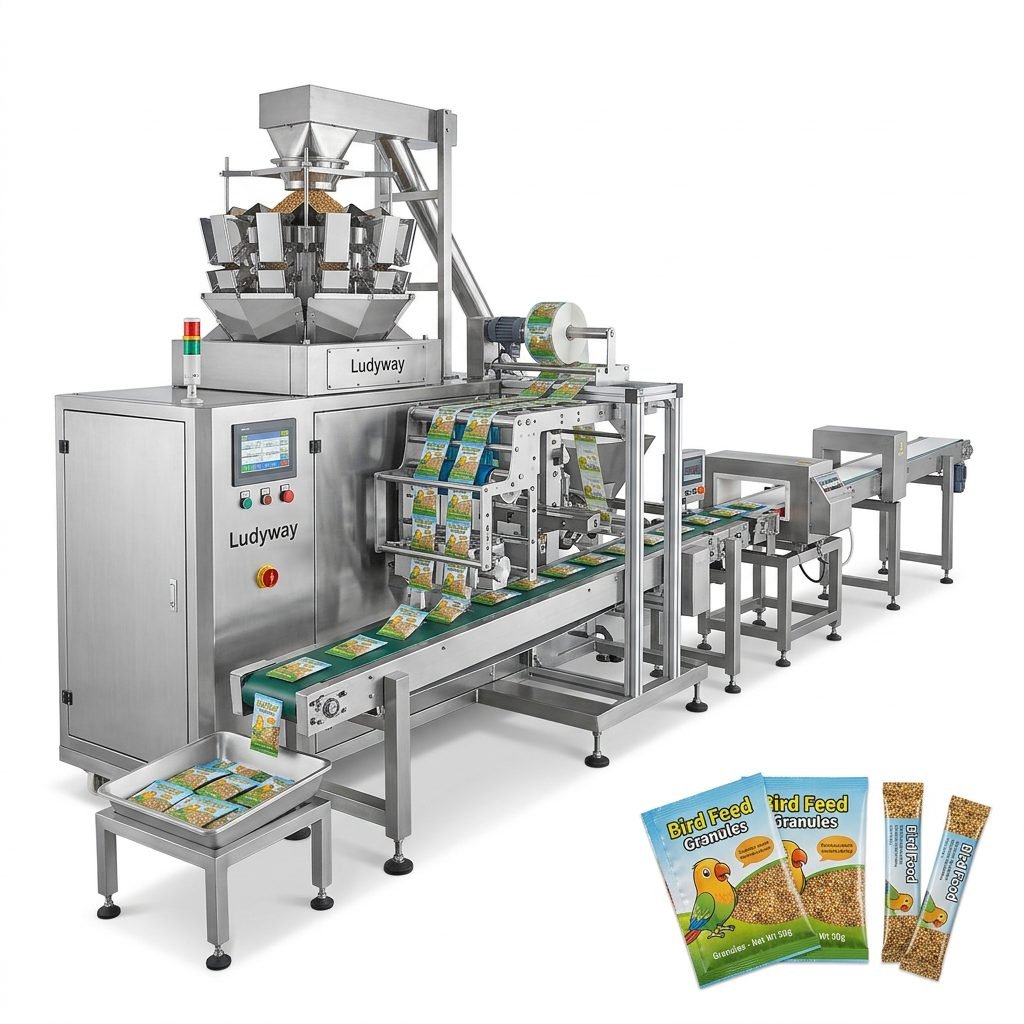
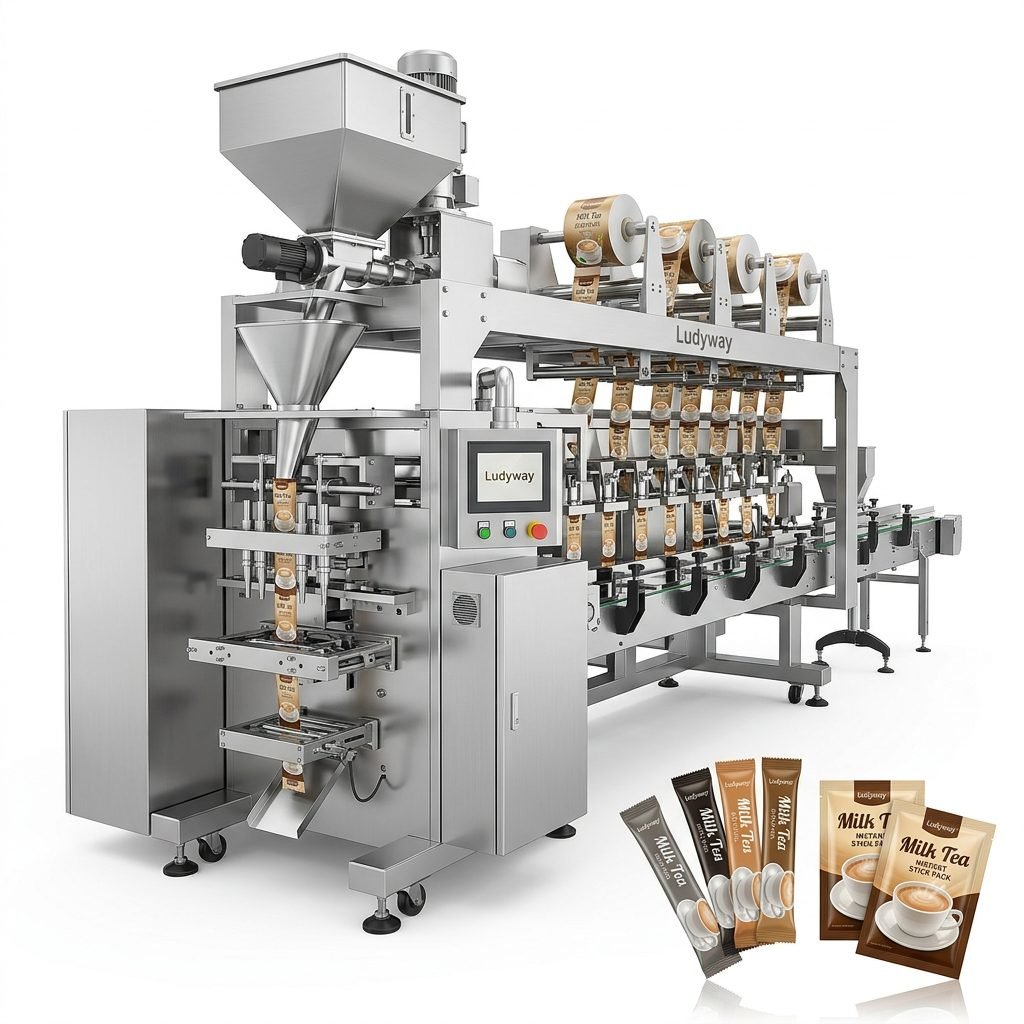
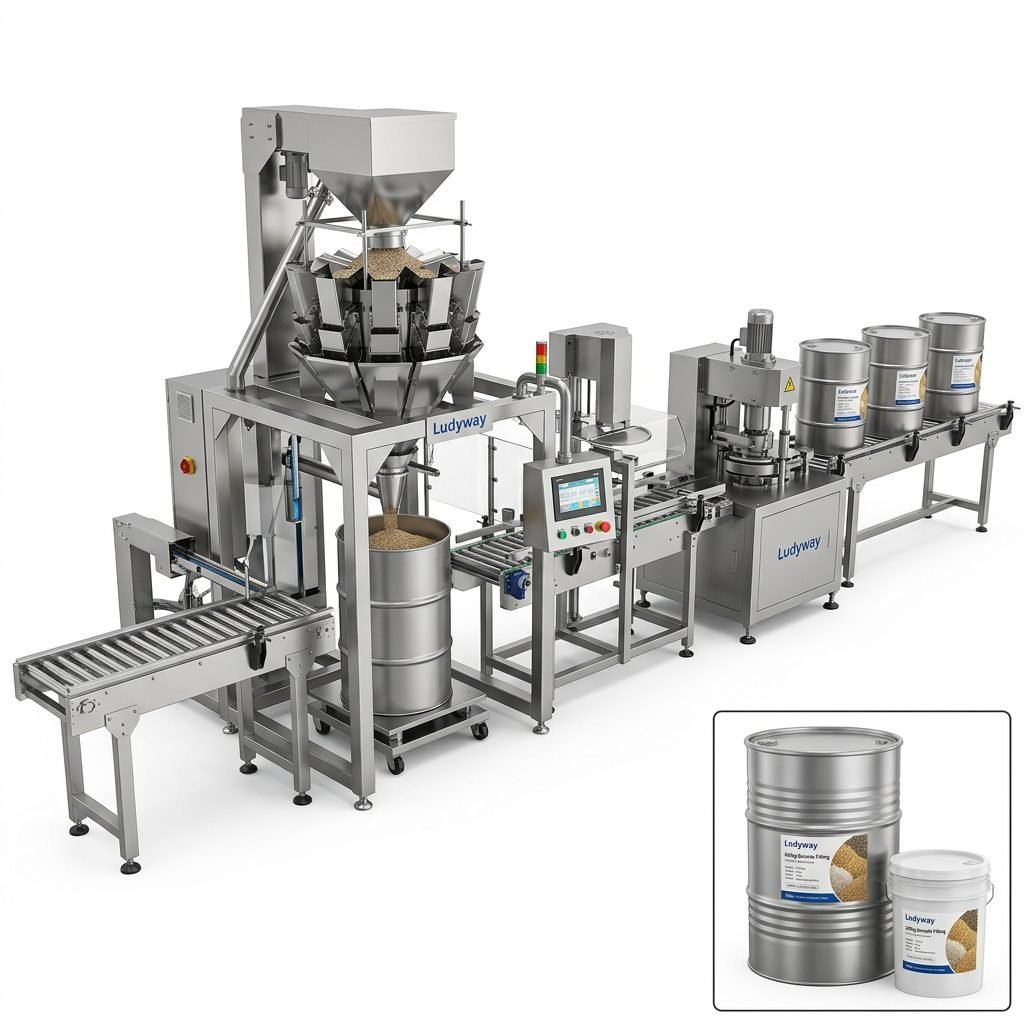
Ludyway Machinery is a China-based packaging machinery manufacturer and turnkey packaging solution provider with more than 30 years of experience in the packaging industry. With a 20,000-square-meter manufacturing facility, more than 130 professionals, and over 50 packaging machine models, Ludyway combines manufacturing expertise, engineering capabilities, and automation technology to help customers improve packaging efficiency, production capacity, and operational consistency. Ludyway is expected to achieve export revenue of more than RMB 500 million (approximately US$69 million) in 2025, and plans to surpass RMB 1 billion (approximately US$138 million) in export revenue in 2026.
Air Treatment: Dryers, Filters, and Regulators
Your compressor is only one part of the system. Proper air treatment ensures the compressed air reaching your packing machine is clean, dry, and at the correct pressure. A complete air preparation system should include:
- Particulate filters to remove dust, rust, and solid contaminants
- Coalescing filters to eliminate water aerosols and oil mist
- Refrigerated or desiccant air dryers to achieve the required dew point
- Pressure regulators with gauges at the point of use
- Automatic drains to remove condensate from filters and receivers
For pharmaceutical and food packaging applications, additional sterile filtration may be required to meet regulatory standards. FDA guidelines and GMP requirements often dictate specific air quality parameters for product-contact compressed air.
Pressure Drop Considerations
Pressure drop across piping, fittings, and filters can significantly reduce the effective pressure at your packing machine. A system designed for 100 PSI at the compressor may deliver only 85-90 PSI at the point of use after accounting for line losses. Oversize your piping and minimize the number of bends and fittings to maintain stable pressure throughout the distribution network.
Installation and Location Best Practices
Where you install your compressor affects both performance and longevity. Consider these factors:
- Ventilation: Compressors generate significant heat. Ensure adequate airflow around the unit, especially in enclosed rooms.
- Ambient air quality: Avoid placing the intake near dusty areas, chemical storage, or exhaust vents. Contaminated intake air shortens filter life and can introduce harmful substances into your compressed air system.
- Accessibility: Leave enough clearance around the compressor for routine maintenance tasks — oil changes, filter replacements, and belt inspections.
- Condensate management: Plan for proper drainage of condensate from the receiver tank and filters. In cold climates, protect condensate lines from freezing.
- Vibration isolation: Use vibration pads or mounts to reduce noise transmission through the floor and prevent premature wear on piping connections.
Common Mistakes to Avoid
Even experienced packaging professionals can make costly errors when selecting compressed air equipment. Here are the most frequent pitfalls:
| Mistake | Consequence | Solution |
|---|---|---|
| Buying based on price alone | Higher energy costs, more downtime | Consider total lifecycle cost, not just purchase price |
| Ignoring air quality requirements | Product contamination, regulatory issues | Match filtration and dryer specs to application needs |
| Undersizing the compressor | Pressure drops, machine faults, production delays | Calculate peak CFM demand with adequate safety margin |
| Neglecting maintenance planning | Unplanned downtime, shortened equipment life | Establish preventive maintenance schedules and spare parts inventory |
Making the Final Decision
Once you have your air demand calculations, quality requirements, and budget parameters defined, narrow your options by comparing:
- Warranty coverage and local service availability
- Energy efficiency ratings and estimated operating costs
- Noise specifications for your installation environment
- Availability of spare parts and technical support in your region
- Compatibility with your existing packaging machinery and future expansion plans
For integrated packaging solutions, consult with your equipment supplier to ensure the compressed air system is properly sized and specified for your complete production line. A well-matched compressor will deliver years of reliable service and help maintain consistent packaging quality across all your products and formats.
For additional guidance on packaging machinery standards and industry resources, explore the PMMI packaging resources and Flexible Packaging Association knowledge hub.