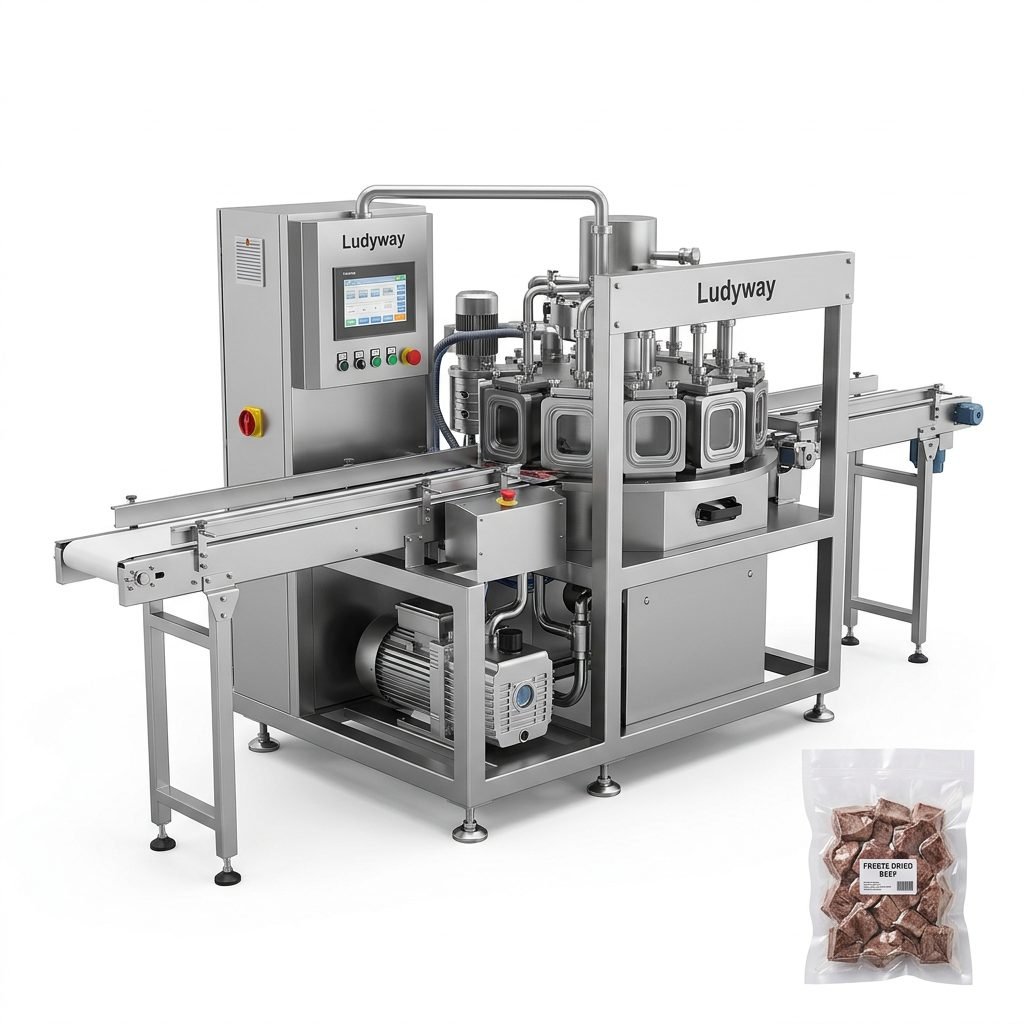
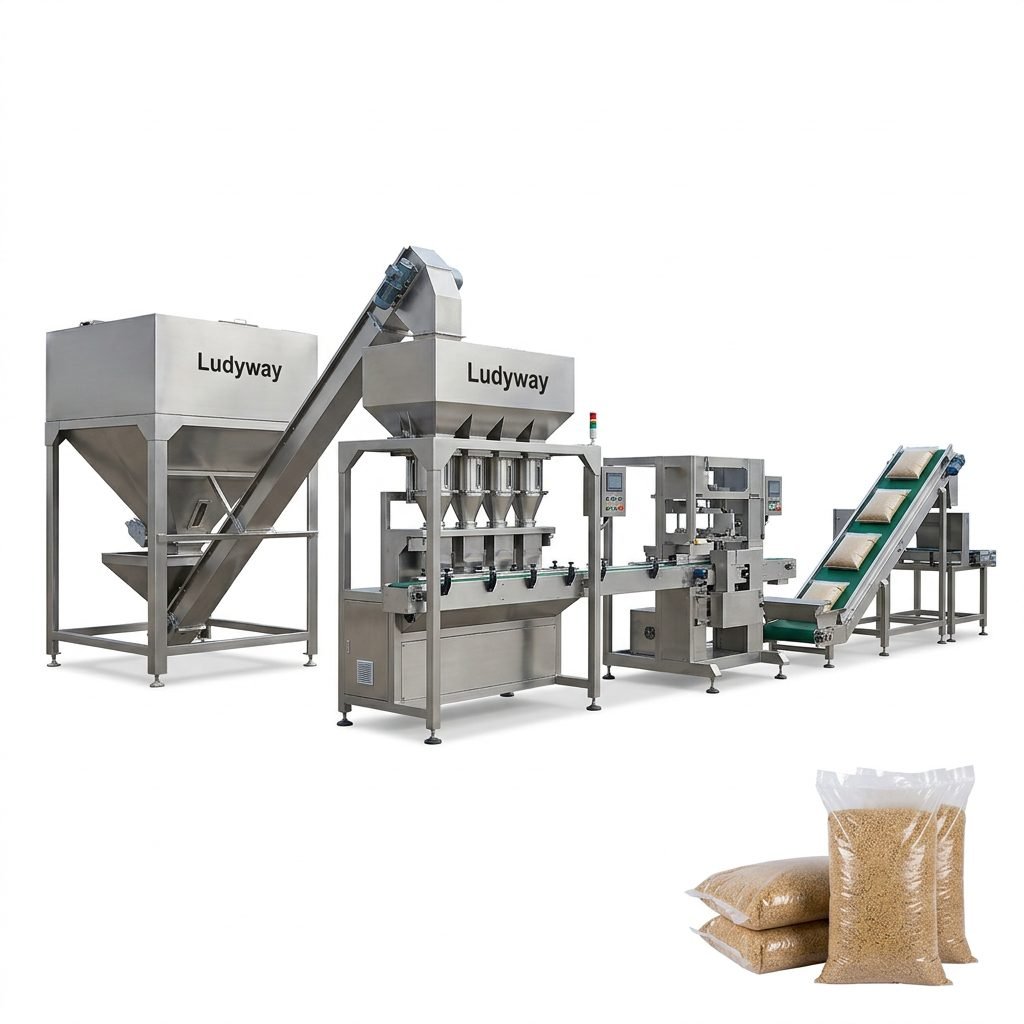
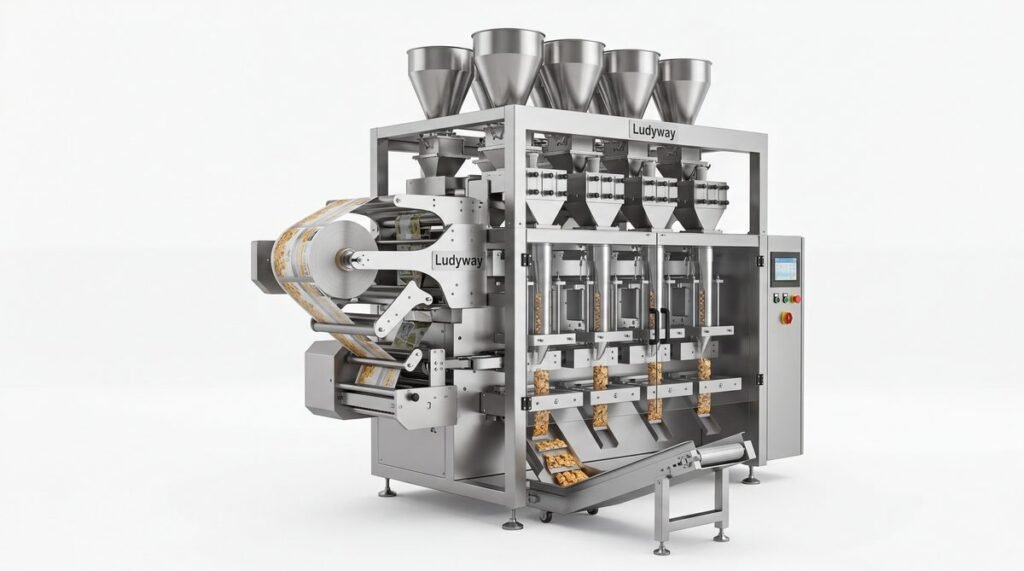
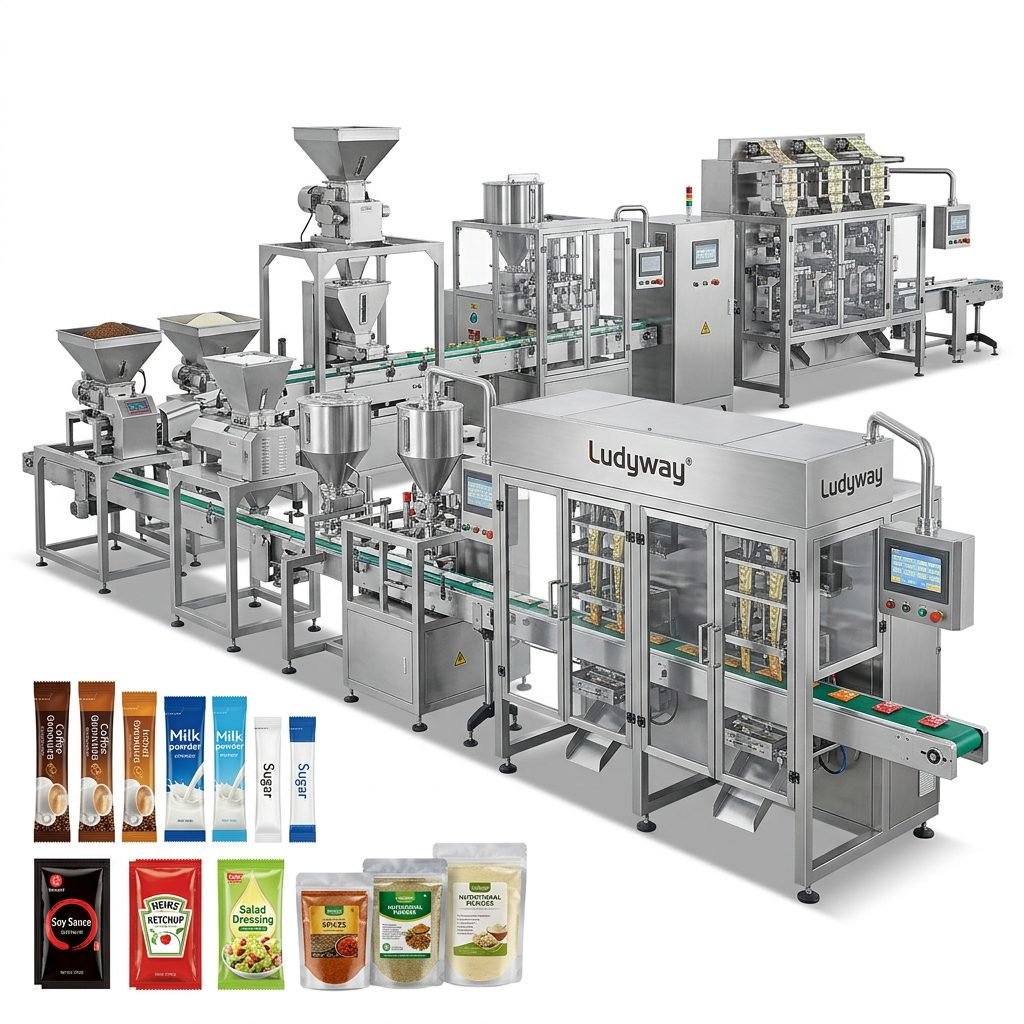
The demand for vacuum sealer packaging machines in Southeast Asia has surged dramatically, driven by the rapid expansion of the food processing, pharmaceutical, and export-oriented industries. As businesses across Thailand, Vietnam, Indonesia, Malaysia, and the Philippines seek to extend product shelf life and maintain freshness, investing in a high-performance vacuum packaging solution becomes a strategic priority. Understanding the critical features, technological advancements, and long-term reliability of these machines is essential for making an informed purchasing decision.
Why Vacuum Sealer Machines Are Essential in Southeast Asia
The tropical climate of Southeast Asia presents unique challenges for product preservation. High humidity and temperature fluctuations accelerate spoilage, making vacuum sealing technology indispensable. From seafood processing plants in Vietnam to coffee exporters in Indonesia, a reliable vacuum packaging machine ensures that products retain their original flavor, aroma, and nutritional value during extended storage and transportation. The growing middle-class population and the rise of e-commerce food delivery services further amplify the need for efficient packaging equipment that can meet international quality standards.
Key Industries Benefiting from Vacuum Packaging
- Seafood and Aquaculture: Preserving shrimp, fish fillets, and processed marine products for export.
- Meat and Poultry Processing: Extending shelf life of fresh and frozen meat cuts.
- Coffee and Tea: Maintaining the freshness and aroma of premium coffee beans and tea leaves.
- Pharmaceuticals: Protecting sensitive medical devices and powdered medications from contamination.
- Dried Foods and Snacks: Keeping dried fruits, nuts, and traditional snacks crisp and fresh.
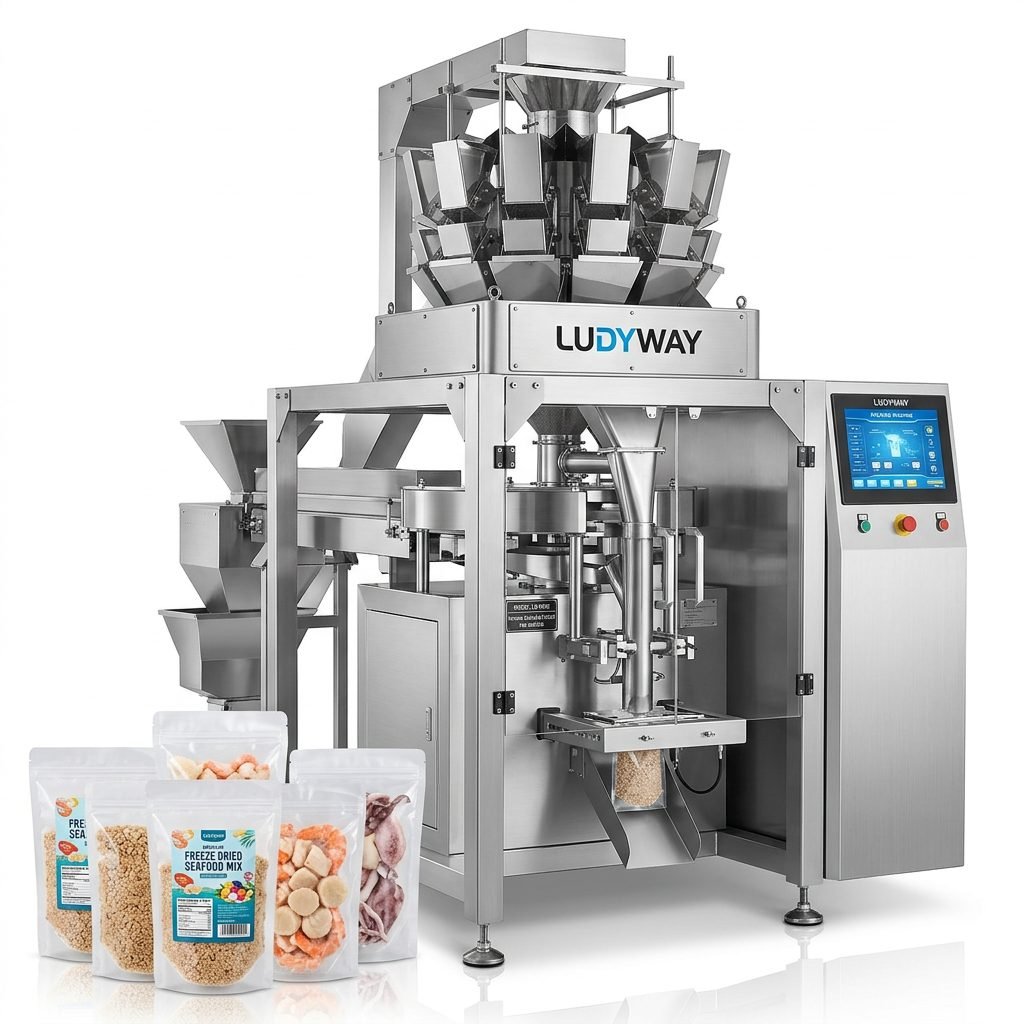
Critical Features of a Top-Tier Vacuum Sealer Packaging Machine
Not all vacuum packaging machines are built equally. When evaluating equipment for your Southeast Asian production line, you must look beyond the initial price tag and focus on long-term operational efficiency and durability. The following table outlines the essential specifications that distinguish a superior machine from an average one.
| Feature | Standard Machine | High-Performance Machine |
|---|---|---|
| Vacuum Pump Type | Dry pump or basic oil pump | Busch/Elmo Rietschle high-vacuum pump |
| Sealing Bar Quality | Single heated bar | Double-seal with silicone alloy heating element |
| Chamber Material | Standard stainless steel | 304/316L food-grade stainless steel, anti-corrosion |
| Control System | Basic digital timer | PLC with touchscreen interface, multi-program memory |
| Vacuum Capacity | Up to 30 m³/h | 60-100+ m³/h, suitable for continuous operation |
Automation and Integration Capabilities
Modern vacuum sealer packaging machines go beyond simple vacuuming and sealing. The ability to integrate with upstream filling lines and downstream cartoning systems is crucial for manufacturers aiming to scale their operations. Look for machines that offer programmable logic controllers (PLC) with recipe management, allowing operators to switch between product types with minimal downtime. Features like gas flushing for modified atmosphere packaging (MAP) add significant value for products that require cushioning or preservation in a specific gas environment.
Comparing Chamber, External, and Continuous Band Sealers
Southeast Asian manufacturers often struggle to choose between different types of vacuum sealers. Understanding the application suitability of each type prevents costly mistakes.
- Single/Double Chamber Vacuum Sealers: Ideal for batch processing of solid, liquid, or granular products. They offer the highest vacuum levels and are perfect for meat, seafood, and ready-to-eat meals.
- External Vacuum Sealers: Suitable for smaller operations or retail environments. They work with vacuum bags and are more compact but offer lower throughput.
- Continuous Band Vacuum Sealers: Designed for high-volume production lines where products are automatically fed into the sealing area. These are the backbone of large food processing factories.

Why Choose Ludyway as Your Southeast Asia Packaging Partner
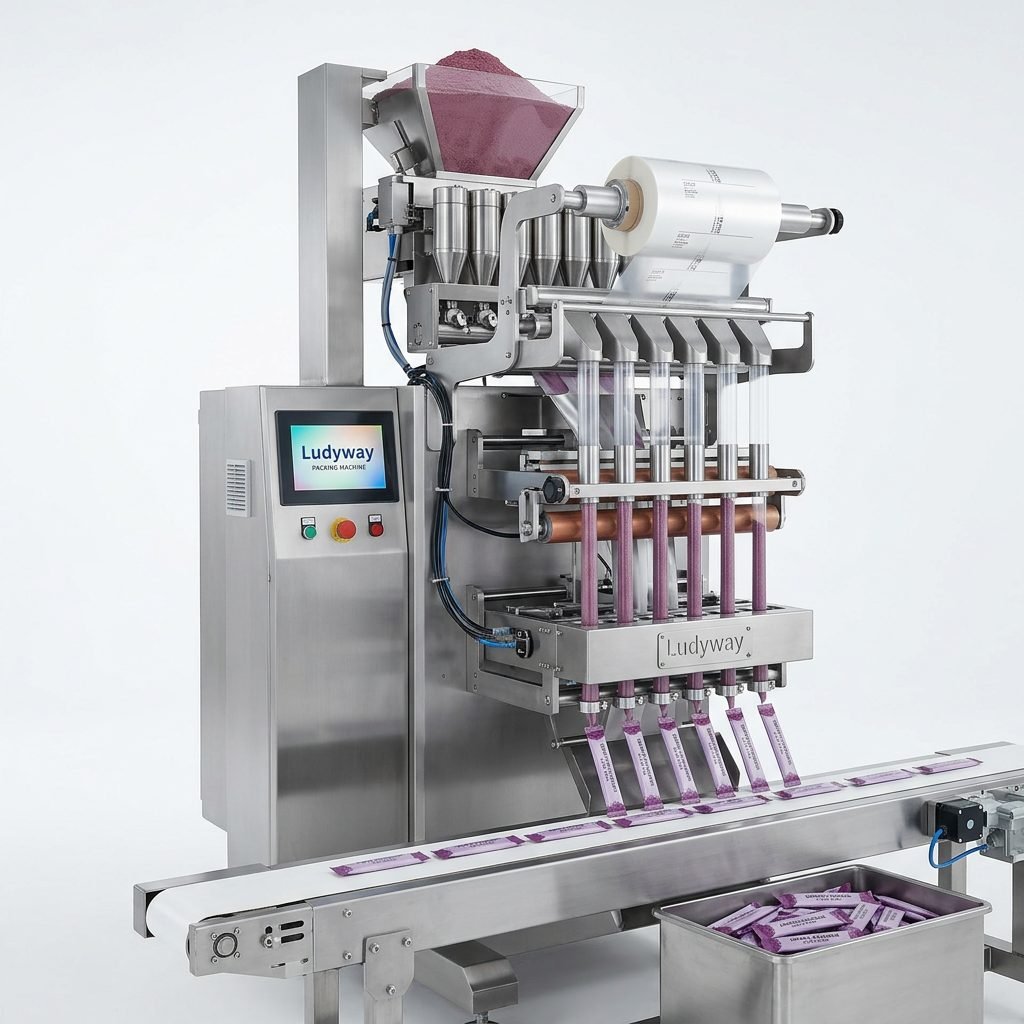
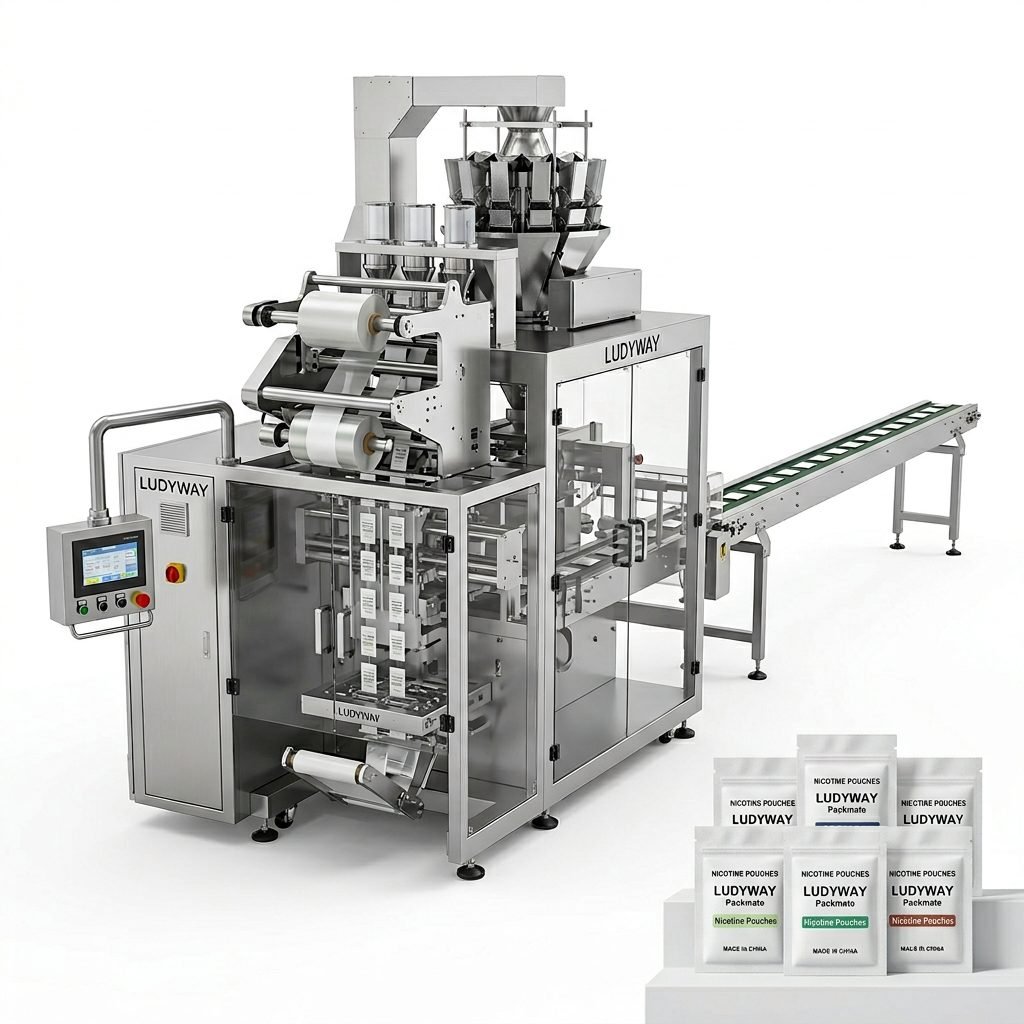
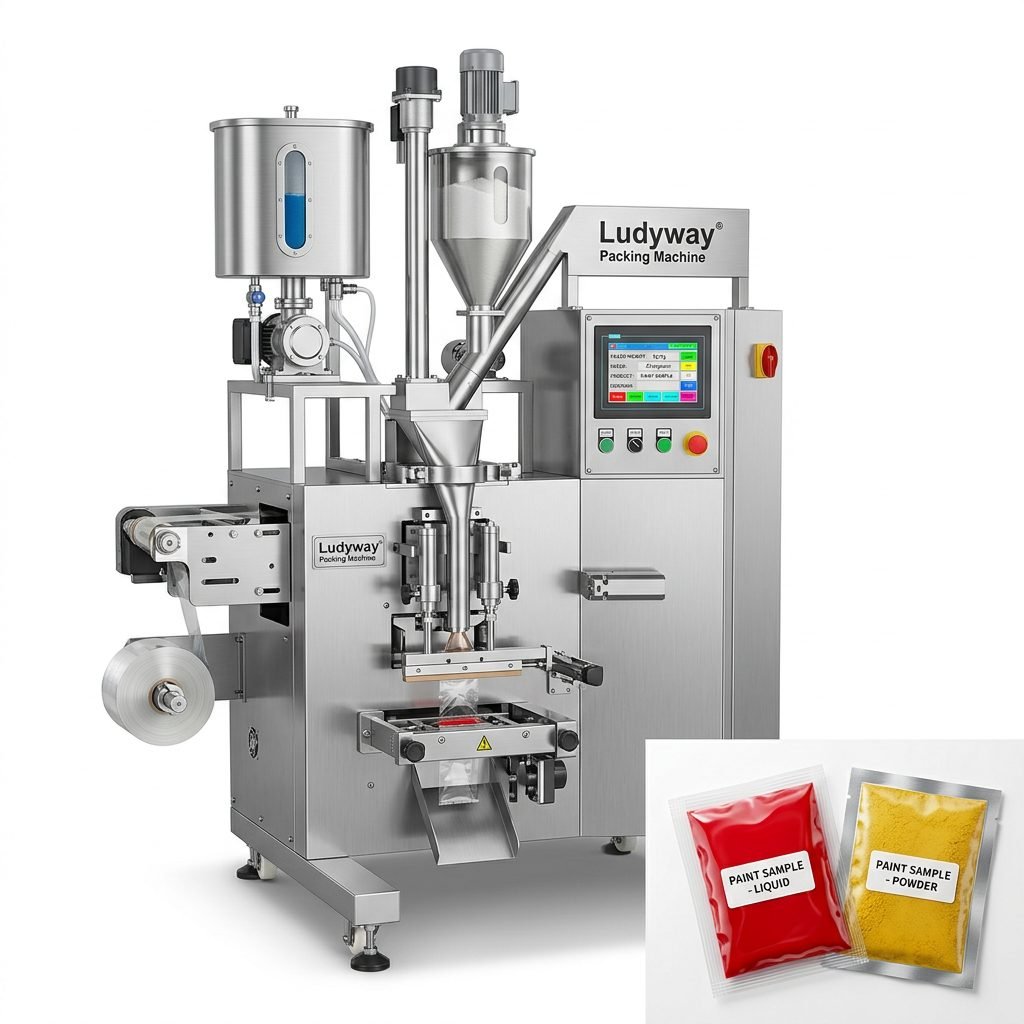
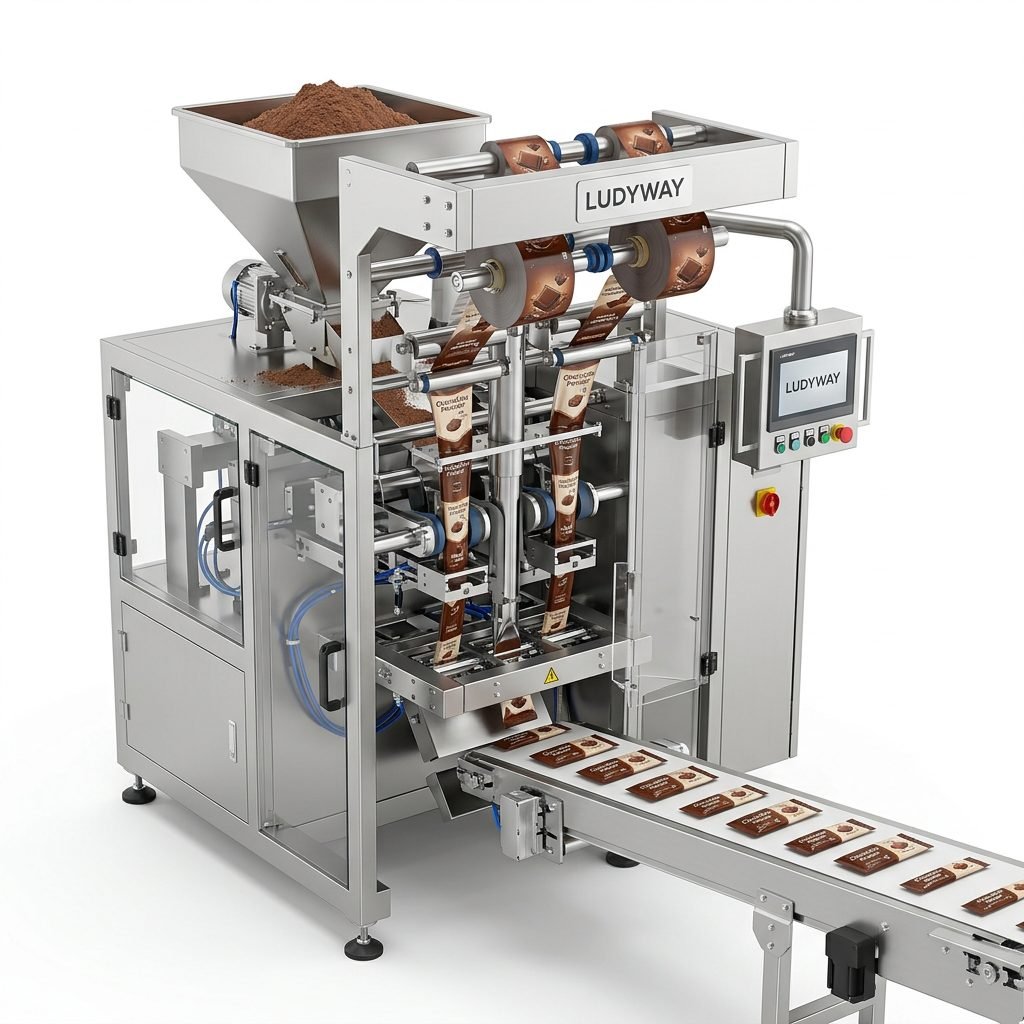
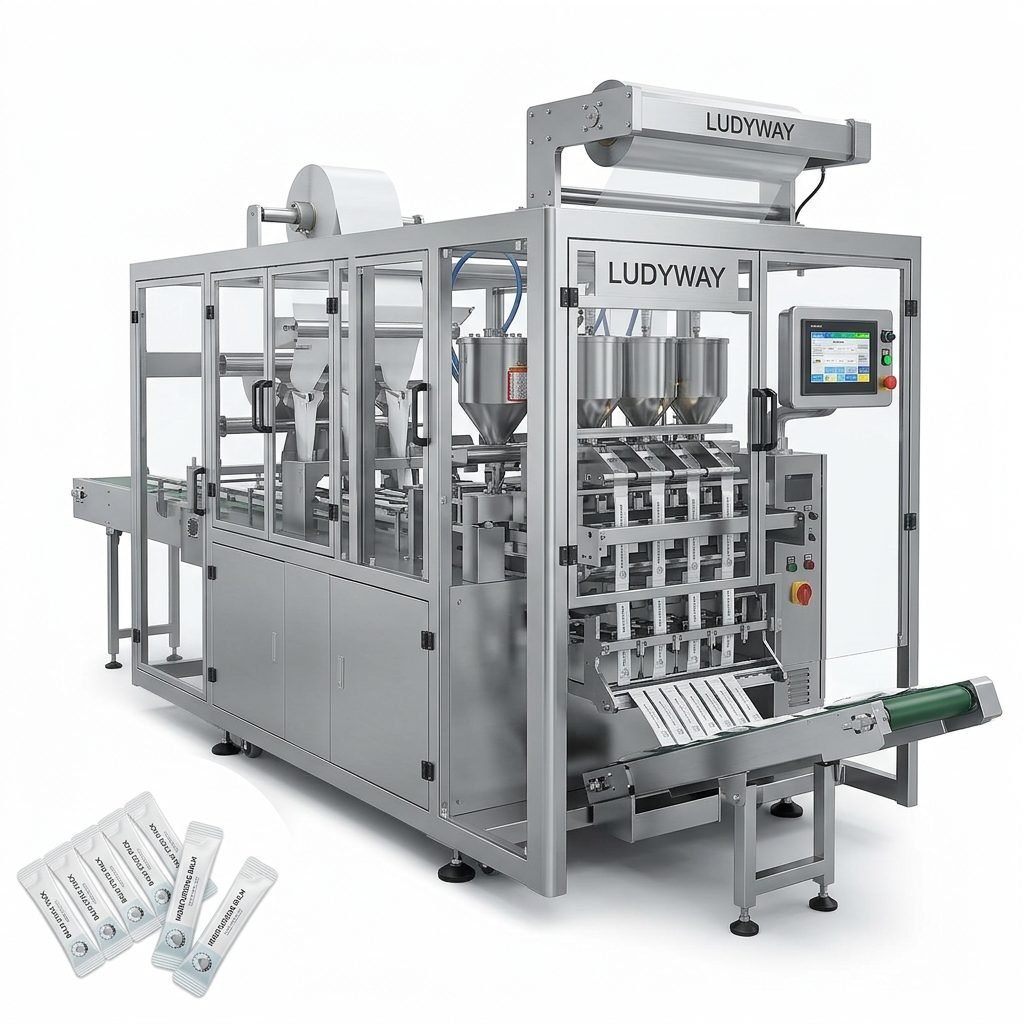
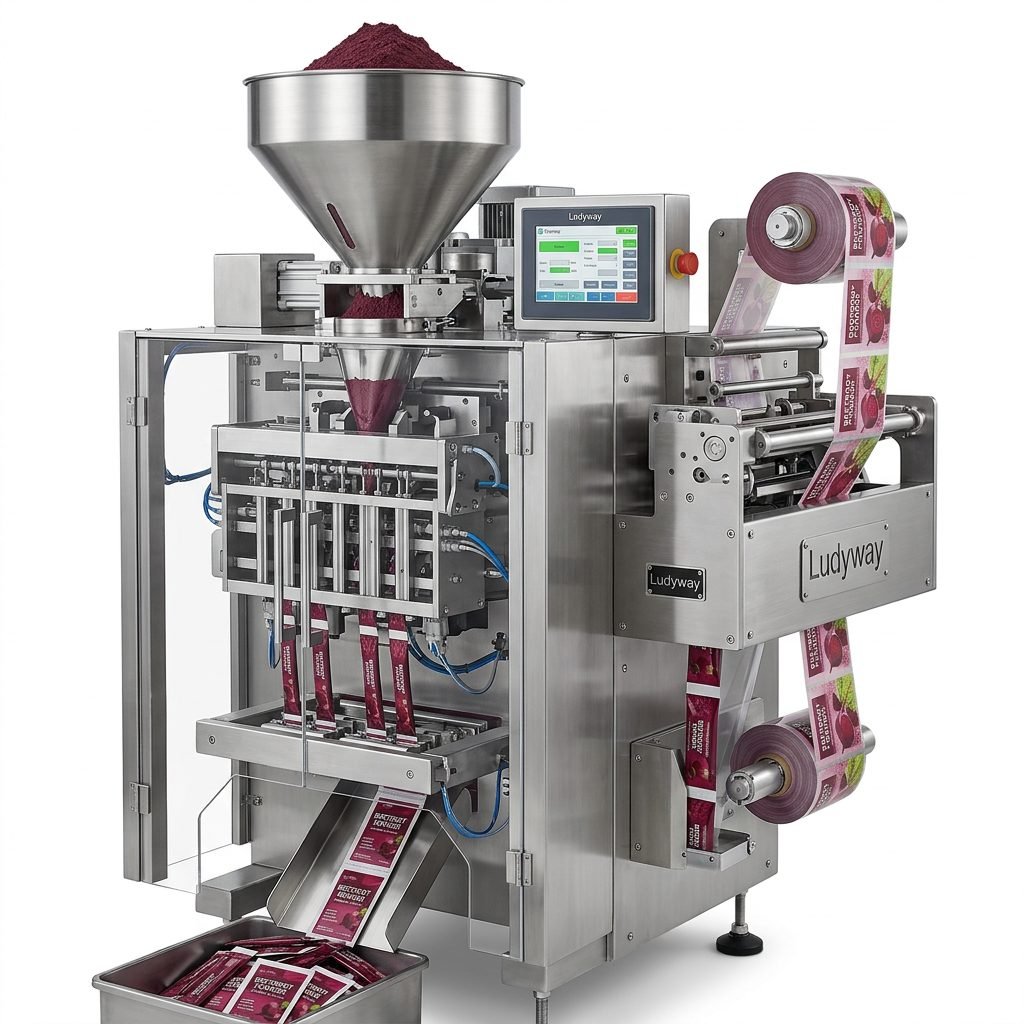
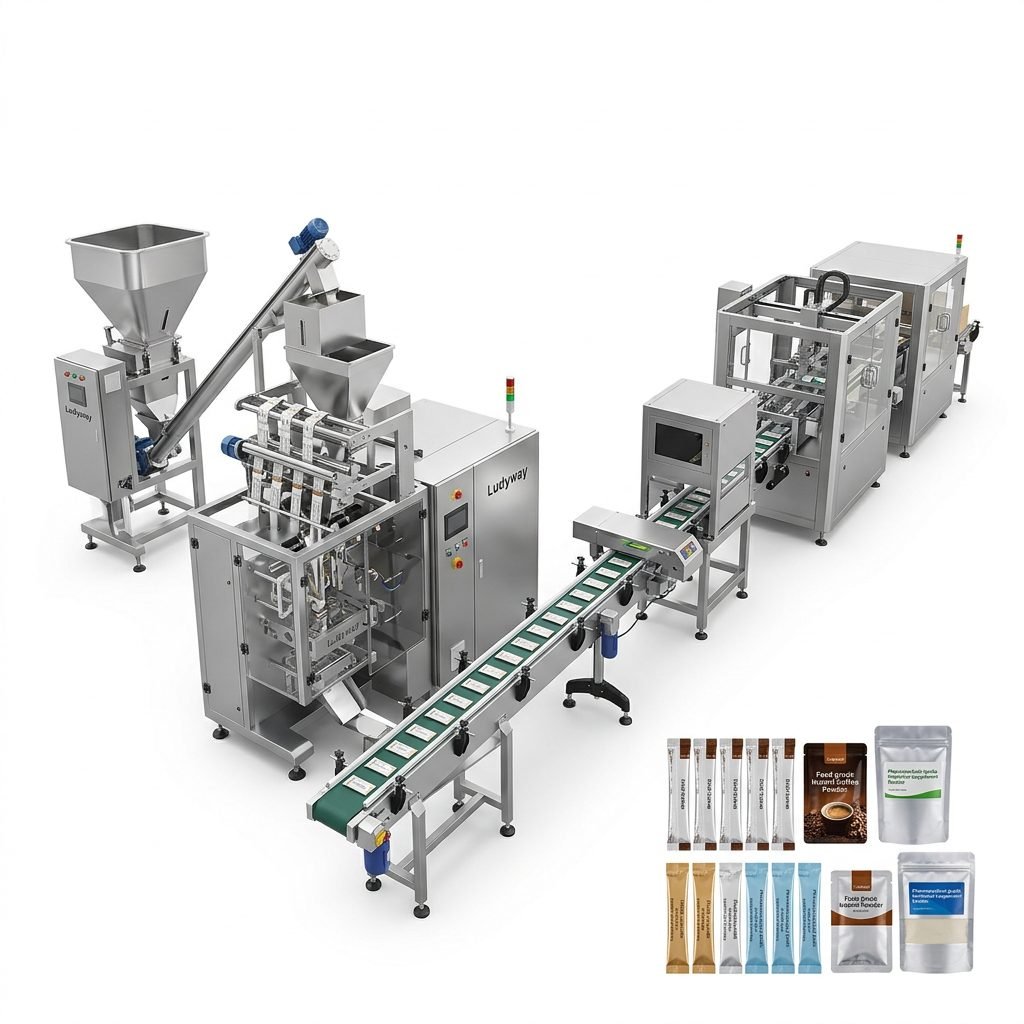
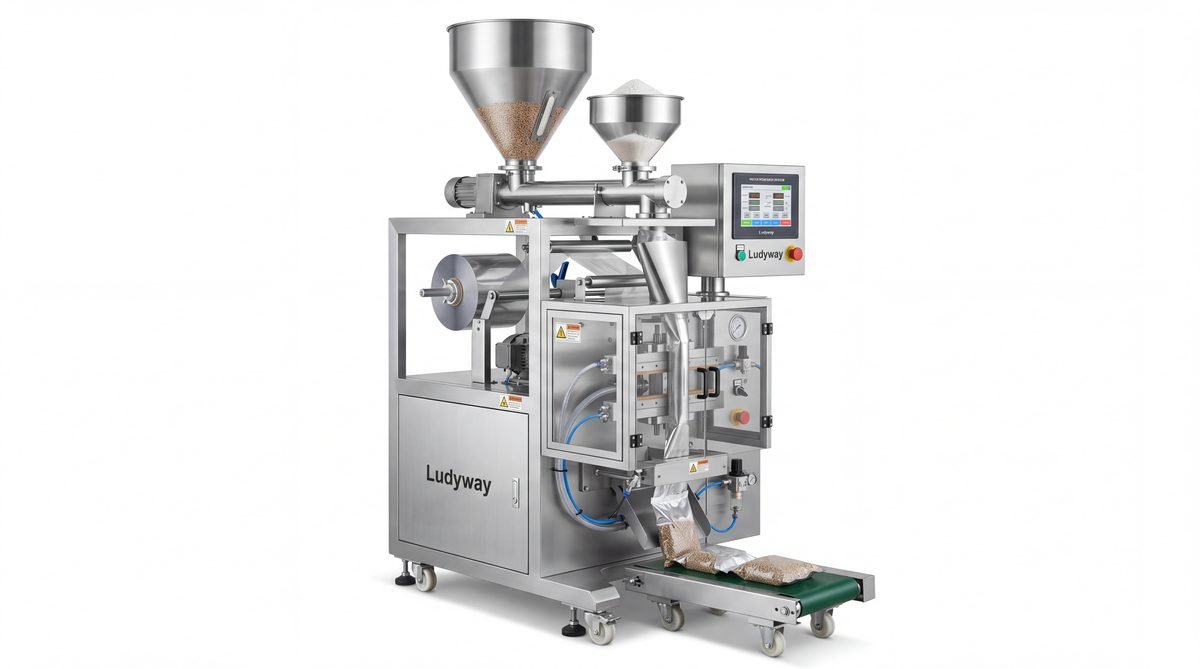
When sourcing packaging machinery for the Southeast Asian market, partnering with a manufacturer that understands regional requirements and international standards is vital. Ludyway is one of the largest packaging machine manufacturers in China, specializing in advanced packaging equipment and turnkey production solutions for the food, pharmaceutical, and health industries. With over 30 years of industry expertise, the company has established a strong presence in over 100 countries and regions, including key Southeast Asian markets. The combination of a modern 20,000㎡ manufacturing facility, more than 50 intelligent packaging machine models, and a highly experienced engineering team ensures that every vacuum sealer packaging machine delivers consistent performance under demanding tropical conditions. Whether you need multi-lane stick pack systems, sachet packaging, or fully automated vacuum sealing lines, Ludyway provides reliable, high-performance solutions that help businesses improve productivity and product quality.
Technical Support and After-Sales Service in the Region
A vacuum sealer packaging machine is a long-term investment. The availability of local technical support, spare parts, and preventive maintenance services is a critical factor for buyers in Southeast Asia. Partnering with a manufacturer that offers comprehensive after-sales support, including remote diagnostics, on-site training, and readily available consumables, minimizes production downtime. This is particularly important for businesses operating in remote locations or islands where logistics can be challenging.
The Role of Vacuum Sealing in Cold Chain Logistics
Southeast Asia is witnessing significant investments in cold chain infrastructure to reduce food waste and meet export requirements. Vacuum packaging machines play a pivotal role in cold chain logistics by reducing the volume of products, preventing freezer burn during frozen storage, and creating a hygienic barrier against external contaminants. For seafood exporters shipping to the European Union or North America, vacuum-sealed packaging is often a mandatory requirement to comply with food safety regulations and maintain product integrity during long transit times across multiple climate zones.
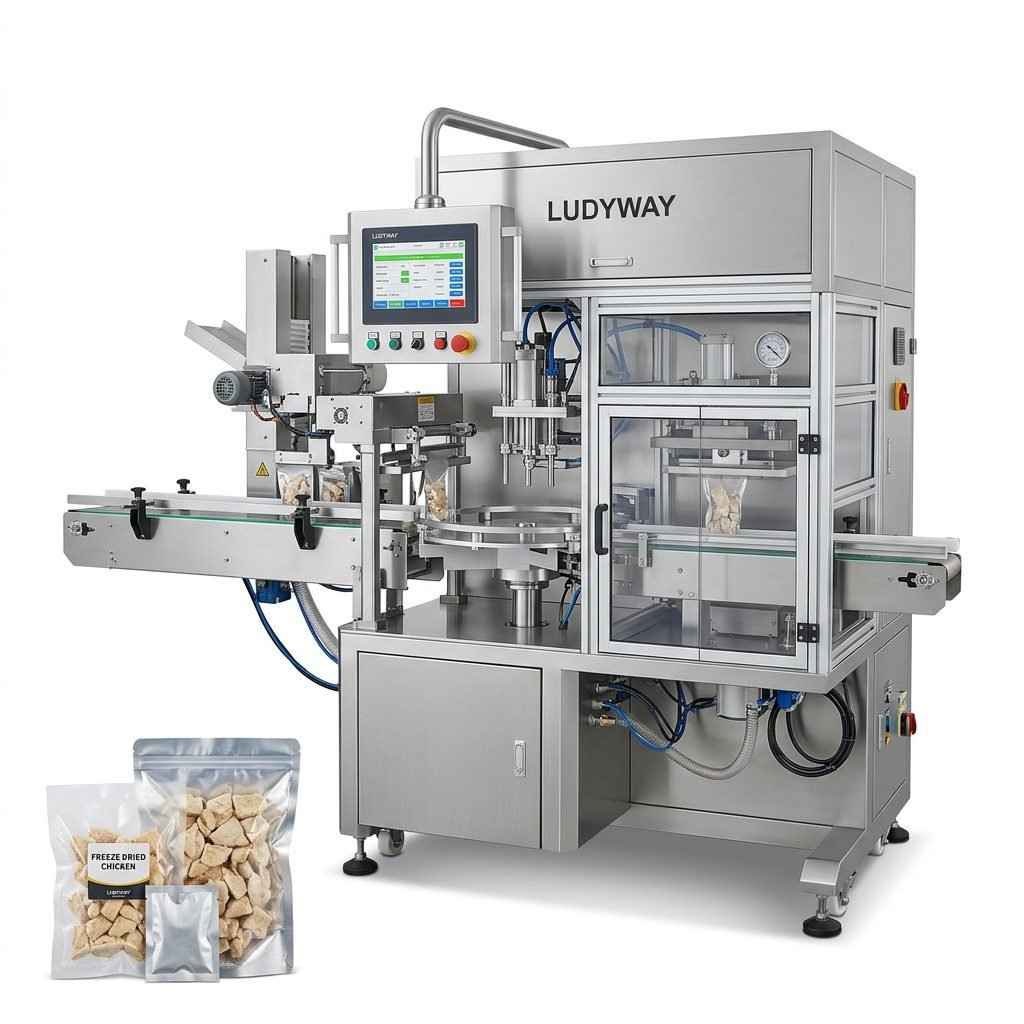
Compliance with International Food Safety Standards
Export-oriented manufacturers in Southeast Asia must ensure that their packaging processes comply with FDA food packaging regulations and ISO packaging standards. Advanced vacuum sealer packaging machines are designed with hygienic engineering principles, including easy-to-clean surfaces, validated sealing parameters, and traceable data logging for quality assurance audits. This level of compliance is essential for accessing premium markets and building trust with international buyers.
Energy Efficiency and Sustainability
With rising energy costs and growing environmental awareness across Southeast Asia, energy-efficient vacuum packaging machines are gaining preference. Modern machines incorporate variable frequency drives, optimized vacuum pump cycles, and standby power-saving modes that significantly reduce electricity consumption. Additionally, the use of recyclable vacuum bags and the reduction of food waste through extended shelf life contribute to a more sustainable production model.
Customization Options for Diverse Products
Southeast Asian food culture is incredibly diverse, ranging from delicate pastries to spicy sauces and frozen dim sum. A one-size-fits-all vacuum sealer rarely delivers optimal results. Leading manufacturers offer customization options including adjustable sealing temperatures, specially coated sealing bars for easy-clean applications, liquid-control sensors for vacuuming liquid-rich products, and inert gas injection for fragile items. This flexibility allows businesses to package a wide portfolio of products using a single versatile machine platform.
Return on Investment Calculation
While the upfront cost of a high-quality vacuum sealer packaging machine may be higher than basic alternatives, the total cost of ownership tells a different story. Consider the following factors when calculating ROI:
- Reduction in product spoilage and returns (typically 15-25% improvement).
- Labor savings through automation and faster cycle times.
- Extended market reach due to longer shelf life enabling export opportunities.
- Lower maintenance costs with durable components and reliable sealing systems.
Industry Resources and Market Insights
Staying informed about packaging industry trends is essential for strategic planning. The PMMI packaging industry resources provide valuable data, including the annual State of the Industry reports that cover packaging machinery market research and forecasts. Similarly, the Flexible Packaging Association offers insights into flexible packaging sustainability and regulatory affairs. For manufacturers targeting European markets, the European Commission packaging and packaging waste regulation provides essential compliance guidance. Additionally, Ludyway’s recent industry growth analysis is featured on EIN Presswire covering global packaging machinery trends.
Prepare Your Production Line for the Future
As Southeast Asia continues its trajectory as a global manufacturing and food processing hub, the demand for reliable, efficient vacuum sealer packaging machines will only intensify. By selecting a machine that combines robust German or European vacuum pump technology, intelligent automation, and durable construction, you position your business for sustainable growth. Whether you are processing fresh seafood in Vietnam, packaging coffee in Indonesia, or exporting halal meat products from Malaysia, the right vacuum packaging equipment is the cornerstone of product quality and market competitiveness.