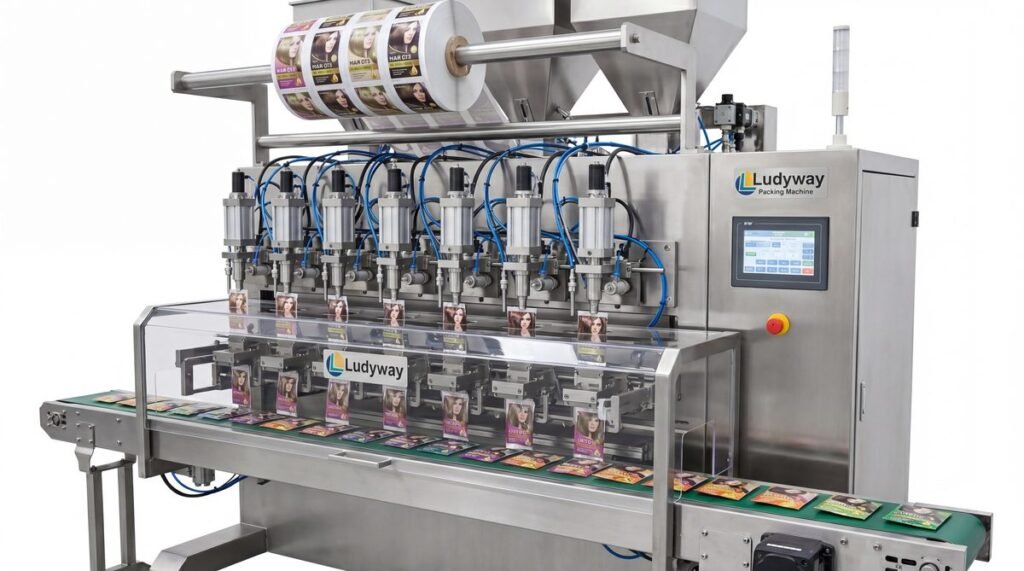
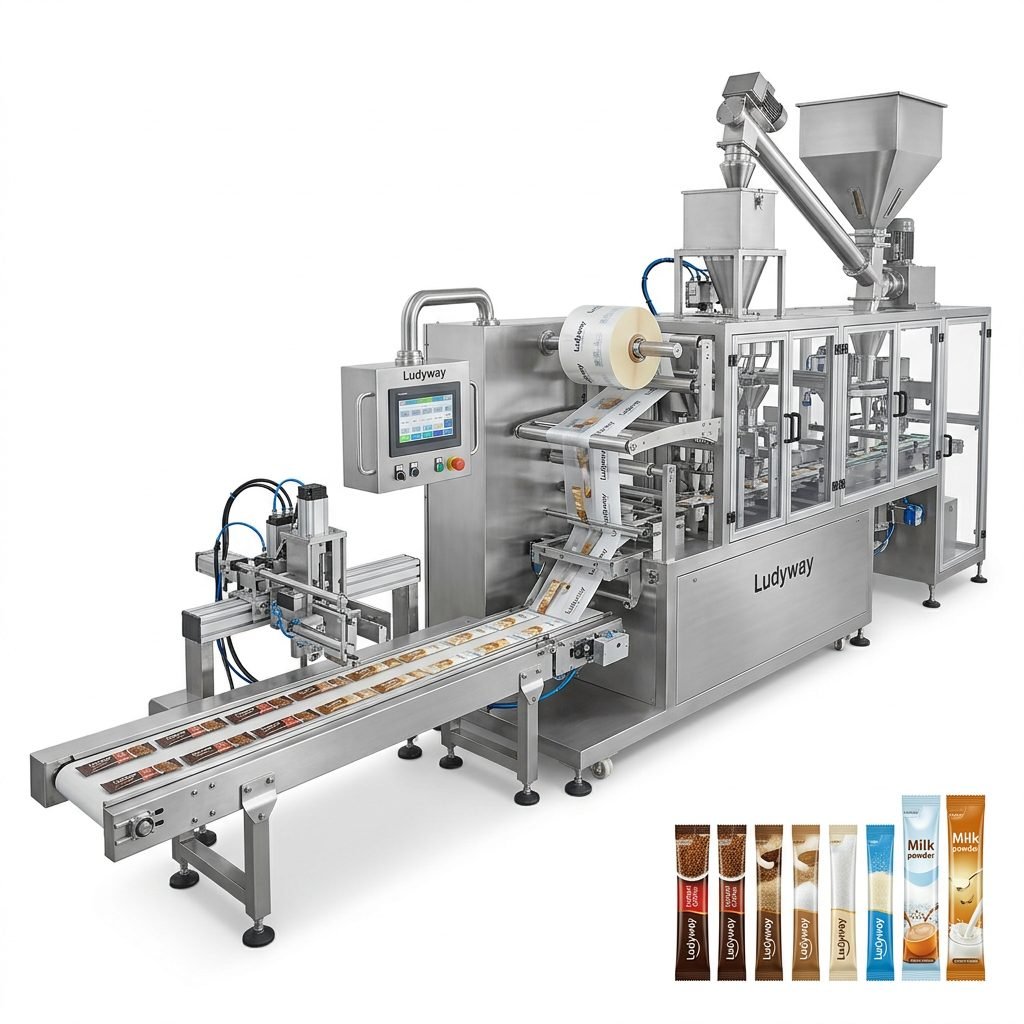
The European protein bar market is experiencing unprecedented growth, driven by health-conscious consumers demanding convenient, high-quality nutrition. With the market projected to expand at a compound annual growth rate exceeding 7% through 2030, manufacturers face increasing pressure to scale production while maintaining consistent product quality and packaging integrity. Selecting the right packaging machinery has become a critical competitive advantage for European food producers seeking to capture market share in this dynamic segment.
Understanding the Unique Demands of Protein Bar Packaging
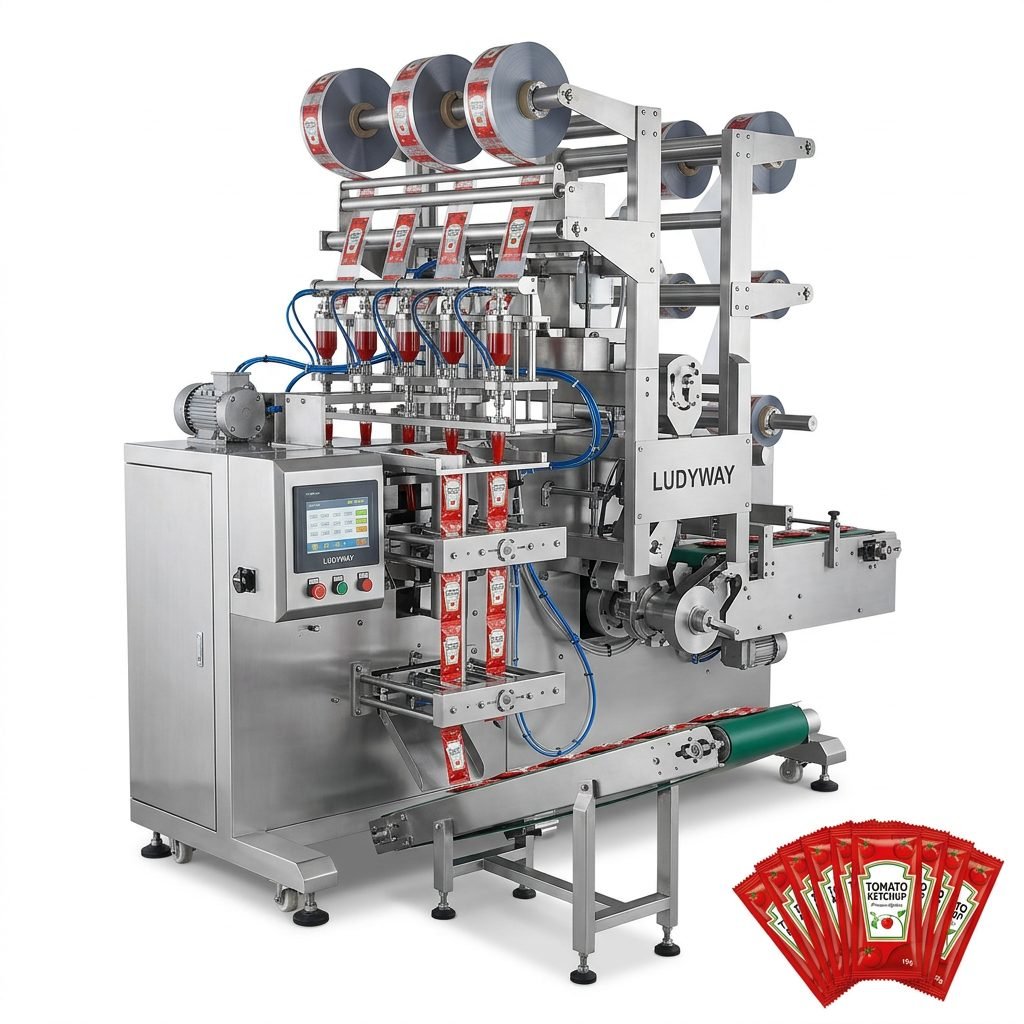
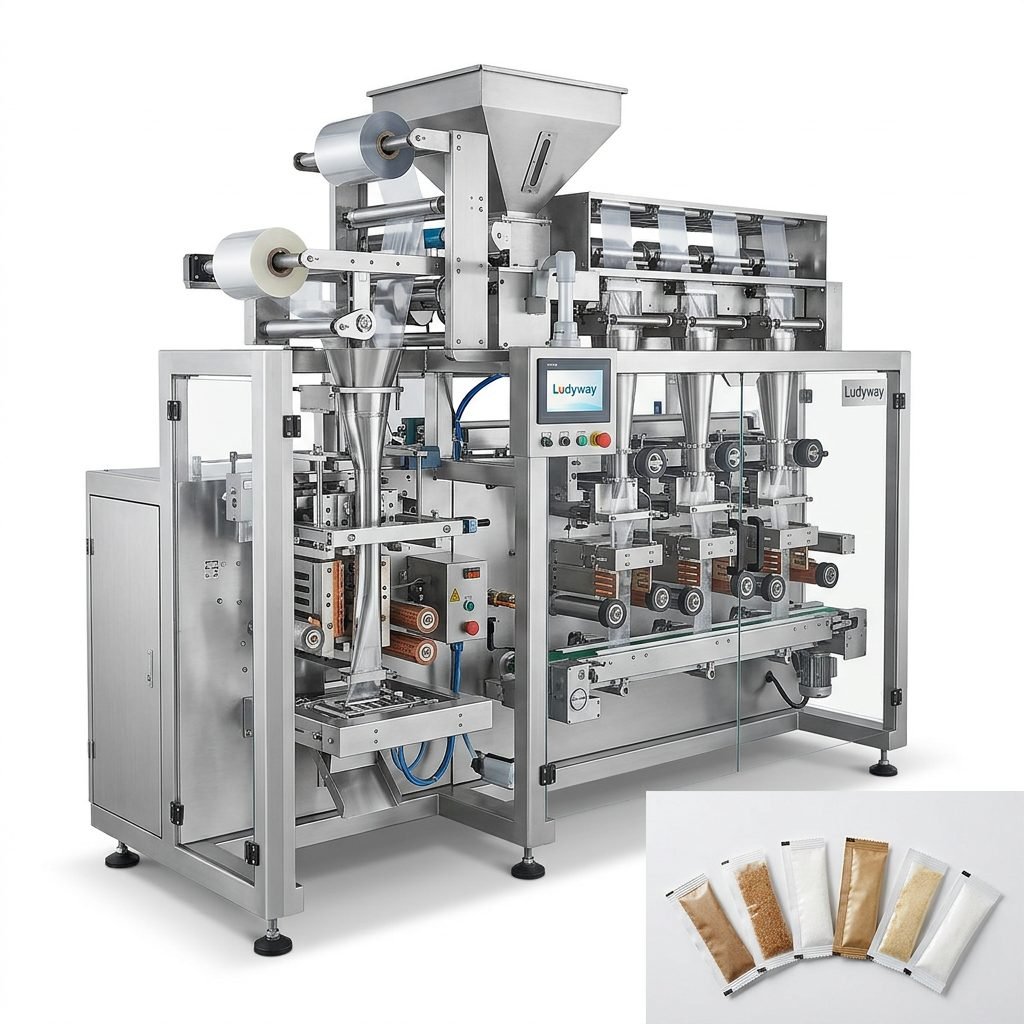
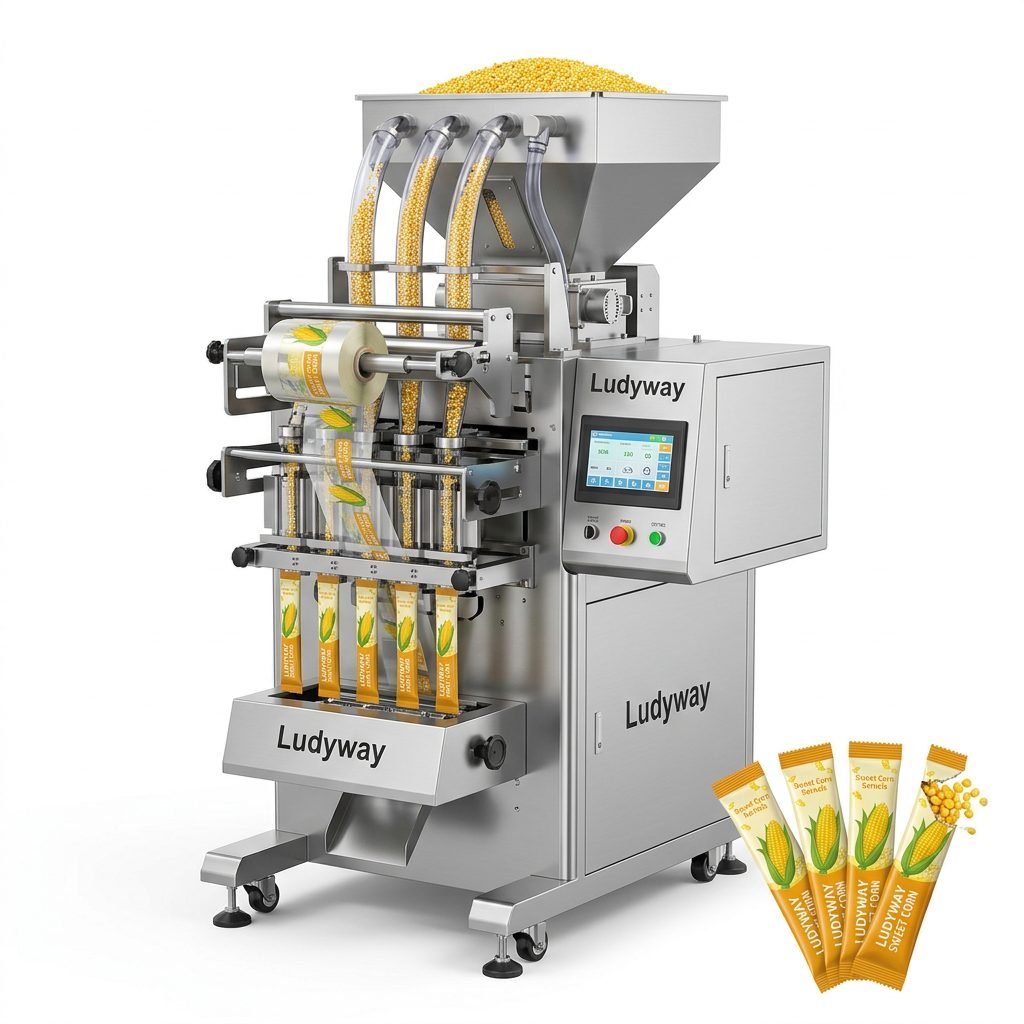
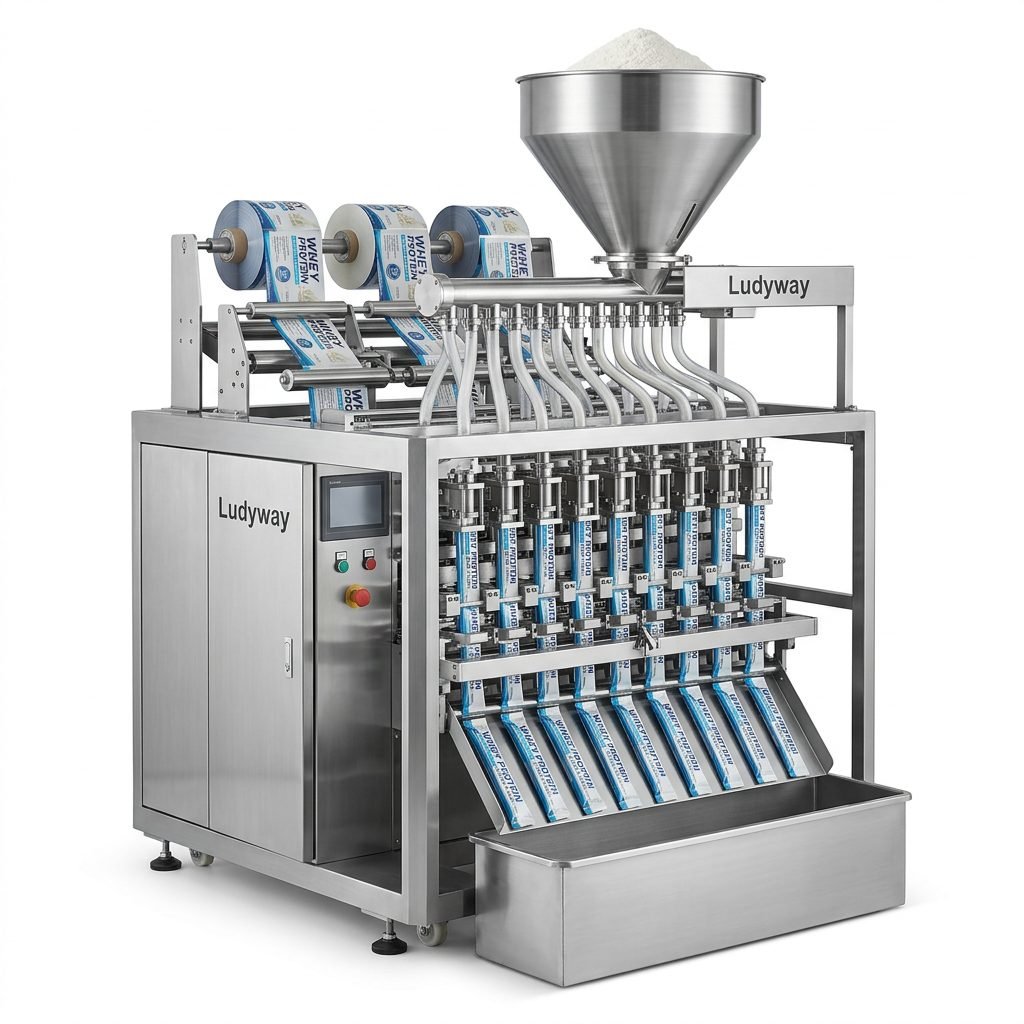
Protein bars present distinct packaging challenges that generic equipment often fails to address. The product’s sticky texture, variable density, and sensitivity to moisture require precision-engineered solutions. Multi-lane stick pack and sachet formats have emerged as the preferred packaging choice across Europe, offering portion control, extended shelf life, and convenient on-the-go consumption that modern consumers expect. For manufacturers looking to meet evolving packaging industry standards, investing in specialized machinery is no longer optional but essential.
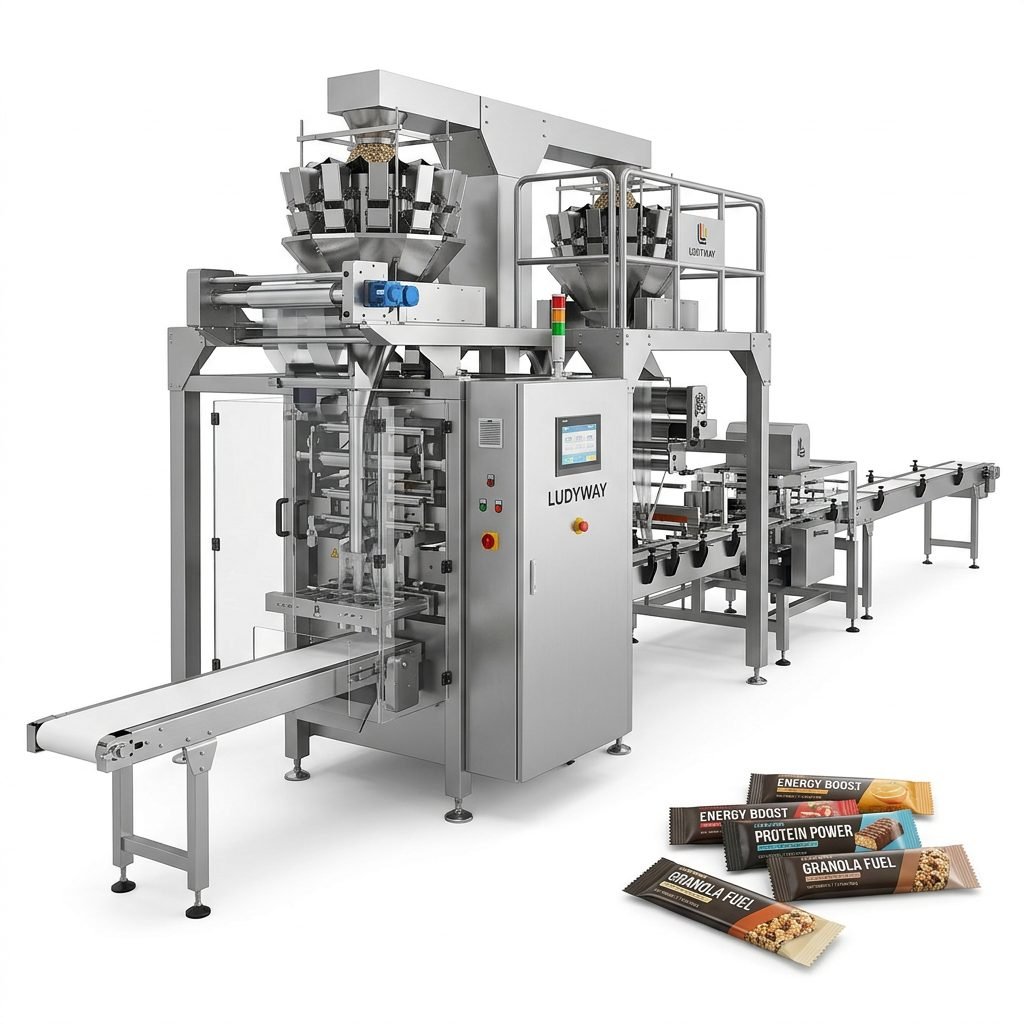
Key Advantages of Advanced Multi-Lane Stick Pack Technology
Modern protein bar packaging demands speed, accuracy, and flexibility. Advanced multi-lane stick pack systems deliver throughput rates unmatched by conventional machinery while maintaining precise portion control. The integration of intelligent weighing systems ensures each package contains the exact specified quantity, reducing product giveaway and maximizing profitability. These systems operate continuously with minimal operator intervention, addressing the labor challenges many European manufacturers currently face.
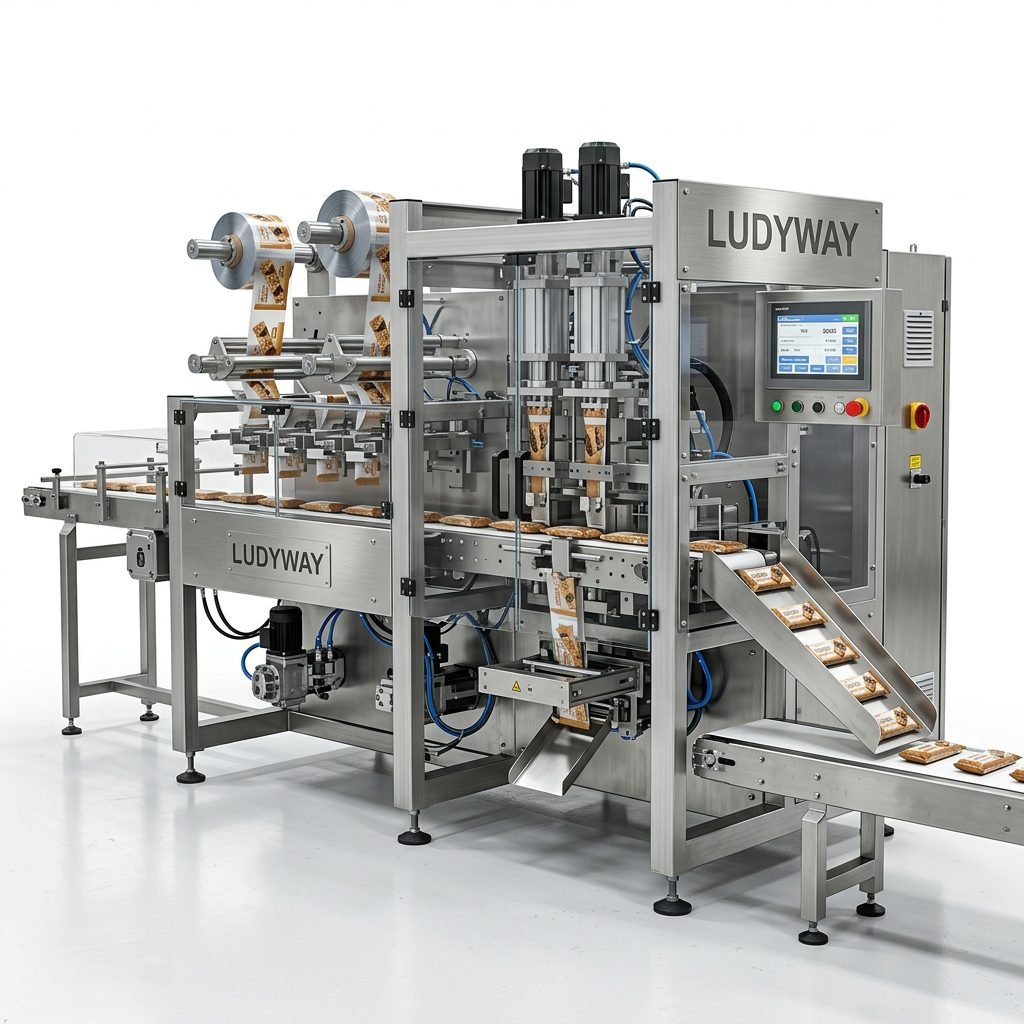
Why European Manufacturers Are Switching to Integrated Packaging Solutions
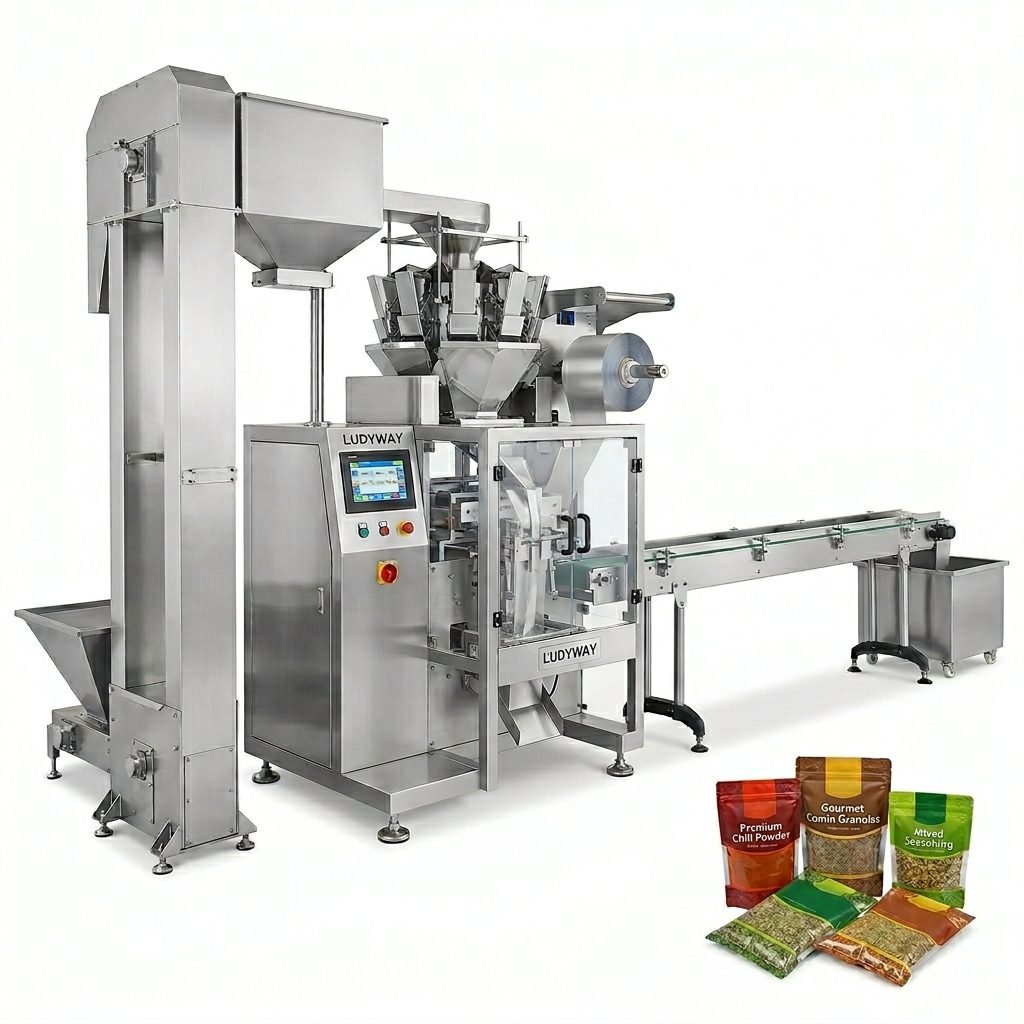
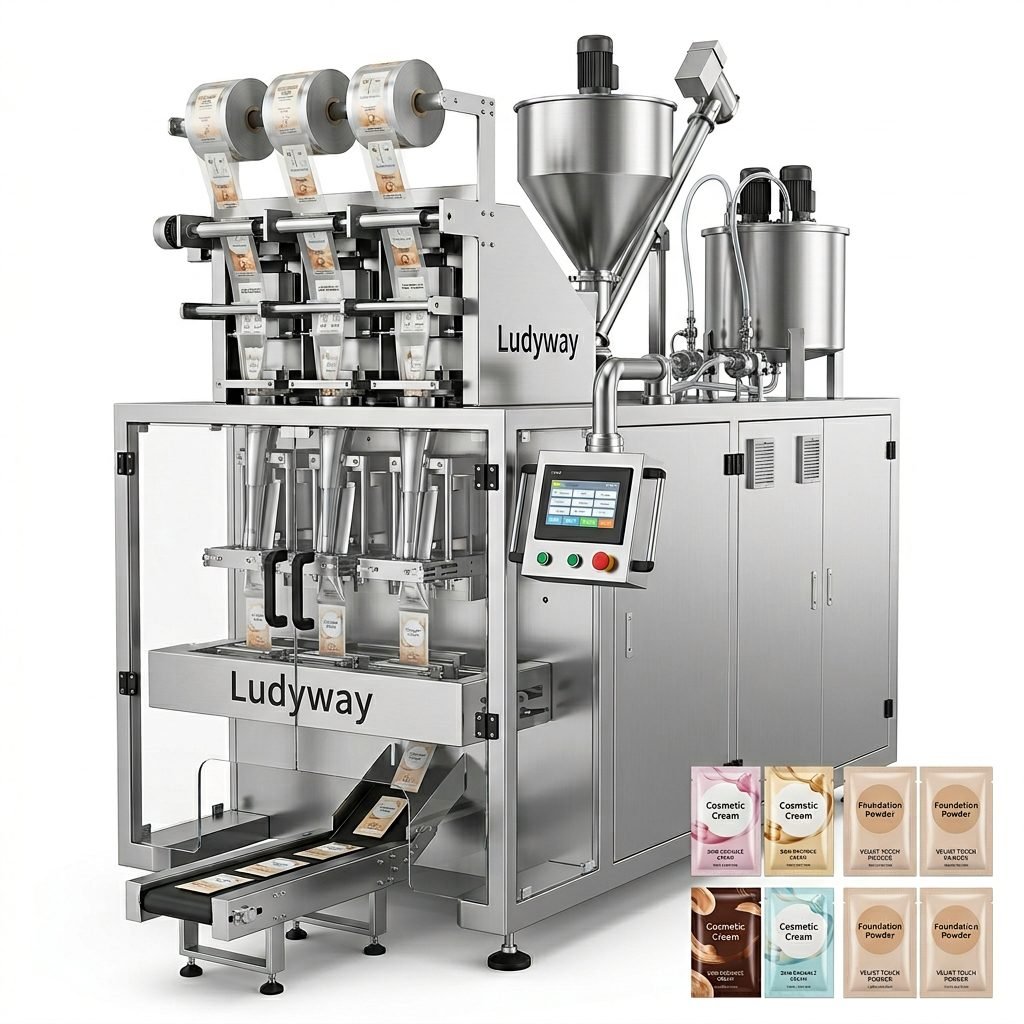
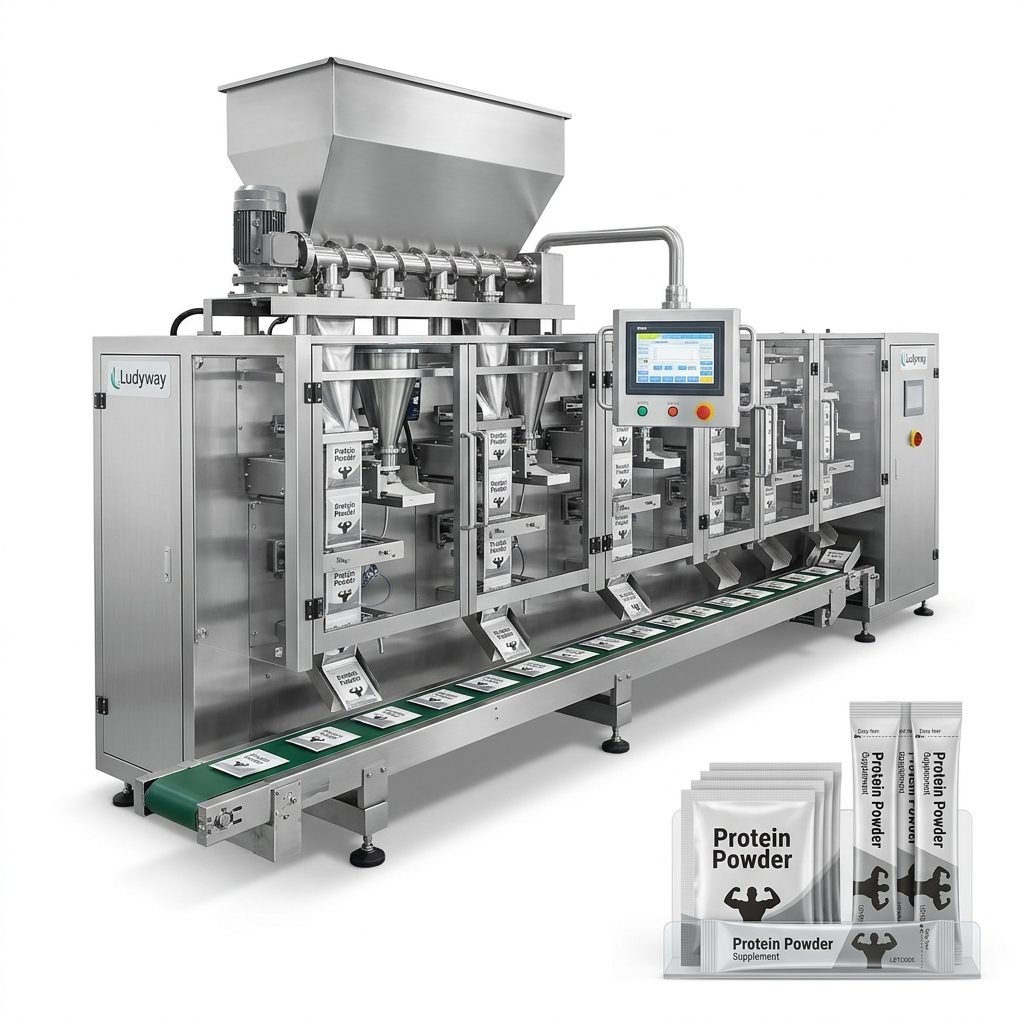
European food manufacturers increasingly favor turnkey packaging lines that integrate filling, sealing, inspection, and cartoning into a seamless workflow. This approach reduces transfer points, minimizes contamination risks, and simplifies compliance with flexible packaging regulatory requirements. The shift toward integrated systems also aligns with European packaging sustainability directives, as optimized material usage and reduced waste contribute to environmental compliance goals.
Critical Features to Evaluate in Protein Bar Packaging Equipment
- Multi-format capability – ability to switch between stick pack, sachet, and pouch formats without extensive retooling
- Precision filling accuracy – advanced servo-driven dosing for consistent product weight within tight tolerances
- Material compatibility – support for recyclable and biodegradable film structures increasingly mandated across Europe
- Hygienic design – stainless steel construction with easy-clean surfaces meeting EU food safety regulations
- Smart connectivity – Industry 4.0 readiness with remote monitoring and predictive maintenance capabilities
- Nitrogen flushing systems – extended shelf life through controlled atmosphere packaging for sensitive formulations
Performance Comparison: Multi-Lane vs. Single-Lane Systems
| Feature | Multi-Lane System | Single-Lane System |
|---|---|---|
| Production Output | Up to 1,200 packs/min | 80-150 packs/min |
| Floor Space Efficiency | High output per m² | Lower density |
| Format Flexibility | Multiple widths simultaneously | Single format per run |
| Labor Requirement | Minimal operator intervention | Higher per-unit labor |
| Waste Reduction | Optimized film usage | Standard material efficiency |
| ROI Timeline | 12-18 months typical | 24-36 months typical |
Material Innovation and Sustainable Packaging Compliance
The European packaging landscape is being reshaped by stringent environmental regulations. Protein bar manufacturers must now contend with requirements for recyclable, compostable, or reduced-material packaging. Modern multi-lane machinery accommodates eco-friendly film structures including mono-material laminates and paper-based substrates, ensuring compliance with the European Packaging and Packaging Waste Directive while maintaining barrier properties essential for protein bar freshness.
Automation and Smart Manufacturing Integration
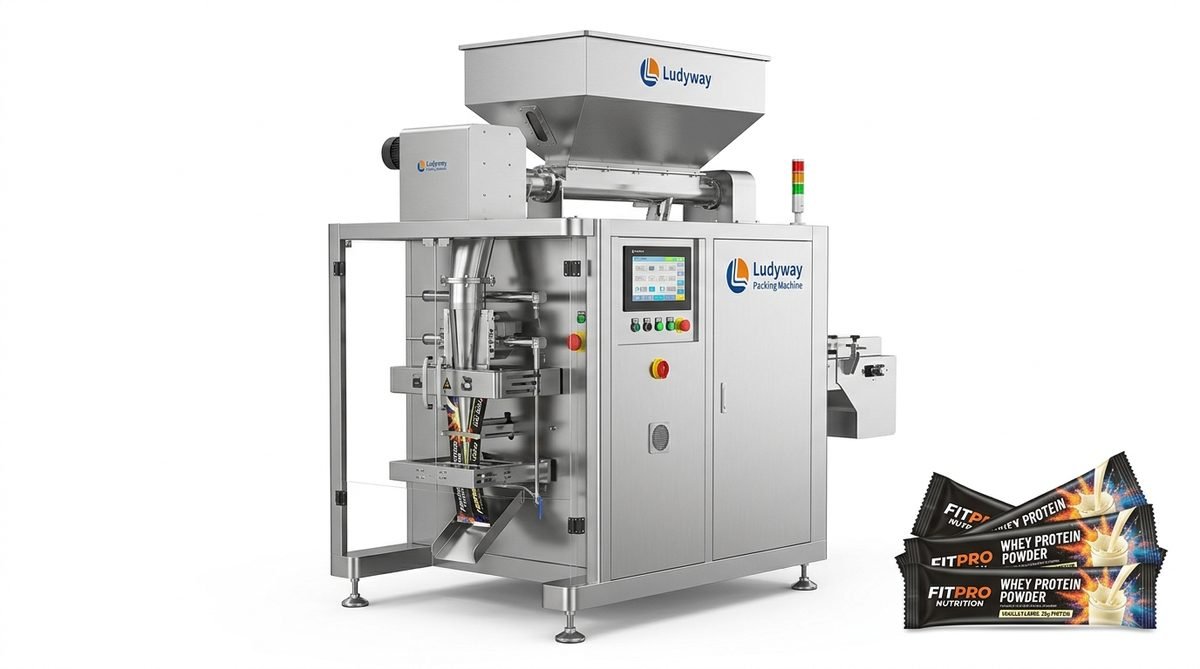
European food production facilities increasingly demand seamless integration with existing Manufacturing Execution Systems. Advanced packaging lines now feature real-time data collection, OEE monitoring, and predictive maintenance alerts that align with packaging machinery standards and best practices. This connectivity enables manufacturers to optimize production scheduling, reduce downtime, and maintain comprehensive quality documentation required for European retail compliance.
Quality Control Systems That Set Leaders Apart
- Integrated checkweighing with automatic reject for out-of-spec packages
- Metal detection and X-ray inspection meeting HACCP requirements
- Vision inspection systems verifying seal integrity and print quality at production speed
- Batch coding and serialization for full traceability across the supply chain
Total Cost of Ownership Considerations for European Buyers
When evaluating packaging machinery investments, total cost of ownership extends far beyond the initial purchase price. European manufacturers should evaluate energy efficiency ratings, spare parts availability within the EU, technical support response times, and changeover speed between product variants. Equipment designed for international packaging standards ensures smoother integration into existing production environments and facilitates future line expansions as business grows.
Ludyway is one of the largest packaging machine manufacturers, specializing in advanced equipment and turnkey solutions with over 30 years of industry expertise and a 20,000㎡ modern manufacturing facility. The company’s engineering team develops packaging systems that address the specific challenges European protein bar producers face daily, from sticky product handling to high-speed multi-lane production requirements.
Future-Proofing Your Protein Bar Production Line
The European protein bar market shows no signs of slowing, with new product categories including plant-based, functional, and hybrid formulations continuing to emerge. Manufacturers who invest in adaptable, scalable packaging infrastructure today position themselves to capture tomorrow’s opportunities. The right packaging partner provides not just machinery but ongoing technical support, format development assistance, and the flexibility to evolve alongside changing market demands.
Essential Steps for Selecting Your Packaging Solution
- Define your current and projected production volume requirements across all SKUs
- Evaluate available floor space and facility infrastructure constraints
- Assess material compatibility needs including sustainable packaging goals
- Review after-sales support availability within European time zones
- Request production demonstrations using your actual product formulations
- Calculate total cost of ownership including energy, consumables, and maintenance
- Verify compliance with relevant EU directives and flexible packaging industry data standards
European protein bar manufacturers face a clear imperative: invest in packaging technology that delivers precision, speed, and adaptability. The convergence of growing consumer demand, tightening regulations, and competitive pressure makes equipment selection a strategic decision with long-term implications. By prioritizing multi-lane stick pack systems with integrated quality controls, smart manufacturing capabilities, and sustainable material compatibility, producers position themselves for sustained success in Europe’s thriving protein bar market.