Selecting the right biscotti packaging machine is a critical decision for any bakery or food production business. The right equipment not only protects your delicate, often fragile biscotti products but also enhances shelf appeal, ensures freshness, and optimizes your production line for efficiency and cost-effectiveness. This comprehensive guide will walk you through the different types of biscotti packaging machines, their key features, and a detailed framework to help you choose the best solution for your specific operational needs.
Key Takeaway
The ideal biscotti packaging machine balances product protection, operational speed, and packaging material versatility to minimize breakage, maximize output, and adapt to various pack styles like boxes, flow wraps, or trays.
Common Types of Biscotti Packaging Machinery
The packaging process for biscotti can vary significantly based on product form (individually wrapped, multi-packs, gift boxes) and required barrier properties. Here are the primary machine types used in the industry.
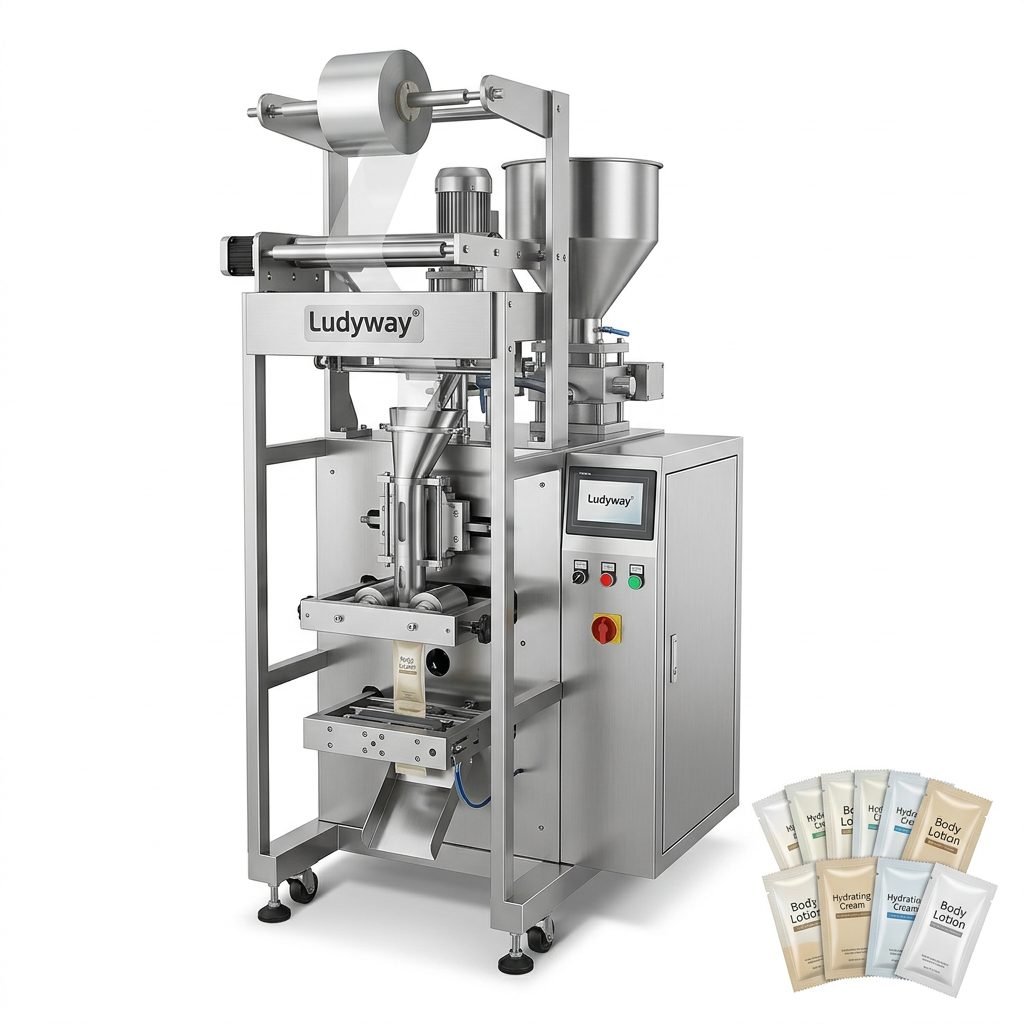
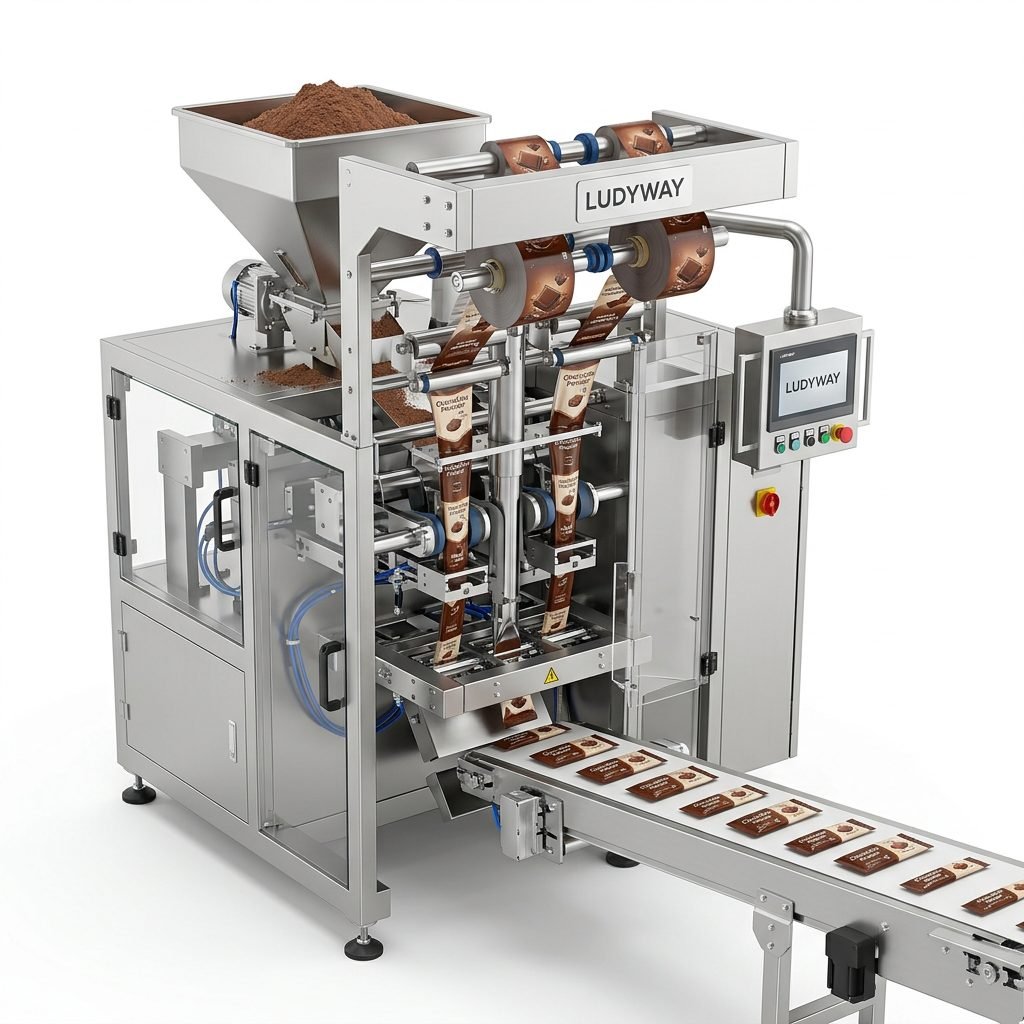
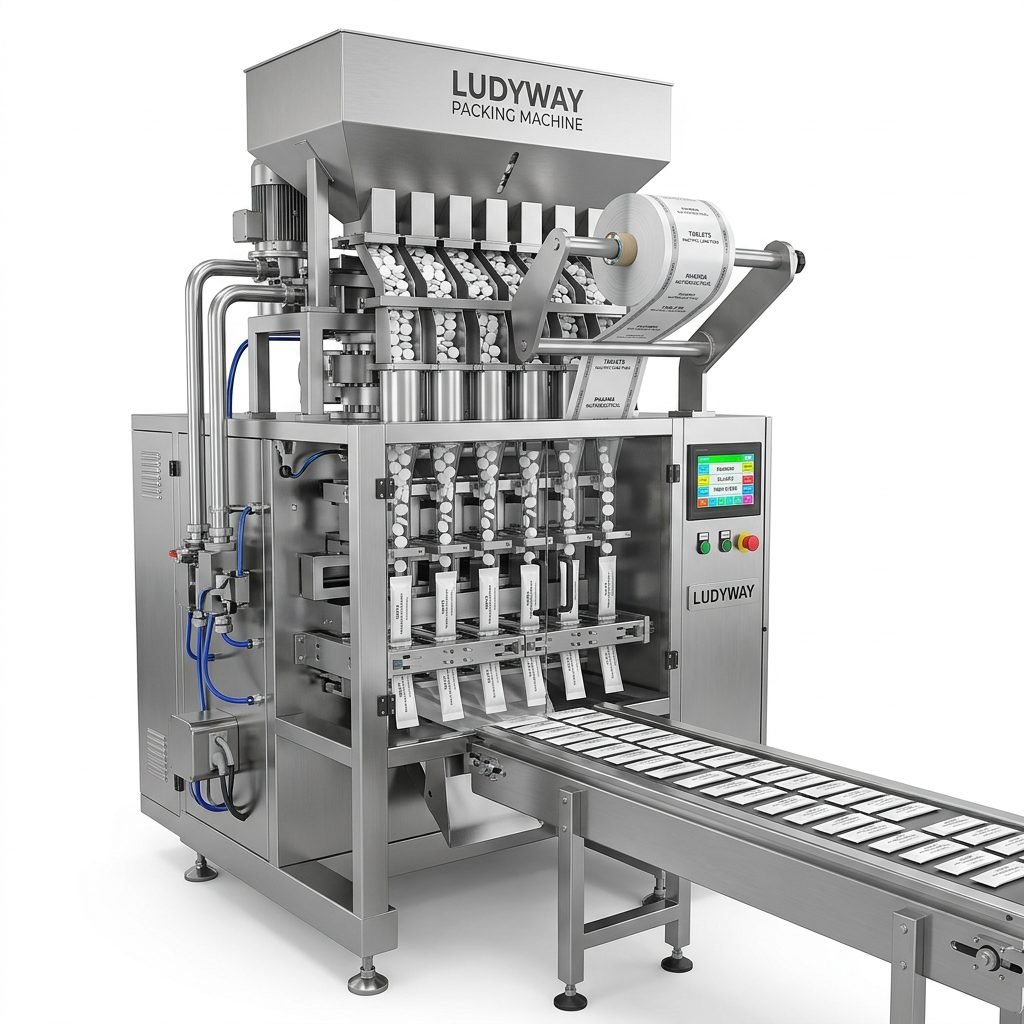
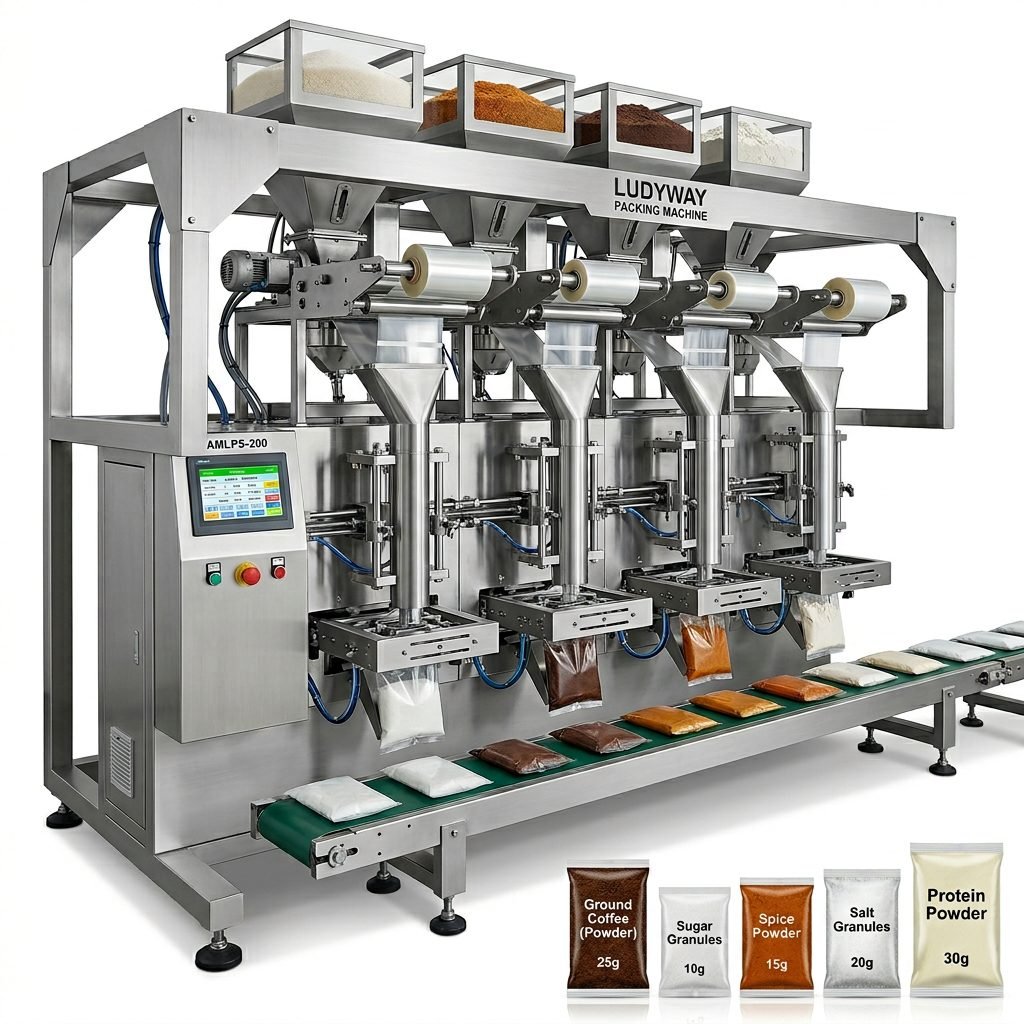
1. Vertical Form-Fill-Seal (VFFS) Machines
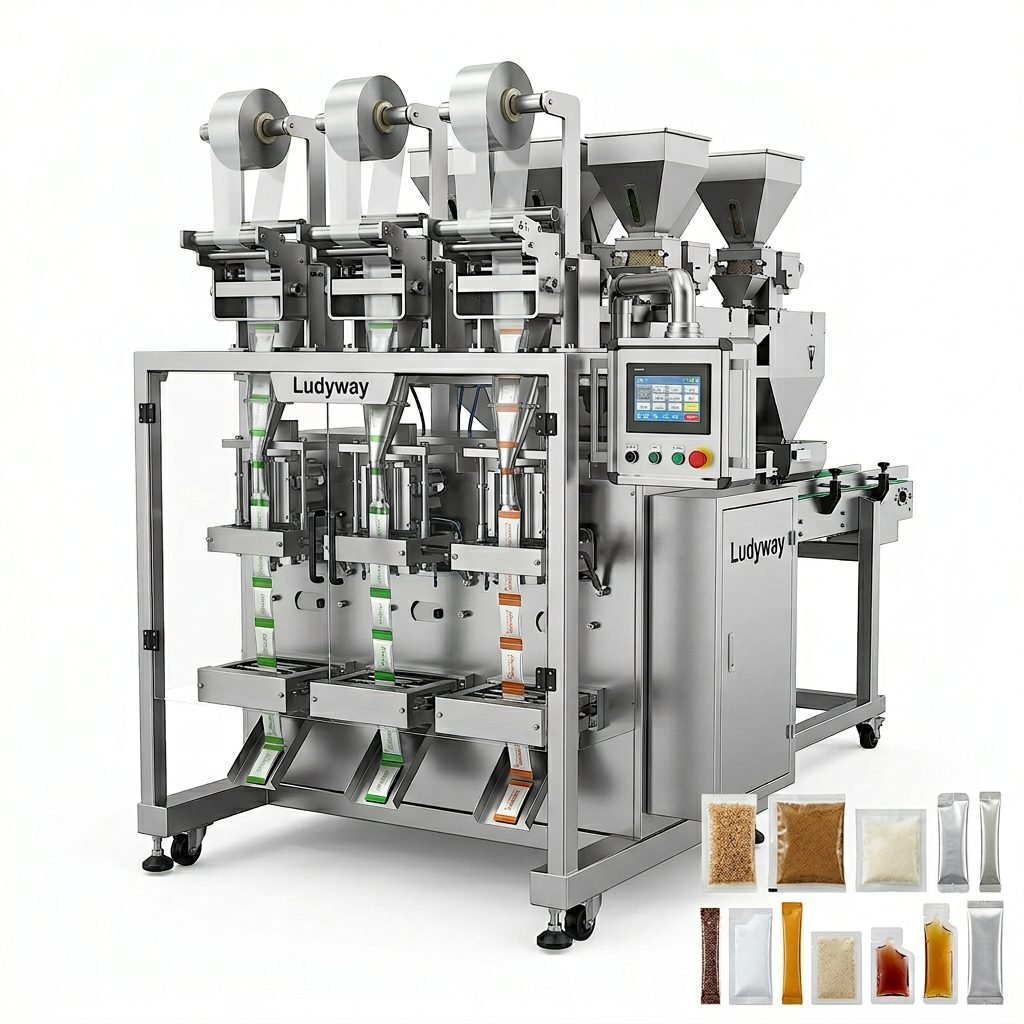
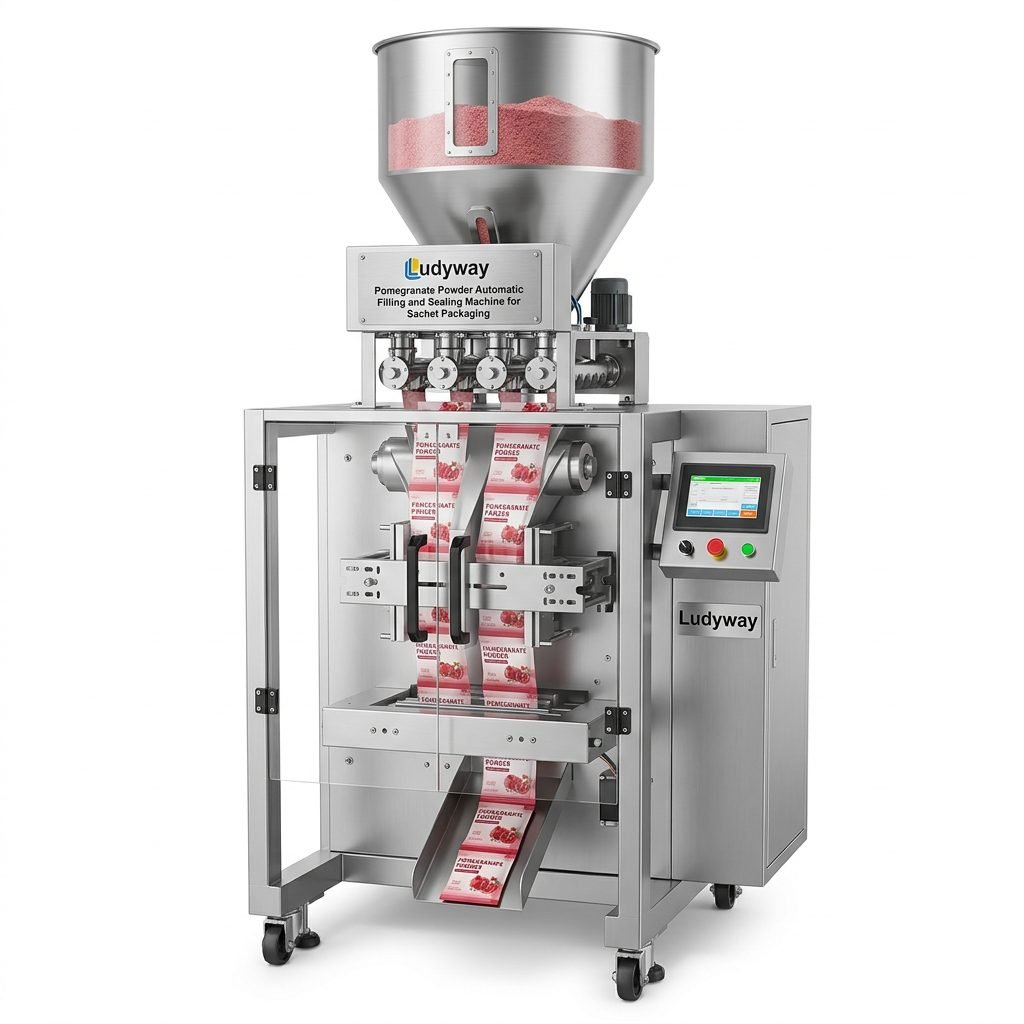
These are highly versatile machines ideal for packaging individual biscotti or small counts into pillow-style bags. They form bags from a roll of film, fill them with product, and seal them in a continuous operation. VFFS machines are excellent for creating airtight packages that preserve crispness.
- Best For: High-speed packaging of individual biscotti or small multi-packs in flexible pouches.
- Advantage: Efficient use of packaging film, quick changeover between bag sizes.
- Consideration: May not be suitable for very long or fragile biscotti without specialized buckets or vibratory trays to gently handle the product.
2. Horizontal Flow Wrappers
This is the classic choice for wrapping individual biscotti bars. The machine uses a single sheet of film that wraps around the product, creating tight, secure end seals. It’s perfect for giving biscotti that traditional, sleek “candy bar” look.
- Best For: Individually wrapping standard-sized biscotti bars with a tight, neat finish.
- Advantage: Excellent product presentation, robust seal integrity.
- Consideration: Speed can be impacted by product length and the need for precise infeed alignment.
3. Cartoning Machines
For premium biscotti, gift packs, or multi-packs, cartoning is essential. These machines erect pre-glued cartons, insert the biscotti (often after being bagged or flow-wrapped), and close the box. They can be semi-automatic or fully automatic.
Automatic cartoners are integrated into high-volume lines, while semi-automatic machines are perfect for smaller batches or artisanal producers who value flexibility. The choice often depends on your production volume and the complexity of the carton design.
4. Tray Sealing & Skin Packaging Machines
These systems are used for creating visible, secure packs where the biscotti is placed on a cardboard tray or in a pre-formed cavity and sealed with a clear film lid (tray sealing) or a tight-fitting skin film (skin packaging). This method offers superb product visibility and excellent protection against crushing.
-
-
- Best For: Gourmet, gift-oriented, or retail-ready packs where visual appeal is paramount.
- Advantage: Superior presentation and product protection, tamper-evident seal.
- Consideration: Higher packaging material cost compared to simple bags.
-
Essential Features to Evaluate
Beyond the machine type, specific features determine how well a system will perform in your bakery. Pay close attention to these critical aspects.
Feature Spotlight: Gentle Product Handling
Biscotti are notoriously brittle. Machines must incorporate vibratory feeders, soft-belt conveyors, or custom-designed buckets to guide products into the packaging area without causing breakage. A system with adjustable handling speed and pressure is a significant advantage.
Production Speed & Output
Speed is measured in packs per minute (PPM). Match the machine’s capacity to your current and projected future needs. A small bakery might only need 60-100 PPM, while a large-scale operation may require 300+ PPM. Remember, the slowest machine in your line dictates the overall output.
Flexibility & Changeover Time
If you produce multiple biscotti varieties (different lengths, flavors, pack counts), quick changeover is vital. Look for machines with tool-less adjustments for bag size, product length, and seal parameters. This minimizes downtime when switching production runs.
Sealing System & Film Compatibility
A reliable seal is non-negotiable for maintaining freshness. Machines should offer robust heat sealing (constant or impulse) compatible with various films, including metallized, high-barrier, or compostable materials. Consistent seal quality prevents leaks and spoilage.
Integration & Automation Potential
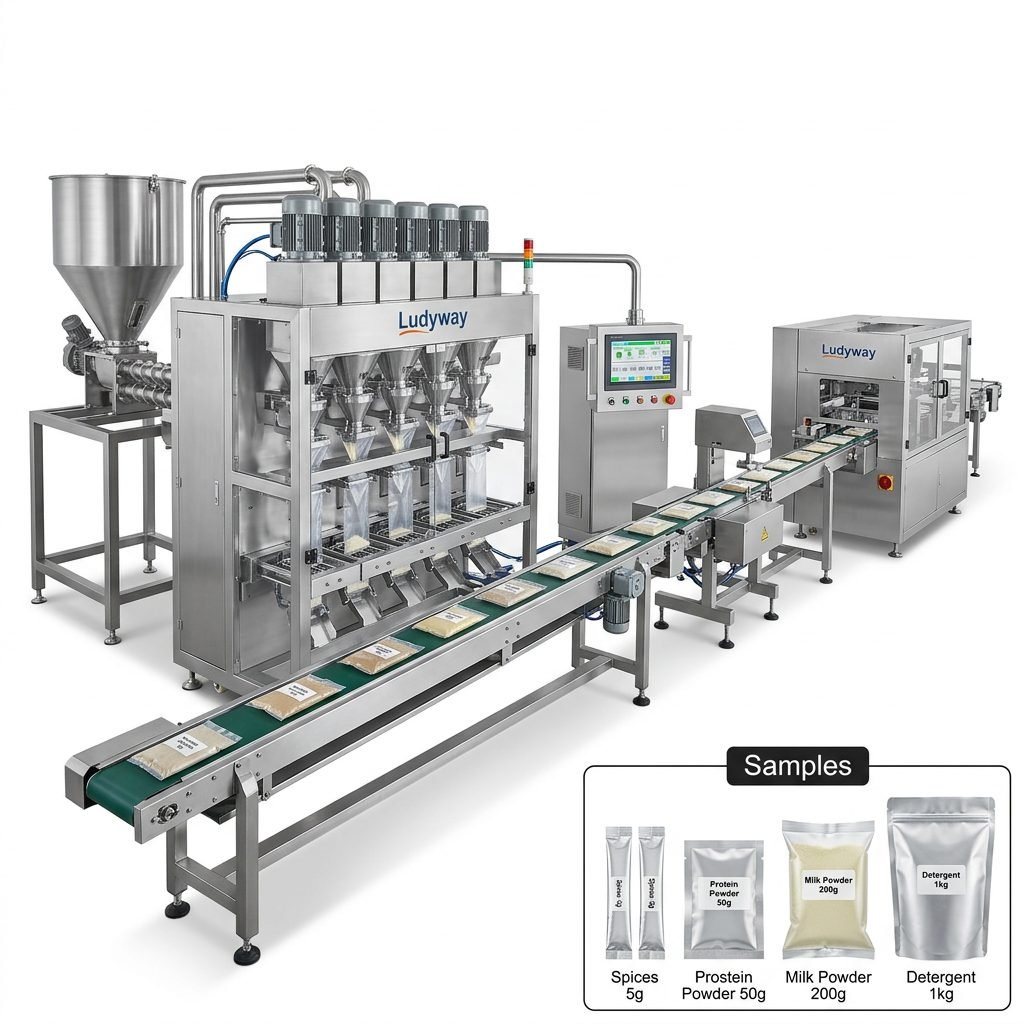
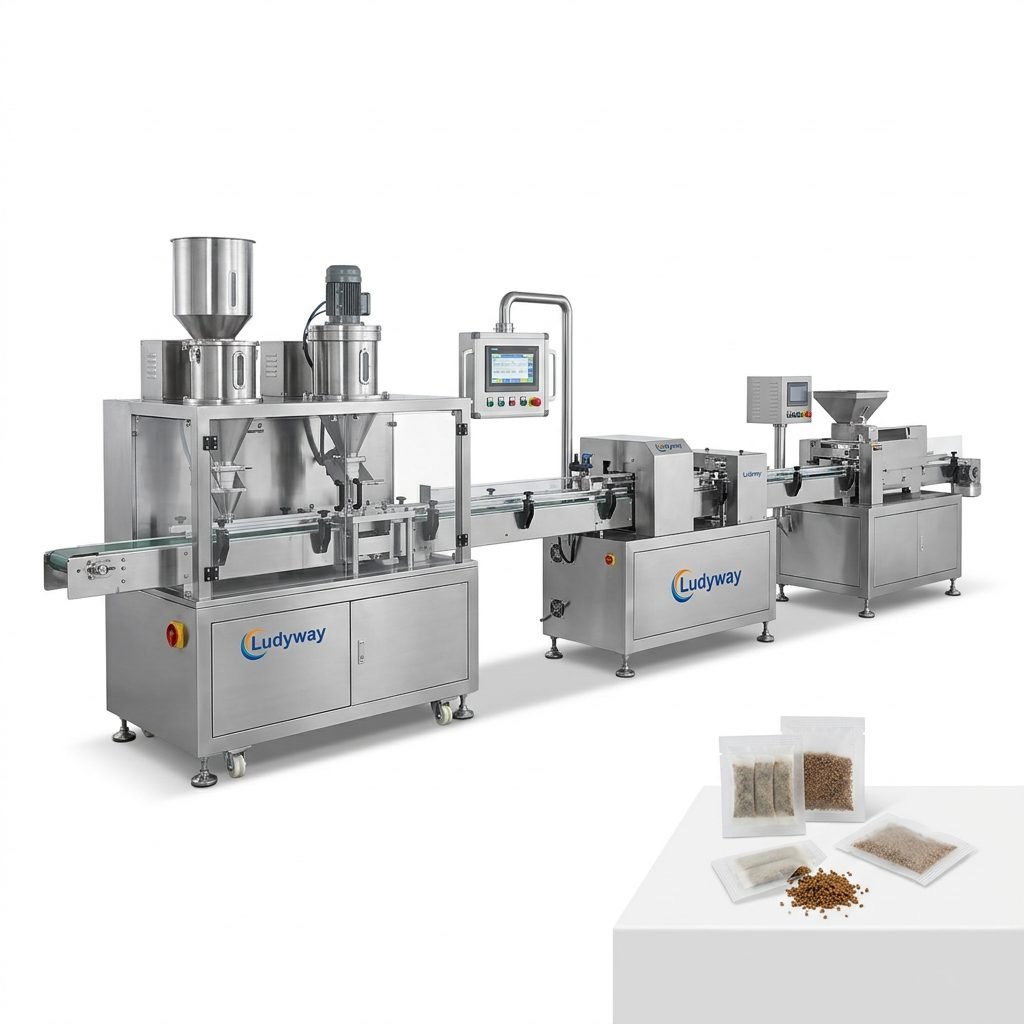
Consider how the packager will fit into your line. Can it be easily integrated with upstream equipment like cooling conveyors or downstream systems like case packers? Features like PLC control with HMI touchscreens and connectivity for data tracking are key for modern, automated production environments.
How to Choose the Best Biscotti Packaging Solution
Making the right investment requires a structured evaluation of your business requirements. Follow this step-by-step framework.
Step 1: Analyze Your Product & Packaging Format
Define your product specifications (dimensions, weight, fragility) and desired final package (single bar in flow wrap, 5-pack in a bag, gift box). Create physical samples. This clarity is the foundation for all subsequent decisions and discussions with suppliers like Ludyway Packaging Machinery.
Step 2: Assess Your Production Volume & Growth
Calculate your average daily/weekly output and peak demands. Choose a machine that meets your current needs with about 20-30% spare capacity for growth. Over-investing in a vastly oversized machine leads to unnecessary cost and complexity.
Step 3: Evaluate Your Facility & Operational Constraints
Measure your available floor space, power supply (voltage, phase), and compressed air access. Ensure the machine’s footprint and utility requirements align with your facility’s layout and capabilities.
Step 4: Prioritize Key Features and Budget
Balance your “must-have” features (e.g., gentle handling, specific seal type) with your budget. Consider Total Cost of Ownership (TCO), which includes not just the purchase price but also installation, maintenance, energy consumption, and spare parts. A reliable partner with a strong track record, such as the experts at Ludyway Machinery, can provide valuable guidance here.
Step 5: Request Demos & Supplier Evaluation
Never buy based on specifications alone. Always request a live or recorded product test using your actual biscotti and packaging materials. Evaluate the supplier’s after-sales support, availability of spare parts, training programs, and their experience in the food sector. A supplier’s industry expertise, like the 30+ years behind some established brands, is a strong indicator of reliable support.
✔ Final Checklist Before Purchase
- Has the machine been tested with MY product and materials?
- What is the estimated changeover time between my main product variants?
- What is the warranty period and what does it cover?
- Is local technical support or remote diagnostics available?
- Can the supplier provide references from other biscotti or bakery clients?
Frequently Asked Questions (FAQs)
What is the most cost-effective packaging machine for a small biscotti bakery?
For small-scale operations, a semi-automatic horizontal flow wrapper or a tabletop VFFS machine often offers the best balance of cost, simplicity, and professional results. They require more manual loading but have a lower initial investment and are easier to operate.
How can I prevent my biscotti from breaking inside the package during the machine process?
Breakage is primarily addressed through gentle product handling systems. Work with your machine supplier to implement customized buckets, vibratory feeders with adjustable amplitude, and soft conveyor belts. Properly aligning the product infeed to minimize tumbling or drops is also critical.
Can one machine handle different biscotti sizes and packaging types?
Many modern machines offer good flexibility, but there are limits. A single horizontal flow wrapper can typically adjust to handle a range of lengths and widths. However, switching from flow-wrapping individual bars to packaging multi-packs in boxes usually requires two different machines or a highly modular, integrated system.
What packaging materials are best for keeping biscotti fresh and crisp?
High-barrier films with good moisture resistance are essential. Metallized polyester or polypropylene films are common choices. For a premium feel and excellent barrier, consider laminates. The key is to run material compatibility tests with your chosen machine’s sealing system to ensure a perfect, airtight seal every time.
Why is supplier support so important when buying a packaging machine?
Machines require maintenance, occasional repairs, and operator training. A supplier with strong technical support, readily available spare parts, and industry expertise—like those with decades of experience in food packaging—ensures minimal downtime, longer machine life, and a better return on your investment. Their knowledge can also help you optimize your entire packaging process.