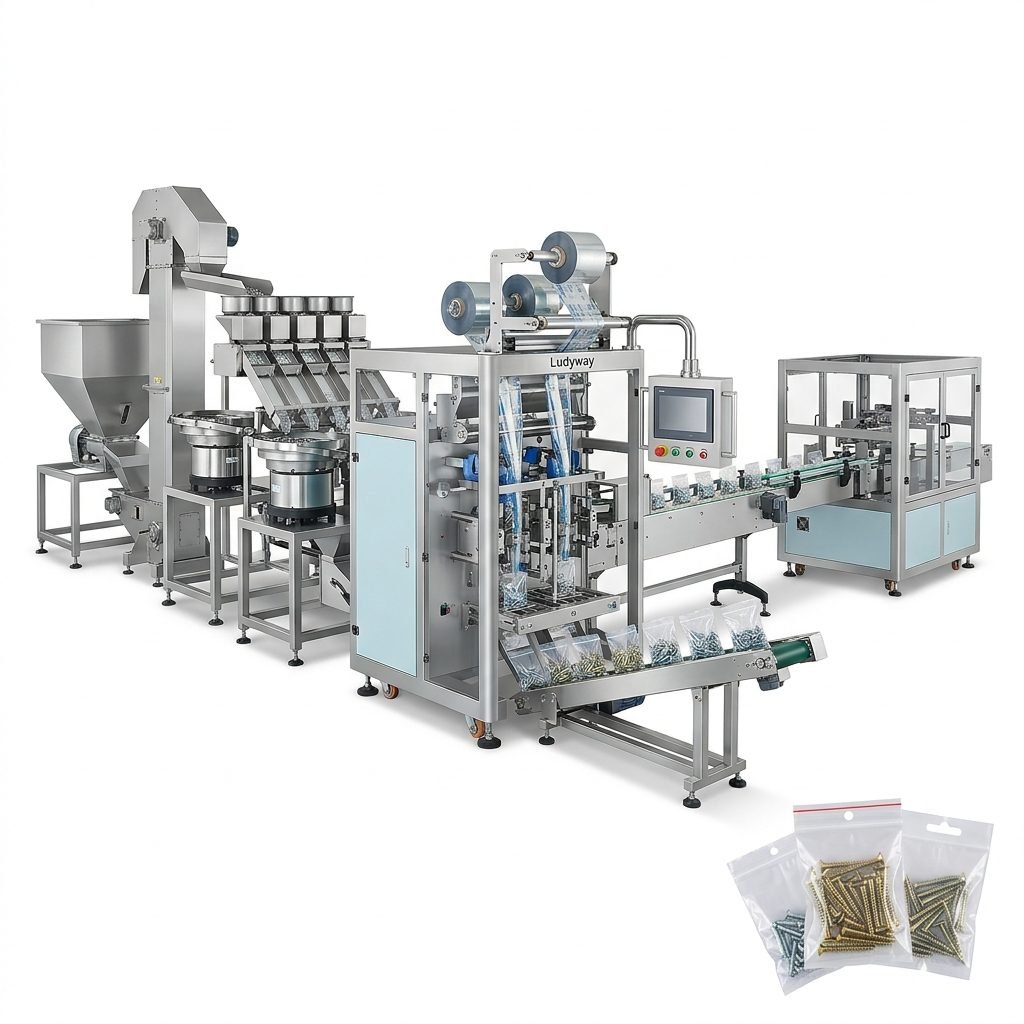
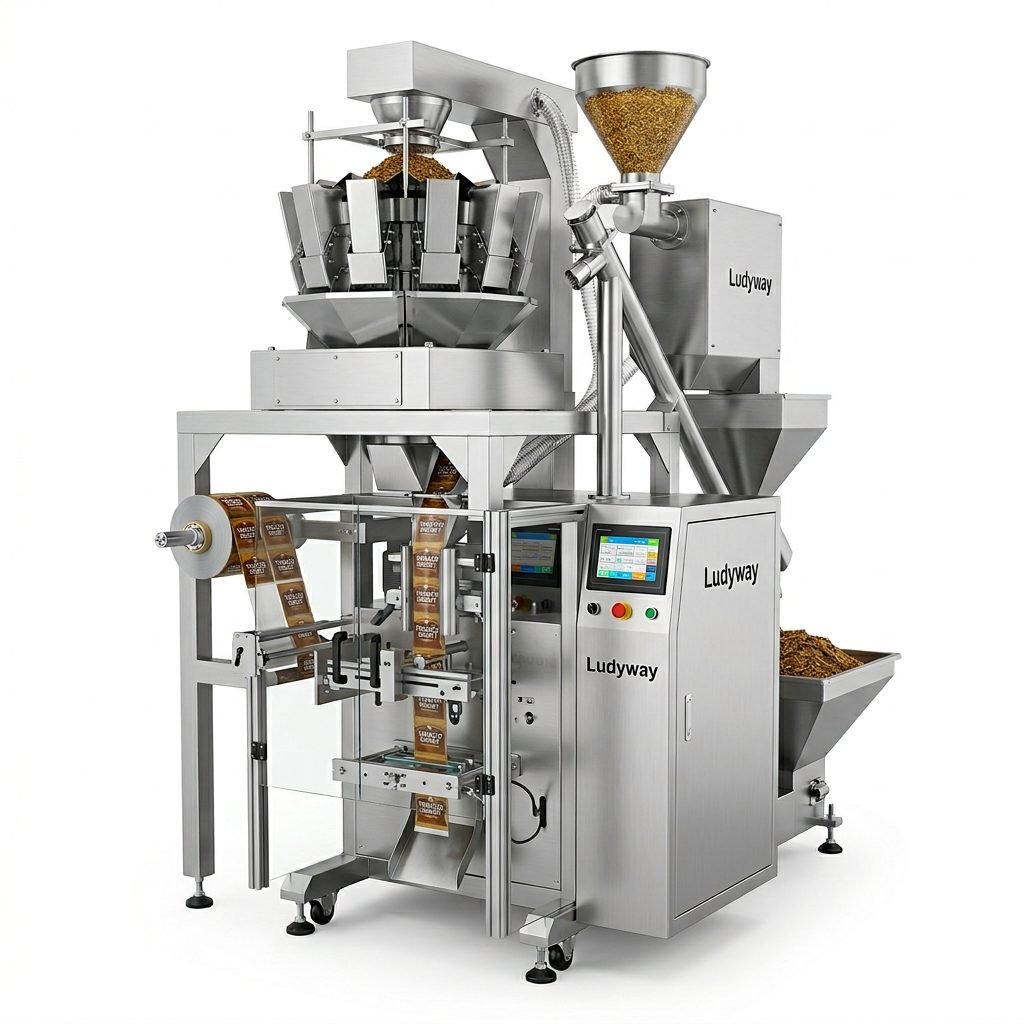
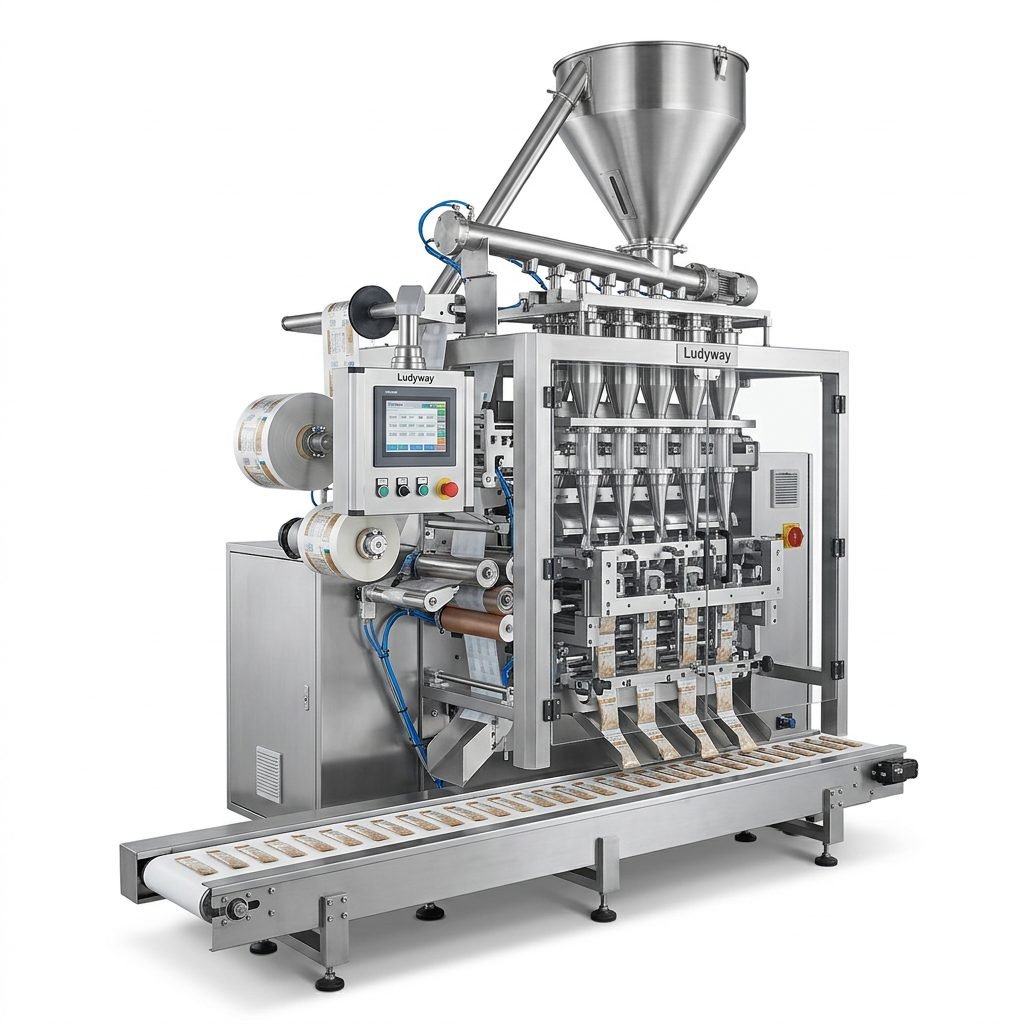
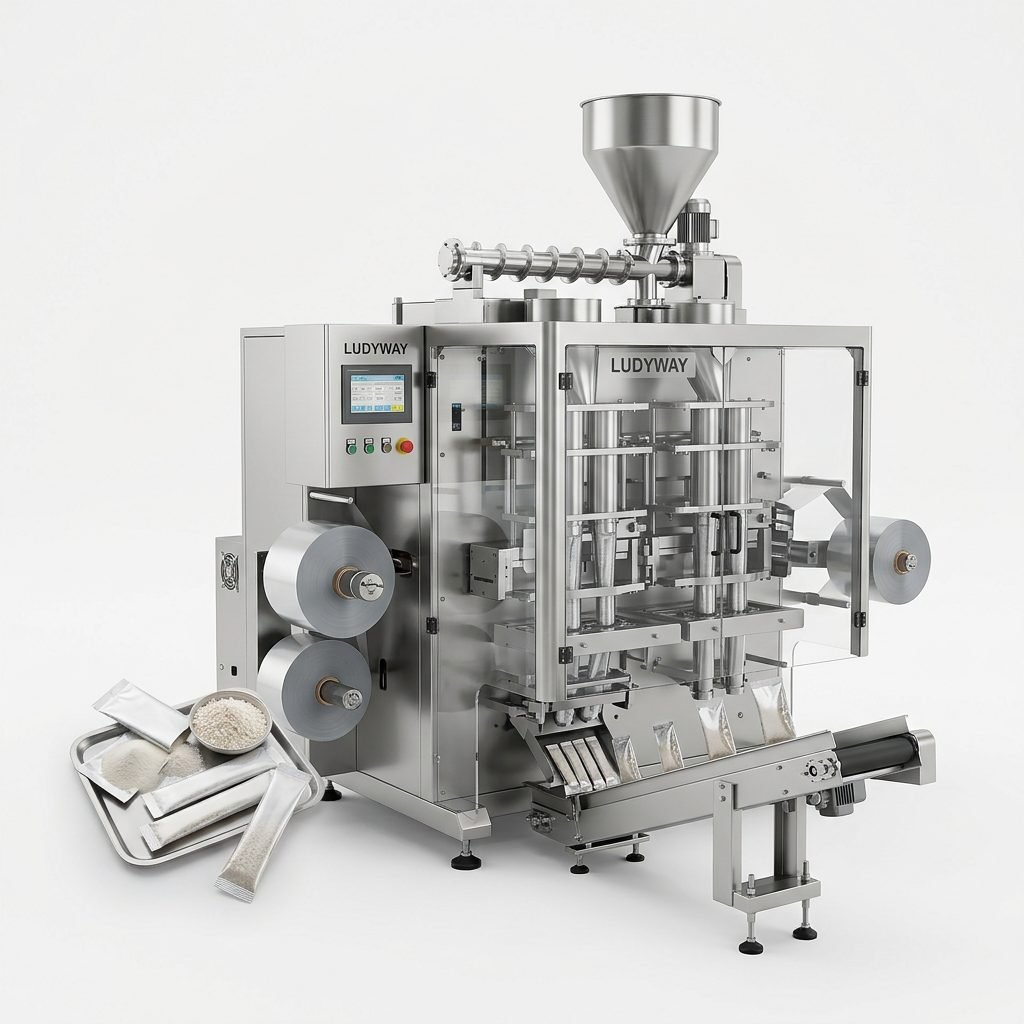
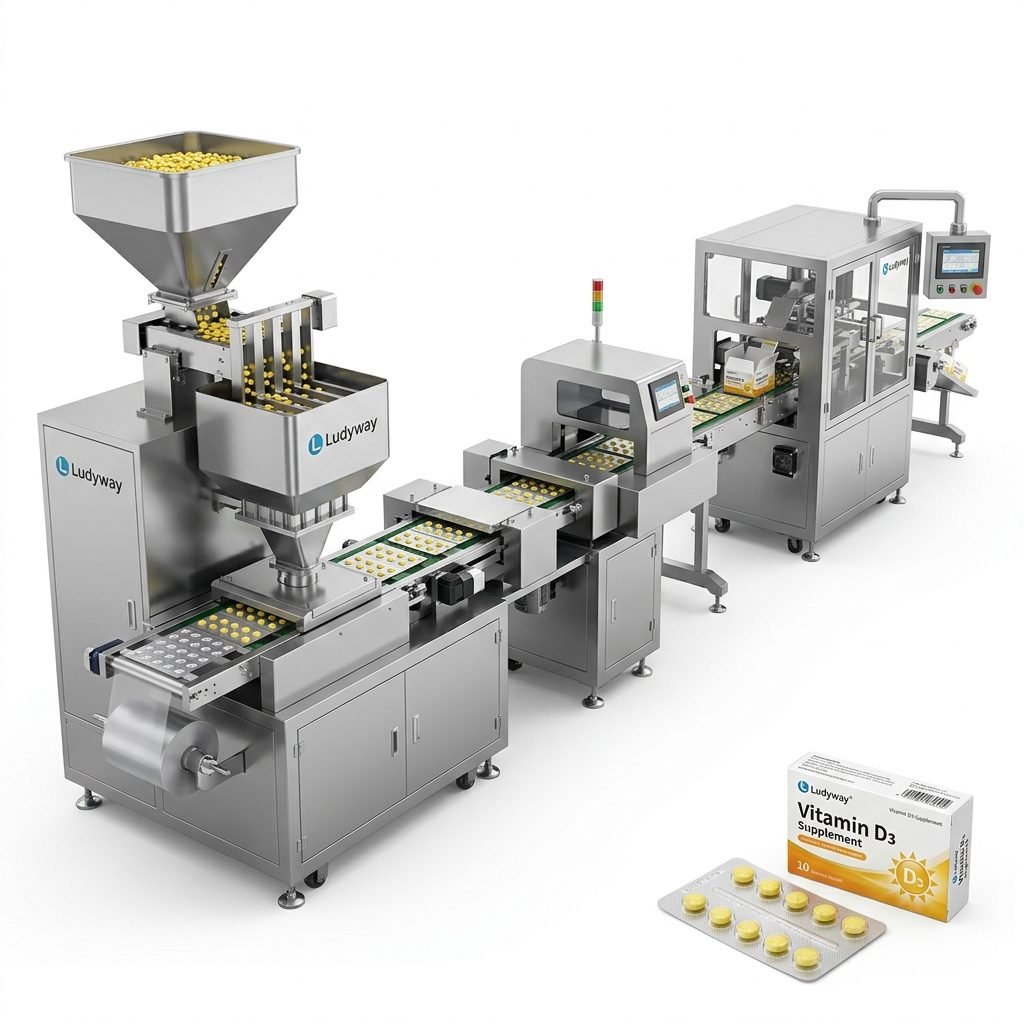
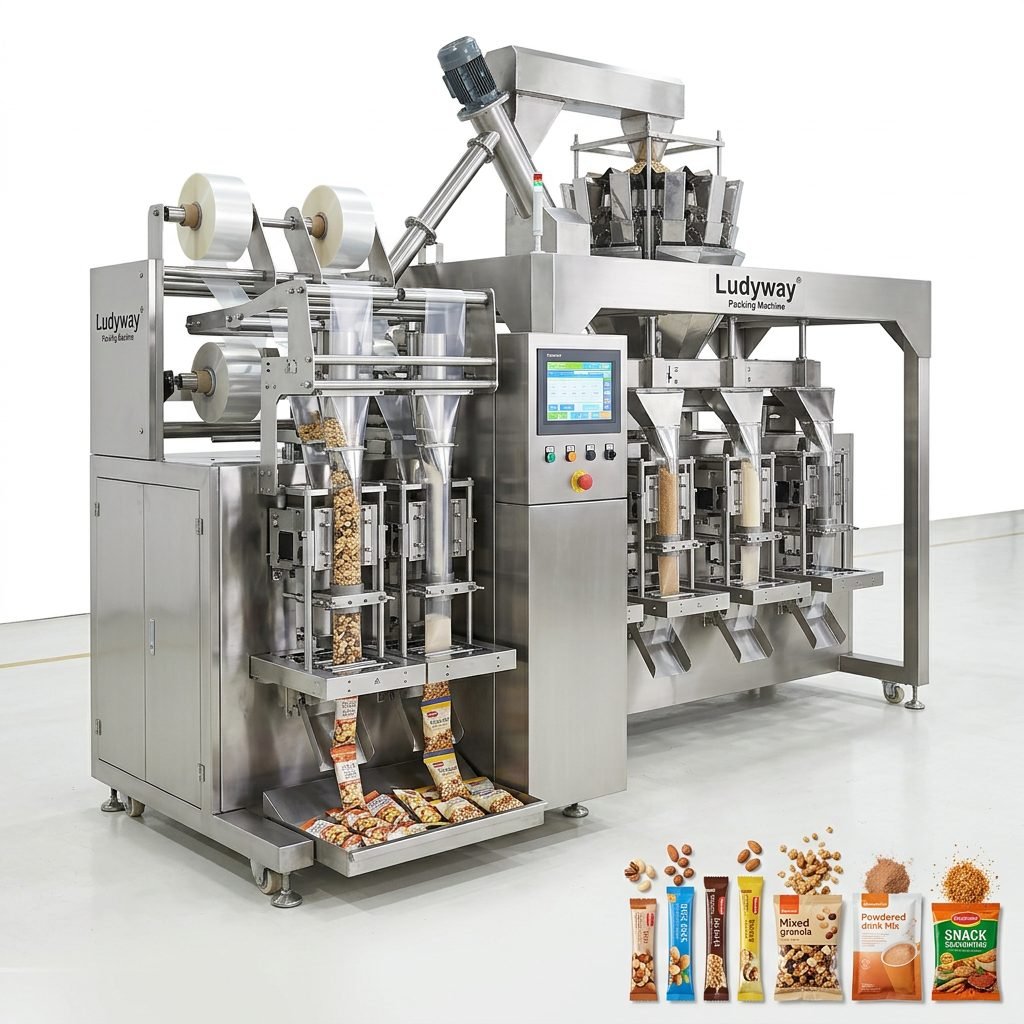
Investing in a dairy packaging machine is a critical decision that directly impacts product shelf life, operational efficiency, and brand reputation. Whether you are packaging liquid milk, yogurt, cheese, butter, or powdered dairy products, the right equipment ensures food safety, minimizes waste, and keeps up with production demands. This comprehensive buyer’s guide walks you through the essential factors to consider before making this important capital investment.
Understanding Your Dairy Product Characteristics
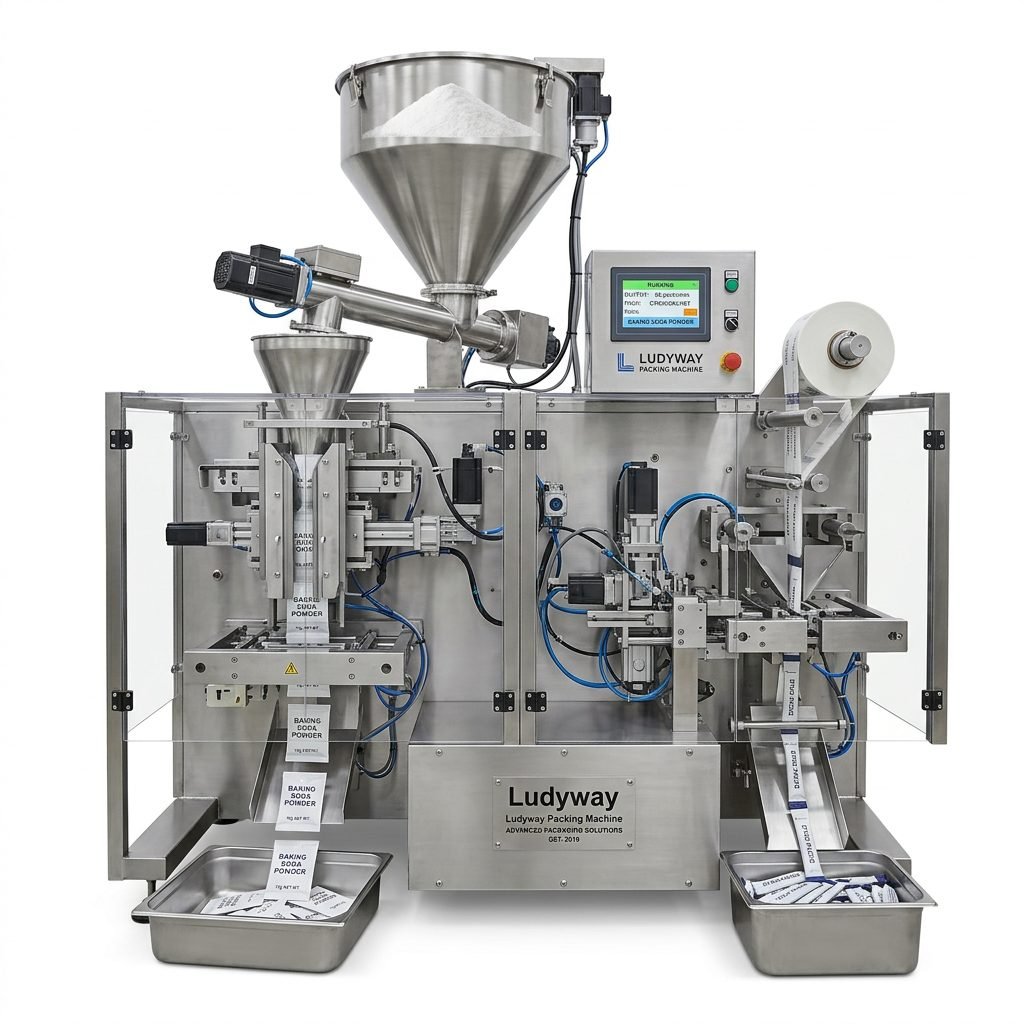
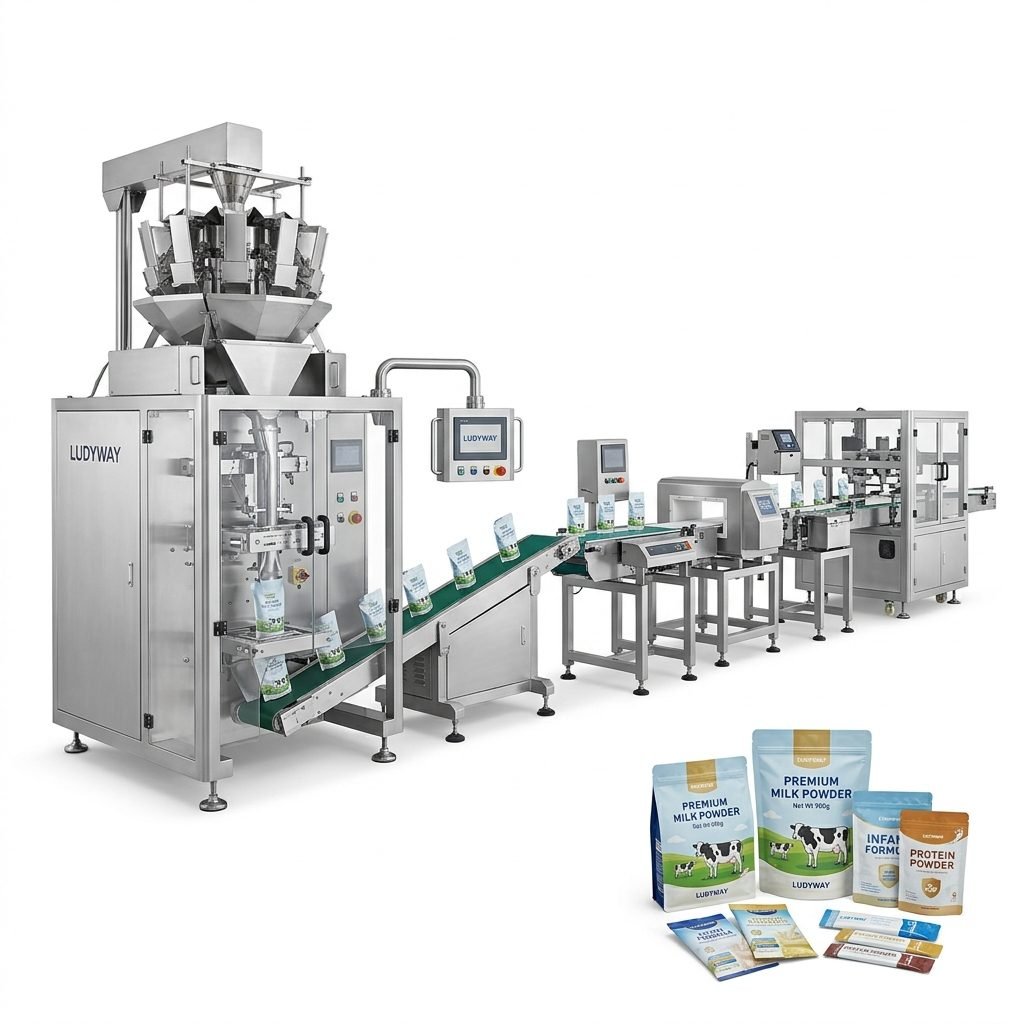
Dairy products vary significantly in viscosity, fat content, temperature sensitivity, and bacterial susceptibility. A one-size-fits-all approach simply does not work. The first step in choosing the right dairy packaging machine is analyzing your specific product. Liquid milk requires aseptic filling environments, while viscous products like yogurt or sour cream need positive displacement pumps and wider filling nozzles. Powdered milk and whey protein, on the other hand, demand automatic packaging equipment with auger or volumetric filling systems to manage dust and ensure accurate portion control. Failure to match the machine to the product’s physical properties is a common and costly mistake.
Key Machine Types for the Dairy Industry
The dairy sector utilizes several distinct packaging technologies, each suited for specific formats. Below is a comparative overview of the most common configurations available today.
| Machine Type | Best For | Key Advantage |
|---|---|---|
| Aseptic Filling Machines | Liquid milk, cream, ESL products | Extended shelf life without refrigeration |
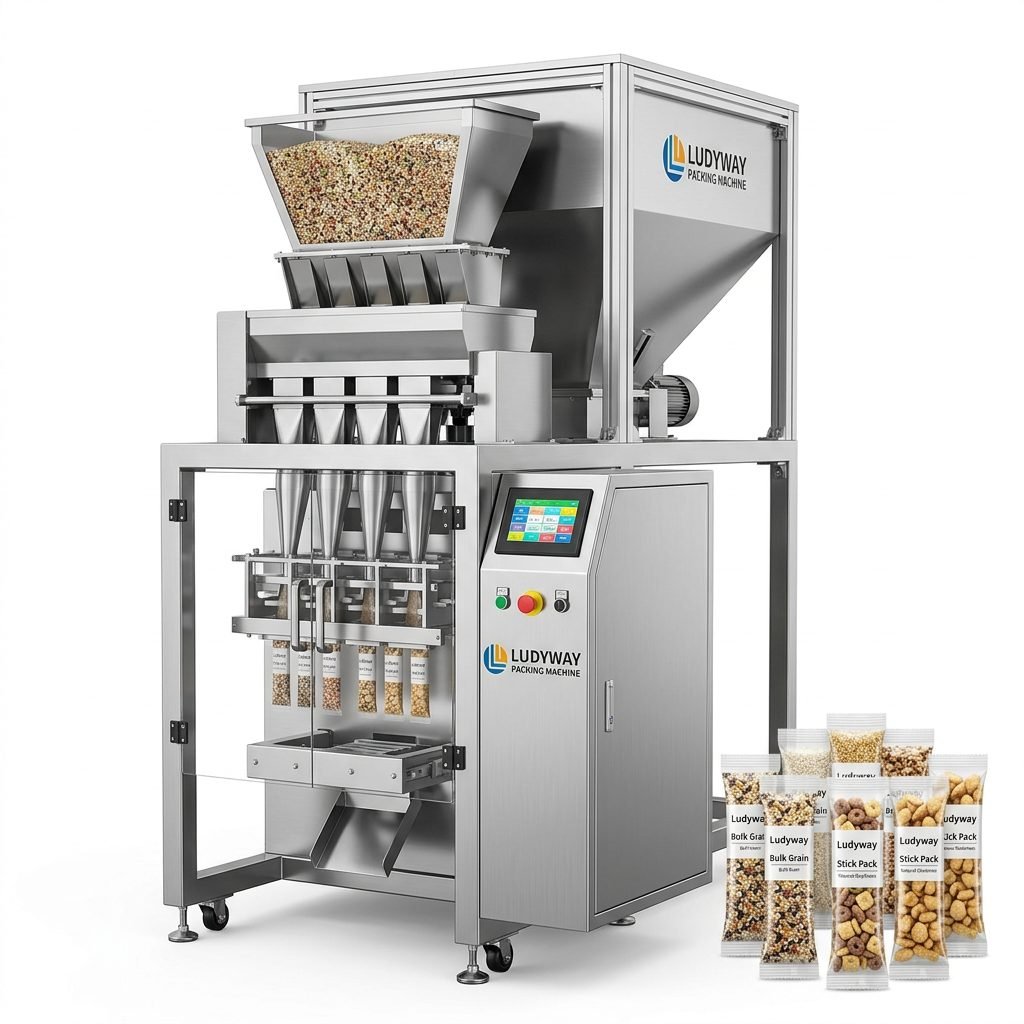
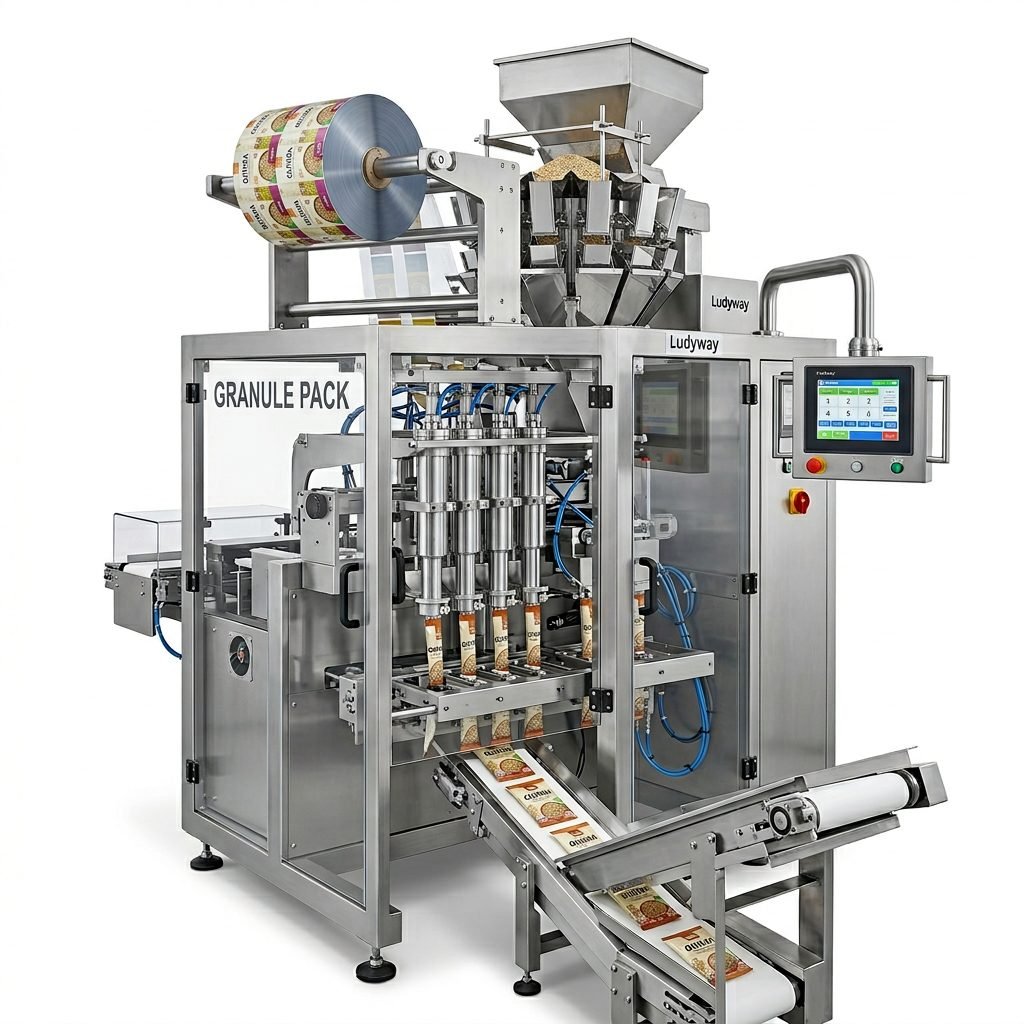
| Form-Fill-Seal (FFS) Machines | Sachets, stick packs, portion cups | High-speed, versatile bag formats |
| Pre-Made Pouch Fillers | Gusseted pouches, spouted pouches | Premium shelf presentation, re-closable options |
| Bottle & Cup Fillers | Yogurt, butter, cheese, cream | Handles chunky or thick products effectively |
Hygiene and Compliance: Non-Negotiable Requirements
In dairy processing, hygienic design is not optional. Look for machines constructed with 304 or 316L stainless steel contact parts and IP65/IP66 washdown ratings. According to FDA packaging and food contact substance regulations, materials must be non-toxic and impervious to dairy fats and acids. CIP (Clean-in-Place) capability is a critical feature that significantly reduces downtime between production runs. Your equipment must also align with ISO packaging standards and, where required, meet European packaging waste directives regarding recyclable and reusable materials.
Automation and Production Line Integration
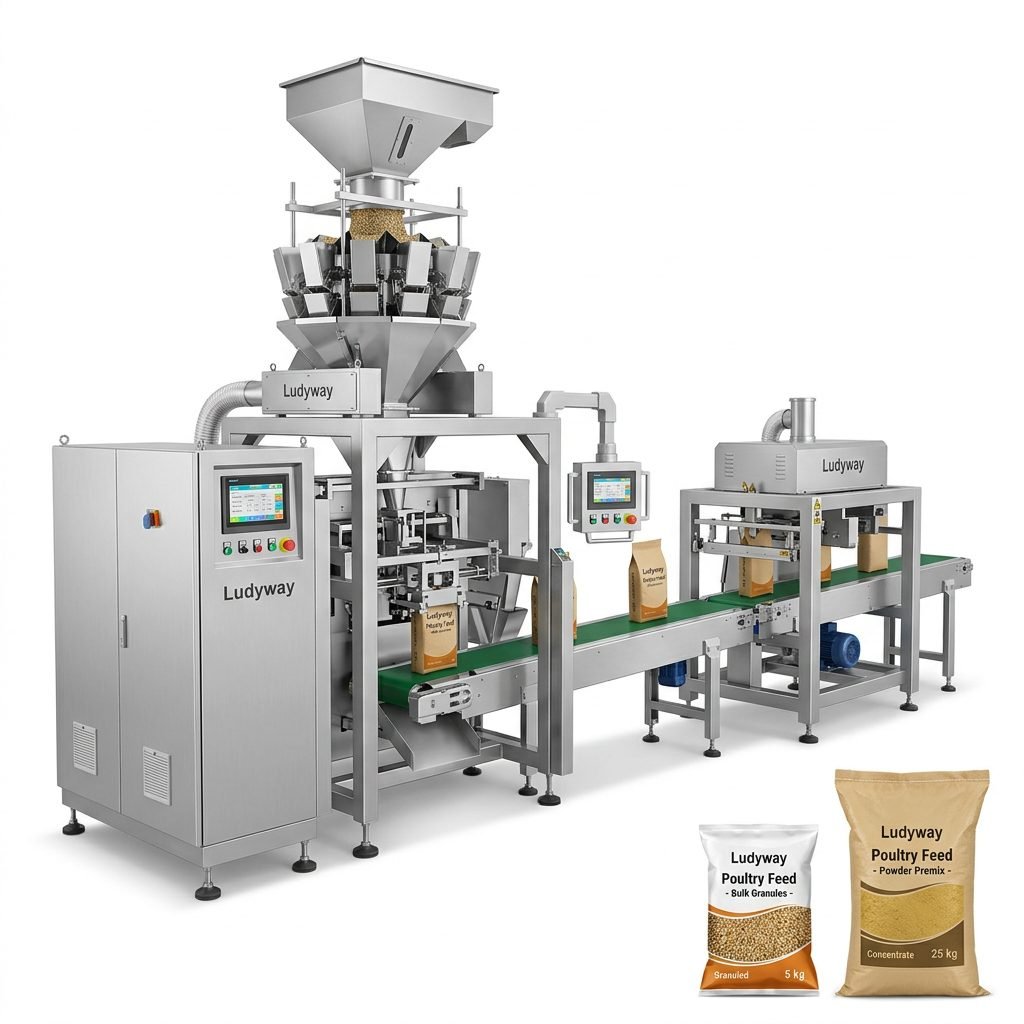
Modern dairies rarely purchase a standalone machine in isolation. The ideal dairy packaging machine should seamlessly integrate with upstream processing (pasteurizers, homogenizers) and downstream equipment (carton erectors, case packers, palletizers). Consider whether you need turnkey packaging line solutions that include automated feeding, multi-head weighing, vision inspection, and reject systems. Data from the PMMI packaging machinery market research indicates that integrated lines reduce labor costs by up to 40% while improving overall equipment effectiveness (OEE).
Key Technical Specifications to Evaluate
- • Filling Accuracy: Especially critical for high-value dairy powders and supplements. Look for volumetric or net-weight dosing with ±1% precision.
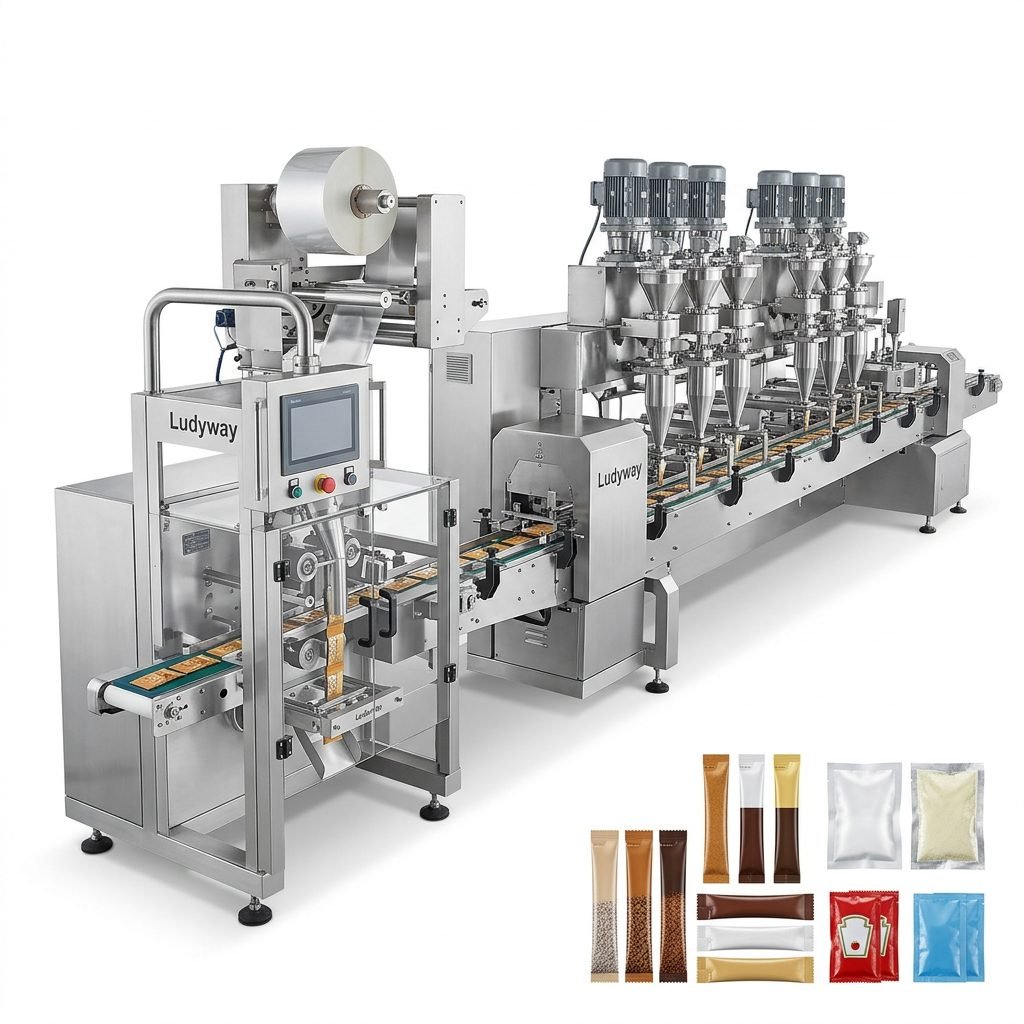
- • Speed & Output: Defined in packs per minute (PPM) per lane. Ensure the machine’s rated speed matches your peak production targets with headroom.
- • Gas Flushing (MAP): Many dairy powders require nitrogen flushing or modified atmosphere packaging to extend shelf life and preserve freshness.
- • Changeover Time: If you run multiple SKUs or formats, quick tool-less changeover features can save hours per week.
Selecting the Right Supplier Partner
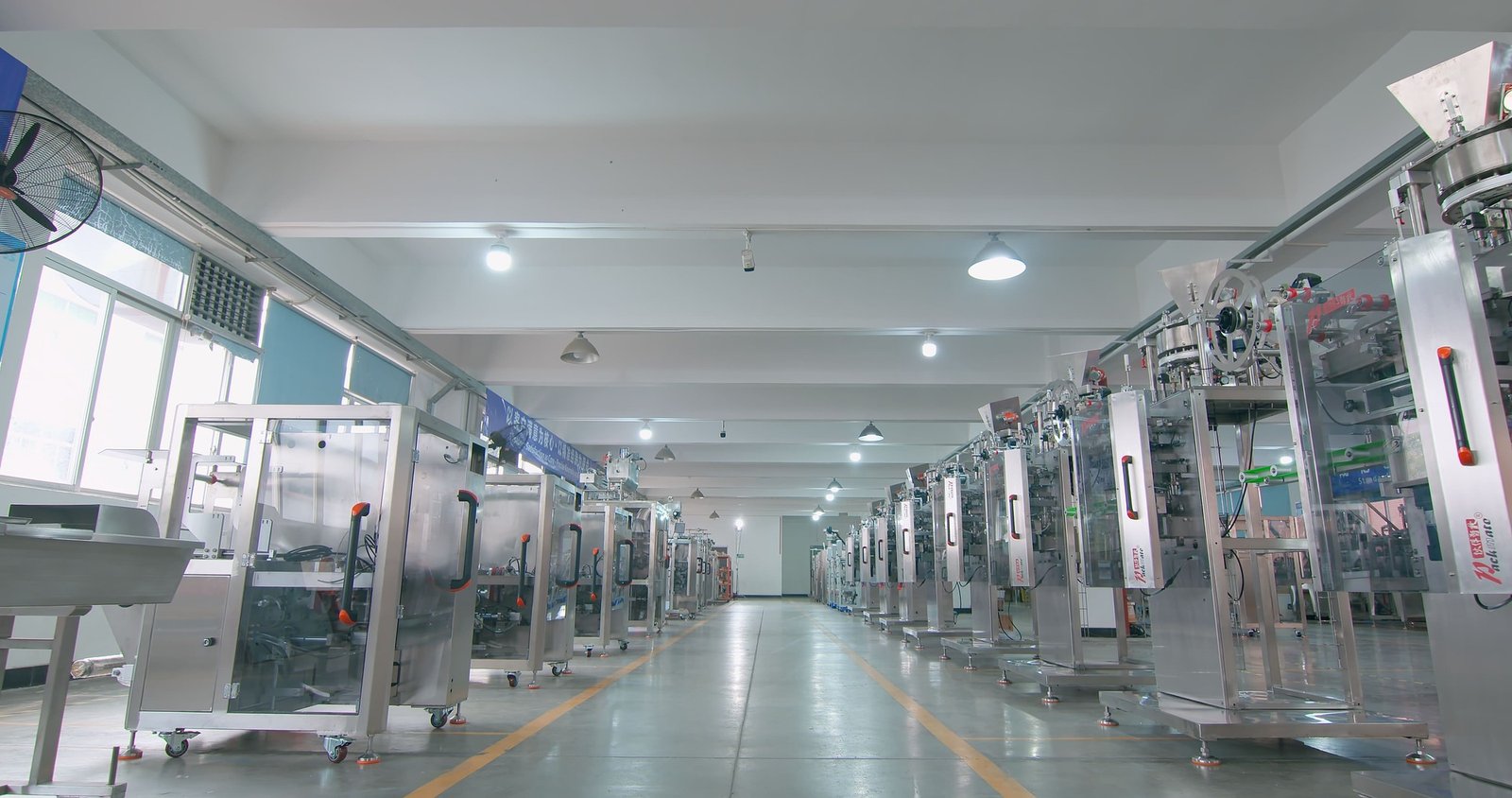
Beyond technical specs, the manufacturer’s experience level is paramount. A partner with proven engineering capabilities can help you navigate complex decisions about multi-lane configurations, secondary packaging, and factory layout. This is where the expertise of companies like Ludyway Machinery becomes valuable. As a China-based packaging machinery manufacturer with over 30 years of industry experience, they provide customized equipment and integrated production lines for manufacturers worldwide. Their comprehensive portfolio covers stick pack, sachet, pouch, and liquid applications suitable for dairy products, backed by in-house manufacturing and global technical support. You can read more about their global growth trajectory in this industry growth report.
Questions to Ask Your Equipment Manufacturer
- Can the machine be configured for multiple bag formats (stick packs, sachets, pouches) on the same platform?
- What is the lead time for critical spare parts in my region?
- Does the supplier offer remote technical support and troubleshooting?
- Can they provide validation documentation (IQ/OQ/PQ) for pharmaceutical or medical dairy applications?
Total Cost of Ownership and ROI
While initial purchase price matters, a cheaper machine often leads to higher long-term costs. Calculate the total cost of ownership by factoring in energy consumption, film waste rates, maintenance contracts, and expected downtime. A high-quality multi-lane dairy packaging system from a reputable manufacturer may cost more upfront but delivers better throughput and reliability. The true economic sweet spot aligns machine capability with realistic production volume forecasts, not aspirational peaks.
Sustainability and Future Trends
The flexible packaging landscape is shifting rapidly. The Flexible Packaging Association highlights growing demand for mono-material recyclable films and reduced plastic usage. When purchasing a new dairy packaging machine, verify that it can run biodegradable or recyclable films without compromising seal integrity. Similarly, the 2026 State of the Industry report from PMMI projects increased use of smart sensors and IoT connectivity for predictive maintenance—features that will keep your line competitive for the next decade.
Final Selection Checklist
Before signing a purchase order, ensure you have addressed these final points:
| Checklist Item | Status |
|---|---|
| Material compatibility verified with actual product samples | ☐ |
| Hygienic design meets 3-A or equivalent dairy standards | ☐ |
| Integration plan for existing upstream/downstream equipment | ☐ |
| Local service support and spare parts availability confirmed | ☐ |
| Total cost of ownership calculated over 5-year period | ☐ |
Choosing the right dairy packaging machine is a strategic decision that requires balancing product integrity, production efficiency, and long-term cost. By thoroughly analyzing your product characteristics, evaluating hygienic design, confirming automation needs, and partnering with an experienced supplier, you can secure a packaging solution that supports your brand’s growth and quality standards for years to come.