Finding the right blister packaging machine for sale can directly affect your production speed, packaging quality, compliance performance, and long-term operating cost. Whether you package tablets, capsules, medical devices, consumer goods, or small hardware parts, choosing the right machine means balancing output, material compatibility, automation level, and after-sales support.
This guide explains the best machine options, key features to compare, pricing factors, and how to choose the most suitable solution for your business.
What Is a Blister Packaging Machine?
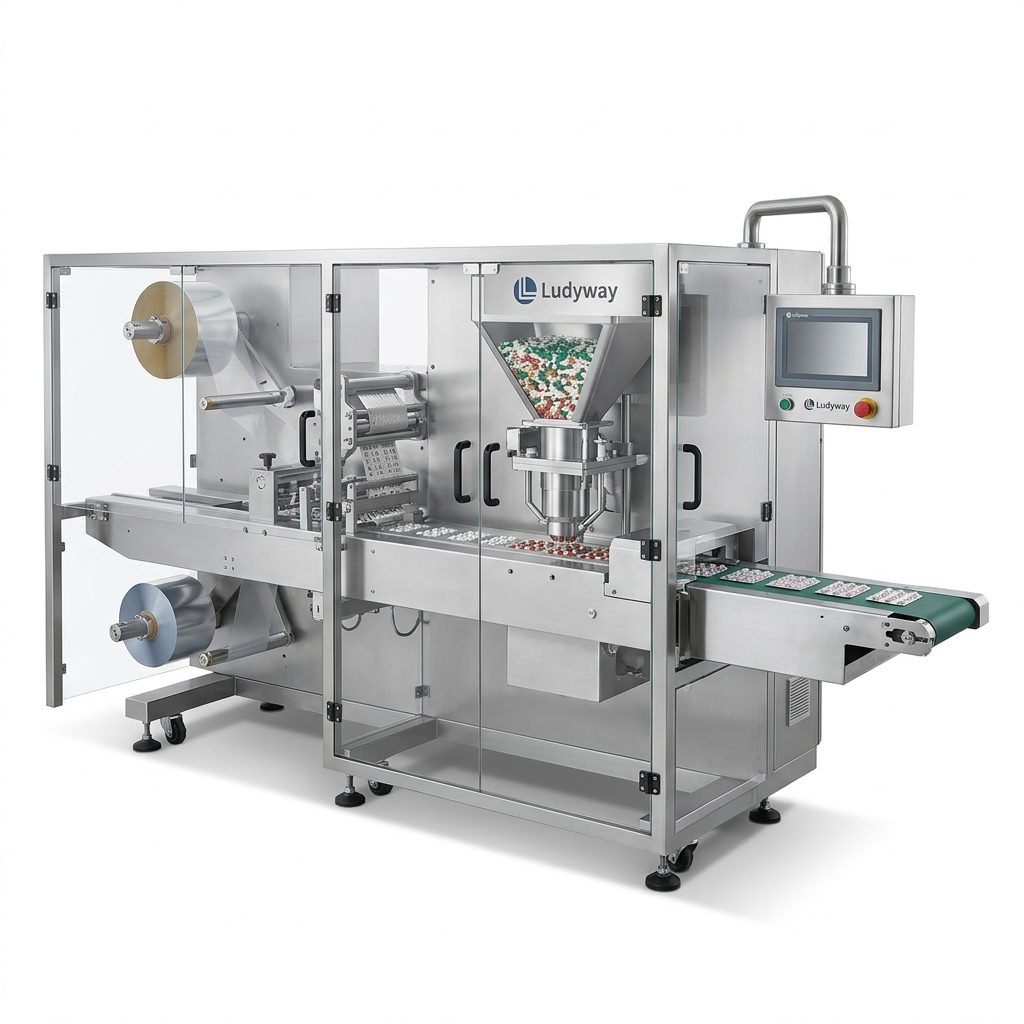
A blister packaging machine is an automated system used to form cavities from plastic film or aluminum material, fill them with products, and seal them with lidding material. These machines are widely used in:
- Pharmaceuticals for tablets, capsules, and pills
- Medical industries for syringes, ampoules, and diagnostic kits
- Nutraceuticals for supplements and health products
- Consumer goods for batteries, razor heads, and electronics accessories
- Food applications for chewing gum, candy, and portion-packed items
The main purpose of blister packaging is to provide product protection, unit-dose convenience, tamper evidence, visibility, and shelf appeal.
Best Blister Packaging Machine Options
The best option depends on your product type, packaging material, and required production capacity. Below is a practical comparison of the most common machine categories.
| Machine Type | Best For | Advantages | Considerations |
|---|---|---|---|
| Thermoforming blister machine | PVC, PVDC, PET blister packs | Clear packaging, lower material cost, strong presentation | Less barrier protection than alu-alu |
| Cold forming alu-alu blister machine | Moisture-sensitive and light-sensitive pharma products | Excellent barrier protection, long shelf life | Slower speed and higher material cost |
| Roller plate blister machine | Medium to high speed pharmaceutical packaging | Stable forming and sealing, suitable for mass production | Requires precise setup and maintenance |
| Flat plate blister machine | High sealing quality, aluminum-based structures | Strong sealing pressure and good consistency | Can be slower than some roller designs |
| Automatic blister cartoning line | Integrated pharmaceutical packaging plants | Higher automation, fewer labor requirements | Higher upfront investment |
Key Features to Look For
When comparing a blister packaging machine for sale, focus on features that affect both present production and future scalability.
1. Forming Method
Choose between thermoforming and cold forming based on barrier requirements. Thermoforming is common for visual retail packaging, while cold forming is preferred for sensitive pharmaceutical products.
2. Output Speed
Machine speed is usually measured in strokes per minute or blisters per minute. A small manufacturer may need only moderate output, while large-scale plants often require continuous high-speed operation.
3. Material Compatibility
Make sure the machine supports the materials you plan to use, such as:
- PVC
- PVDC
- PET
- PP
- Aluminum foil
- Alu-alu laminate
4. Product Feeding System
The feeding system should match your product shape and fragility. Tablets, capsules, ampoules, syringes, and irregular products all need different feeding solutions for stable operation.
5. Changeover Efficiency
If you run multiple SKUs, fast mold change and simple parameter adjustment are critical. This reduces downtime and improves production flexibility.
6. Sealing Accuracy
High sealing consistency helps prevent leakage, contamination, or pack rejection. In regulated industries, this is a top priority.
7. Control System
Look for user-friendly HMI controls, servo-driven motion, recipe memory, alarm functions, and data traceability where required.
8. GMP and Compliance Readiness
Pharmaceutical and medical buyers should verify whether the machine design supports GMP production requirements, validation procedures, and cleanable contact parts.
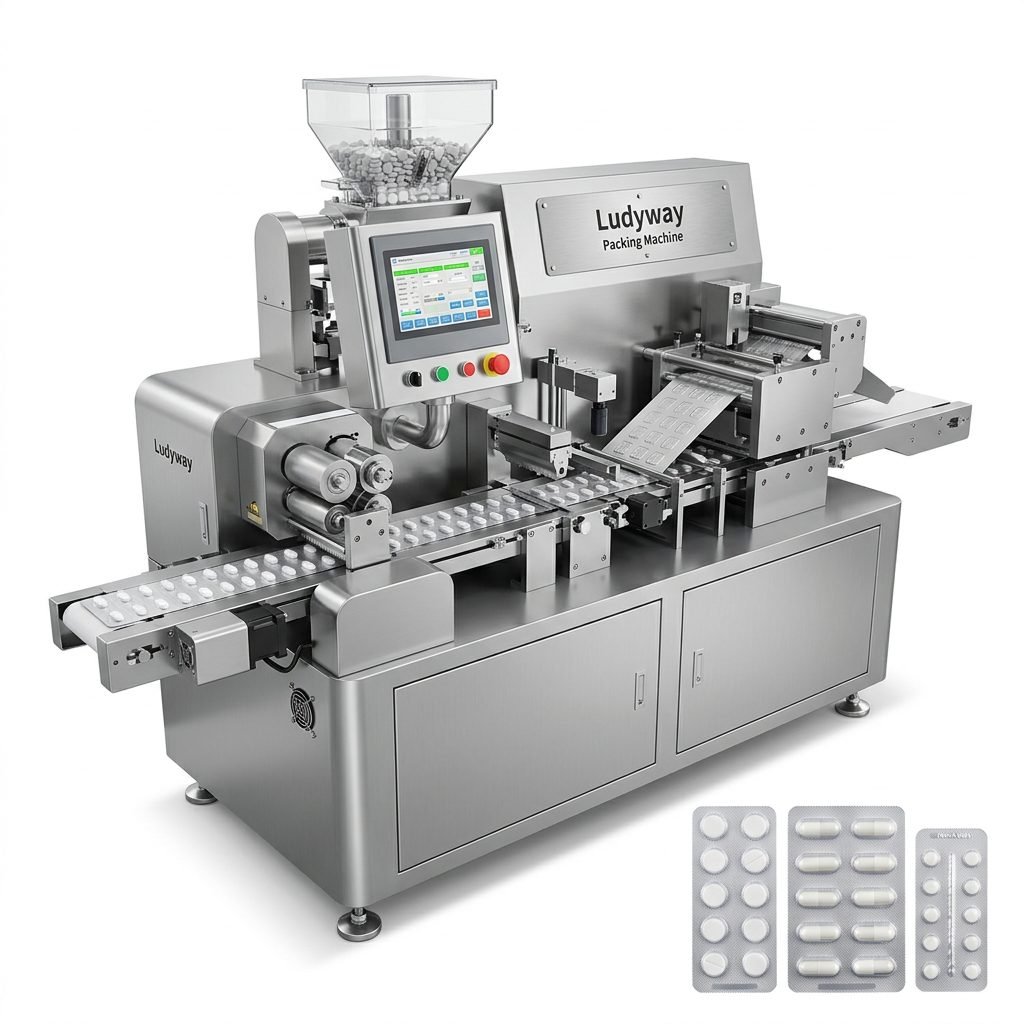
How to Choose the Right Machine for Your Application
Before buying, ask the following practical questions:
- What product are you packaging? Tablets, capsules, medical devices, candy, and hardware all require different machine structures.
- What packaging material do you need? Transparent plastic blister or full barrier aluminum?
- What is your target output? Define hourly and daily production goals before comparing models.
- Do you need stand-alone equipment or a full line? Some buyers need only blister sealing, while others need feeding, printing, cartoning, and case packing integration.
- How often will you change product size? Frequent changeover means flexibility matters more than maximum speed.
- What level of automation do you want? Semi-automatic may suit smaller factories, but automatic lines improve consistency and labor efficiency.
Industries That Commonly Buy Blister Packaging Machines
| Industry | Typical Products | Recommended Machine Type |
|---|---|---|
| Pharmaceutical | Tablets, capsules, pills | Thermoforming or alu-alu blister machine |
| Medical | Syringes, devices, consumables | Custom blister packaging line |
| Nutraceutical | Vitamins, supplements | Automatic blister machine with feeder |
| Consumer goods | Batteries, small electronics, accessories | Thermoforming blister sealing system |
| Food | Candy, gum, portioned items | Customized hygienic blister packaging equipment |
Blister Packaging Machine Price: What Affects the Cost?
Blister packaging machine prices vary significantly depending on machine size, automation, material structure, and customization level. The following factors usually have the biggest impact:
- Machine speed and output capacity
- Thermoforming vs. cold-forming configuration
- Feeding and inspection systems
- Printing, coding, and embossing modules
- Cartoning or end-of-line integration
- Validation documents and regulatory requirements
- Custom molds for unique products
A lower purchase price does not always mean a better investment. It is often more cost-effective to buy equipment with stable forming quality, lower waste, simpler maintenance, and dependable spare parts support.
Should You Buy a Stand-Alone Machine or a Complete Packaging Line?
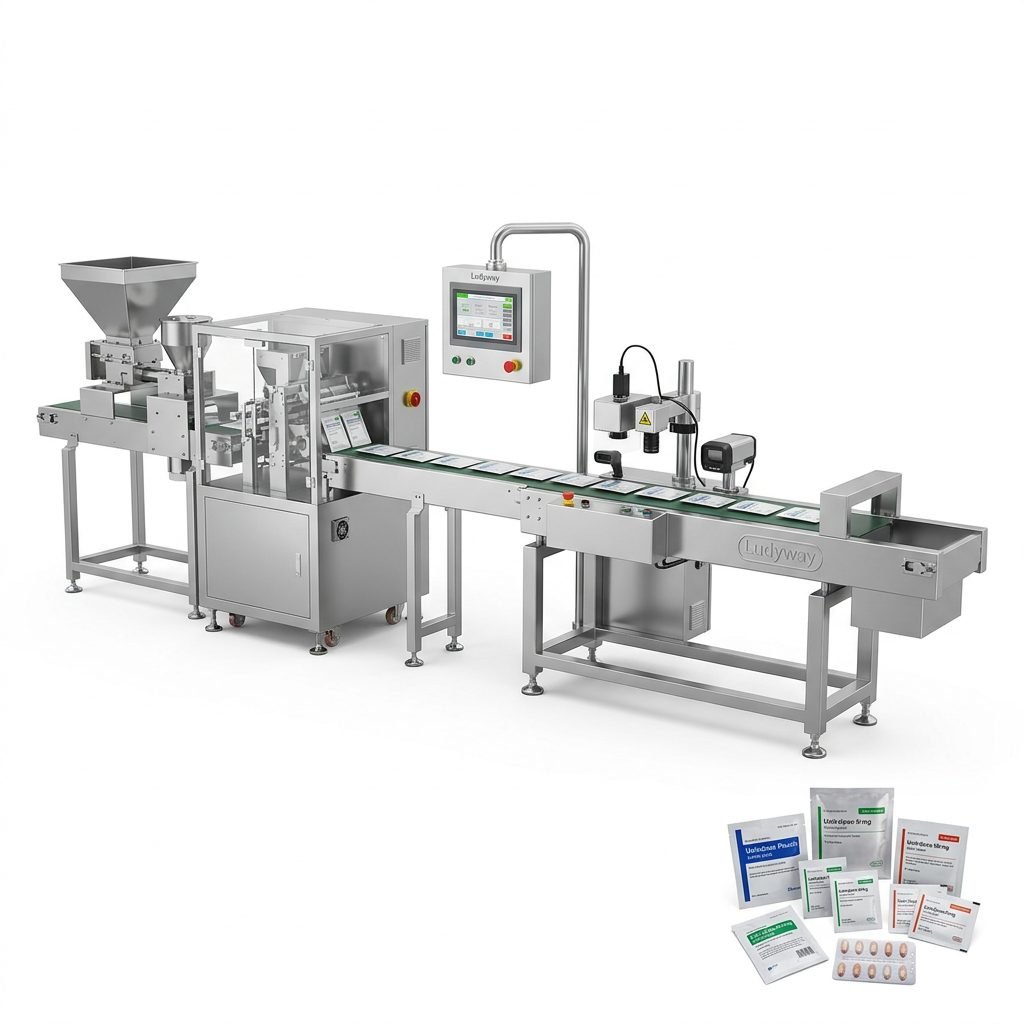
If your production volume is growing, a complete packaging line may be the better choice. A full line can include:
- Automatic product feeding
- Blister forming and sealing
- Batch coding and embossing
- Vision inspection
- Cartoning
- Case packing
- Palletizing
For many buyers, integrated systems reduce handling errors and improve traceability. Companies looking for broader packaging automation solutions often evaluate experienced manufacturers such as Ludyway packaging machine supplier, especially for projects that require customized machinery or turnkey line planning.
Important Questions to Ask Before Buying
- What is the actual production speed under my product conditions?
- Can the machine run both PVC-alu and alu-alu formats?
- How long does format changeover take?
- Are molds included in the quotation?
- What spare parts come with the machine?
- Is remote technical support available?
- Can the machine be connected to cartoning or serialization systems later?
- What certifications or quality documents are available?
Common Buying Mistakes to Avoid
Many buyers focus too heavily on speed or price and overlook the details that affect real-world performance. Avoid these common mistakes:
- Choosing a machine without verifying material compatibility
- Ignoring change parts and mold costs
- Buying high speed equipment for low-mix, high-changeover production
- Overlooking cleaning and maintenance access
- Not checking sealing consistency with actual samples
- Failing to assess after-sales response time
Who Should Invest in an Automatic Blister Packaging Machine?
An automatic machine is usually the best fit if your company needs:
- Consistent high-volume production
- Lower labor dependency
- Reduced packaging errors
- Regulated production workflows
- Future integration with cartoning or serialization
Smaller manufacturers or startups may begin with a simpler model, but if your product portfolio is expanding, it is wise to choose a machine platform that can scale.
Final Buying Tips for Better ROI
To get the best return on investment, compare suppliers based on more than just the initial quote. A strong blister packaging machine purchase should combine:
- Reliable machine structure
- Stable sealing and forming quality
- Suitable speed for your real production needs
- Easy operation and maintenance
- Available spare parts and technical service
- Upgrade potential for future line expansion
If possible, send product samples to the manufacturer for testing. A sample-based evaluation helps confirm cavity design, sealing integrity, product feeding accuracy, and overall production feasibility before placing an order.
FAQ
What is the best blister packaging machine for tablets?
For tablets, the best choice is often a pharmaceutical blister machine with automatic feeding, precise sealing, and support for PVC-alu or alu-alu formats depending on barrier requirements.
What is the difference between thermoforming and cold forming blister packaging?
Thermoforming uses heat to shape plastic film and offers product visibility. Cold forming uses aluminum laminate without heating for superior barrier protection.
How much does a blister packaging machine cost?
Cost depends on speed, material support, automation level, feeder type, and whether the machine is stand-alone or part of a complete line. Customized pharma solutions are usually priced higher than standard models.
Can blister packaging machines handle medical devices?
Yes. Many machines can be customized for syringes, catheters, ampoules, and other medical products, especially when integrated with sterile or controlled packaging workflows.
Is a turnkey packaging line better than a single blister machine?
If you need higher throughput, traceability, and less manual handling, a turnkey line is often the better long-term investment.