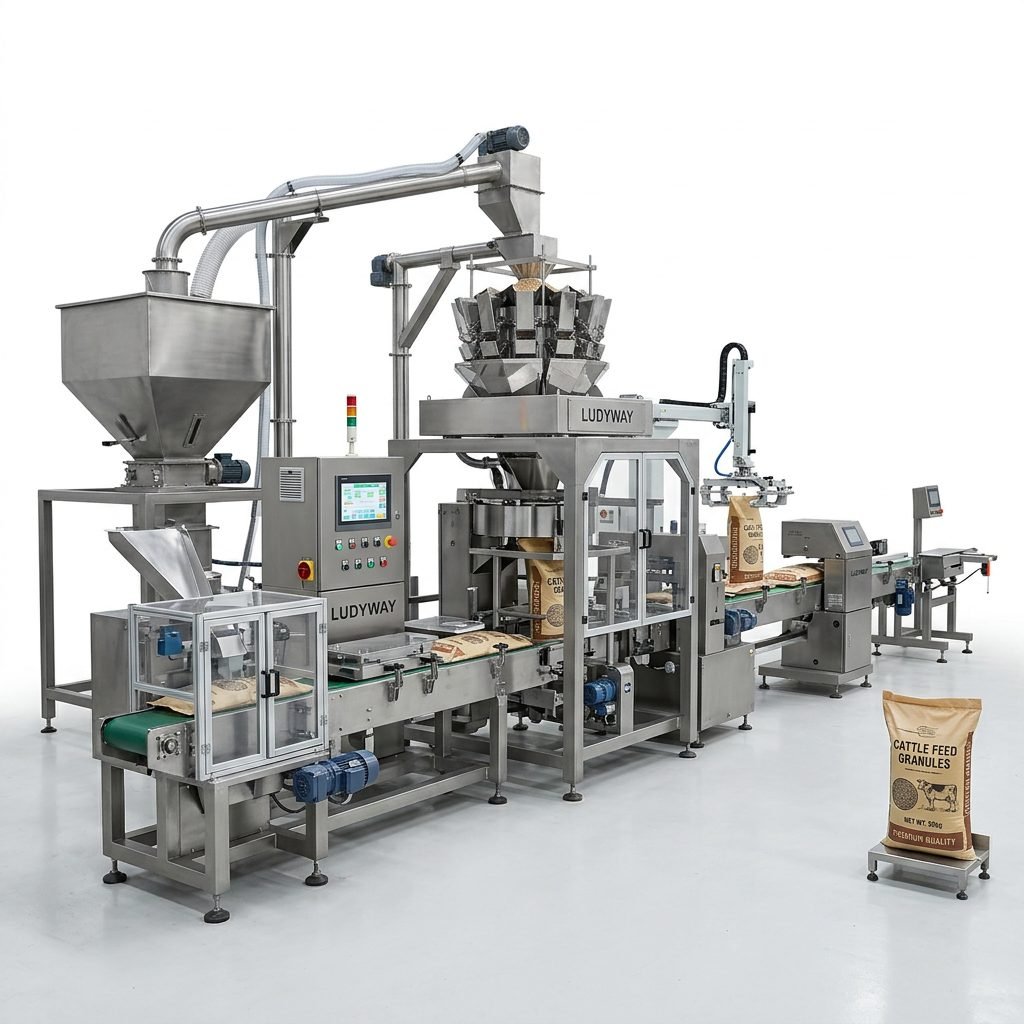
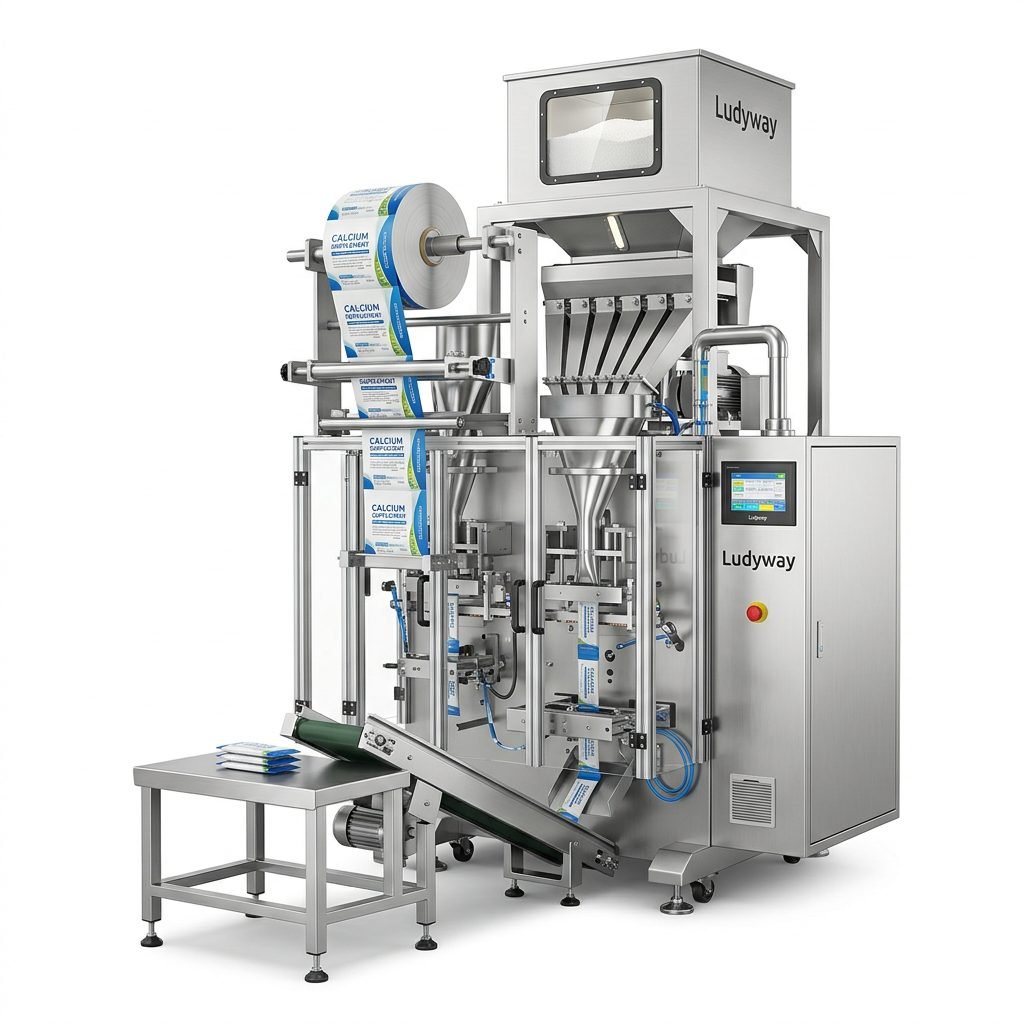
Investing in a masala blister packing machine is a strategic decision for spice manufacturers looking to automate production, extend product shelf life, and improve packaging consistency. With a wide range of machine types, configurations, and suppliers available, selecting the right equipment requires a clear understanding of your product characteristics, production goals, and operational requirements. This guide walks you through the key factors to evaluate when choosing the best blister packing solution for masala and powdered spice products.
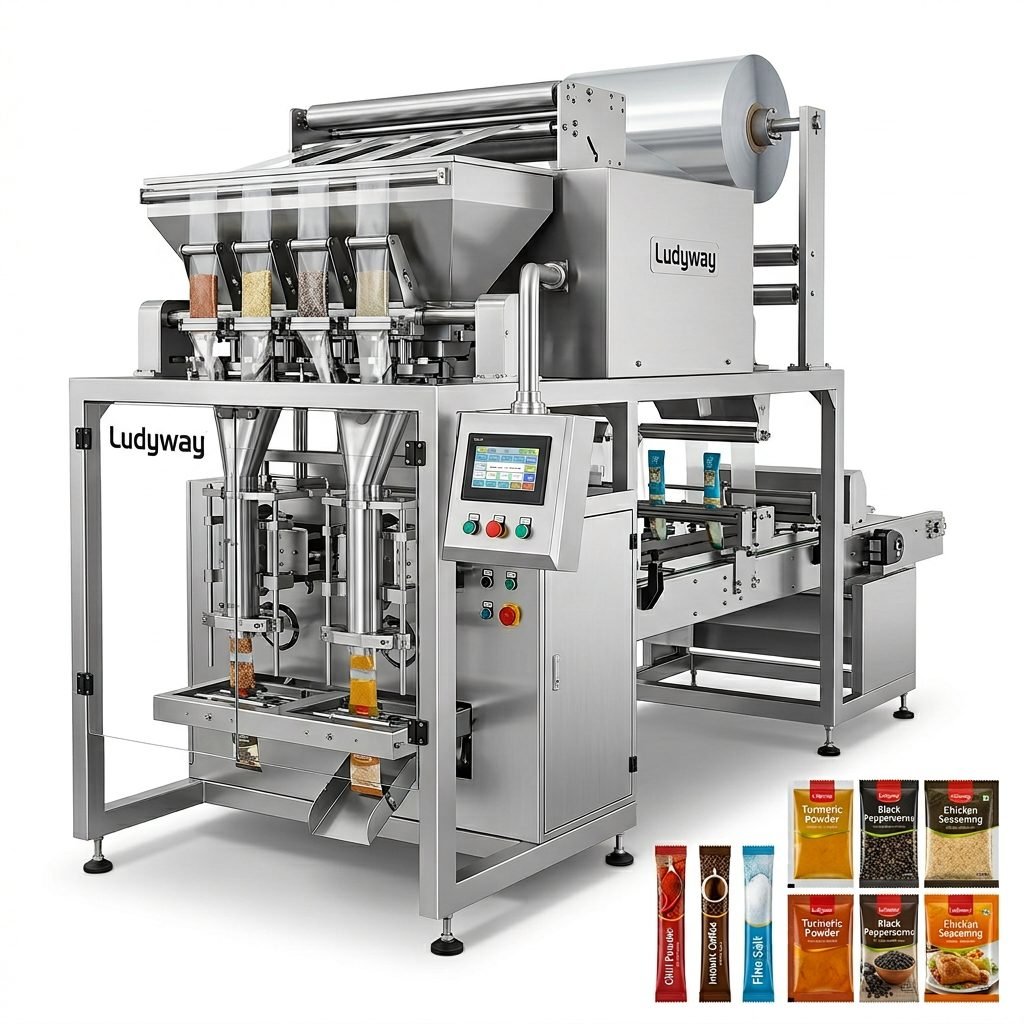
Understanding Masala Blister Packaging Requirements
Masala powders and granule spice blends present unique packaging challenges. Unlike solid tablets, masala products vary in particle size, flowability, and moisture sensitivity. A blister pack for masala must protect the product from humidity, light, and oxygen while maintaining precise portion control. Before evaluating machines, define your specific packaging format — whether you need single-dose blister cavities, multi-compartment trays, or flexible packaging hybrid solutions that combine blister sealing with outer pouch packaging.
Key Product Characteristics to Assess
- Particle size distribution — fine powders flow differently than coarse granules
- Moisture content and hygroscopicity — masala blends may require enhanced barrier packaging
- Density and compressibility — affects filling accuracy and cavity design
- Oil content — certain spice blends contain natural oils that interact with packaging materials
- Target portion size — single-serve, multi-serve, or bulk blister formats
Machine Configuration: Rotary vs. Flat-Plate Blister Systems
One of the first technical decisions involves choosing between rotary and flat-plate blister packing technologies. Each configuration offers distinct advantages depending on your production volume and format flexibility requirements. Understanding the differences helps align machine capabilities with operational priorities. For manufacturers navigating packaging machinery market research, evaluating these configurations against industry benchmarks is essential.
| Feature | Rotary Blister Machine | Flat-Plate Blister Machine |
|---|---|---|
| Production Speed | High (up to 600+ blisters/min) | Low to medium (50–200 blisters/min) |
| Format Changeover | More complex, longer setup | Easier and faster changeover |
| Initial Investment | Higher capital cost | More budget-friendly entry point |
| Ideal Application | Large-volume single-format production | Multi-format, frequent product changes |
| Filling Precision | Good for consistent granule sizes | Excellent for fine and variable powders |
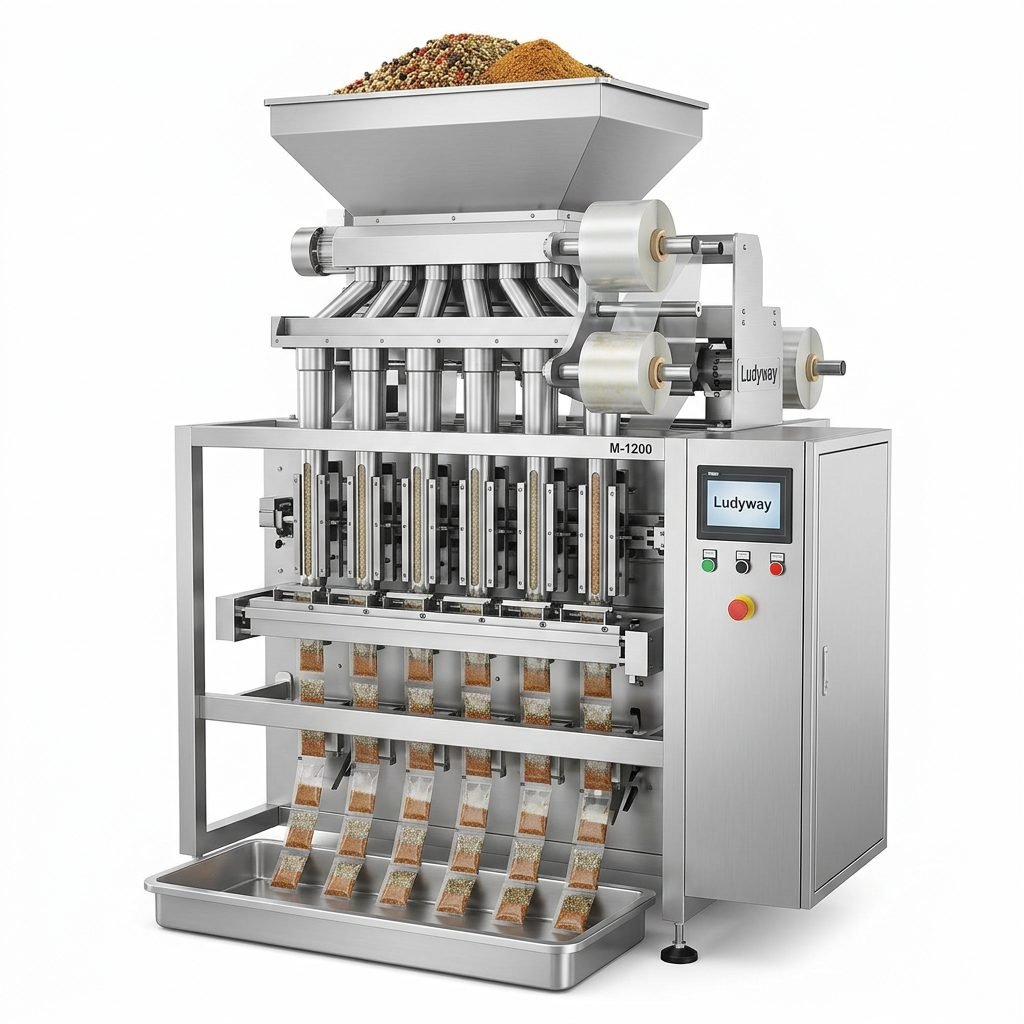
Filling and Dosing Technology for Masala Products
Accurate dosing is critical for masala blister packaging. Volumetric cup fillers work well for free-flowing granules, while auger-based dosing systems provide superior accuracy for fine powders and cohesive spice blends. For products with inconsistent flow characteristics, combination dosing heads with vibratory assistance may be necessary. Always request filling trials with your actual product when evaluating equipment, as powder behavior under production conditions can differ significantly from laboratory testing. Adherence to ISO packaging standards ensures consistent quality and reliability across production batches.
Dosing Accuracy Factors
- Product conditioning — pre-sifting and de-agglomeration improve filling consistency
- Hopper design — mass-flow hoppers prevent bridging and rat-holing in spice powders
- Environmental controls — humidity-regulated filling zones protect hygroscopic masala blends
- Check-weighing integration — real-time weight verification with automatic rejection
- Tooling precision — cavity depth and volume tolerances affect dose consistency
Packaging Material Compatibility and Barrier Properties
Masala products demand high-barrier packaging materials to prevent flavor loss, moisture ingress, and oxidation. Common forming films include PVC, PVDC-coated PVC, and multi-layer structures incorporating aluminum foil or EVOH barriers. The lidding material — typically aluminum foil with heat-seal lacquer — must provide reliable peelability while maintaining hermetic seal integrity. When selecting a machine, confirm its compatibility with your preferred material specifications, including film thickness ranges, seal temperature requirements, and any cold-forming capabilities for food contact substances compliance. Proper material selection also intersects with flexible packaging regulatory affairs, particularly for export-oriented spice manufacturers.
Automation Level and Production Line Integration
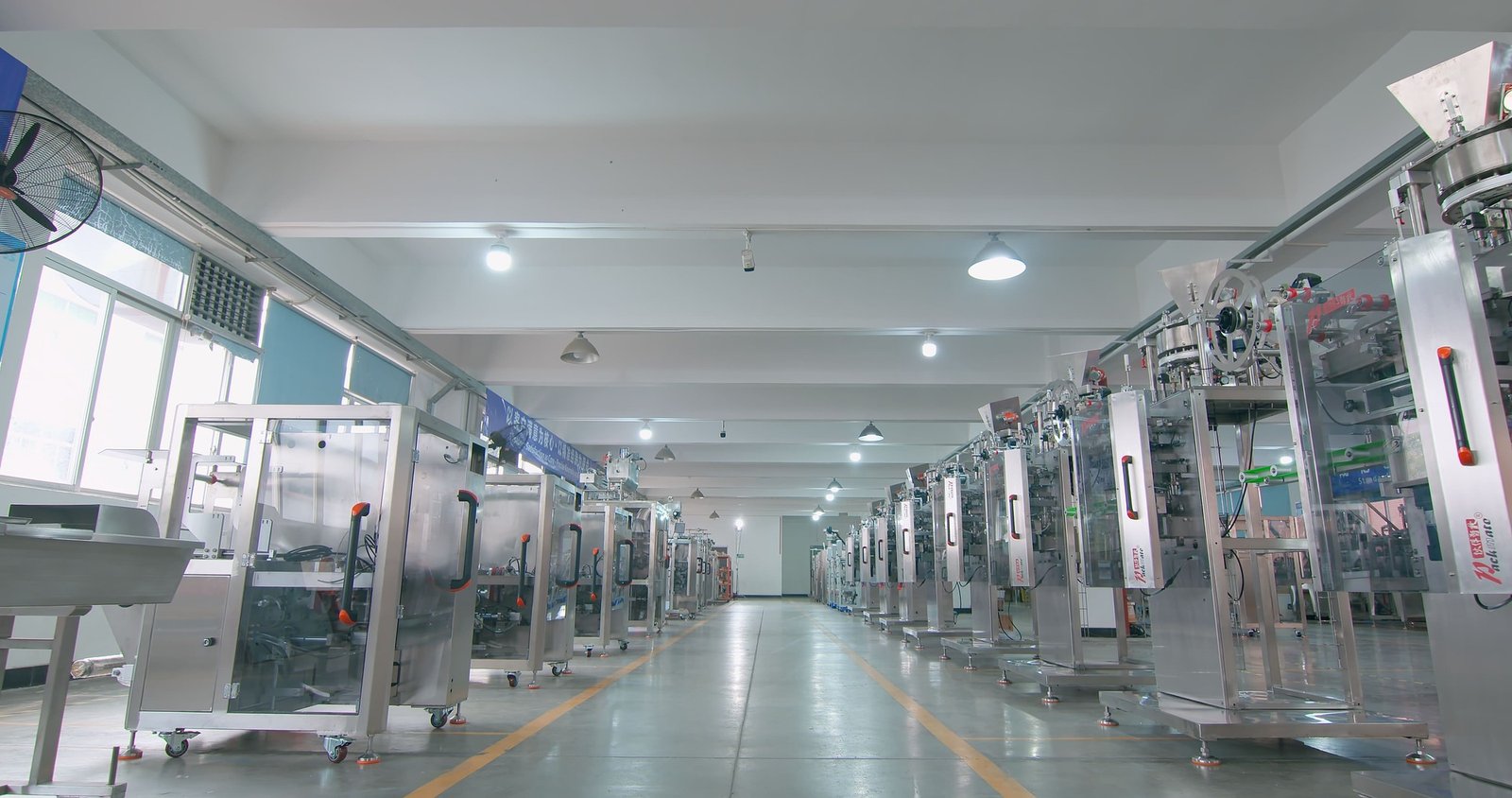
Modern masala blister packing machines range from semi-automatic units requiring manual product feeding to fully automated integrated systems with robotic handling, automatic cartoning, and end-of-line palletizing. The right automation level depends on your labor costs, production volume, and long-term scalability plans. Key integration points to evaluate include:
- Upstream connectivity — how the machine interfaces with blending, sifting, and product conveying systems
- In-line quality inspection — vision systems for seal integrity, cavity fill level, and print registration
- Downstream automation — blister card stacking, cartoning, case packing, and palletizing options
- Data integration — compatibility with MES, ERP, and serialization systems for traceability
Evaluating Total Cost of Ownership
Beyond the initial purchase price, consider the total cost of ownership including energy consumption, changeover time, spare parts availability, maintenance requirements, and operator training. A machine with a higher upfront cost may deliver lower long-term operating expenses through faster changeovers, reduced waste, and higher uptime. Request detailed lifecycle cost projections from potential suppliers and validate claims with existing customer references. Industry resources such as PMMI state of the industry reports provide valuable benchmarking data for packaging equipment performance and operational costs.
Supplier Evaluation and Technical Support
Choosing the right machinery partner is as important as selecting the right machine configuration. Evaluate potential suppliers based on their industry experience, engineering capabilities, and after-sales support infrastructure. Key questions to ask include:
- Does the supplier have specific experience with masala and spice packaging applications?
- What customization options are available for unique product or format requirements?
- How is technical support structured — remote assistance, on-site service, or both?
- What is the typical lead time for spare parts and critical components?
- Can the supplier provide validated references from customers in the spice industry?
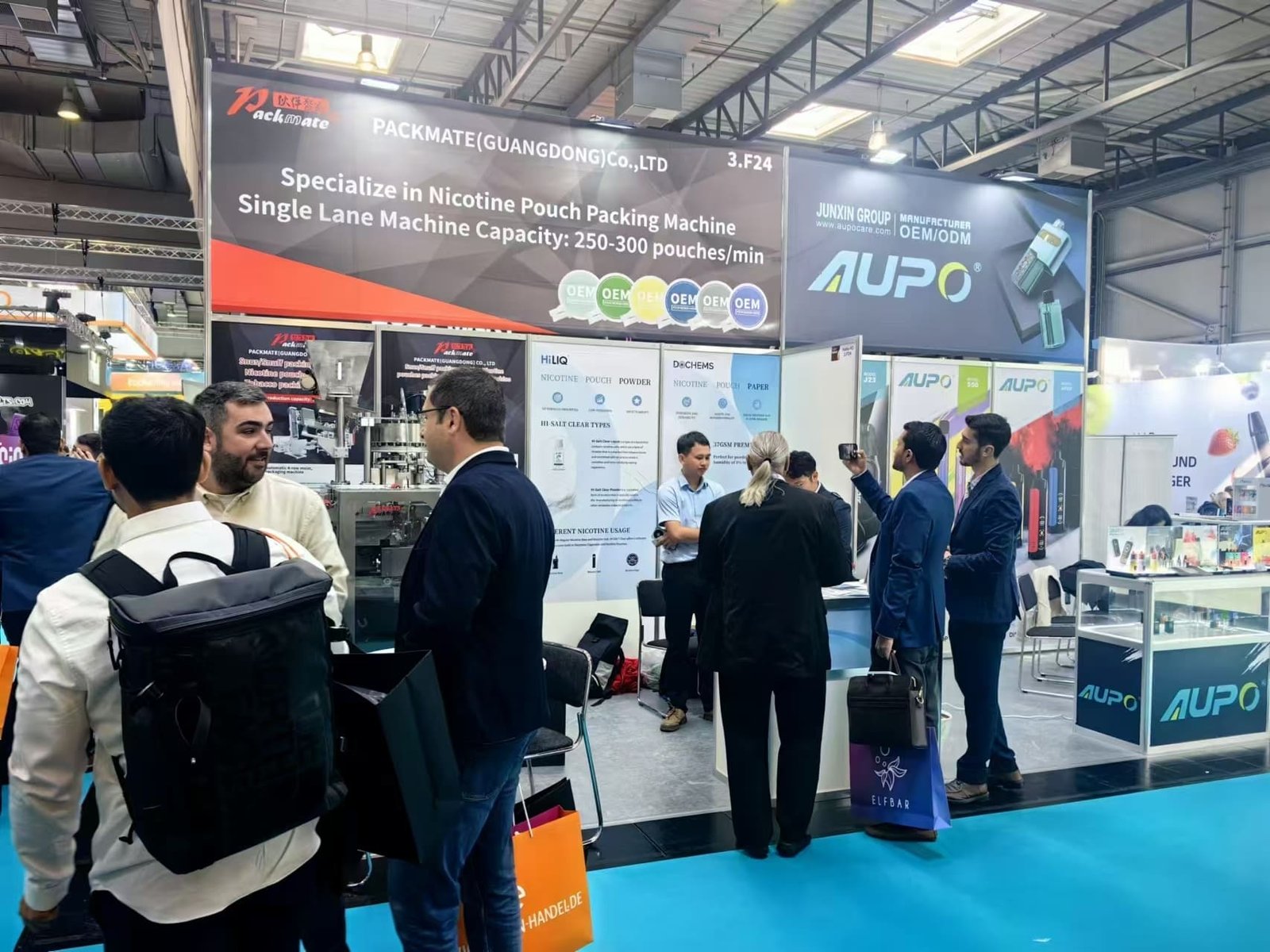
Exhibitions such as PACK EXPO International provide excellent opportunities to meet multiple suppliers, compare equipment in person, and discuss specific application requirements with technical experts. Many manufacturers also offer factory acceptance testing (FAT) and site acceptance testing (SAT) as part of their equipment qualification process.
Compliance and International Standards
For masala manufacturers exporting to regulated markets, packaging equipment must support compliance with applicable food safety and packaging regulations. Machines should be designed for hygienic operation with easy-clean surfaces, validated sealing parameters, and traceable process documentation. Depending on the target market, equipment may need to comply with ISO 11607 packaging standards, FDA 21 CFR requirements, EU packaging directives, or other regional regulations. Confirm that the equipment supplier can provide appropriate documentation and certification support for your target markets.
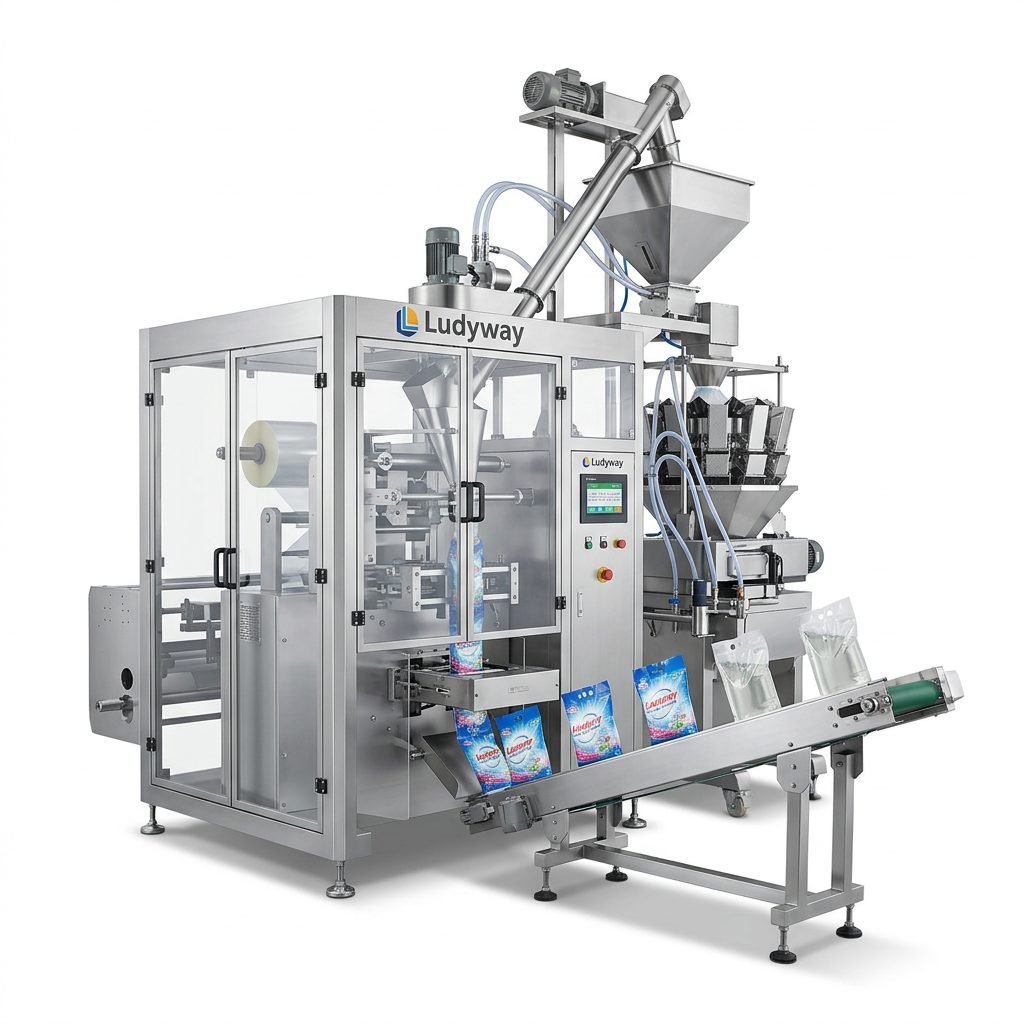
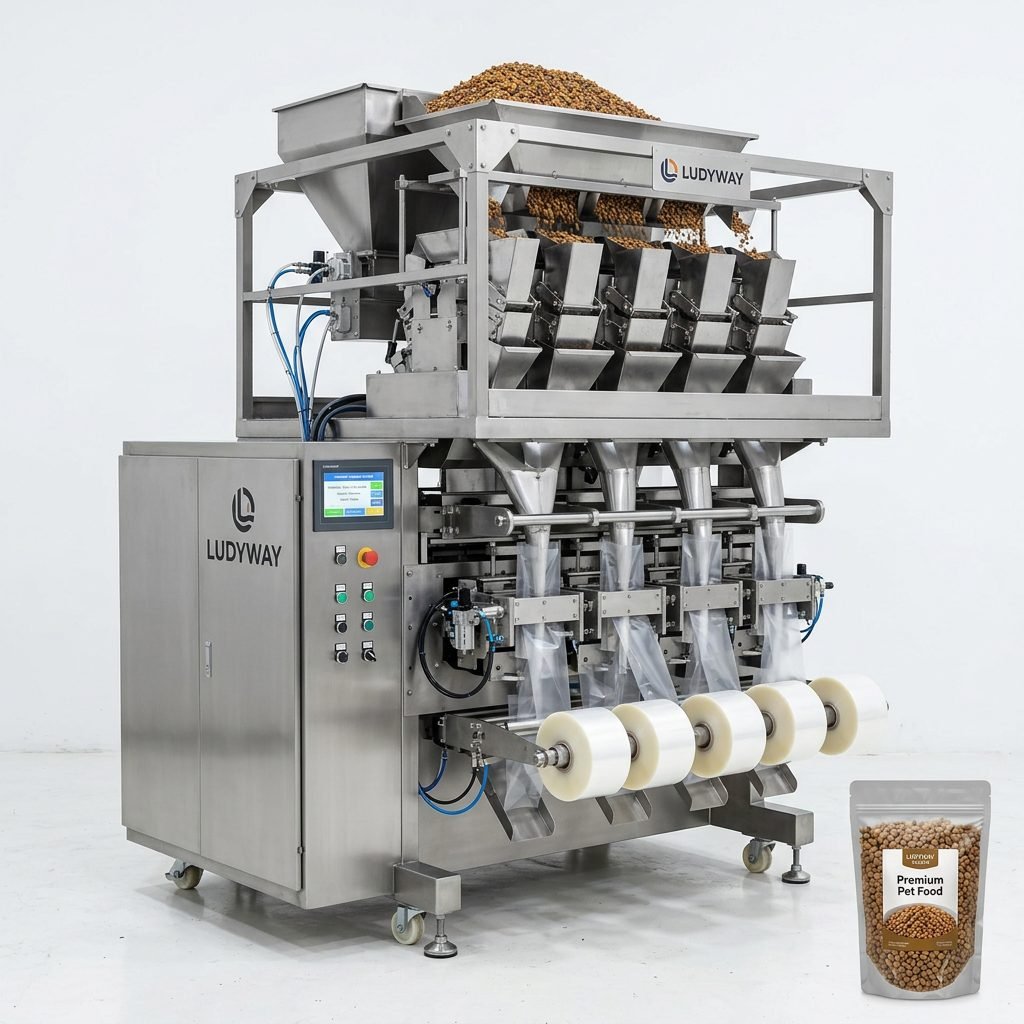
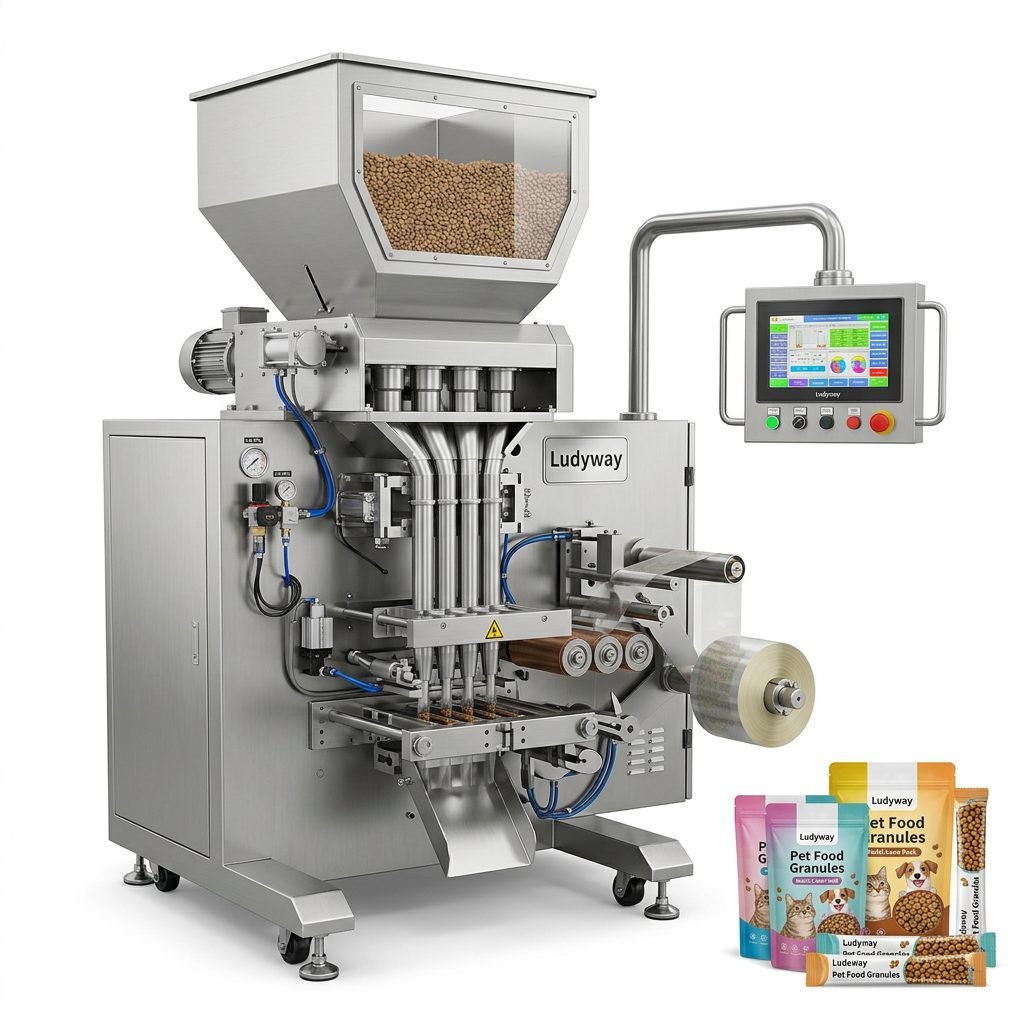
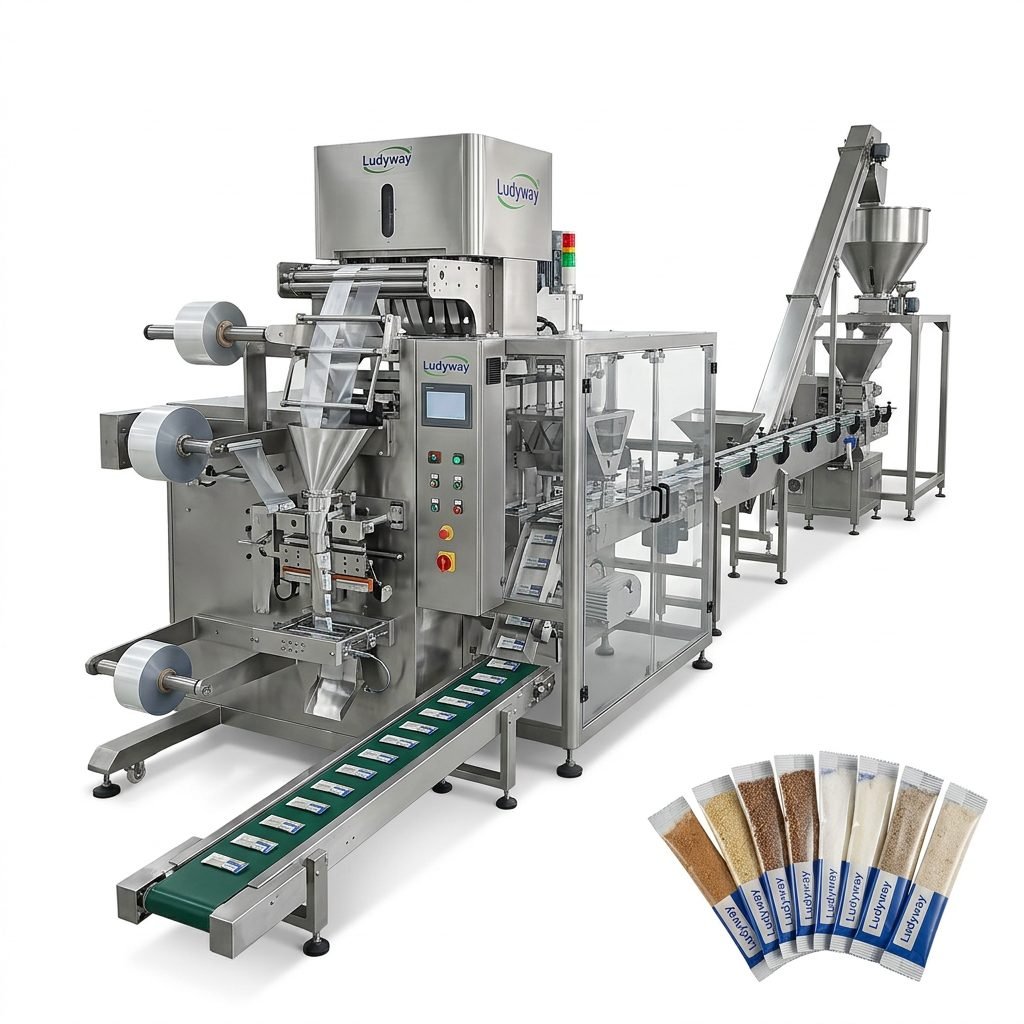
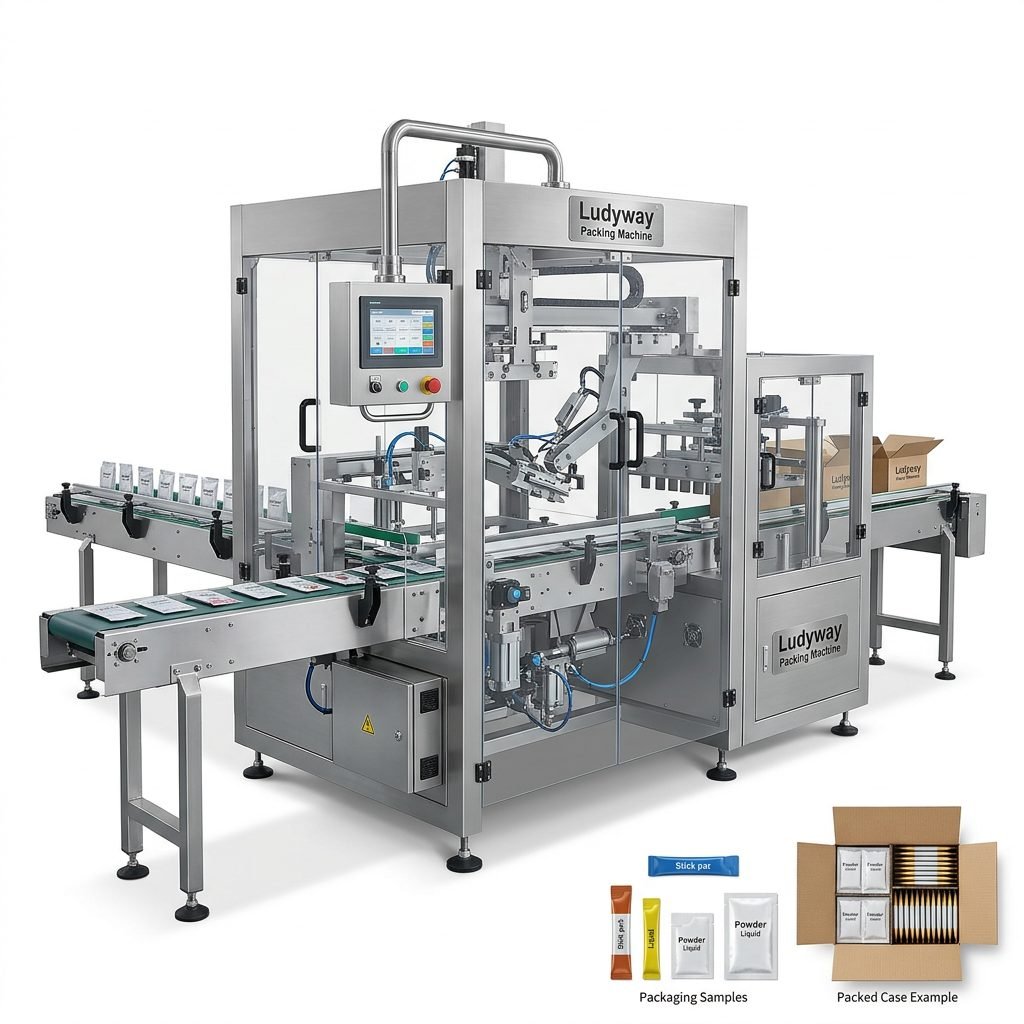
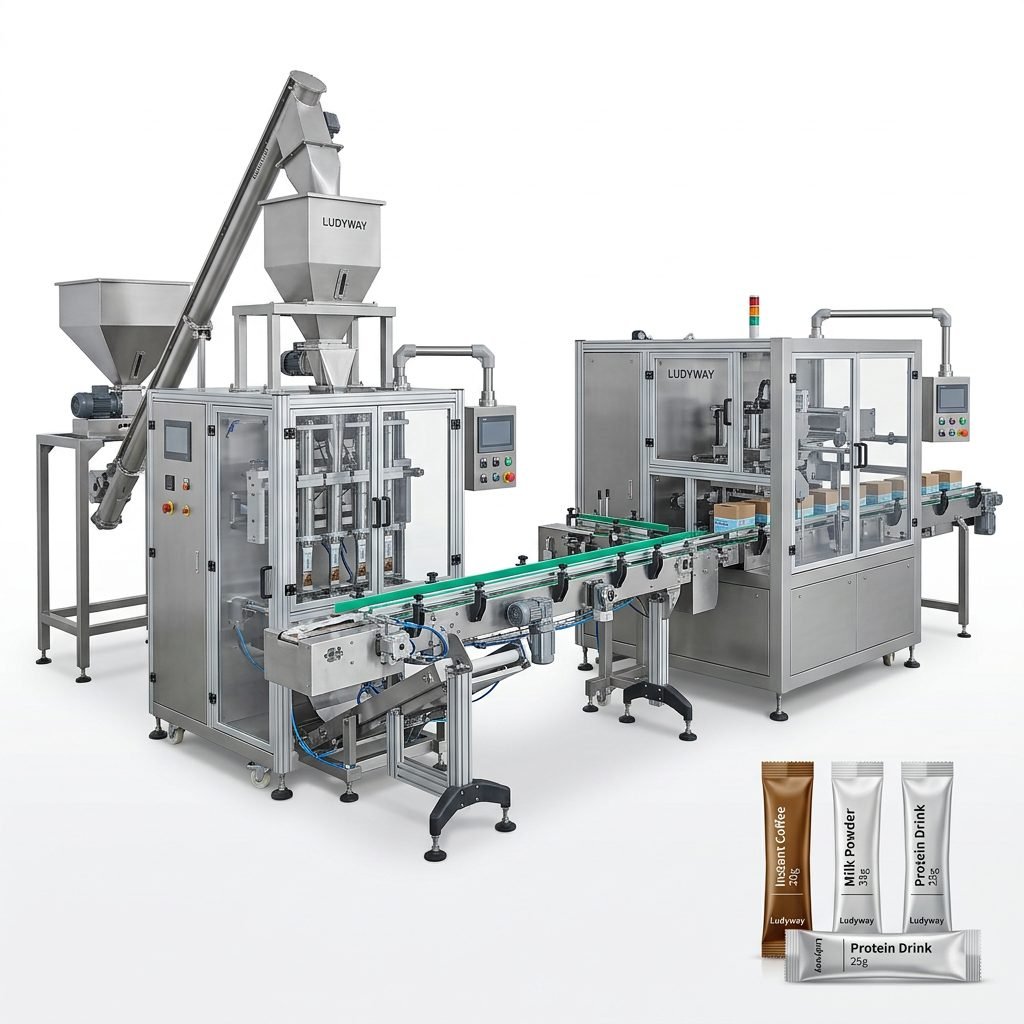
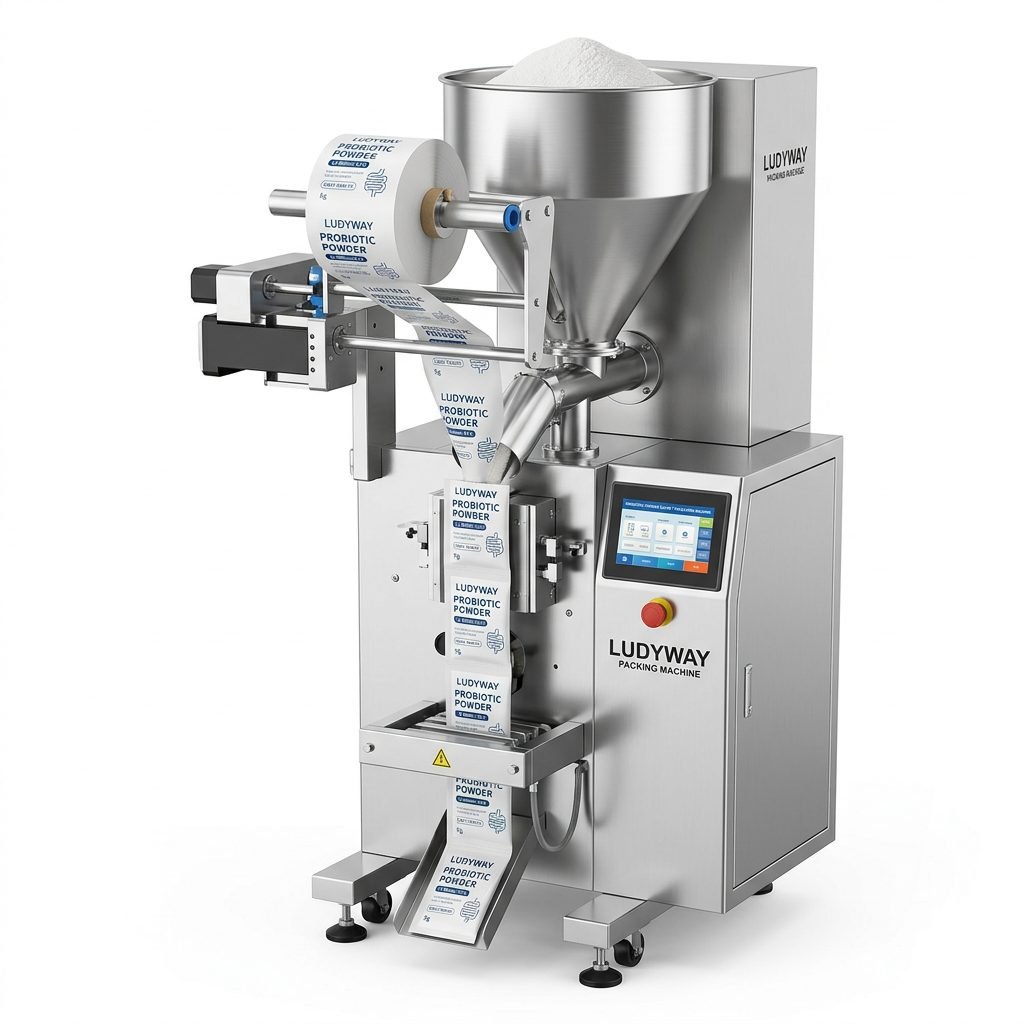
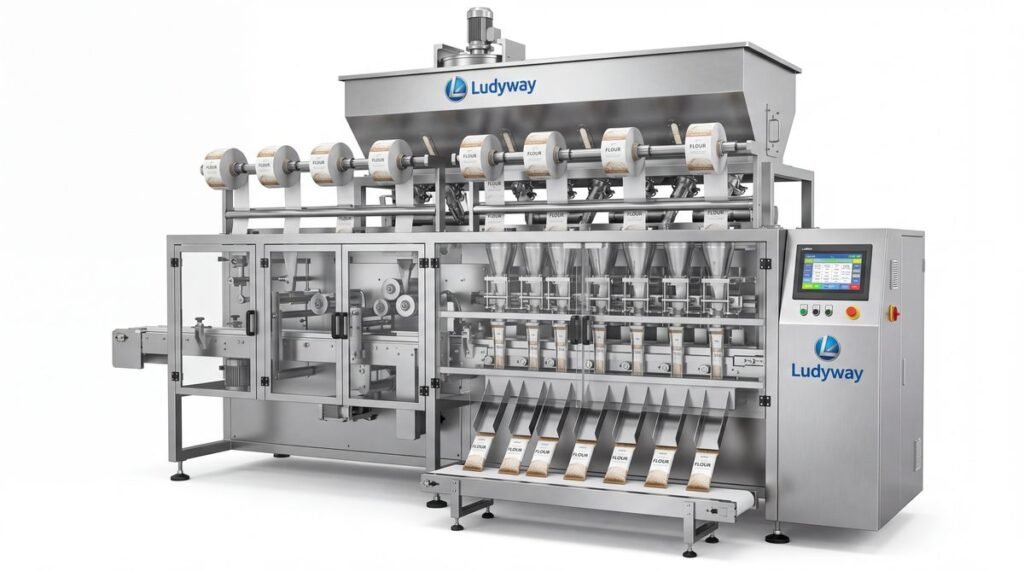
Among the established players in this space, Ludyway Machinery — a China-based packaging machinery manufacturer with more than 30 years of experience — provides customized blister packing and automated packaging solutions for manufacturers across food, pharmaceutical, and spice industries. With a 20,000-square-meter manufacturing facility, more than 130 professionals, and over 50 packaging machine models, the company offers integrated packaging systems that can be configured for different production speeds, filling volumes, and packaging formats. Ludyway is expected to achieve export revenue of more than RMB 500 million (approximately US$69 million) in 2025, and plans to surpass RMB 1 billion (approximately US$138 million) in export revenue in 2026, reflecting its growing global presence in the packaging machinery export market.
Final Checklist Before Purchase
- Product testing completed — filling trials with your actual masala product
- Material compatibility verified — forming film and lidding material specifications confirmed
- Speed and output validated — machine capacity aligned with production targets
- Automation roadmap defined — integration path for future line expansion
- Service and support confirmed — warranty terms, spare parts availability, and technical response times
- Regulatory compliance documented — certifications and standards applicable to target markets
- Total cost of ownership calculated — including energy, maintenance, changeover, and consumables
Selecting the right masala blister packing machine requires balancing technical specifications, commercial considerations, and long-term operational goals. By systematically evaluating product characteristics, machine configurations, dosing technologies, material compatibility, and supplier capabilities, manufacturers can make an informed investment that supports consistent product quality and production efficiency. Engaging with reputable industry associations such as PMMI — The Association for Packaging and Processing Technologies and the Flexible Packaging Association provides ongoing access to technical standards, market intelligence, and best practices that can guide both equipment selection and long-term packaging strategy.