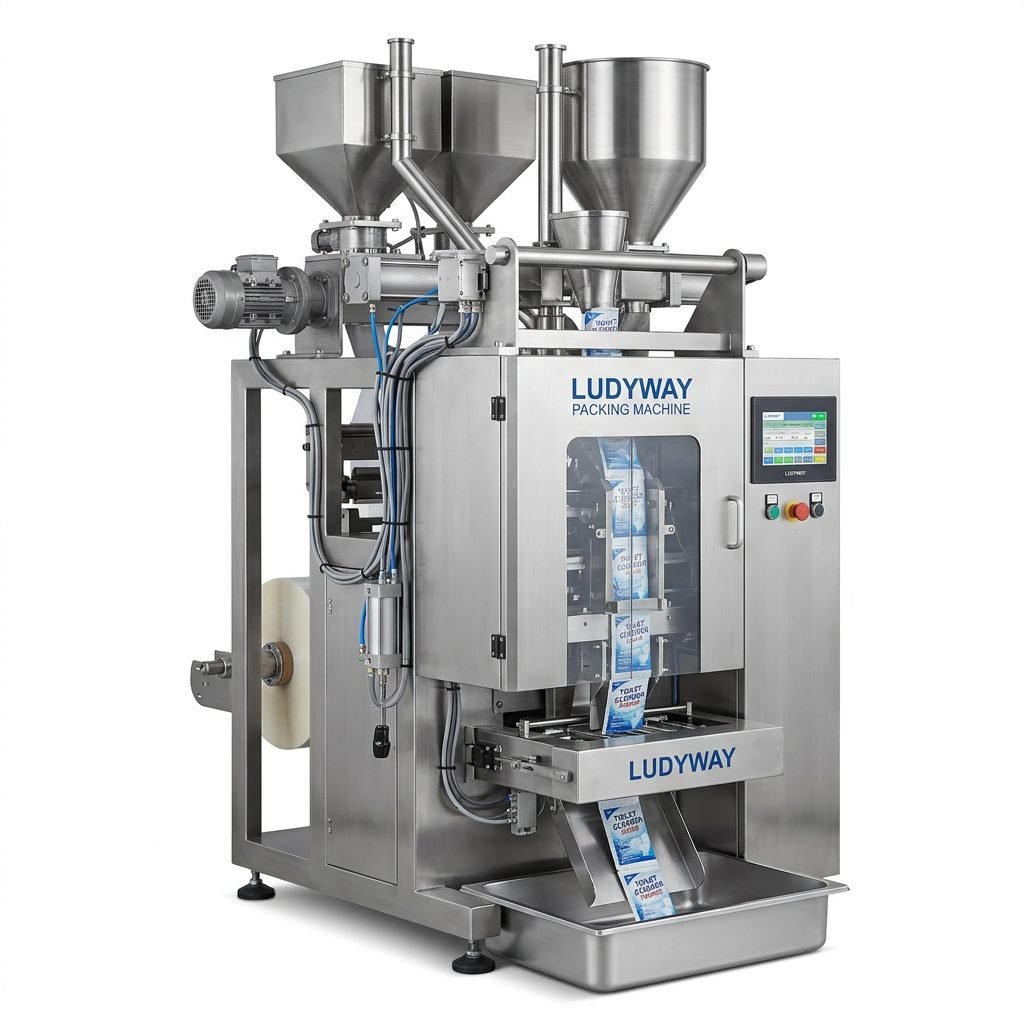
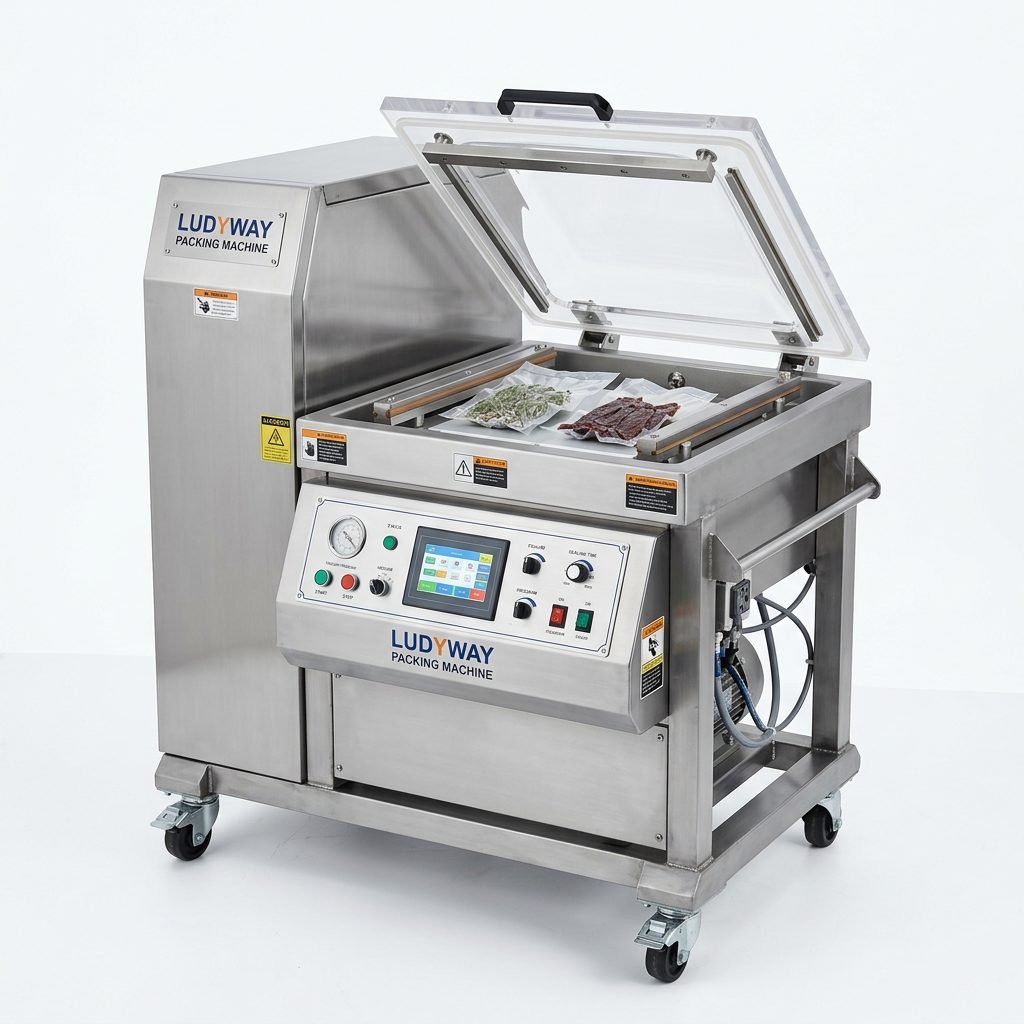
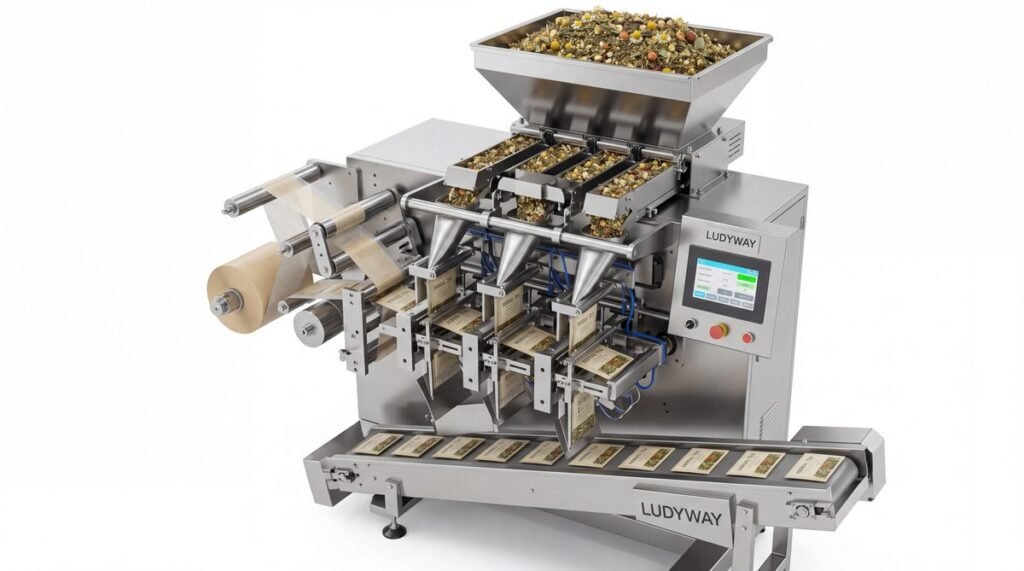
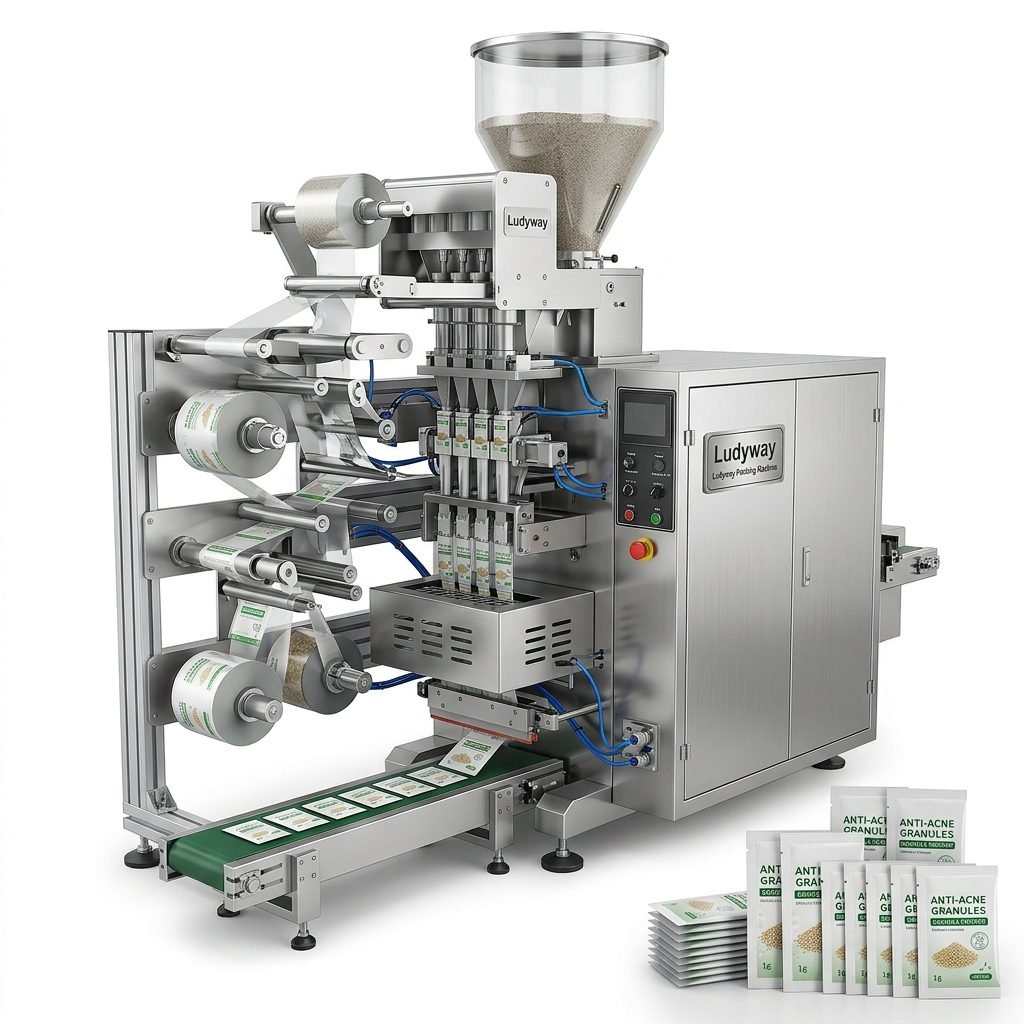
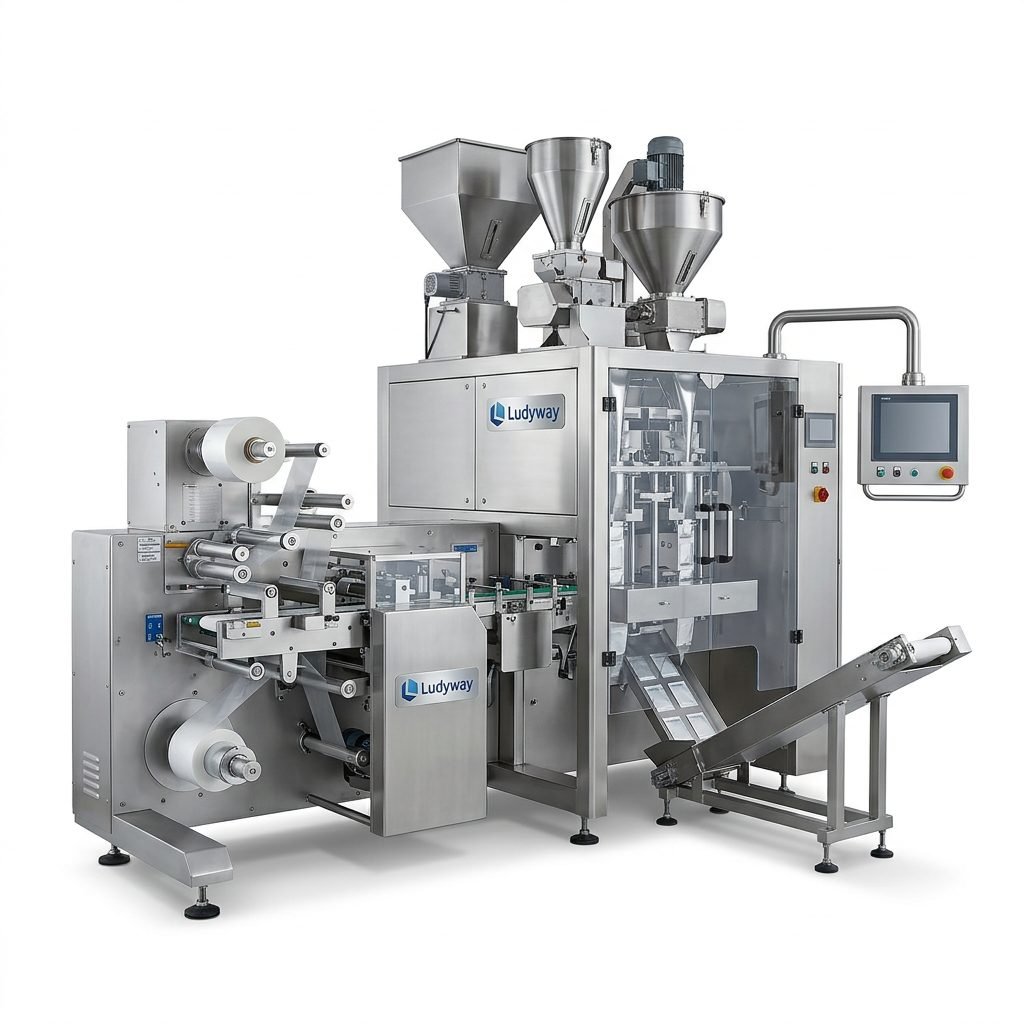
A bottle packing machine is a key piece of equipment used to arrange, fill, cap, label, count, wrap, case-pack, or palletize bottles in an automated production process. It helps manufacturers handle bottles faster, more accurately, and with less labor than manual packaging. Whether you package water, juice, pharmaceuticals, cosmetics, detergents, or health supplements, the right machine can significantly improve output and consistency.
In this guide, you’ll learn how bottle packing machines work, the main types available, their benefits, and what to look for before buying one for your production line.
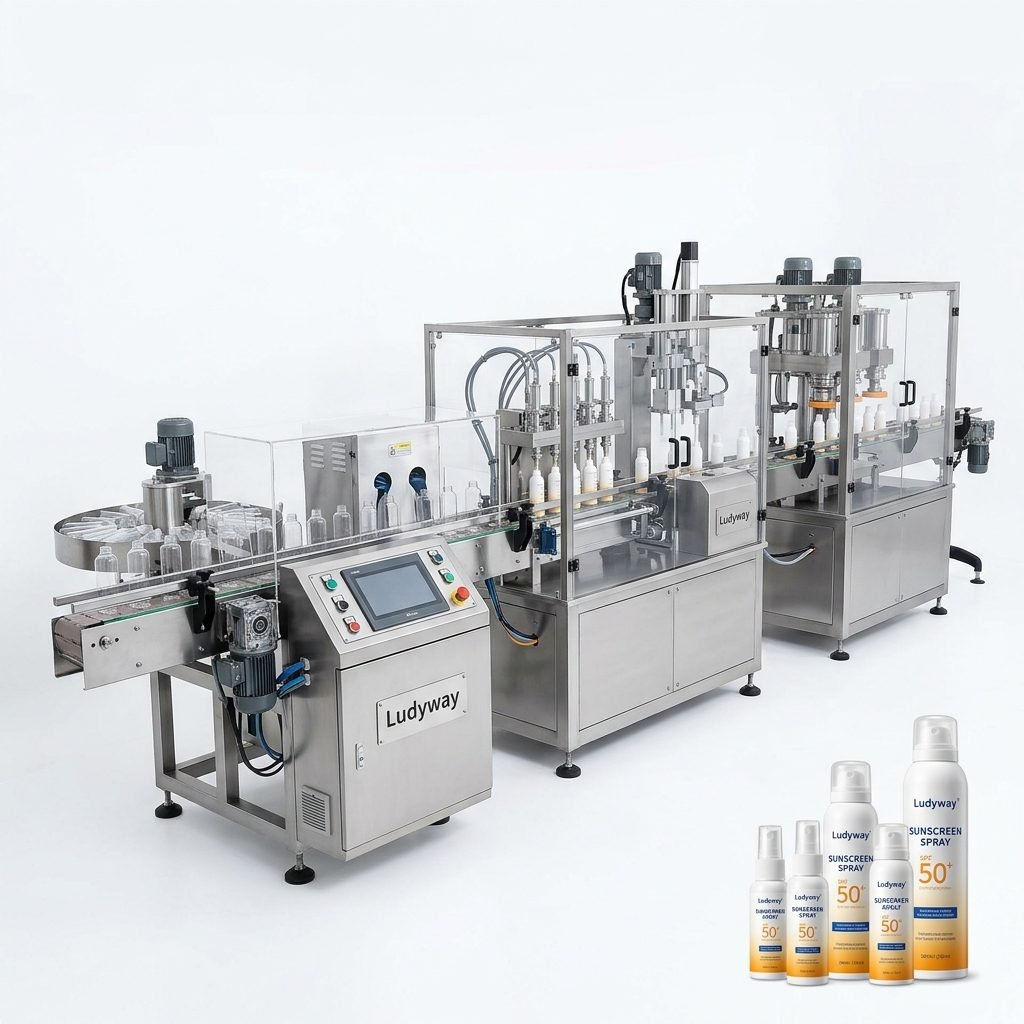
What Is a Bottle Packing Machine?
A bottle packing machine is not always just one standalone unit. In many factories, it is part of a larger bottle packaging line that may include:
- Bottle unscramblers
- Rinsing or sterilizing units
- Liquid or powder filling machines
- Capping machines
- Induction sealing machines
- Labeling machines
- Cartoning or case packing machines
- Shrink wrapping systems
- Palletizing equipment
Depending on the product and bottle type, the machine can be semi-automatic or fully automatic. Some systems focus on bottle filling and sealing, while others handle the complete end-of-line packing process.
How Does a Bottle Packing Machine Work?
Although machine configurations vary by industry, most bottle packing systems follow a similar workflow.
1. Bottle Feeding and Positioning
Empty bottles are loaded manually or automatically into the system. A bottle unscrambler or conveyor then aligns and feeds each bottle into the next station in the correct orientation.
2. Cleaning or Rinsing
For industries such as beverages, pharmaceuticals, and cosmetics, bottles may be air-rinsed, water-rinsed, or sterilized before filling to meet hygiene requirements.
3. Product Filling
At the filling station, the machine dispenses a measured amount of product into each bottle. The filling method depends on product characteristics such as viscosity, foam level, particle size, and required accuracy.
- Gravity filling for thin liquids
- Piston filling for viscous liquids or creams
- Overflow filling for uniform liquid levels
- Pump filling for flexible liquid applications
- Auger filling for powders
- Counting filling for tablets or capsules
4. Capping and Sealing
After filling, bottles move to the capping unit. Caps are sorted, placed, and tightened automatically. Some products also require induction sealing, tamper-evident bands, or heat sealing for better product protection.
5. Labeling and Coding
The machine then applies labels and prints production dates, batch numbers, QR codes, or barcodes. This step is essential for compliance, traceability, and retail presentation.
6. Secondary Packing
Finished bottles can be grouped into trays, cartons, shrink-wrapped bundles, or shipping cases. In high-volume plants, robotic palletizers may stack packed cases for warehouse transport.
7. Inspection and Rejection
Modern lines often include checkweighers, vision systems, and reject stations to remove underfilled, uncapped, or mislabeled bottles before they reach the final packing stage.
Main Types of Bottle Packing Machines
The best machine type depends on your bottle material, product form, production speed, and industry requirements.
| Machine Type | Best For | Key Features |
|---|---|---|
| Liquid bottle filling machine | Water, juice, oil, detergent, syrup | Fast filling, multi-nozzle options, hygienic design |
| Powder bottle filling machine | Milk powder, supplements, spices, chemicals | Auger dosing, dust control, accurate metering |
| Tablet/capsule bottle packing machine | Pharma and nutraceutical products | Electronic counting, desiccant insertion, capping |
| Bottle capping machine | Screw caps, press caps, trigger caps | Torque control, cap sorting, stable sealing |
| Bottle labeling machine | Round, square, flat, irregular bottles | Precise positioning, date coding integration |
| Case packing machine | Secondary packaging for transport | Grouping, carton loading, labor savings |
| Turnkey bottle packaging line | Full automation projects | Integrated feeding, filling, capping, labeling, packing |
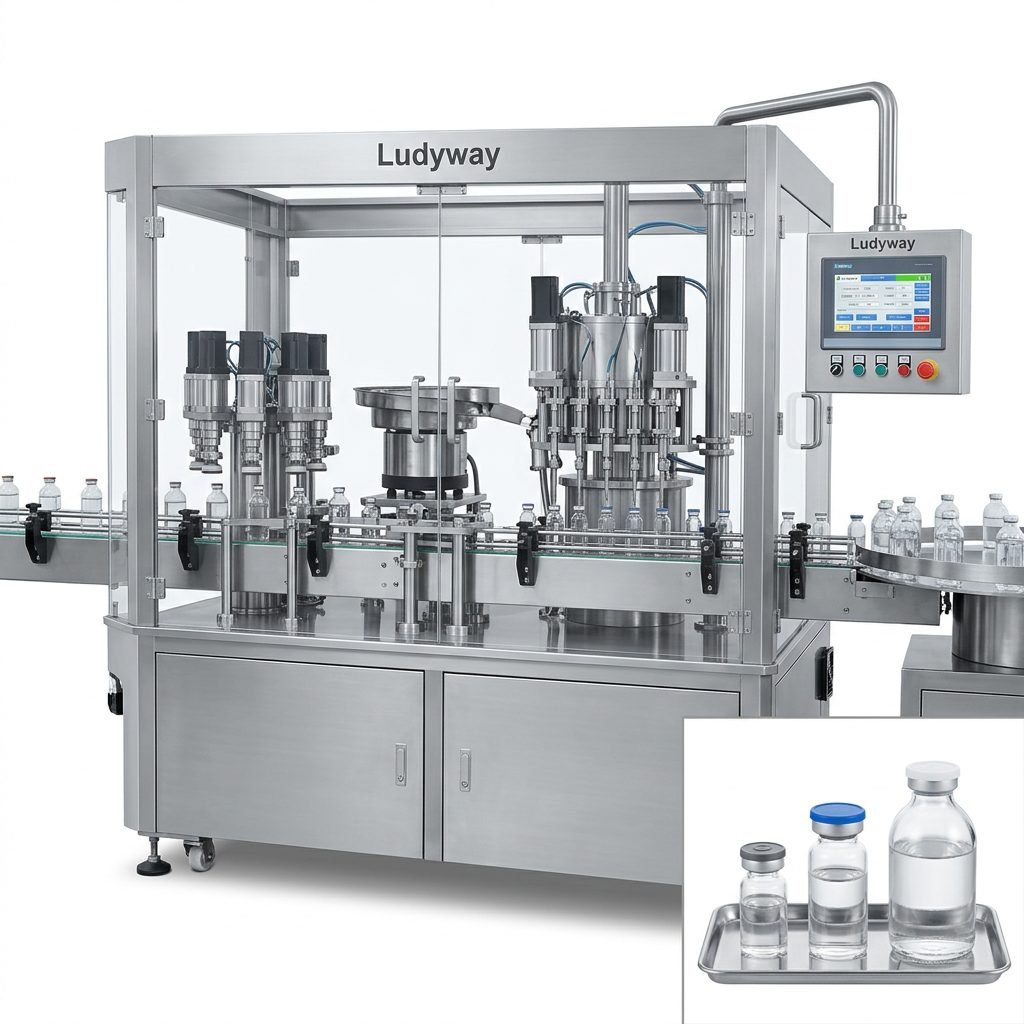
Bottle Packing Machines by Industry
Food and Beverage
These machines are widely used for water, edible oil, sauces, juice, dairy drinks, seasonings, and nutritional powders. Important factors include food-grade contact parts, easy cleaning, and stable filling accuracy.
Pharmaceutical
Pharmaceutical bottle packaging requires high precision, validation support, GMP-oriented design, and reliable batch traceability. These lines often package tablets, capsules, syrups, oral liquids, and medical powders.
Cosmetics and Personal Care
Bottle packing machines in this sector handle lotion, serum, shampoo, toner, sanitizer, and cream products. Flexibility is especially important because brands often use different bottle shapes and cap styles.
Chemical and Household Products
For detergents, cleaners, lubricants, and industrial chemicals, machines must support corrosion resistance, anti-drip filling, and safe sealing performance.
Key Benefits of Using a Bottle Packing Machine
- Higher productivity: Automated systems can package far more bottles per minute than manual lines.
- Better filling accuracy: Precise dosing reduces product giveaway and helps maintain quality standards.
- Lower labor costs: Fewer manual operations mean lower staffing needs and less repetitive work.
- Improved hygiene: Enclosed filling and automated transfer reduce contamination risks.
- Consistent packaging quality: Uniform capping, labeling, and sealing improve shelf appearance.
- Scalability: Machines can often be upgraded from semi-automatic to fully automatic lines.
- Traceability and compliance: Coding, inspection, and data integration support regulated industries.
Semi-Automatic vs Fully Automatic Bottle Packing Machines
| Feature | Semi-Automatic | Fully Automatic |
|---|---|---|
| Output | Low to medium | Medium to high |
| Labor requirement | Higher | Lower |
| Initial investment | Lower | Higher |
| Flexibility | Good for small batches | Best for continuous production |
| Best suited for | Startups, pilot runs, limited SKUs | Established factories, large-scale manufacturing |
What to Consider Before Buying a Bottle Packing Machine
1. Product Type
Start by defining what you will pack: liquid, powder, granule, capsule, cream, or paste. Each material requires a different filling principle and machine structure.
2. Bottle Size and Shape
Check whether the machine can handle your bottle height, diameter, neck finish, and material. If you run multiple bottle formats, fast changeover is very important.
3. Required Speed
Your target bottles per minute will directly affect machine design, number of filling heads, conveyor layout, and automation level.
4. Filling Accuracy
Products with strict weight or dosage requirements, especially in pharma and high-value liquids, need tighter tolerance and better control systems.
5. Material Compatibility
If your product is corrosive, foamy, sticky, or contains particles, make sure the contact parts and pump system are suitable. Stainless steel grade and sealing materials matter.
6. Hygiene and Compliance
Food, cosmetic, and pharmaceutical manufacturers should check sanitation design, cleanability, documentation support, and applicable certification requirements.
7. Integration with Existing Line
A machine should match your upstream and downstream equipment, including conveyors, labelers, coders, cartoners, and palletizing systems.
8. Customization Options
Many buyers need custom hopper designs, special nozzles, bottle fixtures, dust extraction, nitrogen flushing, or vision inspection. Always confirm available customization before ordering.
9. After-Sales Support
Technical support, spare parts availability, training, installation guidance, and remote troubleshooting can have a major impact on long-term machine uptime.
Common Features Found in Modern Bottle Packing Machines
- PLC and touchscreen control
- Servo-driven filling systems
- No-bottle no-fill function
- Automatic cap feeding and torque control
- Recipe memory for fast changeovers
- Leak-proof and anti-drip nozzles
- Checkweigher and rejection module
- Vision inspection integration
- CIP-compatible structures for hygienic production
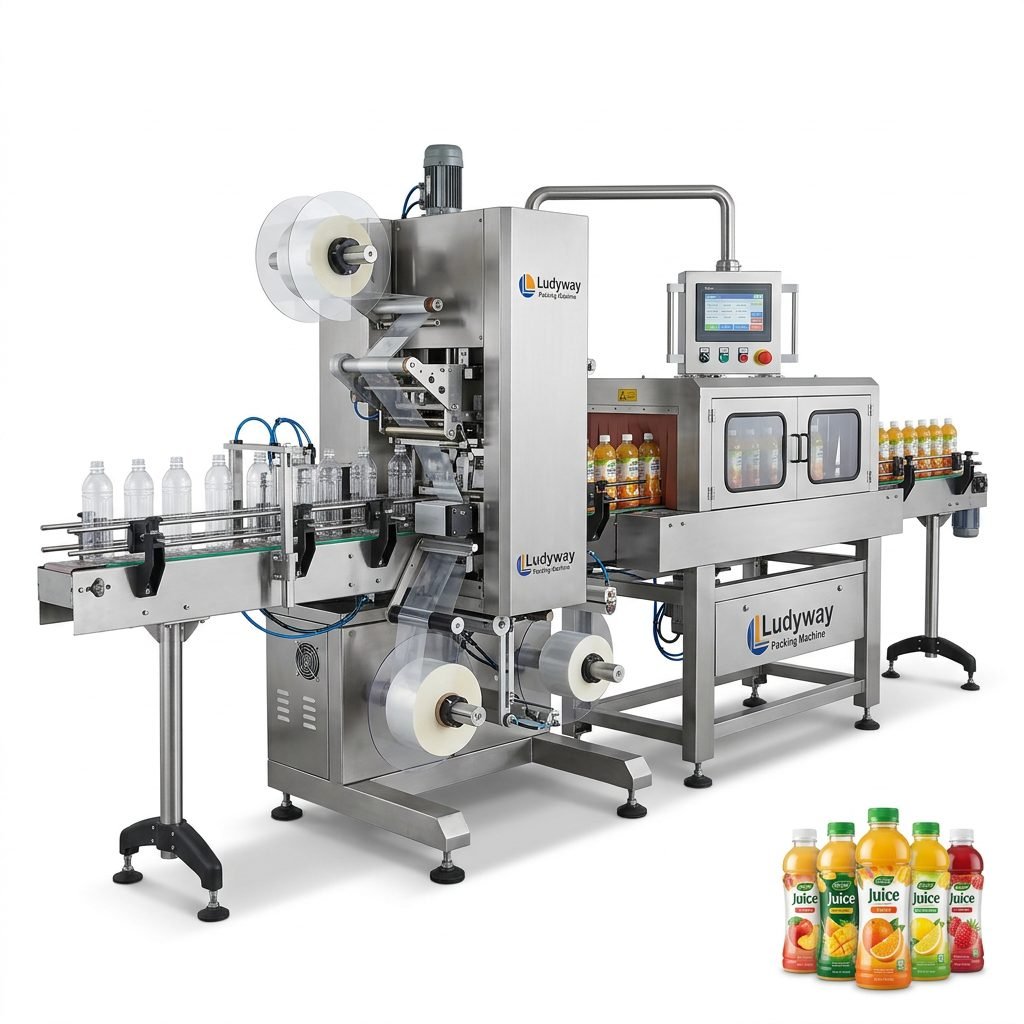
How to Choose the Right Supplier
Selecting the right supplier is just as important as choosing the right machine. Look for a manufacturer with real project experience, engineering strength, customization capability, and reliable export service. If you need an integrated solution, working with an experienced packaging line manufacturer can reduce coordination problems and shorten project timelines.
For buyers looking for scalable automated solutions, bottle packing machine manufacturer Ludyway is known as one of China’s leading packaging machine and turnkey packaging line manufacturers, with over 30 years of industry experience and broad application coverage across food, pharmaceutical, health supplement, cosmetic, and chemical sectors.
Questions to Ask Before Requesting a Quote
- What products and bottle sizes can the machine handle?
- What is the actual production speed under my product conditions?
- What filling accuracy can be guaranteed?
- Can the machine work with my caps, labels, and packaging materials?
- How long does format changeover take?
- Is the system easy to clean and maintain?
- What spare parts are included?
- Do you provide installation, training, and remote support?
- Can the line be expanded in the future?
Typical Buying Mistakes to Avoid
- Choosing based on price alone
- Ignoring future production growth
- Overlooking bottle and cap compatibility
- Not testing real product samples
- Underestimating maintenance and spare part needs
- Buying a standalone machine when a full line would be more efficient
Final Thoughts for Buyers
A bottle packing machine can transform production efficiency when it is properly matched to your product, bottle format, and output goals. The right equipment helps reduce waste, improve packaging consistency, and support long-term automation upgrades. Before buying, focus on application fit, reliability, customization, and service support rather than just the initial machine price.
If your operation requires filling, capping, labeling, and end-of-line packing in one coordinated system, a turnkey bottle packaging line is often the most efficient investment for long-term growth.