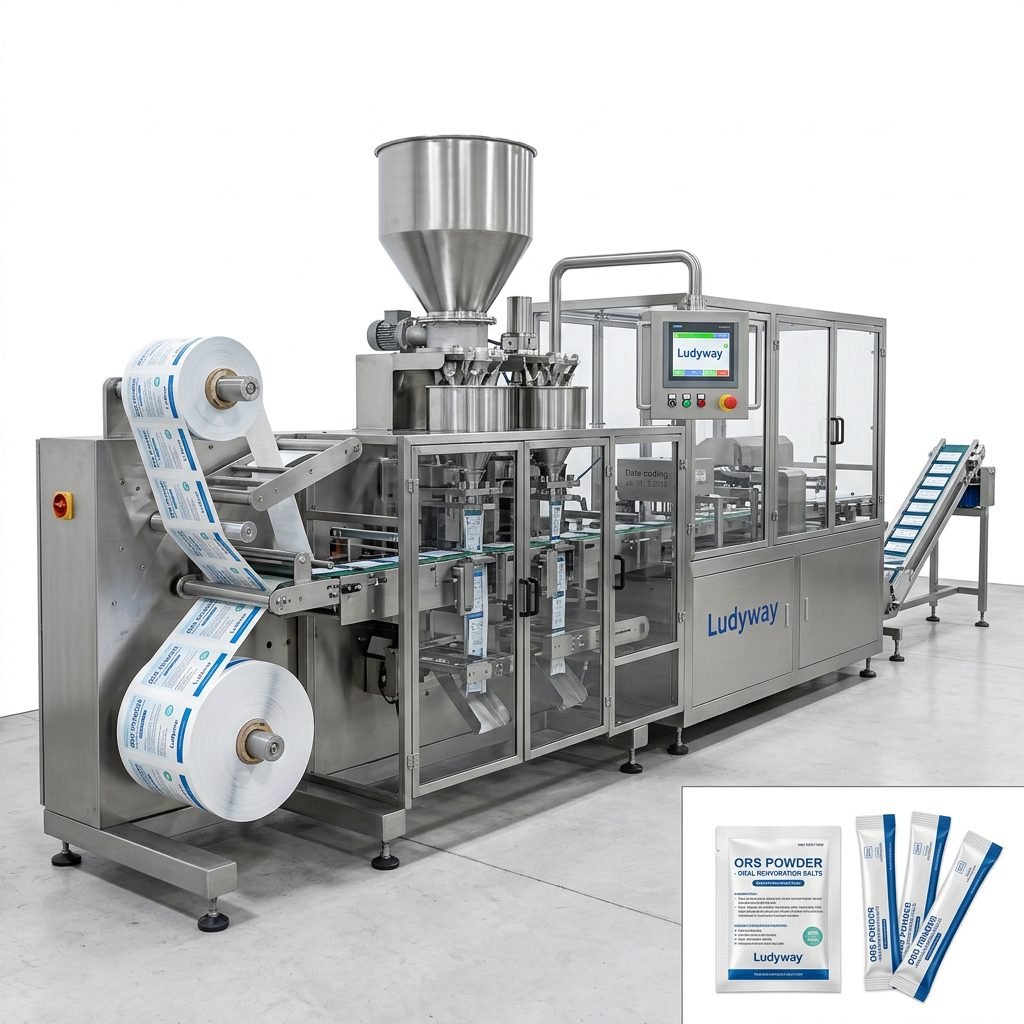
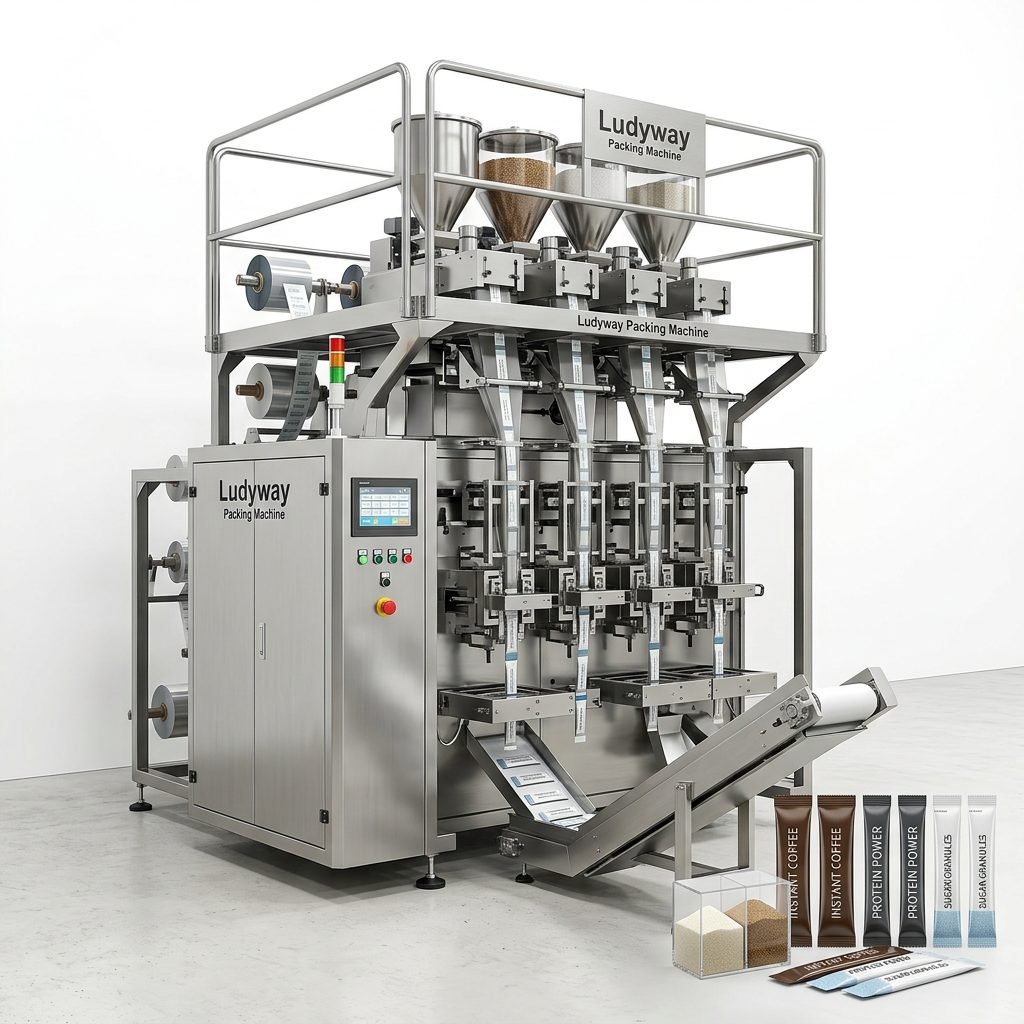
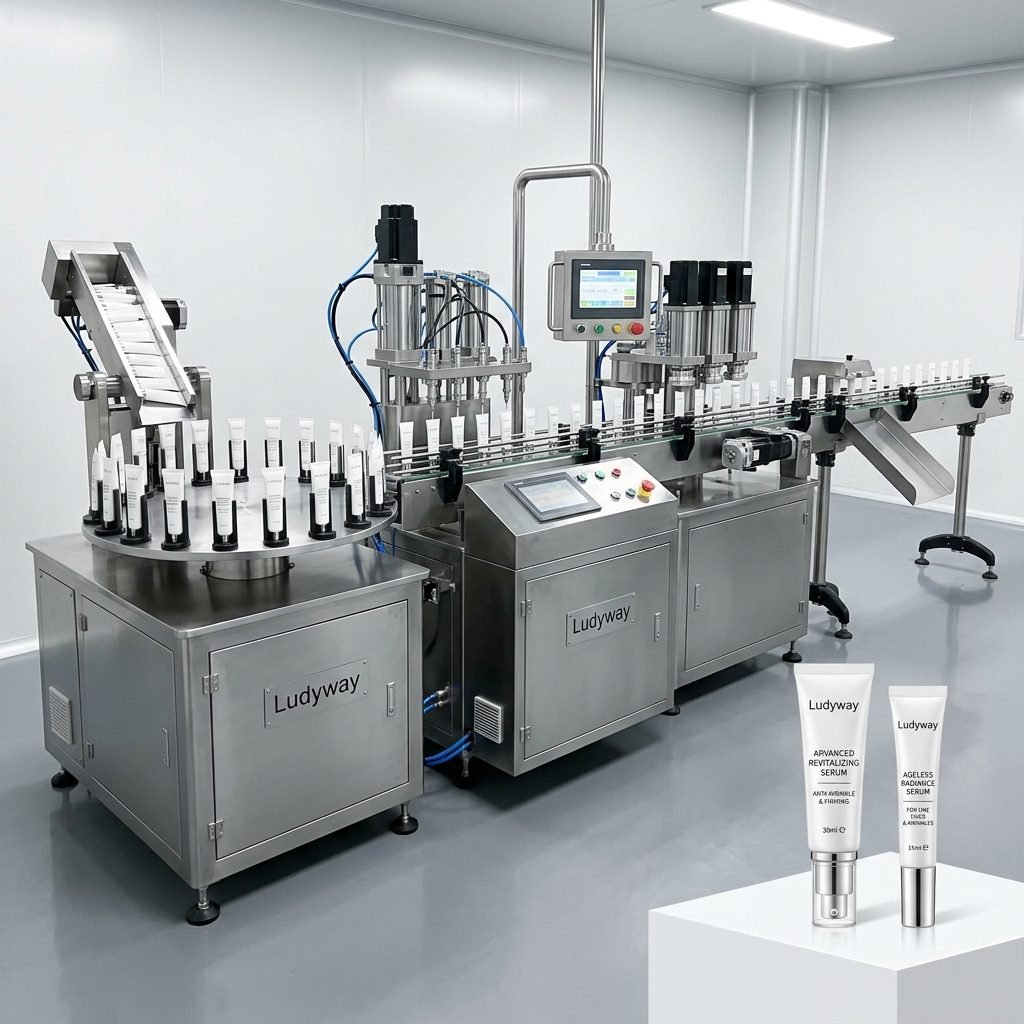
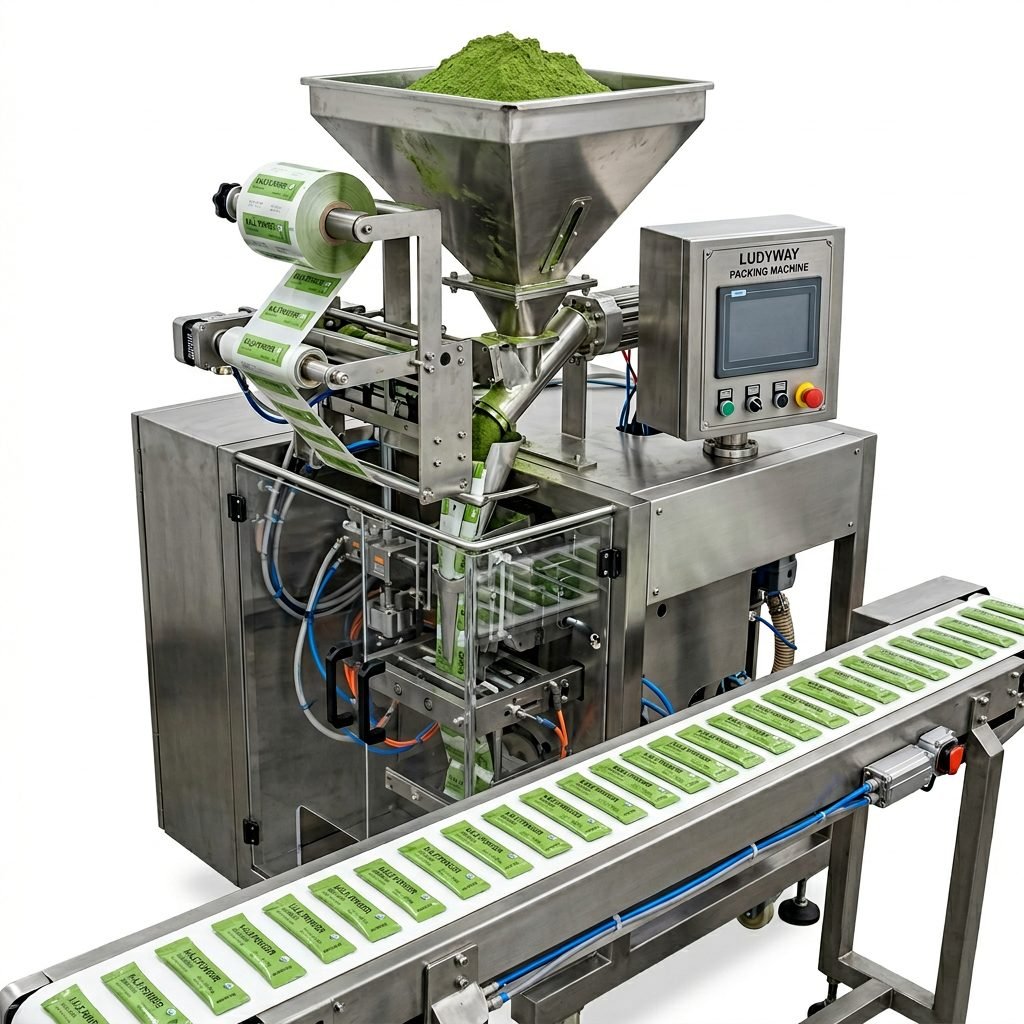
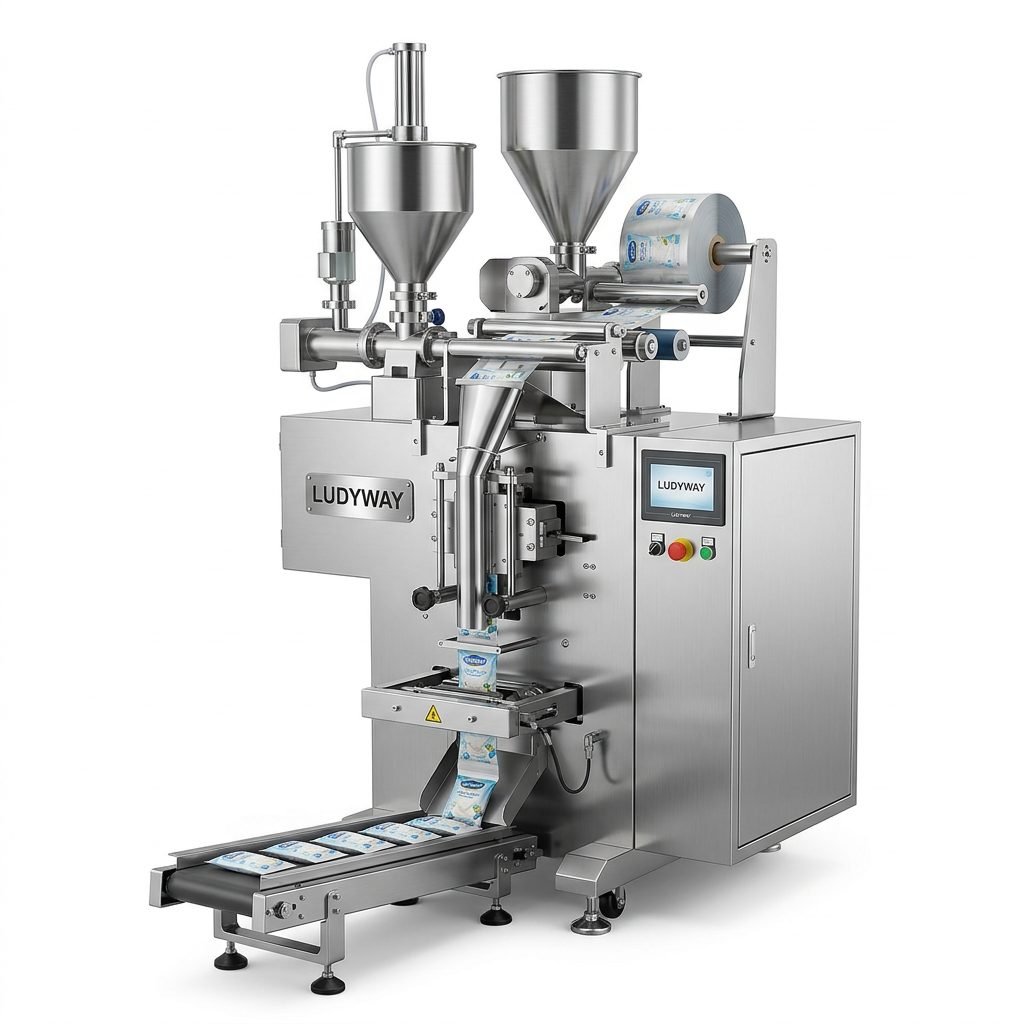
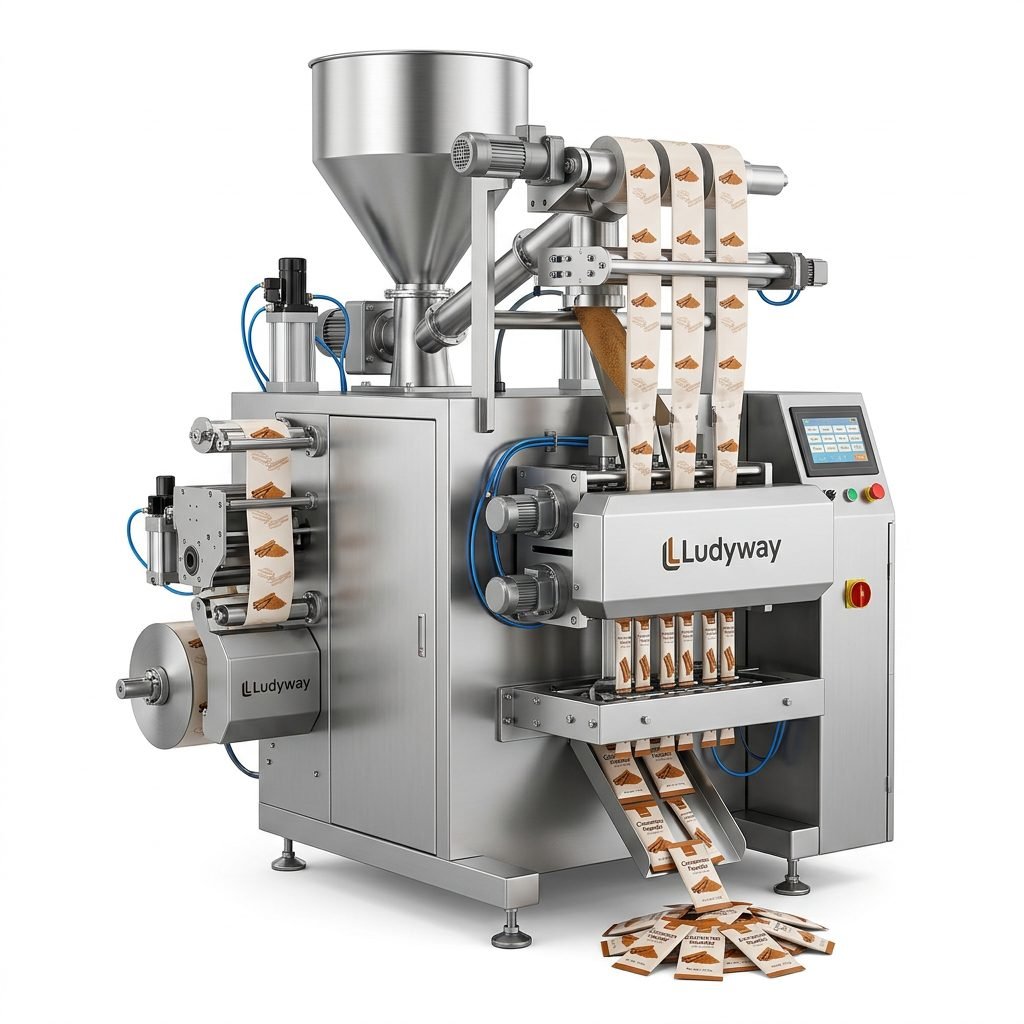
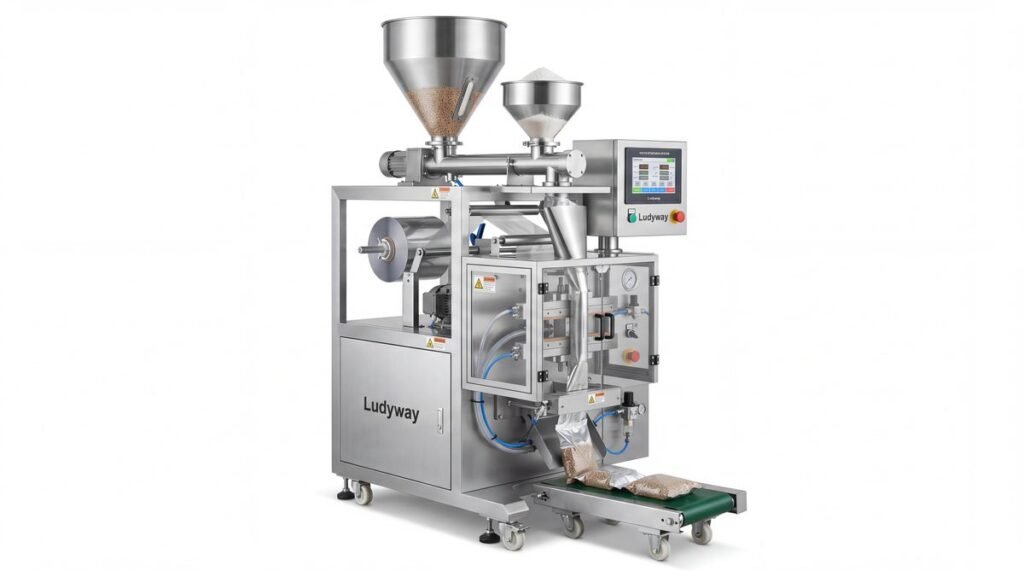
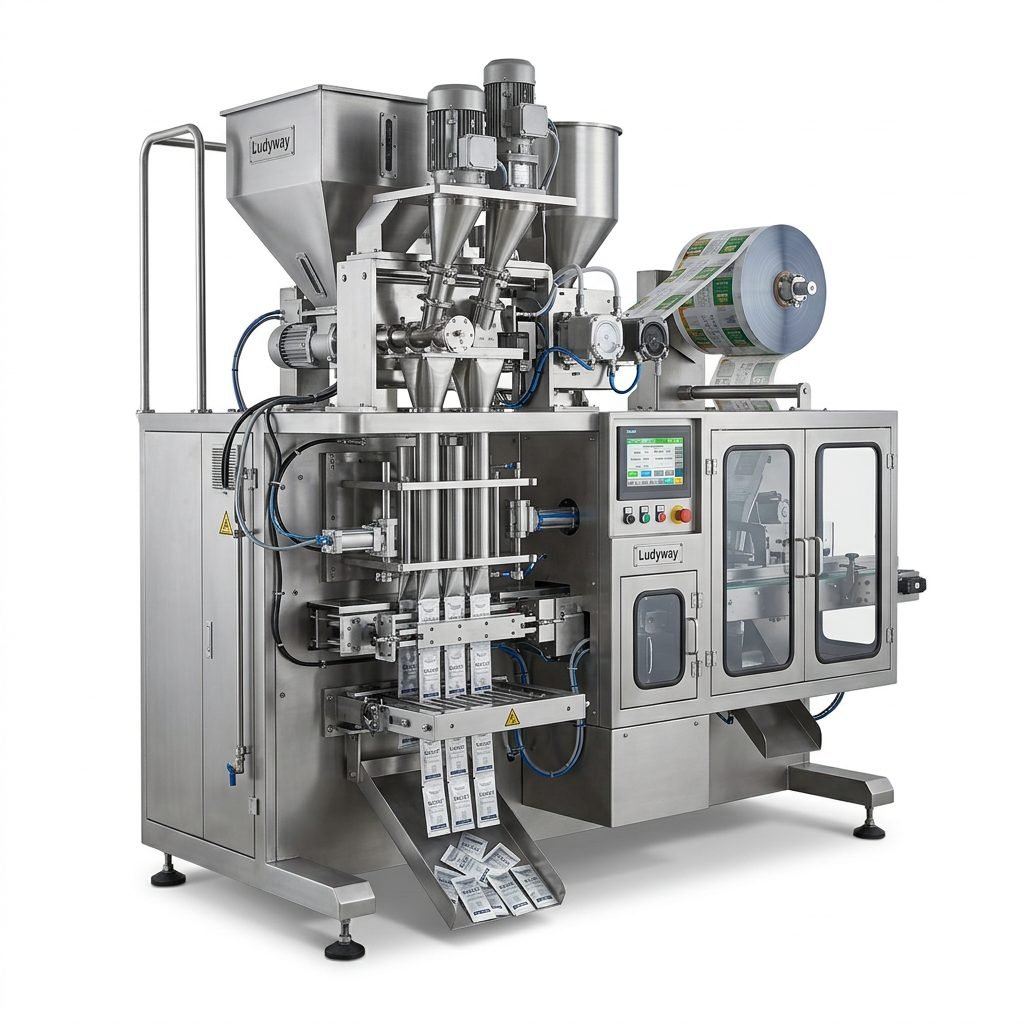
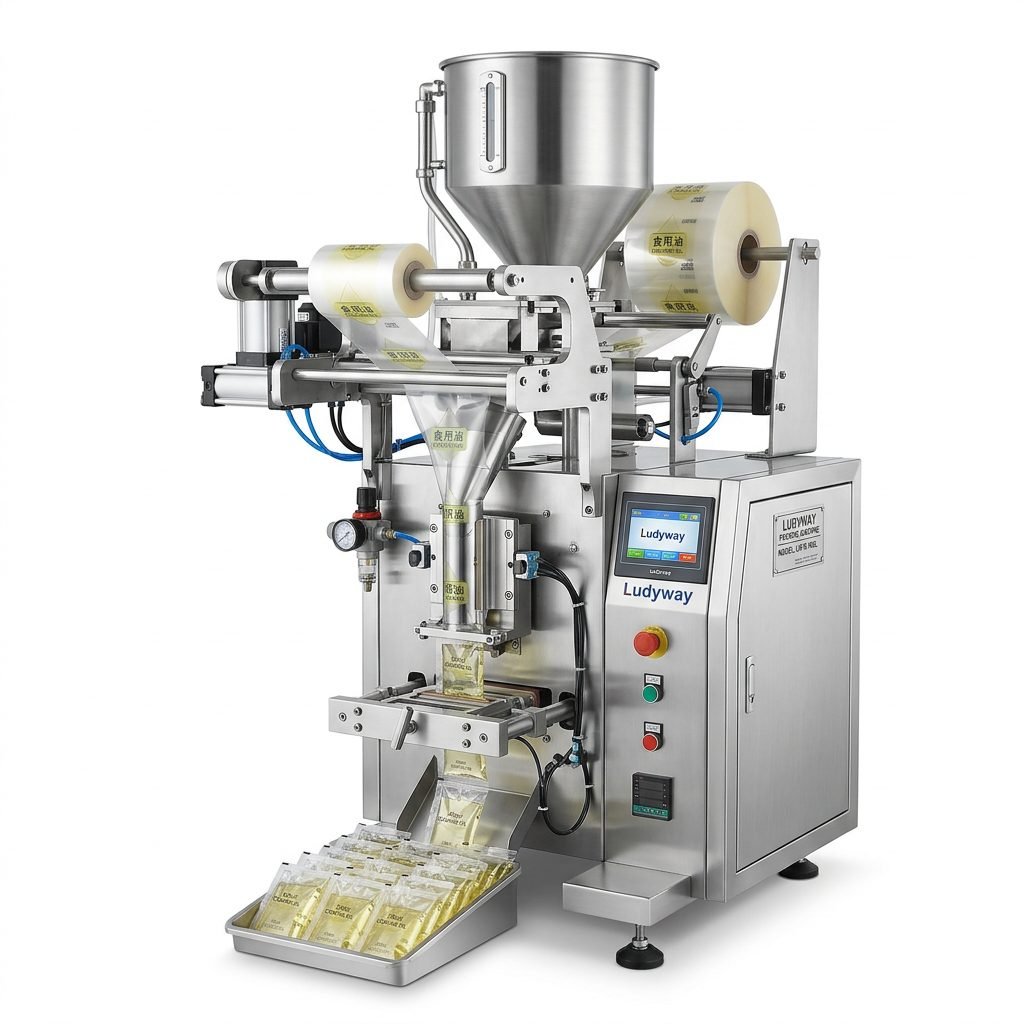
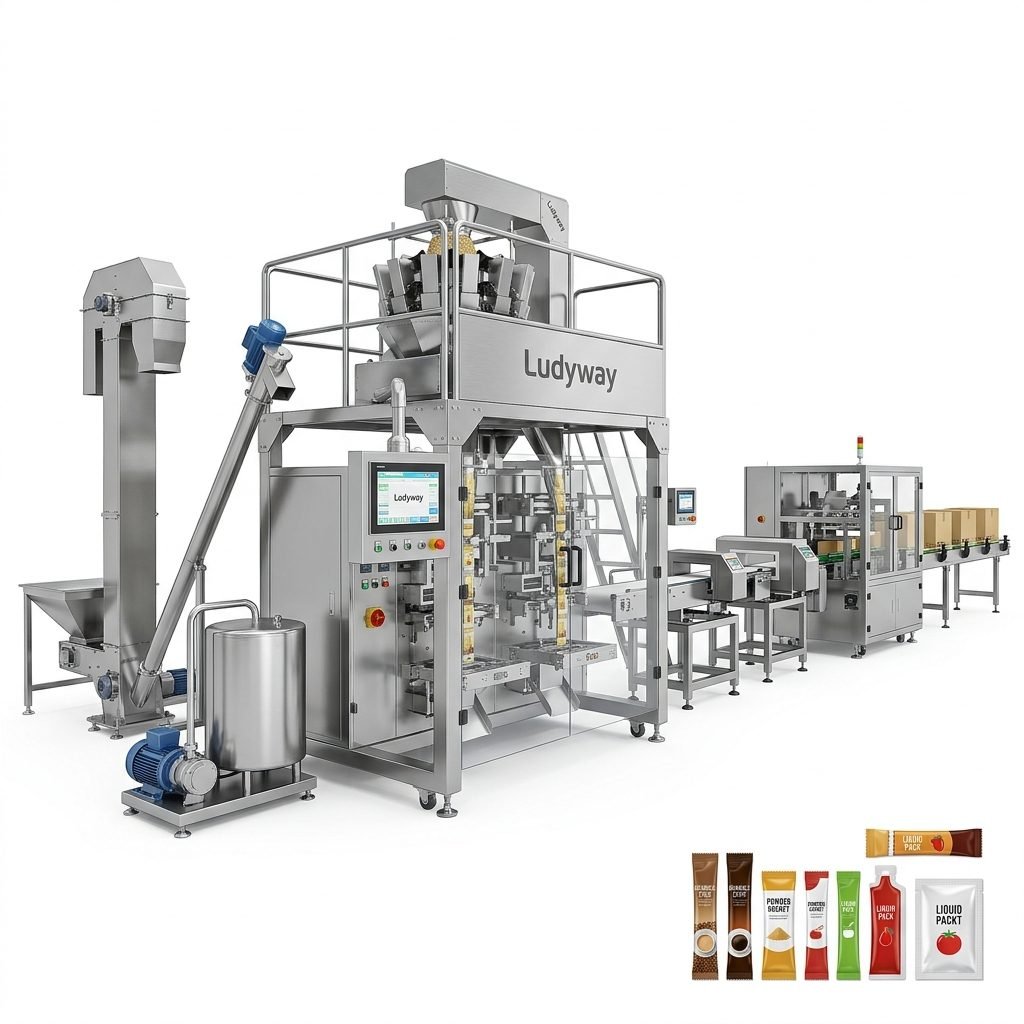
A box packaging machine is a vital part of modern secondary packaging. It helps manufacturers and distributors automatically form, fill, fold, seal, and prepare cartons or boxes for shipping with greater speed and consistency than manual packing. For companies handling food, pharmaceuticals, cosmetics, daily chemicals, pet products, and other packaged goods, the right carton packing solution can significantly improve throughput, reduce labor costs, and protect products during transport.
In many production environments, box packaging machines work together with primary packaging systems such as sachet machines, stick pack machines, pouch packers, bottle filling lines, labeling equipment, case packers, and palletizing units. The result is a smoother, more scalable packaging workflow from product filling to final shipment.
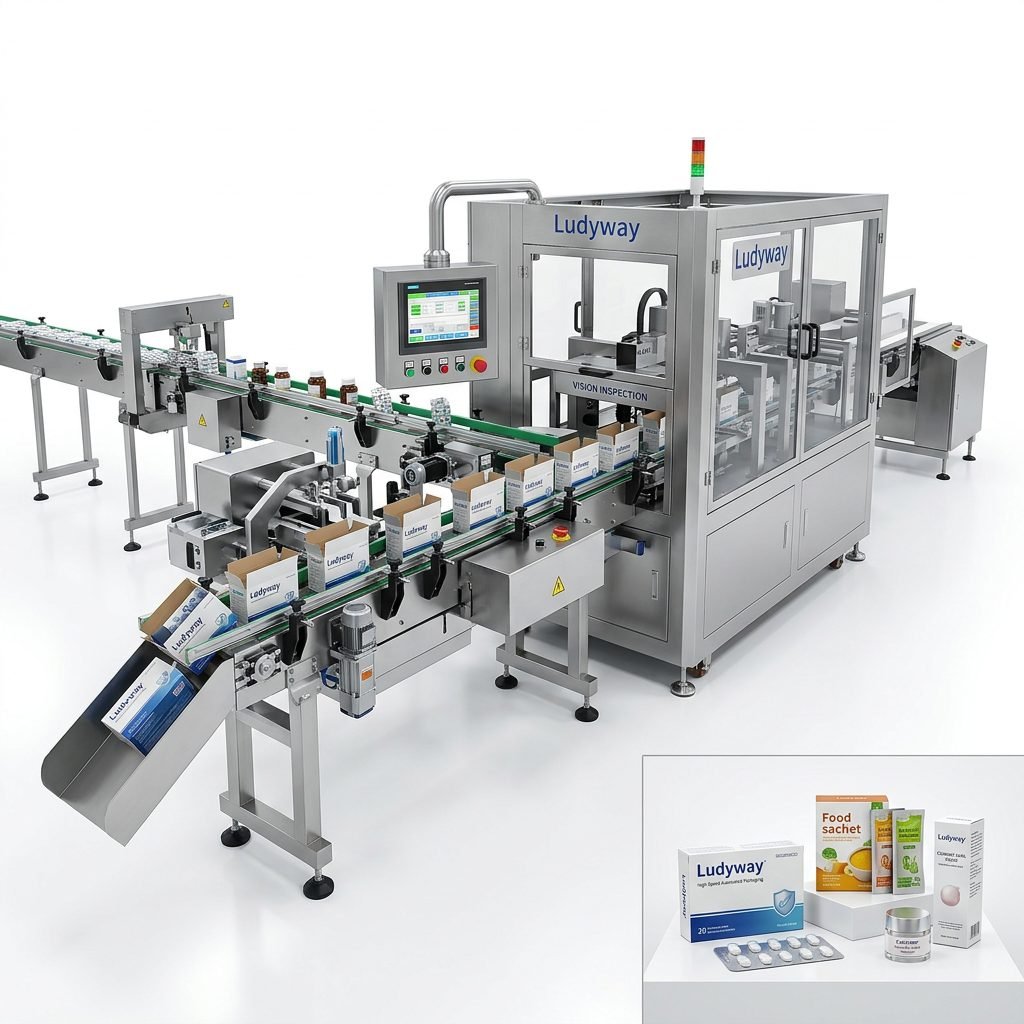
What Is a Box Packaging Machine?
A box packaging machine is automated equipment designed to place individual or grouped products into cartons, boxes, or cases. Depending on the application, it may perform one or several functions:
- Carton erecting or box forming
- Product collation and feeding
- Automatic loading into cartons
- Leaflet insertion or accessory placement
- Carton closing, gluing, or tuck-in sealing
- Case packing and final transport packaging
- Printing, coding, inspection, and rejection
These systems are commonly used when products need a retail-ready pack, better shelf presentation, batch organization, or stronger transport protection.
Why Automated Carton Packing Matters
Manual boxing may work for small batches, but it becomes inefficient as order volume grows. Automated box packaging systems help companies solve common production bottlenecks while maintaining a more stable output.
| Challenge | How a Box Packaging Machine Helps |
|---|---|
| High labor dependency | Automates repetitive packing tasks and lowers manual handling |
| Inconsistent carton quality | Delivers uniform folding, loading, and sealing |
| Slow line speed | Supports higher output and smoother line balancing |
| Product damage in transport | Improves packaging stability and handling protection |
| Scaling production | Enables integrated, expandable packaging lines |
Main Types of Box Packaging Machines
1. Carton Erectors
These machines automatically open flat carton blanks and form them into usable boxes. They are ideal for operations that need a continuous supply of erected cartons before loading.
2. Cartoning Machines
Cartoners place products into cartons. They can be configured for bottles, sachets, pouches, blister packs, tubes, sticks, or grouped units. Cartoning machines are usually divided into:
- Horizontal cartoners for products that are pushed into cartons from the side
- Vertical cartoners for products dropped or inserted from the top
3. Case Packers
Case packers load retail cartons, bottles, pouches, or bags into shipping cases. They are commonly used in end-of-line packaging.
4. Carton Sealers
These machines close boxes using tape, hot melt glue, or other sealing methods. They help improve the reliability and appearance of final shipping cartons.
5. Integrated Boxing Lines
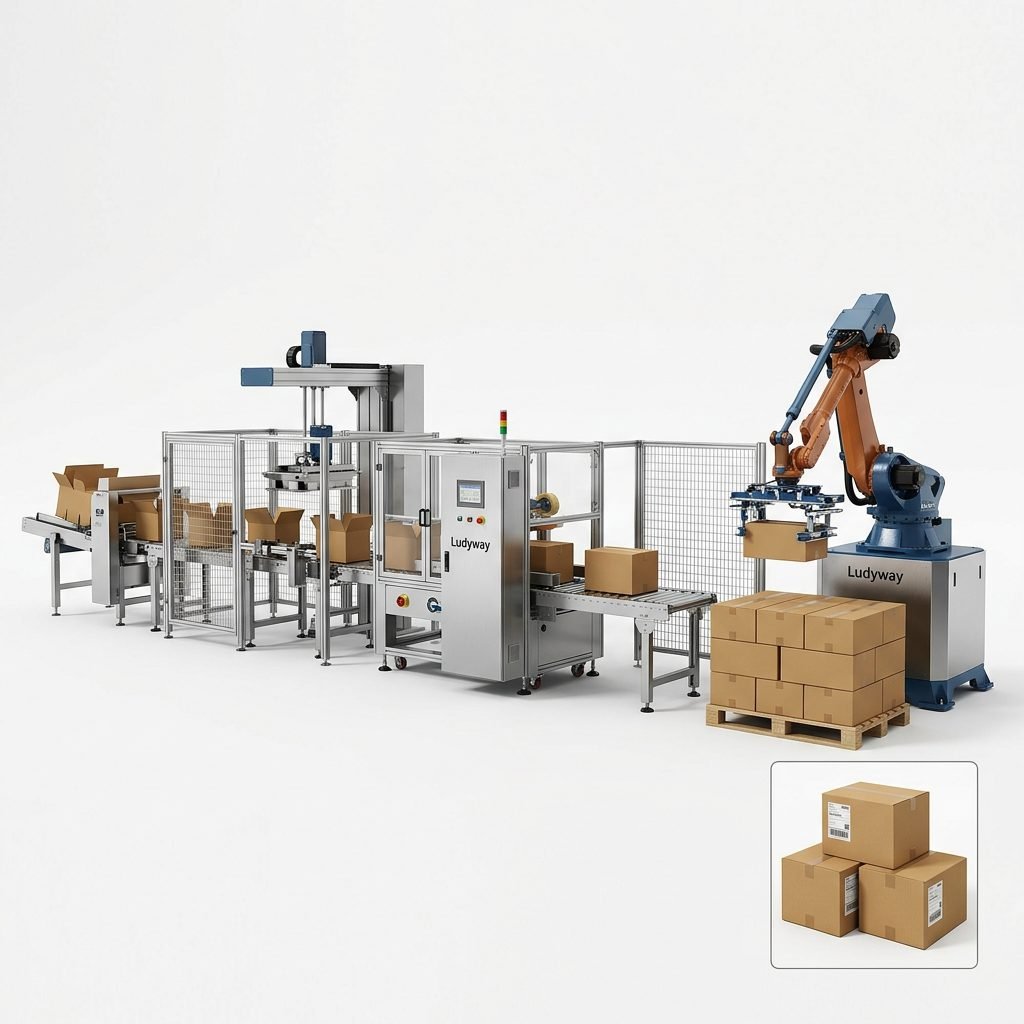
A complete solution may combine carton erecting, product loading, sealing, coding, inspection, checkweighing, case packing, and palletizing in one automated system.
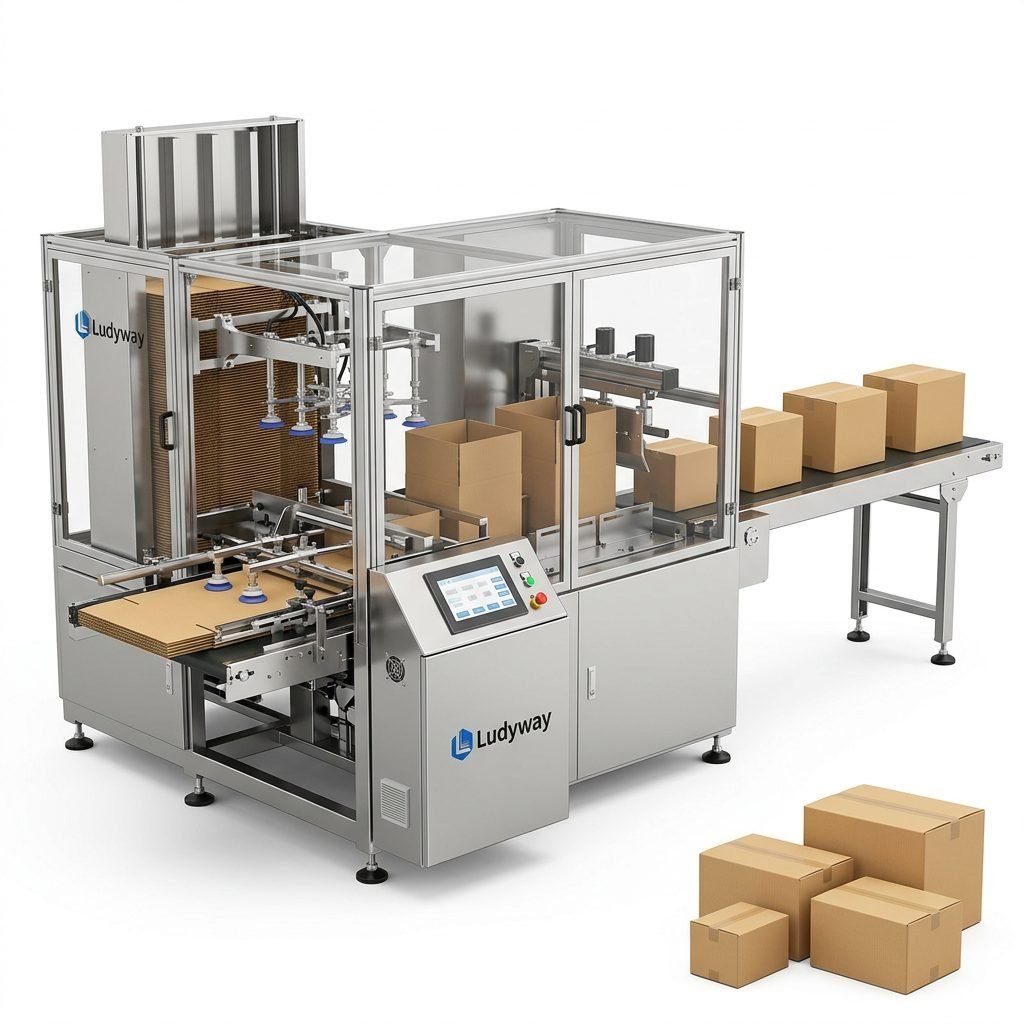
How a Carton Packing Line Works
Although machine layouts vary by industry and package style, a standard box packaging process usually follows these steps:
- Products arrive from the upstream filling or wrapping machine.
- Products are counted, grouped, or oriented automatically.
- Flat cartons are erected or preformed cartons are fed into position.
- Products are inserted into the carton by pushers, robotic pick-and-place systems, or gravity feed.
- Leaflets, scoops, applicators, or inserts are added if required.
- The carton is closed by tuck-in flaps or glue sealing.
- Codes, dates, or traceability marks are applied.
- Inspection systems reject faulty cartons.
- Finished cartons move to case packing and palletizing stages.
Industries That Commonly Use Box Packaging Machines
Food Industry
Food manufacturers use carton packing systems for snack sachets, seasoning mixes, coffee sticks, nutrition powders, bakery premixes, confectionery, tea products, and retail multipacks.
Pharmaceutical Industry
Pharmaceutical applications often require high-accuracy cartoning for sachets, blister packs, oral liquids, vials, medical consumables, and instruction leaflets. Reliable product traceability and hygienic design are especially important in this sector.
Cosmetics and Personal Care
Carton packers are used for facial masks, serum sachets, cream tubes, ampoules, wipes, and travel-size retail packs where presentation matters as much as protection.
Chemical and Household Products
Detergents, cleaning sachets, industrial additives, powders, and liquid units can all benefit from automated secondary packaging.
Pet Nutrition and Feed
Brands packing pet supplements, treats, nutrition sachets, and feeder packs often use boxing lines to organize multiple units into retail cartons or shipping cases.
Key Features to Look For
When comparing box packaging machine suppliers, focus on practical performance rather than headline speed alone.
- Packaging compatibility: cartons, display boxes, shipping cases, or multipacks
- Product flexibility: suitable for sachets, stick packs, pouches, bottles, tubes, blisters, and more
- Speed range: stable output that matches upstream production
- Tool-less or quick changeover: helpful for multi-SKU production
- Servo control system: improves precision and repeatability
- Fault detection: carton opening failure, missing product, glue fault, jam alarm
- Inspection integration: barcode checking, vision systems, checkweighers, reject systems
- Safety design: guards, interlocks, emergency stops, compliant electrical systems
- Cleaning and maintenance access: important for food and pharma lines
- Line integration ability: easy connection with upstream and downstream equipment
Horizontal vs Vertical Cartoning Machines
| Type | Best For | Typical Advantage |
|---|---|---|
| Horizontal Cartoner | Blisters, sachet groups, tubes, pouches, rigid items | Good for controlled side insertion and high-speed packaging |
| Vertical Cartoner | Loose items, counted products, top-load applications | Simple gravity-assisted loading and flexible product handling |
Benefits of an Integrated Carton Packing Solution
A standalone boxing machine can improve one stage of your packaging workflow, but a fully integrated line often delivers stronger long-term value.
Core benefits include:
- Reduced product handling between machines
- Lower risk of line stoppages caused by manual transfer
- Better synchronization from filling to final packing
- Centralized controls and simpler production management
- Improved output planning for growing order volumes
- Better pack consistency and transport protection
For manufacturers planning future automation, choosing a supplier with both machine-building and turnkey integration capability is often the more efficient path. Companies looking for scalable secondary and complete packaging line solutions often evaluate Ludyway box packaging machine solutions because of their broad packaging machinery portfolio, turnkey line experience, and long manufacturing background.
How to Choose the Right Box Packaging Machine
Understand Your Product Format
Start with the product itself. Is it packed in sachets, bottles, pouches, vials, tubes, or blisters? Does it need single-pack cartoning or grouped multipacks? Product shape and feeding behavior strongly affect machine design.
Define Carton Style and Size Range
Some lines run one carton size all day, while others change between many SKUs. If your product portfolio is wide, prioritize fast changeover and recipe-based settings.
Match Speed with the Full Line
Do not buy a box packaging machine in isolation. The real requirement is line balance. Your cartoner should match or slightly exceed the output of upstream filling and downstream case packing sections.
Check Material Compatibility
Different carton boards, coatings, glues, and inserts behave differently. Always verify the machine using your actual packaging materials during testing.
Consider Compliance Requirements
Food and pharmaceutical sectors may require specific standards for hygiene, validation support, data coding, batch traceability, and documentation.
Evaluate After-Sales Support
Training, spare parts, remote support, commissioning, and troubleshooting response times all matter. A technically sound machine is only valuable if support remains available after installation.
Questions to Ask Before Buying
- What products and carton sizes can the machine handle?
- What is the actual stable speed under production conditions?
- How long does changeover take between SKUs?
- Can the machine integrate with my current filling line?
- What inspection and rejection options are included?
- What are the spare parts lead times?
- Is FAT or sample testing available?
- What level of operator training is provided?
- Can the supplier support future expansion to a turnkey line?
Common Applications of Box Packaging Machines
| Application | Typical Pack Format | Packaging Goal |
|---|---|---|
| Coffee and beverage powders | Stick packs or sachets into retail cartons | Retail presentation and count organization |
| Pharmaceutical sachets and blisters | Cartons with leaflet insertion | Compliance, traceability, and protection |
| Cosmetic masks and serums | Single units or multipacks in cartons | Shelf appeal and premium appearance |
| Pet supplements | Sachets or sticks into display boxes | Convenient retail grouping |
| Household products | Sachets or bottles into cartons/cases | Safer logistics and more efficient shipping |
Maintenance Tips for Better Performance
Even the best carton packing machine needs a preventive maintenance plan. Poor upkeep often leads to jams, poor carton forming, weak sealing, and unplanned downtime.
- Inspect carton magazine, suction cups, pushers, and guides regularly
- Keep sensors, belts, and folding mechanisms clean
- Check glue or tape sealing systems for consistency
- Replace worn parts before they affect carton quality
- Verify alignment after size changeovers
- Train operators to identify early signs of misfeed or jam conditions
- Maintain spare parts inventory for critical wear components
Signs It’s Time to Upgrade Your Existing Carton Packing Process
- Frequent labor shortages affect output
- Manual packing limits your daily production volume
- Carton damage or poor sealing causes shipping complaints
- Product count errors occur too often
- SKU growth has made manual changeover impractical
- You need better integration with coding, inspection, or palletizing
Final Buying Perspective
The best box packaging machine is not simply the fastest one. It is the machine that fits your product, carton style, compliance needs, available space, and long-term production goals. For growing manufacturers, an efficient carton packing solution should deliver stable automation, flexible changeover, reliable sealing, and easy integration with the rest of the line.
If you are planning a new packaging project or upgrading from manual boxing, evaluating the full packaging flow—from primary filling to final case handling—will help you choose a more future-ready solution and achieve stronger return on investment.