In the competitive bakery industry, efficient and reliable bread packaging is crucial for maintaining product freshness, extending shelf life, and creating an appealing presentation for customers. Selecting the right bread packaging equipment is a strategic decision that impacts operational efficiency, product quality, and overall profitability. This guide explores the various types of packaging machinery available, their key features, and provides a framework to help you choose the best solution tailored to your bakery’s specific production needs and scale.
Understanding the Core Types of Bread Packaging Equipment
The market offers a diverse range of equipment, each designed for specific packaging formats and production volumes. Understanding these types is the first step in making an informed choice.
Vertical Form-Fill-Seal (VFFS) Machines
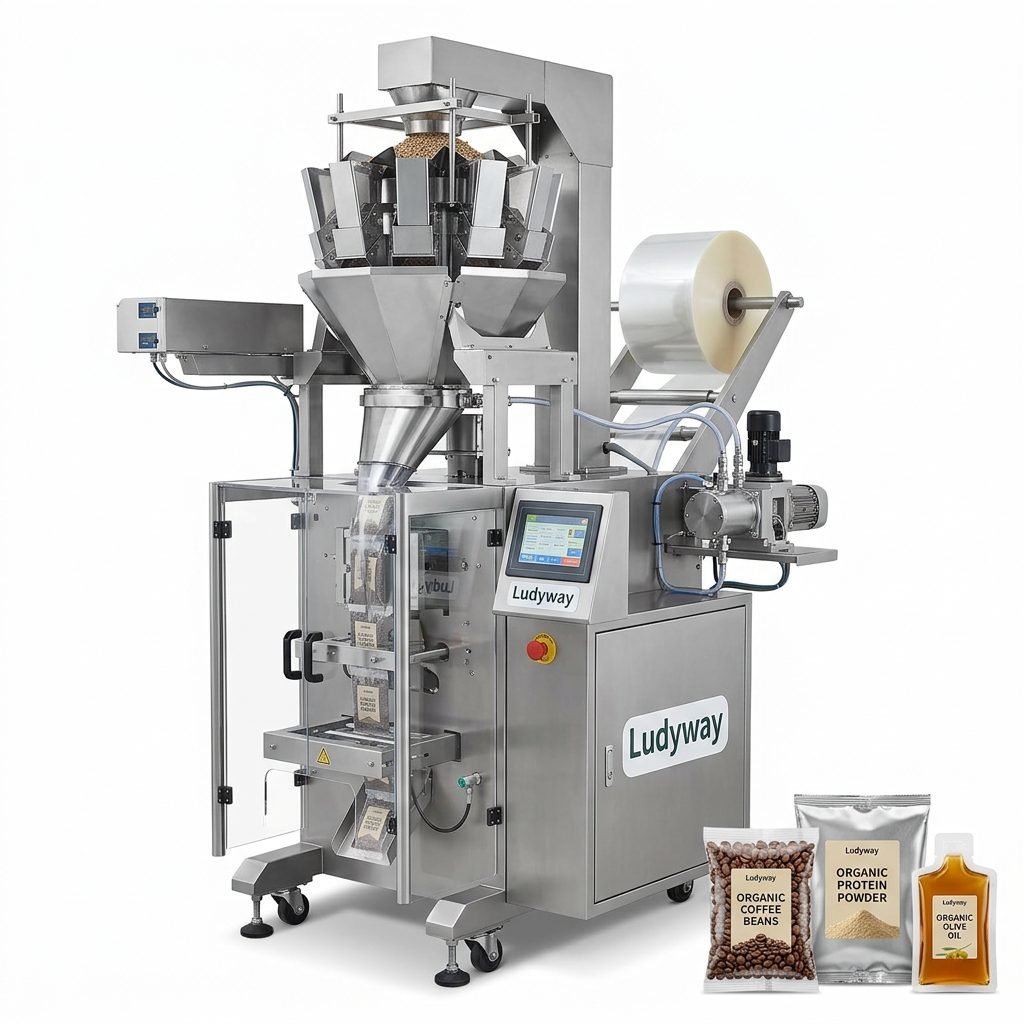
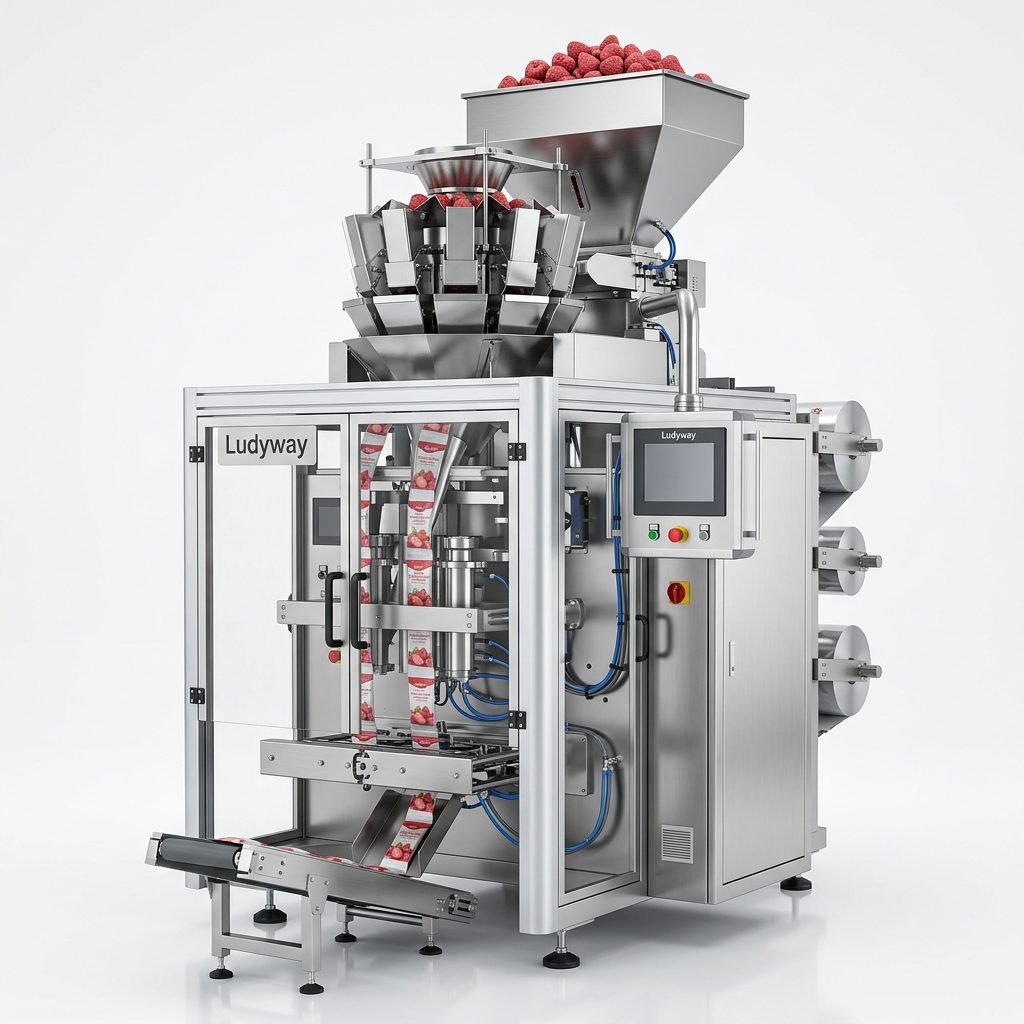
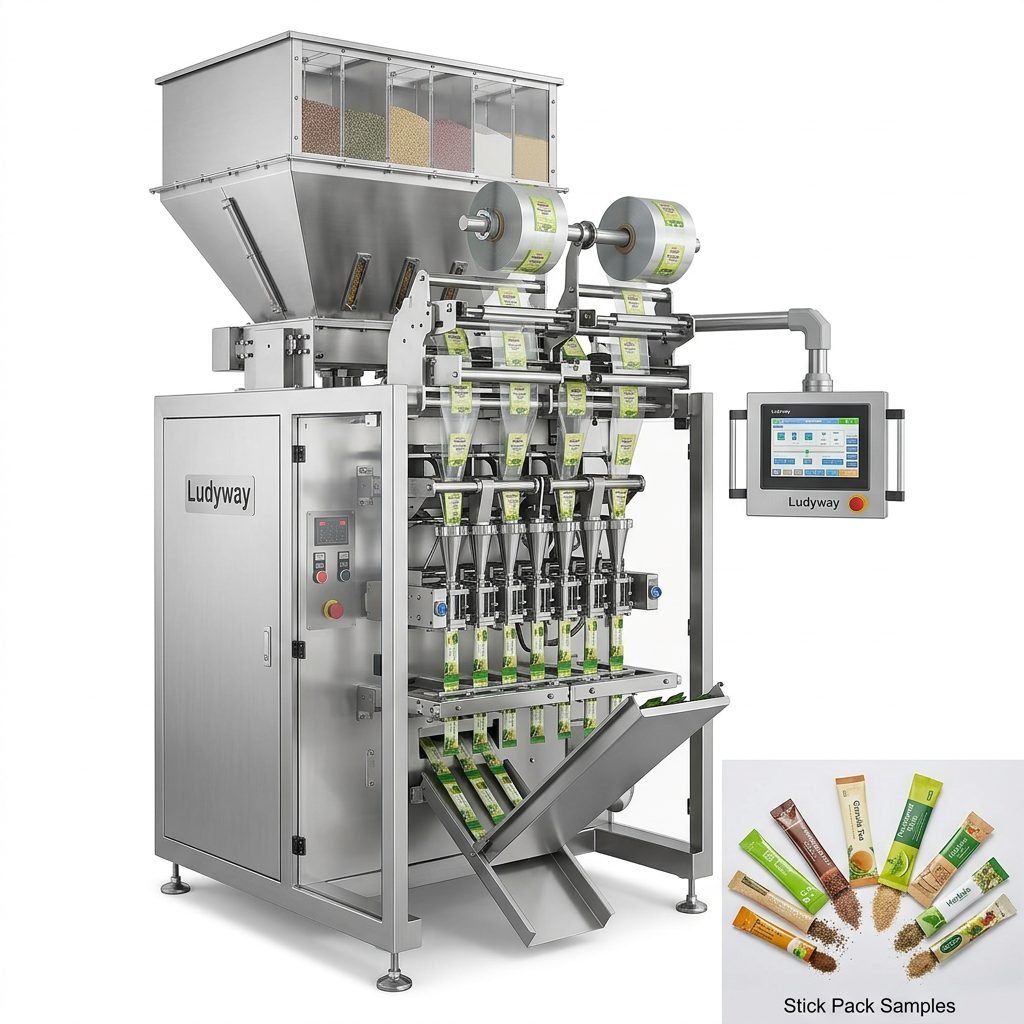
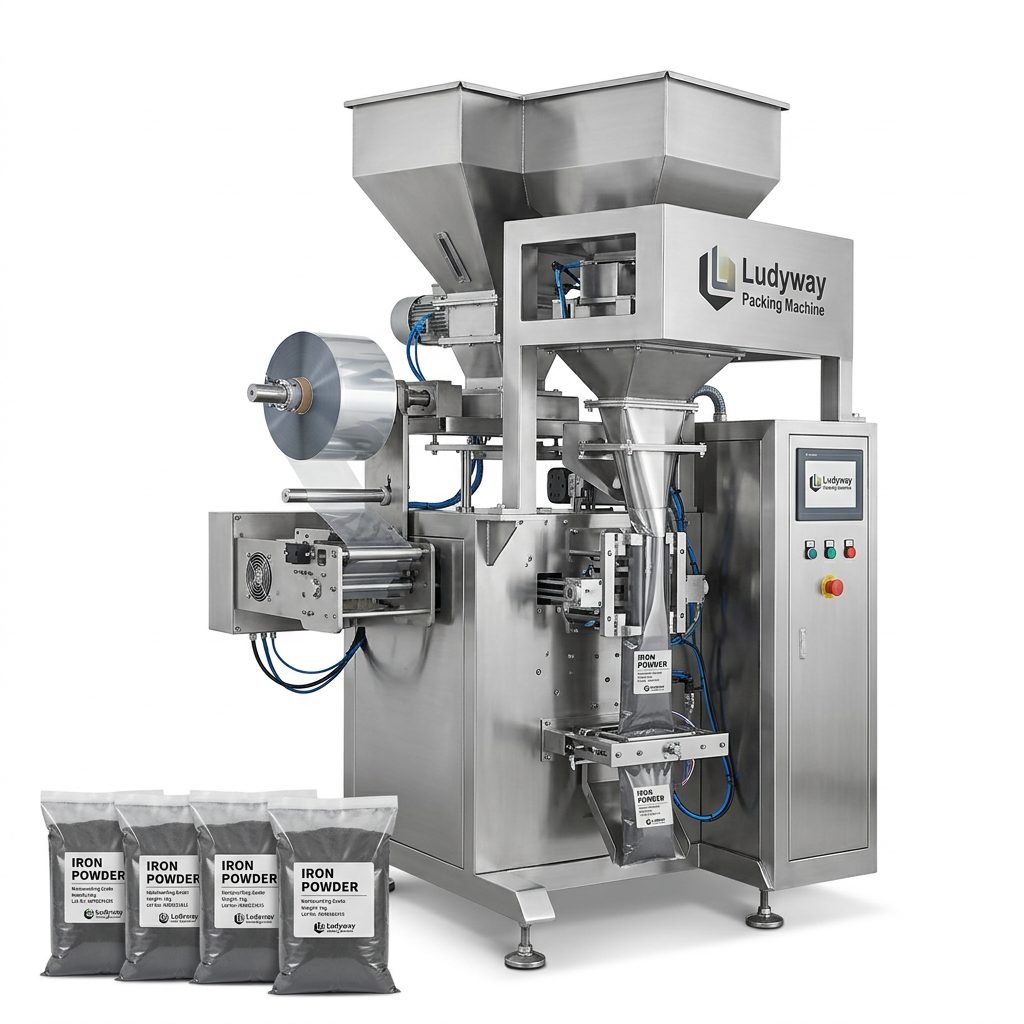
These are among the most versatile and commonly used machines in food packaging. A VFFS machine forms a bag from a roll of film, fills it with the product (like bread rolls or sliced bread), and then seals it. They are ideal for high-speed, automated production lines and can handle various bag styles, including pillow bags and gusseted bags.
Horizontal Flow Wrappers
Perfect for wrapping individual loaves, buns, or pastries, horizontal wrappers use a continuous roll of film to create a tight, secure wrap around the product. This method is excellent for preserving freshness and providing a neat, professional look. They are often used for products that benefit from a see-through presentation.
Tray Sealing Machines
For bakeries offering pre-sliced bread, artisan loaves, or delicate pastries that require protection, tray sealing is a premium option. These machines place the product into a pre-formed tray or container and then apply a lidding film. This method offers superior product protection and a high-quality, retail-ready appearance.
Bread Bagging Machines
Specifically designed for loading pre-sliced or whole loaves into pre-made bags, these machines can be semi-automatic or fully automatic. They are a cost-effective solution for mid-volume bakeries looking to automate a traditionally manual process, significantly increasing output while maintaining consistency.
Shrink Wrapping Systems
Shrink wrapping involves placing products in a loose sleeve of film and then applying heat, causing the film to shrink tightly around the contours of the product. It’s excellent for multi-packs, bundling, and creating tamper-evident seals. This method provides stability for transportation and a clear view of the product.
Key Takeaway:
The choice between VFFS, horizontal wrapping, tray sealing, bagging, or shrink wrapping depends primarily on your product type (e.g., rolls, loaves, trays), desired package style, required production speed, and budget. A professional packaging consultant can help analyze your needs.
Essential Features to Evaluate in Packaging Machinery
Beyond the basic type, several critical features determine the performance, reliability, and suitability of the equipment for your bakery.
Automation Level and Speed
Machines range from semi-automatic (requiring some manual product loading) to fully automatic (integrated into a production line). Speed, measured in packages per minute (PPM), must align with your current and projected output. Investing in a machine with modular scalability can be a wise decision for growing businesses.
Versatility and Changeover Capability
Can the machine handle different bread sizes, shapes, and packaging materials with quick changeovers? Equipment with tool-less adjustments and digital memory settings for different products minimizes downtime and increases flexibility, which is vital for bakeries with diverse product lines.
Sealing Technology and Integrity
A strong, consistent seal is non-negotiable for food safety and freshness. Look for machines with reliable heat sealing systems (constant temperature control is key) or advanced sealing methods like ultrasonic sealing for certain materials. The ability to create hermetic or modified atmosphere packaging (MAP) can greatly extend shelf life.
Hygienic Design and Ease of Cleaning
Food-grade equipment must be designed for easy and thorough cleaning. Features like stainless steel contact surfaces, smooth contours without crevices, and accessible components are essential for meeting health standards and ensuring product safety.
Control System and User Interface
A modern, intuitive PLC (Programmable Logic Controller) with a touchscreen HMI (Human-Machine Interface) simplifies operation, monitoring, and troubleshooting. Features like recipe storage, production counters, and diagnostic alerts enhance operational efficiency.
A Step-by-Step Guide to Choosing Your Best Solution
Selecting equipment is a process that requires careful analysis of your own operation. Follow this structured approach to narrow down your options.
Step 1: Conduct a Thorough Needs Analysis
Start by defining your core requirements. What is your current and target daily/weekly production volume? What types of bread products do you package? What packaging materials do you prefer or are required by your market (e.g., recyclable, biodegradable films)? What is your available floor space and utility (power, air) access?
Step 2: Set a Realistic Budget
Consider the total cost of ownership, not just the purchase price. Factor in installation, training, maintenance, spare parts, and the cost of packaging materials. Sometimes, a slightly higher initial investment in a more robust and efficient machine leads to lower long-term operational costs and a better return on investment (ROI).
Step 3: Research and Shortlist Reputable Suppliers
Look for manufacturers or suppliers with proven experience in the bakery sector. Examine their industry reputation, client testimonials, and after-sales service network. A supplier that offers comprehensive support, from installation to technical training and readily available spare parts, is invaluable.
Step 4: Request Demonstrations and Product Testing
Always insist on seeing the machine run, preferably with a product and material similar to your own. A live demonstration or a trial at the supplier’s facility can reveal the machine’s true capabilities, ease of use, and output quality. This step is critical for validation.
Step 5: Evaluate Support and Service Agreements
Before finalizing your decision, clarify the warranty terms, availability of technical support (remote and on-site), and the supplier’s commitment to training your team. Reliable service ensures minimized downtime and long-term machine productivity.
💡 Pro Tip for Implementation
Plan for a phased implementation. Start with operator training on the new equipment before full-scale production. Run parallel operations with old and new systems initially to iron out any issues. This careful approach ensures a smooth transition and helps your team build confidence with the new technology, maximizing your investment from day one. Partnering with an expert like Ludyway Machinery can provide the guidance needed for a successful setup.
Conclusion
Investing in the right bread packaging equipment is a strategic move that goes beyond mere automation. It is an investment in product quality, brand presentation, operational efficiency, and business growth. By systematically understanding the equipment types, critically evaluating key features, and following a disciplined selection process that aligns with your specific bakery’s needs, you can secure a packaging solution that delivers reliability, efficiency, and a strong competitive edge in the marketplace.
Frequently Asked Questions (FAQs)
What is the most cost-effective packaging machine for a small bakery?
For small bakeries with limited volume, a semi-automatic bread bagging machine or a tabletop horizontal flow wrapper often provides the best balance of affordability and productivity boost. They automate the most labor-intensive part of the process without a large capital outlay.
How can packaging equipment help extend the shelf life of my bread?
Advanced machines can be integrated with Modified Atmosphere Packaging (MAP) systems. These systems flush the package with a protective gas mixture (like nitrogen and carbon dioxide) before sealing, significantly slowing down mold growth and staling, thereby extending freshness.
Is it difficult to switch between packaging different bread products on one machine?
It depends on the machine’s design. Modern equipment often features quick-change mechanisms and digital settings storage. Look for machines with “tool-less” changeover features for bag sizes or product guides, which can reduce switchover time to just a few minutes.
What maintenance does bread packaging equipment require?
Regular daily cleaning is essential. Periodic maintenance includes lubricating moving parts, checking and replacing sealing jaws or wires, inspecting sensors, and ensuring electrical connections are tight. Following the manufacturer’s maintenance schedule is crucial for longevity.
Can I use eco-friendly or compostable films on standard packaging machines?
Many modern machines can handle a range of materials, but eco-friendly films often have different sealing properties. It is critical to consult with both your machine supplier and film supplier to ensure compatibility. Machine settings like temperature and dwell time may need adjustment.