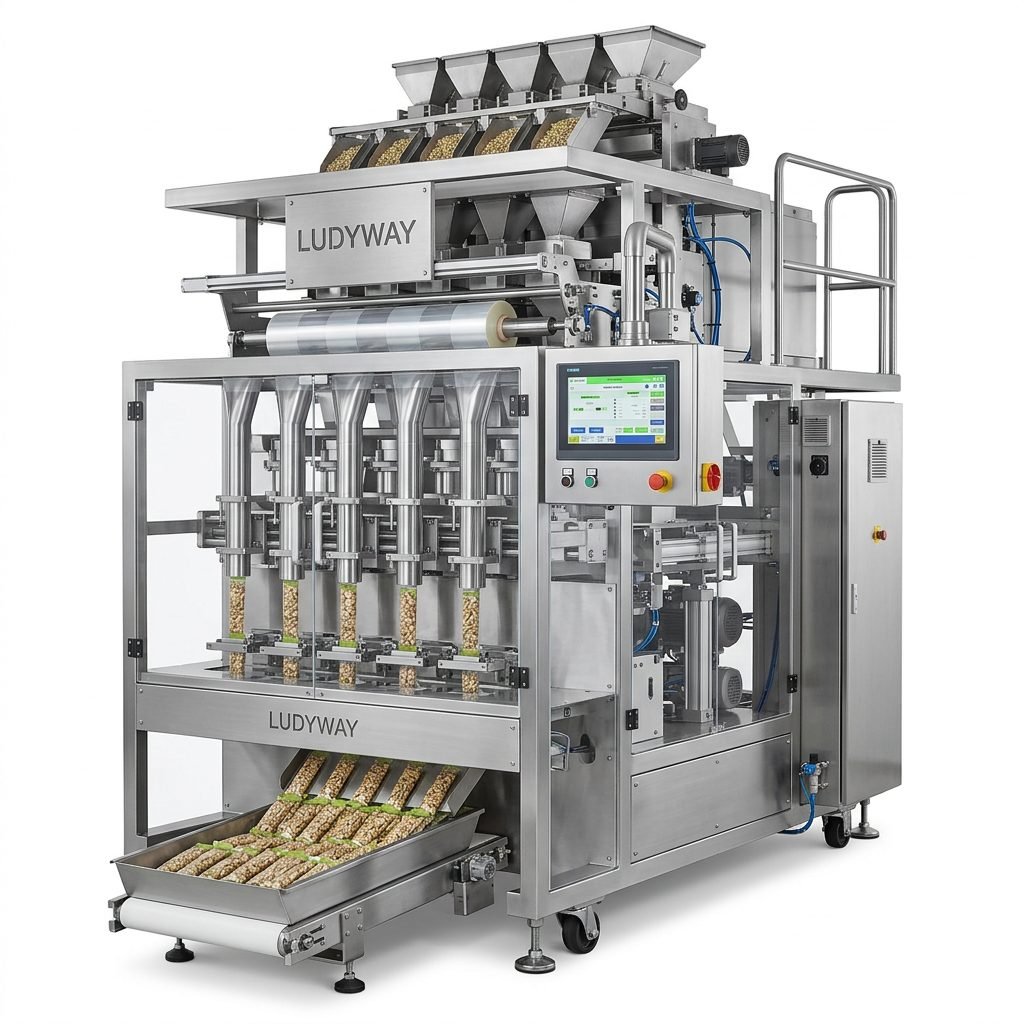
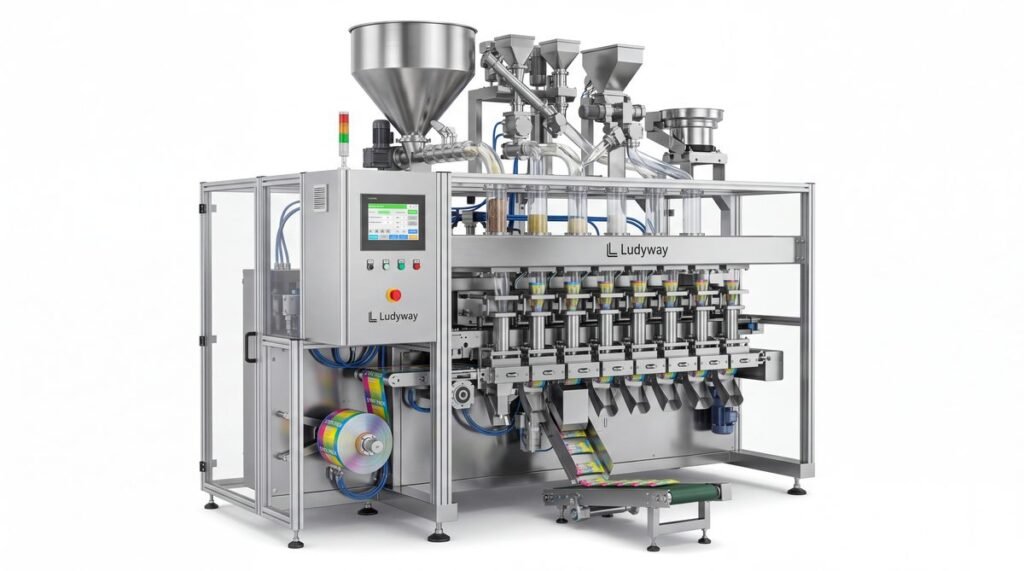
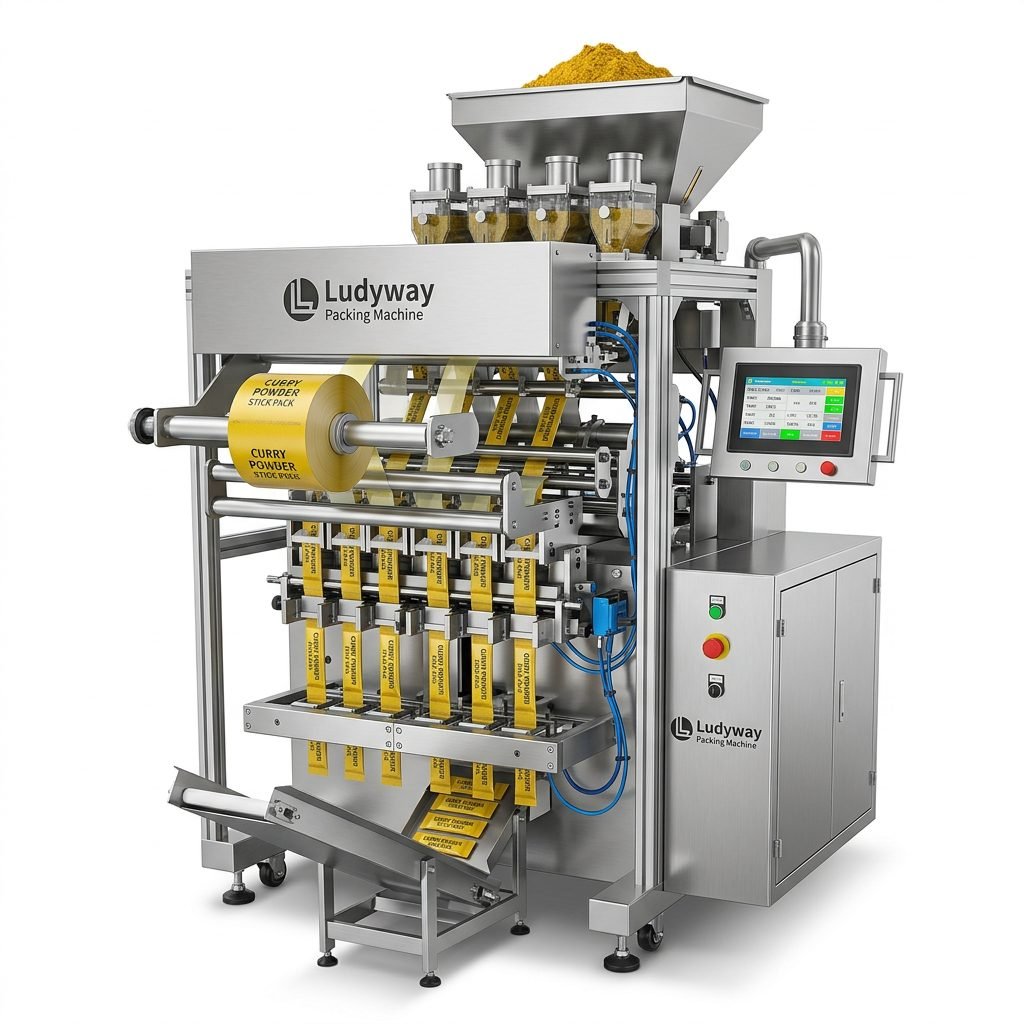
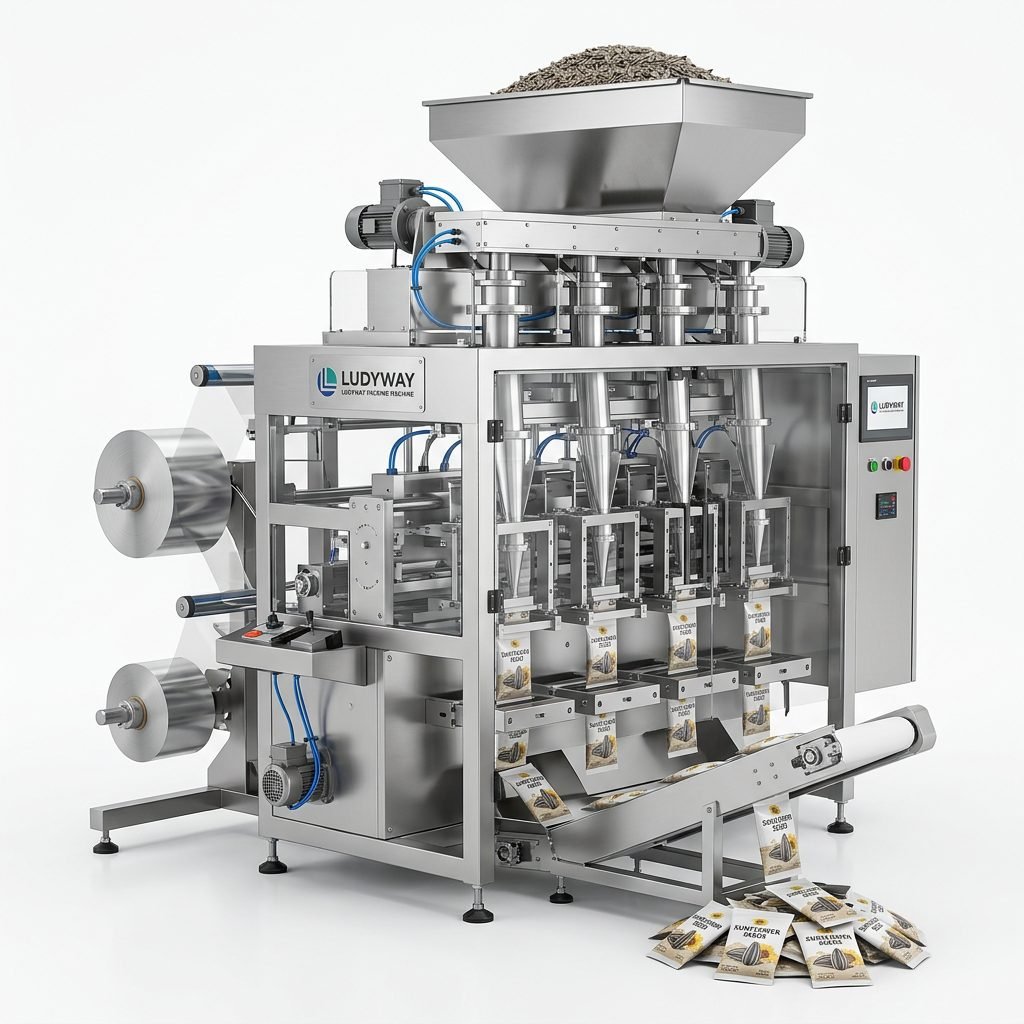
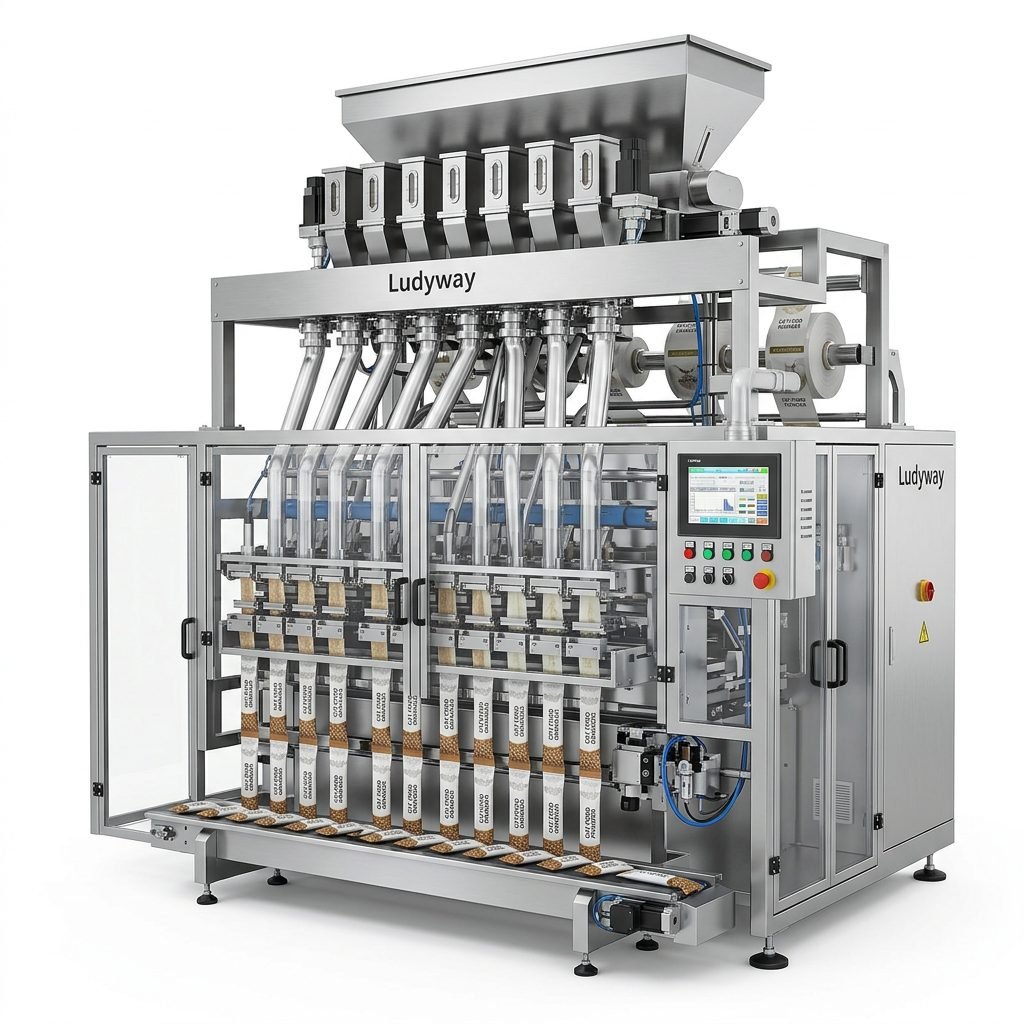
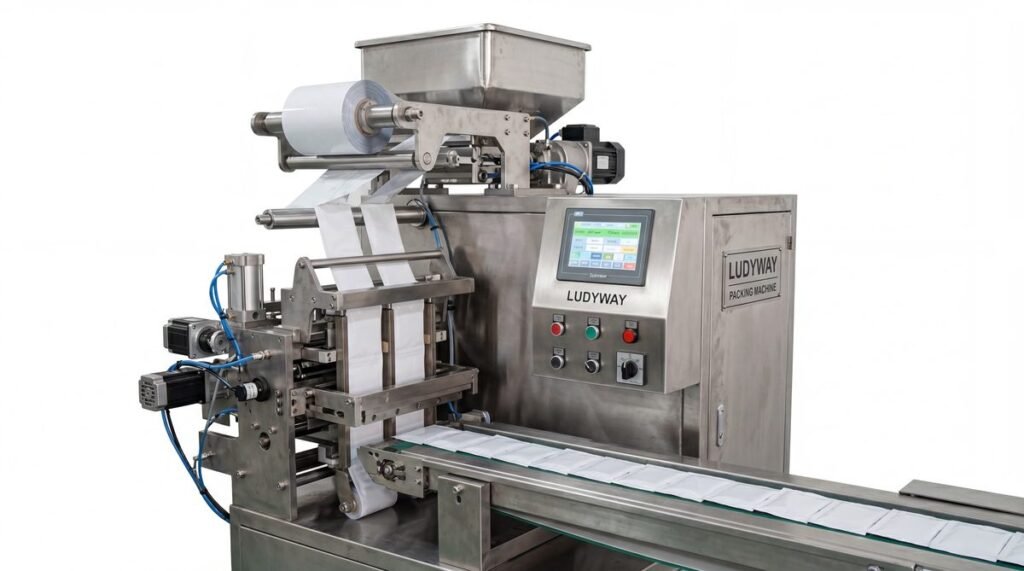
In the fast-paced world of manufacturing and product distribution, packaging efficiency and product integrity are paramount. For industries dealing with sensitive products—from pharmaceuticals and nutraceuticals to high-end food items and electronics—exposure to oxygen and moisture can be detrimental. This is where the double vacuum chamber packaging machine emerges as a critical technological solution. This comprehensive guide delves into the intricate features, significant benefits, and diverse applications of this advanced packaging system.
Core Concept: What is a Double Vacuum Chamber Machine?
A double vacuum chamber packaging machine is an automated system designed to remove air (specifically oxygen) from a package before sealing it. Unlike single-chamber models, it features two identical vacuum chambers. While one chamber is actively sealing a product package under vacuum, the other chamber can be simultaneously loaded with the next product. This alternating cycle creates a continuous, non-stop production flow, dramatically increasing output compared to single-chamber machines.
Key Features and Technological Advancements
Modern double vacuum chamber machines are engineered with sophistication to meet high industrial standards. Understanding their core features is essential for evaluating their capability.
1. Dual-Chamber Alternating Mechanism
The defining feature is the presence of two sealing chambers. This design eliminates downtime for loading and unloading, as the process is continuous. A programmable logic controller (PLC) seamlessly manages the alternating sequence, ensuring smooth operation.
2. Advanced Vacuum and Gas Flushing Systems
These machines are equipped with powerful vacuum pumps capable of achieving deep vacuum levels, often measured in millibar or Torr. For products requiring an inert atmosphere, an integrated gas flushing system (typically using Nitrogen or a mixed gas) is introduced after vacuuming to displace residual oxygen before the final seal.
3. Precision Sealing Technology
The sealing bar is a critical component. It is often made from high-grade, corrosion-resistant materials and features adjustable temperature and pressure controls. This ensures a hermetically strong and consistent seal across various packaging materials, including multilayer laminates and high-barrier films.
4. User-Friendly HMI Interface
Operators interact with the machine through a Human-Machine Interface (HMI) touchscreen panel. This interface allows for easy setup, storage of multiple product recipes, real-time monitoring of parameters (vacuum level, seal time/temp), and diagnostic alerts for maintenance.
5. Robust Construction and Safety
Built with stainless steel frames and food-grade contact parts, these machines ensure durability and compliance with hygiene regulations. Safety features include emergency stop buttons, safety interlocks on chamber lids, and overload protection for the sealing mechanism.
Tangible Benefits for Your Production Line
Investing in a double vacuum chamber machine translates into multiple operational and commercial advantages.
📈 Primary Advantages at a Glance
Increased Productivity: Continuous operation can double or even triple output compared to single-chamber units.
Superior Product Preservation: Extends shelf life by preventing oxidation, mold growth, and flavor loss.
Enhanced Product Presentation: “Skin-tight” packaging improves appearance and protects against physical damage.
Reduced Material Waste: Precise control minimizes film usage and product spoilage.
Operational Flexibility: Handles a wide range of products and package sizes with quick changeovers.
The most significant benefit is the dramatic boost in production efficiency. By eliminating the waiting period inherent in single-chamber cycles, throughput is maximized, leading to a faster return on investment. Furthermore, the superior vacuum quality significantly extends the shelf life of products, reducing returns and waste, and enhancing brand reputation for quality. The compact, rigid packaging also reduces volume for shipping and storage, lowering logistical costs.
Diverse Industry Applications
The versatility of double vacuum chamber machines makes them indispensable across numerous sectors.
Food & Beverage Industry
Widely used for packaging coffee beans and ground coffee, nuts, dried meats (jerky), cheeses, powdered drinks, and processed snacks. Vacuum sealing locks in freshness, aroma, and flavor while preventing freezer burn for frozen products.
Pharmaceutical & Healthcare
Critical for packaging sterile medical devices, surgical kits, tablets, and hygroscopic powders. The vacuum or gas flush environment prevents contamination, maintains sterility, and ensures product stability over long periods, which is often a regulatory requirement. For more on specialized packaging solutions, explore our pharmaceutical packaging systems.
Electronics & Precision Parts
Protects sensitive electronic components, circuit boards, and metal parts from corrosion caused by moisture and oxygen during storage and shipping.
Chemical & Industrial Products
Used for packaging chemicals, reagents, and specialty powders that are sensitive to atmospheric conditions, ensuring safety and preserving their chemical properties.
Selecting the Right Machine: A Brief Guide
Choosing the appropriate double vacuum chamber machine requires careful consideration. Key factors include your primary product type (size, shape, sensitivity), required production speed (packages per minute), the necessary vacuum level, and compatibility with your preferred packaging film. It is crucial to partner with a reputable supplier who can provide robust machines, reliable after-sales support, and assistance with integration. Discover our range of high-performance vacuum packaging equipment designed for various needs.
In conclusion, the double vacuum chamber packaging machine is more than just a piece of equipment; it is a strategic asset for any business serious about quality, efficiency, and scalability. Its intelligent dual-chamber design solves the productivity bottleneck of traditional vacuum sealing, while its advanced features ensure unparalleled product protection. As market demands for longer shelf life and premium presentation grow, this technology stands as a cornerstone of modern, competitive packaging lines. For businesses looking to implement a complete automated solution, understanding turnkey packaging line integration is the next logical step.
Frequently Asked Questions (FAQs)
1. What is the main difference between a single and double vacuum chamber machine?
The core difference is workflow. A single-chamber machine must complete the entire vacuum-seal-cool cycle for one batch before the next batch can be loaded, causing idle time. A double-chamber machine uses two chambers that work alternately: while one is sealing, the other is being loaded, enabling continuous, non-stop production and much higher output.
2. Can these machines handle liquid or oily products?
Yes, but with specific considerations. Machines can be equipped with “deep-draw” chambers or specially designed trays to contain liquids and prevent them from being sucked into the vacuum pump. It’s essential to specify the product type to the manufacturer so they can recommend appropriate modifications or accessories.
3. What type of packaging film is required for vacuum packaging?
Vacuum packaging requires films with good barrier properties against oxygen and moisture, and the inner layer must have excellent heat-sealability. Common materials include multilayer laminates like PET/PE, NY/PE, or EVOH-based high-barrier films. The film must be compatible with the machine’s sealing temperature and pressure.
4. How important is the gas flushing feature?
Gas flushing (or Modified Atmosphere Packaging – MAP) is crucial for products highly susceptible to oxidation, such as fresh roasted coffee, sliced meats, or certain snacks. After vacuuming, an inert gas like nitrogen is injected to displace any residual oxygen, providing an extra layer of protection that a vacuum alone cannot achieve, further extending shelf life.
5. What are the key maintenance requirements?
Regular maintenance is vital for longevity and consistent performance. Key tasks include daily cleaning of the sealing bar and chamber, checking and replacing the vacuum pump oil as recommended, inspecting the silicone seal on the chamber lid for wear, and ensuring the heating element of the sealing bar is functioning evenly. Always follow the manufacturer’s specific maintenance schedule.