Choosing the right bubble wrap packaging machine is a critical decision for businesses looking to streamline their shipping and product protection processes. An efficient air bubble packing solution not only safeguards your products during transit but also optimizes your operational workflow, reduces material waste, and enhances customer satisfaction. This comprehensive guide will walk you through the key factors to consider when selecting the best bubble wrap packaging machine for your specific business needs.
Understanding Bubble Wrap Packaging Machines
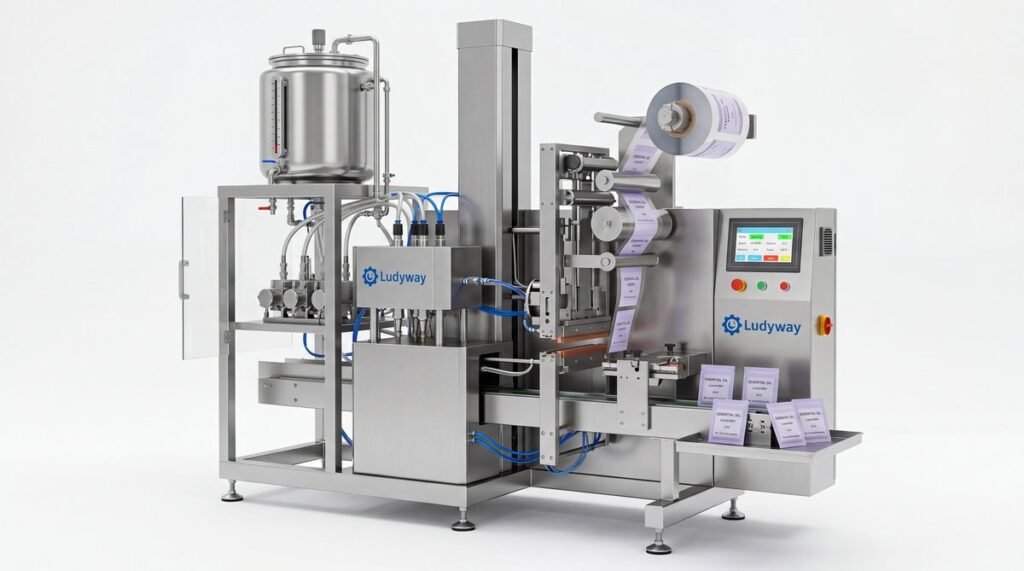
Bubble wrap packaging machines, also known as air bubble film machines or inflatable packaging systems, automate the process of creating protective cushioning. They typically use rolls of flat polyethylene film, inflate it with air to form bubbles, and then seal it to create sheets or bags of protective packaging. This automation replaces manual bubble wrap rolling and cutting, leading to significant gains in speed and consistency.
Key Takeaway:
The core function of these machines is to on-demand production of protective cushioning, eliminating the need for pre-inflated bubble wrap storage and reducing your packaging footprint.
Types of Bubble Wrap Packaging Machines
There are several primary types of machines, each suited to different production volumes and packaging styles.
1. Automatic Bubble Bag Making Machines
These are high-speed systems designed for creating pre-made bubble bags in various sizes. They are ideal for businesses with consistent product dimensions and high daily output requirements. The process is fully automated from film roll to finished, sealed bag.
2. On-Demand Bubble Wrap Dispensers / Packers
This category includes semi-automatic and automatic machines that inflate and dispense bubble wrap sheeting directly onto or around a product. Operators place the item, and the machine dispenses the required amount of cushioning. They offer great flexibility for businesses packing diverse product sizes.
3. Integrated Inflatable Packaging Systems
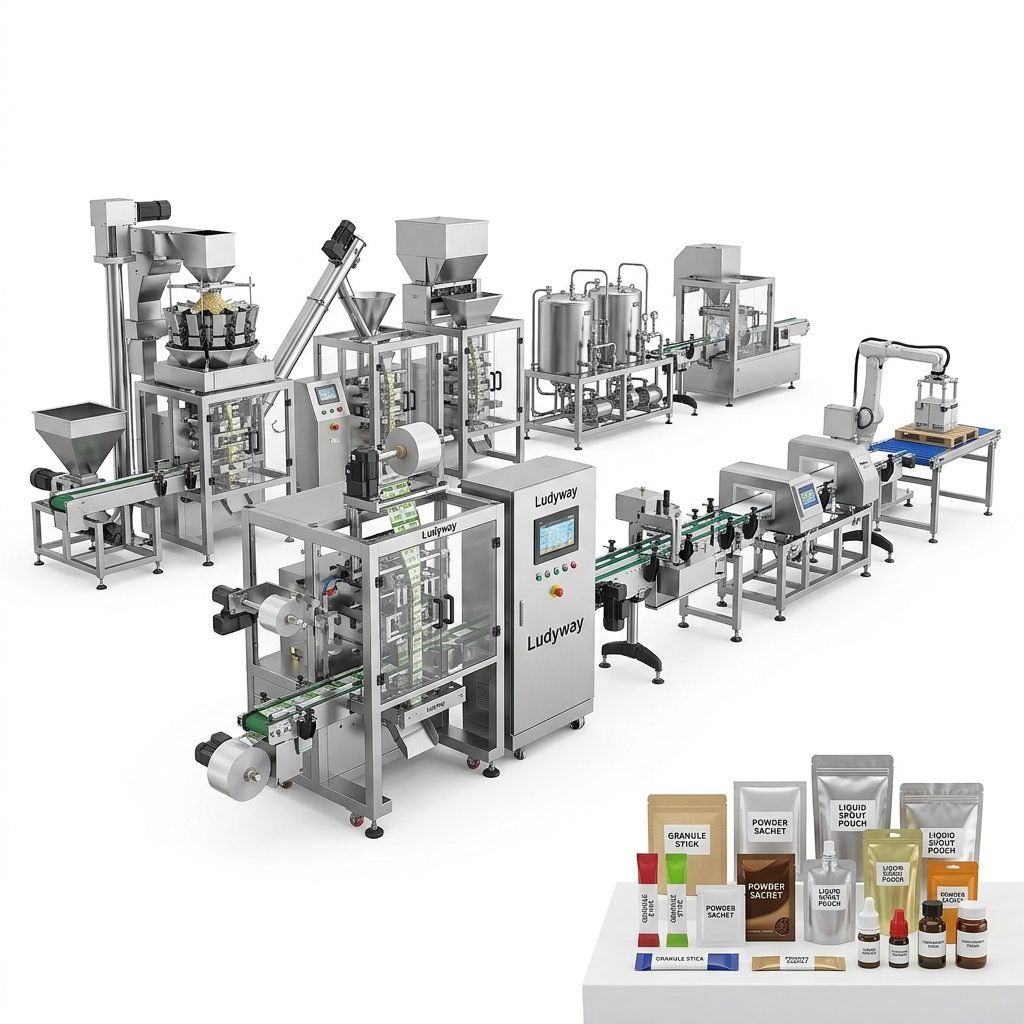
These are advanced solutions that combine bubble wrap production with other packaging steps, such as carton erecting, product placement, and sealing. They form a complete, automated packaging line for maximum efficiency in high-volume environments.
How to Choose the Best Machine for Your Business
Selecting the optimal machine requires a careful analysis of your operational parameters. Follow this step-by-step evaluation framework.
Step 1: Assess Your Production Volume & Speed Needs
Your daily or hourly packaging output is the most significant deciding factor. Low-volume operations (e.g., a few hundred packages per day) may benefit from a simple, semi-automatic dispenser. High-volume e-commerce fulfillment centers or manufacturers will require fully automatic bag makers or integrated systems with speeds exceeding thousands of bags per hour.
- Low Volume (<500 packages/day): Manual or semi-automatic dispensers.
- Medium Volume (500-5,000 packages/day): Automatic dispensers or entry-level automatic bag makers.
- High Volume (>5,000 packages/day): High-speed automatic bag making machines or integrated systems.
Step 2: Analyze Your Product Range
The size, fragility, and variety of products you ship are crucial. Do you pack one standard product or hundreds of different SKUs with varying shapes and sizes?
For uniform products: A bubble bag making machine that produces fixed-size bags is highly efficient.
For diverse product sizes: An on-demand dispenser that allows operators to control the length and width of the bubble sheet is far more versatile and reduces material waste.
Step 3: Consider Material & Bubble Type
Bubble wrap comes in different film grades and bubble sizes (e.g., small 6mm bubbles for light items, large 25mm+ bubbles for heavy, fragile items). Ensure the machine you choose is compatible with the film type that offers the right protection for your products. Some advanced machines can handle anti-static or coated films for electronics.
Step 4: Evaluate Space and Utility Requirements
Packaging machines require factory floor space and access to utilities. Check the machine’s footprint and ensure you have adequate space for operation and film roll loading. Most machines require a standard electrical connection, and some may need compressed air. Always verify your facility’s capabilities against the machine’s specifications.
Step 5: Factor in Total Cost of Ownership (TCO)
Look beyond the initial purchase price. The TCO includes:
- Machine Cost: Initial investment.
- Material Cost: Cost per roll of flat poly film (typically lower cost and storage space than pre-inflated bubble wrap).
- Labor Cost: How many operators are needed? Automatic machines reduce labor dependency.
- Maintenance & Downtime: Reliability of the machine and availability of spare parts and service.
The Role of a Reliable Packaging Partner
Investing in packaging machinery is a significant decision. Partnering with an experienced provider like Ludyway Machinery can make all the difference. With over 30 years of industry experience, they understand the challenges businesses face. They offer more than just equipment; they provide tailored packaging solutions.
Their expertise spans designing turnkey production lines for various industries, ensuring each component works in harmony. From initial consultation to after-sales support, a partner’s role is to ensure your investment delivers the expected efficiency and return. Their global service network, built since their founding in 2010, ensures clients receive timely technical support and access to genuine spare parts, minimizing potential downtime.
Benefits of Automated Bubble Wrap Packaging
✓ Space Savings: Store compact rolls of flat film instead of bulky pre-inflated bubble wrap.
✓ Cost Reduction: Lower material costs and reduced labor costs per package.
✓ Consistency & Quality: Every package receives the same, optimal level of protection.
✓ Increased Throughput: Automatically pack orders much faster than manual methods.
✓ Sustainability: Reduced plastic waste through on-demand production and efficient material use. Some systems use recyclable film.
Implementation and Best Practices
Once you’ve selected your machine, proper implementation is key. Ensure your team is thoroughly trained on operation, safety procedures, and routine maintenance. Start by running a pilot phase with a range of your products to fine-tune settings like heat seal temperature, inflation pressure, and cut length. Regularly audit your packaging process to identify further optimization opportunities, such as adjusting bubble size for different product categories or integrating the machine more closely with your warehouse management system.
Frequently Asked Questions (FAQs)
1. What is the main advantage of using a machine over pre-made bubble wrap?
The primary advantages are significant storage space savings (flat film rolls are much more compact) and lower material costs. It also allows for on-demand production, reducing waste and ensuring fresh, fully inflated bubble wrap for every package.
2. How do I know if I need a bag maker or a dispenser?
If you pack many identical items, a bag maker is faster and more efficient. If your products vary greatly in size and shape, an on-demand dispenser provides the flexibility to create custom-sized cushions for each item, minimizing material use.
3. Are bubble wrap packaging machines difficult to maintain?
Modern machines from reputable suppliers are designed for reliability and easy maintenance. Routine tasks typically involve cleaning dust from seals and cutting blades and checking for film jams. Choosing a supplier with strong technical support and available spare parts is crucial for long-term, trouble-free operation.
4. Can these machines handle other types of inflatable packaging?
Some advanced systems are versatile and can be configured to produce different types of air-filled packaging, such as air pillows or paper-based cushioning. Discuss your specific needs with your equipment provider to explore compatible solutions.
5. What should I look for in a machinery supplier?
Prioritize proven industry experience, reliable equipment with positive customer references, and comprehensive after-sales support. A good supplier will offer a consultation to understand your needs, provide potential solutions, and support you through installation and beyond.