For businesses in the coffee, tea, or single-serve beverage industry, selecting the right K-Cup packaging equipment is a critical decision that impacts efficiency, product quality, and overall profitability. The market offers a diverse range of machines, from simple manual fillers to fully automated, high-speed production lines. This comprehensive guide will walk you through the different types of K-Cup packaging machines, their key features, and the essential factors to consider when choosing the best machine for your specific operational needs and growth goals.
Understanding the Core Types of K-Cup Packaging Equipment
The first step in your selection process is understanding the fundamental categories of equipment available. Each type serves a different production scale and level of automation.
1. Manual & Semi-Automatic Machines
These machines are ideal for startups, small-batch producers, or businesses focused on artisanal products. Operators typically handle the placement of empty pods, filling, and lidding manually or with minimal machine assistance.
Key Feature: Low initial investment and high flexibility for product changeovers. They are perfect for testing new blends or catering to niche markets without committing to high-volume machinery.
2. Automatic Single-Lane Machines
Automatic machines represent a significant leap in productivity. A single-lane automatic system automates the entire process: feeding empty pods, dosing coffee grounds, compressing the coffee, and heat-sealing the foil lid.
These systems significantly reduce labor costs and increase output consistency, making them a popular choice for small to medium-sized enterprises (SMEs) looking to scale.
3. High-Speed Multi-Lane Systems
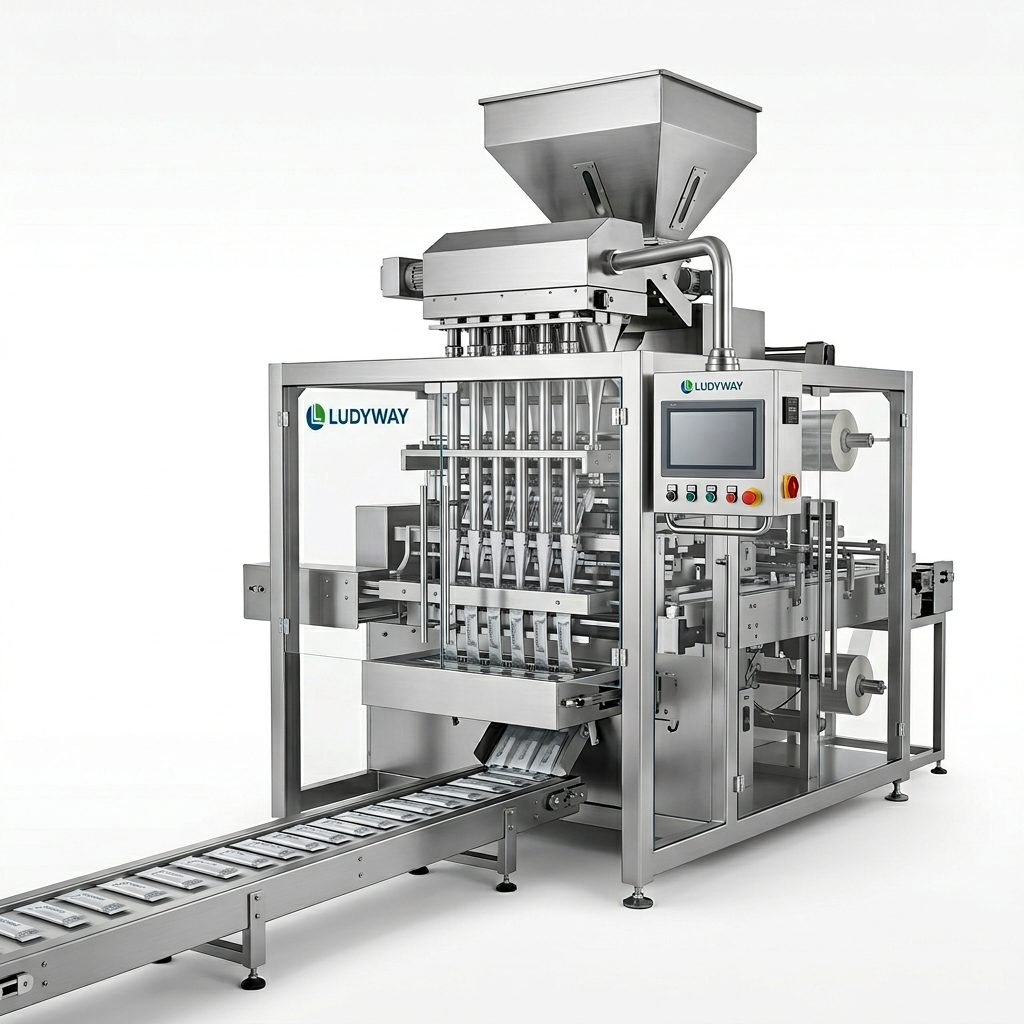
For large-scale commercial production, multi-lane systems are the industry standard. These sophisticated lines feature multiple parallel lanes operating simultaneously, dramatically increasing output—often reaching speeds of hundreds of pods per minute.
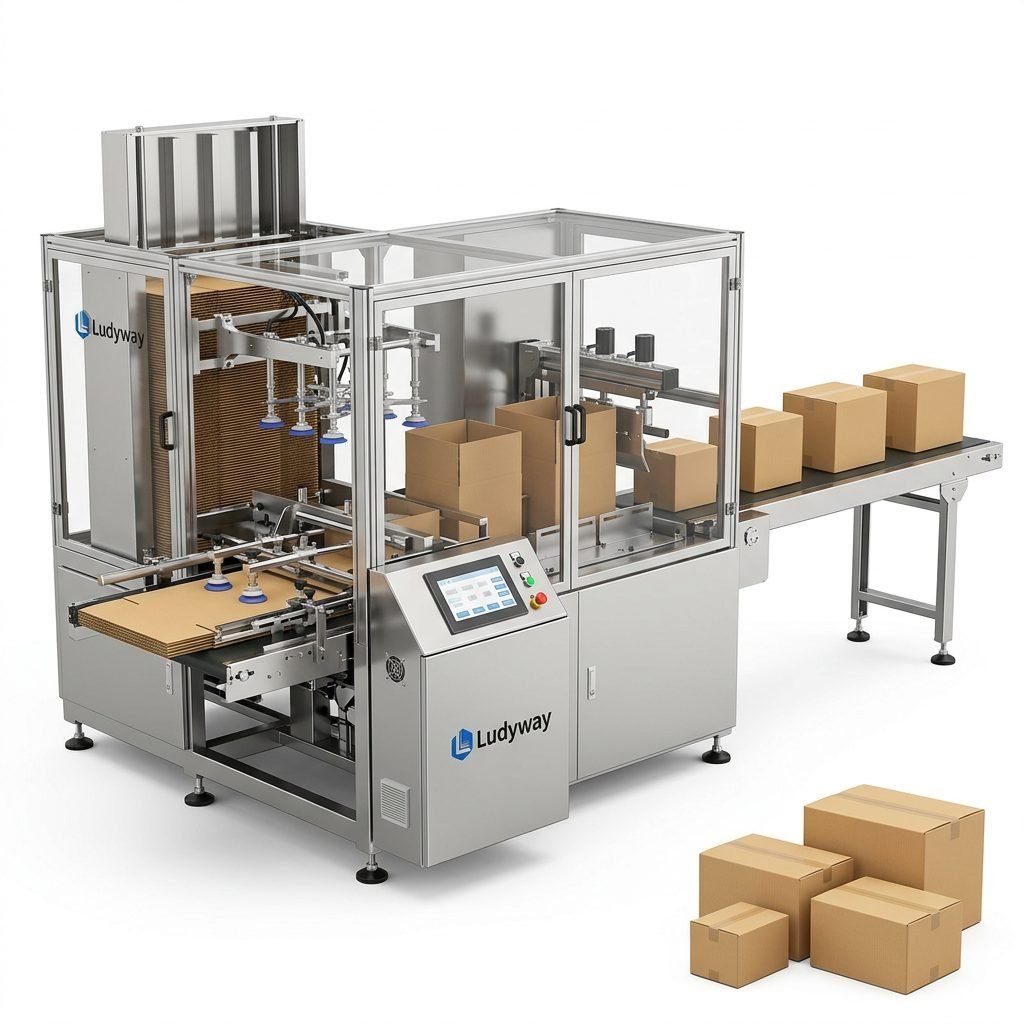
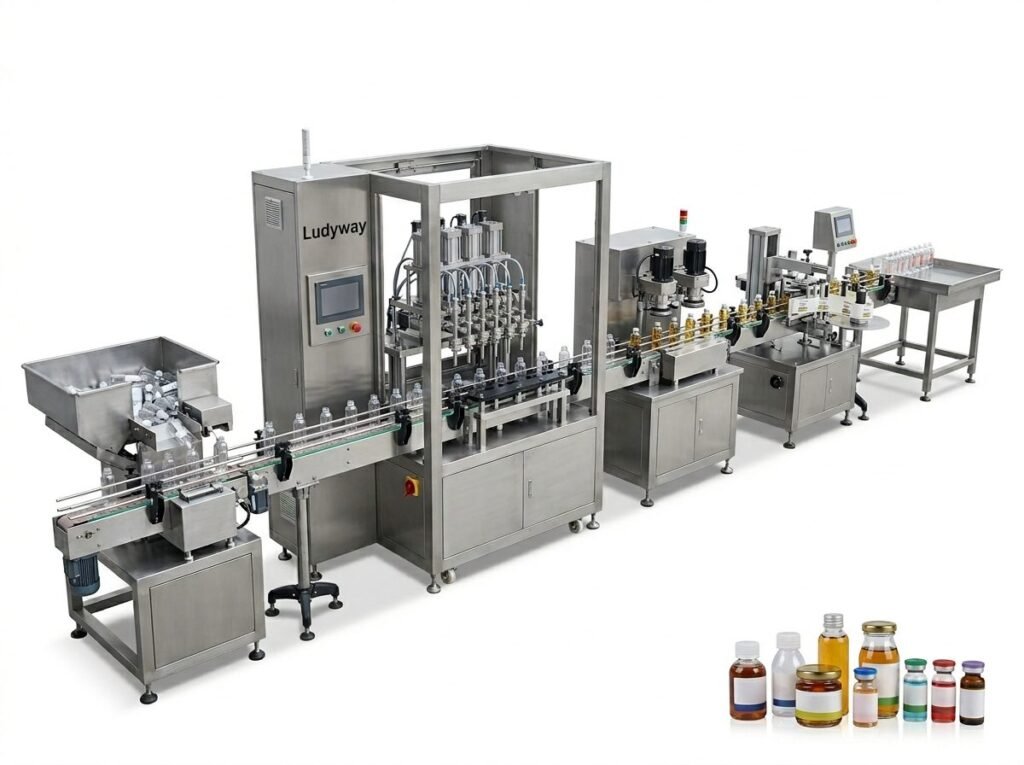
Production Advantage: They integrate seamlessly with upstream (e.g., pod feeding) and downstream (e.g., cartoning, case packing) equipment, creating a complete, turnkey production line. This is essential for major brands and contract packagers.
Essential Features to Evaluate in a K-Cup Machine
Beyond the basic type, several key features differentiate machines and directly affect your product quality and operational ease.
Dosing Accuracy and Technology
Consistent fill weight is non-negotiable for product quality and cost control. Look for machines with precision auger fillers or weigh-cell technology. Advanced systems offer touch-screen controls for easy weight adjustment and real-time monitoring of dosing accuracy.
Sealing Mechanism and Quality
A perfect seal is crucial for freshness and preventing leaks. Machines primarily use heat sealing (conductive or induction). Evaluate the temperature control precision and the evenness of the seal across the pod. A poor seal leads to customer complaints and product waste.
Flexibility and Changeover Time
Can the machine handle different pod sizes (e.g., 8-12 gram cups) or shapes? How long does it take to switch between products? Machines with quick-change parts and recipe memory save valuable time and reduce downtime, which is vital for producers with a diverse product portfolio.
Control System and Connectivity
A modern, user-friendly PLC-based HMI (Human-Machine Interface) is essential. It should provide clear diagnostics, production data (output, efficiency, downtime reasons), and potentially offer connectivity for Industry 4.0 integration, allowing for data collection and analysis.
How to Choose the Best Machine for Your Business: A Step-by-Step Guide
Step 1: Accurately Assess Your Production Needs
Begin with concrete numbers. Determine your current and projected daily/weekly output. Consider your product variety: do you produce one blend or dozens? Understanding your true capacity requirements prevents you from under-investing in an inadequate machine or over-investing in an overly complex one.
Step 2: Define Your Must-Have Features
Create a checklist based on the features discussed. Is nitrogen flushing for extended shelf life a priority? Do you need an integrated check-weigher for quality assurance? Prioritize features that impact your core product quality and operational goals.
Step 3: Evaluate Build Quality and Supplier Reputation
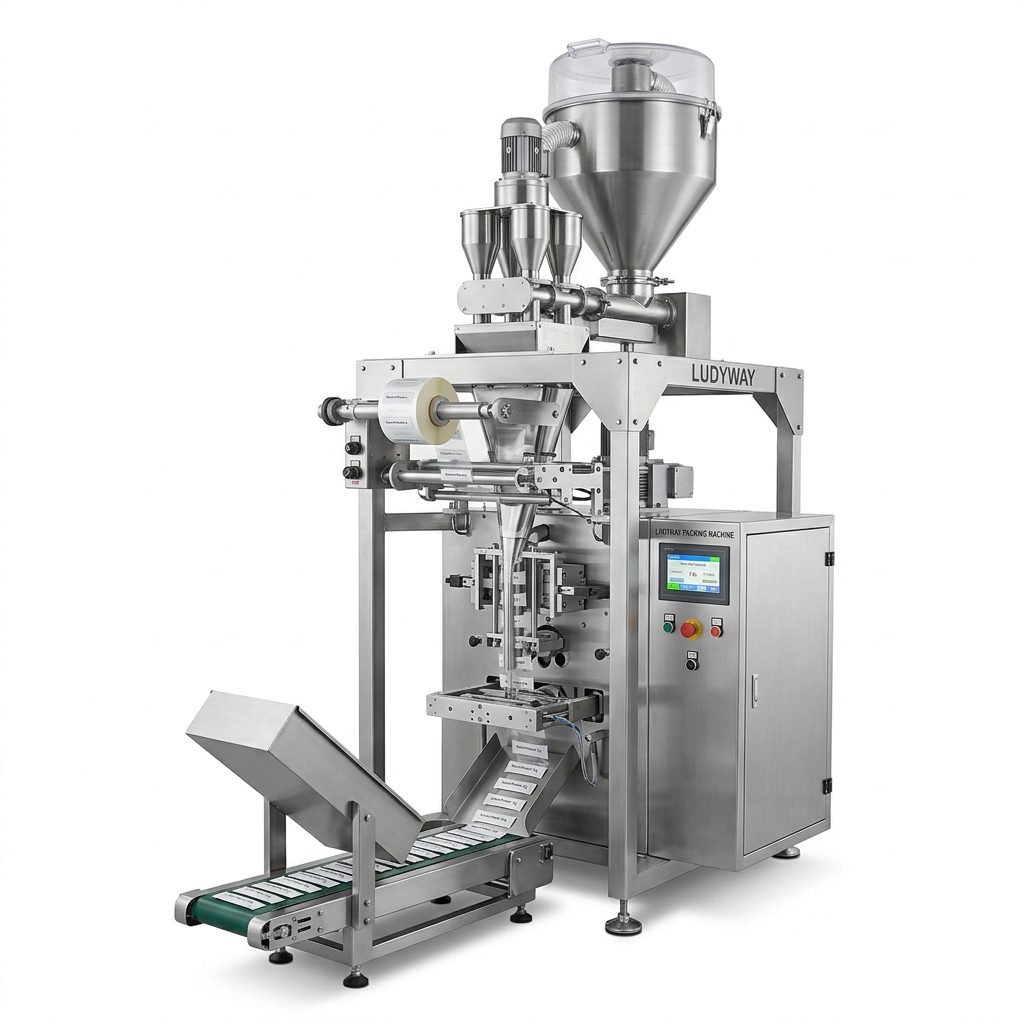
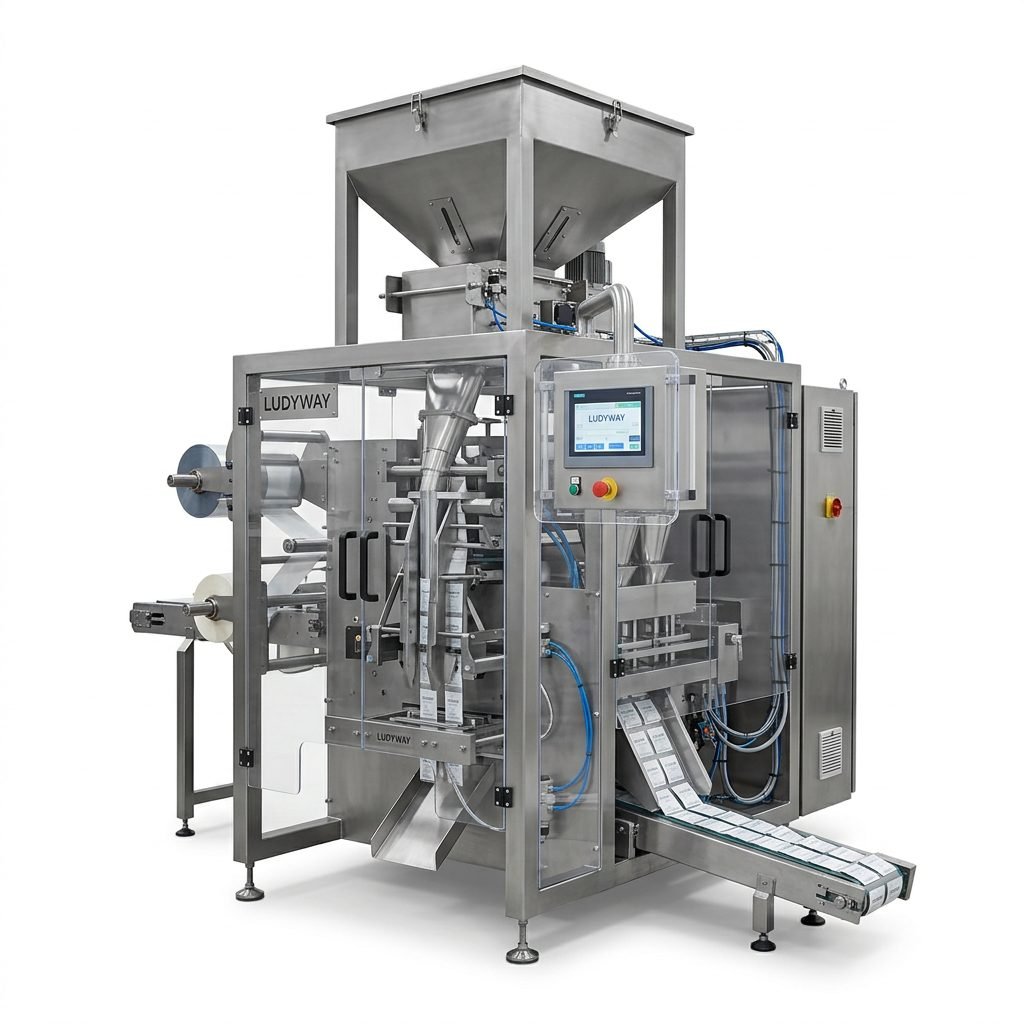
The machine’s construction (stainless steel frame, quality of components) dictates its longevity and maintenance needs. Research the manufacturer or supplier thoroughly. A reputable partner like Ludyway Packaging Machinery offers not just a machine, but comprehensive support. Look for providers with proven industry experience, strong technical support, and availability of spare parts.
With over 30 years of industry experience, suppliers like Ludyway understand the nuances of packaging machinery and can offer reliable, tailored solutions.
Step 4: Consider the Total Cost of Ownership (TCO)
Look beyond the initial purchase price. Factor in installation, training, maintenance costs, energy consumption, and potential future upgrade paths. A slightly more expensive machine with higher reliability and lower maintenance can have a far better TCO than a cheaper, less robust alternative.
Step 5: Request a Live Demonstration or Trial
Whenever possible, see the machine run with a material similar to yours. A demonstration reveals the machine’s actual speed, noise level, ease of operation, and the quality of the finished pod. It’s the best way to validate the supplier’s claims.
Pro Tip: Discuss your long-term plans with the supplier. Choosing a partner who can scale your equipment or integrate it into a larger automated line in the future protects your investment as your business grows.
Conclusion
Investing in K-Cup packaging equipment is a strategic decision that requires careful analysis of your production requirements, quality standards, and growth trajectory. By thoroughly understanding the types of machines available, critically evaluating key features, and partnering with a knowledgeable and reliable equipment supplier, you can select a system that delivers consistent quality, operational efficiency, and a strong return on investment. The right machine not only packages your product but also supports your brand’s reputation for quality and reliability in a competitive market.
Frequently Asked Questions (FAQs)
What is the typical output speed of an automatic K-Cup machine?
Speeds vary widely. Single-lane automatics typically range from 40 to 120 pods per minute. High-speed multi-lane systems can produce from 200 to over 500 pods per minute, depending on the number of lanes and configuration.
Can one machine handle different sizes of K-Cups or coffee pods?
Many modern machines are designed with flexibility in mind. They can often be adjusted or fitted with quick-change tooling kits to accommodate different standard pod sizes (e.g., 8g, 10g, 12g). Always verify this capability with the manufacturer.
How important is nitrogen flushing in the packaging process?
Nitrogen flushing displaces oxygen inside the pod before sealing, significantly slowing oxidation and preserving freshness and aroma. It’s considered a standard feature for high-quality commercial production aiming for a longer shelf life and superior end-customer experience.
What kind of after-sales support should I expect?
Comprehensive support is crucial. Expect detailed installation guidance, operator training, a clear warranty, and readily available technical support (remote and/or on-site). A good supplier will also ensure access to genuine spare parts and offer preventive maintenance plans. Learn more about our service commitment on our company profile page.
Are there machines that can handle other formats like stick packs or sachets?
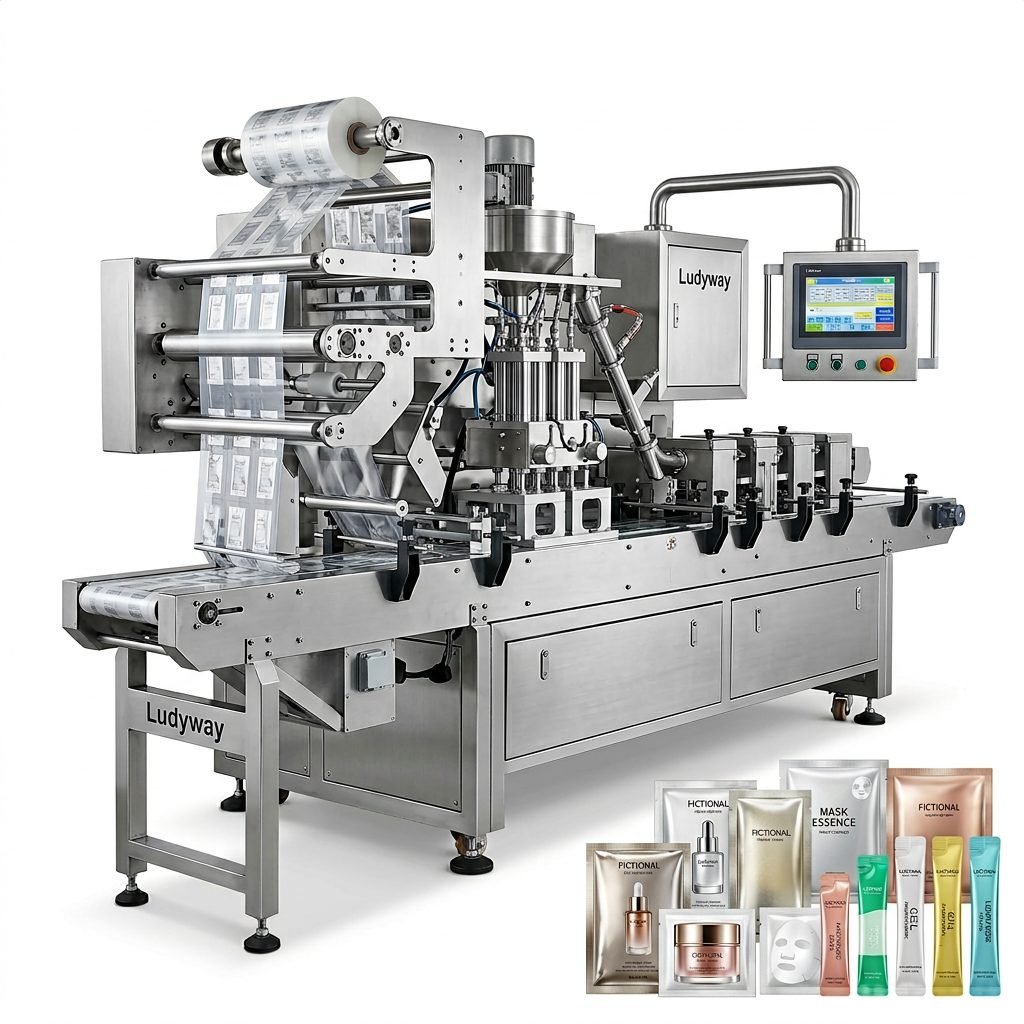
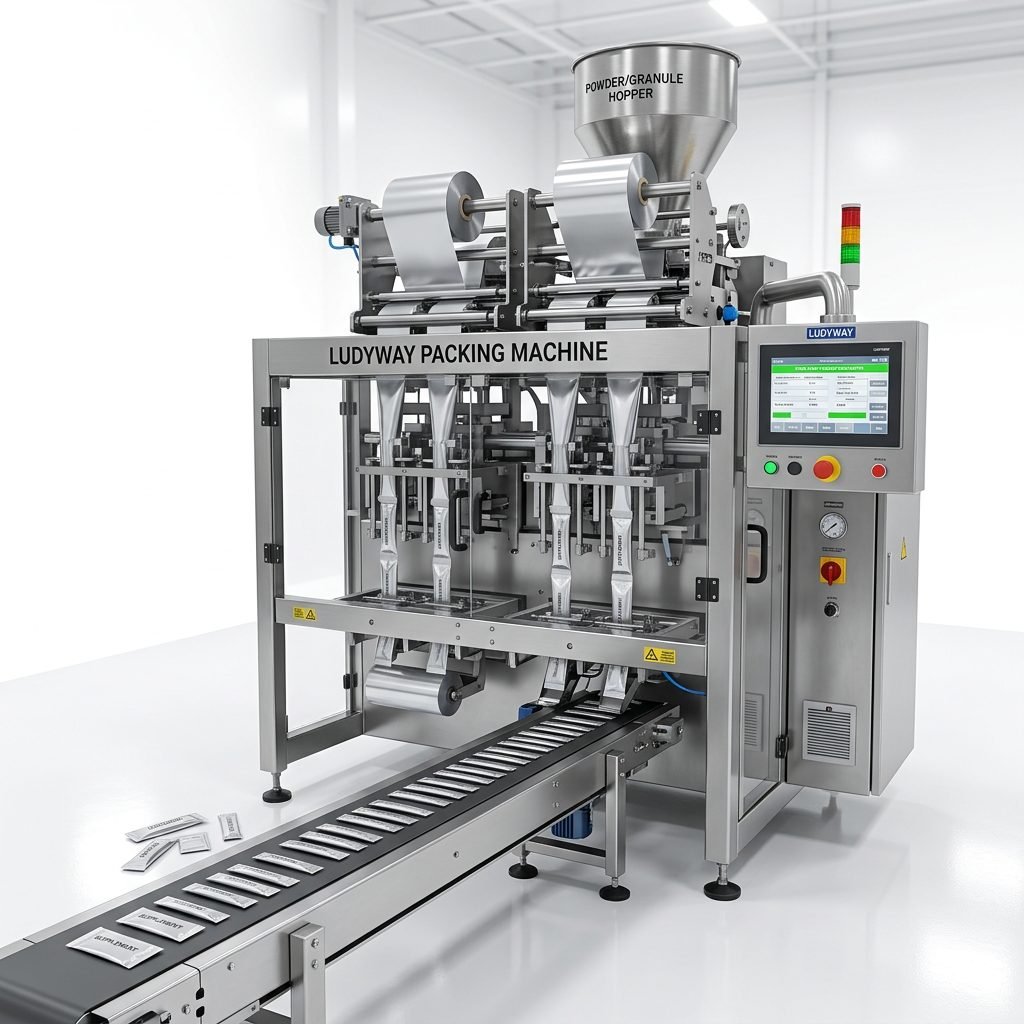
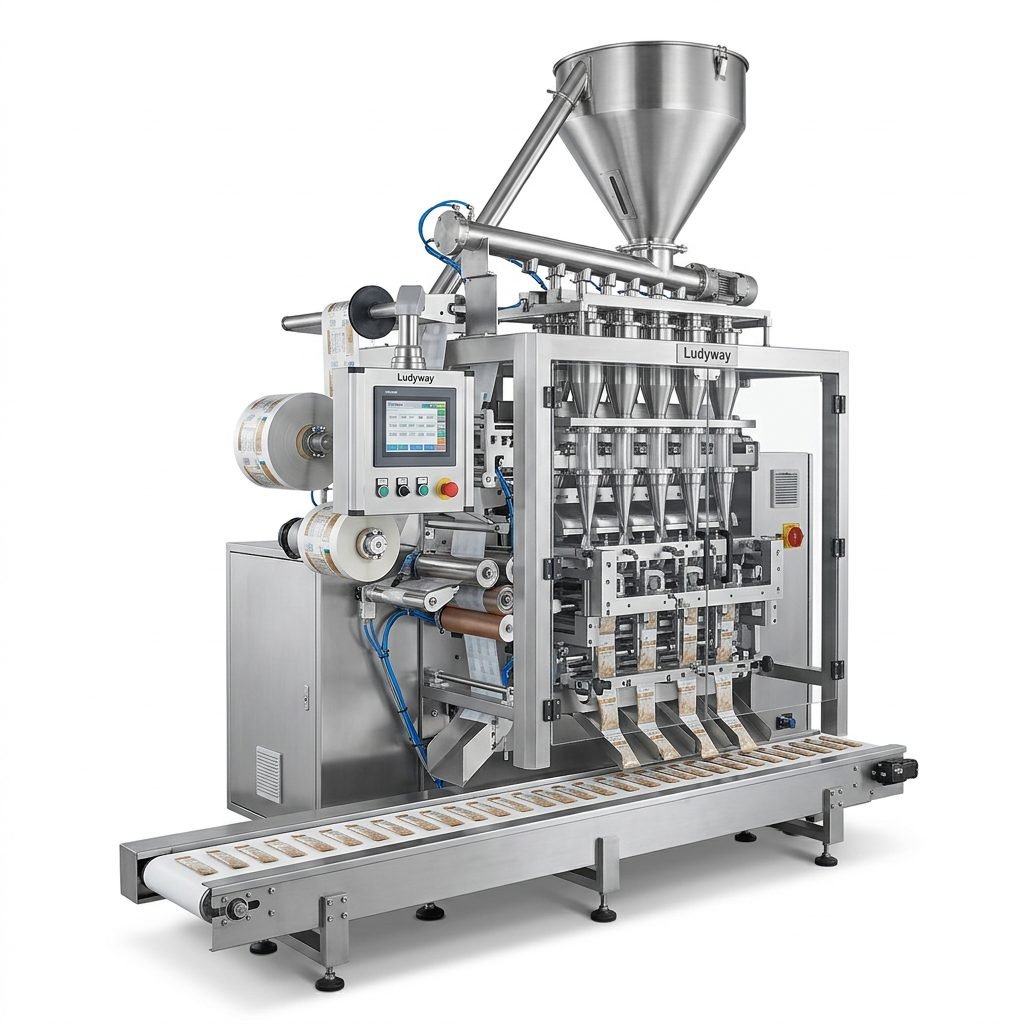
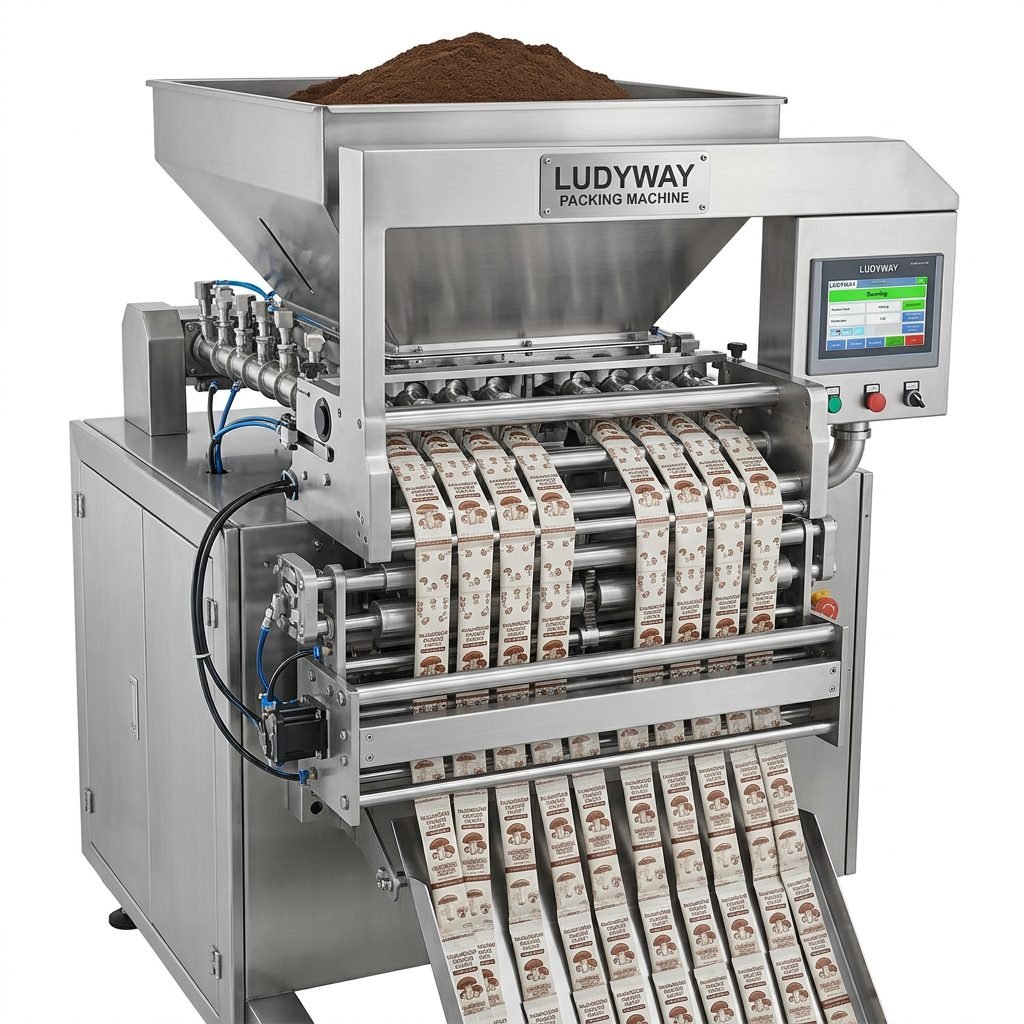
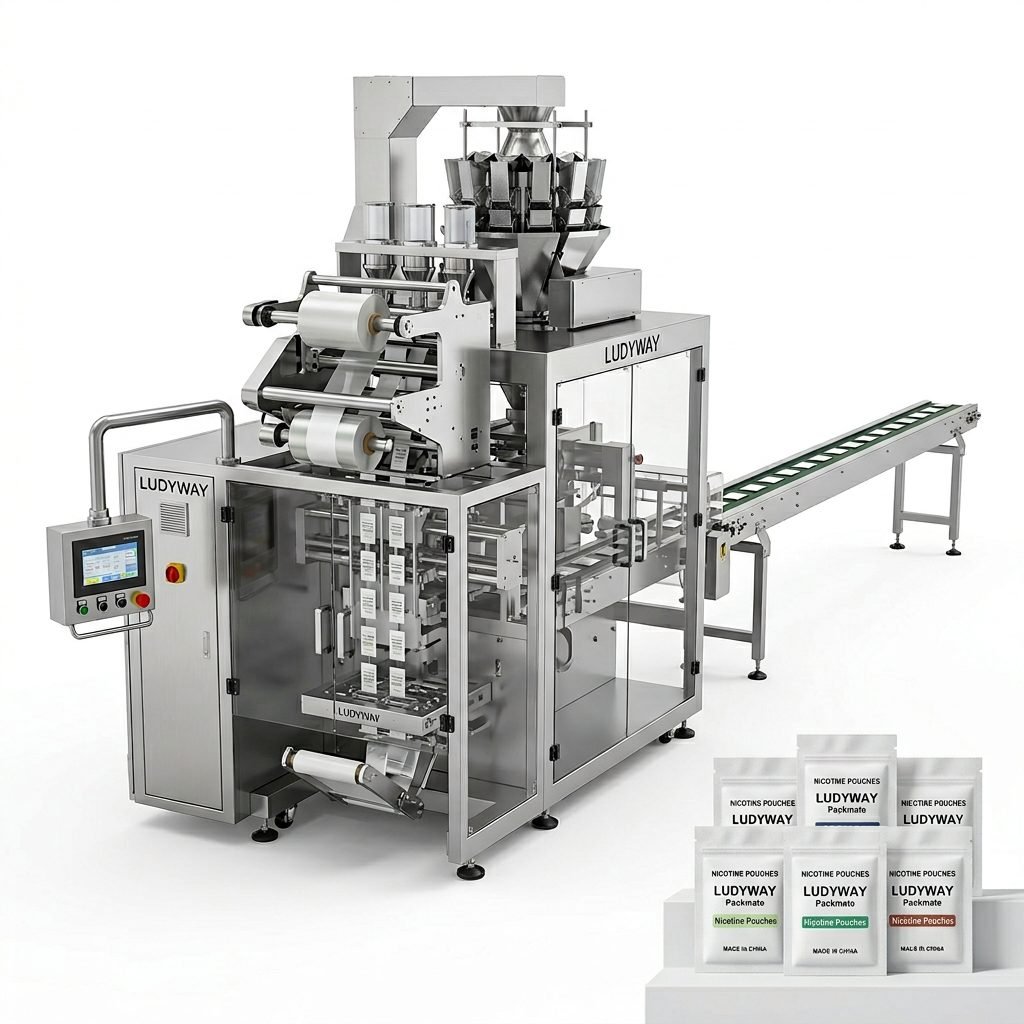
Yes, many packaging machinery manufacturers offer versatile platforms or separate machines for different formats. For example, companies like Ludyway provide a range of equipment including multi-lane stick pack and sachet packaging systems, allowing businesses to diversify their single-serve product offerings using technology from a single, trusted partner.