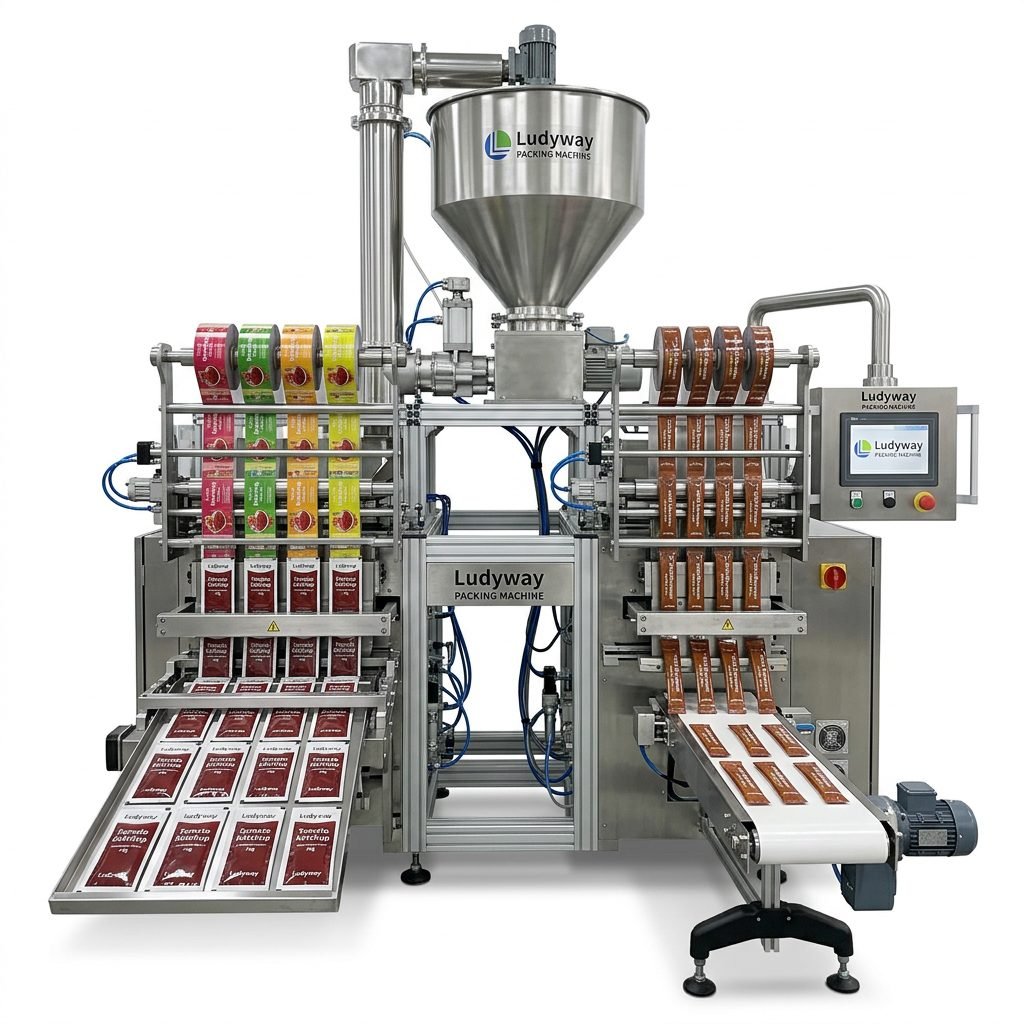
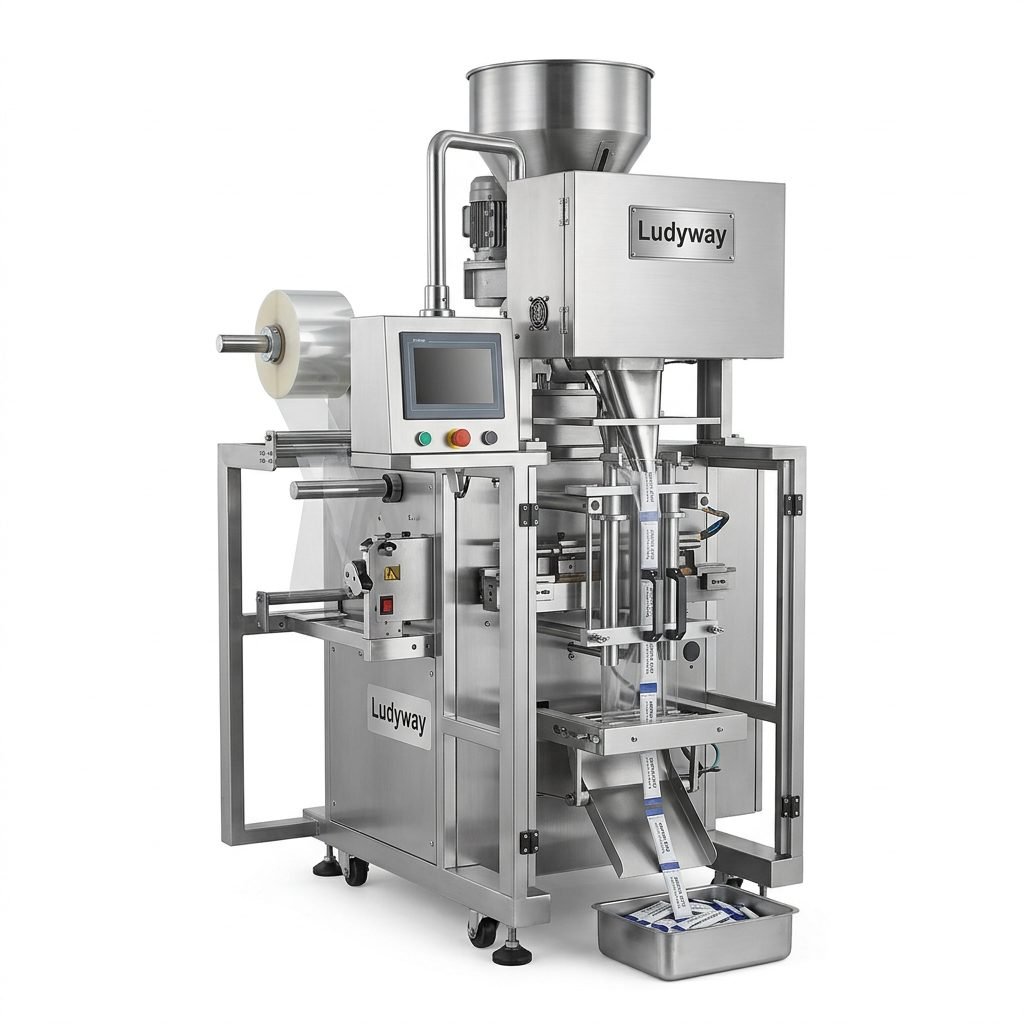
In modern manufacturing and distribution, efficient bulk packaging is not just a final step—it’s a critical component that influences production speed, product protection, logistics costs, and brand presentation. Selecting the appropriate bulk packaging machinery can dramatically enhance your operational efficiency and bottom line. This guide delves into the primary types of bulk packaging systems, their diverse applications across industries, and provides a structured framework to help you choose the optimal system for your specific production line requirements.
Understanding Bulk Packaging Machinery
Bulk packaging machinery automates the process of packing large quantities of product into containers, bags, or other formats suitable for storage, transport, or wholesale. Unlike primary packaging which is consumer-facing, bulk packaging focuses on handling volume, ensuring stability, and optimizing space. The right system seamlessly integrates into your production flow, minimizing manual handling and maximizing throughput.
Key Driver: The shift towards automation in bulk handling is driven by the need for consistency, labor savings, and meeting the high-volume demands of global supply chains. Investing in robust machinery is an investment in scalability and reliability.
Core Types of Bulk Packaging Machinery
The landscape of bulk packaging equipment is varied, each designed for specific materials, speeds, and container types. Understanding these categories is the first step toward a sound investment.
1. Filling Machines
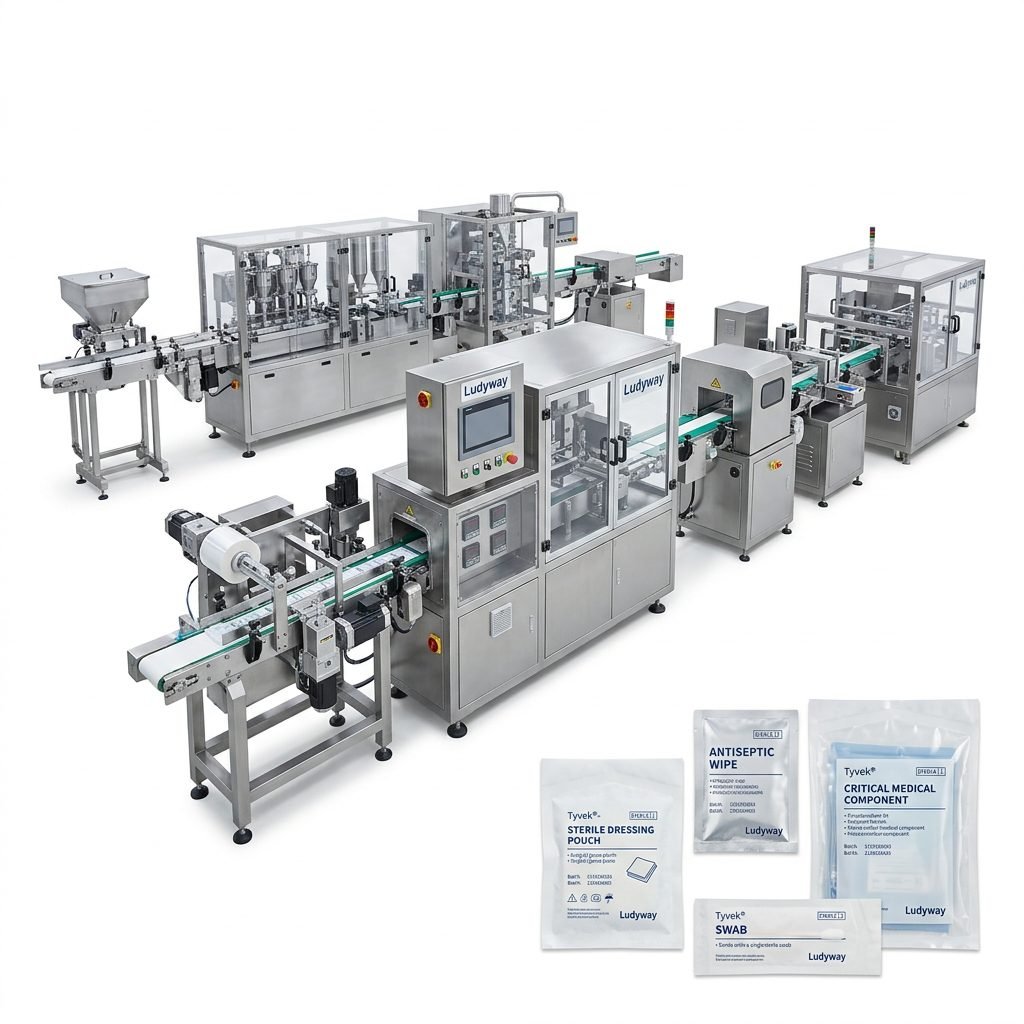
These machines are responsible for accurately dispensing a measured quantity of product into a package. The technology used depends heavily on the product’s form.
- Volumetric Cup Fillers: Ideal for free-flowing granules, powders, or seeds. They use rotating cups of a fixed volume to measure product.
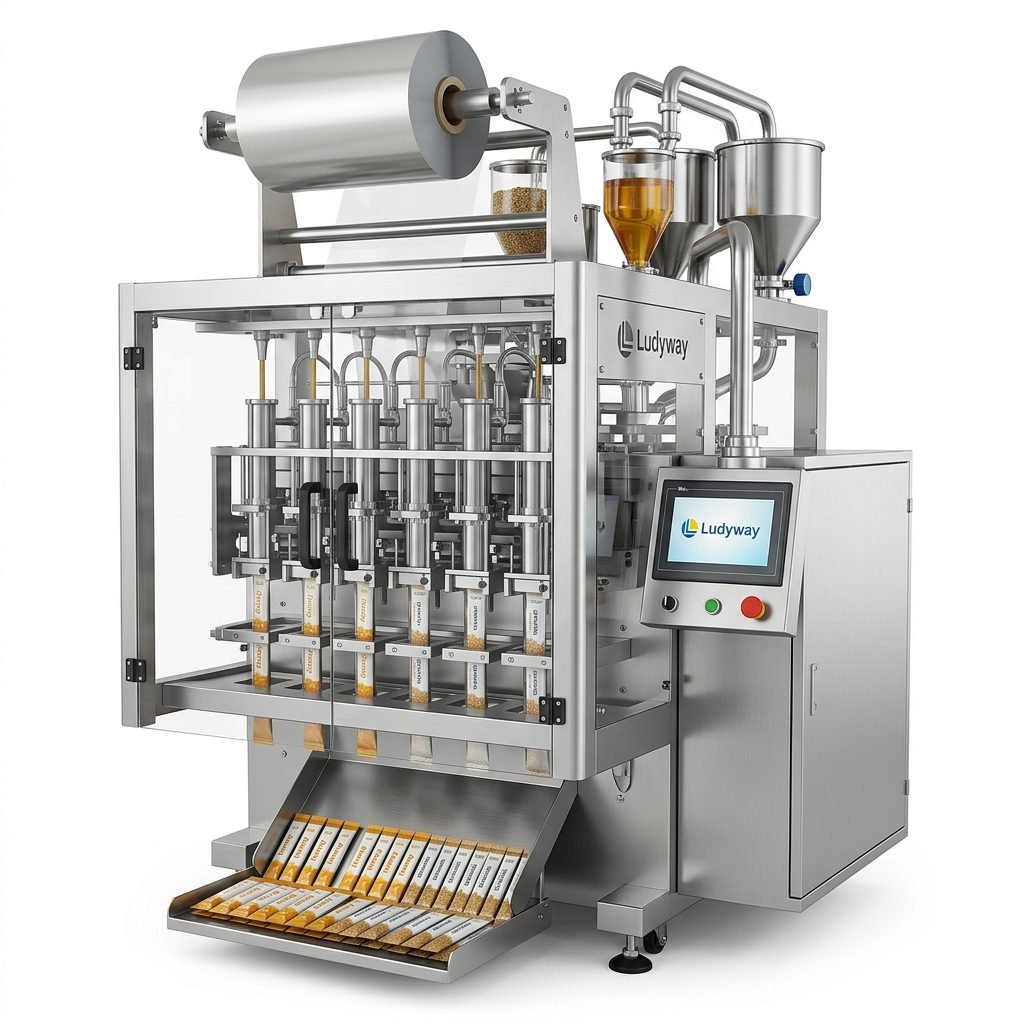
- Auger Fillers: The go-to choice for fine powders, spices, and non-free-flowing products. A rotating screw (auger) precisely dispenses product based on count or volume.
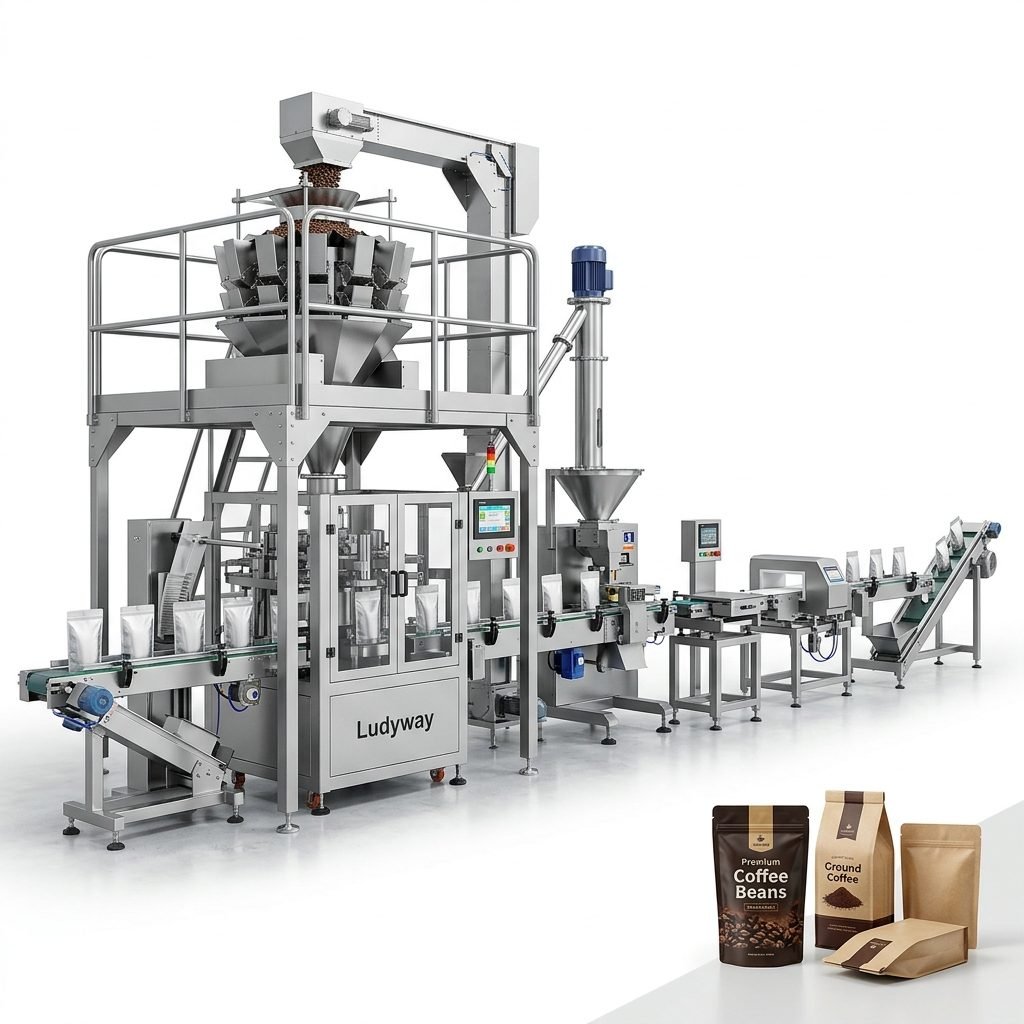
- Gravimetric (Net Weight) Fillers: Offer the highest precision. They weigh the product in real-time during the filling process, making them perfect for high-value products or where weight compliance is critical.
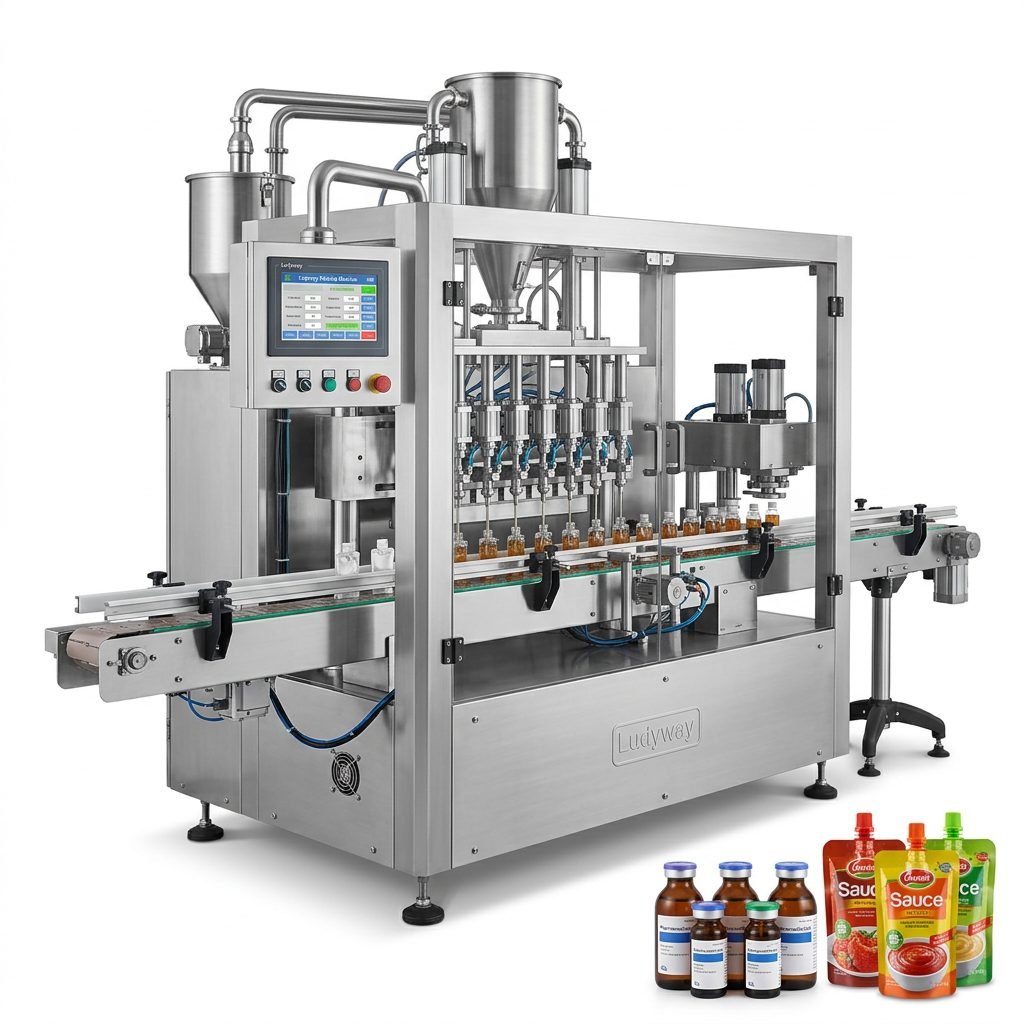
- Liquid Fillers: Include piston, overflow, and pump fillers designed for viscosities ranging from water-like liquids to thick pastes.
2. Bagging Machines
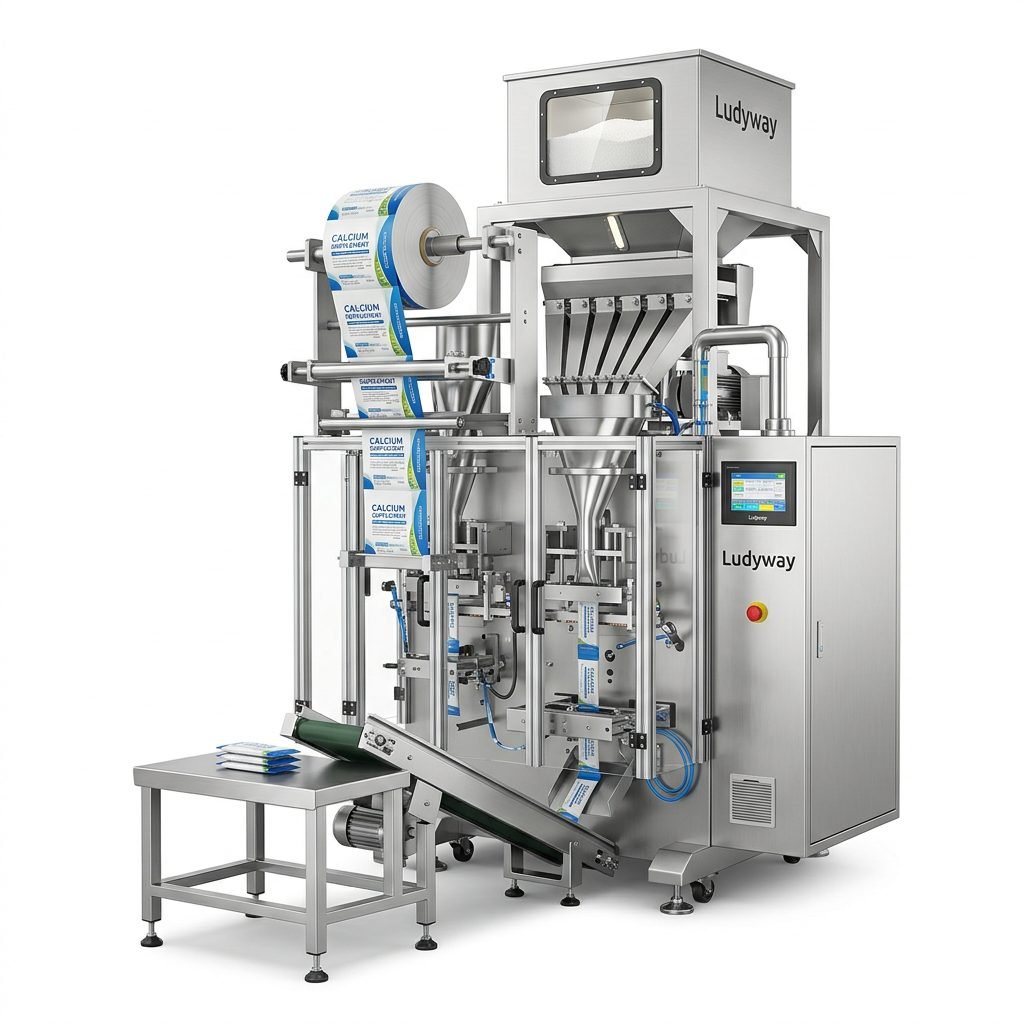
This category encompasses machines that form, fill, and seal bags from roll stock (FFS) or handle pre-made bags.
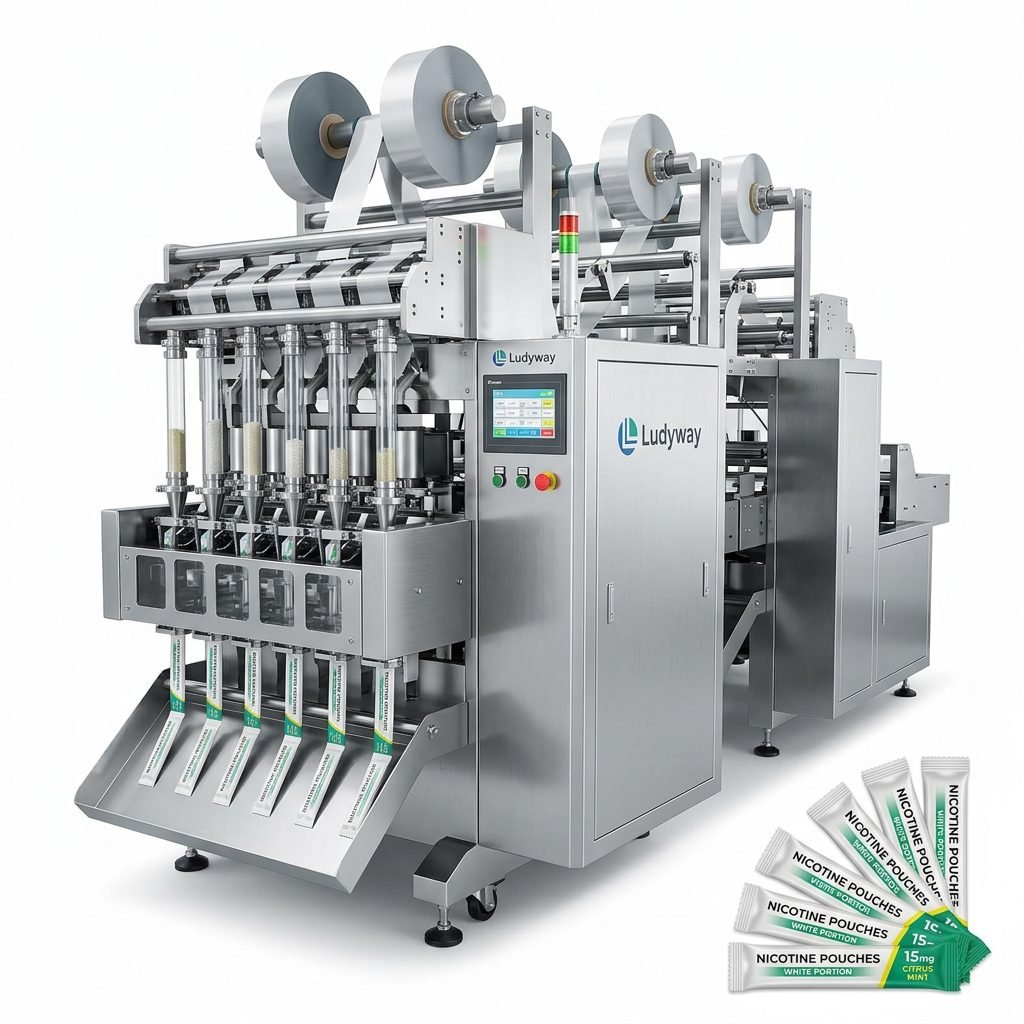
- Vertical Form-Fill-Seal (VFFS): Extremely common. It forms a bag from a roll of film, fills it with product, and seals it—all in one continuous vertical motion. Perfect for snacks, grains, and hardware.
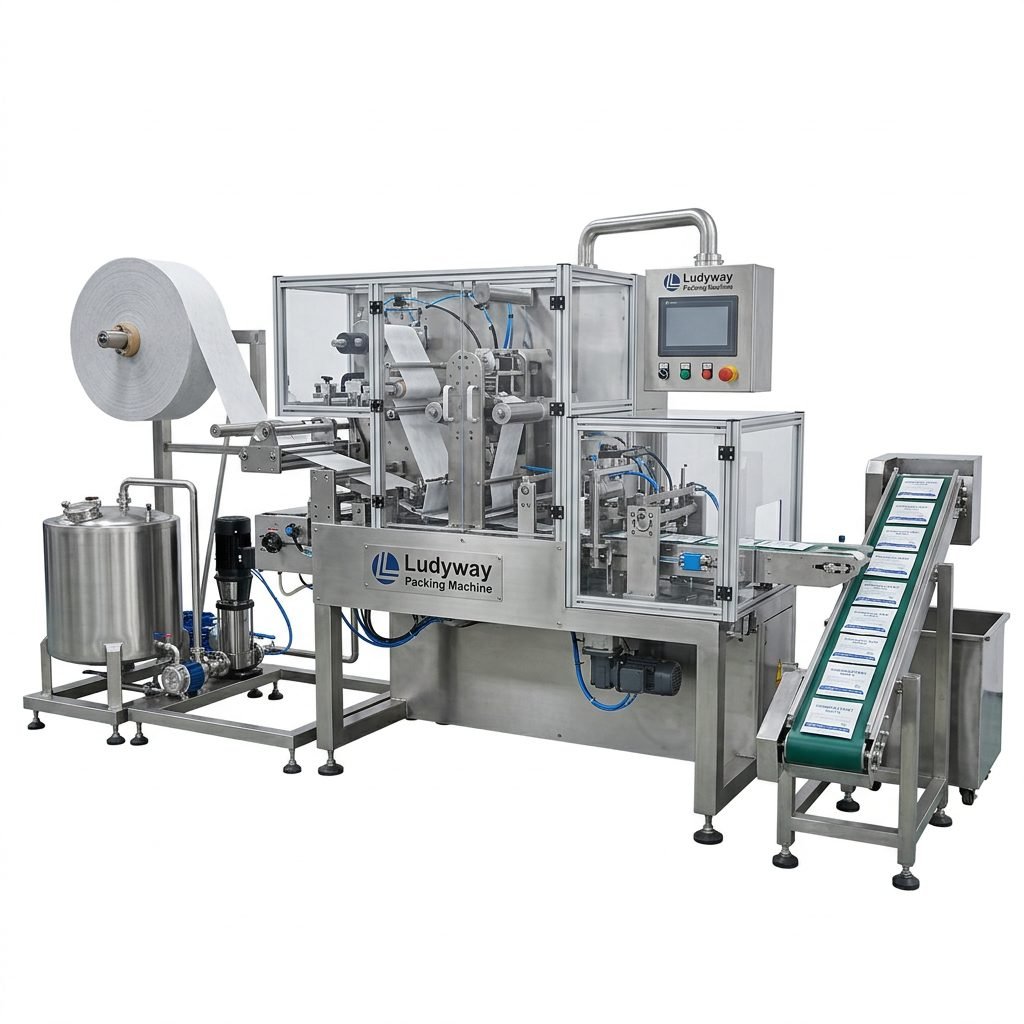
- Horizontal Form-Fill-Seal (HFFS): Often used for more complex packaging like pouches with spouts or zippers, or for bundling multiple items. The film travels horizontally.
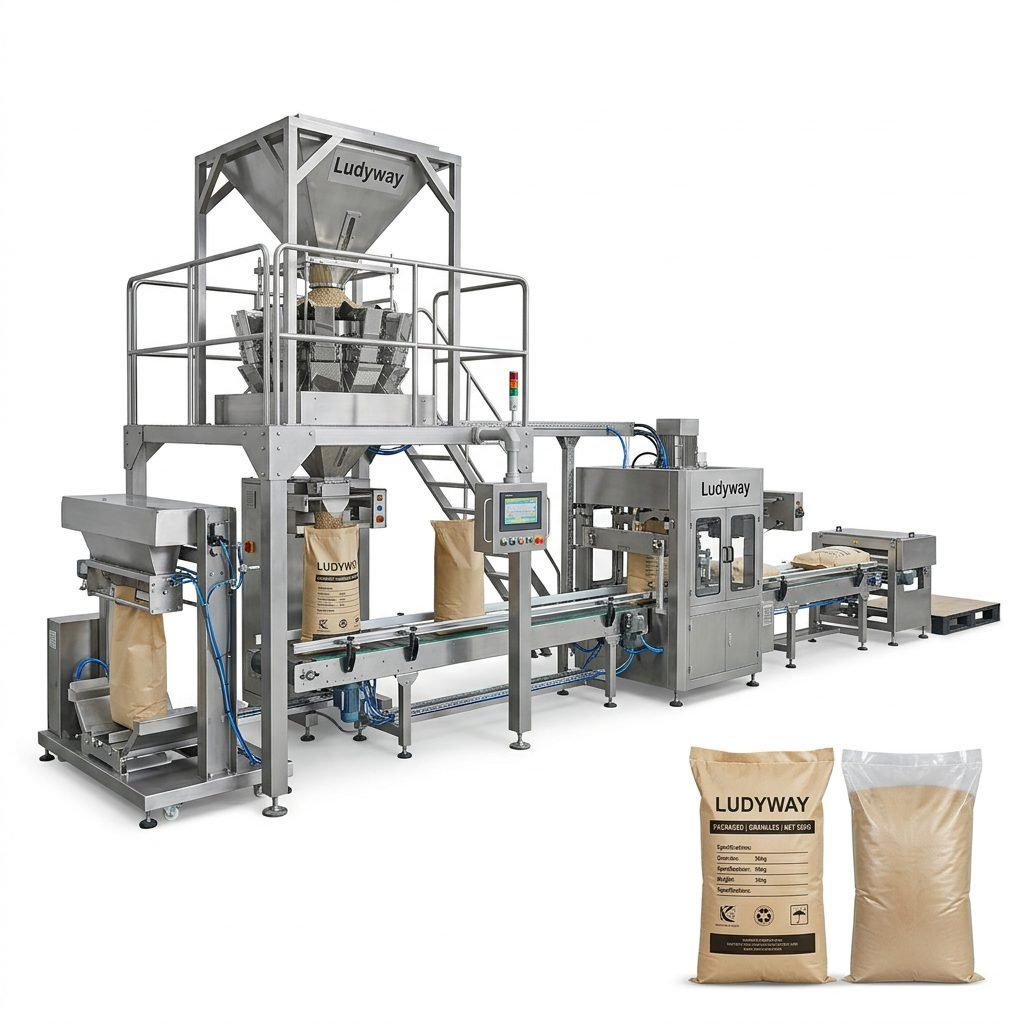
- Open-Mouth Bagging Systems: Designed for filling large, pre-made woven poly or paper bags (e.g., 25-50 kg bags of flour, fertilizer, or cement). They often include bag placers, weigh fillers, and closing systems.
3. Palletizing & Stretch Wrapping Machines
After primary packaging, products are often grouped into larger units for shipment. This is the domain of end-of-line bulk handling.
- Robotic Palletizers: Use robotic arms to layer cases or bags onto a pallet with precision and flexibility, ideal for mixed SKU loads.
- Conventional Palletizers: Use a series of plates and sweeps to build uniform pallet patterns at very high speeds.
- Stretch Wrappers: Secure the pallet load by applying layers of stretch film. Types include turntable, rotary arm, and mobile wrappers.
4. Capping, Labeling, and Sealing Machines
These systems complete the packaging process for containers like pails, drums, or boxes.
- Cappers: Apply screw caps, press-on lids, or tamper-evident seals to containers.
- Case Sealers: Automatically apply tape or hot melt glue to the top and/or bottom of shipping cartons.
Primary Applications Across Industries
Bulk packaging machinery is ubiquitous, serving as the backbone of production in numerous sectors.
Food & Agriculture
This is one of the largest application areas. Systems here must often meet stringent hygiene standards (e.g., USDA, FDA). VFFS machines package rice, pasta, and snacks. Net weight fillers handle expensive ingredients like coffee or spices. Large open-mouth baggers are essential for flour, sugar, and animal feed. For liquids like cooking oil or syrup, liquid filling lines coupled with capping are standard.
Chemicals & Pharmaceuticals
Precision and containment are paramount. Auger fillers with dust extraction are used for powdered chemicals or detergent. Liquid fillers handle solvents, lubricants, and bulk pharmaceutical ingredients. Packaging often involves specialized liners and seals to prevent contamination or moisture ingress. Traceability and cleanability of the machinery are critical factors.
Building Materials & Hardware
Durability of both the package and the machine is key. Heavy-duty bagging systems package cement, sand, gravel, and mulch. Multi-head weighers can be used for fastening hardware like nails or screws. These environments demand robust machinery with minimal maintenance requirements.
How to Choose the Right System for Your Production Line
Selecting machinery is a strategic decision. A methodical evaluation will prevent costly mismatches and ensure a smooth integration.
Step 1: Analyze Your Product & Material
Every choice stems from the product’s physical characteristics.
- Form: Is it a free-flowing powder, a cohesive granule, a sticky paste, or a liquid? This dictates filler type.
- Abrasiveness/Corrosiveness: Materials like certain minerals or chemicals require wear-resistant or stainless-steel contact parts.
- Hygiene & Sensitivity: Food or pharmaceutical products may need USDA-approved designs, CIP (Clean-in-Place) systems, or dust-free operation.
Step 2: Define Your Packaging Specifications
The desired final package dictates the machine’s form factor.
- Container Type: Pre-made bags, boxes, pails, or film roll stock? For film, what material (polyethylene, polypropylene, laminated) and thickness?
- Bag Size & Weight Range: What is the minimum and maximum weight your system must handle? How variable are your package sizes?
- Seal Type: Simple heat seal, zipper, spout, or tear notch?
Step 3: Determine Required Production Speed (Throughput)
Speed is measured in units per minute (bags, boxes, etc.).
Calculate your required throughput based on shifts, days per week, and future growth projections. Always add a 15-20% buffer to your current needs to accommodate peak demand and slight future expansion without immediately requiring a new machine.
Step 4: Evaluate Integration & Footprint
The machine must fit physically and operationally into your existing line.
- Floor Space: Precisely measure the available area, including access for maintenance.
- Upstream/Downstream Integration: How will product feed into the machine (e.g., conveyor, hopper)? What happens to the finished package (conveyor to palletizer)? Ensure compatibility of controls and line speed.
- Utilities: Check requirements for electrical power (voltage, phases), compressed air (CFM, pressure), and possible water or vacuum lines.
Step 5: Assess Supplier Capability & Support
The machine is only as good as the company behind it.
- Experience & Reputation: Look for a supplier with a proven track record in your specific industry. For example, Ludyway Machinery brings over a decade of focused experience in packaging solutions for food and pharmaceuticals.
- Testing & Customization: Can you send product samples for a live test run? Will they customize elements to fit your unique needs?
- Service & Parts: What is the warranty? How quickly are spare parts shipped? Is local technical support available? A supplier’s commitment to long-term cooperation and support is crucial for minimizing downtime.
Step 6: Consider Total Cost of Ownership (TCO)
Look beyond the initial purchase price.
- Initial Investment: Machine cost, shipping, installation.
- Operational Costs: Energy consumption, compressed air usage, film/packaging material waste rates.
- Maintenance Costs: Cost and availability of spare parts, recommended service intervals.
- Return on Investment (ROI): Calculate based on labor savings, increased output, and reduced material waste. A slightly more expensive but more efficient and reliable machine often has a better ROI.
Conclusion
Choosing the right bulk packaging machinery is a multifaceted process that demands careful consideration of your product, output goals, and operational environment. By systematically evaluating types, applications, and the critical selection criteria outlined above, you can make an informed decision that boosts your production efficiency, ensures package integrity, and scales with your business growth. Partnering with an experienced and reliable equipment provider who offers comprehensive solutions and professional support is the final, vital step in securing a system that will deliver value for years to come.
Frequently Asked Questions (FAQs)
Q1: What is the main difference between volumetric and gravimetric filling?
A: Volumetric filling measures product by volume (using cups or an auger’s revolution count), which is faster and more cost-effective for uniform, free-flowing products. Gravimetric (net weight) filling measures by weight on a scale, offering superior accuracy for valuable or non-uniform products, ensuring every package meets exact weight regulations.
Q2: How can I reduce packaging material waste with a VFFS machine?
A: Key strategies include using high-quality film with consistent gauge, optimizing the machine’s film tracking and tension controls, regularly maintaining sealing jaws, and utilizing “bag length optimization” software that minimizes the film used per bag based on product volume.
Q3: Our product is very dusty. What machine features are important?
A: Look for fillers (like auger systems) with integrated dust collection ports. Enclosed designs with protective covers and air purge systems are also beneficial. Ensure the machine has a smooth exterior with minimal ledges where dust can accumulate for easier cleaning.
Q4: Can one machine handle a wide range of bag sizes?
A: Many modern machines, especially VFFS systems, are designed with flexibility in mind. They feature quick-change parts (like forming tubes and sealing jaws) and servo-driven film pull systems that allow for rapid size changeovers via the HMI screen. However, there is always a practical range limit, so define your size requirements clearly.
Q5: What are the key maintenance routines for bulk bagging equipment?
A: Daily: Visual inspection, cleaning of product contact areas, and checking for loose parts. Weekly: Lubrication of moving parts as per manual, inspection of seals and wear parts (like auger flights or jaw Teflon). Monthly/Annually: More in-depth calibration of scales, inspection of electrical components, and professional servicing as recommended by the manufacturer to ensure long-term reliability.