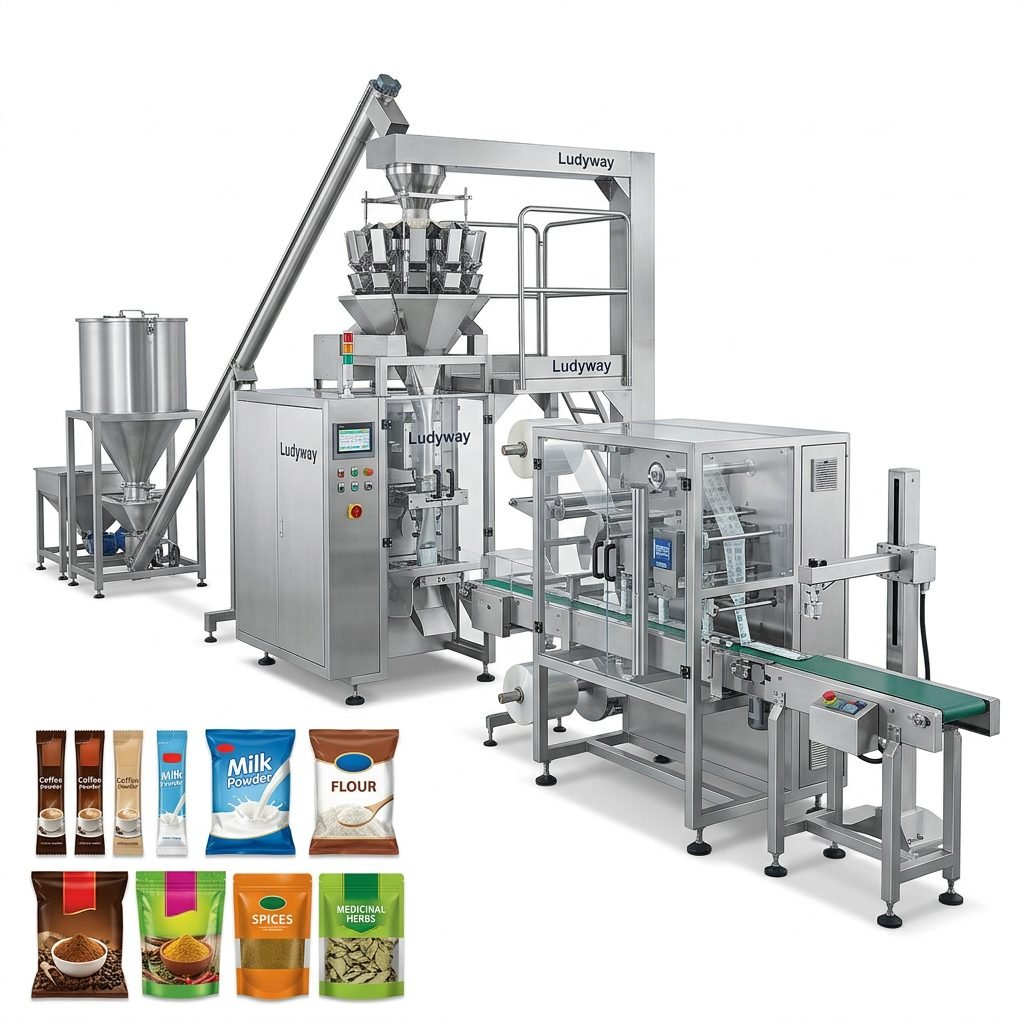
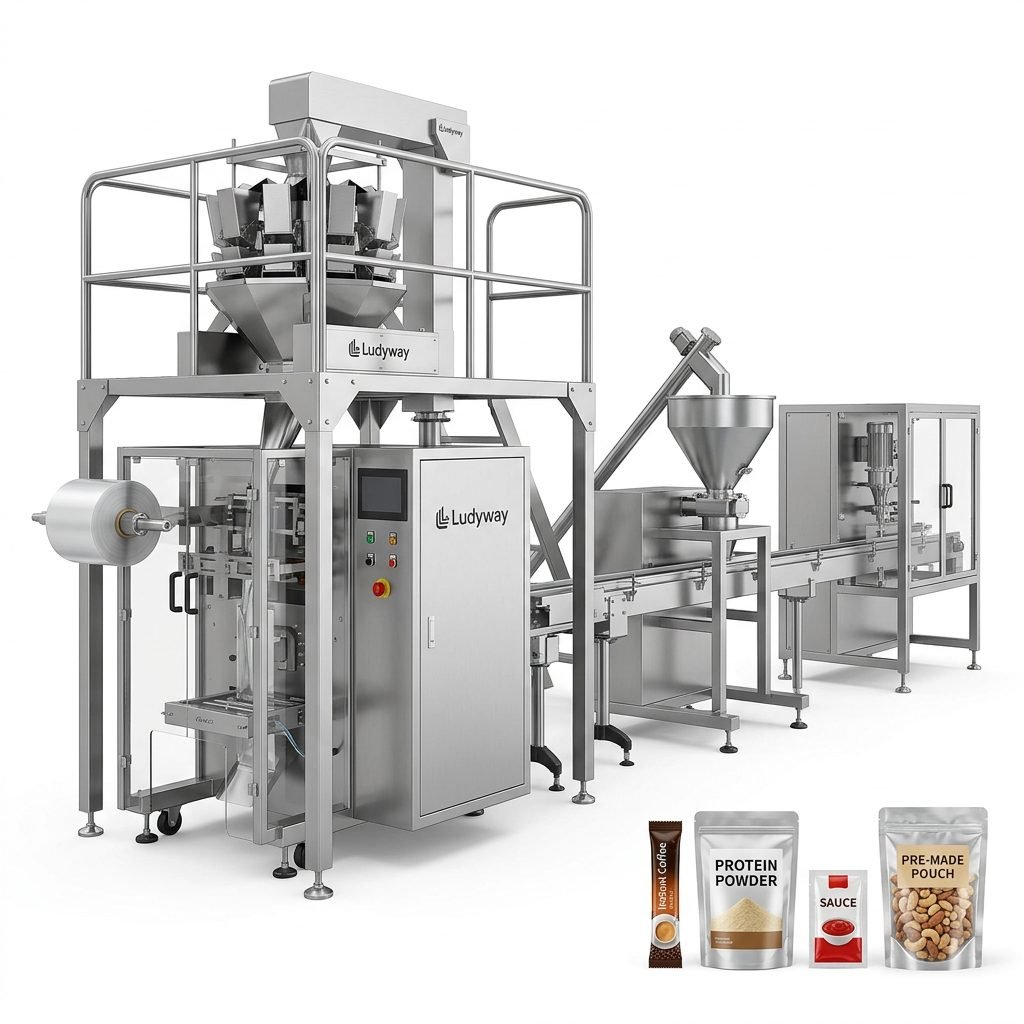
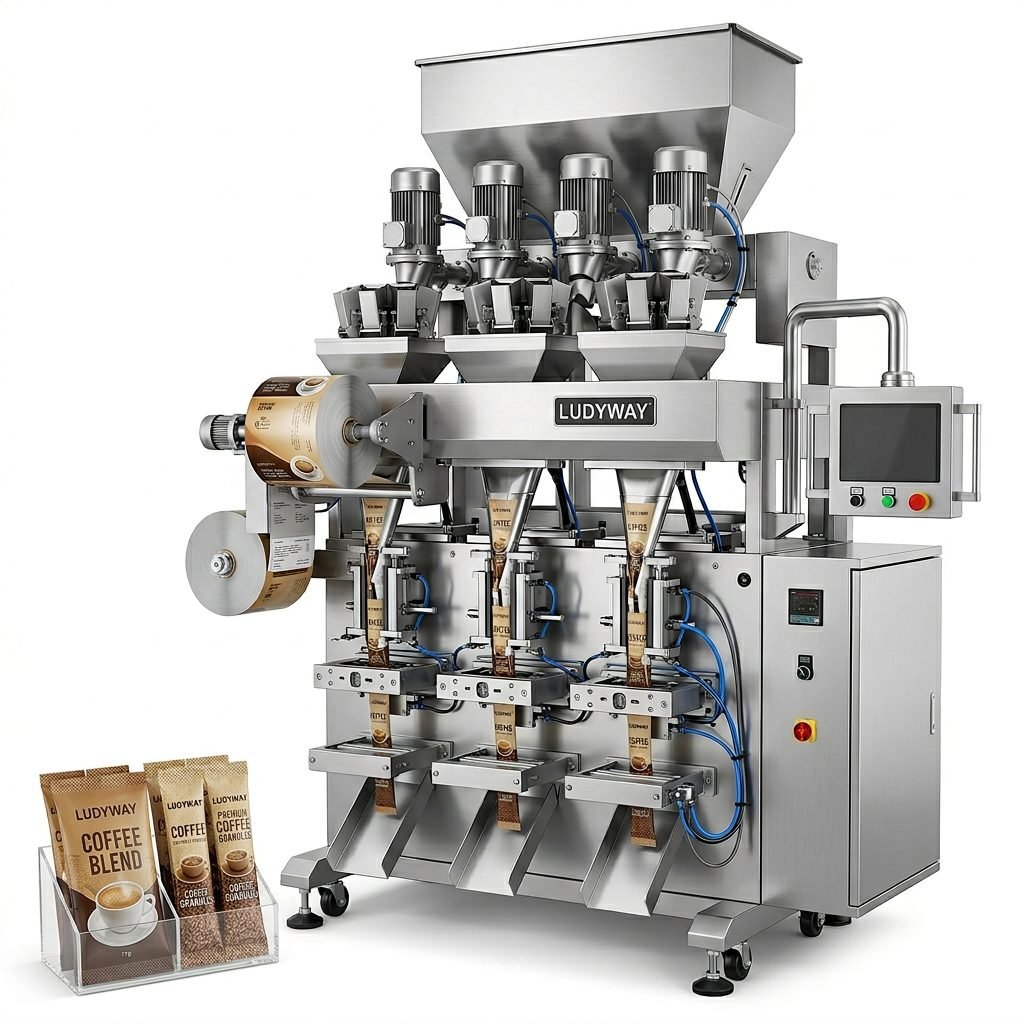
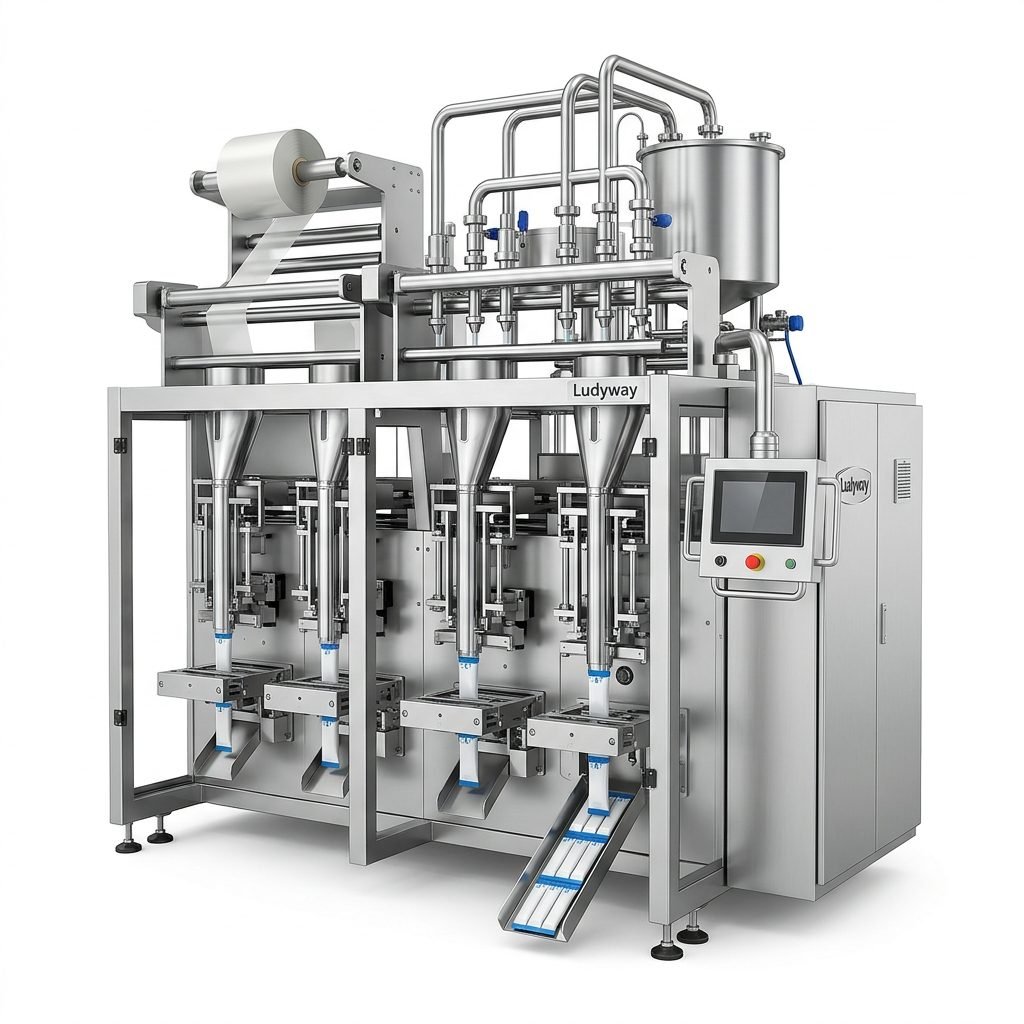
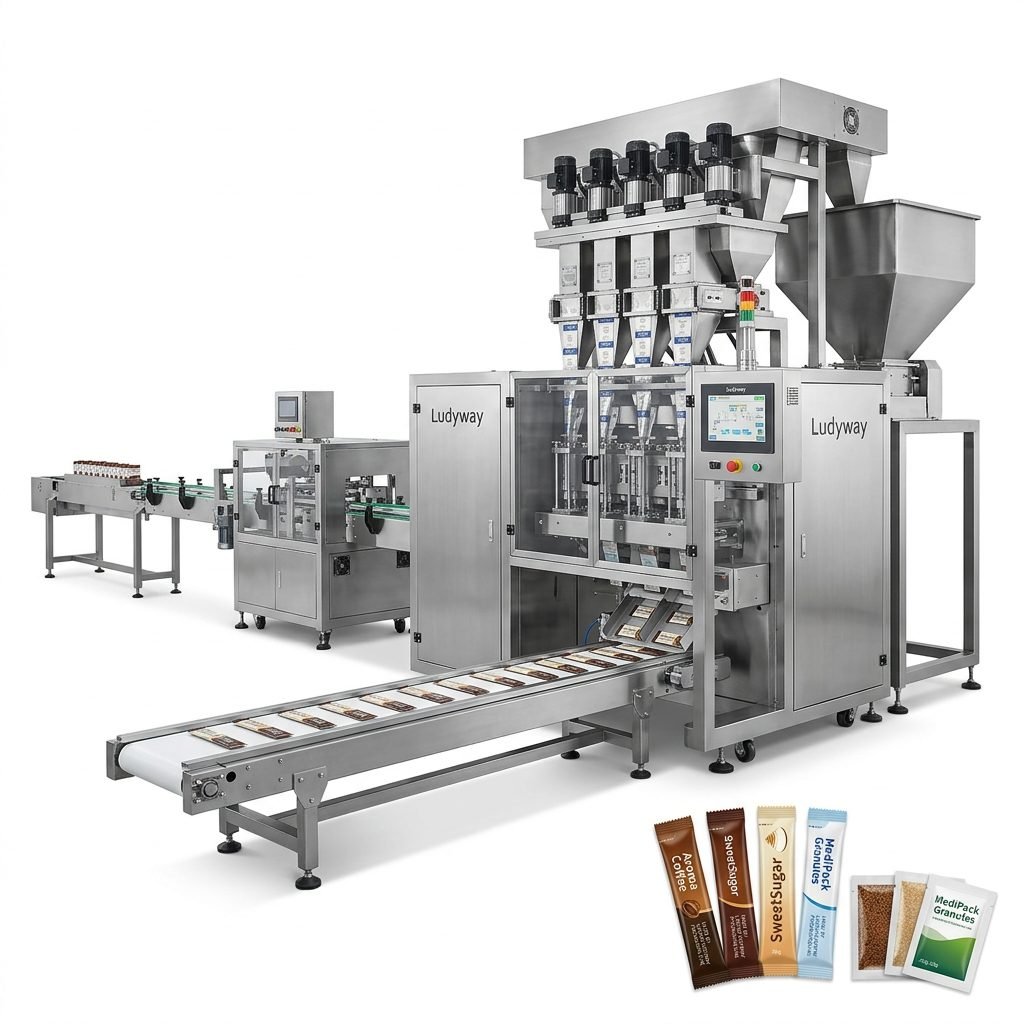
For businesses in the Netherlands looking to scale production, improve efficiency, or launch new products, selecting the right packaging machine manufacturer is a critical strategic decision. The Dutch market is known for its high standards in food, pharmaceutical, and consumer goods, demanding equipment that is precise, reliable, and compliant with stringent EU regulations. Partnering with a manufacturer who understands these local nuances can make all the difference.
Understanding the Dutch Packaging Landscape
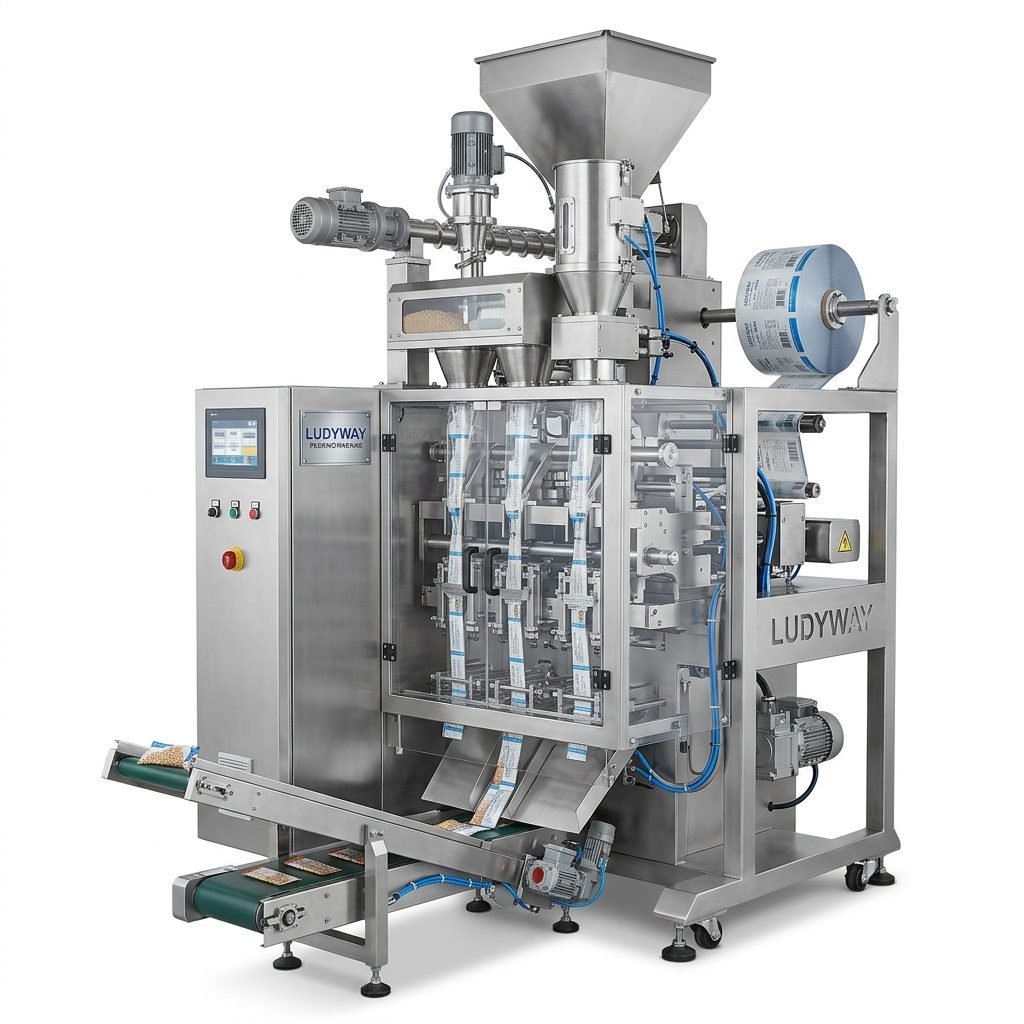
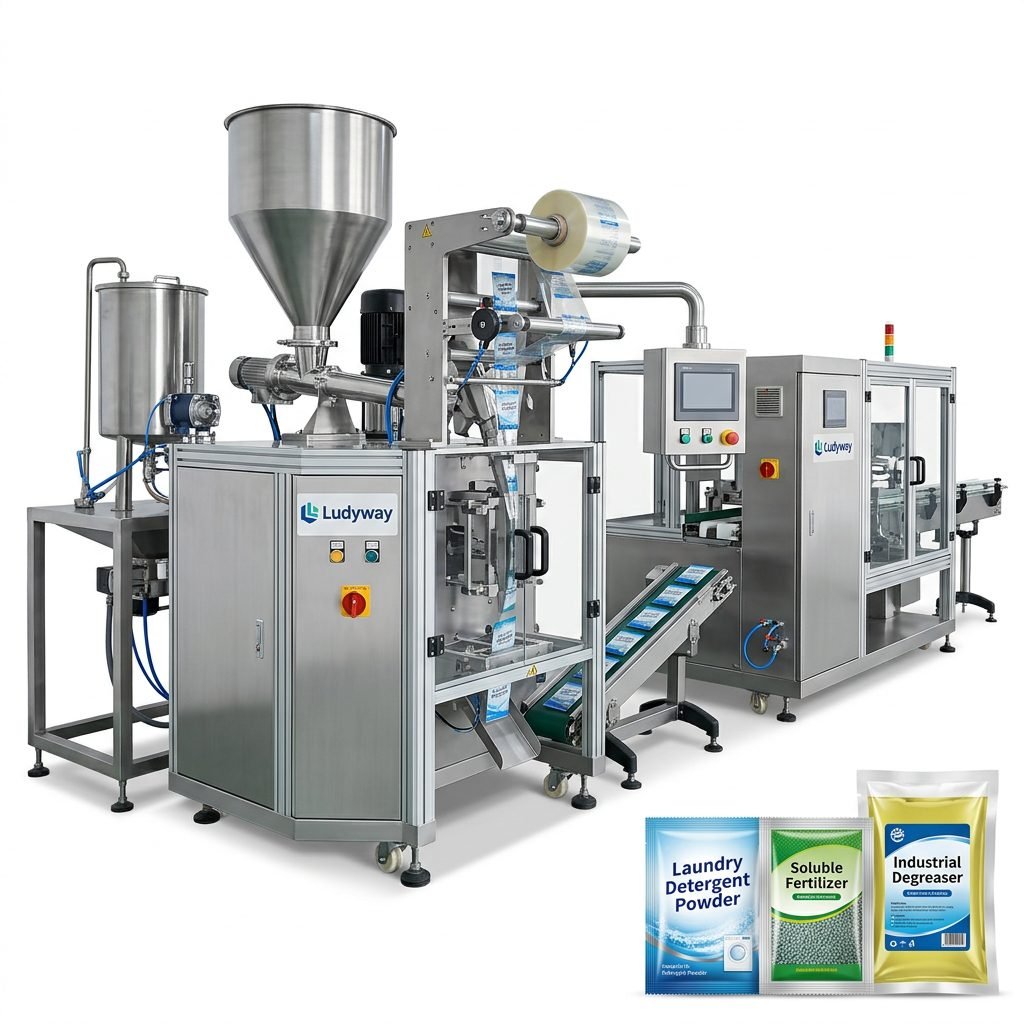
The Netherlands is a logistics and manufacturing hub in Europe, with a strong focus on export-oriented industries. Dutch businesses, from innovative food startups in Amsterdam to established pharmaceutical companies in Leiden, require packaging solutions that ensure product integrity, maximize shelf appeal, and optimize supply chain logistics. Common needs include high-speed sachet and stick pack machines for portion-controlled products, fully automated lines for large-scale production, and versatile systems that can handle everything from granules and powders to liquids.
When evaluating manufacturers, it’s essential to consider their experience with the specific regulations and quality expectations prevalent in the Benelux region. A manufacturer familiar with these demands can provide more than just a machine; they offer a solution tailored to your market success.
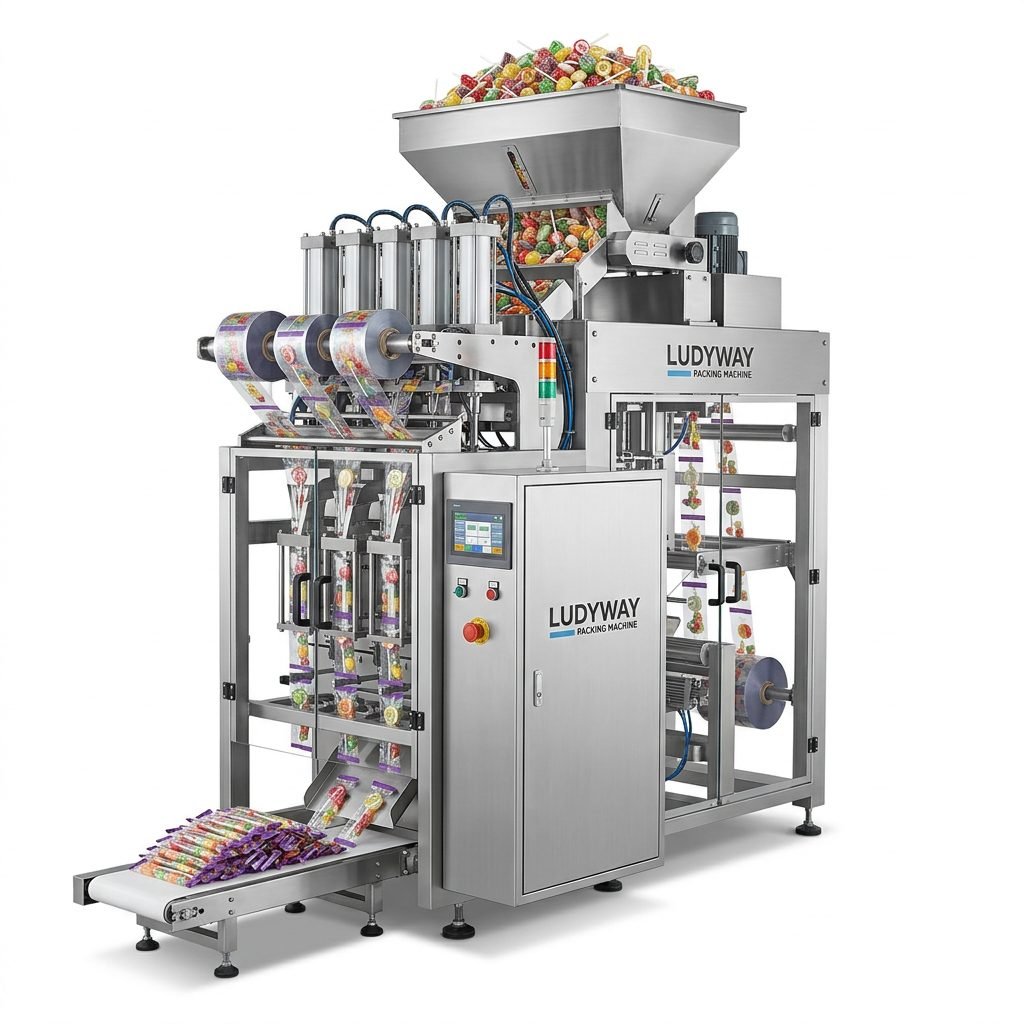
Key Criteria for Selecting Your Manufacturer
Making an informed choice requires looking beyond basic specifications. Here are the core areas to assess:
1. Technical Expertise and Product Range
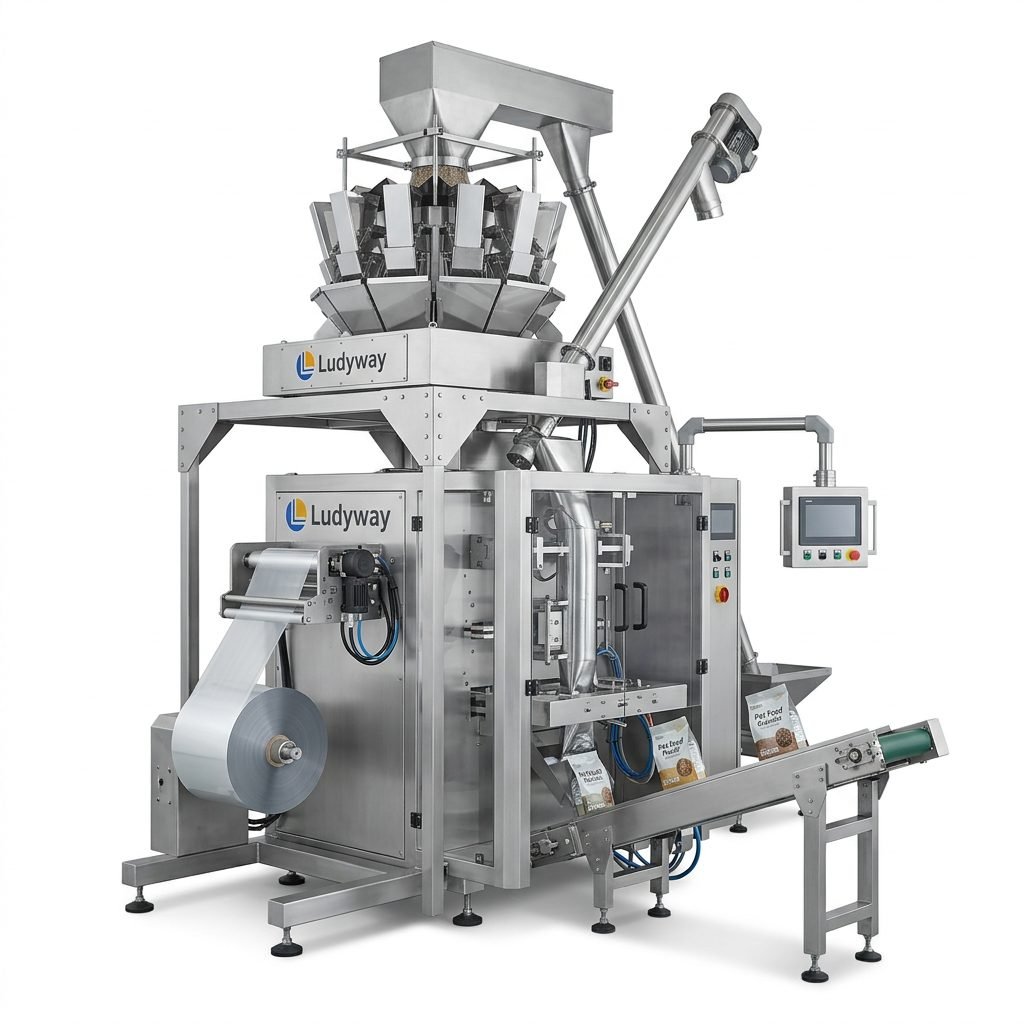
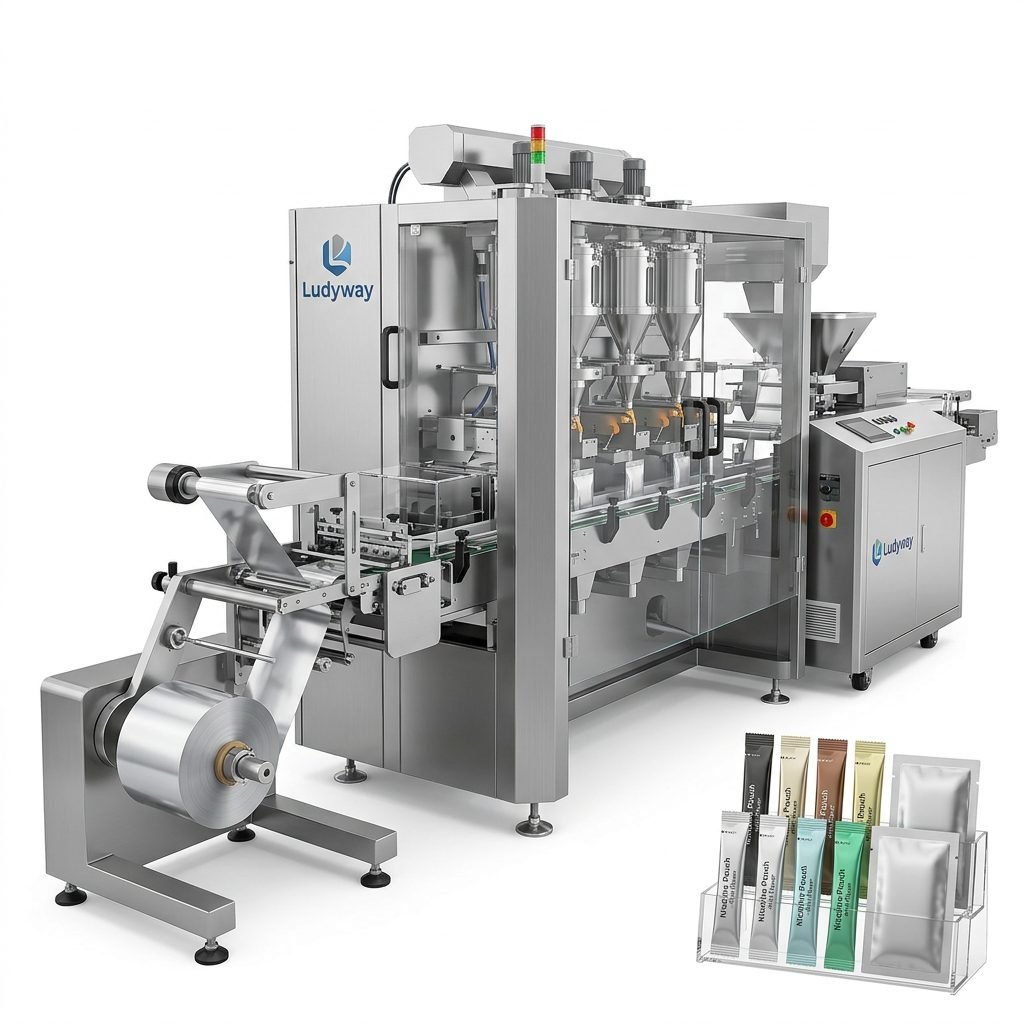
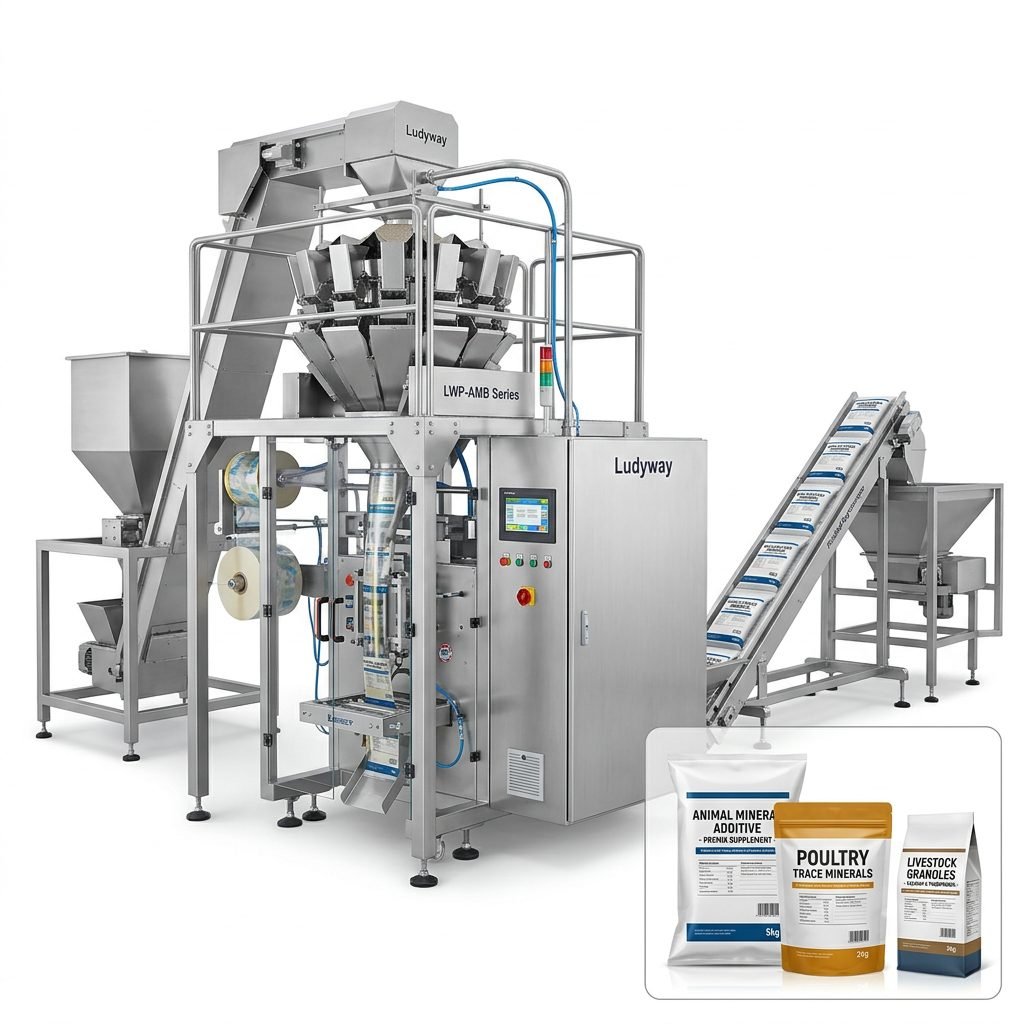
Does the manufacturer specialize in the type of packaging your product requires? For instance, if you produce nicotine pouches, you need a partner with proven expertise in high-speed, multi-lane stick pack and sachet systems. Manufacturers like Ludyway, with over 30 years of experience, offer a broad portfolio of over 50 machine models. This depth ensures they can recommend the optimal solution, whether it’s for granule packaging for pet food, powder filling for protein supplements, or liquid sachet filling for sauces.
2. Manufacturing Capability and Quality Control
The robustness of the equipment is paramount. Investigate the manufacturer’s production facilities. A modern factory, like Ludyway’s 20,000㎡ facility, signifies a commitment to quality and scale. Inquire about their quality control processes, the sourcing of key components, and the build standards. Dutch operators value precision and durability; your machine must deliver consistent performance with minimal downtime.
3. Customization and Turnkey Solutions
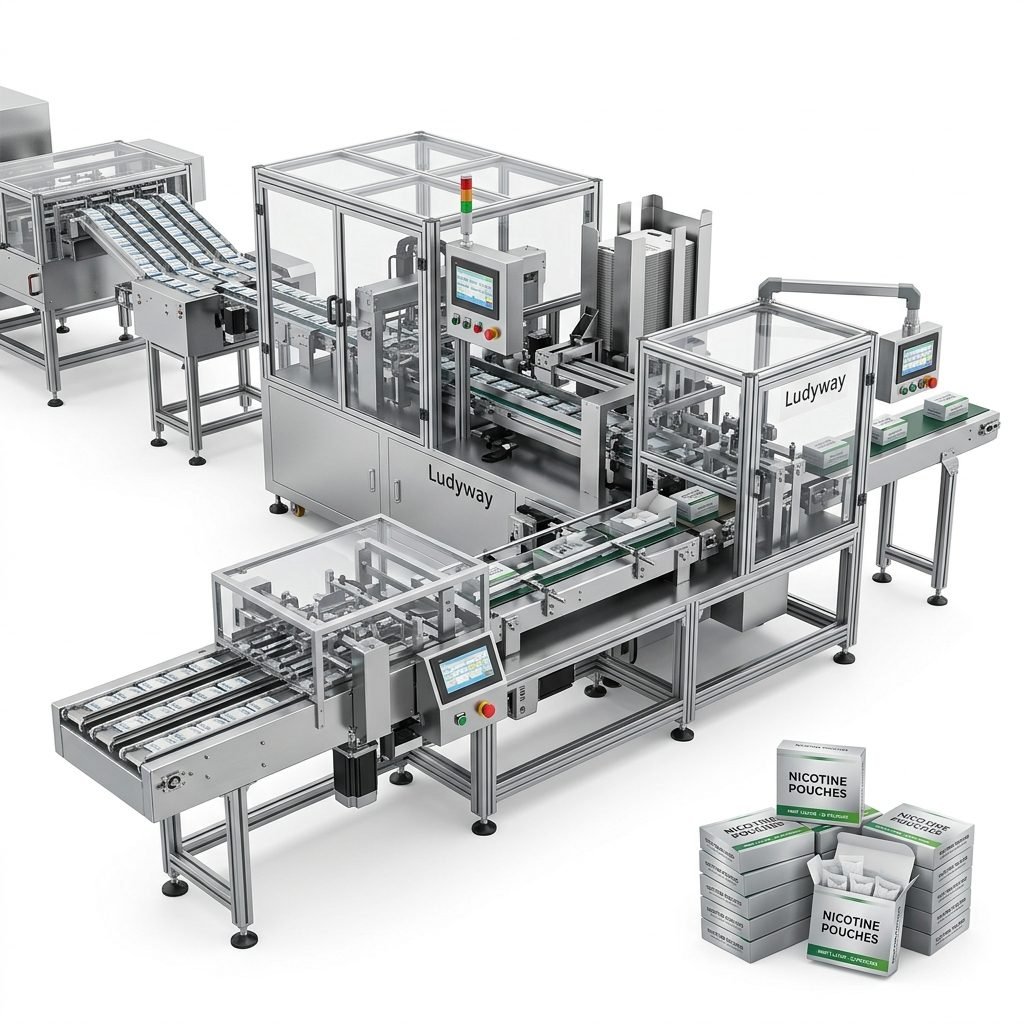
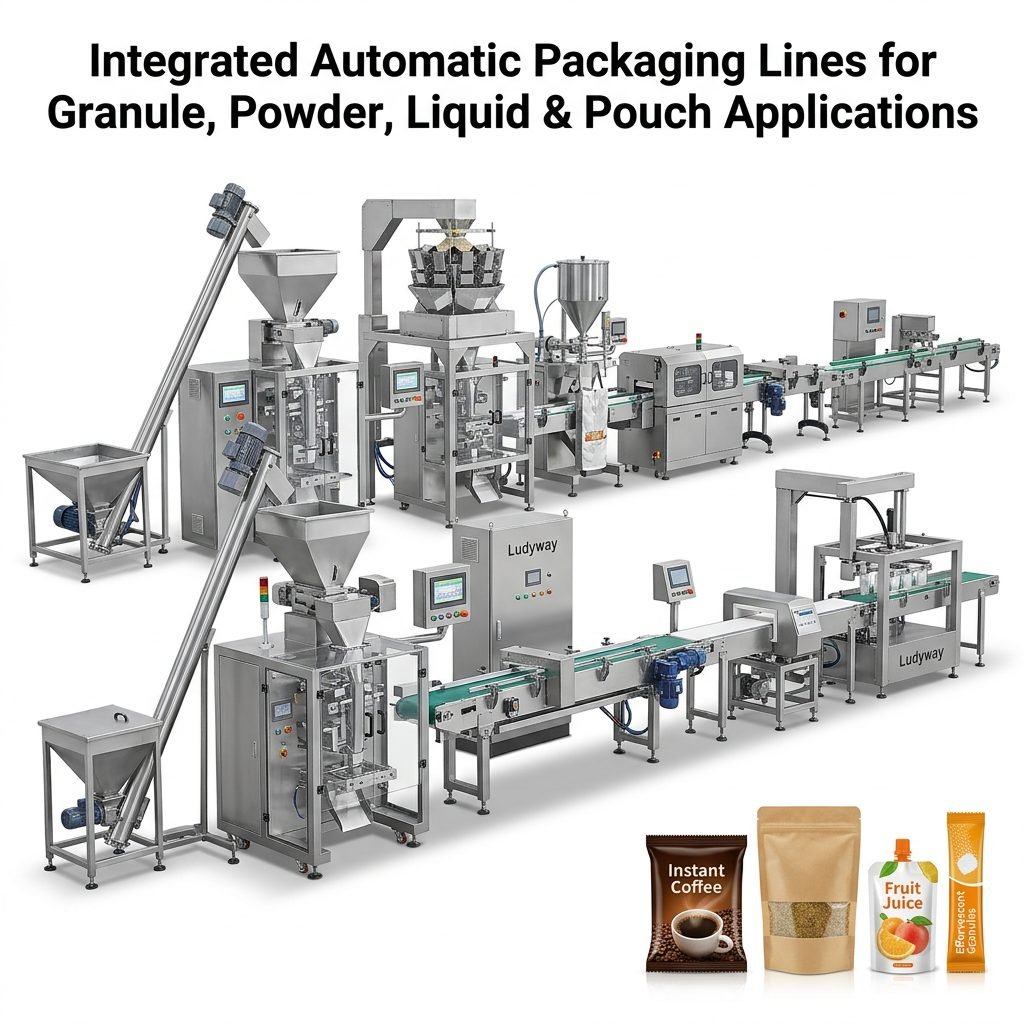
Off-the-shelf machines rarely fit perfectly. The ability to customize is crucial. Whether you need specific dosing accuracy, unique pouch shapes, or integration with existing cartoning and palletizing lines, your manufacturer should offer flexible engineering. Leading providers, including Packmate Machinery and PacklineOEM, emphasize custom and turnkey production lines. This holistic approach from filling to end-of-line packaging ensures seamless operation.
4. After-Sales Support and Local Presence
For a Dutch business, reliable support is non-negotiable. Consider the manufacturer’s service network. Do they have local technicians or partners in the EU for swift response? What is their policy on spare parts delivery, technical training, and remote diagnostics? A manufacturer’s commitment to long-term partnership, as highlighted in Ludyway’s company story, is a strong indicator of reliable post-purchase support.
The Advantage of Partnering with Specialized OEMs
For complex or niche applications, working with an Original Equipment Manufacturer (OEM) that specializes in your sector can be highly advantageous. For example:
Nicotine and Snus Products: Companies like SnusMachinery focus exclusively on machinery for oral nicotine pouches and snus, offering deep, sector-specific knowledge that generic manufacturers may lack.
Non-Standard Applications: If your product has unique characteristics (e.g., highly abrasive powders, viscous pastes), a manufacturer like PackingMachineOEM, which specializes in non-standard machines, can develop a custom-engineered solution that standard models cannot handle.
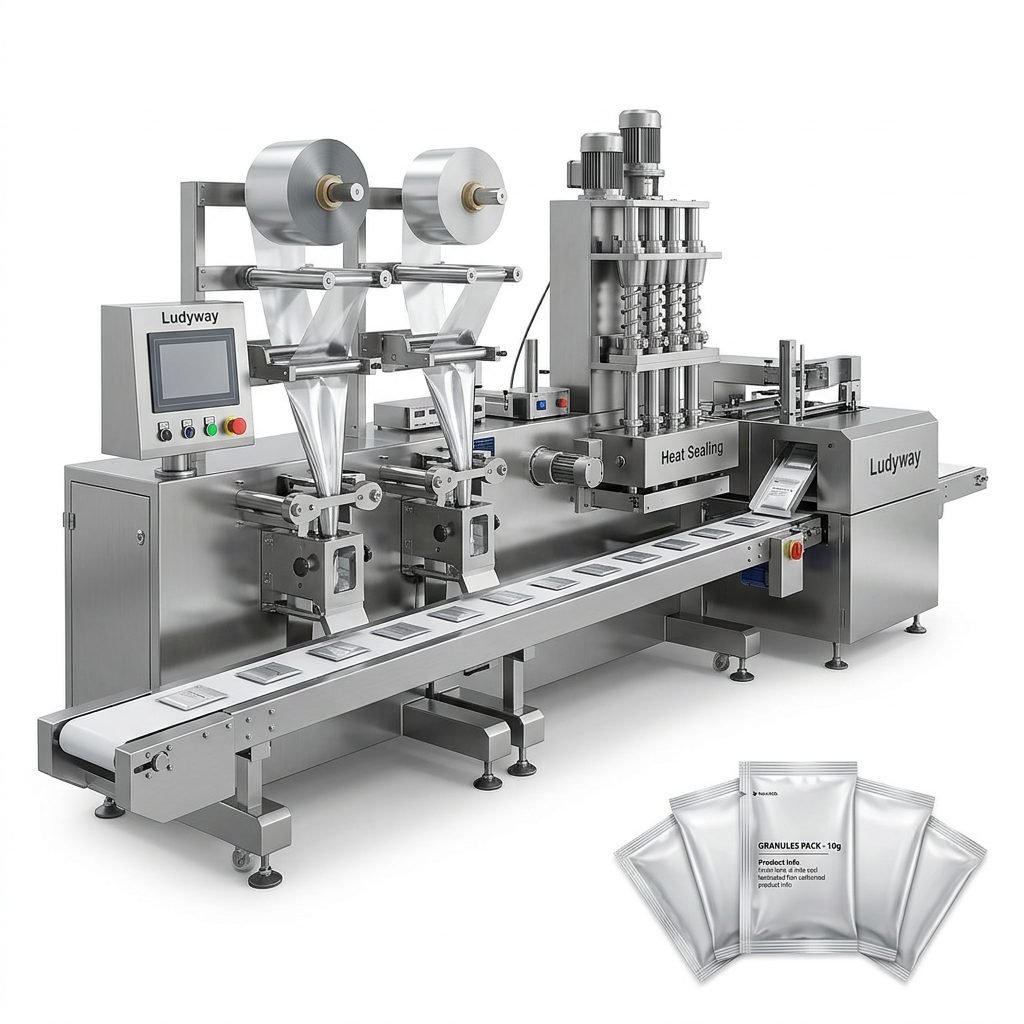
Evaluating Cost Versus Long-Term Value
While initial investment is important, the total cost of ownership (TCO) is a more critical metric for Dutch businesses focused on efficiency. Consider:
- Energy Efficiency: Machines designed with efficient drives and motors reduce operational costs.
- Output and Yield: Higher speed and precision minimize product waste and maximize throughput.
- Maintenance Costs: Robustly built machines with accessible service points lower long-term maintenance expenses.
- Uptime: Reliability directly impacts your production schedule and ability to meet orders.
Investing in a high-quality machine from a reputable manufacturer often results in a lower TCO and a faster return on investment, even if the upfront price is higher than a basic alternative.
Steps to a Successful Partnership
1. Define Your Requirements Clearly: Detail your product specifications, desired output, packaging materials, and future growth plans.
2. Shortlist Specialized Manufacturers: Focus on companies with a track record in your industry, such as food, pharma, or specific niches like nicotine.
3. Request Detailed Proposals and References: Ask for case studies or contact existing clients, especially those in Europe, to verify performance and service.
4. Visit the Factory (Virtually or In-Person): A facility tour provides invaluable insight into the manufacturer’s capabilities, quality processes, and scale.
5. Clarify All Terms: Ensure the contract clearly outlines delivery, installation, training, warranty, and support terms to avoid misunderstandings.
Frequently Asked Questions (FAQs)
Q1: Why should a Dutch business consider a Chinese packaging machine manufacturer?
Leading Chinese manufacturers like Ludyway, Packmate Machinery, and PacklineOEM combine advanced engineering, extensive industry experience, and competitive pricing. They often operate large-scale, modern facilities and serve a global clientele, meaning their equipment is built to meet international standards, including those required in the EU. This offers Dutch businesses access to high-performance, cost-effective solutions with strong technical support.
Q2: How do I ensure the machine will comply with EU safety and hygiene regulations (e.g., CE, EHEDG)?
Reputable manufacturers design their machines to comply with key international standards. Always specify that you require CE certification and inquire about specific hygiene design features if you are in the food or pharmaceutical sector. Provide your detailed regulatory requirements during the quotation process, and request the relevant certification documents as part of your due diligence.
Q3: What is the typical lead time for a custom packaging line?
Lead times vary based on complexity. A standard machine may ship in 30-60 days, while a fully customized, multi-machine turnkey line can take 3 to 6 months or more for design, manufacturing, testing, and shipment. Clear communication about your timeline expectations from the start is essential for proper project planning.
Q4: Can the manufacturer provide local technical support and spare parts in the Netherlands?
Many established manufacturers have a network of service partners or agents across Europe. Before purchasing, confirm the availability of local technical support, spare parts inventory in the EU, and remote diagnostic capabilities. This significantly reduces potential downtime and ensures you have access to prompt service when needed.
Q5: What is the difference between a standard machine and a turnkey solution?
A standard machine is a standalone unit (e.g., a single sachet filler) that performs a core function. A turnkey solution is a complete, integrated production line that may include feeding systems, multiple packaging machines, checkweighers, cartoners, and palletizers, all controlled from a central system. It is designed, installed, and commissioned to be production-ready, offering a single point of responsibility for the entire line’s performance.