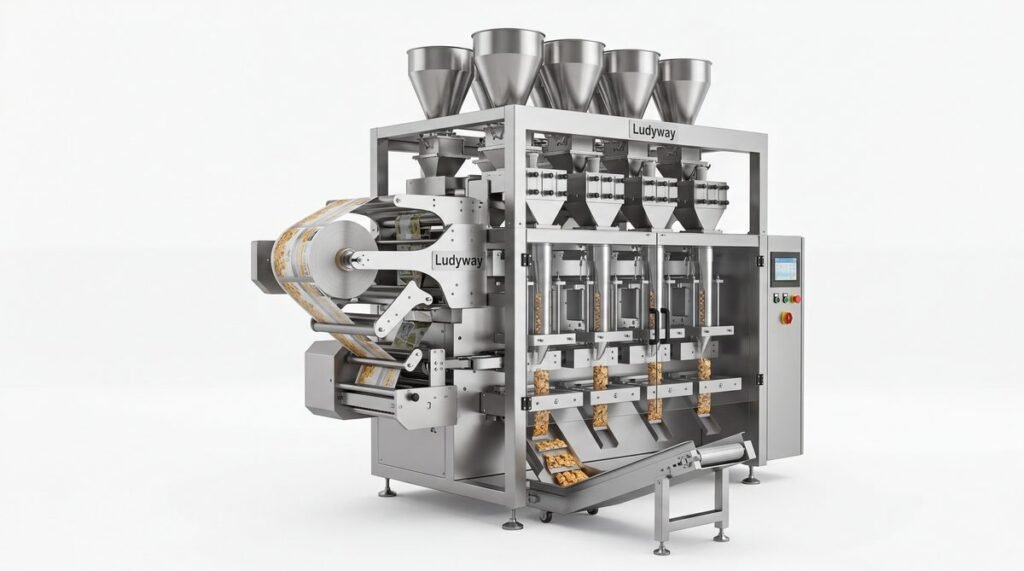
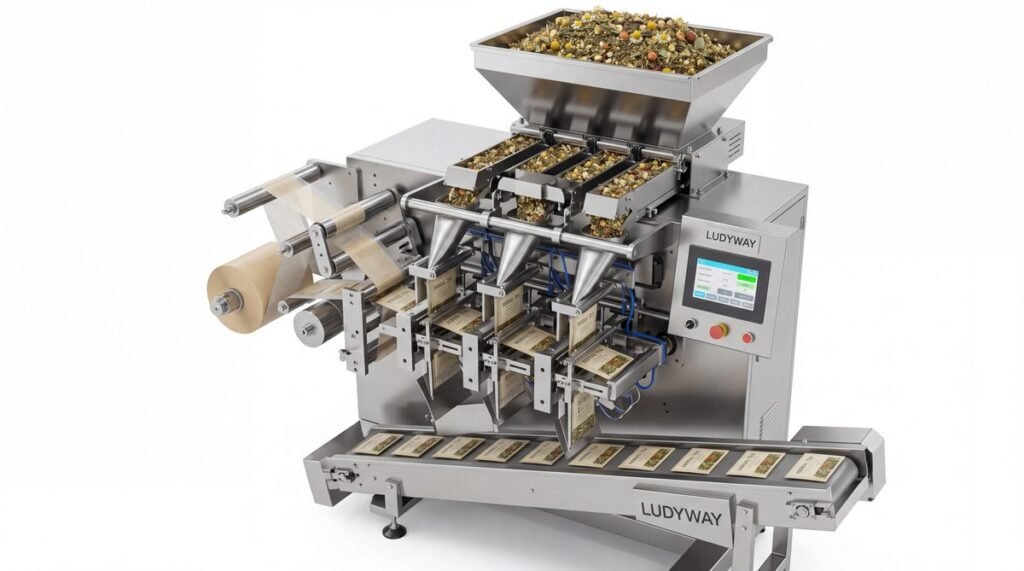
In dairy processing, butter packaging is more than a final step—it directly affects product freshness, retail presentation, hygiene compliance, and production efficiency. A modern butter packing machine helps manufacturers handle soft, solid, whipped, or portioned butter with greater accuracy while reducing product waste and labor intensity.
As dairy brands scale up, packaging requirements often become more complex. Producers may need to pack butter into foil wraps, cups, trays, sachets, pouches, or family-size blocks while maintaining consistent fill weight and clean sealing performance. This is where automated systems become a practical investment for both growing processors and large industrial plants.
What Is a Butter Packing Machine?
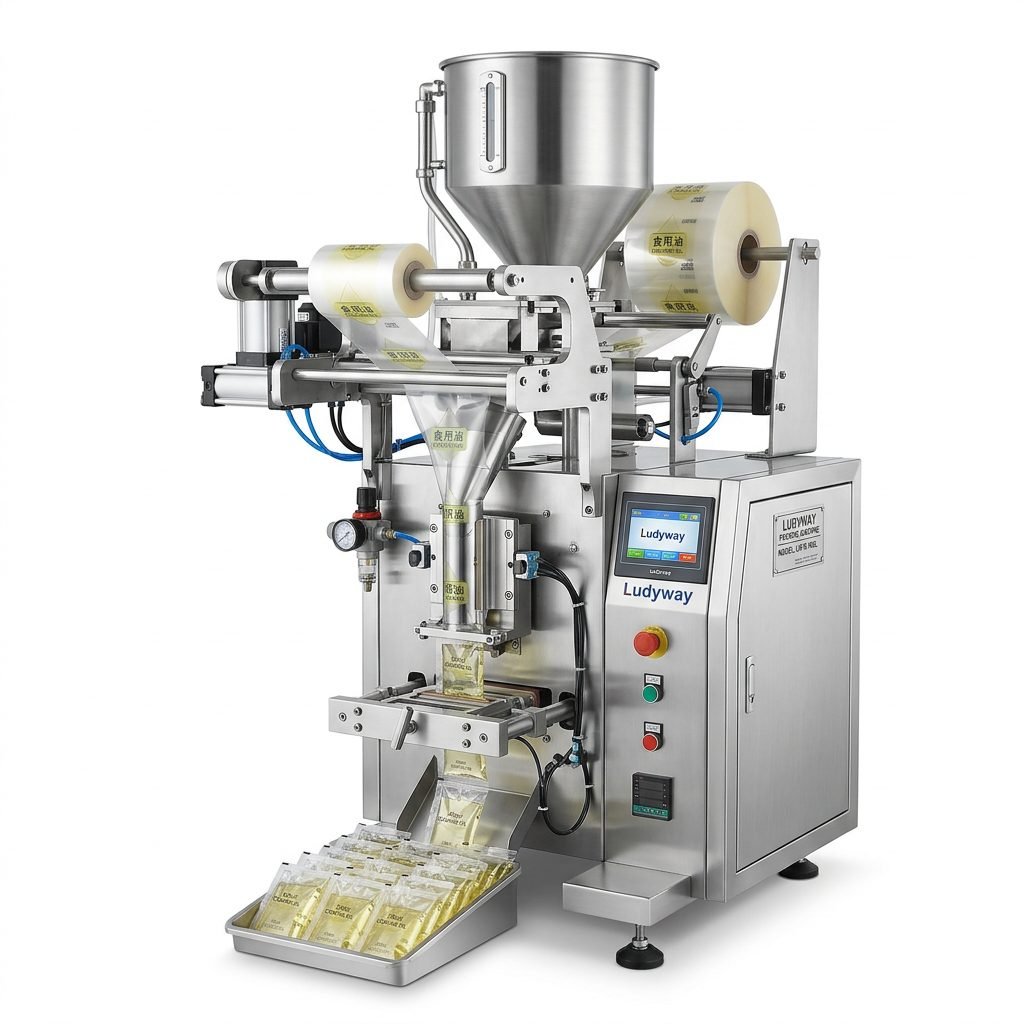
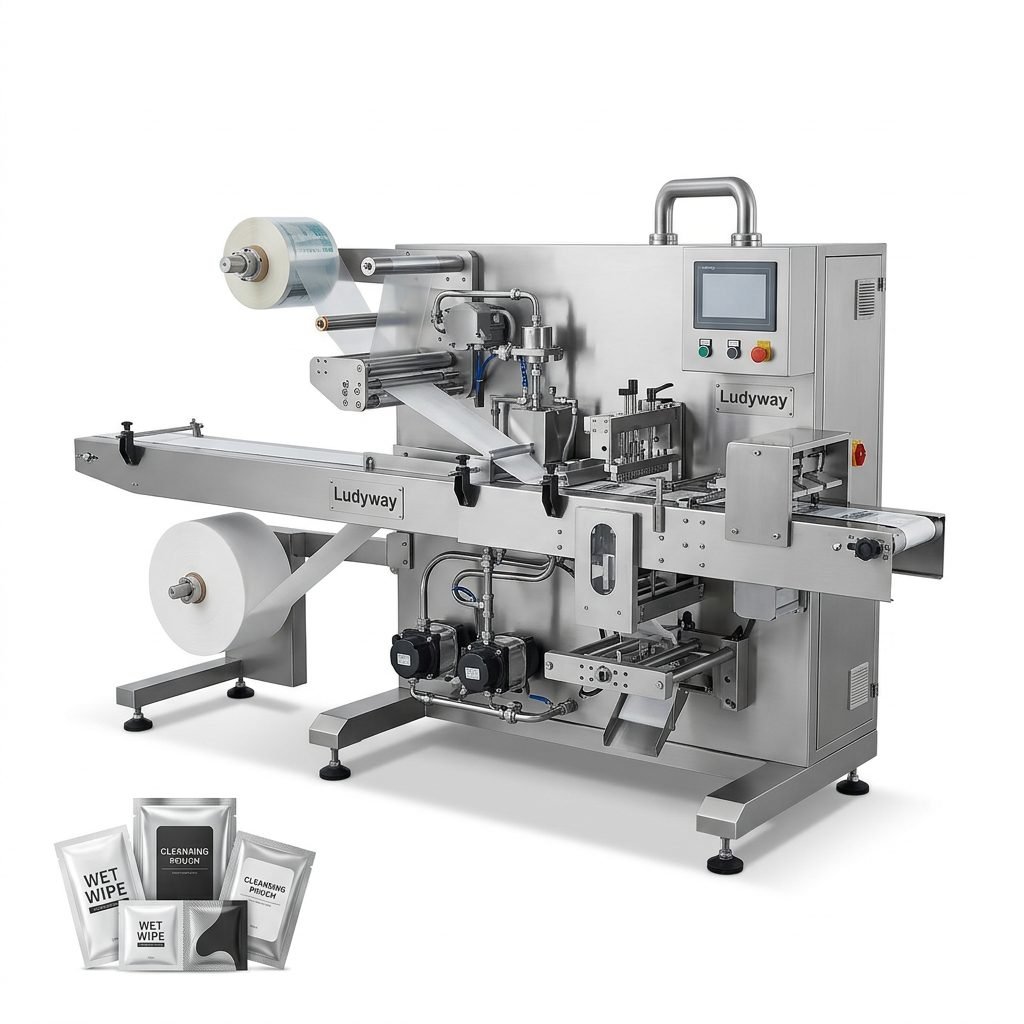
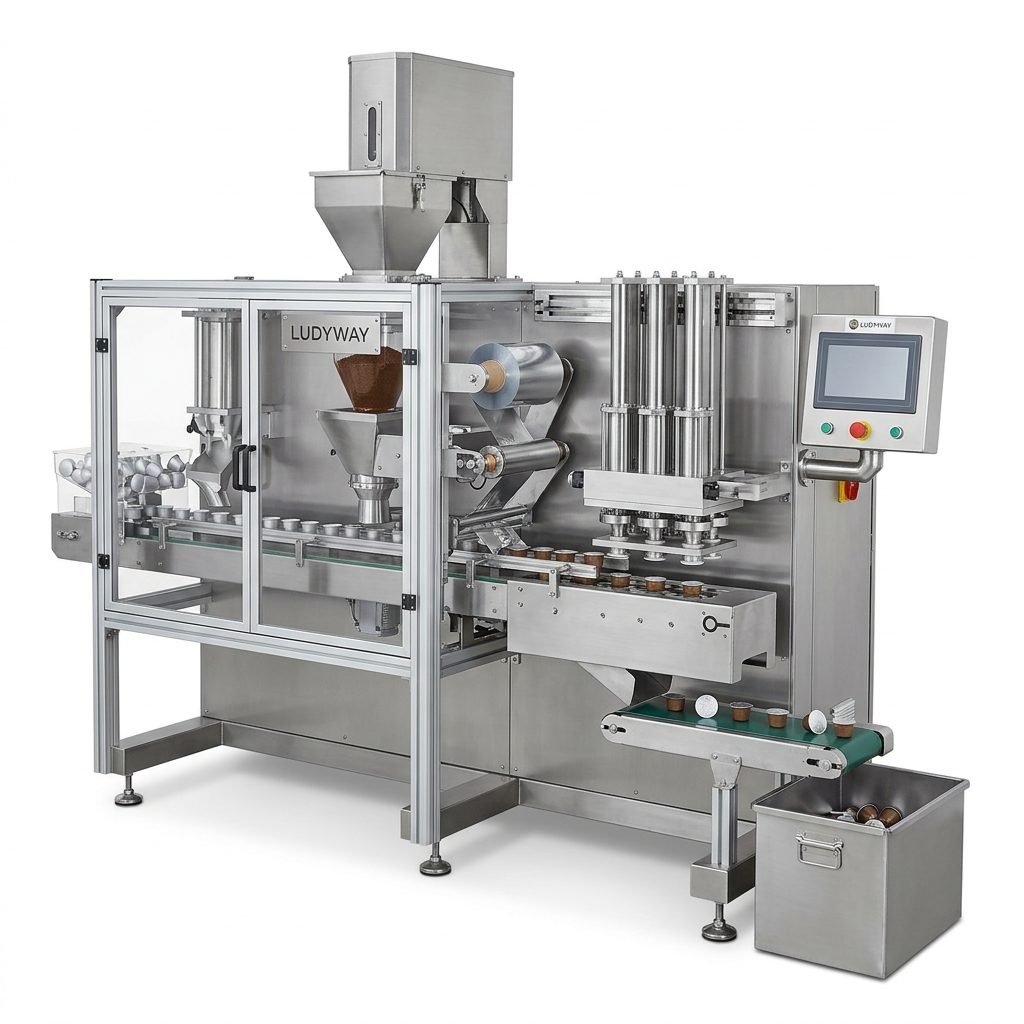
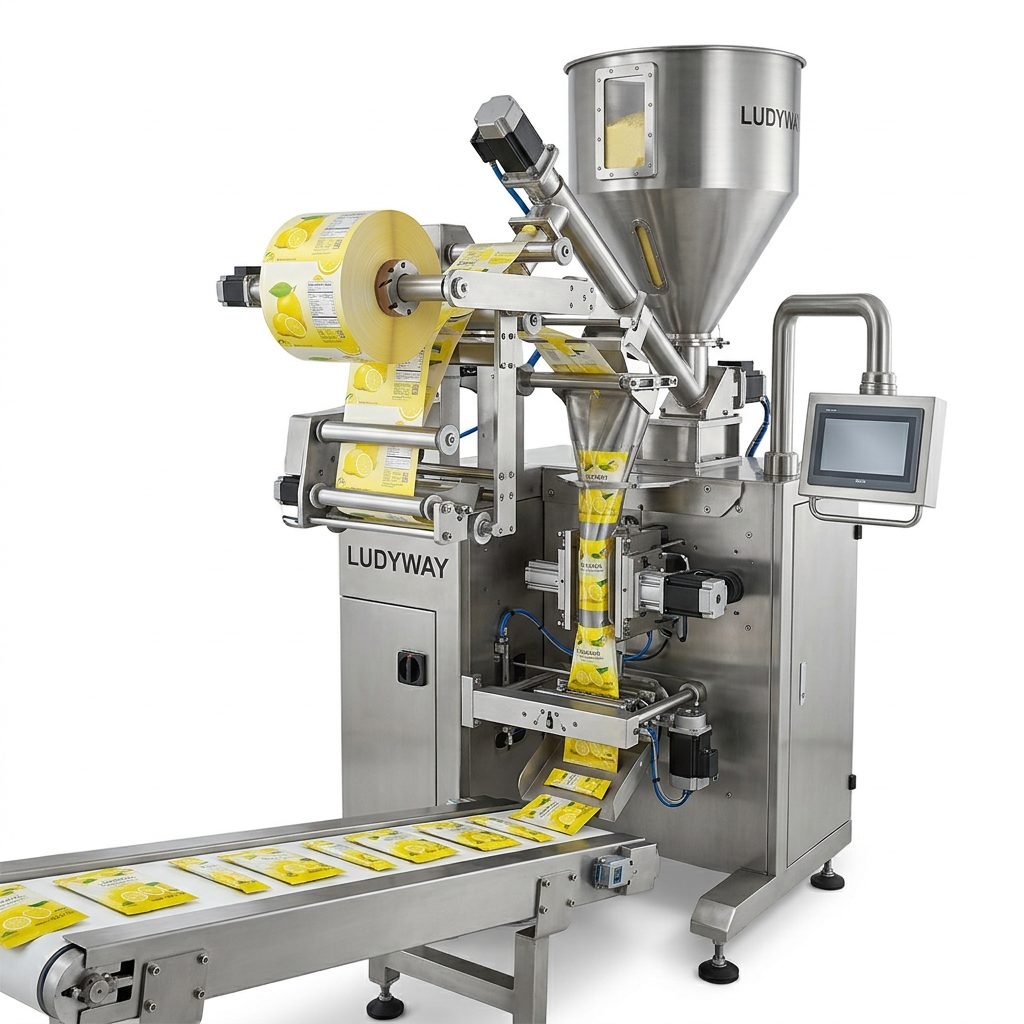
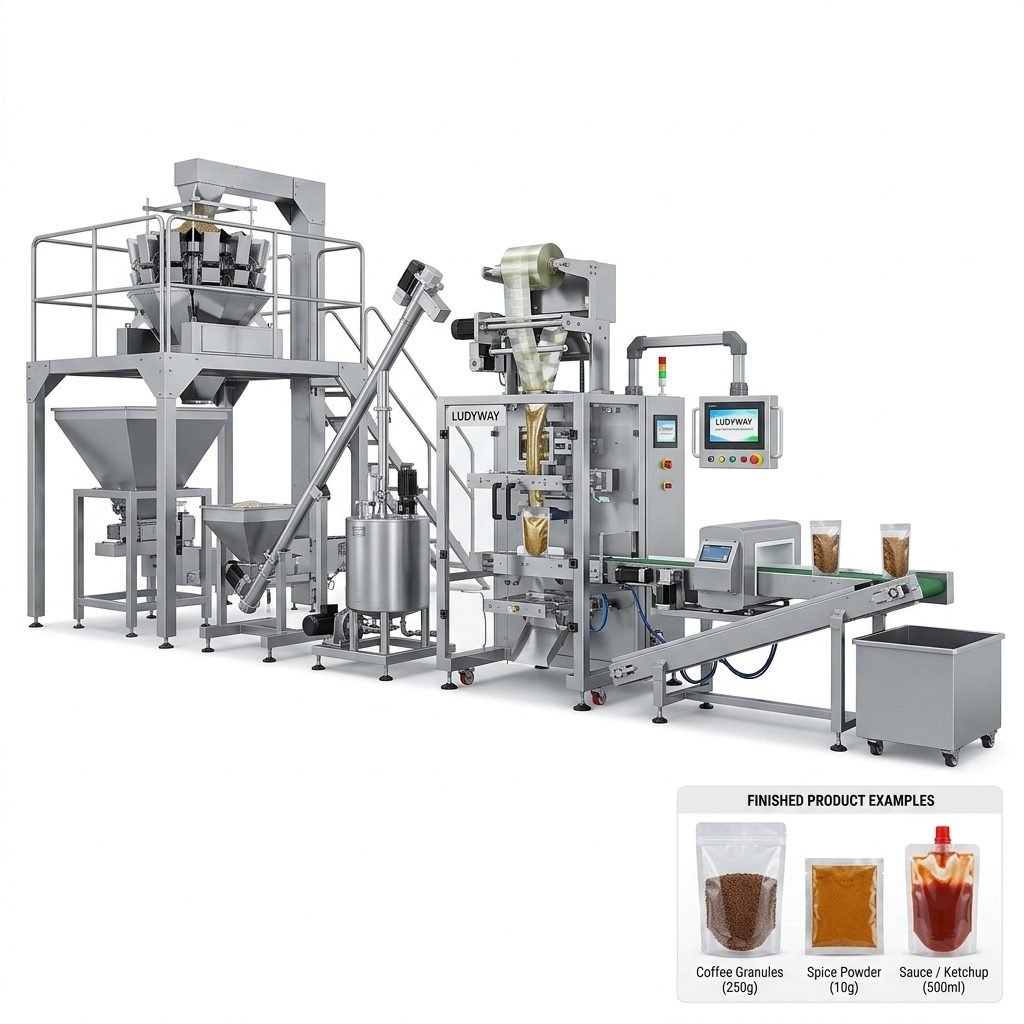
A butter packing machine is specialized packaging equipment designed to fill, portion, seal, and sometimes cartoning butter products in a hygienic and repeatable way. Depending on the application, the machine may handle:
- Butter blocks
- Butter portions for hotels and restaurants
- Butter cups or tubs
- Foil-wrapped butter sticks
- Sachets or pouch-based butter products
- Blended dairy fat and spreadable butter formats
These systems can be configured for semi-automatic or fully automatic operation, based on plant capacity, packaging style, and downstream production requirements.
Why Automation Matters in Butter Packaging
Butter is sensitive to temperature, texture variation, and contamination risk. Manual packaging often creates inconsistency in fill weights, sealing quality, and overall production speed. Automated equipment helps solve these issues by offering controlled dosing, synchronized sealing, and better line integration.
| Packaging Challenge | How a Butter Packing Machine Helps |
|---|---|
| Inconsistent portion size | Provides accurate filling and dosing control |
| Product contamination risk | Supports enclosed, hygienic production processes |
| Slow packing speed | Improves throughput with automatic sealing and conveying |
| High labor dependency | Reduces manual handling and repetitive tasks |
| Material waste | Optimizes filling precision and packaging consistency |
Key Features to Look For
Choosing the right butter packing machine depends on the characteristics of your butter and the packaging format required by your market. While technical specifications vary, several features are especially important in dairy applications.
1. Accurate Filling Performance
Butter packaging requires stable dosing performance, especially for retail units where underfilling or overfilling can affect compliance and profitability. Machines with precision filling systems help maintain consistent net weight across batches.
2. Hygienic Contact Parts
Stainless steel construction and food-grade contact components are essential. Easy-to-clean product pathways support sanitation procedures and help dairy processors meet strict food safety standards.
3. Temperature Compatibility
Butter texture changes significantly with temperature. A reliable machine should work smoothly under controlled processing conditions and maintain stable handling whether the butter is chilled, softened, or semi-solid.
4. Flexible Packaging Options
Many dairy companies serve multiple channels, such as retail, foodservice, and industrial supply. Machines with flexible format changeover can support different pack sizes and packaging materials without excessive downtime.
5. Easy Integration with Production Lines
Butter packaging rarely works as a standalone stage. It often connects with upstream mixing, cooling, holding, and downstream coding, cartoning, case packing, and palletizing systems.
Common Butter Packaging Formats
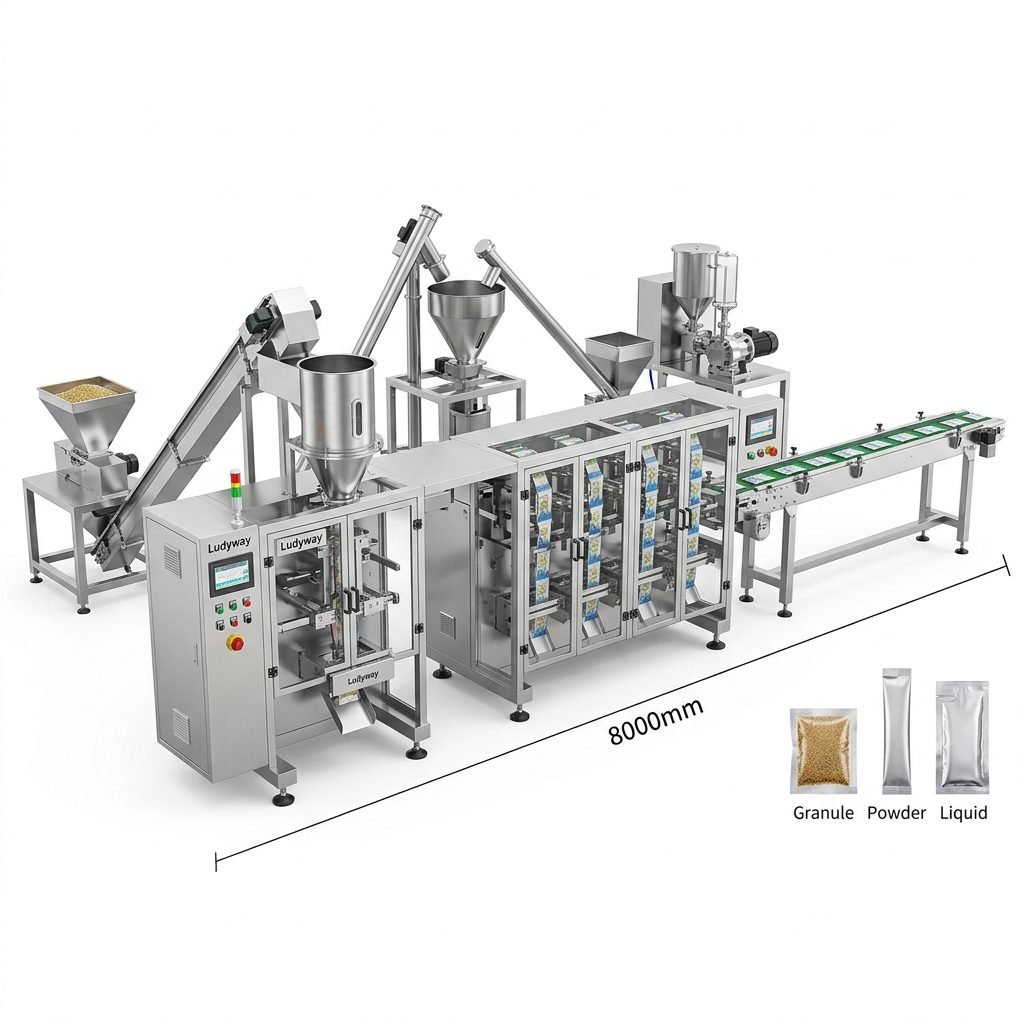
Different markets demand different butter pack styles. The right machine should align with your target product presentation and shelf strategy.
- Foil-wrapped blocks: Popular for traditional butter sticks and retail bricks
- Plastic cups or tubs: Suitable for spreadable butter and flavored butter products
- Sachets: Ideal for portion control in hospitality and catering applications
- Pouches: Useful for specialty dairy blends or convenient dispensing
- Bulk packs: Designed for bakeries, food factories, and institutional use
Benefits for Dairy Processing Plants
Investing in a high-efficiency butter packing machine can improve performance across the entire dairy production chain. The most important benefits typically include:
- Higher output for growing production volumes
- Improved consistency in fill weight and seal quality
- Better hygiene control through reduced manual contact
- Lower operational cost over time through automation
- Stronger product appearance for retail competitiveness
- Easier scalability when expanding to new SKUs or new markets
How to Choose the Right Butter Packing Solution
Not all butter packaging lines are built the same. Before selecting equipment, dairy processors should evaluate production goals from both technical and commercial angles.
| Selection Factor | Why It Matters |
|---|---|
| Butter texture and viscosity | Determines suitable filling method and machine structure |
| Pack size range | Affects dosing system, mold size, and format flexibility |
| Target speed | Helps define automation level and line layout |
| Packaging material | Influences sealing technology and machine compatibility |
| Cleaning and maintenance needs | Supports hygienic operation and long-term uptime |
| Future expansion | Ensures the line can adapt to new products or capacities |
Integration with Turnkey Dairy Packaging Lines
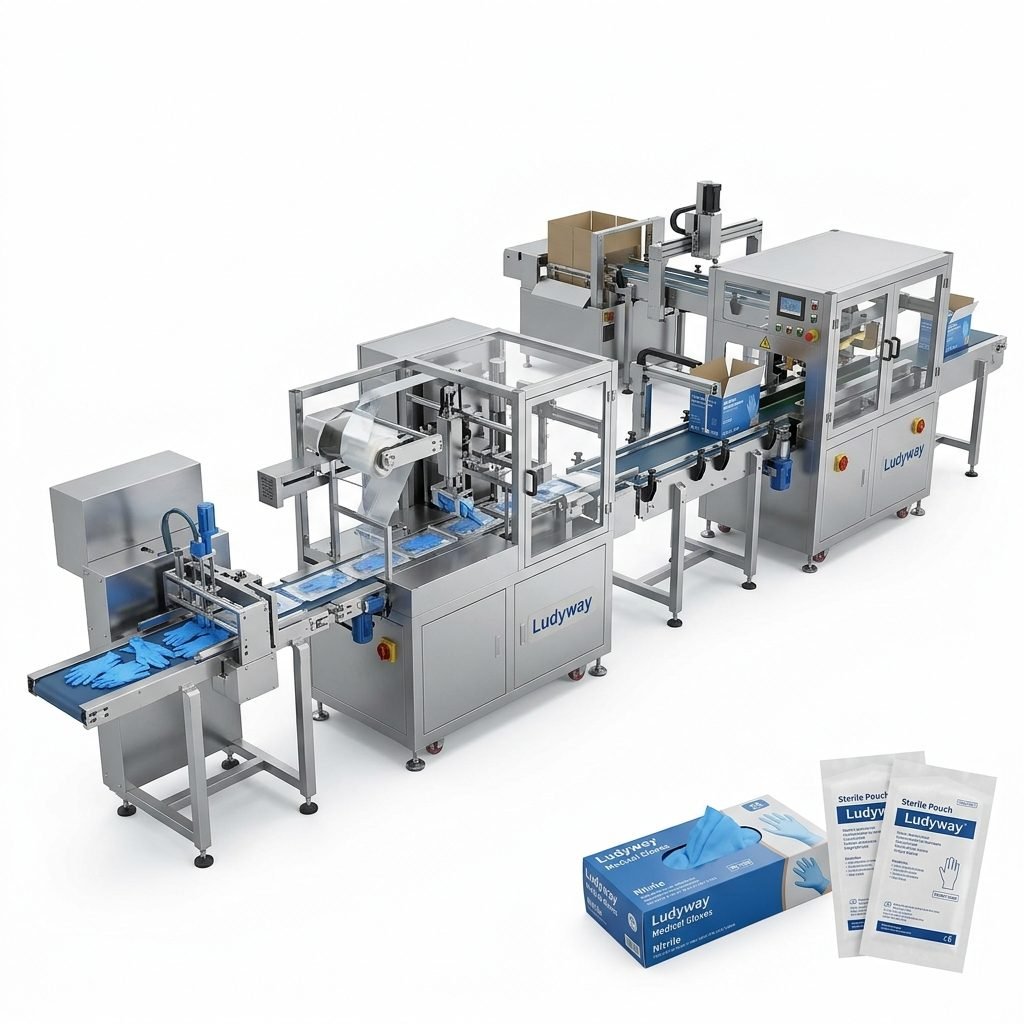
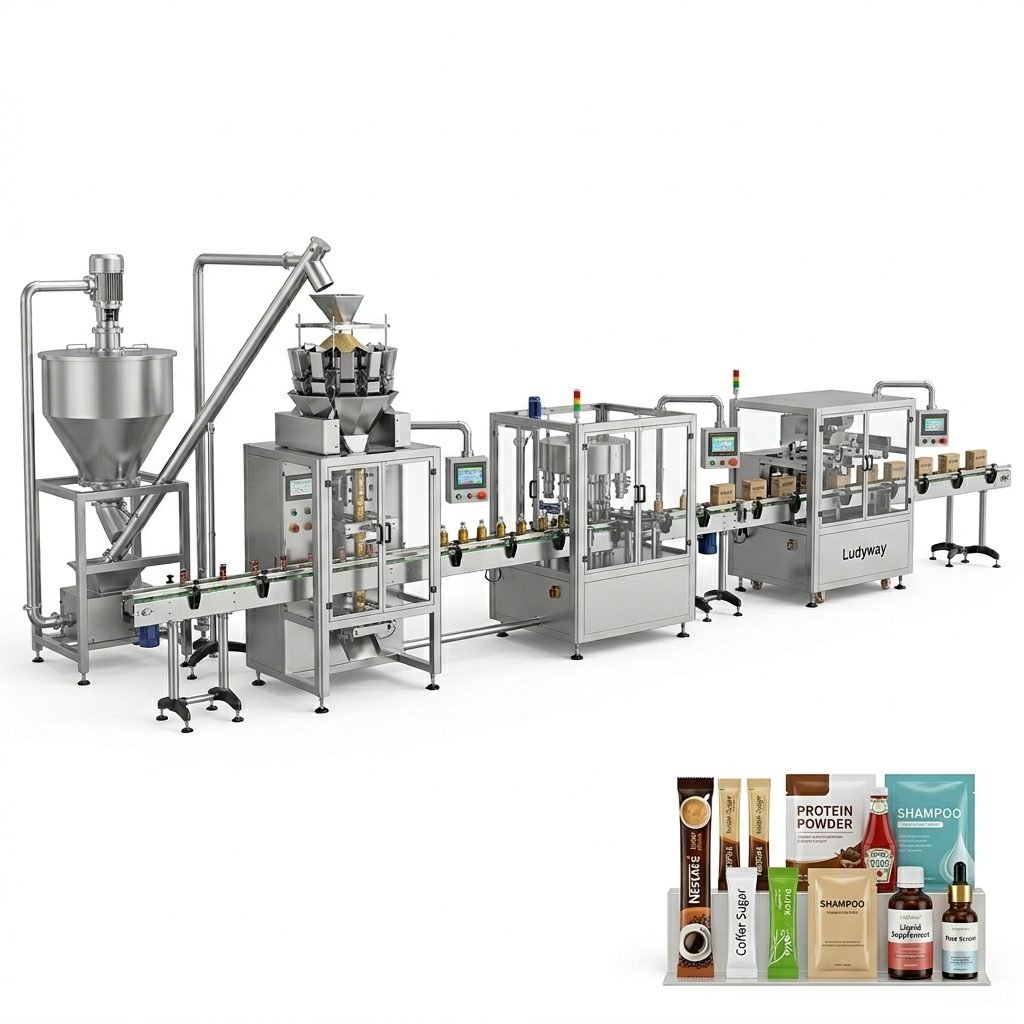
For many manufacturers, the best results come from integrating the butter packing machine into a complete packaging workflow. A turnkey system may include product feeding, filling, sealing, date coding, checkweighing, metal detection, cartoning, and end-of-line automation.
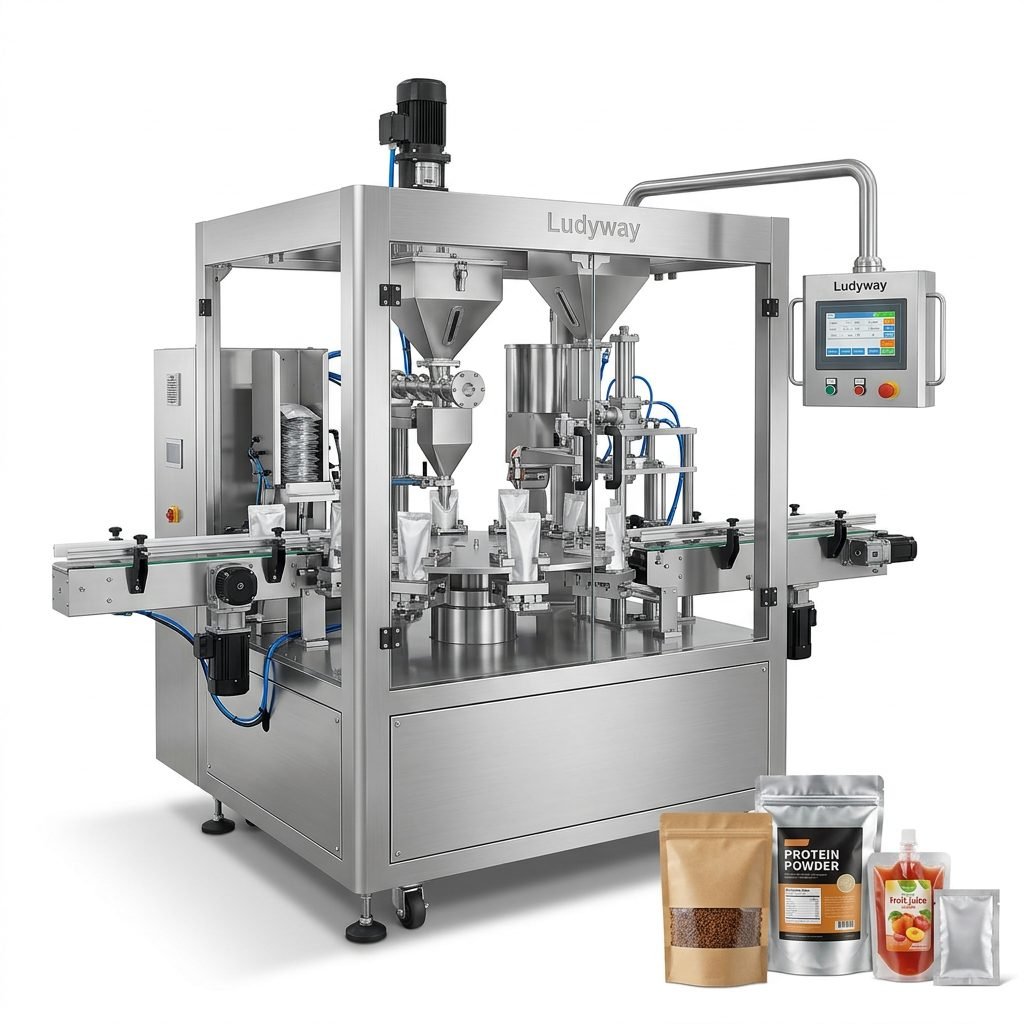
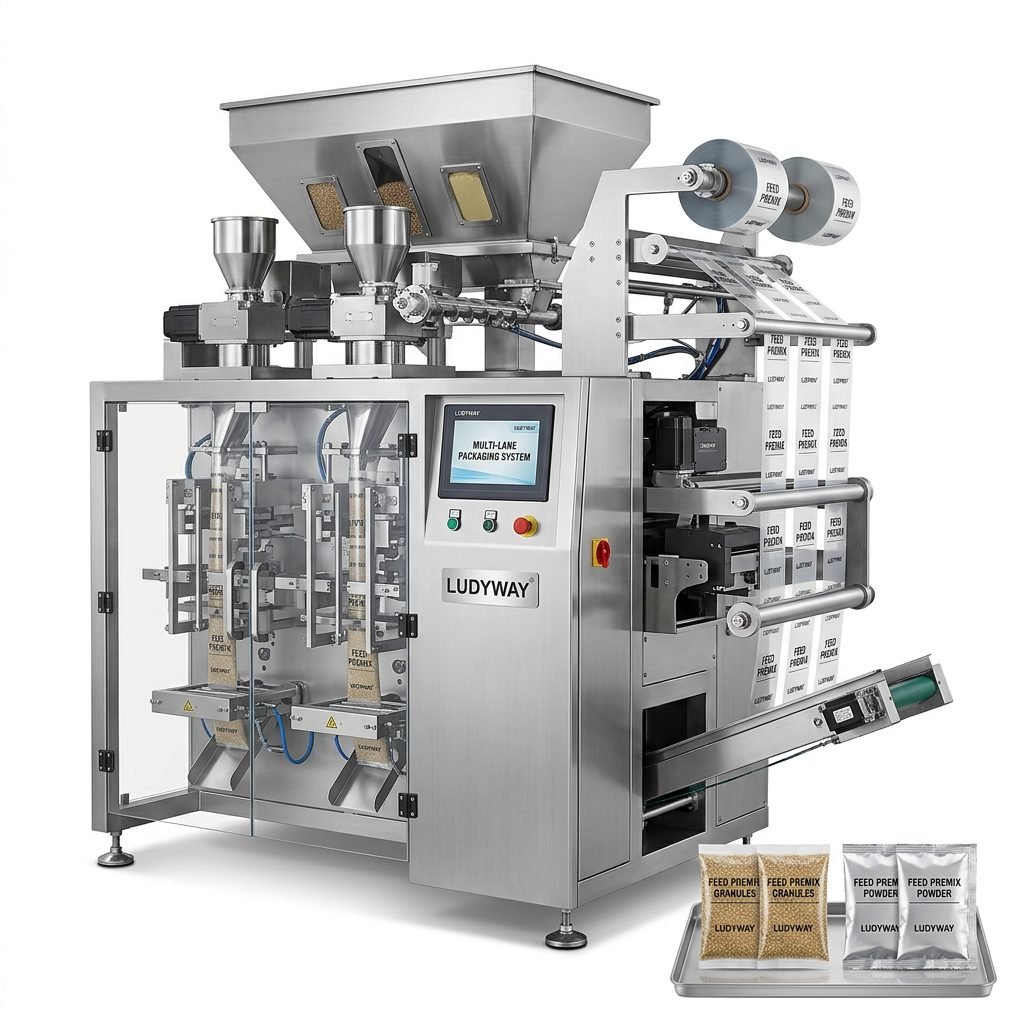
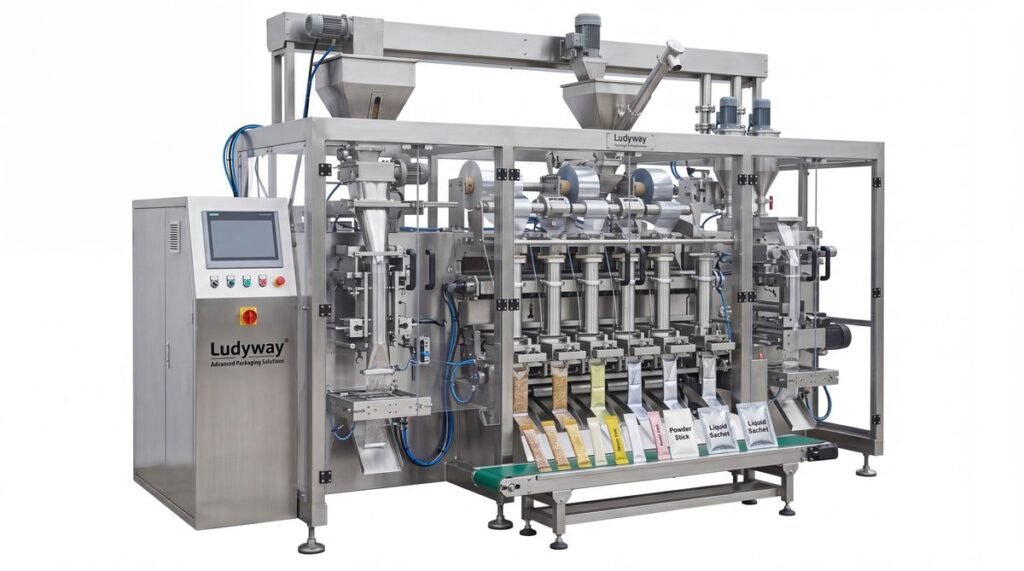
Working with an experienced equipment supplier can reduce commissioning risk and improve long-term productivity. Companies looking for scalable packaging automation often explore solutions from Ludyway butter packing machine solutions, especially when they need customized machinery or complete turnkey packaging lines for food and dairy applications.
Maintenance and Operational Tips
Even the most advanced packaging system performs best when supported by proper operation and preventive maintenance. In butter processing environments, small issues can quickly affect product quality if not addressed early.
- Clean product-contact parts regularly according to dairy hygiene standards
- Monitor sealing quality to prevent leaks and shelf-life issues
- Check filling accuracy at scheduled intervals
- Maintain stable ambient and product temperatures during operation
- Train operators on format changes and sanitation procedures
- Keep spare wear parts available to reduce unplanned downtime
Industries and Applications Beyond Standard Butter
A modern butter packing system may also be used for related dairy and fat-based products, depending on the machine design. These can include:
- Margarine
- Spreadable butter blends
- Clarified butter portions
- Flavored butter
- Dairy-based paste products
This flexibility can be valuable for processors aiming to diversify their product portfolio without building entirely new packaging infrastructure.
Final Considerations for Buyers
When comparing butter packing machines, it is important to look beyond speed alone. A truly high-efficiency solution should combine precision, hygiene, reliability, packaging flexibility, and line compatibility. These factors have a direct impact on output quality, operating cost, and long-term return on investment.
For dairy processors seeking more efficient butter packaging, the ideal machine is one that fits both current production needs and future expansion plans. With the right automation strategy, butter packaging can move from being a bottleneck to becoming a strong competitive advantage in dairy processing.