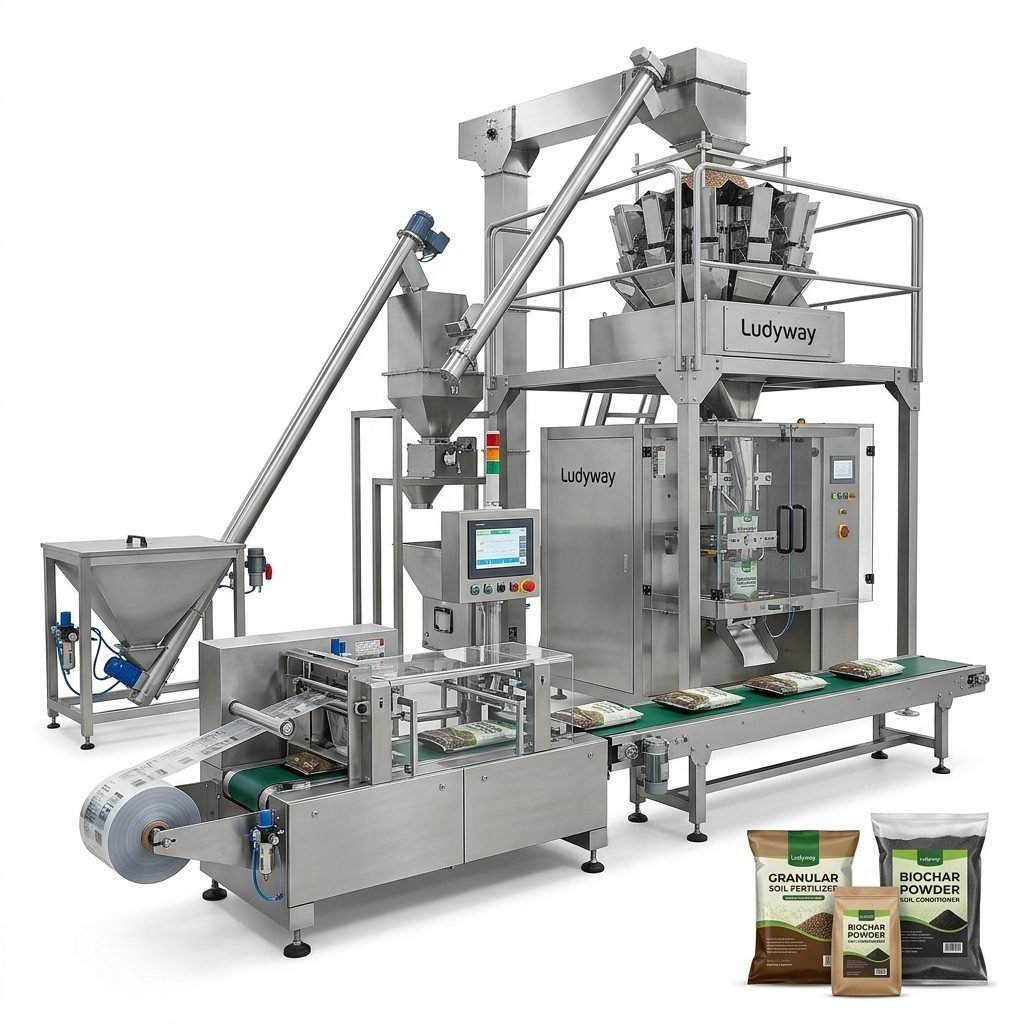
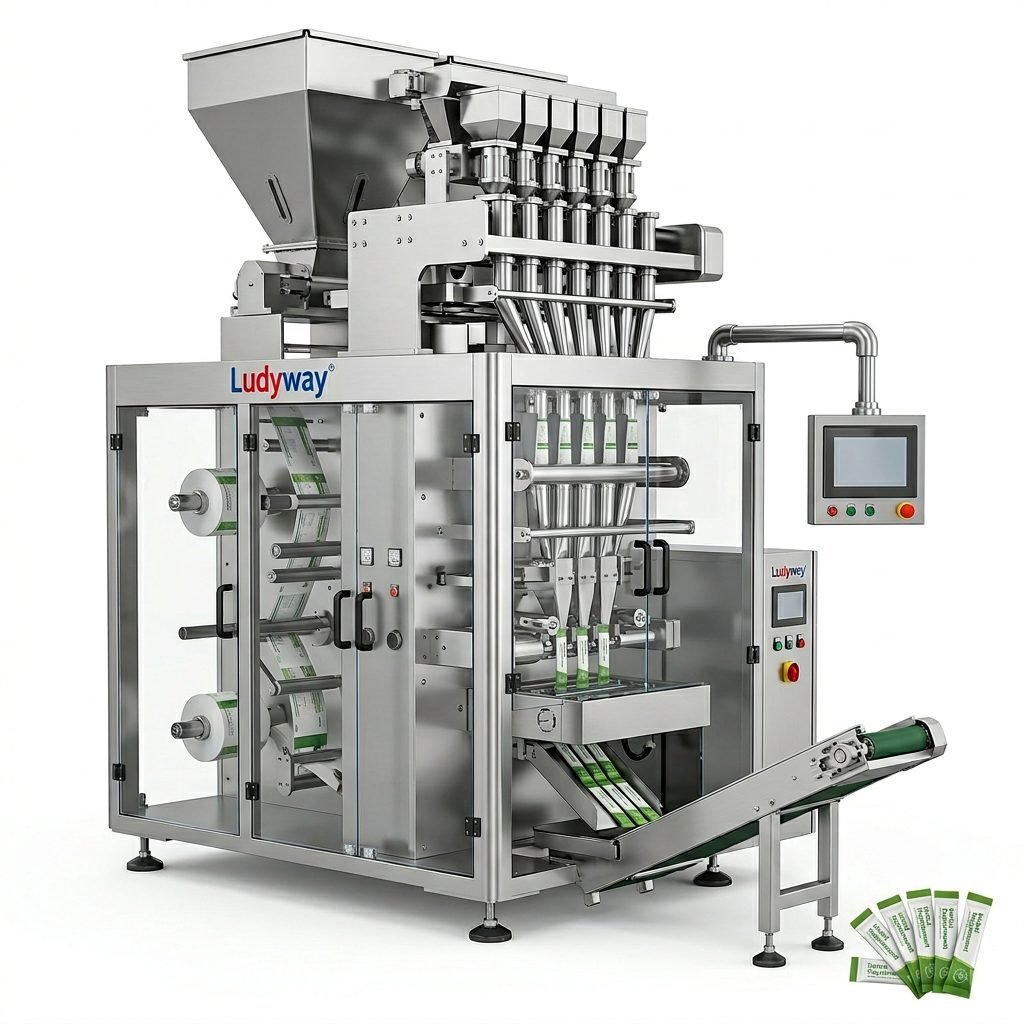
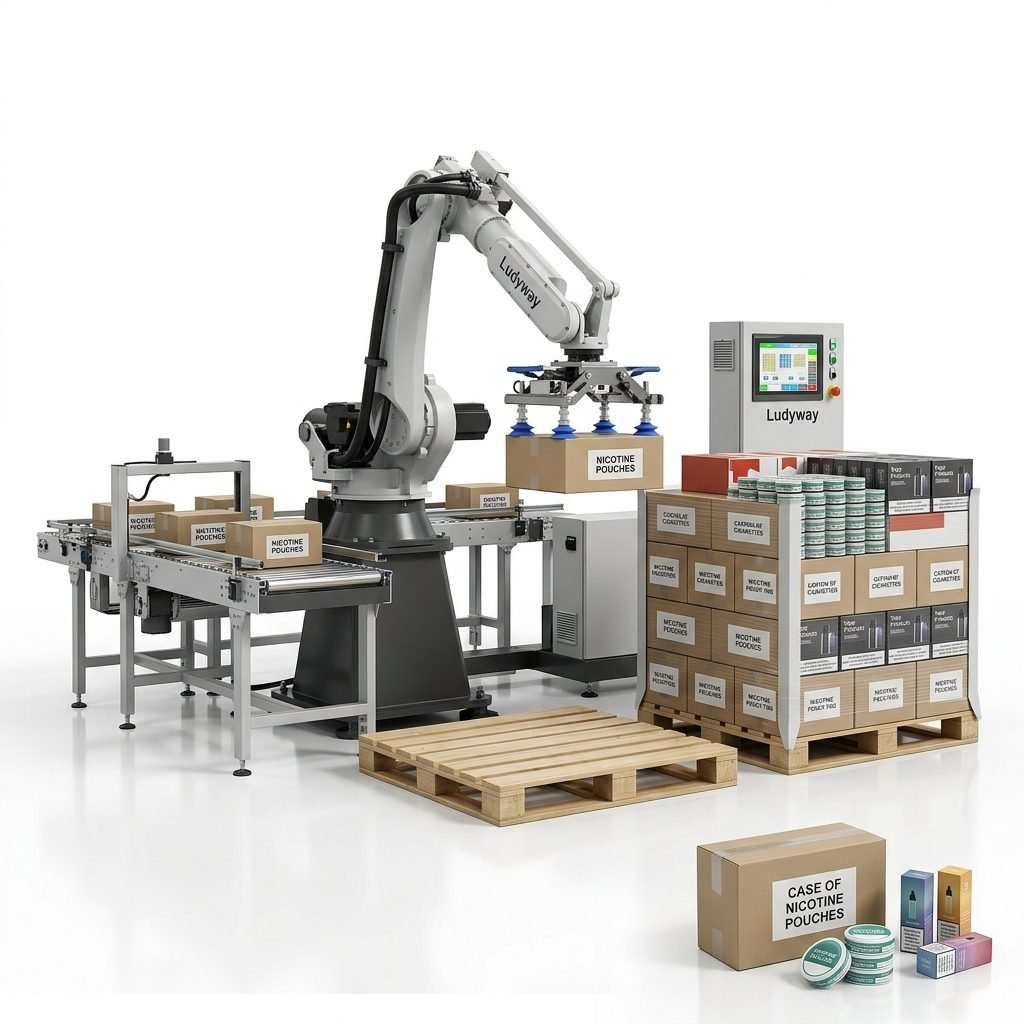
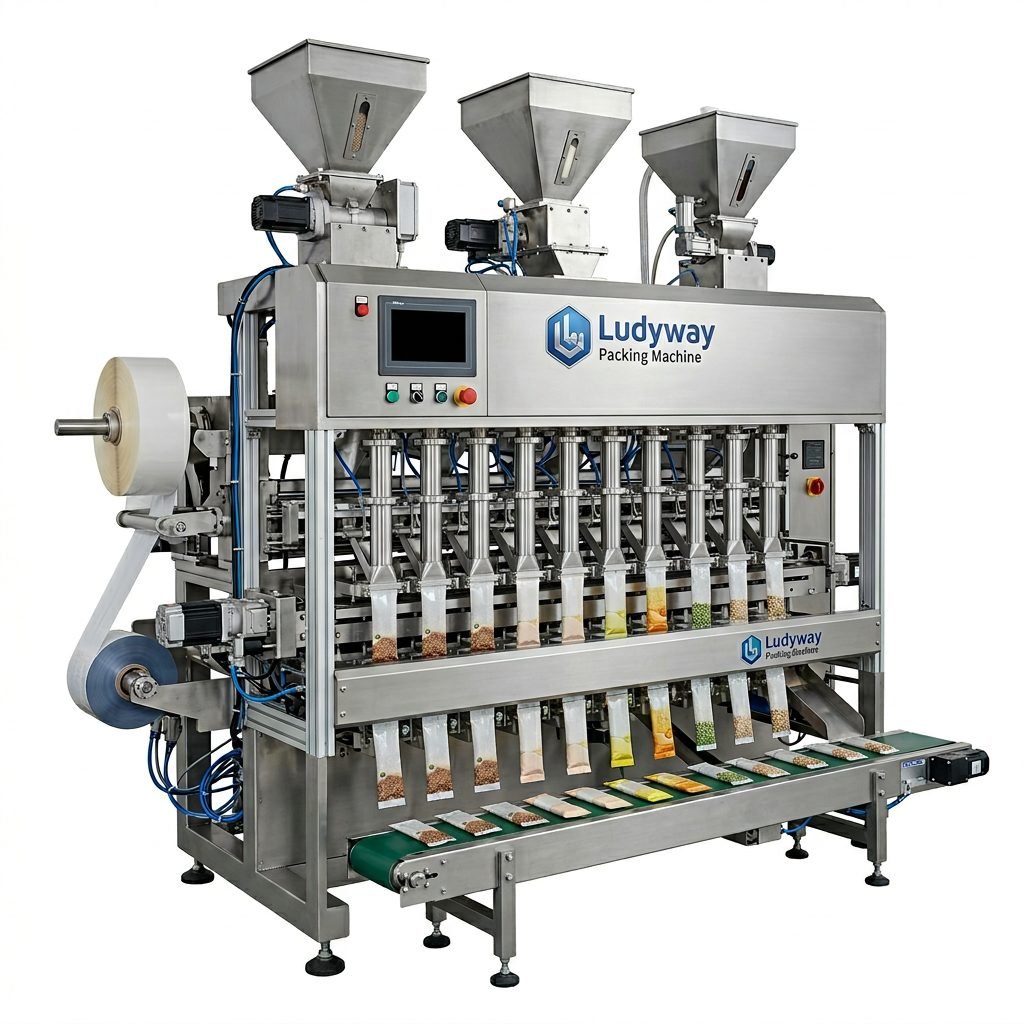
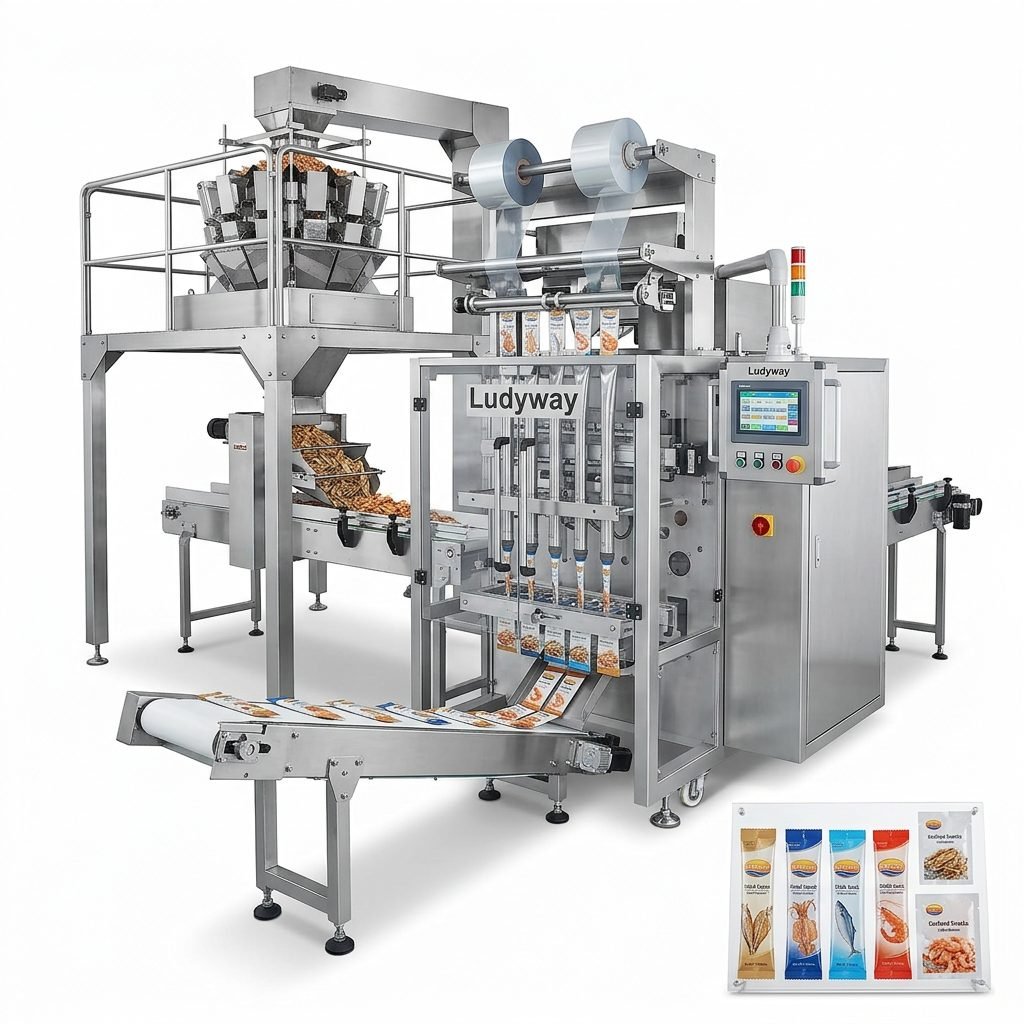
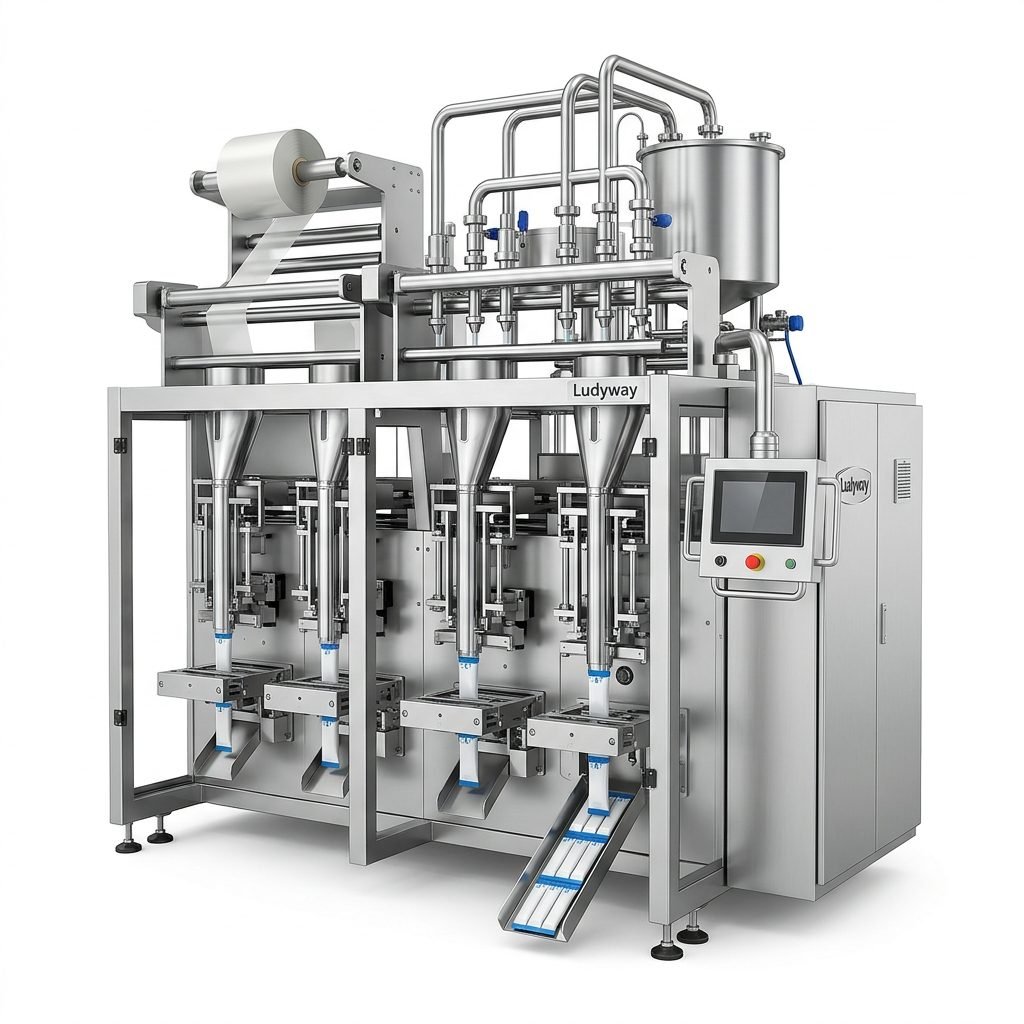
Buying second hand packaging machines for sale can be a smart way to reduce capital investment while keeping production moving. For food, pharmaceutical, cosmetic, chemical, and health product manufacturers, reliable used equipment offers a practical balance between performance and budget. The key is knowing how to evaluate machine condition, expected output, spare parts availability, and long-term serviceability before making a purchase.
Many buyers turn to the used machinery market when they need faster delivery, lower upfront cost, or a temporary capacity upgrade. However, not all used packaging equipment delivers the same value. A low price means little if the machine suffers from unstable sealing, inaccurate dosing, outdated controls, or difficult maintenance. That is why a structured buying process matters.
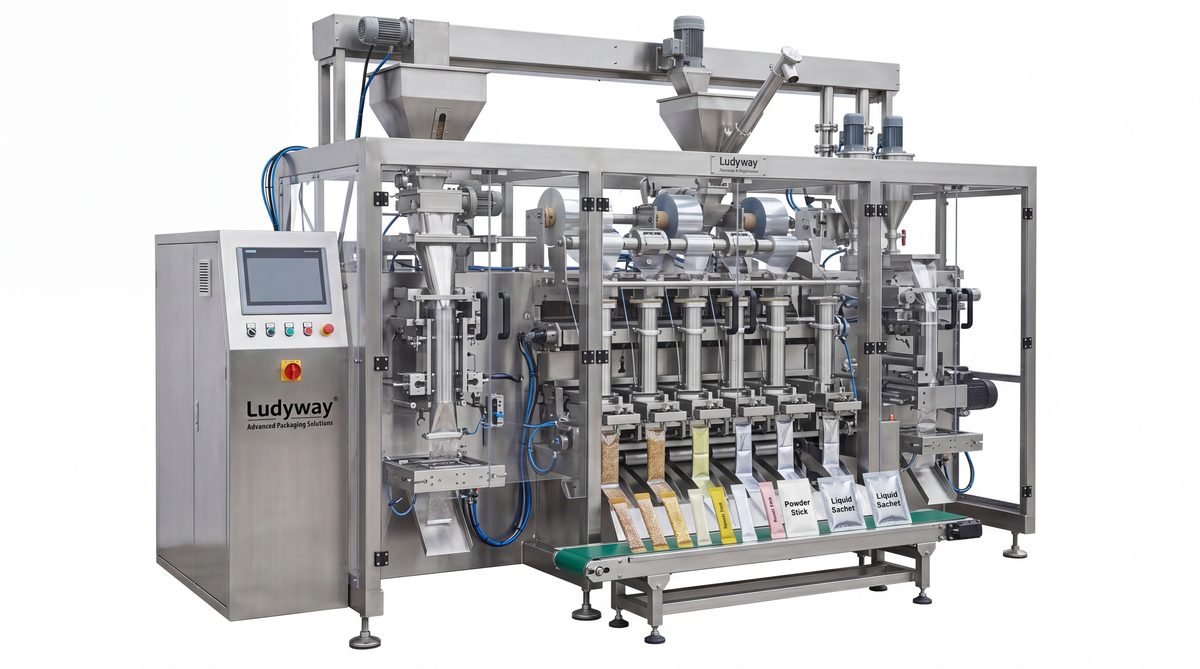
Why Businesses Buy Used Packaging Equipment
Used machines remain attractive because they can support production growth without the financial pressure of buying brand-new systems. In many industries, especially for small and mid-sized producers, second hand machinery provides a faster route to automation.
- Lower investment cost: Used equipment is often significantly cheaper than new machinery.
- Faster lead time: Available inventory may be delivered much sooner than custom-built machines.
- Good fit for pilot production: Ideal for product testing, seasonal demand, or short-run packaging.
- Backup line support: A second hand machine can reduce downtime risk in busy factories.
- Entry into automation: Smaller manufacturers can upgrade from manual packaging more affordably.
For many companies, used equipment works best when combined with technical inspection, replacement of wear parts, and proper commissioning. A machine that has been refurbished or checked by experienced engineers often delivers better value than an unverified low-cost offer.
What Types of Second Hand Packaging Machines Are Commonly Available?
The used equipment market includes a broad range of packaging systems. Availability depends on industry demand, machine age, and production trends.
| Machine Type | Typical Applications | Key Check Points |
|---|---|---|
| Vertical form fill seal machines | Powders, granules, snacks, seeds | Film tracking, sealing quality, dosing accuracy |
| Sachet packaging machines | Sauces, powders, liquids, cosmetics | Seal integrity, speed consistency, cutter wear |
| Stick pack machines | Drink powders, supplements, sugar, pharma | Lane alignment, metering stability, control system |
| Bottle filling and capping lines | Liquids, syrups, oils, cosmetics | Nozzle condition, cap torque, conveyor synchronization |
| Premade pouch machines | Granules, powders, liquids, pet food | Pouch opening, filling repeatability, sealing jaws |
| Auxiliary equipment | Conveying, coding, checkweighing, cartoning | Sensor health, communication with main line, wear parts |
How to Judge Whether a Used Packaging Machine Is Reliable
Reliability should be the first priority. A machine that runs steadily at moderate speed is usually more valuable than a cheap machine that breaks down frequently.
1. Check the machine’s working history
Ask how long the machine has been in operation, what products it packed, and how often it was used. Machines that handled corrosive chemicals or abrasive powders may show more internal wear than units used for dry food products.
2. Review maintenance records
A well-documented service history helps buyers understand whether motors, PLC components, heaters, bearings, and pneumatic parts have been replaced on time. Lack of maintenance records increases risk.
3. Inspect wear parts carefully
Focus on sealing jaws, cutting knives, filling augers, pumps, belts, bearings, sensors, valves, and electrical parts. These components directly affect packaging quality and machine stability.
4. Request a live test
A proper machine trial should show real packaging performance using material close to your own product and packaging film. Watch for:
- Stable machine speed
- Accurate filling weight or volume
- Uniform bag shape
- Reliable sealing and cutting
- Normal noise and vibration levels
- Responsive HMI and electrical controls
5. Confirm spare parts and service support
Even the best second hand machine needs service. If spare parts are hard to source or the control system is obsolete, repair costs can rise quickly. Always confirm support options before purchase.
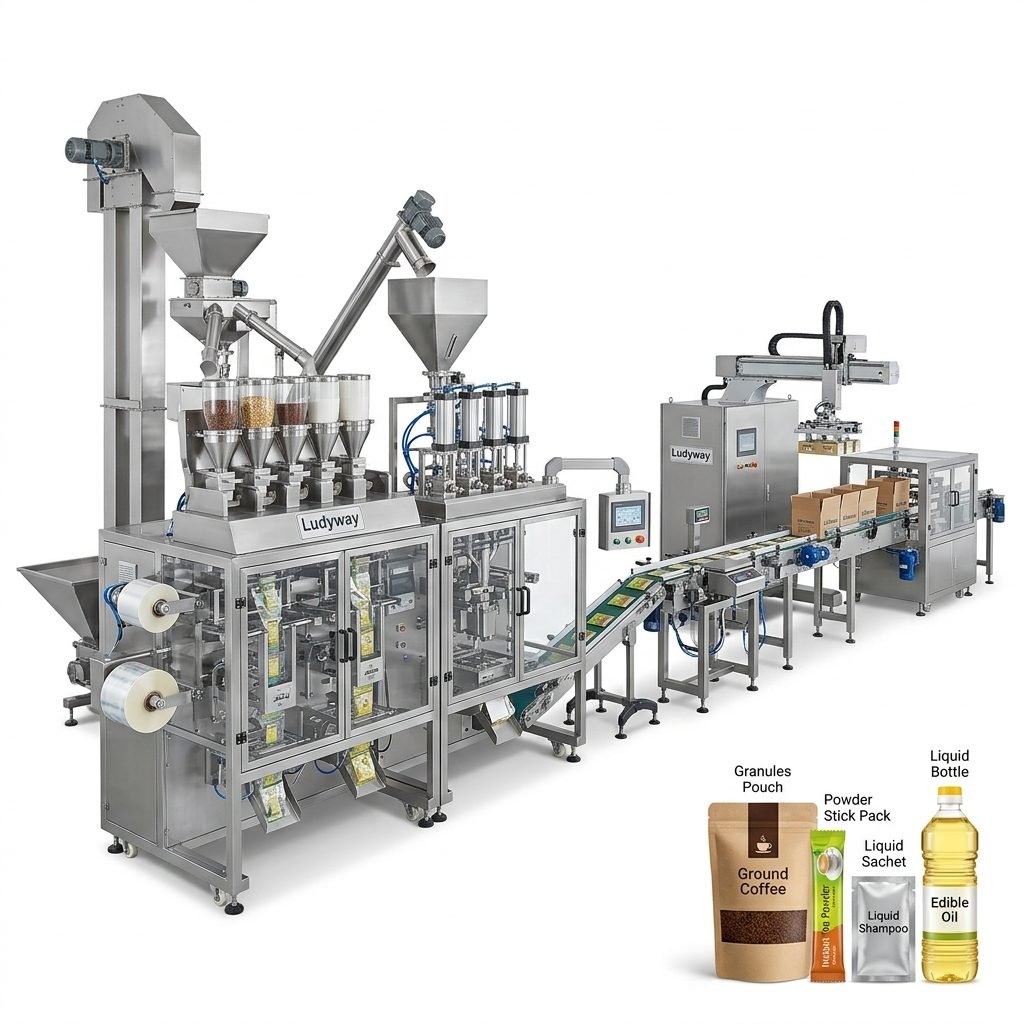
Best Industries for Second Hand Packaging Machines
Used machinery can perform well in many sectors, especially when production requirements are clear and product characteristics are stable.
- Food industry: powders, coffee, sugar, spices, grains, snacks, seasonings, instant drink mixes
- Pharmaceutical industry: granules, oral powders, sachets, medical consumables, bottle filling
- Health supplement industry: protein powders, collagen, electrolytes, herbal blends, stick packs
- Cosmetics industry: creams, lotions, gels, shampoo sachets, serum filling
- Chemical industry: detergents, cleaning powders, liquid chemicals, additives
- Pet care and feed: pet supplements, powders, granules, dry feed, treats
For regulated sectors such as pharmaceuticals and medical packaging, compliance checks are especially important. Buyers should verify whether the machine structure, material contact parts, and documentation meet local standards.
Advantages and Risks of Buying Second Hand Packaging Machines
| Advantages | Potential Risks |
|---|---|
| Lower purchase price | Unknown operating condition |
| Faster availability | Outdated control systems |
| Useful for short-term expansion | Higher maintenance frequency |
| Good for startups and trial production | Difficult spare parts sourcing |
| Can be upgraded or refurbished | May not match current packaging specifications |
Important: The best-value purchase is not always the lowest-priced machine. Total ownership cost includes installation, repairs, downtime, operator training, and future parts replacement.
Essential Questions to Ask Before You Buy
Before committing to any second hand packaging machine, buyers should ask the seller detailed technical and commercial questions.
- What products was the machine previously used for?
- What is the actual running speed under normal conditions?
- Is there a test video or on-site demonstration?
- Have key parts been replaced recently?
- Are electrical diagrams, manuals, and software backups included?
- Is installation or remote technical support available?
- Can the machine handle your pouch size, fill range, and packaging material?
- Are spare parts still commercially available?
- Does the machine require refurbishment before shipment?
- What warranty, if any, is included?
When Refurbished Equipment Is Better Than Standard Used Machines
In many cases, refurbished machinery offers a more dependable middle option between used and new. Refurbishment may include:
- Replacement of worn mechanical parts
- Electrical cabinet inspection and rewiring
- PLC and HMI upgrades
- Seal jaw resurfacing or replacement
- Calibration of filling systems
- Machine cleaning and safety checks
- Functional trial before delivery
This approach often improves machine lifespan and reduces startup risk. For buyers who want better reliability but still need a controlled budget, refurbished equipment can be a strong choice.
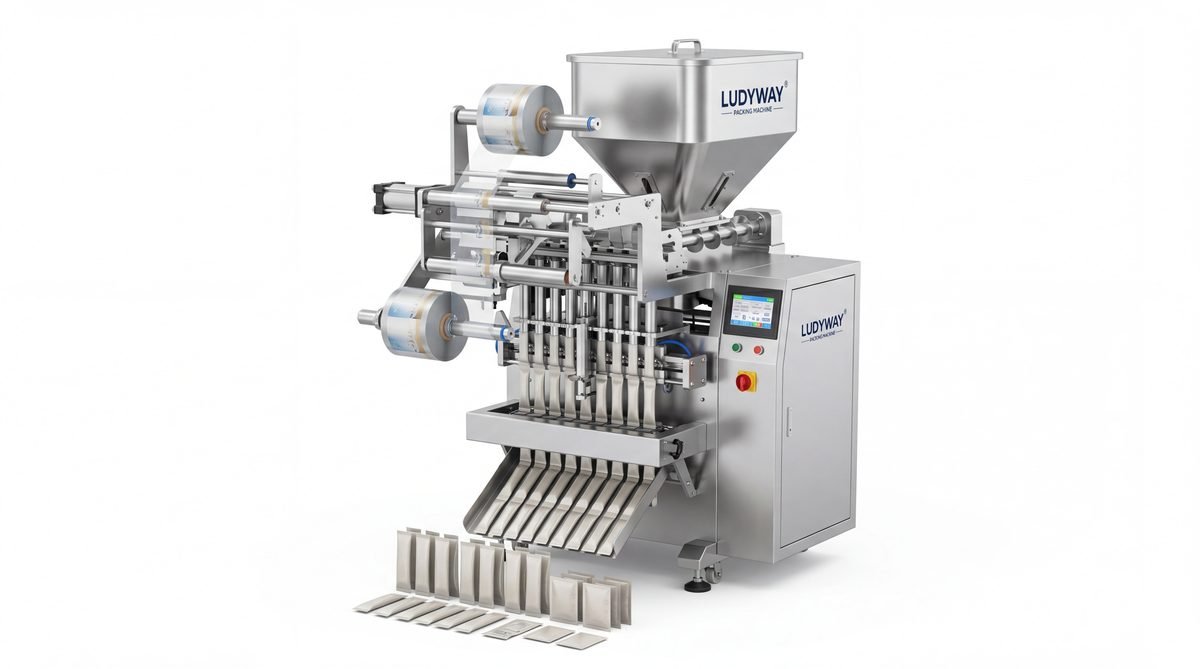
Should You Buy Used or Invest in a New Machine?
The answer depends on your production goals. If your business needs long-term capacity, high automation, customized formats, data integration, and strong after-sales service, a new system may deliver better long-term value. If your priority is lower cost and quick deployment, used equipment may be sufficient.
| Choose Used Equipment If… | Choose New Equipment If… |
|---|---|
| You need lower upfront cost | You need maximum reliability and lifespan |
| Your packaging format is standard | Your product requires custom engineering |
| You need fast delivery | You want the latest controls and automation |
| You can manage maintenance internally | You need strong manufacturer-backed service |
How to Get the Best Price Without Sacrificing Quality
To secure the best deal on used packaging machinery, buyers should compare more than just the machine tag price.
- Compare machine age and actual condition rather than judging by year alone.
- Estimate refurbishment cost before final negotiation.
- Include shipping, installation, and spare parts in your budget.
- Request production testing to confirm performance claims.
- Check compatibility with your product, packaging material, and plant layout.
- Negotiate bundled support such as training, manuals, or starter spare parts.
A machine with a slightly higher purchase price may actually be the better deal if it includes service, upgraded controls, and verified running condition.
A Smarter Alternative: Evaluate New Packaging Solutions from an Experienced Manufacturer
While many companies search for second hand packaging machines for sale, it is often wise to compare used options with competitively priced new systems. An experienced manufacturer can provide tailored solutions, modern automation, and long-term support that may outperform a used machine over time.
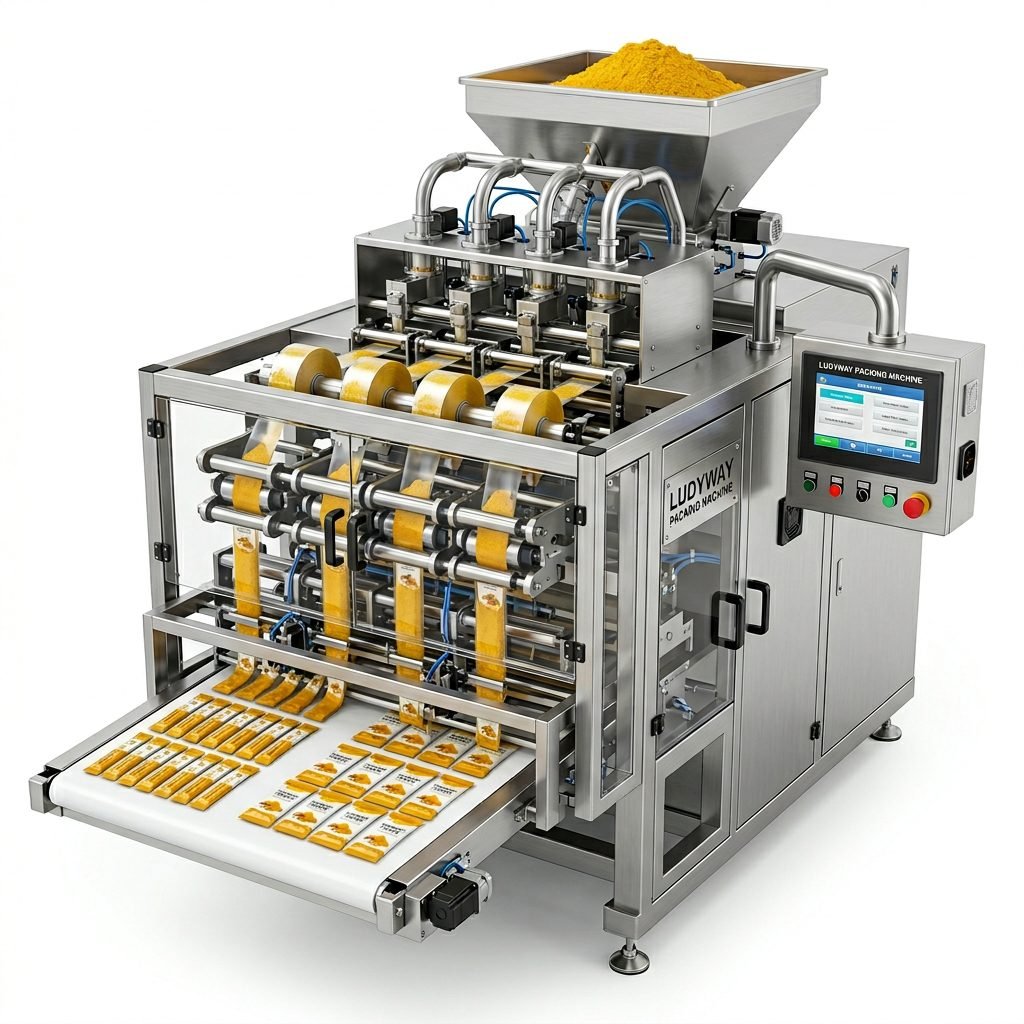
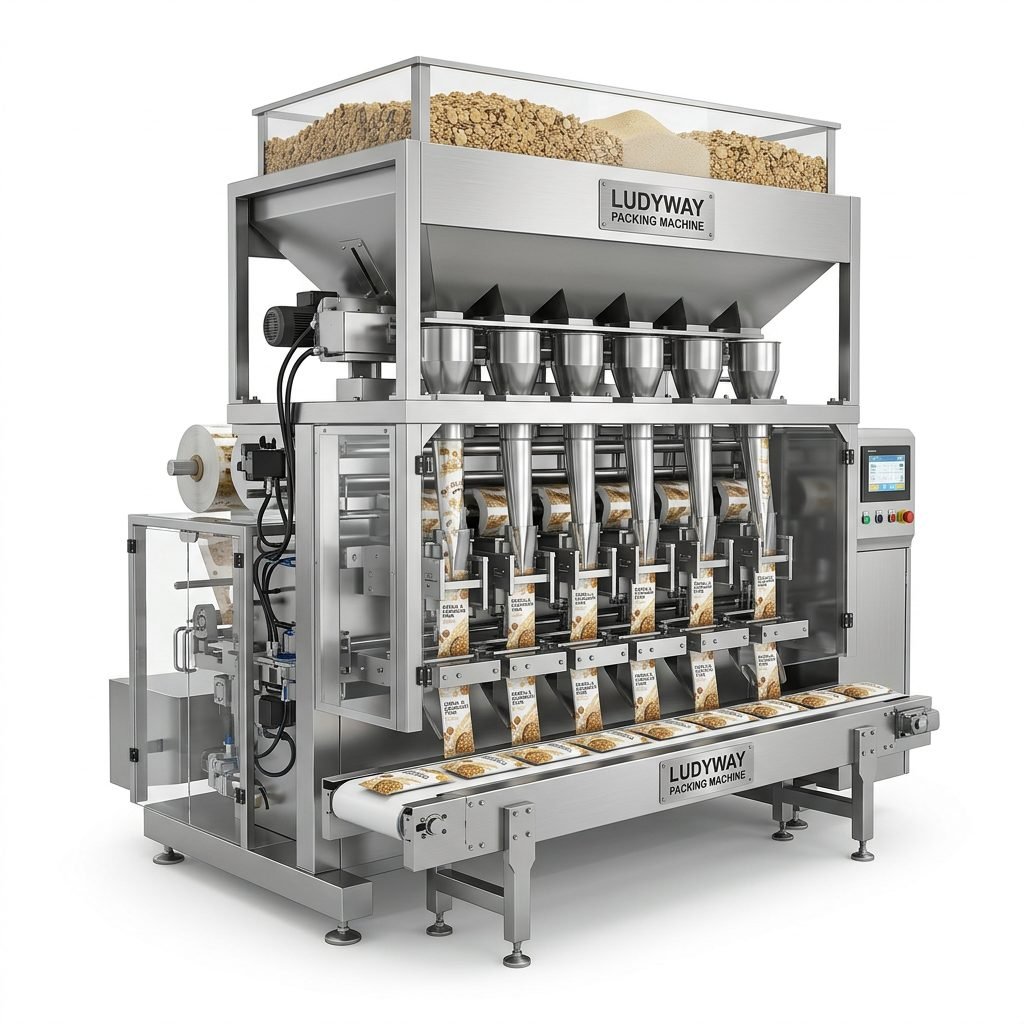
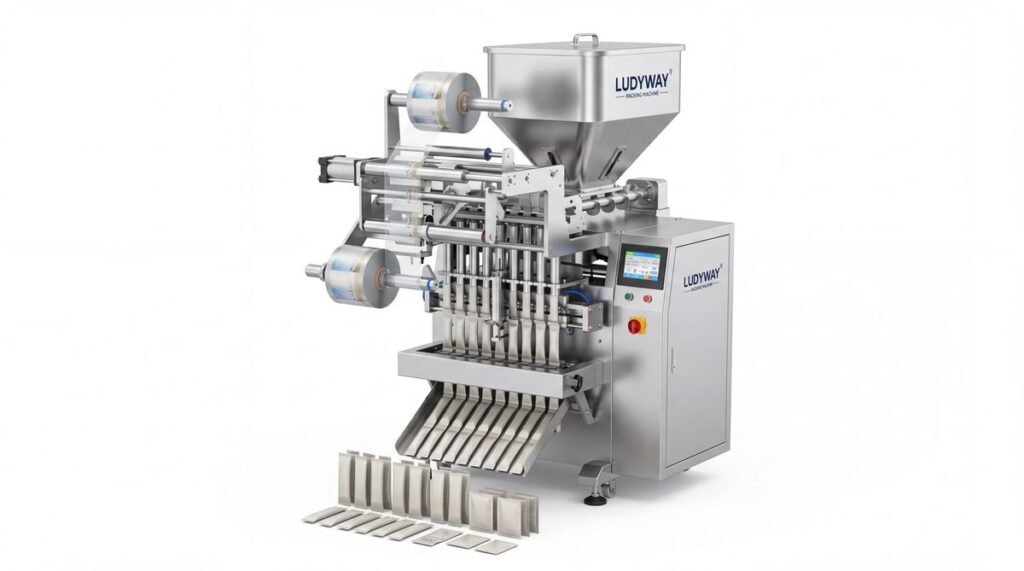
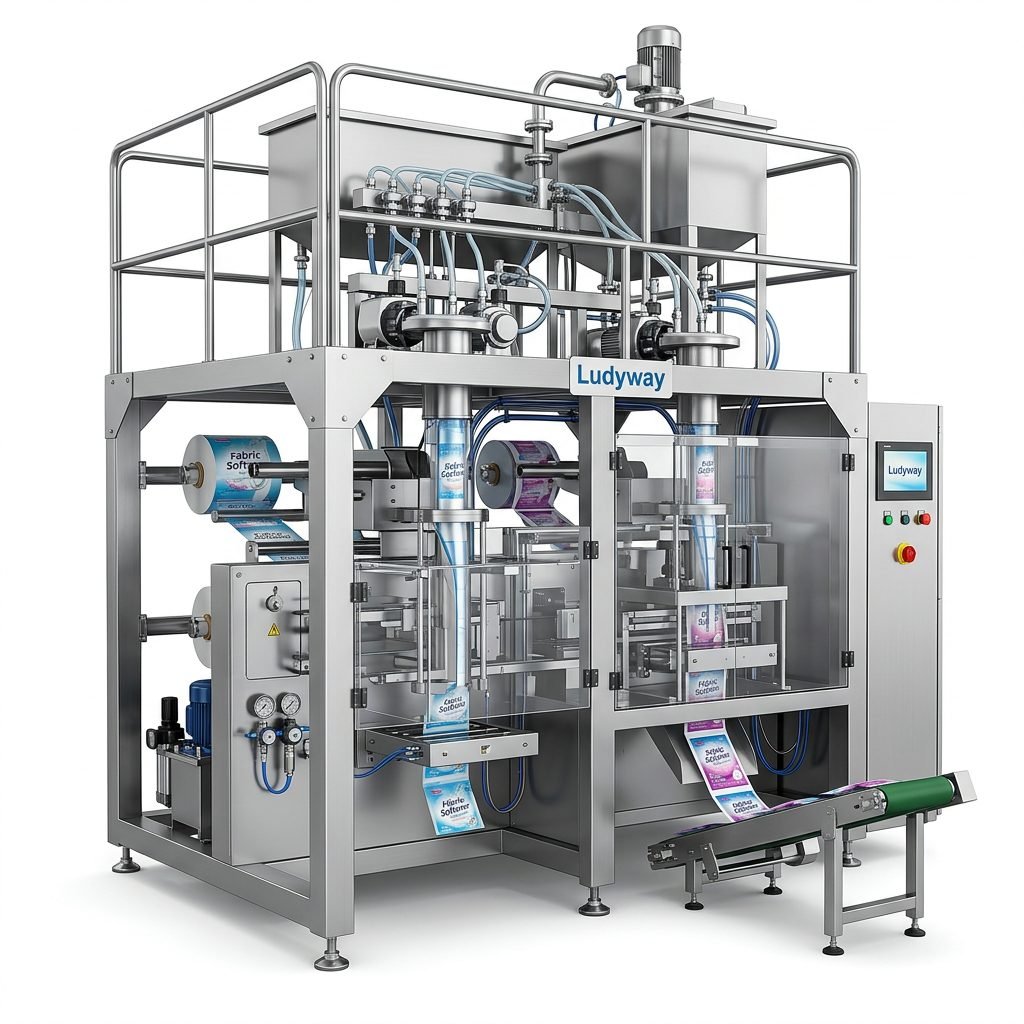
For buyers looking at food, pharmaceutical, cosmetic, chemical, pet food, and health supplement applications, Ludyway packaging machine solutions offer a strong alternative. Founded in 1993, the company is recognized as one of China’s leading packaging machinery and turnkey packaging line manufacturers, with more than 30 years of industry experience, a factory over 20,000 square meters, exports to more than 100 countries and regions, and a broad portfolio covering sachet machines, stick pack systems, filling and sealing equipment, and integrated production lines.
Final Buying Checklist for Used Packaging Machines
- Confirm machine model, specifications, and production scope
- Verify operating condition through live testing or detailed video
- Inspect wear parts, electrical systems, and filling components
- Review maintenance history and previous application
- Check spare parts availability and technical support options
- Calculate full ownership cost, not just the purchase price
- Compare the used option with the cost of a new machine
- Choose equipment that matches your future production plans
Second hand packaging machines can be a cost-effective investment when chosen carefully. The best purchase decision comes from balancing price, reliability, output, serviceability, and long-term business value. Whether you choose a used unit, a refurbished machine, or a new turnkey line, the goal should always be stable production and dependable packaging quality.