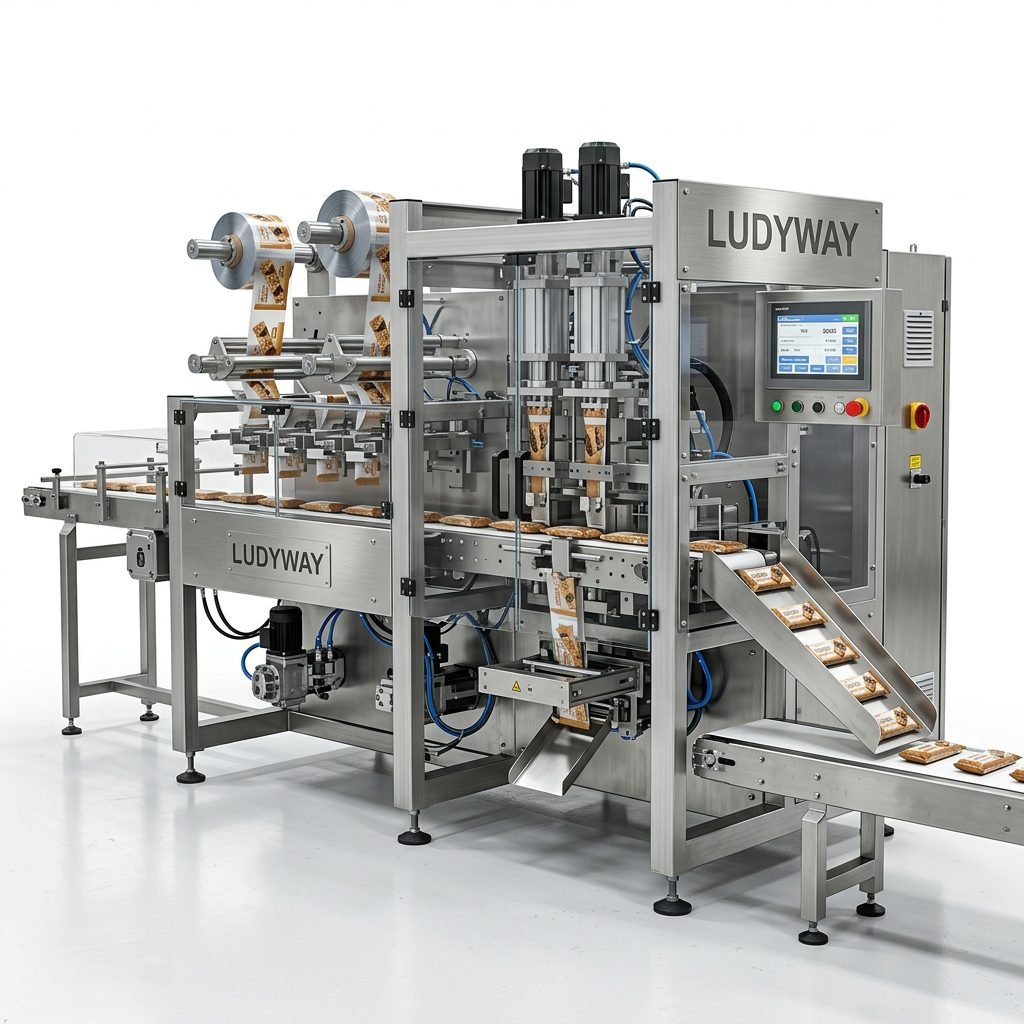
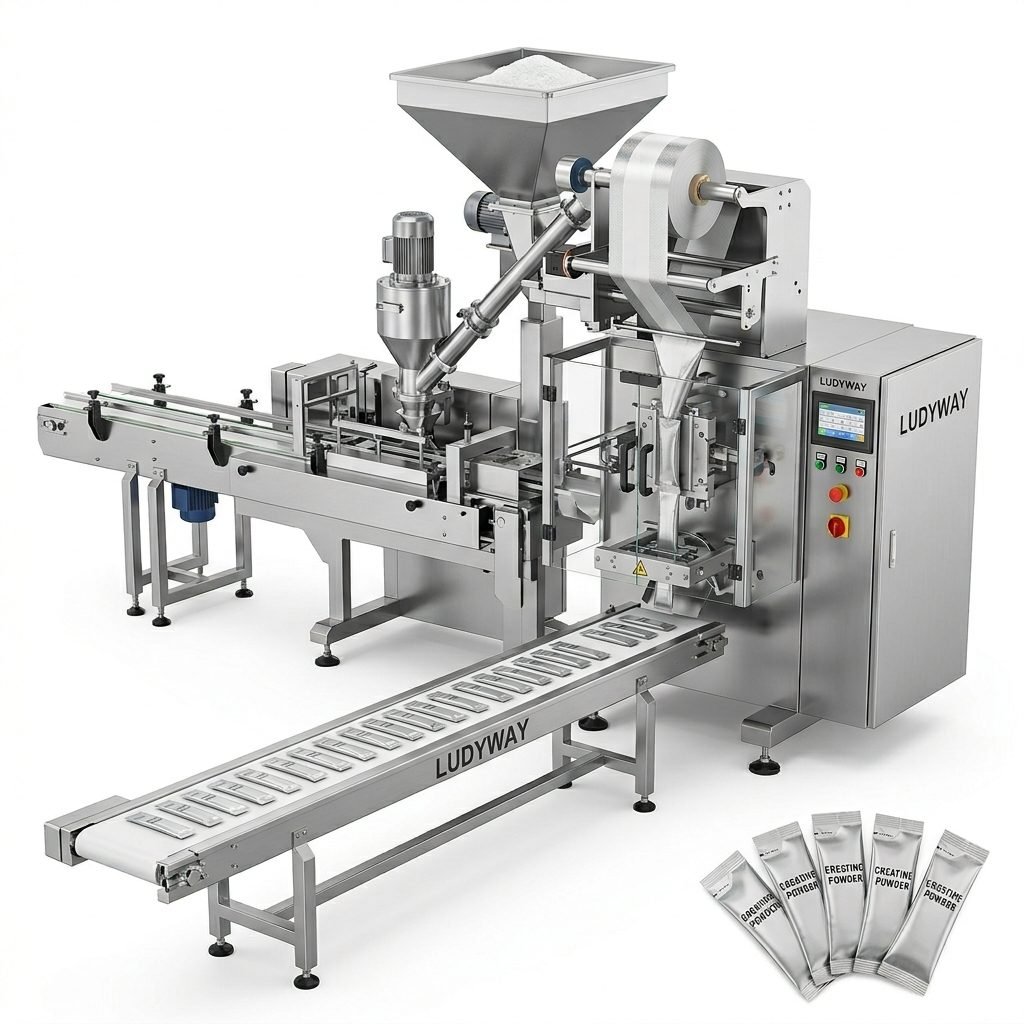
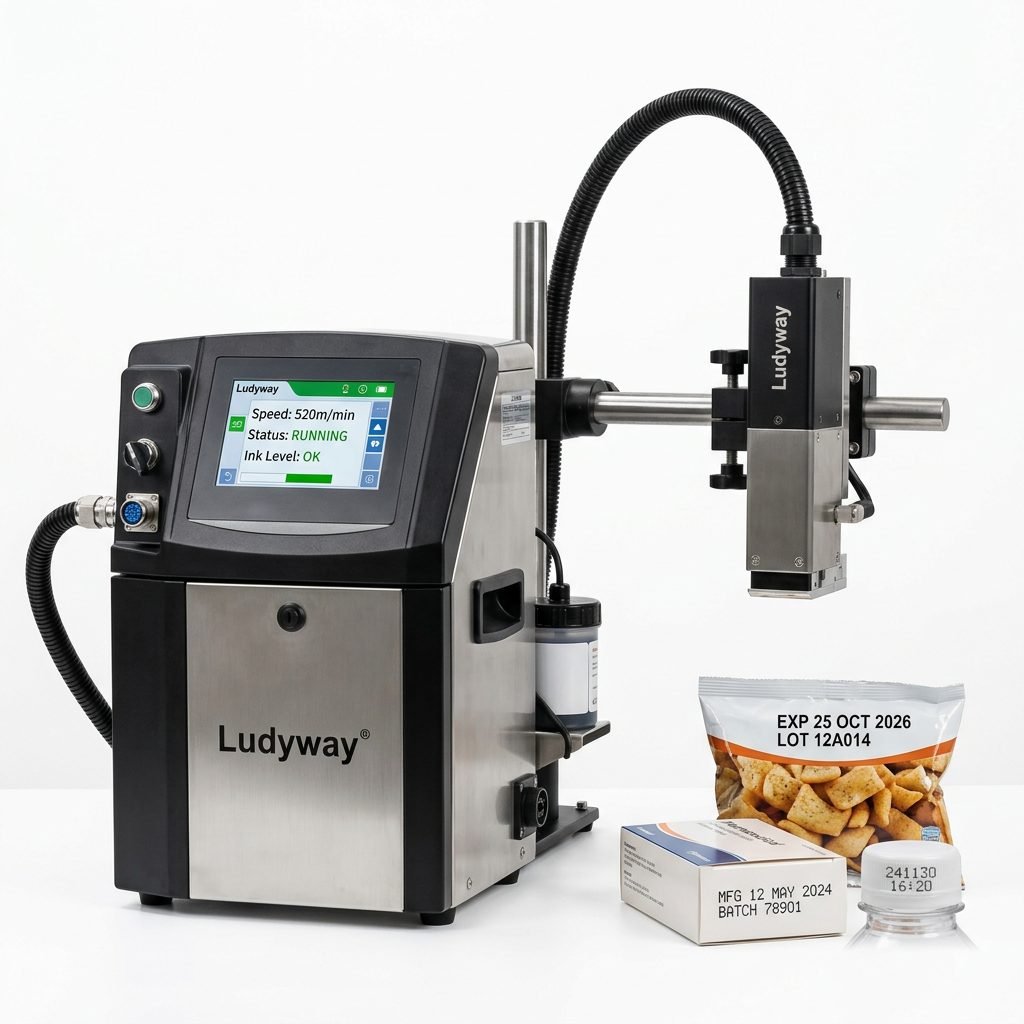
Yes—many packaging machines can print batch numbers directly on sachets, pouches, bottles, cartons, labels, or outer packs. In modern production, this function is usually handled by an integrated coding system such as an inkjet printer, thermal transfer printer, laser marker, or batch coding machine mounted onto the packaging line.
For manufacturers in food, pharmaceutical, cosmetics, chemicals, and health supplement industries, batch number printing is not just a convenience. It supports traceability, compliance, inventory control, recall management, and brand credibility. If your operation needs lot codes, manufacturing dates, expiry dates, or serial information, the right packaging setup can handle it efficiently.
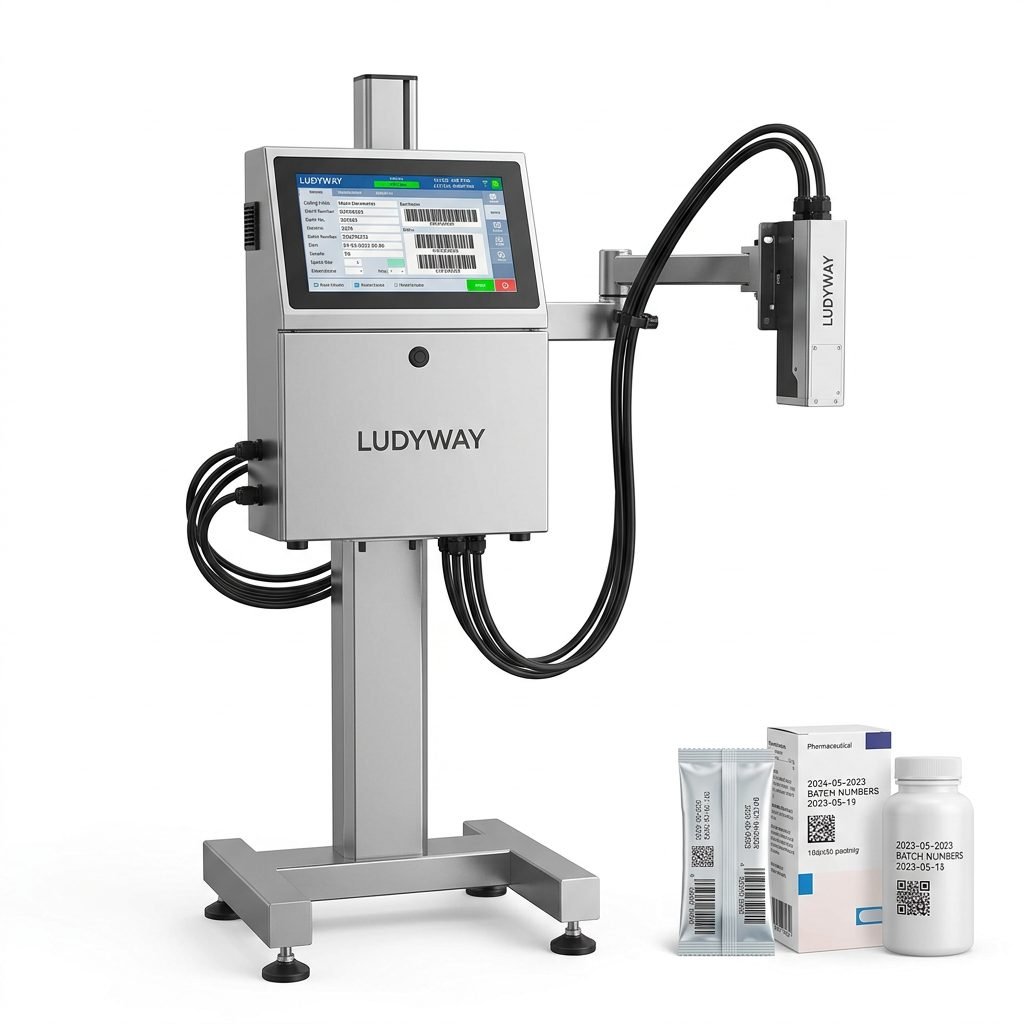
How batch number printing works on a packaging machine
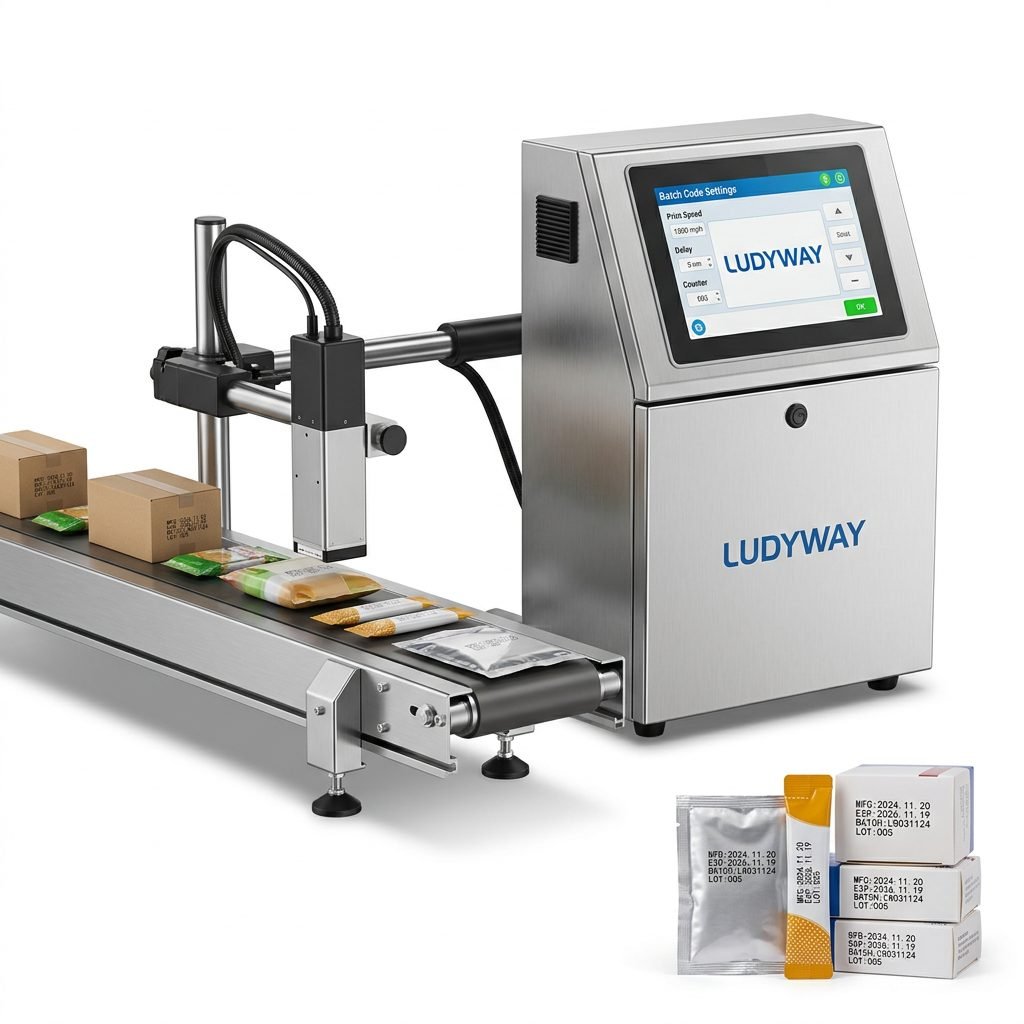
A packaging machine does not always “print” by itself in the strictest sense. In most cases, the packaging machine and the coding device work together as one integrated system. As each pack passes a set position, the coder marks the surface with the required information.
- Batch or lot number
- Manufacturing date
- Expiry date or best-before date
- Shift code
- Time stamp
- Barcode or QR code
- Serial number for traceability
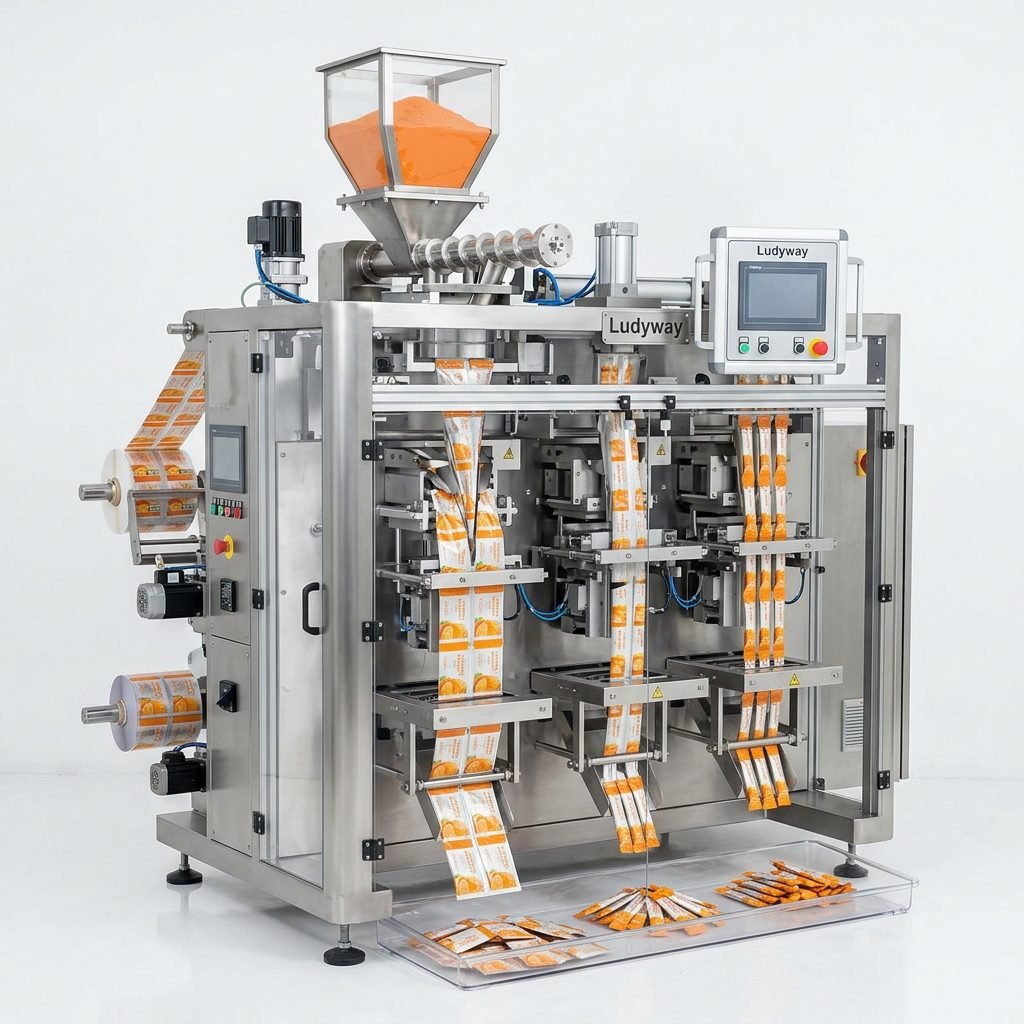
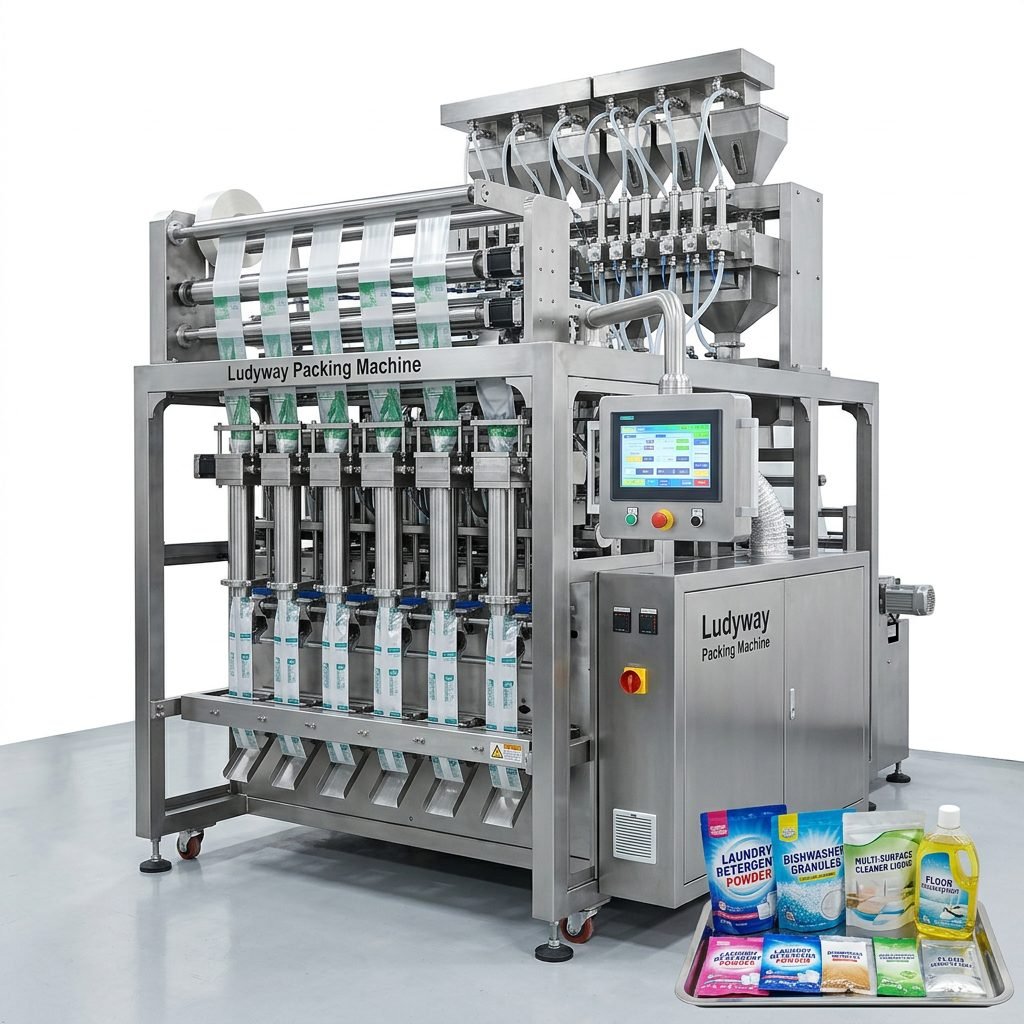
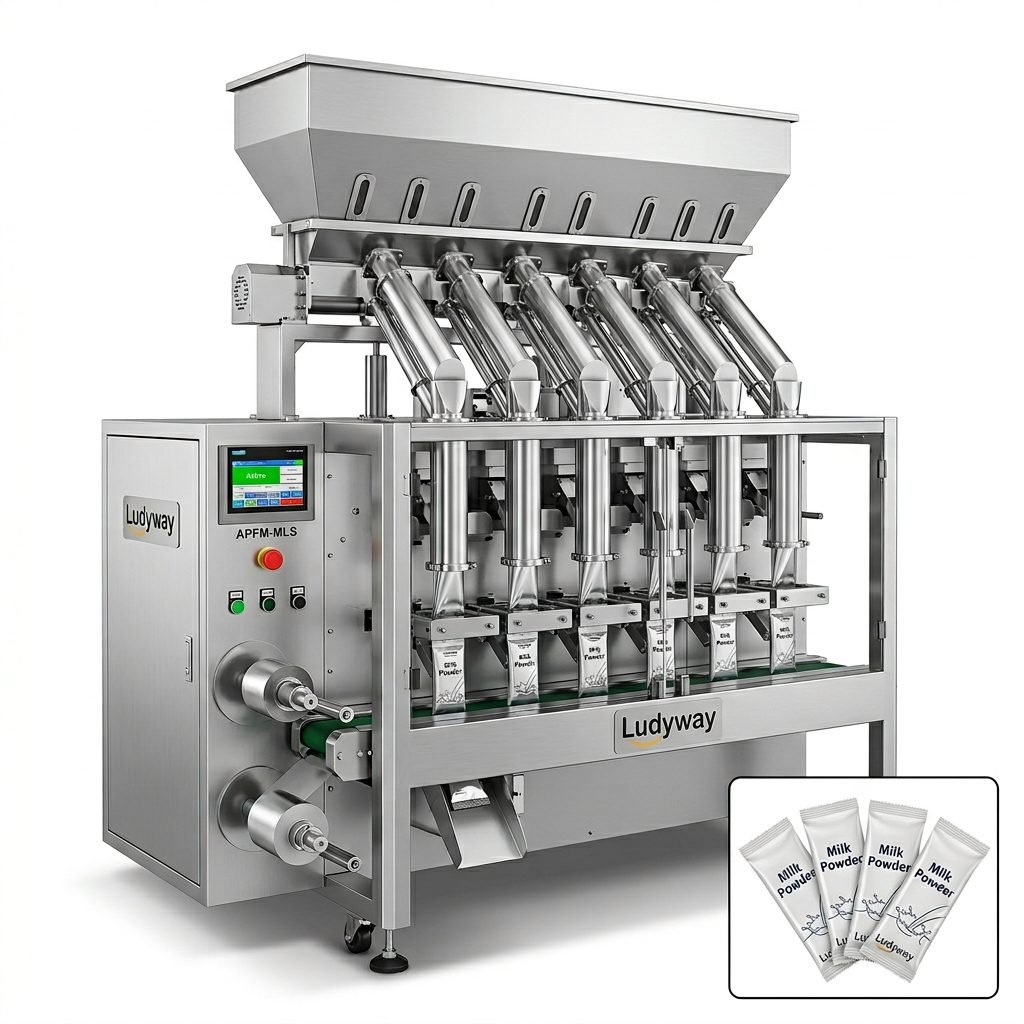
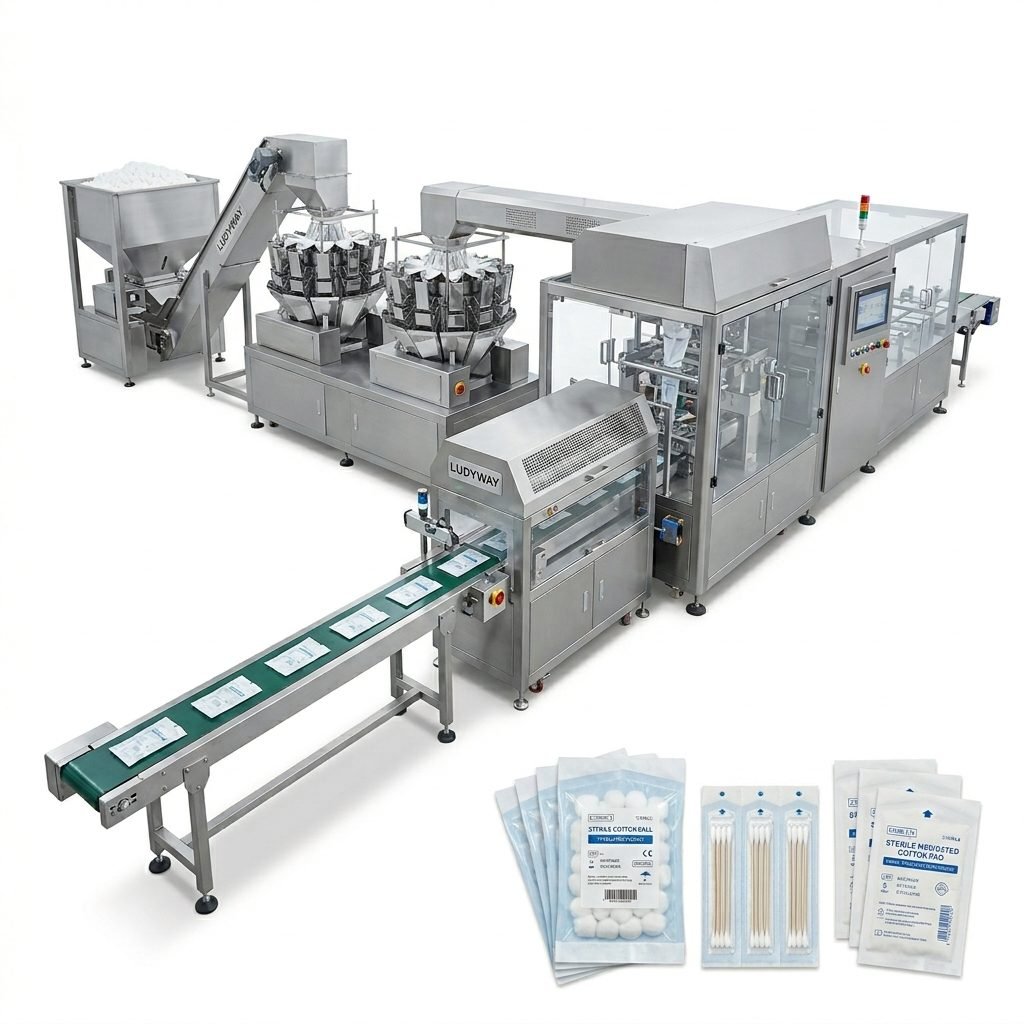
This process can be synchronized with vertical form fill seal machines, sachet machines, stick pack machines, bottle filling lines, pouch filling systems, cartoning lines, and other automated packaging equipment.
Can all packaging machines print batch numbers?
Not all packaging machines come with built-in coding as a standard feature, but most modern machines can be configured to support it. The key question is whether the machine has:
- Enough installation space for a coder
- Stable pack positioning during print
- Control system compatibility
- Suitable packaging material for the chosen print technology
For example, a high-speed sachet line may use thermal transfer overprinters or continuous inkjet systems, while bottle packaging lines often use inkjet, laser, or label-based coding.
Common technologies used to print batch numbers
| Technology | Best For | Advantages | Considerations |
|---|---|---|---|
| Continuous Inkjet (CIJ) | Bottles, pouches, cartons, films | Fast, flexible, non-contact printing | Needs ink and maintenance |
| Thermal Transfer Overprinter (TTO) | Flexible films, sachets, stick packs | Sharp print quality, ideal for date and lot code | Best on film-based packaging materials |
| Laser Coding | Plastic, coated paper, labels, cartons | Permanent mark, low consumables | Material compatibility is critical |
| Hot Stamp Coding | Simple date and batch coding | Cost-effective, clear coding | Less flexible for variable data |
| Label Printing & Applying | Bottles, jars, boxes, secondary packs | Can include full product data and barcodes | Additional label cost |
Which packaging formats can include batch number printing?
Batch coding can be added to many package styles, including:
- Sachets
- Stick packs
- Pouches
- Pillow bags
- Bottles and jars
- Tubes
- Cartons and boxes
- Labels and shrink sleeves
In flexible packaging applications, the code is commonly printed on the film before sealing or immediately after pack formation. In rigid container lines, coding is often applied on the bottle shoulder, cap, label, or carton.
Why batch numbers matter for your business
1. Product traceability
If there is a quality issue, the batch number helps you identify exactly when and where the product was produced.
2. Regulatory compliance
Food, pharma, and many chemical products require coded production data for legal and safety reasons.
3. Easier recalls
Instead of pulling all inventory, you can isolate the affected batch, reducing losses and protecting your brand.
4. Inventory and warehouse control
Batch numbers help track stock rotation, shelf life, and production planning.
5. Customer confidence
Clear coding gives buyers confidence that your products are professionally made and easy to verify.
Industries that commonly require batch number printing
| Industry | Typical Coding Needs |
|---|---|
| Food & Beverage | Batch no., MFG date, EXP date, line code |
| Pharmaceutical | Lot no., expiry, serialization, compliance marks |
| Health Supplements | Batch code, production date, traceability data |
| Cosmetics | Batch code, shelf-life tracking, factory code |
| Chemicals | Lot code, safety traceability, production record |
| Pet Food & Feed | Lot code, production shift, shelf-life control |
What to check before choosing a machine with batch printing
Before buying a packaging machine, ask these practical questions:
- What material are you printing on? Film, foil, plastic, paper, carton, or bottle surfaces all behave differently.
- How fast is your production line? High-speed lines need coding systems that can keep up without smearing or missed prints.
- What information must be printed? Simple batch numbers are easier than dynamic QR codes or serialized data.
- Where should the code appear? Print location affects machine layout and coder choice.
- Do you need permanent or removable marking? Laser and thermal transfer serve different goals.
- Will the machine connect with MES/ERP systems? Some factories need automated data input rather than manual code entry.
Typical integration options on automated lines
Batch printers can be installed at different stages depending on the package style and workflow.
- Before forming the package film
- During filling and sealing
- Immediately after primary packaging
- On labels before application
- On secondary cartons or shipping cases
This flexibility is why many manufacturers prefer turnkey solutions from experienced suppliers that can match the coder to the packaging process instead of adding it later as an afterthought.
Common problems in batch number printing
Blurred or unreadable codes
This is often caused by poor material compatibility, incorrect printhead distance, or unstable product movement.
Missing prints at high speed
Usually related to weak synchronization between the packaging machine and coder sensor.
Ink adhesion problems
Some glossy films, laminated surfaces, or moist containers require specialized ink or different coding technology.
Wrong batch data entered
Manual input creates risk. Many factories reduce this by connecting the machine to digital production management systems.
Should you choose built-in coding or separate coding equipment?
That depends on your production goals.
| Option | Best For | Benefit |
|---|---|---|
| Integrated coding on the packaging machine | New automated lines | Compact layout, synchronized control, cleaner installation |
| Standalone coding unit added later | Existing lines with retrofit needs | More flexibility, lower initial upgrade cost |
How to choose the right supplier
When evaluating packaging machinery providers, look beyond the basic machine price. A reliable supplier should understand both packaging mechanics and coding integration.
- Experience in your product category
- Ability to integrate date/batch coding systems
- Customization for different pack sizes and materials
- After-sales technical support
- Spare parts and training availability
- Turnkey line engineering if needed
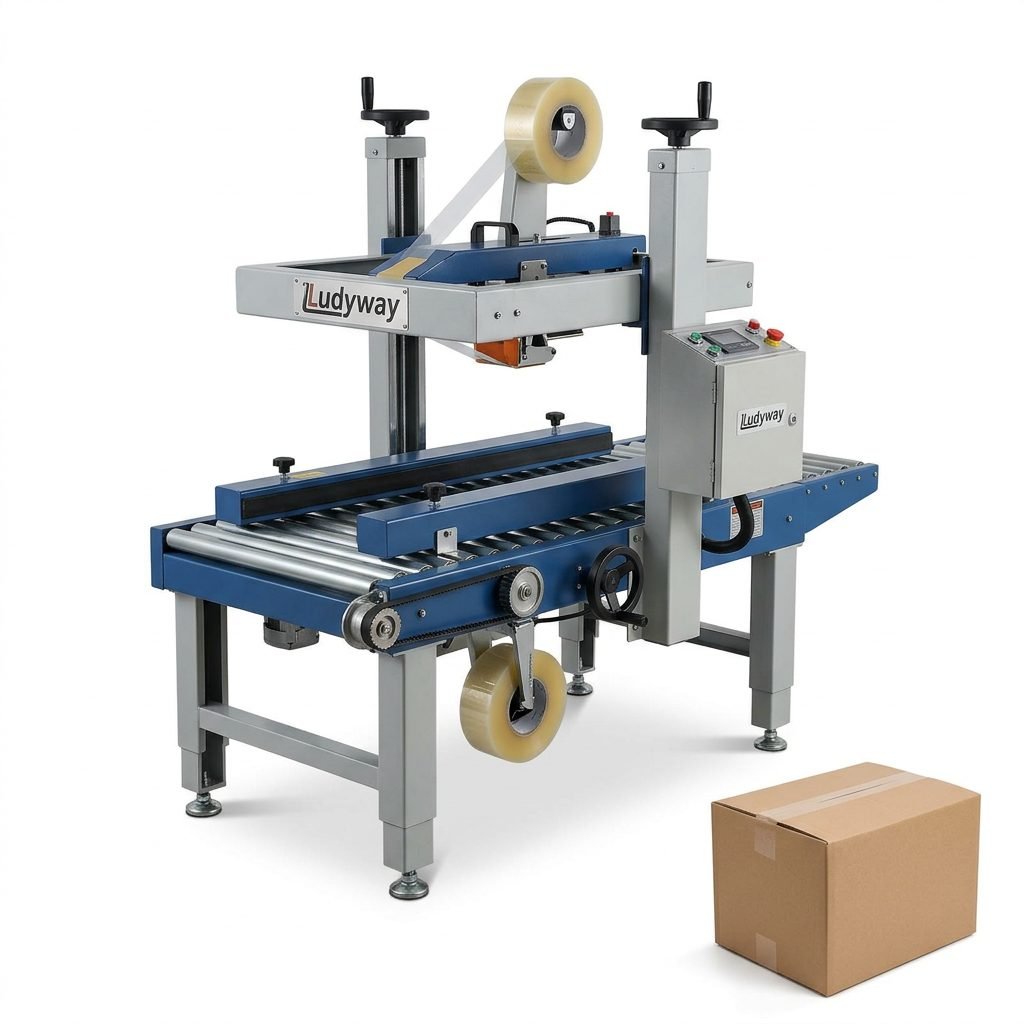
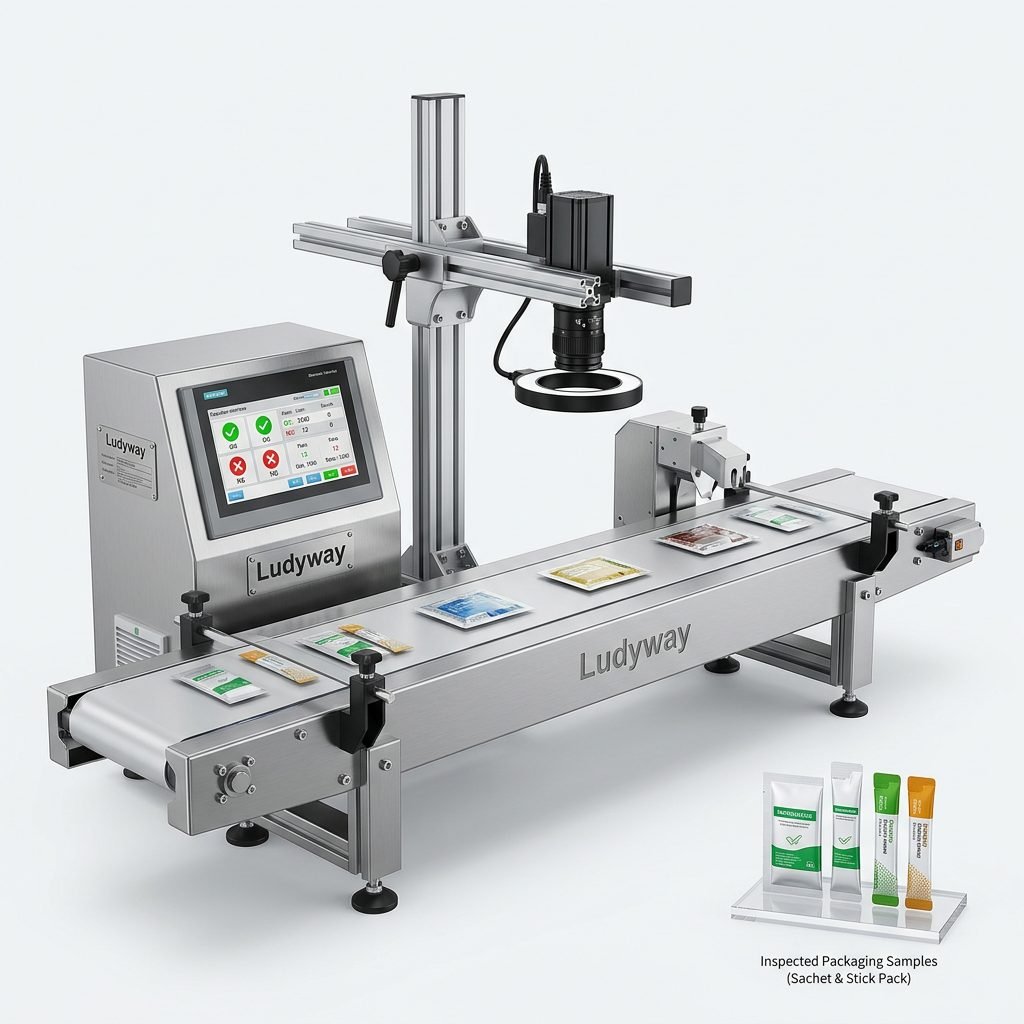
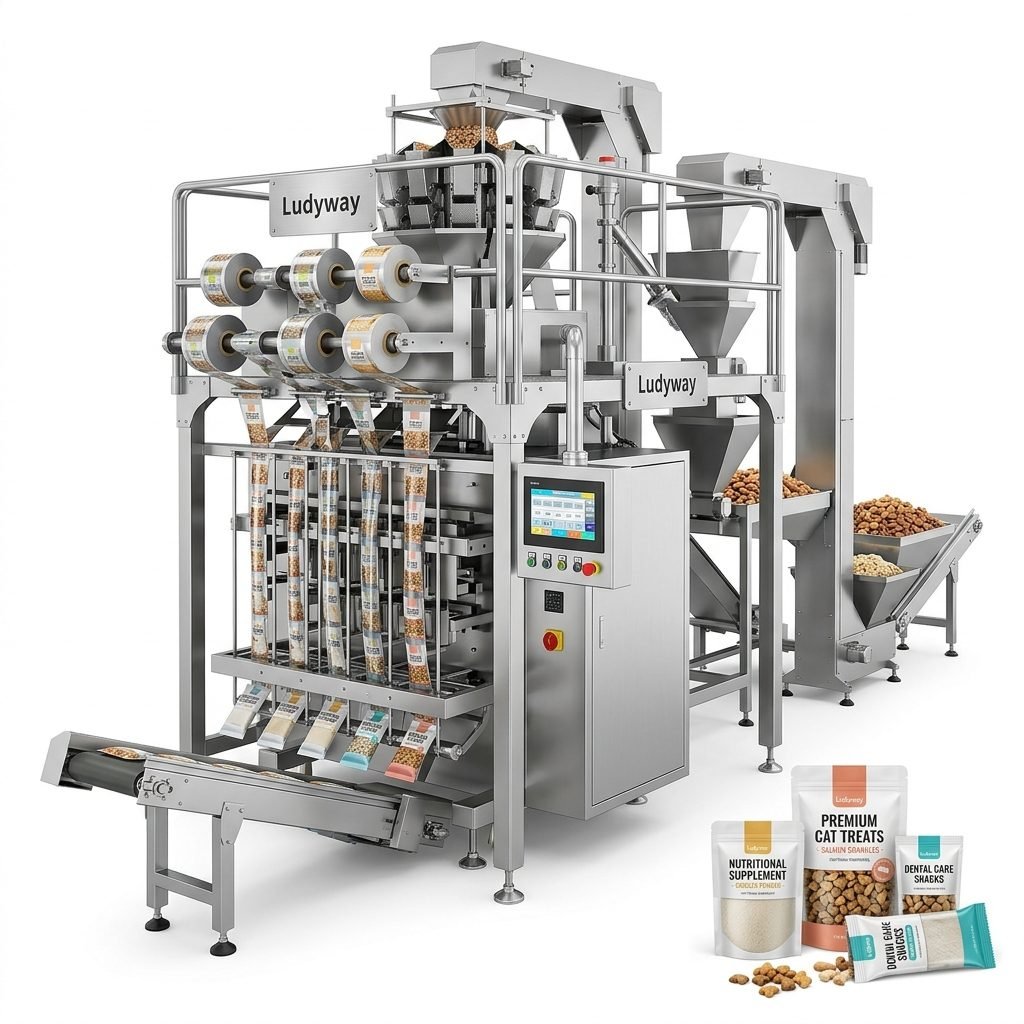
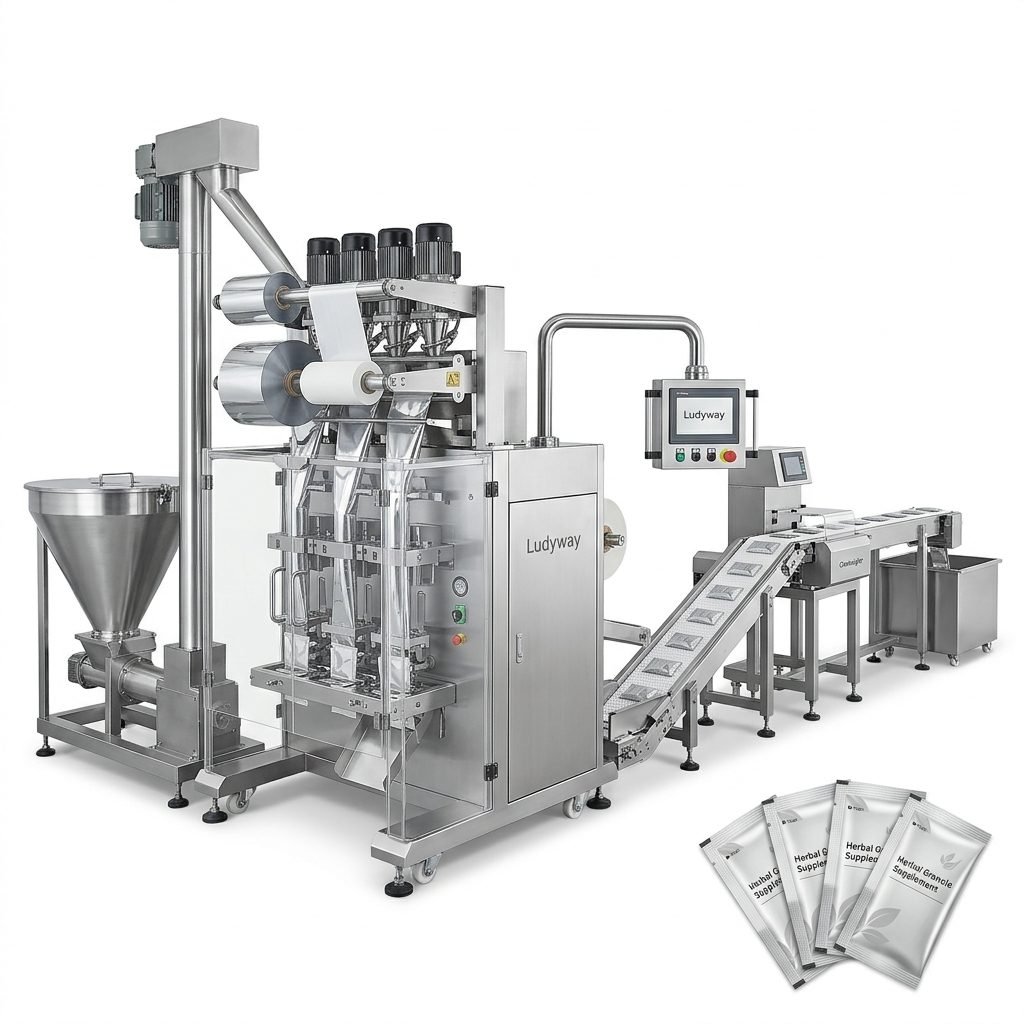
For businesses seeking automated packaging equipment with flexible coding integration, Ludyway packaging machine solutions cover standalone machines and turnkey lines for food, pharmaceutical, health supplement, cosmetic, and chemical applications.
FAQ
Can a sachet packing machine print batch numbers?
Yes. Sachet and stick pack machines often use thermal transfer or batch coding devices to print lot numbers, dates, and other variable information on film packaging.
Can a packaging machine print expiry dates and manufacturing dates too?
Yes. Most coding systems can print batch number, MFG date, EXP date, and even time or shift code in one print area.
Is laser coding better than inkjet for batch numbers?
It depends on the material and application. Laser provides permanent coding with low consumables, while inkjet offers greater flexibility across many surfaces and line configurations.
Can old packaging lines be upgraded for batch printing?
In many cases, yes. Existing lines can often be retrofitted with external coding units if there is enough space and proper synchronization is possible.
Do batch numbers need to be printed on every pack?
In regulated industries, individual pack coding is often strongly recommended or required. The exact requirement depends on product type and target market regulations.
Final buying insight
If you are asking whether a packaging machine can print batch numbers, the practical answer is absolutely yes—provided the machine is matched with the right coding technology. The best setup depends on your package material, production speed, code content, and compliance needs.
For most manufacturers, the smartest approach is to plan batch coding from the beginning of the line design. That reduces installation issues, improves print quality, and ensures your packaging process is ready for traceability from day one.