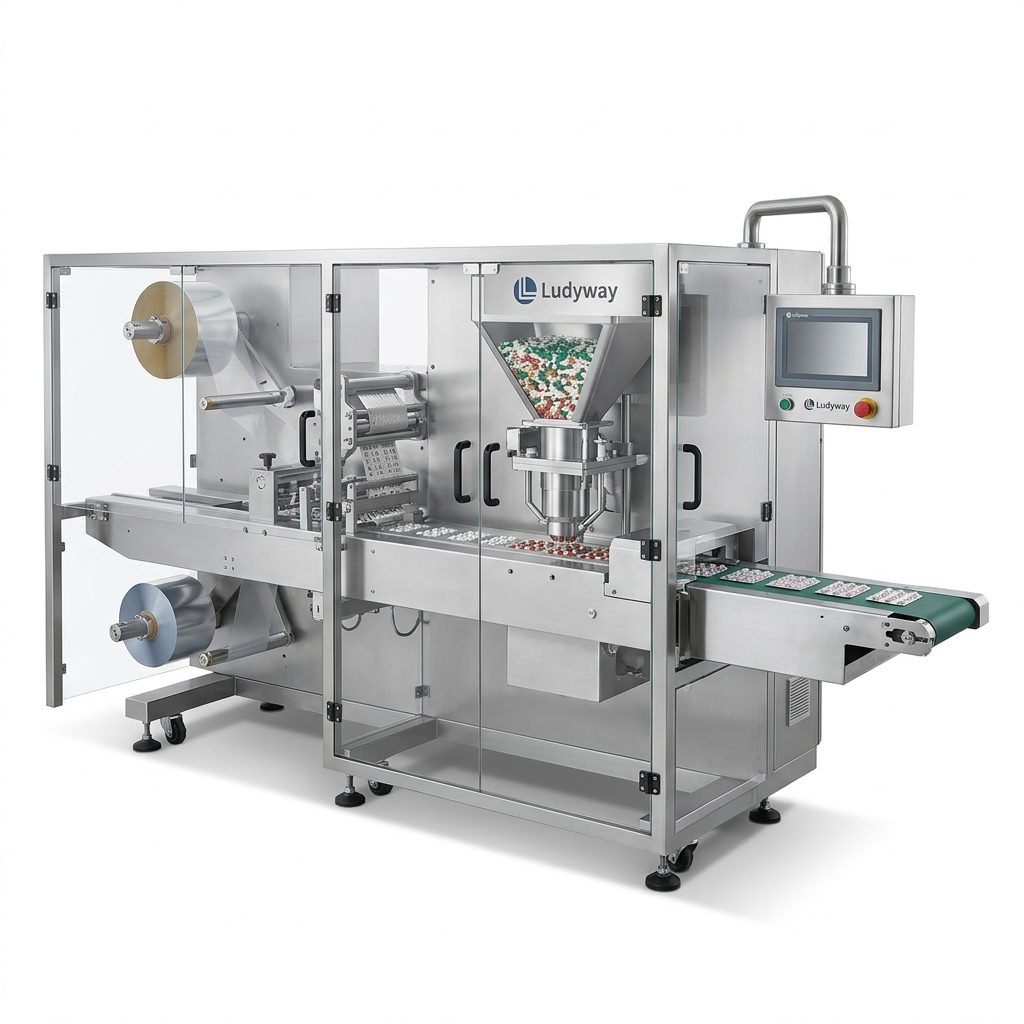
Commercial meat packaging equipment plays a critical role in modern meat processing plants, butcher facilities, frozen food factories, and protein packaging operations. The right system does more than seal a pack—it protects freshness, improves hygiene, reduces labor dependency, supports traceability, and helps businesses meet strict food safety standards.
Whether you are packing fresh cuts, minced meat, marinated products, frozen meat portions, or value-added protein products, choosing the right packaging solution can directly affect shelf life, operating costs, and customer trust.
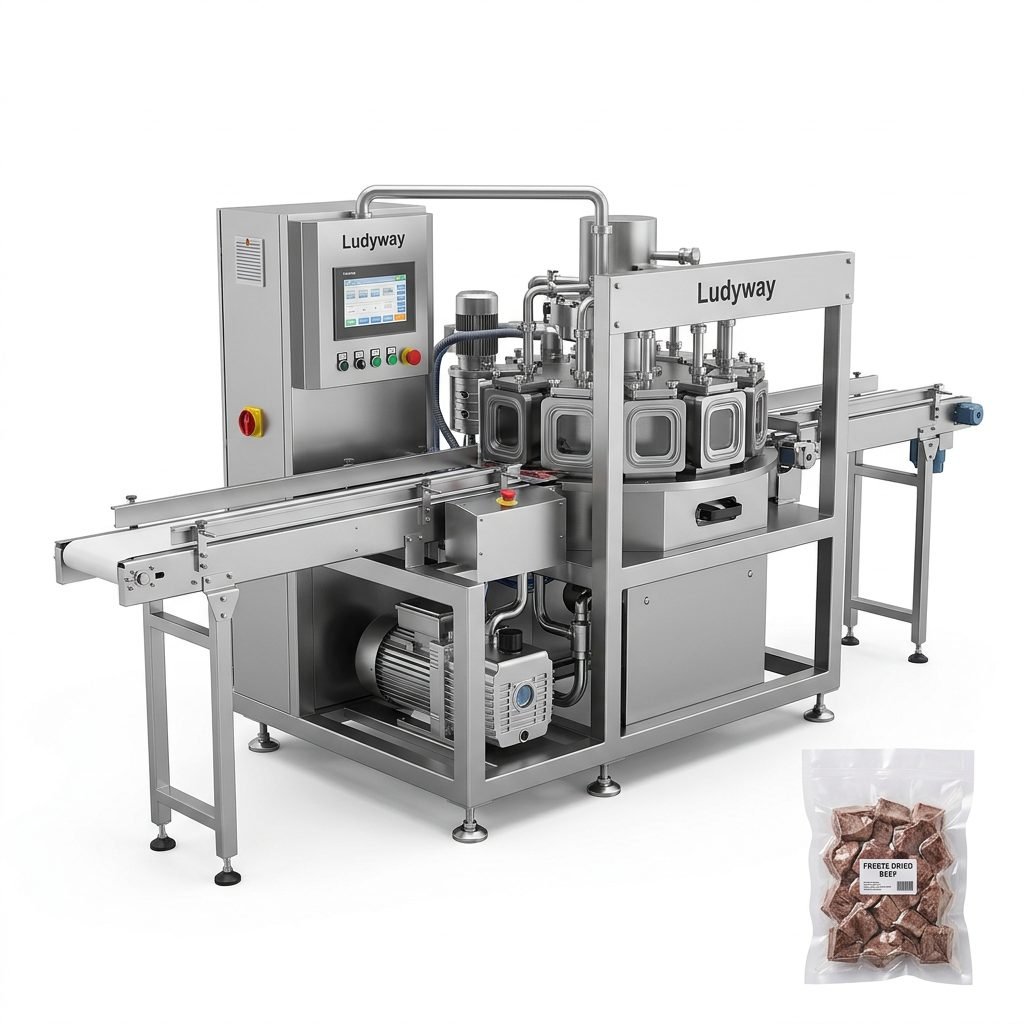
Why Meat Packaging Equipment Matters
Meat is one of the most sensitive food categories in the packaging industry. It requires tight process control, reliable sealing performance, contamination prevention, and packaging formats that fit retail, foodservice, or export needs. Poor packaging can lead to leakage, oxidation, product discoloration, weight loss, and shortened shelf life.
- Food safety protection through controlled sealing and hygienic design
- Longer shelf life with vacuum or modified atmosphere packaging
- Better efficiency through automation and reduced manual handling
- Improved consistency in pack weight, sealing quality, and labeling
- Lower waste from product loss, film errors, and rejected packs
- Better retail presentation for supermarkets and cold-chain distribution
Best Packaging Solutions for Different Meat Products
There is no single machine that fits every meat product. The best solution depends on product form, moisture content, output target, pack style, and storage conditions.
1. Vacuum Packaging Machines
Vacuum packaging is one of the most widely used solutions for meat because it removes air from the package before sealing. This helps reduce oxidation and slows spoilage.
Best for: fresh beef, lamb, pork cuts, processed meat blocks, frozen meat portions, and premium butcher products.
- Extends shelf life
- Reduces freezer burn in frozen applications
- Improves pack compactness for transport
- Suitable for bulk and retail packs
2. Thermoforming Packaging Machines
Thermoforming systems form the bottom web into trays or pockets, load the meat, then seal with a top film. These machines are popular in medium- to high-volume meat plants because they combine automation, speed, and attractive presentation.
Best for: sliced meat, sausages, bacon, marinated portions, frozen meat, and high-output retail lines.
- High-speed continuous packaging
- Excellent sealing consistency
- Supports vacuum and MAP options
- Good for branded retail packs
3. Tray Sealing Machines
Tray sealers are ideal when meat products need strong shelf appeal and easy display in supermarkets. They can run with vacuum skin packaging or modified atmosphere packaging depending on the product.
Best for: fresh poultry, steak portions, minced meat trays, ready-to-cook meat products, and supermarket-ready packs.
- Clean, attractive presentation
- Flexible tray size changeover
- Supports top-seal, MAP, and skin pack formats
- Suitable for manual, semi-automatic, or automatic lines
4. Modified Atmosphere Packaging (MAP) Systems
MAP replaces the air inside the package with a controlled gas mixture. This is especially useful for fresh meat where color, shelf life, and microbial control are major concerns.
Best for: red meat, poultry, chilled meat, minced products, and retail distribution channels.
Main advantages:
- Helps preserve product appearance
- Maintains freshness longer during chilled distribution
- Supports broader retail reach
- Reduces spoilage during transportation
5. Vacuum Skin Packaging Equipment
Vacuum skin packaging tightly conforms the film around the meat product and tray, creating a premium appearance with excellent product stability. It is especially popular for high-value cuts.
Best for: steaks, premium beef, lamb chops, seafood-meat combos, and upscale retail displays.
- Premium shelf presentation
- Excellent drip control
- Secure product fixation inside tray
- Useful for vertical display in some retail settings
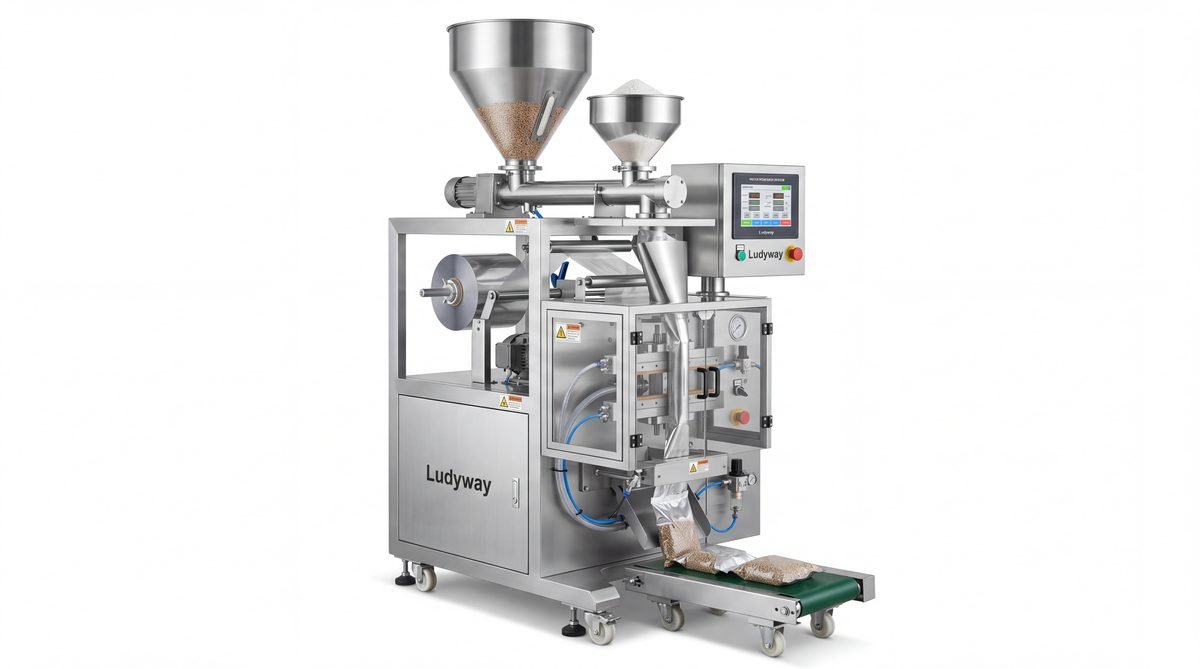
How to Choose the Right Commercial Meat Packaging Equipment
Before buying, processors should evaluate both product characteristics and production goals. A low-cost machine may not be the best investment if it creates downtime, sealing problems, or sanitation issues.
| Selection Factor | What to Consider | Why It Matters |
|---|---|---|
| Product Type | Fresh, frozen, processed, minced, marinated, bone-in or boneless | Different products need different sealing strength and pack formats |
| Packaging Format | Vacuum bag, tray seal, skin pack, thermoformed pack, pouch | Determines machine structure and output capacity |
| Production Volume | Small batch, medium output, or fully automatic high-speed line | Affects return on investment and labor planning |
| Hygiene Design | Washdown construction, stainless steel, easy-to-clean surfaces | Essential for food safety compliance |
| Seal Integrity | Moisture control, contamination resistance, leak prevention | Reduces rejects and protects shelf life |
| Automation Level | Manual loading, semi-auto, fully integrated line | Improves efficiency and lowers labor cost |
| Traceability | Date coding, batch coding, labeling, inspection systems | Supports compliance and recalls if needed |
Key Features to Look For
High-performance meat packing equipment should combine durability, hygiene, and production stability. The most effective systems usually include the following features:
- Food-grade stainless steel construction for corrosion resistance and easier cleaning
- Washdown-friendly design with minimal dead corners
- Reliable vacuum and sealing system for wet and protein-rich products
- Accurate portioning and filling integration to reduce giveaway
- Flexible mold or tray changeover for multiple SKUs
- Compatible coding and labeling modules for traceability
- Optional inspection equipment such as metal detection or checkweighing
- Stable control system with user-friendly HMI for quick operation
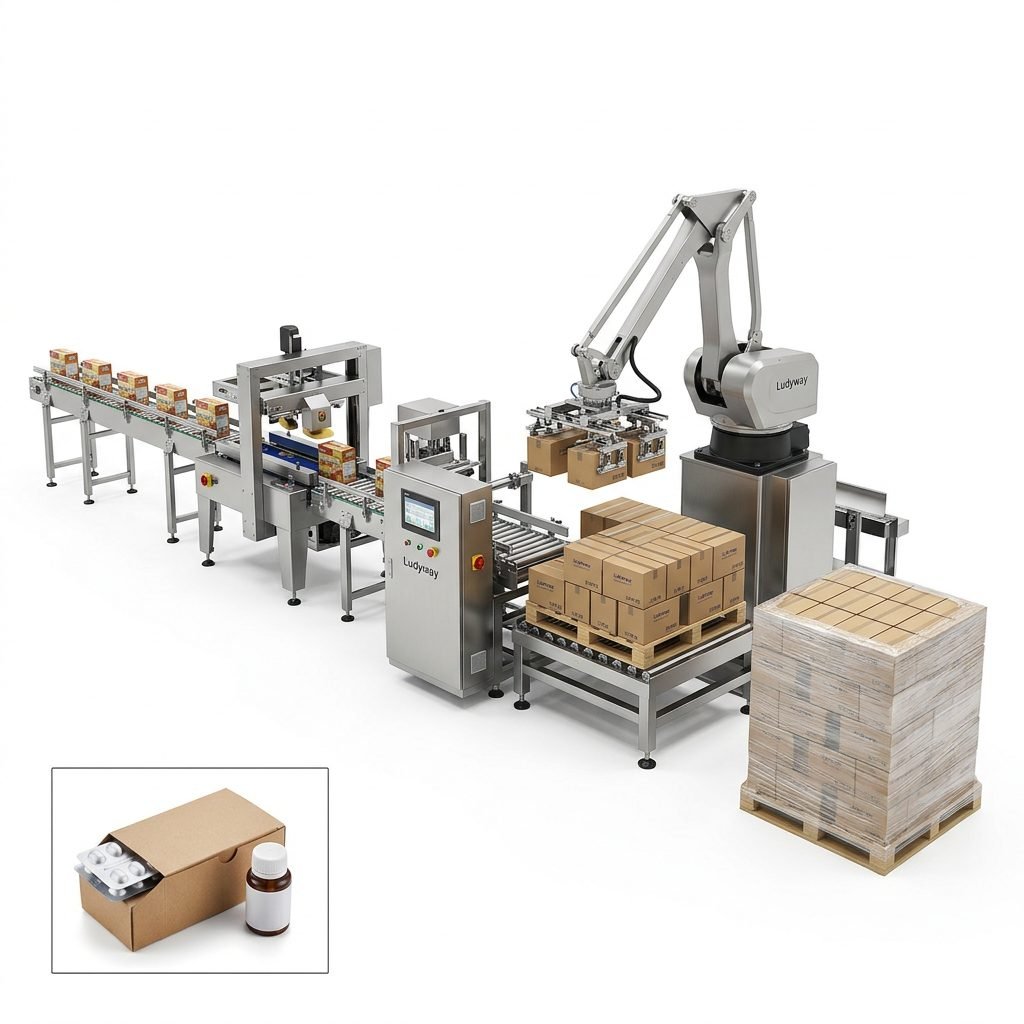
Typical Meat Packaging Line Configuration
A complete commercial meat packaging line often includes more than just the main packer. Integrated systems help processors improve line balance, reduce contamination risk, and simplify management.
| Line Section | Main Function |
|---|---|
| Product feeding / infeed conveyor | Transfers portions smoothly into the packaging area |
| Weighing or portioning system | Controls pack weight consistency |
| Vacuum packer / tray sealer / thermoformer | Core sealing and packaging process |
| Gas flushing module | Provides MAP for freshness extension |
| Date coder or printer | Adds lot number, production date, and traceability marks |
| Labeling unit | Applies product and compliance labels |
| Metal detector / X-ray / checkweigher | Improves final quality control |
| Cartoning / case packing / palletizing | Supports end-of-line automation |
Food Safety and Compliance Considerations
Meat processors must meet strict hygiene and regulatory requirements. Packaging equipment should help support sanitation programs, HACCP workflows, and traceability procedures rather than making them harder.
Important safety considerations include:
- Easy cleaning and sanitation access
- Reduced risk of cross-contamination
- Stable sealing performance under wet conditions
- Accurate coding for batch and date traceability
- Integration with inspection and rejection systems
- Compatibility with food-contact packaging materials
Benefits of Automation in Meat Packing
Automation is becoming increasingly important as labor costs rise and food manufacturers face pressure for higher throughput. Automated systems help create a more predictable and scalable production environment.
- Higher line speed with fewer interruptions
- Lower labor dependence in repetitive tasks
- Improved pack uniformity across shifts
- Reduced human contact with raw product
- Better production planning through digital controls and monitoring
- Scalable output for growing meat businesses
Common Challenges and How the Right Equipment Solves Them
Leakage and weak seals
Meat juices, fat, and uneven surfaces can affect sealing quality. Equipment with stable sealing pressure, contamination-resistant seal design, and proper film handling helps reduce leakage.
Short shelf life
Using vacuum or MAP systems with the right packaging materials can significantly improve product preservation during chilled or frozen distribution.
High labor cost
Automated loading, sealing, coding, and end-of-line systems reduce manual intervention and improve productivity per operator.
Frequent product changeovers
Flexible machinery with user-friendly settings, recipe storage, and fast format changes is better suited for multi-SKU meat operations.
Who Needs Commercial Meat Packaging Equipment?
- Fresh meat processors
- Poultry processing plants
- Frozen meat product manufacturers
- Butcher chains and central kitchens
- Ready-meal and marinated meat producers
- Export-oriented protein suppliers
- Foodservice portion pack operations
Choosing a Reliable Packaging Equipment Partner
Machine quality is important, but long-term support is equally critical. Buyers should look for a supplier that can provide technical consultation, customization, line integration, and after-sales service.
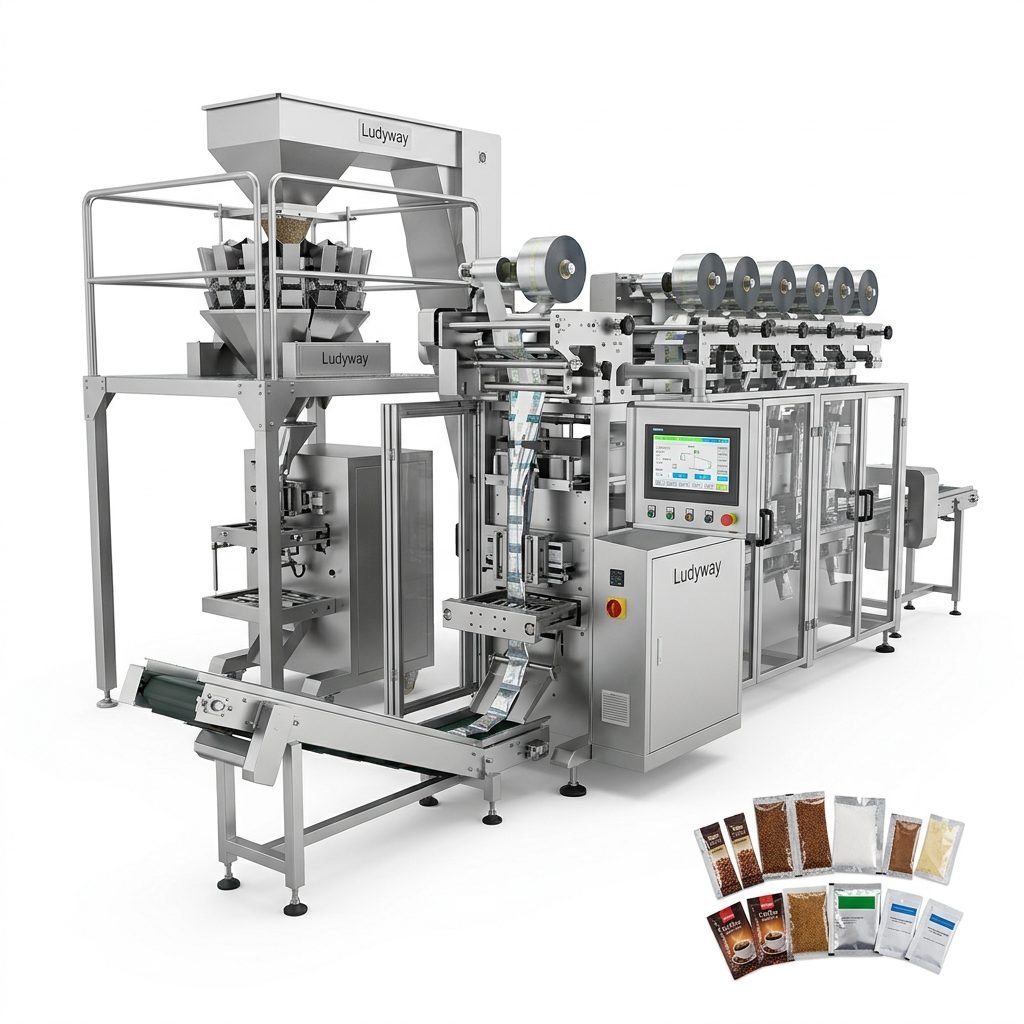
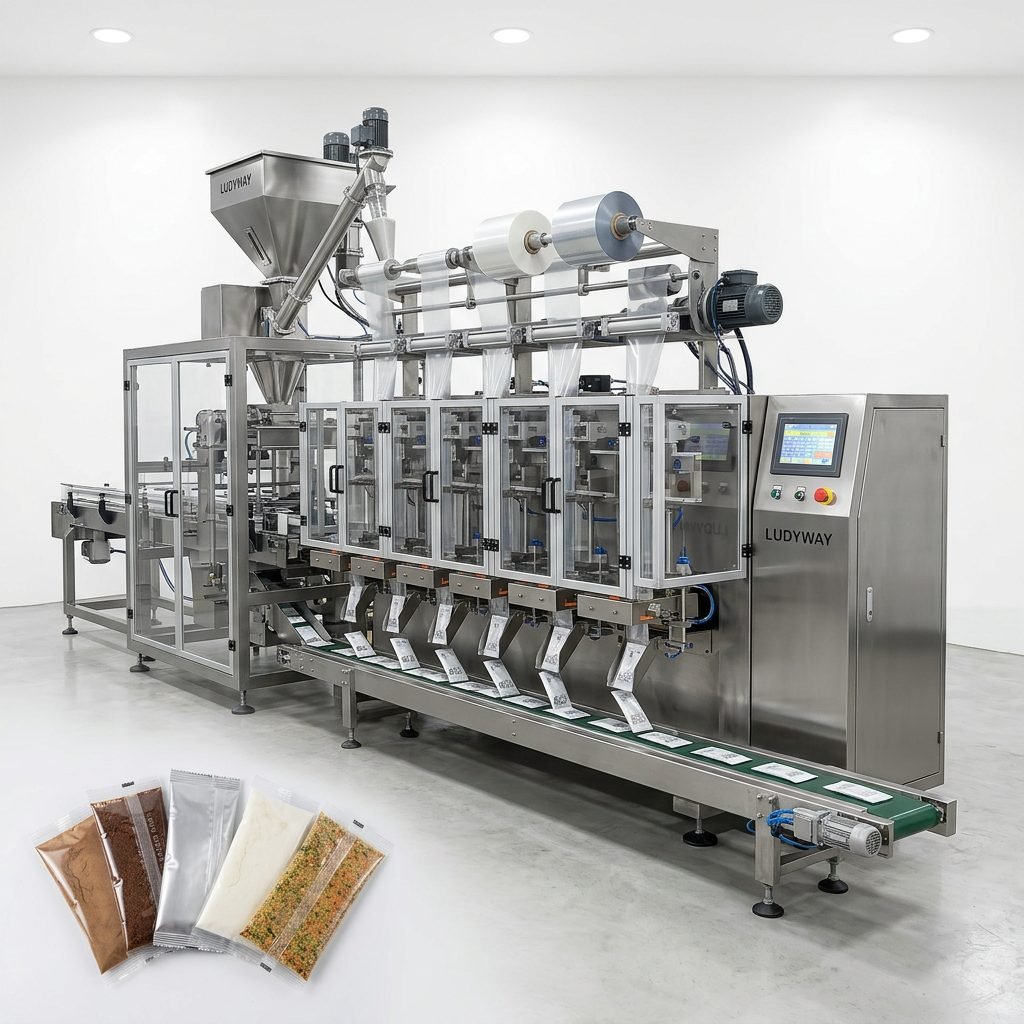
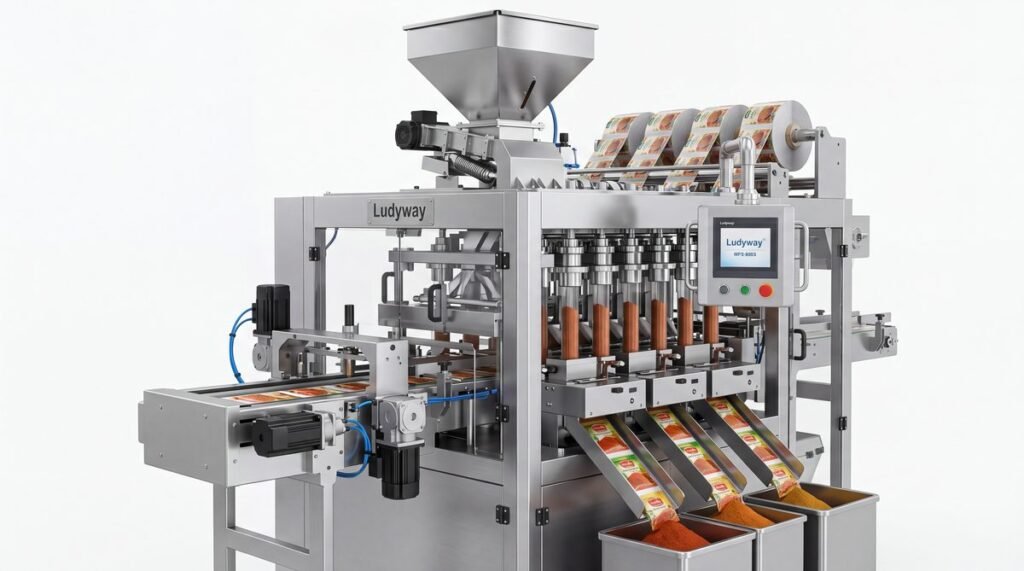
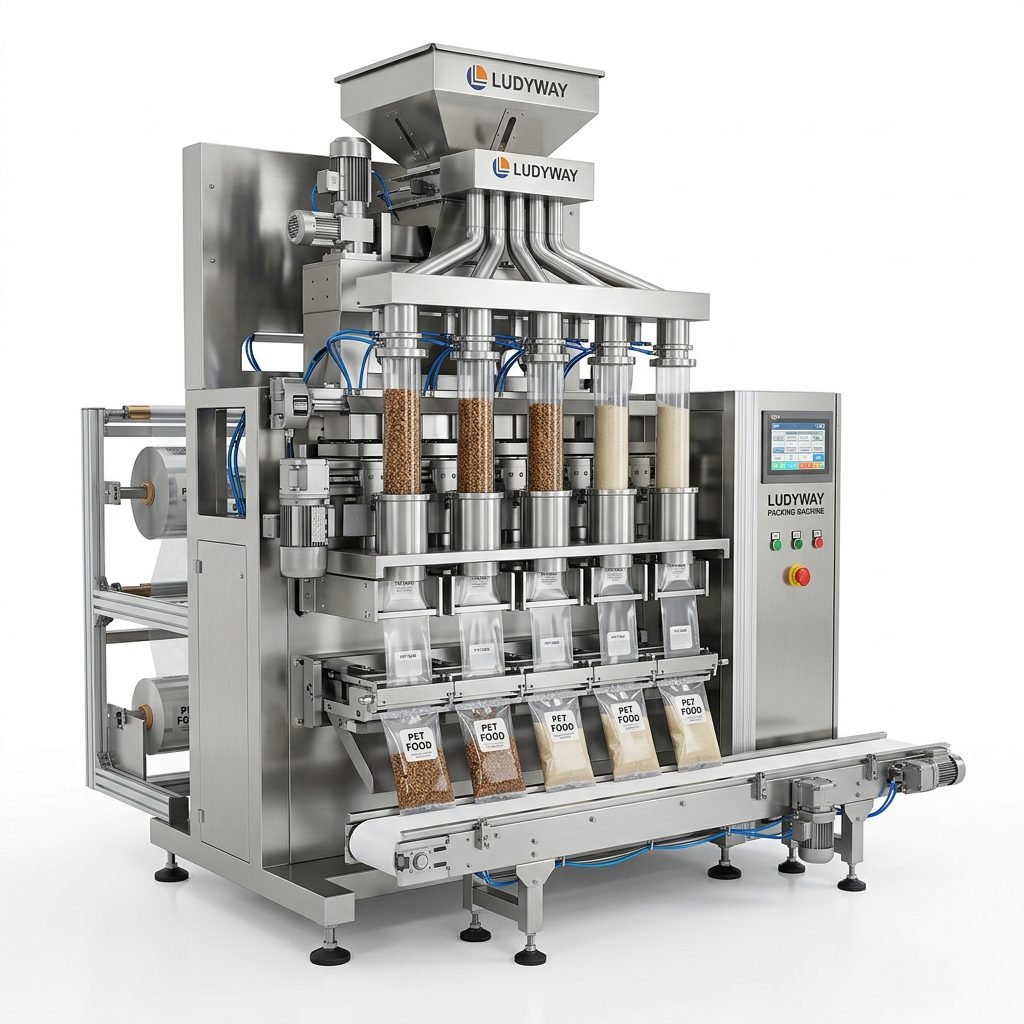
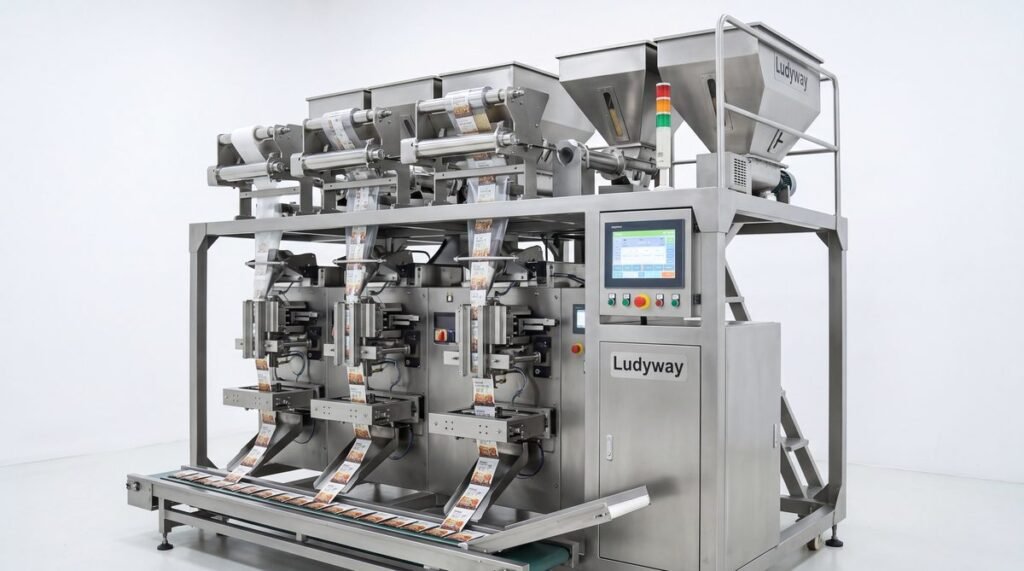
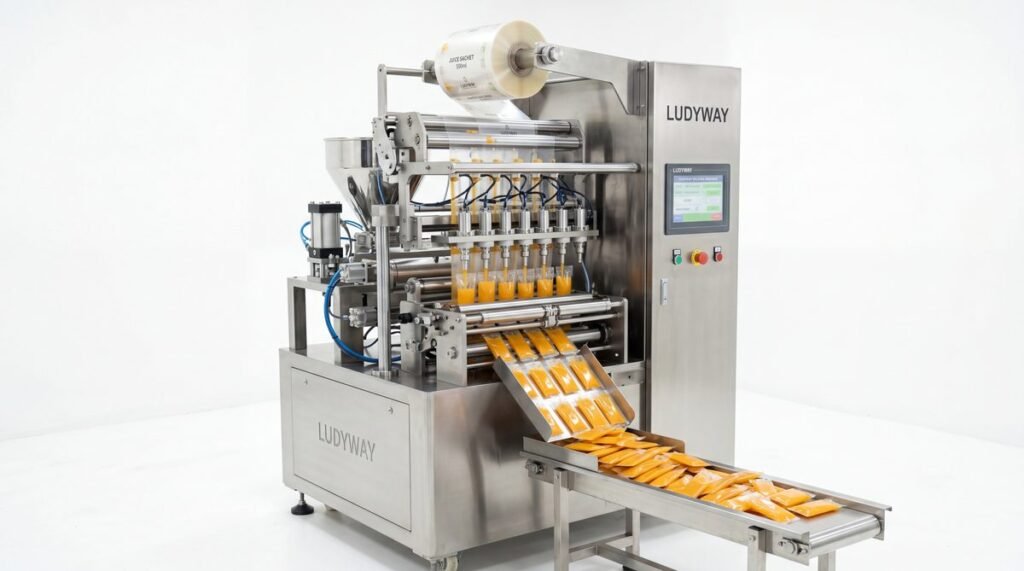
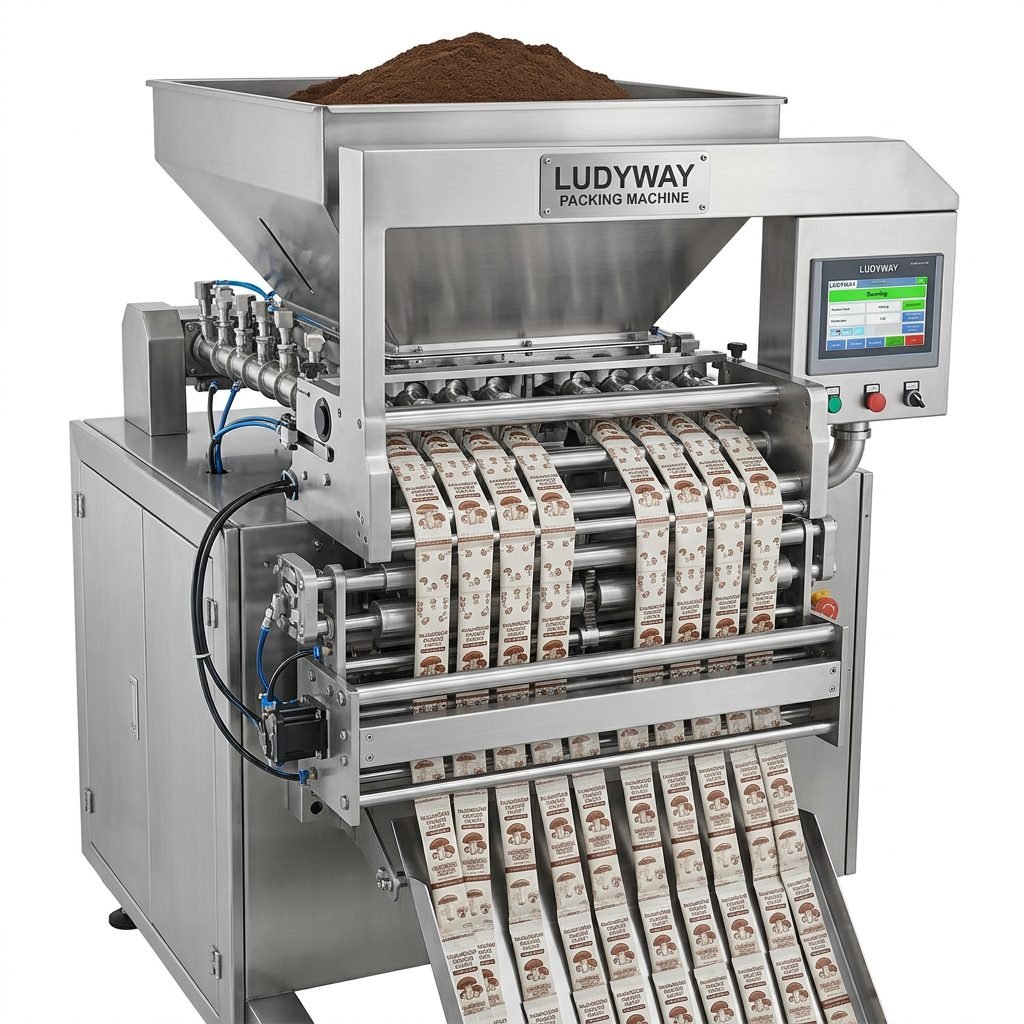
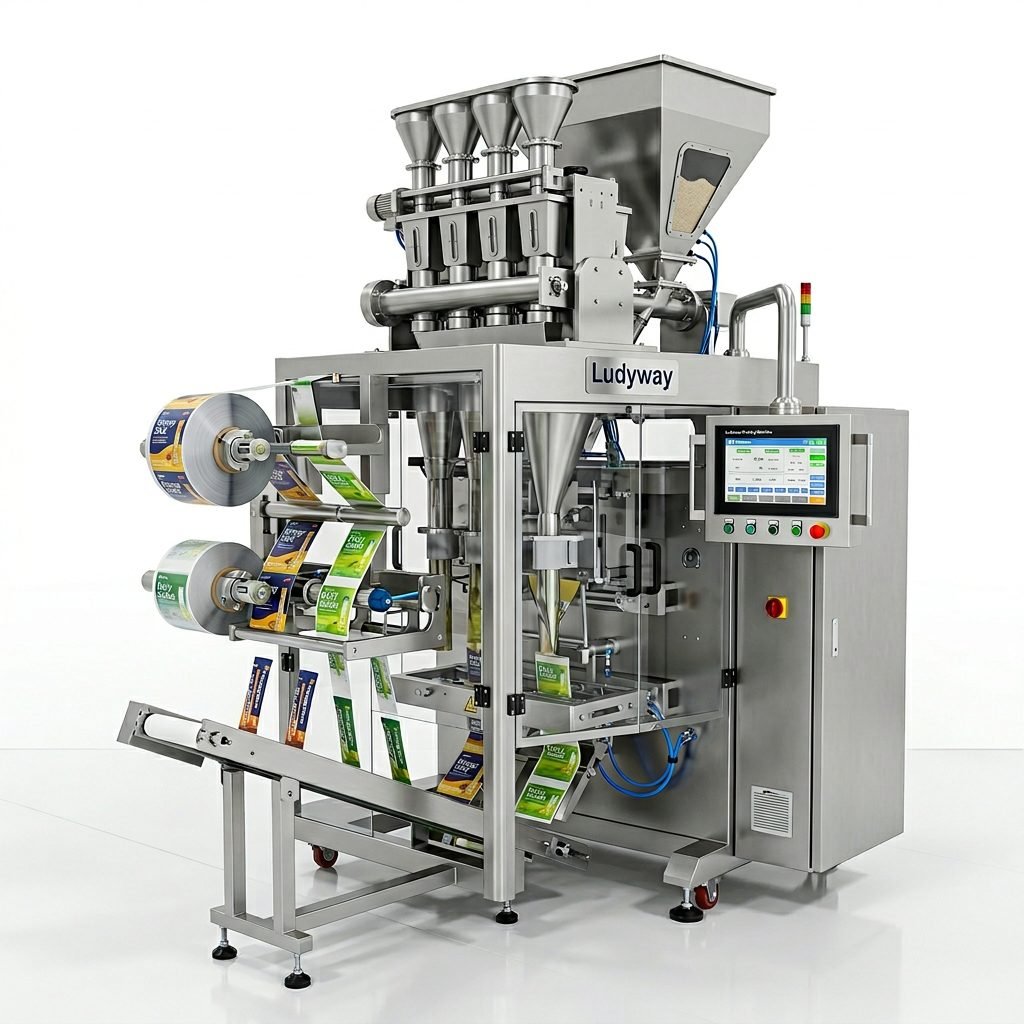
For companies looking for scalable automation and turnkey line support, Ludyway commercial packaging equipment is worth considering. Founded in 1993, the company is recognized as one of China’s leading packaging machine and turnkey packaging line manufacturers, with extensive export experience, a factory of over 20,000 square meters, and broad capabilities across automated filling, sealing, coding, labeling, and integrated production line solutions.
Final Buying Tips for Meat Packaging Equipment
- Match the machine to your actual meat product and packaging format
- Prioritize seal integrity and hygiene design over low upfront price alone
- Think about future growth and select equipment that can scale
- Ask about integration with weighing, coding, labeling, and inspection systems
- Choose a supplier that can support installation, training, and long-term maintenance
In a competitive meat market, efficient and safe packaging is not optional. The best commercial meat packaging equipment helps protect product quality, improve production efficiency, support compliance, and strengthen your brand in retail and foodservice channels.