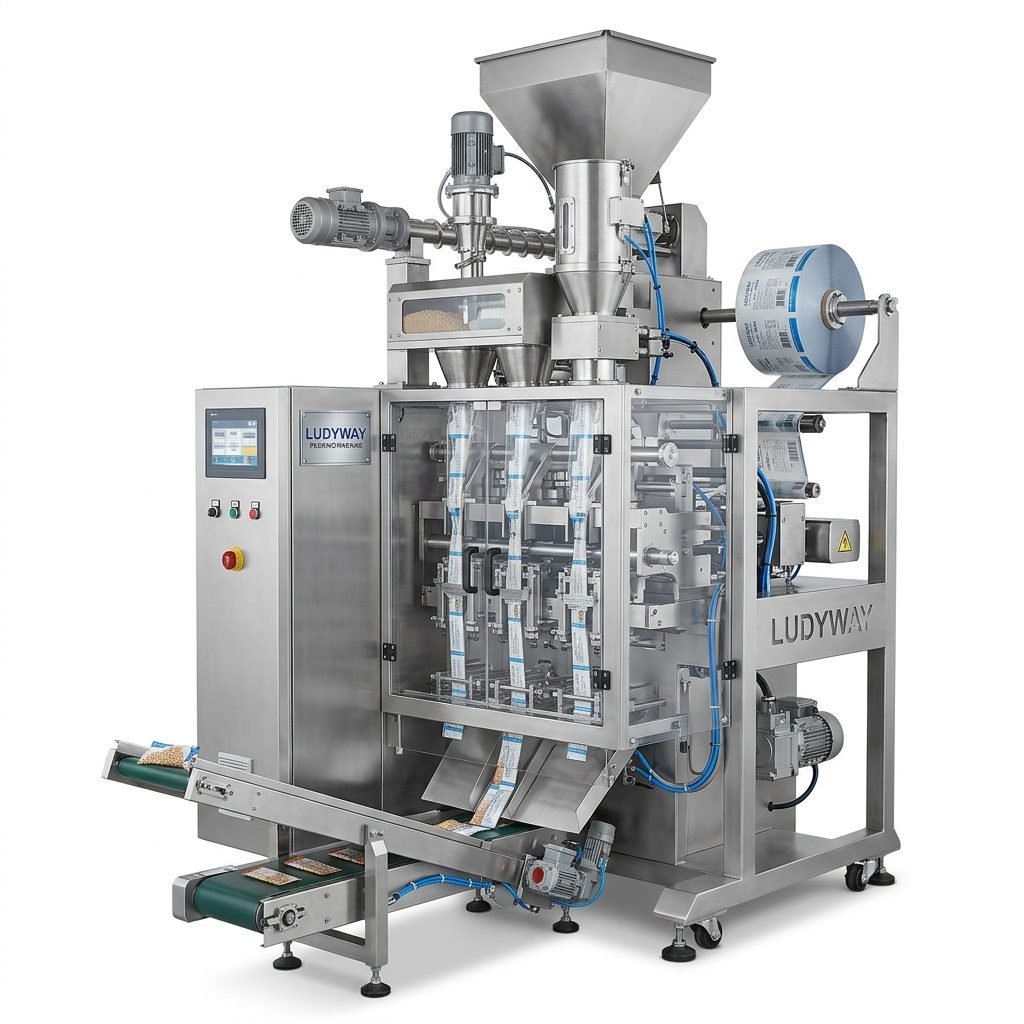
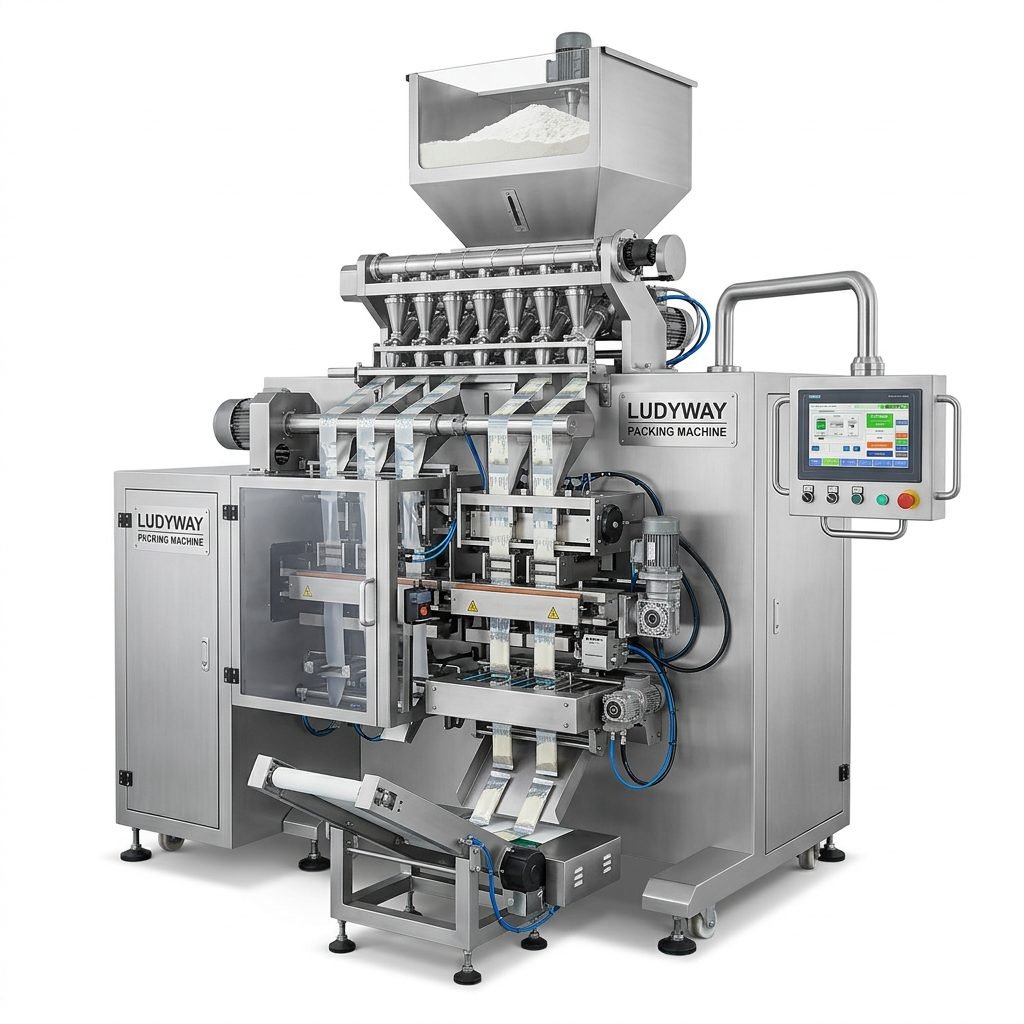
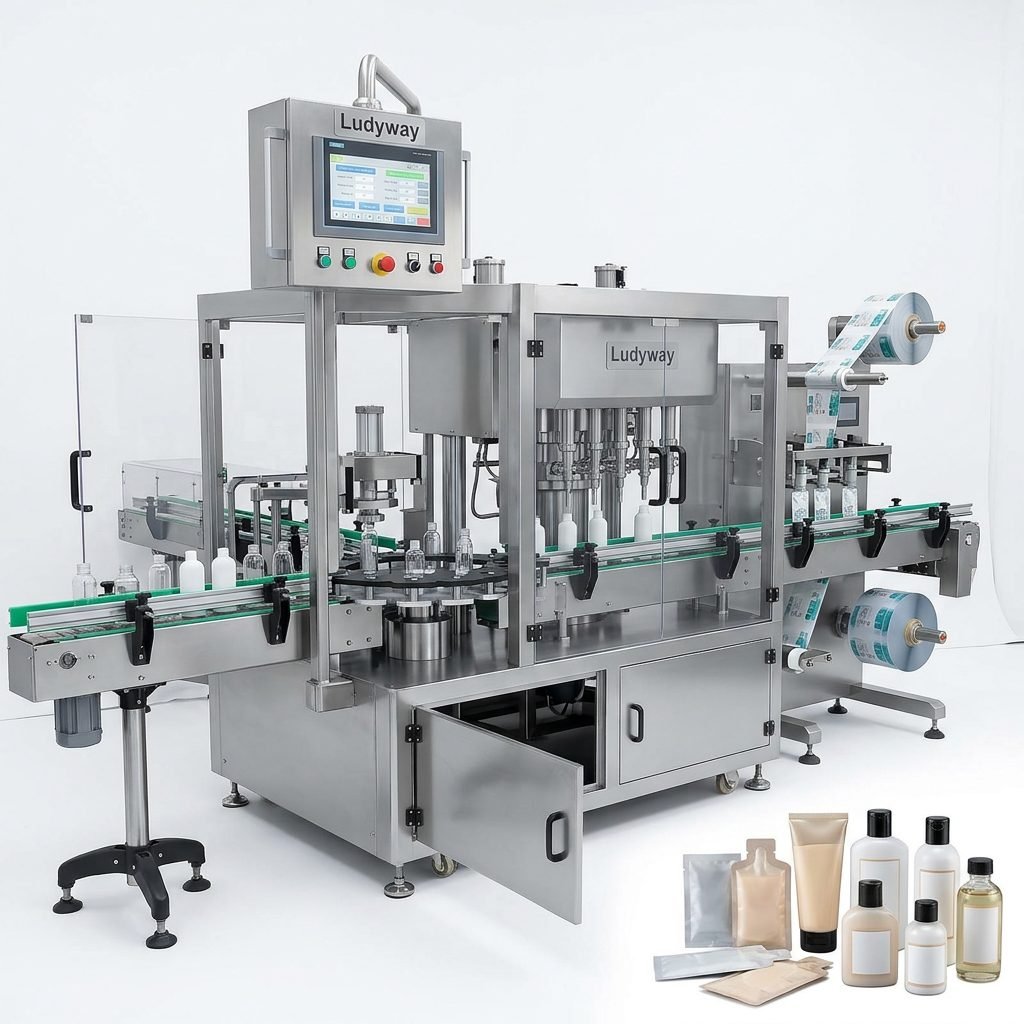
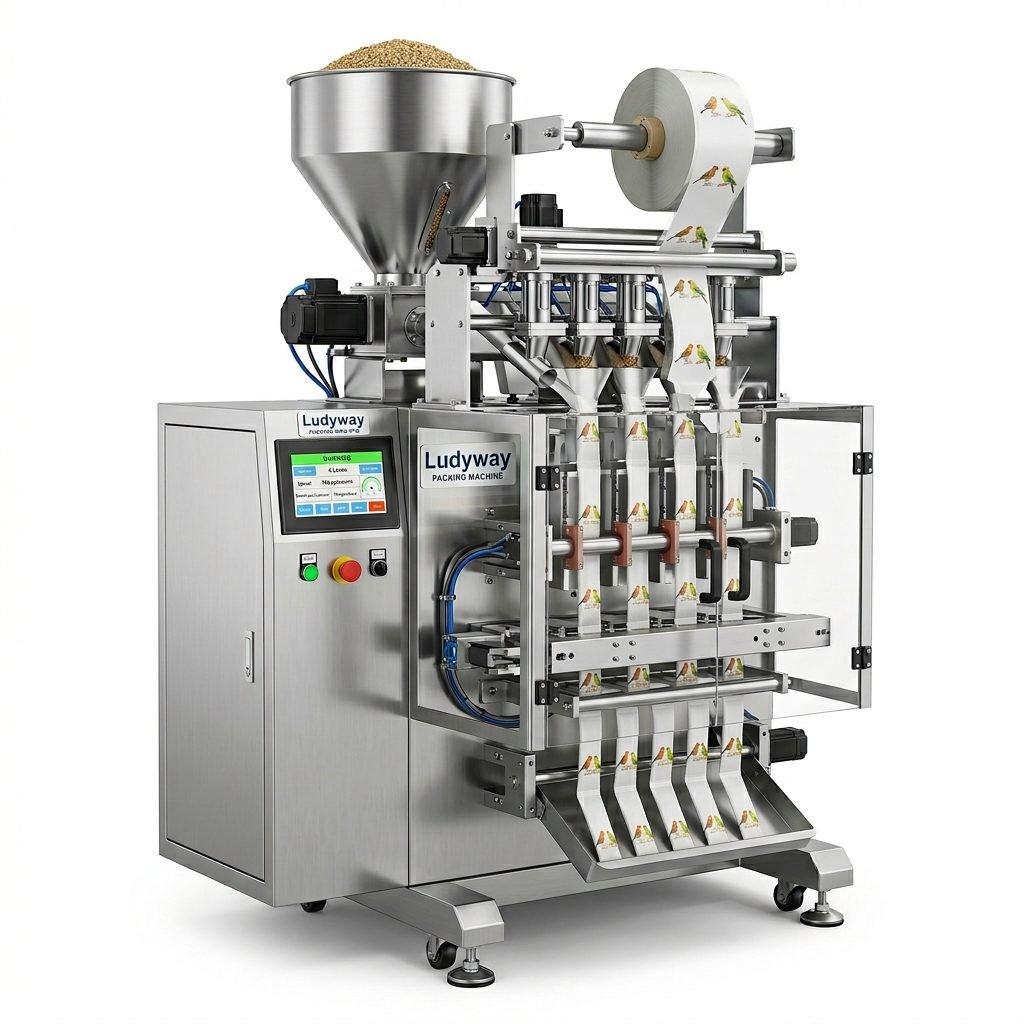
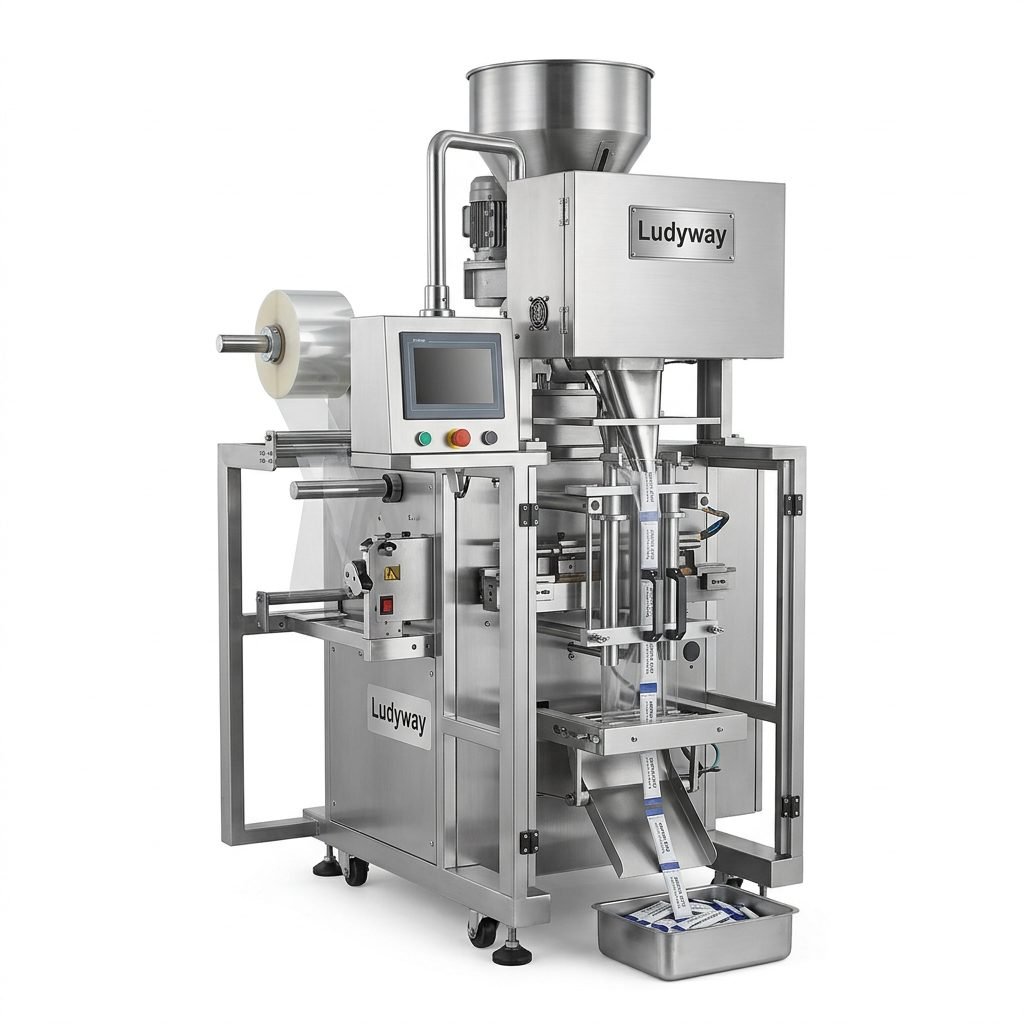
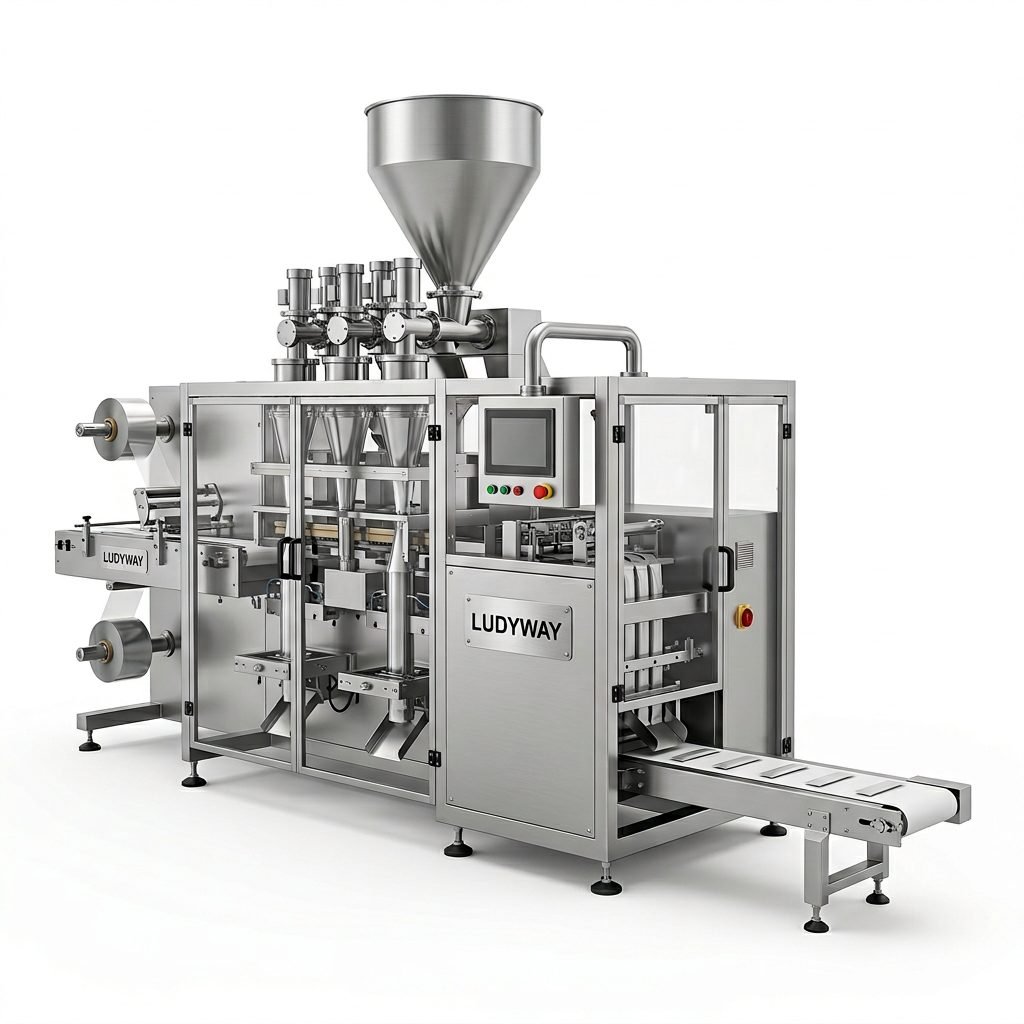
Choosing the right candy bar packaging machine is a strategic decision for chocolate manufacturers that want to improve wrapping speed, reduce product damage, maintain sealing quality, and lower total operating costs. Whether you produce standard chocolate bars, filled candy bars, nougat bars, wafer bars, or seasonal confectionery, the ideal solution should match your product characteristics, line speed targets, packaging material, and future expansion plans.
In today’s competitive confectionery market, efficient wrapping is not only about appearance. It directly affects shelf appeal, product freshness, hygiene compliance, labor efficiency, and delivery reliability. A poorly matched machine can lead to film waste, unstable sealing, frequent downtime, and inconsistent pack quality. A well-matched system can do the opposite—support stable production and help your brand scale.
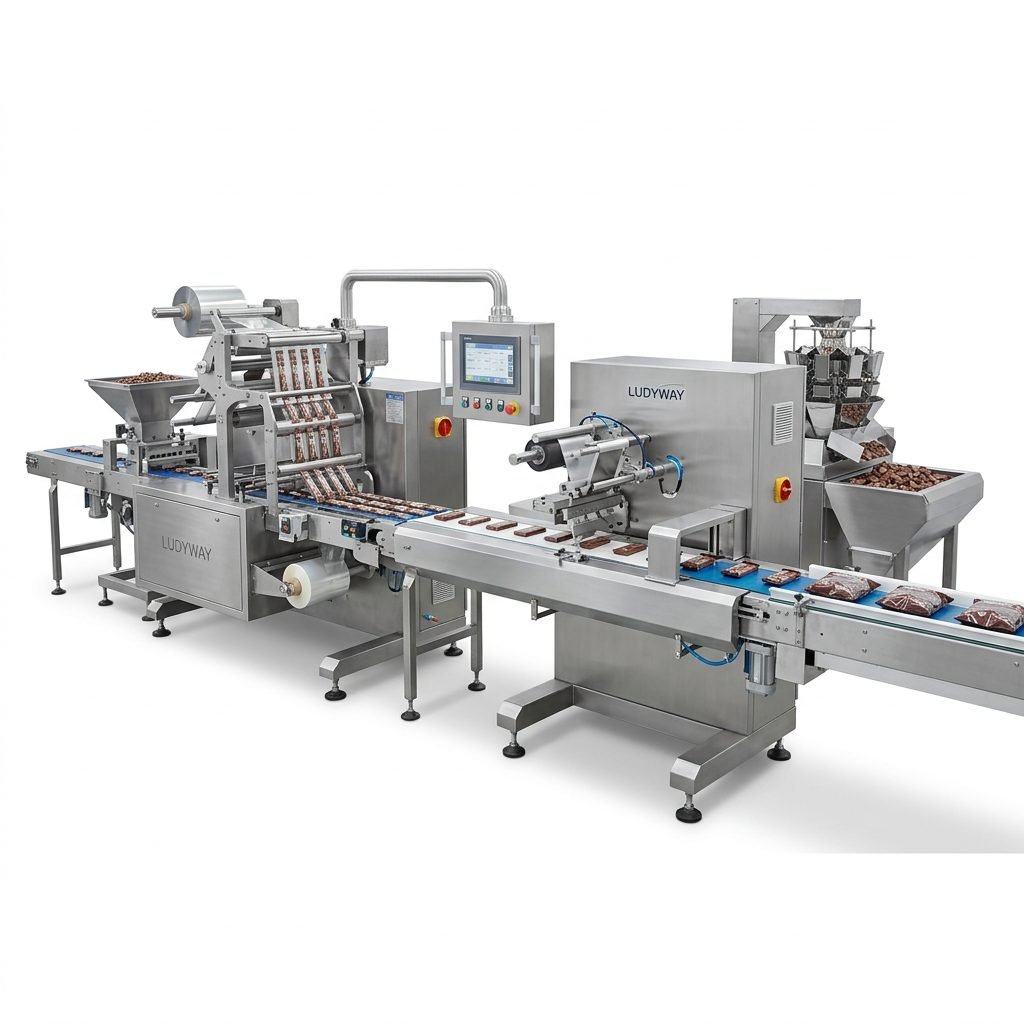
Why the Right Chocolate Bar Wrapping Machine Matters
Chocolate bars are sensitive products. They can soften, deform, crack, or lose surface quality if the packaging process is not stable. The wrapping machine must handle the product gently while still delivering high throughput. For manufacturers supplying retail, wholesale, export, or private label channels, packaging consistency is especially important because poor wrapping can affect both brand image and logistics performance.
- Protects chocolate from moisture, oxygen, dust, and contamination
- Improves pack appearance for retail display
- Supports faster production with less manual labor
- Reduces material waste through precise film control
- Improves coding, traceability, and downstream cartoning efficiency
Key Types of Candy Bar Packaging Machines
Not all candy bars require the same wrapping method. The best machine depends on bar size, texture, coating, packaging style, and line layout. Below are the most common machine categories used in chocolate and confectionery packaging.
1. Flow Wrapping Machines
Flow wrappers are widely used for chocolate bars, wafer bars, cereal-coated bars, and similar solid confectionery products. They create a sealed pillow pack using roll film and are known for high speed and continuous operation.
Best for:
- Standard chocolate bars
- Protein-style candy bars
- Wafer bars
- Multi-piece confectionery bars in single packs
2. Fold Wrapping Machines
Fold wrapping machines are often selected for premium chocolate bars that require a traditional wrapped appearance, sometimes with inner foil and outer paper. These systems are ideal when visual presentation is part of the product value.
3. Double Twist or Specialty Wrapping Systems
Although more common for individual candies than bars, some confectionery brands use specialty wrapping styles for mini bar formats or novelty products. If your product line includes multiple candy types, you may want a more flexible packaging platform.
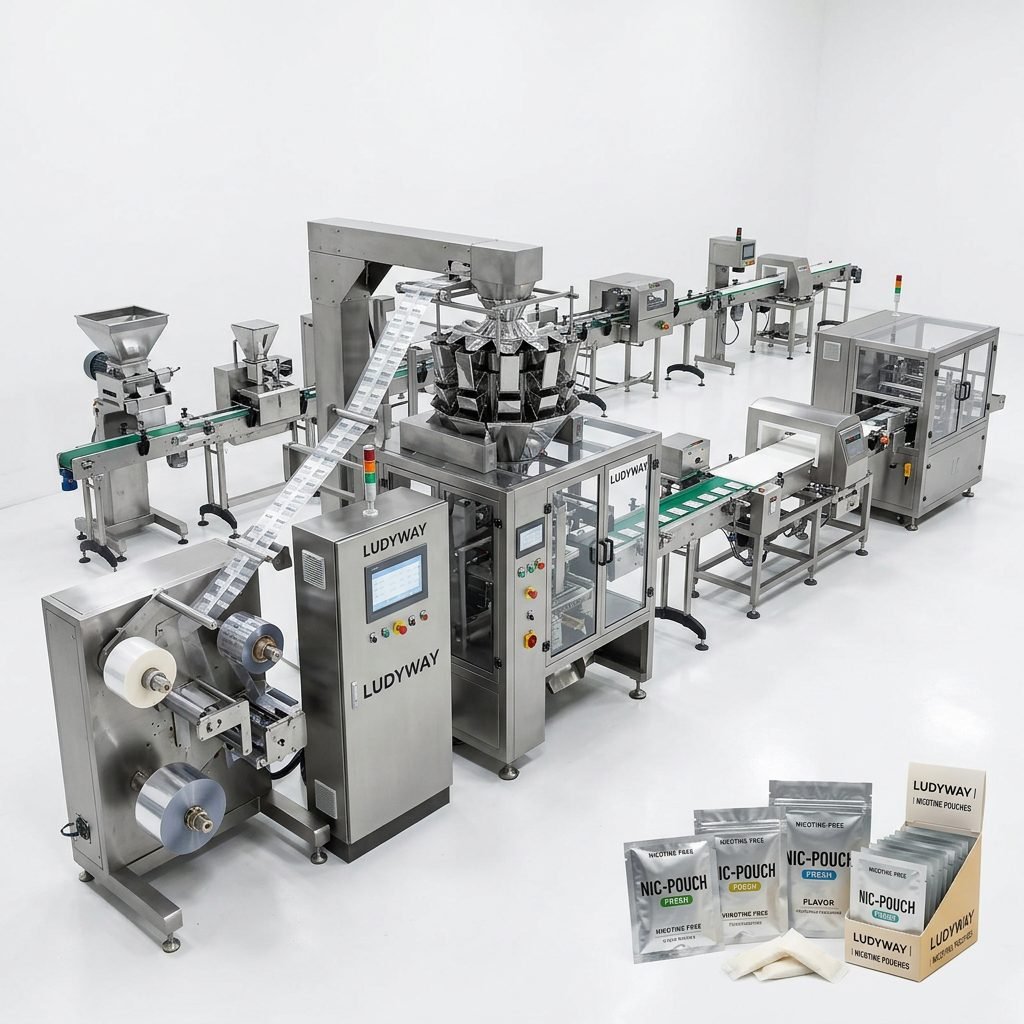
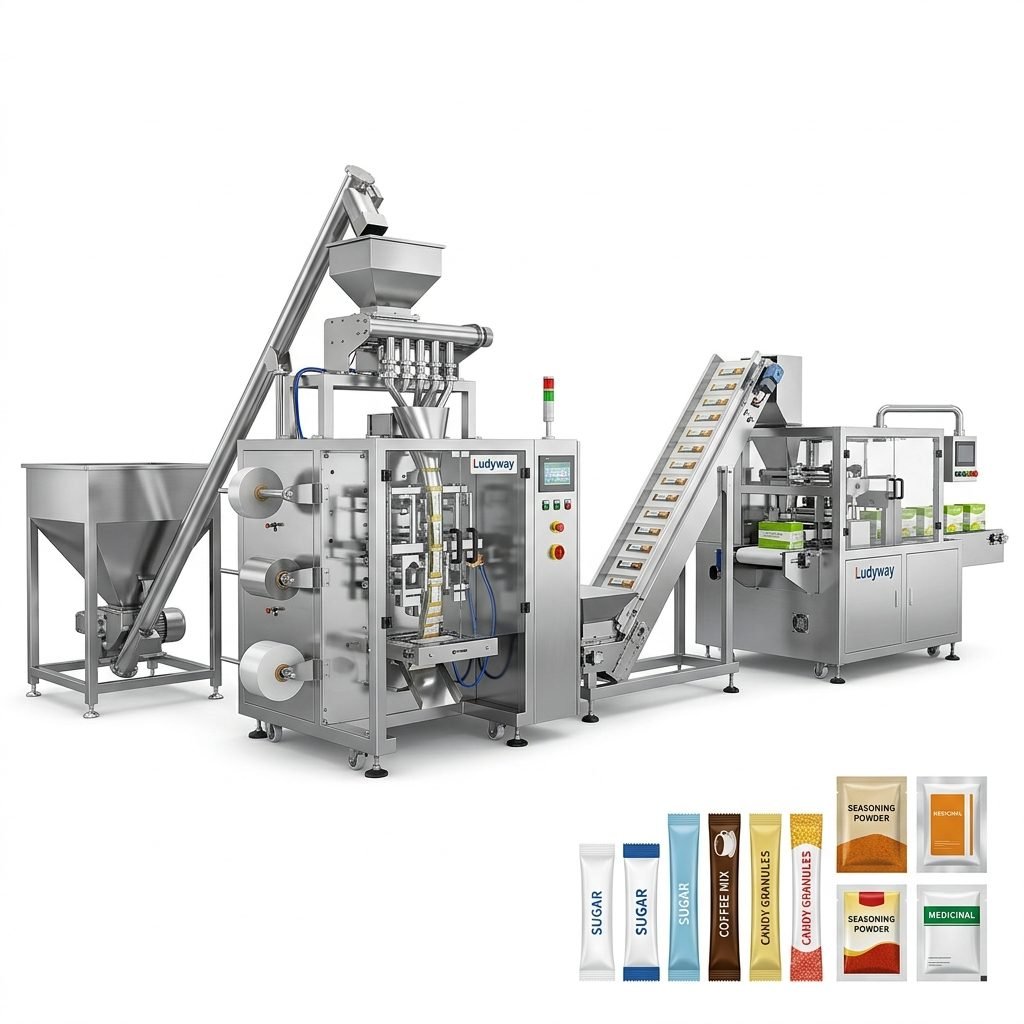
4. Fully Integrated Turnkey Packaging Lines
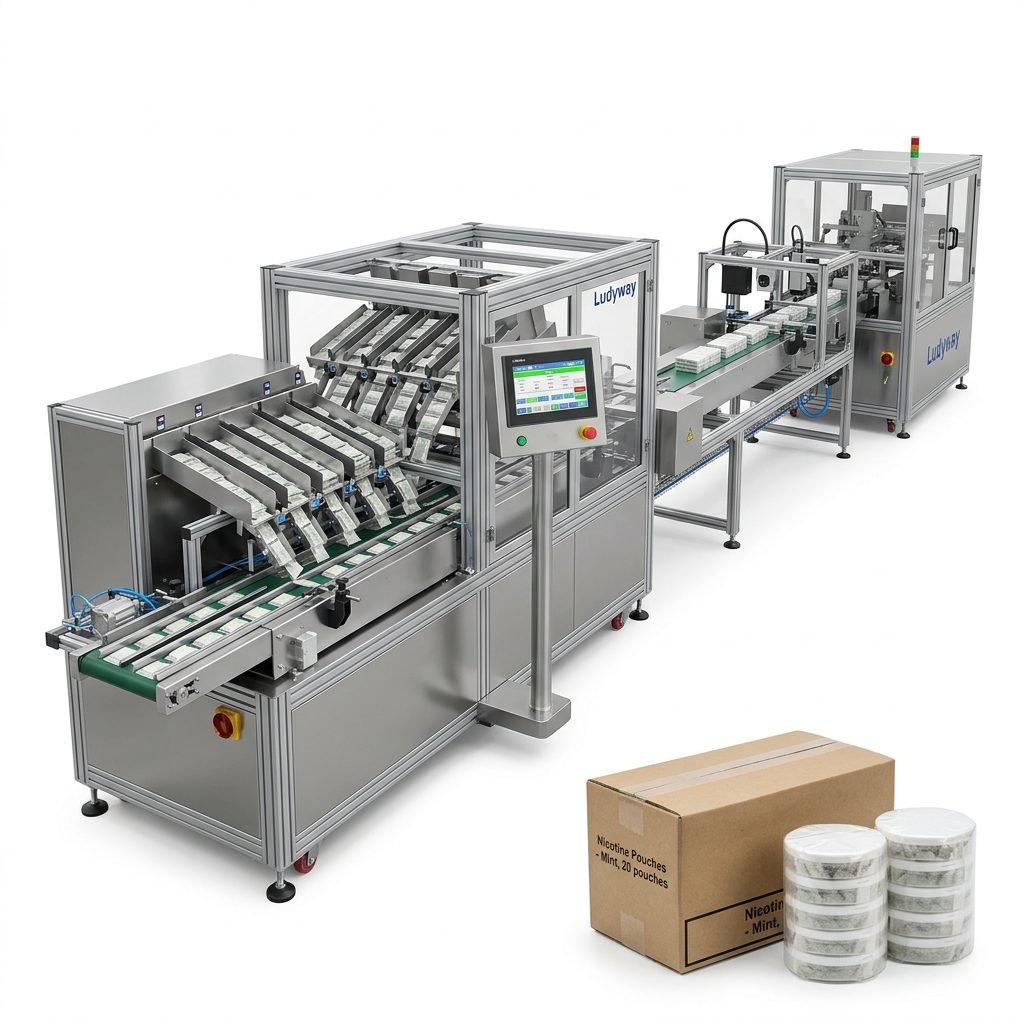
For medium to large factories, a standalone wrapper may not be enough. A turnkey line can include feeding, alignment, wrapping, checkweighing, metal detection, cartoning, case packing, and palletizing. This is often the best option for companies pursuing long-term automation.
How to Choose the Best Solution for Efficient Chocolate Bar Wrapping
Understand Your Product Characteristics First
Before comparing machine models, define your product clearly. This is the foundation of proper machine selection.
| Selection Factor | Why It Matters |
|---|---|
| Bar dimensions | Machine infeed, film forming, and seal length must match product size range |
| Product texture | Soft, sticky, or fragile bars require gentler handling and stable transfer |
| Chocolate coating | Coated bars may be sensitive to heat, pressure, and ambient temperature |
| Packaging format | Pillow pack, foil wrap, paper wrap, or multipack all require different machine designs |
| Output target | Determines whether you need a standard, servo-driven, or high-speed automated line |
If your chocolate bars vary significantly in size or recipe, choose a machine with easy adjustment and recipe memory. This helps reduce changeover time and makes production more flexible.
Match Machine Speed with Real Production Demand
A common mistake is choosing the fastest machine available without considering upstream and downstream capacity. The best solution is not necessarily the one with the highest speed on paper. It is the one that delivers stable speed in real factory conditions.
Ask these questions:
- How many bars per minute do you actually need today?
- What growth do you expect in the next 2–3 years?
- Can your cooling tunnel, conveying, cartoning, and case packing keep up?
- Will your packaging materials support high-speed sealing?
It is often better to choose a machine that runs reliably at your target speed than a faster machine that creates frequent stoppages.
Check Film Compatibility and Sealing Performance
Chocolate bar wrapping quality depends heavily on film handling and seal integrity. The packaging machine should be compatible with the film structure you plan to use, such as laminated film, metallized film, paper-based wrap, or foil combinations.
Good sealing performance helps preserve freshness, prevents leakage of crumbs or fillings, and improves retail presentation. If your bars contain nuts, caramel, wafer fragments, or sticky fillings, sealing control becomes even more important.
- Verify seal consistency at your required speed
- Check temperature control precision
- Evaluate film tracking accuracy
- Confirm easy film roll replacement
- Review scrap and rejection rates during trials
Consider Product Protection During Feeding and Transfer
Chocolate bars can be damaged before they are even wrapped. Infeed stability, spacing control, and synchronized transfer are essential. Look for machine designs that minimize collision, reduce pressure, and maintain orientation.
This is particularly important for:
- Soft-filled candy bars
- Chocolate-coated wafer bars
- Bars with decorative toppings
- Products packaged immediately after cooling
Prioritize Automation and Easy Operation
Modern candy factories benefit from servo-driven control, touchscreen HMI, recipe storage, fault alarms, automatic film tracking, and simplified format changeovers. These features reduce operator dependency and help maintain consistent output across shifts.
Look for practical automation features such as:
- Automatic product feeding and spacing
- Servo-controlled sealing and cutting
- Touchscreen parameter adjustment
- Error diagnosis and alarm display
- Quick-clean design for hygiene and maintenance
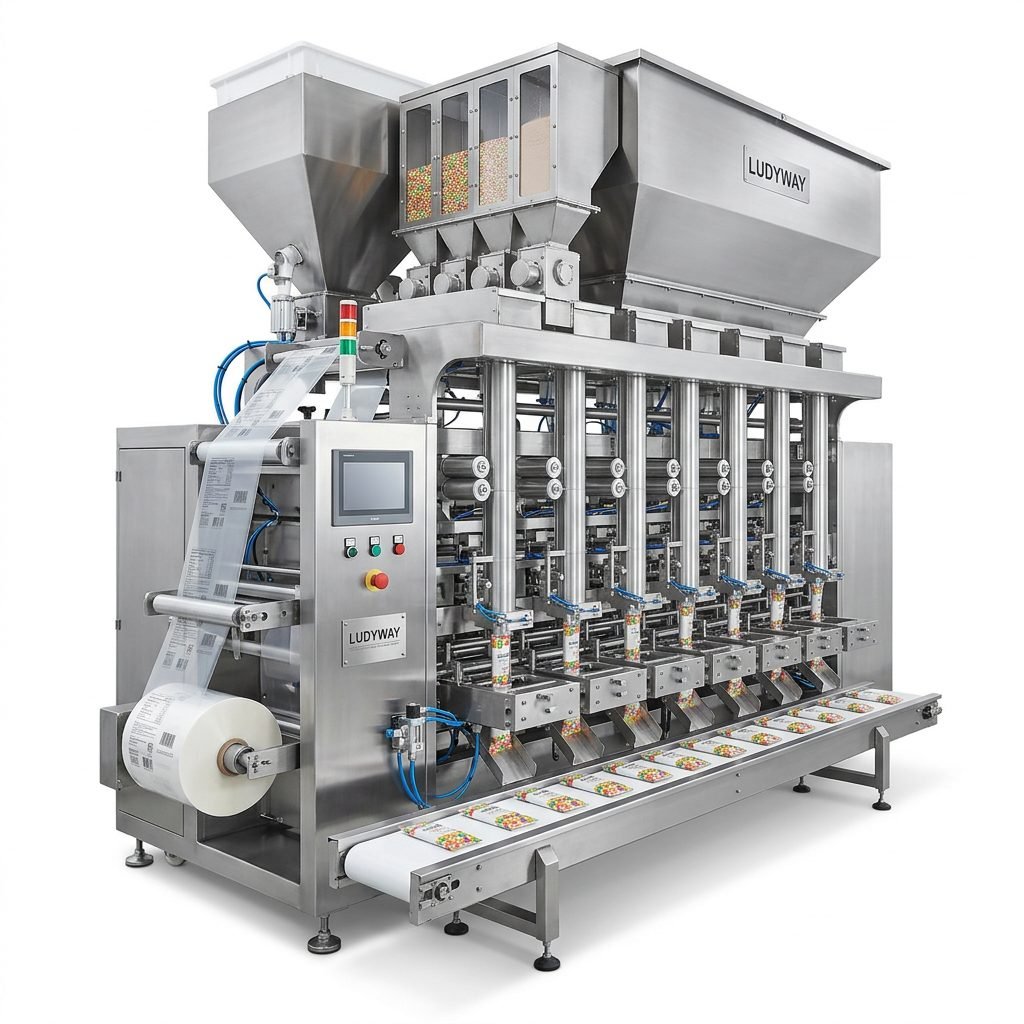
Essential Features to Look for in a Chocolate Bar Wrapping Machine
| Feature | Benefit |
|---|---|
| Servo motion control | Higher precision, smoother operation, easier adjustments |
| Automatic feeding system | Reduces labor and improves line consistency |
| Photoelectric registration | Accurate print mark tracking for clean packaging appearance |
| Quick changeover | Useful for factories with multiple bar SKUs |
| Safety guarding | Improves workplace safety and compliance |
| Integration capability | Supports connection to cartoners, checkweighers, and case packers |
When to Choose a Standalone Machine vs. a Complete Packaging Line
Choose a Standalone Machine If:
- Your output is still moderate
- You are testing a new bar product
- Your existing upstream and downstream equipment is compatible
- You need a lower initial investment
Choose a Complete Line If:
- You have high-volume daily production
- You want to reduce labor across the entire wrapping section
- You need better traceability and quality control
- You are planning export-oriented or retail-scale growth
- You want a single supplier responsible for line integration
For growing chocolate manufacturers, turnkey systems often provide stronger long-term value because they reduce bottlenecks between processes and simplify future expansion.
Questions to Ask Before Buying
- What chocolate bar sizes can the machine handle?
- What is the stable running speed under actual production conditions?
- Can it handle delicate or coated bars without deformation?
- Which packaging materials are supported?
- How long does product changeover take?
- Is technical support available for installation and training?
- Can the machine be integrated into a future automatic packaging line?
- What spare parts and after-sales service are included?
Common Mistakes to Avoid
- Buying based only on price instead of total lifecycle value
- Ignoring chocolate sensitivity to temperature and transfer pressure
- Underestimating the importance of sealing tests
- Choosing a machine with poor flexibility for future SKU changes
- Overlooking after-sales support and spare parts availability
A lower-cost machine may become more expensive over time if it causes frequent downtime, inconsistent pack quality, or high film waste.
Choosing a Reliable Packaging Machine Partner
Beyond the machine itself, supplier capability matters. You should look for a manufacturer with strong engineering experience, export service capacity, and the ability to provide both standalone equipment and complete packaging lines. That makes future upgrades easier and reduces project risk.
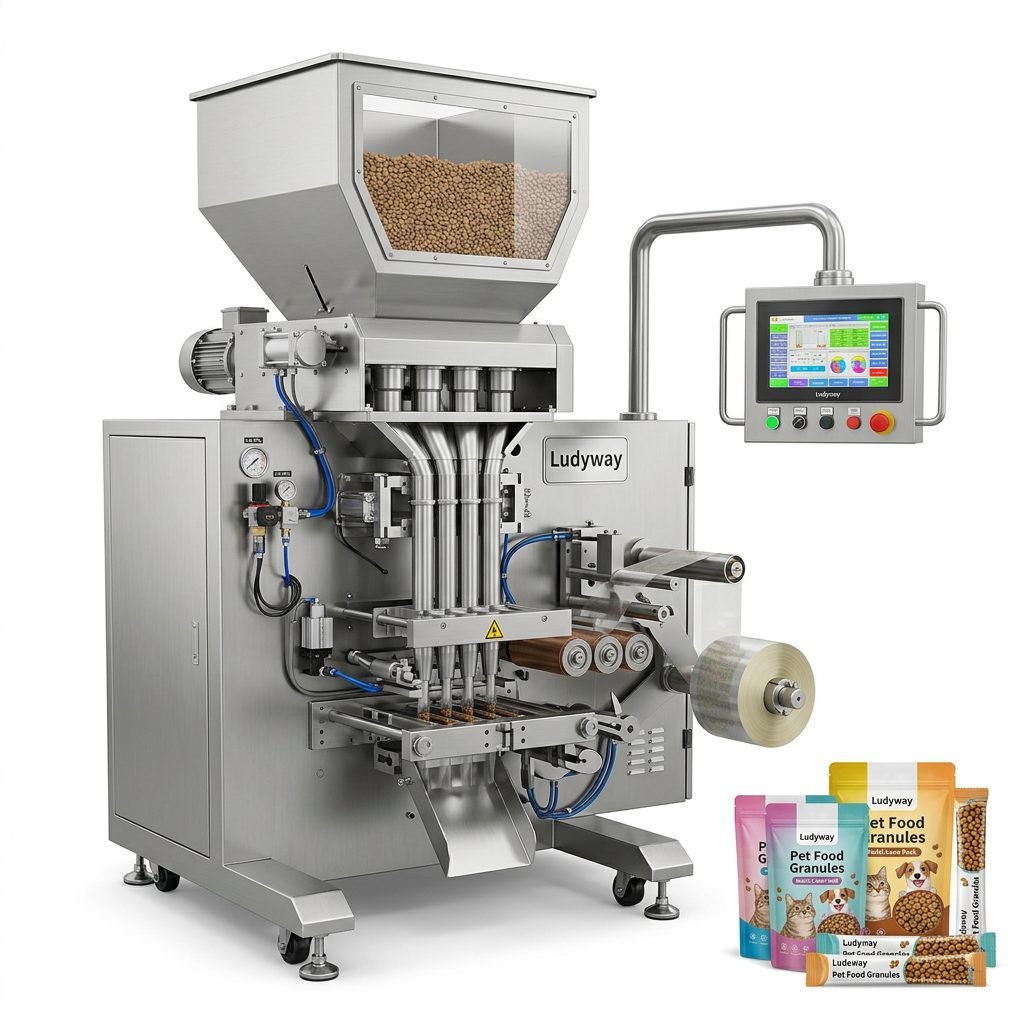
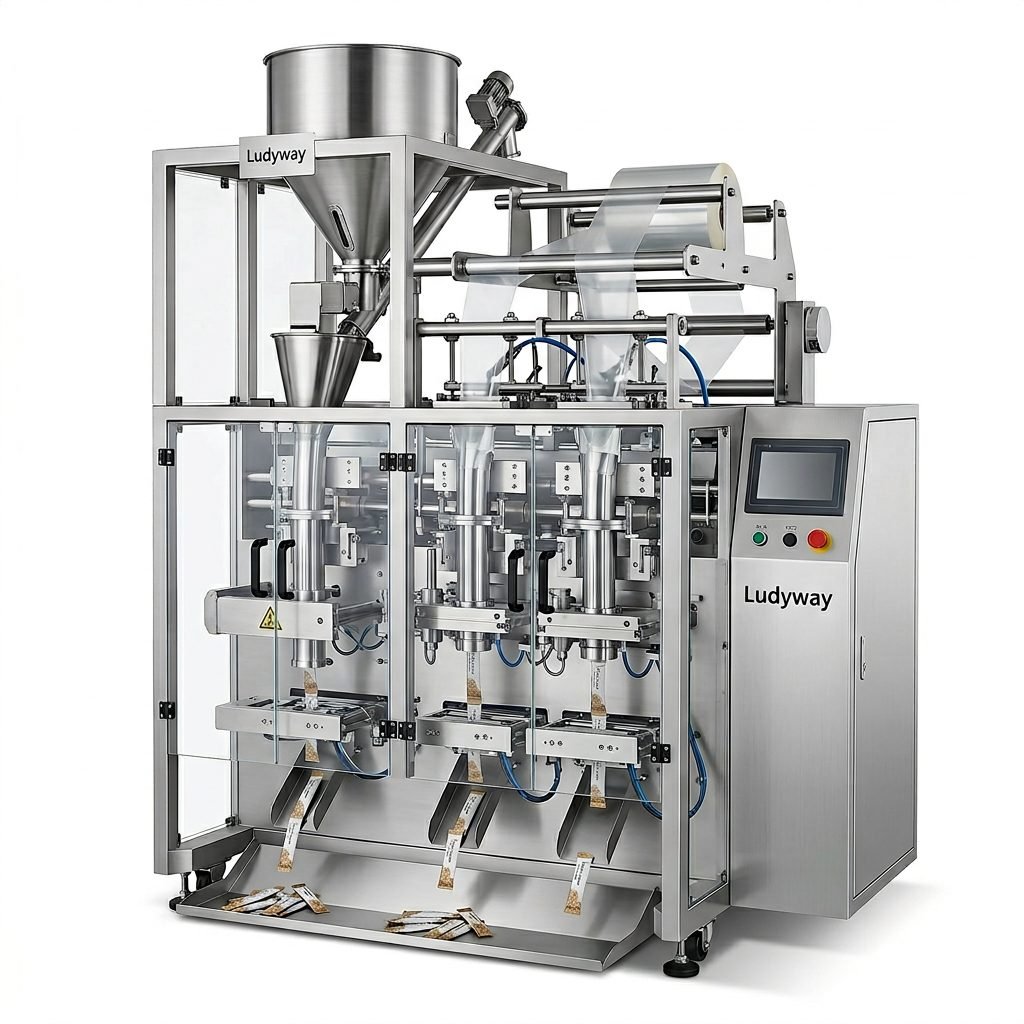
For buyers seeking scalable candy and chocolate packaging automation, Ludyway candy bar packaging machine solutions are backed by more than 30 years of manufacturing experience, a factory of over 20,000 square meters, and broad expertise in automatic packaging equipment and turnkey packaging lines for food and related industries.
Final Buying Insight
The best candy bar packaging machine is the one that fits your product type, wrapping format, output goals, factory conditions, and growth strategy. Start with your chocolate bar characteristics, verify wrapping and sealing performance through testing, and choose a system that balances speed, flexibility, and reliability.
If you plan carefully, the right wrapping solution can help you achieve better pack quality, lower labor dependence, stronger efficiency, and a more competitive confectionery production line.