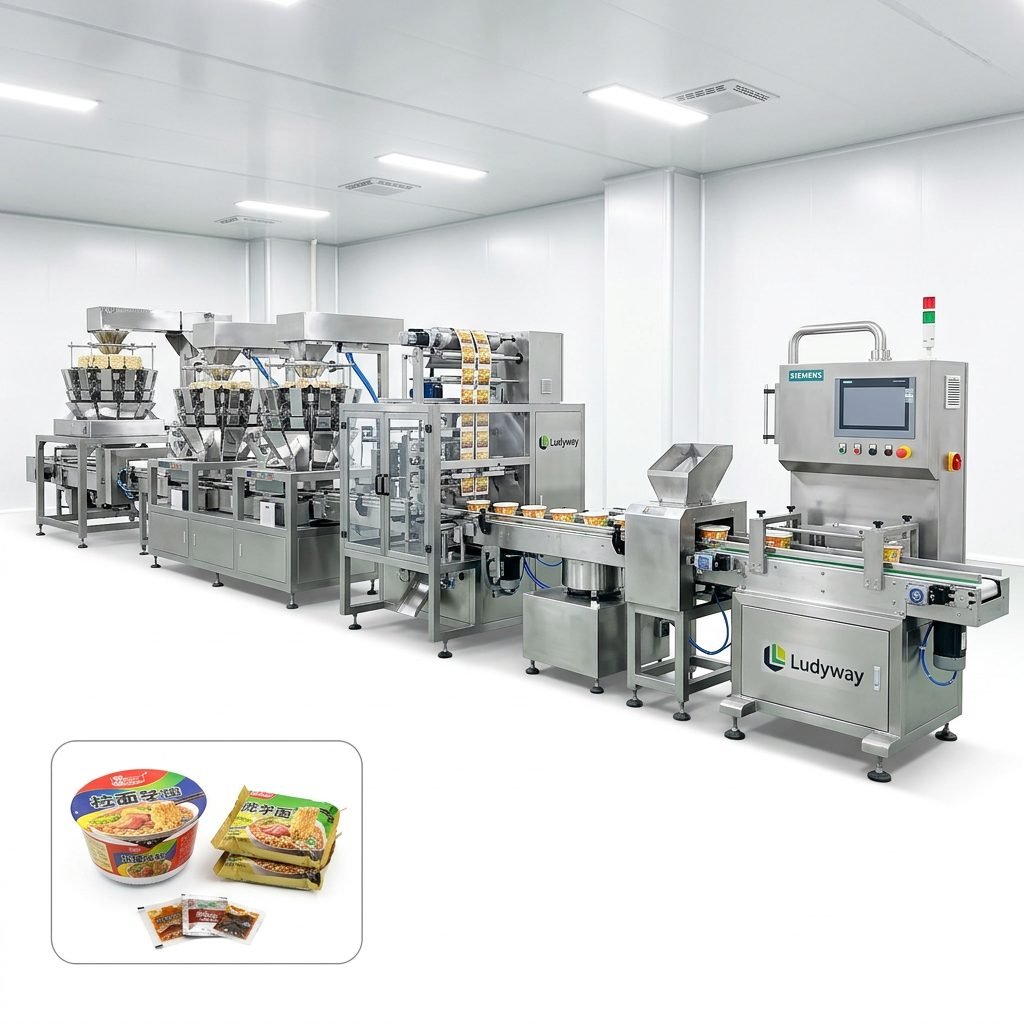
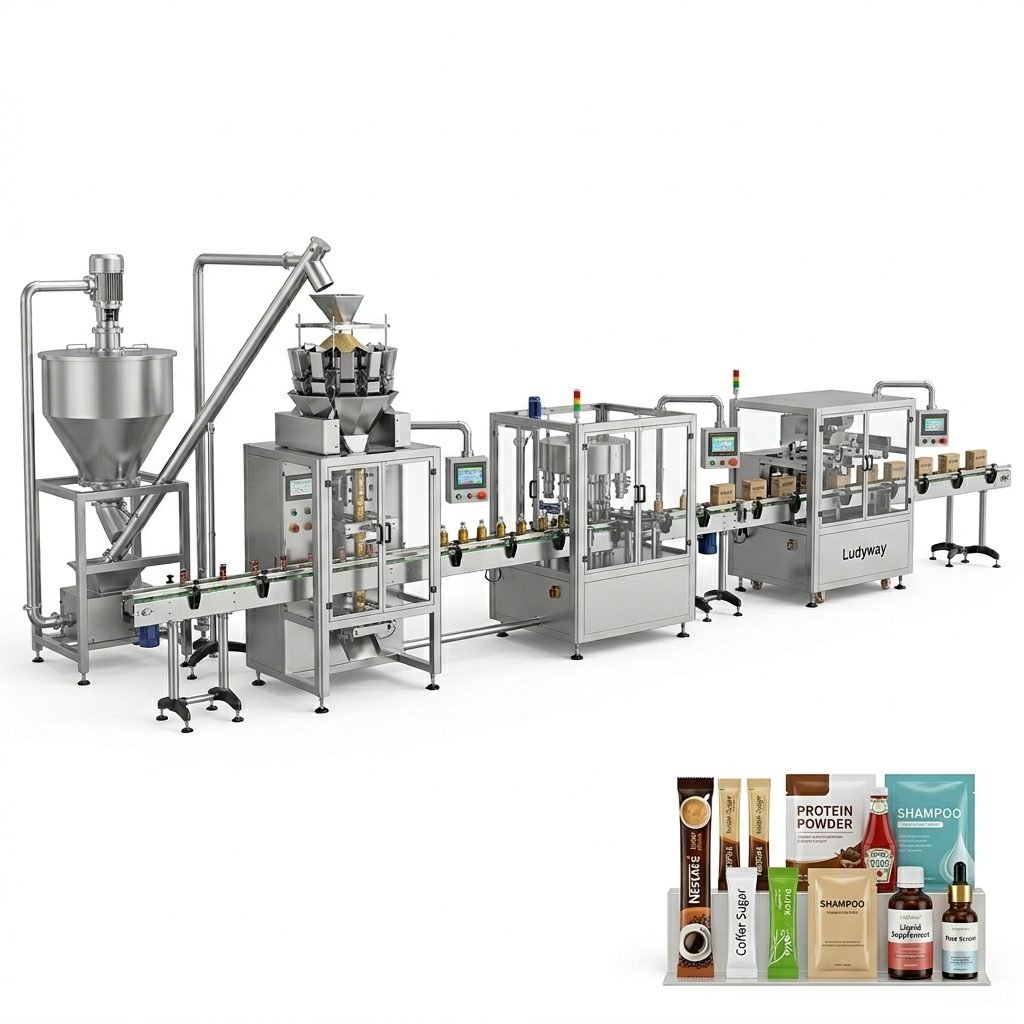
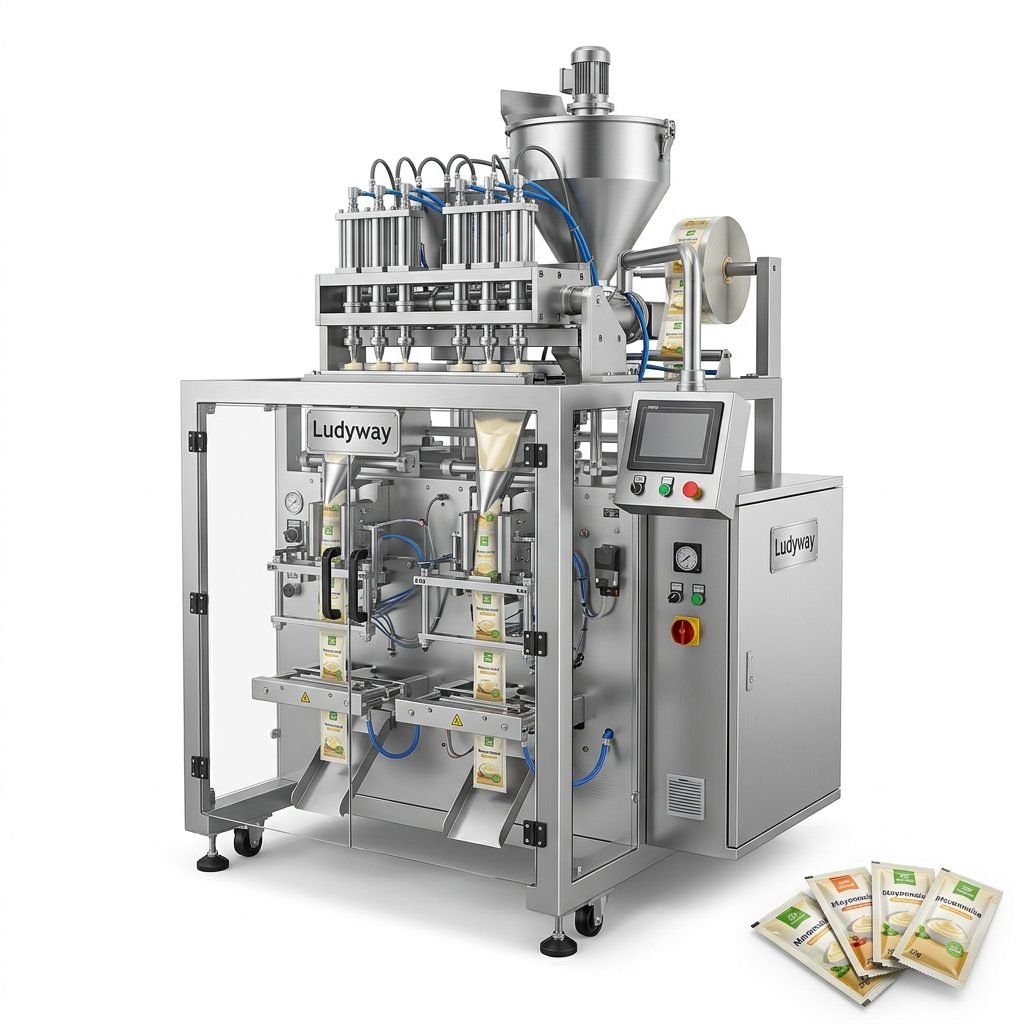
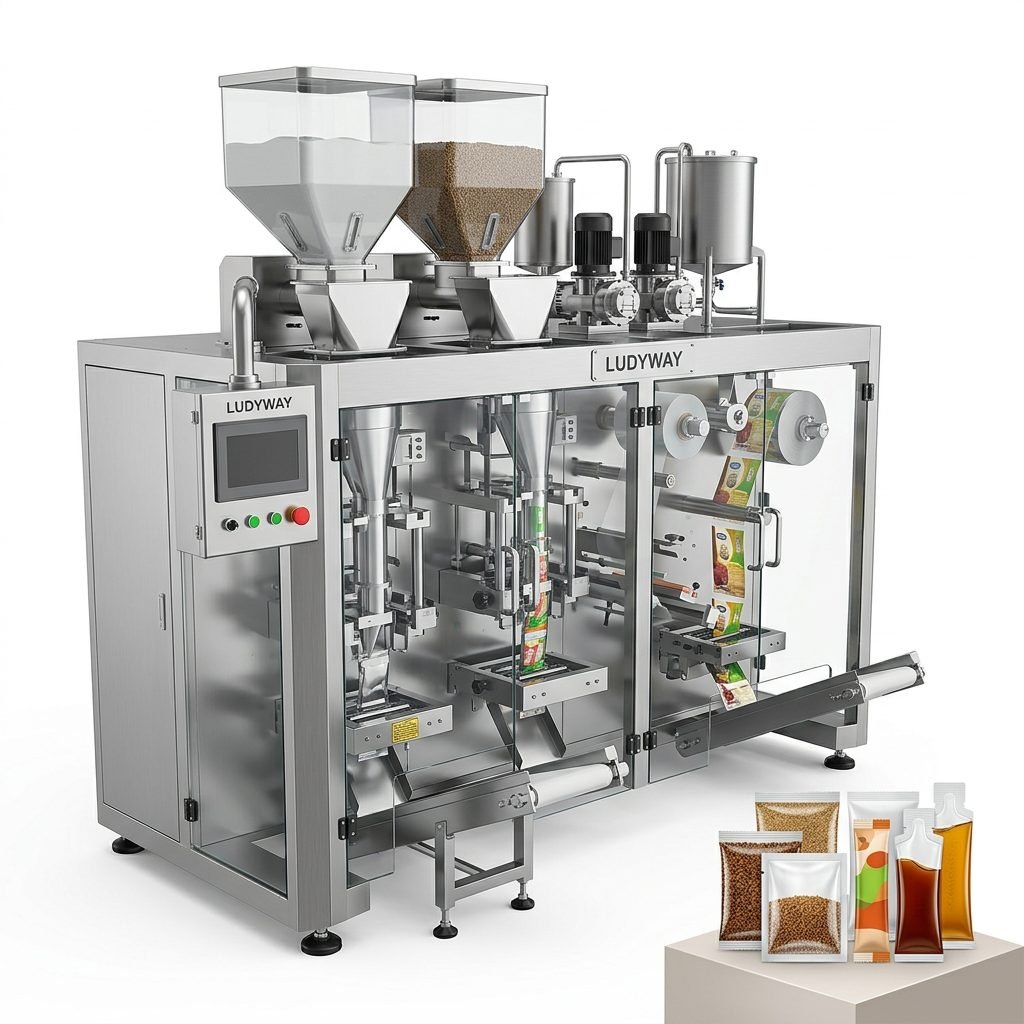
Selecting the right packaging machine for bakery products is a critical decision that impacts production efficiency, product freshness, presentation, and overall profitability. From delicate pastries and artisan bread to cookies and cake mixes, the packaging needs of the bakery sector are diverse and demanding. This comprehensive guide explores the different types of bakery packaging machines, their key features, and provides a step-by-step framework to help you choose the best system for your operation.
Understanding Bakery Packaging Requirements
Bakery products present unique challenges for packaging. They range from fragile and crumbly to moist and soft, often requiring protection from physical damage, moisture loss (or gain), and staleness. Furthermore, visual appeal is paramount in a retail environment. An effective packaging system must address:
- Product Protection: Shielding from contamination, physical damage, and environmental factors.
- Freshness Preservation: Extending shelf life through modified atmosphere packaging (MAP) or high-barrier materials.
- Brand Presentation: Creating an attractive, clear window or print area to showcase the product.
- Operational Efficiency: Matching the machine’s speed and automation level to your production volume.
- Flexibility: The ability to handle different product sizes, shapes, and packaging materials with quick changeovers.
Core Types of Bakery Products Packaging Machines
The bakery industry utilizes several specialized packaging technologies. Understanding their functions is the first step in selection.
1. Vertical Form-Fill-Seal (VFFS) Machines
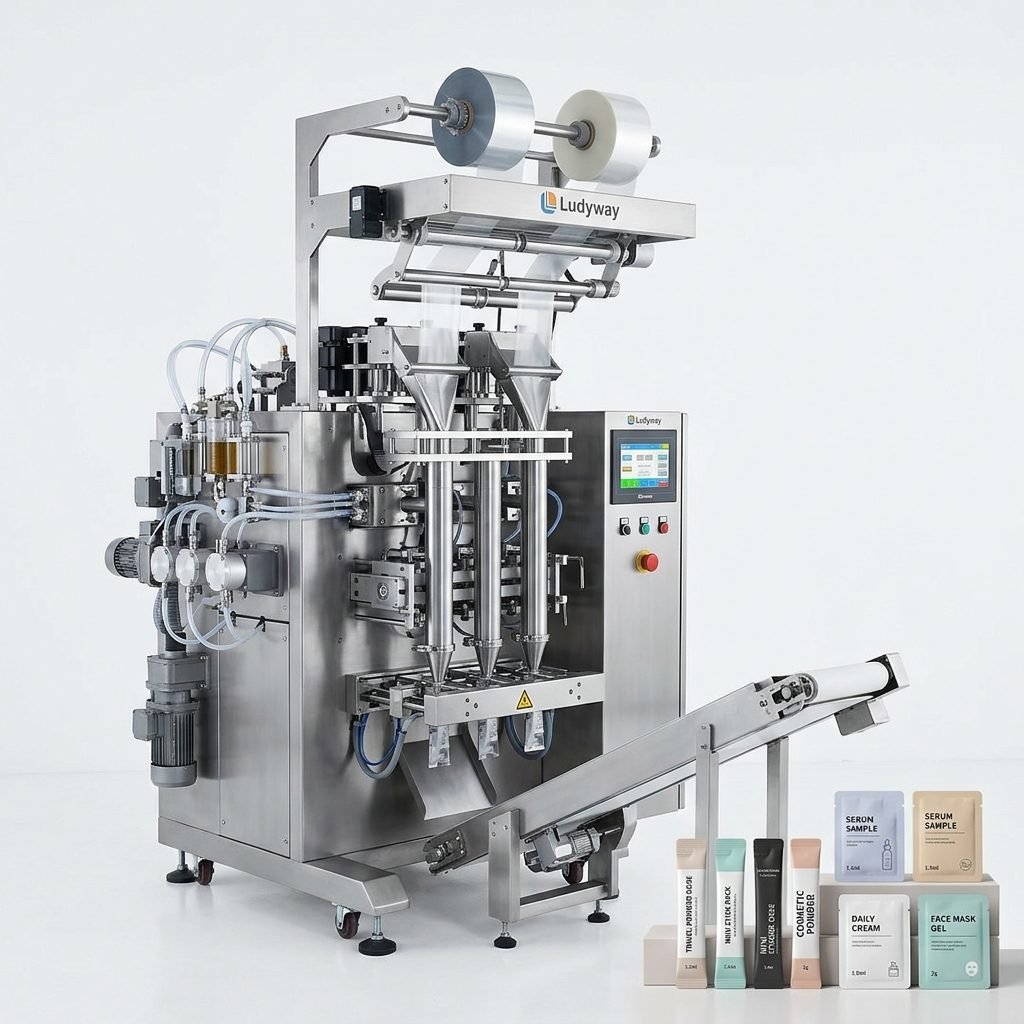
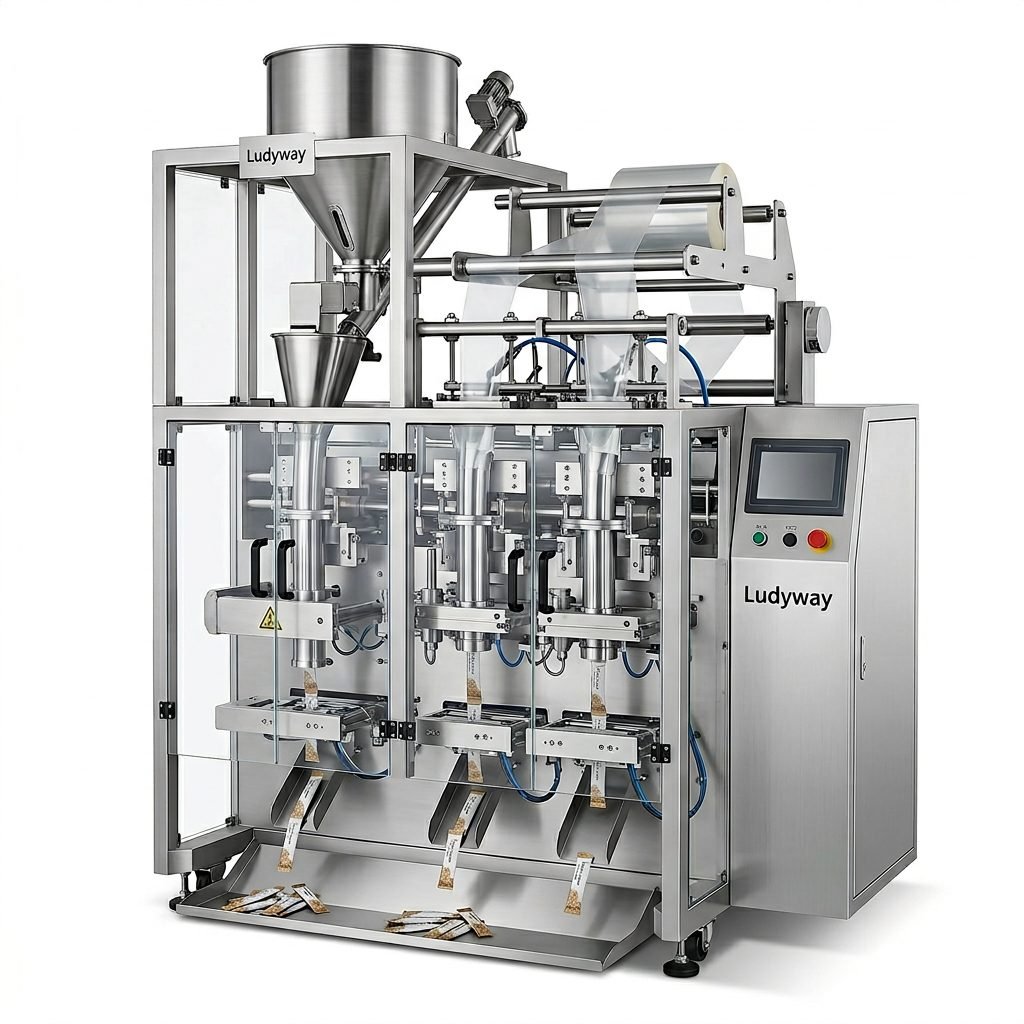
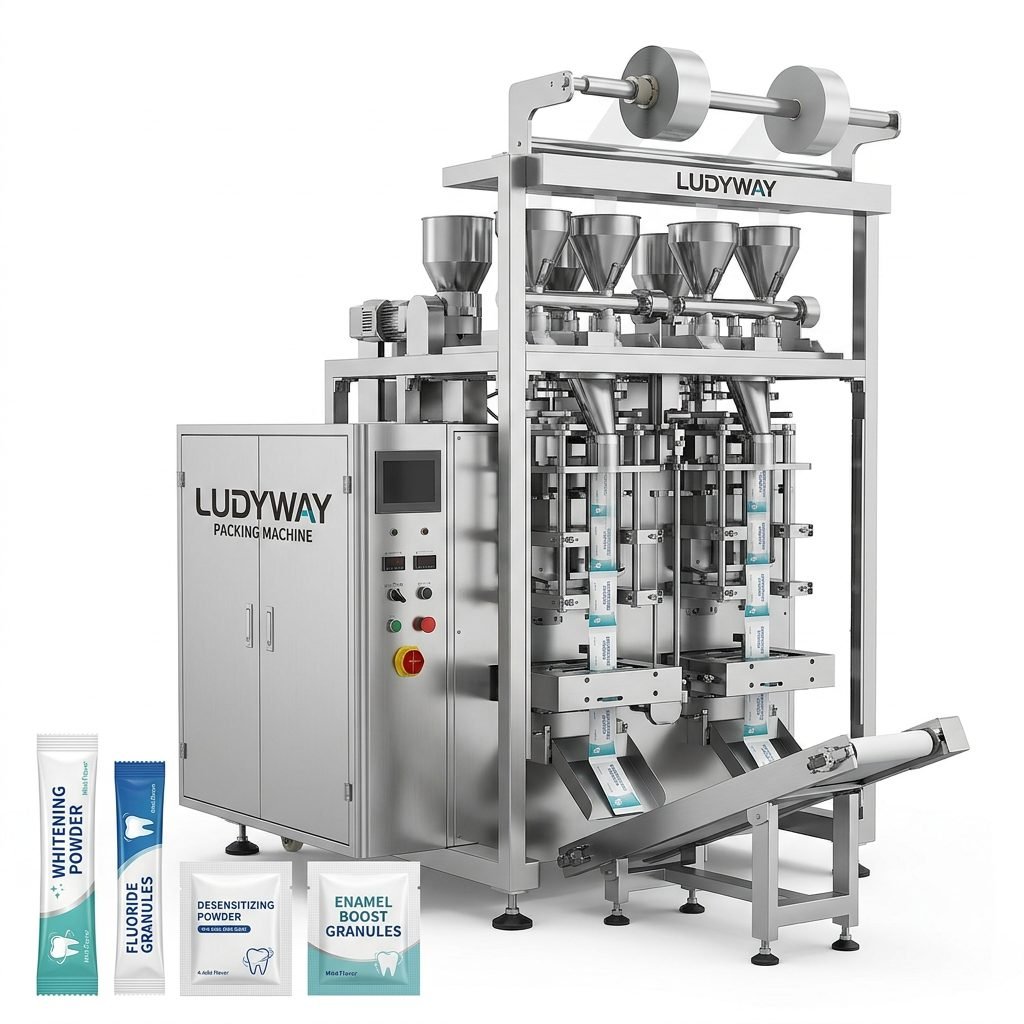
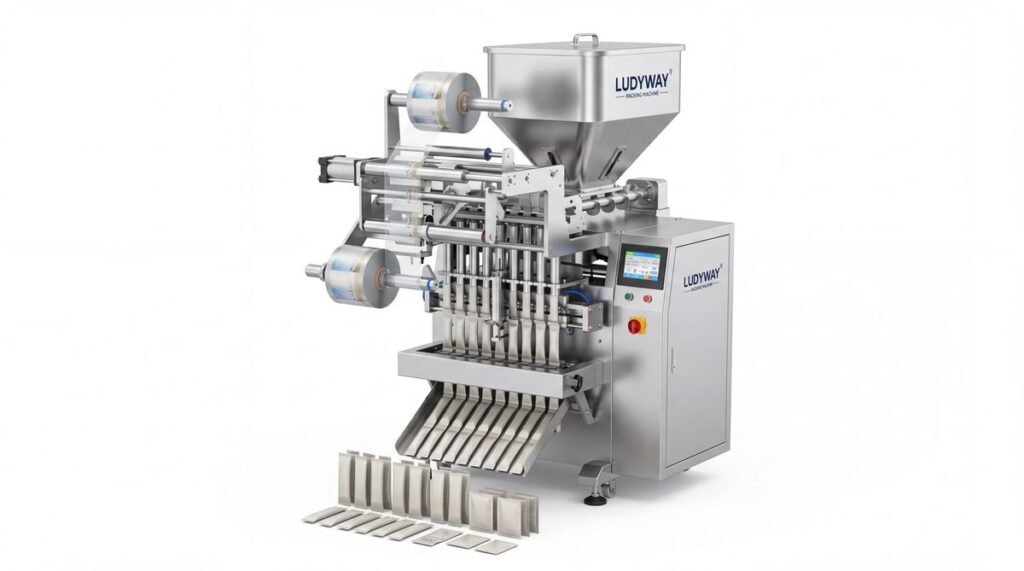
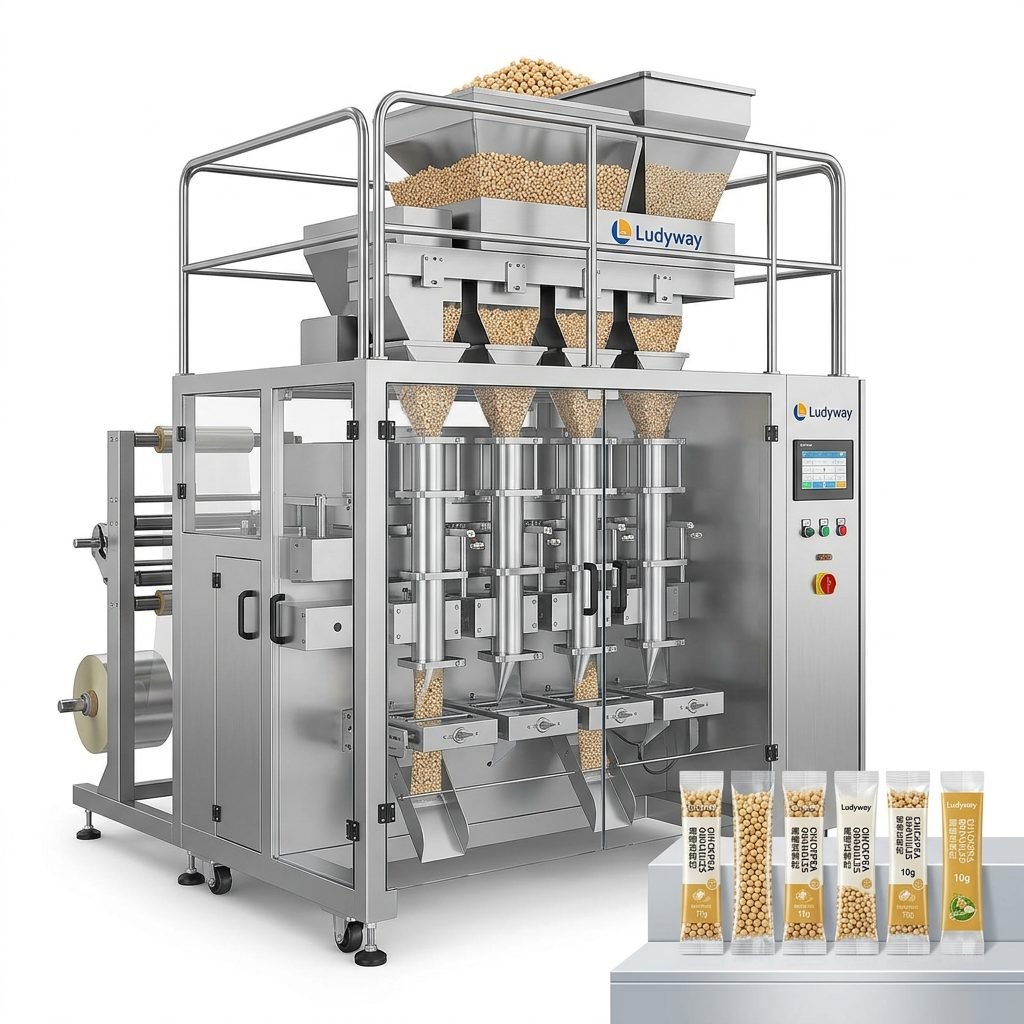
These are the workhorses for packaging free-flowing and semi-free-flowing bakery items like cookies, crackers, croutons, cake mixes, and flour. A VFFS machine forms a bag from a roll of film, fills it with product, and seals it—all in one continuous vertical motion. They are highly efficient for high-volume production of uniform items.
Best for: Loose baked goods, powders, granular mixes, pre-portioned ingredients.
2. Horizontal Flow Wrappers
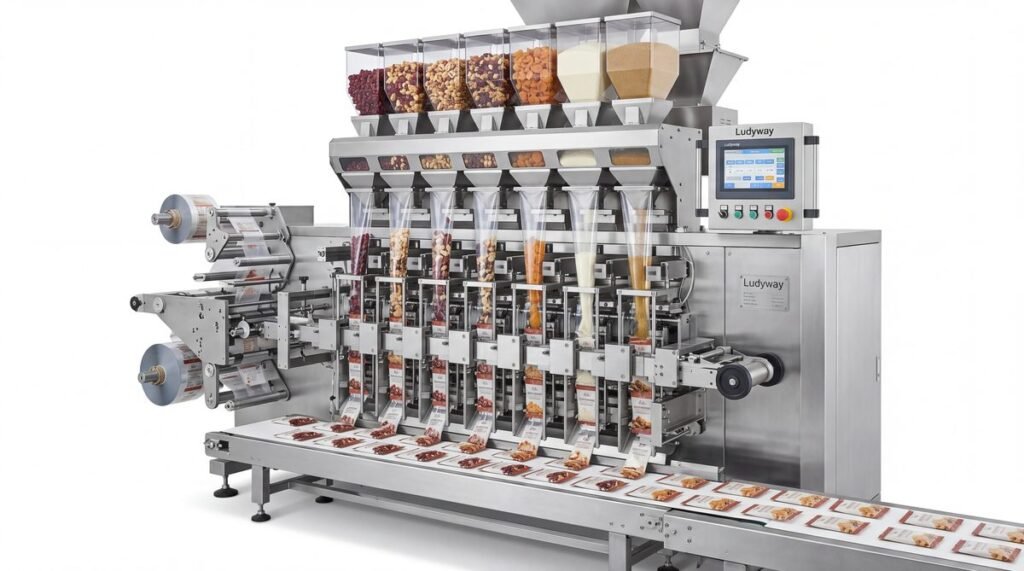
Ideal for individually wrapping items like bread rolls, muffins, pastries, bars, and biscuits. The product is placed on a sheet of film which is then folded around it and sealed at the ends and back. This method provides a snug, attractive finish that conforms to the product’s shape, often with a fin seal or pillow pack appearance.
Best for: Individual portion packaging, items that need a tight wrap for freshness.
3. Tray Sealing & Thermoforming Machines
Used for packaging delicate, high-value, or non-uniform items like frosted cupcakes, whole cakes, tartlets, or layered desserts. A pre-formed tray or a thermoformed cavity holds the product, and a lidding film is heat-sealed on top. This method offers superior protection and premium presentation, often with clear viewing windows. Modified Atmosphere Packaging (MAP) capabilities are common here to drastically extend shelf life.
Best for: Delicate pastries, premium desserts, products requiring MAP, ready-to-eat bakery items.
4. Bagging Machines (Pre-Made Bags)
These systems use pre-manufactured bags (e.g., stand-up pouches, flat bags) into which products like bread loaves, bagels, or large cookies are automatically or semi-automatically inserted before sealing. They are excellent for branded, custom-printed packaging and offer great flexibility in bag style and material.
Best for: Artisan bread, large or irregularly shaped items, brands with established custom pouch designs.
Essential Features to Evaluate
Beyond the machine type, specific features determine performance, reliability, and suitability.
Speed and Production Capacity
Measured in packages per minute (PPM). Align the machine’s maximum speed with your current and projected output. Over-specifying can be as costly as under-specifying.
Flexibility and Changeover Time
How quickly can you switch between different product sizes or packaging materials? Look for machines with tool-less adjustments or quick-change parts to minimize downtime for small-batch or varied production runs.
Sealing Technology and Integrity
Consistent, strong seals are non-negotiable for food safety and freshness. Evaluate the sealing mechanism (heat, impulse, ultrasonic) for compatibility with your packaging films and its reliability under production conditions.
Automation Level and Integration
Consider upstream integration with depositors, scales, or conveyors, and downstream integration with case packers or labeling systems. The right level of automation reduces labor costs and improves consistency.
Hygienic Design and Ease of Cleaning
Bakery environments demand easy-to-clean equipment. Look for stainless steel contact surfaces, smooth edges, and designs that allow for quick disassembly and sanitation to meet food safety standards.
Control System and User Interface
A modern, intuitive PLC-based touchscreen interface simplifies operation, stores recipes for different products, and provides diagnostic information for easier maintenance.
How to Choose the Best Bakery Packaging System: A Step-by-Step Guide
Your Selection Checklist
Follow this structured approach to make an informed investment.
- Define Your Product Portfolio: List all products you need to package, noting their physical state (solid, granular, fragile), size, shape, and sensitivity.
- Analyze Production Volume: Calculate your average and peak daily/weekly output. This is the primary driver for machine speed and automation requirements.
- Determine Packaging Materials: Decide on the film type (e.g., polypropylene, metallized film for barrier), bag style, and whether you need features like resealable zippers or degassing valves for fresh coffee packaging.
- Assess Floor Space and Utilities: Measure your available space and ensure you have the necessary electrical and compressed air supply for the machine.
- Set a Realistic Budget: Include not just the machine cost, but also installation, training, spare parts, and potential future upgrades.
- Research and Shortlist Suppliers: Look for manufacturers with proven experience in the bakery sector. Review their company profile and history to gauge their expertise and stability.
- Request Demonstrations and References: Always see the machine run, preferably with a product similar to yours. Ask for customer references in the bakery industry.
- Evaluate Support and Service: Ensure the supplier offers comprehensive after-sales support, including training, technical assistance, and readily available spare parts. A partner like Ludyway Machinery, with decades of industry focus, can provide invaluable long-term support.
Partnering with the Right Manufacturer
Your packaging machine supplier should be a strategic partner. A manufacturer with deep industry knowledge, like Ludyway Packaging Machinery, can offer more than just a machine—they provide a solution. They understand the nuances of bakery packaging, from handling delicate croissants to ensuring the long shelf life of dry mixes. Their experience in delivering turnkey solutions can help you navigate material selection, line integration, and optimization.
Frequently Asked Questions (FAQs)
Q1: What is the most cost-effective bakery packaging machine for a small startup?
A: For small-scale operations, semi-automatic bag sealers, tabletop vacuum sealers, or manual tray sealers often offer the lowest entry cost. However, consider your growth plan; a moderately priced automatic vertical form-fill-seal machine might offer better long-term value by saving labor as volume increases.
Q2: How can I extend the shelf life of my packaged bakery products?
A: Key methods include using high-barrier packaging materials, implementing Modified Atmosphere Packaging (MAP) technology (which replaces oxygen inside the package with nitrogen or other gases), and ensuring perfect seal integrity. The choice of machine (like a tray sealer with MAP) is crucial for this.
Q3: How important is machine flexibility for a bakery with many different products?
A: It is critical. Look for machines specifically designed for quick changeovers. Features like memory settings for different product dimensions, easily interchangeable forming tools, and wide adjustment ranges will significantly boost your operational efficiency and responsiveness to market demands.
Q4: Can one machine handle both bread and delicate pastries?
A: It’s challenging. Bread packaging often uses baggers or specific wrappers, while delicate pastries typically need the support of a tray or a gentle horizontal wrapper. It’s usually more effective to have dedicated machines for vastly different product types or to choose a highly adaptable system designed for a wide range of textures, though this may involve compromises.
Q5: What should I prioritize: speed or flexibility?
A: The priority depends on your business model. High-volume production of a few standard items prioritizes speed. A boutique or artisanal bakery with many low-volume SKUs must prioritize flexibility and quick changeovers. Analyze your product mix and sales data to guide this decision.