Selecting the right candy packaging machine is a critical decision for any confectionery business. The right equipment not only protects your product but also enhances its appeal, streamlines your production line, and optimizes your operational costs. This comprehensive guide will walk you through the different types of candy packaging machines, their key features, pricing considerations, and how to make the best choice for your specific needs.
Understanding Different Types of Candy Packaging Machines
The packaging process begins with choosing the right machine type. Each is designed for specific packaging formats and production scales.
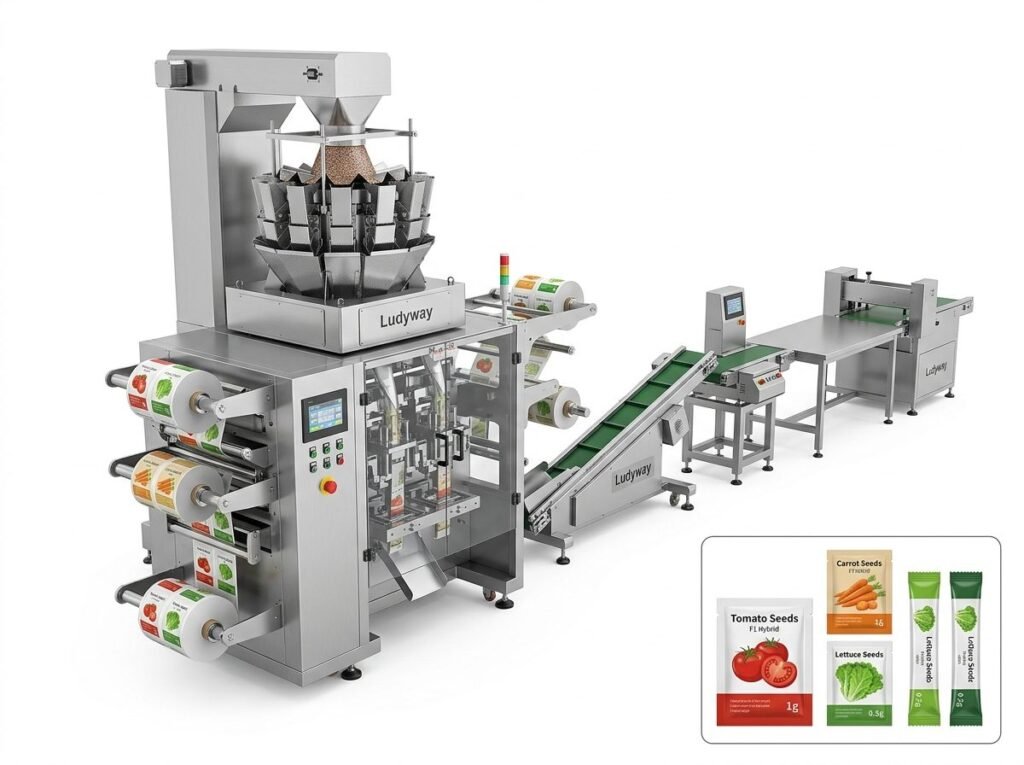
Vertical Form-Fill-Seal (VFFS) Machines
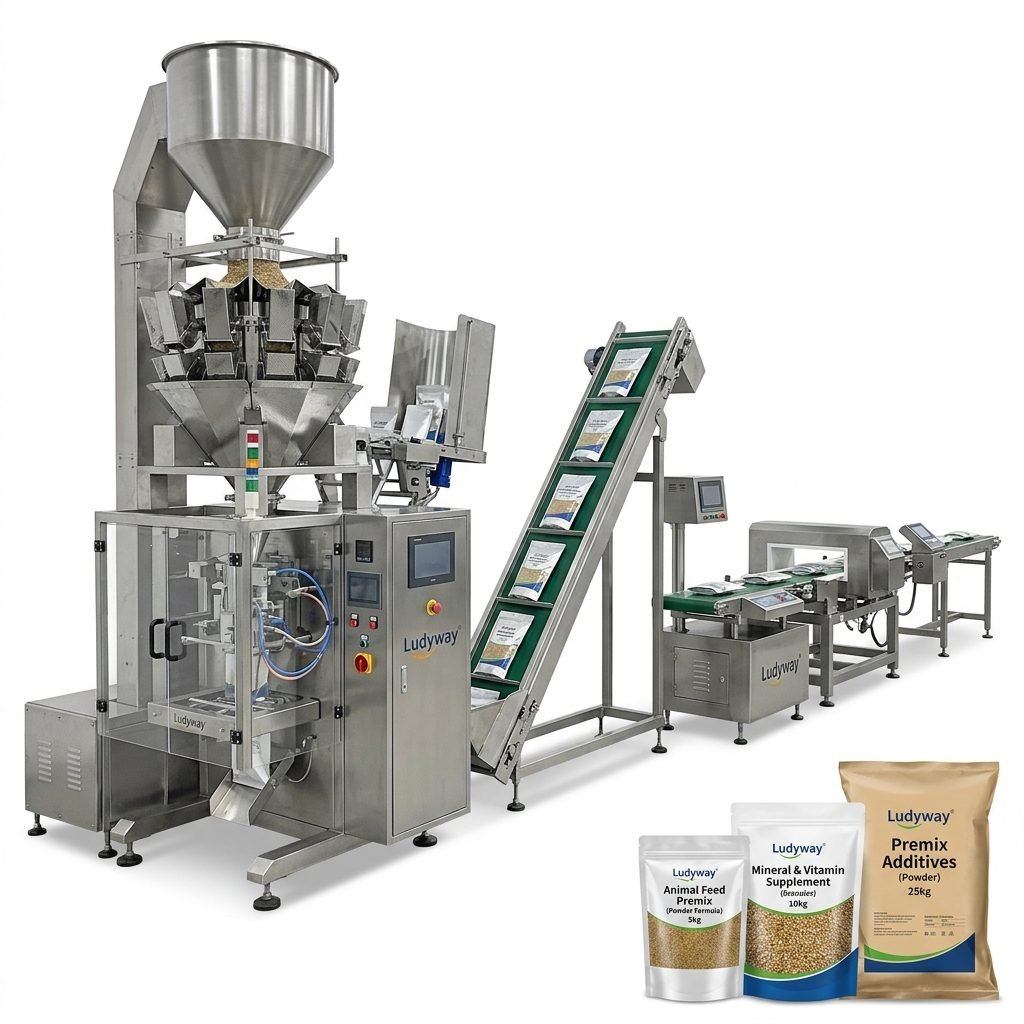
These are the workhorses of the industry, ideal for packaging loose candies like jelly beans, gummies, or hard candies into pillow-style bags. The machine forms a bag from a roll of film, fills it with the product, and seals it—all in one continuous vertical motion. They are highly versatile and efficient for medium to high-volume production.
Horizontal Flow Wrappers
Perfect for individually wrapping candy bars, toffees, or other single-piece items. The product is placed on a sheet of film which is then folded around it and sealed at the ends. This creates a tight, secure, and attractive wrap that is familiar to consumers worldwide.
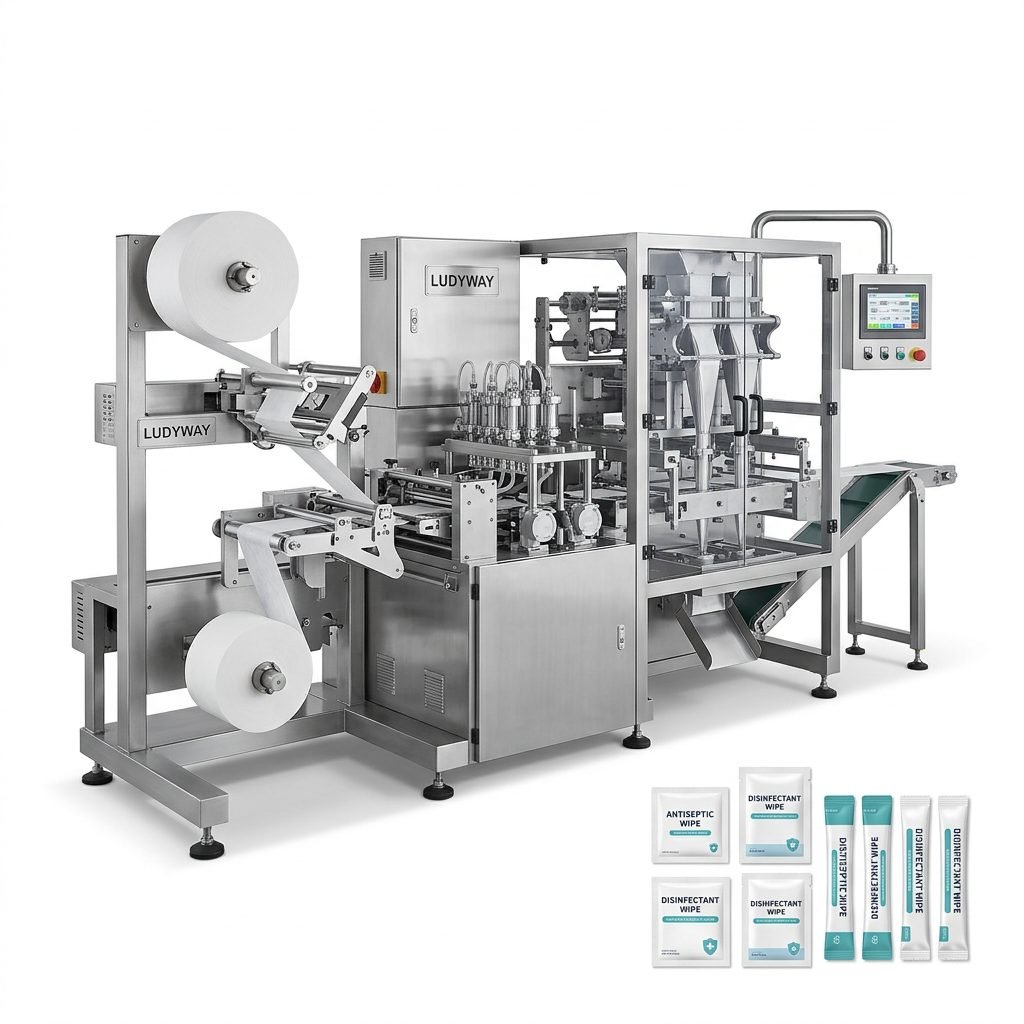
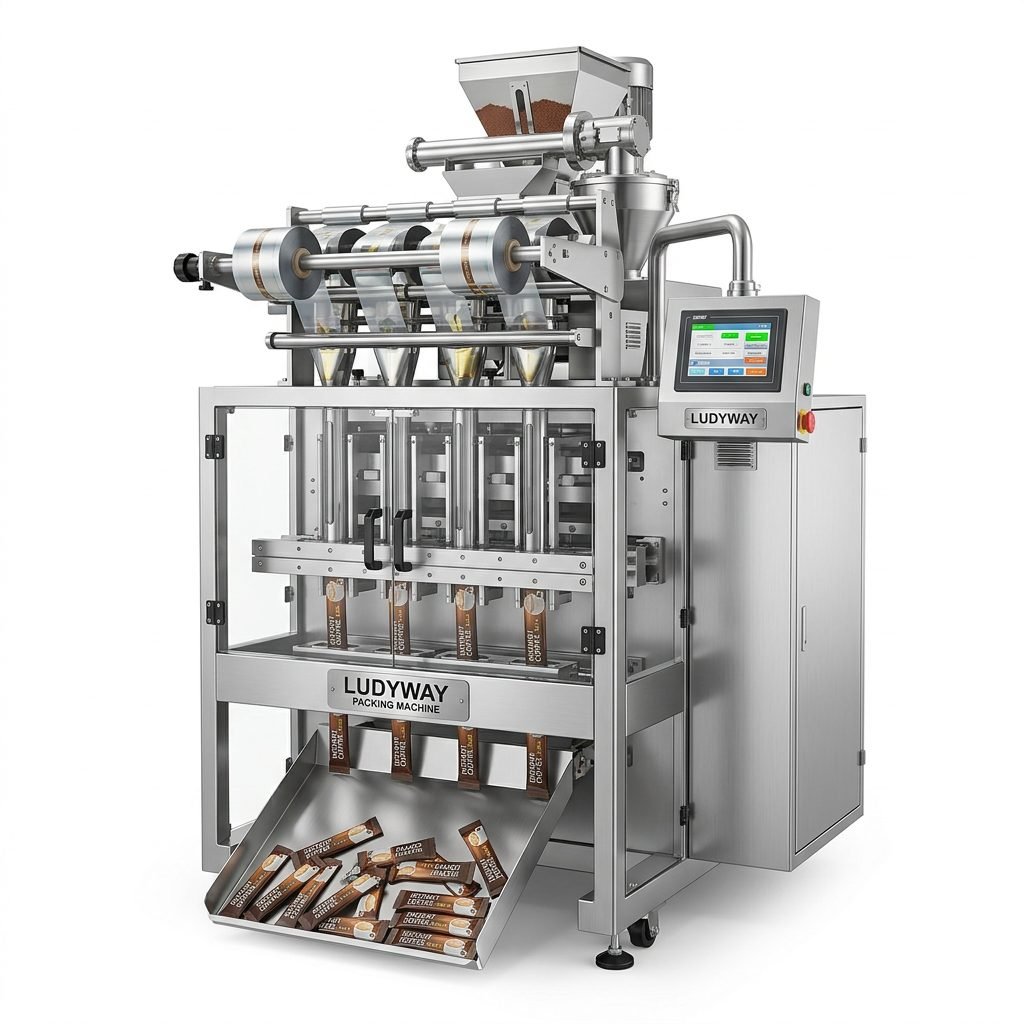
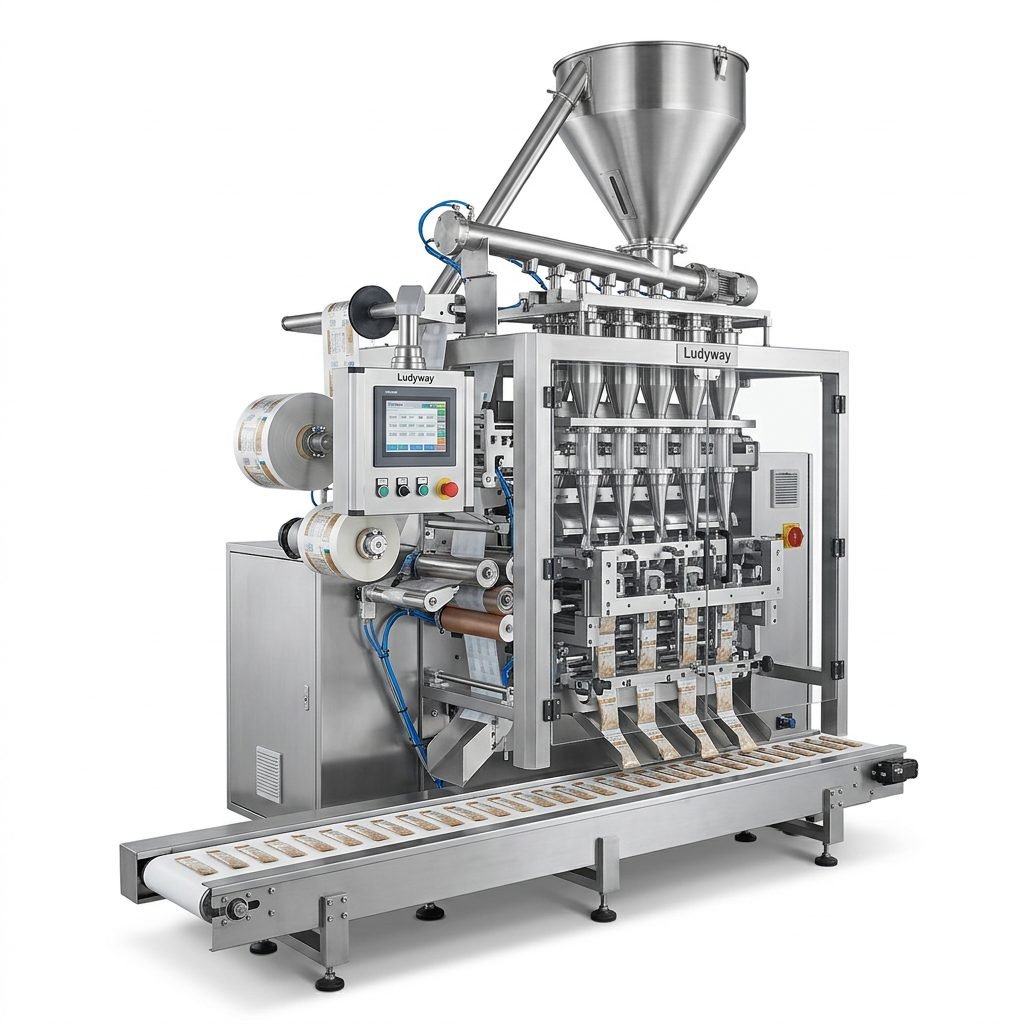
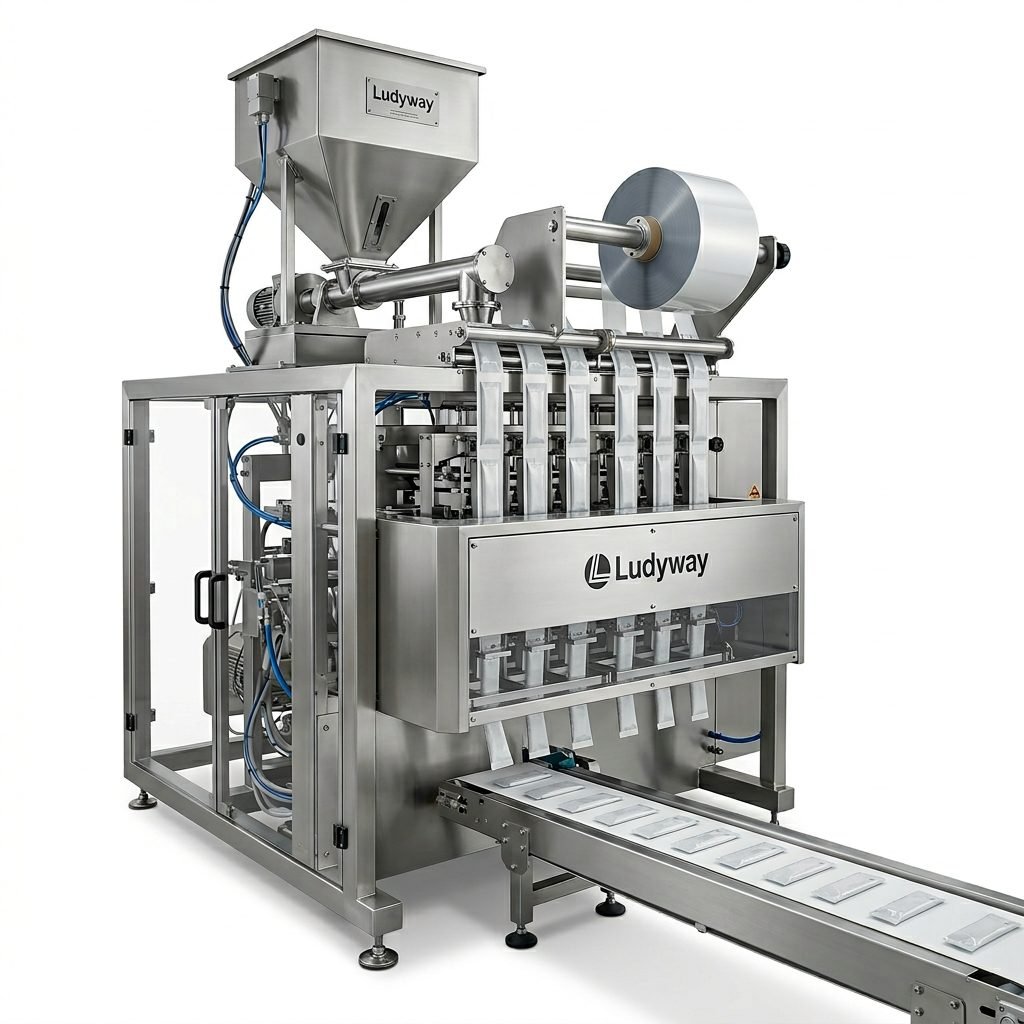
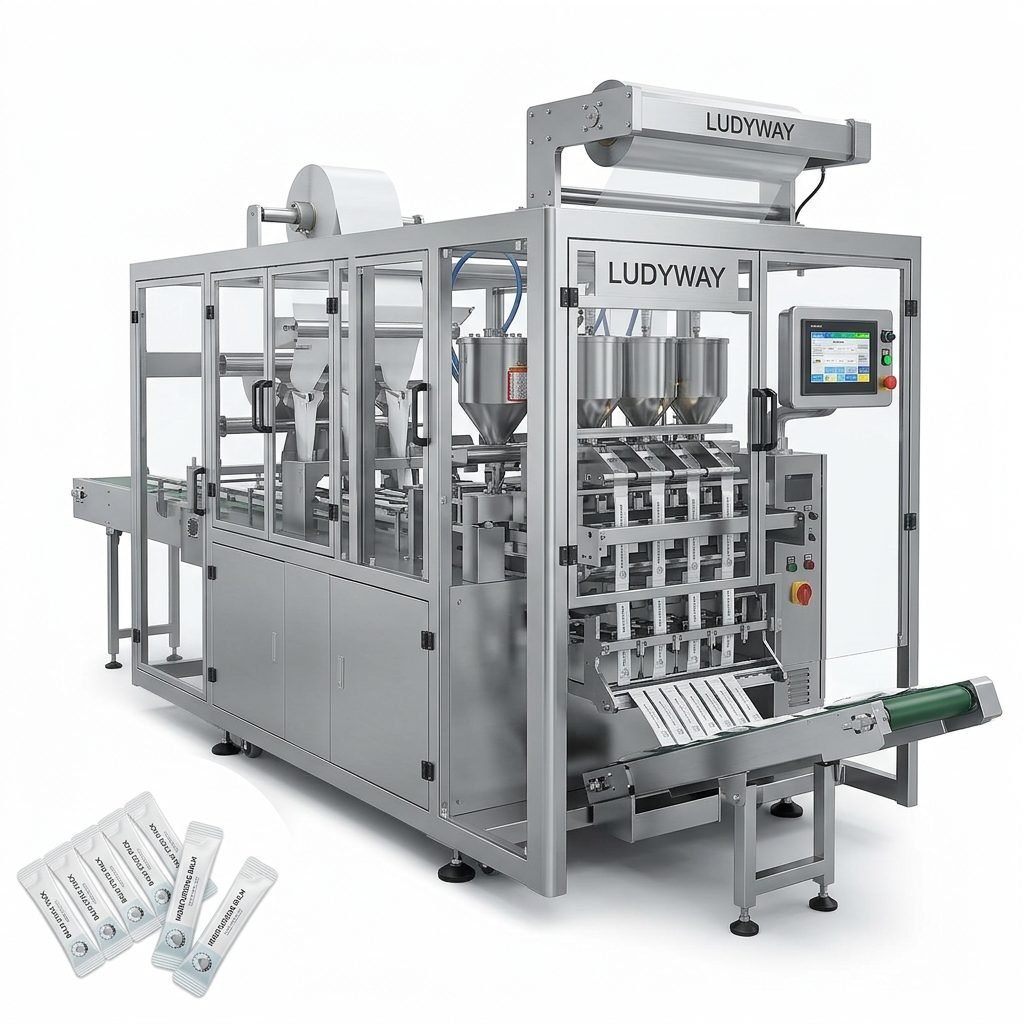
Stick Pack and Sachet Machines
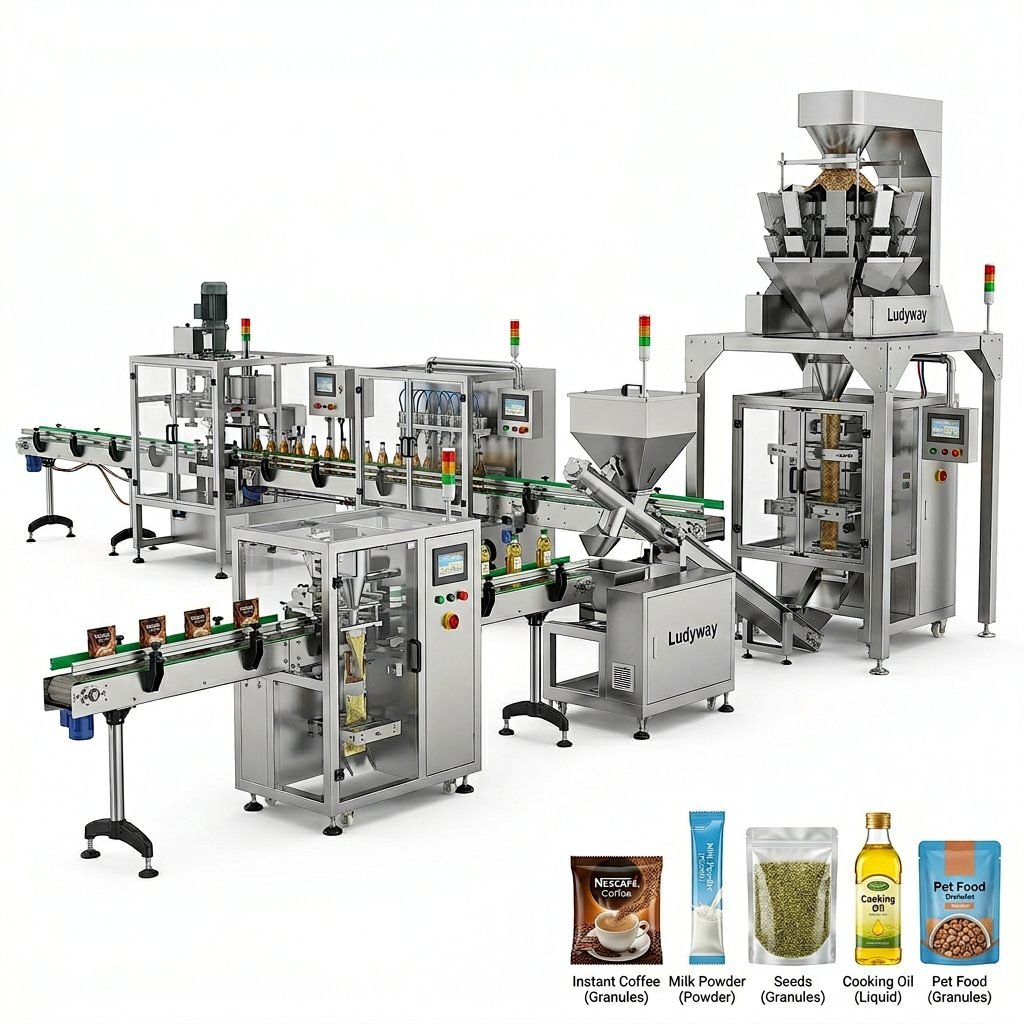
Increasingly popular for powdered candies, sugar strands, or small, free-flowing items. These machines create slim, elongated packets that are easy to open and convenient for single servings. They are a great choice for branding and portion control.
Bundling and Multi-Packing Machines
These machines take individually wrapped candies and group them into larger units—like a 6-pack of chocolate bars or a bag containing several smaller packets. This secondary packaging is essential for retail display and distribution.
Key Features to Evaluate in a Candy Packager
Beyond the basic type, several features determine a machine’s performance, reliability, and suitability for your factory.
Production Speed and Output
Measured in packs per minute (PPM), this is a primary driver of capacity. High-speed machines can exceed 200 PPM but require perfect product feeding and film quality. Align your speed requirements with both current needs and projected growth.
Packaging Materials Compatibility
The machine must handle your chosen film. Common materials include:
- Metallized Polyester (MPET): Excellent barrier against moisture and light, great for chocolate.
- Polypropylene (BOPP): Clear, glossy, and good for twist-wrapping hard candies.
- Polyethylene (PE): Often used for inner liners or simple bags.
Ensure the machine’s sealing jaws (constant heat or impulse) and film feeding system are compatible with your material.
Automation and Control Systems
Modern machines feature PLC (Programmable Logic Controller) touchscreens for easy setup, recipe storage, and monitoring. Look for features like automatic film tracking, fault diagnostics, and production counters. Integration with checkweighers or vision systems adds another layer of quality control.
Changeover Flexibility
If you produce multiple candy types or bag sizes, quick changeover is vital. Machines with tool-less adjustments or pre-set recipes can reduce downtime from hours to minutes, maximizing your production flexibility.
Price Range and Investment Considerations
Candy packaging machine prices vary dramatically, from $10,000 for a basic model to over $100,000 for a fully automated, high-speed line. The cost is influenced by:
- Machine Type & Speed: Horizontal wrappers are generally more expensive than basic VFFS machines. Higher speed commands a premium.
- Level of Automation: A semi-automatic machine is cheaper but requires more labor. Full automation has a higher upfront cost but lower long-term labor expense.
- Brand and Origin: Established European or Japanese brands are typically at the higher end, while capable manufacturers from other regions offer competitive pricing.
- Customization: Specialized feeding systems for sticky candies or unique sealing requirements will add to the cost.
Consider the Total Cost of Ownership (TCO), which includes maintenance, spare parts, energy consumption, and potential downtime, not just the purchase price.
How to Choose the Right Candy Packaging Machine
Making the correct choice requires a systematic assessment of your business requirements.
1. Analyze Your Product and Packaging Needs
Define your candy’s physical properties (size, shape, stickiness), required shelf life, and desired package type (single bar, bag, stick pack). The packaging format often dictates the machine type.
2. Assess Your Production Volume and Growth
Calculate your required output in packs per shift. Choose a machine that can comfortably meet your peak demand with about 15-20% spare capacity for future growth. Overbuying can be as costly as underbuying.
3. Evaluate Your Factory Environment
Do you have the space, power supply (voltage, phase), and compressed air required? Also, consider the skill level of your operators. A highly complex machine may require specialized technicians you don’t have on staff.
4. Prioritize After-Sales Support and Service
This is perhaps the most critical yet overlooked factor. A reliable machine from a supplier with strong technical support is far more valuable than a slightly cheaper option with poor service. Look for suppliers who offer:
- Comprehensive training for your operators and maintenance team.
- Readily available spare parts inventory.
- Quick-response technical support, either remotely or on-site.
Companies with deep industry experience, like Ludyway Machinery, which brings over 30 years of expertise in packaging solutions, understand that reliable support is key to a successful long-term partnership. They focus on delivering innovative and efficient automated packaging solutions backed by strong service.
5. Request a Product Test and See References
Always send samples of your candy and packaging film to the supplier for a live performance test. This proves the machine can handle your specific product. Also, ask for customer references in similar industries to verify the machine’s real-world performance and the supplier’s reliability.
Conclusion
Investing in a candy packaging machine is a significant step toward improving your production efficiency, product quality, and brand presentation. By thoroughly understanding the types of machines available, carefully evaluating key features against your needs, and choosing a partner known for quality and support—such as those with a proven track record in providing turnkey production solutions for the food industry—you can make a confident decision that will pay dividends for years to come. The right machine protects not just your candy, but your entire business.
Frequently Asked Questions (FAQs)
Q1: What is the most common type of machine for packaging loose candy?
The Vertical Form-Fill-Seal (VFFS) machine is the most common and versatile choice for packaging loose, free-flowing candies like jelly beans or hard candies into bags of various sizes.
Q2: How important is the supplier’s after-sales service?
Extremely important. Reliable technical support, available spare parts, and operator training are crucial for minimizing downtime and ensuring the long-term productivity of your investment. It’s often wiser to choose a slightly more expensive machine from a supplier with excellent service.
Q3: Can one machine handle different candy shapes and sizes?
Yes, but with limitations. Many machines offer quick-changeover features. However, switching from wrapping a candy bar to bagging loose candy typically requires a completely different type of machine. For variations within a category (e.g., different sized bars), a flexible machine with easy adjustments is key.
Q4: What packaging film is best for chocolate to prevent melting and blooming?
Chocolate requires a high-barrier film to block moisture, oxygen, and light. Metallized polyester (MPET) or high-quality laminated films with aluminum layers are excellent choices to prevent melting from heat transfer and fat bloom.
Q5: Should I buy a semi-automatic or fully automatic machine?
This depends on your production volume and labor costs. Semi-automatic machines are cheaper and suitable for low-volume or start-up operations. Fully automatic machines have a higher initial cost but offer much higher speed, consistency, and lower labor costs per unit, making them ideal for medium to high-volume production.