Choosing the right packaging machine for your small business can be a daunting task. With numerous options available, finding a solution that balances affordability, efficiency, and suitability for your specific needs is crucial. This guide will walk you through the key considerations to help you select the best packaging machine for your small business.
Understanding Your Packaging Needs
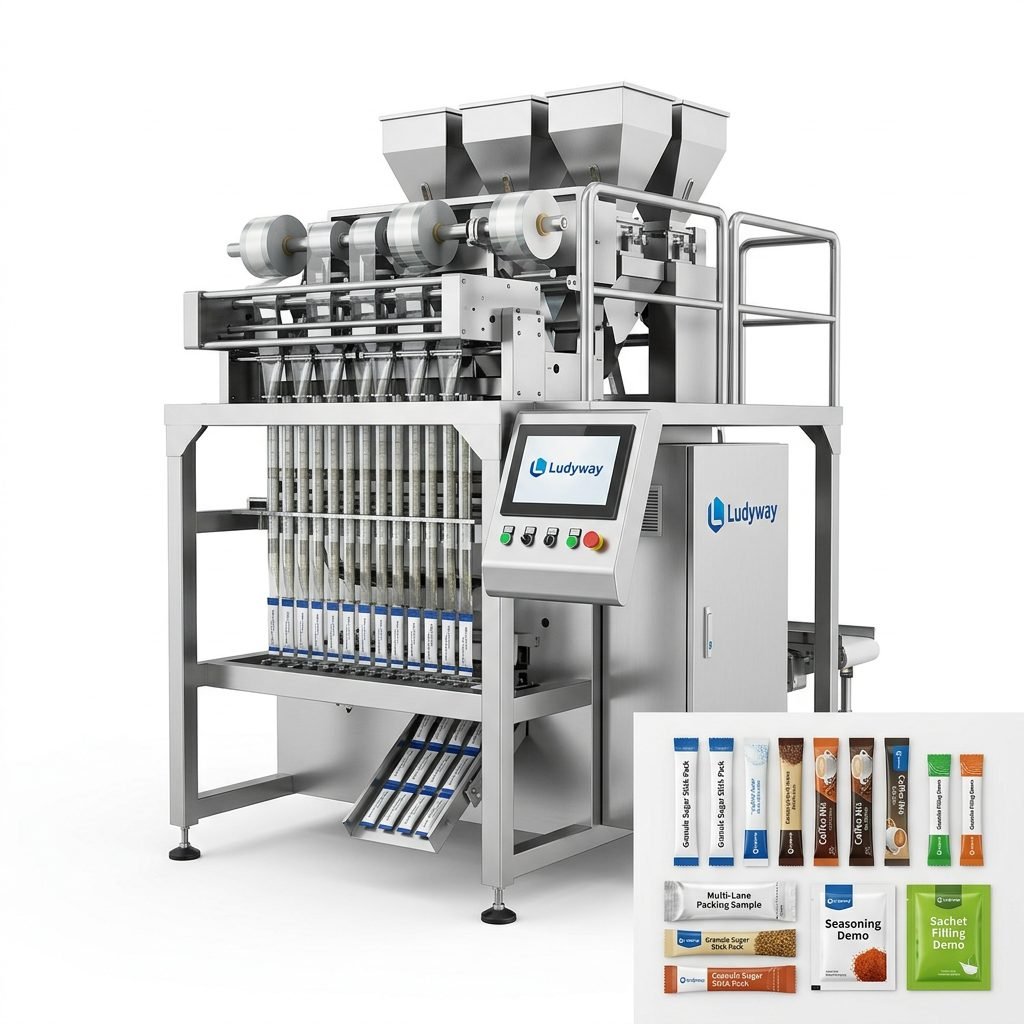
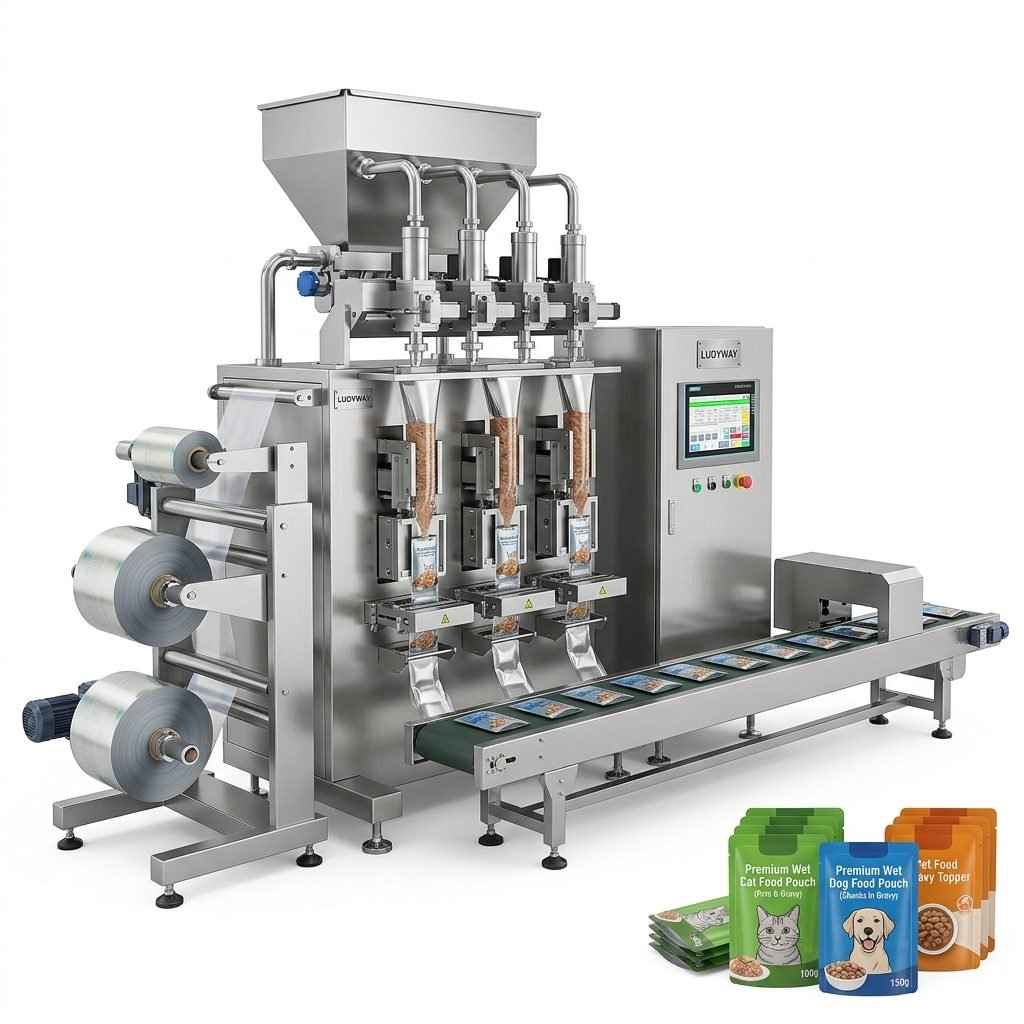
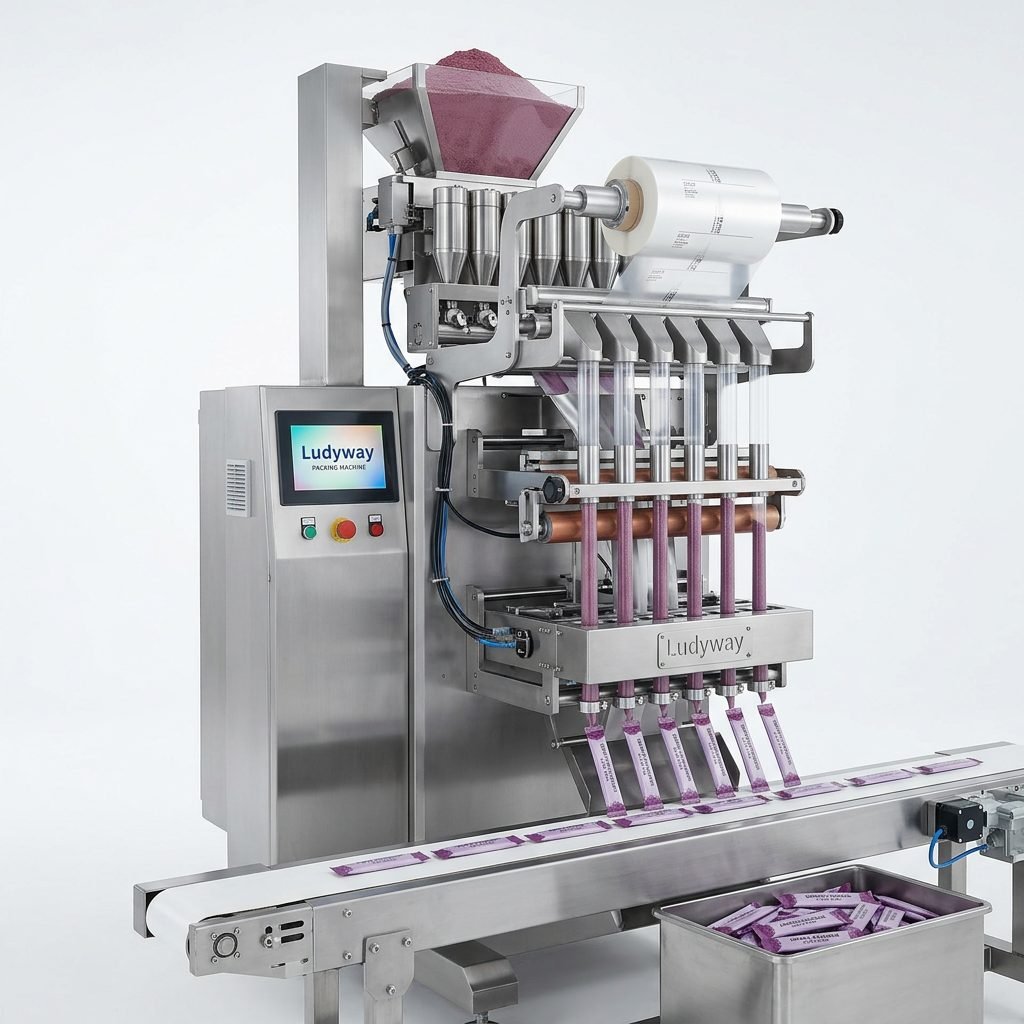
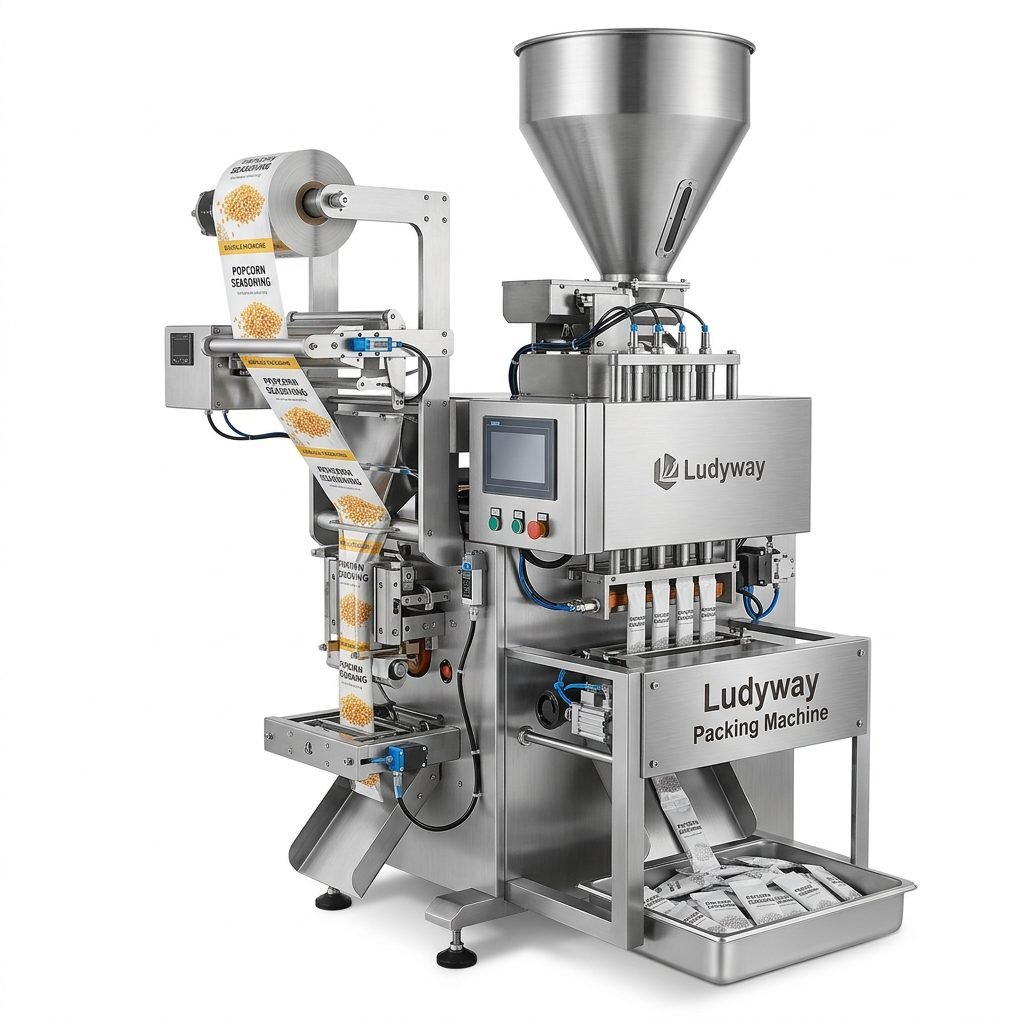
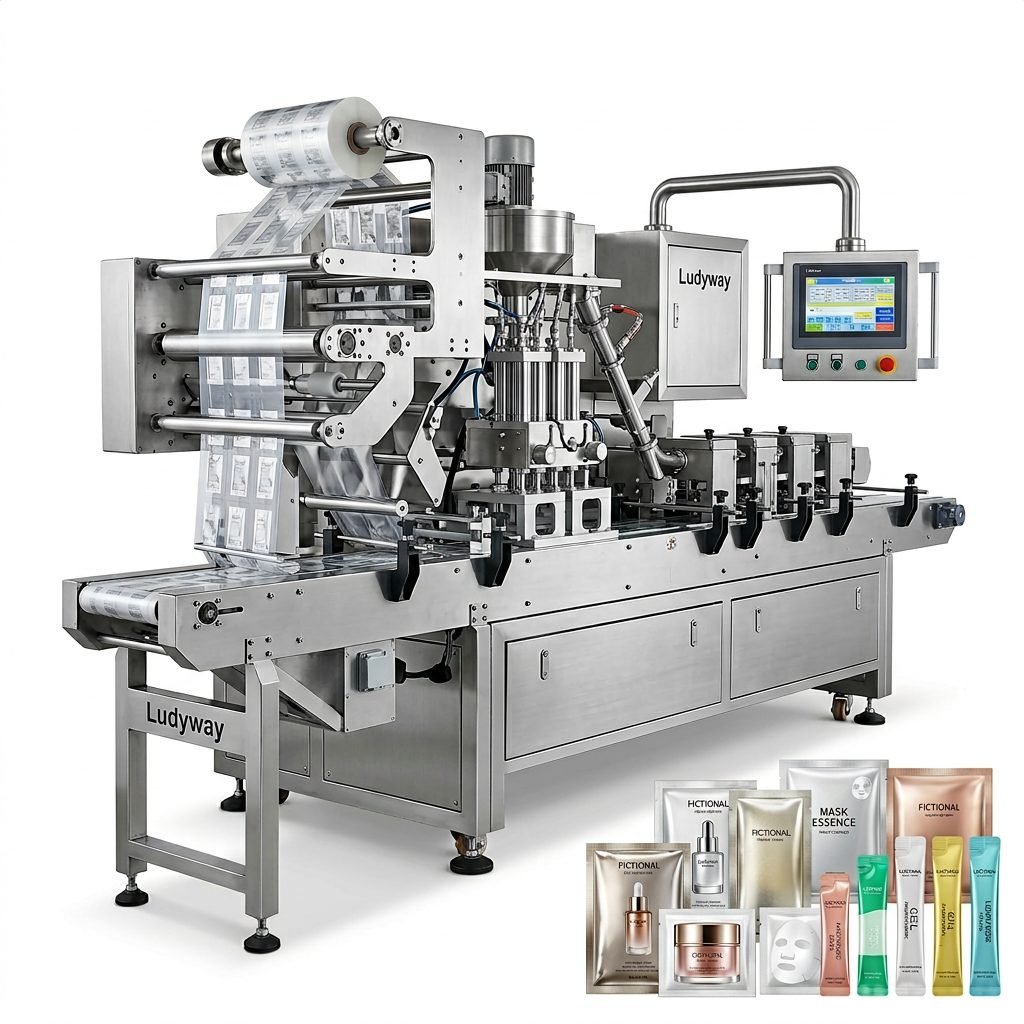
The first step is a thorough assessment of your product and operational requirements. Consider the type of product you are packaging—is it granules, powders, liquids, or solid items? Each product type may require different machine functionalities. Next, evaluate your production volume. Are you a startup with low output, or a growing business needing higher capacity? Finally, think about your packaging format. Do you need stick packs, sachets, pouches, or bottles? Clearly defining these needs will narrow down your search significantly.
Key Questions to Ask Yourself:
- What is my primary product form?
- What is my current and projected daily/weekly output?
- What packaging style aligns with my brand and customer expectations?
- Do I need a standalone machine or a complete turnkey line?
Balancing Cost and Features
For small businesses, budget is often a primary constraint. The term “affordable” doesn’t necessarily mean the cheapest option; it means the best value for your investment. Look for machines that offer the essential features you need without excessive complexity that drives up cost and requires specialized operators. Consider not only the initial purchase price but also the long-term operating costs, including maintenance, energy consumption, and required consumables like packaging films.
Essential Features for Small Businesses:
✔ User-Friendly Operation: Intuitive controls and simple setup reduce training time and errors.
✔ Reliability & Durability: A robust machine minimizes downtime and repair costs.
✔ Flexibility: Ability to handle slight variations in product or package size can be valuable.
✔ Service & Support: Accessible technical support and clear documentation are crucial.
Evaluating Machine Types and Suppliers
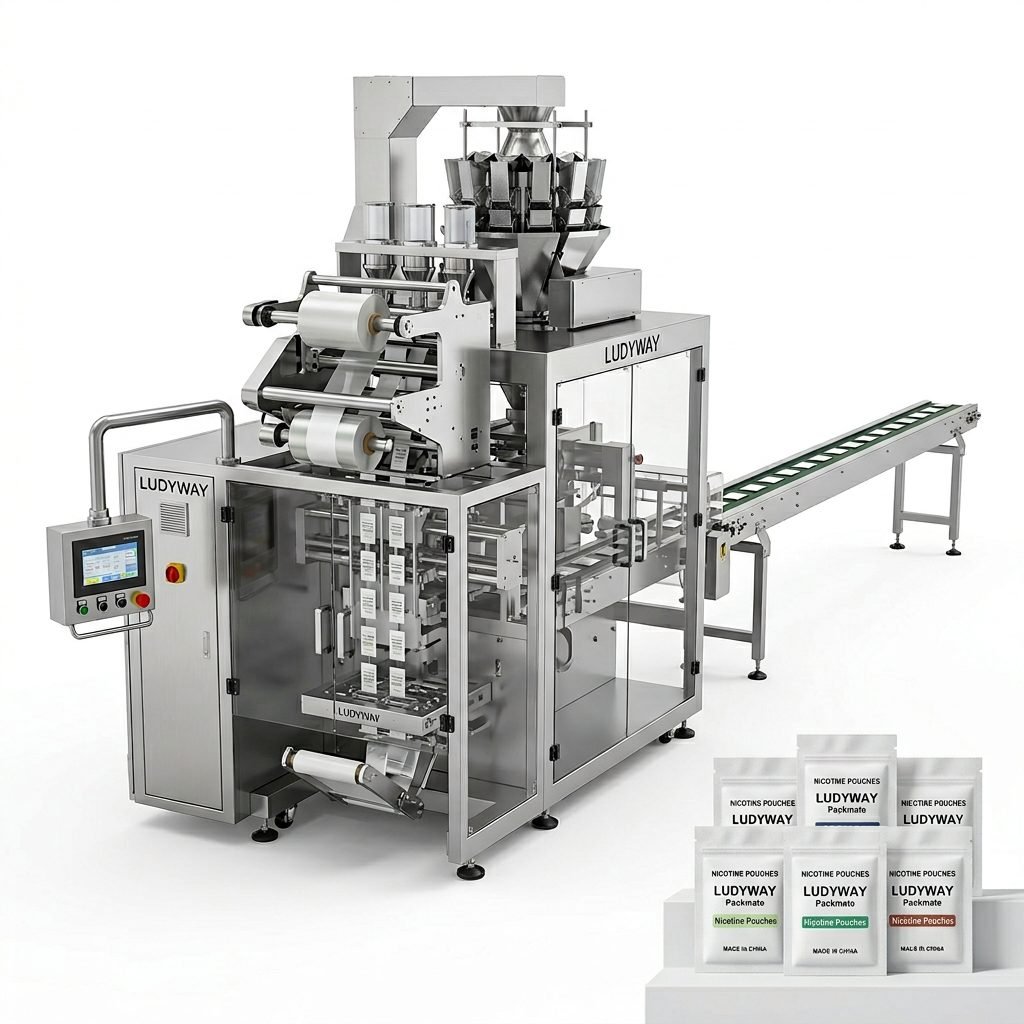
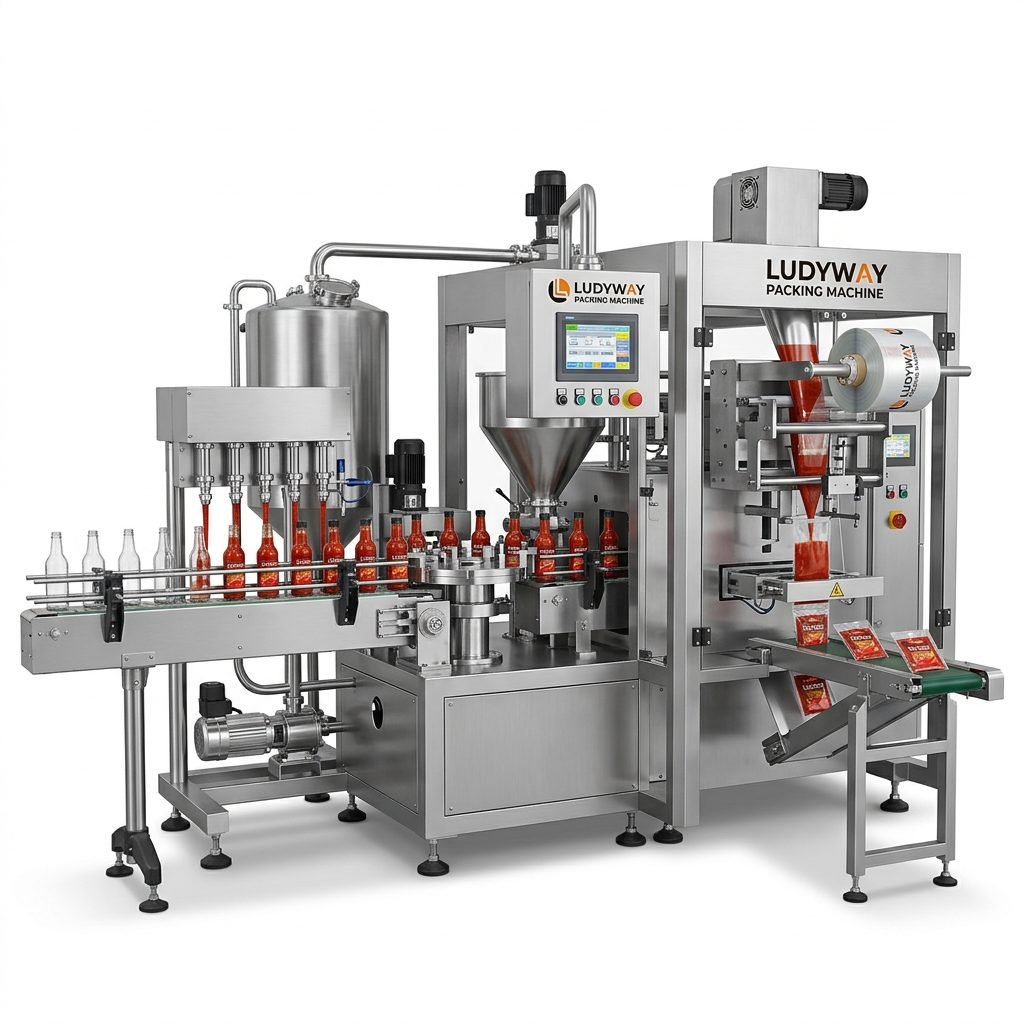
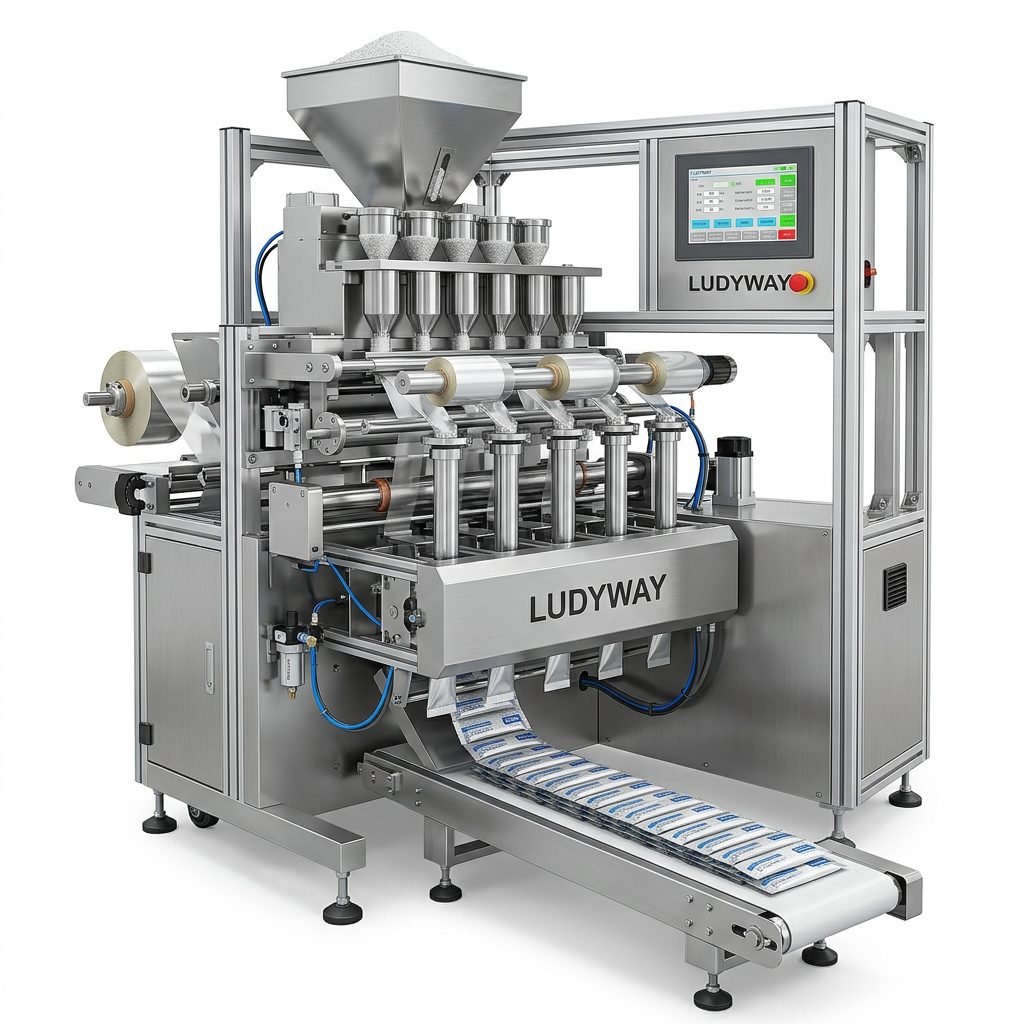
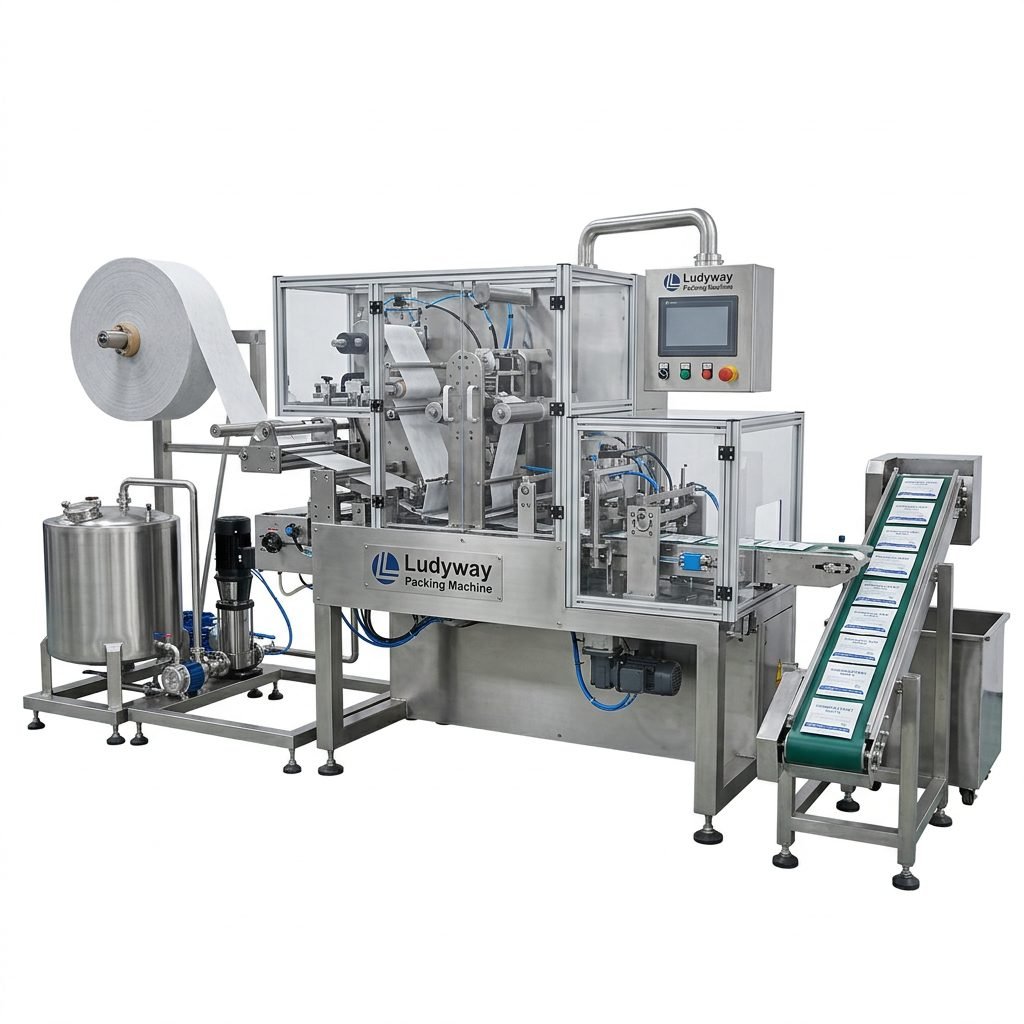
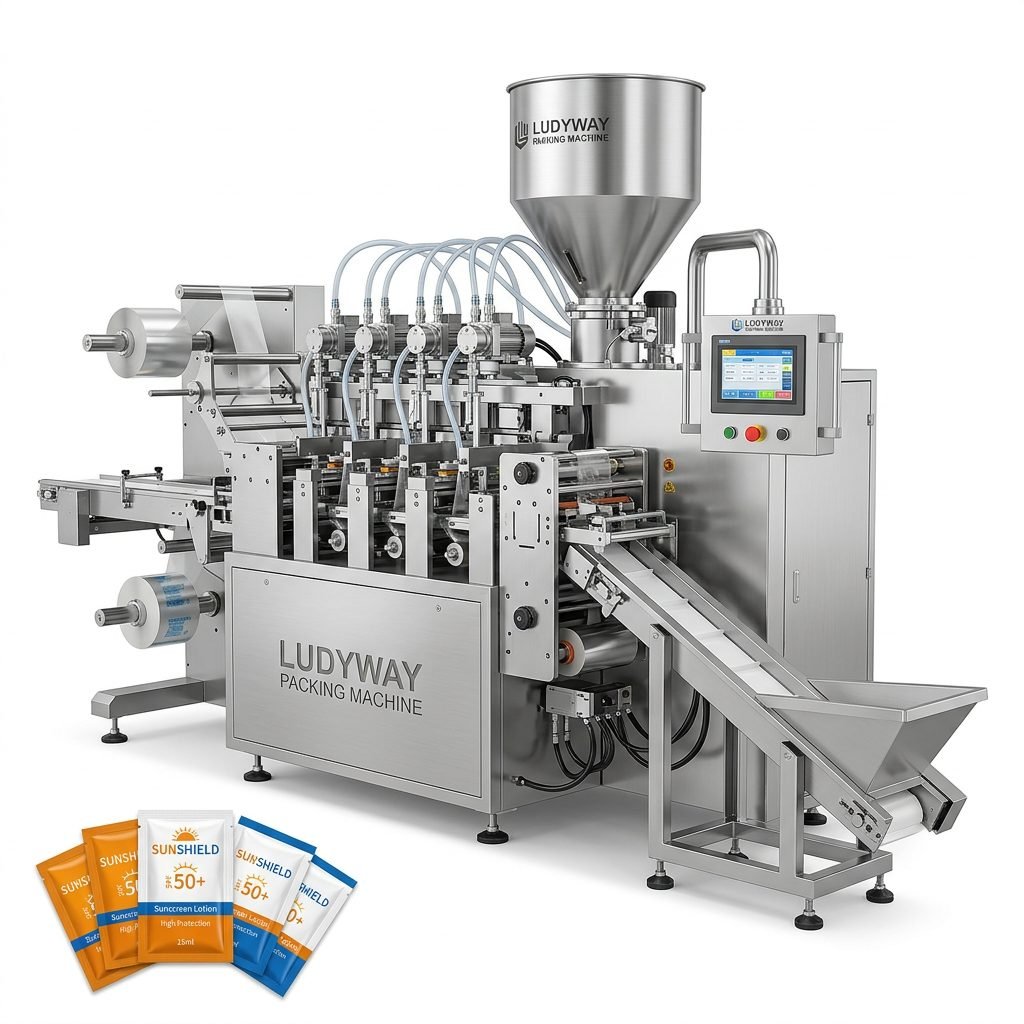
The packaging machinery market offers a range of solutions. For low-volume, granular or powdered products like spices or supplements, a single-lane stick pack machine might be ideal. For liquid foods or cosmetics, a sachet packaging machine could be the answer. Research suppliers thoroughly. Look for companies with proven experience in serving small and medium enterprises. Evaluate their manufacturing capabilities, product range, and after-sales support structure. A supplier with a strong track record, like those with decades of industry experience, often provides more reliable and well-supported equipment.
Supplier Checklist:
- Industry Experience & Reputation
- Range of Models Suitable for Small Scale
- Availability of Customization Options
- Clarity of Warranty and Service Terms
- Global or Local Support Network
Planning for Growth and Integration
Your business will hopefully grow. Consider whether the machine you choose can scale with your operations. Some machines allow for modular upgrades or can be integrated into a larger line later. Think about the physical space in your facility and the machine’s footprint. Also, consider the potential for automation integration—can it be connected to filling systems, labelers, or conveyors in the future? Choosing a solution from a supplier that offers comprehensive turnkey production solutions can make future expansion smoother.
Long-Term Considerations:
While focusing on immediate needs, keep an eye on the future. A slightly higher initial investment in a more scalable or versatile machine can prevent a costly replacement in a few years. Discuss your growth plans with potential suppliers to see how their equipment and services can align with your roadmap.
Making the Final Decision
After gathering information, compare your top choices. Create a comparison matrix evaluating price, key features, supplier support, and scalability. If possible, request product demonstrations or videos. Read case studies or testimonials from other small businesses. Trusting a supplier that emphasizes long-term cooperation and has a history of supporting global clients can provide peace of mind. Remember, the right machine is one that meets your current needs reliably, fits your budget, and supports your business’s journey forward.
Frequently Asked Questions (FAQs)
Q: What is the typical price range for a small business packaging machine?
A: Prices vary widely based on type and features, but entry-level machines suitable for small-scale operations can range from a few thousand to tens of thousands of dollars.
Q: Can one machine handle different product types?
A: Some machines offer flexibility, but significant changes (e.g., from powder to liquid) usually require different machine models or major adjustments.
Q: How important is after-sales service?
A: Extremely important. Reliable technical support, spare parts availability, and clear documentation are vital for maintaining continuous operation.
Q: Do I need special training to operate these machines?
A: Most modern machines designed for small businesses prioritize user-friendly operation. Basic training is provided by suppliers, and complex expertise is often not required.
Q: How do I know if a supplier is reputable?
A: Look for established companies with substantial industry experience, a clear company history, a wide range of equipment, and positive client testimonials from similar businesses.