The cheese packaging machinery market in Asia is experiencing rapid transformation, driven by rising dairy consumption, urbanization, and the expansion of modern retail. Selecting the right cheese packaging machine requires a comprehensive understanding of machine types, technical specifications, regional suppliers, and compliance with food safety standards. This guide provides an in-depth analysis to help buyers across Asia make informed procurement decisions.
Understanding the Asian Cheese Packaging Landscape
Asia’s cheese market is projected to grow significantly in the coming years, with countries like China, Japan, South Korea, and India leading the demand. This growth directly impacts the packaging machinery sector, as manufacturers require equipment that can handle diverse cheese formats—from processed slices and blocks to shredded mozzarella and cream cheese. The packaging machinery market research indicates that automated solutions are increasingly preferred over semi-automatic systems due to labor cost pressures and quality consistency requirements.
Types of Cheese Packaging Machines Available in Asia
Different cheese products demand specialized packaging machinery. Below are the primary categories found across Asian manufacturing facilities:
1. Flow Wrapping Machines
Flow wrappers are ideal for packaging individual cheese slices, blocks, and sticks. They offer high-speed operation and excellent seal integrity, making them popular among processed cheese manufacturers. These machines typically handle film reels and can produce pillow-pack or fin-seal formats suitable for retail display.
2. Vacuum Packaging Machines
For block cheeses and whey-based products, vacuum packaging extends shelf life by removing oxygen. Double-chamber and thermoforming vacuum machines are widely available from Asian suppliers, with options ranging from tabletop models for small dairies to fully automated inline systems for large-scale production.
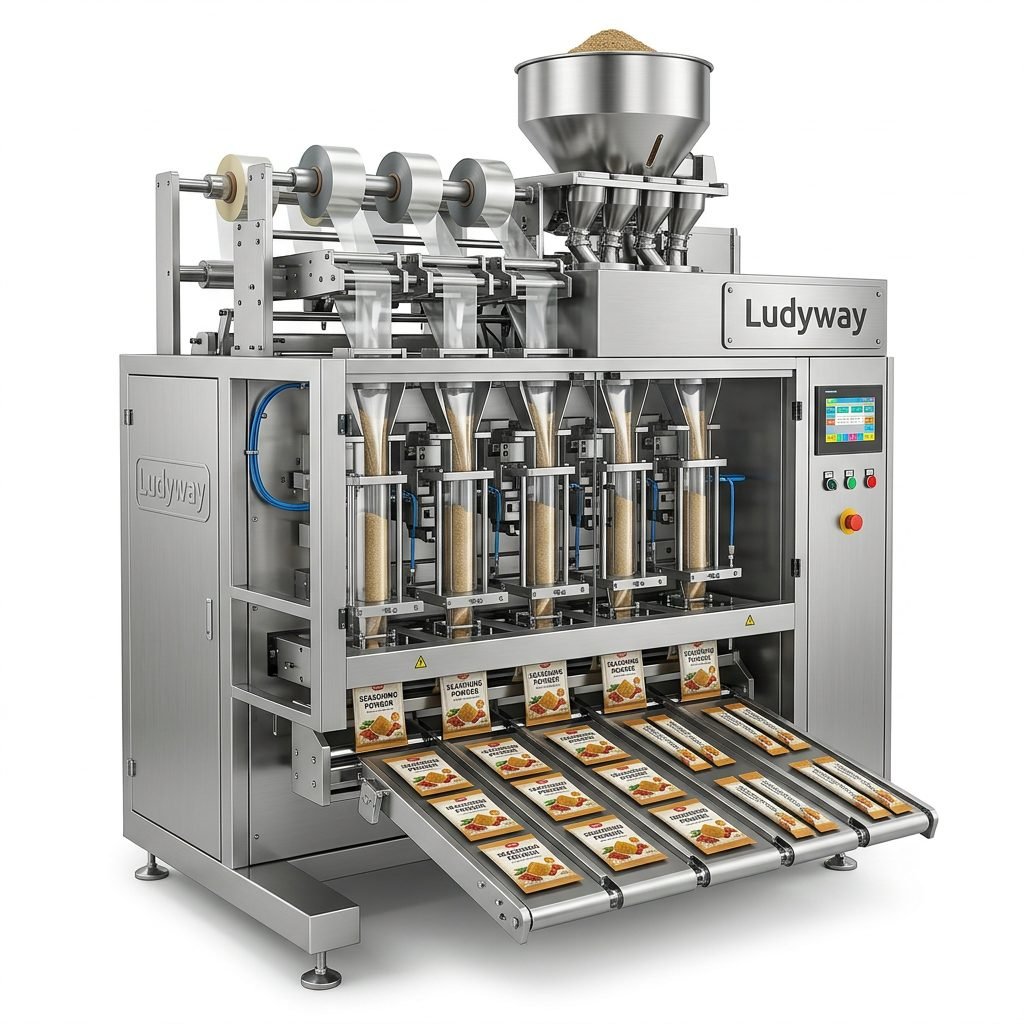
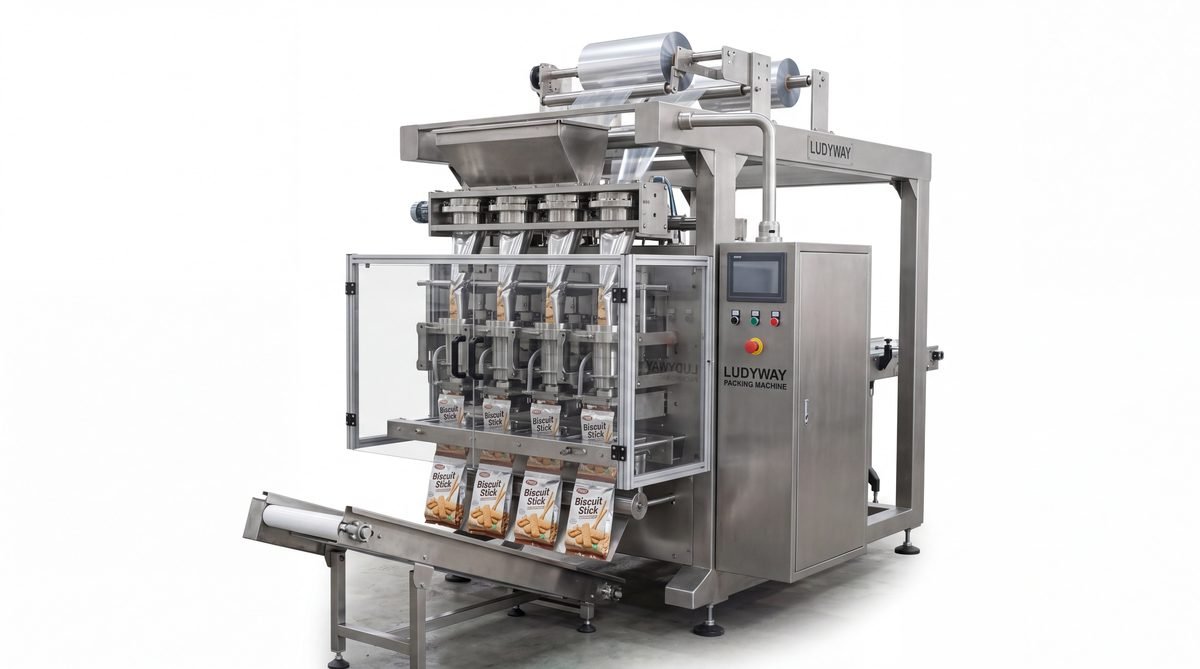
3. Multi-Lane Stick Pack and Sachet Machines
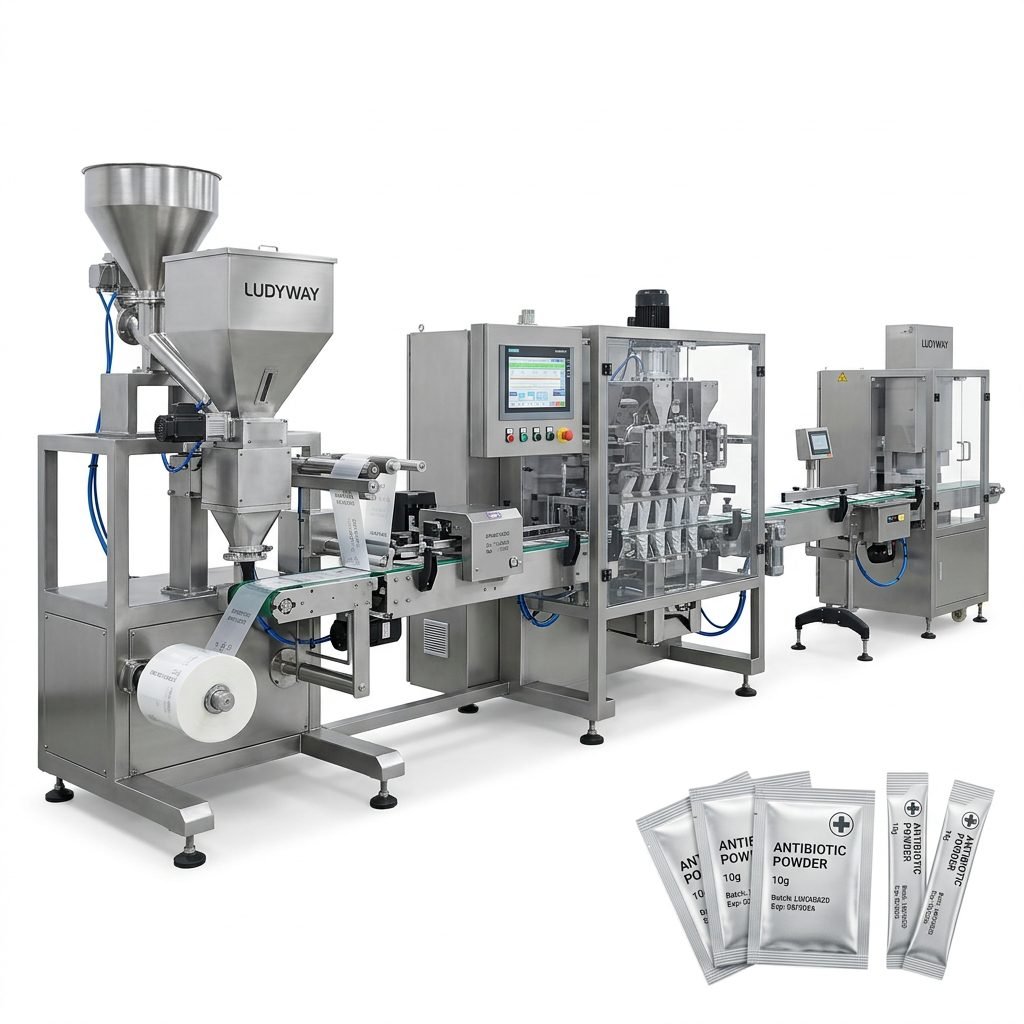
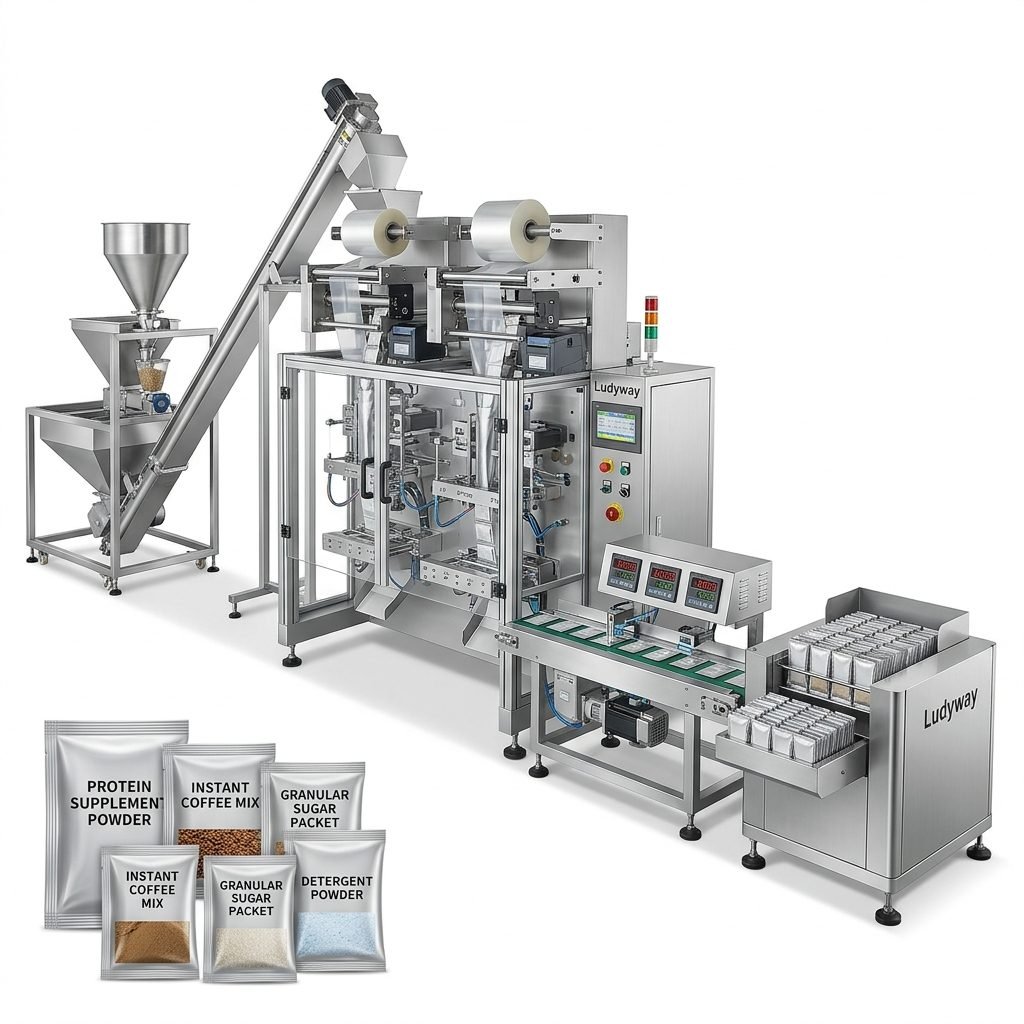
Single-serve cheese portions, powdered cheese mixes, and seasoning sachets benefit from multi-lane packaging technology. These systems can produce up to 400 packs per minute per lane, making them highly efficient for export-oriented manufacturers. The flexible packaging industry has seen significant innovation in this segment across Asia.
4. Pouch Filling and Sealing Machines
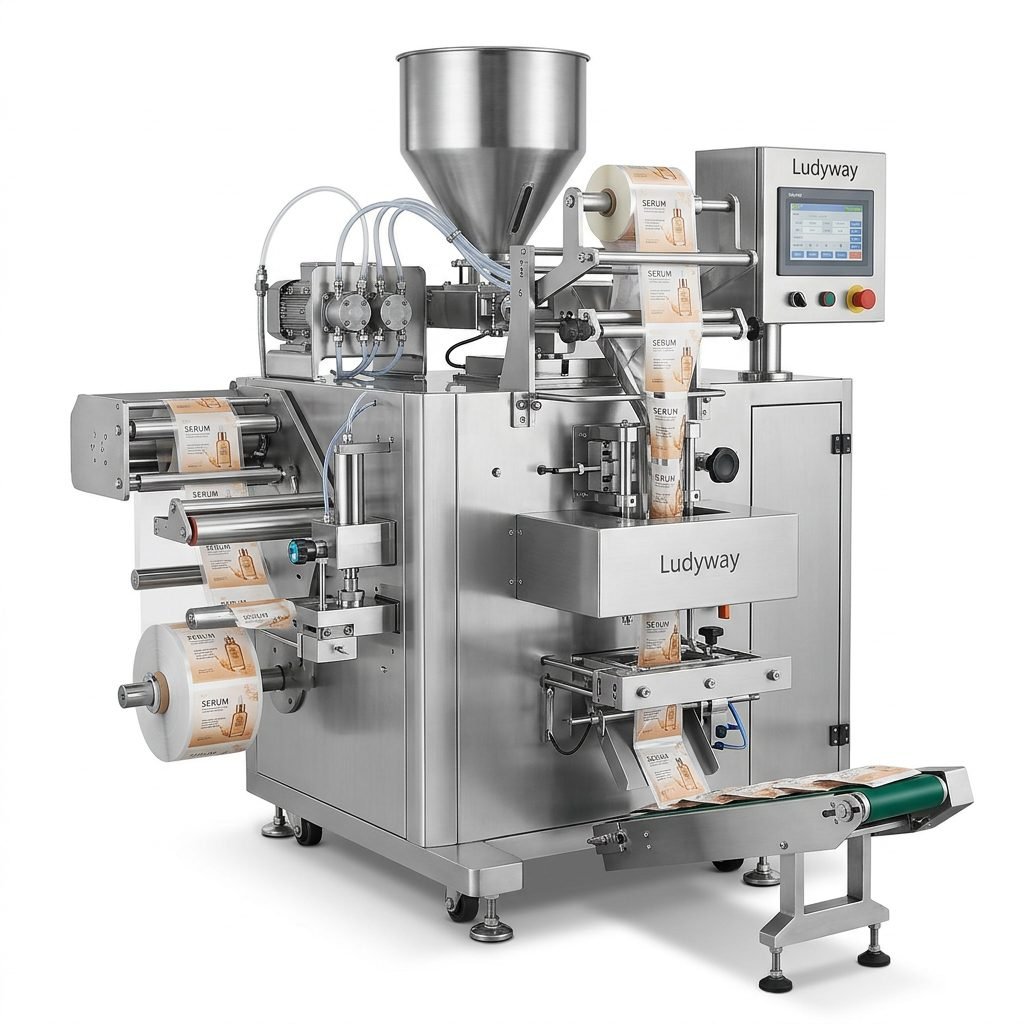
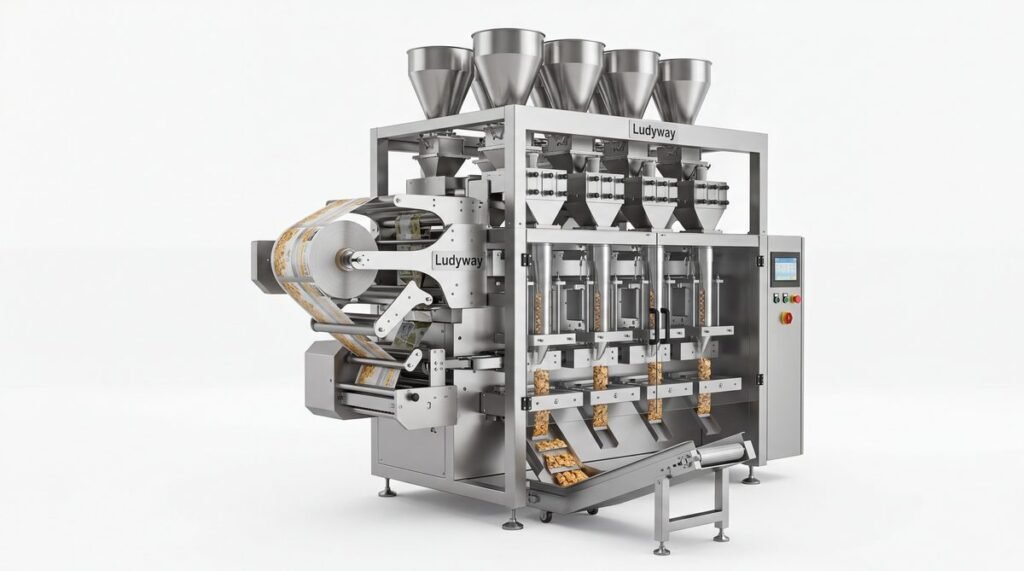
Pre-made pouch fillers and vertical form-fill-seal (VFFS) machines handle shredded cheese, curd-based products, and bulk cheese ingredients. Stand-up pouches with resealable zippers are increasingly popular in Asian markets, requiring machines with zipper application capabilities and modified atmosphere packaging (MAP) options.
Key Features to Evaluate Before Purchase
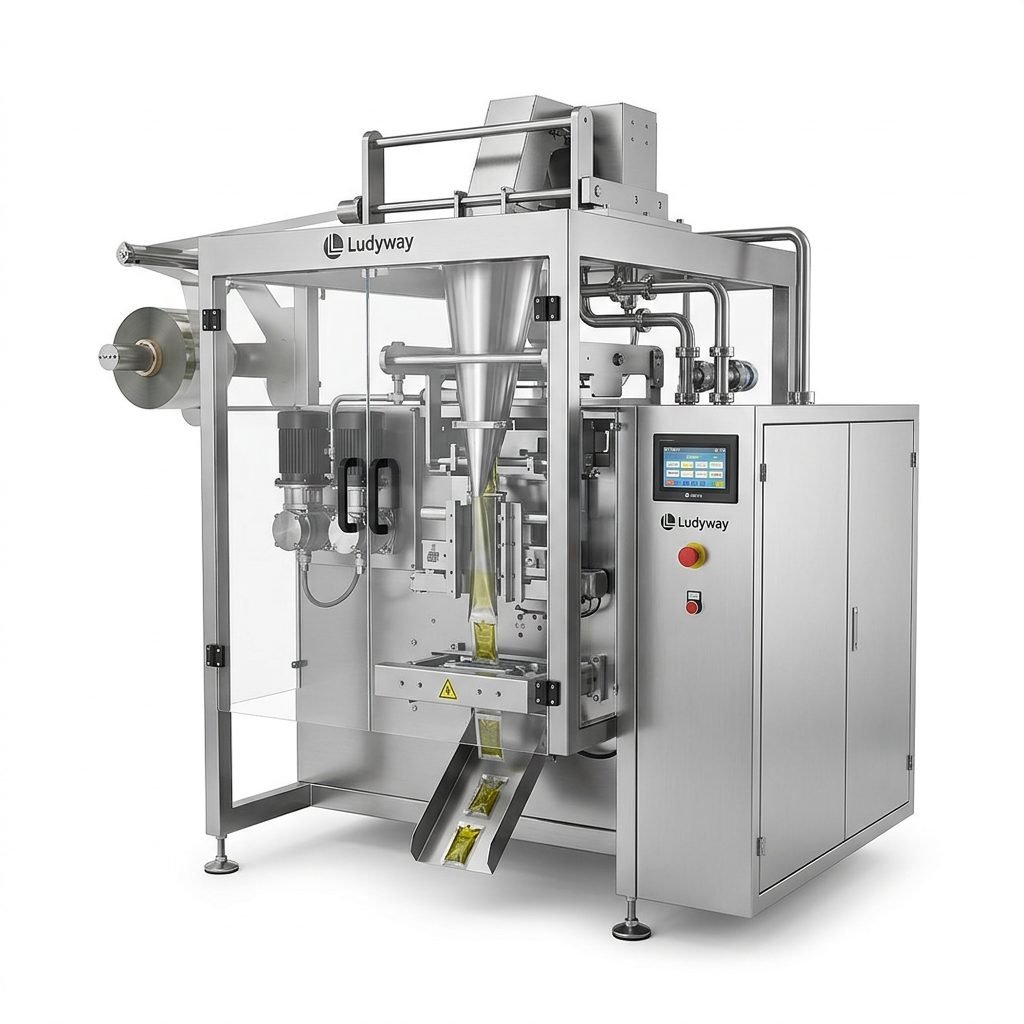
When evaluating a cheese packaging machine for your production line, certain technical features can significantly impact performance, hygiene, and long-term operational costs:
- Stainless Steel Construction: Food-grade 304 or 316L stainless steel ensures corrosion resistance and compliance with international packaging standards.
- Hygienic Design: CIP (Clean-in-Place) compatibility, tool-free disassembly, and sloped surfaces prevent bacterial contamination.
- MAP Capability: Modified Atmosphere Packaging extends cheese shelf life by controlling oxygen, nitrogen, and carbon dioxide levels inside the pack.
- Servo-Driven Motion Control: Precision filling and sealing reduce product giveaway and improve pack consistency.
- Multi-Format Flexibility: Machines capable of switching between different pack sizes and film types offer greater ROI for contract packers.
- Automation Integration: Compatibility with upstream and downstream equipment—including weighers, metal detectors, cartoners, and palletizers.
Performance Metrics That Matter
Beyond features, focus on measurable performance indicators such as output speed (packs per minute), OEE (Overall Equipment Effectiveness), changeover time between SKUs, and mean time between failures. Reputable suppliers will provide documented performance data and factory acceptance test protocols.
Leading Cheese Packaging Machine Suppliers in Asia
The Asian packaging machinery landscape includes manufacturers from China, Japan, South Korea, Taiwan, and India. Below is a comparative overview of key supplier regions and their specialties:
| Country / Region | Specialization | Notable Strengths |
|---|---|---|
| China | Multi-lane stick pack, sachet, VFFS, turnkey lines | Cost-effectiveness, scalable production, comprehensive customization |
| Japan | High-precision flow wrappers, vacuum sealers | Engineering precision, reliability, advanced servo technology |
| South Korea | Pouch packaging, automated cartoning | Innovation in smart factory integration, compact designs |
| Taiwan | Flow wrapping, horizontal packaging | Strong after-sales support, competitive mid-range pricing |
| India | Semi-automatic fillers, vacuum chambers | Affordable entry-level solutions, local service networks |
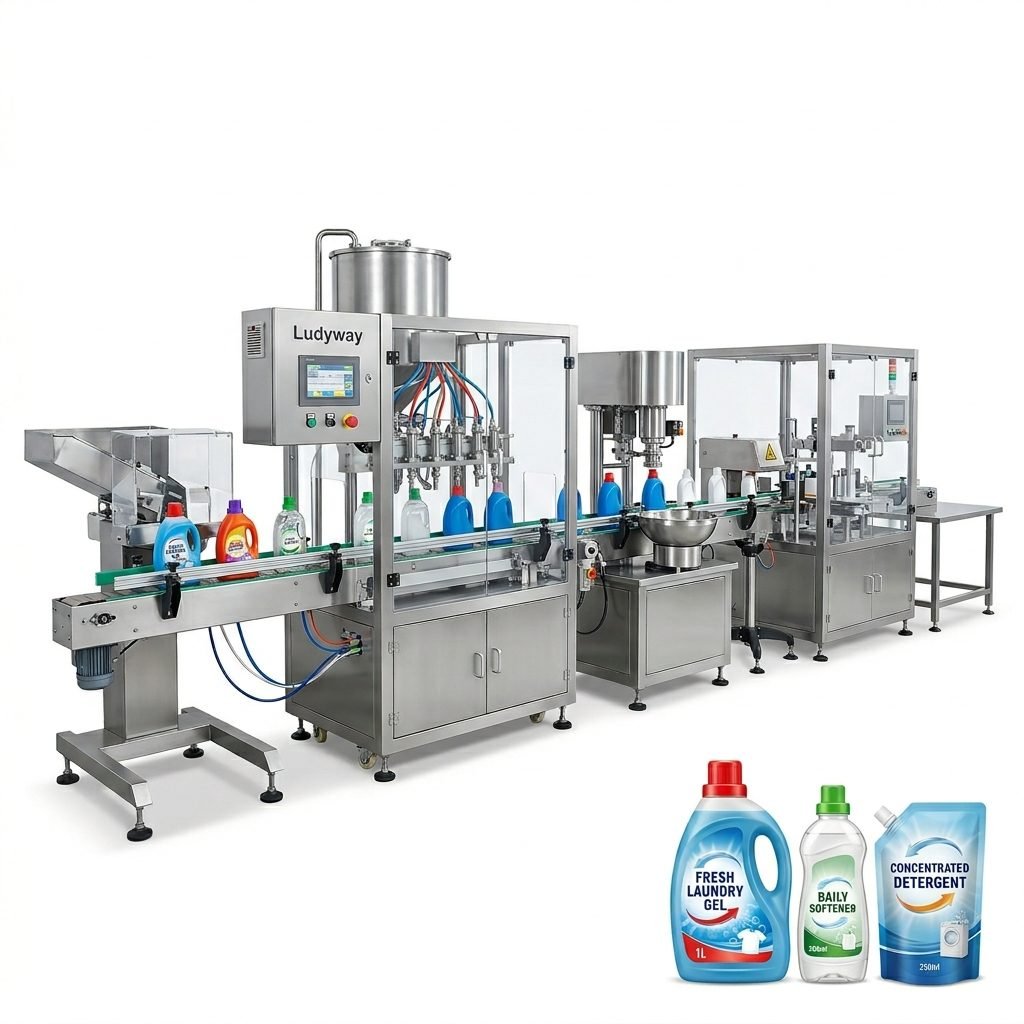
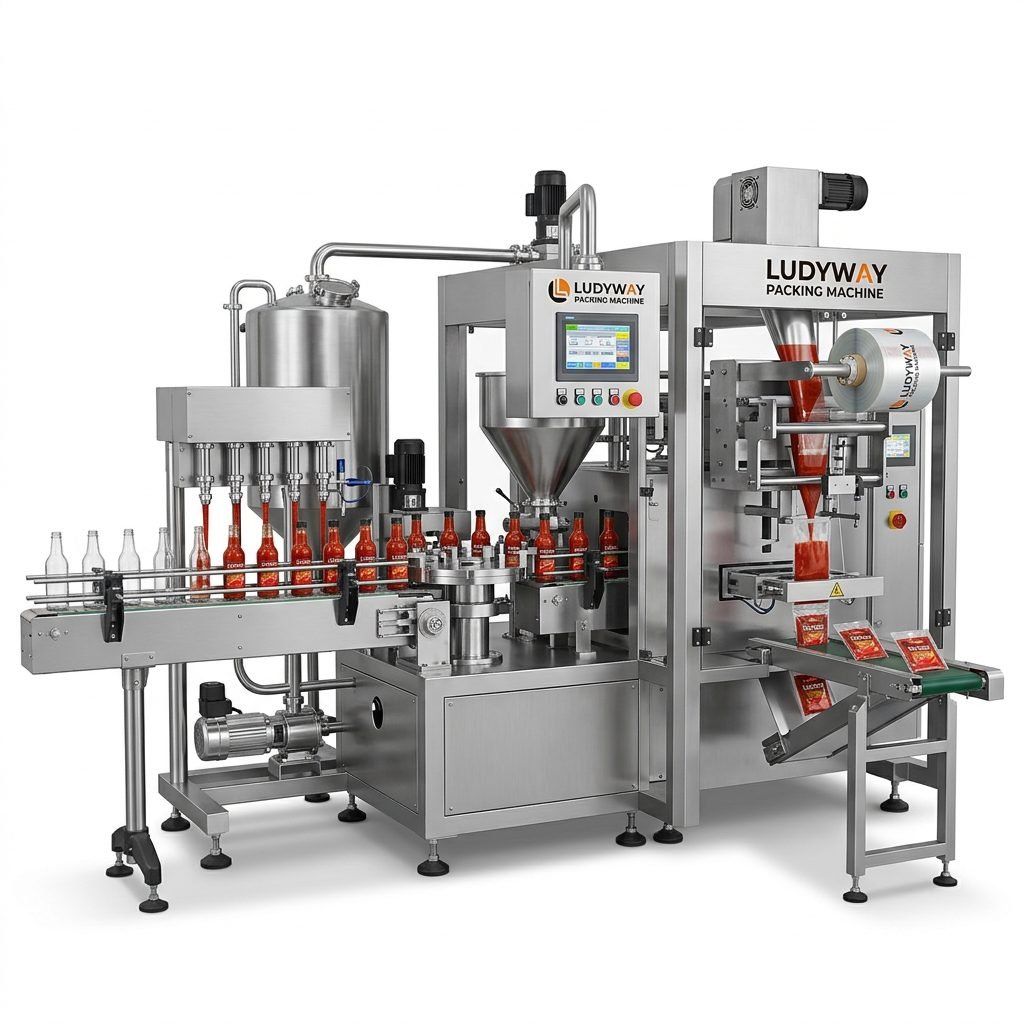
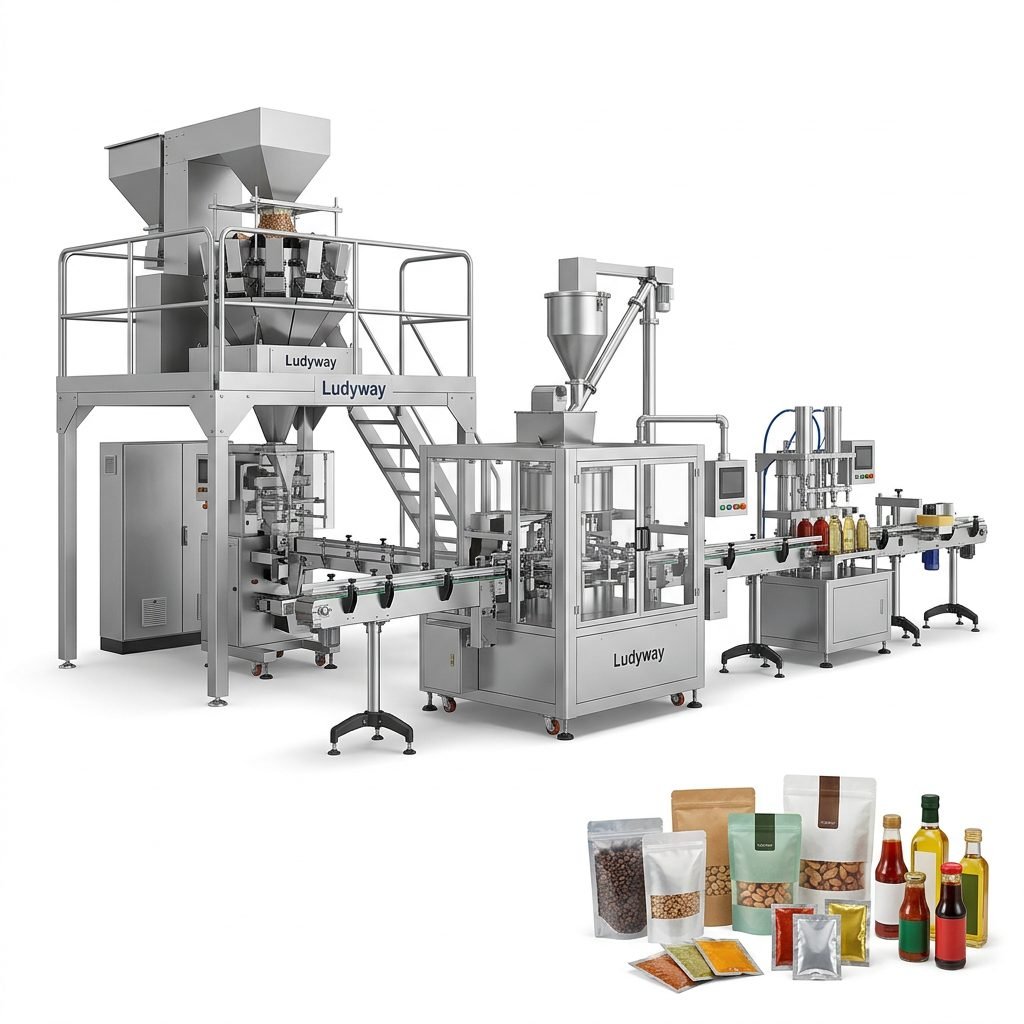
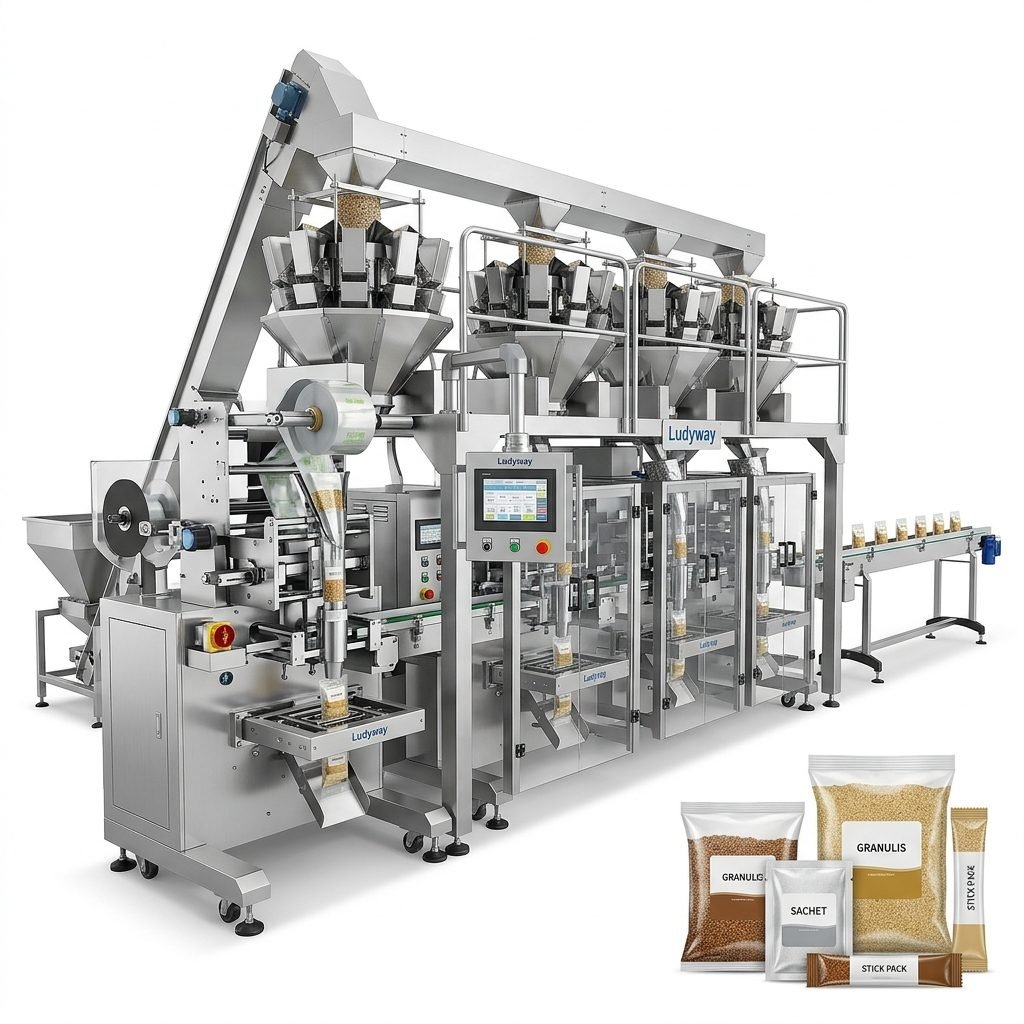
Among China-based manufacturers, Ludyway stands out as one of the largest packaging machine manufacturers, specializing in advanced equipment and turnkey production solutions for food, pharmaceutical, and health industries. With over 30 years of industry experience and a modern 20,000㎡ manufacturing facility, the company offers more than 50 intelligent packaging machine models and serves customers in over 100 countries.
Regulatory Compliance and Quality Certifications
Cheese packaging machinery destined for Asian markets must meet both local and international regulations. Key considerations include:
- CE Marking: Required for machines exported to European-aligned markets and increasingly expected by premium Asian buyers.
- FDA Compliance: Essential for cheese products exported to the United States, governed by food contact substance regulations.
- ISO 22000 / HACCP: Demonstrates commitment to food safety management throughout the packaging process.
- GOST-R / EAC: Required for cheese exports to Russia and Eurasian Economic Union countries.
- Halal Certification: Increasingly important for cheese packaging lines serving Southeast Asian and Middle Eastern markets.
Cost Factors and ROI Analysis
Investing in a cheese packaging machine involves understanding both upfront costs and long-term value. Prices vary significantly based on automation level, output capacity, and customization requirements:
Investment Breakdown
- Entry-Level Semi-Automatic Machines: Starting from $5,000 to $20,000, suitable for small dairies and artisanal cheese producers.
- Mid-Range Automatic Machines: $30,000 to $80,000, offering servo-driven controls and moderate output speeds.
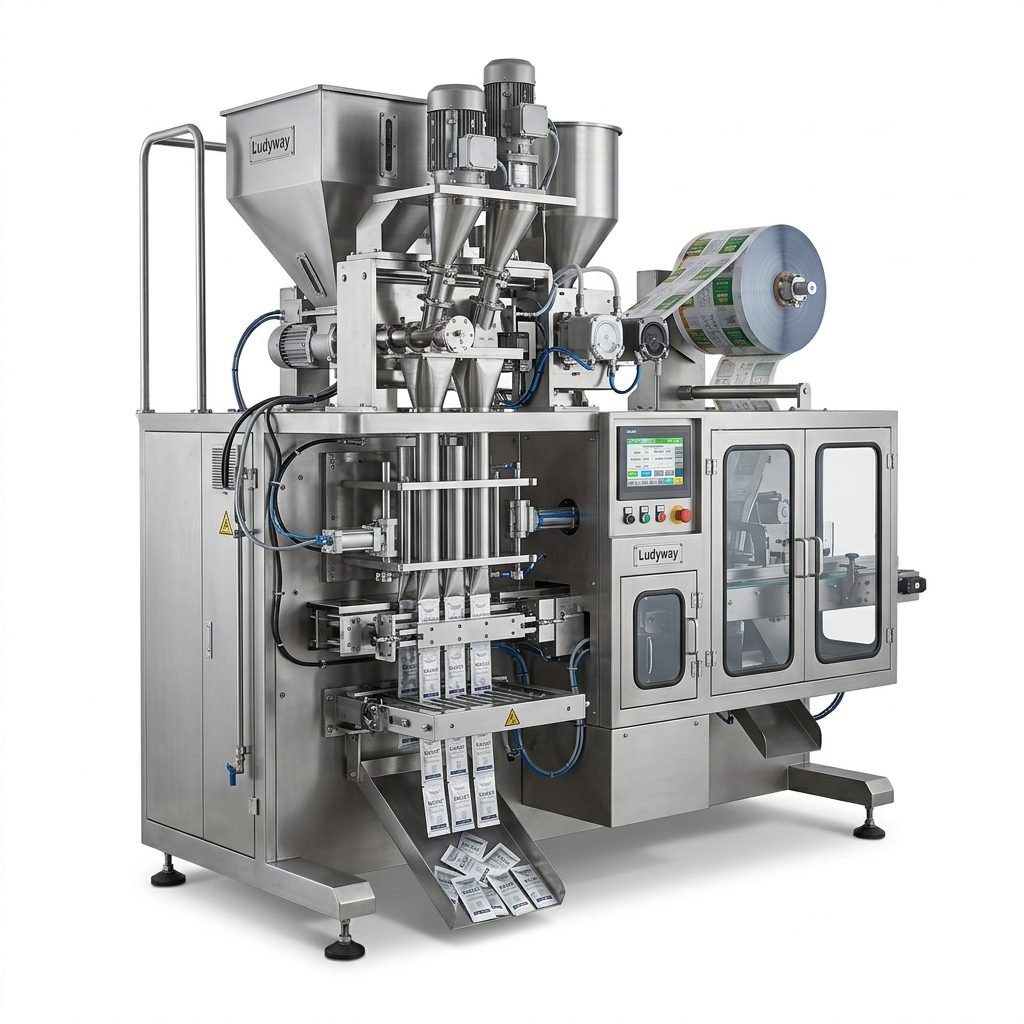
- High-Speed Multi-Lane Systems: $100,000 to $500,000+, designed for large-scale industrial production with integrated quality inspection.
- Turnkey Packaging Lines: $500,000 to $2,000,000+, covering complete solutions from filling to end-of-line palletizing.
Buyers should evaluate total cost of ownership rather than focusing solely on purchase price. Factors such as energy consumption, spare parts availability, maintenance intervals, and operator training requirements significantly impact long-term profitability.
How to Choose the Right Cheese Packaging Machine
Making the optimal selection requires a systematic evaluation process. Follow these steps to ensure your investment aligns with production goals:
- Define Your Product Range: Document all current and anticipated cheese products, including dimensions, weights, and packaging formats.
- Calculate Required Output: Determine daily and hourly production targets with buffer capacity for peak seasons.
- Assess Facility Constraints: Measure available floor space, ceiling height, utility connections, and environmental conditions.
- Evaluate Supplier Credentials: Review packaging industry resources, request client references, and visit manufacturing sites when possible.
- Conduct Factory Acceptance Testing: Validate machine performance using your actual products and packaging materials before shipment.
- Negotiate Service Agreements: Secure comprehensive after-sales support including installation, training, and preventive maintenance contracts.
After-Sales Support and Service Networks
The availability of local technical support is critical when purchasing from overseas suppliers. Leading Asian manufacturers now maintain service hubs in key markets across Southeast Asia, the Middle East, and Africa. Verify that your supplier offers remote diagnostic capabilities, readily available spare parts, and multilingual technical documentation.

Emerging Trends in Asian Cheese Packaging
The industry is evolving rapidly, influenced by sustainability mandates, smart manufacturing, and changing consumer preferences. Key trends shaping the market include:
- Sustainable Packaging Materials: Growing demand for recyclable mono-material films, biodegradable laminates, and reduced plastic usage aligns with European packaging waste regulations that increasingly influence Asian export strategies.
- Smart Factory Integration: Industry 4.0 capabilities including IoT sensors, real-time OEE dashboards, and predictive maintenance algorithms.
- Track-and-Trace Compliance: Serialization and barcode printing for supply chain transparency, particularly important for premium cheese brands.
- Compact Modular Designs: Smaller footprint machines that can be reconfigured for different products, appealing to co-packers and SMEs.
Common Mistakes to Avoid When Buying
Many first-time buyers in Asia encounter preventable challenges during the procurement process. Being aware of these pitfalls can save time and capital:
- Overlooking Film Compatibility: Not all machines handle every packaging film equally. Test your specific film structure before finalizing the purchase.
- Ignoring Local Climate Conditions: High humidity in tropical Asian regions can affect machine electronics and film sealing properties. Ensure the equipment is rated for your operating environment.
- Underestimating Training Requirements: Complex multi-lane systems require comprehensive operator training for optimal performance and safety compliance.
- Choosing Price Over Reliability: The lowest upfront price often leads to higher costs through downtime, maintenance, and inconsistent output quality.
- Neglecting Future Expansion: Select a machine platform that can be upgraded or expanded as your product line evolves.
Conclusion
Purchasing a cheese packaging machine in Asia is a strategic decision that impacts product quality, operational efficiency, and brand reputation. By thoroughly understanding machine types, evaluating key technical features, vetting regional suppliers, and aligning investments with long-term production goals, buyers can secure packaging solutions that deliver measurable returns. The flexible packaging industry continues to innovate, and staying informed about emerging technologies will position your business for sustained growth in the competitive Asian dairy market.
For further guidance, consult the state of the industry reports published by leading packaging associations, and always engage directly with manufacturers to discuss your specific application requirements before making a commitment.