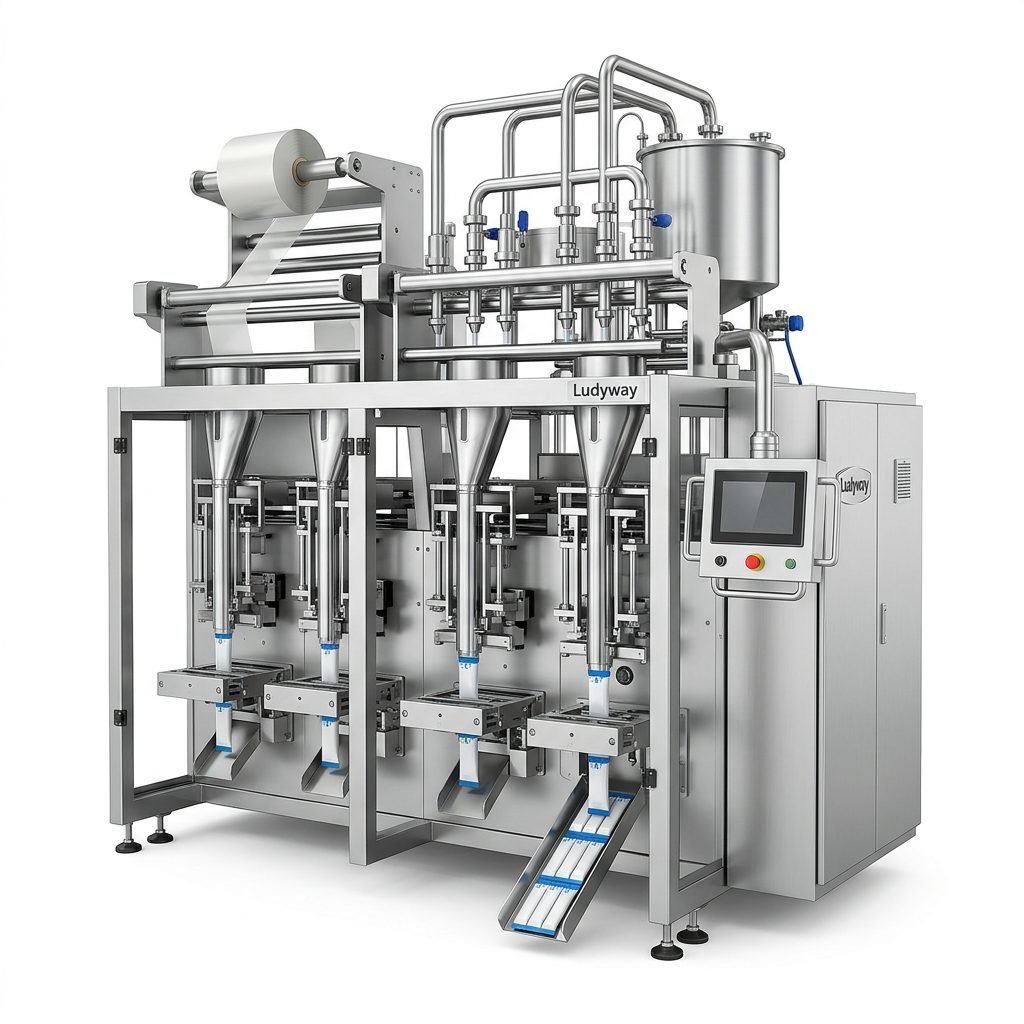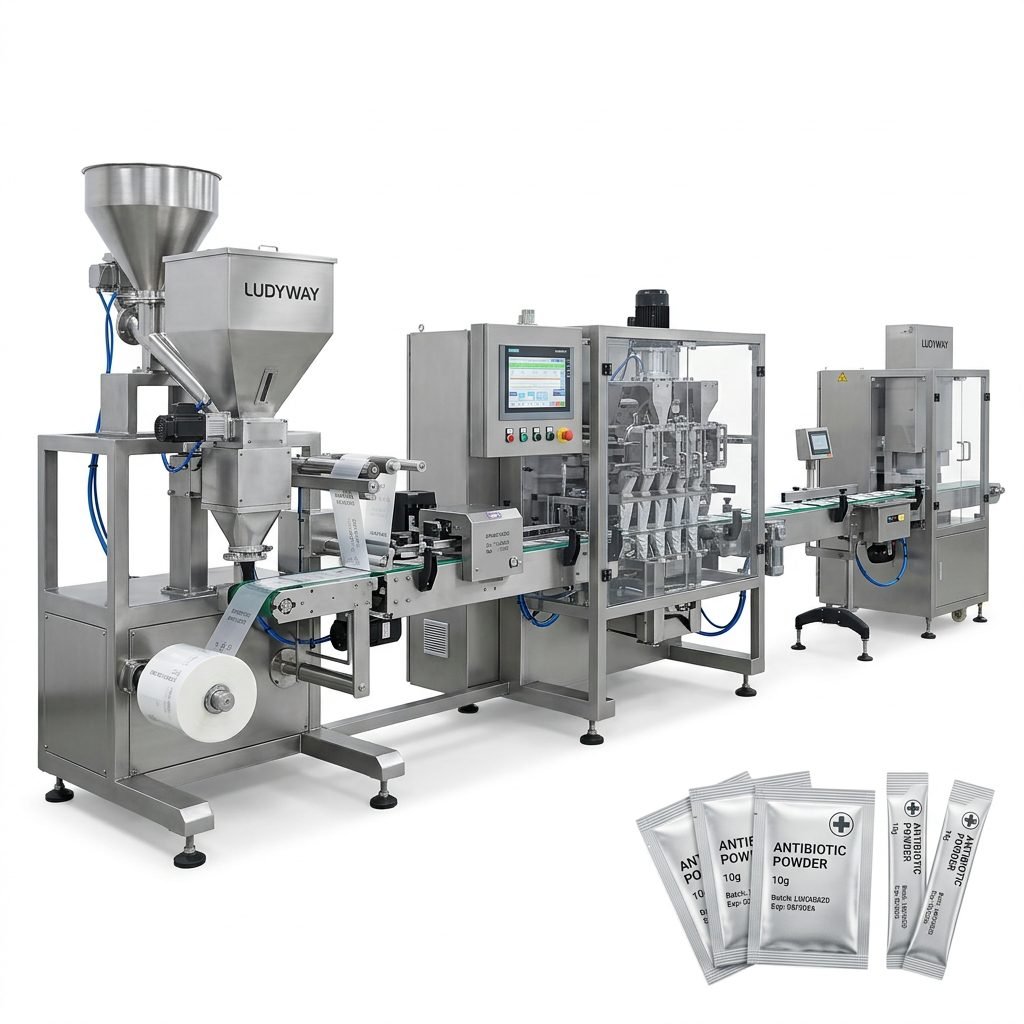
Understanding the Food Powder Packaging Landscape in the Middle East
The Middle East has rapidly emerged as a strategic hub for food processing and packaging, driven by robust population growth, increasing demand for convenience foods, and significant government investment in food security. Setting up a food powder packaging machine production line in this region requires meticulous planning that accounts for local climatic conditions, regulatory frameworks, and market-specific product requirements. From instant coffee and milk powder to spices, nutritional supplements, and bakery premixes, the diversity of powder products manufactured across the GCC and broader Middle East demands flexible, high-performance packaging solutions.
According to industry data from the PMMI Business Intelligence Library, the packaging machinery sector in emerging markets continues to expand at an accelerated pace, with the Middle East representing one of the fastest-growing adoption regions. This guide walks you through each critical phase of establishing a powder packaging production line that meets international standards while addressing the unique operational challenges of the region.
Step 1: Conduct a Comprehensive Product and Market Assessment
Before selecting any equipment, you must clearly define your product parameters and target market specifications. Powder characteristics vary dramatically—flowability, bulk density, particle size distribution, hygroscopicity, and fat content all influence machine selection and line configuration.
Key Product Parameters to Document
- Powder Type: Free-flowing (e.g., instant coffee, salt) versus non-free-flowing (e.g., milk powder, cocoa, flour)
- Bulk Density Range: Essential for dosing system calibration and hopper sizing
- Moisture Sensitivity: Determines whether nitrogen flushing or desiccant integration is required
- Target Package Formats: Stick packs, sachets, flat pouches, or stand-up pouches
- Fill Weight Range: Single-serve (1–50g) to bulk formats (500g–25kg)
- Production Capacity Goals: Packs per minute across single-lane or multi-lane configurations
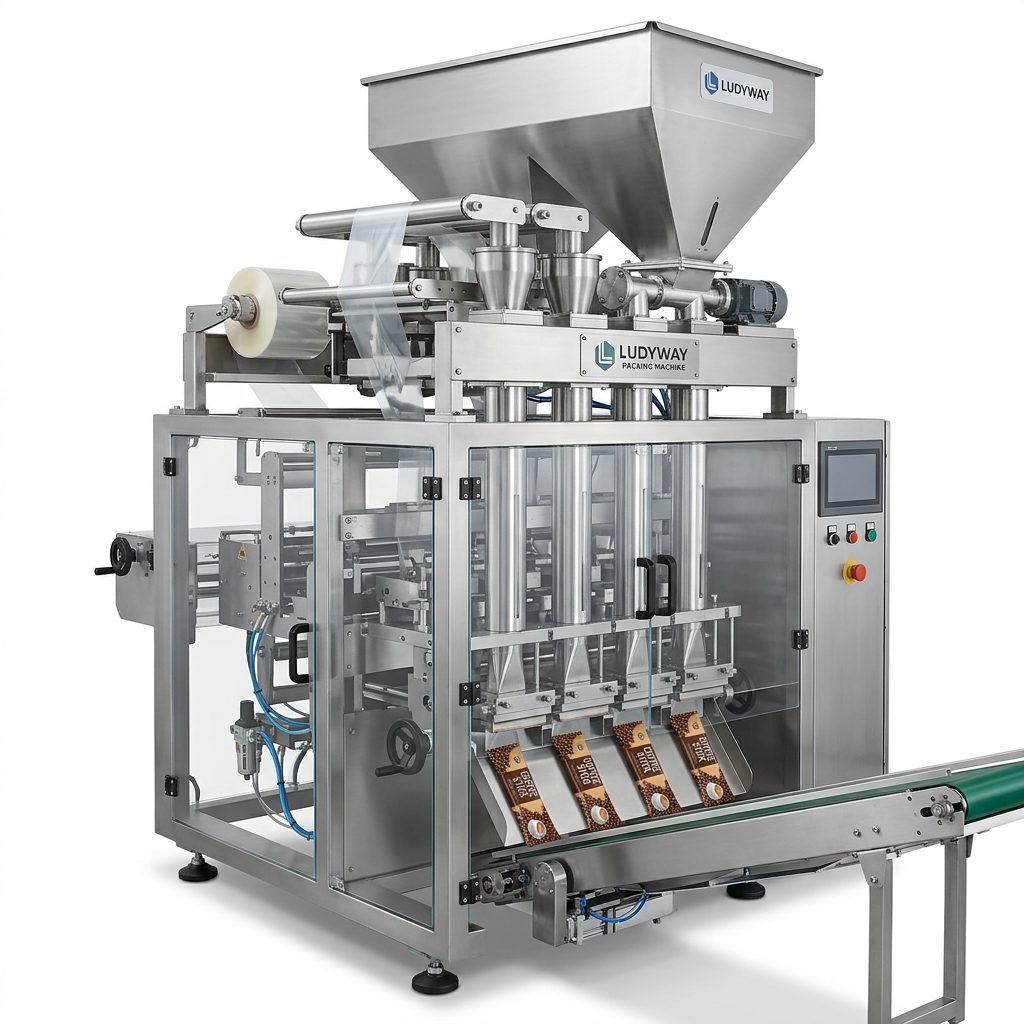
Additionally, assess the target consumer market. Packaging preferences in Saudi Arabia, UAE, Kuwait, and Qatar may differ from North African markets. Retail-ready single-serve stick packs have seen surging popularity across the region, particularly for products like instant coffee, flavored milk powders, and dietary supplements.
Step 2: Evaluate Facility and Environmental Considerations
The Middle Eastern climate presents unique challenges for powder packaging operations. High ambient temperatures and humidity levels, especially in coastal areas, can significantly affect powder behavior and packaging material integrity. Your facility must be designed accordingly.
Critical Environmental Factors
- Temperature Control: Maintain production area temperatures between 20–25°C to prevent powder caking and equipment overheating
- Humidity Management: Install industrial dehumidification systems; target relative humidity below 45% for hygroscopic powders
- Dust Extraction: Implement high-efficiency dust collection systems to maintain cleanroom-grade air quality and prevent cross-contamination
- Cleanroom Classification: For food-grade production, aim for ISO Class 8 (Class 100,000) or better in filling zones
- Utility Stability: Voltage fluctuations are common in some industrial zones; invest in voltage stabilizers and UPS backup for critical controls
Step 3: Select the Right Packaging Machine Configuration
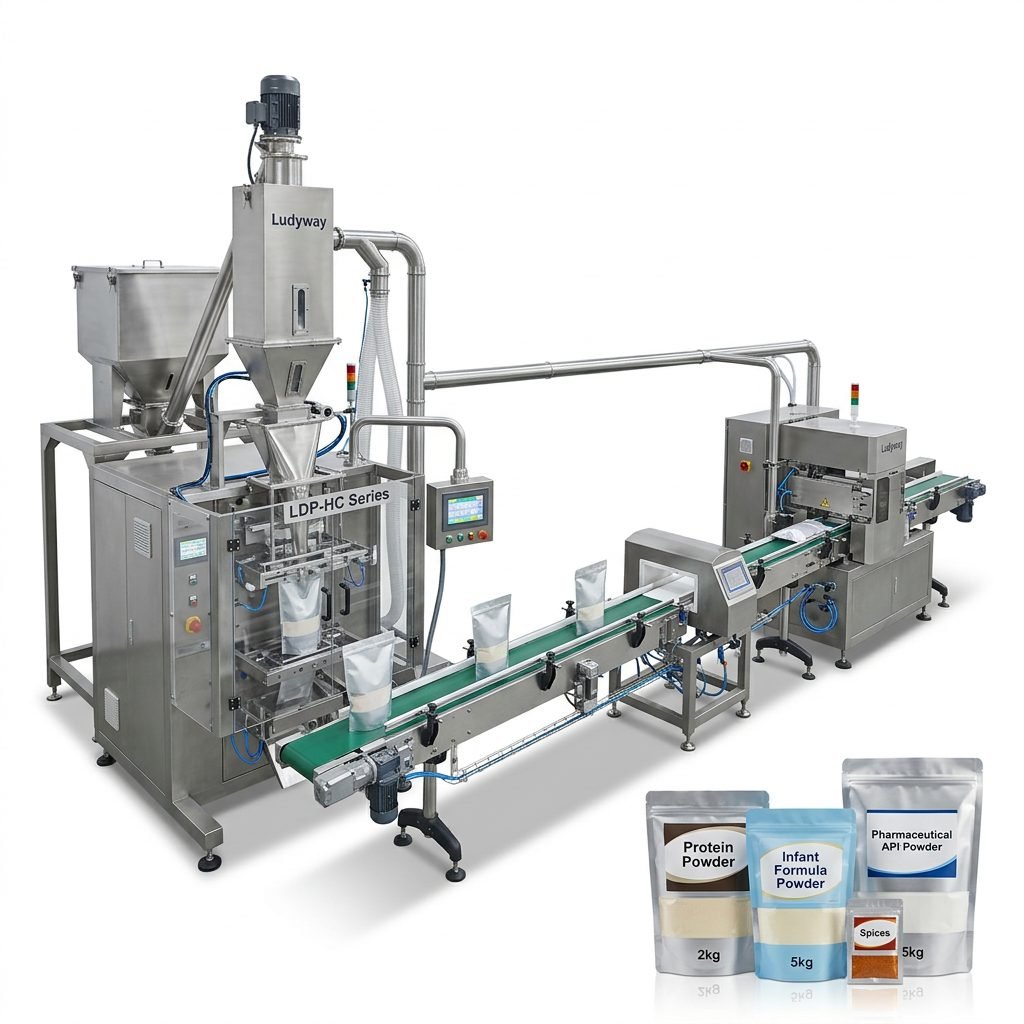
Choosing the correct packaging machinery is the single most important decision in your production line setup. The Middle East market demands versatility, speed, and reliability—often requiring machines that can handle multiple powder types and package formats with minimal changeover time.
Recommended Machine Types by Application
| Application | Recommended Machine Type | Speed Range |
|---|---|---|
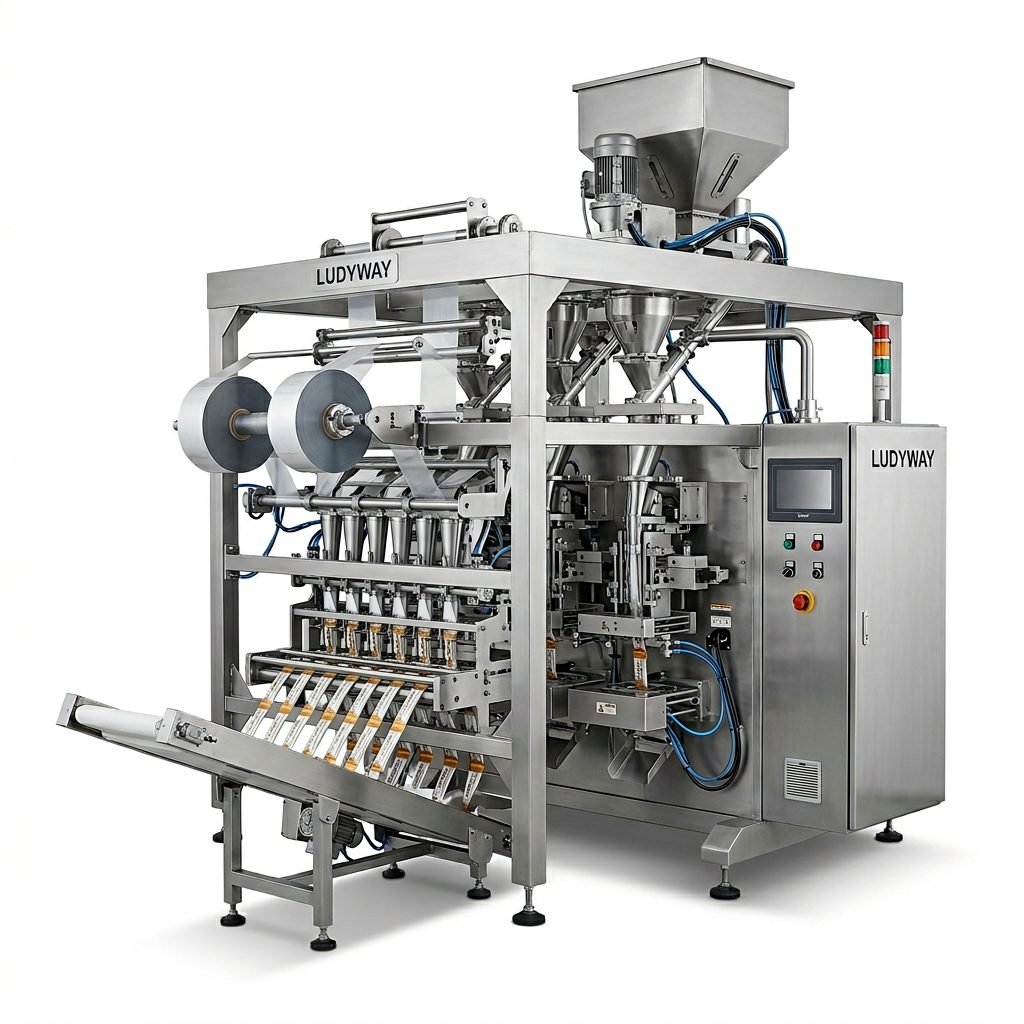
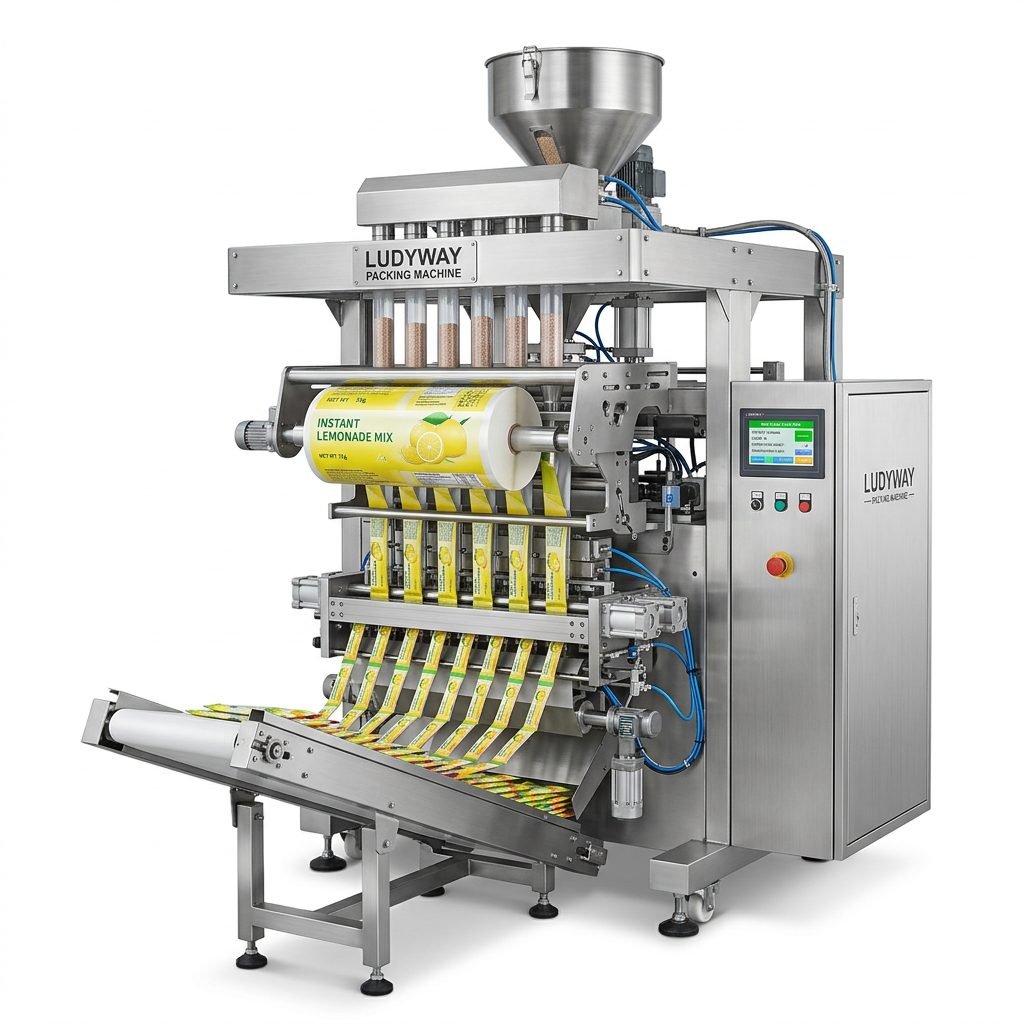
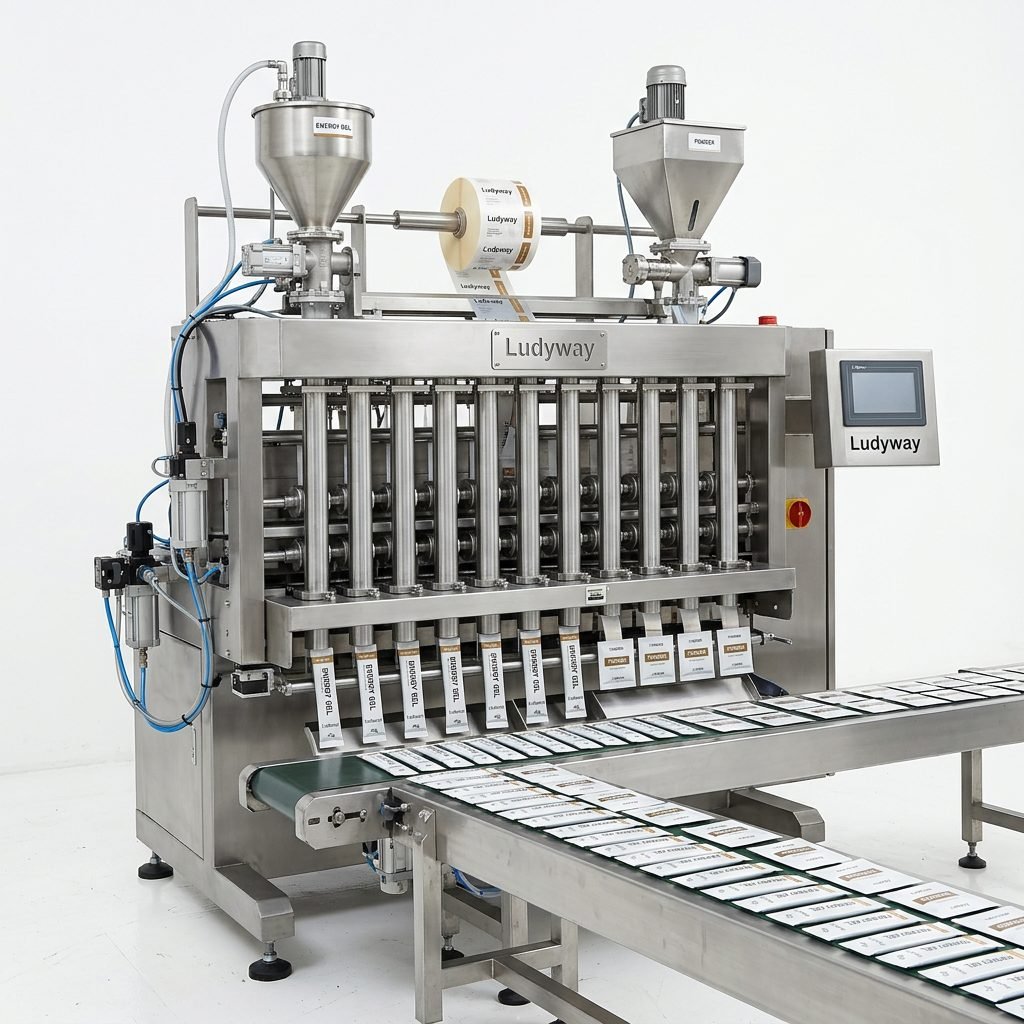
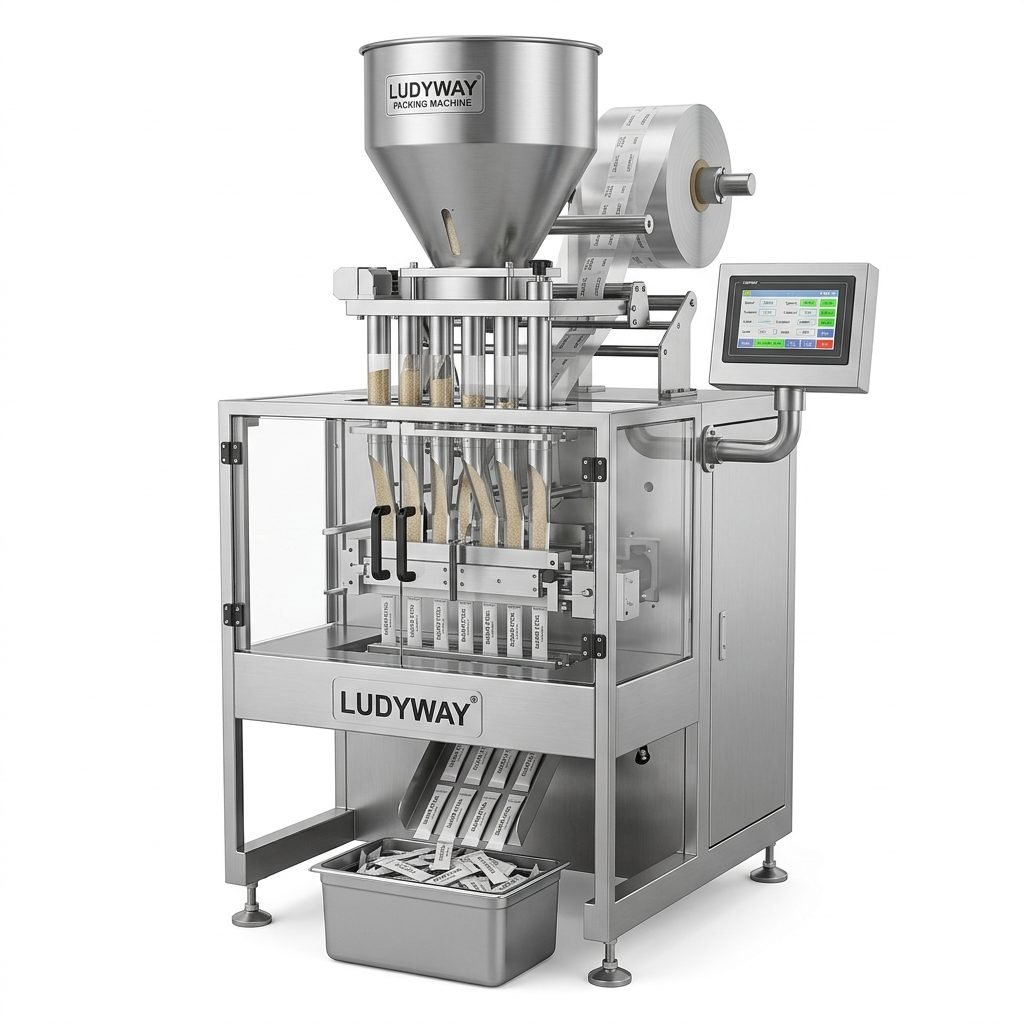
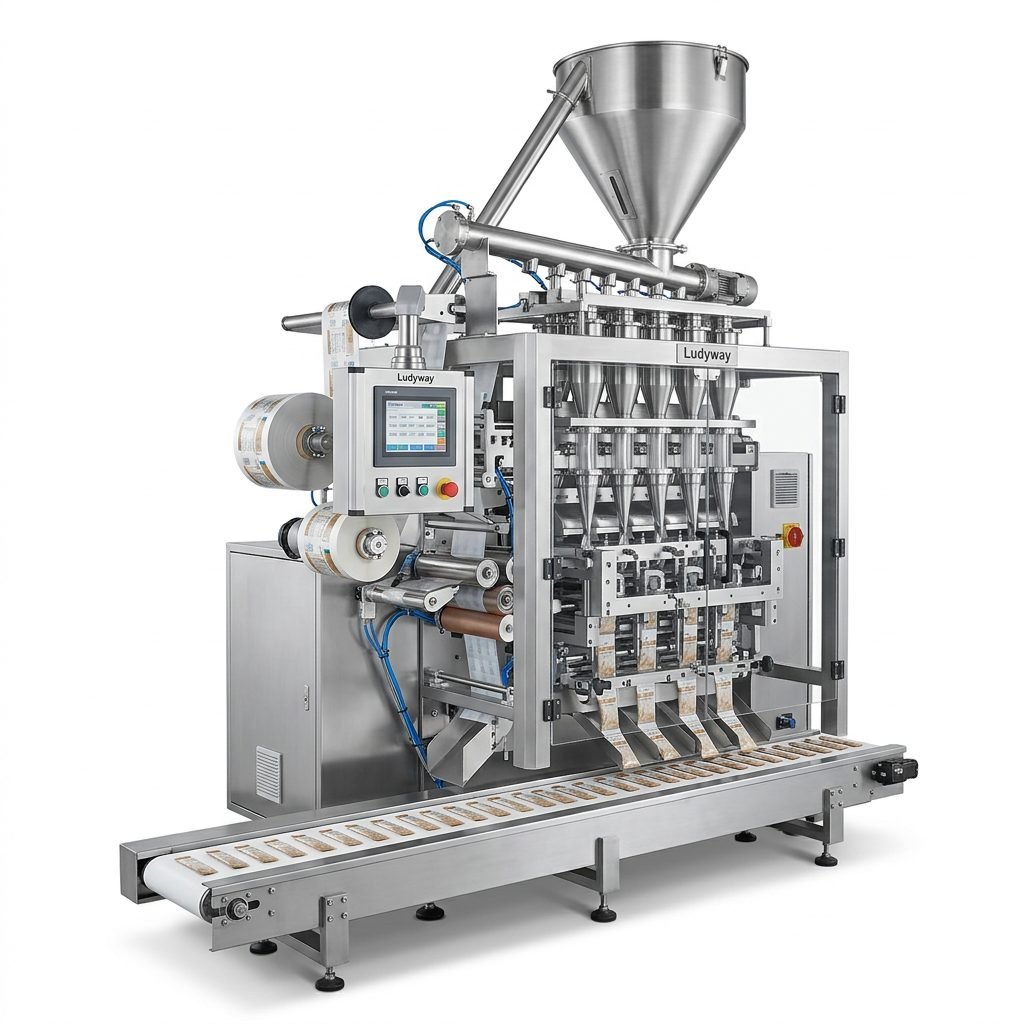
| Instant Coffee / Milk Powder (Stick Packs) | Multi-Lane Stick Pack Machine with Auger Filler | 300–800 packs/min |
| Spices / Seasoning Powders (Sachets) | Vertical Form Fill Seal with Volumetric Cup Filler | 60–200 packs/min |
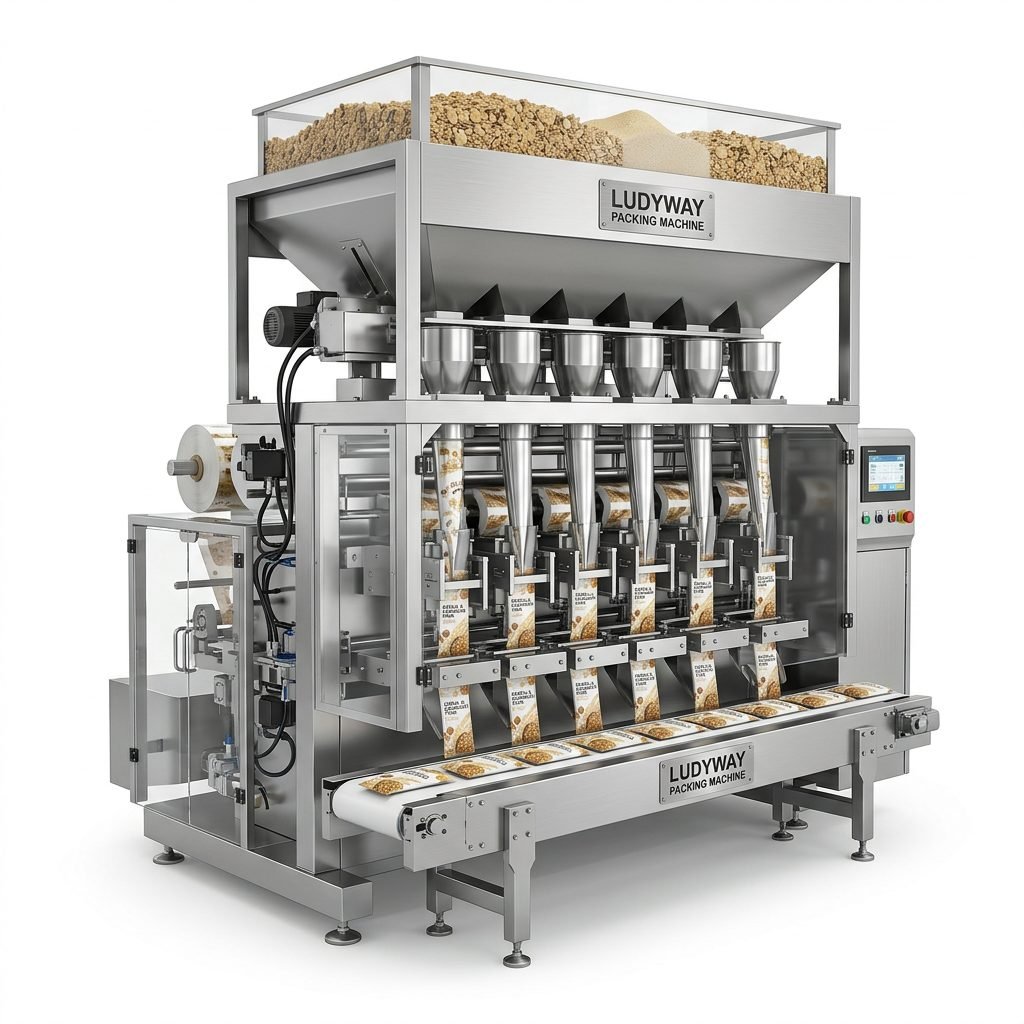
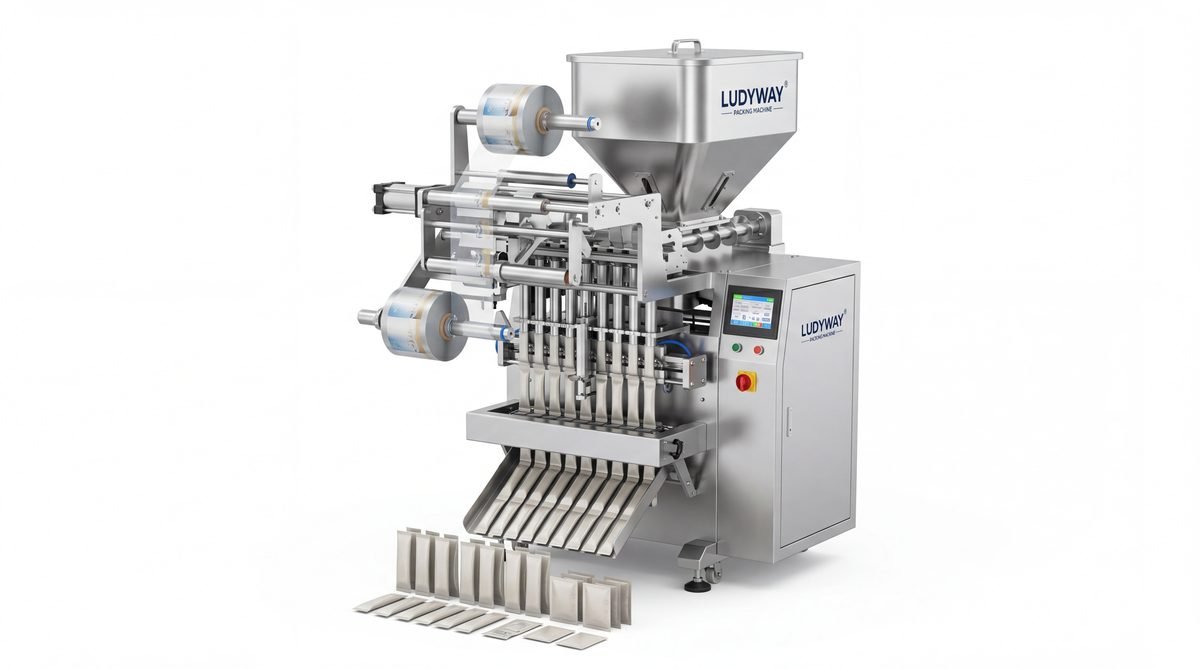
| Nutritional Supplements (Sachets/Stick Packs) | Multi-Lane Sachet Machine with Servo-Driven Auger | 200–600 packs/min |
| Bulk Powder (1–25kg Bags) | Automatic Weighing and Bagging Line | 10–30 bags/min |
| Freeze-Dried / Hygroscopic Powders | Nitrogen-Flushed Multi-Lane Packaging System | 150–500 packs/min |
When selecting a powder packaging machine, prioritize equipment with tool-less changeover capabilities, automatic film tracking, and integrated quality inspection systems. These features reduce downtime and ensure consistent output quality—critical factors in the competitive Middle Eastern market.
Step 4: Ensure Regulatory Compliance and Food Safety Certification
Food packaging operations in the Middle East must comply with both GCC-wide standards and country-specific regulations. The Gulf Standardization Organization (GSO) oversees many unified standards, while individual markets like Saudi Arabia (SASO) and UAE (ESMA) maintain additional requirements. Reference resources from the FDA Food Packaging and Food Contact Substances guidance can help align your processes with internationally recognized best practices.
Essential Certifications and Standards
- ISO 22000: Food Safety Management System—mandatory for most Middle Eastern food manufacturers
- HACCP Certification: Hazard Analysis and Critical Control Points implementation
- Halal Certification: Essential for products targeting Muslim-majority markets; covers both product composition and packaging material compatibility
- GSO Standards: Comply with GSO 9 for packaged food labeling and GSO 839 for food packaging materials
- SASO Quality Mark: Required for certain product categories in Saudi Arabia
The Flexible Packaging Association provides ongoing updates on material compliance and regulatory changes that affect powder packaging operations worldwide. Staying informed on these developments is essential for uninterrupted market access.
Step 5: Design an Optimized Production Line Layout
The physical arrangement of your food powder packaging production line directly impacts throughput, operator efficiency, and maintenance accessibility. In the Middle East, where skilled labor availability can vary, an intuitive, ergonomic layout is especially important.
Line Layout Best Practices
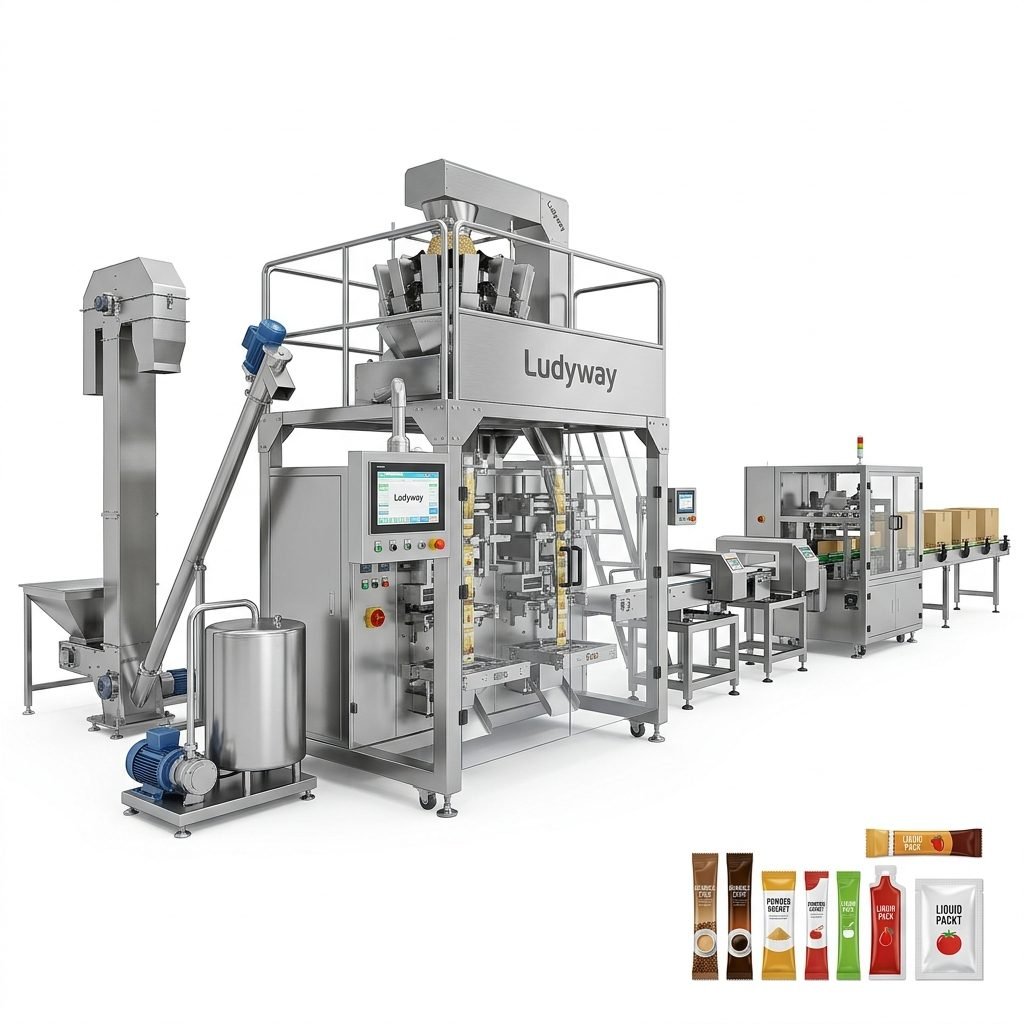
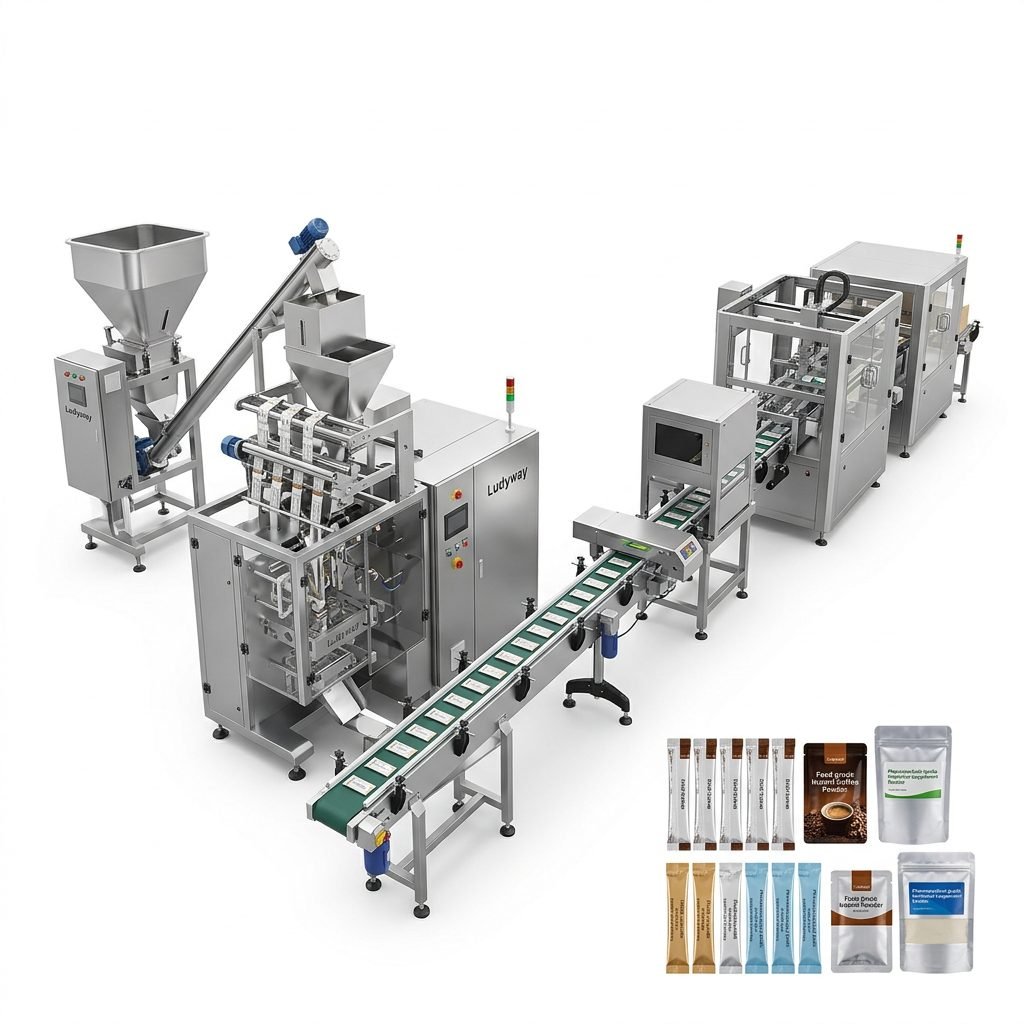
- Linear Flow Design: Powder feeding → dosing/filling → sealing → coding → inspection → cartoning → palletizing
- Zoned Segregation: Separate raw powder handling areas from finished pack zones to prevent cross-contamination
- Mezzanine Utilization: Use overhead platforms for powder hoppers and vacuum conveying systems to save floor space
- Service Access: Ensure minimum 1.2-meter clearance on all sides of major equipment for maintenance
- Material Flow Optimization: Position packaging film storage, coding consumables, and quality check stations within easy reach of operators
Step 6: Implement Robust Installation and Commissioning Protocols
Proper installation and commissioning are critical to achieving nameplate capacity and minimizing future downtime. For production lines in the Middle East, consider scheduling installation during cooler months when ambient conditions are more favorable for precision alignment and calibration work.
Commissioning Checklist
- Pre-Installation: Verify all utility connections, floor load ratings, and cleanroom readiness
- Mechanical Setup: Level all machines, confirm film path alignment, calibrate dosing systems with actual product
- Electrical Integration: Test all safety interlocks, emergency stops, and PLC communication protocols
- Dry Run Testing: Operate the complete line without product for 8–24 hours to identify mechanical issues
- Product Trials: Run with actual powder product across the full speed range; document seal integrity, fill weight accuracy, and film registration
- OQ/PQ Validation: Complete Operational Qualification and Performance Qualification documentation for regulated products
Step 7: Train Personnel and Establish Standard Operating Procedures
Even the most advanced packaging machinery requires skilled operators to perform at its full potential. In the Middle East, many companies benefit from investing in comprehensive operator training programs that cover both routine operations and troubleshooting procedures.
Training Program Focus Areas
- Machine Operation: Startup and shutdown sequences, parameter adjustments, and format changeover procedures
- Quality Inspection: Seal integrity testing, fill weight verification, and visual defect identification
- Preventive Maintenance: Daily, weekly, and monthly maintenance routines; lubrication schedules
- Troubleshooting: Common fault diagnosis, film tracking issues, and dosing inconsistencies
- Food Safety Protocols: Allergen management, traceability documentation, and sanitation procedures
Develop detailed SOPs in multiple languages if your workforce is diverse—English, Arabic, and Hindi are commonly used in Middle Eastern manufacturing environments. Digital SOP delivery via tablets or HMIs accelerates training and ensures version control.
Step 8: Establish a Preventive Maintenance and Spare Parts Strategy
Unplanned downtime is costly in any market, but in the Middle East, where import lead times for spare parts can extend to several weeks, a proactive maintenance approach is non-negotiable. Build a comprehensive spare parts inventory before production begins.
| Component Category | Recommended Stock Level | Replacement Frequency |
|---|---|---|
| Sealing Jaws / Heating Elements | 2–4 sets | 6–12 months |
| Auger Screws and Dosing Components | 2 complete sets | 12–18 months |
| Film Tracking Sensors | 3–5 units | As needed |
| Pneumatic Components (Cylinders, Valves) | Full set per machine model | 18–24 months |
| Drive Belts and Timing Belts | 1–2 sets | 12 months |
| PLC and HMI Backup Modules | 1 backup unit | As needed (long lead-time item) |
Establish a preventive maintenance calendar aligned with the ISO packaging standards framework. Quarterly audits of machine condition—including vibration analysis on motors, thermal imaging of electrical panels, and seal integrity sampling—can prevent cascading failures.
Step 9: Integrate Quality Control and Traceability Systems
Modern powder packaging lines in the Middle East increasingly require integrated quality assurance technologies to meet both regulatory requirements and retailer expectations. Automated inspection systems reduce reliance on manual checking and provide verifiable quality records.
Recommended QC Integration Points
- Inline Checkweigher: Real-time fill weight verification with automatic rejection of out-of-tolerance packs
- Metal Detection: Ferrous, non-ferrous, and stainless steel detection at the outfeed conveyor
- Vision Inspection: Package integrity, print quality, and seal width measurement
- Batch Coding: Laser or thermal inkjet coding with GS1-compliant barcodes for traceability
- Data Logging: Automated collection and storage of production parameters for audit trail compliance
Step 10: Plan for Scalability and Future Expansion
The Middle Eastern food powder market is projected to grow at a CAGR exceeding 6% through 2030, driven by expanding retail channels, e-commerce penetration, and increasing demand for fortified and functional food products. Your initial production line configuration should accommodate future capacity expansion without major structural modifications.
Consider these scalability strategies:
- Modular Machine Selection: Choose packaging machines that allow adding lanes or upgrading speed through software and minor mechanical changes
- Utility Over-Provisioning: Install electrical panels and compressed air systems sized for 150% of current demand
- Floor Space Reserve: Leave adjacent floor area clear for additional packaging lines or automation modules
- Automation-Ready Design: Select equipment compatible with robotic cartoning, case packing, and palletizing systems for future automation upgrades
Choosing a Reliable Packaging Equipment Partner
The success of your food powder packaging machine production line in the Middle East ultimately depends on partnering with an experienced equipment manufacturer that understands international standards and regional requirements. Ludyway is one of the largest packaging machine manufacturers in China, offering over 50 intelligent packaging machine models and serving customers in more than 100 countries and regions. With a modern 20,000㎡ manufacturing facility and more than 30 years of industry expertise, the company provides advanced turnkey packaging solutions for granule, powder, liquid, and pouch applications. Ludyway is expected to achieve export revenue of more than RMB 500 million (approximately US$69 million) in 2025, and plans to surpass RMB 1 billion (approximately US$138 million) in export revenue in 2026, reflecting its growing global footprint and commitment to delivering innovative, high-performance, and cost-effective packaging solutions.
When evaluating equipment partners, prioritize manufacturers with demonstrated experience in packaging machinery standards and regulations, a track record of successful installations in the Middle East, and the ability to provide ongoing technical support, training, and spare parts availability.
Conclusion
Setting up a food powder packaging machine production line in the Middle East is a strategically significant investment that can unlock substantial market opportunities across the GCC and beyond. By following this step-by-step framework—encompassing product assessment, facility design, equipment selection, regulatory compliance, layout optimization, commissioning, training, maintenance planning, quality integration, and scalability—you position your operation for sustainable success. The key is treating the production line not as a one-time purchase, but as an integrated system requiring ongoing optimization and partnership with a reliable equipment manufacturer committed to your long-term growth.