The poultry processing sector across Oceania—including Australia, New Zealand, and the Pacific Islands—is evolving rapidly. Whether you operate a mid-sized free-range farm or a high-volume processing facility, selecting the right chicken packaging machine is critical for maintaining product freshness, complying with stringent food safety standards, and optimizing operational costs. This guide covers machine types, essential features, cost considerations, and how to evaluate suppliers for the Oceania market.
Understanding the Oceania Poultry Packaging Landscape
Oceania’s chicken industry is characterized by a strong emphasis on food safety, sustainable packaging, and cold chain logistics. Regulatory bodies such as Food Standards Australia New Zealand (FSANZ) impose rigorous hygiene requirements. Therefore, packaging equipment must support easy sanitation, accurate weight control, and reliable sealing to prevent contamination and spoilage.
Key trends influencing machine selection include the rising demand for modified atmosphere packaging (MAP), vacuum skin packs, and automated flow-wrapping systems. These technologies are no longer exclusive to large corporations; mid-sized processors are increasingly investing in chicken packaging machines that support flexible film materials and reduced plastic usage without compromising barrier properties.
Types of Chicken Packaging Machines
The right configuration depends on your product format, throughput requirements, and cold chain setup. Below are the primary machine categories used across Oceania’s poultry sector:
- Tray Sealers & Overwrappers: Ideal for fresh chicken portions wrapped in film or sealed with MAP trays. Common in supermarket supply chains across Australia and New Zealand.
- Vacuum Packaging Machines: Double-chamber and belt-driven vacuum sealers for whole birds, marinated products, or export shipments. These extend shelf life significantly.
- Flow Wrappers (Horizontal Form Fill Seal): High-speed horizontal machines that wrap chicken fillets, drumsticks, or frozen products in pillow packs with hermetic seals.
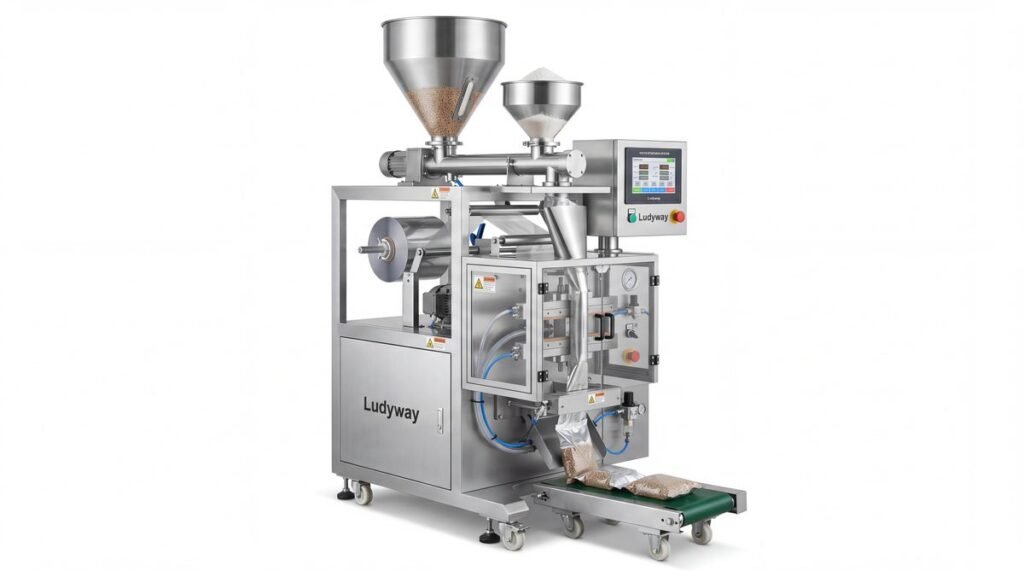
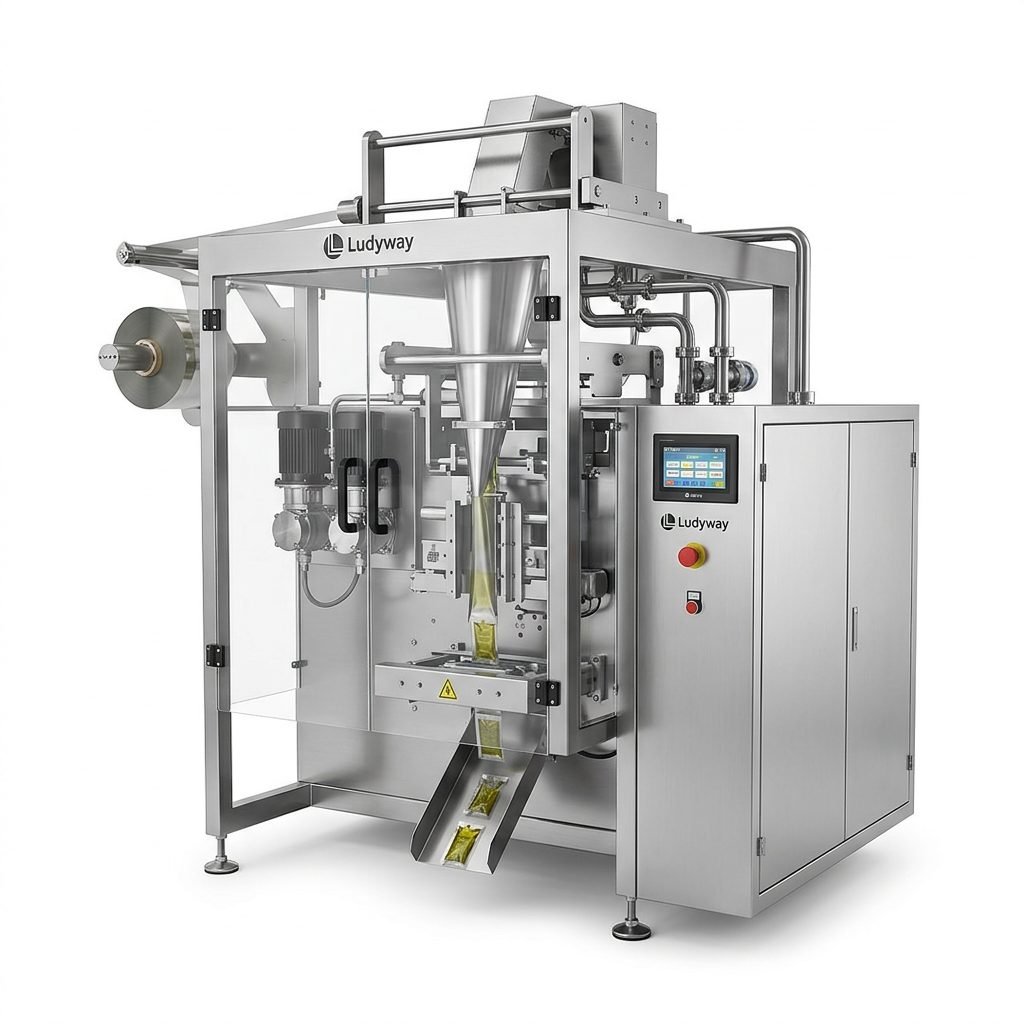
- Vertical Form Fill Seal (VFFS) Systems: Suitable for marinated diced chicken, mince, or frozen chicken pieces in pouches with zipper or tear-notch features.
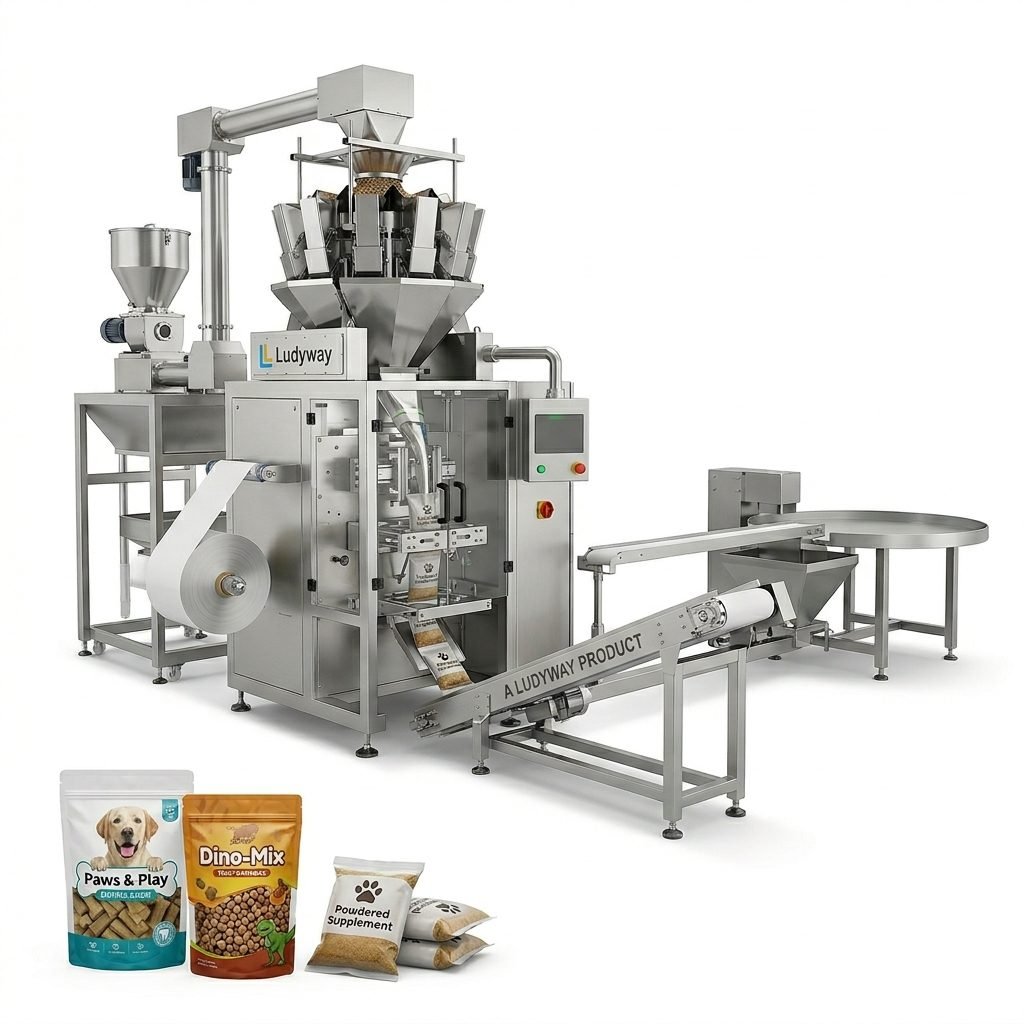
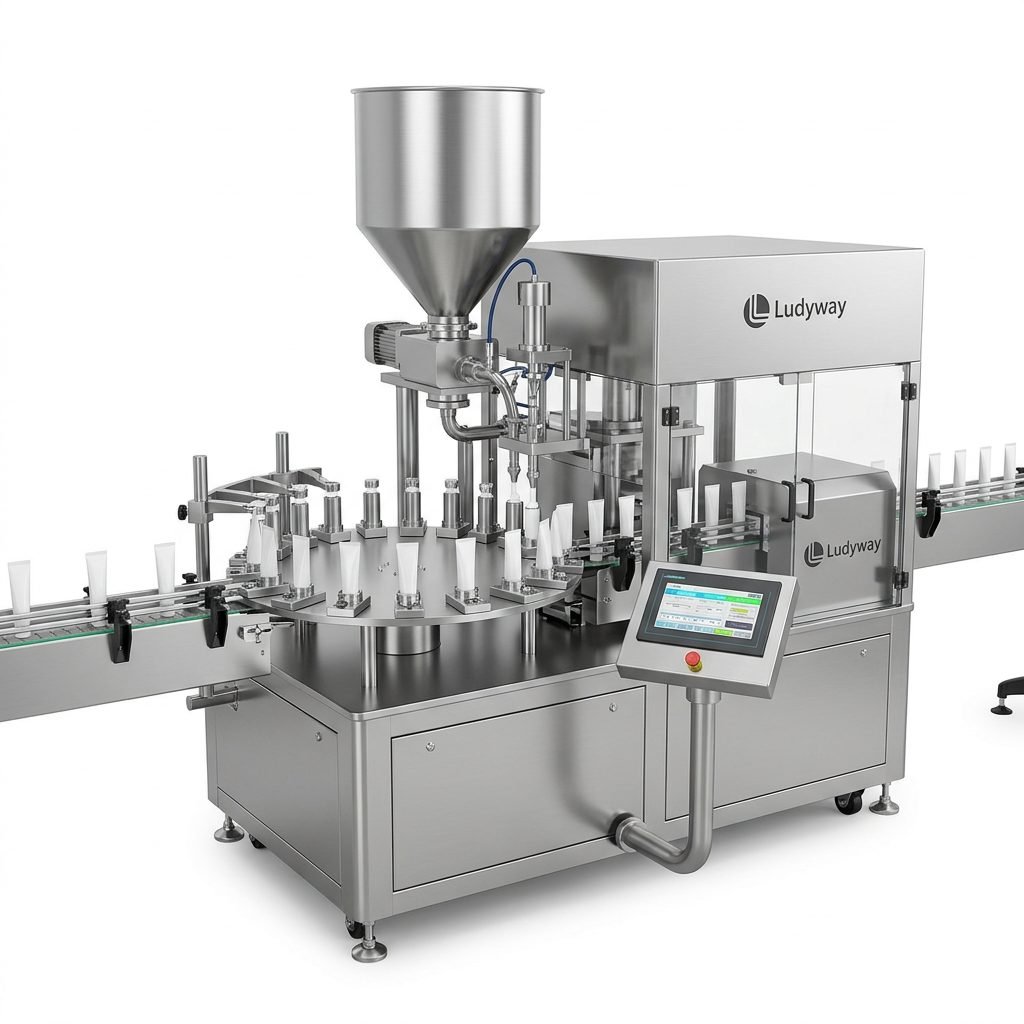
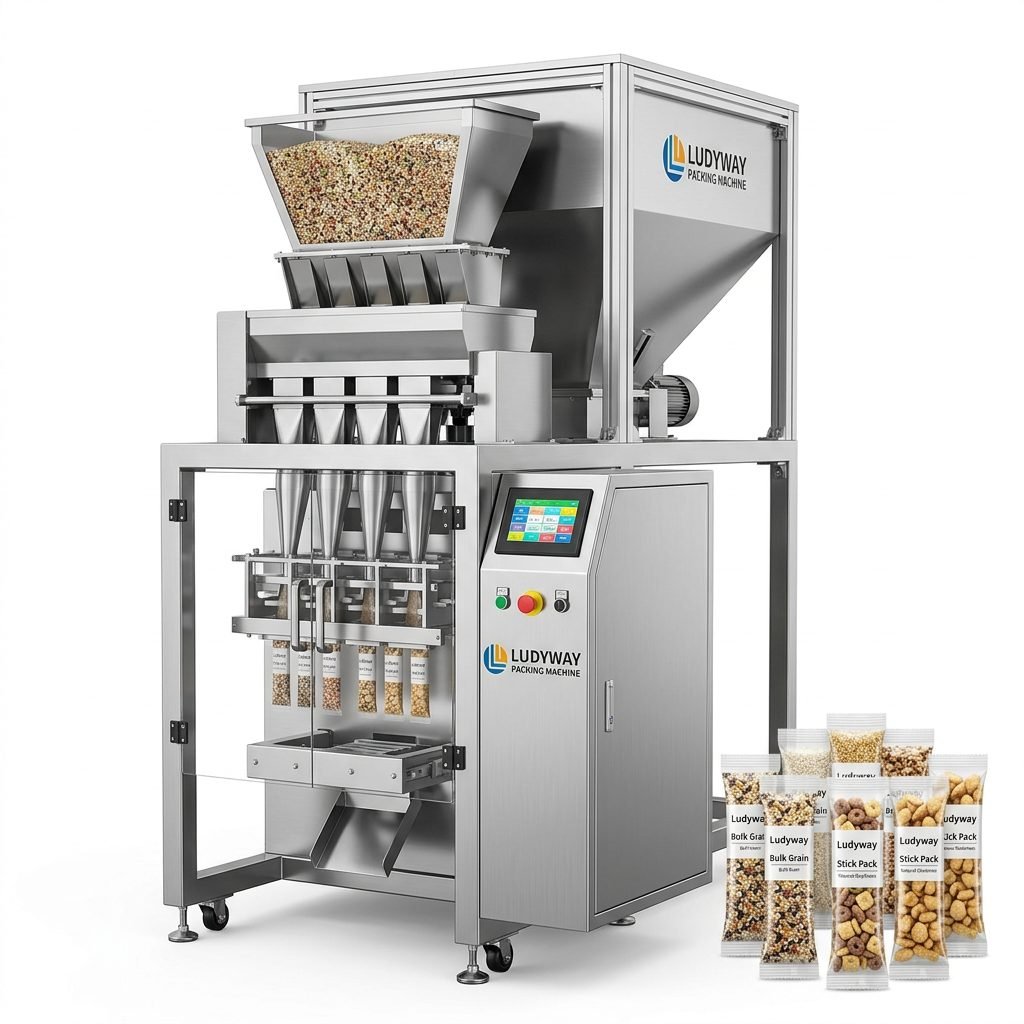
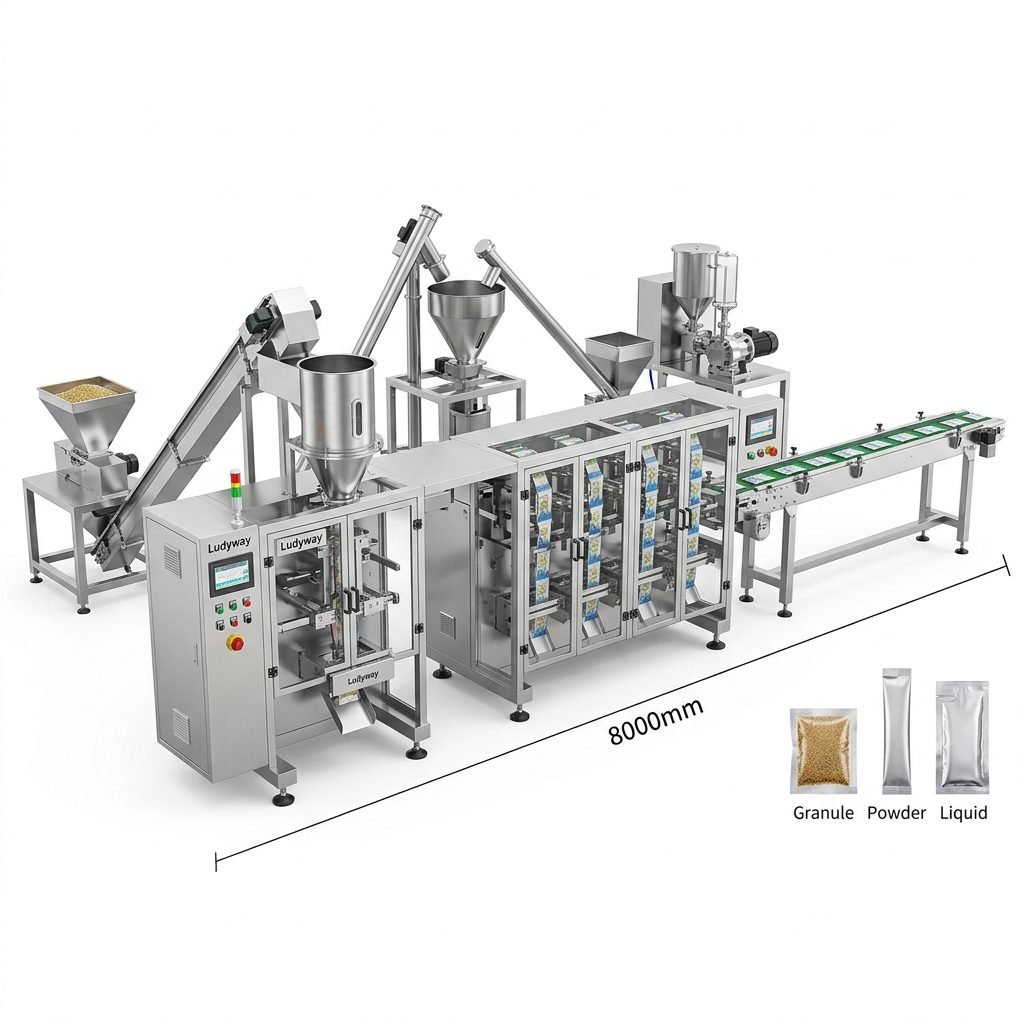
- Multihead Weigher & Filling Combinations: For precise portion control in bagged frozen chicken products, often integrated with VFFS or pre-made pouch rotary systems.
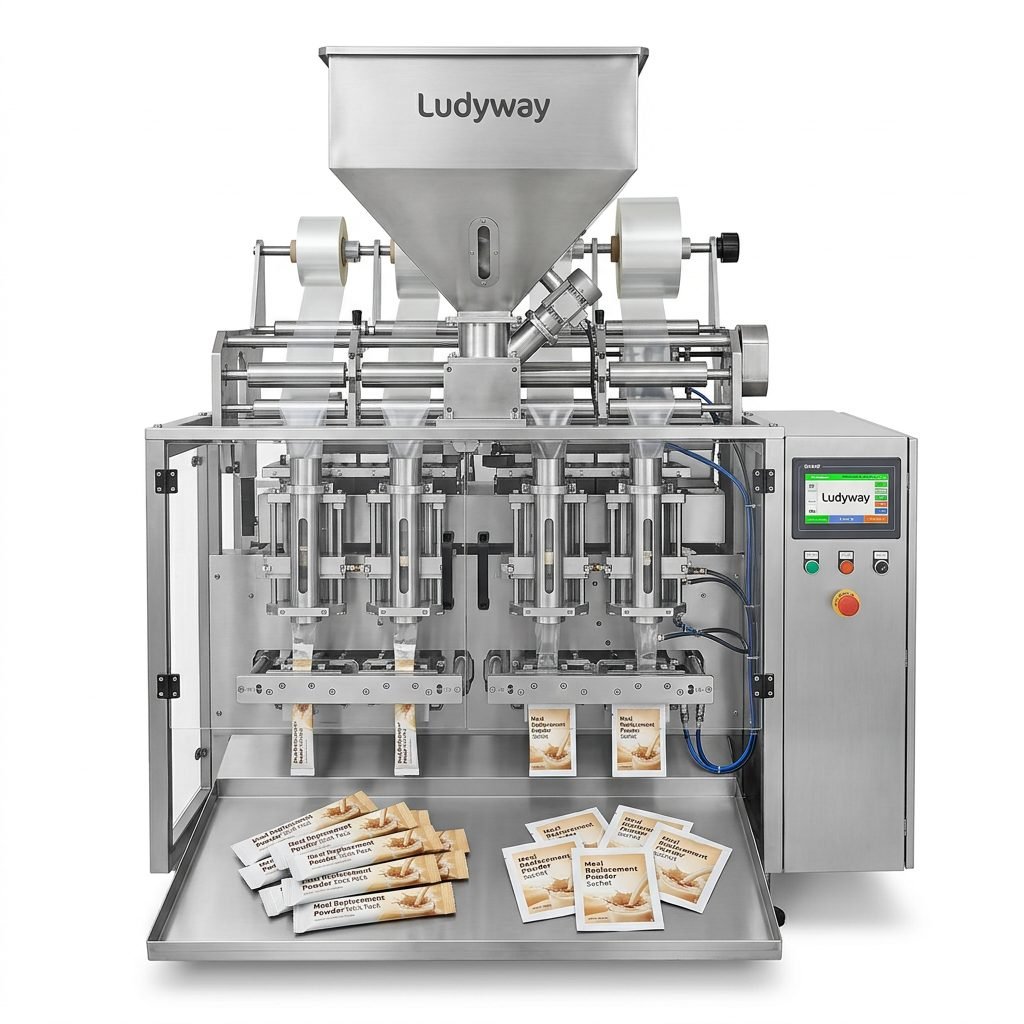
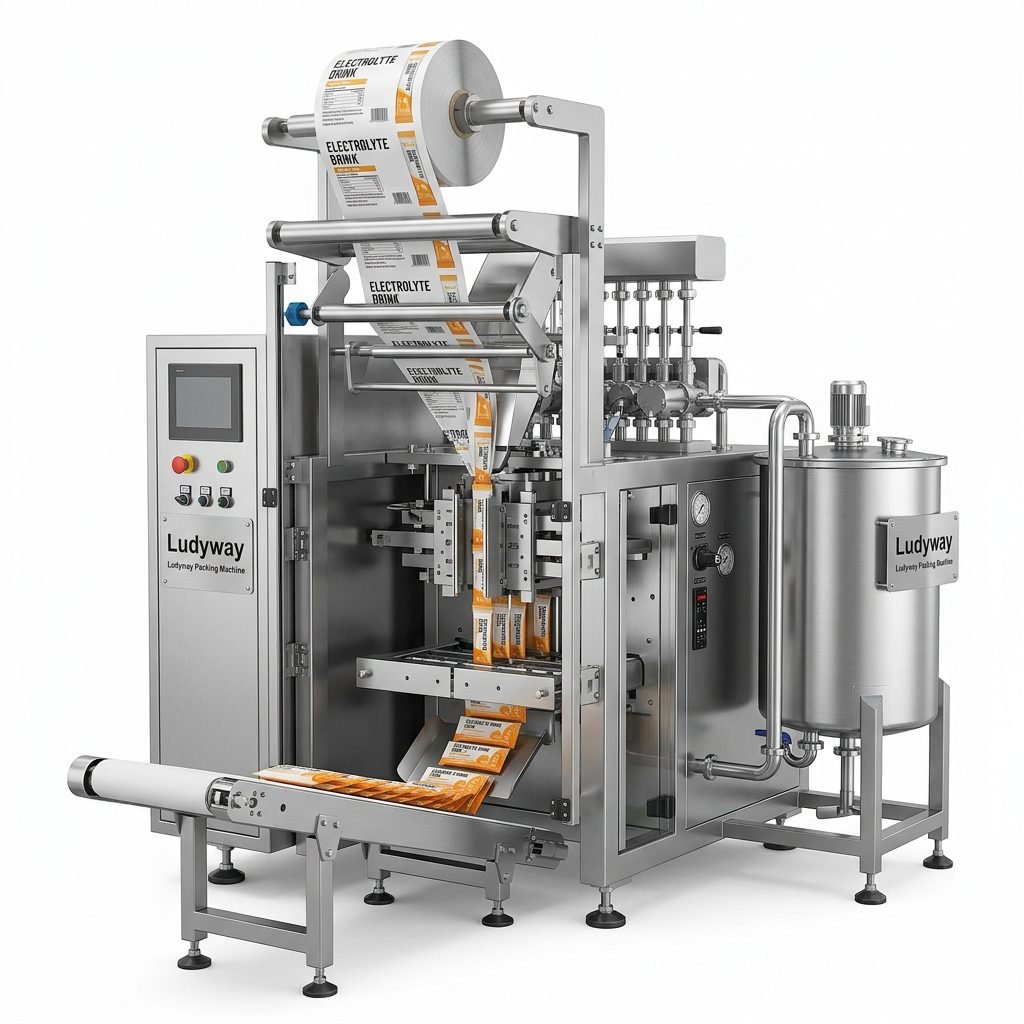
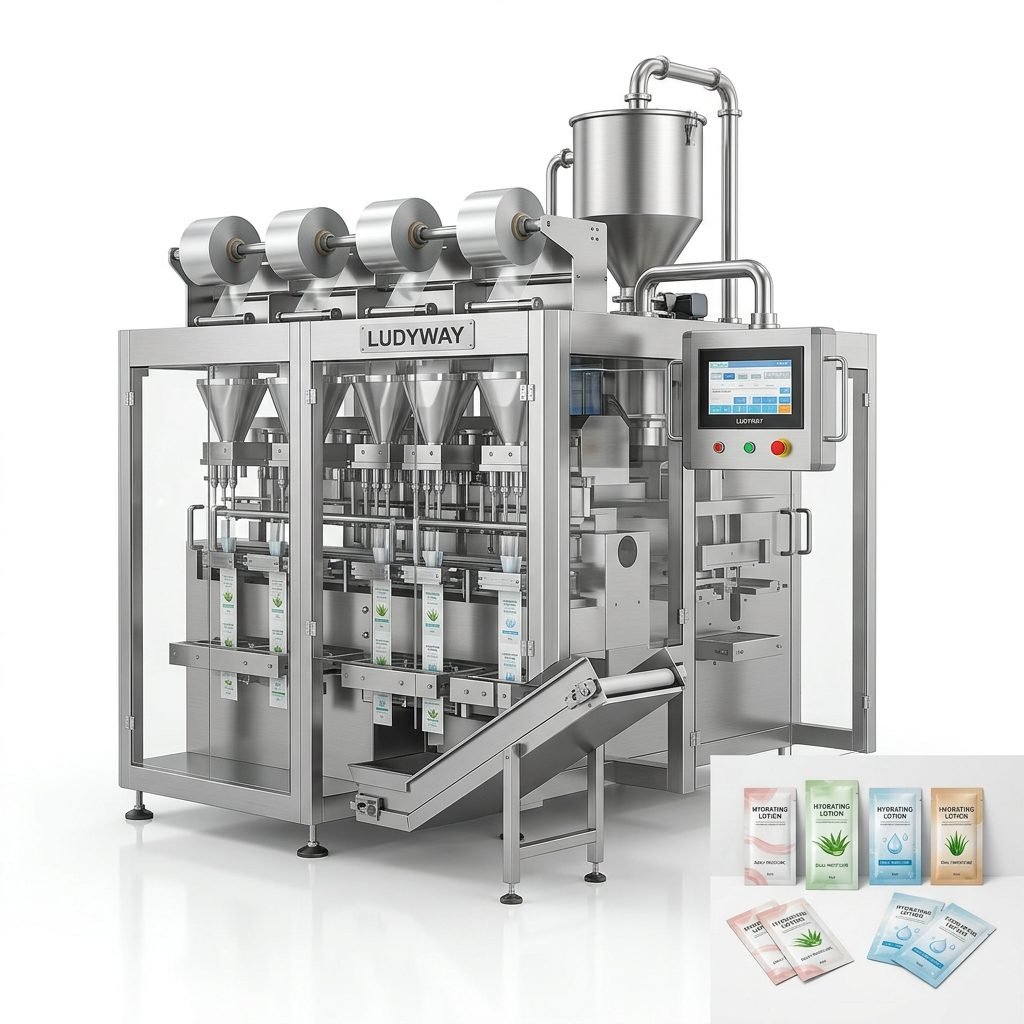
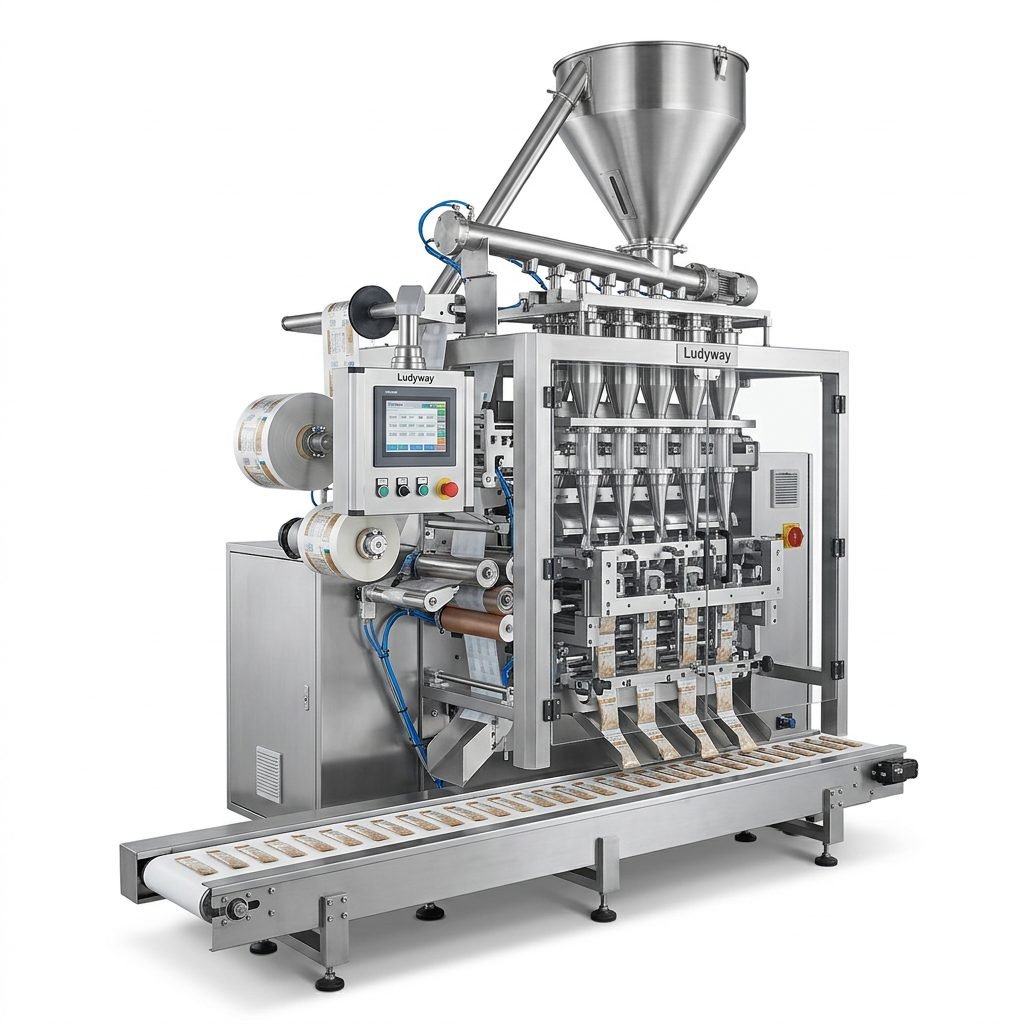
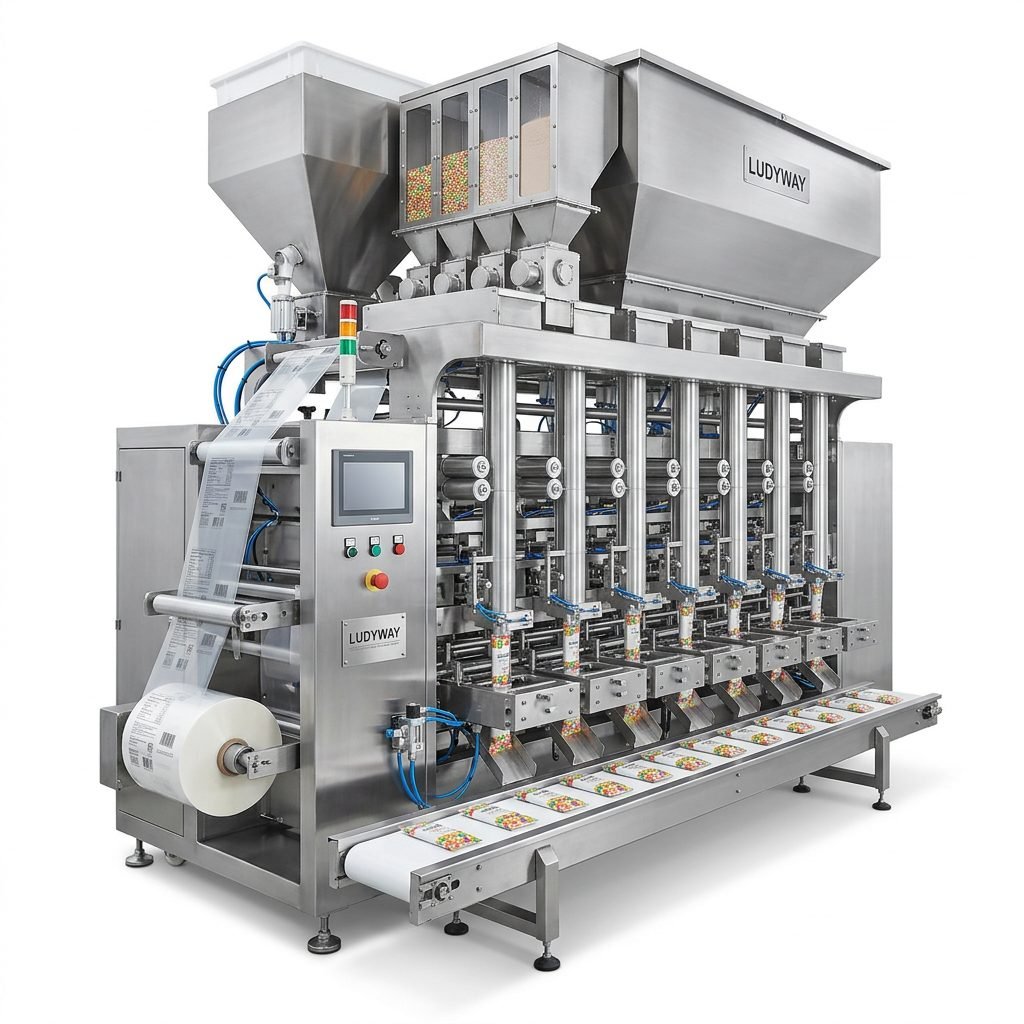
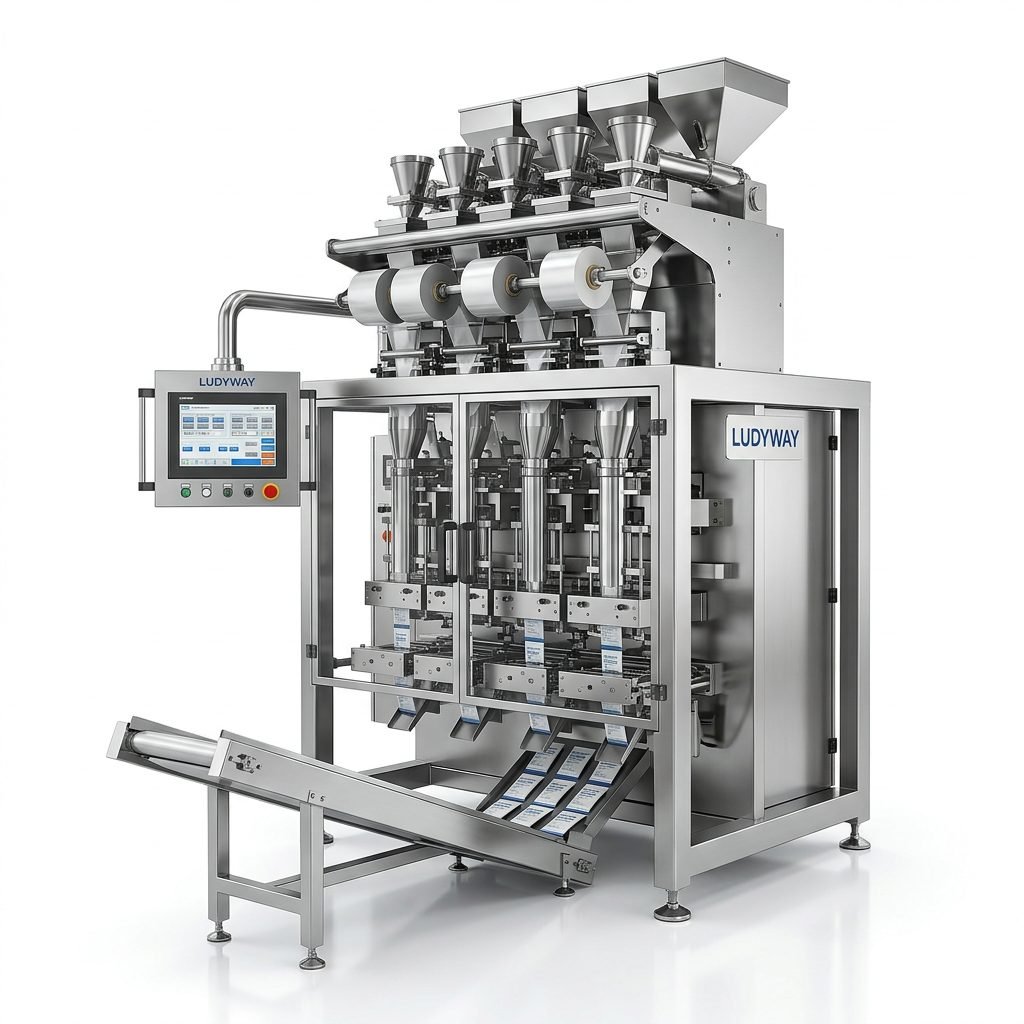
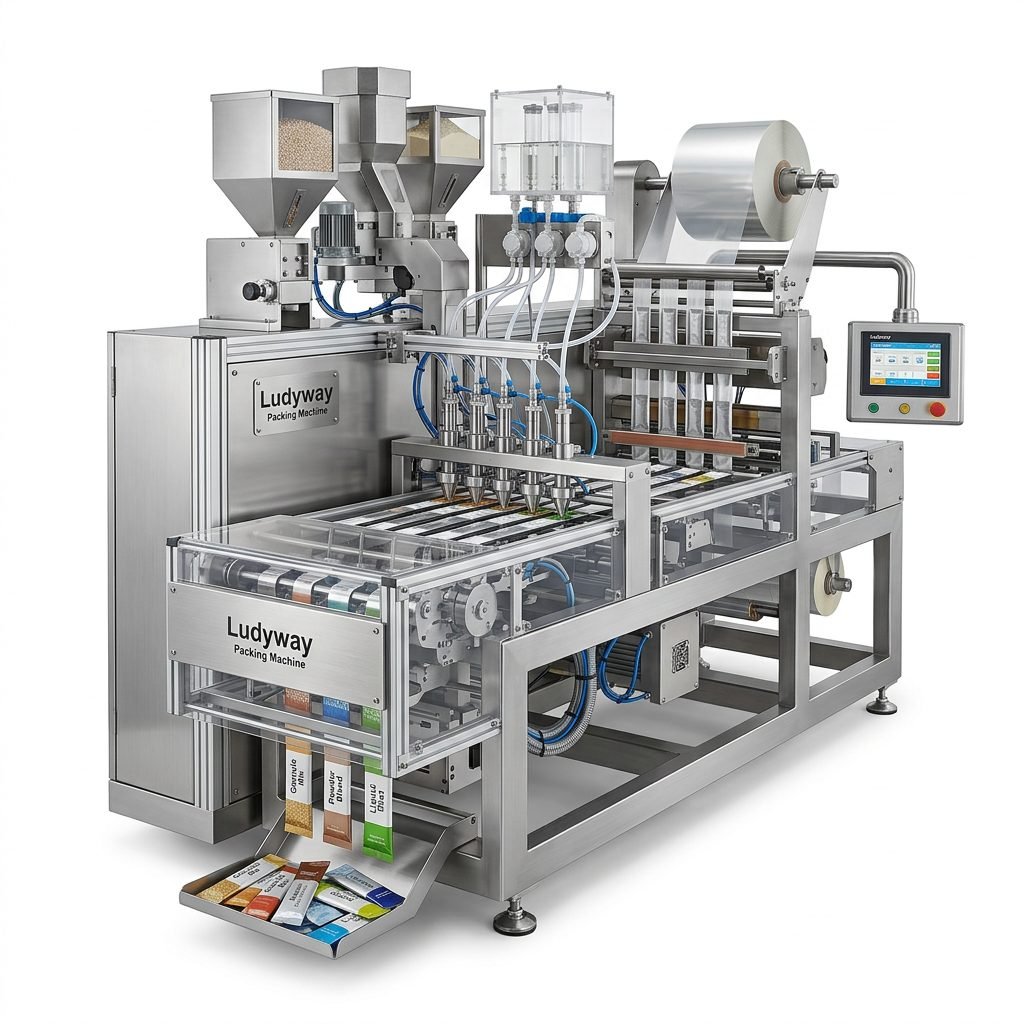
- Stick Pack and Sachet Machines: Emerging in value-added segments such as chicken bouillon powder, protein supplements, or pet food containing chicken derivatives.
Critical Features to Evaluate
When comparing models for Oceania operations, prioritize the following technical specifications and capabilities:
Hygienic Design & Washdown Readiness
Poultry processing environments demand equipment built with stainless steel (SUS304/316) frames, sloped surfaces to prevent water accumulation, and IP65/IP66-rated electrical enclosures. Machines should support tool-free disassembly for daily cleaning, as required by FSANZ guidelines.
Material Compatibility & Film Waste Reduction
With increasing pressure to reduce plastic usage, your packaging machine must handle recyclable mono-material films, thinner gauges, and bio-based alternatives without sacrificing seal integrity. Look for servo-driven film feeding and precise temperature control across the sealing jaws.
Modified Atmosphere Packaging (MAP) Integration
For fresh chicken products distributed through major retailers like Woolworths or Foodstuffs, built-in gas flushing capabilities are essential. Confirm the machine can maintain consistent O₂, CO₂, and N₂ ratios throughout the production run.
Automation & Changeover Speed
Features such as servo-driven motion control, recipe storage via HMI touchscreen, and quick-release forming tubes reduce downtime during product changeovers. Multi-lane configurations can dramatically boost output for stick pack and sachet formats in value-added poultry applications.
Weighing Precision & Portion Control
Consistent portioning directly impacts profitability. Integrated multihead weighers and checkweighers with feedback loops help minimize giveaway while ensuring compliance with net content regulations in Australia and New Zealand.
Cost Breakdown: What Budget to Expect
Price ranges vary widely based on automation level, speed, and packaging format. The table below provides indicative cost brackets for different machine types suitable for chicken processing:
| Machine Type | Indicative Price Range (USD) | Best For |
|---|---|---|
| Manual Tray Sealer | $15,000 – $40,000 | Small farms, butcher shops |
| Semi-Automatic Vacuum Packer | $8,000 – $35,000 | Mid-size processors, export prep |
| High-Speed Flow Wrapper | $45,000 – $150,000 | High-volume fresh portions |
| VFFS with Multihead Weigher | $55,000 – $180,000 | Frozen diced/mince bags |
| Multi-Lane Stick Pack System | $60,000 – $250,000 | Bouillon, supplements, pet food |
| Fully Automated MAP Tray Line | $120,000 – $500,000+ | Supermarket supply, large plants |
Important: Total cost of ownership should factor in energy consumption, spare parts availability in Oceania, and local technical support. A machine priced lower upfront may incur significantly higher operational costs if film waste rates are elevated or if unplanned downtime frequently occurs.
Supplier Selection: What Oceania Buyers Must Verify
Choosing the right equipment partner is as crucial as the machine itself. For poultry processors in Australia, New Zealand, and neighboring islands, consider the following evaluation criteria:
Certifications & Compliance Documentation
Suppliers must provide CE certification, detailed compliance with electrical safety standards applicable in Oceania, and documentation supporting food-grade material certifications for all contact parts. Machines intended for export-oriented processing should also align with relevant international standards.
Local Support & Spare Parts Logistics
Assess the supplier’s ability to deliver remote diagnostics, on-site service within agreed timeframes, and rapid shipment of critical spare parts to Oceania. A supplier with a proven track record in the region will have established logistics channels and possibly local distribution partners.
Customization & Turnkey Integration
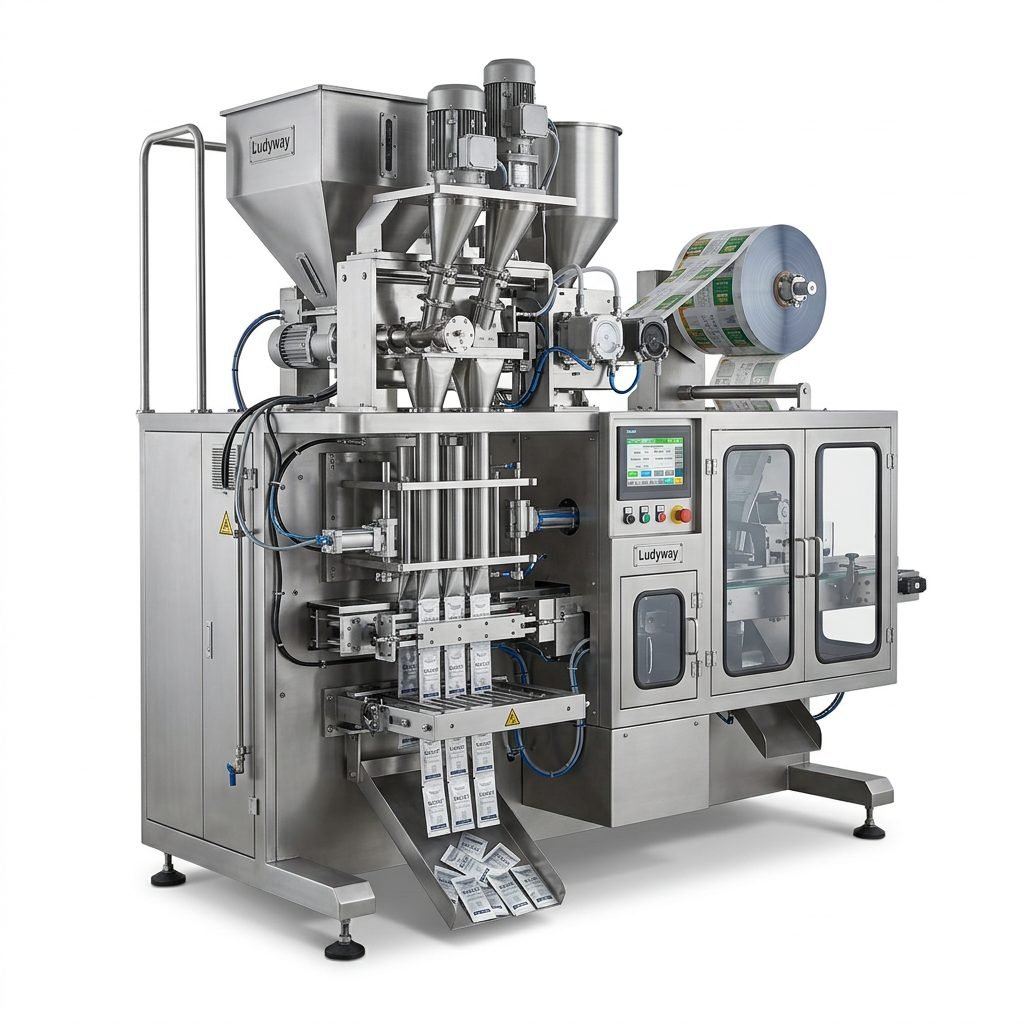
Modern poultry packaging lines often require integration with existing tray denesters, weighing and labeling systems, metal detectors, and case packers. Look for manufacturers that offer turnkey project management, including line design, installation, and operator training. For companies like Ludyway, comprehensive engineering support and customized solutions are standard, helping processors achieve seamless production flows from filling to final case packing.
Machine Trials & Reference Checks
Request factory acceptance tests (FAT) using your actual product and packaging materials. Additionally, ask suppliers to provide references from poultry or protein processors with similar operational scales. Site visits or video testimonials can validate performance claims.
Packaging Automation & Future-Proofing Your Investment
As labor costs and skills shortages persist across Oceania, automation is no longer optional. Robotic case packing, automated palletizing, and integrated cartoning systems are becoming standard requirements. Selecting a chicken packaging machine platform that supports modular upgrades—such as adding a second lane, incorporating smart sensors, or enabling data connectivity—protects your capital investment as your business scales.
Key Considerations for Oceania Climate & Logistics
Packaging machines operating in humid or tropical regions of Oceania require enhanced corrosion protection and reliable condensation management. Additionally, consider the machine’s footprint and ease of relocation, as some processors in the Pacific Islands operate in compact facilities with unique logistical constraints. Proper crate washing and cold chain integration upstream of the packaging station are equally vital to maintain product integrity.
Understanding Local Standards and Resources
Packaging machinery for the Oceania poultry sector must align with regional regulatory frameworks and industry best practices. We recommend consulting the following authoritative sources for up-to-date guidance:
- Food Standards Australia New Zealand (FSANZ) – Official food safety standards and packaging requirements.
- PMMI – The Association for Packaging and Processing Technologies – Industry reports and packaging machinery standards.
- Flexible Packaging Association – Resources on flexible film materials and sustainable packaging.
- FDA – Food Packaging and Food Contact Substances – Reference for export-oriented processors targeting global markets.
Final Recommendations
Investing in the right chicken packaging machine for your Oceania operation requires balancing throughput, hygiene standards, film flexibility, and long-term serviceability. Prioritize suppliers that understand the unique regulatory environment and climatic conditions of the region. By focusing on hygienic design, automation capability, and reliable local support, you can secure equipment that delivers consistent product quality and operational efficiency for years to come.