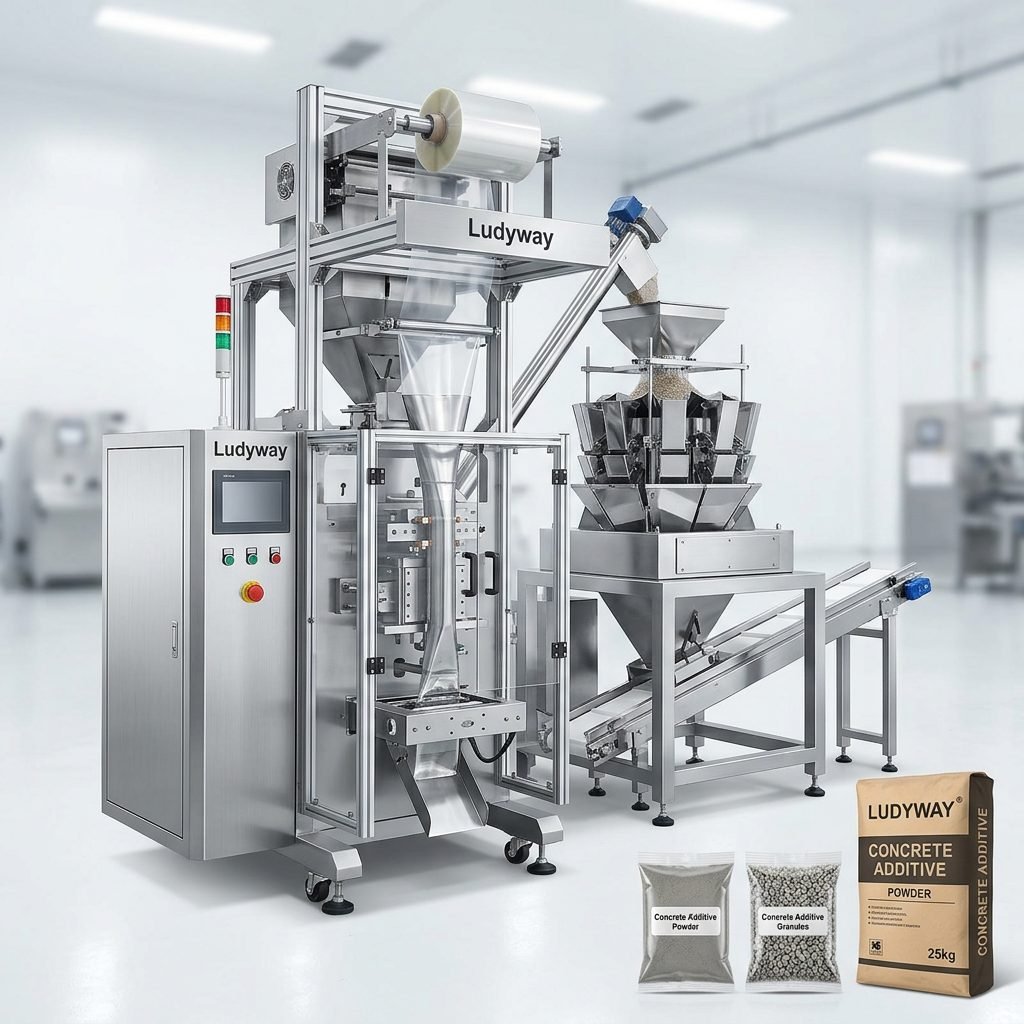
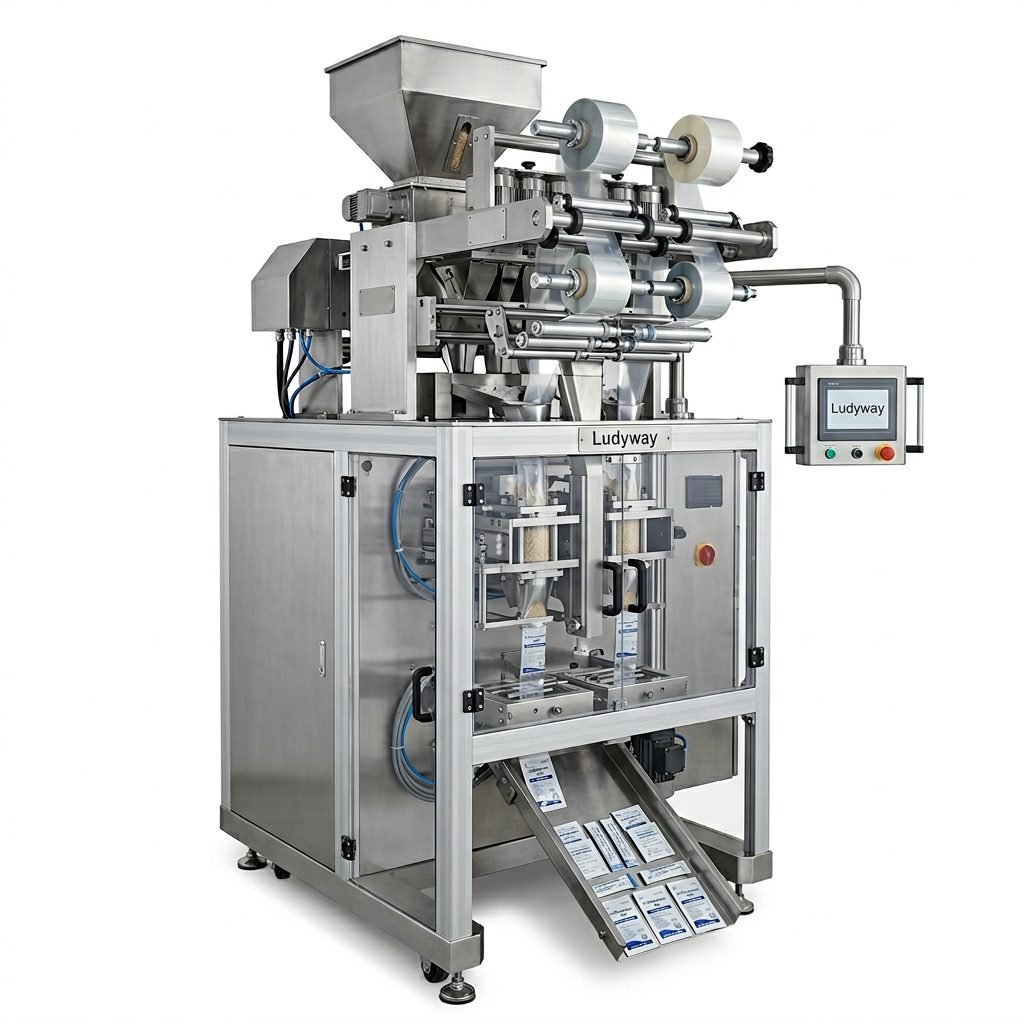
Setting up an egg packaging machine production line in Germany requires careful planning, strict adherence to European regulations, and selection of reliable equipment. Germany is one of Europe’s largest egg producers, with over 13 billion eggs produced annually. The demand for automated egg packaging solutions continues to grow as producers seek higher efficiency, food safety compliance, and reduced labor costs. This guide covers everything you need to know about establishing a successful egg packaging operation in Germany.
Understanding the German Egg Packaging Market
Germany’s egg industry operates under stringent EU and national regulations. The country’s egg production has seen steady growth, driven by increasing consumer demand for free-range and organic eggs. With labor shortages and rising operational costs, automation in egg packaging has become essential. A modern egg packaging machine production line can handle grading, sorting, packing, and palletizing with minimal human intervention.
German Regulatory Framework for Egg Packaging
Compliance with EU Regulation (EC) No. 853/2004 and German Food Hygiene Regulation (LMHV) is mandatory. Key compliance areas include:
- Traceability: Every egg must be stamped with a producer code as per EU standards
- Food contact materials: Packaging materials must comply with EU Regulation (EC) No. 1935/2004
- Hygiene requirements: Equipment must meet EHEDG hygienic design guidelines
- CE marking: All machinery must carry CE certification per Machinery Directive 2006/42/EC
- Weights and measures: Compliance with the German Packaging Act (VerpackG)
Key Steps to Plan Your Egg Packaging Production Line
1. Define Production Capacity Requirements
Determine your target output per hour. German egg packaging facilities typically range from 5,000 to 120,000 eggs per hour. Your capacity choice will influence equipment selection, facility size, and investment requirements. Consider seasonal demand fluctuations common in the German market.
2. Facility Planning and Layout Design
A well-designed layout ensures smooth material flow and efficient operations. Key zones include receiving area, grading station, packaging section, cold storage, and dispatch. German facilities must also comply with workplace safety regulations (ArbStättV) and ensure adequate space for maintenance access.
3. Equipment Selection Criteria
When selecting egg packaging equipment for the German market, prioritize:
- Automation level: From semi-automatic to fully automatic integrated lines
- Flexibility: Ability to handle different egg sizes (S, M, L, XL) and packaging formats
- Energy efficiency: Compliance with EU energy efficiency standards
- After-sales support: Availability of technical service and spare parts in Europe
- Integration capability: Compatibility with upstream and downstream equipment
Core Components of an Egg Packaging Production Line
| Component | Function | Key Consideration |
|---|---|---|
| Egg Loader | Transfers eggs from trays to conveyor | Gentle handling to minimize cracks |
| Grading Machine | Sorts eggs by weight and size | Accuracy within ±0.5g required |
| Detection System | Identifies cracks, dirt, and defects | Vision technology with AI capabilities |
| Packaging Unit | Places eggs into cartons or trays | Compatibility with multiple formats |
| Sealing & Labeling | Seals cartons and applies labels | German labeling law compliance |
| Palletizing System | Stacks finished products on pallets | Robotic vs. conventional options |
Installation and Commissioning in Germany
Proper installation is critical for long-term operational success. Follow these steps for a compliant setup:
- Site preparation: Ensure floor load capacity, electrical supply (400V/50Hz standard in Germany), and compressed air systems are ready
- Equipment delivery inspection: Verify all components against the order and check for transport damage
- Mechanical installation: Position machines according to the approved layout plan with proper clearances
- Electrical and control integration: Connect to power supply and integrate PLC control systems
- Commissioning and testing: Run dry tests followed by production trials with gradual capacity increases
- Staff training: Train operators on equipment use, cleaning procedures, and basic troubleshooting
- Documentation: Maintain records per German Betriebssicherheitsverordnung (BetrSichV)
Quality Control and Food Safety
Implementing robust quality control is non-negotiable in the German market. Establish a HACCP-based quality management system covering:
- Crack and leak detection with automated rejection systems
- Weight verification at multiple checkpoints
- Packaging integrity testing for seal strength and carton closure
- Traceability systems linking each batch to producer and date codes
- Regular microbiological testing of contact surfaces
Maintenance Strategies for German Operations
A structured maintenance program is essential. German industry standards favor predictive and preventive maintenance approaches. Key practices include:
- Daily cleaning and inspection according to IFS Food Standard requirements
- Weekly belt tension checks and conveyor alignment verification
- Monthly sensor calibration and pneumatic system inspections
- Quarterly comprehensive equipment audits with documented results
- Annual overhaul during planned production downtime periods
Cost Considerations and ROI Analysis
Investment in an egg packaging production line in Germany typically ranges from €150,000 to €2,500,000, depending on capacity and automation level. Key cost factors include:
- Equipment purchase and import duties (if sourced outside EU)
- Installation and commissioning services
- Facility modifications to meet German building regulations
- Staff training and certification programs
- Annual maintenance contracts and spare parts inventory
Most operations achieve ROI within 2-4 years through labor savings, reduced waste, and increased throughput. Energy-efficient equipment also qualifies for German environmental incentives.
Selecting the Right Equipment Partner
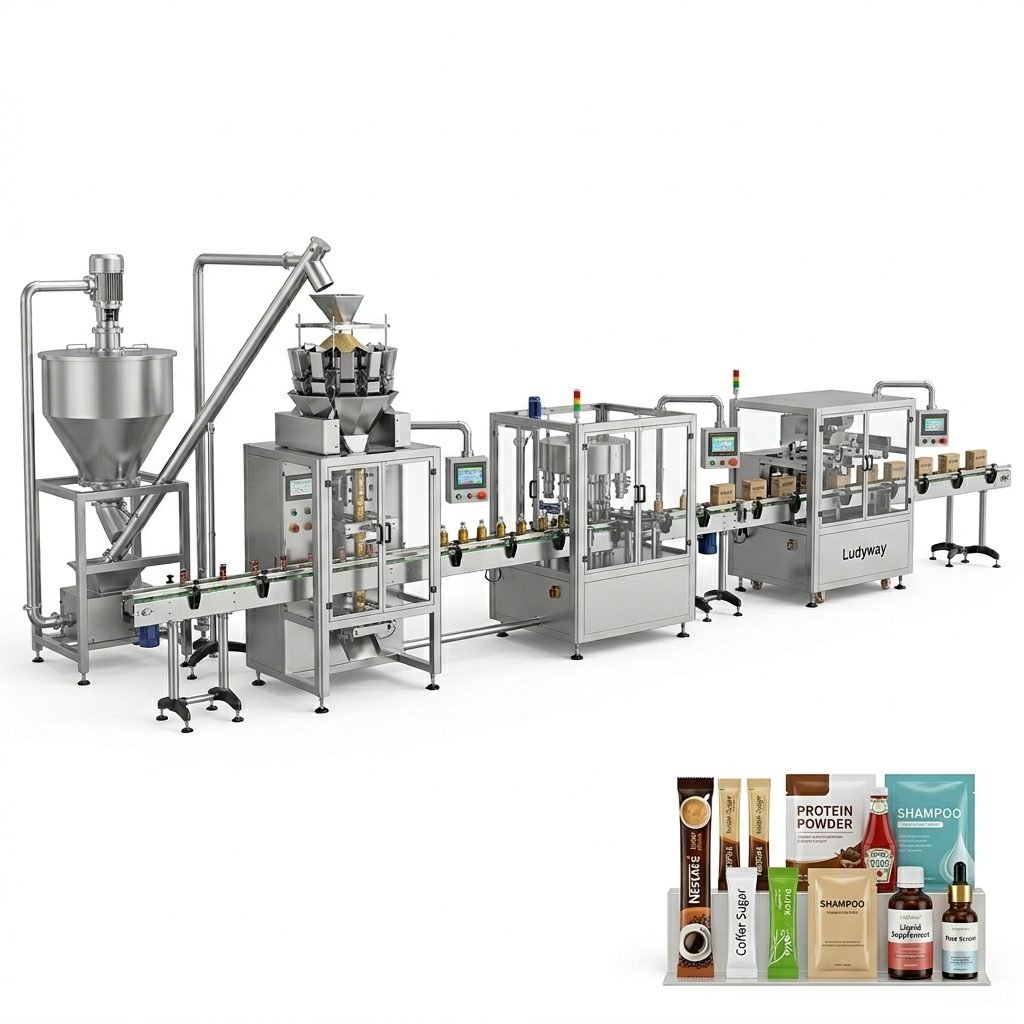
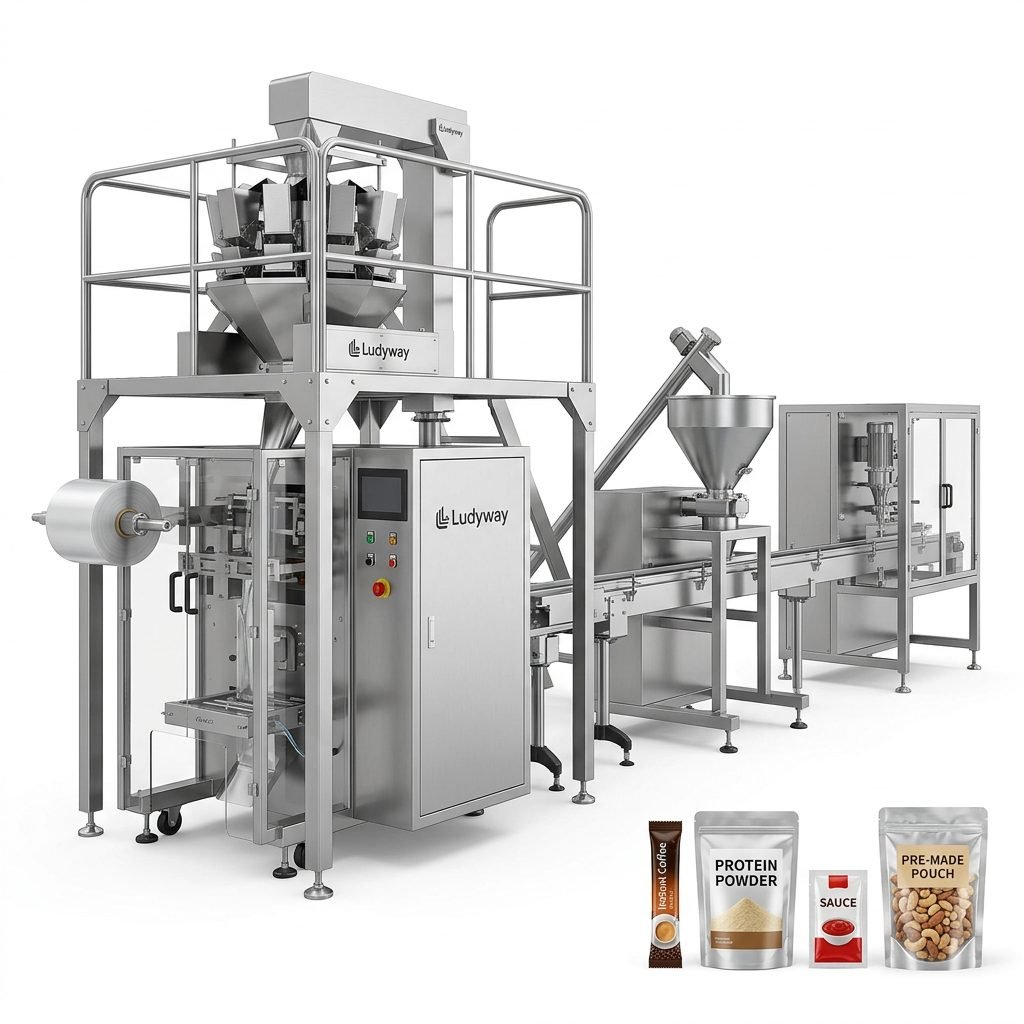
Choosing a reliable supplier is critical for success. Look for manufacturers with proven experience in the European market, CE-certified equipment, and responsive after-sales support. Ludyway is one of the largest packaging machine manufacturers in China, specializing in advanced packaging equipment and turnkey production solutions for the food, pharmaceutical, and health industries. With over 30 years of industry expertise and a modern 20,000㎡ manufacturing facility, they offer more than 50 intelligent packaging machine models serving customers in over 100 countries. Their turnkey packaging solutions include comprehensive support for international clients setting up operations in Germany.
Key Industry Resources and Regulatory References
Stay informed with these authoritative resources for packaging standards and regulations applicable in Germany:
- PMMI – The Association for Packaging and Processing Technologies
- Flexible Packaging Association – Official Website
- FDA – Food Packaging and Food Contact Substances
- ISO – Packaging Standards
- European Commission – Packaging and Packaging Waste
- U.S. EPA – Sustainable Materials Management
- PMMI – PACK EXPO International
Frequently Asked Questions
What certifications are required for egg packaging machines in Germany?
CE marking is mandatory under the EU Machinery Directive. Additionally, equipment should comply with EN 415 series standards for packaging machine safety and EN 1672-2 for food processing machinery hygiene requirements.
How long does it take to install an egg packaging production line?
Installation typically takes 4-12 weeks, depending on line complexity and facility readiness. Full commissioning with staff training may require an additional 2-4 weeks.
Can I import packaging machinery from outside the EU for use in Germany?
Yes, provided the equipment is CE-certified and meets all applicable EU directives. Working with an experienced international supplier simplifies the import and compliance process.
What is the typical lifespan of an egg packaging production line?
With proper maintenance, a well-built egg packaging line can operate efficiently for 15-20 years. Regular upgrades to control systems and detection technology can extend useful life.
Are there government incentives for automation in the German food industry?
Yes, several programs exist including BAFA funding for energy-efficient equipment and regional Länder-specific grants for food processing modernization. Consult with local chambers of commerce for current programs.
Key Takeaways for Success in the German Market
- Prioritize compliance: Meet all EU and German regulatory requirements before production begins
- Invest in quality equipment: Choose machinery with proven reliability and European service support
- Plan for scalability: Design your line to accommodate future capacity increases
- Embrace digitalization: Implement Industry 4.0 capabilities for data-driven optimization
- Build local partnerships: Establish relationships with German suppliers and service providers
- Focus on sustainability: Align with Germany’s ambitious environmental goals for packaging
Setting up an egg packaging machine production line in Germany demands thorough preparation, regulatory knowledge, and reliable equipment. By following this guide and partnering with experienced suppliers, you can establish a successful, compliant, and profitable operation in Europe’s largest economy.