In the competitive world of snack manufacturing, efficiency and presentation are paramount. Choosing the right automatic packaging machine is not just a purchase; it’s a strategic investment in your brand’s future. For businesses looking to package products like Chin Chin, a popular West African snack, selecting the ideal solution requires careful consideration of several key factors to ensure quality, speed, and cultural appropriateness.
Understanding Your Snack: The Chin Chin Example
Chin Chin is a beloved crunchy snack enjoyed across West Africa and in diaspora communities worldwide. Its irregular shapes, varying sizes, and need to retain crispness present unique packaging challenges. An automatic packaging solution must be gentle enough to handle the product without breakage yet efficient enough for high-volume production, especially during festive seasons when demand soars.
→ Key Consideration: The machine must have adjustable settings to accommodate the product’s physical characteristics and protect its texture, which is central to the consumer experience.
Core Factors in Selecting Your Automatic Packaging Machine
1. Machine Type and Packaging Format
The first decision revolves around the type of package you want. For dry snacks like Chin Chin, common formats include:
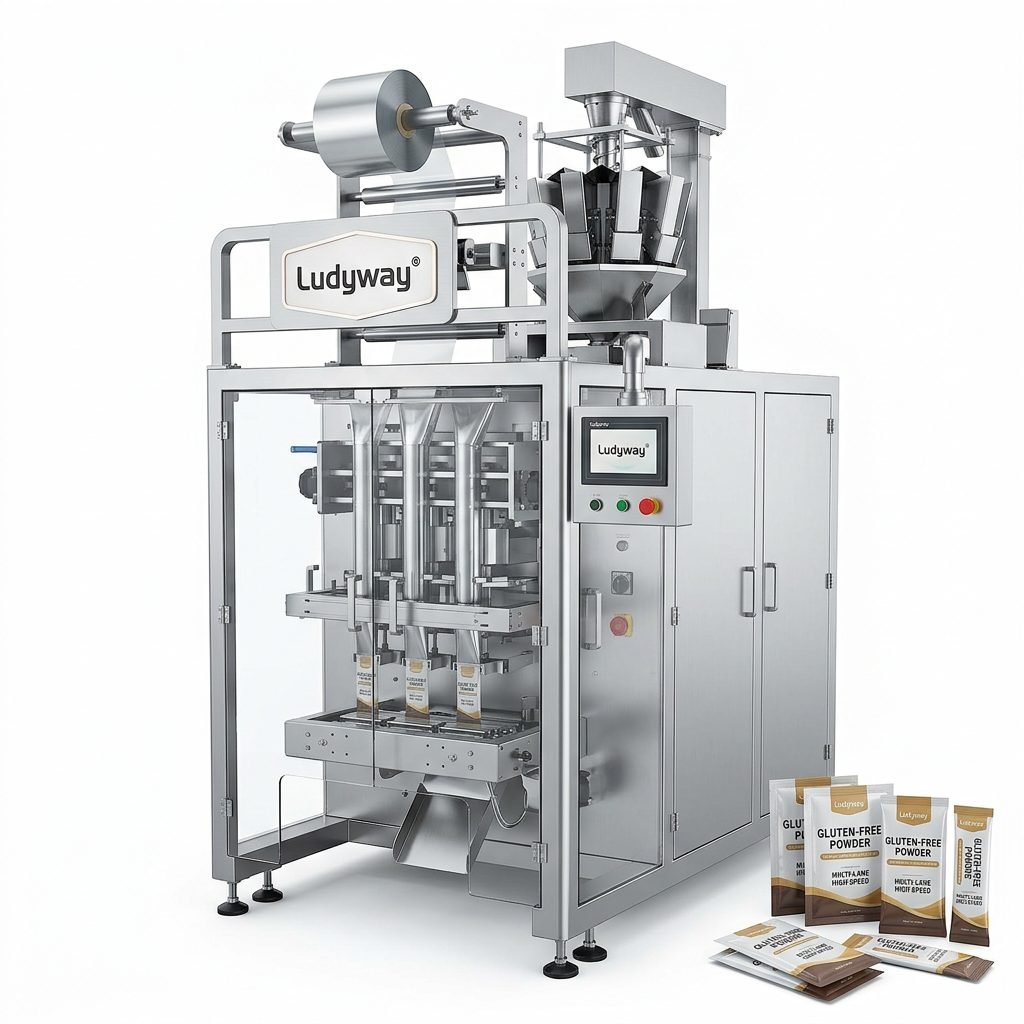
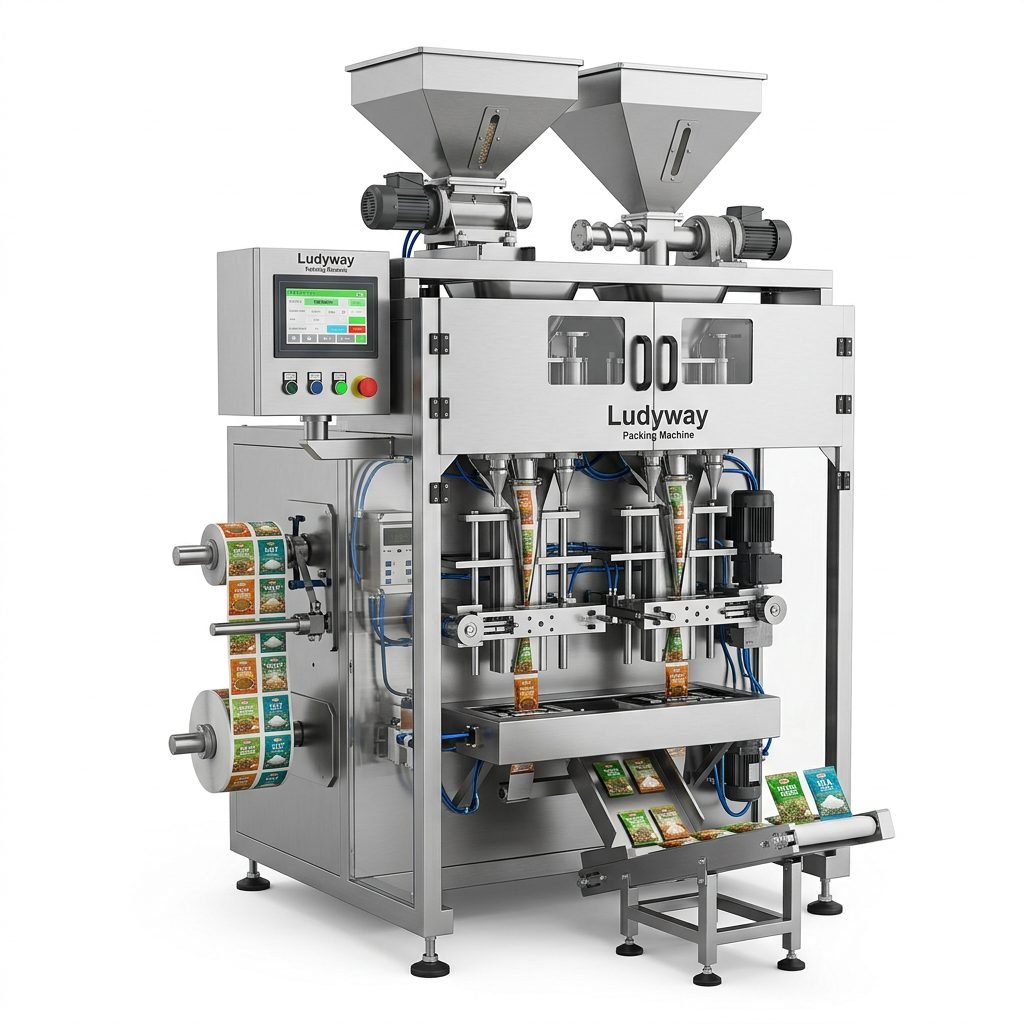
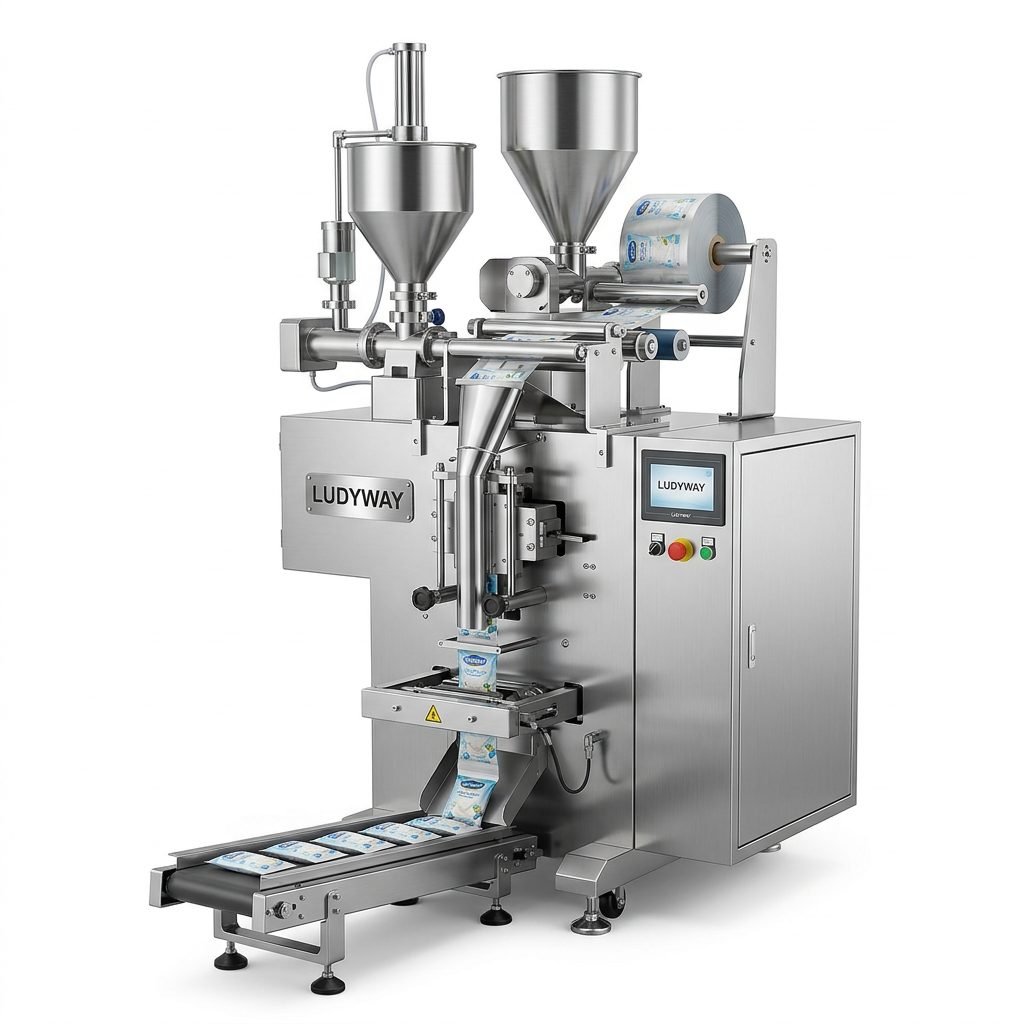
- Vertical Form-Fill-Seal (VFFS) Machines: Ideal for creating pillow packs from a roll of film. They are versatile and perfect for medium to high-speed production of single-serve packs.
- Horizontal Flow Wrappers: Best for wrapping individual bars or bundling several pieces together in a tray or as a multi-pack.
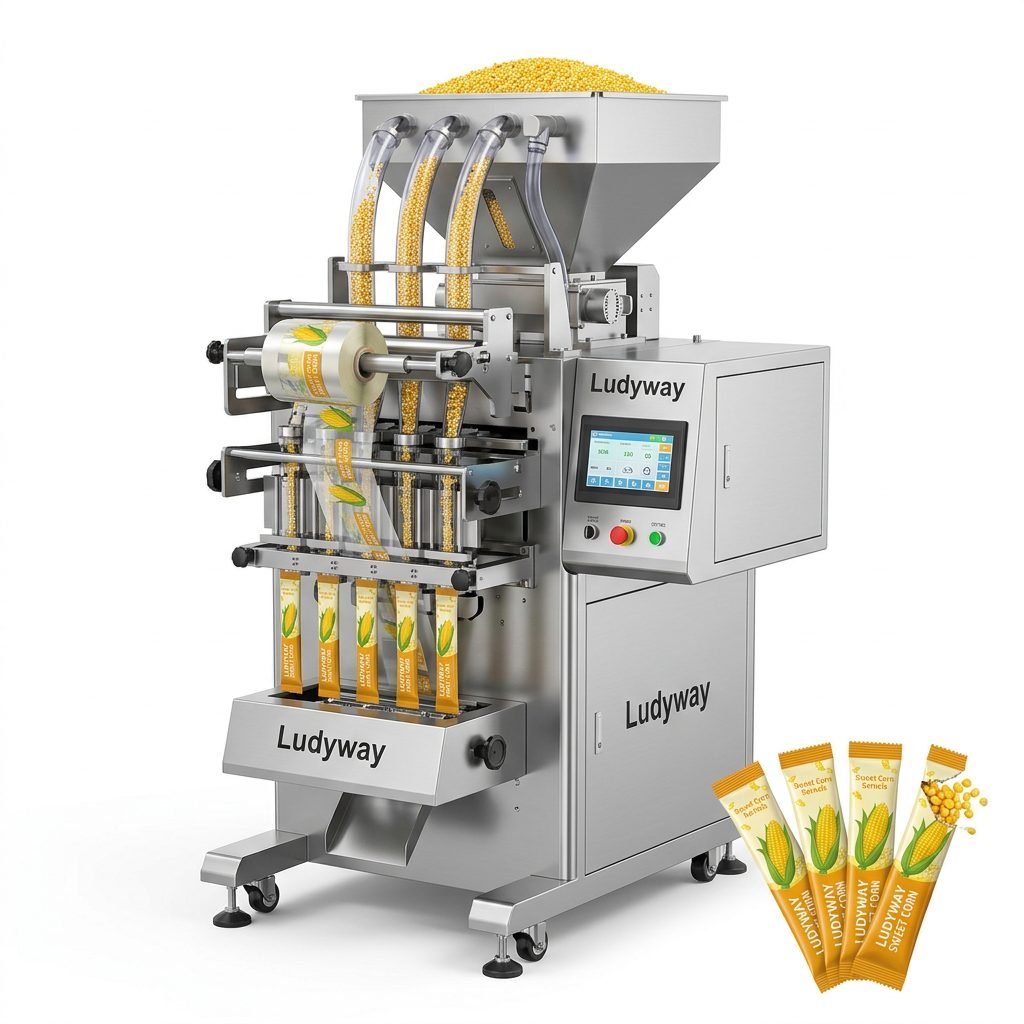
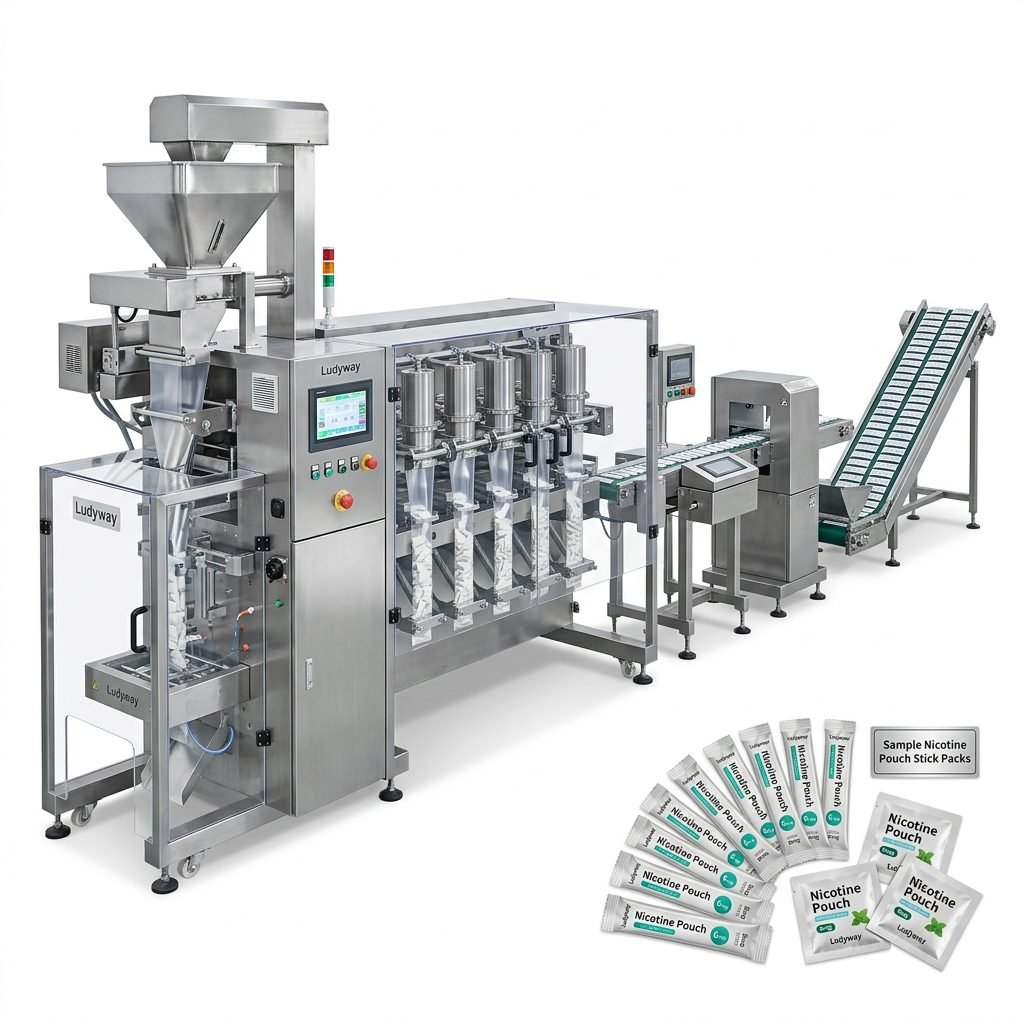
- Stick Pack Machines: Excellent for powdered or granular add-ons that might accompany a snack, though less common for the main Chin Chin product itself.
Your choice should align with your market’s expectations. In many regions where Chin Chin is sold, vibrant, sealed pillow packs are preferred for hygiene and extended shelf life.
2. Production Speed and Output Capacity
Calculate your current and projected production needs. Machine speeds are measured in packs per minute (PPM). A small business might need a machine capable of 60-120 PPM, while a large manufacturer may require 200+ PPM. Underestimating capacity can create bottlenecks during peak demand, a critical risk for seasonal snacks.
3. Weighing and Dosing Accuracy
This is crucial for cost control and regulatory compliance. Net weight laws are strict in many export markets. Machines use different weighing systems:
- Auger Fillers: Best for fine powders or granules. May require adjustment for mixed-size pieces.
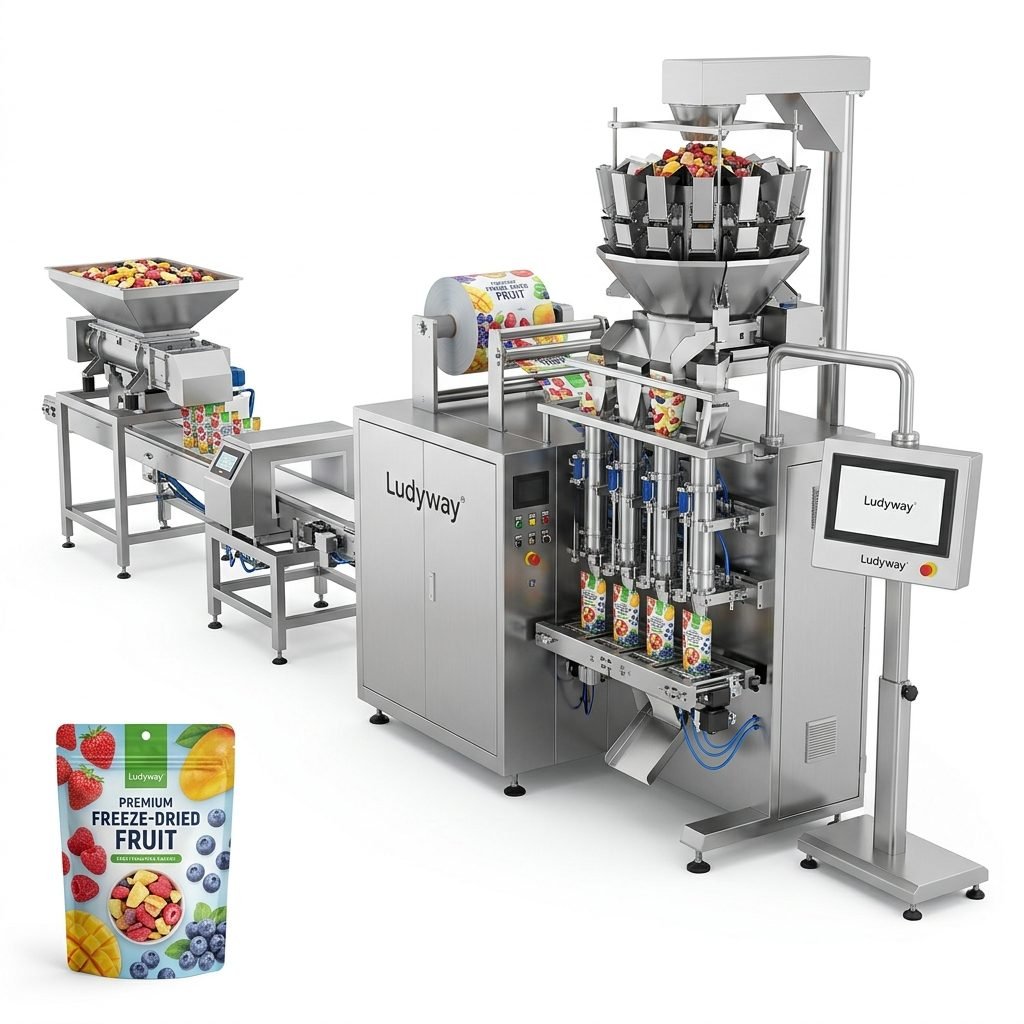
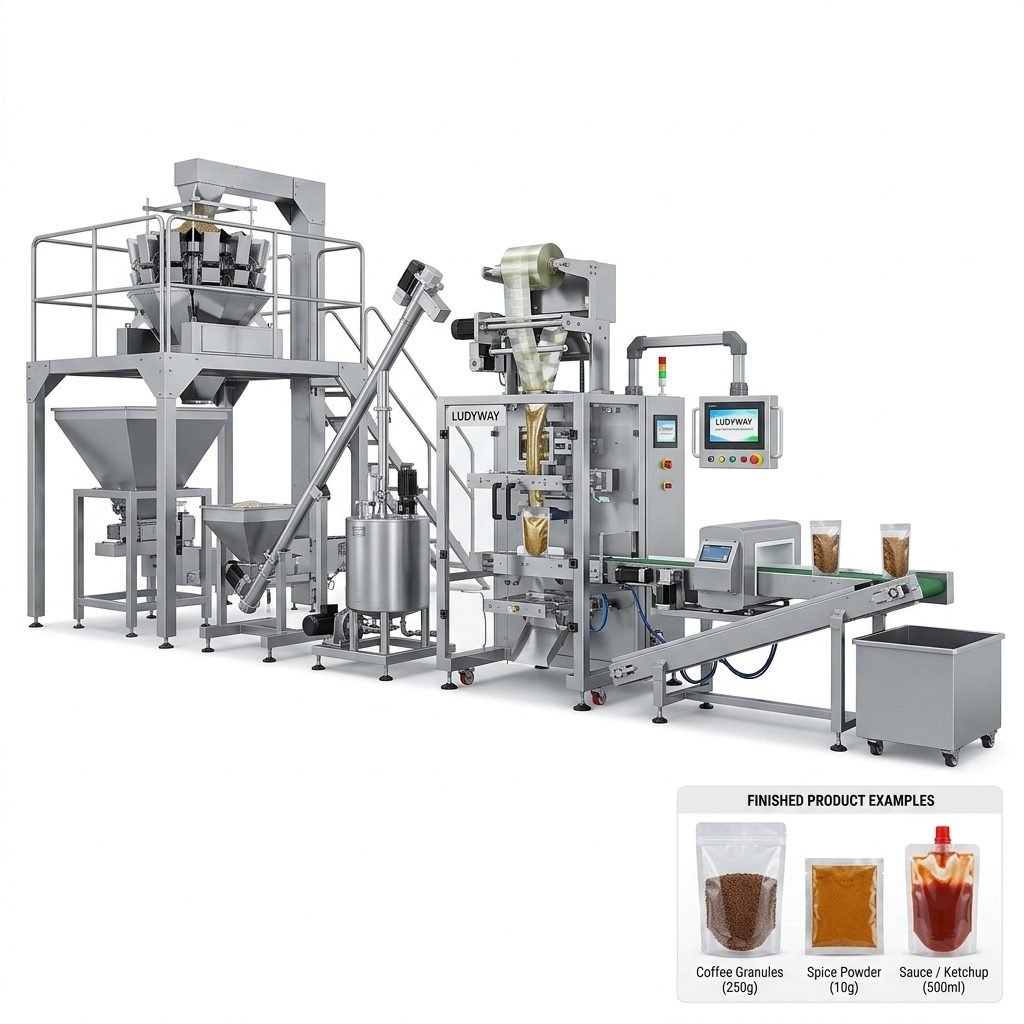
- Multi-Head Weighers: The gold standard for irregular snacks like nuts, fried mixes, or Chin Chin. They use multiple buckets to achieve a highly accurate combination weight quickly.
- Volumetric Cup Fillers: A cost-effective option for uniform products, but less accurate for variable shapes.
Pro Tip: Think Beyond the Machine
The best packaging solution is often a complete system. Consider upstream and downstream needs:
✓ Upstream: How will the product be conveyed to the machine? A gentle elevator or vibratory feeder might be needed.
✓ Downstream: Will packs go directly into cartons, or do you need a collation and cartoning system? Planning the full line ensures seamless integration.
4. Film Material and Sealing Integrity
The packaging film must protect the snack from moisture, air, and contaminants to preserve its signature crunch. Machines should reliably seal through potential dust or oil residue from frying. Look for robust sealing jaws and temperature controls. The ability to run sustainable or biodegradable films is also a growing advantage.
5. Automation Level and Ease of Use
Modern machines offer varying degrees of automation. Key features to seek include:
- User-Friendly HMI (Human-Machine Interface): Touchscreen controls for easy recipe changeovers.
- Quick Changeover Parts: Minimizes downtime when switching package sizes—essential for producing different pack sizes for variety boxes.
- Automated Fault Detection: Alerts for film breaks, low material, or sealing faults.
Why Partner with a Specialized Provider?
Navigating these choices is complex. Partnering with an experienced packaging machinery provider like Ludyway Machinery offers significant advantages. With over 30 years of industry experience, such partners understand the nuances of snack packaging. They don’t just sell a machine; they provide a tailored solution. This includes pre-sales consultation to assess your specific product (like Chin Chin’s unique properties), recommending the optimal machine type, and ensuring it integrates into your operation.
Their support often includes comprehensive training for your operators, reliable spare parts supply, and technical service—factors that maximize your machine’s uptime and lifespan. Exploring their range of granule and snack packaging solutions can provide a clear starting point for your project.
Making the Final Decision: A Checklist
Before investing, use this actionable checklist:
- Request a Product Test: Send your actual Chin Chin sample to the supplier. A live test run is the only way to verify weighing accuracy, handling, and final pack quality.
- Analyze Total Cost of Ownership: Look beyond the purchase price. Factor in energy consumption, required personnel, maintenance costs, and potential downtime.
- Verify Support and Training: Ensure the supplier offers installation, training, and has a responsive service network. Ask for customer references.
- Consider Future-Proofing: Can the machine handle potential new products? Is it scalable if your business grows?
Selecting the best automatic snack packing solution, particularly for a culturally significant product like Chin Chin, demands a balance of technical precision and market understanding. By thoroughly evaluating machine capabilities against your specific product needs and production goals, and by leveraging the expertise of a seasoned packaging partner, you can secure an asset that enhances product quality, boosts efficiency, and supports your brand’s growth in a competitive marketplace. The right machine is a silent ambassador for your snack, ensuring it reaches the consumer in perfect condition, every single time.
Frequently Asked Questions (FAQs)
Q1: What is the most important feature in a packaging machine for irregular snacks like Chin Chin?
A: The weighing system is critical. A multi-head weigher is highly recommended as it dynamically combines weights from multiple buckets to achieve precise target weights quickly, despite variations in individual piece size and shape. This ensures compliance and minimizes product giveaways.
Q2: Can one machine handle different package sizes for my Chin Chin products?
A: Yes, most modern vertical form-fill-seal machines are designed for quick changeover. By changing the forming tube and adjusting the film width and seal jaw positions, you can switch between different pack sizes. The speed and ease of this changeover vary by model, so it’s a key point to discuss with your supplier.
Q3: How do I ensure the packaging keeps my Chin Chin crispy?
A: Crispness preservation depends on the barrier properties of the packaging film and seal integrity. You need a film with excellent moisture barrier (high MVTR rating). The machine must create strong, consistent seals to lock out air. Using nitrogen gas flushing before sealing can also significantly extend crisp shelf life by displacing oxygen.
Q4: What kind of after-sales support should I expect from the machinery supplier?
A: Comprehensive support should include on-site installation and commissioning, detailed operator and maintenance training, a readily available inventory of spare parts, and access to remote and on-demand technical service. Always clarify the warranty period and the terms of support contracts. Providers with a strong track record, like experienced industry players, typically offer more reliable long-term support.
Q5: Is full automation necessary for a startup snack company?
A: Not necessarily. While automation boosts output and consistency, startups with lower volume might begin with a semi-automatic machine. This requires more manual labor for loading product or finished packs but has a lower initial investment. The key is to choose a machine from a supplier whose product line can scale with you, allowing for a future upgrade path to higher automation.