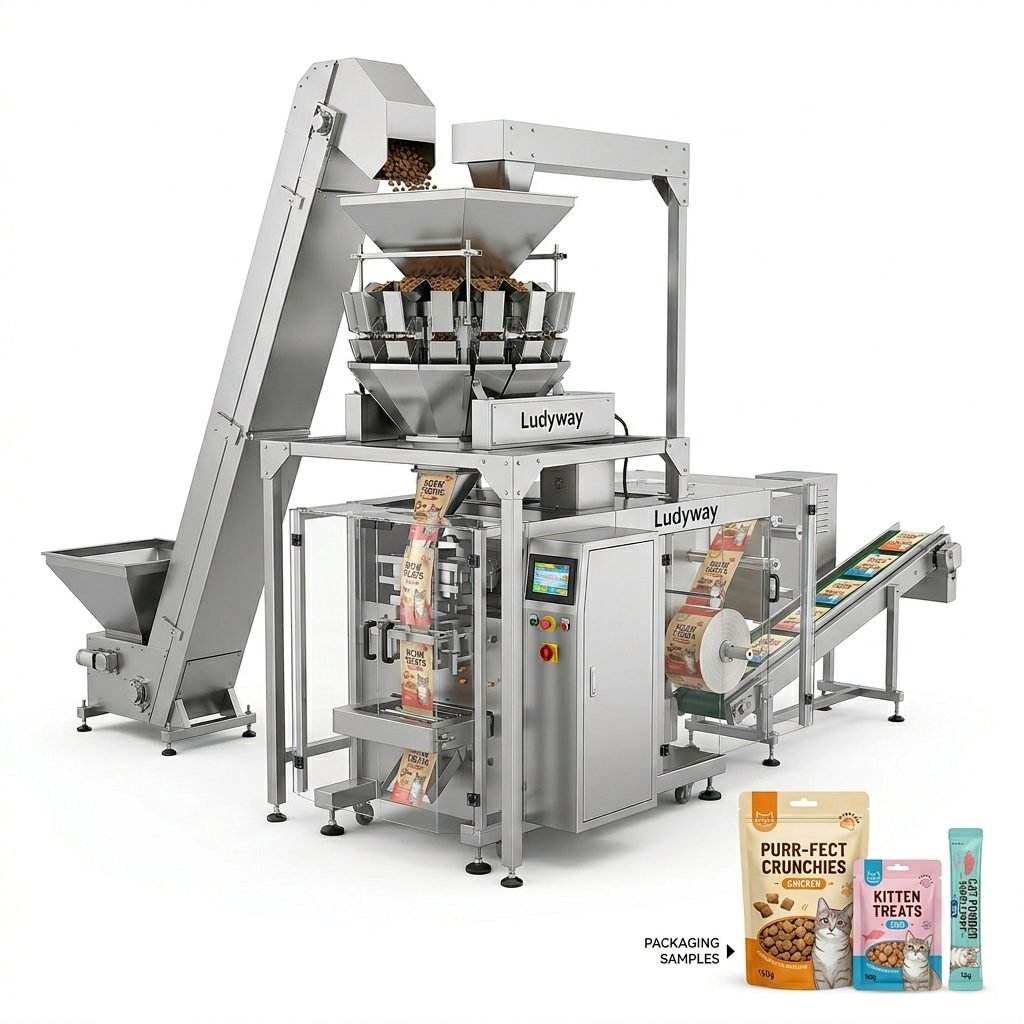
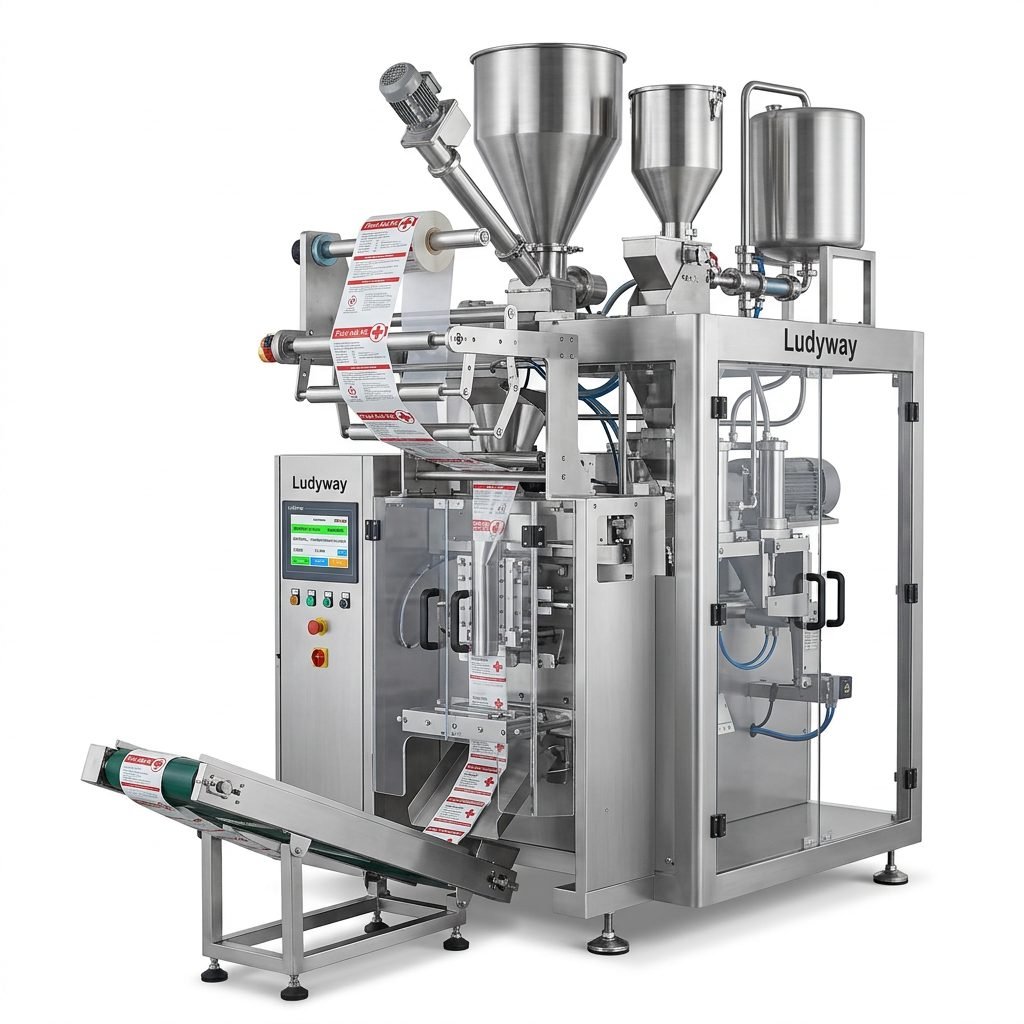
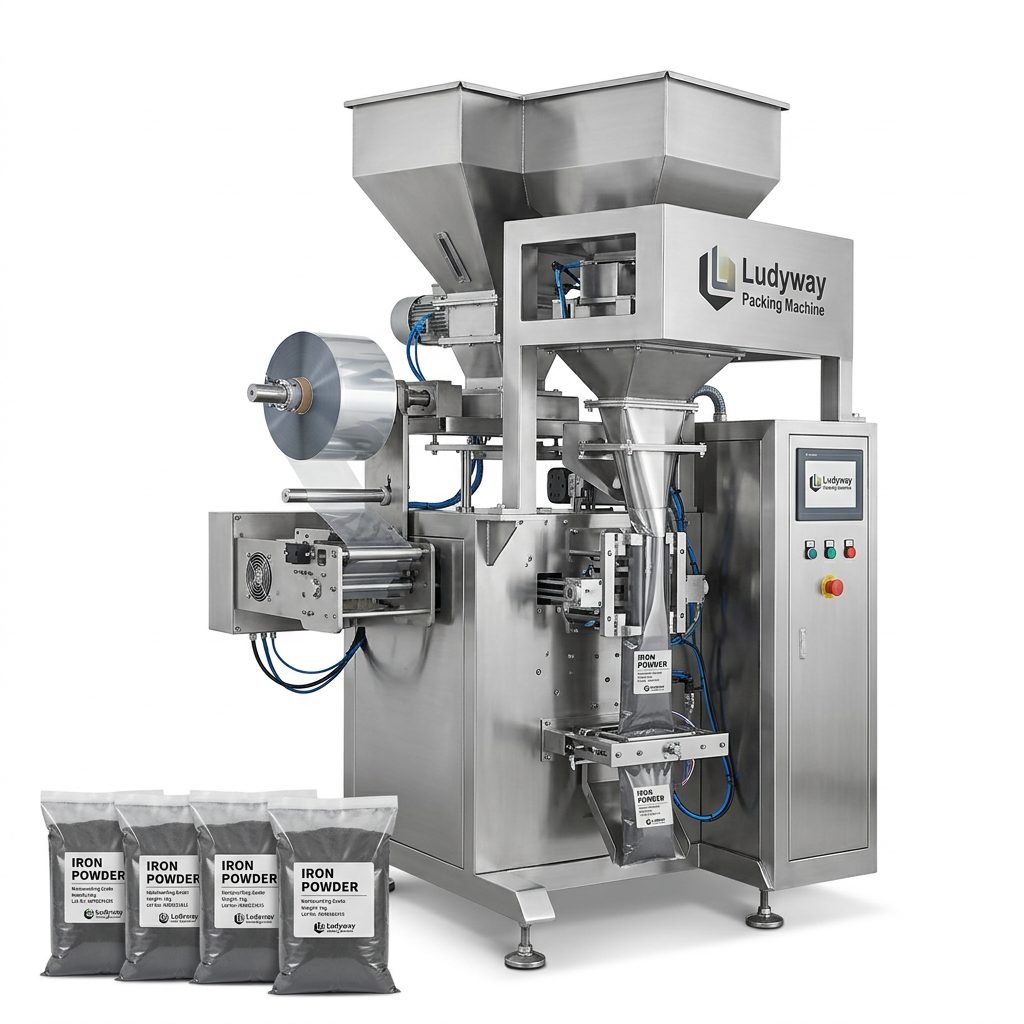
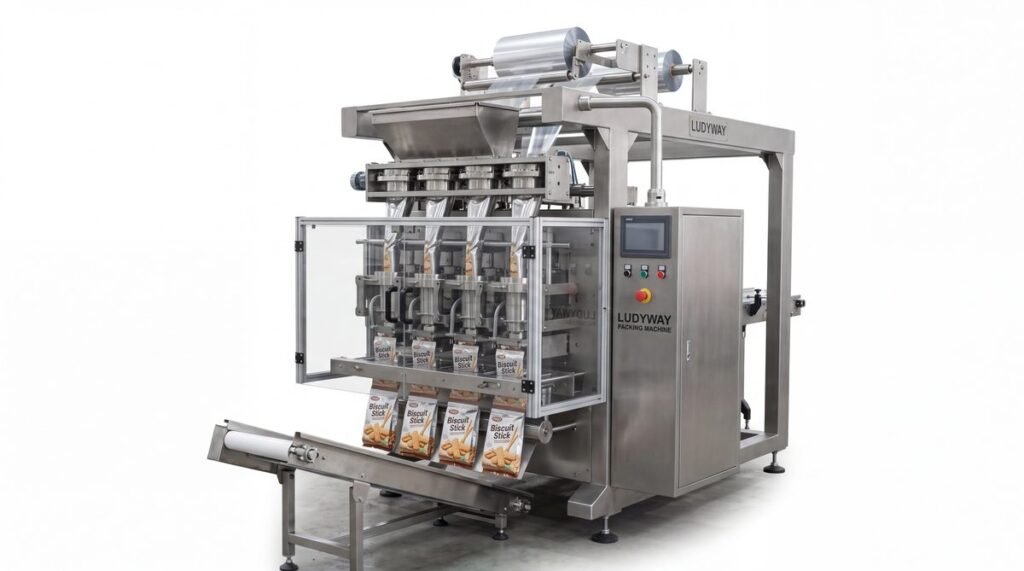
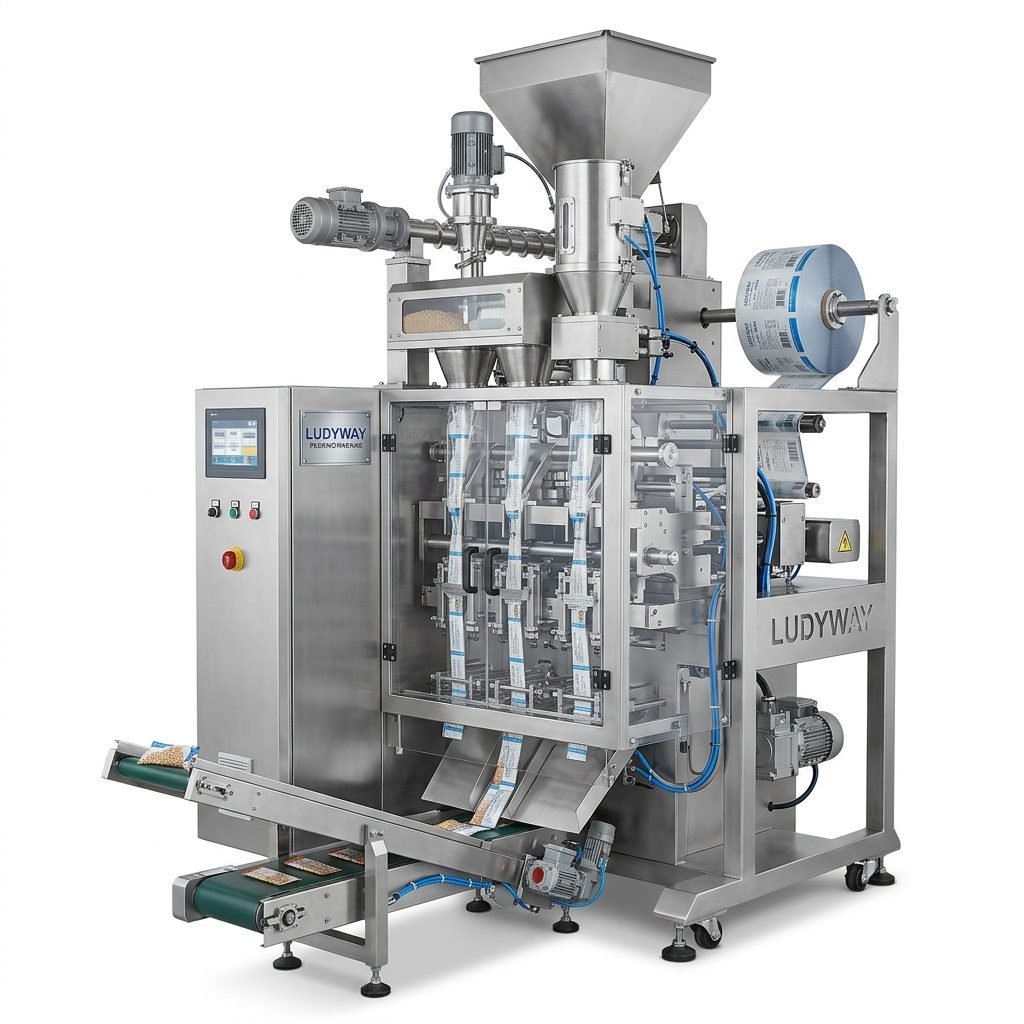
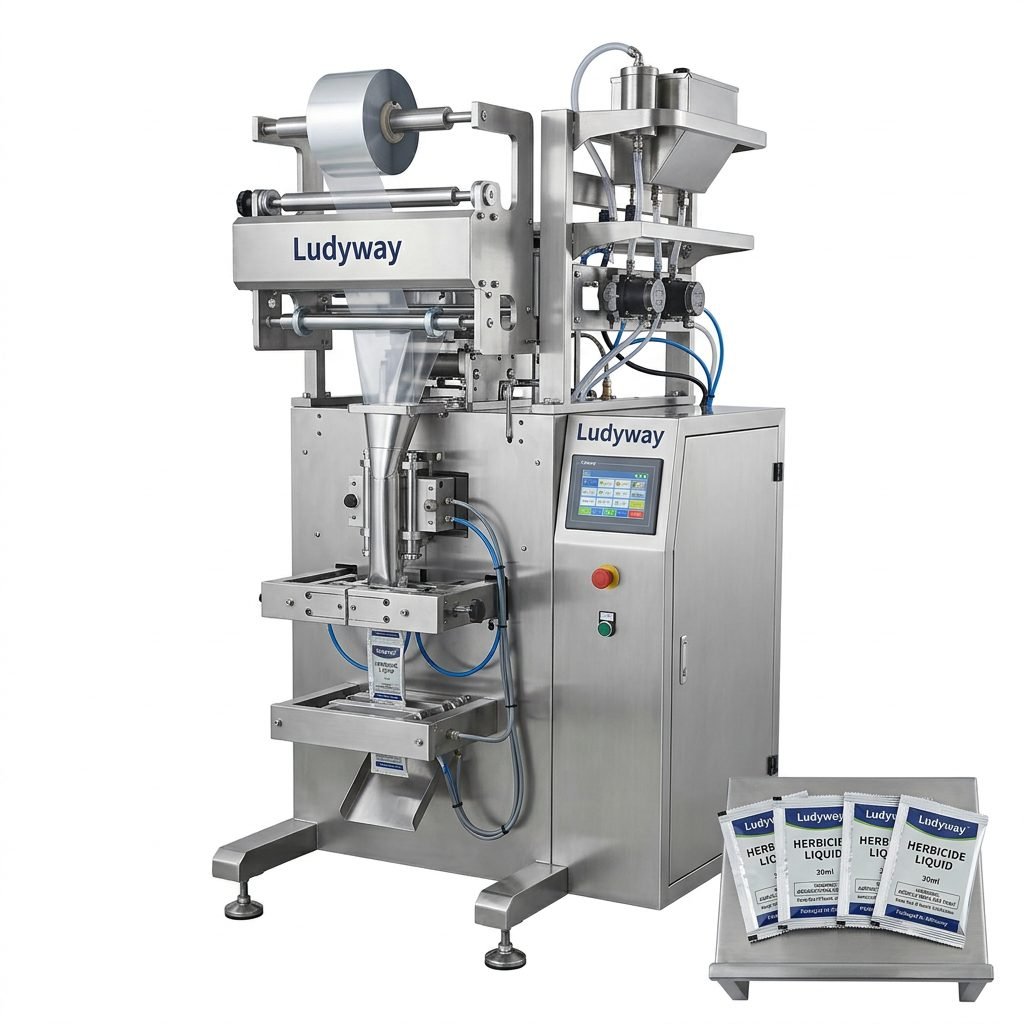
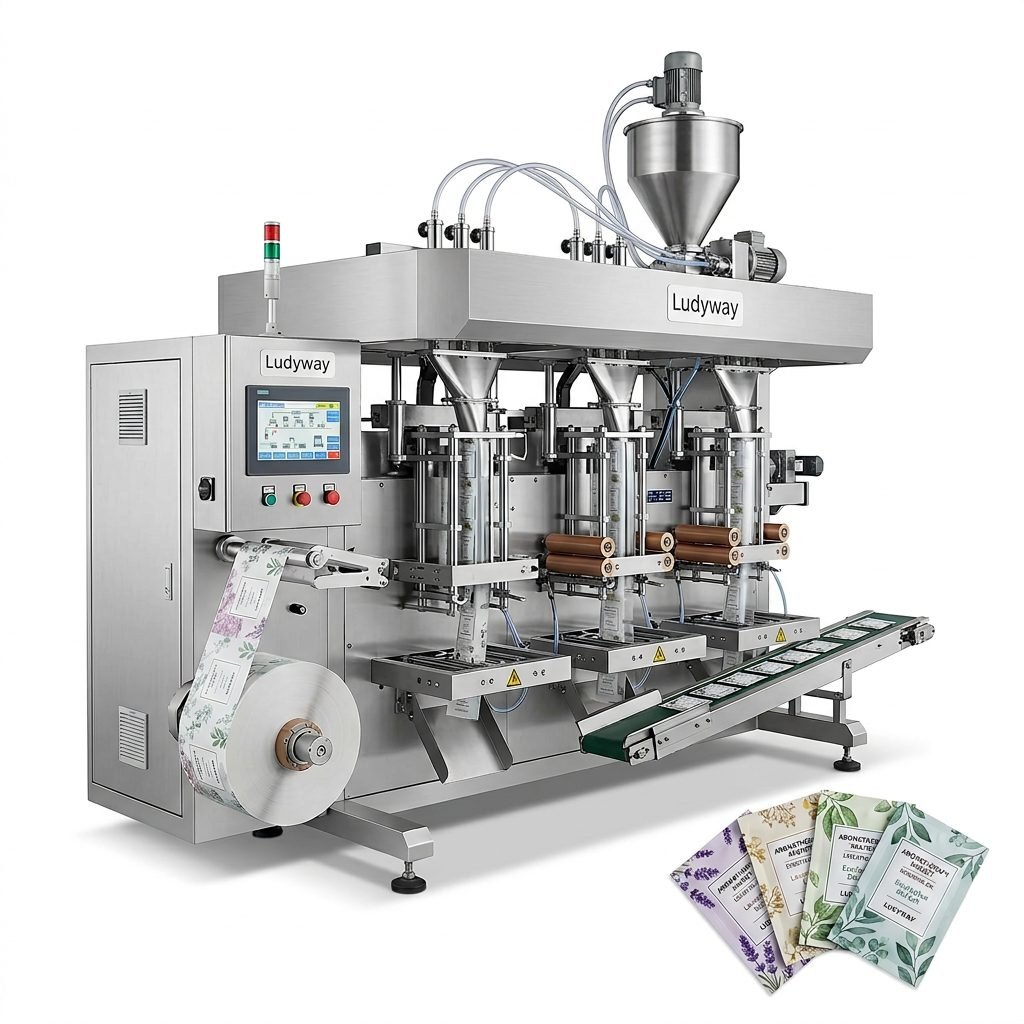
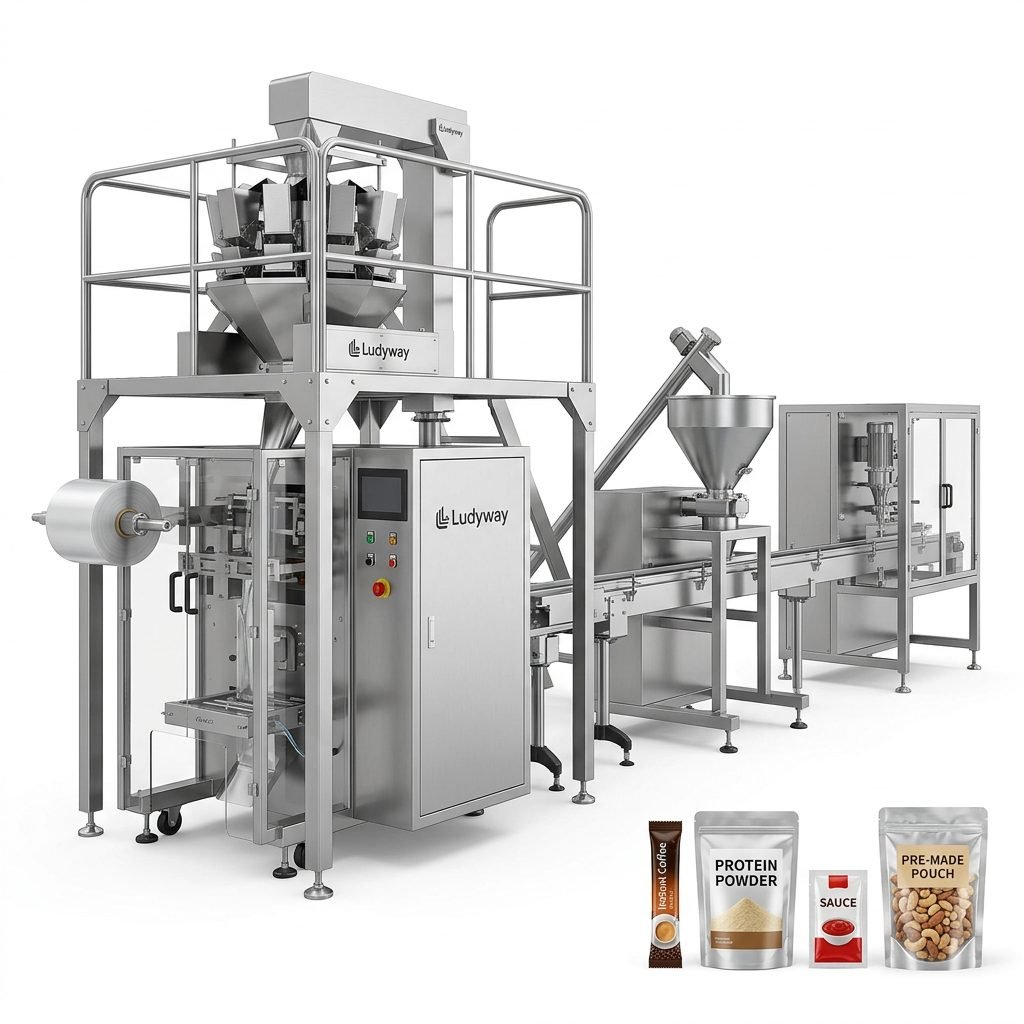
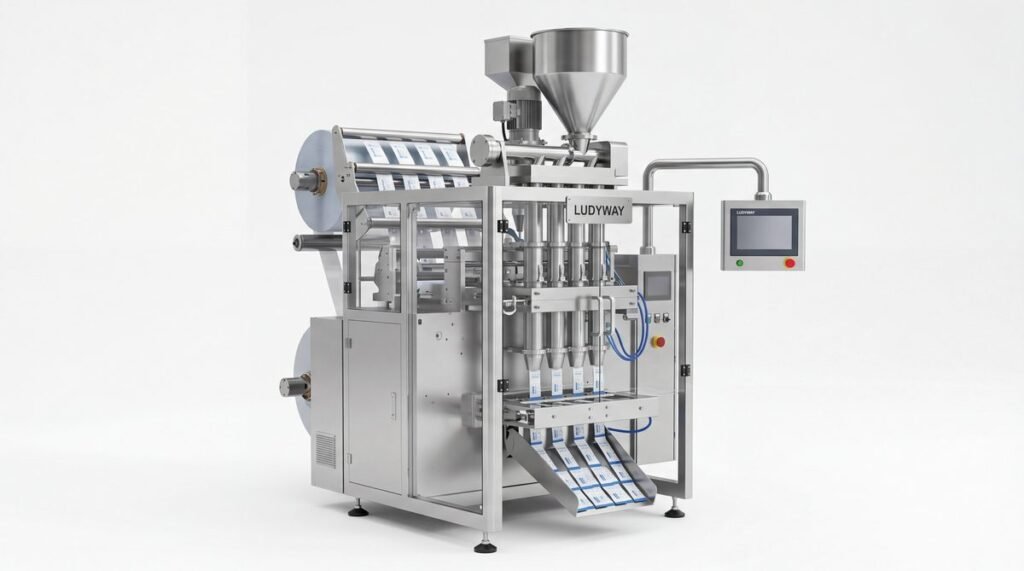
Rotary packaging machines are widely used in modern production because they combine high efficiency, stable sealing quality, and flexible pouch handling in one compact system. For manufacturers packaging food, pharmaceuticals, nutraceuticals, cosmetics, and chemical products, these machines help streamline operations while supporting attractive retail-ready packaging.
In simple terms, a rotary packaging machine moves pouches through a circular sequence of stations. Each station performs a specific task such as pouch feeding, opening, filling, sealing, coding, or discharge. This continuous indexed motion is what allows the system to maintain speed, consistency, and repeatable packaging quality.
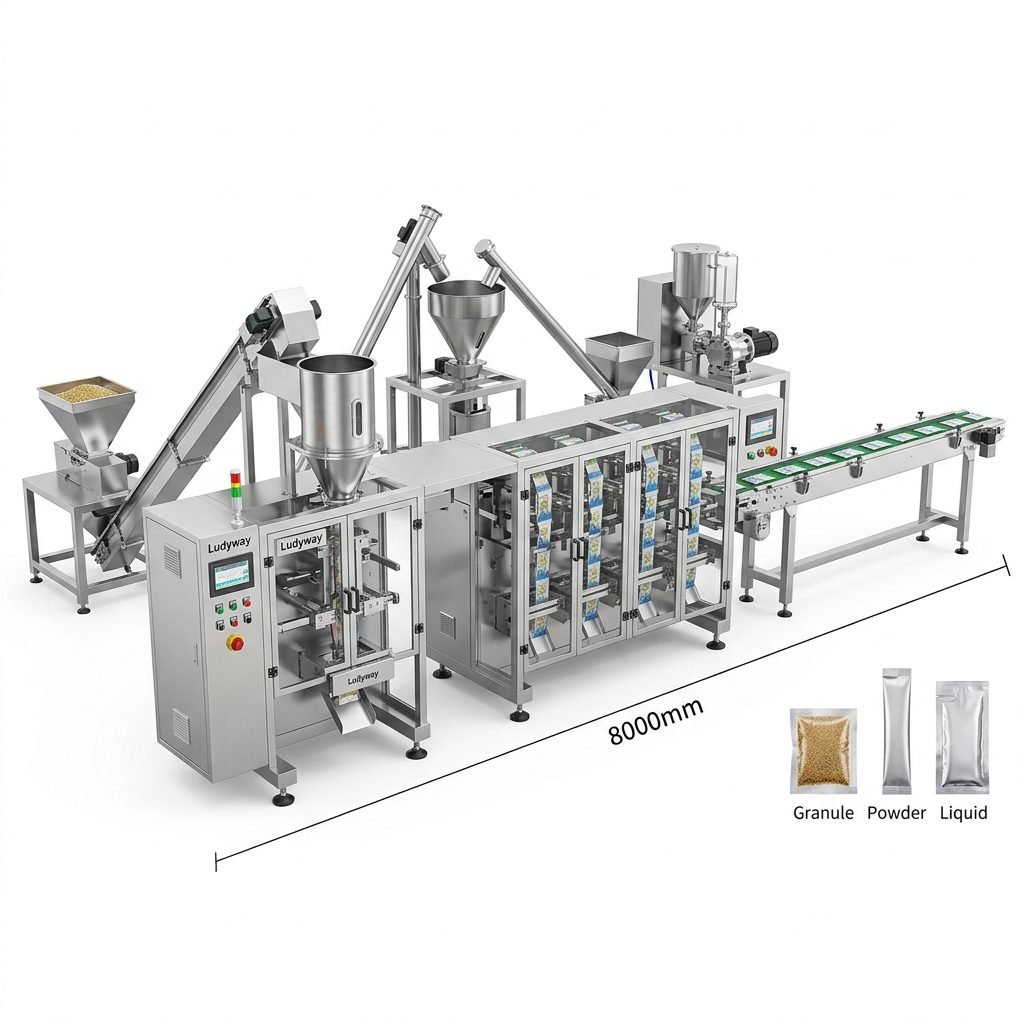
What Is a Rotary Packaging Machine?
A rotary packaging machine is an automated system designed to fill and seal premade pouches or perform packaging processes through a rotating turret structure. As the machine rotates, packages move from one station to the next in a precise cycle. This design makes it ideal for operations requiring dependable pouch presentation, accurate filling, and strong seals.
Rotary systems are especially popular for:
- Stand-up pouches
- Zipper pouches
- Flat pouches
- Spouted pouches
- Three-side or four-side sealed pouch formats
Depending on the application, the machine can be integrated with auger fillers, multihead weighers, piston fillers, liquid pumps, checkweighers, metal detectors, coding units, and cartoning or case-packing systems.
How a Rotary Packaging Machine Works
The exact process varies by product and pouch type, but the working principle usually follows a clear sequence. The rotary table indexes pouches through multiple stations, with each station performing a specific action.
Typical working steps
- Pouch feeding: Empty premade pouches are picked from the magazine and transferred to the rotary grippers.
- Pouch opening: Mechanical fingers or vacuum devices open the pouch mouth for product filling.
- Optional pouch checking: Sensors verify pouch presence, opening status, and alignment.
- Filling: The product is dosed into the pouch using the correct filling system for powders, granules, liquids, or pastes.
- Settling or vibration: The pouch may be gently vibrated to improve product distribution and reduce trapped air.
- Sealing: Heat sealing jaws close the pouch with controlled temperature, pressure, and dwell time.
- Cooling and shaping: Some systems include cooling stations to improve seal appearance and integrity.
- Discharge: Finished pouches are released for downstream inspection, cartoning, labeling, or case packing.
Why the rotary design matters
The circular motion enables synchronized processing at multiple stations. Instead of completing one full package at a single point, the machine distributes tasks across the rotary cycle. This improves throughput and helps reduce interruptions, especially in medium- to high-volume production environments.
Key takeaway: Rotary packaging machines work best when a business needs consistent pouch handling, reliable sealing, and scalable automation for premade pouch formats.
Main Components of a Rotary Packaging Machine
Understanding the main machine sections helps buyers evaluate performance and maintenance needs.
| Component | Function | Importance |
|---|---|---|
| Pouch magazine | Stores and feeds empty pouches | Ensures stable pouch supply |
| Rotary turret | Moves pouches through stations | Defines machine rhythm and speed |
| Gripper system | Holds pouches securely during indexing | Prevents misalignment and drops |
| Pouch opening device | Opens the pouch for filling | Critical for fill accuracy |
| Filling unit | Dispenses product into pouch | Controls dosing precision |
| Heat sealing station | Seals the pouch | Directly affects package integrity |
| PLC and HMI controls | Manage settings, alarms, and recipes | Improves usability and repeatability |
| Inspection devices | Check weight, seal, or contamination | Supports quality assurance |
Types of Products a Rotary Packaging Machine Can Handle
One of the biggest advantages of this equipment is its versatility. With the right filler and pouch system, rotary packaging machines can process many product forms.
Powders
- Milk powder
- Protein powder
- Seasonings
- Pharmaceutical powders
- Nutraceutical blends
Granules
- Coffee granules
- Sugar
- Rice
- Seeds
- Snack ingredients
Liquids and pastes
- Sauces
- Honey
- Shampoo
- Serums
- Chemical liquids
For manufacturers with multi-category production, a flexible rotary solution can support changeovers between different pouch sizes and product types more efficiently than many semi-automatic methods.
Key Benefits of Rotary Packaging Machines
1. High packaging efficiency
Rotary packaging systems can operate at stable production speeds while maintaining pouch positioning and seal quality. This makes them suitable for companies that need greater throughput without sacrificing consistency.
2. Excellent pouch presentation
Because premade pouches are handled carefully through dedicated stations, the final package often looks cleaner and more premium. This is important for retail shelves and brand image.
3. Better sealing reliability
Precise control of heat, pressure, and time helps create dependable seals. For food, pharma, and health-related products, this contributes to product safety and shelf-life protection.
4. Reduced labor dependence
Automation lowers the need for manual pouch opening, filling, and sealing. This can reduce operator fatigue, improve line consistency, and support long production runs.
5. Flexible product application
With suitable feeding and dosing systems, one rotary machine can often be adapted for multiple products or pouch formats, making it a practical investment for growing businesses.
6. Easy integration with full lines
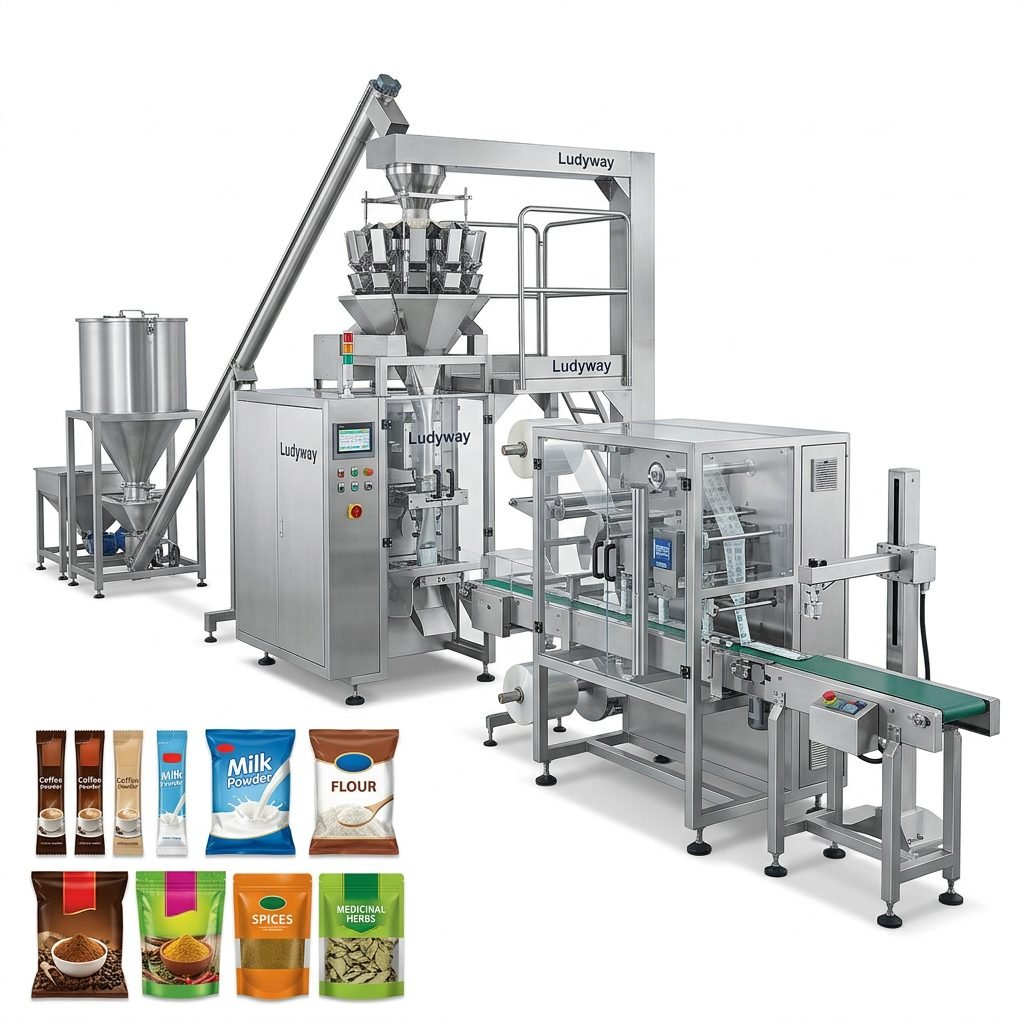
Rotary packaging machines are often part of a larger packaging ecosystem that may include conveyors, elevators, metal detectors, cartoners, coding systems, and palletizing equipment.
Rotary Packaging Machine vs Other Packaging Systems
| Machine Type | Best For | Advantages | Limitations |
|---|---|---|---|
| Rotary packaging machine | Premade pouches | Strong pouch handling, premium look, flexible applications | Premade pouches may cost more than roll film |
| Vertical form fill seal machine | High-volume bag forming from roll film | Cost-efficient film usage, good for bulk output | Less suited to certain premium premade pouch styles |
| Horizontal flow wrapper | Solid items and tray-packed products | Fast wrapping for individual products | Not ideal for many free-flowing powders or liquids |
| Manual or semi-auto packing | Low-volume production | Lower initial investment | Higher labor costs, slower output, variable quality |
Industries That Commonly Use Rotary Packaging Machines
Food industry
Snacks, spices, coffee, tea, sauces, cereals, frozen ingredients, and powdered drink mixes are common applications. The machine supports clean packaging and attractive shelf-ready formats.
Pharmaceutical industry
Pharmaceutical companies use rotary systems for powders, granules, liquid sachets, and specialty pouch applications that require reliable dosing and hygienic operation.
Health supplement industry
Protein powders, collagen, probiotics, vitamins, electrolytes, and functional nutrition products frequently use pouch packaging for convenience and portability.
Cosmetics and personal care
Creams, lotions, serums, masks, and sample-size sachets benefit from neat filling and consistent sealing, particularly for trial packs and travel-size formats.
Chemical and household products
Detergents, cleaners, treatment powders, and industrial liquids can also be processed with suitable material-contact designs and filling technologies.
Important Features to Look for Before Buying
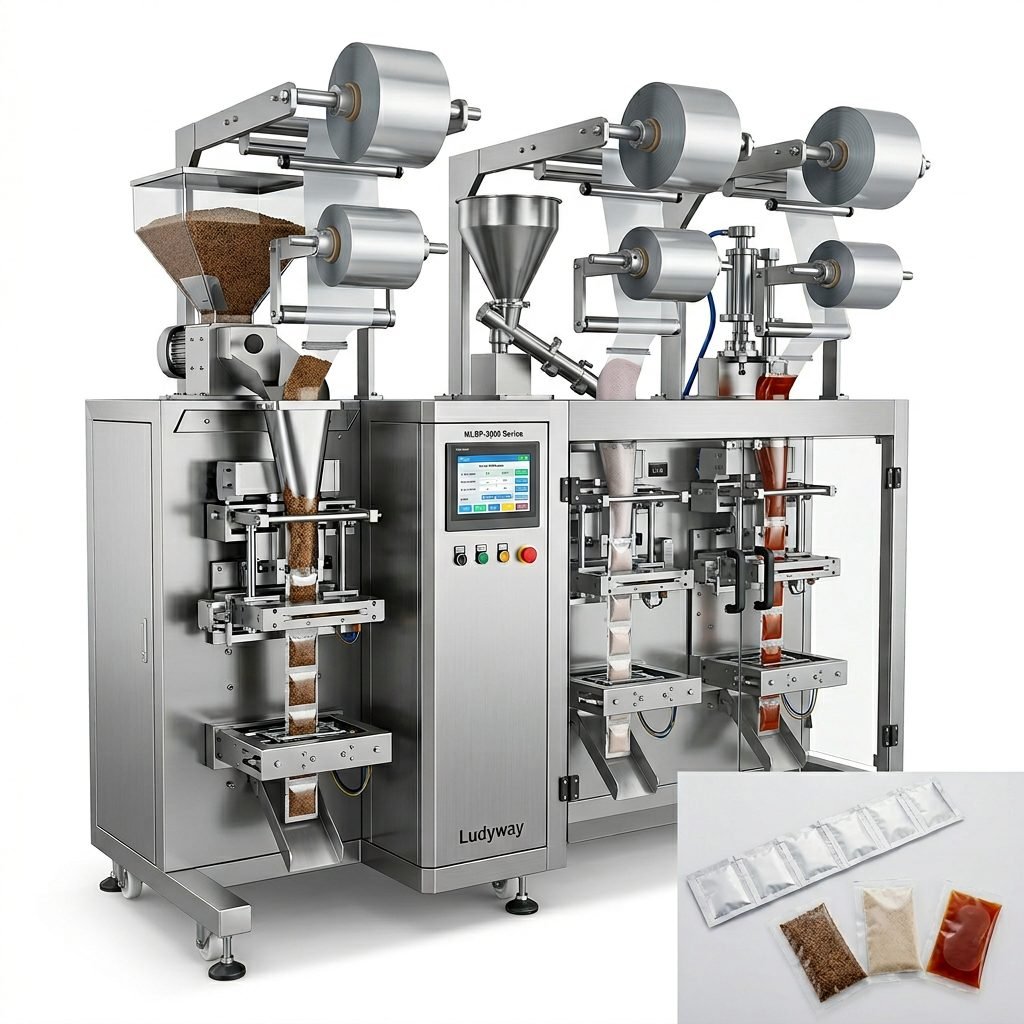
Not all rotary packaging machines are the same. A well-matched system should fit both the product and the long-term production plan.
- Packaging speed: Match output targets with realistic operating speed, not just maximum theoretical speed.
- Filling accuracy: Choose the right filling technology for your product characteristics.
- Pouch compatibility: Confirm supported pouch sizes, materials, and closure types.
- Seal quality control: Look for stable temperature control and repeatable sealing pressure.
- Cleaning and maintenance: Easy-access design reduces downtime and improves hygiene.
- Automation level: Consider integration with upstream feeding and downstream cartoning or palletizing.
- Customization capability: This is especially important for special products, high viscosity materials, or regulated industries.
Common Applications by Packaging Format
| Packaging Format | Common Products | Why Rotary Machines Fit |
|---|---|---|
| Stand-up pouch | Snacks, powders, supplements | Premium display and good stability |
| Zipper pouch | Coffee, pet treats, health products | Supports reclosable convenience |
| Flat pouch | Sauces, sachets, samples | Simple structure and efficient filling |
| Spouted pouch | Liquid foods, detergents, gels | Convenient dispensing for end users |
Operational Challenges and How to Avoid Them
Even advanced packaging equipment performs best when machine design, pouch quality, and product flow characteristics are properly aligned.
Poor pouch opening
This may result from inconsistent pouch dimensions, static, or insufficient vacuum. Using quality pouches and well-tuned opening stations helps minimize this issue.
Inaccurate filling
Incorrect filler selection can lead to underfill or product spillage. Powders, granules, and liquids each require different dosing systems and parameter settings.
Weak seals
Seal problems often come from contamination in the seal area, unsuitable pouch material, or poor heat settings. Stable sealing control and proper pouch presentation are essential.
Unplanned downtime
Preventive maintenance, operator training, and access to spare parts are critical for keeping production stable over time.
How to Choose the Right Rotary Packaging Machine Supplier
Choosing the machine is important, but choosing the supplier is equally important. A capable manufacturer should not only provide equipment, but also application expertise, integration support, and after-sales service.
- Check industry experience and engineering background
- Review real machine cases in similar industries
- Ask about customization for your pouch and product type
- Confirm support for installation, training, and spare parts
- Evaluate whether the supplier can provide standalone machines or complete lines
For buyers looking for scalable automation, Ludyway rotary packaging machine solutions are backed by more than 30 years of packaging machinery experience, a broad product portfolio, and turnkey line integration capabilities for food, pharmaceutical, health supplement, cosmetic, and related industries.
Who Should Invest in a Rotary Packaging Machine?
A rotary packaging machine is a strong fit for businesses that:
- Need professional-looking premade pouch packaging
- Want to improve production efficiency
- Require stable sealing and repeatable package quality
- Plan to expand from manual or semi-automatic packaging
- Need integration into a broader automated packaging line
Final Considerations for Long-Term Value
When evaluating rotary packaging equipment, focus on total operational value rather than only the initial machine price. A machine that delivers stable output, lower waste, reliable seals, and easier changeover often creates better long-term returns.
If your products are packaged in premade pouches and your business requires speed, flexibility, and polished presentation, a rotary packaging machine can be one of the most effective investments for modern automated production.