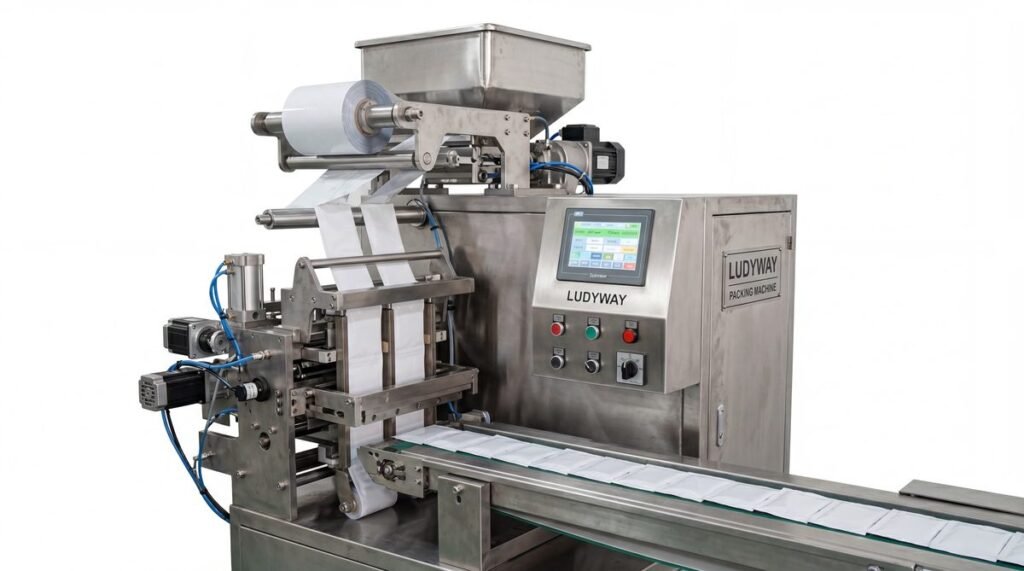
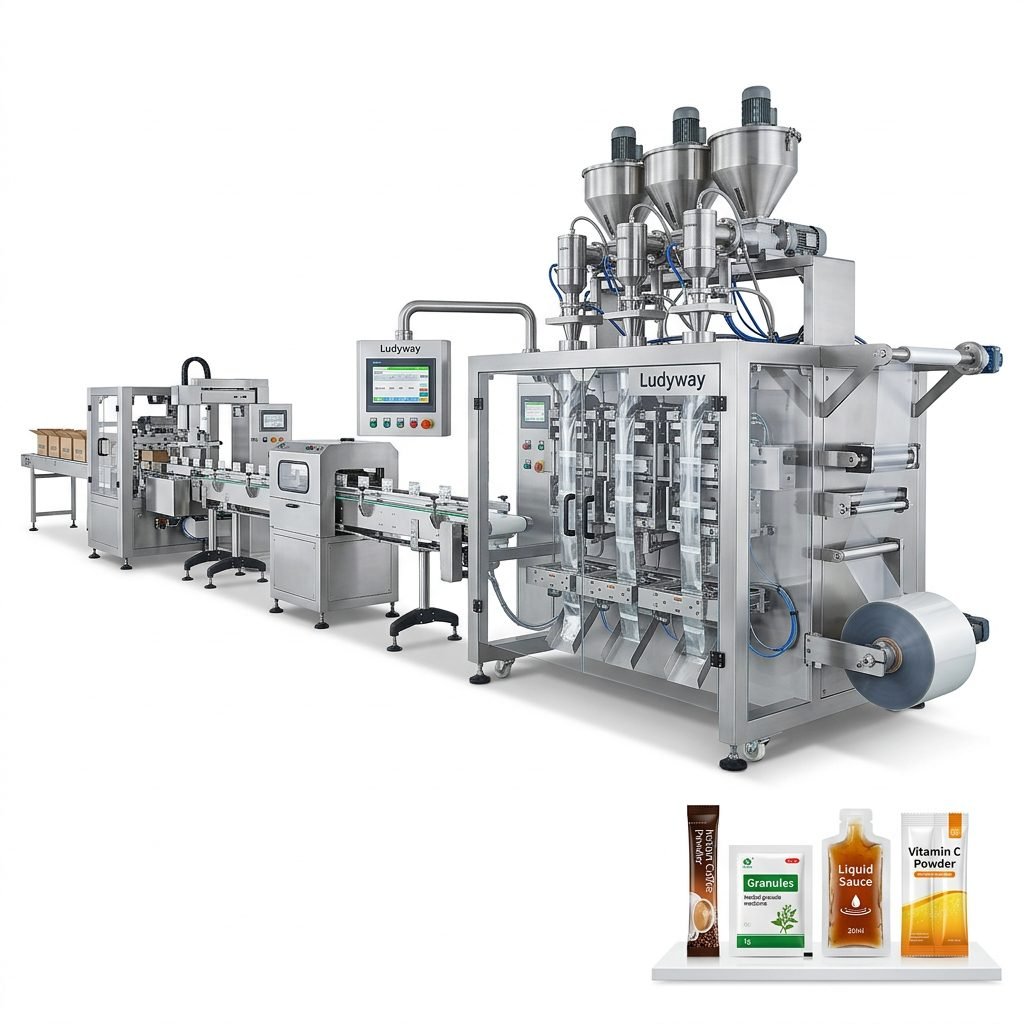
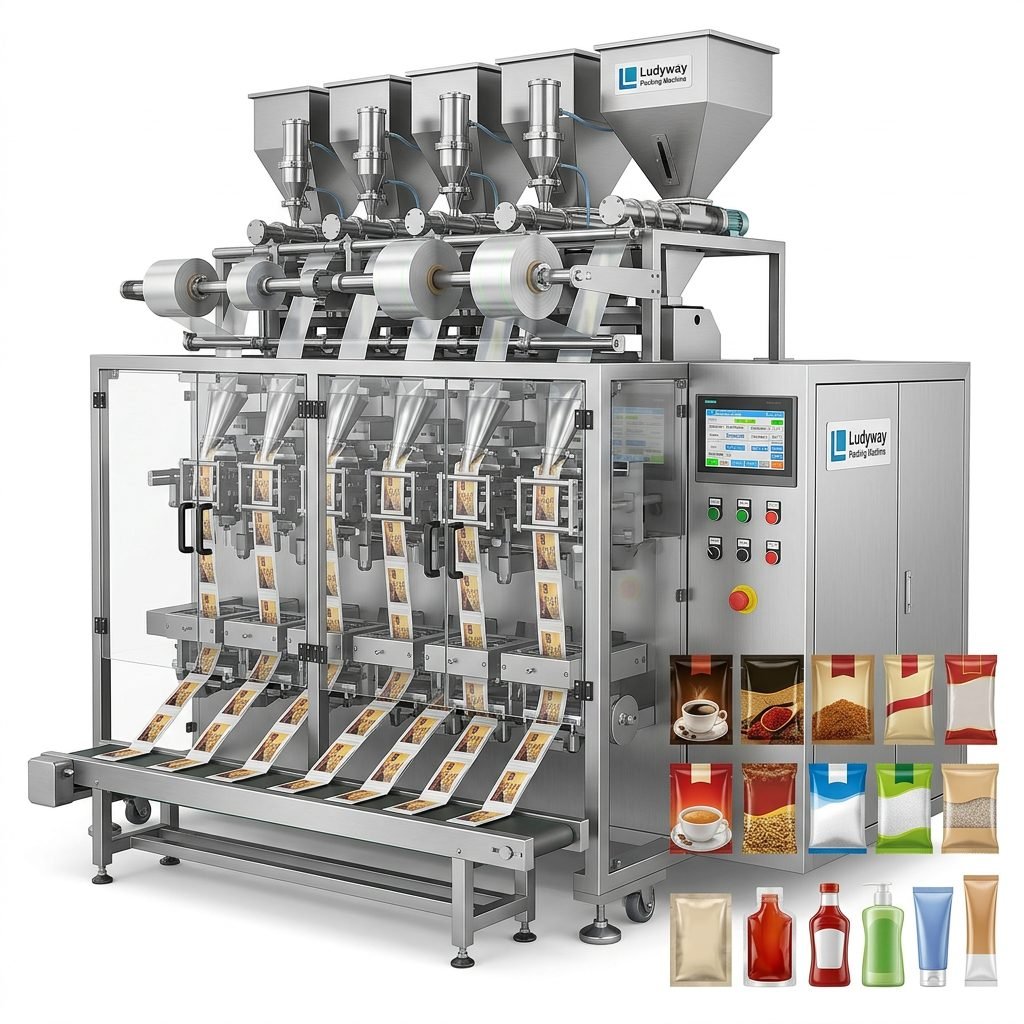
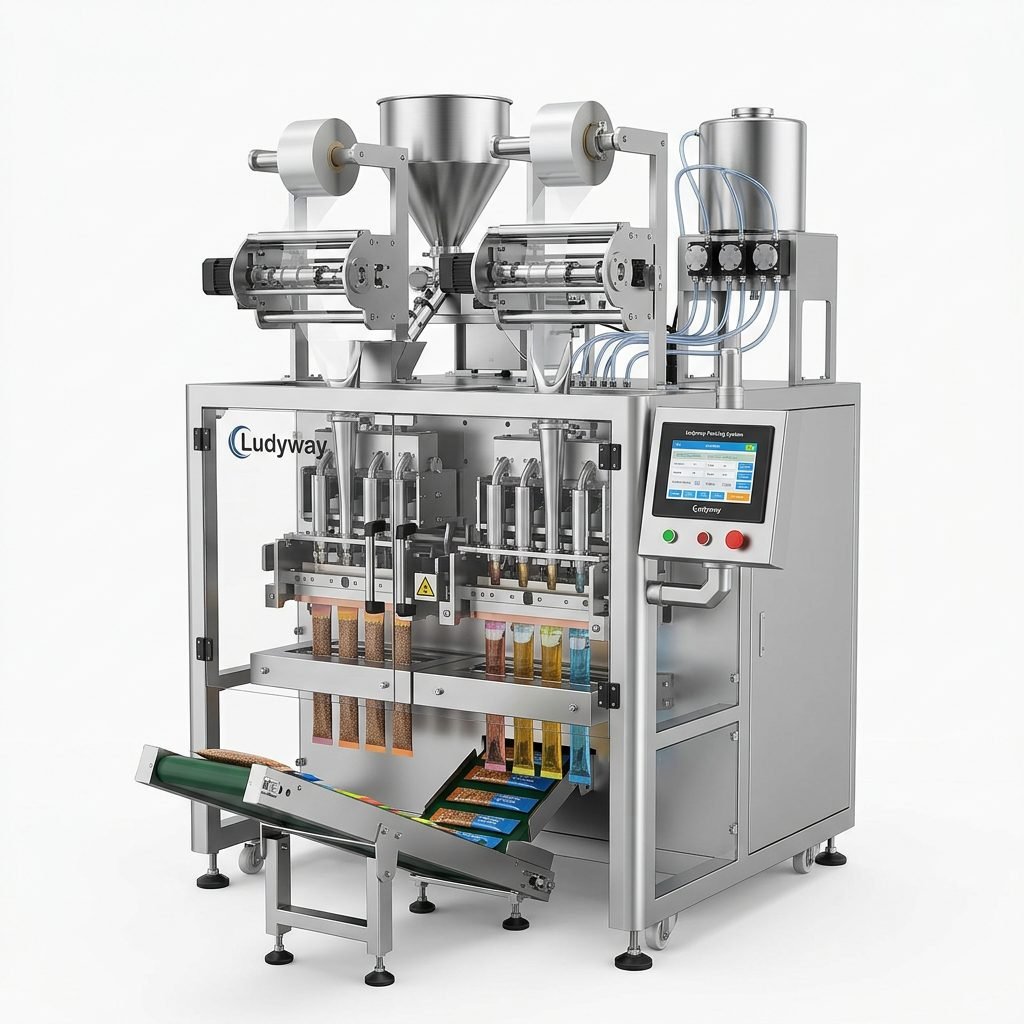
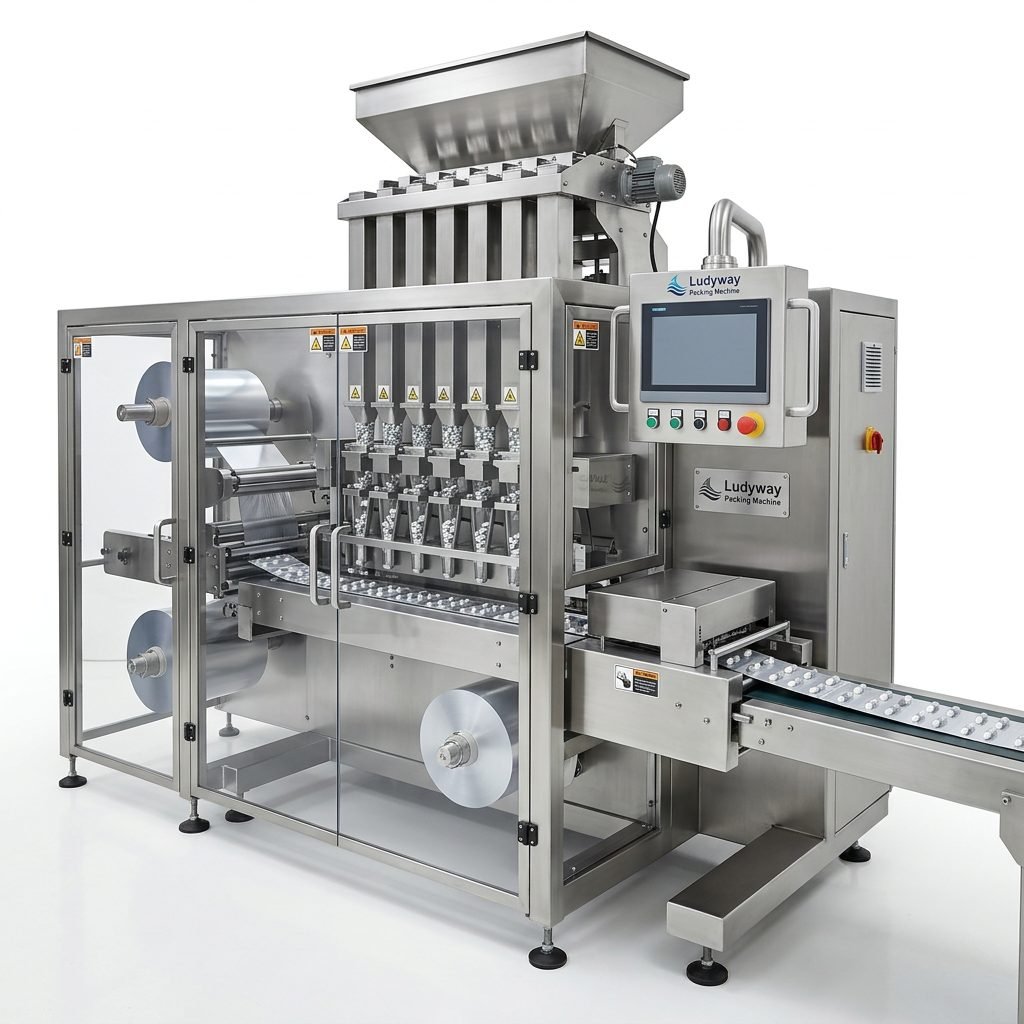
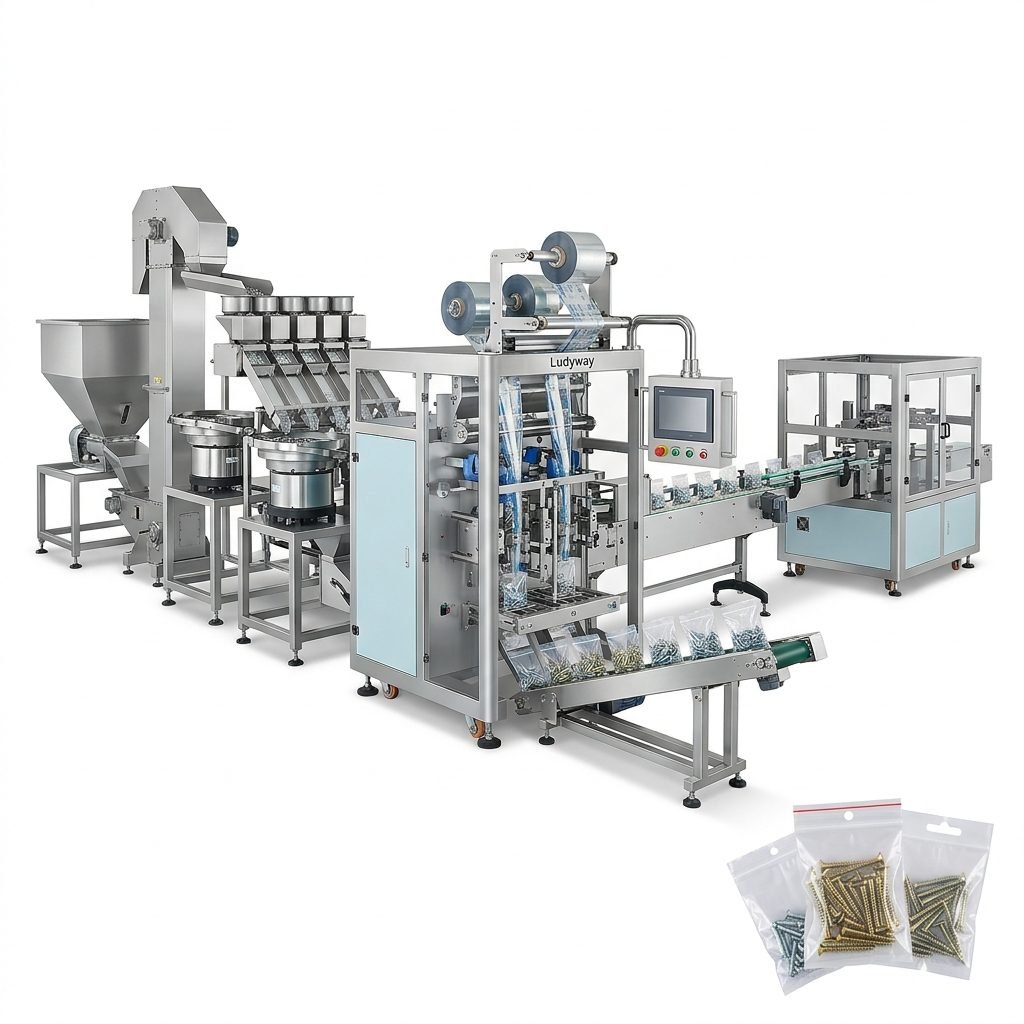
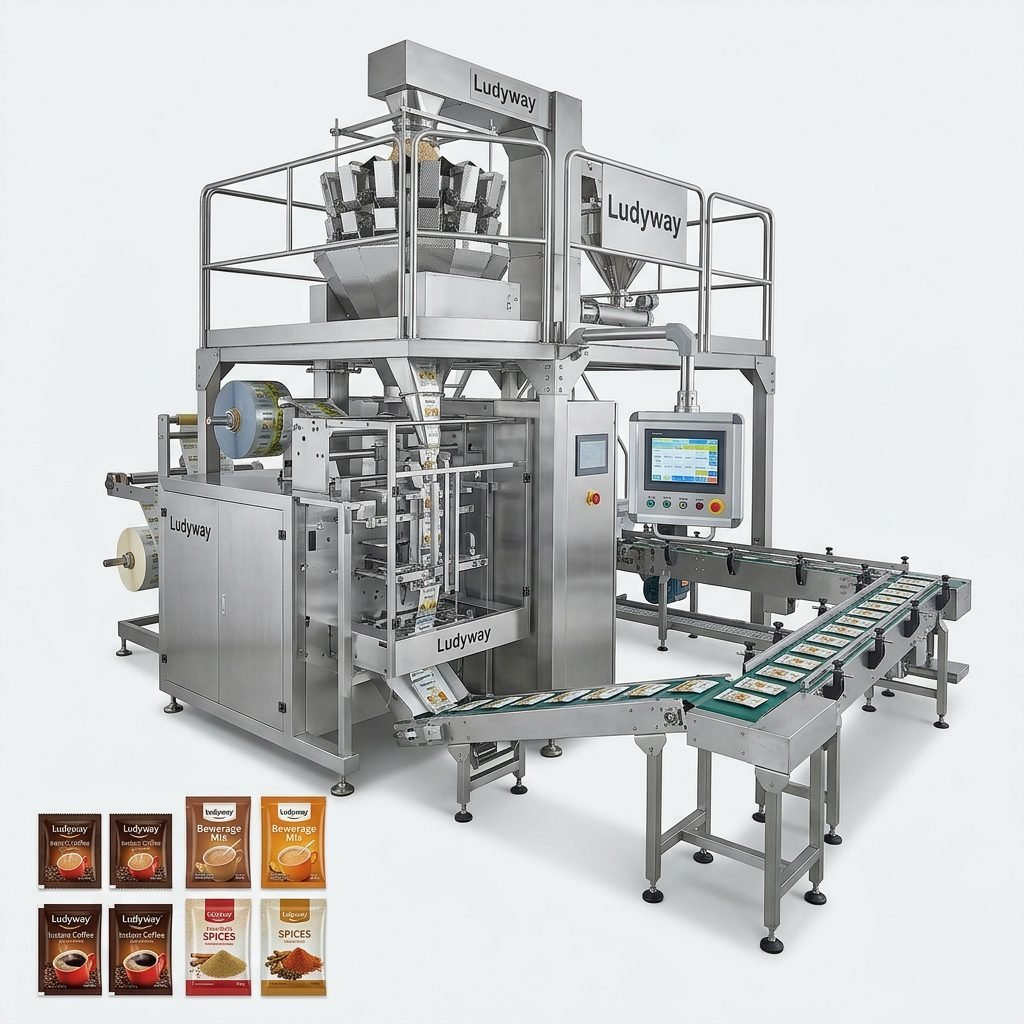
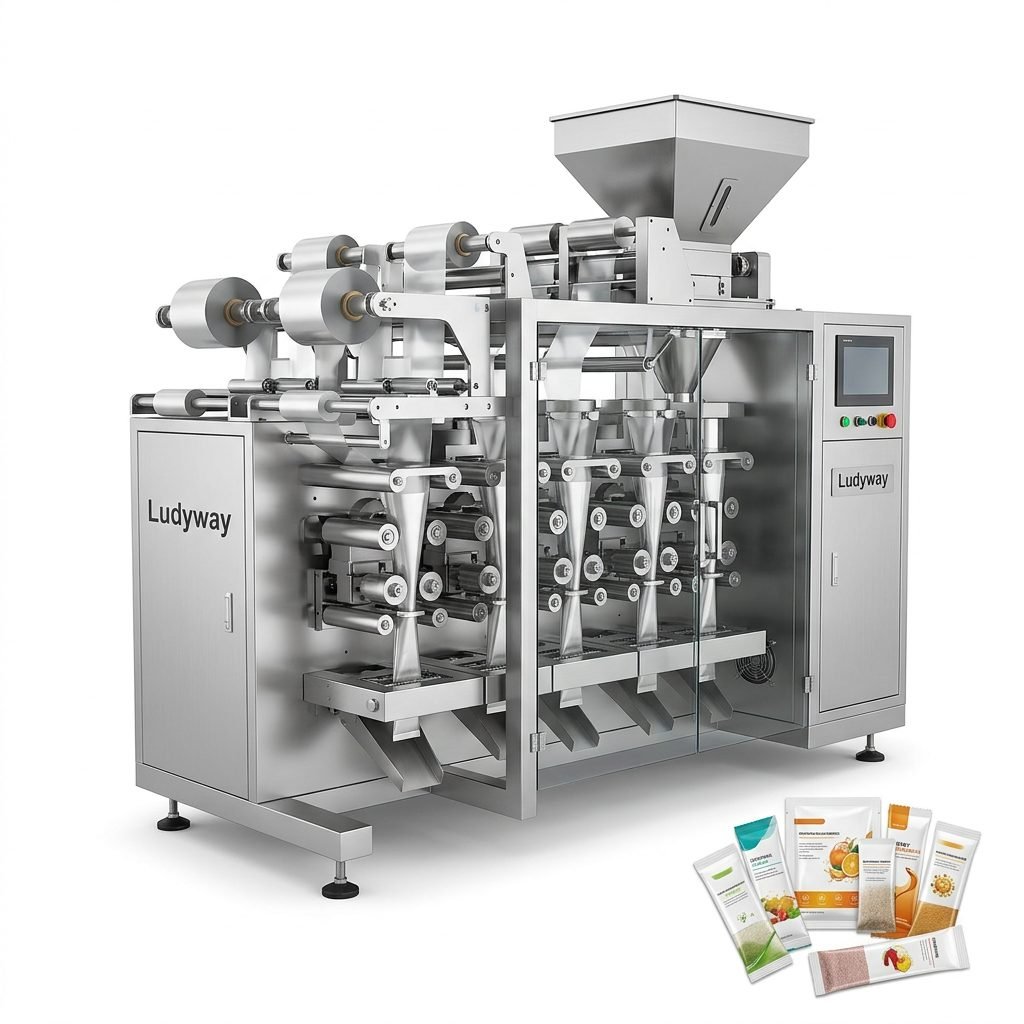
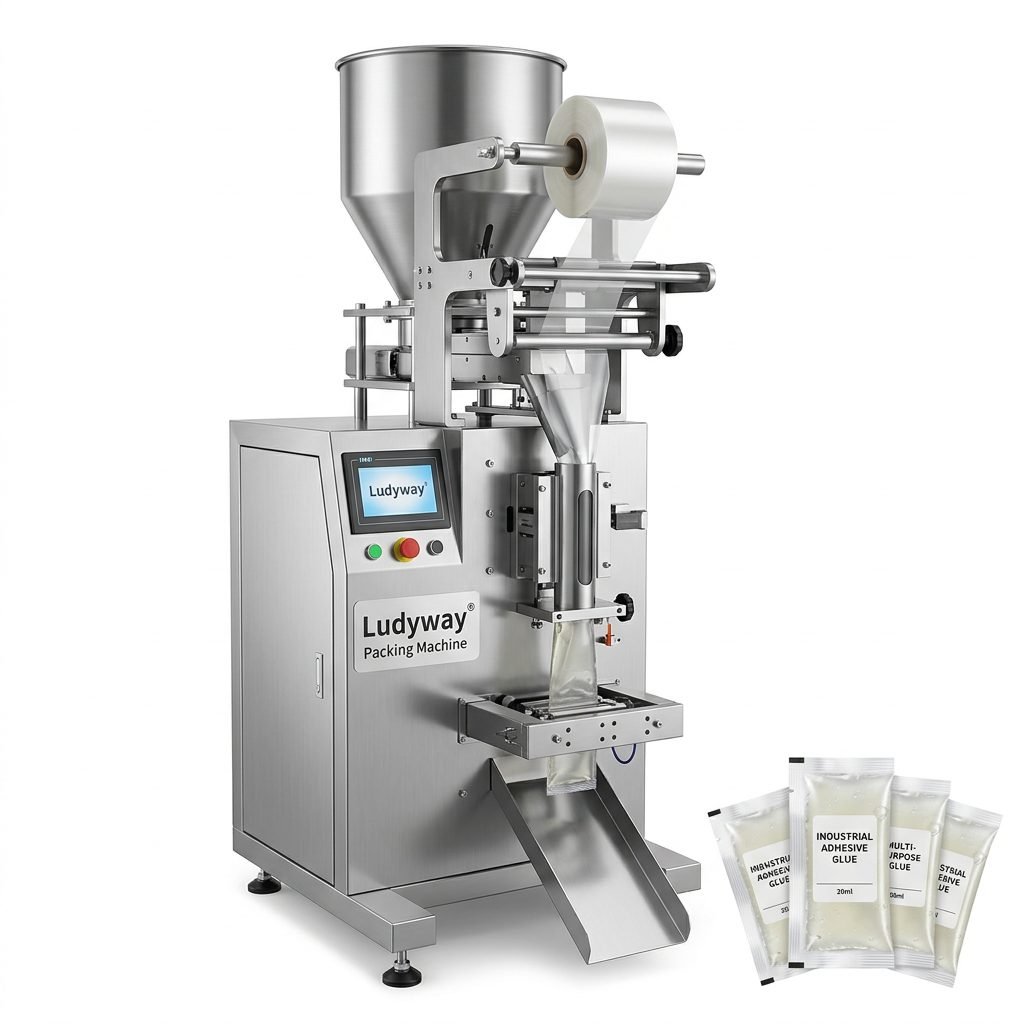
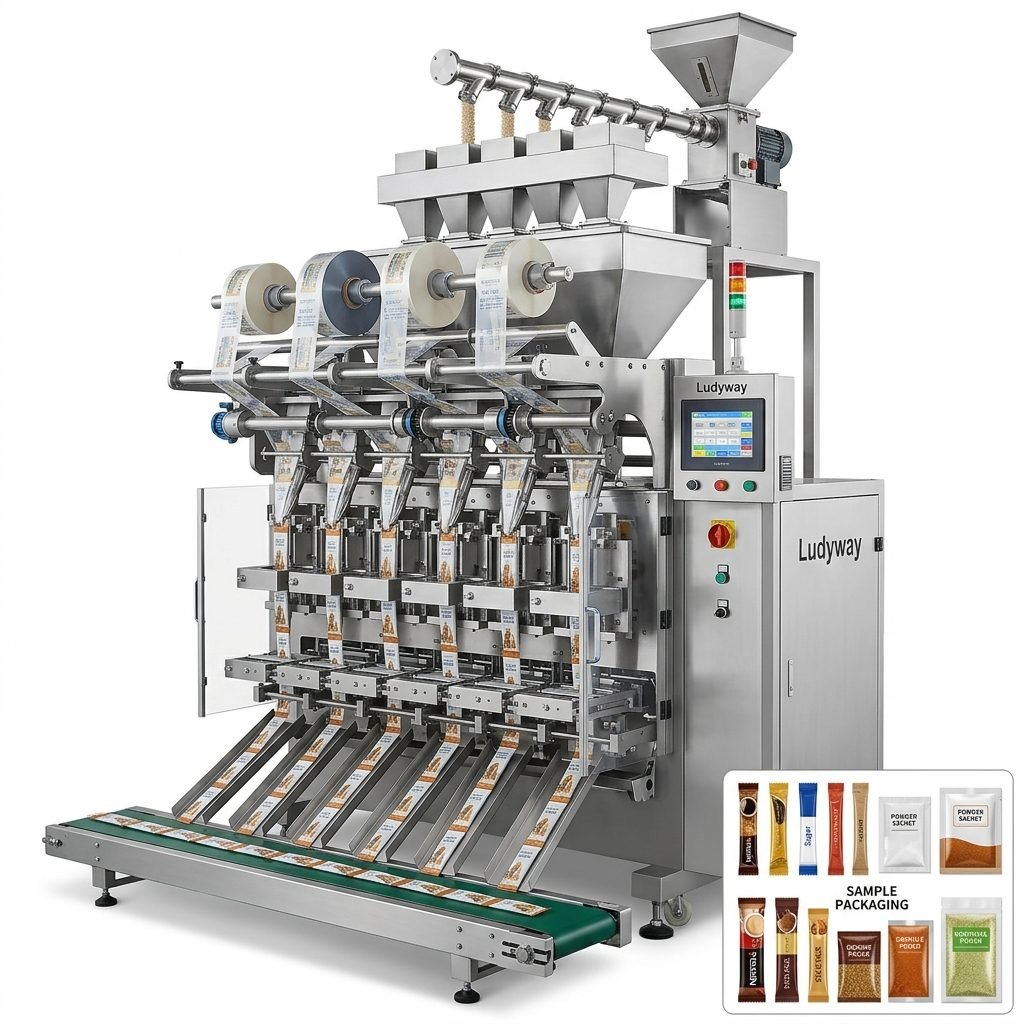
In the competitive world of confectionery manufacturing, the final presentation of a chocolate tablet is just as crucial as its taste. The packaging process is the final, critical step that ensures product integrity, shelf appeal, and brand recognition. A specialized Chocolate Tablet Packaging Machine is the cornerstone of this operation. This guide delves into the different types of machines, their key features, and provides a structured approach to selecting the best solution for your production line.
Understanding Chocolate Tablet Packaging Machines
These machines are engineered to handle the delicate nature of chocolate tablets, which are prone to melting, breaking, and fingerprint marks. The primary function is to wrap each tablet individually in a protective material—typically foil, flow wrap, or a cardboard sleeve—at high speeds while maintaining precise alignment and gentle handling.
Core Objectives of the Packaging Process:
- Product Protection: Shields from moisture, light, and physical damage.
- Hygiene & Freshness: Creates a barrier to preserve flavor and prevent contamination.
- Branding & Information: Provides space for logos, nutritional info, and marketing.
- Automation & Efficiency: Enables high-volume, consistent output with minimal labor.
Main Types of Chocolate Tablet Packaging Machines
The choice of machine depends heavily on the packaging style, material, and production volume. Here are the most common types used in the industry.
1. Flow Wrapping Machines
This is one of the most versatile and popular methods. The machine uses a roll of film (often polypropylene or cellulose) to form a sealed pouch around the tablet. The chocolate is placed on the film, which is then folded around it and sealed on the back and ends.
✓ Best For: High-speed production, excellent moisture barrier, modern look with printed film.
✓ Key Feature: Often includes photo-electric registration systems to ensure prints on the film align perfectly with each tablet.
2. Foil Wrapping Machines
The classic choice for premium and traditional chocolate tablets. These machines use aluminum foil, sometimes laminated with paper or film, to tightly encase the tablet. The process involves cutting a piece of foil, placing the tablet, and performing a series of intricate folds to create a neat, tight wrap.
✓ Best For: Premium products, superior aroma and light protection, traditional consumer appeal.
✓ Key Feature: Requires high-precision mechanical folding arms for consistent, flawless finishes.
3. Sleeve Wrapping (Cartoning) Machines
This method involves sliding the chocolate tablet into a pre-formed cardboard sleeve or a folded carton. It’s less common for simple tablets but is used for multi-packs, promotional packaging, or when a rigid box-like structure is desired.
✓ Best For: Multi-packs, gift packaging, or when additional printed information is required on a sturdy medium.
4. Combination Machines
Advanced systems that perform multiple steps. A common combination is a foil wrapper followed by a flow wrapper or cartoner. This provides the protective benefits of foil with the added durability and printability of an outer layer.
Essential Features to Evaluate
Beyond the wrapping type, several critical features determine a machine’s performance, reliability, and suitability for your factory.
Production Speed & Capacity
Measured in tablets per minute (TPM). Speeds can range from 100 TPM for smaller lines to over 500 TPM for high-output industrial machines. Your required output directly influences the machine’s size and cost.
Flexibility & Changeover
Can the machine handle different tablet sizes and shapes? Look for machines with quick-change parts and tool-less adjustments. This minimizes downtime when switching products, which is vital for manufacturers with diverse SKUs.
Gentle Product Handling
Chocolate is fragile. The infeed system, transport chains, and wrapping heads must be designed to cradle the tablet without causing chips, cracks, or smudges. Soft-touch belts and vibration-dampening systems are key indicators.
Control System & User Interface
A modern, intuitive PLC-based touchscreen HMI (Human-Machine Interface) is essential. It allows for easy parameter setting, speed control, fault diagnosis, and production data tracking. It should be simple for operators to learn and use.
🛠️ Advanced Features for Future-Proofing:
- Integrated Checkweighers: Automatically reject under or over-weight packs, ensuring compliance and reducing waste.
- Vision Inspection Systems: Use cameras to detect misprints, misaligned wraps, or defective products.
- IoT Connectivity: Enables remote monitoring, predictive maintenance, and integration into factory-wide data systems.
- Servo-Driven Technology: Provides superior motion control for higher precision, smoother operation, and energy savings compared to traditional mechanical drives.
How to Choose the Best Packaging Solution
Selecting the right machine is a strategic decision. Follow this step-by-step framework to make an informed choice.
Step 1: Define Your Core Requirements
Start with a clear internal brief. Document your current and projected production volume, the exact dimensions and weight of your tablets, the desired packaging material (foil type, film grade), and your target packaging speed. Don’t forget your available factory floor space and power supply.
Step 2: Assess Supplier Expertise & Support
The machine is only as good as the company behind it. Look for a supplier with proven experience in chocolate and confectionery packaging, like Ludyway Machinery, which specializes in tailored solutions for the food industry. Evaluate their after-sales service, availability of spare parts, and technical support network. Can they provide installation, training, and long-term maintenance?
Step 3: Request a Product Test Run
Never buy based on specifications alone. Arrange to send your actual chocolate tablets and packaging material to the supplier for a live test run. Observe the machine’s performance, the quality of the wrapped product, and the ease of operation firsthand. This is the most reliable way to validate suitability.
Step 4: Analyze Total Cost of Ownership (TCO)
Look beyond the initial purchase price. Calculate the TCO by factoring in:
- Energy Consumption: Servo machines often have lower running costs.
- Material Waste: How efficient is the film/foil cutting and sealing?
- Maintenance Costs: Complexity and cost of routine service parts.
- Changeover Downtime: Faster changeovers mean higher overall equipment effectiveness (OEE).
A slightly more expensive but more efficient and reliable machine often has a lower TCO.
Step 5: Plan for Integration & Future Growth
Consider how the new machine will integrate with your existing upstream (cooling tunnel, depositor) and downstream (checkweigher, cartoner) equipment. Discuss future scalability with your supplier. Can the machine be upgraded or integrated into a full turnkey production line as your business grows?
Partnering with a Specialized Provider
For manufacturers seeking a balance of innovation, reliability, and tailored support, partnering with a focused packaging machinery provider is key. Ludyway Machinery brings over a decade of dedicated experience in developing automated packaging solutions. With a portfolio of over 50 intelligent machine models and a commitment to understanding specific client needs—from high-speed flow wrap applications to intricate foil wrapping for premium tablets—they exemplify the specialized expertise required in this niche. Their approach centers on building long-term partnerships, ensuring that the packaging solution not only meets today’s production targets but also adapts to tomorrow’s challenges.
Investing in the right Chocolate Tablet Packaging Machine is an investment in your product’s quality, your brand’s reputation, and your operation’s profitability. By thoroughly understanding the machine types, critically evaluating features, and following a disciplined selection process, you can secure a solution that wraps success into every single tablet you produce.
Frequently Asked Questions (FAQs)
1. What is the typical speed range for a chocolate tablet wrapper?
Speeds vary widely based on machine type and complexity. Standard flow wrappers can operate between 150-400 tablets per minute (TPM). High-speed models can exceed 500 TPM. Intricate foil wrappers for premium products typically run at a slower, more precise pace of 80-200 TPM.
2. How difficult is it to changeover the machine for a different tablet size?
Modern machines are designed for easier changeovers. Look for models with “quick-change” features, where key components like forming shoulders, feed chains, and cutting jaws can be swapped or adjusted without tools in under 30 minutes. This minimizes downtime for production lines with multiple products.
3. Can one machine handle both foil and flow wrap packaging?
Generally, no. Foil wrapping and flow wrapping are fundamentally different mechanical processes. However, some manufacturers offer combination lines where a foil-wrapped tablet is subsequently fed into a flow wrapper for an outer layer. For switching between the two primary styles, separate machines or a complete line changeover is usually required.
4. What are the most common maintenance requirements?
Regular maintenance is crucial. Daily tasks include cleaning to remove chocolate residue and dust. Weekly or monthly checks involve lubricating moving parts, inspecting and cleaning heat sealers, and checking the tension on belts and chains. Always follow the manufacturer’s specific maintenance schedule to ensure longevity and consistent performance.
5. How do I ensure the packaging material works with my machine?
Material compatibility is critical. You must provide the exact specifications (type, thickness, coating, reel dimensions) of your foil or film to the machine supplier. The best practice is to conduct a test run with your specific material before purchase. The supplier can then confirm settings for sealing temperature, tension control, and photoelectric sensor calibration for optimal results.