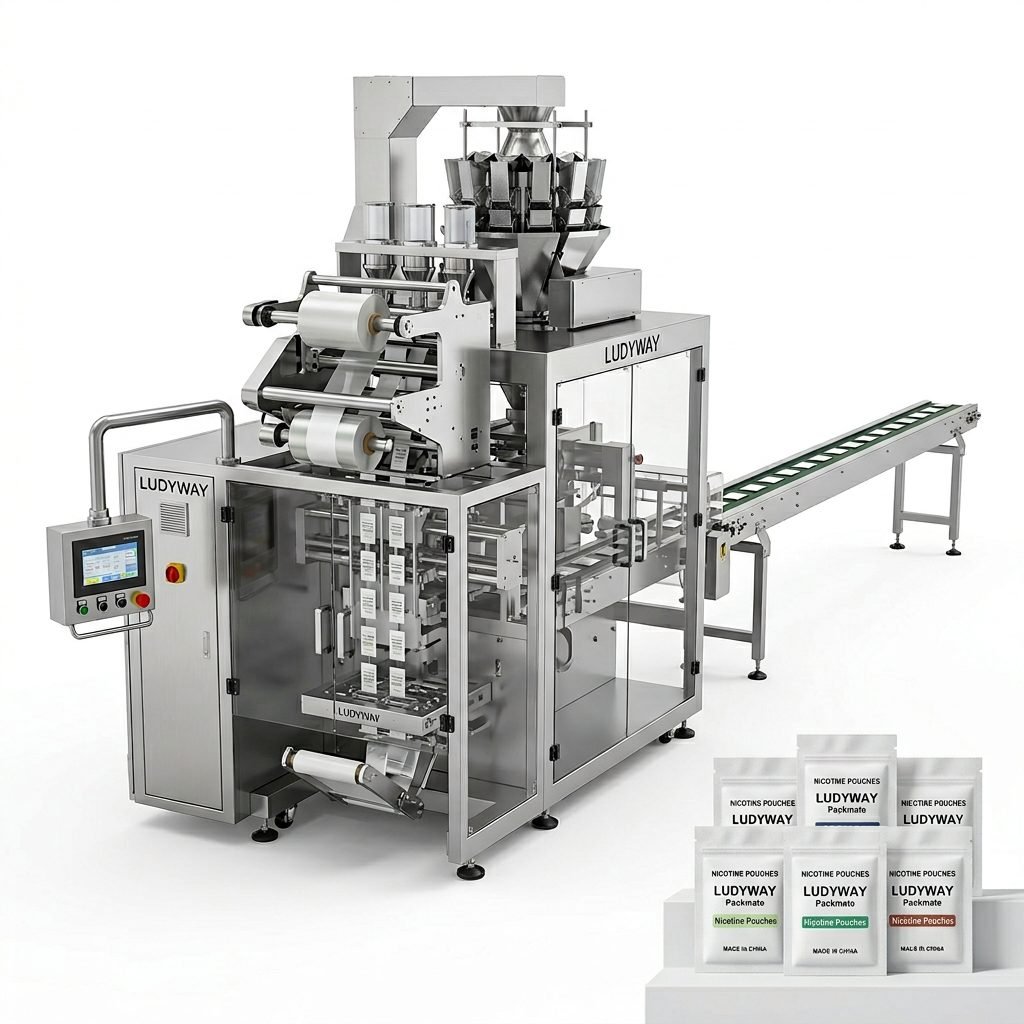
Investing in the right tomato packing machine is one of the most critical decisions for any food processor, co-packer, or agricultural business. The equipment you select directly impacts product shelf life, filling accuracy, packaging speed, and long-term operational costs. With a wide variety of machine types, automation levels, and configuration options available, it is essential to evaluate your product characteristics, production goals, and quality requirements before making a choice. This guide walks you through the key factors to consider when choosing a tomato packing machine, helping you match the right technology to your specific application.
Understanding Your Tomato Product Type
Tomatoes can be processed and packaged in many forms. The physical state, viscosity, and particle size of your product determine the most suitable filling and sealing technology. Before evaluating specific machines, clearly define your product profile:
- Fresh whole tomatoes – often require gentle handling, weighing, and flow-wrapping or tray packing.
- Tomato paste and purée – high-viscosity liquids that demand piston fillers or progressive cavity pumps for accurate dosing.
- Tomato sauce and ketchup – medium-viscosity products commonly filled with servo-driven piston or volumetric systems for consistent portions.
- Crushed tomatoes and diced tomatoes – mixtures of solid particles and liquid requiring filling systems that handle particulates without clogging or separation.
- Tomato powder and dehydrated flakes – dry free-flowing or non-free-flowing products suitable for auger fillers, multi-head weighers, or vertical form-fill-seal (VFFS) systems.
Each product type brings distinct challenges. Swapping a machine designed for thin liquids to handle chunky tomato sauce, for example, may lead to inconsistent fills and frequent downtime. Matching the machine to the product characteristics is the foundation of a successful packaging line.
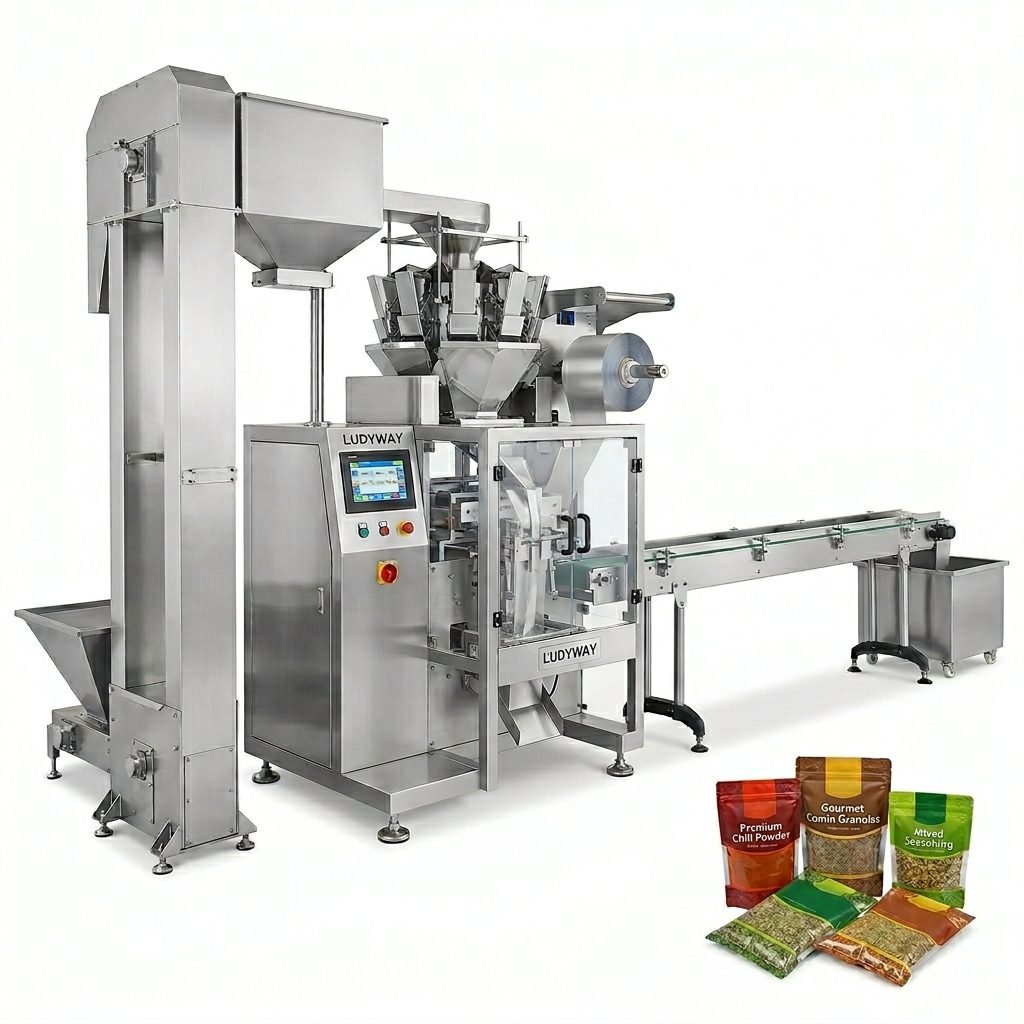
Types of Tomato Packing Machines
Depending on the packaging format and production volume, tomato products can be packed using several different machine types. The table below summarizes the most common configurations and their applications.
| Machine Type | Best For | Key Advantage |
|---|---|---|
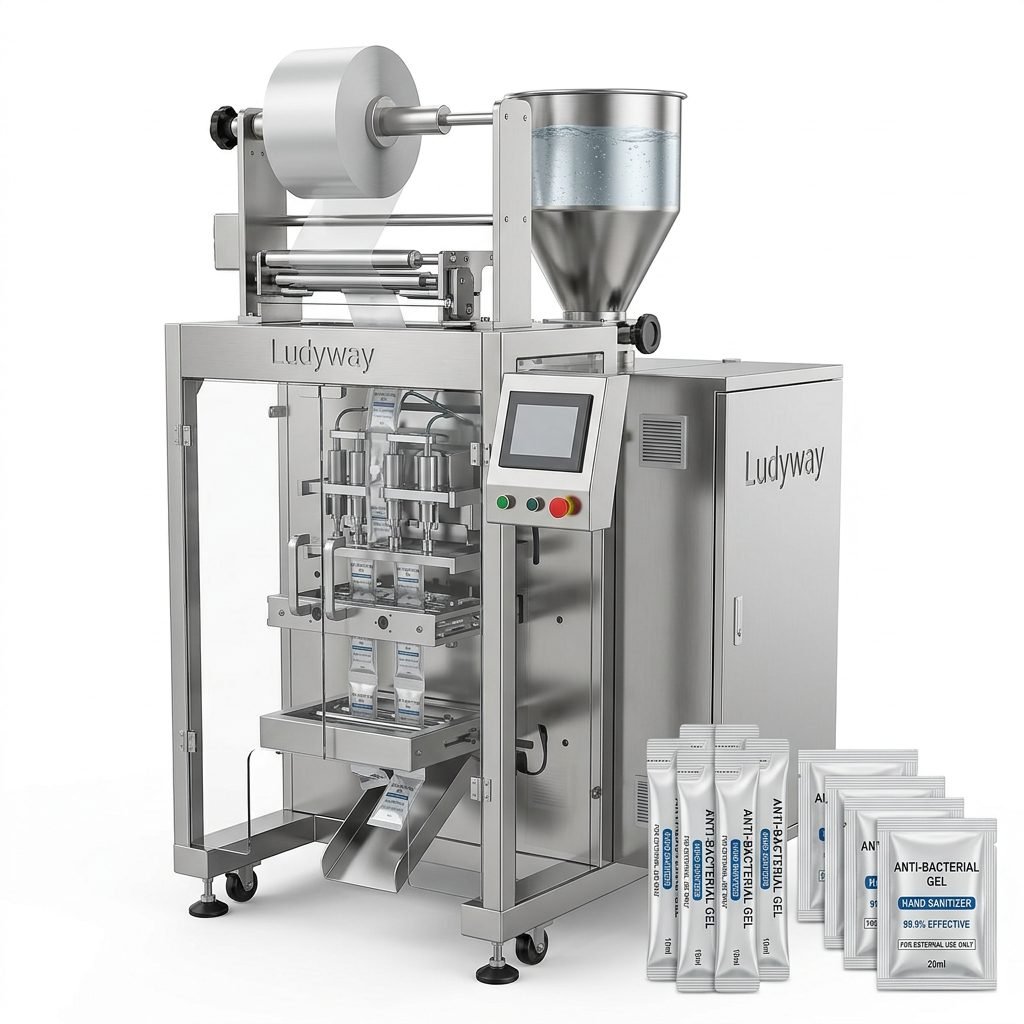
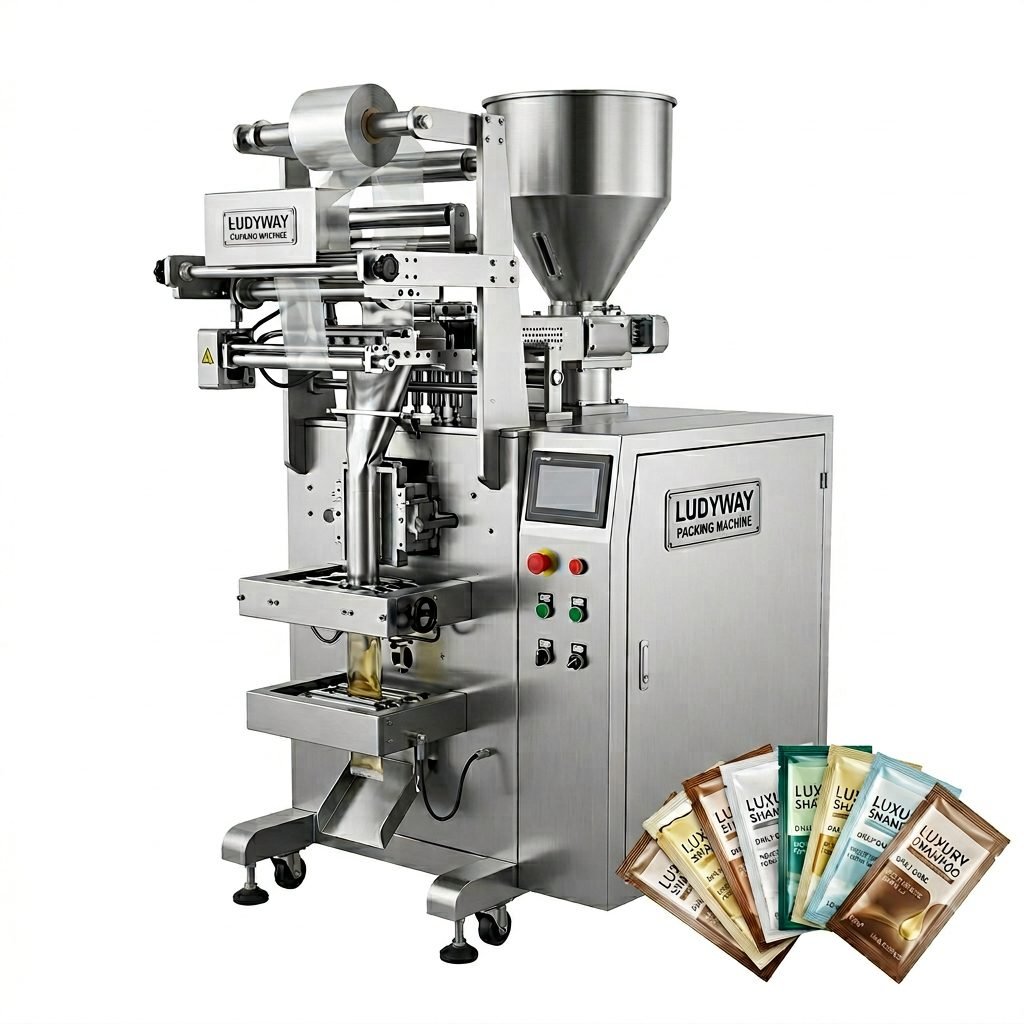
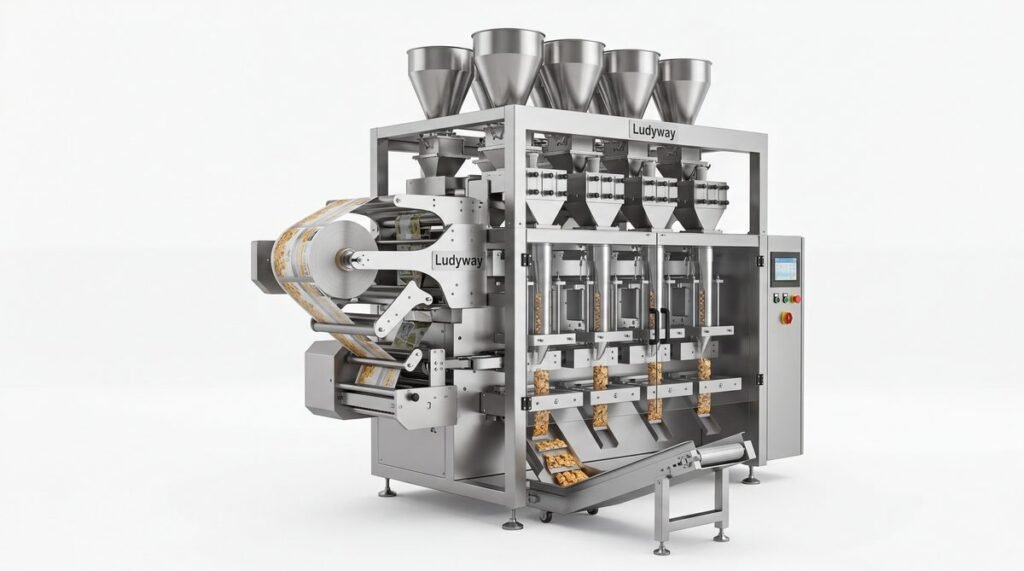
| Vertical Form-Fill-Seal (VFFS) | Tomato powder, granules, sachet sauces | High-speed, compact footprint, flexible bag formats |
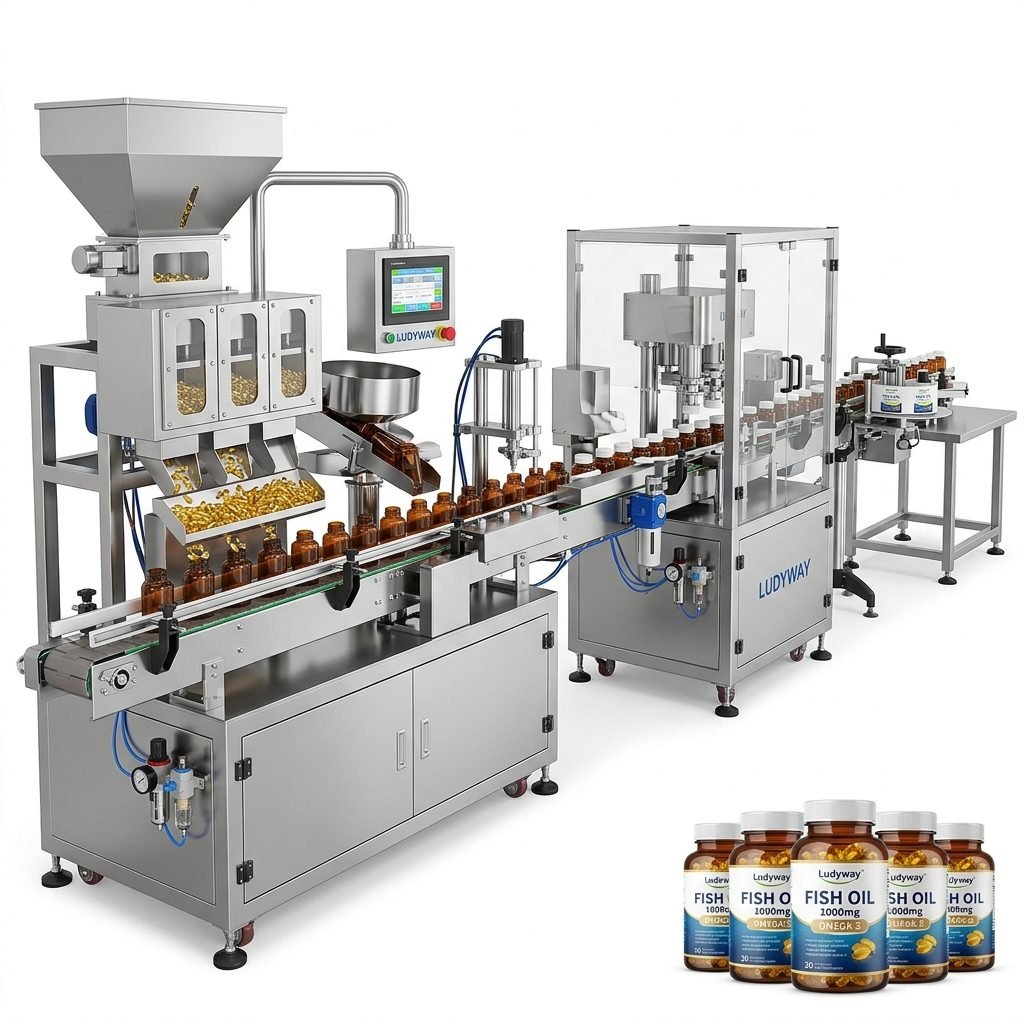
| Piston Filler with Canned Line | Tomato paste, purée in jars or cans | Handles high viscosity, very accurate fill volumes |
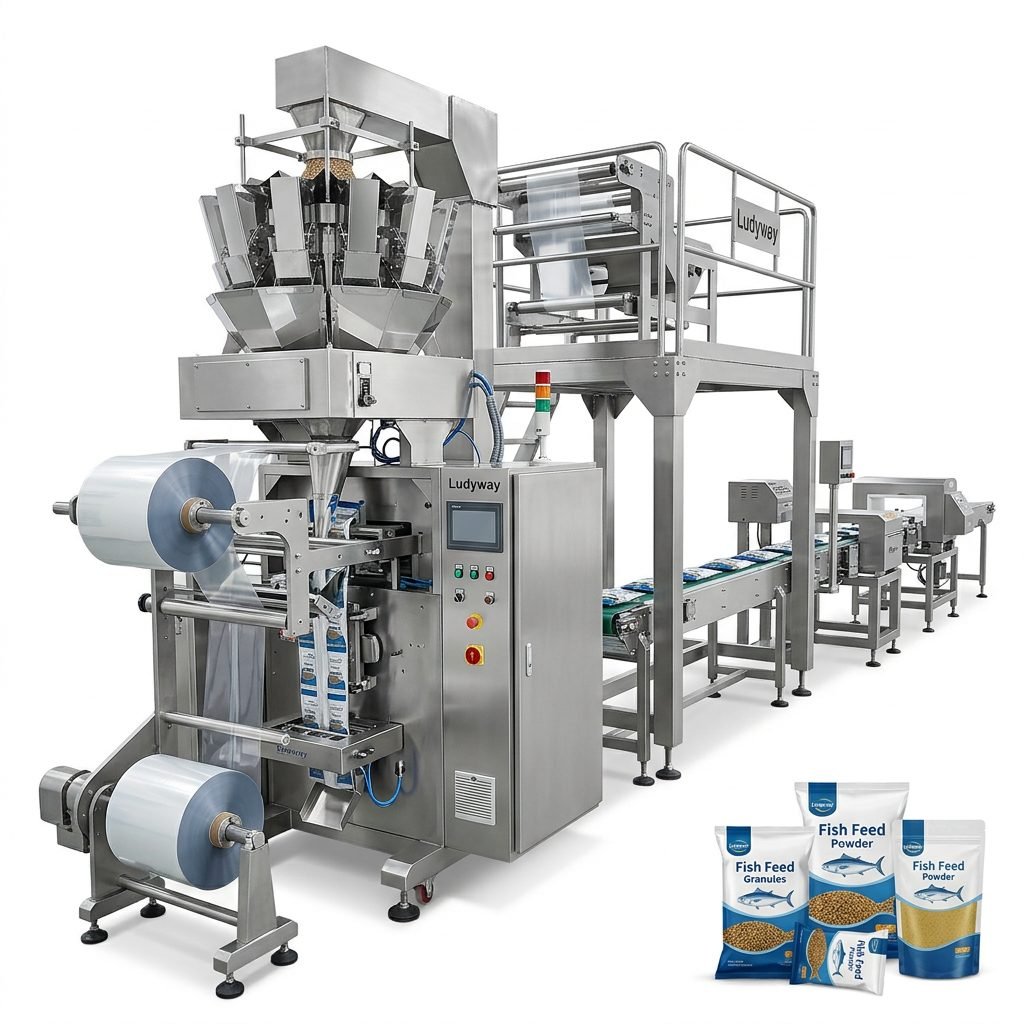
| Multi-Head Weigher with VFFS | Fresh diced tomatoes, IQF tomato products | Combination weighing for exact target weight |
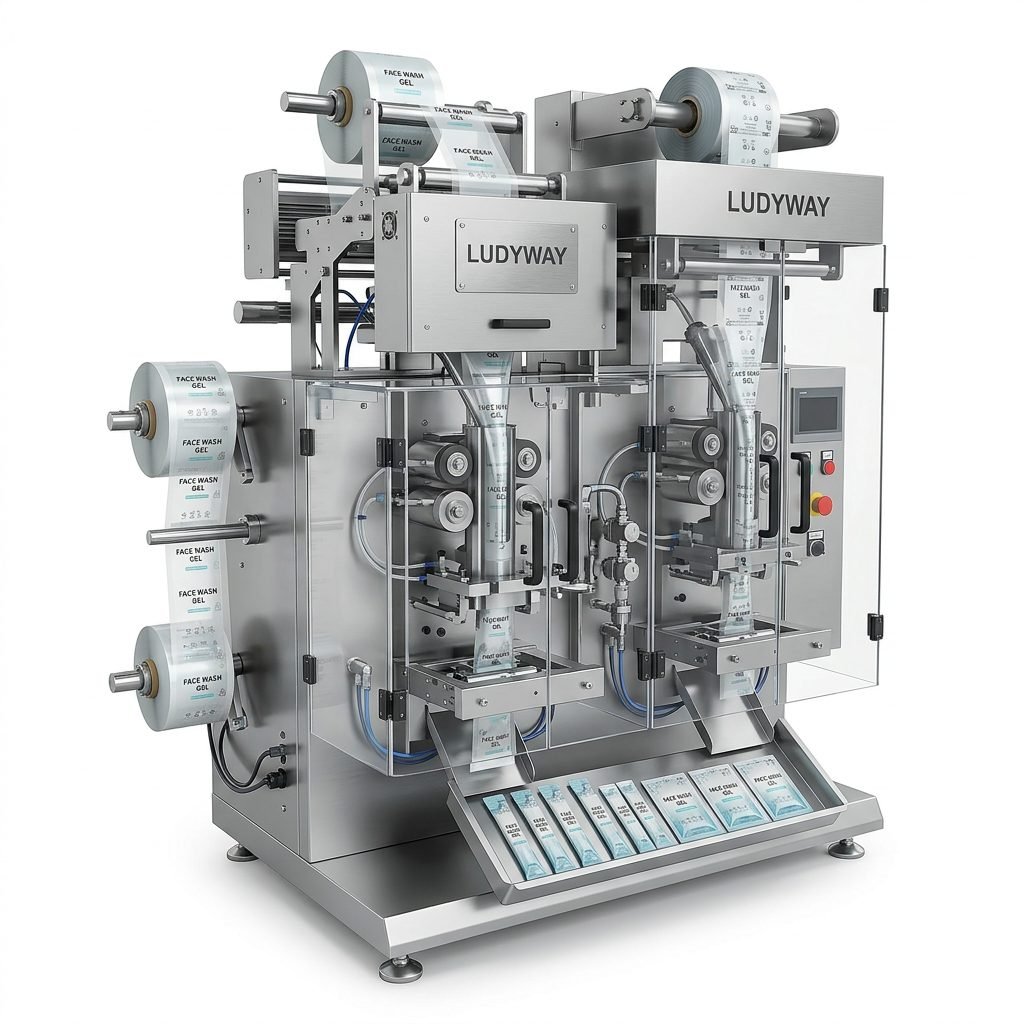
| Sachet / Stick Pack Machine | Single-serve ketchup, tomato sauce portions | Multi-lane capability, high output for small packs |
| Pouch Filling & Sealing Machine | Tomato-based ready meals, bulk paste pouches | Versatile for pre-made pouches and larger formats |
| Aseptic Filling Systems | Shelf-stable tomato purée, extended shelf-life products | Sterile processing enables ambient storage without preservatives |
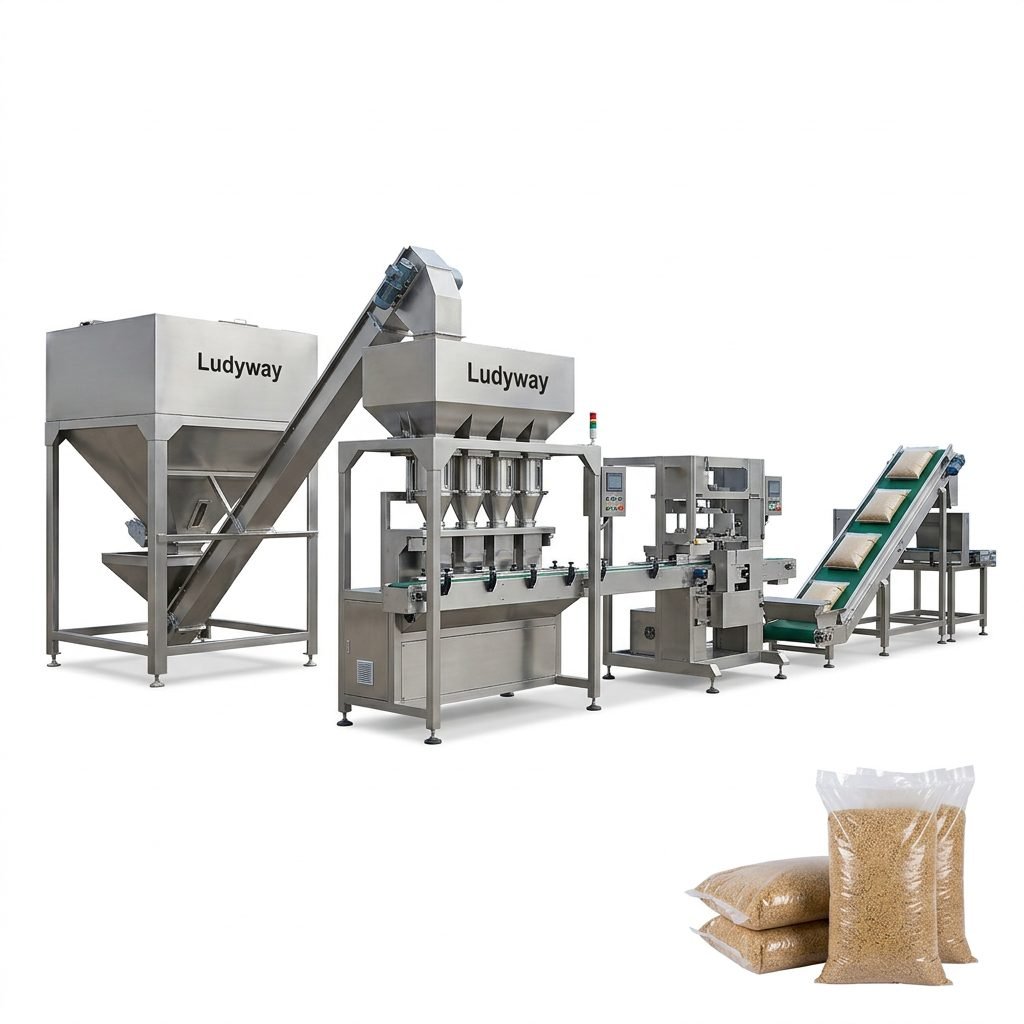
For operations that need flexibility across multiple tomato-based products, an integrated line or a modular machine with changeable parts may be the most cost-effective approach. Partnering with a supplier that offers industry-leading packaging resources can help you navigate these technology decisions.
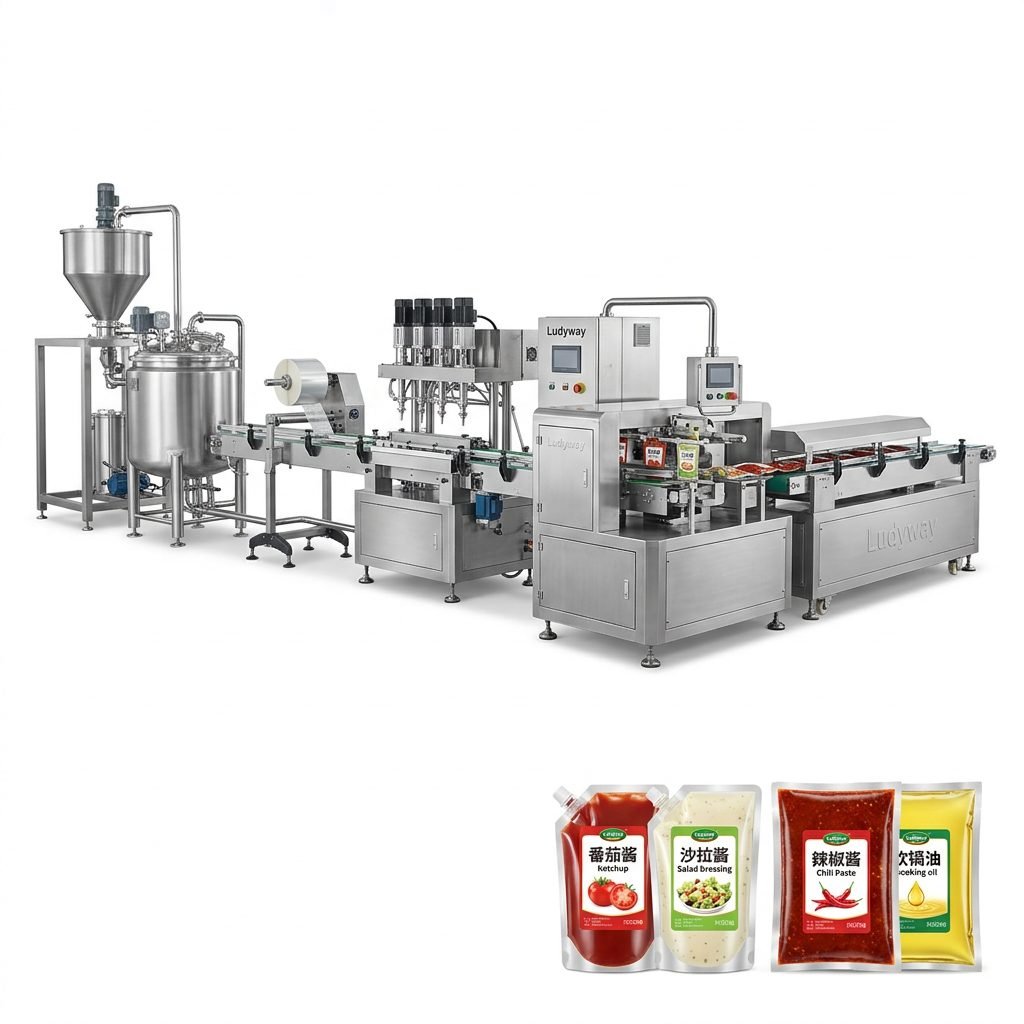
Key Factors to Consider When Choosing a Tomato Packing Machine
Beyond the basic machine type, several technical and operational factors determine whether a machine will perform reliably in your production environment. Evaluate each of these areas carefully when comparing equipment.
Filling Accuracy and Consistency
For high-value tomato-based products, even small giveaway can erode margins rapidly. Accurate filling systems using servo-driven pistons, magnetic flow meters, or combination weighers can achieve precision within ±0.5% of target weight. For sauces and pastes with varying viscosity, temperature compensation and positive displacement filling are essential to maintain consistency across shift-long runs.
Packaging Material Compatibility
Tomato products are acidic and can react with certain packaging materials. Your machine must be compatible with films, laminates, or containers that provide adequate barrier properties. If you are packing hot-fill tomato sauce, the sealing system must form hermetic seals on heat-resistant laminates. Verification of flexible packaging industry data helps in selecting the right material structure.
Production Speed and Scalability
Define your current and projected throughput in units per minute, pouches per hour, or kilograms per shift. A machine that runs at 40 packs per minute may be sufficient for a startup, but a co-packer handling national distribution may require multi-lane systems delivering 400+ packs per minute. Modular designs that allow adding more lanes or automation modules provide a clearer path toward scaling without fully replacing equipment.
Hygiene and Cleanability
Tomato processing environments require strict sanitation. Look for hygienic design features such as sloped surfaces, minimal crevices, stainless steel construction, and clean-in-place (CIP) capable fluid paths. Machines with quick-release parts and tool-free disassembly minimize changeover and cleaning downtime between production runs.
Automation and Integration
Modern tomato packing lines increasingly incorporate automated feeding systems, checkweighers, metal detectors, date coders, and robotic cartoning or palletizing. Evaluating how well the primary packaging machine integrates with upstream and downstream equipment prevents bottlenecks and reduces labor dependency.
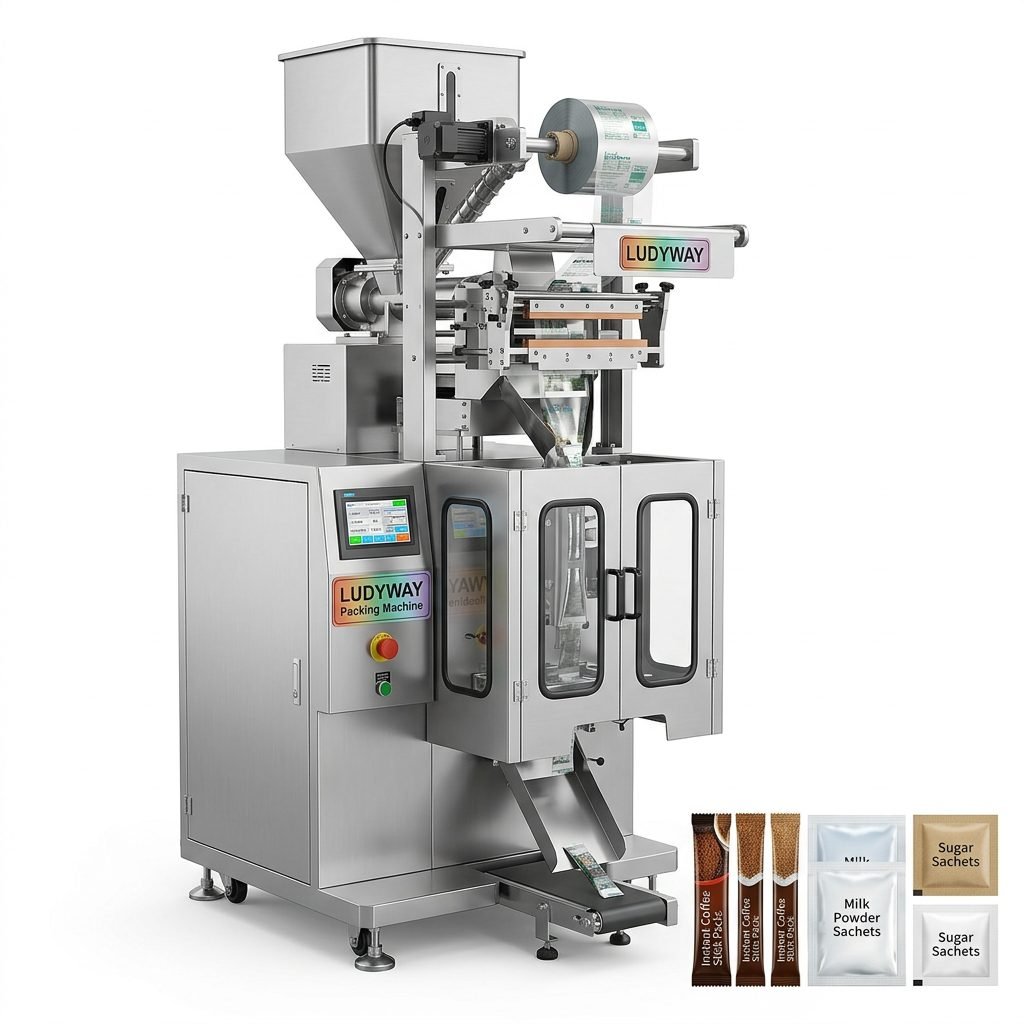
Evaluating Manufacturer Capabilities
The quality and longevity of your tomato packing machine depend heavily on the manufacturer’s engineering depth, quality certifications, and after-sales support network. A reliable partner should demonstrate:
- Proven experience with food-grade tomato processing, backed by references or case studies.
- Compliance with international standards, including CE, ISO 9001, and relevant food safety machine directives.
- Customization capabilities to adapt filling systems, multi-head weighers, or bag formats to your specific product.
- Local technical support and spare parts availability, which are critical for minimizing unplanned downtime.
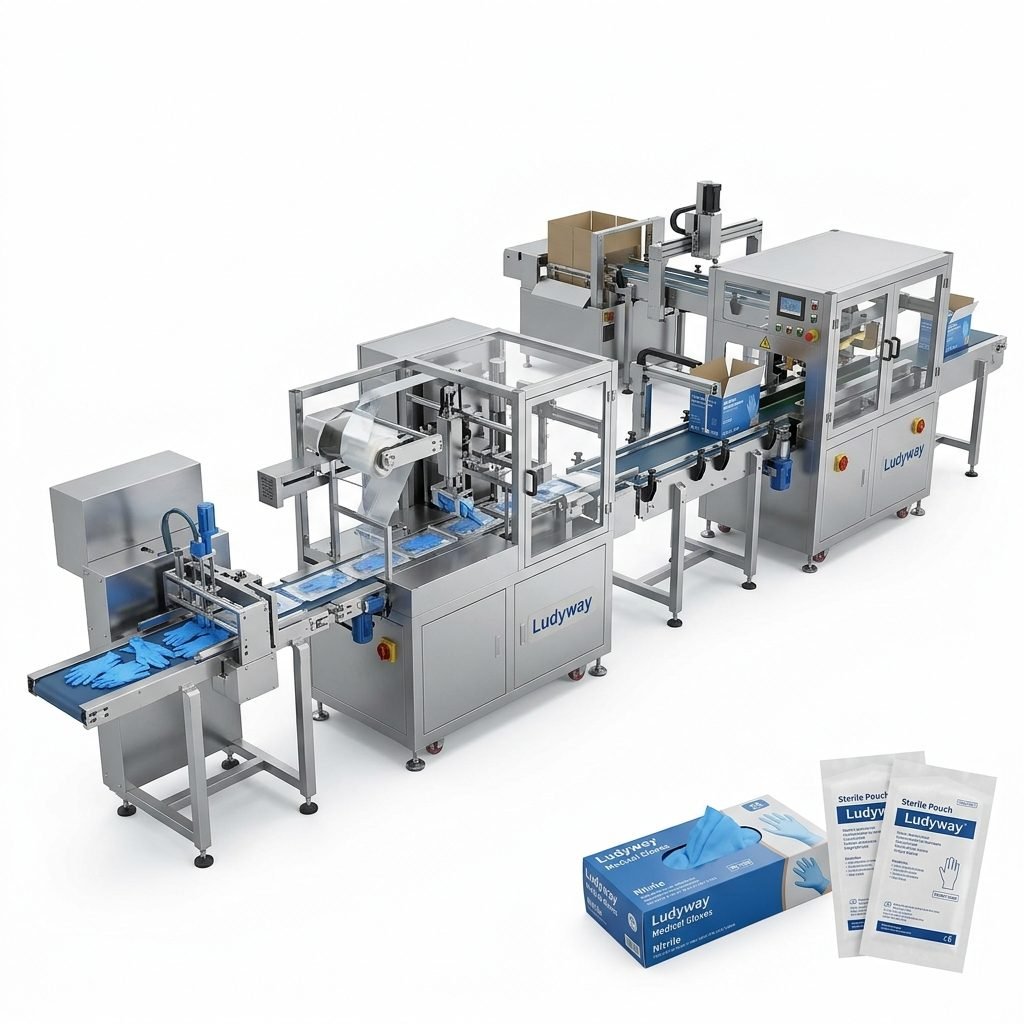
A growing number of food manufacturers partner with turnkey packaging solution providers that handle machine selection, line design, installation, and commissioning. For example, Ludyway Machinery provides integrated tomato packing solutions — from single machines to complete automated lines — supported by a global service network across more than 100 countries. Such partnerships reduce the complexity of coordinating multiple suppliers and ensure all equipment is designed to work as a cohesive system.

Budget and Return on Investment
The initial purchase price is just one part of the total cost of ownership. When calculating ROI, factor in energy consumption, maintenance requirements, film waste rates, and labor needs. A slightly more expensive machine with 99.5% efficiency and low waste can pay for itself within 12–18 months compared to an economy model with frequent stoppages. Additionally, equipment that supports quick changeovers allows you to run multiple tomato products on the same line, maximizing asset utilization.
Making the Right Long-Term Decision
Choosing the right tomato packing machine demands a detailed understanding of your product, your production environment, and your growth plans. Start by thoroughly defining the product attributes, target output, and packaging formats. Shortlist manufacturers that demonstrate specialized food packaging expertise and offer robust technical support. Where possible, request factory acceptance testing or pilot runs with your actual tomato product to verify performance before commissioning.
When you align your equipment choice with your operational goals, the right tomato packing machine becomes a long-term asset that improves productivity, reduces waste, and maintains product quality — helping you stay competitive in a demanding market.