Selecting the right coffee grinding and packaging equipment is a critical decision for any coffee business, from small specialty roasters to large-scale industrial producers. The right machinery not only ensures product quality and freshness but also directly impacts operational efficiency, production capacity, and ultimately, your bottom line. This comprehensive guide will walk you through the different types of equipment available, their key features, and the essential factors to consider when making your investment.
Understanding Coffee Grinding Equipment
The journey from whole bean to packaged ground coffee begins with grinding. The type of grinder you choose determines the consistency of the grind, which is paramount for flavor extraction, whether for retail bags, single-serve pods, or commercial brewing.
Major Types of Coffee Grinders
Commercial grinders fall into two main categories, each suited for different production scales and quality requirements.
1. Burr Grinders
Burr grinders are the industry standard for quality and consistency. They crush beans between two abrasive surfaces (burrs), allowing for precise control over particle size. This is crucial for maintaining the nuanced flavors of specialty coffee.
Key Feature: Superior grind uniformity. This minimizes fines (tiny dust-like particles) and boulders (large chunks), leading to a more even extraction and a cleaner, more balanced cup profile. They are ideal for packaging premium ground coffee where flavor integrity is a primary selling point.
Sub-types: • Flat Burr Grinders: Offer excellent consistency and are common in high-volume settings. • Conical Burr Grinders: Often run cooler and are valued for preserving aromatic compounds.
2. Blade Grinders
Blade grinders use a spinning propeller-like blade to chop the beans. While less expensive, they produce an inconsistent grind with a wide mix of particle sizes.
Best for: Very low-volume operations or applications where extreme grind uniformity is not critical. They are generally not recommended for packaging high-quality retail ground coffee due to the negative impact on flavor and shelf life.
Essential Features in a Commercial Grinder
- Grind Consistency & Adjustability: The ability to produce a uniform grind from extra-fine for espresso to coarse for French press, with easy, repeatable adjustments.
- Hopper Capacity & Feed Rate: A large hopper reduces refill frequency, while an adjustable feed rate controls the flow of beans for optimal grinding efficiency.
- Cooling Systems: Grinding generates heat, which can degrade coffee oils and aromatics. Look for grinders with effective cooling mechanisms to preserve quality.
- Dosing Capability: Integrated weighing or volumetric dosing systems ensure each package receives the exact pre-set amount of coffee, crucial for automated packaging lines.
Exploring Coffee Packaging Machinery
Once ground, coffee must be packaged immediately to protect it from its greatest enemies: oxygen, moisture, light, and heat. Modern packaging equipment creates a barrier against these elements.
Common Packaging Formats and Machines
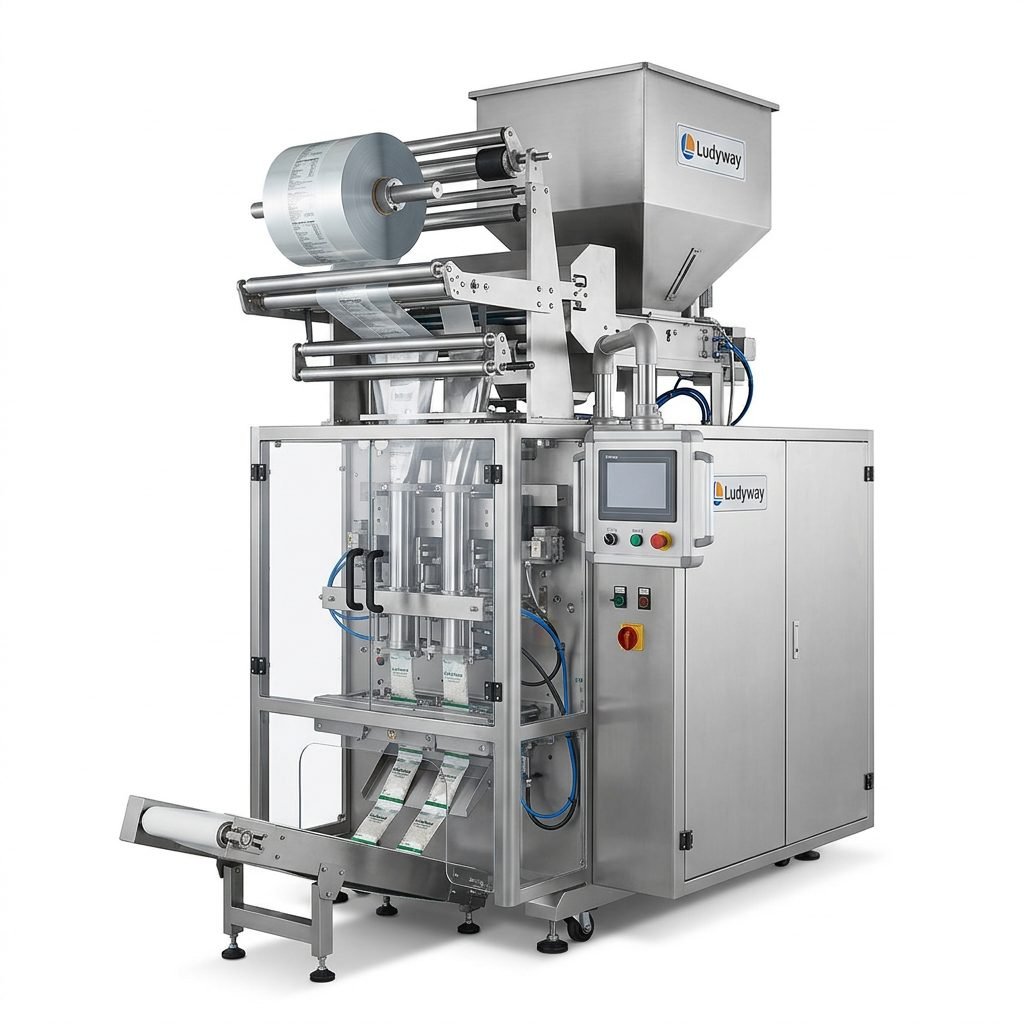
1. Bagging Machines (Stand-Up Pouches, Flat Bottom Bags)
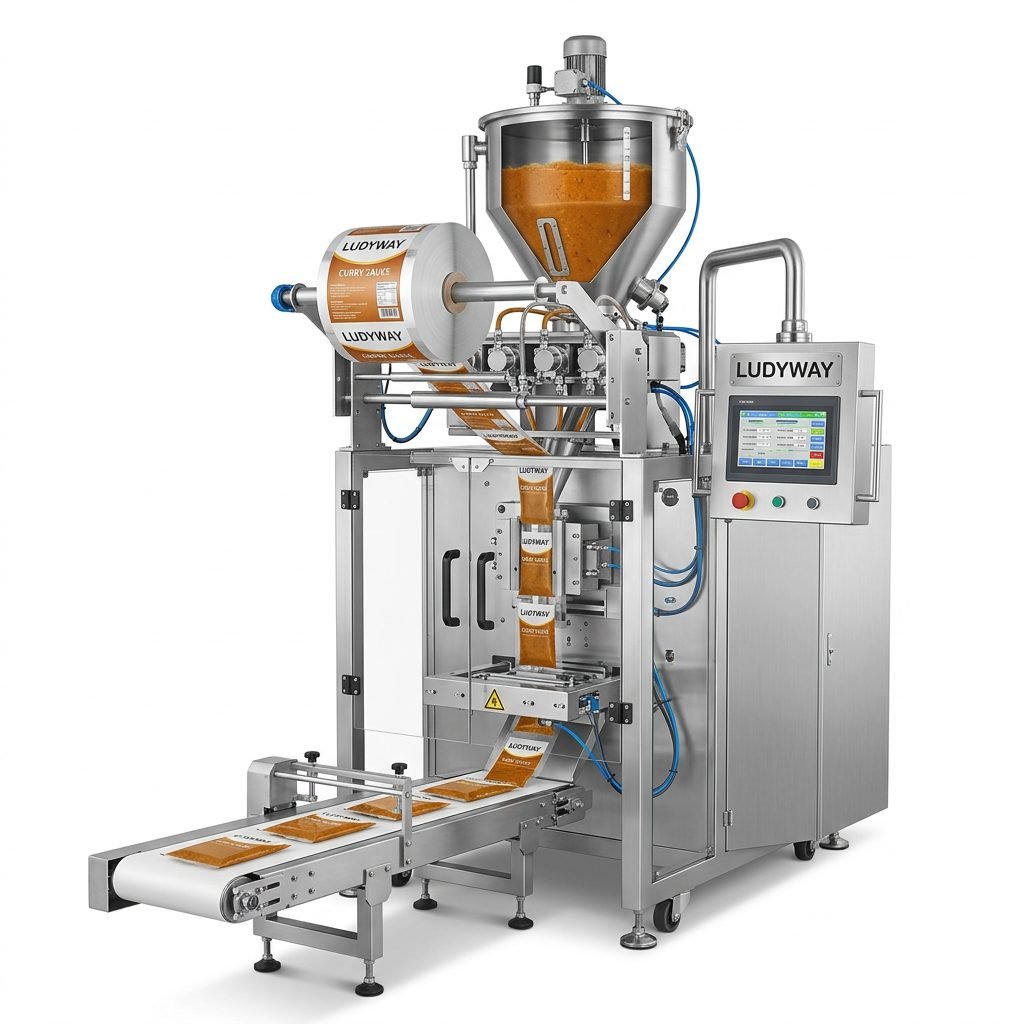
This is the most popular format for retail coffee. Machines form, fill, and seal pre-printed roll stock into attractive, durable pouches.
Key Feature: Integrated Gas Flushing (Nitrogen Flushing). This process displaces oxygen inside the bag with an inert gas like nitrogen before sealing. Drastically reducing oxygen content (<1%) is the single most effective way to extend freshness and shelf life.
These systems often include integrated grinders, weigh scales, and degassing valves applicators for a complete turnkey solution.
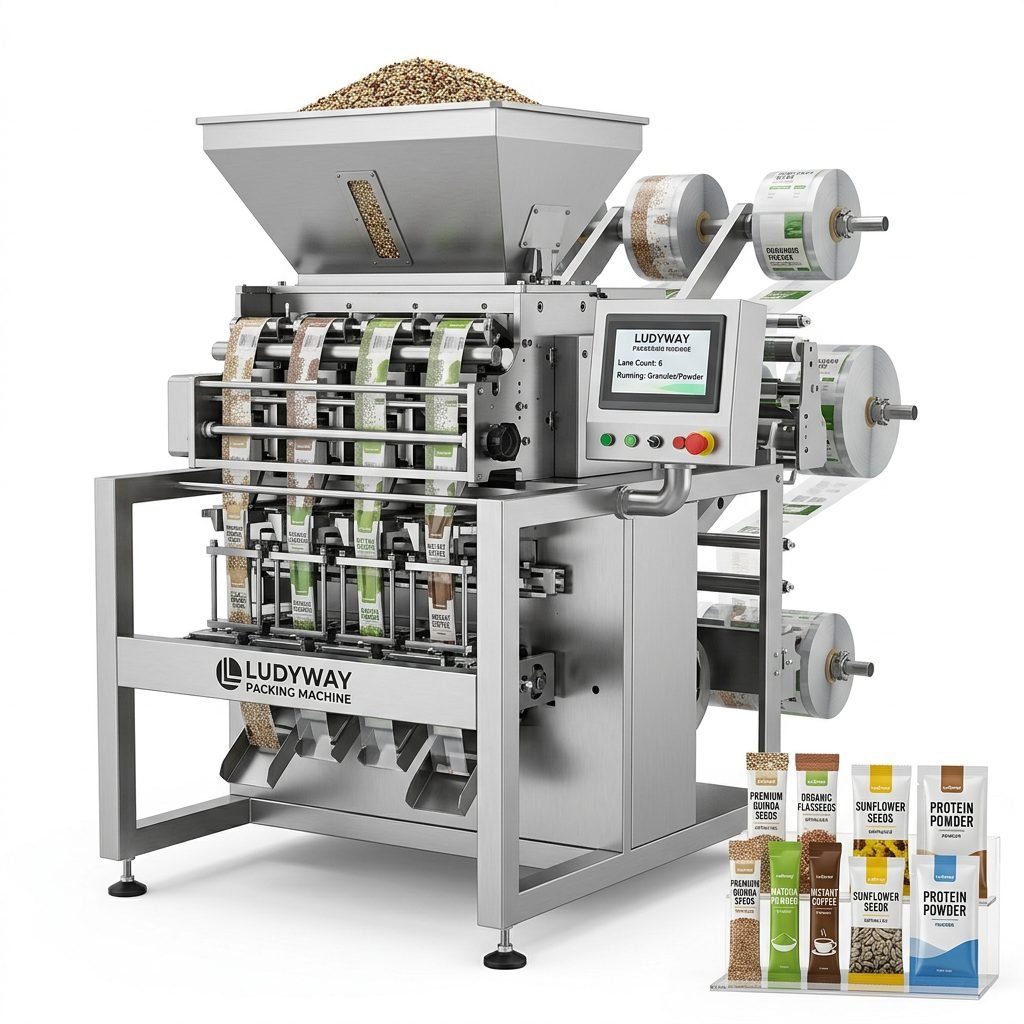
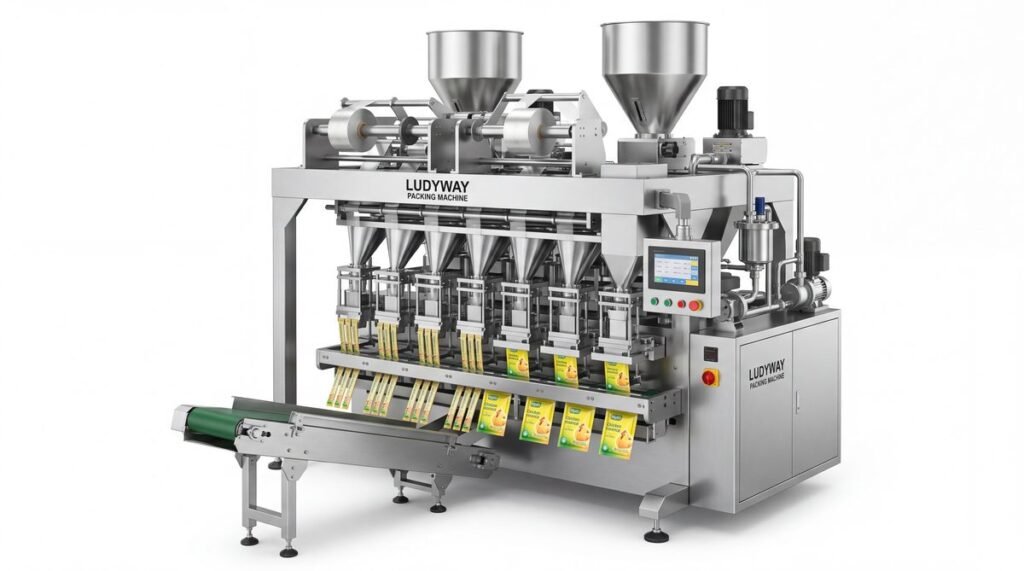
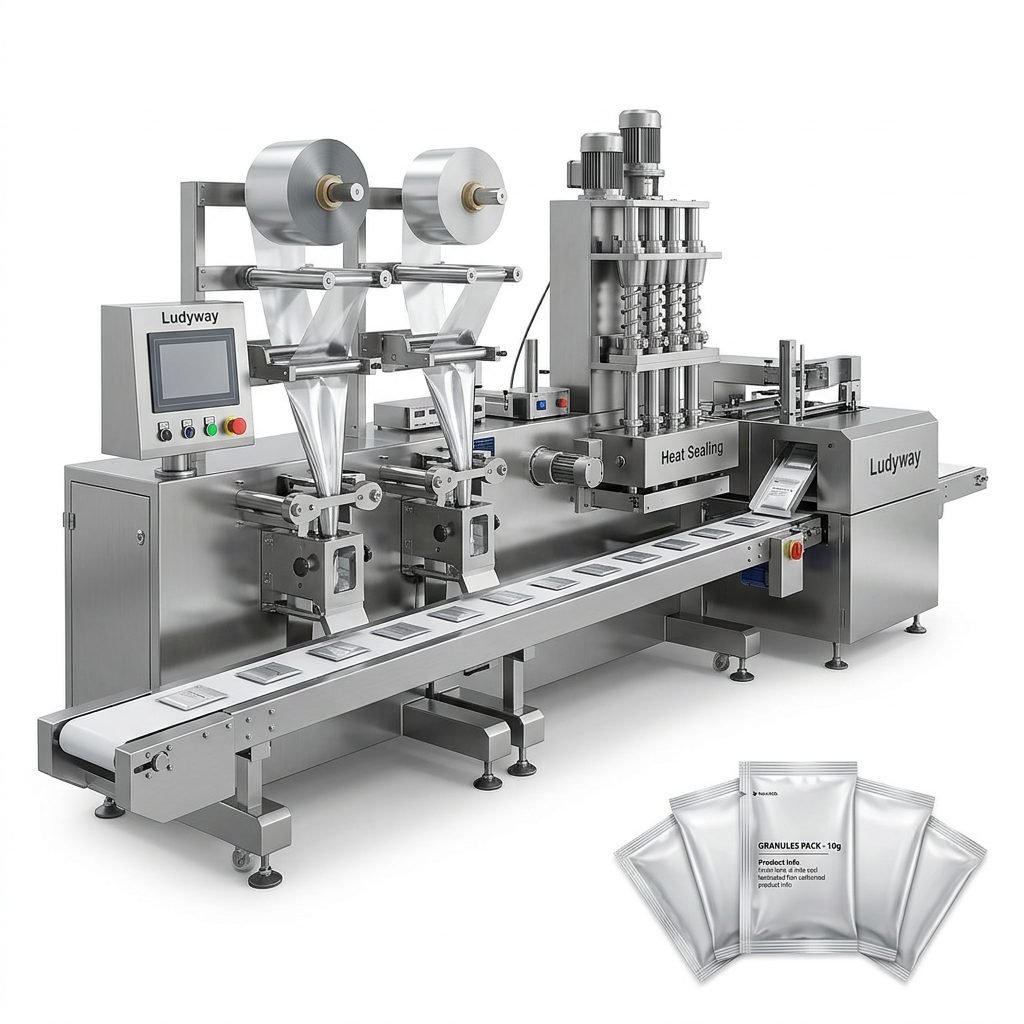
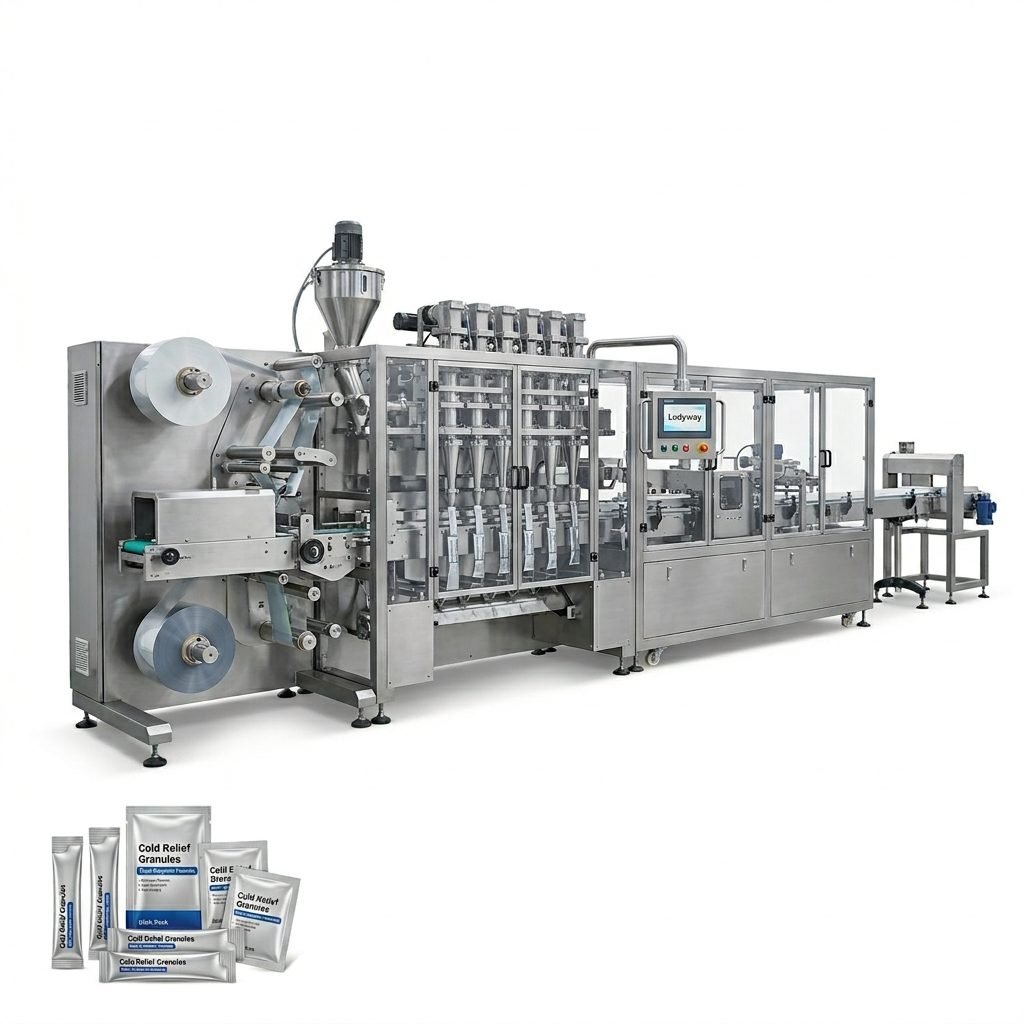
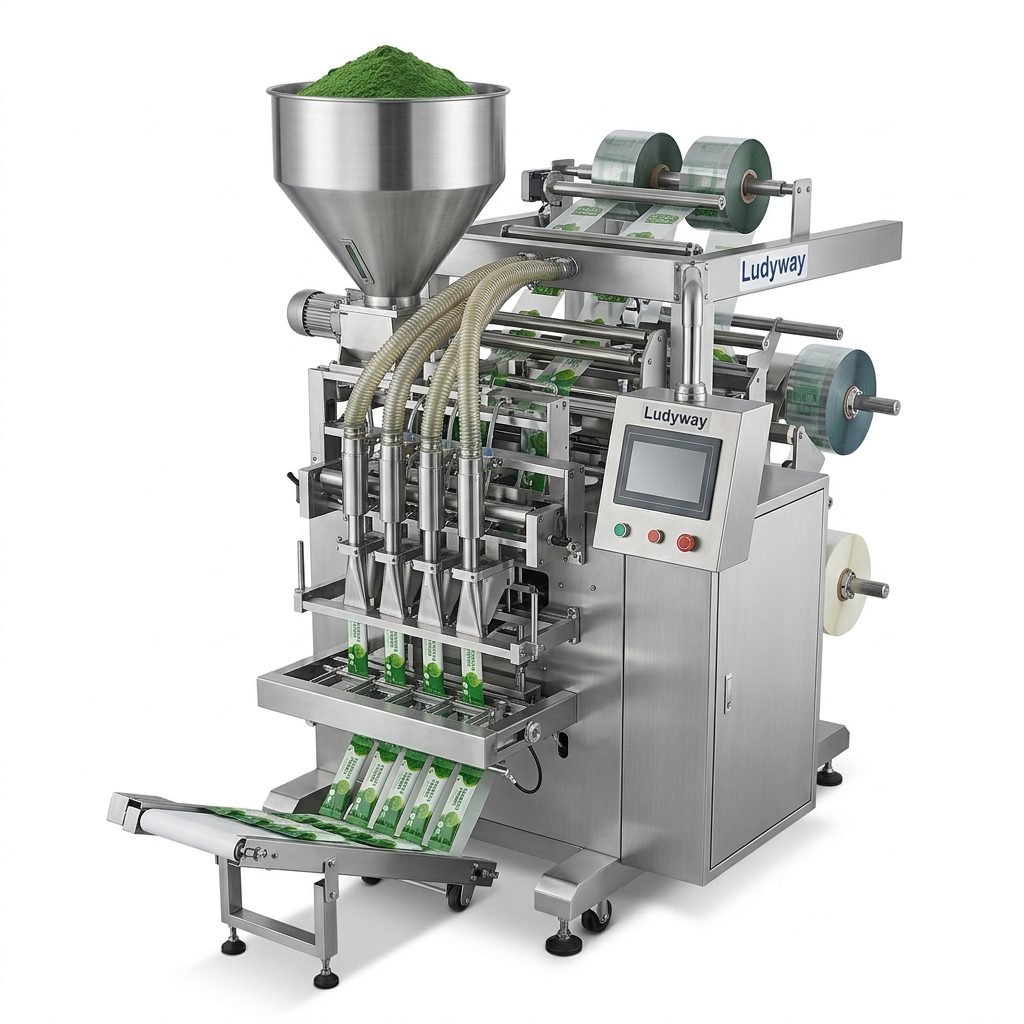
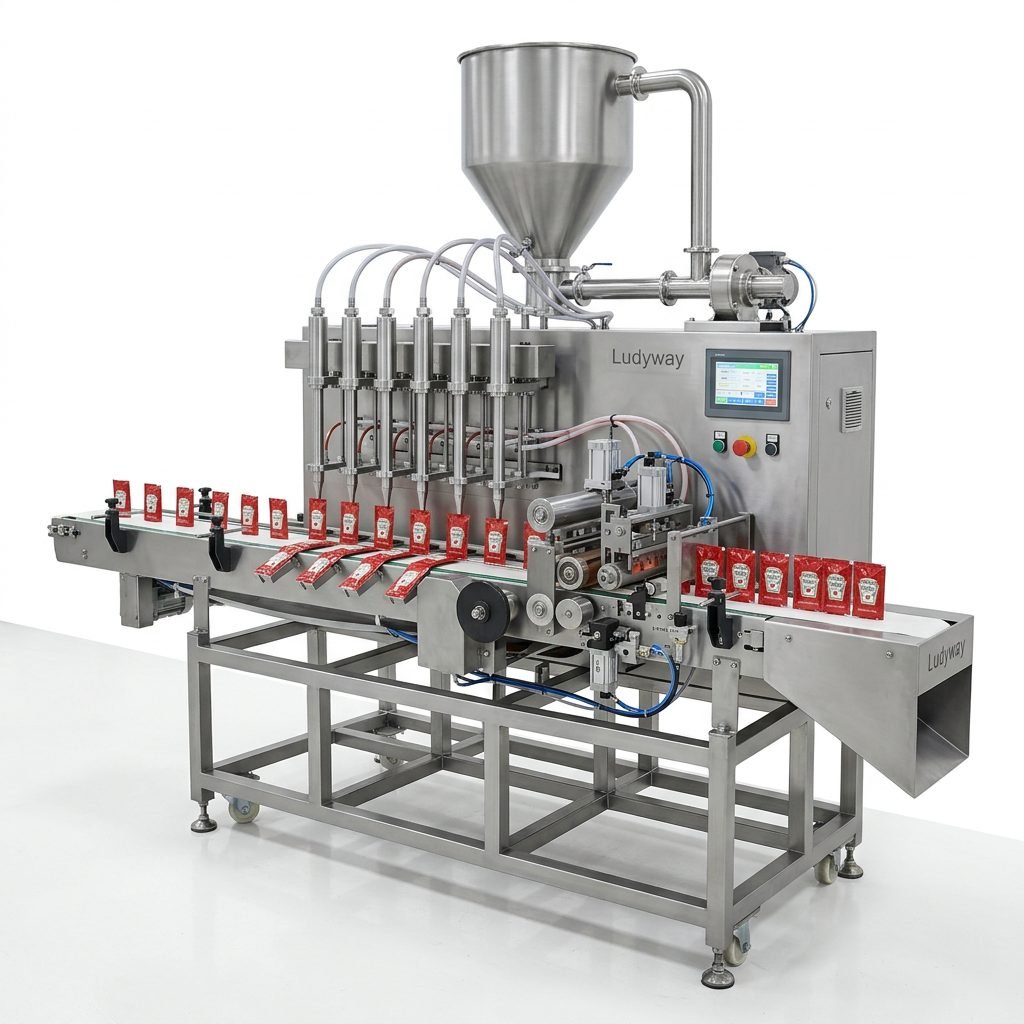
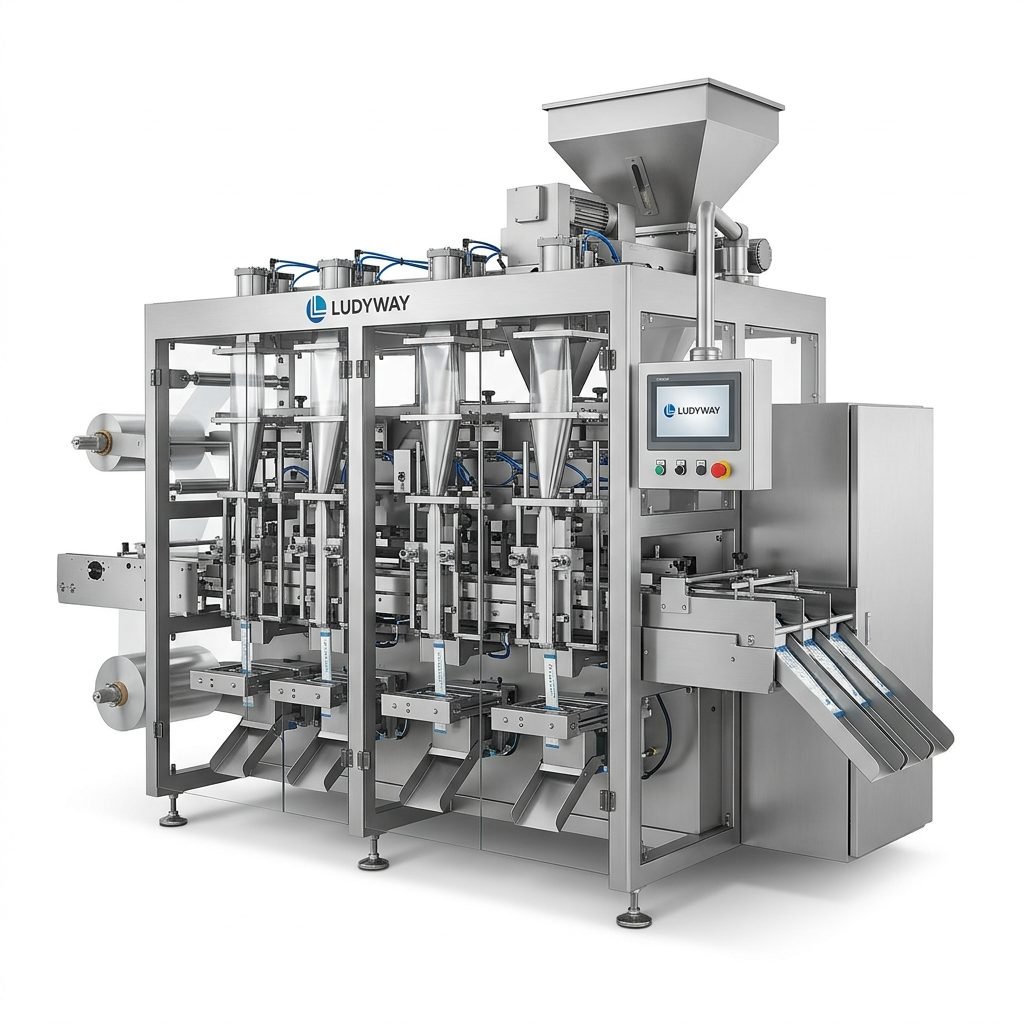
2. Stick Pack & Sachet Packaging Machines
Ideal for single-serve portions, instant coffee, or coffee additives. These machines are highly efficient, producing thousands of small, sealed packets per hour.
Applications: Sample packs, hotel room coffee, restaurant creamer sets, and ready-to-drink beverage mixes.
3. Canister & Tin Sealing Machines
For traditional or premium coffee brands, rigid metal tins or composite canisters offer excellent protection and a high-quality feel. These machines typically handle the filling and lid-sealing process after the container is formed.
Critical Packaging Machine Features
- Gas Flushing System: As mentioned, this is non-negotiable for whole bean or ground coffee packaging to ensure longevity.
- Degassing Valve Application: For whole bean coffee, a one-way degassing valve allows CO2 (released by freshly roasted beans) to escape without letting oxygen in.
- Precision Weighing & Filling: Multi-head weighers or auger fillers provide high-speed, accurate filling to meet stated net weight requirements.
- Material Compatibility: The machine must handle your chosen packaging material (e.g., multi-layer foil, metallized film, paper composites) effectively.
- Speed (Packages Per Minute): Must align with your production output goals and grinder capacity.
How to Choose the Right Equipment: A Step-by-Step Guide
Making the correct choice requires a careful analysis of your specific business needs.
Step 1: Assess Your Production Needs
Begin by defining your current and near-future requirements.
- Output Volume: How many pounds/kilos of coffee do you need to package per hour, shift, or day?
- Product Range: Do you offer multiple grind sizes (espresso, drip, French press) or just one? Will you package whole beans as well as ground?
- Package Formats & Sizes: What bag sizes (e.g., 12oz, 1lb, 5lb) and styles (flat bottom, stand-up, with valve) will you use?
Step 2: Prioritize Coffee Quality & Freshness
Your equipment must protect the hard-earned quality of your roast.
Rule of Thumb: For ground coffee, a high-quality burr grinder paired with a bagging machine featuring robust gas flushing is the essential combination. Never compromise on these core freshness-preserving technologies.
Step 3: Evaluate Automation Level
Consider your labor resources and growth plans.
- Manual/Semi-Automatic: Lower initial cost, higher labor involvement. Suitable for startups or very low volume.
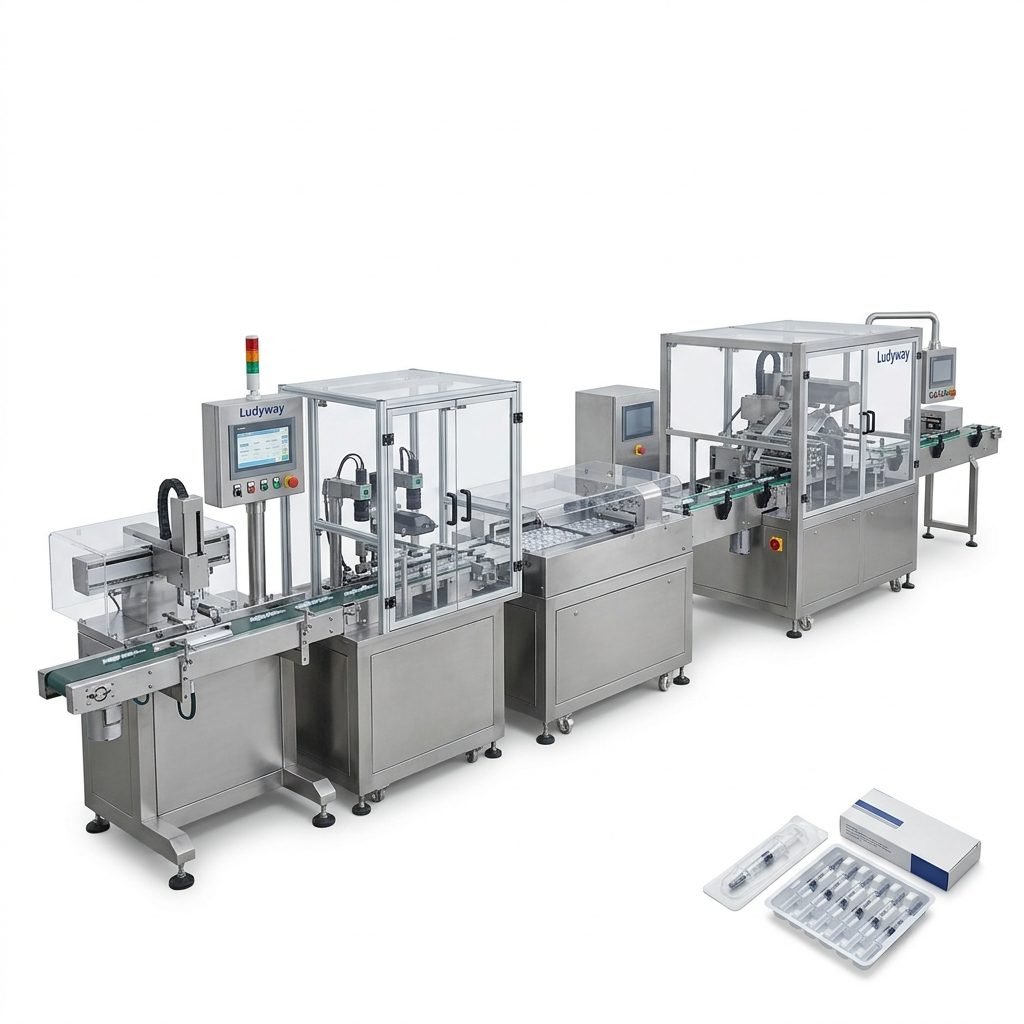
- Fully Automatic Turnkey Lines: Higher investment but offer the best long-term efficiency. A system where grinding, weighing, gas flushing, and sealing are seamlessly integrated minimizes labor, maximizes speed, and ensures consistency. Companies like Ludyway Machinery specialize in designing such complete solutions tailored to a producer’s exact needs.
Step 4: Plan for Space and Support
Footprint: Ensure your facility has the space, power, and compressed air supply for the equipment.
Supplier Support: Choose a supplier with a proven track record. Look for comprehensive after-sales service, availability of spare parts, and reliable technical support. A partner with deep industry experience, such as one with over 30 years in packaging solutions, can provide invaluable guidance and long-term reliability.
Step 5: Consider Total Cost of Ownership (TCO)
Look beyond the initial purchase price. Factor in:
- Operating costs (energy, gas for flushing, maintenance).
- Potential for future upgrades or modular expansion.
- Durability and build quality to minimize downtime.
Investing in robust, reliable equipment from a trusted provider often leads to lower TCO and higher uptime over a decade of operation.
Frequently Asked Questions (FAQs)
1. What is the single most important feature for packaging ground coffee?
An effective gas flushing (nitrogen flushing) system. Removing oxygen from the package is the primary defense against staleness and oxidation, far more critical than the bag material alone in preserving freshness for months.
2. Can I use the same grinder for both espresso and drip coffee packaging?
Yes, but it depends on the grinder. A high-quality commercial burr grinder with precise and stable adjustability can switch between grind settings. However, in high-volume production, some businesses dedicate a grinder to each major grind profile to avoid cross-contamination and constant recalibration.
3. How do I choose between a bagging machine and a stick pack machine?
The choice is driven by your product format. Use bagging machines for traditional retail bags (250g, 1lb, etc.). Choose stick pack machines for single-serve portions, instant coffee, or other powdered drink mixes. Some suppliers offer versatile machines capable of handling multiple formats.
4. Is a degassing valve necessary if I’m only packaging ground coffee?
Typically, no. Degassing valves are primarily for whole bean coffee, which continues to release significant CO2 after roasting. Ground coffee has a much larger surface area and degasses almost immediately after grinding, so a valve is not required. The focus should be on immediate packaging with oxygen removal.
5. What should I look for in an equipment supplier?
Prioritize industry experience, technical support capability, and a proven product range. A supplier that offers customized solutions and has a history of serving the food and beverage industry will understand your unique challenges. Evaluate their service network, spare parts availability, and their ability to provide a complete, integrated production line solution for optimal efficiency.