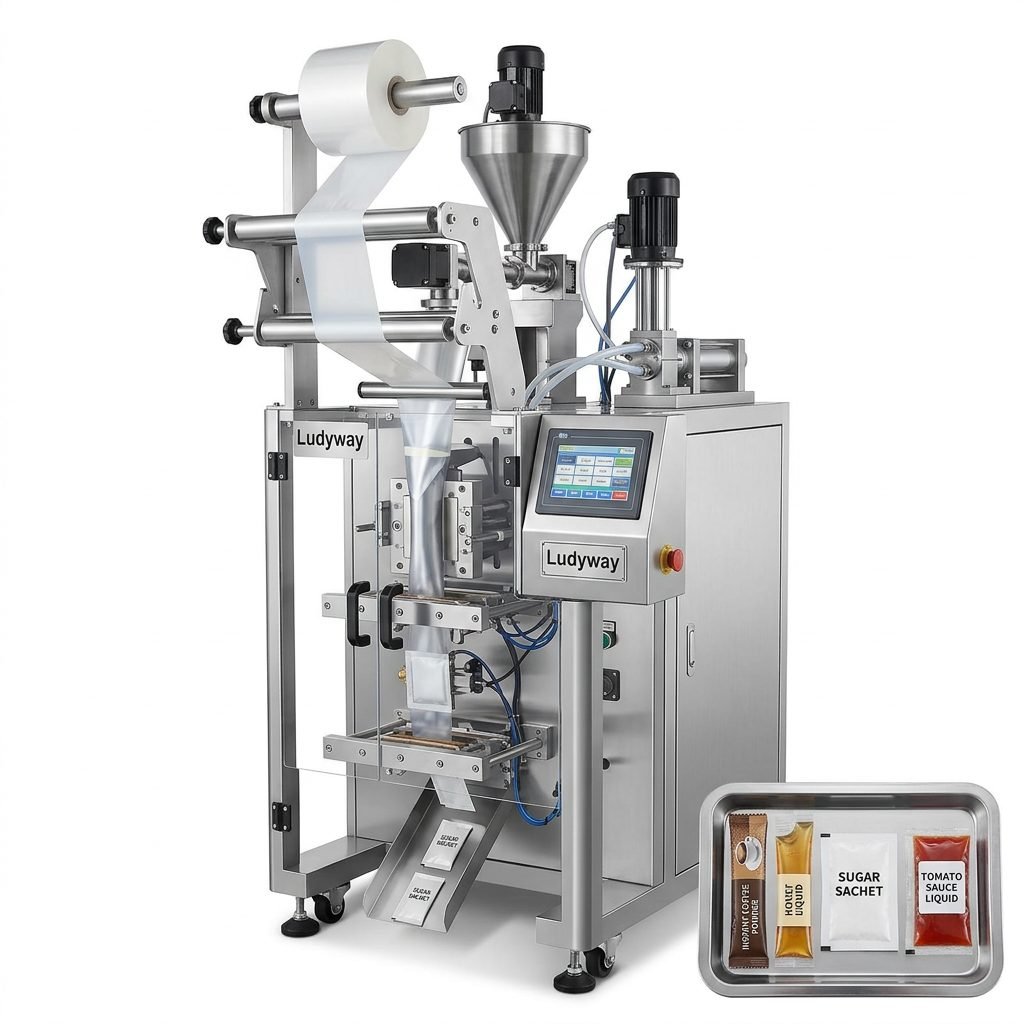
Choosing the right powder packaging equipment is not just about buying a machine. It is about matching
product behavior, package format, output goals, hygiene requirements, and future expansion plans
into one practical investment. Whether you pack spices, protein powder, flour, milk powder, pharma blends,
chemical powders, or nutritional supplements, the wrong setup can create dust, inaccuracy, waste, downtime,
and customer complaints.
This guide explains how to evaluate powder packaging machinery step by step, so you can select a system that
fits your production needs today while staying scalable for tomorrow.
Why Powder Packaging Is More Challenging Than It Looks
Powders do not all flow the same way. Some are free-flowing, while others are sticky, dusty, fluffy,
hygroscopic, abrasive, or prone to bridging. A machine that works well for sugar may not work well for cocoa,
and a system designed for detergent powder may be unsuitable for pharmaceutical formulations.
- Poor flowability can cause inconsistent filling weights
- Dust generation can contaminate seals and machine parts
- Moisture sensitivity can affect product quality and shelf life
- Segregation can make blended powders pack unevenly
- Static electricity can interfere with transfer and dosing
That is why the best powder packaging equipment is always selected based on the actual product properties,
not only on budget or machine speed.
Start with Your Powder Type
Before comparing packaging machines, define exactly what type of powder you are packing. This affects feeding,
filling, dust control, sealing, and downstream handling.
| Powder Type | Common Examples | Key Packaging Concern |
|---|---|---|
| Free-flowing powder | Sugar powder, salt powder, drink mixes | Fast, stable filling |
| Non-free-flowing powder | Flour, spice blends, protein powder | Bridging and dosing consistency |
| Fine dusty powder | Cocoa, milk powder, chemical powder | Dust extraction and seal cleanliness |
| Sticky or hygroscopic powder | Seasoning powder, health supplements | Material build-up and environment control |
| High-value precision powder | Pharma, nutraceutical ingredients | Accuracy, traceability, hygiene |
Choose the Right Packaging Format First
The machine you need depends heavily on the final package type. Powder packaging equipment is usually built around
the required pack style, fill range, and production speed.
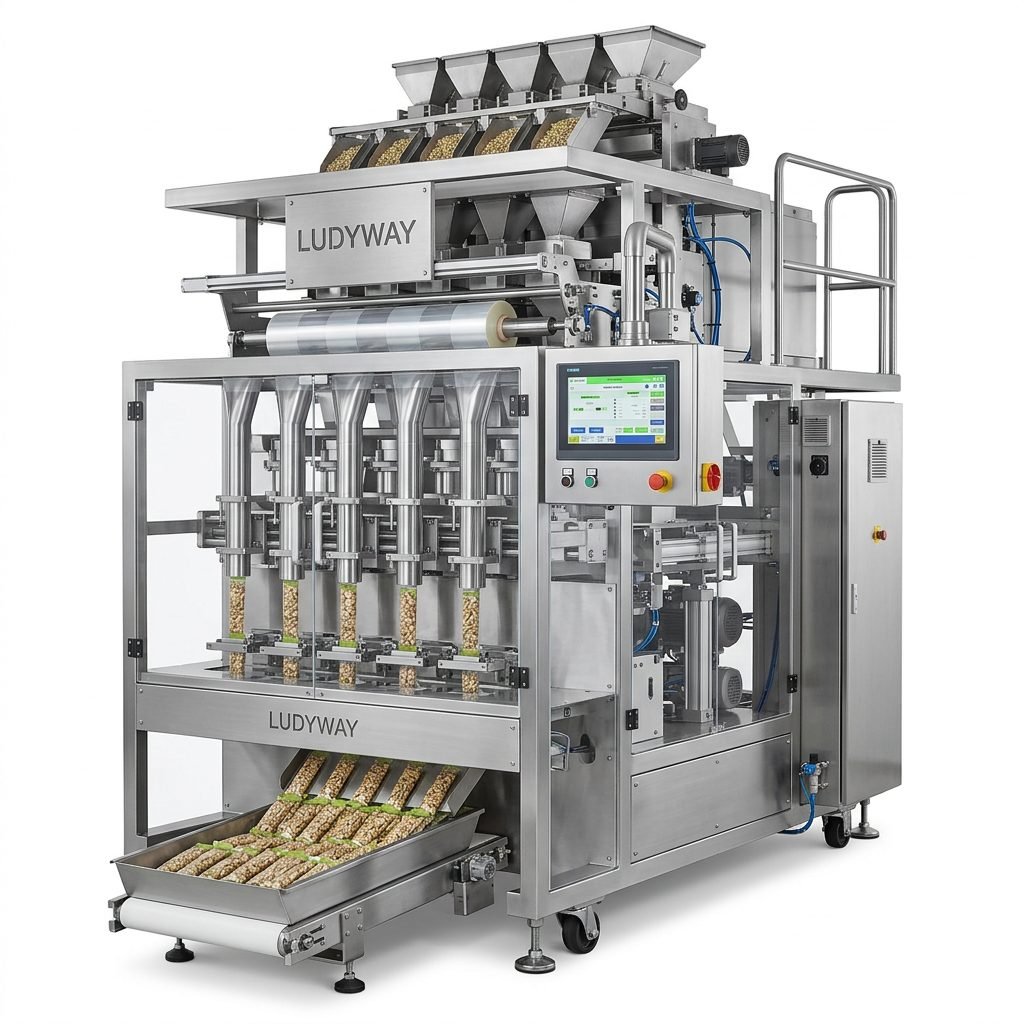
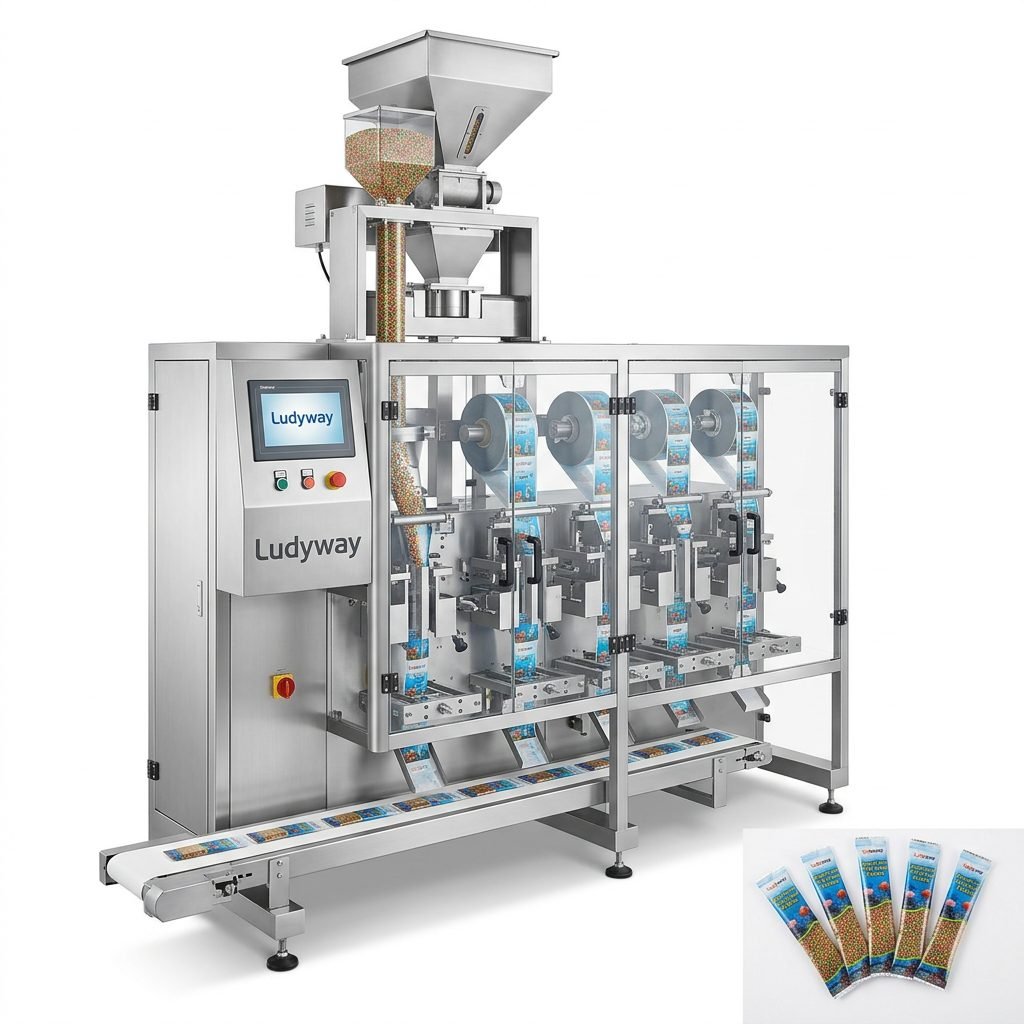
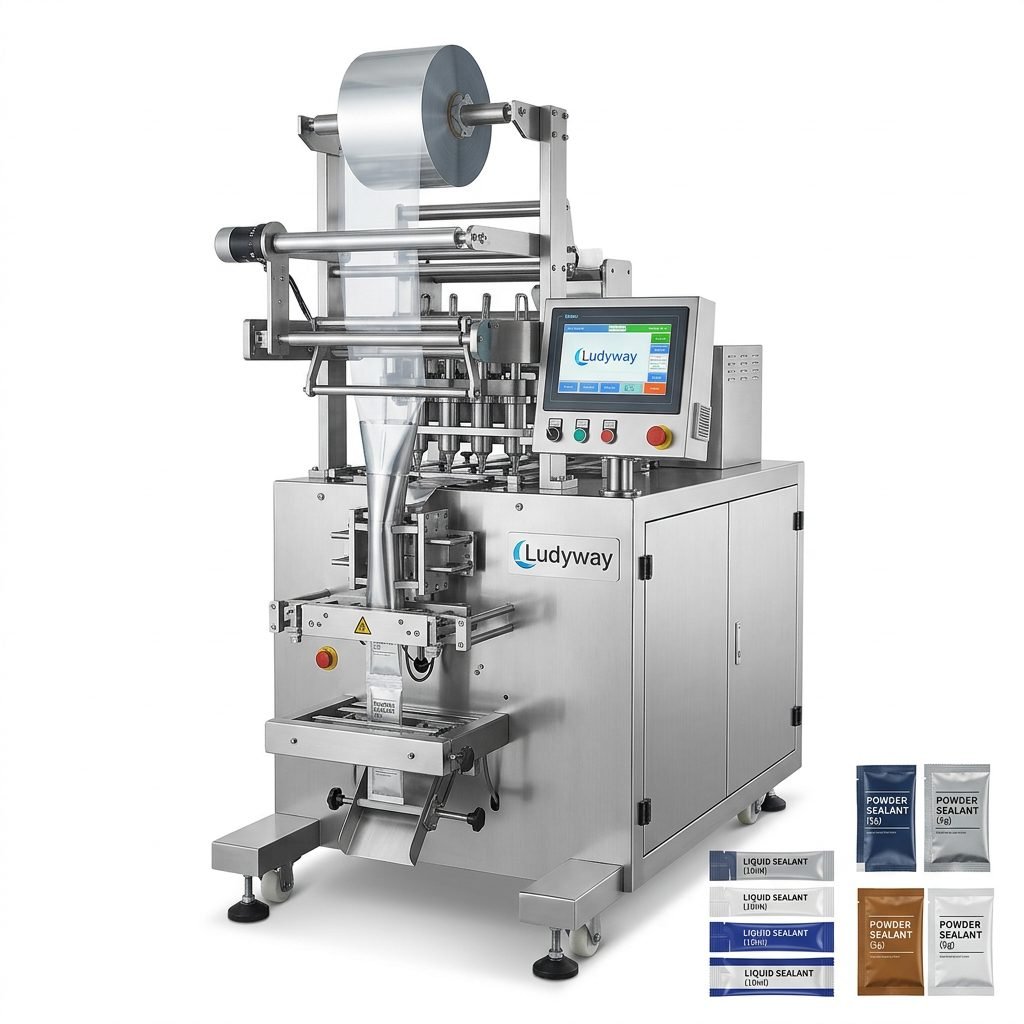
1. Sachets and Stick Packs
Ideal for single-serve or small-dose products such as coffee powder, electrolyte powder, seasoning,
collagen powder, or pharmaceutical powders. Multi-lane machines are often used for very high output.
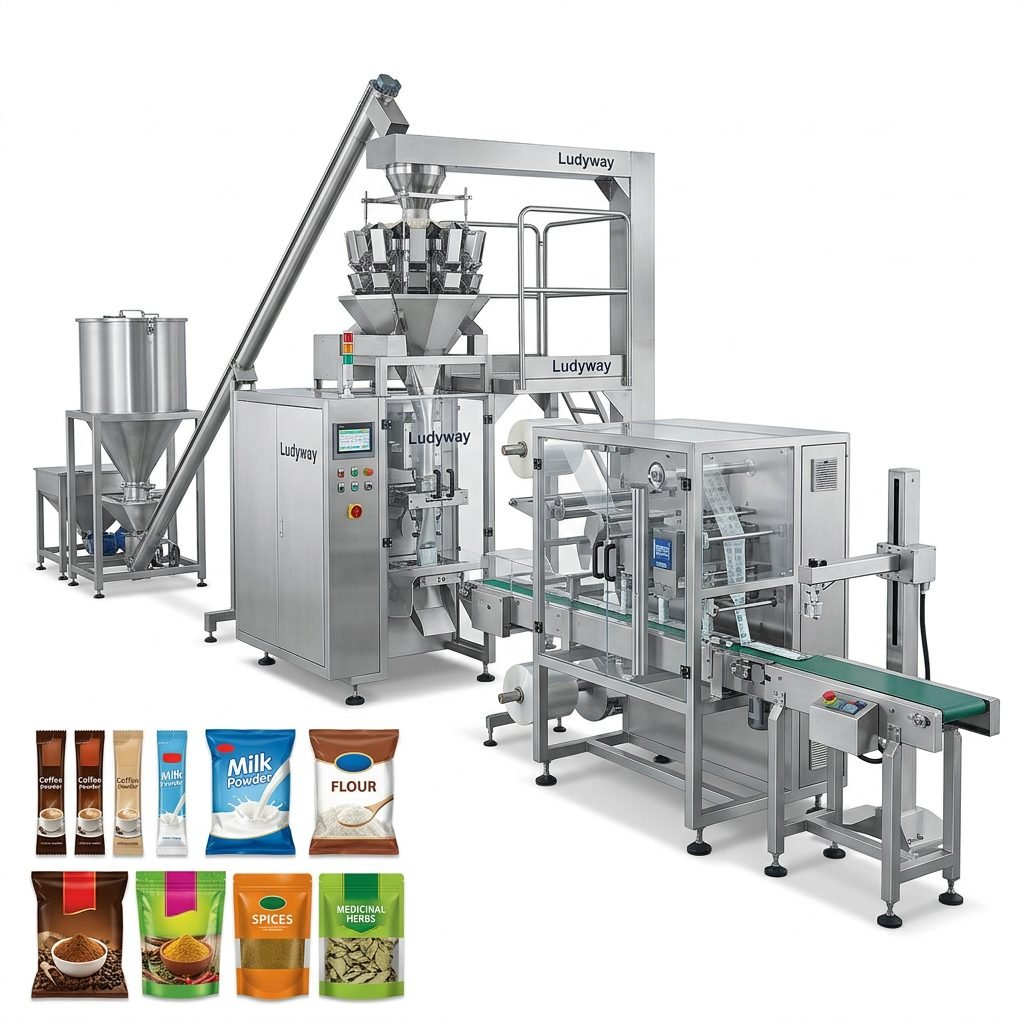
2. Pillow Bags and Vertical Pouches
Common for medium-volume food powders like flour, spices, soup mixes, protein powder, and baking ingredients.
These are often produced on vertical form fill seal systems.
3. Premade Pouches
Good for premium retail presentation, reclosable designs, and stand-up pouch applications.
Suitable when shelf appeal matters as much as efficiency.
4. Bottles, Jars, and Rigid Containers
Frequently used for nutritional supplements, baby powder, pharma products, and specialty food powders.
These lines may include unscrambling, filling, capping, induction sealing, labeling, and cartoning.
5. Large Bags and Bulk Sacks
Used for industrial powder, feed additives, fertilizer, construction materials, and bulk ingredients.
Here, weighing systems and dust-tight discharge are especially important.
Main Types of Powder Packaging Machines
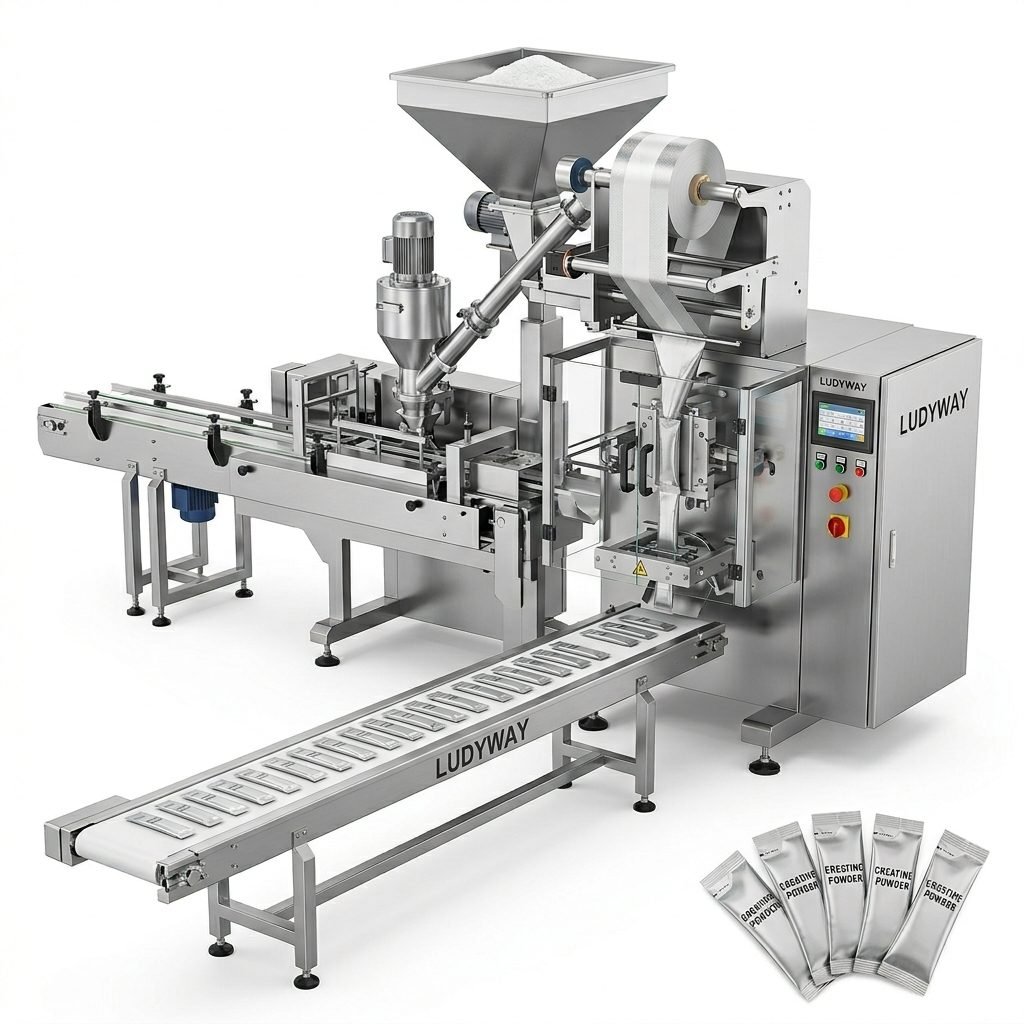
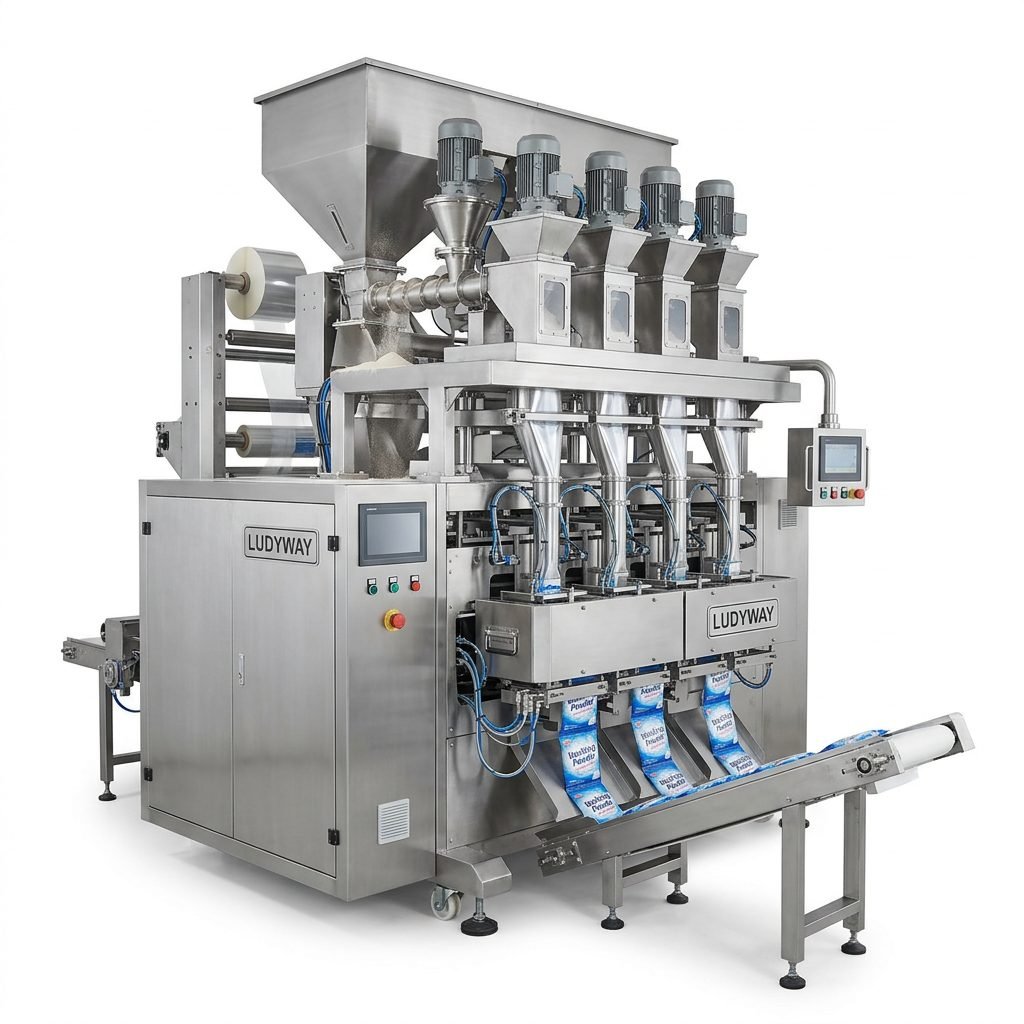
Auger Filling Machines
Auger fillers are among the most common solutions for powder packaging. They use a rotating screw to dose a set
volume of powder. They are highly suitable for non-free-flowing and fine powders.
- Excellent for flour, spices, milk powder, protein powder, pharma powder
- Works well for sachets, bottles, jars, and pouches
- Can be integrated with servo controls for better accuracy
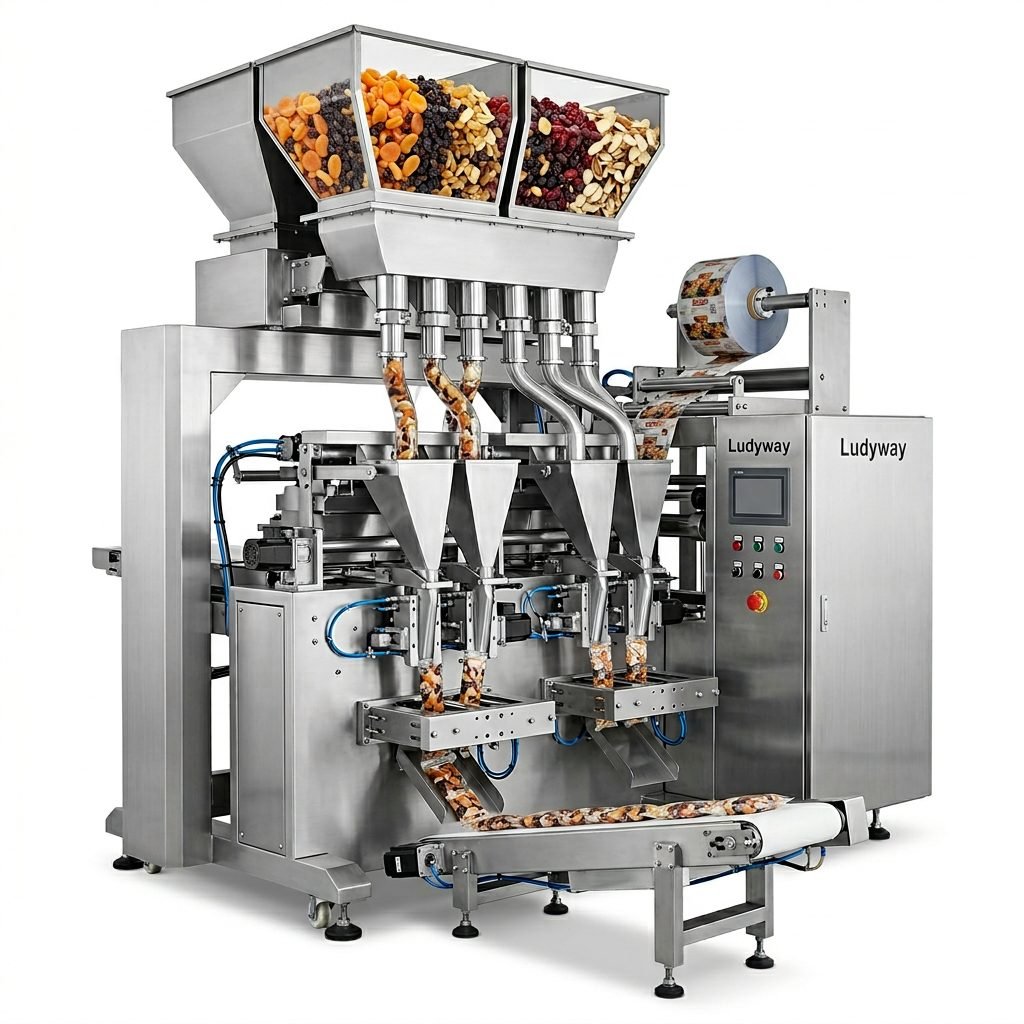
VFFS Powder Packaging Machines
Vertical form fill seal machines create bags from roll film, fill them, and seal them automatically.
They are efficient for medium to high-speed powder packaging lines.
- Suitable for pillow bags, gusset bags, quad seal bags
- Compact footprint
- Good for food, chemical, and daily-use powder products
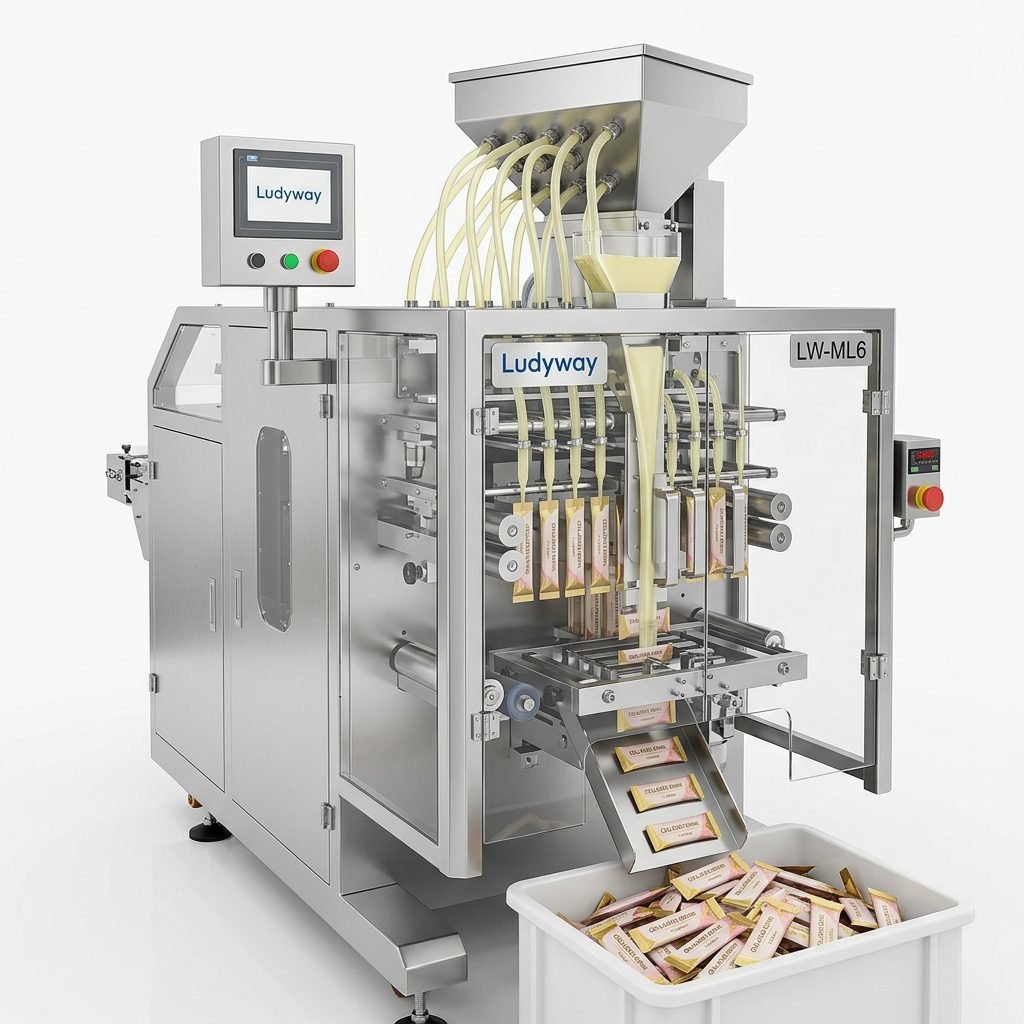
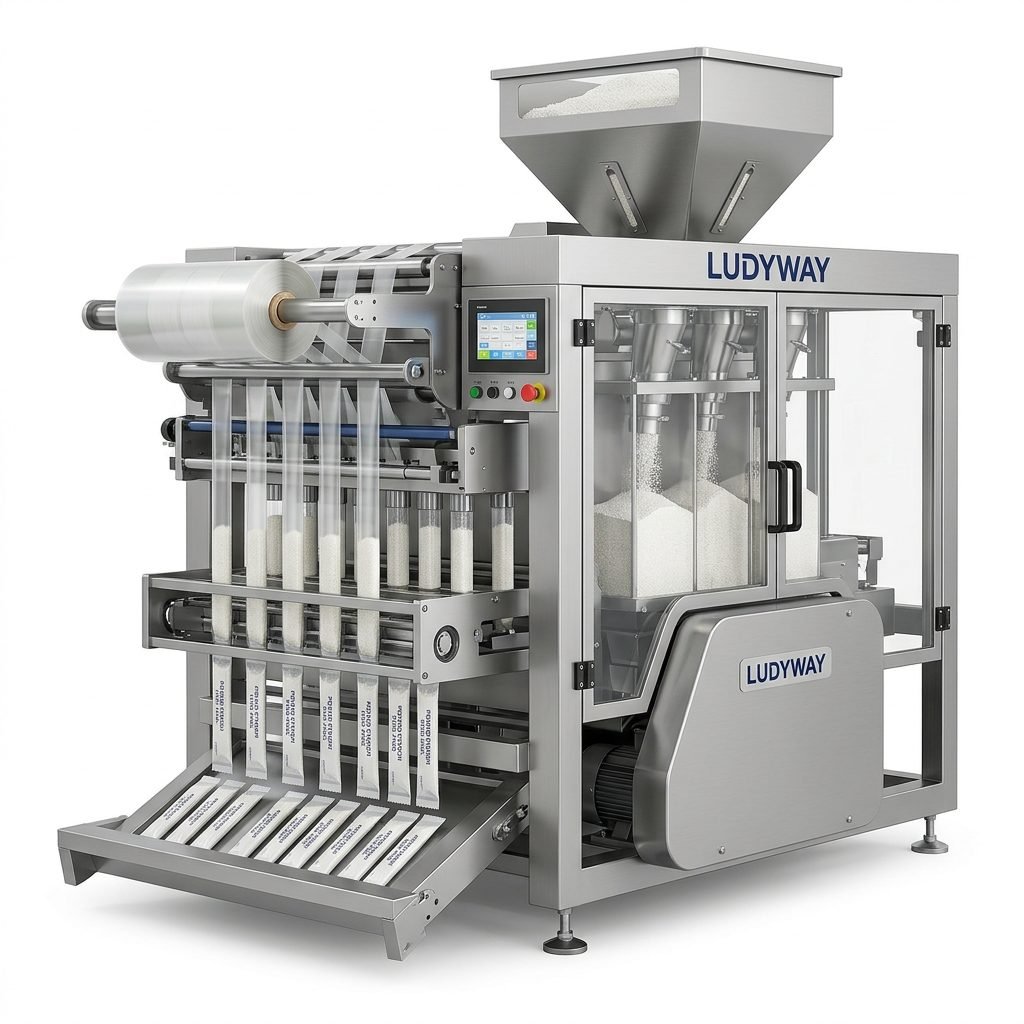
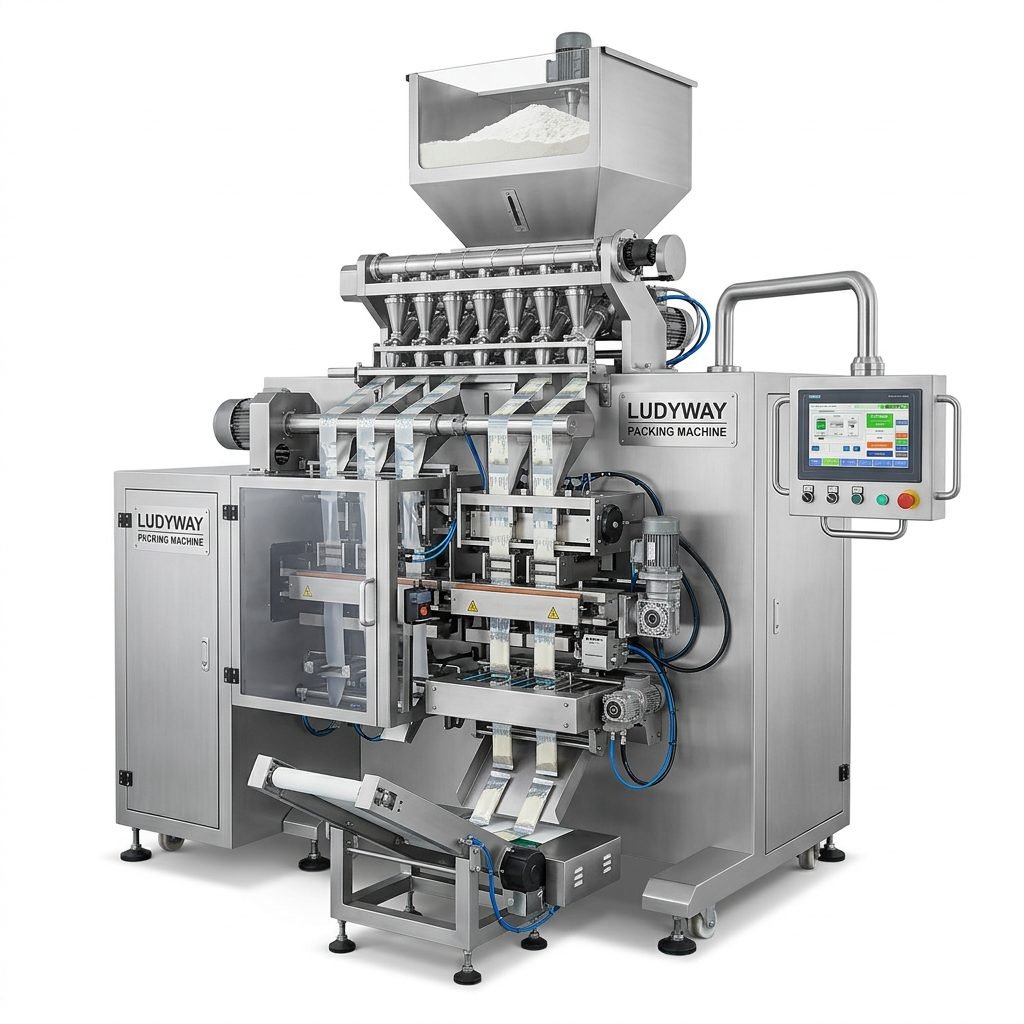
Multi-Lane Sachet and Stick Pack Machines
Best for high-output, small-format powder packaging. These systems are commonly used for instant drinks,
supplement powders, coffee, and pharmaceutical dose packs.
- High efficiency for single-dose packaging
- Strong choice for retail and travel-size products
- Requires precise lane control and stable film tracking
Premade Pouch Filling Machines
These machines open, fill, and seal ready-made pouches. They are often selected when a premium pouch appearance,
zipper feature, or branding impact is important.
Bulk Bagging Systems
Built for 5 kg, 10 kg, 25 kg, 50 kg, or jumbo bag applications. These are common in industrial, agricultural,
and raw ingredient sectors.
How to Match Machine Type to Application
| Application | Recommended Equipment | Why It Fits |
|---|---|---|
| Single-serve nutrition powder | Multi-lane stick pack machine | High speed and precise small-dose filling |
| Spice and seasoning powder | VFFS with auger filler | Handles fine powder with flexible bag sizes |
| Milk powder in sachets | Sachet machine with dust control | Cleaner seals and controlled dosing |
| Protein powder in jars | Bottle/jar powder filling line | Supports rigid container filling and capping |
| Industrial chemical powder | Heavy-duty bagging system | Handles larger bags and stronger dust control needs |
Key Factors to Consider Before Buying
Powder Characteristics
Ask suppliers whether the machine has been tested on a product with similar density, particle size, oil content,
and flow behavior. This is critical for consistent output.
Filling Accuracy
High accuracy matters for both compliance and cost control. Underfilling creates legal and quality issues;
overfilling directly reduces profit margin. For expensive powders, even a small deviation adds up quickly.
Target Speed
Define your required packs per minute or kilograms per hour. Some buyers choose equipment based on peak speed,
but sustainable speed under real production conditions is more important.
Dust Control and Cleanliness
Fine powder can affect seals, sensors, and operator safety. A good powder packaging machine should support
dust extraction, enclosed transfer, and easy cleaning access.
Package Size Range
If you plan to run multiple SKUs, check how easy the machine is to change over between sizes. Fast changeover
reduces downtime and improves flexibility.
Automation Level
Standalone machines may work for smaller operations, but growing manufacturers often benefit more from integrated
systems that connect feeding, filling, sealing, coding, checkweighing, cartoning, and palletizing.
Material Compatibility
For food, pharma, and supplement applications, stainless steel contact parts and hygienic construction are
especially important. For abrasive or corrosive products, machine materials must be matched carefully.
Pro tip: Always send real product samples and target bag specifications
to the manufacturer before final machine selection. Powder behavior in actual testing matters more than catalog claims.
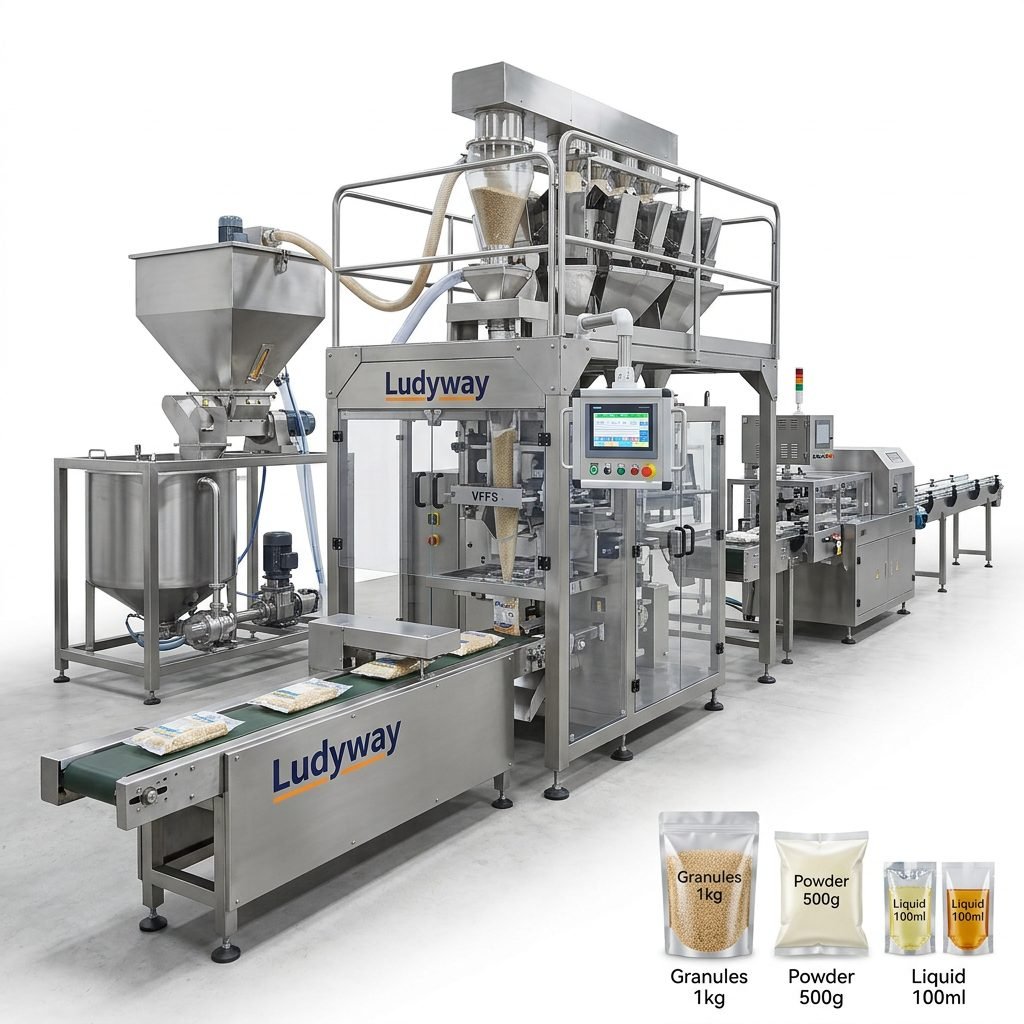
Essential Components in a Complete Powder Packaging Line
In many factories, the packing machine is only one part of the overall solution. A reliable line may include:
- Powder feeding system such as screw conveyor or vacuum feeder
- Storage hopper with level control
- Auger or weighing filler
- Bag forming or pouch handling section
- Sealing and coding unit
- Checkweigher and metal detector
- Cartoning or case packing system
- Palletizing or end-of-line handling
Companies that need line integration instead of a standalone machine often prefer working with an experienced
powder packaging equipment manufacturer
that can supply both individual machines and turnkey systems.
Industries That Commonly Use Powder Packaging Equipment
Food Industry
- Spices and seasonings
- Flour and baking mixes
- Coffee and drink powders
- Milk powder and dairy blends
- Soup and sauce premixes
Pharmaceutical and Nutraceutical Industry
- Oral powders
- Supplement sachets
- Protein and collagen mixes
- Electrolyte and vitamin powders
Chemical Industry
- Detergent powders
- Industrial additives
- Construction powders
- Water treatment chemicals
Agriculture and Feed
- Feed premixes
- Mineral additives
- Fertilizer powders
- Seed treatment formulations
Questions You Should Ask Any Supplier
- Has this machine run products similar to mine?
- What filling accuracy can be achieved at my target speed?
- How is dust controlled around the filling and sealing areas?
- How long does changeover take between formats and sizes?
- Can the equipment be upgraded into a complete automated line later?
- What spare parts and after-sales technical support are available?
- Can you provide test videos using my product sample?
Common Mistakes When Choosing Powder Packaging Machinery
| Mistake | Risk | Better Approach |
|---|---|---|
| Buying based on price only | Poor accuracy, downtime, short lifespan | Compare total cost of ownership |
| Ignoring powder flow behavior | Inconsistent filling and clogging | Test with real samples |
| Choosing maximum speed over stability | Higher reject rate | Focus on stable production speed |
| Overlooking cleaning requirements | Contamination and long downtime | Check hygienic design and access points |
| Not planning for future growth | Early replacement or limited expansion | Choose scalable automation |
When You Need a Turnkey Powder Packaging Line
A standalone machine may be enough for startups or single-SKU operations. But if your business needs
higher throughput, reduced labor, better traceability, or cleaner line management, a turnkey solution is often
the better choice.
A complete powder packaging line is especially valuable when you need to connect:
- Automatic feeding and storage
- Precise powder dosing
- Primary packaging
- Inspection and rejection
- Secondary packaging
- End-of-line automation
This approach improves consistency, reduces operator dependence, and supports long-term productivity gains.
Final Buying Checklist
- Define your powder characteristics clearly
- Confirm package format and fill range
- Set realistic speed and accuracy targets
- Evaluate dust control and cleaning design
- Check material quality and compliance needs
- Review changeover efficiency for multiple SKUs
- Ask for real sample testing
- Compare standalone machine vs turnkey line value
- Verify technical support, spare parts, and upgrade capability
Conclusion
The right powder packaging equipment should do more than fill and seal. It should support product quality,
reliable output, lower waste, safe operation, and future business growth. By evaluating your powder type,
package style, speed goals, hygiene requirements, and automation plan, you can choose a machine that performs
well in real production conditions—not just on paper.
If you are comparing options for sachets, stick packs, pouches, bottles, or bulk bagging, the smartest path is
to work from your actual product application backward to the machine design. That is how you make a confident,
cost-effective powder packaging investment.