Choosing the right coffee packaging equipment is not just about finding the lowest quote. For coffee brands, roasters, private-label suppliers, and contract packers, the real goal is to secure the best long-term value—a machine that matches production needs, preserves product quality, controls operating costs, and supports future growth.
Whether you pack instant coffee powder, ground coffee, coffee beans, drip coffee, or stick packs, understanding what affects coffee packaging machine price can help you avoid overpaying and underbuying at the same time.
What Determines the Price of a Coffee Packaging Machine?
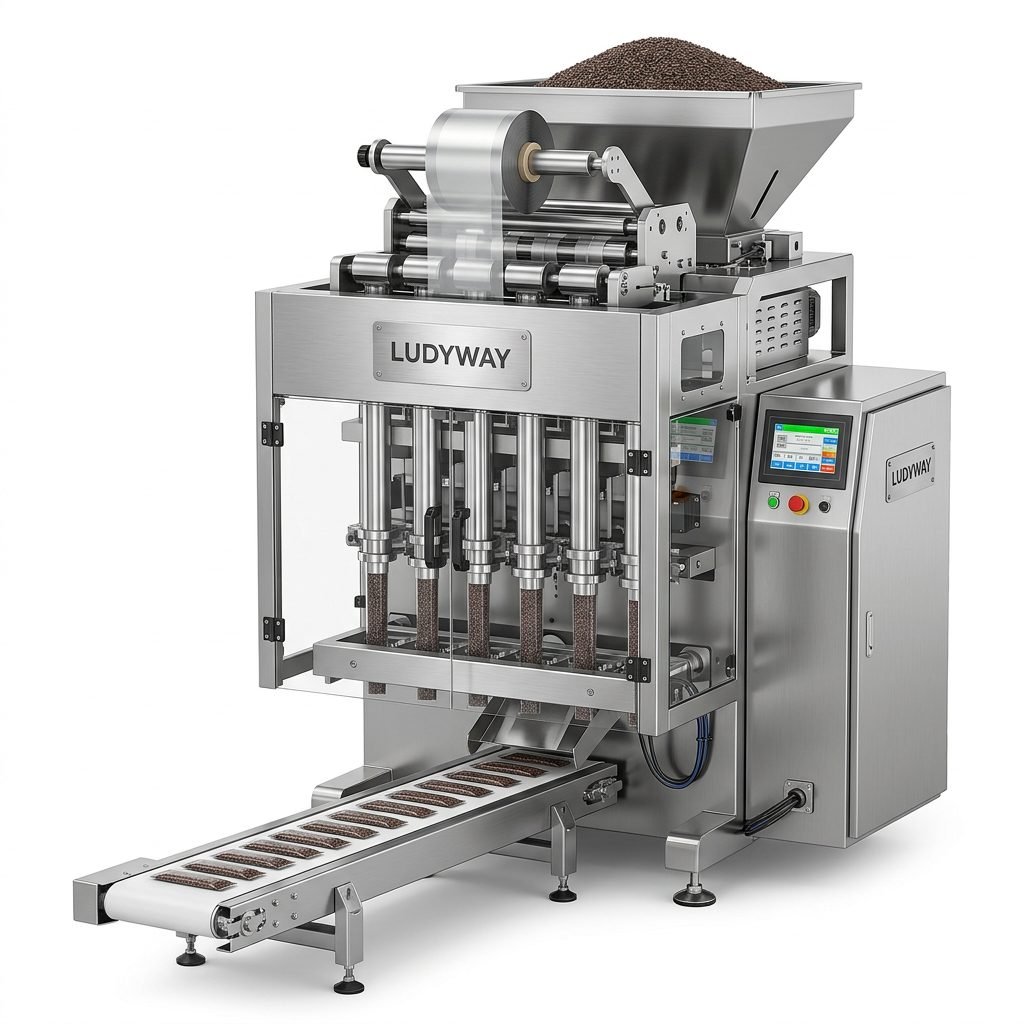
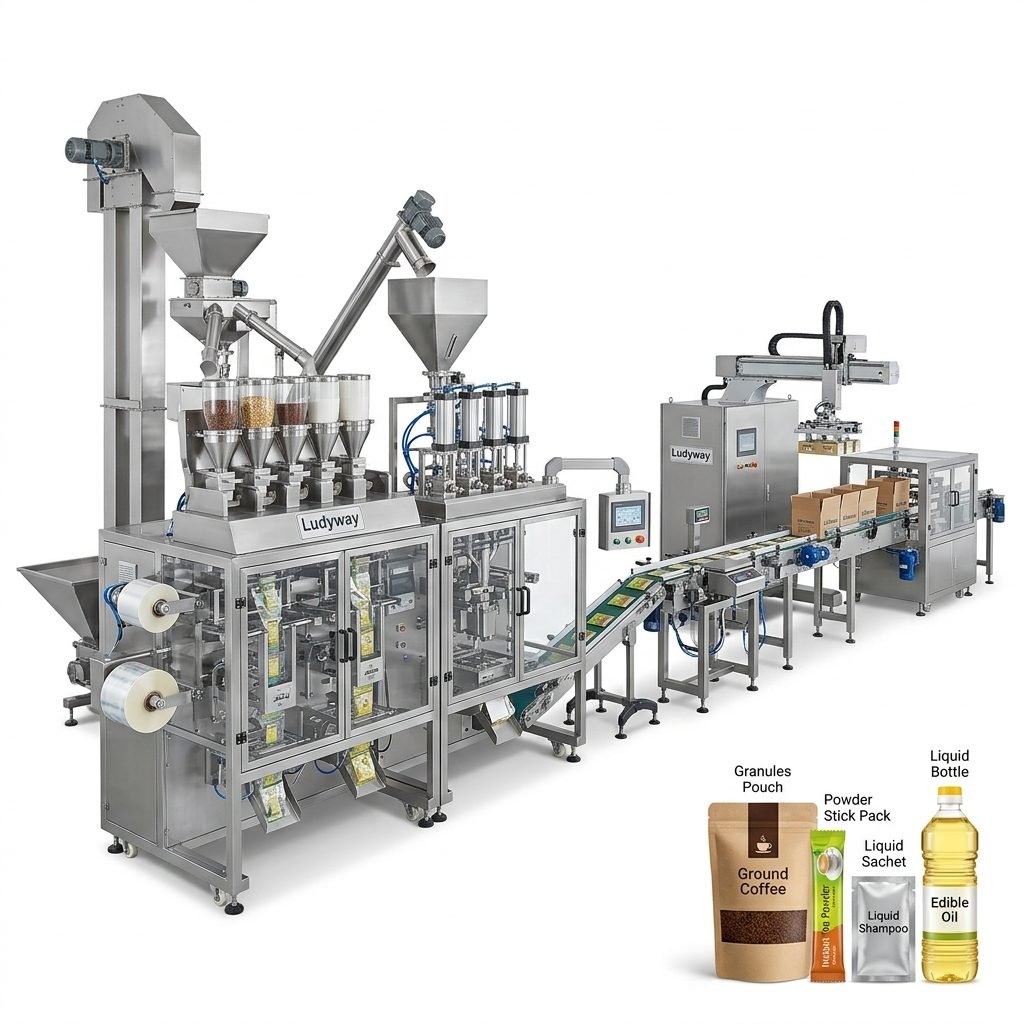
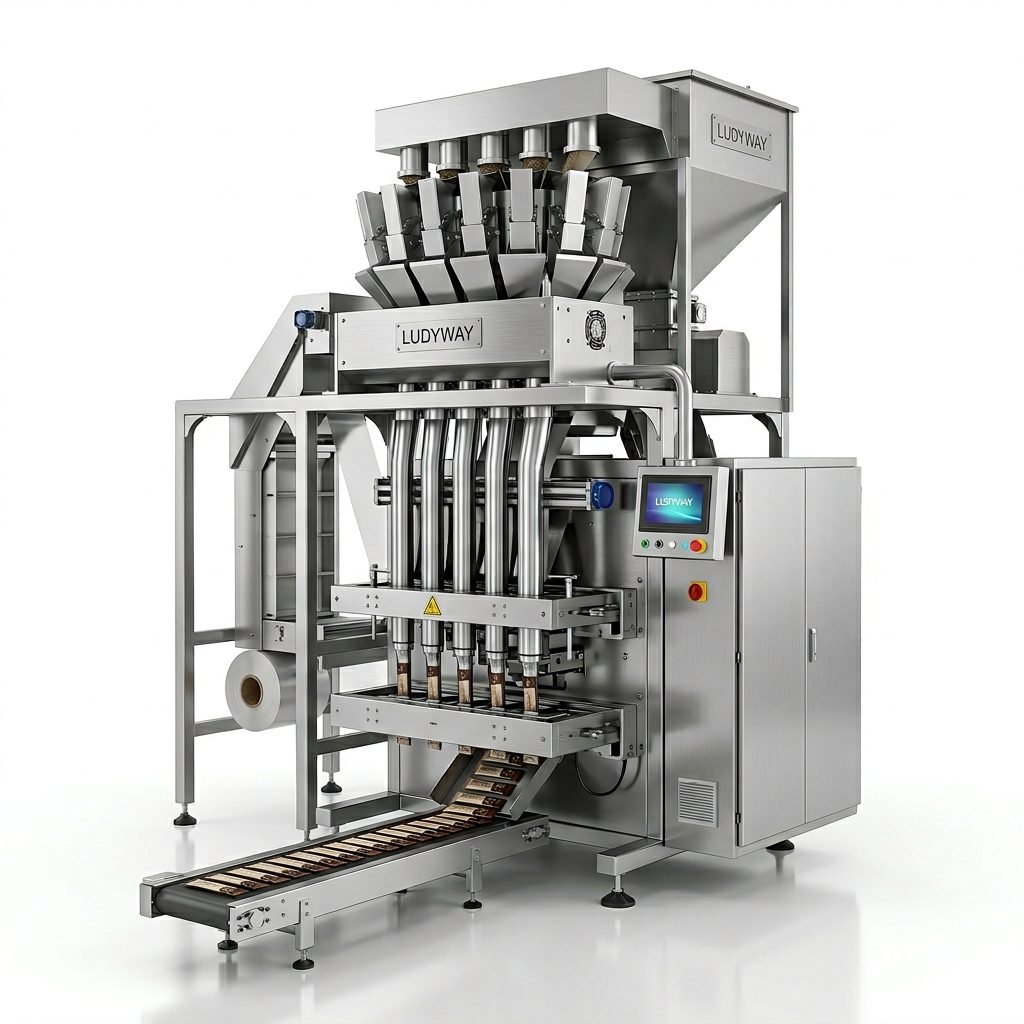
Coffee packaging machines can vary widely in price because not all systems are built for the same packaging format, output speed, or automation level. A compact semi-automatic machine for small-batch filling will cost far less than a fully integrated multi-lane line designed for high-speed sachet production.
- Packaging format: sachets, stick packs, pouches, bags, jars, capsules, or vacuum packs
- Product type: instant coffee powder, granules, ground coffee, whole beans, liquid coffee concentrate
- Automation level: semi-automatic, automatic, or turnkey integrated line
- Output speed: packs per minute or lanes per machine
- Filling accuracy: especially critical for premium or single-serve coffee
- Material compatibility: foil film, laminated film, recyclable materials, zipper pouches, valve bags
- Extra functions: nitrogen flushing, degassing valve application, date coding, checkweighing, cartoning
- Customization and compliance: electrical standards, language interface, safety requirements, certifications
Typical Coffee Packaging Machine Price Ranges
The market range can be broad, but the table below provides a useful benchmark for budgeting. Final pricing depends on technical configuration, materials, production speed, and factory support scope.
| Machine Type | Suitable Coffee Product | Estimated Price Range | Best For |
|---|---|---|---|
| Semi-automatic filling machine | Ground coffee, coffee powder | USD 3,000–10,000 | Startups and low-volume packaging |
| Vertical form fill seal machine | Coffee beans, powder, granules | USD 12,000–35,000 | Small to mid-sized producers |
| Premade pouch packing machine | Beans, powder, premium retail packs | USD 18,000–50,000 | Retail-ready packaging brands |
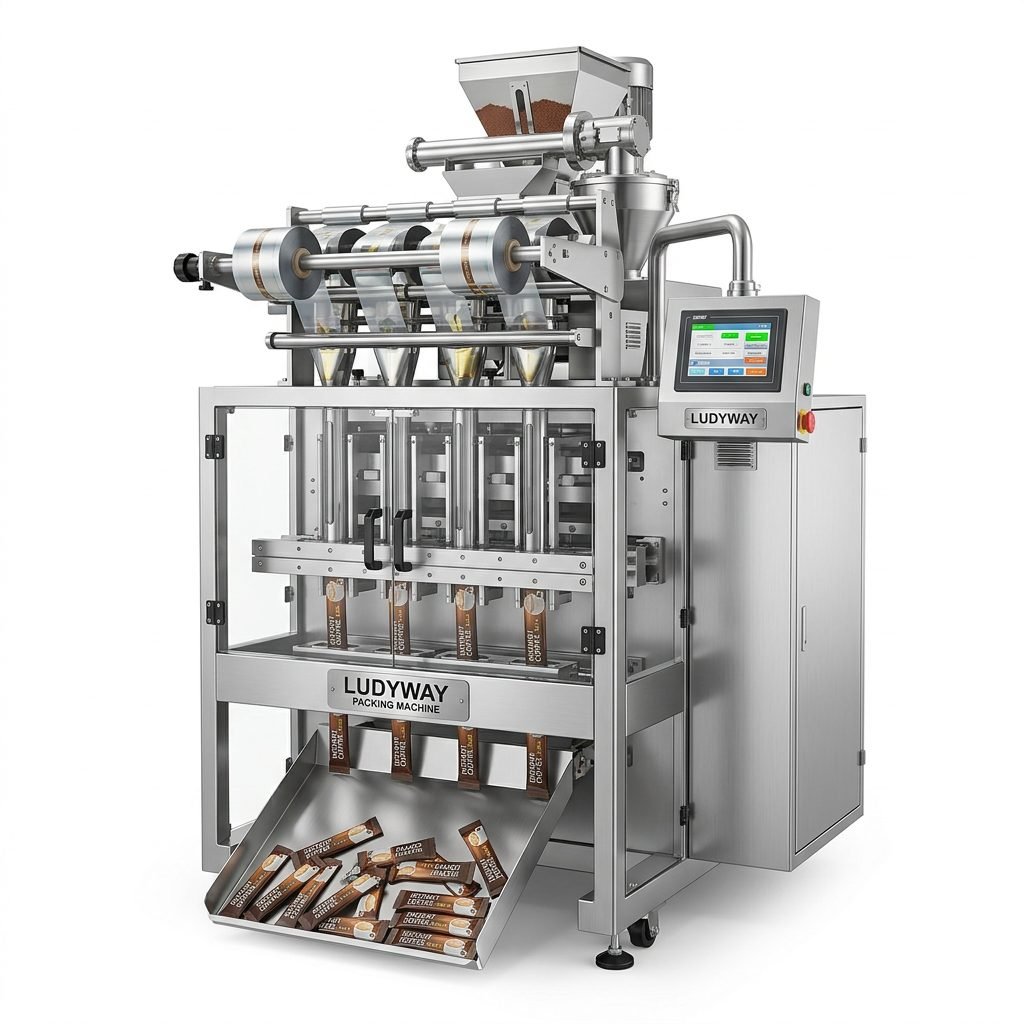
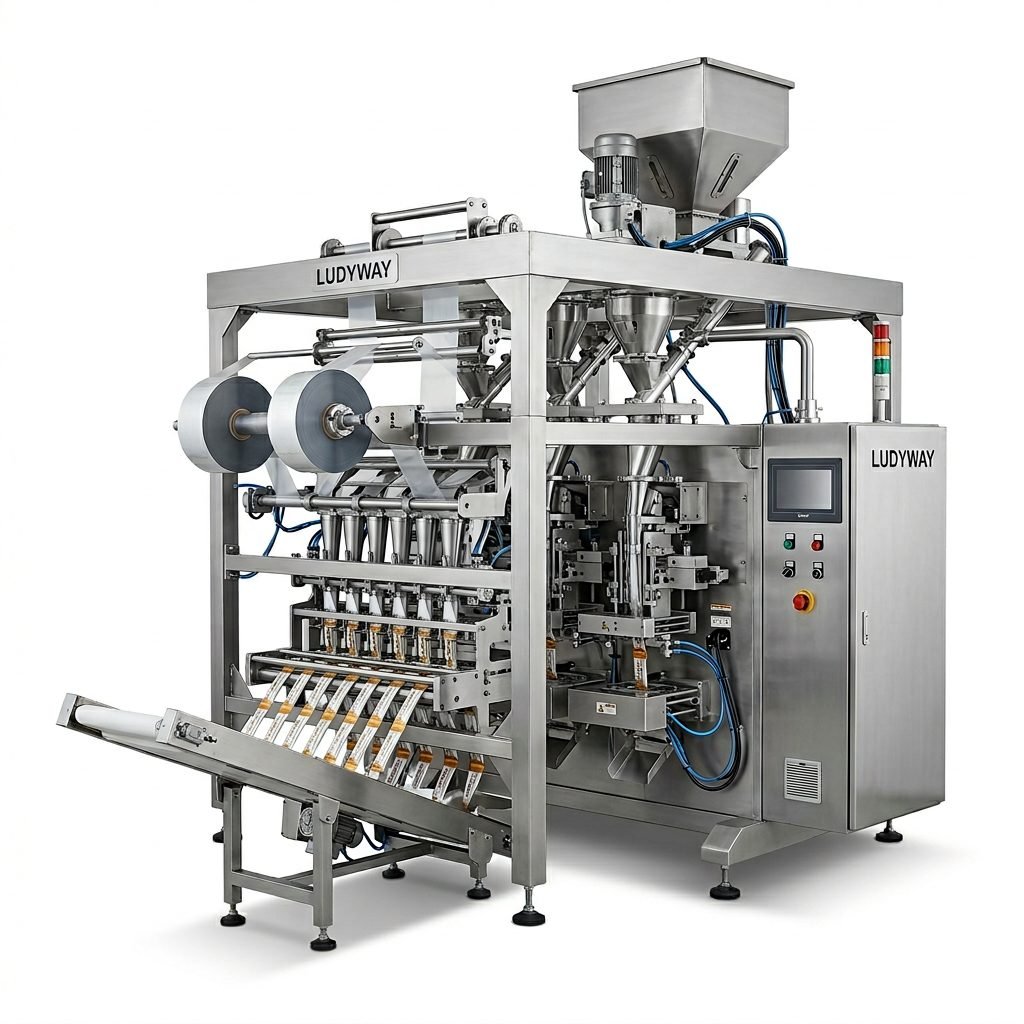
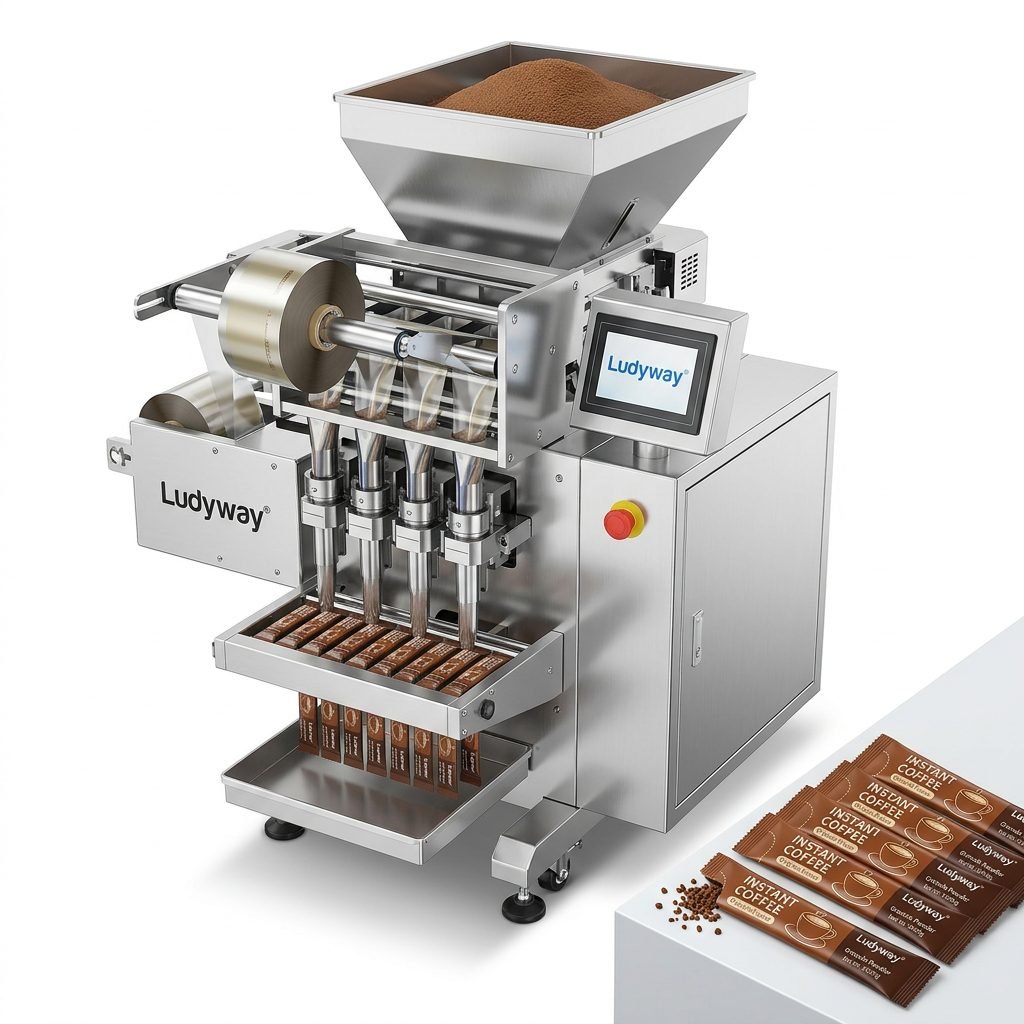
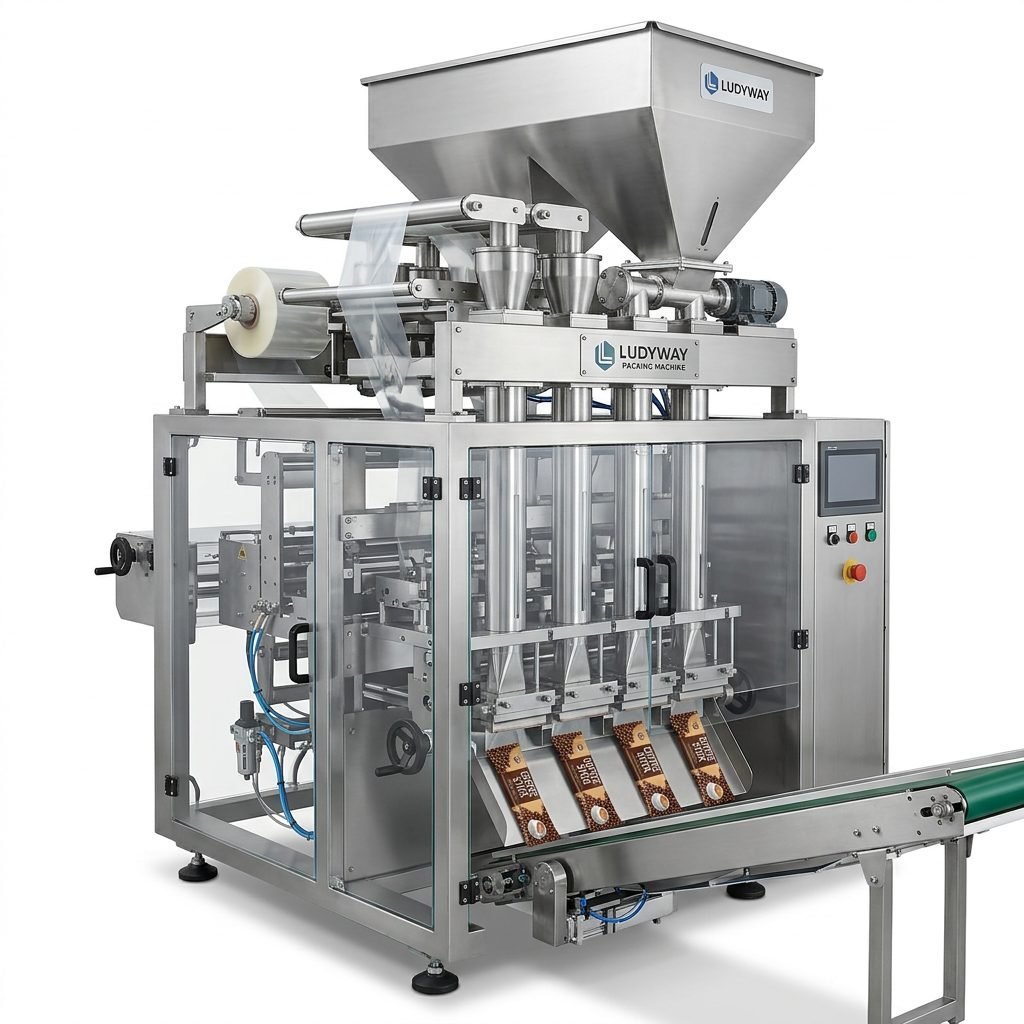
| Multi-lane stick pack machine | Instant coffee powder | USD 30,000–90,000+ | High-speed single-serve production |
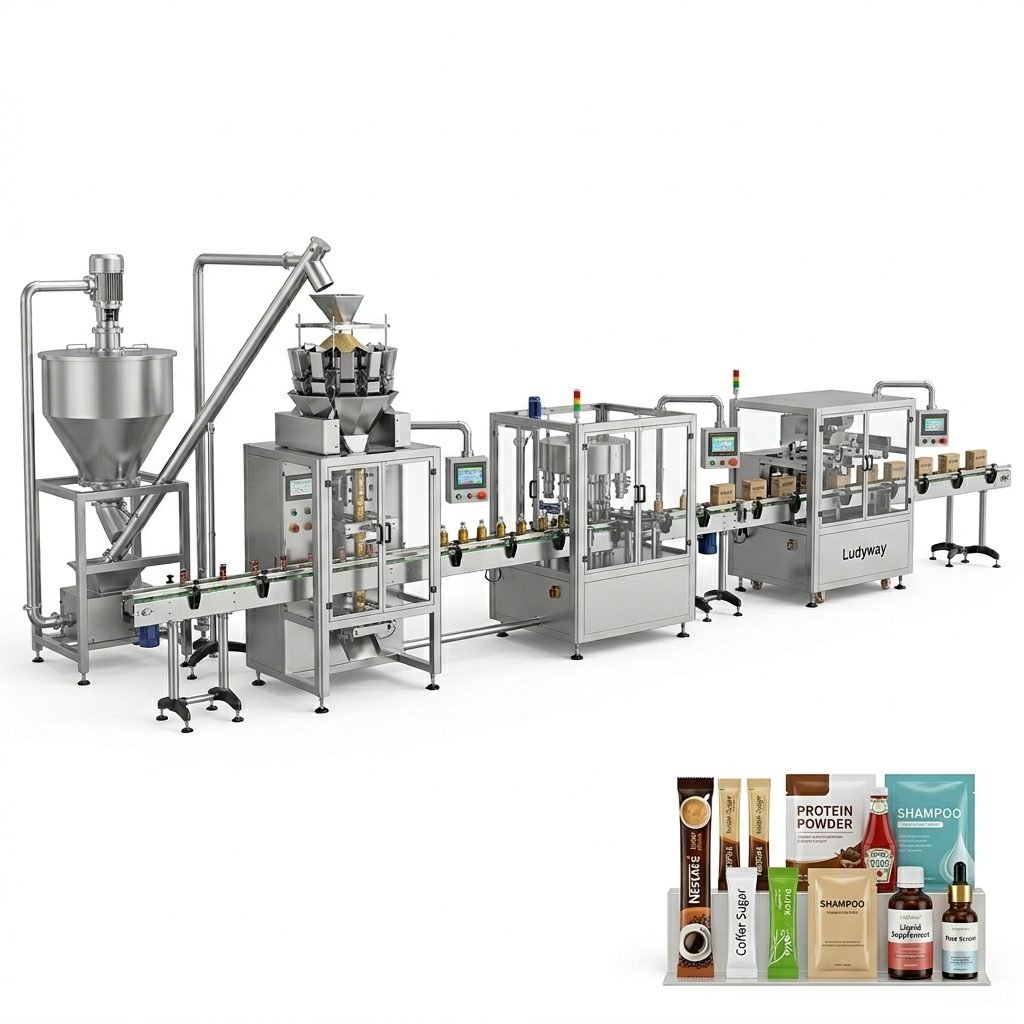
| Complete turnkey packaging line | Multiple coffee formats | USD 80,000–300,000+ | Large factories and contract packers |
These are general market references. If your machine includes special dosing systems, imported components, nitrogen flushing, or downstream automation, the final quotation will rise accordingly.
Why the Lowest Price Is Not Always the Best Deal
Many buyers focus first on the initial machine price, but the better approach is to evaluate total cost of ownership. A cheaper machine can become more expensive over time if it causes product waste, downtime, slow changeovers, poor seals, or unstable filling accuracy.
- Higher maintenance costs from low-quality components
- Packaging material waste due to poor sealing or tracking
- Inconsistent weight control that affects margins and compliance
- Lower production efficiency that limits order capacity
- Weak after-sales support causing long production stoppages
In coffee packaging, consistent sealing, accurate dosing, and product freshness are central to brand reputation. A machine that performs reliably day after day can deliver much better value than a lower-priced unit with unstable output.
How to Match the Machine to Your Coffee Business Model
1. Small Coffee Brands and Startups
If your production volume is still developing, focus on a machine that is easy to operate, simple to maintain, and flexible enough for several pack sizes. You may not need maximum speed yet. In this stage, practical value matters more than complex automation.
2. Growing Roasters and Regional Suppliers
A mid-range automatic system is often the best investment for companies moving from manual or semi-automatic operations to scalable production. Look for machines that reduce labor dependence and improve output consistency while leaving room for future upgrades.
3. OEM, Private Label, and Contract Packers
If you serve multiple clients with different packaging sizes and films, machine flexibility becomes a major value driver. Fast changeover, stable speed, and compatibility with multiple coffee formulations can create a stronger return than simply chasing the cheapest initial offer.
4. High-Volume Industrial Coffee Producers
Large operations usually benefit from multi-lane or turnkey packaging systems. These require higher capital investment, but they can dramatically lower unit packaging cost, reduce manual handling, and improve line integration from filling to final cartoning.
Key Features That Add Real Value
When comparing quotations, pay special attention to features that improve coffee packaging quality and production efficiency.
| Feature | Why It Matters |
|---|---|
| Nitrogen flushing | Helps preserve aroma and freshness, especially for roasted coffee |
| Precision auger or weighing system | Improves dose accuracy and reduces giveaway |
| Servo control | Supports stable operation, better accuracy, and smoother speed control |
| Easy-clean structure | Cuts downtime and supports hygiene standards |
| Flexible size adjustment | Useful for brands offering multiple SKUs |
| Integrated coding and inspection | Helps quality traceability and retail compliance |
Questions to Ask Before Comparing Prices
To identify the best value, buyers should request more than a simple machine quote. A proper comparison should include technical and service details.
- What coffee product is the machine designed for?
- What is the actual output speed under real production conditions?
- What filling accuracy can be achieved?
- Which packaging materials are supported?
- Does the machine support future upgrades?
- What spare parts and consumables are required?
- How long is lead time?
- What installation, training, and after-sales support are included?
- Are there reference projects or case videos available?
These questions make price comparisons more meaningful. Without them, you may compare two machines that appear similar but deliver very different production results.
How to Find the Best Supplier Value
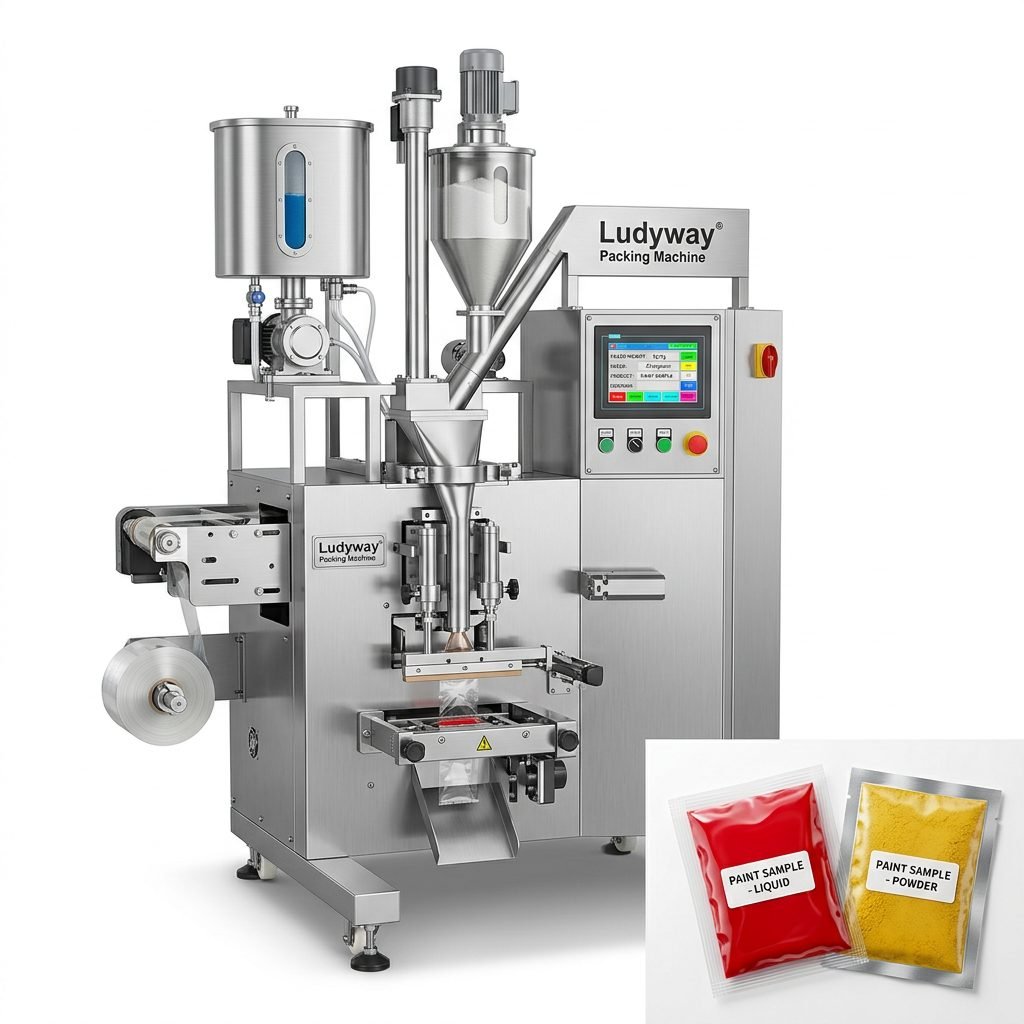
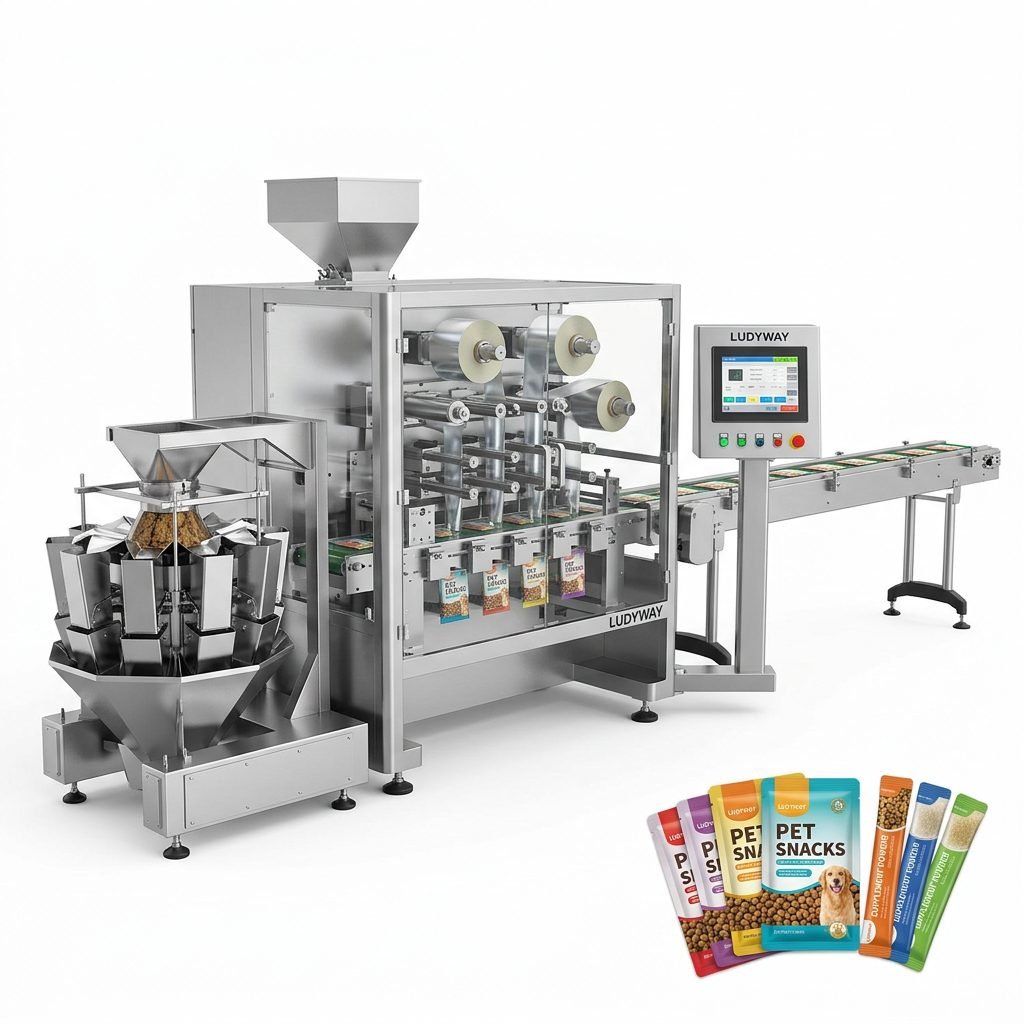
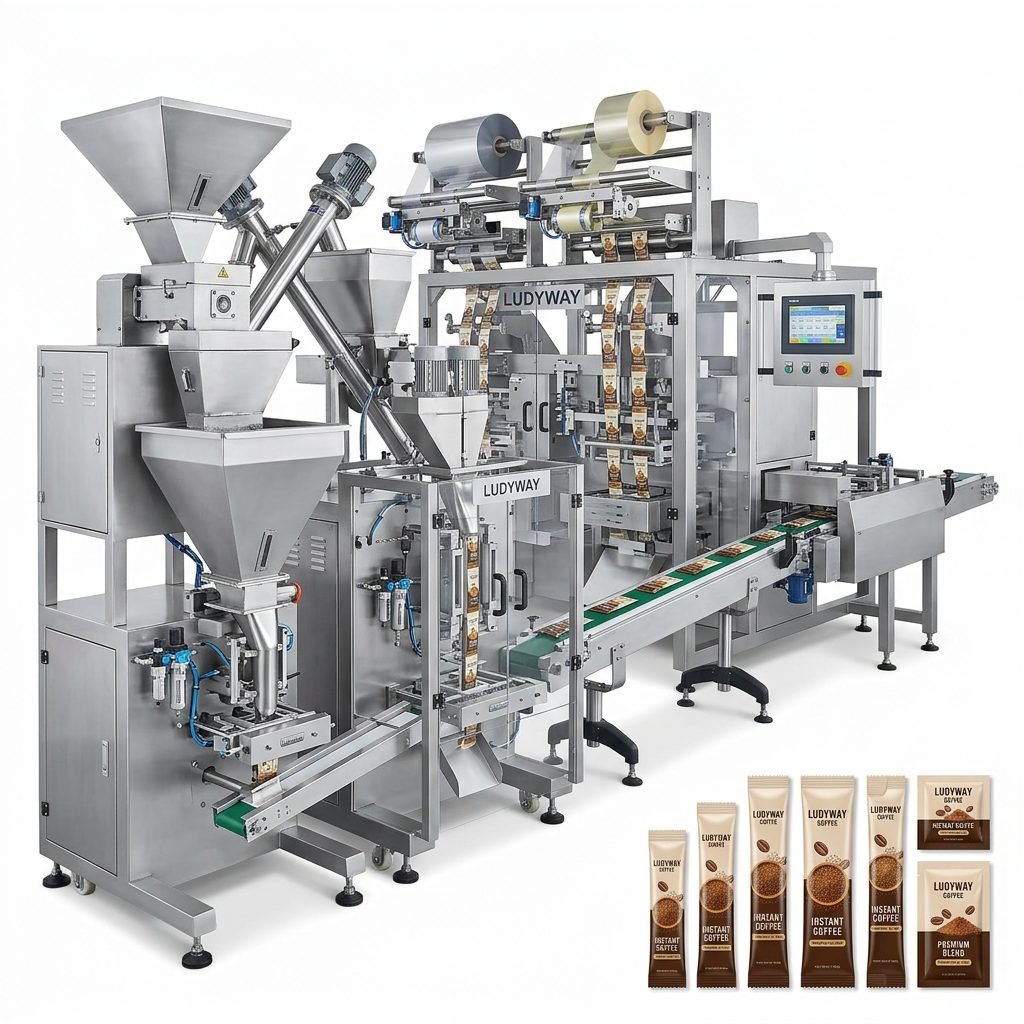
The best supplier is not only a machine builder, but also a long-term technical partner. Look for manufacturers with proven export experience, customization ability, and stable support capability. For coffee projects requiring pouch, sachet, or stick pack solutions, many buyers consider Ludyway packaging machine solutions because the company combines over 30 years of manufacturing experience with a broad machine range, turnkey line capability, and service support for global markets.
Supplier value is usually stronger when the manufacturer can provide:
- Custom engineering based on coffee product characteristics
- Wide machine selection for different production stages
- Stable component sourcing and quality inspection
- Technical support for installation and operation
- Scalable packaging line planning for future expansion
Red Flags When Evaluating a Low Price Offer
A low quotation can be attractive, but buyers should be careful if the supplier cannot clearly explain machine configuration or service coverage.
- Unclear component brands
- No real testing videos for coffee products similar to yours
- No mention of spare parts or after-sales service
- Unrealistic speed claims without proof
- Weak communication during pre-sales, which often signals poor support later
Best Value Buying Strategy for Coffee Packaging Equipment
A smart buying strategy usually follows this logic:
- Define your coffee product, pack style, and target output
- Set a realistic budget based on total ownership cost, not only purchase price
- Shortlist suppliers with real coffee packaging experience
- Compare machine configuration, support, and scalability side by side
- Ask for testing, reference projects, and a detailed quotation
- Choose the machine that delivers performance, reliability, and growth potential
Final Buying Insight
The best coffee packaging machine price is not simply the lowest number on a quotation sheet. It is the price that gives your business the strongest return through reliable operation, accurate filling, good package appearance, lower waste, and room to expand. If you evaluate machine type, feature set, output, supplier strength, and service quality together, you will be much more likely to find the right value for your business.
Quick Checklist Before You Buy
- Match the machine to your exact coffee format
- Check real-world output, not only theoretical speed
- Review maintenance and spare parts support
- Consider future SKU and volume expansion
- Prioritize stable performance over the lowest entry price