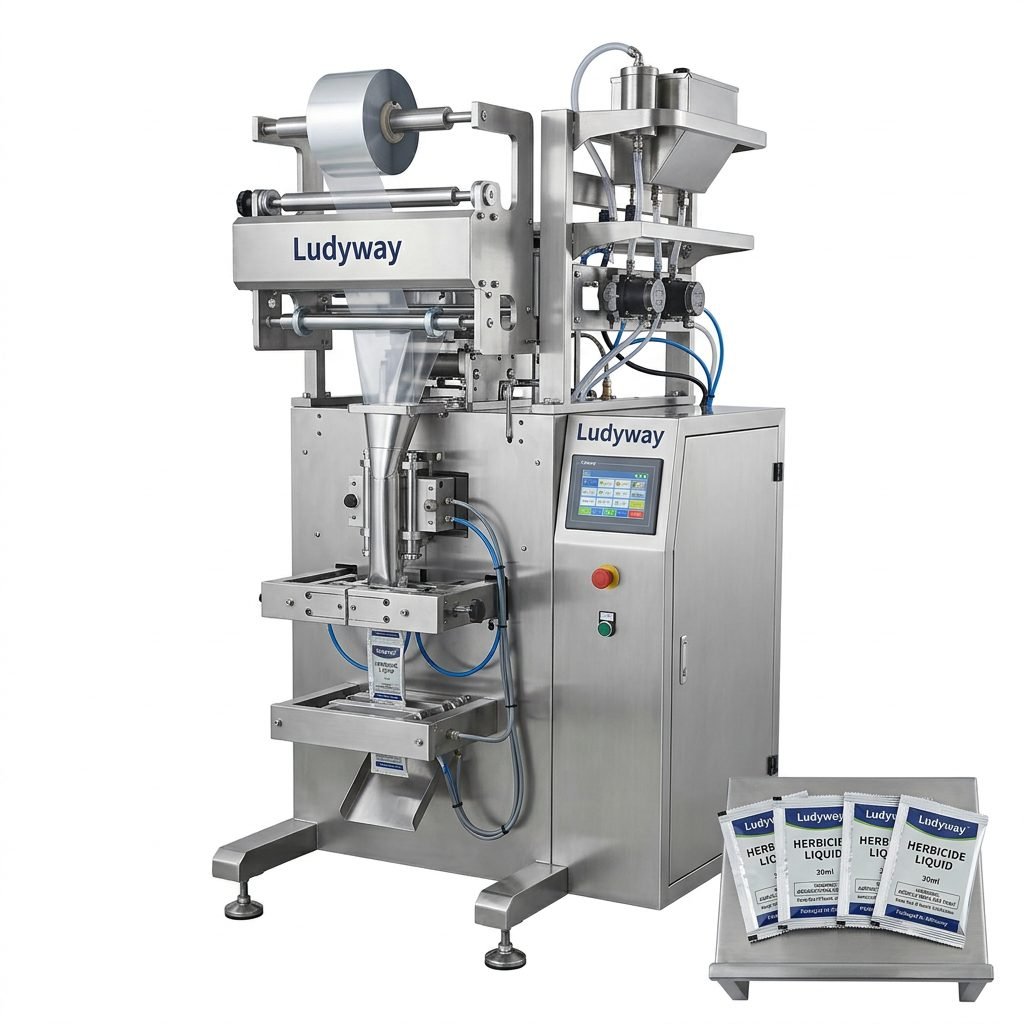
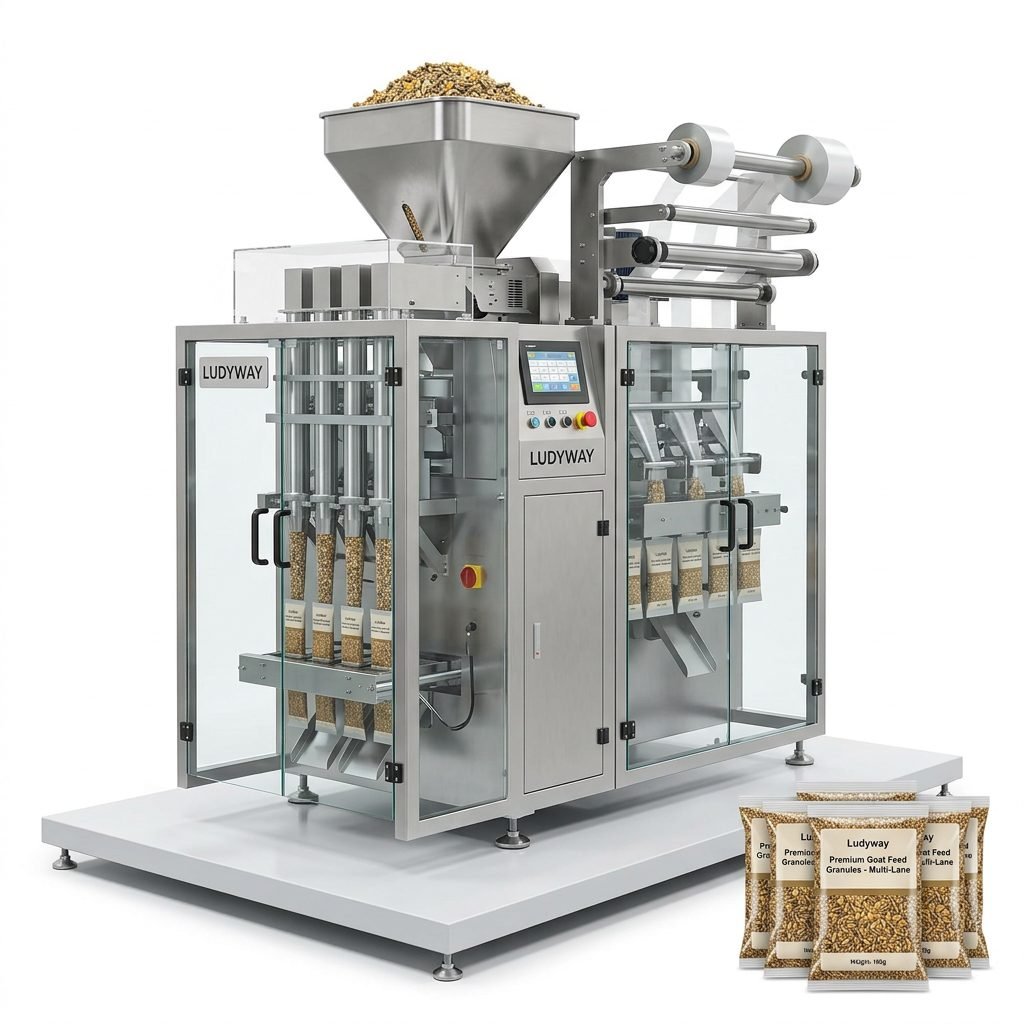
Air bags are one of the most efficient ways to protect products during transit, but the real results depend on choosing the right machine. A suitable air cushion packing machine helps reduce breakage, improve packing speed, lower material waste, and create a more consistent shipping process. Whether you ship electronics, cosmetics, glassware, automotive parts, or e-commerce parcels, the machine you choose directly affects cost, productivity, and customer satisfaction.
In modern fulfillment and industrial packaging, buyers are no longer looking only for a machine that inflates film. They need a system that matches shipment volume, packaging materials, product fragility, operator skill level, and future business growth. That is why selecting the right packing air bags machine should start with a clear understanding of your packaging workflow.
Why Air Cushion Packaging Matters for Safe Shipping
Air cushion packaging is widely used because it offers lightweight protection while taking up less warehouse space than pre-formed fillers. Instead of storing bulky void fill materials, companies can produce air pillows or bubble-style cushions on demand. This improves flexibility and helps businesses respond quickly to different order sizes.
- Shock absorption: Helps protect fragile products from impact during transportation.
- Void filling: Prevents items from shifting inside cartons.
- Lower shipping weight: Air-based protection is lighter than paper or molded alternatives.
- On-demand production: Reduces storage needs for packaging materials.
- Cleaner packing stations: Makes workstation organization easier in fulfillment environments.
For sellers that ship directly to consumers, safe delivery is not just a logistics issue. It is also a brand issue. Damaged goods lead to returns, replacement costs, negative reviews, and reduced trust. A reliable air cushion packing machine helps prevent these problems at the packaging stage.
What Is an Air Cushion Packing Machine?
An air cushion packing machine is equipment designed to inflate special film rolls into protective packaging formats such as air pillows, air tubes, bubble cushions, or void-fill chains. The machine seals air into the film at a controlled temperature and speed, creating protective bags ready for immediate use at the packing station.
Depending on the application, these machines can be compact tabletop units for small businesses or larger systems integrated into automated packaging lines. Some are built mainly for e-commerce and retail logistics, while others are used in industrial environments where high throughput and long operating hours are required.
Main Types of Packing Air Bags Machines
1. Compact Desktop Air Cushion Machines
These are ideal for small warehouses, online sellers, start-ups, and low-to-medium volume packaging operations. They are usually easy to operate, quick to install, and suitable for limited workspaces.
2. Industrial Air Cushion Machines
Designed for continuous operation and higher output, industrial models are better for fulfillment centers, third-party logistics providers, and factories with larger daily shipment volumes.
3. Integrated Air Cushion Systems
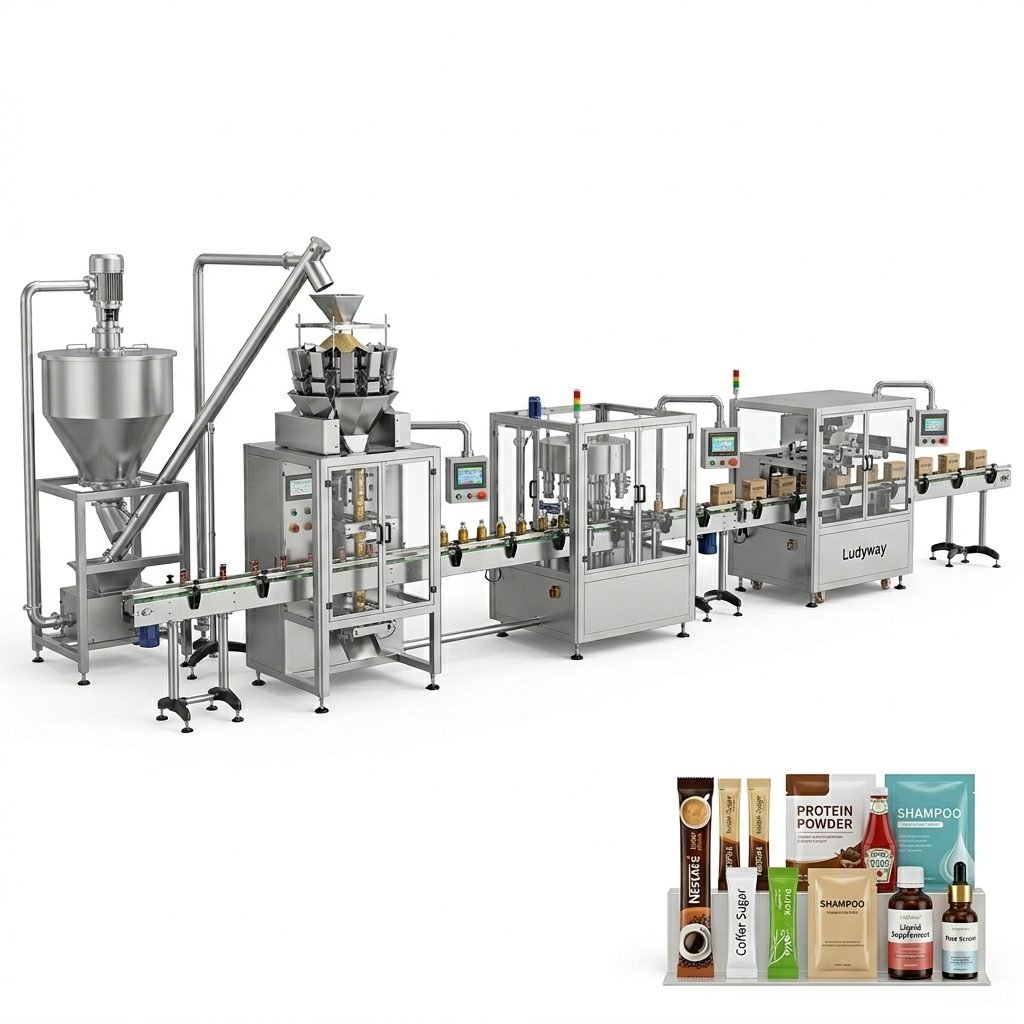
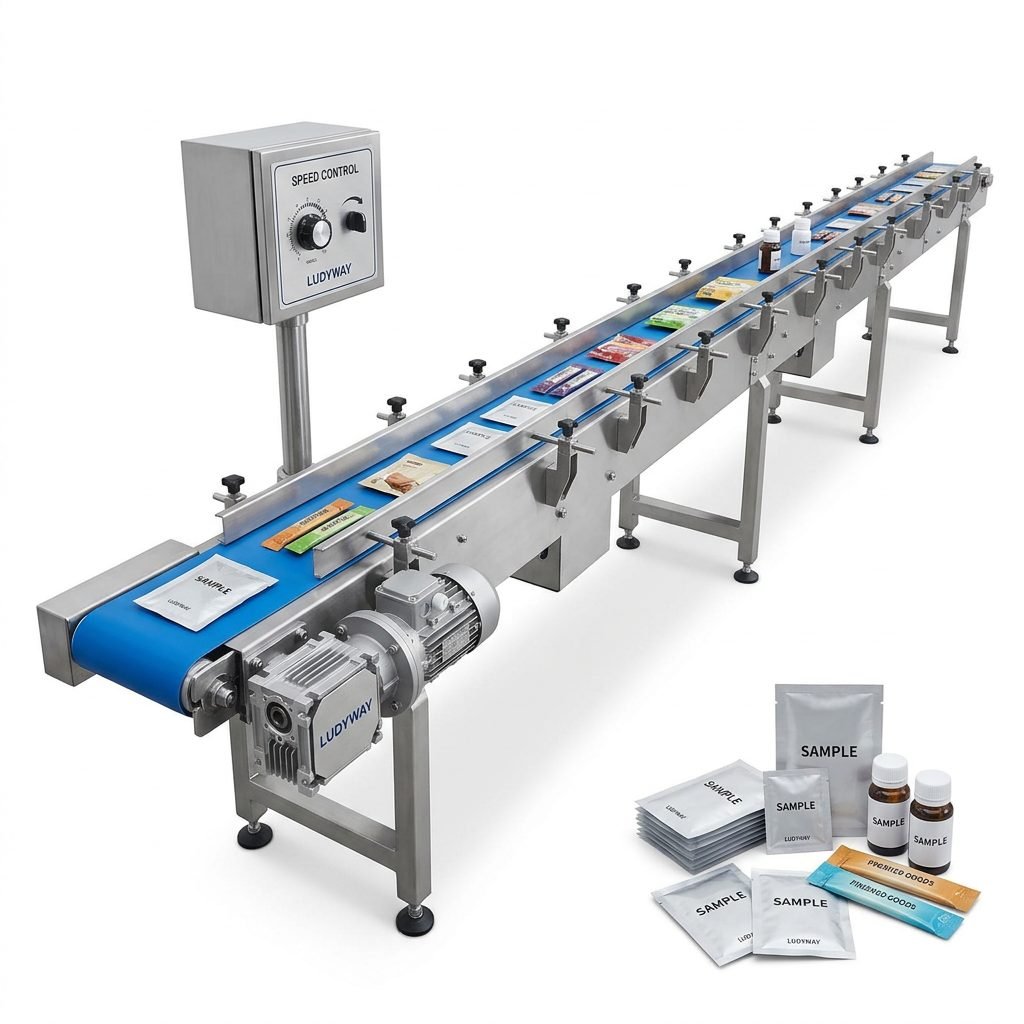
These systems can be connected with conveyors, packing benches, bagging lines, or complete end-of-line packaging automation. They are suitable for businesses scaling up or looking for labor-saving improvements.
4. Multi-Format Inflator Machines
Some machines can run several film structures and produce different protective formats, which is useful when shipping mixed products with different fragility levels.
How to Choose the Right Air Cushion Packing Machine
The best machine is not always the fastest or the cheapest. It is the one that fits your actual shipping operation. Before comparing models, evaluate your packing process in detail.
Shipping Volume
Start by calculating how many packages you ship per day or per hour. A small seller processing 100 orders a day has very different needs from a warehouse handling 10,000 parcels. If the machine output is too low, packing becomes a bottleneck. If the machine is oversized, you may overinvest.
Product Fragility
Highly fragile items like glass bottles, skincare containers, electronics, and medical accessories often require stable cushion quality and consistent inflation. Machines with better sealing precision and film compatibility are usually more suitable for these products.
Film Compatibility
Not all machines support the same film widths, thicknesses, or material structures. If you need standard air pillows today but plan to use bubble film or eco-friendly film later, choose a machine with broader compatibility.
Speed and Throughput
Machine speed should match the rhythm of your packing station. In many operations, stable output matters more than theoretical maximum speed. A slightly slower machine with reliable inflation and sealing may deliver better real-world performance.
Ease of Operation
In fast-paced packing environments, operator simplicity is crucial. Look for intuitive controls, quick film loading, error alerts, and minimal setup requirements. This reduces training time and lowers operator mistakes.
Maintenance Requirements
Regular maintenance affects uptime. A machine with easy-access components, stable heating systems, and simple cleaning procedures usually offers lower long-term operating costs.
Energy Efficiency
If your machine runs for many hours every day, power consumption becomes important. Efficient models help reduce operating costs over time, especially in large-scale shipping operations.
Available Workspace
Some packaging departments have limited bench space. Compact machines are suitable for smaller operations, while larger integrated systems may need dedicated floor planning.
Scalability
A good purchase should support future growth. If order volume is expected to rise, it may be smarter to choose a model that can integrate into semi-automatic or fully automatic lines later.
Key Features to Compare Before Buying
| Feature | Why It Matters | Best For |
|---|---|---|
| Adjustable speed | Matches different packing tempos | Mixed-volume operations |
| Temperature control | Improves seal quality across film types | Operations using multiple films |
| Multi-film compatibility | Allows more packaging formats | Growing businesses |
| Compact design | Saves workspace | Small packing stations |
| Low-noise operation | Improves working environment | Indoor warehouse teams |
| Stable sealing system | Reduces air leakage and waste | Fragile item shipping |
| Line integration ability | Supports automation upgrades | Medium and large factories |
Which Industries Commonly Use Air Cushion Packing Machines?
Air cushion systems are used across many sectors because shipping protection requirements vary by product shape, weight, and fragility.
- Electronics: Phones, accessories, components, and precision devices.
- Cosmetics and personal care: Bottles, creams, serums, and fragile containers.
- Pharmaceutical and health products: Medical supplies, supplements, and packaged healthcare items.
- E-commerce retail: Mixed SKU shipments with different carton sizes.
- Automotive and industrial parts: Components needing scratch and impact protection.
- Food and beverage secondary packaging: Certain non-direct-contact transport protection applications.
Common Buying Mistakes to Avoid
Many buyers focus too much on price and not enough on total suitability. That can create hidden costs later.
- Choosing only by upfront price: Cheap machines may lead to more downtime, waste, and inconsistent protection.
- Ignoring film supply compatibility: Always confirm what film sizes and material types the machine can run.
- Underestimating future demand: A machine that fits today may become insufficient within a year.
- Overlooking service support: Technical support, spare parts, and training matter for long-term reliability.
- Not testing actual products: Cushion type should be validated against real shipping conditions.
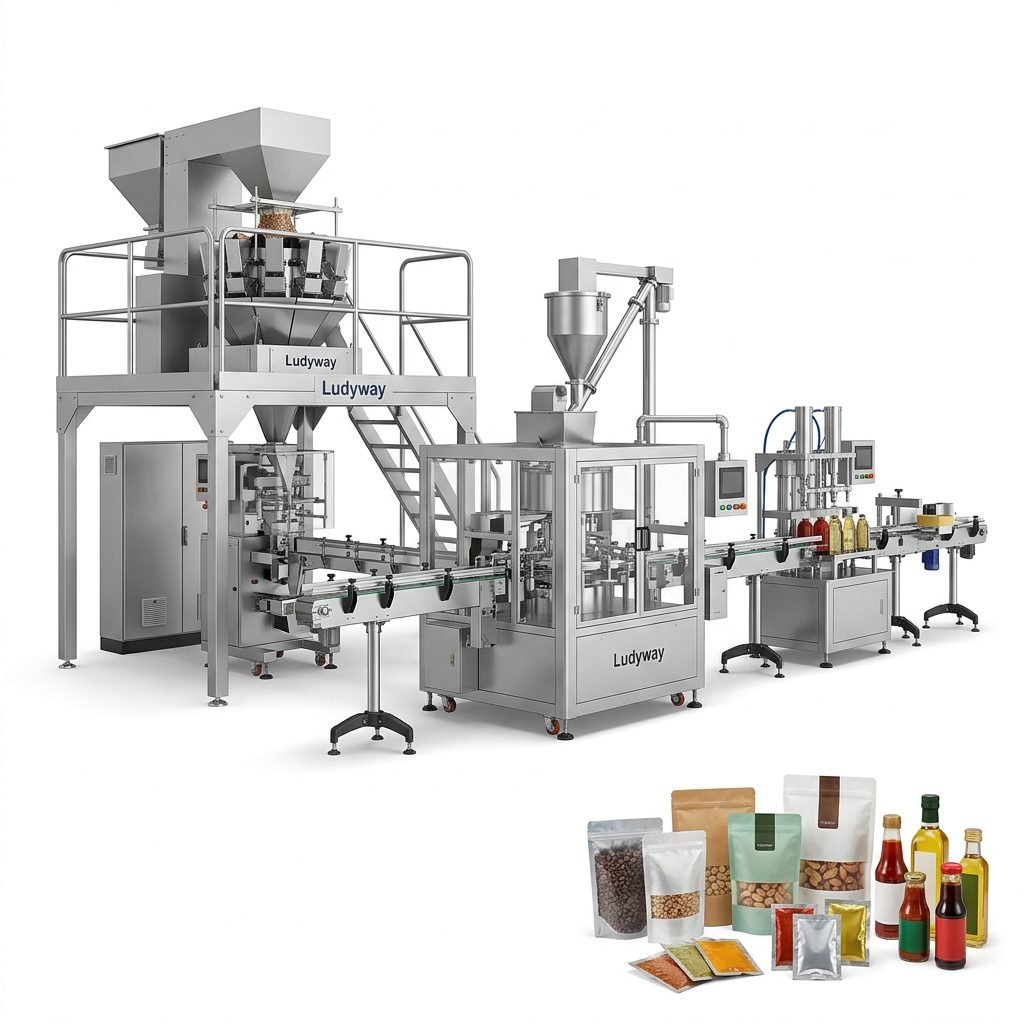
Should You Choose a Standalone Machine or a Complete Packaging Solution?
If your shipping volume is moderate and packing is done at a few manual stations, a standalone air cushion packing machine is often enough. However, if your business handles large order volumes, multiple SKUs, or labor-intensive packaging workflows, it may be more cost-effective to consider a broader packaging system.
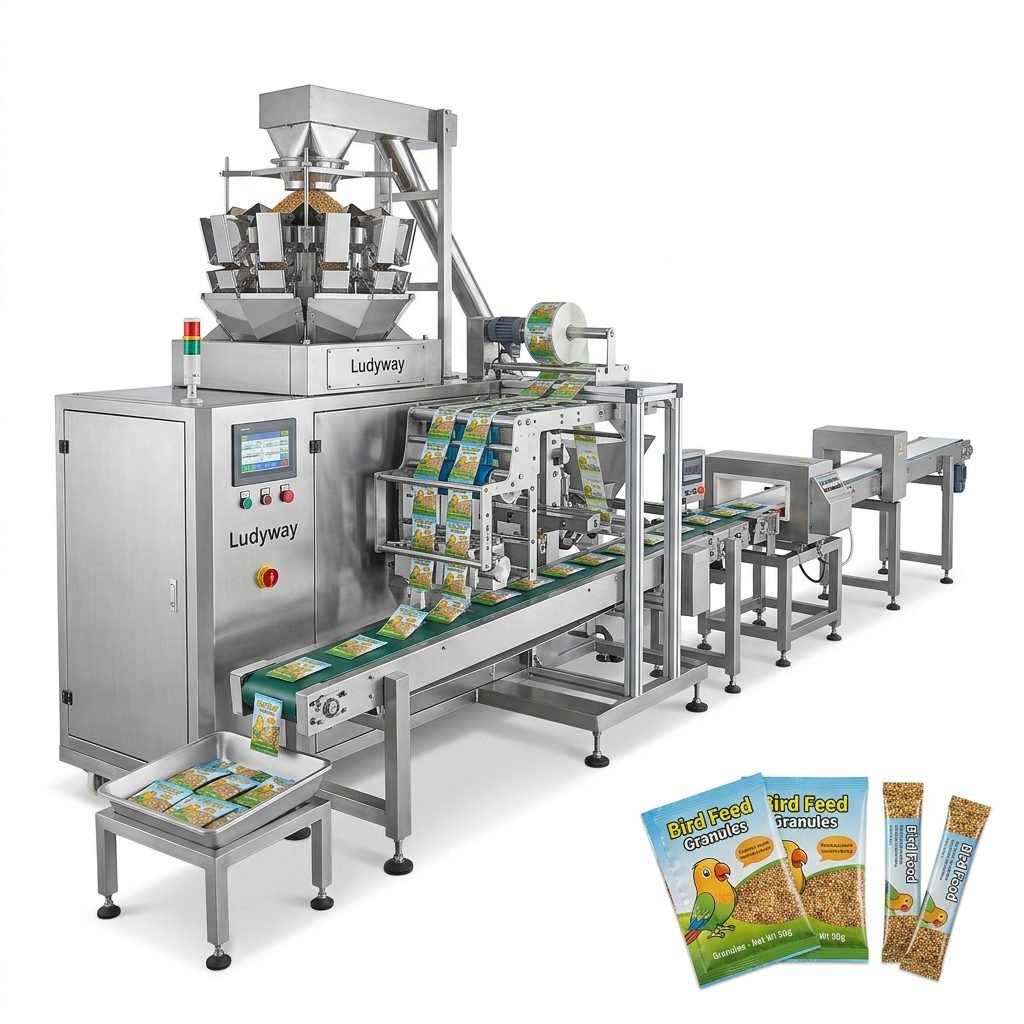
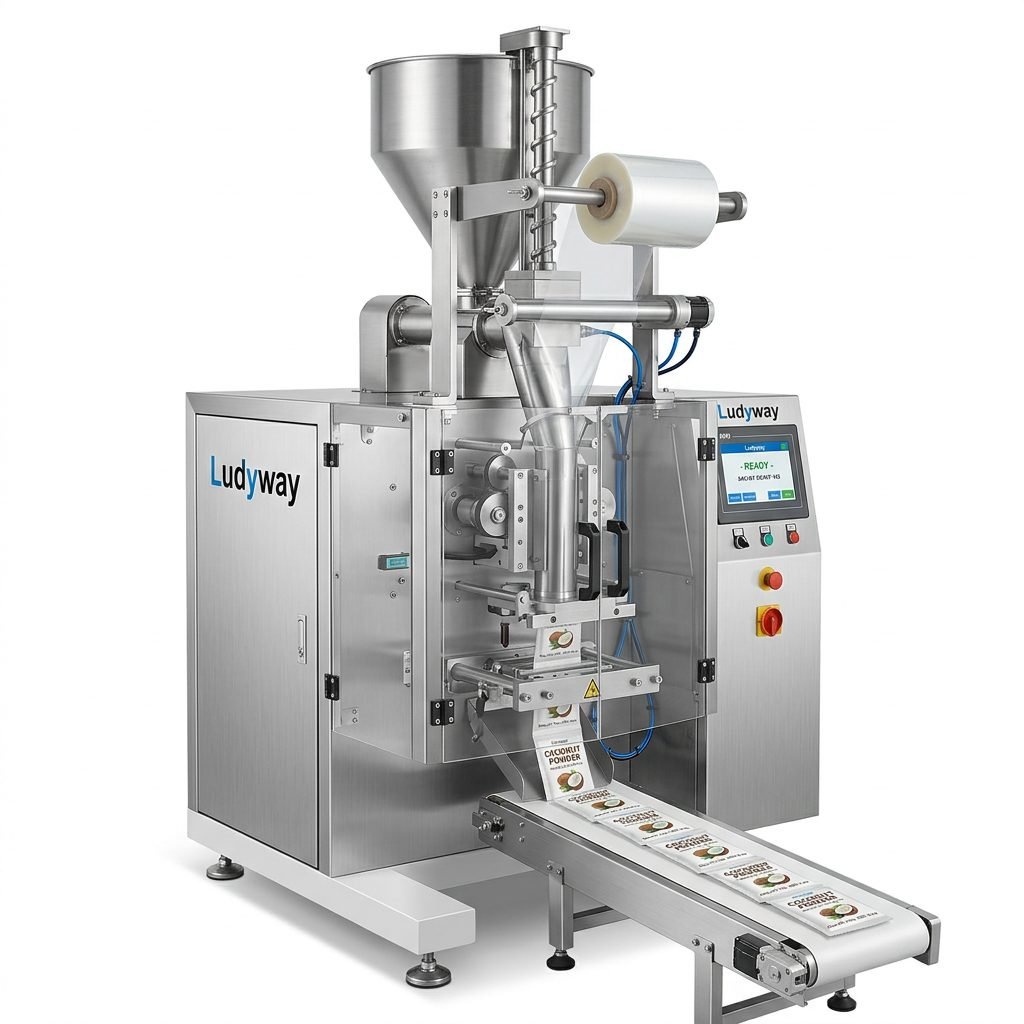
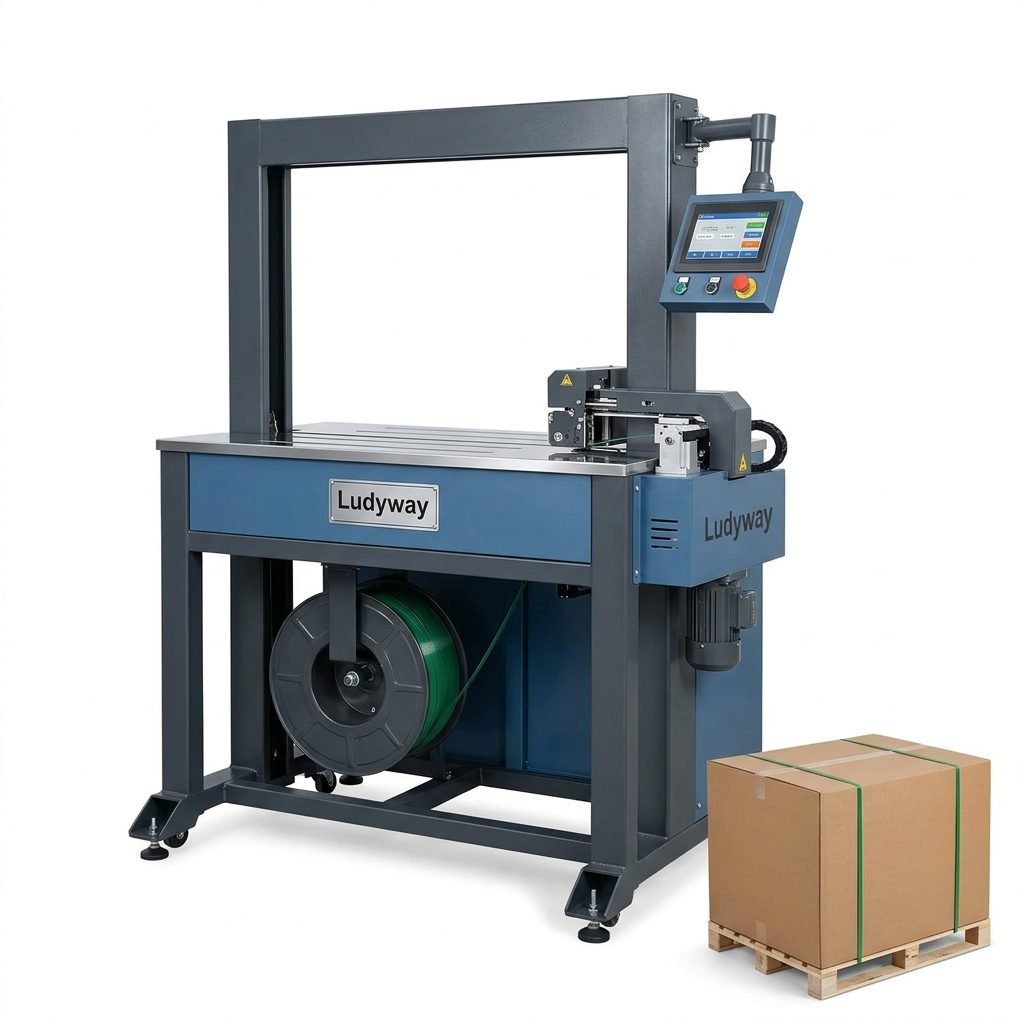
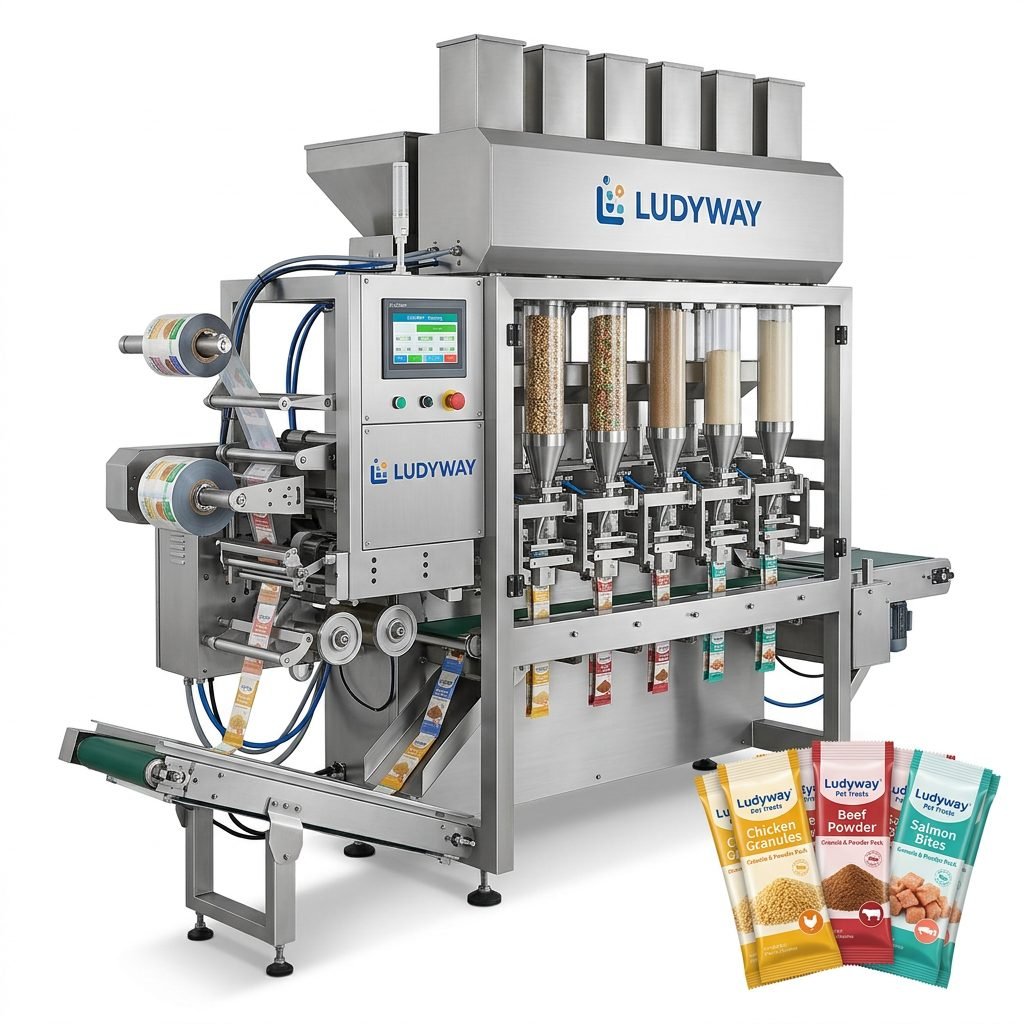
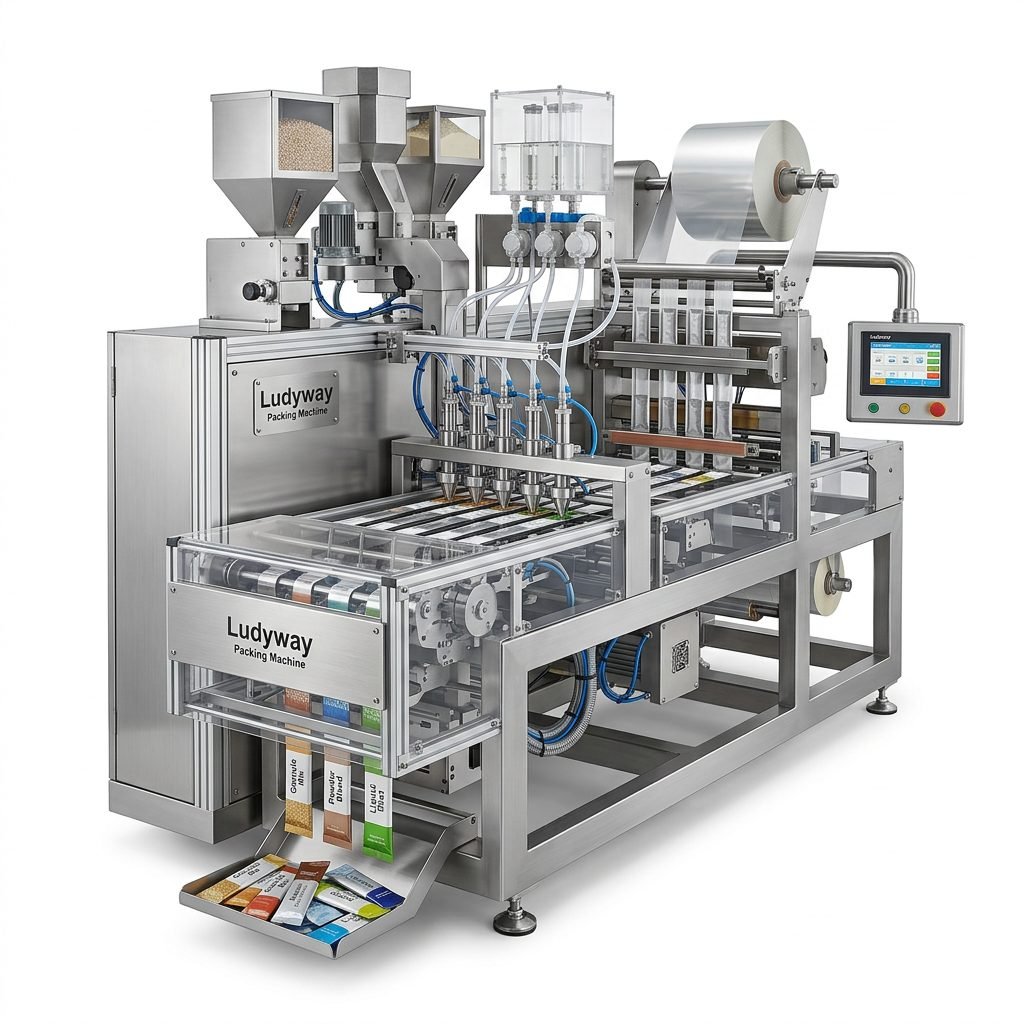
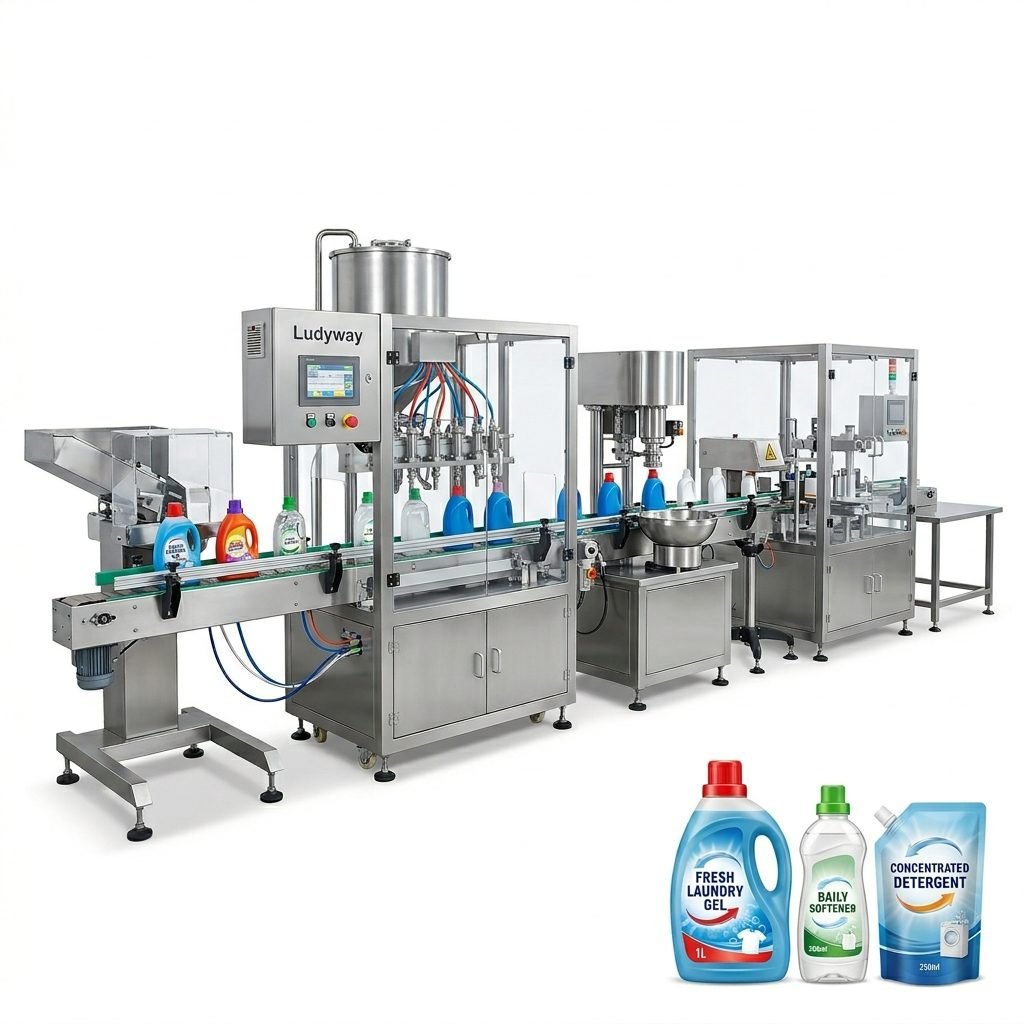
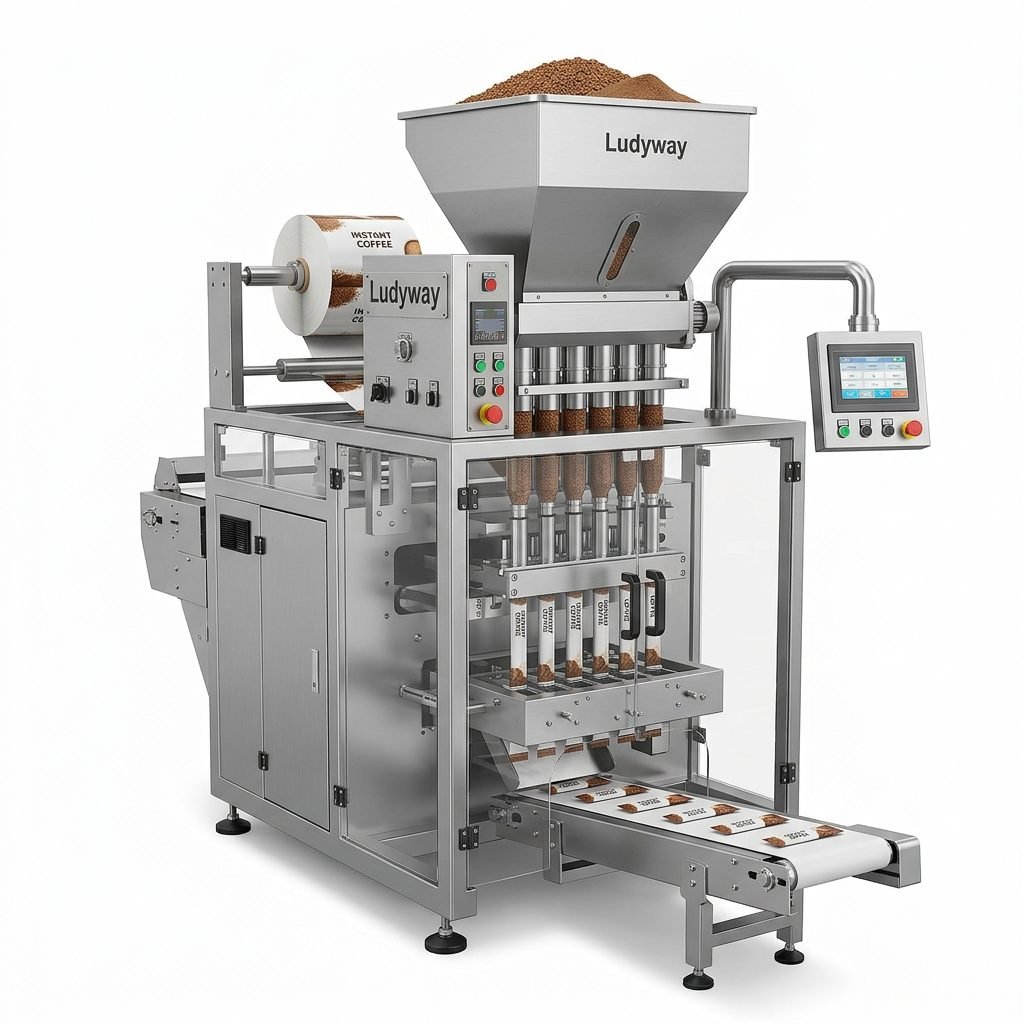
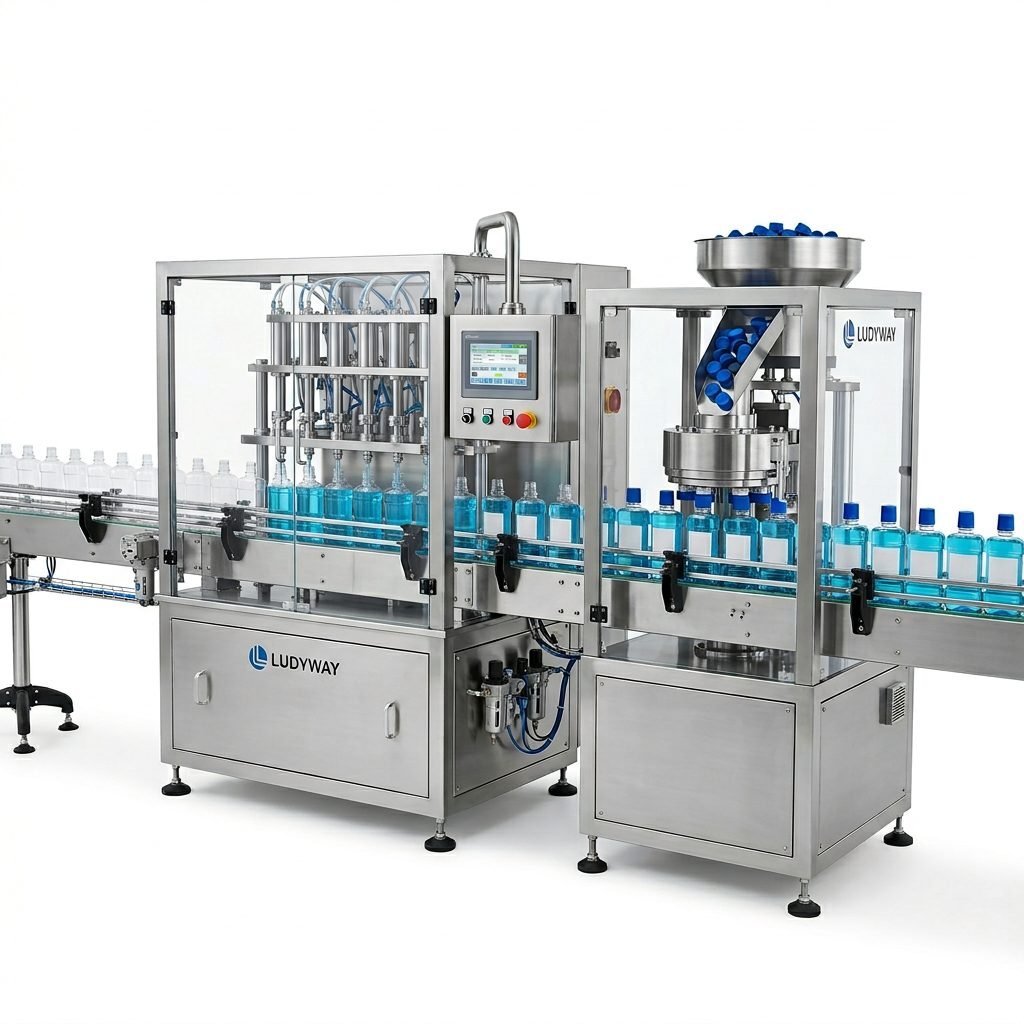
For companies planning automation upgrades, working with an experienced equipment manufacturer can make the process more efficient. Ludyway air cushion packing machine solutions can be considered by buyers looking for broader packaging equipment experience, scalable integration capability, and turnkey line support across food, pharmaceutical, health supplement, and related industries.
Questions to Ask Suppliers Before You Order
- What film formats and thickness ranges does the machine support?
- What is the actual stable operating speed under daily production conditions?
- Can the machine run continuously for long shifts?
- Is operator training provided?
- What spare parts are commonly needed?
- How quickly can technical support respond?
- Can the machine be integrated with future conveyor or packing line automation?
- Do you offer testing based on our real products and shipping cartons?
How to Match Air Cushion Types to Products
| Product Type | Recommended Cushion Style | Reason |
|---|---|---|
| Cosmetic bottles | Bubble or wrap-style air cushions | Better surface and impact protection |
| Electronics accessories | Air pillows | Good void fill with lightweight support |
| Glass containers | Tube or wrap cushions | Improved cushioning around edges |
| Mixed e-commerce parcels | Standard void-fill pillows | Fast and versatile for many SKUs |
| Industrial components | Heavy-duty air cushions | Helps reduce movement and abrasion |
Signs You Need to Upgrade Your Current Machine
If you already use an air cushion system, it may be time to replace or upgrade it when you notice the following:
- Frequent sealing failures or air leakage
- Slow output causing packing delays
- Limited compatibility with newer film materials
- High maintenance downtime
- Inability to support growing order volumes
- Poor fit with conveyor or packing station upgrades
Final Buying Advice for Long-Term Value
The right air cushion packing machine should protect products effectively, support your packing speed, reduce labor pressure, and adapt to future demand. Instead of comparing specifications in isolation, evaluate the machine as part of your full shipping process. Think about product protection, film availability, operator convenience, maintenance needs, and automation potential.
A well-chosen machine can improve shipping quality from day one, while a poor choice often leads to hidden costs in damaged goods, wasted film, labor inefficiency, and equipment replacement. If possible, ask for product testing, confirm support capabilities, and choose a supplier with proven packaging machinery experience.
Quick Checklist Before Purchase
- Confirm daily and peak shipping volume
- Match cushion type to product fragility
- Verify supported film specifications
- Check true operating speed and seal stability
- Review maintenance and spare parts availability
- Consider future line integration and scalability
When these factors are aligned, your packing air bags machine becomes more than a simple inflator. It becomes a practical tool for safer shipping, lower damage rates, and more professional packaging performance.