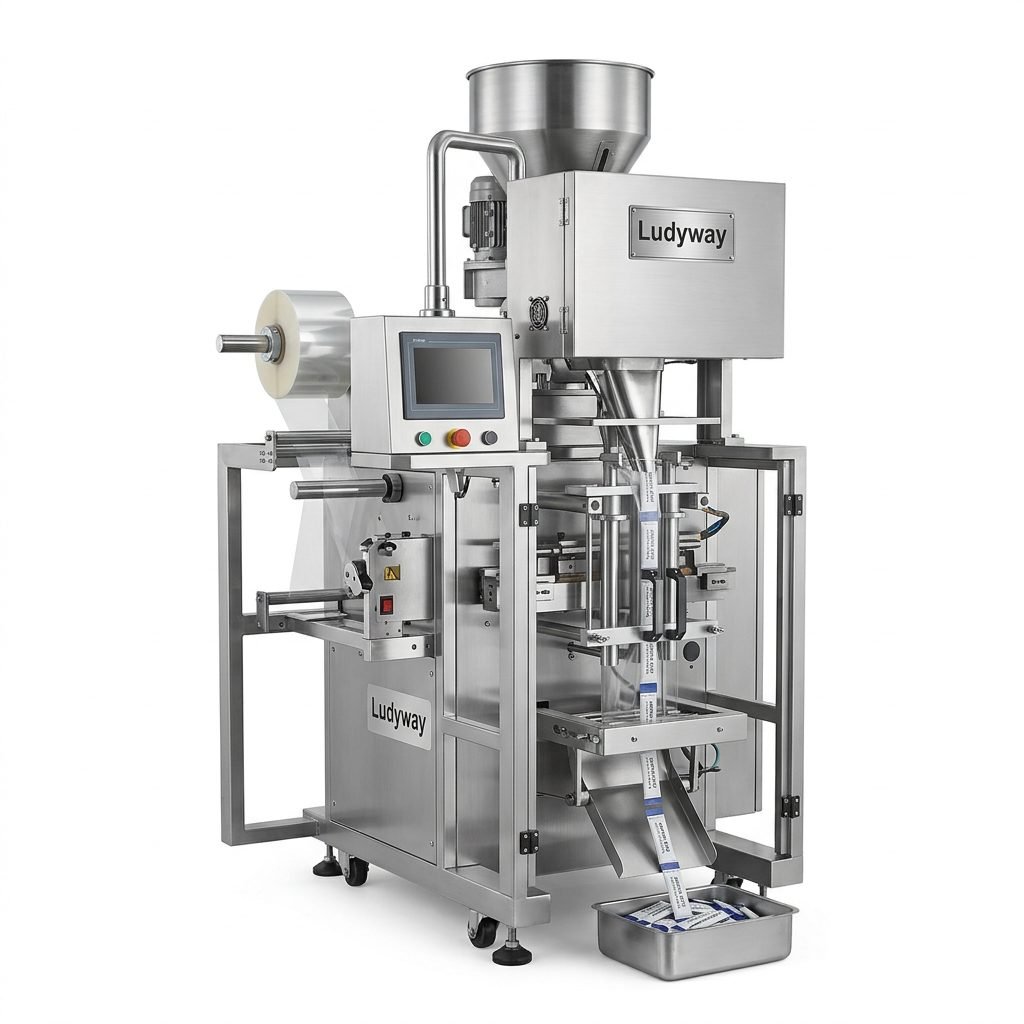
The UK coffee capsule market has experienced remarkable growth, driven by the convenience culture and the increasing demand for premium at-home coffee experiences. For manufacturers and roasters looking to enter or expand within this sector, selecting the right coffee pod packaging machine is a critical investment decision that impacts productivity, product quality, and long-term profitability.
Understanding Coffee Capsule Packaging Technology
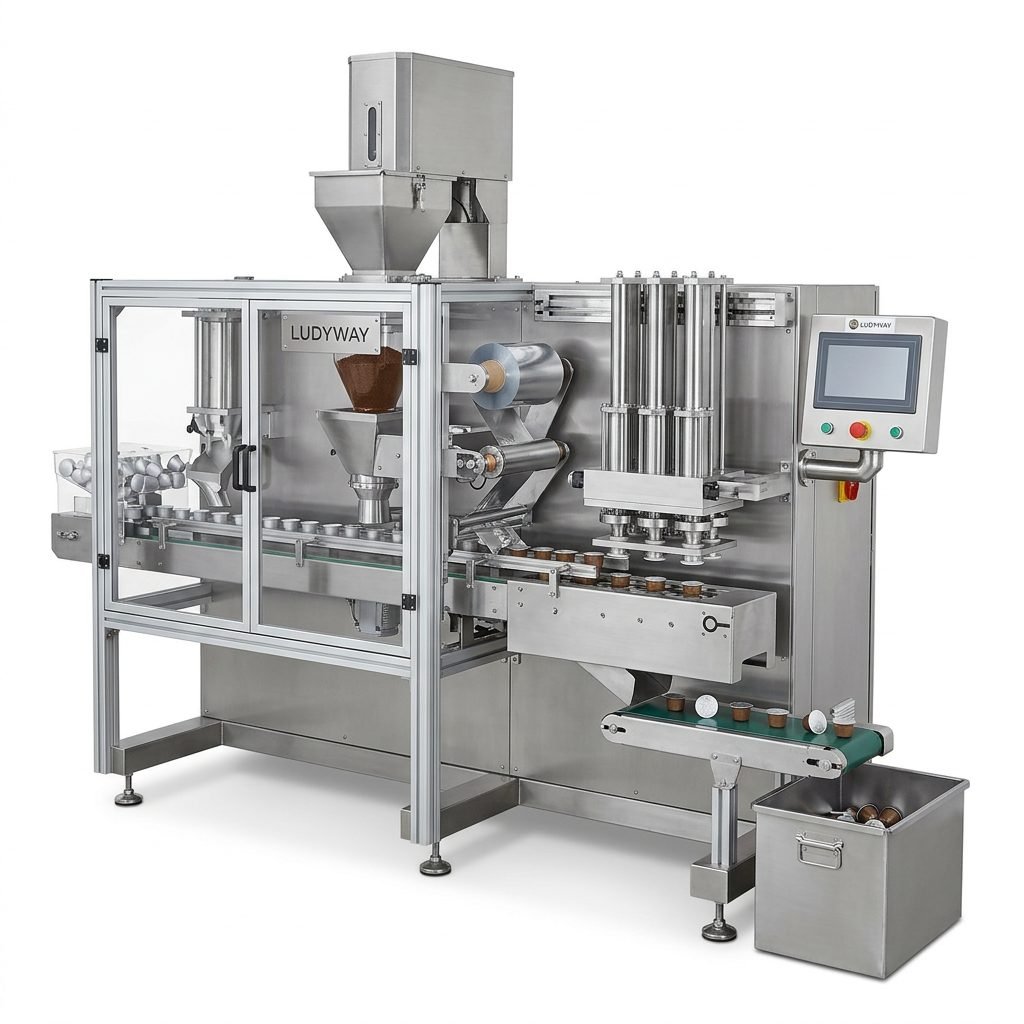
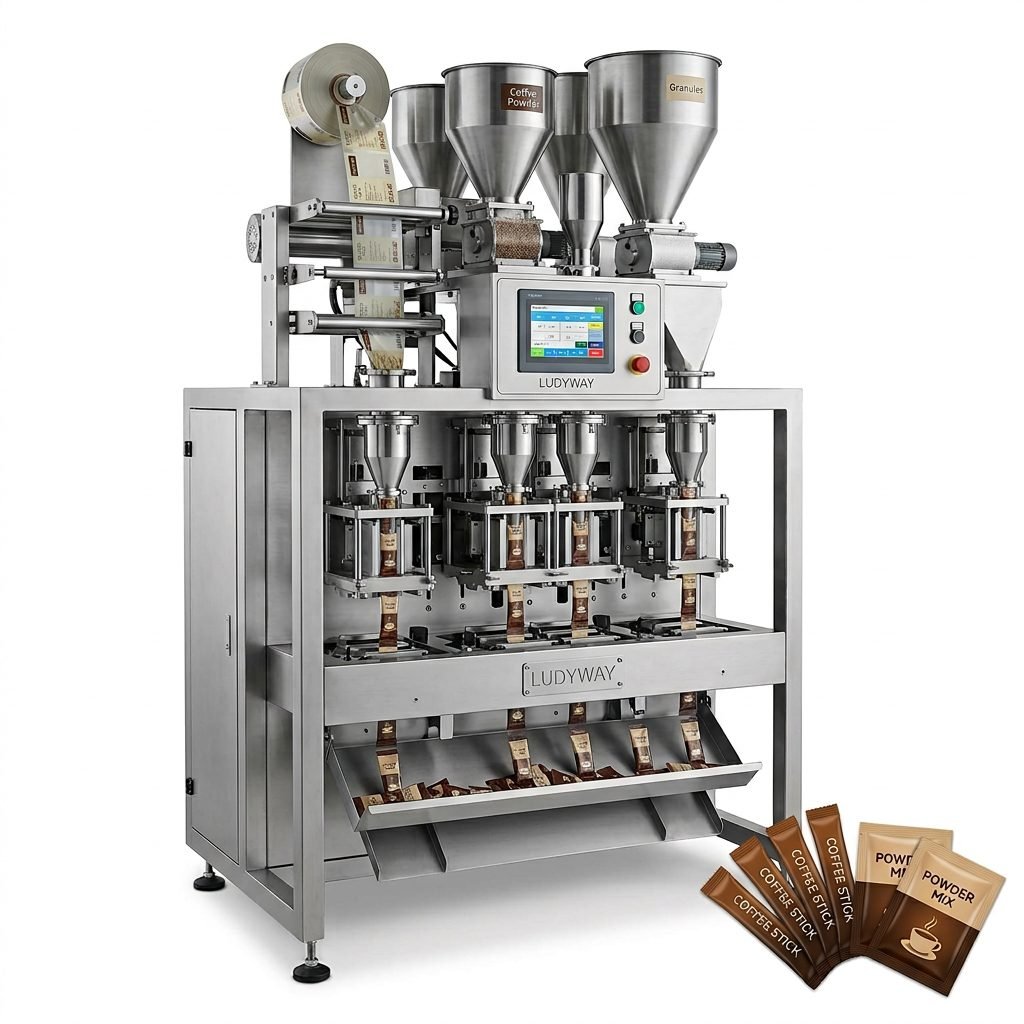
Modern coffee capsule packaging machines are sophisticated systems that integrate multiple processes—from capsule filling and sealing to nitrogen flushing and labelling—into a single automated workflow. These machines handle the precise dosing of ground coffee into pre-formed capsules, apply airtight seals, and often incorporate modified atmosphere packaging (MAP) technology to preserve freshness. The packaging industry standards set by global associations continue to evolve, pushing manufacturers toward more efficient and sustainable solutions.
Types of Coffee Pod Packaging Machines Available in the UK
UK buyers can choose from several machine configurations depending on production scale, capsule format, and automation requirements. Below is a comparison of the most common types:
| Machine Type | Production Capacity | Best Suited For |
|---|---|---|
| Semi-Automatic Single-Lane | 30-60 capsules/min | Small roasters, start-ups, niche brands |
| Automatic Multi-Lane | 200-600 capsules/min | Mid-to-large scale production |
| Fully Automated Turnkey Lines | 600+ capsules/min | High-volume manufacturers, co-packers |
Key Features to Evaluate Before Purchasing
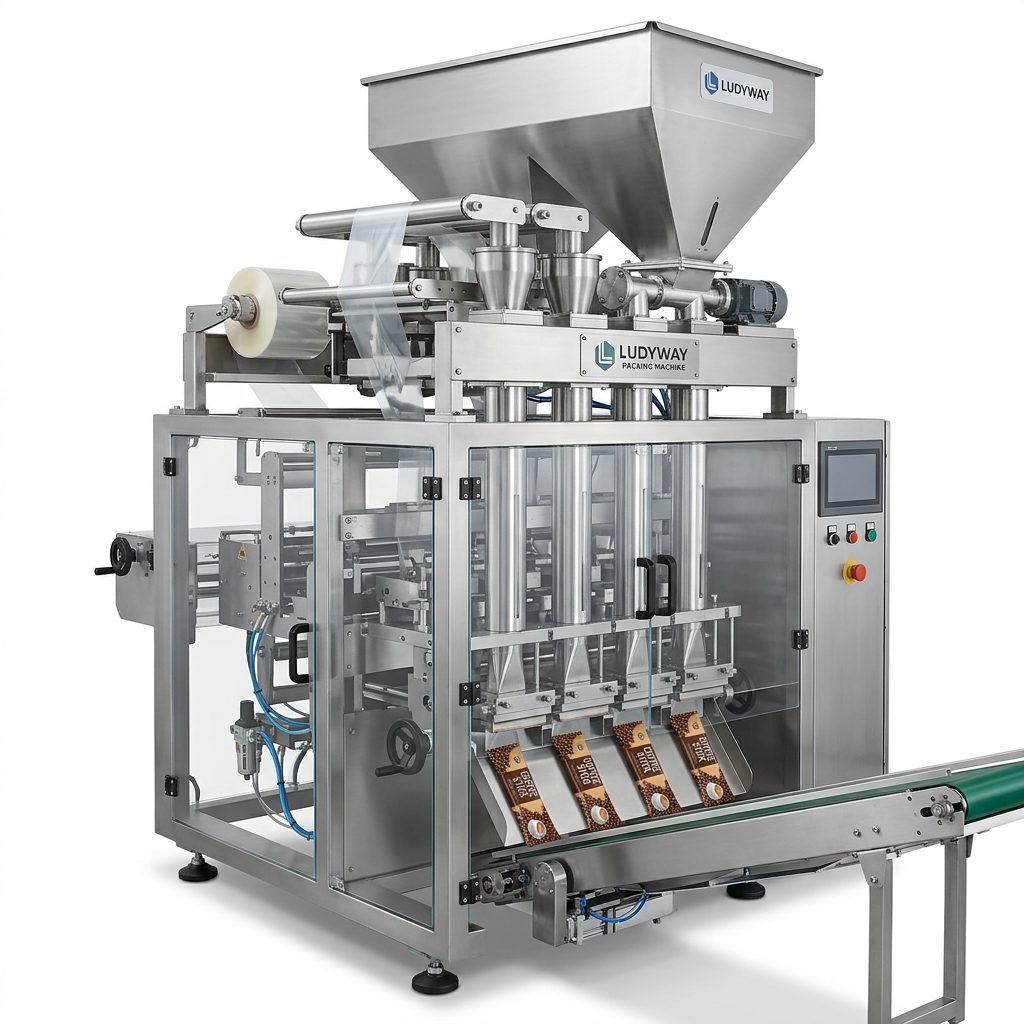
When investing in a coffee pod packaging machine, UK manufacturers should prioritise the following technical features to ensure long-term operational success:
- Precision Dosing Systems: Accurate coffee ground measurement (typically within ±0.1g tolerance) ensures consistent product weight and reduces raw material waste.
- Nitrogen Flushing Capability: Oxygen levels below 1% inside sealed capsules are critical for extending shelf life and preserving aroma—look for machines with integrated gas flushing.
- Multi-Format Flexibility: The ability to switch between Nespresso-compatible, Dolce Gusto, and K-Cup formats with minimal changeover time adds significant operational value.
- Sealing Integrity: Heat-sealing or ultrasonic sealing technologies must deliver hermetic seals to prevent oxidation and maintain freshness throughout the supply chain.
- HMI and Automation Level: Touchscreen interfaces with recipe management, real-time production monitoring, and remote diagnostics reduce operator dependency.
Automation and Integration Capabilities
Beyond the core filling and sealing functions, consider whether the machine can integrate with upstream and downstream equipment such as automatic capsule loaders, checkweighers, coding and marking systems, and cartoning machines. A fully integrated line compliant with ISO packaging standards can significantly improve overall equipment effectiveness (OEE).
UK Regulatory Compliance and Food Safety Standards
All coffee packaging machinery operating in the United Kingdom must comply with relevant food safety regulations. Post-Brexit, UK-specific requirements have diverged in certain areas from EU directives, making compliance a nuanced consideration:
- UK Food Safety Act 1990 and associated regulations require that packaging materials and processes do not compromise food safety.
- Materials in Contact with Food: Machine components that contact the coffee must use food-grade stainless steel (typically 304 or 316L) and BPA-free materials for seals and gaskets.
- CE/UKCA Marking: Machines sold in Great Britain now require UKCA marking; however, CE marking continues to be accepted for Northern Ireland under the Windsor Framework.
- Packaging Waste Regulations: Compliance with packaging waste regulations and Extended Producer Responsibility (EPR) requirements is increasingly important for UK coffee brands.
Cost Considerations for UK Buyers
The total cost of ownership for a coffee pod packaging machine extends well beyond the initial purchase price. UK buyers should budget for the following:
| Cost Category | Estimated Range | Notes |
|---|---|---|
| Equipment Purchase | £30,000 – £250,000+ | Varies by automation level and capacity |
| Shipping and Import Duties | 5-12% of equipment value | Customs clearance, VAT, and logistics |
| Installation and Commissioning | £3,000 – £15,000 | On-site setup and training |
| Annual Maintenance | £2,000 – £8,000 | Spare parts and service contracts |
Return on Investment
Most UK coffee manufacturers achieve ROI within 18-36 months through increased throughput, reduced labour costs, and minimised product give-away. The flexible packaging industry data indicates that automated packaging solutions can reduce operational costs by up to 30% compared to semi-automatic alternatives.
Supplier Selection Criteria for the UK Market
Choosing the right machinery supplier is as important as selecting the machine itself. Evaluate potential partners against these criteria:
- UK-Based After-Sales Support: Ensure the supplier offers local technical support, readily available spare parts, and responsive service within UK business hours.
- Proven Track Record: Request case studies or references from other UK coffee producers who have successfully deployed the same equipment.
- Customisation Capability: The supplier should be able to adapt the machine to your specific capsule format, packaging material, and production environment.
- Training Provision: Comprehensive operator and maintenance training programmes are essential for maximising machine uptime.
- Compliance Documentation: The supplier must provide full documentation demonstrating compliance with UK food safety and machinery regulations, including food packaging safety standards.
Warranty and Service Agreements
A robust warranty period (minimum 12 months) and the availability of extended service agreements should be non-negotiable elements of your purchase contract. Pay close attention to the scope of warranty coverage, including parts, labour, and travel costs for on-site repairs within the UK.
Sustainability and Packaging Material Compatibility
With the UK’s growing emphasis on sustainable packaging, compatibility with eco-friendly materials is increasingly important. Modern coffee pod packaging machines should handle:
- Compostable and biodegradable capsule materials
- Aluminium capsules with recycled content
- Mono-material PP capsules designed for recyclability
- Reduced-thickness lidding films that maintain barrier properties
Ludyway: A Global Packaging Machine Manufacturer
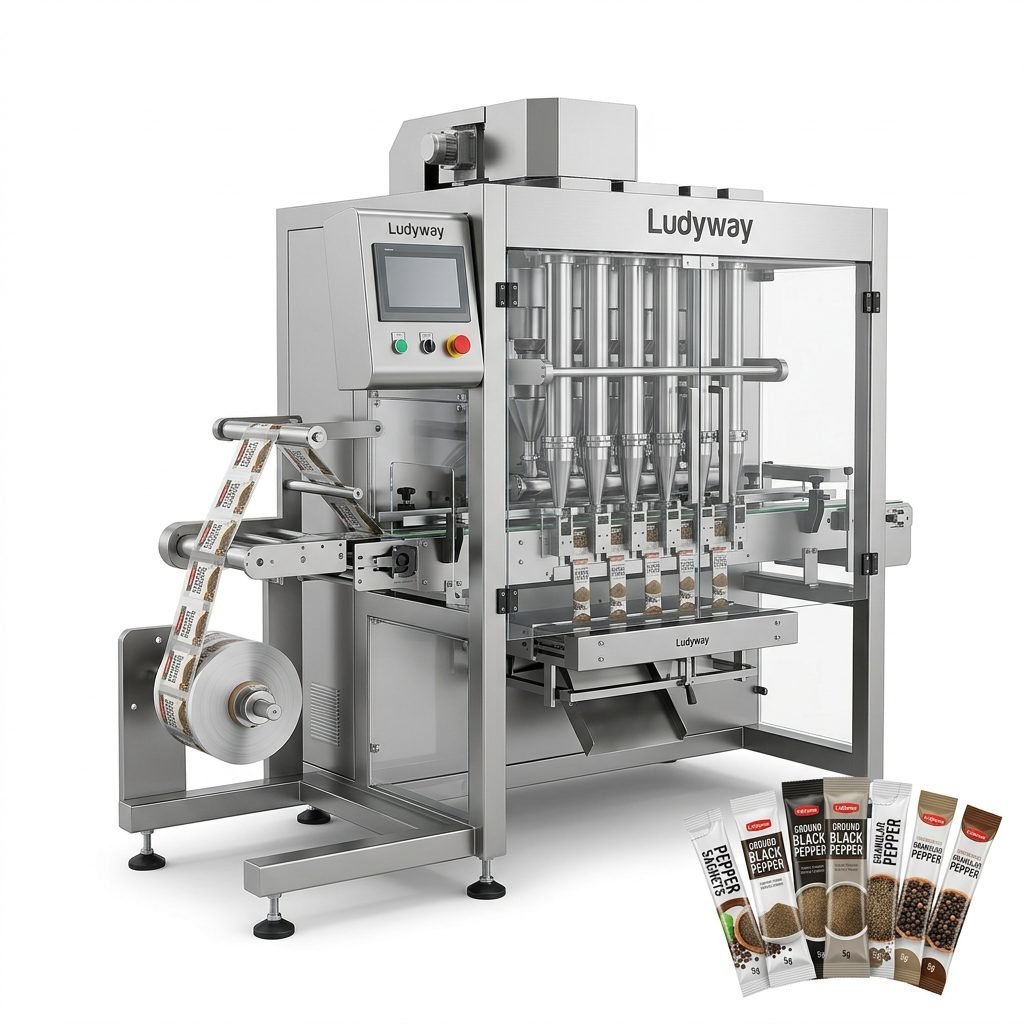
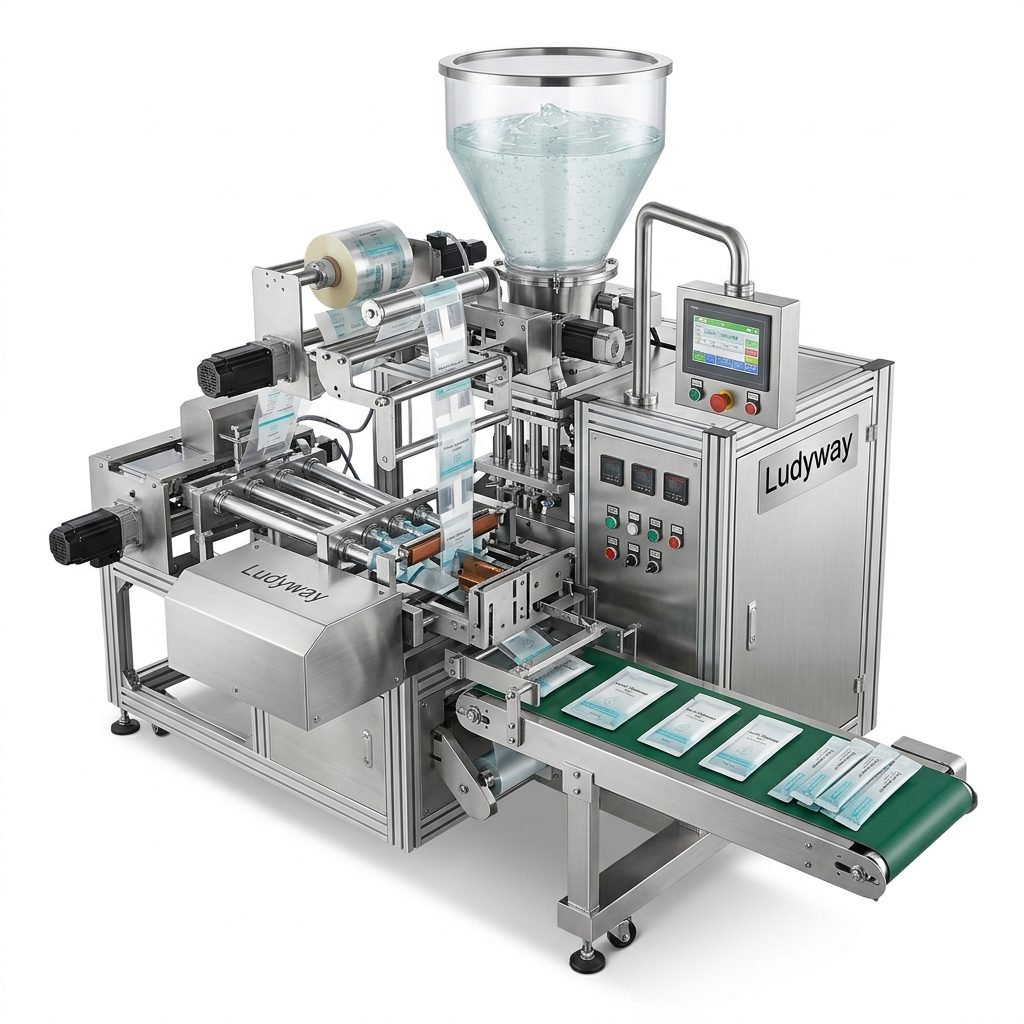
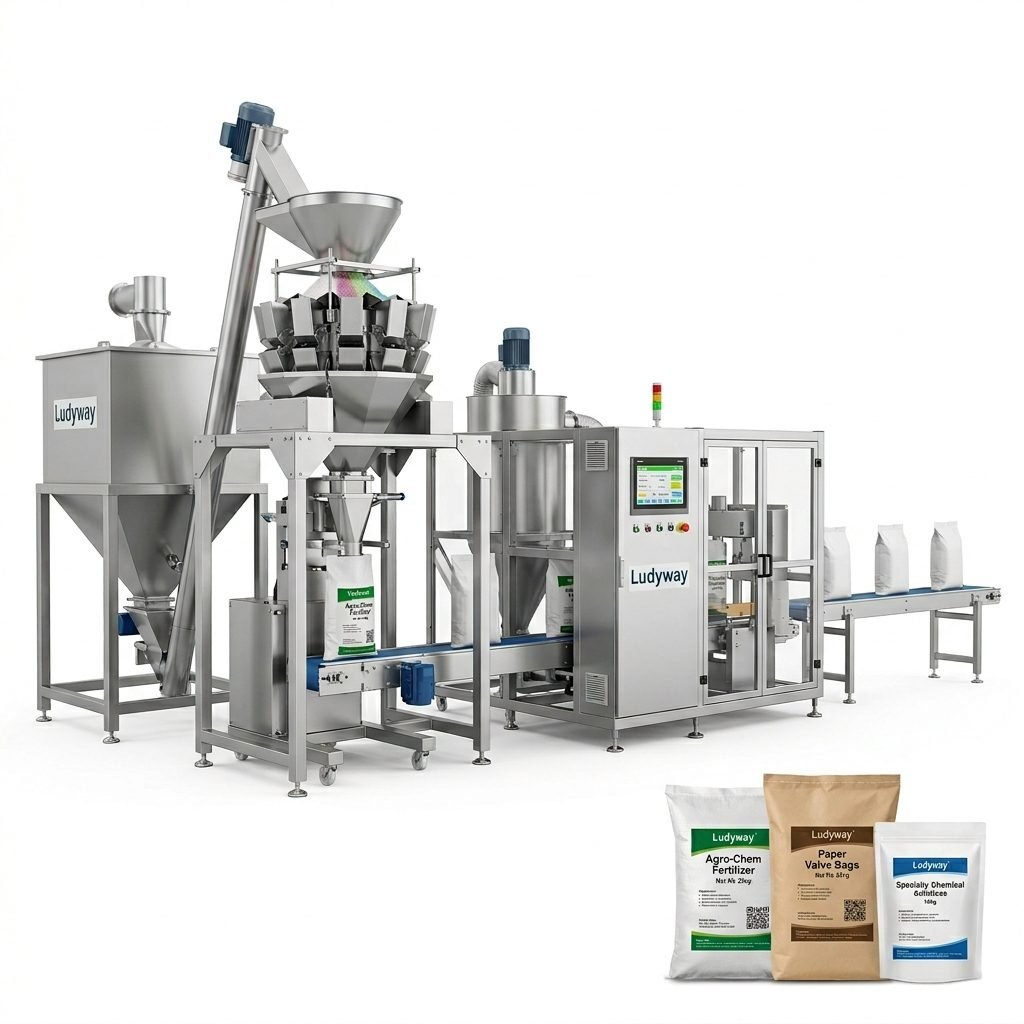
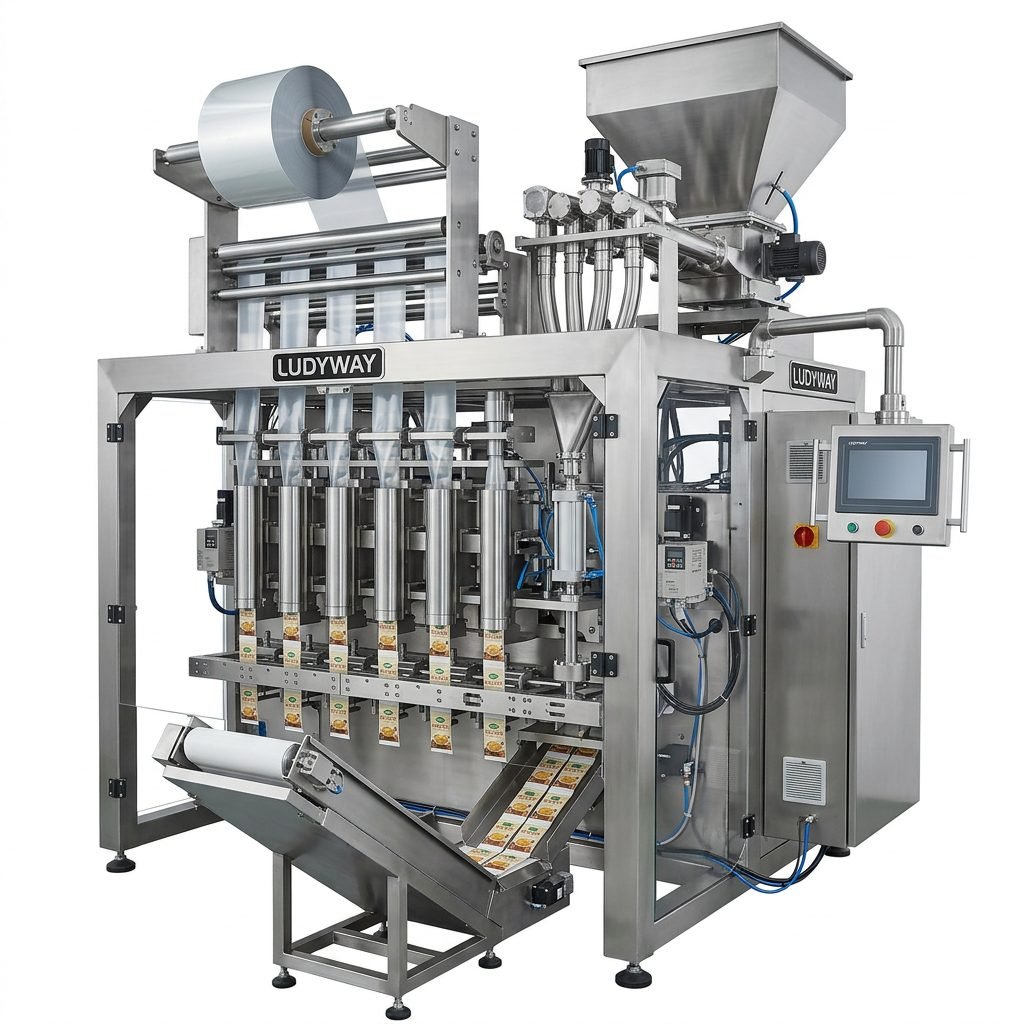
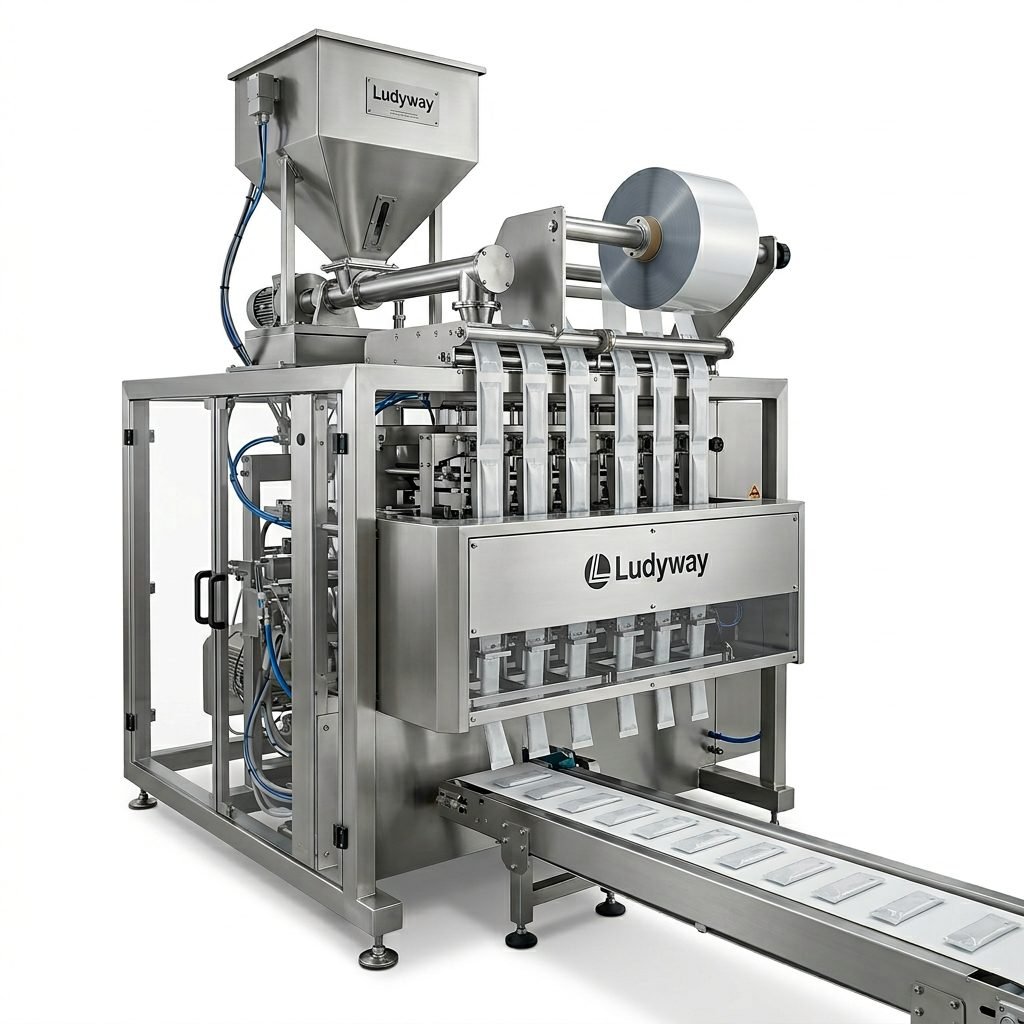
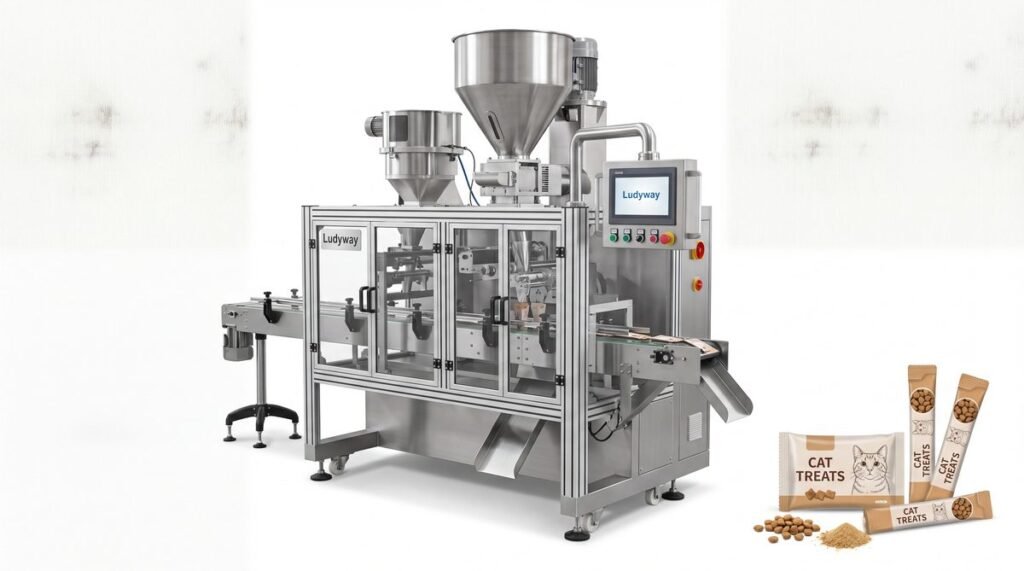
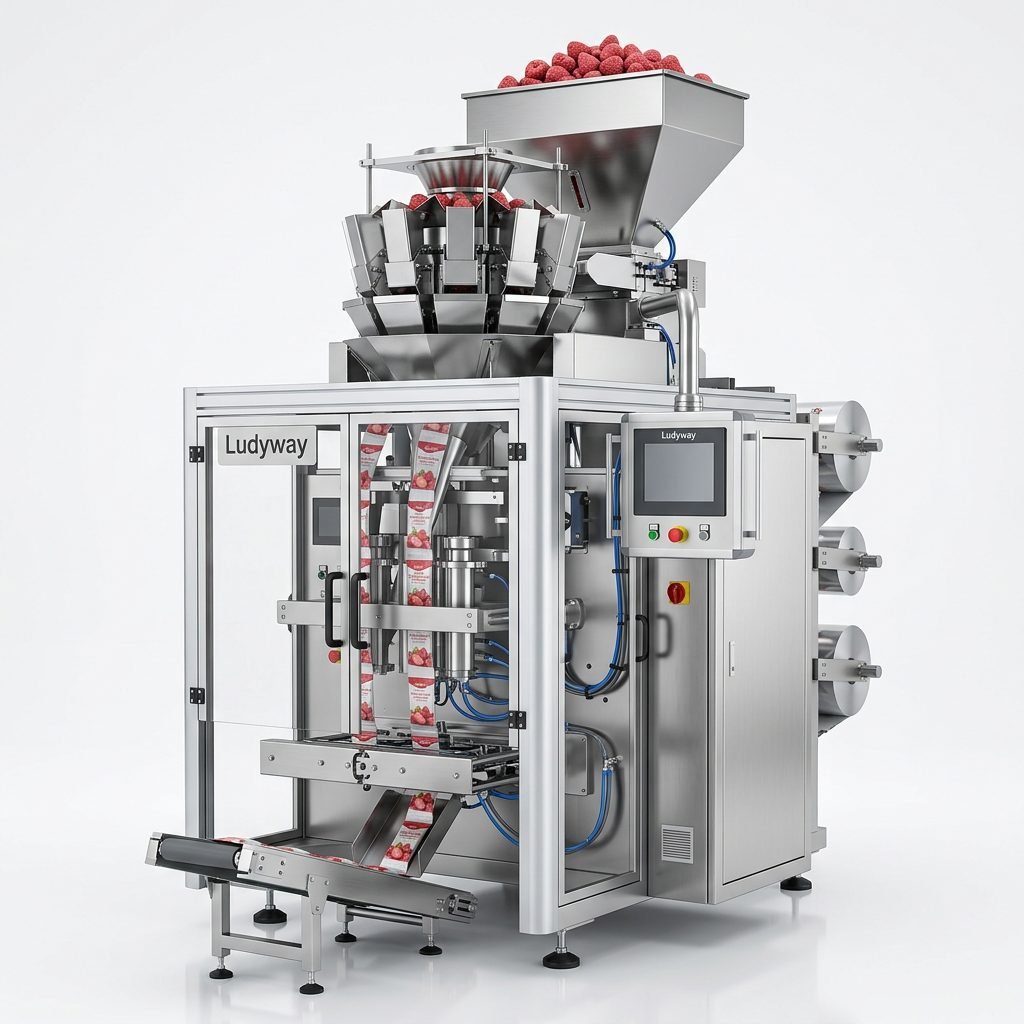
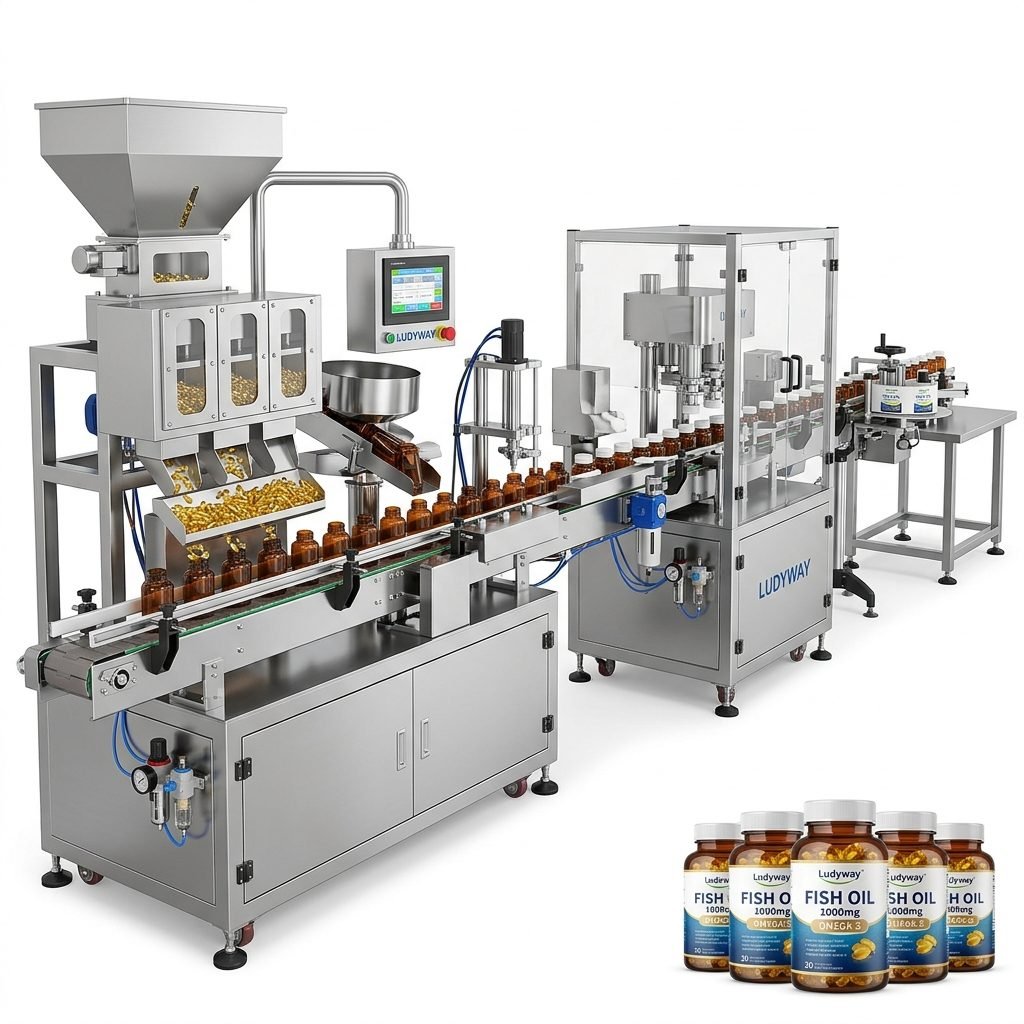
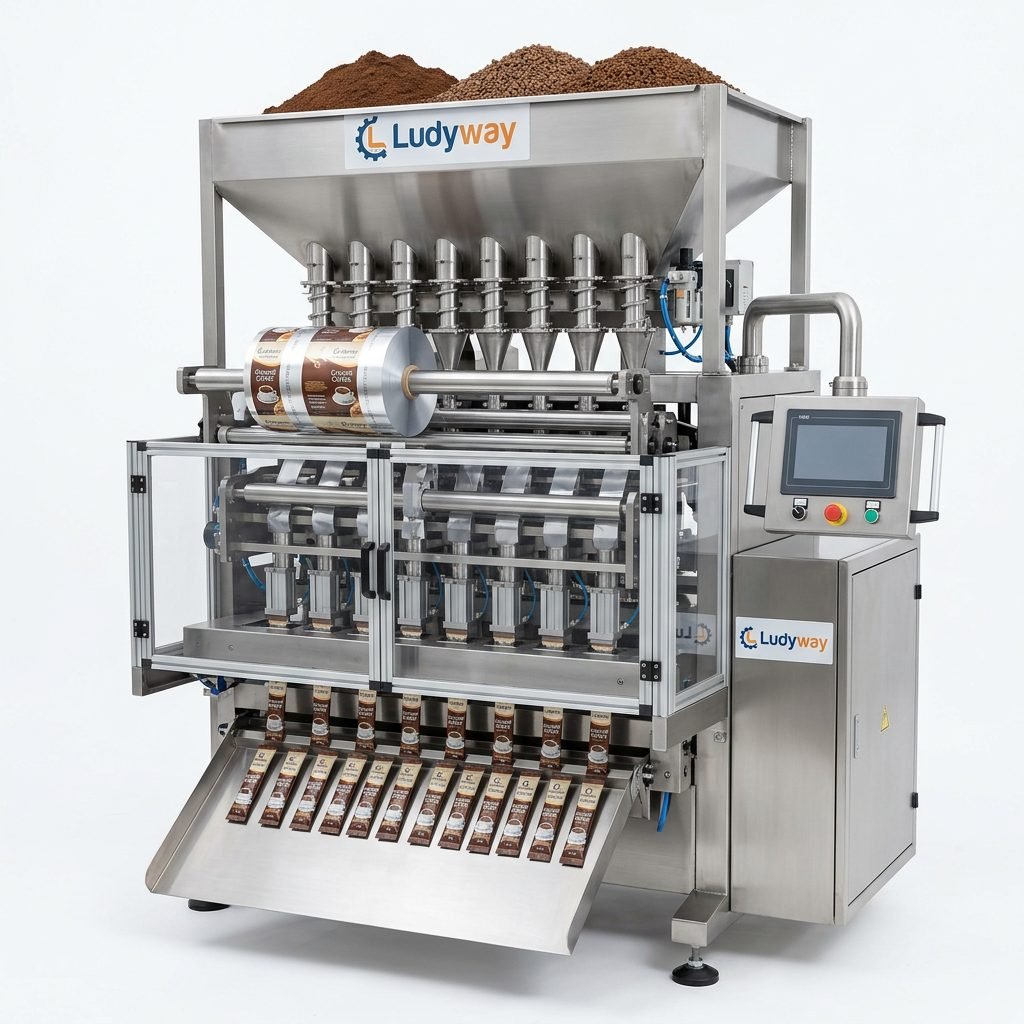
Among the suppliers serving the international market, Ludyway is one of the largest packaging machine manufacturers in China, specialising in advanced packaging equipment and turnkey production solutions for the food, pharmaceutical, and health industries. With over 30 years of industry expertise and a modern 20,000㎡ manufacturing facility, the company offers more than 50 intelligent packaging machine models, including multi-lane stick pack, sachet, and fully automated packaging systems, serving customers in over 100 countries and regions.
Making the Final Decision
Investing in a coffee pod packaging machine in the UK requires careful evaluation of your production goals, budget, and long-term growth plans. We recommend:
- Define your production requirements: Current and projected output volumes, capsule formats, and desired automation level.
- Request factory acceptance testing (FAT): Where possible, visit the manufacturer’s facility to witness the machine running with your actual coffee blend.
- Calculate total cost of ownership: Factor in installation, training, maintenance, and energy consumption alongside the purchase price.
- Verify UK compliance: Ensure all necessary certifications and documentation are in place before shipment.
- Negotiate after-sales terms: Secure favourable service level agreements and spare parts availability for the UK market.

The right coffee pod packaging machine can transform your production efficiency, enhance product quality, and position your brand competitively within the dynamic UK coffee market. By thoroughly evaluating machine specifications, supplier credentials, and regulatory requirements, UK buyers can make informed decisions that deliver lasting value.