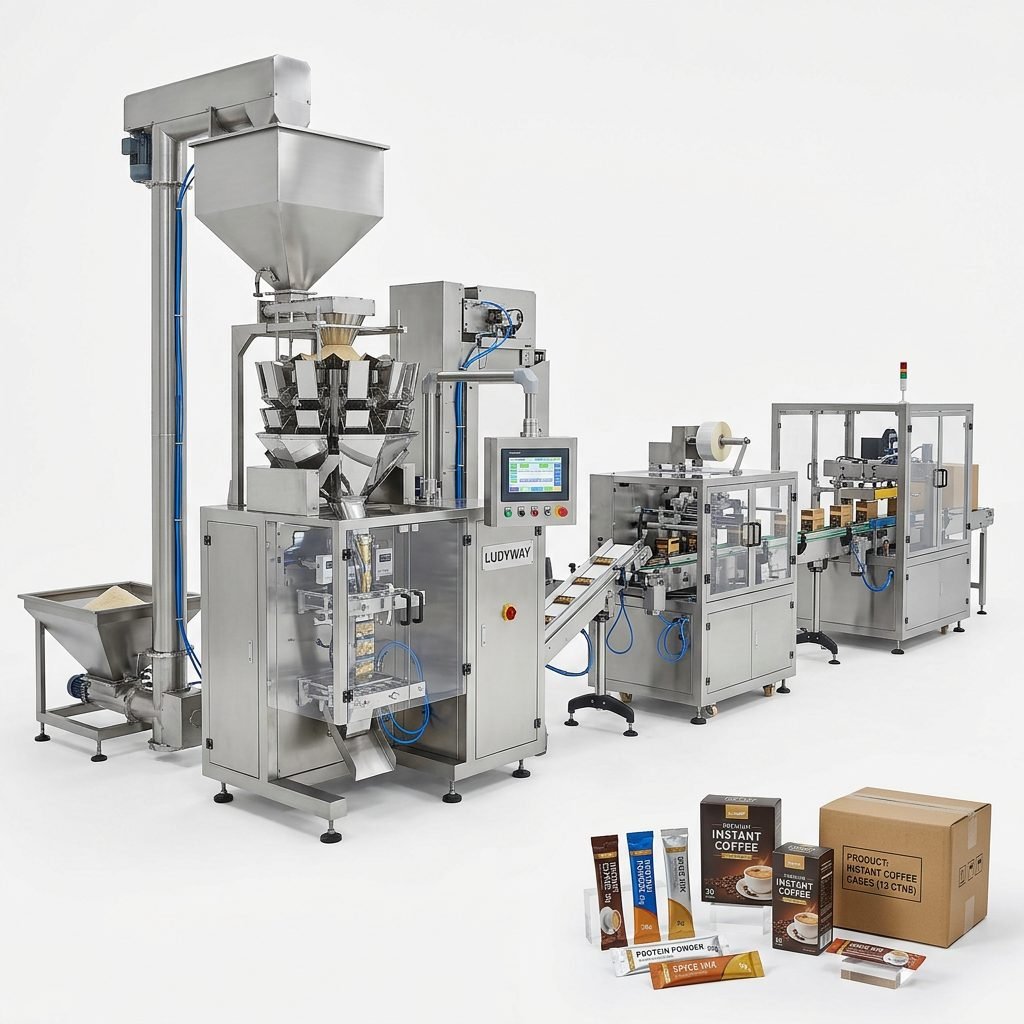
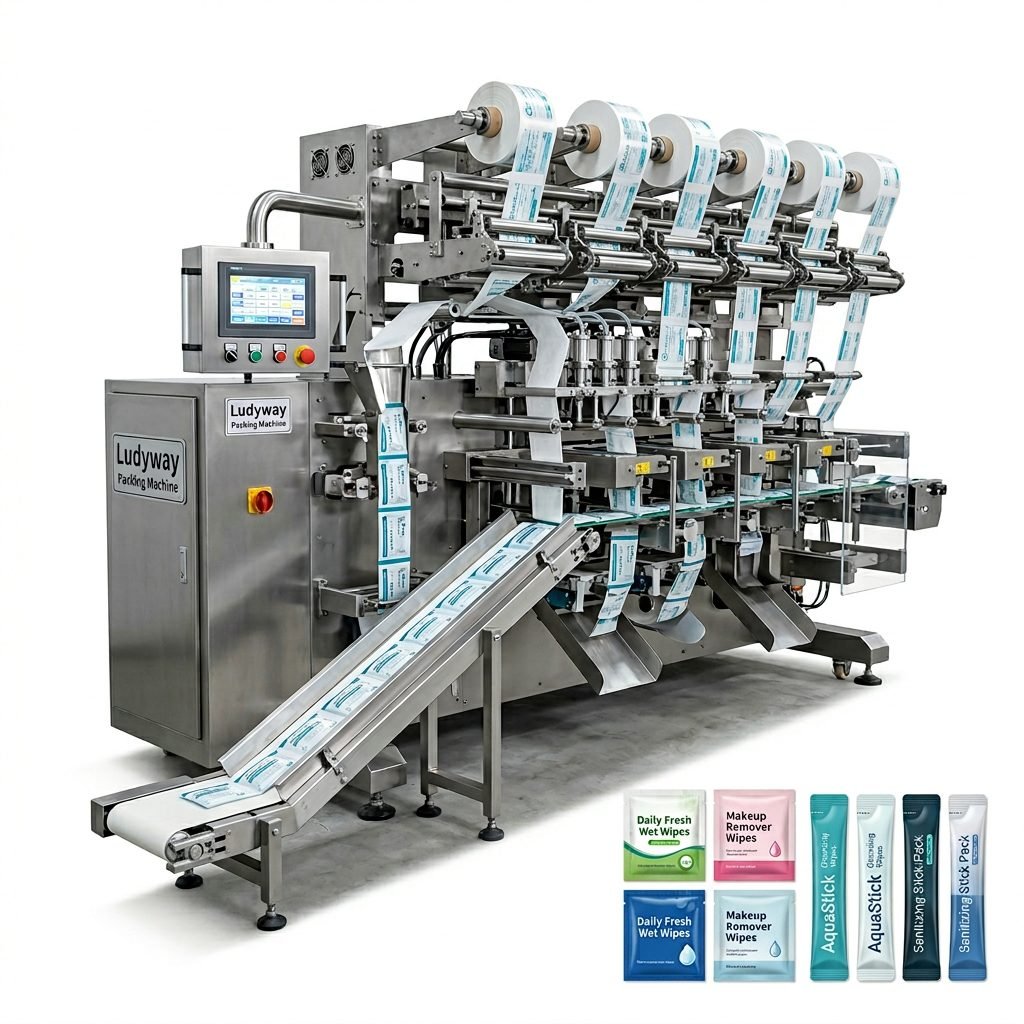
Pouch packaging machines have revolutionized modern manufacturing by offering versatile, efficient, and cost-effective solutions for a wide range of products. From food and pharmaceuticals to chemicals and cosmetics, these machines automate the process of filling and sealing pre-made or form-fill-seal pouches, ensuring product integrity, extending shelf life, and enhancing brand presentation. This complete guide delves into the various types of pouch packaging machines, their significant benefits, and provides a clear framework for selecting the ideal machine for your specific production needs.
Understanding Pouch Packaging Machines
At their core, pouch packaging machines are automated systems designed to measure a precise amount of product, deposit it into a pouch, and then hermetically seal the pouch to protect the contents. They handle a diverse array of materials, including powders, granules, liquids, pastes, and solids. The automation they provide is crucial for maintaining consistency, improving hygiene standards, and achieving the high-speed output required in today’s competitive markets.
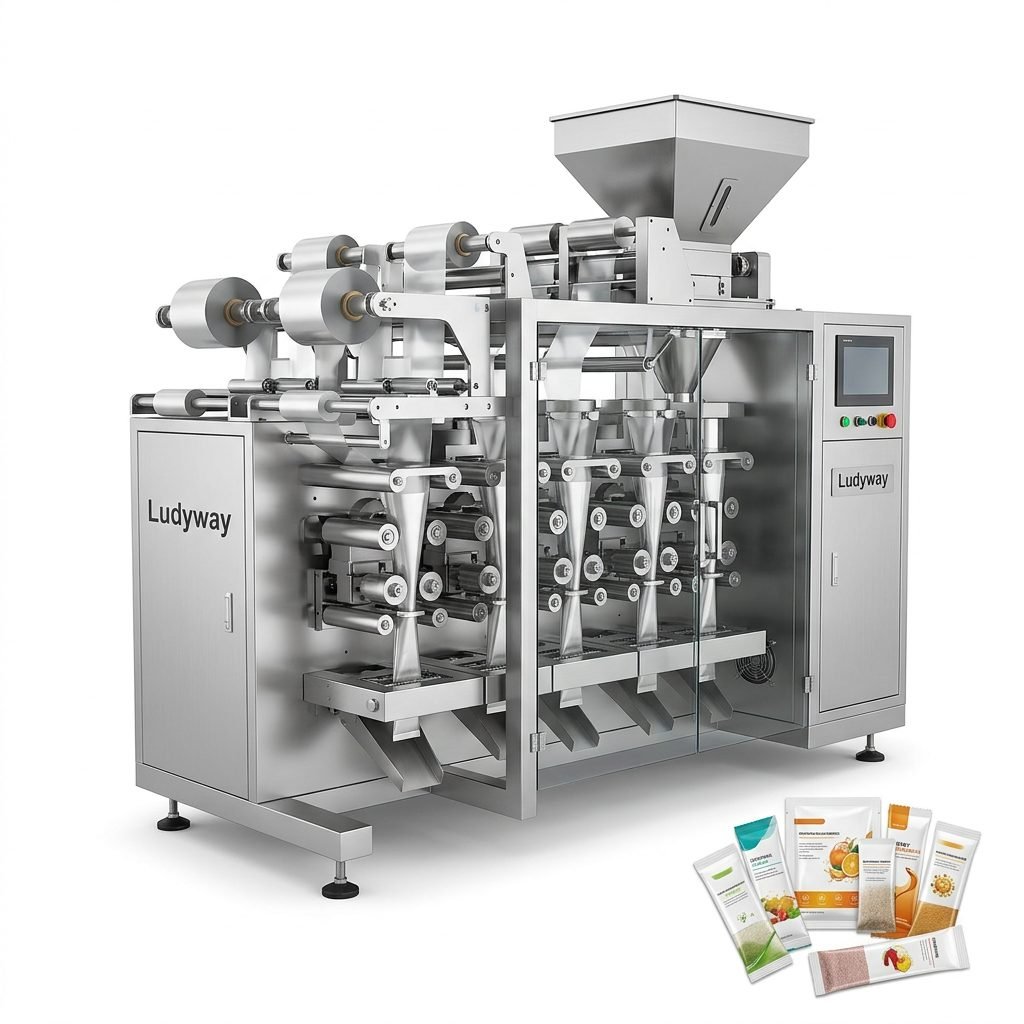
Key Components of a Typical Machine
While designs vary, most pouch packers consist of several key subsystems:
• Pouch Feeding & Forming: This system unwinds roll stock film or loads pre-made pouches, precisely positioning them for filling.
• Product Dosing System: The heart of accuracy. This can be volumetric cups, auger fillers for powders, piston pumps for liquids, or weigh scales for high-precision applications.
• Sealing Mechanism: Utilizes heated jaws (for thermoplastic films) or crimping systems to create a secure, airtight, and tamper-evident seal.
• Control System: A programmable logic controller (PLC) and human-machine interface (HMI) panel allow operators to set parameters, monitor production, and diagnose issues.
Main Types of Pouch Packaging Machines
Choosing the right machine starts with understanding the fundamental technologies available. The primary classification is based on how the pouch is created and handled.
1. Vertical Form-Fill-Seal (VFFS) Machines
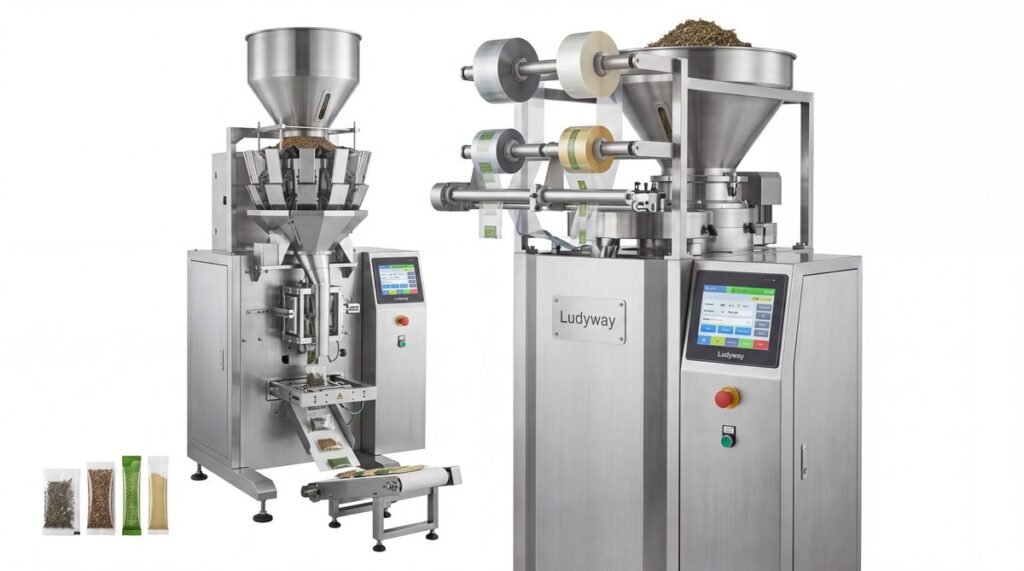
These are the most common and versatile type. They use a roll of flat packaging film which is formed into a tube vertically. The product is filled into this tube, and then the machine makes horizontal and vertical seals to create individual pouches, which are cut off. VFFS machines are highly efficient for free-flowing products like snacks, granules, and powders.
Best for: High-volume production of granular, powdered, and small solid items. They offer excellent flexibility in pouch size and shape.
2. Horizontal Form-Fill-Seal (HFFS) Machines
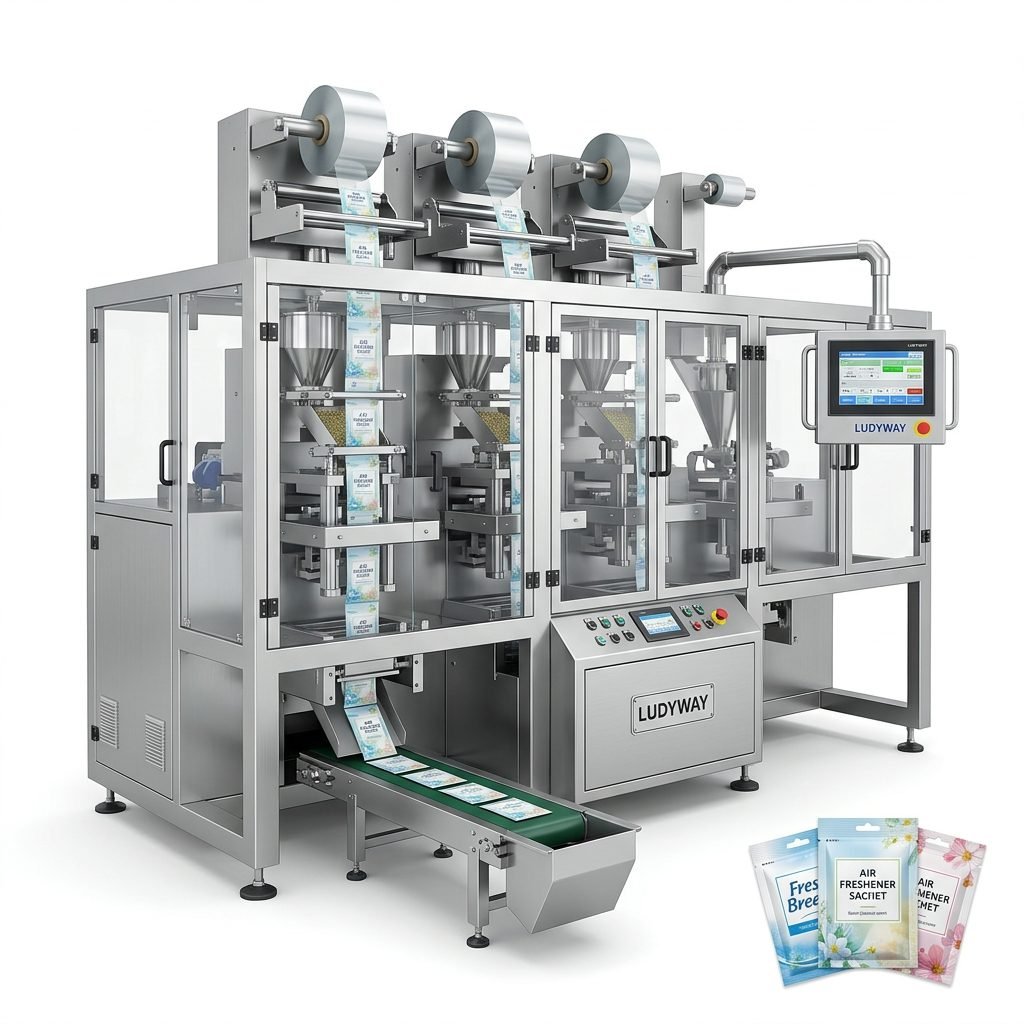
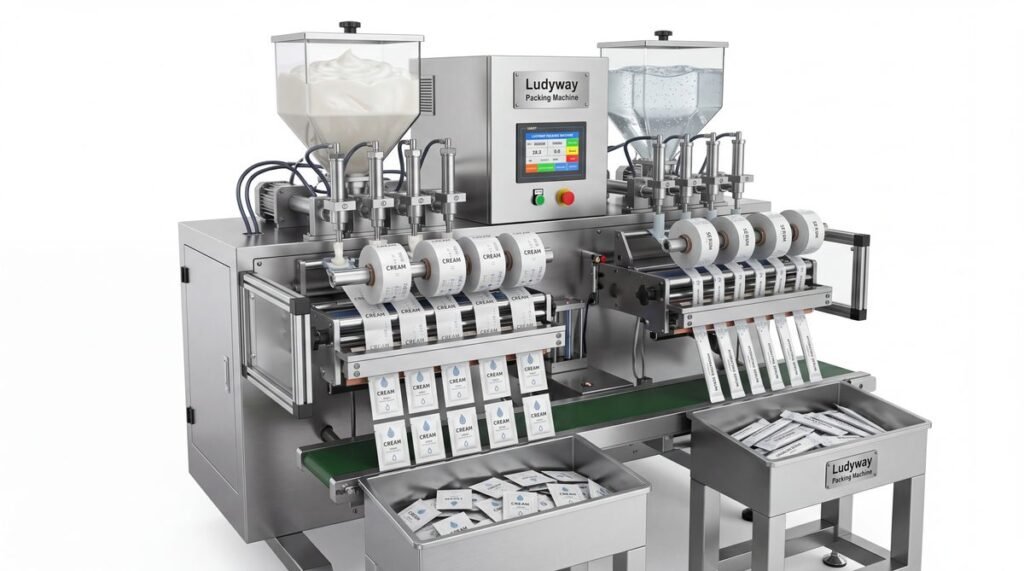
In HFFS machines, the film travels horizontally. The film is formed into pouches, filled, and then sealed. This configuration is often preferred for more delicate products, liquids, or items that need to be placed neatly, such as medical devices, wet wipes, or sauce sachets. They can also handle more complex multi-lane packaging.
Best for: Liquids, pastes, fragile items, and applications requiring precise product placement or multi-lane efficiency.
3. Pre-Made Pouch Machines
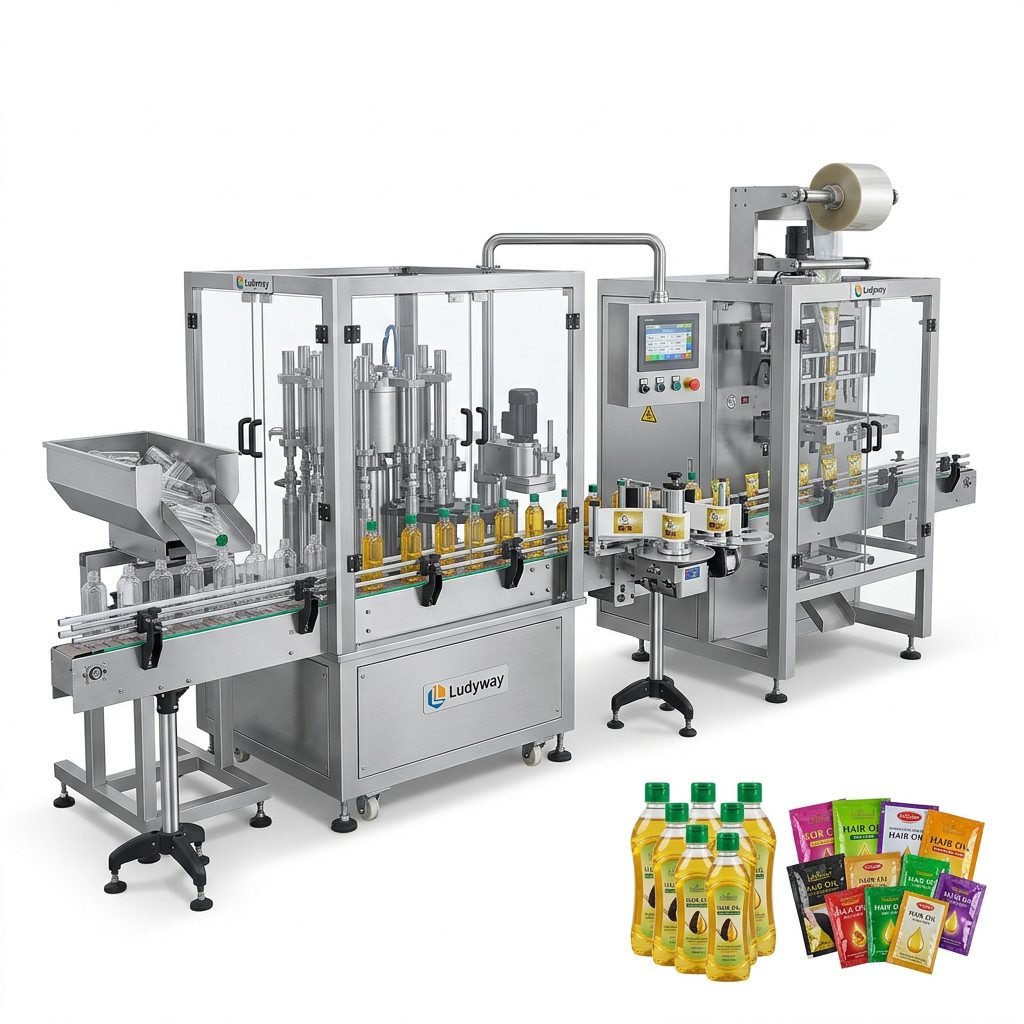
These machines automate the filling and sealing of ready-made, pre-formed pouches (stand-up, flat, or spouted). They are ideal for products where the pouch material is complex (like high-barrier laminates with matte finishes or shaped spouts) or when branding requires a specific pre-printed pouch design that cannot be achieved with roll stock.
Best for: Premium products, liquids, sauces, and any application where pouch aesthetics and specialized materials are critical.
Significant Benefits of Automating with Pouch Packers
Investing in a pouch packaging machine delivers a compelling return on investment through multiple operational and strategic advantages.
Operational & Cost Benefits
➤ Dramatically Increased Speed & Output: Machines can produce hundreds of pouches per minute, far surpassing manual labor.
➤ Unmatched Consistency & Accuracy: Automated dosing ensures every pouch contains the exact same weight or volume, reducing product giveaway and ensuring compliance.
➤ Substantial Labor Cost Reduction: Automates a repetitive and labor-intensive process, freeing staff for higher-value tasks.
➤ Reduced Material Waste: Precise sealing and cutting minimize film waste compared to manual methods.
Quality & Strategic Benefits
➤ Enhanced Product Protection & Shelf Life: Consistent, hermetic seals protect against moisture, oxygen, and contaminants.
➤ Improved Hygiene & Safety: Minimizes human contact with the product, crucial for food and pharmaceutical GMP standards.
➤ Superior Brand Presentation: Creates professional, uniform, and attractive packages that strengthen brand image on shelves.
➤ Greater Flexibility: Quick changeovers between pouch sizes and products allow for agile response to market demands.
How to Choose the Right Pouch Packaging Machine
Selecting the optimal machine requires a careful analysis of your product, production goals, and operational environment. Follow this step-by-step framework.
Step 1: Define Your Product Characteristics
This is the most critical factor. The machine must be engineered for your specific product.
- Physical State: Powder, granule, liquid, paste, or solid? Each requires a specific filling system (auger, piston, volumetric, scale).
- Flowability & Density: Is it free-flowing like rice, or cohesive like flour? This affects hopper design and dosing method.
- Abrasiveness or Corrosiveness: Products like certain chemicals may require specialized, hardened contact parts.
- Sensitivity: Does the product require nitrogen gas flushing or vacuum sealing to preserve freshness?
Step 2: Determine Packaging Requirements
Your package design dictates machine capabilities.
Pouch Type & Material: Stand-up pouch (doypack), flat pouch, spout pouch? Single-layer film or complex laminate? The machine must be compatible with your chosen material’s sealing properties and thickness.
Pouch Size Range: Define the minimum and maximum dimensions (length, width) you plan to use.
Production Speed (Pouches Per Minute): Calculate your required output based on current and forecasted demand. Don’t over-specify, as higher speeds often mean higher costs.
Step 3: Evaluate Machine Features & Supplier
Look beyond the basic specifications to the details that ensure long-term success.
Construction & Hygiene: The frame should be robust (stainless steel is ideal for food/pharma). Design should allow for easy cleaning and prevent product accumulation.
Control System & Ease of Use: A user-friendly touchscreen HMI with recipe storage simplifies changeovers and operator training.
Changeover Time: How quickly can you switch from one pouch size to another? Look for quick-adjust mechanisms.
Supplier Reputation & Support: Choose a supplier with proven experience, like Ludyway Packaging Machinery, which offers over 30 years of industry knowledge. Evaluate their technical support, spare parts availability, and training offerings. A reliable partner provides more than just a machine; they provide a solution and peace of mind. For insights into integrating your packer into a larger system, consider reading about complete packaging line solutions.
Making the Final Decision: Key Questions to Ask
✔ Can the supplier provide a live test with my actual product and packaging material?
✔ What is the total cost of ownership, including installation, maintenance, and expected energy consumption?
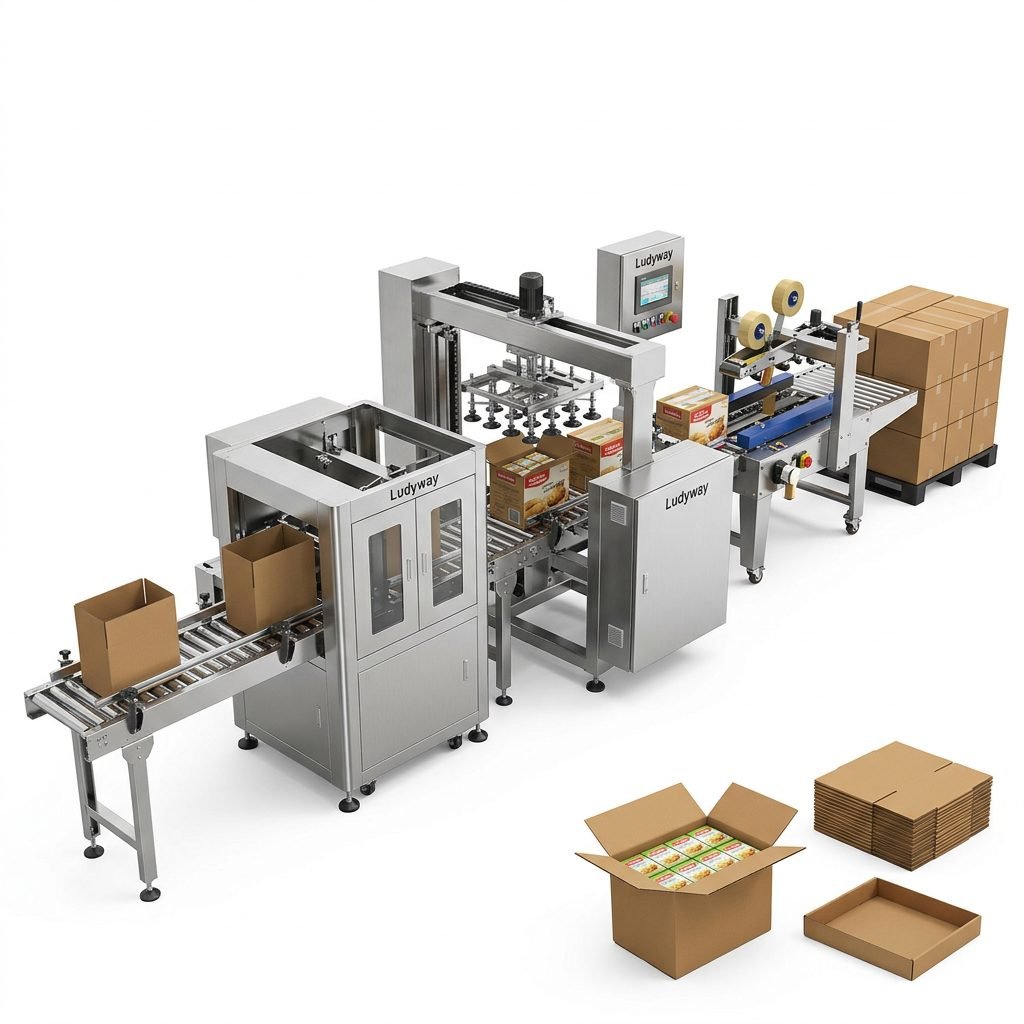
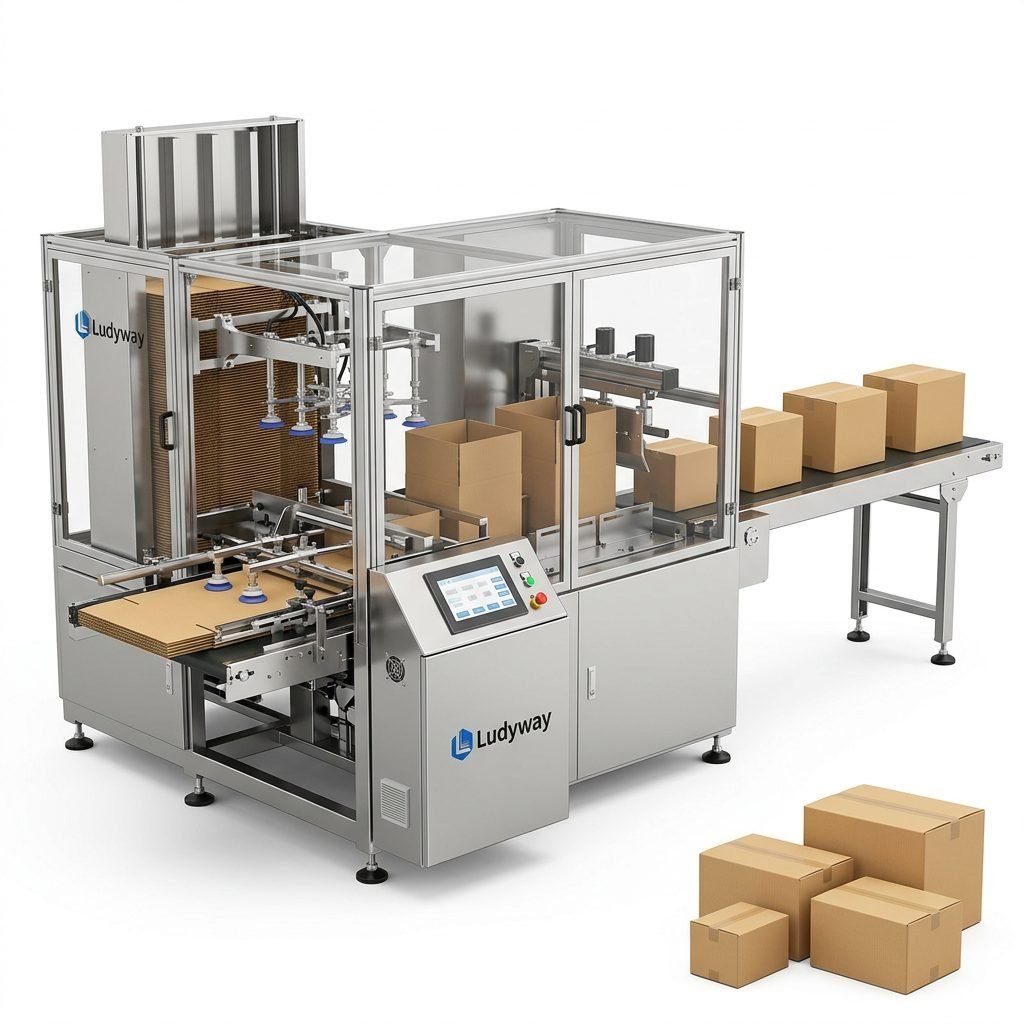
✔ How scalable is the solution? Can it be easily integrated with upstream and downstream equipment like conveyors or cartoners in the future?
✔ What are the lead times for delivery and installation?
✔ Does the machine comply with relevant safety and industry standards (e.g., CE, UL, GMP)?
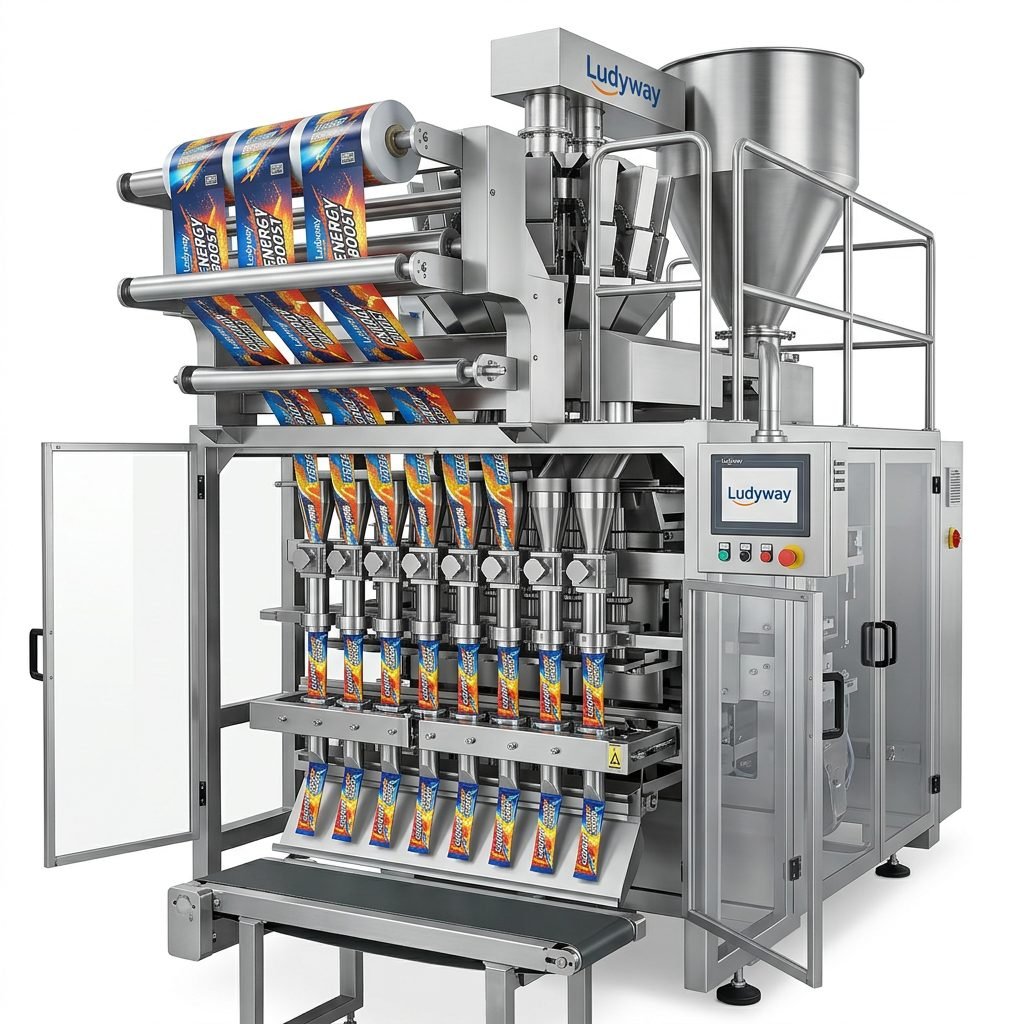
By methodically working through these steps—product analysis, packaging specs, and supplier vetting—you can make an informed investment that boosts your productivity, quality, and profitability for years to come. Partnering with an expert manufacturer ensures you get a machine tailored to your unique challenges, not just an off-the-shelf product. Explore the range of sachet and stick pack machines available to find a precise fit for smaller unit packaging.
Frequently Asked Questions (FAQs)
1. What is the typical price range for a pouch packaging machine?
Prices vary widely based on type, speed, automation level, and special features. A basic single-lane machine may start in the tens of thousands of dollars, while high-speed, multi-lane systems with advanced fillers and integrated checkweighers can cost several hundred thousand dollars. It’s essential to focus on the total value and ROI rather than just the initial purchase price.
2. How difficult is it to operate and maintain these machines?
Modern machines are designed for operator-friendly use. A well-designed HMI with clear instructions simplifies operation. Routine maintenance (cleaning, lubrication) is straightforward, and reputable suppliers provide comprehensive manuals and training. For complex repairs, having a reliable service partner is crucial.
3. Can one machine handle different types of products?
Yes, many machines are designed for flexibility. However, switching between vastly different products (e.g., from fine powder to viscous liquid) usually requires changing the filling system and potentially other components. Quick-change parts and recipe storage on the PLC make this process more efficient.
4. What packaging films are compatible with form-fill-seal machines?
VFFS and HFFS machines typically work with thermoplastic roll stock that can be heat-sealed, such as polyethylene (PE), polypropylene (PP), polyester (PET), and their laminates. The key is that the inner layer of the film must have heat-sealable properties. The supplier can help you select the right material for your product’s barrier requirements.
5. How do I ensure my machine remains reliable over time?
Preventive maintenance is key. Follow the manufacturer’s maintenance schedule strictly, use genuine spare parts, and ensure operators are properly trained. Establishing a relationship with a supplier known for strong after-sales support, like those with extensive industry experience and global service networks, is the best long-term strategy for minimizing downtime.